Wednesday, November 25, 2020
Which Muslim State Is Pressuring Pakistan To Normalize With Israel?
The Pakistani prime minister made headlines last week when he revealed that Islamabad has been under pressure from some “friendly” nations to recognize Israel.
Although he stopped short of naming them despite being repeatedly asked whether they were Muslim or non-Muslim countries, many believe Imran Khan was referring to Saudi Arabia and the United Arab Emirates.
“Leave this [question]. There are things we cannot say. We have good relations with them,” Khan told the interviewer.
The UAE and Bahrain recently established diplomatic and economic relations with Israel. Some other Gulf countries, including Saudi Arabia, are also weighing options to normalize relations.
“Let us stand on our own feet in terms of the economy, then you may ask these questions,” Khan further said, referring to Islamabad’s longstanding economic dependence on the oil-rich Gulf states.
Terming the reports “fabricated,” a spokesperson for the Foreign Ministry said Khan was “misquoted” as there is no such pressure on Islamabad to recognize Tel Aviv.
Though Khan clearly articulated Pakistan’s position that unless a just settlement of the Palestine issue — satisfactory to Palestinians — was found, Pakistan could not recognize Israel, Islamabad is abuzz with rumors about a possible Saudi role.
While Saudi Arabia has not yet recognized Israel, it is widely believed that the UAE and Bahrain could not have crossed the “red line” without Riyadh’s approval.
No official confirmation
Mohammad Ali Siddiqi, a Karachi-based analyst who often writes on the Middle East, does not eliminate the possibility of Riyadh putting pressure on Islamabad to normalize relations with Tel Aviv.
“As for Saudi pressure, yes, it cannot be ruled out,” Siddiqi told Anadolu Agency, saying if Pakistan recognizes the Jewish state, credit will go to Riyadh.
“The MBS could be quite calculating,” he said, referring to Saudi Crown Prince Mohammed bin Salman. “If one were to believe what [Turkish President] Recep Tayyip Erdogan said, MBS threatened to expel all Pakistani workers in the kingdom if Imran Khan attended the Kuala Lumpur Summit last December.”
Pakistan refused to attend the summit at the eleventh hour reportedly due to pressure from Saudi Arabia, which saw the forum as an alternative to the Organization of Islamic Cooperation.
According to Siddiqi, Pakistani officials, even former officials, however, would not confirm or deny if there is any pressure on Pakistan to recognize Israel.
But if countries are exerting pressure, is Saudi Arabia among them?
No Saudi pressure
Lt. Gen. (retd.) Talat Masood, an Islamabad-based security analyst, said Riyadh is not persuading Pakistan to recognize Israel.
“The Arab states are normalizing their ties with Israel under a narrow approach purely based on political and economic gains at the cost of values. They no longer care much about the Palestine cause,” he told Anadolu Agency.
“There could be a little Saudi role to woo Pakistan in this regard, but by and large, I don’t think there is any pressure,” said Masood, who served in the Pakistani army till 1990.
Pakistan’s former ambassador to Saudi Arabia Shahid Amin shared a similar opinion. “Why would Saudi Arabia do that… after the Foreign Ministry’s clarification, it should be cleared. Pakistan does not fit in this picture,” he said.
Amin, nonetheless, acknowledged that Abu Dhabi and Manama have normalized ties with Tel Aviv with Riyadh’s consent.
But, he said, it would be difficult for Riyadh to do so, given the internal and external issues it could face. “Saudi Arabia spearheads the Muslim world, its recognition will invite too many problems for itself,” he explained.
Echoing Amin’s views, Siddiqi said: “Saudi Arabia commands a unique position in the Islamic fraternity. Its kings call themselves servants of the two holy places [of Mecca and Medina]. For that reason, it cannot afford to shock the Muslim world to take a decision that many Muslims could regard as a betrayal of not just the Palestinian cause but of the Islamic cause.”
Masood, however, said it is just a matter of time that the kingdom follows in the footsteps of UAE and Bahrain, saying that it let both the countries get on with it to test the waters. “This was to prepare the Saudi public to digest the huge move.”
Islamabad not to bow to pressure
But even if there is pressure, Pakistan will not bow to that, according to Masood.
“Imran Khan fully understands that Pakistanis will never accept any decision which aims to recognize or normalize ties with Israel. That’s what he has made it clear that time and again,” he said. “Saudi Arabia too knows this very well.”
Supporting his view, Siddiqi said “a hasty recognition could unleash a wave of extremist backlash, which the weak and beleaguered Imran Khan government cannot afford.”
Pakistan’s relationships with Gulf states have a strong economic basis. Huge amounts of remittances are sent by expatriate Pakistanis in Saudi Arabia, the UAE, Qatar and Kuwait, among others.
Saudi Arabia and the UAE jointly host over three million Pakistanis.
Saudi Arabia, where 1.9 million Pakistanis reside, tops the list of countries with the highest amount of remittances sent to Pakistan — over $4.5 billion annually — followed by the UAE with over $3.47 billion, according to Pakistan’s central bank.
The kingdom and the emirates are also Pakistan’s largest regional trading partners, which have together exported goods and services, mainly crude oil, worth over $7 billion to Pakistan in the current fiscal year.
Islamabad’s exports to these countries stood at $852 million and $300 million, respectively, in 2019/2020.
In recent years, however, Pakistan’s ties with the traditional Gulf allies have taken a toll due to its “neutrality” on several issues, including the war in Yemen and the blockade of Qatar by a Saudi-led Arab alliance.
Riyadh also seems irked by criticism from Islamabad that it has been lukewarm on the long-standing Kashmir dispute. Some local and international media took Khan as hinting at the US, Pakistan’s longtime ally in the so-called war against terrorism, a contention quickly rejected by Islamabad.
https://www.eurasiareview.com/25112020-which-muslim-state-is-pressuring-pakistan-to-normalize-with-israel/
China quietly fuels India and Pakistan’s next conflict
Bilawal Bhutto condemns PTI govt's 'thuggery' as PPP's Ali Musa Gilani confirms own arrest
PPP leader Ali Musa Gilani on Wednesday confirmed that he has been arrested by police following a rally ahead of the Pakistan Democratic Movement's (PDM) upcoming jalsa, with the party chairperson terming the move as the PTI government's "thuggery".
The Multan Police "have arrested me and my colleagues", Ali Musa Gilani told Geo News in a telephonic conversation. "I requested [a copy] of the FIR registered against me but I'm not being provided" one by the police, he added.
The Multan Police, in a statement, said a case was registered against Ali Musa Gilani for holding a rally today despite the ban. "We have nominated 30 leaders of the PPP and the PML-N in the FIR," they added, noting that at least 50 other unidentified political workers were booked as well.
Suppressing 'people's movement by force'
PPP Chairperson Bilawal Bhutto-Zardari strongly condemned the arrest of Ali Musa Gilani, saying it was "thuggery and bullying by the selected rulers".
"The government now wants to suppress the people's movement by force," Bilawal Bhutto added.
He said the "regime is scared" and knew that "people stand with democracy not with selected government", vowing to go ahead with the Nov 30 protest — which he said was "our democratic right".
'Sputters of a dying flame'
Condemnations against Ali Musa's arrest, as well as the case against Kasim Gilani, Abdul Kadir Gilani, and Ali Haider Gilani, poured in from PPP leaders across the country.
"This is a cowardice act from the puppet govt," the general secretary of the PPP's South Punjab chapter, Natasha Daultana, said on Twitter.
The information secretary of PPP's Central Punjab chapter, Syed Hassan Murtaza, said the arrest showed "the cowardice of the government" but the party workers were not afraid at all.
"The government's actions are like the sputters of a dying flame," Murtaza said on Twitter, adding that "the rule of the Niazi gang will now definitely come to an end".
'Shameful image of a fascist govt'
PML-N Vice President Maryam Nawaz, who has been at the forefront of the PDM coalition alongside Bilawal Bhutto, also condemned the arrest, terming it "shameful image of a fascist government".
"Reflects extreme fear. We condemn Ali Musa Gillani’s arrest but reiterate our resolve to rid Pak of the inept selected and his govt. Insha’Allah," Maryam said on Twitter.
Multan Police denied arrest earlier
Earlier, a spokesperson for the Gilani House had said at least three PPP officials, including the former prime minister's son, Ali Musa, were arrested but the Multan Police had denied the claims.
The Multan Police had told the media that Ali Musa Gilani — the son of PPP leader and former prime minister Yousaf Raza Gilani — had arrived at the police station alongside other political workers to meet their arrested colleagues.
"Ali Musa Gilani has not been arrested; he is in the police station due to the throng of the workers outside," the Multan Police said.
Yousaf Raza Gilani leads Multan rally
Prior to that, PPP leader Yousaf Raza Gilani led a rally here from Nawan Shehr ahead of the Pakistan Democratic Movement's (PDM) upcoming jalsa, where his son, Ali Musa, had torn apart a copy of a first information report (FIR) terming it "bogus".
The rally — from Multan's Nawan Shehr to Ghanta Ghar Chowk — was led by the PPP in preparation for the PDM's jalsa meeting on November 30.
Multan's deputy commissioner, Amir Khattak, said the district administration had not allowed the PPP to hold a rally. Consequently, heavy contingents of police were deployed on all roads leading to the city's Nawan Shehr.
Both DC Khattak and Multan's Capital City Police Officer (CCPO) Muhammad Hassan Raza Khan were there at the site as well.
Moreover, there were severe traffic jams on the roads towards Nawan Shehr, with blockages reported on Chowk Dera Ada, Kalma Chowk, Tariq Road, and Abdali Road.
'No response' to request for permission
Local authorities had installed barriers at the rally's main areas and routes to discourage people from entering but the participants and the PPP's political workers removed them.
The rally's leadership claimed that they had submitted a request for the gathering, as well as for the PDM's jalsa in Qila Kohna Qasim Bagh Stadium, two weeks prior but the district administration had not responded.
The PPP leader's son, Syed Ali Musa Gilani, joined the rally, whereupon he got hold of a copy of a case filed against the gathering and tore it apart in front of the participants.
"The district administration lodged a false FIR for breaking the locks of the venue," Musa Gilani said.
'Bogus FIR based on false, ridiculous charges'
Former prime minister Gillani's son Kasim also talked about the rally on Twitter before sharing a copy of the FIR in another post.
"The Punjab government has registered a bogus FIR based on false and ridiculous charges Abdul Qadir Gilani, myself and [PPP/PDM]," he said.
The three sons of the former prime minister, including Musa and Kasim, reached the Lohari Gate police station after a case was filed against them a day earlier and offered the authorities to arrest them on the spot.
https://www.geo.tv/latest/320519-ppp-yousaf-raza-gilani-leads-rally-ahead-of-pakistan-democratic-movement-pdm-jalsa-son-musa-fir
Tuesday, November 24, 2020
Khadim Rizvi’s blasphemy fire will only intensify. It’s out of Imran Khan govt’s control now

@iamthedrifter
The Tehreek-e-Labbaik Pakistan will not give up the power it has gained by mobilising the poor and the angry.
The French ambassador in Pakistan must have breathed a sigh of relief as Khadim Hussain Rizvi of the Tehreek-e-Labbaik Pakistan or TLP breathed his last on 19 November. Rizvi, with thousands of his followers, had turned up in Islamabad/Rawalpindi to force the Imran Khan government to cut diplomatic relations with France, throw out the ambassador and recall its own.
The Imran Khan government itself may have felt a bit relieved since, notwithstanding its ideological position on the blasphemy issue, it cannot afford to snap relations with Paris. France is an important member of the European Union which, after the US, is one of the most significant trade partners for Pakistan. According to a 2016 study, Pakistan’s imports from France amount to about nine per cent of its total EU imports. The trade figures have not changed since then. Some of the goods are critical – the Mirage fighter aircraft, Alouette III helicopters, minehunters, and Agosta-90B submarines. Reportedly, France has refused to upgrade Pakistan’s military equipment of French origin, which means that Islamabad will divert even more towards China with whom it was already in conversation for procurement of submarines and fighter jets, but Pakistan cannot immediately cease ties.
Just a few days ago, Interior Minister Brig (retd) Ijaz Shah and Minister for Religious Affairs Pir Noorul Qadri signed an agreement with Rizvi’s party in which the government agreed to freeze diplomatic ties after approval of the national assembly. However, before one could solve the mystery of why Rizvi gave the government a period of three months to debate and implement the decision of breaking/freezing ties with France, the cleric died leaving behind conspiracy theories about his death that will only strengthen his ideology or create greater chaos in society.
Imran Khan does not disagree with Khadim Rizvi’s basic demand of stopping the Western world from blasphemy, especially regarding the Prophet of Islam. In November 2018, he called for an international convention to stop blasphemy. There is certainly a huge divide between the non-Muslim and Muslim worlds on appreciation of each other’s perspectives. There is indeed a civilisational divide. The Muslim world’s leadership is also not on the same page on how to best deal with the matter. On the one hand, Khan stands with Turkey’s Recep Tayyip Erdoğan and Malaysia’s Mahathir Mohamad in condemning the exhibition of blasphemous content like the Charlie Hebdo cartoons. The Muslim bloc led by Saudi Arabia and Gulf states, on the other hand, have not taken any position on the matter. The Saudi-led bloc, which I consider as the old-traditional block, comprises authoritarian monarchies that can afford to remain silent on the issue despite the bulk of their people not feeling the same way. Countries such as Pakistan that I believe represent the new-traditionalists, however, are civilian-led authoritarian states that cannot afford to silence their public because politics is dependent upon politicisation of religion.
Surely, the French military hardware problem will get resolved. Pakistan will have to pay an arm and a leg to procure spare support through the black market. The more serious issue, however, is internal. The societal chasms and intensification of politicisation of religion are bound to intensify. Many of the liberal voices that are critical of Rizvi miss the point that the cleric was an effect and not the cause of the death of cultural pluralism in Pakistan. The remarks that demonstrate a sense of pain and hurt on seeing hundreds and thousands of ordinary people gather at the cleric’s funeral miss the point – it’s the continuous politicisation of religion and playing of one sect against the other for the fulfillment of the state’s pragmatic goals that has sacrificed any hope for construction of a secular or rational social evolution.
The post-Rizvi TLP may suffer from infighting that in itself is a recipe for intensification of its ideology.
Barelvis in Pakistan
Khadim Rizvi, who was a lowly Sunni Barelvi cleric in the Ministry of Religious Affairs, rose to significance after launching his party in 2015, the Tehreek-e-Labbaik Pakistan. The party led the movement to venerate Mumtaz Qadri, the guard sentenced to death for shooting and killing the governor of Punjab, Salman Taseer, in 2011. The governor was killed for sympathising with blasphemy-accused Christian woman Aasia bibi.
However, Rizvi and his party got wings to fly after they undertook their protest in 2017 against Nawaz sharif’s government. In a 2019 judgment by the Supreme Court, Justice Qazi Faez Isa questioned the role of the Inter-Services Intelligence (ISI) in that notorious Faizabad sit-in and the army distributing money to disperse the crowd. The judge himself got into trouble with the army for his decision. It seems that this time, Rizvi was brought back again not to emphasise the importance of blasphemy but to criticise Nawaz Sharif. His speech, a few days ago before his death, was highly critical of the former prime minister.
Rizvi was used for political gains the same way the Barelvi leadership of post-independence years was used by competing interests. A study of the history of Pakistan’s Punjab will tell you how the original political party representing Barelvi clerics, the Jamiat Ulema-e-Pakistan (JUP) founded in 1948, benefitted due to the battle between Punjabi politiciansMumtaz Daultana and Iftikhar Hussain Khan Mamdot. The JUP and its leaders Shah Ahmed Noorani and Abdul Sattar Niazi were at the forefront of the anti-Ahmediyya protest in 1952-53. Later, Maulana Noorani won support from the trader-merchant class in Karachi to secure a national assembly seat in 1970. Niazi, on the other hand, made it to parliament twice in 1988 and 1990.
However, the Barelvi school of thought, which refers to a mullah-led movement but is known for its sympathy for Sufism, became less significant after the 1980s because the state instead used Ahl-hadith and Deobandi warriors to fight in Afghanistan and later other fronts including Kashmir and Bosnia. There was only one Barelvi group from Jhang that went to fight in Kashmir. The partnership for jihad outside Pakistan brought in resources to these groups that strengthened them internally and pushed back the Barelvis, who were on a weak wicket because of poor investment on evolution of their ideology and network of seminaries. According to a study in the early 1980s by the government of Punjab, some of which went into a book by Saleem H. Ali, state resources were given to Deobandi seminaries. After the Taliban’s rise to power, who belong to the Deobandi school of thought, the Barelvis got a further push back. There was a major crisis of Deobandis forcibly occupying Barelvi madrassas and mosques. Deobandi and Ahl-Hadith (later representing JuD) socially became the new power brokers even outsmarting the pirs who represented Sufi shrines.
The lowest point for the Barelvis was the Nishtar Park terror attack in Karachi in 2006 in which almost 50 Sunni religious leaders were killed. It created a moment in which there was a lot of discomfort amongst the Barelvi youth and a push back for the leadership to regain space. Another Barelvi cleric, Tahir-ul-Qadri with his resource-rich organisation, Minhaj-ul-Quran, could not manage greater power despite joining Imran Khan in a rally in 2014 against Nawaz Sharif or rendering his services to write a fatwa condemning suicide attacks and terrorism. Despite even the Americans recognising Sufi Islam as an alternative to fight terrorism, it did not bring ample dollars or power to ordinary Barelvi clerics as had happened in the case of Deobandi clerics during the 1980s.
Also read: This is the one thing that Imran Khan, opposition & the religious clerics in Pakistan love
Rise of Rizvi and rise after Rizvi
Khadim Rizvi attracted the attention of state institutions mainly because of his ability to mobilise the poor and the distraught. His use of coarse language, reference to religious narrative that is popular in mosques in villages, small towns or even parts of big cities, and his ability to tap into state resources, though marginally, gave him power. I remember talking to some people from south Punjab that had come to attend his Faizabad sit-in in 2017. For many, it was their first trip to Islamabad. Some didn’t have money to return home. I met one couple who, by the end of the sit-in, had even lost their shoes and couldn’t afford a pair. The fact that they got free food and a thousand rupees ‘paid by the army’ was a new chapter in life.
The TLP, like the rest of the religious-political parties, may still not become a major stakeholder in Pakistan’s parliamentary politics, which is not a commentary on their street power. Rizvi’s party, in fact, got two seats in the Sindh provincial assembly, even outdoing the coalition of religious parties, Mutahida Majlis-e-Amal (MML), in the 2018 elections. It has managed to make blasphemy such a critical issue that even the state has lost control over the matter. There is not a day that we don’t hear about someone being killed for either blaspheming or being Ahmadiyya. It’s not a simple case of bigotry or lack of education, but representation of politics that has always used religion for furthering power-political goals. It is also about half-baked revolutions in which the poor and the dispossessed have begun to resort to mass violence to vent their anger against the powerful. Unfortunately, like all cases of social fascism, it is easier to target minorities. The behaviour also makes sense given how non-religious politics has been made to fail. On the one hand, the political parties are constantly pushed back by the military. On the other hand, the leaders have failed to develop cadres so they can mobilise support and change behaviour.
Tactically, issues like blasphemy or anti-Ahmadiyya violence are useful for even the Deobandi groups to keep their own followers excited. It was just recently that the Jaish-e-Mohammed (JeM) leadership eulogised Mumtaz Qadri and the killer of the French teacher Samuel Paty. This is not simple ideological convergence, but the JeM and others using an issue that will keep its cadres mobilised even if they cannot do much as Islamabad confronts pressure from the Financial Action Task Force (FATF). But anti-blasphemy violence is not a matter that can be wished away by constant reference to a liberal Muhammad Ali Jinnah. Perhaps, the answer for what created Rizvi may lead right to the doors of the founding father and his comrades.
On International Day for the Elimination of Violence Against Women, Chairman PPP Bilawal Bhutto Zardari expresses concern over growing crime incidents against women in Pakistan

Chairman Pakistan Peoples Party Bilawal Bhutto Zardari has expressed concern over the growing and unabated incidents of violence against women in Pakistan, with conviction rate of cases of crimes against women being recorded at 2.5 per cent as the country continues to be the 6th most dangerous place in the world for women. In his message on the International Day for the Elimination of Violence against Women being observed worldwide under the aegis of the United Nations tomorrow, the PPP Chairman said that it pains him deeply that the nation, which produced Shaheed Mohtarma Benazir Bhutto as the first-ever elected woman Prime Minister in the Muslim world has been declared as 6th insecure country for women.
He said that Prime Minister Shaheed Mohtarma Benazir Bhutto and her Party’s later governments carried out legislations to protect and promote equal rights for women and their empowerment, and their equal standing in the society. But a lot has still to be done to achieve this goal.
Bilawal Bhutto Zardari said that crimes against women in Pakistan are a source of shame for the entire nation and gory crimes like the Motorway rape case and so many others against the women are a litmus test for the prosecution, as well as the judiciary to prove their mettle instead of trading allegations of loopholes on each other’s part.
PPP Chairman pointed out that Prime Minister Shaheed Mohtarma Benazir Bhutto and her Party’s governments established separate women police stations, First Women Bank, induction of women into judiciary, distribution of land among landless women and Benazir Income Support Programme (BISP) for economic empowerment of women in Pakistan.
Bilawal Bhutto Zardari said that women were the backbone of any civilised society and their contribution to its betterment could not be ignored. He pledged that PPP, being the architect of the women empowerment in the country, would continue its struggle to protect women against crimes and provide equal opportunities to them in the society.
سیاسیات، ذاتیات اور پاکستان پیپلز پارٹی
تحریر: زوہیب حسن ایڈوکیٹ (سوات پختونخوا)

ذاتیات انسانوں کو درپیش مسائل کے حل اور وسائل کے برابر و منصفانہ تقسیم پر مجرمانہ خاموشی اختیار کر کے محض انسان کے ذات پر غیر جمہوری اور غیر مہذب انداز و الفاظ میں نکتہ چینی کا نام ہے۔
پاکستان کے سیاسی تاریخ میں جہاں پاکستان پیپلز پارٹی اپنے 53 سالہ زندگی میں سیاسیات پر عمل پیرا رہی تو مخالف سیاسی نما قوتیں مختلف اداروں کے ساتھ گٹھ جوڑ پر مشتمل پاکستان پیپلز پارٹی کے قائدین و کارکنان پر ذاتیات یعنی انکے ذات پر حملہ آور ہو کر اخلاقیات اور تہذیب کا دامن تار تار کرتی رہی ۔
پیپلز پارٹی کے خلاف ہونے والی ذاتیات پر مشتمل واقعات کی فہرست بہت طویل ہے اس پر پوری ایک کتاب تو لکھی جا سکتی ہے مگر اس کو بیان کرنے کے لیئے میری یہ تحریر بہت کم ہے۔
بلکہ موجودہ سیاسی صورت حال کو مدنظر رکھتے ہوۓ میں ان پارٹیوں اور انکے قائدین و کارکنان کے نام بھی لکھنا پسند نہیں کرونگا کہ جن سیاسی پارٹیوں انکے قائدین و کارکنان نے پاکستان پیپلز پارٹی اسکے قائدین اور کارکنان کے خلاف خالصتا ذاتیات کے بنیاد پر کیا کچھ کیا۔ کیونکہ پیپلز پارٹی نے نے ہمیشہ ہر دور میں اپنے خلاف استعمال ہونے والے ذاتیات کو پس پشت ڈال کر صرف سیاسیات کو ترجیح دی ہے۔
بہرحال !
کل جب پاکستان ڈیموکریٹک الائنس کا پشاور میں جلسہ ہونے جا رہا تھا اور جب پاکستان پیپلز پارٹی کے چیئرمین جناب بلاول بھٹو زرداری صاحب پختونوں کے سرزمین پشاور پر اترے تو بلور خاندان کے گھر گئے۔۔ ہاتھ میں چڑی لیئے بزرگ بلور اور شہید ہارون بلور کے زوجہ اور بیٹا انکے استقبال کے لئے کھڑے تھے کیونکہ یہی وہ سیاسیات تھیں جو چیئرمین بلاول ‘بھٹو خاندان اور پاکستان پیپلز پارٹی کا سیاسی پرورش کے وجہ سے میراث میں ملی ہے۔ چیئرمین صاحب نے اپنی سیاسیات کی میراث کو زندہ رکھتے ہوۓ ذاتیات کے منہ پر تھوکا۔
پھر جب جلسہ گاہ کے سٹیج پر پہنچے تو میاں نواز شریف کی صاحب زادی محترمہ مریم نواز بی بی کو اپنے دادی کے فوت ہونے کی خبر ملی اور جب مریم بی بی جلسہ کے ڈائس پر روانہ ہوکر جلسہ شرکاء سے رخصت ہونے کی اجازت لینے روانہ ہو گئ تو چیئرمین بلاول اپنے نشست سے اٹھ کر انکے ساتھ اظہار ہمدردی کے لیئے انکے ساتھ ڈائس پر کھڑے ہو گئے۔۔
یہاں پر ایک بار پھر چیئرمین بلاول نے سیاسی اخلاقیات سے ذاتیات کو مات دیں دی۔
اخلاقی طور پر بوسیدہ اس معاشرہ پاکستان پیپلزپارٹی اور اسکے کارکنان کو ذاتیات کے بجاۓ صرف سیاسیات کے مثال بننے کے رفتار کو مزید تیز کرنا ہوگا۔
جس نے نفرتیں بانٹنی ہو بانٹتا رہے مگر حقیقت یہی ہے کہ تاریخ انکو یاد رکھتی جو ذاتیات نہیں بلکہ سیاسیات اور اخلاقیات پر عمل پیرا ہوتے ہیں۔
https://samachar.pk
Monday, November 23, 2020
Trump Administration Finally Clears Way For Biden Transition To Begin
By Nick Visser“I have always strived to do what is right,” GSA administrator Emily Murphy said in a letter to the president-elect on Monday. Murphy, the administrator of the General Services Administration, said the transition between President Donald Trump and President-elect Joe Biden can begin, releasing millions of dollars in funds and clearing the way for a new administration. “I have dedicated much of my adult life to public service, and I have always strived to do what is right,” Murphy wrote in a letter to Biden on Monday. “Please know that I came to my decision independently, based on the law and the available facts. I was never directly or indirectly pressured by any Executive Branch official — including those who work at the White House or GSA — with regard to the substance or timing of my decision.” Trump thanked Murphy for her work just moments later. Biden’s campaign released a statement shortly after Murphy’s announcement, calling the decision a “needed step to begin tackling the challenges facing our nation, including getting the pandemic under control and our economy back on track.” “This final decision is a definitive administrative action to formally begin the transition process with federal agencies,” the Biden-Harris transition executive director, Yohannes Abraham, said in a statement. “In the days ahead, transition officials will begin meeting with federal officials to discuss the pandemic response, have a full accounting of our national security interests, and gain complete understanding of the Trump administration’s efforts to hollow out government agencies.” The president noted on Twitter that while he still planned to fight the outcome of the election, he agreed the transition should begin “in the best interest of our country.” “I am recommending that Emily and her team do what needs to be done with regard to initial protocols, and have told my team to do the same,” he wrote. The move will make $6.3 million available to Biden and his team to begin the transition process, as well as additional funds to prepare his staff and appointees. Murphy had drawn widespread ire over her delay in “ascertaining” that Biden won the election, which is required before millions of dollars in transition funds and access to government officials can begin. She said, however, that Trump’s bevy of court losses and the certification of votes in several battleground states had allowed her to determine that Biden was the likely winner of the election. Murphy added that she received many threats amid the delay in what she called an “effort to coerce me into making this determination prematurely,” although they, too, had not influenced her decision. “I do not think that an agency charged with improving federal procurement and property management should place itself above the constitutionally-based election process,” she wrote Monday. Several notable figures had lambasted the Trump administration over the delay, saying any further refusal to declare Biden the winner could hamper the country’s efforts to fight the COVID-19 pandemic, which has entered its most dangerous stage as the country beings to travel en masse before the holiday season. Dr. Anthony Fauci, the nation’s top infectious disease expert, said last week he was “concerned” that things hadn’t gone “smoothly” and Biden said “more people may die” if Trump kept obstructing the transfer of power. “As my chief of staff, Ron Klain, would say … a vaccine is important. It’s of little use until you’re vaccinated,” Biden said last week upon questioning about the rollout of any coronavirus preventative. “So how do we get the vaccine, how do we get over 300 million Americans vaccinated? What’s the game plan?”
https://www.huffpost.com/entry/gsa-biden-transition-begin_n_5fbc406ac5b6e4b1ea452d95
صرف سبزیاں کھانے والوں میں ہڈیاں ٹوٹنے کا اندیشہ زیادہ: تحقیق

نمیتا سنگھ
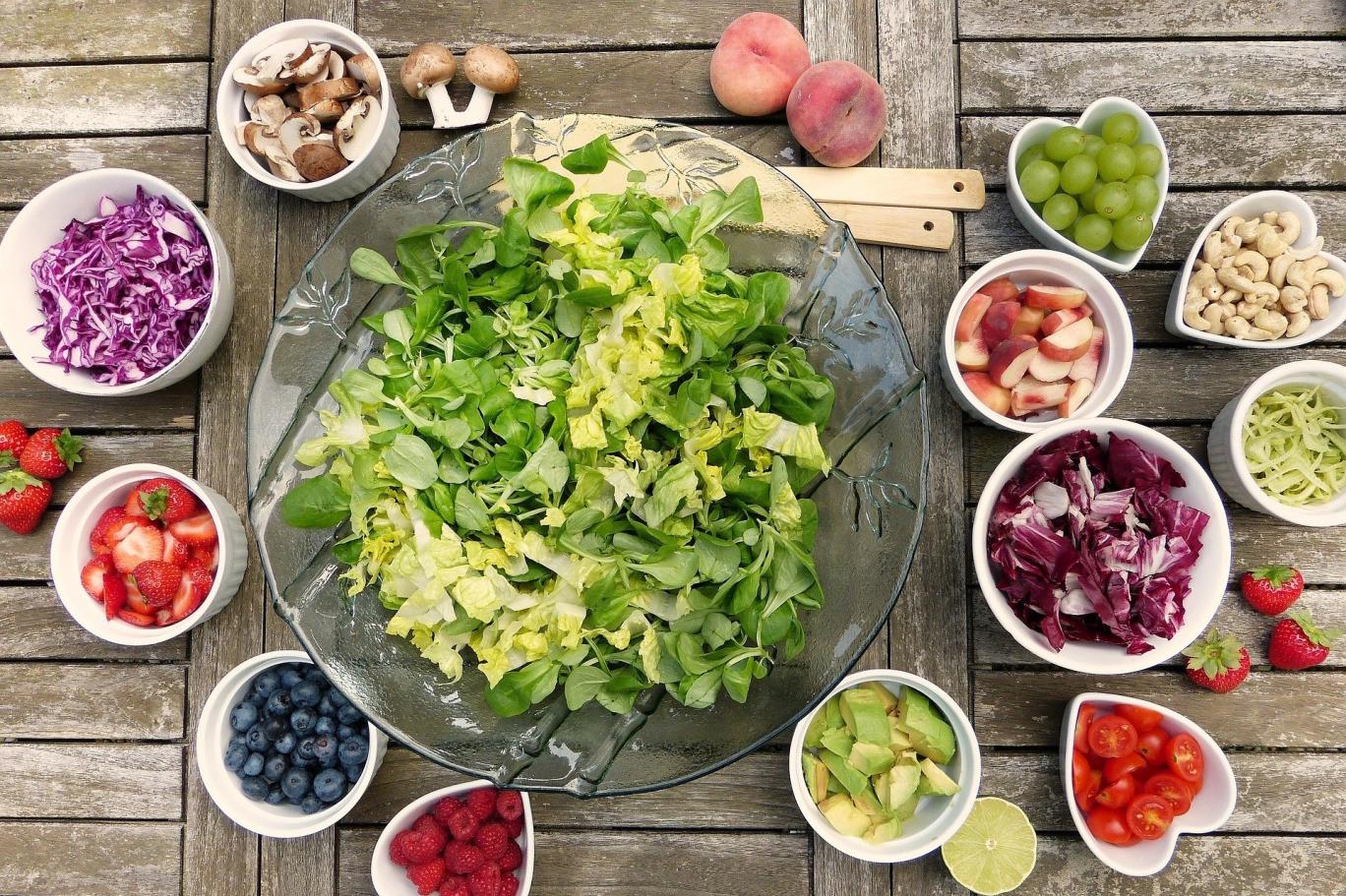
ایک نئی تحقیق کے مطابق سبزیاں کھانے والے افراد میں گوشت کھانے والوں کے مقابلے میں ہڈی ٹوٹنے کے خطرہ 43 فیصد زیادہ ہوتا ہے۔
بی ایم سی میڈیسن نامی جریدے میں شائع ہونے والی نئی تحقیق کے مطابق سبزیاں کھانے والے افراد میں گوشت کھانے والوں کے مقابلے میں ہڈی ٹوٹنے کے خطرہ 43 فیصد زیادہ ہوتا ہے۔
اس تحقیق میں برطانیہ میں رہنے والے تقریباً 50 ہزار افراد کو شامل کیا گیا۔ تحقیق سے پتہ چلا کہ سبزیاں کھانے والے اور وہ لوگ جنہوں نے مچھلی تو کھائی لیکن گوشت نہیں، ان میں کولہے کی ہڈی ٹوٹنے کا خطرہ ان لوگوں سے زیادہ تھا جنہوں نے گوشت کھایا۔
تاہم ہڈی ٹوٹنے کا خطرہ قد اور وزن، کیلشیم اور پروٹین والی خوراک استعمال کرنے پر توجہ دینے سے جزوی طور پر کم ہو گیا۔ اگرچہ اس سے پہلے ہونے والی ایک تحقیق میں گوشت نہ کھانے والوں میں کم کیلشیم اور پروٹین والی خوراک کے استعمال کے بارے میں بتایا گیا ہے لیکن یہ تحقیق سبزیوں پر مشتمل خوراک اور ہڈی ٹوٹنے کے درمیان تعلق کو واضح نہیں کرتی۔
آکسفورڈ یونیورسٹی میں نفیلڈ ڈپارٹمنٹ آف پاپولیش ہیلتھ سے تعلق رکھنے والی خوراک سے بڑے پیمانے پر لاحق ہونے والے امراض کی ماہر اور تحقیق کی سرکردہ مصنف ڈاکٹر ٹیمی ٹونگ نے کہا: 'یہ پہلی جامع تحقیق ہے جو مختلف خوراک استعمال کرنے والے گروپوں میں مجموعی طور پر اور کسی خاص مقام کی ہڈی ٹوٹنے کے خطرے پر کی گئی۔'
تحقیق سے پتہ چلا کہ سبزیاں کھانے والوں میں ہڈیاں ٹوٹنے کا خطرہ زیادہ ہوتا ہے۔ جس کا مطلب ہے کہ وہ لوگ جنہوں نے گوشت کھایا ان کے مقابلے میں سبزی کھانے والوں میں 10 سال کے عرصے میں ایک ہزار افراد میں ہڈی ٹوٹنے کے 20 کے قریب، زیادہ کیس سامنے آئے۔
یونیورسٹی آف آکسفورڈ اینڈ برسٹل کے محققین کی ٹیم نے 54898 شرکا کے جائزے سے حاصل ہونے والے ڈیٹا کا تجزیہ کیا۔ شرکا میں ہڈی ٹوٹنے کے جو 3941 واقعات سامنے آئے انہیں سامنے رکھتے ہوئے پتہ چلا کہ گوشت کھانے والوں کے مقابلے میں سبزیاں اور گوشت میں صرف مچھلی کھانے والوں کی نمائندگی غیرمتناسب تھی۔
ڈاکٹر ٹونگ نے کہا: 'سابقہ تحقیقوں سے پتہ چلتا ہے کہ قد کے اعتبار سے وزن میں کمی کا تعلق کولہے کی ہڈی ٹوٹنے کے زیادہ خطرے کے ساتھ ہے اور کیلشیم اور پروٹین دونوں کا کم استعمال ہڈیوں کی کمزوری سے جڑی ہوئی ہے۔’
یہ تحقیق بتاتی ہے کہ سبزی کھانے والے وہ افراد جن کا اوسط وزن کم ہوتا ہے اور وہ گوشت کھانے والوں کے مقابلے میں کم کیلشیم اور پروٹین لیتے ہیں، وہ کئی مقامات کی ہڈی ٹوٹنے کے خطرے میں مبتلا ہوتے ہیں۔
'ایک اچھی، متوازن اور زیادہ تر سبزی پر مشتمل خوراک کا نتیجہ غذائیت کی بہتر سطح کی صورت میں سامنے آتا ہے اور بیماریوں کا خطرہ کم ہوتا ہے جن میں دل کے امراض اور ذیابیطس شامل ہے۔ لوگوں کو اپنی خوراک کے فوائد اور خطرات کا خیال رکھنا چاہیے اور اس امر کو یقینی بنانا چاہیے کہ ان کے جسم میں کیلشیم اور پروٹین کی وافر مقدار موجود ہے۔ انہیں اپنا وزن قد کے اعتبار سے برقرار رکھنا چاہیے جس کا مطلب ہے کہ وہ ان کا وزن کم ہو نہ زیادہ۔'
تحقیق میں یہ خامی ہے کہ اس میں شامل زیادہ تر افراد سفید فام یورپی شہری تھے جو ممکنہ طور پر ایک اہم بات ہو سکتی ہے جب کہ اس سے پہلے کی تحقیقوں میں ہڈیوں میں معدنیات کی مقدار کے فرق اور ان کے ٹوٹنے کے خطرے کا مشاہدہ مختلف نسل کے لوگوں میں کیا گیا تھا۔
تحقیق کے مصنفین کے پاس ہڈیاں ٹوٹنے کی مخصوص وجوہات کے بارے میں ڈیٹا نہیں تھا اور وہ کمی پوری کرنے کے لیے غذا میں کیلشیم کے ممکنہ استعمال کے بارے میں نہیں جان سکتے تھے۔ تحقیق میں غذائی اجزا کے استعمال کے بارے میں زبانی بتایا گیا ان کی عملی طور پر پیمائش نہیں کی گئی۔