Friday, March 13, 2020
For 20 yrs, Imran Khan had a dream. When he became PM, we got goats, cows & broken economy

NAILA INAYAT
Blaming Pakistan’s former leaders for the problems of the last 19 months makes for good prime-time news, but in reality, Imran Khan's rhetoric is slowly dying.
Pakistan Prime Minister Imran Khan announced last month that the country’s economic apocalypse was ending. Earlier this week, he promised that the electricity and gas tariffs will not be hiked. But even as the prime minister made such tall claims, a series of negative developments unfolded soon after: the Pakistan Stock Exchange recorded the biggest decline in 10 years Monday, the US dollar jumped to Rs 158 and the prices of gold skyrocketed. Not to forget the food inflation that has been adversely impacting people on a daily basis for months now.
So, whenever your PM says things are getting back on track, aapne ghabrana nahin hai because more difficulties are on their way.
After all, other than Pakistan, there is no country in the world that has been blessed with 12 seasons, according to PM Khan. I feel bad for the rest of the world, though, that only gets to enjoy quarter of what we have or not. The eight extra seasons in Naya Pakistan are the seasons of cluelessness. Regardless, barra mausam is a breakthrough worth considering PM Khan for the Nobel Prize.
Not so-good times ahead
Khan’s reassurance that good times are ahead don’t impact even the employees of Pakistan Secretariat who work right next to the PM. The government secretariat staff observed a pen-down strike last week at the Constitution Avenue over the delay in pay raises. They complain that the staff of PM Office and civil servants in other departments get higher salaries than them. Only if they knew the prime minister himself can’t run his house with his salary.
Ever since Imran Khan has been on the trail of becoming the prime minister, all that we’ve heard are the promises of rivers of milk and honey flowing in Pakistan. But how those rivers were to flow, even Khan’s selectors didn’t know. One would have expected that if for 20 years Imran Khan’s dream was to become the prime minister, then some homework on how to run the country would have been done. But that’s the thing about dharna politics, it doesn’t necessarily mean that your half-baked ideas and political sloganeering can help you run the country. The two ‘Cs’ — cricket and charity — haven’t worked wonders for the selectors either.
Everything, even rhetoric, has a shelf life
The question is: For how long the rhetoric against former prime minister Nawaz Sharif, former president Asif Zardari and the prominent leaders of Pakistan Muslim League-Nawaz (PML-N) and Pakistan Peoples Party (PPP) would work for PM Imran Khan? There is a shelf life for everything, even political rhetoric.
To call your political rivals corrupt, to make promises of bringing back looted money of the awam worked well during Khan’s kaptaan days on top of a shipping container but not anymore. You jailed them, you couldn’t prove a thing against the likes of ex-PM Shahid Khaqan Abbasi or ex-interior minister Ahsan Iqbal. What’s more is that the Imran Khan government did not bring even one rupee of the looted money back.
PM Khan can continue to call his rivals chor, daku, ‘corrupt’ but the bad news is, it isn’t working anymore. The common man doesn’t care about the chors of the past but just wants the current PM to deliver on all his promises. He/she wants to know why there is a sugar and wheat crisis in the country, something which benefits politicians on PM Khan’s team.
Blaming Pakistan’s former leaders for the problems of the last 19 months makes for good prime-time TV news, but in the real world the rhetoric is dying a slow death and PM Khan will take any opportunity to revive it. So, the latest desire of the PM to bring back Nawaz Sharif from London is another attempt at diverging from the issue of the government’s incompetence and how it tanked the country’s financial system. PM Khan’s obsession with media optics is more important than delivery in office.
Goats and charas can’t revive economy
To be fair, Khan has tried everything in his playbook to revive Pakistan’s economy. He waited for a miracle discovery of gas and oil treasures in Pakistan, but that didn’t happen. He relied on sheep, buffaloes and goats for an economic revolution in the country.
Just a few days back, PM Khan rolled out a new scheme under which every woman will be given one cow, one buffalo and three goats. But did the PM, before announcing this move, ever ask himself if there are enough cows, buffaloes and goats in Pakistan for every family? On to the latest endeavour of relying on honeybees, berry plants and now olive gardens, Imran Khan thinks these measures can make him provide 10 million jobs his government once promised.
When it comes to entrepreneurial flop shows, Imran Khan and his ministers are high on talent. Science and Technology Minister Fawad Chaudhry wants to transform the Prime Minister House into a state-of-the-art university, fulfilling the PTI election promise. Then there is Narcotics Control Minister Shehryar Afridi who recently announced that PM Khan wishes to open a factory in Tirah, Khyber Pakhtunkhwa that will turns charas into medicines. Well, he actually said it. This is the planning of 20 years that secured Imran Khan’s place on the prime minister’s seat.
پاکستانی ڈراموں میں ہندو یا مسیحی کردار کیوں نہیں؟

پاکستان کے ڈرامہ نگار اگر کرشن، جے، رادھا، جون، جگجیت، امریتا اور کرشنا کے کردار تخلیق کریں تو ہمارے معاشرے کے اندر موجود امتیاز ختم ہو سکتا ہے۔
#Pakistan - Imran cracks down on media
Pakistan Prime Minister Imran Khan, who never tires of exulting virtues of U-turns, has turned against his biggest supporter – the Pakistan media. During his 22-year struggle in opposition, Imran was used to the darling of media, now in power he sees the same media as the villain of the piece. The arrest of editor-in-chief of Jang Group Mir Shakilur Rahman by National Accountability Bureau (NAB) on Thursday (March 12) in 34-year-old land case shows that Imran, unhappy with media criticism of his policies, has trained his guns on the
messenger.
messenger.
As far as the Jang-Geo group is concerned, Imran has a long history of turbulent relationship. Even during his days in opposition, Imran had accused the Jang group of being pro-Nawaz Sharif.
In 2017, Imran’s Pakistan Tehreek-e-Insaf (PTI) had announced a boycott of the Jang-Geo media group, accusing it of “biased, one-sided coverage of the ongoing investigations into Panamagate case”.
While withdrawing its representation from all forums run by the group, Imran told a news
conference that the Jang-Geo group was misleading the public with its ‘biased coverage’ of the case. He called Mir Shakil-ur-Rehman, the owner of Jang- Geo Group, ‘godfather of media’ who, he alleged, was trying to hide the financial corruption of the Sharif family. In return, he alleged the PML-N regime was doling out advertisements worth billions of rupees to the Jang-Geo group. He had even said that his party has prepared a case against Shakilur Rahman, which he will present to NAB.
conference that the Jang-Geo group was misleading the public with its ‘biased coverage’ of the case. He called Mir Shakil-ur-Rehman, the owner of Jang- Geo Group, ‘godfather of media’ who, he alleged, was trying to hide the financial corruption of the Sharif family. In return, he alleged the PML-N regime was doling out advertisements worth billions of rupees to the Jang-Geo group. He had even said that his party has prepared a case against Shakilur Rahman, which he will present to NAB.
However, even after Imran came to power the Jang-Geo group did not change its stand against Imran. Some of the talk show hosts were severe on Imran for the economic mess and the way he has unleashed a vendetta campaign against opposition leaders in the name of accountability and anti-corruption drive. They repeatedly questioned why the anti-
corruption drive just targeted the opposition leaders, who were arrested on flimsy grounds, while no action was taken against members of his cabinet, who already were facing charges before joining his government. People say media censorship, intimidation and suppression of voices of dissent under Imran’s regime is worst than seen during the rule of the military dictator, Gen Zia-ul Haq. Mohammed Rizwan, a Canada-based journalist of Pakistani origin, told India Legal that like all other things, it is the military establishment which controls the media.
“Anybody refusing to toe the line of the GHQ has to face the consequences” he said. A Lahore-based journalist, who does not want to be named, told India Legal that main reason behind the crackdown on the media is that Imran’s PTI is seen as army’s party. “Although all previous governments had the blessings of the generals, it is the first that the military’s role is so visible in resurrecting Imran to power. It was the army which triggered defections
in major opposition parties to clobber his coalition government. Army chief Gen Qamar Javed Bajwa accompanied him on important visits to Saudi Arabia, the UAE, the US and China” he told India Legal.
Earlier, he said, the foreign and defence policy used to be military's domain but now it’s running the entire show. “Some of the key appointments to his cabinet like Hafeez Sheikh as finance adviser and Firdous Ashiq Awan as information adviser have done at the
behest of the army. So, any criticism of the Imran government is seen as direct indictment or failure of the military” he told India Legal.
behest of the army. So, any criticism of the Imran government is seen as direct indictment or failure of the military” he told India Legal.
Why a media mogul was arrested in Pakistan
https://www.bbc.com/news/world-asia-51870596
#PAKISTAN #PPP - Bilawal Bhutto announces to visit #Balochistan soon

Pakistan People’s Party Chairman Bilawal Bhutto Zardari on Friday announced that he would soon visit Balochistan province, ARY NEWS reported.
Addressing a public gathering in Quetta via telephone, the PPP chairman said that the party would form the federal government next time and it is during the PPP tenure that the province was given its due rights.
“Only PPP has the capability to resolve the issues of the province,” he said and added that if returned to power again, they would serve the people of the province as nobody else did.
He said that the incumbent government wants to suppress the dissenting voices and they would topple them with the power of masses.
Earlier on February 09, Chairman Pakistan People’s Party (PPP) Bilawal Bhutto Zardari talking to the media in Islamabad said that he and his political party will not sit idly by as Pakistanis are dealing with rising inflation, ARY News reported.
The PPP chairman said that the opposition party demands that the Prime Minister of Pakistan Imran Khan tears away the written agreement between the government and the International Monetary Fund (IMF).
The politician said that he was ready to work alongside the federal government to alleviate the burden of inflation from the masses.
Answering a question with regards to the whereabouts of the leader of the opposition of the national assembly, Bilawal Bhutto said that he was hopeful for Shehbaz Sharif’s triumphant return soon enough.
While answering another question with regards to Pakistan Muslim League Nawaz’s Vice-President Maryam Nawaz’s persistent demand for flying abroad to meet his ailing father who battles life and death circumstances, the PPP chairman said that she should be allowed to travel and there should be no hindrance between a daughter and her sick father.
Thursday, March 12, 2020
In Afghanistan, a new ‘great game’ with ISIS, ISK and Pakistan is on with a vengeance

TARA KARTHA
To understand Pakistan’s undoubtedly brilliant strategy in Afghanistan, the West only needs to study Kashmir without the usual self-limiting blinkers.
Just days after a hugely publicised US-Taliban ‘peace’ deal, renewed violence ripped through Afghanistan — 76 attacks across 24 provinces — as the Taliban lifted its week-long commitment on ‘reduction of violence’. The Islamic State in Afghanistan claimed responsibility for two of these attacks, while the Taliban — as has been the case earlier — denied all involvement. Amid all this violence, Kabul and Herat witnessed sporadic anti-India protests, in development that both surprising and unprecedented. Clearly, a ‘great game’ of local proportions seems to be back with a vengeance. The country has also witnessed protests against Pakistan.
The ISIS in Afghanistan
Some aspects of the new game is apparent in the attacks claimed by the Islamic State (IS). In Afghanistan, the ISIS is represented by the Islamic State in Khorasan (ISK), a group that declared allegiance to it in 2015. Claims of attacks on Afghan soil are sometimes made by the ISIS and at other times by the ISK. The attacks last week, identical to the one in July 2019, was carried out by a Tajik and an unidentified foreign fighter, which fits in well with the ISIS’s Salafi and Takfiri beliefs. Takfir is the practice by which a Muslim may declare another as an apostate, and dates back to at least the 7th century. This was revived by Muhammad Ibn Abd al -Wahab, founder of Wahabism in Saudi Arabia, who encouraged the stringent Salafist beliefs, and the excommunication of those who did not abide by their beliefs. In later years, takfir was used to justify violence against fellow Muslims, particularly those in power.
But unlike the ISIS, the ISK is a creature of many parts, sometimes acting with the Taliban, sometimes violently against it, sometimes prioritising business operations, and at all times, opaque about who it takes orders from. Some aspects of this Janus-faced organisation have been recently detailed in a publication of the Afghan Institute of Strategic Studies (AISS).
The AISS paper paints a picture of a disparate group — largely made up of Pakistani cadres formerly of the Tehrik-e-Taliban Pakistan (TTP). The TTP relocated to Afghanistan after the Pakistan Army carried out operations in its tribal areas sometime in the middle of 2015. Other cadres include some Kashmir-specific groups like Tehreek ul-Mujahideen and various Central Asian divisions.
Deconstructing the ISK
Between then and 2018, however, the ISK was targeted in unusually precise US operations, indicating the availability of solid ground intelligence. The result was the destruction of its top leadership and some 548 of its commanders.
The original group then evolved into its present amoeba-like formation. One division is active around Kabul and colludes actively with the Taliban. Another is based around the Pak-Afghan border, funding itself by trafficking gems, talc, and timber even as it is violently pitched against the Taliban for control of this lucrative trade. A third group operates in the north, and is largely made up of Central Asian and foreign cadres, who while being ideologically stronger, cooperate in keeping the Pakistan-Central Asia route open. A fourth operates along the Iranian border in Herat, clearly with support from Tehran.
ISK’s Indian ambitions
As the AISS report notes, nearly 90 per cent of the group is made up of Pakistanis. It is armed with Pakistani weapons and, barring one incident against the Hazaras in 2019, no longer attacks Pakistan. It has also managed to get a batch of Indian cadres. Intelligence assessments indicate that it had planned a large-scale attack in India, but failed to carry it out.
Both Delhi and the US began to take the ISK very seriously, especially after it announced a Wilayat of Hind, a “province” in India. It’s a different matter that the ISK rather belatedly announced a “province” in Pakistan as well, to which there was no response from Islamabad at all. By the end of 2019, India had negotiated with Kabul for the extradition of Indians serving in the ISK back to their home country.
In a fresh development, a new ISIS digital publication called Sawt ul Hind has emerged. Notably, it carried pictures and stories on the Delhi riots, with the clear aim of inciting Indian Muslims. Earlier, similar publications had largely targeted Kashmiris, using mostly fake videos used to drum up support against India.
There is, however, a curious anomaly between the AISS report and other sources. While the AISS report shows a very poor, almost non-existent link between the ISK and the ISIS, a UN-appointed group reports that the ISK’s leadership was changed as recently as July 2019, after a visit by the ISIS’ core leadership. But one would go with the ground assessment of a fractured group whose loyalties depend on who’s paying it.
India’s headache
The anti-India protests in Herat were led by a prayer leader at a local mosque and come close on the heels of statements made by Iranian leaders, including Ayatollah Khamenei, who have condemned violence against Muslims under the Narendra Modi government’s rule. Given the size of the crowds, some outside encouragement is entirely likely. A smaller protest was reported in Kabul, primarily by Turkish and Pakistani media sources. Added to this heady brew is the ISIS attack that could have killed Afghanistan’s presidential candidate Abdullah Abdullah, a leader known to be sympathetic to India. While New Delhi has only itself to blame for providing prime ammunition to anti-India elements everywhere, Afghans themselves need to take note that Pakistan is again moving to strengthen its hold on Afghanistan, as the US moves out lock, stock, and barrel.
It appears the US intel reports are right. The Taliban have no intention of honouring the peace deal signed with the Americans. Neither does their sponsor Pakistan. As a very wise diplomat recently noted, unlike all the other actors involved in the Afghan drama, which includes Russia, the US, India, Saudi Arabia among others, Pakistan alone has never wavered in its Afghan policy, which is to exert complete domination using multiple groups as balancing levers. To understand its undoubtedly brilliant strategy, Western diplomats only need to study Kashmir without the usual self-limiting blinkers.
#Pakistan - NAB’s another malicious attack on press freedom
Under the Pakistan Tehreek-e-Insaf (PTI) government, the National Accountability Bureau (NAB) has served the Group Chief Executive and Editor-in-Chief of Jang-Geo Group Mir Shakil-ur-Rahman a notice for an inquiry related to a property allegedly bought illegally from a government entity more than 34 years ago.
The case is malicious and fake and all legal requirements will be fulfilled to expose the same. It is also our moral obligations to inform our readers of the allegations, our defense as well as the possible reason behind this intimidation, which we will do shortly in this space.
The Jang-Geo Group will never compromise on journalistic freedom in bringing facts before its readers and viewers.
https://www.thenews.com.pk/print/622199-nab-s-another-malicious-attack-on-press-freedom
CPJ demands Pakistan release Jang Media Group CEO Mir Shakil-ur-Rehman
Washington, D.C., March 12, 2020 -- Pakistani authorities should immediately release Mir Shakil-ur-Rehman, the CEO, owner, and editor-in-chief of the Jang Media Group, the Committee to Protect Journalists said today.
Pakistan’s National Accountability Bureau arrested Shakil-ur-Rehman today over a case involving allegations that he illegally leased land in 1986, according to news reports. Jang Media Group owns Pakistan’s largest TV news channel, the Urdu-language GEO News, and several prominent newspapers, include the Urdu Daily Jang and the English The News International.
“Pakistan’s National Accountability Bureau should immediately release Mir Shakil-ur-Rehman and drop the obviously drummed-up case against him,” said Steven Butler, CPJ’s Asia program coordinator. “This arrest over a 34-year-old land deal makes a mockery of Pakistan’s claim to be a democracy that upholds freedom of the press.”
A Jang Media Group spokesperson told The News International that the National Accountability Bureau had threatened reporters, producers, and editors over the media group’s coverage of the bureau, and had threatened to use the country’s media regulator to shut down its broadcast channels.
CPJ emailed the National Accountability Bureau for comment but did not immediately receive a response.
نیب نے جنگ گروپ کے مالک میر شکیل الرحمان کو گرفتار کر لیا
پانچ مارچ کو طلب کیے جانے کے بعد قومی احتساب بیورو(نیب) کی جانب سے جنگ جیو نیوز کے مالک میر شکیل الرحمان کو آج دوسری بار طلب کیاگیاتھا۔
پانچ مارچ کو بھی وہ نیب آفس پیش ہوئے تھے اور اپنے خلاف الزامات کے جواب دیے تھے لیکن نیب کی جانب سے آج بروز جمعرات انہیں ریکارڈ سمیت طلب کیا تھا۔
میر شکیل الرحمان ریکارڈ سمیت نیب آفس لاہور پیش ہوئے اور مطلوبہ ریکارڈ پیش کیا جب کہ نیب نے انہیں اس دوران حراست میں لے لیا اور حوالات میں بند کردیا۔
نیب ترجمان نوازش علی کی جانب سے انکی گرفتاری کی تصدیق کر دی گئی ہے۔ صحافتی تنظیموں نے میر شکیل کی گرفتاری پر شفاف تحقیقات کا مطالبہ کیا ہے۔
میر شکیل الرحمان پر الزامات:
نیب آفس کے مطابق میر شکیل الرحمان پر لاہور میں 54 کنال قیمتی اراضی لیز پر حاصل کرنے کا الزام ہے۔ الزامات کے مطابق میر شکیل الرحمان نے مبینہ طور پر 54 کنال اراضی سابق وزیراعلی سے رشوت کے طور پر حاصل کی۔ نیب آفس کے مطابق میر شکیل الرحمان 54 کنال پر مشتمل سرکاری اراضی حاصل کرنے کے اہل نہ تھے۔ میر شکیل الرحمان اج نیب لاہور میں متعلقہ ریکارڈ کے ساتھ ذاتی حثیت میں پیش ہوئے۔ الزامات کے مطابق نواز شریف کے وزیر اعلی پنجاب ہوتے ہوئے ان پر غیر قانونی طور پر ملازمین کالونی بنانے کے لیے زمین حاصل کرنے کا الزام ہے۔
ان پر لگے الزامات سے انہیں نوٹس کے ذریعے آگاہ کیا گیا لیکن نیب ذرائع کے مطابق وہ اپنے خلاف الزامات کا تسلی بخش جواب نہ دے سکے، اور نہ ہی مطلوبہ دستاویزات پیش کر سکے۔
صحافتی تنظیموں کا ردعمل:
صحافی تنظیموں کی جانب سے میر شکیل کی گرفتاری پر ان کے خلاف الزامات کی شفاف تحقیقات کا مطالبہ کیا ہے۔ جنرل سیکرٹری اسلام آباد پریس کلب انور رضا نے انڈپینڈنٹ اردو سے گفتگو کرتے ہوئے کہا کہ اگر میر شکیل الرحمان کے خلاف کرپشن کے الزامات ہیں تو ان کے بارے میں شفاف تحقیق کرنا نیب کا اختیار ہے لیکن انتقامی کارروائی نہیں ہونی چاہیے۔ اگر ان کے خلاف الزامات ثابت نہیں ہوتے تو انہیں رہا کیا جائے اور اگر ان پر الزامات ثابت ہوتے ہیں تو دستاویزی ثبوت سمیت عوام کے سامنے لائے جائیں۔
پاکستان مسلم لیگ (ن) کے صدر اور قائد حزب اختلاف شہباز شریف نے بھی میر شکیل الرحمان کی گرفتاری کی شدید مذمت کی ہے۔ ان کا کہنا تھا کہ میڈیا ریاست کا چوتھا ستون ہے اور فاشسٹ حکمران اسے گرانے کے درپے ہیں۔ ان کا کہنا تھا کہ اس اقدام سے انتقام کی بو آرہی ہے۔ زوال پزیر حکومت کا آخری حملہ میڈیا اور سیاسی مخالفین پر ہوتا ہے نیز میڈیا کو اٹھارہ ماہ سے دبایا جارہا ہے۔
#Jang - Bilawal,Asif Zardari condemns arrest of Jang Group Editor-in-Chief Mir Shakil-ur-Rehman
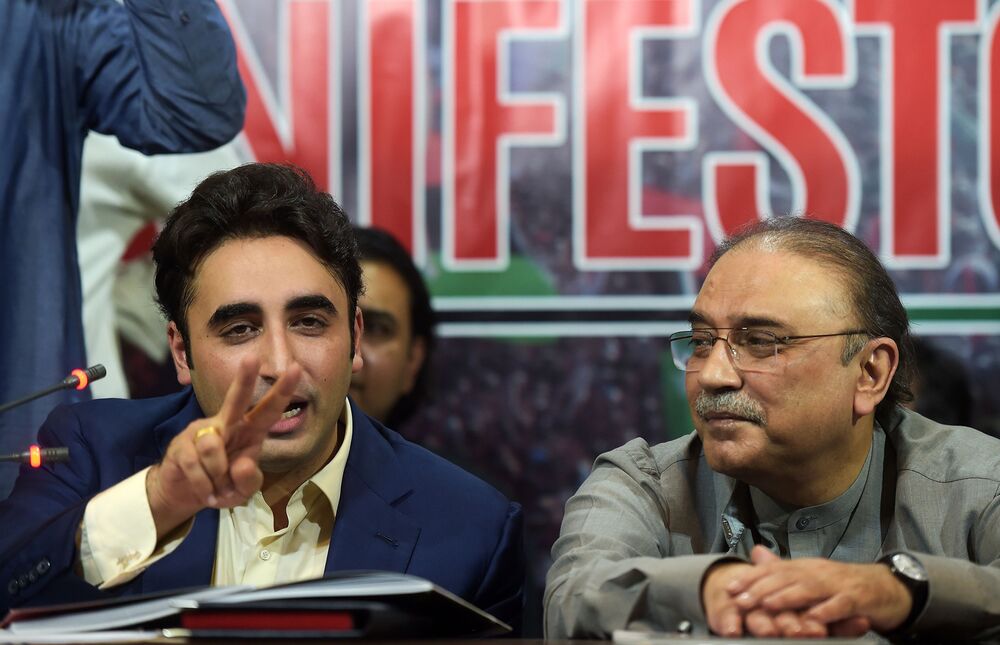
The allegations against the Jang Group CEO are related to a property allegedly bought illegally by him from a government entity more than 34 years ago. The property, in fact, was bought from a private party and all evidence of this was provided to NAB including the legal requirements that were fulfilled such as the payment of duty and taxes.
Bilawal's spokesperson, Senator Mustafa Nawaz Khokhar said, "We have been pointing out NAB's attitude of exacting political revenge since day one," he said. "Imran Khan is using NAB to target people he does not like."
He said that NAB arresting the Editor-in-Chief of the largest media group in Pakistan was an attack on freedom of the press. He said that the prime minister was trying to snatch away people's freedom of expression through threats and coercion.
Khokhar demanded the immediate release of Mir Shakil-ur-Rehman.
Asif Zardari condemns Jang CEO's arrest
The NAB has become a weapon of political engineering, former president Asif Ali Zardari said, while condemning Rehman's arrest.
"Selected leaders are cowards and have small minds," Zardari said, adding: "Attack on free media is a move that weakens democracy."
CPNE expresses 'great concern'
President CPNE (Council of Pakistan Newspaper Editors) Arif Nizami expresses great concern that a senior and prominent member of the editors and publishers’ fraternity, Rahman, was arrested in Lahore by the NAB at its premises where he appeared for the second time to answer the accountability watchdog’s queries regarding a property that he purchased 34 years ago.
"For the NAB to arrest Mr Rahman at this initial stage of the investigation is uncalled for and is another example of what the Islamabad High Court observed last week about NAB’s practice of arresting individuals without enough proof only to cause harm to their reputations," the president said in a statement.
"In a media environment where there is rampant self-censorship fueled by the threat of advertisement curtailment coupled with broadcast and circulation disruption, this arrest will be viewed as an extension to the government’s regressive and unconstitutional media policy," he said.
"While it is up to the courts to decide on the merits of the case, the manner in which this arrest has taken place paints a bleak picture of the future of media freedom in the country," he added.
https://www.thenews.com.pk/latest/628109-bilawal-shehbaz-condemn-jang-groupgeo-editor-in-chief-mir-shakil-ur-rehmans-arrest
https://www.thenews.com.pk/latest/628109-bilawal-shehbaz-condemn-jang-groupgeo-editor-in-chief-mir-shakil-ur-rehmans-arrest
Wednesday, March 11, 2020
In Pakistan, criticism grows dangerous as dissent stifled
KATHY GANNON
Being a dissident — or even raising a critical voice — in Pakistan is growing more dangerous, regardless of whether the target is political parties, the judiciary or the powerful military and security agencies.
Intimidation of dissidents has increased on multiple fronts, rights workers and journalists say. A number of rights activists have been arrested and charged with sedition. Protesters have been jailed, including a member of parliament. Newspapers and journalists have faced violence, harassment and warnings from security officials not to cover anything that might show the military in a harsh light.
Rights groups say the civilian government of Prime Minister Imran Khan, elected in 2018, has failed to protect freedom of speech, imposing legislation to restrict online media, even dictating who can appear on television talk shows, while at the same time ceding authority for curbing freedom of speech to the powerful military.
“In recent years, the space for dissent in Pakistan has shrunk to the point of suffocation,” warned Omar Warriach, Amnesty International’s Deputy South Asia director.
“The Pakistani military has demonstrated that it can still call the shots without directly being in power. ... Taking part in a peaceful protest can now lead to arrest and charges of sedition. Many activists have been forced into exile, fearing for their safety. What was once a lively media landscape has narrowed to exclude critical voices,” he said.
Pakistan's government has denied allegations it's stifling free speech. It said it was simply cutting spending when it recently pulled all its advertising from two prominent media houses, Dawn and Jang, that frequently criticize the military’s involvement in civilian affairs. Khan's government has also criticized the previous administration for using public money on advertising to promote itself.
Government advertising is one of the leading sources of revenue for newspapers and media houses in Pakistan and is often used to squeeze critical media.
In a March 2 statement, Steven Butler, the Asia program director for the Committee to Protect Journalists, said the government was using advertising “as a cudgel to punish and reward news outlets based on their editorial stance in this way,” and demanded the practice stop.
Butler was denied entry into Pakistan last year despite holding a valid visa. The government has remained silent on the move, but Pakistani officials say that particular decision was taken without the prime minister's knowledge. The officials spoke on condition of anonymity because they were not authorized to speak to the media.
Khan was elected in July 2018, amid widespread criticism from international rights groups and political opponents that the country’s powerful military and intelligence aided his campaign. The military was widely accused of intimidating the media and campaigning against Khan’s strongest opponent, the Pakistan Muslim League, whose leader Nawaz Sharif had fallen out with the army after openly accusing it of supporting militants.
At a recent meeting with international journalists, Khan’s adviser on communication, Firdous Ashiq Awan justified action against those who would attack the military, even charging them with sedition, saying the country’s military was sacrosanct according to the constitution.
One journalist, Aziz Memon, disappeared this month on the way to his work at a small newspaper in Pakistan’s southern Sindh province. He was found dead just hours later. A few months earlier, Memon tweeted that he had been threatened by local police and a prominent political party over his reporting.
The Brussels-based International Federation of Journalists this week called for the arrest of Memon’s killers and strongly criticized a police report that said he died of “natural causes.” An autopsy report later listed his death as strangulation.
“The post-mortem report proves beyond a doubt that Aziz was brutally murdered,” the federation statement said. “We reiterate our demand that the authorities take urgent action to arrest the killers and those who ordered his killing.”
In other cases, intelligence agencies have reportedly forced newspaper sellers into not delivering papers to certain areas and warned television anchors against interviewing certain politicians.
The military’s public relations wing, known as the Inter-Services Public Relations, has repeatedly denied interfering in television programming or disrupting newspaper distribution, although it has justified muzzling news of a dissident ethnic Pashtun movement called the Pashtun Tahafuz (Protection) Movement, or PTM, claiming it impacts national security, without explaining exactly how.
Authorities have often targeted the PTM, which has accused the army of using the decades-long war on terror to profile, intimidate, harass and arrest ethnic Pashtuns, who dominate Pakistan’s northwestern regions bordering Afghanistan.
In late January, a protest of barely 100 people — small by Pakistani standards — took place outside the National Press Club in the capital Islamabad to protest the arrest of a young PTM leader. The protesters had begun to disperse when police arrived, grabbing protesters and throwing them into waiting trucks.
Among the men and women rounded up was Mohsin Dawar, a member of parliament from Pakistan’s North Waziristan border region.
“I said I would go with them. I wasn’t resisting, but still they grabbed me, kicked me and punched me,” he said in an interview following his release. In all, 29 people were arrested, all of them ordered released in early February by the Islamabad High Court, which reprimanded police for charging many of them with sedition, without reason.
Rights groups have also criticized the liberal use of Pakistan's sedition and anti-terrorism act.
Gulalai Ismail, a rights activist, was charged under the anti-terrorism act after she criticized army actions in the border regions, including a report that complained of military harassment of women and girls, a charge the army has denied.
Ismail has fled to the United States, but her elderly parents continue to be harassed. Her father was jailed for two weeks and her mother, Uzlifat Ismail, was added to a list of individuals unable to leave Pakistan on charges of hiding her daughter.
Ismail’s father, professor Mohammad Ismail, said intelligence agents and police have raided his home in Islamabad six times without a court order. His domestic employees have been harassed and he appears regularly in court fighting charges of anti-state activities related to his support for his daughter.
Harris Khalique, head of the independent Human Rights Commission of Pakistan, said that while previous civilian governments have at times stood up to the military to protect rights, the current prime minister has failed to do so.
“The current political government is more responsible for what is happening in terms of freedom of speech, freedom of expression, freedom of association and assembly than any one particular institution, whether it be the military or the bureaucracy," said Khalique. “At the at the end of the day they got elected to run this country, if they are ceding their space, they are equally responsible, if not more. "
پاکستان میں تحقیق خواب بن رہی ہے
ہائر ایجوکیشن نے تحقیق کے بارے میں اپنی پالیسی تبدیل کر لی ہے جس کی وجہ سے پاکستانی محققوں کو بڑی مشکل کا سامنا کرنا پڑے گا۔
وہ ایک بڑے ادارے میں کام کرتا تھا۔ اس ادارے میں اسے ہر قسم کی سہولیات میسر تھیں مگر اس کا دل وہاں پر خوش نہیں تھا۔ حالانکہ اسے وہ کام پسند بھی تھا۔
ایک ایسے ادارے میں ملازمت ملنا اس کی خوش قسمتی تھی جہاں سب سفارش ڈھونڈتے ہیں، اسے وہاں قابلیت سے ملازمت مل گئی مگر اسے ٹیچنگ سے لگاﺅ تھا۔ وہ کتابیں پڑھنے والا بندہ تھا۔ ملازمت کے ساتھ ساتھ اس نے ایم فل کیا اور پھر پی ایچ ڈی میں انرول ہو گیا اور ساتھ ہی ساتھ ایک نجی تعلیمی ادارے کے ساتھ شام کے وقت کلاسیں بھی لینے لگا۔
ٹیچنگ کا جرثومہ بھی مرتا رہا اور ساتھ ہی اچھی خاصی رقم بھی ہاتھ آتی رہی۔ وہ چونکہ محنتی اور قابل تھا اس لیے اسے پی ایچ ڈی کرنا کوئی مشکل کام نہیں لگا۔
مگر صورت حال تب عجیب ہوئی، جب اس کے سپروائزر نے اس کے کام میں کیڑے نکالنے شروع کر دیے حالانکہ وہ سب کلاس فیلوز میں اسائنمنٹ اور پریزینٹشن میں اپنی مثال آپ تھا۔ یوں جوں توں کرکے کورس ورک مکمل ہو گیا اور ریسرچ کرنے کی باری آئی تو سپروائزر نے اسے ٹف ٹائم دیا مگر وہ پیچھے ہٹنے والوں میں سے نہیں تھا۔ یوں پی ایچ ڈی کا میدان بھی اس نے سر کر لیا۔
اب ایک نیا میدان اس کے سامنے تھا۔ اپنے پی ایچ ڈی کے مقالے سے دو پیپرز کو شائع کروانا تھا وہ بھی ہائر ایجوکیشن کمیشن کے رجسٹرڈ جرنلز میں۔ اسے معلوم تھا کہ یہاں مقالہ شائع کروانا ایک مشکل کام ہے مگر اتنا مشکل ہوگا اسے اب بات کا اندازہ نہیں تھا۔ اس کے ایم فل کے بعد کچھ غیر ملکی جرنلز میں ریسرچ آرٹیکل شائع ہوئے تھے جو کہ اچھا خاصا ایمپیکٹ فیکٹر رکھتے تھے، مگر ان پیپرز نے کسی بھی انٹرویو میں اسے فائدہ نہیں دیا کیونکہ انٹرویو میں اسے کہا گیا کہ ’یہ ہائر ایجوکیشن کمیشن کے رجسٹرڈ جرنلز میں شائع نہیں ہوئے اس لیے اس کا آپ کو کوئی فائدہ نہیں مل سکتا،‘ اور بے چارہ وہاں سے واپس آ جاتا
پھر اس نے ریسرچ پیپر لکھنا ہی بند کر دیا کہ پاکستان میں اس کی کوئی وقعت ہی نہیں ہے، مگر پی ایچ ڈی کی ڈگری اب ان پیپرز کے بغیر ممکن نہیں تھی، حالانکہ اس نے بہترین کام کیا تھا۔ پیپر اپنے مقالے سے نکال کر ہائیر ایجوکیشن کمیشن کے رجسٹرڈ جرنلز کو بھجوا دیے مگر کوئی جواب نہیں آتا تھا۔ صرف پیپر کے موصول ہونے کی خودکار ای میل موصول ہو جاتی اور پھر ایک لمبی چپ۔
وہ پھر ای میل بھیجتا مگر جواب ندارد۔ اس دوران چھ مہینے گزرے، پھر ایک سال بیت گیا مگر پیپر نے شائع ہونا تھا، نہ ہوا۔ اسے معلوم ہوا کہ اب یونیورسٹی کے کسی جرنل کے ایڈیٹر سے مل لو کوئی سفارش یا پیسہ دے کر کام نکالو، کیونکہ پیپر کا شائع ہونا یہاں بہت مشکل ہے۔ تب اس نے ادھر ادھر لوگوں کو دیکھنا شروع کیا کہ کس کو کہہ کر پیپر شائع کرایا جائے تاکہ اس کو پی ایچ ڈی کی ڈگری مل جائے۔
ایک دن مجھ سے بات ہوئی کیونکہ عرصہ سے یونیورسٹی میں اور صحافت میں کام کر رہا تھا۔ شاید آخری امید میں ہی تھا۔ اس نے کہا کہ ’پی ایچ ڈی پھنسی ہوئی ہے، پیپر شائع نہیں ہو رہا۔ کیا کروں کہیں سے کوئی چکر ڈھونڈ نکالو تاکہ اس مصیبت سے جان چھوٹے۔ اس نے مجھے ذہنی مریض بنادیا ہے۔‘
کچھ دیر کے لیے تو میں بھی چکرا گیا کہ اگر اس جیسا قابل بندہ اتنا پریشان ہے تو ہمارا کیا حال ہو گا۔ خیر، اللہ اللہ کرکے پاکستانی قوم کی طرح کہیں سے جگاڑ لگ گیا اور ایک ایچ ای سی کے اچھے ایمپیکٹ فیکٹر جرنل میں پیپر شائع ہو ہی گیا جس کے بعد ایک دن اس کی کال آئی کہ ’میں نے پاکستان میں معرکہ سر کر لیا، پی ایچ ڈی کے لیے ریسرچ پیپر کی ریکوائرمنٹ پوری کرلی، اب آپ فون میں میرے نام کے ساتھ ڈاکٹر کا لاحقہ لکھ سکتے ہو۔‘
یہ اس کی خوش قسمتی تھی کہ ہمارے بہت سے دوستوں نے پی ایچ ڈی کی ڈگریاں حاصل کرلیں مگر اب پاکستان میں پی ایچ ڈی کی ڈگری حاصل کرنا خواب بن کر رہ جائے گا، کیونکہ ایچ ای سی کی نئی پالیسی کے مطابق اب کسی پاکستانی جرنل میں شائع شدہ تحقیق کو درخورِ اعتنا نہیں سمجھا جائے گا بلکہ صرف بین الاقوامی جرنلز میں شامل تحقیقی مقالے ہی ایم فل اور پی ایچ ڈی کی ڈگری کے لیے لازمی سمجھے جائیں گے۔ پاکستانی جرنلز کی وقعت ختم ہو گئی ہے جس کے لیے یونیورسٹیوں نے اربوں روپے ہائر ایجوکیشن کمیشن کو ادا کیے ہیں اور بہت مشکل ترین پراسیس کے بعد ہی یہ جرنلز ایکس، زی، ڈبلیو اور وائی کیٹگری تک گئے ہیں۔
اب ہائر ایجوکیشن کمیشن کی تحقیق کش پالیسی جون 2020 کے بعد سے لاگو ہو جائے گی جس کے مطابق اب پاکستانی تحقیقی رسائل کی بجائے بین الاقوامی تحقیقی جرنلز میں پاکستانی تحقیق شائع ہو گی جس کے لیے پاکستانی محققین بڑی رقم ادا کریں گے جس کے باعث پاکستان میں تحقیقی جرنلز کا مستقبل مخدوش ہو گیا ہے۔
اب پاکستانی جرنلز کو بین الاقوامی طور پر انِڈیکس ہونے کے لیے تین سے چار سال لگیں گے۔ اب تحقیقی مقالے سکوپس اور جے سی آر کی کیٹگری میں ہی یونیورسٹی میں تقرری اور پروموشن اور پی ایچ ڈی کی ڈگری کے لیے قابل اعتبار ہوں گے، اس کے علاوہ کوئی بھی تحقیقی مقالہ قابل قبول نہیں ہوگا۔
ان جرنلز پر یونیورسٹیوں نے کروڑوں روپے لگائے ہیں تب جا کر ہائر ایجوکیشن کمیشن نے انہیں ان کیٹگریز میں جگہ دی ہے، ان میں پاکستانی طلبہ کی تحقیق چھپتی تھی تب جا کر انہیں پی ایچ ڈی اور ایم فل کی ڈگری ملتی تھی۔ اب نئی پالیسی کے باعث ان طلبہ کے لیے ریسرچ شائع کرنا بھی مشکل ترین ہو جائے گا اور ڈگری کے حصول کے لیے انہیں دو سے تین سال لگیں گے کیونکہ ان جرنلز میں تحقیقی مقالوں کا شائع کرنا بہت ہی مشکل امر ہے۔
اگر کوئی محقق فاٹا پر تحقیق کرتا ہے تو امریکی رسالے کو کیا پتہ فاٹا میں میڈیا یا صحت کے حالات کیسے ہیں کہ وہ انہیں شائع کر سکے۔ پاکستانی جرنلز میں ایک کام تو تھا کہ یہاں کے ریوور پاکستانی ہوا کرتے تھے، اس لیے یہاں علاقائی تحقیق چھپ جایا کرتی تھی۔ اب پاکستانی یونیورسٹیوں اور ایکیڈمیا کے یہ جرنلز کسی کام کے نہیں رہے۔
عجیب بات یہ ہے کہ پالیسی سازوں نے ضلعی کمییٹوں، جرنلز کے ایڈیٹروں سمیت ایچ ای سی کی کسی بھی کمیٹی کو اس پالیسی کی بھنک بھی نہیں پڑنے دی اور اسے لاگو کرنے کے احکامات جاری کر دیے، جس سے
پاکستان میں تحقیق اب خواب ہی بن جائے گی۔https://www.independenturdu.com
Subscribe to:
Posts (Atom)