Saturday, June 19, 2021
ملالہ کی شادی کی فکر مت کریں، اس نے طالبان کی نہیں سنی آپ کی کیا سنے گی
ہمارے گھروں میں لڑکوں کا مسئلہ کچھ بھی ہو ہمارے پاس حل ایک ہی ہوتا ہے۔ لڑکا امتحان میں فیل ہو گیا ہے، شادی کروا دو، لڑکے کو نوکری نہیں ملتی، شادی کروا دو۔ اب لڑکا چھوٹا موٹا نشہ کرنے لگا ہے، سارا دن باتھ روم سے نہیں نکلتا، بس شادی کروا دو تو ٹھیک ہو جائے گا۔
پتہ نہیں کس حکیم نے ہمیں بتایا ہے کہ دنیا کی ساری بیماریوں کا علاج شادی ہے۔ آپ کے ماں باپ نے بھی شادی کی ہو گی، کبھی انہیں اکیلے اکیلے بٹھا کر پوچھ لیں کہ کیا پایا کیا کھویا۔
اسی طرح شادی کے بارے میں بات ہماری لڑکی ملالہ کر بیٹھی ہے۔ جسے اردو میں کہتے ہیں کہ یہ لڑکی واقعی کسی تعارف کی محتاج نہیں ہے۔ جب چھوٹی تھی اس کے شہر طالبان آئے، انہوں نے کہا کہ لڑکیوں کے سکول بند، لڑکیاں نہیں پڑھیں گی۔ ملالہ نے کہا کہ میں تو پڑھوں گی بھی اور سکول بھی جاؤں گی۔ طالبان نے سکول کی وین روک کر، نام پوچھ کر، سر اور منہ پر گولیاں ماریں۔
بچانے والا مارنے والے سے بڑا ہوتا ہے۔ لڑکی بچ بھی گئی اور ساتھ پڑھاکو کی پڑھاکو رہی۔ اس کے ساتھ ساتھ پوری دنیا میں غریب اور لاوارث لڑکیوں کی تعلیم کے لیے ساری دنیا میں اتنا چندہ جمع کر لیا ہے جتنا ہمارے بڑے بڑے سیٹھوں، مانیوں اور ملک ریاضوں نے کبھی ساری زندگی میں نہیں دیا ہو گا۔
اب ملالہ نے کسی فیشن میگزین کو انٹرویو دیا۔ وہ انٹرویو لینے والے بھی ہمارے بہن بھائی ہی ہوں گے۔ انہوں نے بھی پوچھا کہ بھئی شادی کی سناؤ۔
ملالہ نے جواب دیا کہ مجھے تو سمجھ ہی نہیں آتی کہ یہ شادی اتنی ضروری ہے کیوں۔ جو کوئی پسند ہے تو اس کے ساتھ رہ لو۔
اب ہماری ساری قوم قہر کی گرمی اور کرونا شرونا بھول کر ملالہ کے پیچھے پڑ گئی کہ دیکھو یہ لڑکی کہتی کیا ہے۔ ہمارا مذہب، ہمارا معاشرہ، ہمارا فیملی سسٹم، میاں بیوی کا مقدس رشتہ، یہ سب کچھ جلا کر خاک کر کے ایک پٹ سیاپا پڑ گیا۔
کچھ بچاروں کو تو یہ لگا کہ لڑکی خود آ کر انہیں زنا کی تبلیغ کر رہی ہو۔ زیادہ تر اعتراض کرنے والے میرے جیسے شادی شدہ انکل تھے جو کبھی آپ مل کر بیٹھ جائیں تو ان کے پاس اپنی بیویوں کی بدخوئی کے علاوہ کوئی دوسری بات نہیں ہوتی۔
لیکن ساتھ ساتھ ہمارے ان جوانوں کے خون نے بھی جوش مارا جن کا زندگی میں سب سے بڑا کارنامہ یہ ہوتا ہے کہ ایک مرتبہ انہوں نے باپ کو کنونس کر لیا تھا کہ ہمیں سمارٹ فون لے دو۔ ان لڑکوں نے تیرہ سال کی عمر سے پھوپھی کی بیٹی پر نظر رکھی ہوتی ہے اور زندگی کا عظیم مشن یہ ہوتا ہے کہ لڑکی تھوڑی بڑی ہو جائے تو پھر اس کے ساتھ شادی کریں۔
اب پھوپھی کی لڑکی چاہے بڑی ہو کر مریخ پر جانا چاہیے لیکن ہم نے اسے ڈولی بٹھا کر ہی چھوڑنا ہے۔ شادی کے انتظار میں فارغ بیٹھے سیلفیاں کھینچتے ہیں اور سوشل میڈیا پر جہاں بھی لڑکی نظر آئے اسے لائک اور فرینڈ ریکویسٹیں بھیجتے رہتے ہیں۔ اکثر جواب نہیں آتا اور جب جواب نہیں آتا تو کہتے ہیں کسی کافر کی اولاد۔
اسی طرح انہیں ملالہ کہیں بھی نظر آ جائے تو سارے رولا ڈال دیتے ہیں کہ وٹ شی ڈن فار دا کنٹری، وٹ شی ڈن فار امہ (اس نے ملک کے لیے کیا کیا ہے، اس نے امہ کے لیے کیا کیا ہے )
ان لڑکوں کو یہ بھی یقین ہے کہ اگر کسی لڑکی نے ان کے ساتھ شادی نہ کی تو وہ سنی لیون یا میا خلیفہ بنے گی۔ اب ماں باپ بچارے یہ بھی نہیں پوچھ سکتے کہ یہ دونوں تو تیری پھوپھی کی بیٹیاں نہیں، تو انہیں کہاں ملتا رہا ہے۔
لڑکو میں تمہارا درد سمجھتا ہوں، لیکن تم بھی کوئی عقل کو ہاتھ مارو، سیلفیاں کھینچنی چھوڑ کر دو چار سرچیں مارو گے تو پتہ لگ جائے گا کہ ملالہ اصل میں چاہتی کیا ہے۔ اس نے کام تو زیادہ تر لڑکیوں کی تعلیم کے لیے کیا ہے۔ لیکن لڑکوں کے لیے بھی اس کا سیدھا سیدھا میسج ہے کہ زیادہ پرسنلی نہ لو لیکن بات اس نے صاف کی ہے اور یہ بات میں نے کسی سکول کے باہر بھی لکھی پڑھی تھی کہ جینا ہو گا مرنا ہو گا پپو تجھے پڑھنا ہو گا۔
تو ملالہ کی شادی کی فکر چھوڑو، اگر تمہاری پھوپھی کی لڑکی تمہارے نصیب میں ہے تو مل جائے گی۔ اب امتحان سر پر ہے، لڑکیوں کو سیلفیاں بھیجنا بند کرو، کتابیں کھولو، تیاری کرو، اللہ خیر کرے گا۔
باقی رہی ملالہ، تو اگر اس نے طالبان کی نہیں سنی تو آپ کی کیوں سنے گی۔
https://www.humsub.com.pk/399088/muhammad-hanif-196/
Why Malala’s British Vogue interview put Pakistan in a marriage panic


The comments by the activist, known by her first name, were probably misinterpreted and blown out of proportion. But the battle to change unequal structures of marriage has a longer history within Pakistan, and globally. And the backlash against efforts for equality often portrays them as “Western” and a threat to traditional values. Is it about ‘Malala-hate’? The extreme reaction to Malala’s recent interview — including death threats — is part of a broader pattern of “Malala hate.” Feminist scholars have noted the misogynistic resentment of a young and vocal woman’s success, and how her representation as a symbol of “girl power” in Anglophone media makes her a polarizing figure in Pakistan. However, this particular backlash also comes on the heels of heightened political frenzy around a perceived threat to the stability of marriage in Pakistan. Last month, a lawmaker introduced a bill in the provincial legislature to make marriage “compulsory” by fining parents with unmarried children over the age of 18. The bill didn’t go far, after widespread criticism. In India’s West Bengal state, backing women’s economic interests helped one party score a historic win. Last year, Pakistani Prime Minister Imran Khan expressed concern about rising divorce rates, attributing them to foreign media influence. Even as rates of divorce in South Asia remain the lowest among all regions in the world, they are indeed rising. Who’s afraid of divorce? Politicians generating moral panic about rising divorce rates go beyond Pakistan. In Turkey, rhetoric around family values has become a “trademark” of President Recep Tayyep Erdogan since the Justice and Development Party (AKP) came into power. And it’s not just rhetoric — in 2016, the Turkish Parliament set up a commission on “Protecting the Integrity of Family.” Women’s rights activists in Turkey have highly criticized the recommendations of this commission. Following the release of statistics in 2018 showing an increase in divorce rates in Egypt, the minister for social solidarity assured the public that a “solution [would] be found.” Extensive overhauls to divorce laws in 2000 expanded Egyptian women’s right to a “no-fault divorce.” However, women’s organizations in Egypt say the recently proposed amendments to the country’s personal status law could set women “200 years back.” Rising divorce rates may signal a crisis to be solved — or indicate that more individuals are exiting bad marriages. Research shows that easier access to divorce can save women’s lives. In the United States, female suicide rates declined by 8 to 16 percent and killings of women by partners declined by 10 percent in states that introduced unilateral divorce laws, which allow marriages to end when one person wants out, even if the other does not.Having real options to exit a marriage, even without actually getting a divorce, is important for what happens within a family. Challenging outdated conceptions of the family as a single unit, feminist economists look at the different preferences and levels of “bargaining power” individuals have within the family. A key factor that determines how much bargaining power an individual has within a marriage is how easily they can exit it. So while politicians worry about restoring the stability of marriage, it’s being able to opt out of marriage more easily that may, in fact, increase women’s bargaining power and make heterosexual marriages more gender-equal. Marriage, divorce and women’s bargaining power in Pakistan Pakistani law allows Muslim women to file for unilateral no-fault divorce. In fact, courts in Pakistan recognized this right in 1959, well ahead of the United States in the 1970s; couples in Britain still do not have it. Practically speaking, divorced women face a number of barriers in Pakistan. Backlash to Malala’s comments illustrate the social censure women who question marriage may face. Divorce also leaves women economically vulnerable — Pakistan does not have legal provisions for alimony payments or the division of matrimonial property. When divorce is an option, women’s bargaining power in a family also depends on labor market opportunities. Living a life outside marriage depends on a woman’s ability to earn an independent income. In Pakistan, only 23 percent of women are in the labor force. The status quo of economic dependence on men’s incomes makes delaying marriage, or choosing singlehood or divorce, economically unviable for most Pakistani women. Women’s low bargaining power within marriages manifests in high rates of domestic violence, low involvement in decisions about their own health and the use of household finances, and highly unequal divisions of household labor. In my own work in Pakistan, I find that married women even hesitate to voice political preferences that may be distinct from the views of their spouse. Given these factors, it’s not surprising that some Pakistani women might question what they see as an essentially disempowering and unequal institution. The backlash distorts women’s demands Painting Pakistani women’s resistance to the legal, economic and social status quo as “Western,” and in conflict with traditional or religious values, is not new. The Pakistani prime minister has also attributed local feminist activism to “cultural differences,” which the government plans to eliminate through introducing a unified national school curriculum. But as gender scholars have noted, this binary “traditional vs. Western” or “religious vs. secular” framework is more than a tool Pakistani politicians use to undermine Pakistani women’s demands and dodge accountability. It is also reinforced in donor-funded development initiatives and in academic scholarship about Muslim women. In any case, women in Pakistan are getting married later in life than they used to. As gender gaps in education close, we may expect more change: In 2018, women who continued their education beyond high school married 6.2 years later than women without an education. Malala’s own views aside, it’s quite possible that her work advocating for girls’ education will lead to more young women taking decisions and asking questions that some Pakistanis may find threatening.
https://www.washingtonpost.com/politics/2021/06/17/why-malalas-vogue-uk-interview-put-pakistan-marriage-panic/
Friday, June 18, 2021
International Community Remains Quiet on Kidnappings Of Religious Minority girls in Pakistan

As students at a private school in Northern Waziristan protested the recent kidnapping of a minor girl, the international community remains largely silent on the growing number of abductions in Pakistan.
While a few cases, like Huma Younus’, have gained some international attention, many more go unnoticed by the international community. Some reports indicate that religious minority girls are targeted in nearly 1,000 kidnapping attempts every year.
Such cases often involve three stages: first, the girl is kidnapped, then she is forcefully converted to Islam at a local mosque, and finally, she is forced to marry her kidnapper or another individual. The situation became severe enough that Pakistan established a parliamentary committee to hold hearings and investigate the problem. The committee held a few hearings but has yet to produce anything of substance.
The international community has not raised enough pressure around this issue, allowing Pakistani leadership to escape accountability in their lack of response and the climate of impunity enjoyed by the perpetrators of these vicious crimes. Kidnappers often provide falsified paperwork indicating that the girl is of age and documentation “proving” her willing conversion to Islam. Local community leaders often support kidnappers.
Although human trafficking generally receives much international attention, world leaders pay virtually no attention to religious minority girls being kidnapped in Pakistan.
Religious minorities make up a small percentage of Pakistan’s population but are the constant targets of religiously motivated attacks, abuse, and other forms of discrimination. Kidnappings, forced conversions, and forced marriages are just a few ways that members of the majority Muslim community abuse religious minorities.
“International Christian Concern continues to monitor these kidnapping cases and is growing increasingly concerned about their impact on the Christian community in Pakistan,” said Matias Perttula, ICC’s Director of Advocacy. “The international community can and must do more to pressure Pakistan’s leadership to prosecute the perpetrators of these heinous crimes.”
https://www.persecution.org/2021/06/14/international-community-remains-quiet-kidnappings-pakistan/
Christians accuse Pakistani lawmakers of blasphemy, lawmakers of blasphemy for throwing copies of budget documents inscribed with the name of Prophet Muhammad
Documents inscribed with Prophet Muhammad's name are thrown around the National Assembly in violent scenes.Christian and Muslim activists in Pakistan have joined forces in accusing lawmakers of blasphemy for throwing copies of budget documents inscribed with the name of Prophet Muhammad. Chaos ensued in the National Assembly on June 15 when the leader of the opposition started his speech on the recently presented budget. Punches were thrown, budget documents lobbed from the treasury benches to the opposition and vice versa, and abuse exchanged on the floor of the assembly. Several politicians were injured.

Tariq Asad, an Islamabad-based lawyer, filed a blasphemy complaint the next day at a police station against the opposition and treasury members.
“The first page of the budget book is inscribed with Durood Shareef [a salutation for Prophet Muhammad] and Bismillah [in the name of God]. It ends with the name of Prophet Muhammad. The criminals of the National Assembly have intentionally desecrated the holy statements by throwing this book. It has hurt the religious sentiments of millions of Muslims in Pakistan,” Asad said.
Many members of minority communities in Pakistan have been charged under Section 295-B of the blasphemy law, which stipulates that defiling a copy of the Quran is punishable by life imprisonment.
Had this been done by a minority parliamentarian, the outrage from Muslim parliamentarians along with the public would have been unimaginable
In April, two Christian nurses were detained by police after being accused of tearing a sticker inscribed with Durood Shareef from the cupboard of a hospital in Faisalabad, Punjab province
Christian netizens have shared images of the budget documents.
“Throwing budget books at each other which start with the name of Almighty Allah isn't blasphemy but if Christians unknowingly and in ignorance throw newspaper pages bearing the name of Allah, it is blasphemy," stated a post on Christians in Pakistan, a Facebook group.
“Had this been done by a minority parliamentarian, the outrage from Muslim parliamentarians along with the public would have been unimaginable. If disrespecting the name of our Allah and Hazrat Muhammad come under blasphemy, then charge these parliamentarians with the same clause under which minorities would have been charged.”
Christian Lives Matter, another group, shared a similar post.
“If a Christian nurse of Faisalabad is accused of blasphemy for tearing a poster, then all in the National Assembly should be accused under [Section] 295 for trampling copies inscribed with Quranic verses,” it stated.
https://www.ucanews.com/news/christians-accuse-pakistani-lawmakers-of-blasphemy/92939#
Thursday, June 17, 2021
Bilawal to write to ISI chief, drawing attention to agency's 'defamation' due to attacks on journalists


PPP Chairperson Bilawal Bhutto-Zardari on Thursday said he would write a letter to Inter-Services Intelligence (ISI) Director General Lt Gen Faiz Hameed to bring to his notice "how his institution is being defamed" through attacks on journalists.
British-Pakistani AHMADI MUSLIM lawyer elected the next chief prosecutor at ICC
- Khan, 50, currently heads a United Nations investigation into war crimes committed by Daesh in Iraq
- At ICC he will decide the next steps on investigations into war crimes in Afghanistan and the 2014 Israel-Palestinian conflict in Gaza
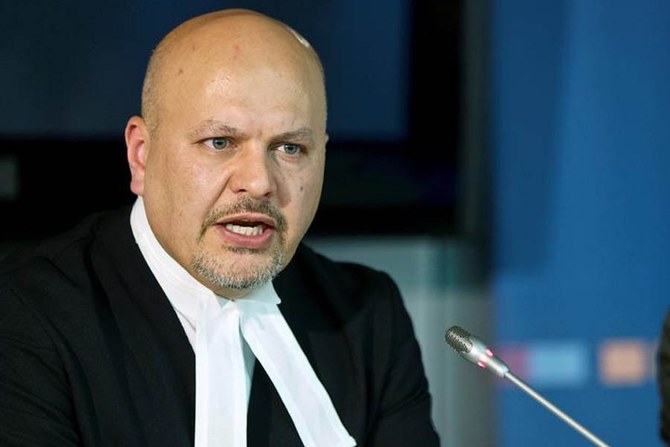
Khan, 50, currently heads a United Nations investigation into war crimes committed by Daesh in Iraq.
He is succeeding Gambian judge Fatou Bensouda and will begin his nine-year term at the court in the Hague in June.
"Mr. Karim Khan (United Kingdom) has been elected in the second round as the next ICC Prosecutor. Warm congratulations!" O-Gon Kwon, president of the Assembly of States Parties of the ICC, said in a Twitter post.

Khan has previously worked for the International Criminal Tribunal for the Former Yugoslavia (ICTY) and the International Criminal Tribunal for Rwanda.
At the ICC he will decide the next steps on investigations into war crimes in Afghanistan and the i2014 Israel-Palestinian conflict in Gaza.
The ICC is the only permanent intergovernmental body that investigates crimes against humanity.
https://www.arabnews.pk/node/1808526/pakistan
پاکستانی امریکی لینا خان امریکہ کی سب سے کم عمر فیڈرل ٹریڈ کمشنر بن گئیں

کاروباری اور تجارتی قوانین کی پاکستانی نژاد امریکی ماہر لینا خان نے سینیٹ سے نامزدگی کی منظوری کے بعد امریکہ کے فیڈرل ٹریڈ کمشنر کی حیثیت سے حلف اٹھا لیا ہے۔
امریکہ کے صدر جو بائیڈن نے اس سال مارچ میں لینا خان کوٖ فیڈرل ٹریڈ کمیشن کی سربراہی کے لیے نامزد کرتے ہوئے کاروبار کے میدان میں اینٹی ٹرسٹ قوانین پر ان کی مہارت، تجربے اور اسکالرشپ کا حوالہ دیا تھا۔
32 سالہ لینا خان امریکی فیڈرل ٹریڈ کمیشن میں شامل ہونے والی سب سے کم عمر رکن اور کمیشن کے اب تک مقرر کئے گئے رہنماؤں میں سب سے کم عمر چئیرپرسن ہیں۔ اسی وجہ سے ان پر بعض ریپبلکن حلقوں کی جانب سے اعتراض بھی کیا گیا ہے۔
امریکہ کا فیڈرل ٹریڈ کمیشن ایک آزاد ادارہ ہے جس کی ذمہ داریوں میں کاروبار میں ناجائز طریقوں اور فراڈ کو روکنا اور صارفین کے حقوق کی حفاظت کرنا شامل ہیں۔
امریکی سینیٹ نے اس ہفتے لینا خان کی نامزدگی کو اکثریتی ووٹ سے منظور کیا تھا۔
لینا خان کا شمار امریکہ میں کاروباری شعبے میں اینٹی ٹرسٹ قوانین اور اجارہ داری جیسے اہم پہلووں کے ماہرین میں ہوتا ہے۔ وہ ٹیکنالوجی کمپنیوں کے کچھ کاروباری طریقہ کار کی نمایاں نقاد بھی ہیں۔
اس سے قبل لینا خان کولمبیا لا سکول میں قانون کی ایسوسی ایٹ پروفیسر کے طور پر خدمات انجام دے رہی تھیں۔ انہیں کاروباری شعبے میں اینٹی ٹرسٹ قوانین کے علاوہ انسداد اجارہ داری کی روایت اور انفراسٹرکچر کے شعبے کی صنعتوں سے متعلق قوانین میں تدریسی مہارت حاصل ہے۔
انہیں اینٹی ٹرسٹ قوانین پر تحقیق اور آرٹیکلز تحریر کرنے پر متعداد انعامات سے نوازا گیا ہے ۔کاروباری قوانین کے متعلق ان کے مفصل مضامین امریکہ کے ممتاز تعلیمی اداروں ییل، ہاورڈ اور کولمبیا یونیورسٹی کے لا جرنل، کولمبیا لا ریویو اور شکاگو لا ریویو سمیت کئی اشاعتوں میں چھپ چکے ہیں۔
وہ امریکہ کے ایوان نمائندگان میں اینٹی ٹرسٹ قوانین اور تجارتی اور انتظامی قوانین سے متعلق سب کمیٹی برائے انصاف کی مشیر بھی رہ چکی ہیں۔ اس کمیٹی کی وکیل کے طور پر انہوں نے ڈیجیٹل مارکیٹس پر تفتیش میں اہم کردار ادا کیا۔
قبل ازیں انہوں نے سابق ڈیموکریٹک ٹریڈ کمشنر روہیت چوپڑا کے دفتر میں قانونی مشیر کے فرائض بھی انجام دیے۔ وہ اوپن مارکیٹس نامی انسٹی ٹیوٹ کی قانونی مشیر بھی رہ چکی ہیں۔ انہوں نے ییل لا سکول اور ولیمز کالج سے قانون کی ڈگری حاصل کی۔
لینا خان نے طالب علمی کے دوران ہی کاروباری قوانین سے متعلق حلقوں میں اس وقت ممتاز مقام حاصل کیا، جب 2017 میں انہوں نے'ایمیزوں کے اینٹی ٹرسٹ پیراڈاکس' کے عنوان سے ایک مضمون لکھا، جس میں کاروباری شعبے سے متعلق قوانین کے نفاذ اور قانون شکنی سے متعلق بات کی گئی تھی۔ اس مضمون میں انہوں نے یہ نتیجہ اخذ کیا کہ اینٹی ٹرسٹ قوانین کی خلاف ورزیوں کا تعین صارفین کو پہنچنے والے نقصان کی بنیاد پر کیا جاسکتا ہے۔
لینا خان کے والدین پاکستان سے تعلق رکھتے ہیں، جب کہ وہ لندن میں پیدا ہوئیں.
وہ گیارہ سال پہلے اپنے والدین کے ہمراہ 2010 میں امریکہ میں مستقل سکونت اختیار کرنے کے لیے آئیں اور قانون کے شعبہ میں اعلی تعلیم حاصل کی۔
https://www.urduvoa.com/a/lina-khan-federal-trade-commissioner/5931245.html
Imposing a 17% sales tax on dairy products when Pakistan’s poverty rate is 40% is equivalent to killing our children – says Chairman PPP Bilawal Bhutto Zardari

In a statement issued from the Media Cell Bilawal House, the Chairman Pakistan Peoples Party Bilawal Bhutto Zardari declared that using abusive language and hurling insults will not save Imran Khan from the public’s wrath. “Imran Khan set the minimum wage at Rs 20,000 and then imposed a tax of Rs 700 billion. What does this say about the country’s development?” questioned Chairman Bilawal Bhutto Zardari.
Revealing the true face of Imran Khan’s “Tabdeeli,” Chairman PPP stated, “In one year, there has been a 17% reduction in the income of the common man and a 25% rise in the prices of food utilities. It’s absolutely disgraceful that in a country where one in three children suffer from malnutrition, the incompetent PM has imposed a 17% sales tax on milk and allied products,” he said.
Chairman PPP further stated that imposing a 17% sales tax on dairy products when Pakistan’s poverty rate is 40% is equivalent to killing our children. “This is the price the people of Pakistan have to pay for Imran Khan’s ‘change,'” he pronounced.
Chairman Bilawal Bhutto Zardari also condemned the increase in flour, oil, and electricity prices and said that the puppet Prime Minister has brought a tsunami of inflation on the nation.