Sunday, March 14, 2021

How Pakistani Spy Officials Blocked Justice for Daniel Pearl

 Jeff Stein

ISI officials framed the Wall Street Journal reporter's murder case—and the FBI and DoJ prosecutor Chris Christie went along with it.

Of all the open sores in the long, painful relationship between the United States and Pakistan, the dragged-out case of Daniel Pearl’s murder hurts the worst.

Just over 20 years have passed since Pearl, an affable and gifted correspondent for the Wall Street Journal, went missing in Karachi. About a month after his disappearance on Jan. 23, 2002, his killers posted a grisly video of his beheading. 
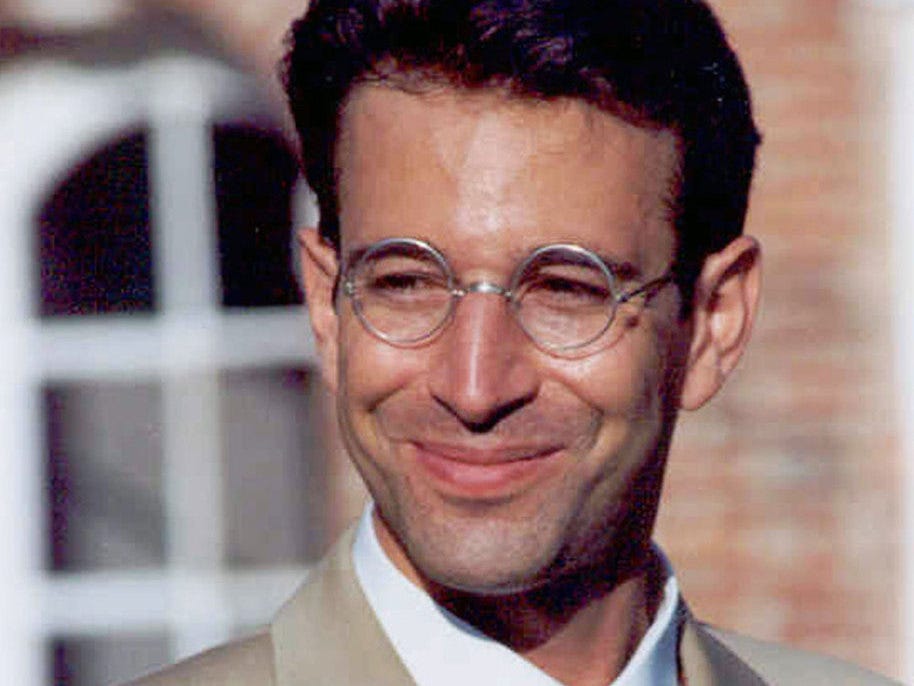
From start to finish, the people involved in Pearl’s kidnapping and murder were members of militant groups long backed by Pakistan’s all-powerful Inter-Services Intelligence agency, or ISI.  Last month, in yet another outrage, Pakistan’s Supreme Court freed Omar Saeed Sheikh, the man responsible for luring Pearl to his death, from prison and sent him to a halfway house.  The judges had connections to the ISI.

The act exemplified Pakistan’s treacherous double game with the U.S.  The Islamic nation claims to practice democratic norms, yet empowers its security agencies to collaborate with the world’s most dangerous militant groups, from Al Qaeda to the Afghan Taliban to terrorist units carrying out bloody attacks in India. 

“The overturning of the convictions of Daniel Pearl’s killers reflects the tenuous nature of Pakistan’s actions against terrorists,” Hussain Haqqani, a prominent pro-Western Pakistani journalist who served as his nation’s ambassador to the U.S from 2008 to 2011, told SpyTalk

But the case has also been complicated by the FBI and Justice Department quietly accepting false and conflicting confessions in the U.S. case against Sheikh, who was indicted by a federal grand jury in Newark on March 14, 2002.  One former FBI agent who worked on the case in Pakistan tells SpyTalk that his bosses and then-federal prosecutor Chris Christie “didn’t want to hear” information that undermined a murder charge against the Pakistani suspect. “There was no one else that they could stick with it,” Ty Fairman told SpyTalk in an exclusive interview. “They wanted to get him” because he’d been involved in the kidnapping of two other Americans in India seven years earlier. 

Biden administration officials responded to the Pakistani court decision with unbridled anger. At the White House, Press Secretary Jen Psaki said the United States was “outraged.” She described Sheikh’s release as “an affront to terror victims everywhere.” Secretary of State Antony Blinken issued a lengthy statement asserting that the United States was “deeply concerned,” a message he “reinforced” in a telephone call with Pakistan’s foreign minister. Acting Attorney General Monty Wilkinson added that the U.S. “stands ready to take custody of Sheikh.” Pearl’s widow Marianne wrote a mournful piece for The Washington Post saying she was “convinced that true justice will never come from above.”

She is right. The case has been so tainted by corruption and interference by powerful figures in Pakistan’s security establishment that Sheikh is not only likely to go free but escape justice here—in the unlikely event he were shipped to the U.S. for trial. The U.S. and Pakistan have no extradition agreement.  The case has been marred from the beginning by false, coerced and contradictory confessions that would make a murder conviction in an American court unlikely.

“It would be a nightmare of a case," former FBI agent Jay Kanetkar, who headed the bureau’s investigation in Pakistan, told Georgetown University’s Pearl Project, which has spent years on the case. Omar Sheikh had undergone a "softening up" by Pakistani police, he said. 

The case had been troubled from the beginning. Pakistani police coerced a confession from a taxi driver that he had ferried Pearl and Omar Saeed Sheikh to the spot where Pearl was kidnapped. 

Former FBI agent Fairman tells SpyTalk Sheikh was nowhere near Karachi.  He “was actually in his home town with his wife and family the day that Daniel Pearl was picked up [by kidnappers] in Karachi,” Fairman says, “and we all knew that. It was part of the information that we passed on. Everyone knew it.”
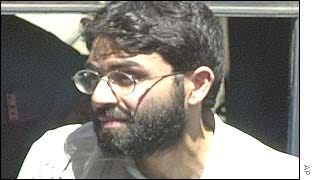
Omar Sheikh - BBC

But in an unsettling allegation, Fairman says his FBI bosses and Christie, then the U.S. Attorney in Newark, who would rise to become governor of New Jersey, didn’t want to hear about it. They wanted a fast solution  to Pearl’s murder, implicating Sheikh, who had already been secretly indicted for kidnapping American tourists in India years earlier. 

Omar’s Alibi

Fairman, who is telling the inside story of the FBI’s handling of the case for the first time, says he told his supervisors that not only was Sheikh 840 miles away in Islamabad, an FBI forensic analysis of the execution video released by his captors on February 22 ruled out Sheikh’s presence at the scene. The real killer was the infamous Al Qaeda terrorist Khalid Sheikh Mohammed, who was then at large in Pakistan and wanted for coordinating the Sept. 11, 2001, attacks on the World Trade Center and Pentagon.

“We got the videotape and we processed it one frame at a time,” Fairman says. “We looked at the feet, the hands, everything about the video. And we gave FBI Newark the information saying this is not Sheikh. We said it was Khalid Sheikh Mohammed.” 

“They weren't happy with that information,” Fairman added. He says he was demoted and eventually forced out of the FBI because of his objections. “Chris Christie was not happy with the information.” Nor were the Pakistanis. Authorities “deliberately discounted testimony suggesting” Khalid Sheikh Mohammed was responsible, the BBC reported

The Justice Department and FBI declined to comment. Chris Christie, who now runs a lobbying firm, did not respond by press time. 

Gone Free

KSM, as he’s universally known, was captured by U.S. agents in Pakistan in 2003 and immediately hustled out of the country to a succession of CIA black sites, where he was subjected to “enhanced interrogation techniques.” Four years later at Guantanamo, he confessed to FBI agents that he  “personally slit Pearl’s throat and severed his head to make certain he’d get the death penalty and to exploit the murder for propaganda,” the Pearl Project reported. But he has never been charged in the case. His trial by a military court on the 9/11 charges has been repeatedly delayed, most recently because of coronavirus concerns. 
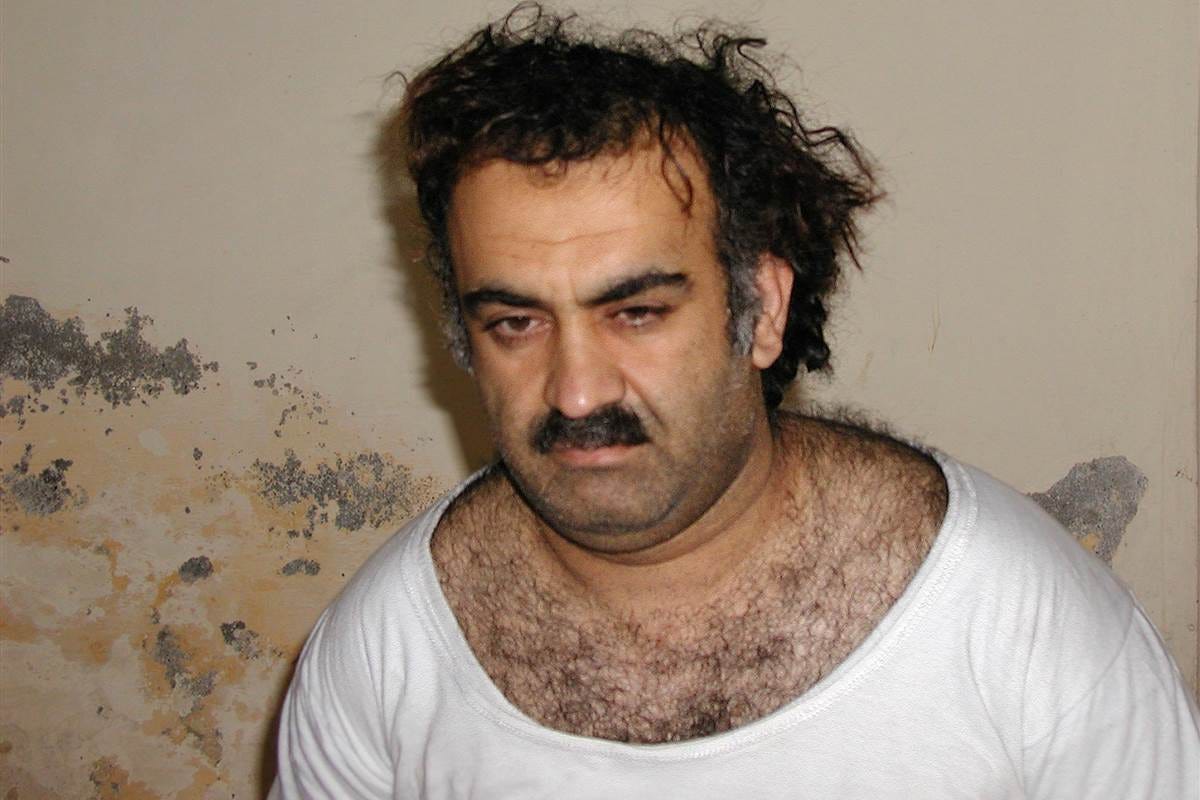
Khalid Sheikh Mohammed - FBI

Fairman says Pakistani authorities “refused to allow us to interview the taxi driver. It was off limits. We were told to leave him alone—don't even push the issue. And that's it, don’t touch it.” And he added, “That was a smoking gun. If you have no proof to put Omar Sheikh in Karachi at the same time that Daniel Pearl was picked up and actually kidnapped, you can't really tie them together” in a murder charge.

Not that Sheikh was entirely innocent—hardly. He’d volunteered to police that he’d arranged for Pearl’s kidnapping, but nothing more. Fairman says Sheikh told him he had planned to kidnap Pearl in a grand scheme to ransom him for U.S.  F-16 warplanes that Pakistan had paid for but never received because of congressional concerns over Islamabad’s pursuit of nuclear weapons.  But then Al Qaeda intervened, Sheikh told him. 

“He did admit to me that he was orchestrating the kidnapping,” Fairman said in a telephone interview from Sierra Leone, where he now lives and works. “But when Al Qaeda found out [Pearl had been kidnapped], that's when they came in and took over. And he was pissed off with Al Qaeda and had issues with them on why they would circumvent his operation.”  

That’s not what Sheikh was telling authorities, however. In a deposition a few month later he told the anti-terrorism court he had nothing to do with Pearl’s disappearance, that “he had never met him.”  The judges didn’t buy it, convicting him of murder and sentencing him to death by hanging. Only 17 years later,  in a bid for a new hearing to get the sentence overturned, did he admit complicity in the crime, arguing that his involvement was “a relatively minor one….”  

“That’s a lie, of course,” wrote Pearl Project Co-Director Asra Nomani, a former Wall Street Journal reporter and close friend of Pearl. Sheikh “was the spider who lured Pearl into a web of murderous extremists who killed him.”

If  Sheikh were to be extradited to the U.S. to stand trial on murder charges, Fairman maintains, he would be acquitted.  Federal prosecutors “have no concrete evidence to tie him into the murder of Daniel Pearl,” he says. “Accessory to the kidnapping, yes.”

The notion that Pakistani security officials, a number of whom have sympathies for and even close ties to terrorist groups including Al Qaeda, were quick to confine their murder case to Omar Sheikh and a few accomplices is not new—NBC News reported that in 2007.  What is new is that U.S. officials went along with it. 

The Pearl Project, co-directed by Barbara Feinman Todd, who has assisted such Washington Post luminaries as Bob Woodward, Carl Bernstein and the late Benjamin Bradlee with their books, also found that the proceedings were corrupt. 

“In their haste to close the case, Pakistani authorities knowingly used perjured testimony to pin the actual act of murder on Omar Sheikh and his three co-conspirators,”  the Pearl Project said in its 2011 report.  “While the four were involved in the kidnapping plan and certainly were culpable, they were not present when Pearl was murdered. Others, who were present and actually assisted in the brutal beheading, were not charged.” 

The main culprit, of course, was KSM, who was captured in Rawalpindi, which also happens to be the headquarters of the Pakistani Army and home to hundreds of current and retired generals and senior officials of the ISI. As the world now knows, Osama Bin Laden lived for some time in Abbottabad, 75 miles north of Islamabad and home to the Pakistani Military Academy. The Al Qaeda leader and his terrorist group had previously been sheltered in Afghanistan by the ISI-backed Afghan Taliban.

If Pakistan admitted that KSM had executed Pearl, its tolerance, if not protection, of Al Qaeda would be laid bare. But Omar Sheikh’s involvement also threatened to spotlight the double game Pakistani intelligence has long played with the U.S. and its allies.

While the ISI had worked hand in glove with the CIA in the 1980s to defeat the Soviet Red Army in Afghanistan, elements of it have gone on to work with terrorist organizations to advance Pakistan’s aims of destabilizing India and thwarting its influence in Afghanistan. At other times, Pakistani security agencies have helped Washington hunt down jihadis such as Mir Aimal Kansi, who shot several CIA employees outside the agency’s gate in Langley, Va., inJanuary 1993, and Abu Zubaydah, a militant wrongly identified at the time as a top lieutenant to Osama Bin Laden. Elements of the ISI and Pakistani Army Rangers also assisted in the 2003 capture of senior 9/11 conspirator Khalid Sheikh Mohammed, whose presence in the country was a huge embarrassment.

Omar Sheikh was deeply enmeshed in that duplicity—and more. According to a 2002 ABC News report, the U.K.-raised and educated Sheikh began working for the ISI in 1993, after he’d gone to Bosnia to help Muslims under assault by Serbs. According to some accounts, he may also have been working for Britain’s MI6 intelligence in Bosnia when it and the CIA were both helping the Bosnian Muslims fend off the Serbs. Former Prime Minister Pervez Musharraf alleged in his 2006 autobiography that  Sheikh was recruited by MI6 while a student at the London School of Economics but “went rogue” and turned into a jihadi “double agent” in Bosnia. In any event, he soon joined up with Harkat-ul-Ansar, an ISI-backed Pakistani terrorist group fighting in India’s divided Kashmir.  He became such a trusted operative that in the summer of 2001 then-ISI head Mahmoud Ahmed reportedly gave him $100,000 to wire to Mohammed Atta, the lead hijacker in the 9/11 attacks. In the ensuing months and years seven key Al Qaeda operatives, most of them connected to the 9/11 plot, were arrested in Pakistan.

In late January and early February 2002, Pakistan was under enormous pressure from Washington to find and rescue Pearl. Within days of his disappearance, his kidnappers had released a photo of Pearl with a gun at his head, but KSM’s connection to the crime had not surfaced. On February 5,  2002, Sheikh showed up at the home of retired general Ijaz Shah, a family friend who also happened to be a former ISI intelligence officer. Seven days would pass before Ijaz Shah delivered Sheikh to Pakistani police. Was ISI trying to work out some kind of deal to keep him quiet about its connection to him, or even figure out a way to help him escape? 

“This interlude has raised numerous questions,” noted the Pearl Project, “Was the ISI protecting Sheikh?” the project’s final report asked.  “Was it holding him to make sure he wouldn’t spill any of its secrets? Was Omar Sheikh hoping the intelligence service — perhaps the most powerful institution in Pakistan—would provide him some protection? Most provocatively, were elements in the ISI, which have backed the Taliban and Pakistan militant groups, knowledgeable about Omar Sheikh’s kidnapping activities? Even worse, was the ISI involved?”

None of these questions have been answered. Nor this one: How much did MI6 and the CIA know about Omar Sheikh Sheikh’s connection to ISI-backed terrorist groups? In an disquieting coincidence, the former ISI chiefMahmoud Ahmed happened to be in Washington on Sept. 11, 2001 on an official visit feted by CIA Director George Tenet and other top officials. (Ahmed would be forced out after reports of Omar Sheikh’s $100,000 wire transfer to Mohammed Atta surfaced.)

Taxi to the Dark Side

Fairman says that Pakistani police “coerced the taxi driver into saying that Pearl and  Sheikh were both in the car together" in Karachi, where the reporter was en route to a meeting for a story he was pursuing. 

On July 15, 2002, with Washington closely watching, an anti-terrorism court judge sentenced Sheikh to death by hanging as the “mastermind” of Pearl’s murder. Three others involved in the plot were given life sentences. 

“Islamabad was embarrassed about Pearl’s execution and wanted to show it was tough on terrorism—at a time when it had just established a new, post-9/11 counterterrorism partnership with Washington,” Michael Kugelman, senior associate for South Asia at the Wilson Center in Washington, D.C., recently wrote. 

In New Jersey,  a federal grand jury returned a supersedingand more careful, indictment charging  Sheikh with “hostage-taking and conspiracy to commit hostage-taking, resulting in the death of Daniel Pearl.” The Justice Department also unsealed an indictment charging him with the 1994 armed kidnapping of Béla Nuss, an American tourist, in India.  (Sheikh was jailed in that case but freed soon after when his followers hijacked an Air India jet out of Nepal and swapped the hostages for his release.)

In both the Béla Nuss and Pearl cases, the tall, sweet-talking Pakistani with the plummy British accent had diabolically employed his quick wit to lure them into danger. In India, Sheikh had offered Nuss a special tour. In Pakistan, he offered Pearl help with his investigation of Pakistani terrorist links to Richard Reid, the so-called “shoe bomber” who attempted to blow up an airliner en route from Paris to Miami in December 2001.  

After KSM’s 2007 confession, Sheikh’s lawyers began appealing his murder conviction. 

On April 2, 2020, Pakistan’s high court decided he was guilty only of kidnapping and sentenced him to seven years in jail. Since he had already spent 18 years in prison, he was ruled free to go, but the Pakistani government prevented his release by detaining him and the three co-defendants. While denouncing his release, the U.S. State Department hailed Pakistan’s decision to appeal. Then came the Pakistani Supreme Court January order freeing Sheikh to a halfway house. 

All along, more questions have arisen about the true role of Ijaz Shah, the former ISI intelligence officer who gave shelter to  Sheikh for a week in February 2002. According to some reports, Shah was Sheikh’s ISI handler.

None of that has stopped Shah’s rise in Pakistan’s security hierarchy and may have even helped it. Last year Prime Minister Imran Khan elevated him to interior minister, where a well informed source said he “got the court to acquit Sheikh and has effectively blocked Sheikh’s extradition to U.S.” In a cabinet shuffle in December, he was put atop the counter-narcotics ministry. His new boss, Sheikh Rasheed Ahmad, was once detained at the Houston airport and interrogated for five hours about his links to the terrorist organization Lashkar-e-Taiba and Hafiz Muhammad Saeed, an alleged mastermind of 2008 Mumbai attacks. A strenuous protest by Pakistan got him released.
Two of the three Pakistani Supreme Court jurists who freed Sheikh in January, saying the murder conviction was flawed and that he’d already served enough time for kidnapping, are "considered sympathizers to militants in Pakistan,” Asra Nomani told SpyTalk. “One is a military judge.”
Fouling Justice
And so once again, Islamabad’s deeply entrenched intelligence officials have scuttled a chance for Pakistan to improve relations with the United States.
“Sadly,” says Larry Pfeiffer, former chief of staff to retired CIA Director Michael Hayden, “Pakistan’s behavior demonstrates that without continued U.S. pressure—persuasion or coercion—it too readily falls back into the bad habit of protecting or even supporting those who would do Americans harm. We’ve seen this movie before, and we know sadly that it too often can end in American deaths.”
Daniel Pearl’s parents, Ruth and Judea Pearl, said the family was “in complete shock” over the decision, calling it a travesty of justice.” They added that “the release of these killers puts in danger journalists everywhere and the people of Pakistan.”
In 2018, the Trump administration got fed up with Pakistan for continuing to "harbor criminals and terrorists," as the former president put it. It directed the Pentagon to suspend $300 million in aid designated for Pakistan under a program for regional partners who are helping "stop the resurgence of safe havens that enable terrorists to threaten America." Also at the administration’s urging, the Financial Action Task Force, an international dirty-money watchdog, put Pakistan on its “grey list” for failing to crack down sufficiently on terrorism. The FATF renewed the designation last month.
Lisa Curtis was a key advocate for a tougher line on Pakistan in the Trump White House National Security Council. “Pakistan did try to distance itself from the militancy somewhat” after the Pentagon aid cut, she told SpyTalk. “We did see some decrease in the operations of these groups, over the last couple of years.” On the other hand, she said, “with the Taliban, we still see that they {Pakistani leaders] are playing both sides.”
The prospects for Pakistan handing over Sheikh for trial in the U.S.are dim, Curtis says. Too many secrets could emerge.
Some Pakistani observers with longtime experience dealing with Islamabad suspect the CIA has sources and methods at risk as well. The CIA and ISI go back a long way, they note with a raised eyebrow. “Why is the U.S. not fast-tracking the extradition demand?” one asked. Knowledgeable Americans dismiss Pakistani skepticism as a conspiracy fantasy: The U.S. has wanted to try Omar Sheikh for years, all the way back to 1994 Bela Nuss kidnapping. In any event, that trial won’t happen—unless Washington finds some way to get Sheikh into a U.S. courtroom. “I think it's highly doubtful that Pakistan would agree to extradite Omar Sheikh, for the simple reason that he likely has had dealings with the ISI in the past and the Pakistan government would not want that to surface,” Curtis said. “I think the best that we can hope for is that Pakistan finds some way to keep him in detention.”
Keeping him under wraps in Pakistan also keeps a lid on the FBI’s can of worms.
“I tell you what,” says Fairman, the former FBI agent, who was involved in several foreign terrorism cases as a forensic expert, “they couldn't call me to testify. I’d have to answer the questions and tell the truth. I couldn't lie. Not on the stand.” He’d say Omar Sheikh was only an accessory to the kidnapping..
The Pearl Project’s Asra Nomani just wants to see Sheikh back in prison, wherever.
“Because this was an extraterritorial case outside of U.S. boundaries, there were complicating factors in the case,” she concedes. “But Omar Sheikh and the three co-defendants are absolutely one-hundred-percent guilty. And they should not see freedom.”


 https://www.spytalk.co/p/murder-most-fouled-how-pakistani

#Pakistan - #Coronavirus: '' The third wave ''

Amer Malik 

 The number of fresh Covid-19 infections jumped by 37 percent during first week of March.


The ineffective enforcement of public health measures and poor compliance among people have triggered a sharp increase in Covid-19 positivity rate in Lahore over the last three weeks, paving the way for a third wave of novel coronavirus infections.

The massive public non-compliance of bio-safety standard operating procedures (SOPs) in public places around the city continued as segregated smart lockdowns in isolated areas proved futile in restraining the transmission of virus among the people.

The number of new Covid-19 infections and fatalities in Lahore registered a 37 percent and a 13.58 percent increase, respectively, between February 20 and March 8.

Over this two and a half-week period, there were 2,579 new cases and 25 more deaths as compared to the preceding period of the same duration - from February 3 February 20.

Countrywide, the positivity rate jumped from 3.31 percent to 4.16 percent between February 2 and March 5. Public health experts believe that a rapid increase in new infections and mortalities in Lahore over the past two to three weeks suggests a higher positivity trend of coronavirus in the city than recorded in the country.


“The decline in overall positivity ratio from 7.94 percent to 3.31 percent seen between December and mid-February is clearly reversing with a rapid increase in Covid-19 infections and hospitalisations in the provincial metropolis,” says Dr Shahid Malik, general secretary of the Lahore chapter of Pakistan Medical Association (PMA).
He believes that most people have prematurely overcome the fear of coronavirus and ar no longer bothering to wear masks or observe social distancing. “The crowd on Hall Road, for instance, is enough to expose government’s claims of ensuring enforcement of the SOPs. People are flouting all preventive measures with impunity,” he says. “On top of it, the government is hurrying into opening all sectors of the economy without due diligence. Public hospitals are being squeezed for space. This can spell disaster for the people and exhaust all health facilities in no time,” he says.
The Primary and Secondary Healthcare Department seems unaware of the gravity of the situation, and has resorted only to ‘smart’ lockdowns in certain infection hotspots.
In view of the increase in positivity percentage and prevalence of Covid-19 during the last two weeks, the department has imposed smart lockdowns in five Lahore hotspot, in two towns, and the cantonment areas. While the government has ordered police and district administration to watch exit and entry points and ensure observance of the SOPs and opening and closing times for commercial activities, most citizens appear to believe that law enforcement agencies and administration officials are being bribed by certain businesses in high-risk areas to be allowed risky relaxations.
Naeem Mir, the All Pakistan Anjuman-i-Tajiran general secretary, says the government’s claims of rising coronavirus cases is seen as “another hoax and a pretext to close down markets”. “The big businesses as well as small traders have suffered much over the past year. The common man is crumbling under the burden of unbearable inflation, rising unemployment and shrinking economy of the country,” he says, adding that in the past the government had only used coronavirus to make money by imposing certain restrictions on markets.
Talking to The News on Sunday, Prof Dr Irshad Hussain Qureshi, a former Head of Department of Medicine at King Edward Medical University/Mayo Hospital, says the impression of severe virulence during the third wave among already affected patients during the first or second wave of coronavirus is false. “Those already affected by Covid-19 once are less likely to get the virus now. There are hardly any cases of re-infection,” he says. Even if there are incidents of re-infection, he says, it won’t be severe. “The patients must observe quarantine to stop further transmission,” he says.
“The decline in overall positivity ratio from 7.94 percent to 3.31 percent seen from December to mid-February is clearly reversing with a rapid increase in Covid-19 infections and hospitalisations in the provincial metropolis,” says Dr Shahid Malik, the PMA Lahore Chapter general secretary.He says careful and responsible behaviours from people, preparedness, and planning, including sentinel surveillance at the district level, are required for the sustainability of Covid-19 control.
The Primary and Secondary Healthcare Department, Punjab, has already lifted various conditions vis-à-vis Covid-19 earlier imposed under the Punjab Infectious Diseases (Prevention and Control) Act 2020 including work from home and restrictions on commercial activities. However, in view of the evolving situation of Covid-19 incidence, the government is likely to review the opening of all sectors including granting permission for indoor weddings, dining and other celebrations, cinema/theatre halls and shrines with effect from March 15.
The government has already announced early spring vacation, from March 15, for all schools, colleges and universities in Lahore among seven districts with high prevalence of Covid-19 cases.
Some students and their parents have expressed extreme concern about non-observance of SOPs in schools. The management of a private school in Gulberg has sent a whole class on leave for home quarantine after one of the students was diagnosed with Covid. “The situation gets complicated due to conflicting statements by federal and provincial education ministers and the fake notifications circulating on social media and WhatsApp groups,” says Safdar Ahmad, father of a student at a school in the Walled City. The federal minister has issued orders for resumption of regular five-day classes in schools from March 1, causing confusion as the Punjab minister’s orders are for school attendance on alternate days and a ban on co-curricular activities in schools in Lahore among seven districts in the province.
According to official data of Specialised Healthcare and Medical Education Department, the occupancy rate of high dependency unit (HDU) beds is 37.90 percent and ICU beds 55.10 percent in public and private hospitals in Lahore. Out of the 468 patients (325 confirmed and 143 suspected), as many as 315 are admitted in 12 government hospitals and 153 in 19 private hospitals in the city. 308 patients are in HDUs/Covid Wards, 133 in ICUs and 27 on ventilators.
As many as 2,174 beds have been allocated for Covid-19 patients in government hospitals in Lahore out of which 1,842 are vacant. As many as 1,383 beds are still vacant out of 1,443 beds in Isolation Wards in public sector hospitals in the city, while as many as 345 beds are vacant out of 543 HDU beds, and another 114 ventilators are vacant out of 188 ventilators allocated for Covid-19 patients in hospitals of Lahore.
When contacted, Primary and Secondary Healthcare Department Secretary Capt (retired) Muhammad Usman said that the vaccination of people above the age of 60 has been started in the second phase from March 10. The department has set up 20 vaccination centres at the Expo Centre as a dedicated facility to avoid the danger of transmission of infectious diseases among people above the age of 60 in relatively-crowded hospitals in the city.
Some of the elderly people, who got their first vaccine jab, told TNS they were satisfied with quality of vaccine, saying that they had not experienced any adverse reaction. They also appreciated the elaborate arrangements to conduct vaccination of registered citizens without any hiccups.
Earlier, in the first phase, the frontline healthcare workers followed by doctors and medical staff in other specialties were vaccinated.
https://www.thenews.com.pk/tns/detail/803714-the-third-wave

کرونا کی تیسری لہر: پاکستان کے متعدد علاقوں میں جزوی لاک ڈاؤن


پاکستان کے سب سے بڑے صوبے پنجاب اور ملک کے شمالی حصوں میں کرونا (کورونا) وائرس کی تیزی سے پھیلتی ہوئی تیسری لہر کے تناظر میں صحت اور انتظامی حکام نے متاثرہ علاقوں میں جزوی لاک ڈاؤن نافذ کردیا۔

پنجاب میں حکام نے وائرس کا مقابلہ کرنے کے لیے عائد پابندیوں کی خلاف ورزی کرنے پر متعدد شادی ہالز اور ریستورانوں پر جرمانہ عائد کیا ہے۔ دارالحکومت اسلام آباد میں حکام نے شہریوں کو خبردار کیا ہے کہ وہ لازمی طور پر ماسک پہنیں اور عوامی مقامات پر سماجی فاصلہ برقرار رکھیں۔

پاکستان میں اب تک کرونا کے چھ لاکھ سے زائد کیسز رپورٹ اور تقریباً ساڑھے 13 ہزار اموات واقع ہوئی ہیں۔

عرب نیوز کے مطابق کووڈ 19 کے خلاف حکومتی پالیسی بنانے اور اس پر عمل درآمد کرانے کی مجاز اتھارٹی ’نیشنل کمانڈ اینڈ آپریشن سینٹر‘ (این سی او سی) نے ملک میں وبا کے بڑھتے ہوئے تناسب پر شدید تشویش کا اظہار کیا ہے۔

این سی او سی نے ہفتے کو ایک خصوصی اجلاس کے دوران کرونا کی صورت حال کا جائزہ لینے کے بعد ایک بیان میں کہا: ’قومی سطح پر وائرس پھیلنے کے تناسب میں تیزی سے اضافہ دیکھنے میں آرہا ہے اور یہ  پانچ سے چھ فیصد تک پہنچ چکا ہے۔ وبا کا بڑھتا ہوا رجحان سنگین تشویش کا باعث ہے۔‘

جنوری میں پاکستان کی کرونا وائرس کے پھیلنے کی شرح تقریباً تین فیصد تک گر گئی تھی جو اب دوبارہ بڑھ کر تقریباً چھ فیصد تک جا پہنچی ہے۔این سی او سی نے تمام وفاقی یونٹس (صوبوں) پر بھی زور دیا کہ وہ فوری طور پر اقدامات کریں اور وبائی بیماری کو روکنے کے لیے پابندیوں کی پیروی کریں۔

وزارت صحت نے اتوار کو بتایا کہ دو ہزار 266 افراد کے کرونا ٹیسٹ مثبت آئے ہیں جب کہ گذشتہ 24 گھنٹوں کے دوران 32 اموات ہوئیں۔

این سی او سی نے مزید کہا کہ جنوبی افریقہ اور برازیل سمیت وائرس کے بہت زیادہ پھیلاؤ والے بعض ممالک کے بین الاقوامی سفر پر مزید پابندیوں پر غور کیا جا رہا ہے۔

سول ایوی ایشن اتھارٹی کے ایک بیان کے مطابق پاکستان نے ان باؤنڈ پروازوں پر عائد پابندیوں میں مزید توسیع کردی ہے جو 18 مارچ تک برقرار رہے گی۔

Pakistan wants reset in ties with US but there’s no such thing as stand-alone geo-economics

TOUQIR HUSSAIN
In the long run, Washington cannot leave Islamabad entirely dependent on China and useful only to Beijing’s strategic purposes.

Pakistan-US relations in recent years have derived largely from Washington’s China and India policies, the Afghanistan war and US national security concerns related to international terrorism. And they have not performed well, leaving both sides unhappy. The Biden administration has given no hint of what comes next.

Pakistan for its part, going by official statements and think tanks reports, is hoping for a reset where relations find their own rationale yet reflect a balance in America’s ties with India and Pakistan, and its consent to Islamabad’s strategic links with Beijing. But Pakistan has given no indication how the competing objectives in its wish list can be reconciled, and hasn’t provided any clues about its own policies to induce the desired change in US policies. All we hear is talk that Pakistan is moving away from geopolitics to geo-economics.


In fact, there’s no such thing as stand-alone geo-economics especially when Pakistan’s value as an economic partner is anything but obvious. Here a little history is relevant. Pakistan’s close relations with the US have historically been a function of geopolitics (1954 to 1965 and 1979 to 1990) or issues relating to US and global security (2001 to 2011). That is where the relations found their logic.
Geopolitics still remains the guiding principle of Pakistan-US relations except that now it provokes conflict. Cooperation is still possible in areas such as stabilisation of Afghanistan and counterterrorism. The US feels that continued Afghan conflict will keep insurgency and terrorism alive, and would not only threaten its own security but by fuelling extremism in Pakistan would also hold the stability of the nuclear-capable country hostage. Jihadists also threaten India, undermining Washington’s China policy. As it is these areas of cooperation between the two sides are also marked by a conflict of perception, policy and interests,
How Washington resolves these dilemmas will depend not only on its China and Afghanistan policies currently under review but also on how compatible Pakistan’s polices will be with US objectives. America does not want to start a new Afghan war. Nor does it want to scuttle the February 2020 agreement entirely. Washington may have lost the war but has not lost the capacity to prevent instability in Afghanistan. However, it will need Pakistan’s help. But there appears to be no clarity in Pakistan’s Afghanistan policy except in rhetoric.
There is also a continued lack of trust in Washington’s policies. Those sceptical of America’s value as a partner need to revisit Pakistan’s own history. To its credit, the US did help Pakistan meet its economic and security challenges earlier. Problems arose in the 1980s and after 9/11 in liaisons between Washington and the Zia and Musharraf regimes struggling to gain legitimacy, economic support and political backing. They made a bad bargain with the US in their own interest rather than Pakistan’s. Sadly, more than suffering at the hands of others Pakistan was a victim of its own poor policy choices and their advancement through an unqualified partnership with the US.
Pakistan’s policies must enjoy domestic support before others respect it. And if Pakistan wants to move from geopolitics to geo-economics it has to reach some understanding with Washington on strategic and security issues, otherwise these will keep colliding with prospects of economic cooperation. And finally, Pakistan has to enhance its value as an economic partner for which it needs to strengthen its economy, free itself from entrenchment in a security-dominated national purpose, and pursue policies that make its excellent geopolitical location a true asset, not a liability. Its real value as an economic partner will not show until Afghanistan stabilises and Pakistan becomes a hub for pipelines and trade with Central Asia.
Pakistan should not seek across-the-board change in its ties with the US. Washington is not interested in broadening the relationship. Pakistan should start modestly with Afghanistan and counterterrorism and build mutual confidence, and then expand the dialogue and agree to cooperate on points of convergence while trying to manage areas of divergence. In the long run, Washington cannot leave Islamabad entirely dependent on China and useful only to Beijing’s strategic purposes. And that is where there is some strategic convergence.
Pakistan should revisit Zulfikar Ali Bhutto’s great idea of ‘bilateralism’. Instead of being concerned over losing China in pursuit of America, Islamabad should worry about gaining internal strength to enhance its appeal to both sides so neither can afford to lose Pakistan. A weak Pakistan would need both China and the US. However, it would have no option but to choose one. https://theprint.in/opinion/pakistan-wants-reset-in-ties-with-us-but-theres-no-such-thing-as-stand-alone-geo-economics/621315/

Saturday, March 13, 2021

Comedy - #Colbert #DrAnthonyFauci #DrFauci Doctor's Orders: Dr. Fauci Says Don't Go Hit The Clubs, Even After Being Vaccinated

Video Report - This week, President Biden stopped by W.S. Jenks & Son

Video Report - Covid-19 situation in Paris area is extremely tense, French PM says

Video Report - New York tests app to check for COVID-19 infections

Video Report - Does the AstraZeneca COVID vaccine cause blood clots? | DW News

#Pakistan - Establishment candidate Sanjrani Defeats Gillani: Can Rejected Votes Be Counted| Nawaz Sharif & PDM

Video Report - Will Maryam Get Arrested? | Will Courts Cancel Sanjarani Victory? | Will Imran Survive?

When will there be justice for Pakistan’s victims of child abuse?


Samira Shackle
Three years after the murder of seven-year-old Zainab Ansari shook Pakistan, little has changed for victims.
On January 9, 2018, the body of seven-year-old Zainab Ansari was discovered on a rubbish dump in her home town of Kasur, Pakistan.
She was not the first young girl from the city to have disappeared and protests erupted in Kasur about police inaction over a string of violent sexual attacks against small children in the city. This anger spread beyond Kasur as riots broke out across Pakistan.
Three weeks after Zainab was raped and murdered, her killer, Imran Ali, was arrested with the help of security camera footage – which was obtained not by police, but by Zainab’s relatives. He was found guilty of similar crimes against six more girls. The families of those other children had sought help from the police but had been dismissed or come under suspicion themselves, leaving the killer free to continue offending. He was executed later that year, but simmering rage about the mishandling of the case remains.
This rage has triggered a national conversation about the prevalence of child abuse and sexual assault in Pakistan: crucially, about the fact that in this conservative nation, sex education is practically non-existent, meaning that many children do not have the tools to recognise predators, nor do they have the language to speak out about it if something happens.
This is a pressing issue. Nearly 10 cases of child abuse are reported each day in Pakistan, with girls disproportionately affected, according to Sahil, an organisation focused on child protection. The Human Rights Commission of Pakistan places the estimate closer to 13 cases per day. As in other countries, many cases go unreported, so the true number is likely to be much higher.
At the time of Zainab’s murder, Pakistan did not have any national legislation on child abuse. Two years later, in March 2020, Pakistan’s parliament took steps to address this, passing a law responding to these concerns – the Zainab Alert, Response and Recovery Bill. It provides for a dedicated agency to respond more quickly when children go missing; creates a helpline for missing child alerts; makes it incumbent on local police chiefs to respond within two hours of the alert; requires police to complete their investigations of these cases within three months; and introduces a life sentence for child abuse.
But a year after the legislation was introduced, and three years after Zainab’s death, not much has changed in practical terms. Why might this be? First of all, it is important to acknowledge that tackling child abuse is a complicated process that every country struggles with. In Pakistan, however, there is the additional issue of weak state institutions, which makes the implementation of laws patchy at best and non-existent at worst.
This is not unique to child abuse legislation; Pakistan has a raft of relatively progressive laws on women’s rights, for instance, which exist on the statute books but are simply not enforced by police. All too often, police at the ground level are poorly funded and poorly trained. Police officers may not always be aware of legal changes, and are ultimately a product of the society they live in – which often means they are patriarchal and conservative, with a tendency to view violence against women as a “family problem”, or as something provoked by the victim. There are also very few female police officers. Last September, a woman was gang raped on a highway after her car broke down. The lead police investigator suggested she should have taken a safer route and said that no one in Pakistani society would “allow their sisters and daughters to travel alone so late”.
The second problem is even more nebulous and difficult to challenge – the continued shame that exists when talking about these issues, which is particularly acute in a conservative society where any discussion of sex or sexual violence is taboo.
After Zainab’s murder in 2018, women on social media shared their experiences under the hashtag #JusticeForZainab. The actor, Nadia Jamil, tweeted about her own childhood abuse, highlighting that people are often shamed for speaking out: “People tell me not to talk to respect my family’s honour. Is my family’s honour packed in my body?”
The model, Frieha Altaf, tweeted about being abused by her family’s cook when she was six, writing: “My parents took action but everyone remained silent as if it was my shame.” These were brave interventions, but, as we have seen with the #MeToo movement globally, it takes a long time for social norms to change.
In fact, for a painful illustration of both of these issues – problems with the justice system and a pervasive culture of shame – we need look no further than Kasur, the city where Zainab lived. At the time of her death, Kasur was often referred to as “the child abuse capital of Pakistan”, due to the horrifying revelation in 2015 that a paedophile ring had sexually abused 280 children from impoverished areas on the outskirts of the city, filming and selling videos of the assaults. At the time, the case prompted national outrage, prefiguring Zainab’s case. Politicians visited the city and made grand promises of justice. They pledged psychological and financial support for the victims. But, as the news cameras moved on, so did political attention. The support never materialised.
Six years on, the boys and girls affected have been stigmatised by their communities and, in some cases, forced to move away. Meanwhile, the accused – who are mostly from, or affiliated with, a powerful family – have been released from jail and are free to live their lives and intimidate those who reported them. This was an all-too-common miscarriage of justice, highlighting the problems with a weak and corrupt justice system (particularly at the local level, as opposed to within the higher courts) and the deep shame that too often afflicts victims and their families.
The public debate and new legislation that came out of Zainab’s death was a positive outcome of a terrible tragedy. But the work, clearly, is just beginning.
https://www.aljazeera.com/opinions/2021/3/11/when-will-there-be-justice-for-pakistans-victims-of-child-abuse

Pakistani forces kill five previously abducted Baloch in a staged encounter

 The Pakistani forces’ Counter-Terrorism Department (CTD) has killed five previously abducted Baloch prisoners in a fake counter in the Espelinji area of Mastung Balochistan on Monday evening.

The spokesperson of the CTD claimed the deceased were members of ‘the Baloch Liberation Army’ and were killed in an intelligence-based operation. He claimed that when the forces raided their ‘hideout’ and asked them to surrender, they opened fire on the CTD forces instead.

The deceased have been named Shah Nazar Marri, Yousaf Marri, Arif Marri, Jamil Perkani and Samiullah Perkani.

Family sources of at least three of the deceased have confirmed to Balochwarna News that they were arrested many weeks before the so called ‘intelligence-based operation’ from different areas of Balochistan.

 Yousaf Marri was abducted from Jaladi on 27 November 2020 and his cousin Arif Marri was abducted from Quetta on 28 February 2021. Yousaf used work in his farms in Jaladi whereas Arif Marri ran a small shop in Quetta.

A school teacher Sher Dil Marri and Nadir Marri two uncles of Yousaf Marri were abducted from New Kahaan Quetta on May 15, 2020. Sher Dil Marri later charged with trumped-up drug-related charged and release conditionally.

Nadir was transferred to Mach Jail for a few days and a ransom was demanded for his release. Since his family could not pay the military, he was once again disappeared from jail and his whereabouts remain unknown to this day.

 Shah Nazar Chalgari Marri was abducted from Harnai during a military offensive in December 2020.

The other two youth Samiullah and Jamil Perkani were abducted on January 18, 2021, from Eastern bypass Quetta.

Sources informed Balochwarna News that Pakistan army officials had contacted the families of at least two of the deceased and demanded ransom but their families could not afford the huge ransom. Hence, they refused to pay the army.

It is worth noting that previously also Pakistan army demanded ransom from the families of disappeared Baloch and later killed the detainees despite being paid.

The Pakistani army has admitted that in recent years several high-rank officials including Major ranks were dismissed for ‘misuse of power’ and their involvement in corruption.

In the past also Pakistan army killed many Baloch prisoners in similar fake encounters and released statements to media that they were killed during operations.

Baloch pro-freedom political parties and human rights organisations say that Pakistani forces have killed thousands of missing Baloch persons since the beginning of the new state policy ‘kill and dump’ since early 2009.  

The victims of Pakistan’s kill and dump policy include highly learned Baloch academics, teachers, students, lawyers, doctors and other members of the society.

https://balochwarna.com/2021/03/09/pakistani-forces-kill-five-previously-abducted-baloch-in-a-staged-encounter/

#Pakistan - Child marriage: How the Girls are ill-treated During Childhood in #Balochistan?


Munaj Gul Mohammad

The month of November in Makran comes with some excitement for school-age children after the announcement of vacations amid the second wave of coronavirus. Most of the children happily chatted with one another as to how to pass their off-days in their neighborhoods. However, Sara in full excitement tells her classmates that she will enjoy full time with her family members in her village (Tehsil Tump).

She was uncertain that the end of November 2020 would be unfair with her studies and life-changing dreams.
Rather than doing school assignments, she was told to be ready in wearing the bridal dress as her marriage was scheduled for December 10. For her classmates, the middle of December came up with that grim news.
Though for Sara,12, in the village of Tump area of district Kech, the forced marriage was a lifelong curse that washed away her beautiful dreams. Consequently, she got married to a much older man than her age. Now she owns those cultures which she has been reviling her fate.
In fact, child marriage has been a very long practice in the Tump, region of district Kech (Tump is a neglected area in Eastern Makran, Balochistan) and in other parts of Balochistan, too. In the region, girls are never given a choice when and where to get married.
” I dreamt to be a school teacher,” Sara said. Whenever my class teachers asked me about my future planning, I responded to them that the only wish of mine is to “contribute something good to the girls’ education in my society which no more remains a wish for me,” she answered in tears.
After the marriage, Sara says goodbye to her education, and getting married at a very young age has put all her dreams aside, but no one cares!
“We (females) don’t need all the constitutional rights to secure ourselves from the so-called male-dominated society, what we just want to have the right to accept the proposal of the marriage or disagree to further continue our education.” Laments Nazish told me, who is another young married girl who dreamt to be a lawyer; unfortunately, she is the mother of a daughter and a son, with no choice left for her to pursue her education and fulfill her childhood dreams. “They (our families) would never try to educate their daughters as sons. We wish to wear school uniforms and to rest in our mothers’ arms, but we are forced to wear a wedding dress, thenceforth, we are married before the completion of our education.”
Nazish and Sara are not the first prey to get early marriage in Balochistan province; there are hundreds of thousands of such unreported stories on the basis of so-called family honors. In Pakistan, Child Marriage Restraint Act (CMRA) 1929 has set the legal age for marriage to 16 for women and 18 for men; but sadly, there remains no implementation of laws for the eradication of the existing dilemma.
Similarly, there are numerous young girls who think of holding books and pens in their hands but the so-called society handover them the burden of responsibilities on their weak shoulders by enforced and early age-marriage; before they could reach to the age of puberty. Instead of holding books and pens, they are compelled to hold children.
Undoubtedly, early marriage affects the health of brides and grooms besides education.
Here the questions arise, why are the only girls forced to marry not boys? Who is the onus of deaths of beautiful souls in the early pregnancy? Who is responsible of the violation of their (girls) legal rights besides the rights bestowed by God?
” I complained to my uncles about my marriage, but they remained silent even though they were educated and aware of the consequences of early marriages. Secondly, it was the most difficult moment for me when we (my sisters and relatives) were told to sew the matrimonial dress of mine. In fear, I remained dead-silent. During the marriage, they (family members) were rejoicing and dancing, I passed all the days and nights in tears,” says Nazish in anguish. ” There are many girls who are married off before they reach puberty and their dreams are crushed out.”
In Balochistan, almost more than 50% of marriages are solemnized before the age of 18. Because of early marriages mortality ratio during pregnancy is high. Though, the prime reason behind child marriages is lack of public awareness and illiteracy. Howbeit, the so-called civil society, religious leaders, and other communities, had to better work on the decimation of this social evil in the province.
The Sustainable Development Goals has planned to achieve its goals in the year 2030 and promise to create progress, which will improve lives across the world. The elimination of early marriages is one of them. But when every year young girls are married off; they have ultimately locked away from a better life. Young girls in Balochistan, are no exception. Some with great dreams of the future and some too young to envisage anything about themselves are married off. The provincial and federal governments have to impose the laws in the prohibition of early marriages if they want a change in the world of education…!
As for the present, Sara and Nazish wail with the moon at nights and nights. God only listens to their rebukes but never bothers Himself to reply to them in the affirmative.
https://balochistanvoices.com/2021/03/child-marriage-how-the-girls-are-ill-treated-during-childhood-in-balochistan/

Friday, March 12, 2021

اگر عورت مارچ ثقافت کے خلاف ہے، تو آپ کی ثقافت کیا ہے؟


تحریم عظیم 

اگر آپ اپنی حدود متعین کر لیں تو جس ثقافت پر آپ فخر کرتے ہیں وہ شاید آپ کو حقیقت میں بھی نظر آ جائے۔

لیں جی، عورت مارچ ہونا تھا، ہو گیا۔ دو روز قبل خواتین کے عالمی دن کے موقعے پر لاہور، کراچی، اسلام آباد اور ملتان سمیت وطنِ عزیز کے کئی شہروں میں عورت مارچ ہوا اور کیا خوب ہوا۔ عورتیں پہلے سے زیادہ تیاری کے ساتھ مارچ میں شریک ہوئیں۔ عورت مارچ کی انتظامیہ بھی پہلے کی نسبت زیادہ منظم اور تیار نظر آئی۔

جنہوں نے خوش ہونا تھا وہ خوش ہوئے اور جنہوں نے جلنا بھننا تھا وہ جلتے بنتے رہے۔ ان کی یہ جلن ٹوئٹر پر ’آوارہ، بدچلن عورت مارچ‘ کے نام سے رات دیر تک ٹرینڈ کرتی رہی۔ ہم ان کی جلن دیکھ کر ہنستے رہے۔ ان کا دعویٰ عورت کی عزت کرنے کا ہے جبکہ حقیقت میں یہ اس کا بولنا بھی برداشت نہیں کر سکتے۔ یہ عورت کو اظہار کا طریقہ سمجھاتے ہیں جبکہ خود اظہار کے الف سے بھی ناواقف ہیں۔

کہتے ہیں، عورت مارچ ہماری ثقافت کے خلاف ہے۔ ہم پوچھتے ہیں آپ کی ثقافت کیا ہے؟

کیا بیٹی کی پیدائش پر رونا آپ کی ثقافت ہے؟

کیا نابالغ لڑکی سے شادی کرنا آپ کی ثقافت ہے؟

کیا اپنی ذمہ داریاں عورت کے کندھوں پر ڈالنا آپ کی ثقافت ہے؟

کیا عورت کی مرضی جانے بغیر ہر سال اس کی کوکھ میں ایک نئی جان ڈالنا آپ کی ثقافت ہے؟

کیا سڑکوں پر چلنے والی اور بس سٹاپ پر اپنی سواری کا انتظار کرنے والی عورت کو اپنی نظروں، اشاروں، ہاتھوں اور جسم سے ہراساں کرنا آپ کی ثقافت ہے؟

کیا موٹر وے پر مدد کا انتظار کرتی عورت کے ساتھ جنسی زیادتی کرنا آپ کی ثقافت ہے؟

کیا گھر سے سپارہ پڑھنے جانے والی سات سالہ بچی کا ریپ کرنا آپ کی ثقافت ہے؟

کیا دو ماہ کی بچی کو اکیلا پا کر اس کے جسم کو بھنبھوڑ دینا آپ کی ثقافت ہے؟

کیا عورت کا رشتے سے انکار کرنے پر اس کے منہ پر تیزاب پھینکنا یا اسے جان سے مار دینا آپ کی ثقافت ہے؟

کیا عورت کے اپنی مرضی سے شادی کرنے پر اسے مارنا پیٹنا یا قتل کر دینا آپ کی ثقافت ہے؟

کیا عورت کے ہاتھ پاؤں توڑ کر اسے شادی کے بندھن میں باندھنا آپ کی ثقافت ہے؟

اگر یہی آپ کی ثقافت ہے تو ایسی ثقافت کا تباہ ہونا ہی اچھا ہے۔ ایسی ثقافت پر فخر نہیں کیا جاتا، رویا جاتا ہے۔ پر آپ کیوں روئیں گے۔ آپ کی زندگی تو بہترین ہے۔ آپ کی حیثیت تو آپ کے دنیا میں آنے سے پہلے ہی طے ہو جاتی ہے۔ آپ کے حصول کے لیے دعائیں کی جاتی ہیں، وظیفے کیے جاتے ہیں، منتیں مانگی جاتی ہیں۔ آپ کے پیدا ہونے پر مٹھائیاں بانٹی جاتی ہیں۔ آپ جس چیز پر ہاتھ رکھ دیں، وہ آپ کے حوالے کر دی جاتی ہے، چاہے کھلونا ہو یا جیتا جاگتا انسان۔

ہمارے ساتھ ایسا نہیں ہوتا۔ ہمارے سر پر خاندان کی عزت کا ٹوکرا رکھ دیا جاتا ہے جس کو اصل میں رولتے آپ ہیں لیکن اس کی بھروائی ہمیں کرنی پڑتی ہیں۔

آپ جس ثقافت پر فخر کر رہے ہیں وہ اصل میں وہ شے ہے جسے آپ نے خوشنما تھیلے میں چھپایا ہوا ہے۔ ذرا تھیلا کھول کر تو دیکھیں۔ سڑاند سے ناک بند ہوا تو کہیے گا۔

ہم تو ایسا معاشرہ چاہتے ہیں جہاں آپ اور ہم ایک ساتھ آگے بڑھیں۔ ایک ایسا معاشرہ جہاں خواب دیکھنے کی آزادی صرف آپ کو نہ ہو بلکہ ہمیں بھی ہو۔ ایک ایسا معاشرہ جہاں آپ کو پیسے کمانے کی مشین نہ سمجھا جائے اور ہماری زندگی کا مقصد ایک مرد کی جنسی خواہش پوری کرنا اور اس کے بچے پیدا کرنا نہ ہو۔

ہم ایسا معاشرہ چاہتے ہیں جہاں عورت کو گھر سے نکلنے سے پہلے کسی دو سالہ بچے کا سہارا نہ تلاش کرنا پڑے۔ ایک ایسا معاشرہ جہاں عورت بغیر کسی ڈر و خوف کے کسی بھی وقت سفر کر سکے۔ ایک ایسا معاشرہ جہاں وہ جب تاک چاہے اور جتنا چاہے پڑھ سکے، اپنی مرضی کی نوکری کر سکے، اپنی مرضی کا ساتھی چن سکے اور اپنی ذات کے بارے میں اپنی مرضی سے فیصلے کر سکے۔ اس میں کیسی بے حیائی ہے؟

یا آپ عورت کا اپنی مرضی سے جینا بے حیائی سمجھتے ہیں؟ اس صورت میں مسئلہ عورت مارچ نہیں ہے بلکہ آپ خود ہیں۔ ایک کام کریں جتنا دماغ آپ عورت کے ہر قدم کو جانچنے پر صرف کرتے ہیں، کبھی اتنا ہی دماغ اپنے قدموں کی جانچ پڑتال پر بھی لگا لیں۔ شائد آپ کو اپنی بے حیائیاں نظر آ جائیں۔ دیکھیں جی صاف سی بات ہے اپنا دامن گندا ہو تو دوسروں کو صاف کپڑے پہننے کا درس نہیں دیا کرتے۔ پہلے اپنا آپ تو دیکھ لیں۔

آپ اپنا آپ درست کر لیں، اپنی حدود متعین کر لیں تو جس ثقافت پر آپ فخر کرتے ہیں نا، وہ شائد آپ کو حقیقت میں بھی نظر آ جائے ورنہ کہتے رہیں آواہ اور بد نسل، ہمیں فرق نہیں پڑتا۔

https://www.independenturdu.com/node/61866/aurat-march-it-against-our-values 

Video - Chairman PPP Bilawal Bhutto Zardari addresses press conference at Zardari House, ISB

'Great joke with democracy': Opposition vows to challenge Senate chairman election result

PPP chairperson Bilawal Bhutto-Zardari on Friday blasted the result of the Senate chairman election which saw the ruling PTI-backed Sadiq Sanjrani defeat PPP's Yousuf Raza Gilani — the Pakistan Democratic Movement's joint candidate — and vowed to challenge the result in the high court.
Addressing a press conference alongside Gilani and Raza Rabbani, the PPP leader claimed that the seven senators whose votes were rejected for not being stamped properly were "purposely disenfranchised" through the "illegal and biased" decisions taken by the presiding officer Syed Muzaffar Hussain Shah.
According to official results announced by the presiding officer, the PTI-backed candidate, Sanjrani, received 48 votes, while Gilani obtained 42 votes. A total of 98 senators voted in the election.
If the seven rejected votes were added to Gilani's tally, his total would have amounted to 49 — one more than Sanjrani's.
Bilawal said those seven votes were cast "properly, legally and constitutionally but seven senators of Pakistan were purposely disenfranchised", adding that the votes were also valid according to past judgements of the Supreme Court and the stance of the Election Commission of Pakistan (ECP).
"Whether you stamp on the arrow or the name or the box, when the voter's intention is clear, the vote is valid," he emphasised.
He said he had talked to PML-N Vice President Maryam Nawaz, PDM president Maulana Fazlur Rehman, his father and former president Asif Ali Zardari and his lawyers about this "atrocity" and they had decided to move the court over the election and "get this injustice reversed".
"Our stance is that we have won. The Senate chairman election has been stolen in front of us, the people of Pakistan, but despite these black-handed tactics, what [the PTI] has proven ... is that the people are with Pakistan Democratic Movement and not Imran Khan.
"[The PTI] has proven in Senate too that the Senate of Pakistan was with Yousuf Raza Gilani but the government alliance's presiding officer while violating his own rules made a decision through which the post of Senate chairman was given to someone else."
The PPP chairperson read out a ruling of the ECP, stating that "a stamp which appears on multiple boxes but a prominent portion of which is in favour of a particular candidate will be counted as a valid vote."He also cited judgements of the Supreme Court from 2004 and 2007 that, according to him, stated: "Where the voter's intention is clear, you cannot reject their vote."
Bilawal questioned how a senator could be disenfranchised when even a common citizen could not.
"From what the presiding officer was saying, it was clear those votes were in favour of Yousuf Raza Gilani. The presiding officer was certain they were for Gilani and if they had been validated, he would have won the election, [but] because he is biased and antithetical to PPP and an ally of the government of Imran Khan, he made this biased decision."
He expressed the hope that the opposition would "get justice and a decision in our favour" from the high court.
Replying to a question, Bilawal said the PDM was also discussing the possibility of bringing a no-confidence motion against Sanjrani but had decided to approach the courts as soon as possible because it was a "very clear, evident and open-and-shut case".
When he was asked whether he believed the establishment had played a neutral role in today's election, Bilawal said: "If you ask me today whether every institution is neutral, obviously the answer is no."
The PPP's struggle is that every institution is neutral and works within its domain, he said, adding that it was a result of the opposition's struggle and efforts that a "little difference could be seen" in the recent by-elections.
'Great joke with democracy'
Earlier, other senior members of the opposition — including PPP leaders Raja Pervez Ashraf and Qamar Zaman Kaira and PML-N leader Ahsan Iqbal — also denounced the result of the Senate chairman election.At a press conference, Ashraf alleged that the "unconstitutional and unlawful" manner in which Gilani's majority was defeated and the decision was given against him was "worthy of condemnation". He alleged that those who had talked about the "sanctity and importance" of the vote had instead planted cameras to affect the polling process — a reference to the "spy cameras" allegedly found near the polling booth in the Senate earlier in the day.
"I think that when we go to the courts and they analyse the ballot papers [...] Yousuf Raza Gilani will be successful," he added.
Iqbal, meanwhile, also said the opposition would take the matter to the courts "and we expect from the court that it will correct this attack on the Consitution, the law and the vote".
Both leaders sharply criticised the process through which Gilani's seven votes were rejected and Ashraf claimed that the PDM had actually won, while the "government candidate has badly failed". He questioned why Sanjrani had occupied the seat despite being in the minority.
"I understand that if he was a politician, a giver of democracy to the country and a lover of democracy then he would've himself rejected that I don't have more votes [and] I don't have the majority so I am not qualified to be sitting on this chair," he said.
He added that the use of such tactics by the government was a sign that "its days are numbered". "A great joke has been had with democracy. We and the PDM reject this election," said Ashraf.
Iqbal said the seven rejected votes stood valid according to a decision of the Supreme Court (SC) he quoted.
"The question of the validity or otherwise of the ballot papers can only be determined by ascertaining the intention of the voters and in that respect, the manner of affixing the stamp is material.
"If the mark or stamp is affixed upon the name of the candidate instead of their symbol, there cannot be any hesitation to maintain that the voter had in fact shown his consent to cast vote in [the candidate's] favour."
He maintained that other decisions of the SC also held that the intent of the voter needed to be considered, saying there were "dozens of decisions of the SC, the high court and ECP (Election Commission of Pakistan) that [such a] vote is valid".
"It is as clear as the rising of the sun that this rigging was done by forcefully invalidating seven votes to turn the defeat of the government into victory," the PML-N leader alleged.

"PDM candidate Yousuf Raza Gilani won with 49 votes and government candidate Sadiq Sanjrani lost with 48 votes but the victory of the losing candidate was declared by forcibly rejecting seven votes of Yousuf Raza Gilani."

PPP leader and Sindh Education Minister Saeed Ghani, meanwhile, citing a banner stating the instructions for casting vote in the Senate hall, said that according to it the stamp was to be placed inside the box containing the favoured candidate's name.

He also claimed that the senate secretary had told him and PPP leaders Farooq Naek and Sherry Rehman "that the name can also be stamped".

Bilawal Bhutto demands investigation into spy cameras in Senate polling booth

 Pakistan Peoples Party (PPP) Chairman Bilawal Bhutto Zardari has on Friday demanded investigation into the spy cameras that were installed in the polling booth ahead of the Senate chairman and deputy chairman elections.

Bilawal Bhutto demanded Sadiq Sanjrani – the government’s candidate for the Senate chairmanship – to step down and remarked that he disgraced the sanctity of the House.

Let it be known that PPP senator Mustafa Nawaz Khokhar earlier claimed that cameras have been installed right over the polling booth.

The PPP senator took to Twitter and shared a picture of an alleged camera along with caption, “Myself and Dr Musadik found spy cameras right over the polling booth!!!!”

Mustafa Nawaz Khokhar and Pakistan Muslim League-Nawaz (PML-N) leader Musadik Malik talked to media afterwards. The PML-N leader asked the Election Commission of Pakistan (ECP) and the Supreme Court (SC) to take notice of the incident.

Mustafa Nawaz Khokhar said it is a crime to tamper the secrecy of vote under the Election Act 2017. While demanding investigations, he said Sadiq Sanjrani should withdraw his name as candidate for the Senate chairman and someone else should contest.

A ruckus was created in the Upper House following the development as the opposition stood up from seats and staged protest. Senator Raza Rabbani said installing spy cameras is violation of the law.

Presiding officer Senator Sayed Muzafar Hussain Shah ordered to make a new polling booth and allowed both the government and the opposition for inspection.

On the other hand, Federal Minister for Information Shibli Faraz accused the opposition of installing camera over the polling booth.

The minister talked to media along with Senator Faisal Javed and maintained that the opposition staged drama and is mastermind behind this wicked conspiracy. He announced to conduct inquiry of the matter. 

https://dunyanews.tv/en/Pakistan/592116-Bilawal-Bhutto-demands-investigation-spy-cameras-Senate-polling-booth

سینیٹ کے الیکشن چوری کئے گئے،ہم سینیٹ الیکشن کے نتائج کو عدالت میں چیلنج کریں گے، چیئرمین پاکستان پیپلز پارٹی بلاول بھٹو زرداری

پاکستان پیپلزپارٹی کے چیئرمین بلاول بھٹو زرداری نے کہا ہے کہ سینیٹ کے الیکشن چوری کئے گئے،ہم سینیٹ الیکشن  کے

نتائج کو عدالت میں چیلنج کریں گے،پریذائیڈنگ آفیسر حکومت کے اتحادی ہیں جو جانبدار رہے،حکومت کی جیت عارضی ہے،پیپلزپارٹی کو کبھی لیول پلین فیلڈ نہیں ملی،پیپلزپارٹی نے حالات سے ڈر کر حوصلہ نہیں ہارا،پارلیمان سمیت ہر فورم پر کٹھ پتلی اور سلیکٹرز کو چیلنج کیا ہے،پی ڈی ایم متحد نہ ہوتی تو کامیابی کبھی نہ ملتی،آج پی ڈی ایم نے چیئرمین سینیٹ کے الیکشن میں سب سے زیادہ ووٹ لئے،یہ جیت یوسف رضا گیلانی کی نہیں پی ڈی ایم کے اتحاد کی جیت ہے

،سازشی عناصر پی ڈی ایم میں دراڑ ڈالنے کی کوشش کر رہے ہیں،سب نے وفا کی اور ساتھ دیا تب ہی یوسف رضا گیلانی کو اتنے ووٹ ملے،عدم اعتماد کے حوالے سے پی ڈی ایم نے ابھی کوئی فیصلہ نہیں کیا۔ان خیالات کا اظہار انہوں نے یوسف رضا گیلانی کے ساتھ مشترکہ پریس کانفرنس کرتے ہوئے کیا۔بلاول بھٹو زرداری نے کہا کہ پاکستانی عوام کو بتانا چاہتا ہوں کہ پی ڈی ایم نے حکومت کو ایک ماہ میں شکست دی،دنیا کے سامنے عیاں کرنا چاہتاہوں کہ کس طرح سے ایوان بالا کو زیر کرنے کی کوشش کی گئی۔پریذائیڈنگ آفیسر کو جانبدار قرار دیتے ہوئے کہا ہے کہ چیئرمین سینیٹ کا الیکشن عوام کے سامنے چوری کیا گیا،پی ڈی ایم چیئرمین و ڈپٹی چیئرمین سینیٹ کے انتخاب کےخلاف ہائی کورٹ میں جائے گی،7 ووٹ قانون کے مطابق کاسٹ ہوئے۔انہوں نے کہا کہ ناجائز طریقے سے ووٹ ریجکٹ کئے گئے، اس ظلم کے خلاف پاکستان ڈیمو کریٹک موومنٹ فیصلہ کرے گی۔

 میرا مریم سے رابطہ ہوا، صدر زرداری اور مولانا فضل الرحمن کا رابطہ ہوا ہے، ہم اس فیصلے کو عدالت میں چیلنج کریں گے اور اس ناانصافی کو دور کرنے کیلئے ہر جمہوری فورم پر جائیں گے ۔ہمارا موقف ہے کہ ہم الیکشن جیت چکے ہیں۔ضمنی انتخابات میں میں عوام نے ثابت کردیا کہ عوام حکومت نہیں پی ڈی ایم کے ساتھ ہیں، قومی اسمبلی اور سینیٹ میں بھی یہی ثابت ہوا ہے۔

 چیئر مین سینٹ کے الیکشن میں یوسف رضا گیلانی کے سات ووٹ مستردکئے گئے،الیکشن کمیشن کی طرف سے بیلٹ پیپر پر مہر لگانے کا کیا طریقہ بتایا گیا تھا ؟انہوں نے اس دوران الیکشن کمیشن اور سپریم کورٹ کا فیصلہ پڑھ کر سنایا کہ فیصلہ ووٹر کی نیت پر ہوگا۔7 ووٹ قانون کے مطابق کاسٹ ہوئے۔ چیئرمین سینیٹ کا الیکشن عوام کے سامنے چوری کیا گیا۔ہمیں امید ہے کہ ہمیں ہائی کورٹ سے انصاف ملے گا اور فیصلہ ہمارے حق میں آئے گا۔میں نے جنرل الیکشن میں بھی اپنے نام کے اوپر مہر لگائی تھی۔پریذائیڈنگ آفیسر نے ایک جانبدار انہ فیصلہ کیا اور مظفر شاہ کی پارٹی حکومتی اتحاد کا حصہ ہے ۔رولز کے مطابق یہ ساتوں ووٹ ٹھیک طریقے سے ڈالے گئے۔عدم اعتماد کے حوالے سے ابھی ہماری مشاورت چل رہی ہے۔ مگر میرا خیال ہے کہ ہمیں عدالت میں جانا چاہیے۔ ہم چاہتے ہیں ہر ادارہ نیوٹرل رہے۔پاکستان میں اس وقت ہر ادارہ نیوٹرل نہیں ہے۔یہ ہماری کوششوں کا نتیجہ ہے کہ کچھ تو رزلٹ سامنے آیا ہے، ملک کے کونے کونے سے حکومت کو شکست کا سامنا کرنا پڑا۔ الیکشن کمیشن نیوٹرل طریقے سے اپنے آپ کو چلا رہا ہے۔یوسف رضا گیلانی نے کہاکہ میں چیئرمین بلاول بھٹو زرداری،آصف علی زرداری ،مولانا فضل الرحمن،نوازشریف،مریم نواز ودیگر پی ڈی ایم جماعتوں کے سربراہان کا شکریہ ادا کرتا ہوں کہ ان کے تعاون سے ہی مجھے کامیابی ملی،مجھے یقین تھا کہ مجھے کامیابی ملے گی اور 50ووٹ ملیں گے

،سینیٹ الیکشن میں پریذائیڈنگ آفیسر جانبدار تھے اور انہوں نے قواعد کے تحت کام نہیں کیا اور مسترد ووٹوں بارے بروقت پڑتال کی درخواست نہیں مانی،حکومت کی جیت عارضی ہے اور یہ جیت زیادہ دیر تک برداشت نہیں کرسکے گی،حکومت نے سینیٹ الیکشن چرایا ہے،چیئرمین سینیٹ الیکشن کے نتائج سے اراکین بالا کا مورال کم ہوا جس کی وجہ سے ڈپٹی چیئرمین کا الیکشن ہارے ۔انہوں نے کہا کہ سینیٹ چیئرمین کے انتخاب کی صدارت کرنے والے پریذائیڈنگ آفیسر سید مظفر حسین شاہ کے فیصلے کو کہاں چیلنج کرنا ہے اسے قانونی ٹیم فیصلہ کریگی

https://www.ppp.org.pk/pr/24456/