Tuesday, March 6, 2018

#Pakistan - Curriculum and education system fuels religion based discrimination a recent report says

A report compiled by an international NGO Christian Solidarity Worldwide (CSW), non-Muslim Pakistanis are enjoying a status of second-class citizens. The report is based upon finding related to violations of freedom of religion or belief in the educational setups. The study includes four other countries Burma, Iran, Mexico and Nigeria along with Pakistan.
Religious minorities in Pakistan
The report titled “Faith and a Future: Discrimination on the Basis of Religion or Belief in Education”, says that the textbooks and curriculum are playing a pivotal part in inculcation of religion based discrimination and intolerance in the minds of Pakistanis. The report declares that such an environment is prevailing which bestows a status of second class citizenship to non-Muslim citizens. Non-Muslims’ patriotism is questioned while their contribution towards the betterment of the country is disregarded.
Specifically in Pakistan, the report says the textbooks are fashioned in a way “to create a monolithic image of Pakistan as an Islamic state and of Pakistani citizens only as Muslims.” Thus non-Muslim Pakistanis are successfully deprived of acknowledgement and national identity these textbooks also fail to “recognize and celebrate Pakistan’s religious and ethnic diversity”.
The report points out to the 1980s era, when the then-ruler General Zia-ul-Haq started systematic process of Islamization of the nation, tainting education with an ideological angle. It was observed that the consequences of this step “are still felt everywhere in society, particularly within the educational system.”
It was stated that the Christians, Hindus, Sikhs and other religious communities face violations of freedom of religious freedom in this perspective. The content of the textbooks is sometimes full of insulting material while oftentimes the language used is derogatory. Non-Muslim teachers and students face discriminatory attitudes. The ill-treatment is source of psychological abuses for the minority students.
Situation is alarming despite the fact that freedom of religion was guaranteed by the Founder of Pakistan Mohammad Ali Jinnah who said in his address on August 11, 1947, “You are free; you are free to go to your temples, you are free to go to your mosques or to any other place or worship in this State of Pakistan. You may belong to any religion or caste or creed that has nothing to do with the business of the State.
We are starting in the days where there is no discrimination, no distinction between one community and another, no discrimination between one caste or creed and another. We are starting with this fundamental principle: that we are all citizens, and equal citizens, of one State.”

#Pakistan - Senate committee recommends punishment for false accusations of blasphemy


Two witnesses mandatory for anyone to get blasphemy case registered at police station.
The Senate’s Special Committee on Human Rights on Tuesday recommended that perpetrators of false accusations of blasphemy be given the same punishment as set for those convicted for blasphemy.

“Anyone falsely accusing someone of blasphemy should be subjected to the same punishment as a person convicted of blasphemy,” the recommendation stated.
The punishment for blasphemy in Pakistan ranges from several years in prison to a death sentence. Under existing laws, a person making a false accusation can only face proceedings under Section 182 of the Pakistan Penal Code, which entails a maximum punishment of six months, or a mere Rs 1,000 fine.
It was claimed that Council of Islamic Ideology (CII) had also recommended the same punishment in its annual report of 2000-2001 and 2003-2004.
Section 295-C was added by an act of parliament in 1986 during Gen Zia’s regime, making the use of blasphemous remarks about the Holy Prophet (PBUH) a criminal offence punishable by death. The recommendation also stated that anyone looking to register a blasphemy case at a police station should have to bring two witnesses to support their accusation.
However, committee member Senator Mufti Abdul Sattar, who belongs to the Jamiat Ulema-i-Islam-Fazl, opposed the recommendations, terming them “an attempt to sabotage the blasphemy law”.
“Are there no other laws in the country that are being misused?” the legislator complained. “We are not trying to make any changes to the blasphemy law, we are trying to keep people from misusing it,” Senator Farhatullah Babar clarified.
The committee has decided to forward its recommendations to the CCI.
Last year in October, the Islamabad High Court (IHC) had suggested parliament to make the blasphemy law tougher by fixing the same punishment for any person misusing it or falsely accusing someone of blasphemy.
IHC Justice Shaukat Aziz Siddiqui had said in his order that due to the misuse of the law, critics even demanded abolishing it, adding it was better to stop exploitation of the law rather than abolishing it.
At the time, the judge had referred the matter to the legislature.
On February 16, the Interior Ministry submitted a draft of proposed amendments to the Prevention of Electronic Crimes Act 2016 to Justice Siddiqui. The amendments had sought to equate punishments for a false accusation of blasphemy to the punishment for actually committing blasphemy. The matter had first been brought before the IHC by the Lal Masjid-led Shuhada (Martyr’s) Foundation, which had initially accused five bloggers of sharing blasphemous content on social media last year. However, the Federal Investigation Agency had later informed the IHC that the bloggers, who had been forcefully disappeared early last year, were not involved in blasphemy and the investigation agency had not found any tangible evidence against them. Justice Siddiqui had subsequently proposed invoking the blasphemy-related Section 295 of the Pakistan Penal Code, which deals with those who falsely accuse another of blasphemy.
In his116-page verdict, Justice Siddiqui had discussed in detail the criticism against the blasphemy law and said that due to misuse of this law, critics were demanding its abolition, adding that it would be better to stop the exploitation of the law rather than abolishing it.
The committee also discussed the Youhanabad lynching case and said that the charges against those arrested in the case should be reconsidered.
Recapping the case for the committee, Babar said: “Three years ago, two churches were targeted in Youhanabad as a result of which at least 150 Christian citizens died. People in the area conducted protests to condemn the deaths of their fellow citizens – as is their right. These people were charged with terrorism and have been rotting in jail for three years.”
“Terrorism charges against the people arrested should be dropped and they should be tried in civil courts,” the committee recommended, while adding that charging innocent people with terrorism is unfair.

Why Pakistan has troops in Saudi Arabia – and what it means for the Middle East


Pakistan recently announced that it will send military personnel to Saudi Arabia. The details of the deployment remain elusive, but a composite brigade of the Pakistani military will reportedly fulfil advisory and training roles. It seems Islamabad and Riyadh’s longstanding relationship is getting stronger – so what are the implications?
First of all, Pakistani troops have been deployed in the Saudi kingdom before. Pakistani military engagement started when its special services participated in the operation to eliminate fundamentalist elements that seized the Grand Mosque in Makkah in 1979. Afterwards, tens of thousands of Pakistani troops remained in Saudi Arabia during the Iran-Iraq war. Most were recalled after the war ended in 1988 – but a smaller contingent stayed on.
The two countries’ close ties were tested in 2015 when the Pakistani parliament unanimously rejected a Saudi request for Pakistani troops to support its Yemen campaign, but the relationship never quite broke down. Despite the parliamentary rejection, Pakistan still provided some naval assistance early in Saudi’s Yemen operations, and since then, the two militaries have conducted joint exercises.
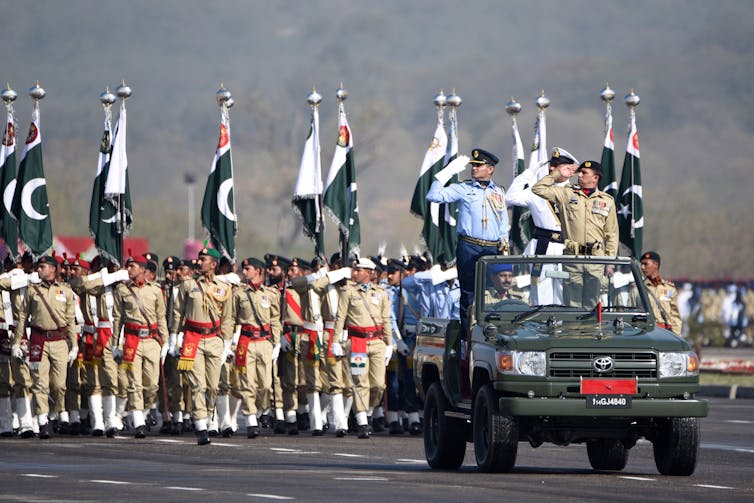
Former Pakistani Army Chief General Raheel Sharif was made the head of the Saudi-led Islamic Military Alliance to Fight Terrorism, and Saudi troops participated in the 2017 Pakistan Day Parade.

On alert

Reports broke in early 2017 of Pakistan sending a brigade of its troops to Saudi Arabia, but there was never a confirmation from Islamabad. The decision to send troops was finally made in February 2018 and announced in a surprise press release from a Pakistan military spokesperson on February 15, 2018. The military was clearly the decisive authority here, as parliament was apparently not consulted on the deployment. The timing of the announcement also spoke volumes about Pakistan’s current worries.
At around the same time, the Indian prime minister, Narendra Modi, completed a successful trip to the Middle East. He received a warm welcome in the UAE, and the prospect of a closer partnership between the two states clearly left Pakistan rattled.

On the march for Pakistan Day, 2017. EPA/T. Mughal

Equally, Pakistan has deep reservations about Indian activities on Iranian soil. During Iranian president Hassan Rouhani’s recent trip to India, a deal was struck that grants New Delhi operational control of the Chahbahar port in southern Iran. The Indian-Iranian connection has caused problems before: two years ago, Kulbhushan Yadav, an alleged operative of the Indian intelligence agency’s Research and Analysis Wing who ran his operations from Chahbahar, was arrested as he entered Pakistan from Iran.
So Pakistan’s military has been prompted to counterbalance Indian influence in a more vigorous manner, safeguarding its strategic interests. The Pakistan military’s footprint within the Saudi kingdom is growing in proportion to its sense of security in the Middle East writ large – and that’s especially apparent in its ever more vocal support of Riyadh’s war in Yemen.

Sense of insecurity

Pakistan is also worried about its own deteriorating relationship with the US. Washington has not only withheld hundreds of millions of dollars in security aid to Islamabad, but is taking further punitive actions to press Pakistan to do more over alleged Taliban sanctuaries.
At the intergovernmental Financial Action Task Force meeting in February 2018, the US, the UK and France jointly moved a resolution that sought to place Pakistan on an international terror-financing watchlist. The move met resistance from Turkey, China and Saudi Arabia – and while US pressure finally prevailed in putting Pakistan’s name on the list from June 2018 onwards, the episode showed that an array of states are emerging as Pakistan’s new supporters at international forums.
According to the Pakistani defence minister, the latest troops sent to Saudi Arabia have embarked on a training and advice mission, and will not be dispatched onward to Yemen. The Pakistani army has apparently developed significant expertise in mountain warfare and counter-insurgency during recent military operations in Pakistani tribal areas and the Swat Valley, and will be transferring these skills to Saudi forces. And the only mountainous region within the kingdom that’s currently a conflict zone is on the Yemeni border.
But whatever specific role this deployment plays in Saudi Arabia’s Yemen campaign, it’s part of something bigger. This new chapter in the Pakistani-Saudi relationship is part of a story unfolding across the Middle East, where political, economic and security partnerships are being realigned and tested. The region’s balance of power will soon look very different indeed.
https://theconversation.com/why-pakistan-has-troops-in-saudi-arabia-and-what-it-means-for-the-middle-east-92613

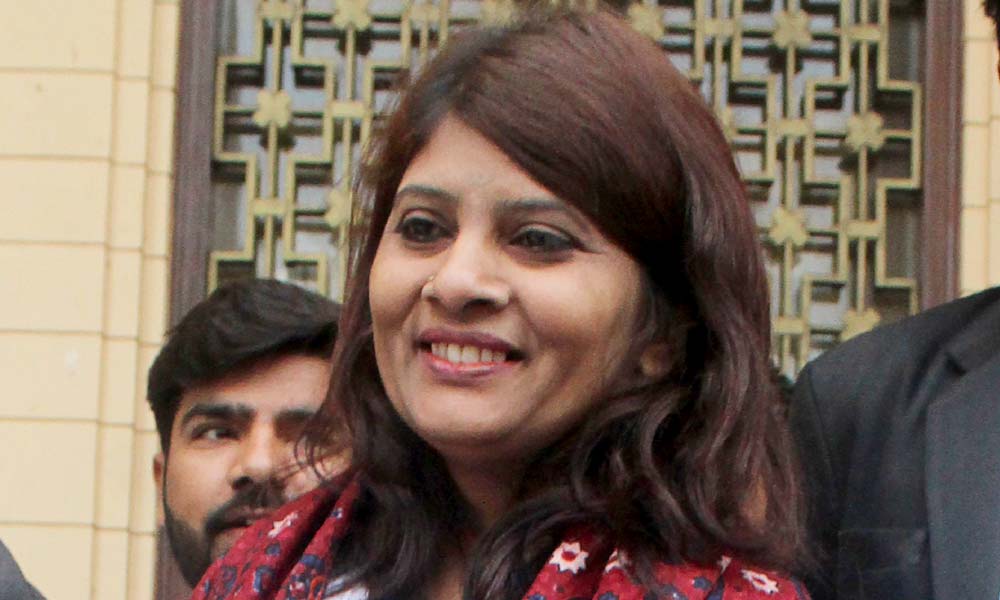
Krishna Kumari — From bonded laborer to Pakistan's first lower caste Hindu senator


Krishna Kumari became Pakistan's first Hindu-Dalit senator after she was elected to the upper house of parliament Saturday. In an interview with DW, Kumari talks about the plight of religious minorities in Pakistan.
DW: You are the first lower caste Hindu senator in Pakistan's history? How do you feel about it?
Krishna Kumari: I still cannot believe that I have become senator. It feels like a dream. Even male members of our community [Dalit] haven't made it to parliament. We are a community that has not been given many opportunities to excel.
As daughter of a peasant in Sindh province, it was unimaginable that I could become member of the upper house of parliament one day. As a child, I had to work very hard as a bonded laborer. So when the Pakistan People's Party (headed by Former Prime Minister Benazir Bhutto before her assassination in 2007) chose me for the Senate seat (reserved seat), I was really surprised. Not only me, but the whole Hindu community in Pakistan was excited.
My election to the Senate means that even those who were opposed to girls' education are now thinking to put their daughters in school. I have become a role model for so many people in my country.
Can we say that your election to the Senate is a step toward a liberal and progressive Pakistan?
It bodes well for Pakistan. An oppressed and backward community that could only vote for the majority candidates can now choose their own members of parliament. It is definitely a progressive step.
There are now three members of the Hindu community in the Senate. We need to make efforts to work for the oppressed communities. I am sure we can make a difference.
There are laws for the protection of minorities and other marginalized communities in Pakistan. We need to make sure that they are properly implemented. Also, we need to work for more legislation to help these communities.
But the election of one or two minority members to the Senate doesn't guarantee a structural change. What do you say about it?
I am optimistic. I have worked hard to be where I am now. For years, I have been involved in campaigns to create awareness about education and other social issues. We must continue with these efforts to improve our political and social systems. I firmly believe that we can bring about a change.
There have been many cases of forced conversions of Hindus to Islam in your Sindh province. Why has the PPP's provincial government not able to put an end to it?
It is fine if a Hindu girl marries a Muslim out of her free will, but it is not acceptable if she is forced to do so. Forced marriages and religious conversions happen in some parts of Sindh and the PPP government has made efforts to stop them.
I will try my best to ensure the implementation of laws on forced Hindu marriages and explore ways to pass new legislation.
What needs to be done to ensure more political empowerment for women in Pakistan?
I think education is key to female empowerment because with it comes awareness, a larger share in jobs and more representation for women in parliament. At present, the representation of women in parliament is not satisfactory. I would like to see at least 50 percent representation of women in parliament because they constitute more than 50 percent of Pakistan's population.
You are also a rights activist. What are you currently working on?
I have been working on campaigns to create awareness about health, education, human rights, bonded labor and some other issues in my constituency in Thar district. Girls' education is not a priority for many people in Pakistan. Underage marriage is another a pressing problem in many areas, including Thar. With my Senate position, I will be in a better position now to make a difference.

Monday, March 5, 2018

Video - Documentary on Jam saqi

جام ساقی کا رومانس


جام ساقی کا رومانس
فاضل جمیلی
جام ساقی ایک رومانس کا نام تھااور اس رومانس میں مبتلاسرپھرے سینٹرل جیل حیدرآباد سے شاہی قلعہ لاہور تک دھمالیں ڈالتے پھرتے تھے۔جام اور جیل کا چولی دامن کا ساتھ تھا۔ایوب خان کے ون یونٹ کے خلاف چلائی جانے والی تحریک ہویا ضیائی آمریت کے خلاف مزاحمت ،کسانوں ، مزدوروں کے اجتماعوں اور سیاسی جلسوں میں ایک ہی نعرہ گونجتا تھا’’دھرتی مانگے دان‘‘۔اس نعرے کی طرح جام کی زبان سےاس وقت جو بھی لفظ نکلتا تھا ،حبیب جالب کے شعروں کی طرح عوامی نعرہ بن جاتا تھا۔
جام ساقی ایک چٹان کا نام تھاجسے جیلوں اور کال کوٹھڑیوں کی صعوبتیں اور بدترین تشددبھی نہ توڑ سکالیکن اس کی نوجوان بیوی سکھاں، جام ساقی پر ہونے والاتشدد برداشت نہ کر سکی اور اس نے کنویں میں کود کر خودکشی کر لی۔ 1979ء میں بغاوت اورغداری کے الزام میں گرفتارہونے والوں میں جام ساقی بھی شامل تھے۔یہ مقدمہ پاکستان کی تاریخ میں ریاستی جبر اور سیاسی مزاحمت کے درمیان پائی جانے والی کشمکش کی ایک ایسی داستان جسے جام ساقی جیسے سپوتوں نے اپنی جرات و استقامت سے بہت زیادہ آبرومند کیا ہے۔یہ وہی مقدمہ ہے جس میں کامریڈنذیر عباسی بدترین ریاستی تشدد کی تاب نہ لاتے ہوئے جان کی بازی ہار گئے تھے۔
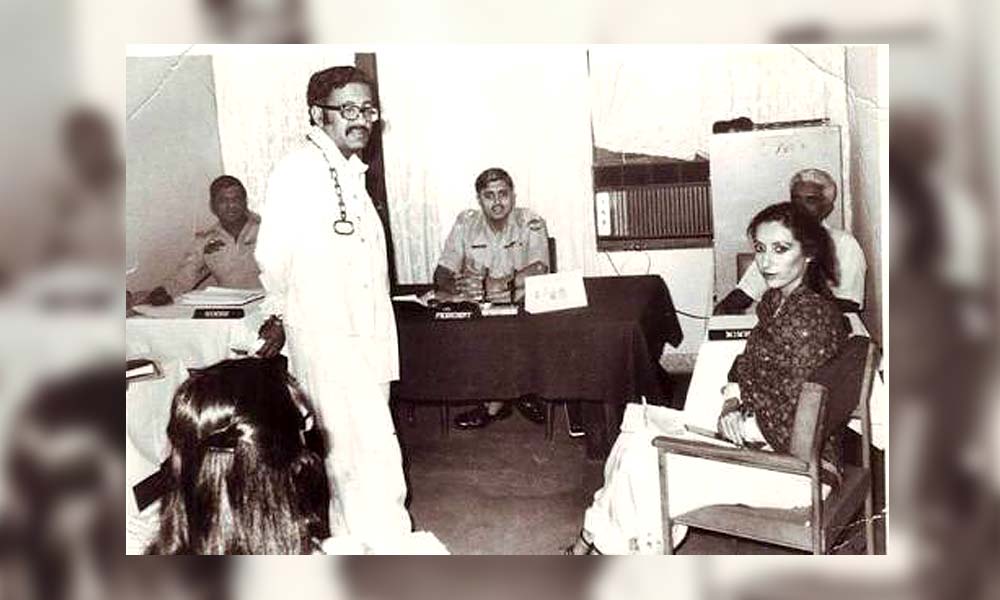
پاکستان کی تاریخ میں اس مقدمے کی اہمیت اس لیے بھی زیادہ ہے کہ اس مقدمے بے نظیر بھٹو، غوث بخش بزنجو، خان عبدالولی خان اور معراج محمد خان نے فوجی عدالت کے سامنے پیش کر ملزموں کی بے گناہی کی شہادت دی تھی اور ایمنسٹی انٹرنیشنل نے جام ساقی ، جمال نقوی ، سہیل سانگی اور شبیر شر سمیت اس مقدمے کے تمام ملزموں کو ’’ضمیر کے قیدی ‘‘ قرارد دیا تھا۔جام ساقی نے بعد میں اسی نام سے ایک کتاب بھی لکھی جو عوام کے اجتماعی ضمیر کے حوالے سے ایک دستاویز کی حیثیت رکھتی ہے۔
فوجی عدالت کے سامنے پیشی کے دوران بے نظیر بھٹوسے پوچھا گیاتھا کہ آپ کانام کیا ہے۔بے نظیر نے کہا تھا،بے نظیر۔والد کا نام پوچھنے پر بے نظیر کا جواب تھا ،ذوالفقار علی بھٹو۔اور جب ان سے ان کی ذات پوچھی گئی تو بے نظیر کاجواب تھا،’’میں ذات پر یقین نہیں رکھتی‘‘۔بےنظیر نے یہ بھیکہا تھا کہ ’’میں فوجی عدالتوں کو نہیں مانتی ۔ جام ساقی اس ملک کا ایک محب وطن شہری ہے اور اسے رہا کرنا چاہیے۔‘‘
بے نظیر بھٹو کے بیان کے بعدفوجی عدالت کے سامنے ایک تاریخی بیان جام ساقی نے بھی دیا تھا۔انہوں نے فوجی عدالت کو مخاطب کرتے ہوئے کہا تھا کہ مملکت ،عوام، جغرافیے ، تاریخ اور بعض دیگر عناصر کا مجموعہ ہوتی ہے۔اسی طرح ہر جماعت کی اپنی آئیڈیالوجی ہوتی ہے۔کسی کی آئیڈیالوجی کوڑے مارنا، پھانسیاں دینااور تشدد کرنا ہے جبکہ ہمارا نظریہ صرف اور صرف پاکستان کی مظلوم قومیتیں ہیں، سائنسی سوشلزم ہے،بنیادی زرعی اصلاحات ہیںاور چھوٹی قومیتوں کے حقوق کی بحالی ہے۔
جام ساقی نے کہا تھا کہ حال ہی میں حکومت نے مستقبل میں جمہوریت کی لہر کو روکنے کے لیے عدالتوں سے مزید اختیارات چھین لیے ہیں لیکن عوام کی بے چینی پہلے ہی عوامی تحریک میں تبدیل ہونا شروع ہوگئی ہے۔ تمام جمہوریت پسند، محب وطن ، محنت کش عوام اپنے مطالبات کے حصول کی جدوجہد میں سرگرم ہورہے ہیں اور ان کی صفوں میں اتحاد بڑھ رہا ہے۔عدالت کو نوشتہ دیوار پڑھ لینا چاہیے۔جام ساقی پر الزام تھا کہ ان کے قبضے سے انتہائی خطرناک اور ملک دشمن مواد برآمد ہوا ہے۔
اس ’’خطرناک‘‘ اور ’’ملک دشمن‘‘ مواد کی تفصیلبتاتے ہوئے جام ساقی نے کہا تھا کہ’’میرے پاس اکتوبر اور نومبر 78ء کے دو نیو ٹائمز تھے اور ایک کتاب ’’جدلیاتی مادیت کیا ہے‘‘ بھی تھی۔ یہ سب بازار میں دستیاب ہیں۔ میرے پاس ’’عوامی جمہوریت‘‘ نامی ہفت روزہ کا بھی ایک شمارہ تھا، یہ خوب ہے کہ ڈیکلریشن سے شایع ہونے والا اخبار بھی جب میرے ہاتھ میں آتا ہے تو وہ بھی قابل اعتراض بن جاتا ہے۔
اپنے بیان کے اختتام پر جام ساقی کا کہنا تھا کہ ’’آخر میں مجھے یہ کہنا ہے کہ ہمارے ملک کی اعلیٰ عدالتیں بھی تاریخ کے برعکس فیصلے کرتی رہی ہیں کچھ برسوں کے بعد انھیں یہ موقع مل جاتاہے کہ عاصمہ جیلانی کیس، ڈوسا کیس یا مولوی تمیز الدین کیس وغیرہ کو یاد کریں لیکن اس عدالت کو اس کا موقع پھر کبھی نہیں ملے گا کہ یہ اپنے فیصلوں کو تاریخ سے ہم آہنگ کرسکے۔اس لیے، جناب صدر اور اراکین عدالت! یہ آپ کا پہلا اور آخری موقع ہے جو تاریخ میں یاد رکھا جائے گا۔
جام ساقی پابندِ سلاسل تھے اور کراچی سے گلگت تک تمام دیواریں چیخ چیخ کر کہہ رہی تھیں ’’جام ساقی کو رہا کرو‘‘۔جام ساقی شاید پاکستانی تاریخ کے پہلے سیاسی قیدی تھے جنہیںتمام صوبوں کی جیلوں میں قید رکھا گیا ۔یہی وجہ ہے کہ وہ سوائے بلوچی کے باقی تمام زبانیں بولنے لگے تھے۔مچھ جیل میں بندش کا دورانیہ کم ہونے کی وجہ سے وہ بلوچی نہ سیکھ سکے۔جام ساقی جب بغاوت کے مقدمے میں بری ہوئے تو رہائی کے بعد ان کا پہلا استقبال لاہور میں ہوا تھا۔امتیازعالم اس وقت کمیونسٹ پارٹی کے پنجاب یونٹ کے سیکرٹری تھے۔
مشہورِزمانہ حیدرآباد سازش کیس کے ملزمان میںبھی جام ساقی شامل تھے۔نیشنل عوامی پارٹی کی تمام قیادت اس کیس کی مرکزی ملزم تھی اور جام ساقی اس وقت نیپ کے جوائنٹ سیکرٹری تھے۔ٹرائل کے نتیجے میں نیپ پر پابندی لگا دی گئی اور اس کی پوری قیادت کو گرفتار کر لیا گیا تھا۔جام ساقی نے گرفتاری سے بچنے کے لیے روپوشی اختیار کر لی تھی۔روپوشی کے دوران وہ نظمیں اور افسانے لکھتے تھےاورشاعراور افسانہ نگارجام ساقی پر نظمیں لکھتے تھے اور ان کے دیومالائی کردار کی کہانیاں سناتے تھے۔
پاکستان کی سیاسی تاریخ کا یہ افسانوی کردار نہیں رہا تو یاد آتا ہے کہ کیسے کیسے سپوت اس دھرتی نے پیدا کیےلیکن’’ وہ لوگ ہم نے ایک ہی شوخی میں کھو دیے‘‘۔اب نہ بزنجوکی بصیرت ہے،نہ بھٹو کی فراست ہے،نہ ولی خان کی مزاحمت ہے ، نہ نوابزادہ نصراللہ کی مفاہمت ہے،نہ بے نظیر کی قیادت ہے ،نہ حسن ناصر اور نذیر عباسی کی شہادت ہے ،نہ جام ساقی کی استقامت۔صرف اور صرف سیاست ہے اور سیاست بھی ایسی کہ جس کے شیشے میں مئے باقی نہیں ہے۔
https://jang.com.pk/news/457979

#Pakistan - ‘Patriotic citizen of the state’ comrade Jam Saqi passes away

Noted left-wing  politician Jam Saqi, 73, passed away in Hyderabad due to kidney failure, family said Monday.Born on 31st October 1944 in a village called Janjhi in the Chacharo District of Sindh, Saqi also served as the general secretary of the Communist Party of Pakistan.
He was highly respected among the politicians not only in Sindh but all over Pakistan. He fought against the dictatorships and human rights abuses all his life and faced the consequences.

Saqi was arrested and tried in a military court during General Zia’s regime in the 80s. During his trial former prime minister Benazir Bhutto appeared as his defence witness and deposed that ‘Saqi is patriotic citizen of the state’.
He remained behind bar till 1988. Saqi joined the Pakistan Peoples’ Party (PPP) in the 90s.
He will be laid to rest in Hyderabad today.

#Pakistan - Bilawal Bhutto grieved over Jam Saqi’s death


Chairman Pakistan Peoples Party Bilawal Bhutto Zardari has expressed deep grief and sorrow over the sad demise of Comrade Jam Saqi, a senior democratic leader who passed away in Hyderabad on Monday.

In a condolence message, the PPP Chairman saluted the valiant political struggle and sacrifices of Jam Saqi adding that he had been fighting for democracy and democratic rights for his whole life.


Bilawal Bhutto Zardari termed the death of Jam Saqi as a big loss of the democratic forces of the country including the PPP.


He said that PPP family shares the grief of Jam Saqi family and prayed to Almighty Allah to rest the departed soul in eternal peace and grant courage and fortitude to the members of bereaved family and his fans to bear this irreparable loss with equanimity.


https://mediacellppp.wordpress.com/2018/03/05/bilawal-bhutto-zardari-grieved-over-jam-saqis-death/

#Pakistan - #AsmaJahangir - The other side of Asma


Aitzaz Ahsan
SCORES of columns have been contributed deservedly lauding the courage, perseverance, and unmatched services of the untiring campaigner, the late and universally lamented Asma Jahangir. All aspects of her life have been alluded to in acknowledgement of her great services to society. She made Pakistan proud.
But there was one aspect in her tale of heroism and valour that has entirely escaped elaboration. And those that have mentioned it, have done so fleetingly. Yet that is the side on which the ‘Jahangir’ of ‘Asma Jahangir’ lived.
In our society the role of a woman as a domesticated home-bound mother, is chiselled in the stone of tradition and custom. It can only be an exceptional mother-in-law who will not complain to her son about his activist wife. Most will make the point unceasingly. The grievance is that in her activism the wife is ignoring the complainant’s grand­children. Even if the husband continues to stand by her, his resolve will be tested by pestering parents.
The parents of Mian Tahir Jahangir, Asma’s husband, were of a different mould. And he, too: unique in his attitude, acceptance, solidarity and support.
They could have perceived her as a bull in the Fazl-e-Ahmed china shop. But they did not.
Mian Fazl-e-Ahmed and his wife, Begum Tahira, both belonged to conservative business families who normally shun politics of any variety.
Mian Fazl’s preoccupations were industry and philanthropy, presiding over one of the largest industrial groups in the country, the Premier Group with its flagship, the Premier Textile Mills Lyallpur. But even the time he spent at the Mills, was mainly consumed by his first passion in life: the eradication of tuberculosis from Pakistan.
Then there was the administration of the Mian Mohammad Trust Hospital named after his late father. This 200-bed hospital thrives to this day in the heart of Faisalabad where land is valued as if it were paved with gold. Yet the family, and now Tahir, continue to run it exclusively as a charity hospital with a better environment and services than any other hospital in Punjab. A much-needed nursing institute has been added to it by Tahir.
Tahir’s family thus lived in a quiet, peaceful and idyllic haven of their own. Cocooned in luxury, they stepped out only to engage in voluntary and non-profit public service. They had a large circle of friends in Lyallpur and Lahore, none of them politically minded. Agitation was not a word in their dictionaries.
Tahir too, had led a life of luxury. He had had a swimming pool, horse stables and fleets of cars in his father’s homes in Lyallpur and Lahore since his childhood. He was an alumni of Aitchison College and Cambridge University. From school to completion of our Master’s degrees at Cambridge, (the Tripos), Tahir and I were classmates and friends. But Tahir throughout was the topper: winning the gold medal for the best academic in school in our final year at Aitchison. Tahir (TJ to friends) was a prince and had been brought up like one. Even when Cambridge closed for as little as a few days, TJ would fly home or to an exotic holiday venue as we, the plebs, slogged on in our digs in a deserted university town. Back in Cambridge, Tahir drove around in an MGB Convertible. In winters he spent time in Switzerland’s ski resorts rubbing shoulders with the world’s rich and famous. His wardrobe was all from Cambridge’s most expensive shop, Arthur Shepherd. He spent sunny days punting on the Cam, the scenic river that gave its name to the town, or speeding around in the MGB, hood down, and blonde hair flying from the passenger seat.
Since he usually ate at the most expensive restaurants, and in elite company, he was witness to the first meeting between Rajiv Gandhi and his future wife, Sonia, as they sat on different tables in The Varsity eatery and Rajiv asked a waiter to deliver a bottle of wine to her as a token of his admiration. The rest is history.
Then in the quiet serenity of the Fazl-e-Ahmed clan entered the whirlwind! TJ married Asma.
Back in Pakistan and focusing primarily on running a family ghee mill in Lahore, the prince married a woman who would always live precariously and on the edge. But he never crossed her path. The entire Fazl-e-Ahmed family, including Tahir’s sister Nageen and her husband Ayaz (Jajji), remained, much against their grain, highly supportive. They sought to impose no constraints upon Asma. She had married into a law-fearing business family and brought with her the vigour and pugilistic character of her father, Malik Ghulam Jilani, a political jail bird. They could have perceived her as a bull in the Fazl-e-Ahmed china shop. But they did not.
Each member of the Mian Fazl clan was devoted to Asma’s endeavours. Even when she was campaigning for bonded labour, TJ would be explaining to his industrialist friends, business magnates and the elite, how necessary that campaign was. TJ has a sharp sense of humour and a close circle of friends who took time understanding or appreciating Asma’s great potential. But he continued to stand by her like a rock. His parents also bore the constant jeopardy of unannounced police raids with unmatched equanimity, never insisting that Asma give up and ‘domesticate’ herself.
Asma’s own children grew up in a world of extreme tension and trepidation not knowing when, and for what, their mother would be attacked or taken to prison. But Munizae, Sulema and Jilani Jahangir also stood steadfast by their mother like rocks on which she could anchor her life. And yet they resolutely made space for themselves. At a young age Munizae is a very competent and nationally acknowledged television anchor. Sulema, an accomplished lawyer has decided to move back to Pakistan to fill the place left vacant by Asma in her law firm, the AGHS. And Jilani Jahangir now runs his father’s business of textiles, allowing respite to TJ to pursue his passion for hiking, mountaineering and photography.
Would Asma have been ‘Asma’ had her in-laws, husband and children been narrow-minded pestering bigots and not as enlightened and broad-minded as they in fact were? They deserve to be acknowledged for what they were.

OP-ED For Imran Khan, this is the time for introspection


Raza Rumi
Beyond the rhetoric on anti-corruption, the PTI chief has still to present a cogent and comprehensive plan to the voters, especially in the Punjab.
After the Panama verdict in 2017 that ousted Nawaz Sharif as the Prime Minister, it was viewed by many as the boost for the fortunes of Imran Khan and his party Pakistan Tehreek-i-Insaf (PTI). Eight months later, it is unclear if the judicial knock-out of Nawaz Sharif has benefitted Khan. In fact, the Sharif brothers are still in the arena with the elder building a public narrative against the unjust decisions of the courts and the younger heading the Pakistan Muslim League-Nawaz (PMLN) and tipped as the future PM.
To begin with, the PMLN still enjoys power in Islamabad and Lahore and has remained intact contrary to the past trends where the signaling by establishment was enough for the backbenchers to jump ship. They might still do before the general election but the popularity of Nawaz Sharif in the Punjab will discourage many from taking the risk. Second, once out of power, Nawaz Sharif has acted like an opposition leader mobilising public sympathy. A senior member of PMLN rules Islamabad, while its Quaid Nawaz Sharif acts as the opposition leader and the younger Sharif flaunts the infrastructure projects that he is determined to complete in the Punjab. This has evidently reduced the space for Imran Khan as the opposition leader. Third, beyond the rhetoric on anti-corruption, Imran Khan has still to present a cogent and comprehensive plan to the voters especially in the Punjab. Overarching narratives of turning Pakistan into an Islamic welfare state sound good but what that will translate into for an average voter is unclear.
Two recent events were instrumental in both shifting the public narrative and reminders of Khan’s flawed politics. The Lahore jalsa held in January by combined opposition was an embarrassing show to say the least. Images of empty chairs on TV screens indicated that PMLN had not lost the support in its bastion i.e., Lahore despite the serious charges of Model Town ‘massacre’ and corruption. The case of young Zainab, exploited for purely political ends, was handled with unusual alacrity by Punjab administration and it could not turn the tables. This was followed by the Lodhran by-election that even surprised the PMLN with the margin of victory. A relatively unknown candidate defeated PTI’s central leader who has invested for years in that constituency.
It is hoped that Khan will learn from Lodhran debacle. His party awarded ticket to the son of a ‘disqualified’ legislator that negates all that PTI has stood for.
It is hoped that Imran Khan will learn from Lodhran debacle. His party awarded ticket to the son of a disqualified legislator that negates all that PTI has stood for. After years of sermons on dynastic politics and the hold of ‘corrupt’ families over power, the public image of Khan and his party took a hit. And even at the local level, where such factors are less important, the party decision did not find widespread favour. PMLN has won all the by-elections in the Punjab including Lahore and Narowal and its hold over the electoral game remains unscathed by Panama papers scandal and the trials in courts.
Mr Khan has also married again. Now that is purely a personal matter but with a probing media, questions were bound to be raised. Vociferous denials and then a sudden confirmation. Khan like any other person is well within his rights to choose his partner and deserves personal happiness but the media debates about the wedding were quite negative. Pakistanis have traditional values, and Khan has been an ardent advocate of them. His rather unconventional marriage was bound to raise questions. Leaving that aside, the timing was also reminiscent of his earlier marriage when right in the midst of an anti-government movement he announced his wedding. Even then denials were followed by public announcements.
Not unlike other popular leaders, Khan has also followed the route of ingratiating himself with the powerful establishment. The route to Islamabad lies through Rawalpindi as any student of politics knows in Pakistan. But things are changing fast in Pakistan. His archrival is building an anti-establishment political narrative while Khan’s policies and statements are almost always in sync with the worldview of the deep state. This is why he lashes out at blood-thirsty liberals who actually want a reorientation of state policies especially the reliance on Islamic extremist proxies. The deep state terms ‘liberals’ traitors and threats to national security; and Khan happily endorses that. He has even used the blasphemy and national security card against Nawaz Sharif in recent weeks. Doling out funds to Haqqania seminary is yet another move in this direction. It garners support for his party and also gives the right signal to the establishment.
The truth is that Pakistan has moved on from the politics of the 1990s. Nawaz Sharif did the same against Benazir Bhutto and then realised after a decade of active politics that this was counter-productive. Of course by the time Sharif understood this, the junta threw him out in 1999. It was easy to control information and create villains but in 2018 Pakistan’s media is relatively freer and the urban population has access to many sources of information. This is why Nawaz Sharif’s branding as a corrupt looter is not having an impact on his support base. PMLN is fighting it out.
Khan wants to become the Prime Minister. Yet, he curses the Parliament that will elect him to the premiership, assuming his party wins. He rarely participates in parliamentary business and refuses to cast his vote in Senate elections. Populist rhetoric is not enough to appear a committed democrat. For that one needs to engage with democratic institutions such as the Parliament.
If Khan wants to create an electoral ‘wave’, to use popular parlance, before the next election, he needs to reflect where he went wrong over the last few years. What is even more important is to assess why his anti-corruption narrative is not working outside the urban, social media-savvy spaces. As a colleague mentioned the other day, Khan has snatched defeat from the jaws of victory. It is time that some of the more astute advisers around him help change the course.

With gas and diplomacy, Russia embraces Cold War foe Pakistan

Drazen Jorgic
As U.S. influence in Islamabad wanes, Pakistan’s former adversary Russia is building military, diplomatic and economic ties that could upend historic alliances in the region and open up a fast-growing gas market for Moscow’s energy companies.
Russia’s embrace of Pakistan comes at a time when relations between the United States and its historical ally are unraveling over the war in Afghanistan, a remarkable turnaround from the 1980s, when Pakistan helped funnel weapons and U.S. spies across the border to aid Afghan fighters battling Soviet troops.
Though the Moscow-Islamabad rapprochement is in its infancy, and it is neighbor China that is filling the growing void left by the United States in Pakistan, a slew of energy deals and growing military cooperation promise to spark life into the Russia-Pakistan relationship that was dead for many decades. “It is an opening,” Khurram Dastgir Khan, Pakistan’s defense minister, told Reuters.“Both countries have to work through the past to open the door to the future.” The cozier diplomatic ties have so far focused on Afghanistan, where Russia has cultivated ties to the Afghan Taliban militants who are fighting U.S. troops and have historic links to Islamabad. Moscow says it is encouraging peace negotiations.
Both Russia and Pakistan are also alarmed by the presence of Islamic State (IS) inside Afghanistan, with Moscow concerned the group’s fighters could spread towards central Asia and closer to home. In Pakistan, IS has already carried out major attacks. “We have common ground on most issues at diplomatic levels,” Pakistan’s Prime Minister Shahid Khaqan Abbasi told Reuters.“It’s a relationship that will grow substantially in the future.”
During a trip to Moscow last month by Pakistan’s foreign minister, Khawaja Asif, the two countries announced plans to establish a commission on military cooperation to combat the threat of IS in the region. They also agreed to continue annual military training exercises that began in 2016 and followed the sale of four Russian attack helicopters to Pakistan, as well as the purchase of Russian engines for the Pakistan Air Force’s JF-17 fighter jets that Pakistan’s military assembles on its own soil. The detente has been watched with suspicion by Pakistan’s neighbor and arch-foe India, which broadly stood in the Soviet camp during the Cold War era. In the last two decades, the close Russia-India relationship has been underpinned by huge arms sales by Moscow to a country it calls a“strategic partner”.
“If the Russians start backing the Pakistanis in a big way at the political level, then it creates a problem for us,” said Sushant Sareen, a leading expert on India’s relations to Pakistan and Afghanistan with New Delhi-based Observer Research Foundation.

Video - Bilawal Bhutto visits Rubina Qaimkhani, offers condolences over son's death

’والدین نہیں جانتے سینیٹر کیا ہوتا ہے‘ - کرشنا کماری

’والدین نہیں جانتے سینیٹر کیا ہوتا ہے‘
سندھ کے پسماندہ علاقے نگر پارکی دلت برادری سے تعلق رکھنے والی پیپلز پارٹی کی نو منتخب سینیٹر کرشنا کماری کے والدین کا کہنا ہے کہ ان کی بیٹی کو اسلام آباد میں بہت بڑی نوکری مل گئی ہے اور اب وہ اسلام آباد چلی جائے گی۔
برطانوی نشریاتی ادارے کے مطابق کرشنا کماری نے بتایا کہ ان کے والدین کو پتا ہی نہیں کہ سینیٹر کیا ہوتا ہے اور ان کا رکن منتخب ہو جانا کیا معنی رکھتا ہے۔
کرشنا کماری نے کہا کہ اُن والدین مبارکباد دینے گھر آنے والے برادی کے لوگوں سے کہتے ہیں کہ اُن کی بیٹی کو بہت بڑی نوکری مل گئی ہے اور وہ جلد اسلام آباد چلی جائے گی۔
کرشنا کماری نے کہا کہ ان کے گھر والے اور ان کی برادری والے بہت خوش ہیں اور مٹھائیاں تقسیم کر رہے ہیں۔
سینیٹر منتخب ہونے پر کرشنا کماری نے اپنے جذبات اور تاثرات بیان کرتے ہوئے کہا کہ اتنی خوشی ہوئی ہے کہ اسے الفاظ میں بیان نہیں کیا جا سکتا۔
’یہ سب کچھ خواب سا لگ رہا ہے، کبھی سوچ بھی نہیں سکتی تھی کہ میں سینیٹر منتخب ہو جاؤں گی۔ مجھے ابھی تک یقین نہیں آ رہا۔
کرشنا کماری نے کہا کہ تعلیم حاصل کرنے کے بعد وہ سوچتی تھیں کہ انہیں کوئی اچھی نوکری مل جائے گی اور وہ اپنی برادری کی کچھ خدمت کر سکیں گی۔
کرشنا کماری عمرانیات میں ایم اے کی ڈگری رکھتی ہیں اور اپنے علاقے میں سماجی خدمات انجام دیتی رہی ہیں۔
سیاست میں آنے کے بارے میں ایک سوال پر انہوں نے کہا کہ سیاست میں آنے کے بارے میں جب بھی وہ سوچتی تھیں تو انہیں یہ ہی خیال آتا تھا کہ کبھی موقع ملا تو صوبائی اسمبلی کی رکن منتخب ہو کر اپنے علاقے کے پسماندہ اور غریب لوگوں کے لیے کچھ کریں گی۔
صوبۂ سندھ میں ہندو اقلیت کی بھیل، کوہلی، میگاوار اور اوڈ برادریوں سے تعلق رکھنے والوں کی اکثریت انتہائی غریب ہے اور ان میں خواندگی کی شرح بھی بہت کم ہے۔
سندھ کے ان دور آفتادہ علاقوں میں بیٹیوں کو اعلیٰ تعلیم دلوانا ایک انہونی سے بات ہے۔ ان علاقوں میں غربت کی وجہ سے لوگوں میں اتنی سکت ہی نہیں ہوتی کہ وہ بیٹیوں کو اعلیٰ تعلیم کے لیے شہروں میں بھیج سکیں۔
کرشنا کماری اپنی برادری کے لوگوں اور خاص طور پر خواتین کے لیے کچھ کرنے کے عزم سے سرشار ہیں۔ ان کا کہنا ہے کہ کیونکہ وہ جنرل سیٹ سے منتخب ہوئی ہیں اس لیے وہ زیادہ مؤثر طریقے سے کام کر سکتی ہیں۔
کرشنا کماری کو اس بات کا پوری طرح ادراک ہے کہ سینیٹر کا کردار زیادہ تر قانون سازی تک محدود ہوتا ہے اور وہ پارلیمان کے ایوان بالا میں اپنے صوبے کی نمائندگی کرتے ہیں۔
کرشنا نے کہا کہ ’سینیٹ کا پلیٹ فارم ایک بڑا پلیٹ فارم ہے اور اس کا مؤثر طریقے سے استعمال کرتے ہوئے خواتین کی تعلیم اور صحت کو اجاگر کرنے اور انہیں حل کرنے کے لیے بہت کچھ کیا جا سکتا ہے۔
کرشنا کماری کا کہنا ہے کہ انہیں اپنی برادری کے80 فیصد سے زیادہ لوگوں کی حمایت حاصل ہے اور ان کا اپنی برادری کے لوگوں سے قریبی رابطہ ہے۔
کرشنا کماری کے فون کی رنگ ٹون اپنے وقت کے مقبول ترین قومی ترانے ’سوہنی دھرتی اللہ رکھے قدم قدم آباد‘ ہے۔
https://jang.com.pk/news/457970

PPP is the majority political party of the Senate, will bring its chairman: Bilawal Bhutto

The Chairman of Pakistan People’s Party, Bilawal BhuttoZardari, has said that the opposition would try to get elected its nominee as new chairman of the Senate of Pakistan because the majority party in the upper house has the right to bring its own Senate chairman.
The PPP chairman stated this as he addressed a press conference here at the media cell of the People’s Party along with newly-elected senators of the party from Sindh. Sindh Chief Minister Syed Murad Ali Shah was also present on the occasion. Ten senators-elect ofPPP in Sindh were elected in the Senate elections held the previous day.
Bilawal said that the majority political party of the Senate was not the Pakistan Muslim League (N) but it was the People’s Party as senators in the Punjab were elected independently, without any party affiliation and were yet to join any political party. Bilawal challenged the PML-N to get its candidate elected for the slot of the Senate chairman. He asked how the PTI senator got success from Punjab.
He said if the PML-N thought that it was the biggest political party in the upper house of parliament, then it had every right to get its nominee elected as the chairman of the Senate. The PML-N should make efforts to this effect as nobody is stopping it from doing so, he said.
The PPP chairman said it was better that the chairman of Senate did belong to the opposition for the sake of check and balance on the system of governance as the Senate had to oversee the role of the National Assembly. He said that except for the PML-N, all the political parties having representation in the Senate would be consulted by the PPP for bringing an opposition-backed chairman of the Senate.
He said it was wrong to level the allegation of “horse-trading” against the People’s Party in the Senate elections. He said that Sindh CM had made efforts to secure victory in the Senate elections.
He said that lawmakers of the MQM didn’t accept the leadership of their own party as time for the MQM, which had been levelling the allegation of horse-trading just to cover up its own internal rift, was over.
He said that it was better for the MQM to concentrate on resolving its internal issues instead of pointing fingers at others. He said that allegations of horse-trading did surface whenever any poll took place during the era of PML-N. The provincial election commissioner had termed the Senate elections held in Sindh as most transparent and fair in the entire country.
He said that there should not be doubt about the transparency of Senate polls in the province after unequivocal viewpoint expressed about the polling process by the provincial election commissioner, Sindh.
Bilawal Bhutto said the PPP sensed no danger from Chairman of Pakistan Tehreek-e-Insaf Imran Khan. He said that people of Karachi didn’t like PTI any more owing to unsatisfactory performance of its government in Khyber Pakhtunkhwa. “Nawaz Sharif and Imran Khan during the last five years have done nothing except doing confrontation with each other only for the sake of capturing the rule in Punjab, he said.
“I call upon the Captain (Imran Khan) that instead of giving electoral tickets to ATMs only, he should bring forward the party’s ideological activists like what the People’s Party does. People’s Party gave the Senate tickets to ideological workers (of the party),” said the PPP chairman. He said that “ATM candidates” just indulge in buying of votes.
He said that Imran Khan didn’t come to the National Assembly the previous day to vote even in the favour of Senate election candidates of his own party. He said that the PPP had secured more victories in the Senate election held previous day than expected on the basis of good candidates of the party.
He said that PPP had secured votes in the Senate poll on the basis of its performance. He said the PPP had won the Senate seats from Khyber Pakhtunkhwa as well. Bilawal said that contrary to the PML-N and PTI, the PPP’s Sindh government had performed very well as it had invested to build several healthcare centres, cardiac hospitals, and to construct road infrastructure especially in Karachi. He said that people had no interest in the campaigning being done by Nawaz Sharif to protest against his expulsion from power.
http://www.thesindhtimes.com/blog/2018/03/05/ppp-majority-political-party-senate-will-bring-chairman-bilawal-bhutto/