Monday, November 4, 2019
Protests against Pakistan's Imran Khan: Right-wing vs. right-wing
Thousands of Islamist protesters determined to topple Prime Minister Imran Khan's government have gathered near Islamabad. They are being led by a cleric who is ready to storm into the capital if Khan doesn't step down.
Hundreds of thousands of anti-government protesters have camped outside Islamabad, waiting for an order from Muslim cleric Maulana Fazlur Rehman to march toward Prime Minister Imran Khan's house in the Pakistani capital.
Rehman initially set a 48-hour deadline, expiring Sunday evening, for Khan's resignation. However, on Sunday, Rehman decided to extend the two-day deadline until a final decision by all opposition parties at a conference, which will be held soon.
"This is a peaceful rally and we are peaceful people; therefore we want to stay peaceful, otherwise this [crowd] has the strength to go to the prime minister's office and arrest him," said Rehman, 66.
'Long marches'
Starting their rallies in the southern city of Karachi on October 27, anti-government protesters marched through various major cities of the South Asian country, finally reaching their destination, Islamabad, on October 31. The demonstrators intend to protest for days — maybe weeks. Their sole demand is that Khan, who came to power in August last year, must tender his resignation to pave the way for fresh elections.
Rehman, a powerful religious figure and head of the Jamiat Ulema-e-Islam (JUI-F) party, claims that Khan came to power through rigged elections.
The cleric is backed by Pakistan's major opposition parties, including the Pakistan Muslim League (PML-N) of three-time former Prime Minister Nawaz Sharif, and the Pakistan People's Party (PPP), headed by former President Asif Ali Zardari and his son, Bilawal Bhutto-Zardari.
Such "long marches" have become a common occurrence in Pakistan, with some religious organizations previously attempting to put the capital under siege and resorting to violence.
Who is Rehman?
Rehman is not a typical Islamist cleric, though. He is the head of a powerful right-wing party that regularly contests elections and believes in parliamentary democracy.
Rehman was a member of the National Assembly (lower house of parliament) between 1988 and May 2018 and served as leader of the opposition in parliament from 2004 to 2007. In May 2014, former Prime Minister Sharif appointed him as the chairman of the parliament's Kashmir committee.
The cleric also had close ties with another former premier, Benazir Bhutto, who was assassinated at a public rally in Rawalpindi city in 2007.
Rehman's JUI-F party lost to Khan's Pakistan Tehreek-e-Insaaf (PTI) in the July 2018 general elections.
Pro-Taliban leanings
Nonetheless, Rehman's politics remain hard-line Islamic, with his party demanding that the country's laws be aligned to Islamic principles.
After the US invasion of Afghanistan in 2001, Rehman led several anti-American rallies and pro-Taliban demonstrations in the major cities of Pakistan. Hailing from the northwestern Pashtun-dominated province of Khyber Pakhtunkhwa, he is also known for his close relations to the Afghan Taliban.
Rehman's leanings, thus, are problematic for the country's liberals: On the one hand, they are against Khan's rule; on the other, they're unsure about supporting a pro-Taliban politician.
Shrinking space for liberal parties
When it comes to supporting the Taliban, Khan is no different to Rehman. The prime minister has been critical of the US presence in Afghanistan and many a time has dubbed the Taliban insurgency a "resistance movement" against foreign oppression.
Last year, Khan defended his country's controversial blasphemy laws, and his party has been accused of funding religious seminaries in Khyber Pakhtunkhwa province.
After winning the 2018 polls, the premier vowed to build Pakistan on the lines of the theocratic "state of Medina," which was founded by Prophet Muhammad in the year 622.
Khan and the country's powerful army are also on the same page over a number of national security and foreign policy matters. His closeness to the military generals has drawn the criticism that the army generals brought him to power last year by rigging elections, a claim the military categorically denies.
The cleft stick
The liberal parties are thus in a dilemma. If Rehman accomplishes his objective and forces Khan to resign, snap elections would be called. That would be a blow to the military establishment and weaken its grip on state affairs. But at the same time, Rehman and other religious clerics would have the upper hand in Pakistani politics in the future. And no government could complete its term in the future if religious groups, which have massive street power, decide to march toward the capital to overthrow an elected government. Ironically, Khan himself staged a long sit-in in Islamabad in 2014 to overthrown then-premier Sharif.
"The liberal parties and groups are in a state of confusion. The main issue is that Maulana Fazlur Rehman had initially given a religious color to his march, but he later decided to accommodate other parties like the PPP," Ali K. Chishti, a Karachi-based security analyst, told DW.
"On the other hand, the incumbent government is running the country like a 'fascist' regime, restricting the freedom of speech and targeting its opponents. Hence, the liberals are facing a predicament," he added.
Some rights activists say that liberals can't sit back and be neutral at this decisive moment. They will lose their relevance even further if they just allow one conservative group to take on another and do not do anything themselves.
Sunday, November 3, 2019
Unmarried women in Pakistan - Pushed to the margins
Sabahat Zakariya
We need to talk about unmarried women in Pakistan and their right to lead dignified, meaningful and fully realized lives.
A smart and capable young woman once told me a story that defies credulity: she filed for divorce to get away from her abusive marriage and returned to her parents’ home, continuing to live with them for several months till she fell in love with another man, married him and moved out of the country. Her relatives still think she is married to the first husband, who coincidentally, has the same name as her second, obviating the need to go through the dreaded ordeal of explaining her divorce to her extended family. “He even has the same height and somewhat similar features, so relatives who now see us mostly in pictures on Facebook cannot tell the difference,” she tells me with no inconsiderable relief. The facts of her case may sound extraordinary but she is by no means the only woman I know expending all her energies on successfully keeping her life under wraps. Subterfuge is at the core of Pakistani womanhood whose fundamental tenet is to successfully conceal any signs of desire, ambition and difference.
Accompanying divorce or the contemplation of it is that most dreaded notion now made famous by internet memes: loag kya kahein ge? (what will people say?) In deference to this fear many divorced Pakistani women either choose to call themselves ‘separated’, that much more palatable desi euphemism, or simply pretend to be still married, making for a surprising number of grown-up women from economically advantaged backgrounds pushed to hide the reality of their existence from their peers and relatives. Not being able to express your personhood is an affront to the fundamental human right to dignity and self-expression, and divorced women in Pakistan are intimately familiar with this notion – whose existence may not be legally criminalised as is, say, some blaspheming minority, but who are nonetheless forced to dwell in the murky shadows of shame and self-loathing, pushing them to the margins of the endless cycle of weddings and funerals that comprise the social landscape of a Pakistani family.
We need to talk about unmarried women in Pakistan in the same breath as religious minorities and marginalised ethnicities, for their right to lead dignified, meaningful and fully realised lives is as difficult as some of the most imperiled groups in the country. Traditionally, women’s rights movements here have fought for legislative change, operating under the assumption that a change in law will automatically bring redressal for millions of women, but too often persecution is hard to contain in concrete little boxes that can be aired as evidence in a court of law.
If you choose to lead a life beyond parents and husbands, goes traditional Pakistani wisdom, you will choose a life of isolation and irrelevance, or worse —debauchery.
Beyond the reality of official discrimination, most women’s ability to leave a bad marriage is thwarted by a complex mix of social factors, among them lack of financial means to support themselves; shortage of emotional assistance from families; the difficulty of getting the “permission” to live alone; issues of space (physical and metaphorical) when returning to live with parents; choice between restrictive women’s hostels and prohibitively expensive apartments; real and perceived security fears that dog women living on their own; dearth of social events unconnected to weddings and births; scarcity of positive media representations; lack of sexual freedom and the fear of letting down the family’s “honour”.
Despite rapid urbanisation, carving out a life beyond familial imperatives is still an alien and deeply daring concept in 21st century Pakistan. Our cities with their staggering numbers still don’t afford women the kind of anonymity and economic opportunity that would make alternative lifestyles a reality, affording no equivalent of 19th century New York city, where women from rural settings arrived with bags and baggage to start a new life of adventure and hardship, but also romance and opportunity. If you choose to lead a life beyond parents and husbands, goes traditional Pakistani wisdom, you will choose a life of isolation and irrelevance, or worse, debauchery and degradation. A divorced woman, as every frustrated uncle in his 50s knows, is ‘fair game’.
Some, though, are attempting to carve out niches within these seemingly immutable structures. Mehreen* is one of them. Above the chatter of a small café run by two single women, I fascinatedly probe her about her lifestyle post-divorce. Unlike most divorced women I know she did not return to her parents’ home after filing for khula, taking her young son instead to a friend’s who lived on her own in a three-bedroom flat in a newly built apartment complex. They now share the apartment, its rent, and occasionally even caregiving responsibilities. “I dreaded going back to my parents even more than staying on in my marriage,” says Mehreen. “I knew going back was just as good as going to prison, but living with Hamna* has given me a sense of possibility and the groups of single women who often come to the café to vent have provided me with a sense of community.” Child care is still really hard in the absence of supportive families and a negligent state that has no interest in legislating alimony for divorced women and enforcing decent child support that reflects the actual cost of living. “I haven’t told anyone at work about my divorce, though,” she adds. This admission shatters the myth of the thriving divorcee I had just constructed. Why, I ask. “Because once they know I need my job and don’t just do it as a bored rich begum their attitudes will change. There are also the unwanted advances based on assumptions about sad and lonely divorcees, or even glances of sympathy and commiseration that I’m just not interested in.”
On our television screens the perpetually suffering creature or the threatening ‘other woman’ are the only two stereotypes allowed to divorcees. There are no complex depictions of the life of intelligent, independent women or those who aspire to be so, and in the absence of such media representations it is hard to recast and reimagine Pakistani womanhood in the 21st century.
زرداری کو کرپٹ کہنے والوں کو چیلنج!
تحریر: امام بخش
 آئین شکن ضیاءالحق نے پاکستان پر لاتعداد بُرائیاں مسلط کیں، جن میں سے ایک برائی جھوٹے پروپیگنڈے کو بامِ عروج تک پہنچا کر عوام کی ظالمانہ انداز میں برین واشنگ تھی، جس نے وطنِ عزیز میں دُور رس اور بھیانک نتائج مرتب کیے۔ ضیاءالحق نے پروفیشنل پروپیگنڈسٹوں کے ذریعے عوام کے ذہن و دماغ اور جذبات پر اثر انداز ہو کر بھٹو خاندان کے خلاف بھرپور نفرت پھیلائی۔ اس دور میں ضیاءالحق کی نگرانی میں بھٹو خاندان کے بارے میں مبالغہ آرائی کا رنگ جتنا بھرا جا سکتا تھا بھرا گیا۔ ضیاءالحق کے بعد یہ وراثتی پروپیگنڈہ اُس کی معنوی اولاد نے بھی مُسلسل جاری رکھا ہوا ہے اور اپنی سیاست اسی اصول کے مطابق چلا رہے ہیں۔ شر کی سمندر، جھوٹ کی سوداگر اور عادی تہمت طراز ضیاءالحق کی اسٹیبلیشمنٹی اور صحافتی بیوائیں بھی ضیاءالحقی اولاد کا بھرپور ساتھ دے رہی ہیں۔
جب آصف علی زرداری محترمہ بے نظیر بھٹو شہید کی زندگی میں آئے تو ضیاءالحقیوں نے بے نظیر بھٹو کو زیر کرنے کے لیے انھیں آسان ٹارگٹ سمجھ کر ان کے خلاف بھرپور منفی پروپیگنڈہ شروع کر دیا، جس میں یہ کافی حد تک کامیاب بھی ہوئے۔ آج اگر آپ اپنے اردگرد دیکھیں تو آپ کو ہر طرف برین واشڈ دولے شاہی چُوہوں کی بھرمار نظر آئے گی، جو ضیاءلحقی تعلیم کا مکروہ اور بَدبُودار ثمر ہیں۔ یہ وہ نسل ہے جو دلیل و ثبوت کے بغیر ہی آصف علی زرداری کو دنیا کا سب سے بڑا کرپٹ شخص سمجھتی ہے۔ بعض اوقات تو ایسے لگتا ہے کہ یہ برین واشڈ دولے شاہی چُوہے نفسیاتی بیماری ”ہائیپو کانڈریا“ کے مریض ہیں کیوںکہ اس مرض میں انسان اپنے دماغ میں ایک غیر حقیقی دنیا آباد کر لیتا ہے اور یہ اس غیر حقیقی دنیا کو ایمان کی حد تک حقیقی سمجھ بیٹھتا ہے۔
آصف علی زرداری کے خلاف دولے شاہی چُوہوں کی نفسیاتی بیماری کی شدت کا اندازاہ اس بات سے لگایا جا سکتا ہے کہ 1987ء سے لے کر آج تک یہ آصف علی زرداری کے خلاف میڈیائی طبلوں کی دروغ گوئی پر اعتبار کر کے ہزاروں بار بے عزت ہو چکے ہیں مگر یہ کوڑھ مغز بے ضمیرے ہر بار زرداری کے خلاف جھوٹی خبر پر پھر سے پورے جوش کے ساتھ بے عزت ہونے کے لیے تیار ہوتے ہیں۔ آہ! بے چارے دولے شاہی چُوہوں نے کیا ذلت والی قسمت پائی ہے۔
ہم نے اپنی زندگی میں آصف علی زرداری کے خلاف بہت بڑی تعداد میں رٹی رٹائی گردانوں والے باکمال برین واشڈ دولے شاہی چُوہے دیکھے ہیں، جو ضیاءالحقیوں کے مائنڈ کٹنرول سسٹم کے شکنجے میں اپنا دماغ گروی رکھے ہوئے ہیں اور سوچے سمجھے بغیر زرداری کے خلاف جھوٹے الزامات کی منادی کرتے ہیں۔ ہم نے جب بھی اُن سے دلیل اور ثبوت پوچھے تو وہ لاجواب ہو کر بھی شرمندہ نہ ہوئے، بلکہ اُنھوں نے اپنی جھوٹی گردانیں جاری رکھیں۔ ہم یہاں واضح کرنا چاہتے ہیں کہ ہم نے زرداری کی نفرت میں جلنے تڑپنے والے فقط برین واشڈ دولے شاہی چُوہوں سے دلیل و ثبوت نہیں پوچھے بلکہ جھوٹ اور دروغ گوئی کی ہتھیار سازی میں یدِطُولٰی رکھنے والے اُن میڈیائی طنبوروں سے بھی پوچھ چکے ہیں، جو تھوک کے حساب سے دولے شاہی چُوہوں کی پروڈکشن دے رہے ہیں، مگر وہ بھی آج تک سبھی کے سبھی لاجواب ٹھہرے۔ ہونا تو یہ چاہیئے تھا کہ لپکتی ہوئی دوشاخہ زبانیں اپنے حلقوم میں واپس چلی جاتیں، تاہم ایسا نہ ہوا، تیزاب میں ڈبو کر نفرت کے قلم سے زرداری کے خلاٖف دھڑا دھڑ فردِ جرم لکھی جا رہی ہیں۔
آج ہم نے ایک بار پھر دروغ گو پروپیگنڈسٹوں اور برین واشڈ دولے شاہی چوہوں کا ضمیر جھنجوڑنے کا فیصلہ کیا ہے، لہٰذا اُن سے مندرجہ ذیل سوالات ایک بار پھر سے پوچھتے ہیں:
- کوئی ایک مقدمہ یا الزام جو آصف علی زرداری کے خلاف عدالت میں سچ ثابت ہوا ہو اور وہ اُس میں باعزت بری نہ ہوئے ہوں؟ فقط ایک مقدمہ درکار ہے۔
- آصف علی زرداری کے خلاف مقدمہ بنانے یا بہتان تھوپنے والا کوئی ایک شخص دکھا دیں، جس نے زرداری سے معافی نہ مانگی ہو اور اِقرار نہ کیا ہو کہ وہ مقدمہ یا الزام جھوٹا تھا۔ مزیدبرآں، اگر مقدمہ بنانے والے نے بظاہر معافی نہ مانگی ہو مگر اُس نے اپنے عمل سے یہ ثابت نہ کیا ہو کہ وہ جھوٹا تھا اور آصف علی زرداری سچا؟ فقط ایک شخص بتا دیں!
- آصف علی زرداری نے ستائیس سال تک جھوٹے مقدمات بھگتے، کوئی مقدمہ ثابت ہوئے بغیر پوری جوانی پُرتشدد جیلوں میں گذار لی۔کیا کبھی زرداری نے کوئی آئین شِکنی کی یا کسی آئینی ادارے کی توہین کی؟ کبھی عدالتوں سے (عمران خان کی طرح) مفرور ہو کر اشتہاری ہوئے؟ کیا عدالتوں پر (شریفوں کی طرح) حملے کیے؟ اگر زرداری نے (شریفوں کے برعکس) چیف جسٹس یا عدالتِ عظمٰی تو کیا کسی ڈسٹرکٹ جج کے خلاف بھی ایک لفظ بولا ہو تو ضرور رہنمائی فرمائیں؟
- آصف علی زرداری نے حکومت میں آ کر اپنے خلاف جھوٹے مقدمات بنانے اور اذیتیں دینے والے کسی ایک سیاسی مخالف کے خلاف کسی حکومتی ادارے کو استعمال کیا ہو؟ شریفوں کی طرح ججوں کو فون کیے ہوں اور ملی بھگت کی ہو؟ یا آئین و قانون سے روگردانی کرتے ہوئے اپنی بیوی محترمہ بے نظیر بھٹو شہید تک کے قاتلوں کے خلاف قانون کو اپنے ہاتھ میں لیا ہو؟ فقط ایک مثال درکار ہے۔
- اگر پروپیگنڈسٹ اور برین واشڈ دولے شاہی چوہے مندرجہ بالا سوالات کے جوابات دینے سے قاصر ہیں تو اُنھیں ایک اور آئینہ دکھاتے ہوئے ایک مزید سوال پوچھتے ہیں۔آصف علی زرداری کے خلاف سب سے زیادہ منفی پروپیگنڈا دو جمُورا پارٹیاں یعنی ضیاءالحقی (نُون لیگ) اور پاشائی (پی ٹی آئی) کرتی ہیں۔ آج ضیاءالحقی پارٹی کا سب سے بڑا عہدیدار یعنی صدر (نواز شریف) اور پاشائی پارٹی کا دوسرا بڑا عہدیدار یعنی جنرل سیکریٹری (جہانگیر ترین) کرپشن کی مد میں تاحیات نااہل ہو چکا۔ پھر بھی ان پارٹیوں کے لوگوں کی گز گز بھر لٹکتی زبانیں زرداری کو کرپٹ کہتی ہیں۔ کیا آپ اس بات کو رد کر سکتے ہیں کہ آصف علی زرداری سچا ہے، جو عدالتوں سے باعزت بری ہو چکا یا عدالتوں کی توہین کرنے والی یہ جمُورا پارٹیاں غلط ہیں، جن کے بڑے عہدیدار کرپٹ ثابت ہو چکے ہیں؟
اگر پروپیگنڈسٹ اور برین واشڈ دولے شاہی چوہے مندرجہ بالا سوالات میں سے فقط ایک کا ہی جواب دے دیں تو ہم اُن کے ہم خیال ہو جائیں گے۔ ورنہ اُن کو سوچنا چاہیئے کہ وہ کس راستے پر چل رہے ہیں؟ وہ مت بھولیں کہ اللہ تعالیٰ نے قرآن کریم میں جگہ جگہ تحقیق کرنے کا حکم دیا ہے۔
فرمان باری ہے: اے ایمان والو! اگر تمہارے پاس کوئی فاسق شخص خبر لے کر آئے تو خوب تحقیق کر لیا کرو۔
حدیث نبوی ہے کہ "کسی انسان کے جھوٹا اور ایک روایت کے مطابق گناہ گار ہونے کیلئے اتنا ہی کافی ہے کہ ہر سُنی سُنائی بات (بغیر تحقیق کے) آگے بیان کر دے”۔
Who is Fazl-ur-Rehman, and Can He Topple Pakistan’s Hybrid Regime?
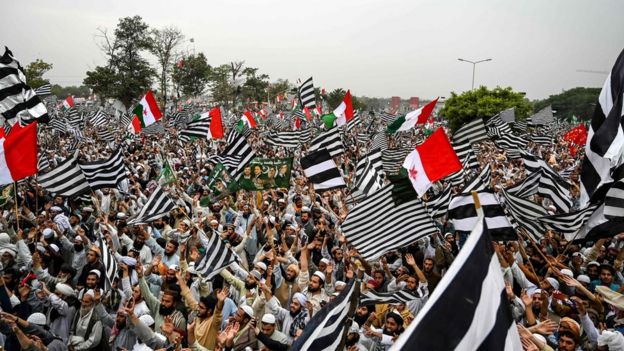
Maulana Fazl-ur-Rehman, leader of the religio-political Jamiat-e-Ulama-e-Islam (JUI), has arrived in the Pakistani capital at the head of a massive protest rally, dubbed the Azadi March.The declared intent of the maulana – as he is called by his friends, followers and foes – is to send the army-installed, army-backed government of the Prime Minister Imran Khan, packing. He is joined by an array of opposition parties including the Pashtun nationalist Awami Nation Party (ANP) and Pashtunkhwa Milli Awami Party (PMAP), the centrist Pakistan Muslim League Nawaz (PMLN), the center-left Pakistan Peoples Party (PPP), and the religious but doctrinally different Jamiat-e-Ulama-e-Pakistan (JUP). The PMLN and the PPP are reluctant partners, among this lot.
Who is Fazl-ur-Rehman, what does he want, and why does he want it now?
The maulana has been a fixture in Pakistani parliamentary politics since 1988. But he cut his political teeth as an opposition leader when, in the fall of 1980, he assumed the leadership of the JUI – a post-partition Pakistani reincarnation of the Jamiat-e-Ulama-e-Hind – after the demise of his father, Maulana Mufti Mahmood.
Prior to that the maulana had seen his father lead a fairly popular opposition campaign against Zulfikar Ali Bhutto, after the latter’s minions allegedly rigged the 1977 elections. The late Mufti Sahib, a graduate of Dar-ul-Uloom Deoband, was the first elected chief minister of Pakistan’s present-day Khyber-Pakhtunkhwa (KP) province in a coalition with the leftist-socialist National Awami Party (NAP). After that coalition’s Balochistan government was unconstitutionally dismissed by Zulfikar Ali Bhutto in 1973, Mufti Mahmood resigned in protest and solidarity with the NAP. And when Bhutto’s underlings allegedly stole the 1977 general elections, Mufti Mahmood cobbled together an opposition coalition called the Pakistan National Alliance (PNA), which took to the streets in several cities. The mayhem paralyzed the Bhutto government, which imposed martial law in three cities and provided an opportunity for General Zia-ul-Haq to impose a country-wide martial law. The maulana thus came of age while his father organized a protest movement and spent time in prison or under house arrest.
Immediately after assuming charge of the JUI, Fazl-ur-Rehman – aged 27 or 28 at the time – joined hands, in February 1981, with Bhutto’s PPP, and the Pashtun nationalist National Democratic Party, the leftist-Marxist Pakistan National Party, and assorted other parties to launch the Movement for the Restoration of Democracy (MRD) against the brutal military regime of General Zia-ul-Haq, which lasted till the death of the dictator in an air crash in 1988. The Maulana’s years in the MRD were marked by tactful agitational politics in which he spurned the military’s moves to co-opt him.
Those days also overlapped with the Pakistani-US-Saudi jihad venture against the Soviets in Afghanistan. Unlike the Jamat-e-Islami Pakistan, which contributed men, material and mindset for that unholy war, the JUI under the maulana remained out of that fray.
In fact, the maulana was perceived to be close to the Arab secularists like Muammar Gaddafi in that era, rather than the pan-Islamist jihadists.
Supporters of religious and political party Jamiat Ulema-i-Islam-Fazal (JUI-F) listen to the speech of their leaders, during what they call Azadi March (Freedom March) to protest the government of Prime Minister Imran Khan in Lahore, Pakistan on October 30, 2019. Photo: Reuters/Mohsin Raza
The JUI’s faction led by the maulana did not join the army-sponsored elections alliance in the November 1988 elections, when democracy was eventually restored. But his election to the National Assembly that year whetted his appetite for power politics.
While steering clear of the army-orchestrated alliances, the JUI developed a knack for staying relevant in KP and Balochistan politics and at the centre, where their votes could make or break governments. The JUI did not participate in the 1980s Afghan jihad or partake in the largesse that came with it, but eventually it did provide ready recruitment grounds for the Taliban in the late 1990s and onwards, though its vast madrasah network. It was duly rewarded by General Pervez Musharraf in 2002, when he enabled them to form the government in the KP and become the senior partner in Balochistan. Musharraf did not want the post-9/11 world to see a Muslim cleric at the helm in the federal government and opted to choose a different coalition for the Centre. However, the maulana got the coveted slot of the opposition leader. When Musharraf was finally ousted by street protests spearheaded by lawyers after he dismissed over 50 judges of the superior judiciary including the Chief Justice of Pakistan, the maulana’s support to that movement was tepid. He was widely seen as a pragmatist who, while sticking to the constitution, was willing to do business with the usual power brokers, including the army and the mainstream political parties. He held various parliamentary committee chairmanships like foreign affairs and Kashmir, for years. He was willing to play ball. What has changed now
The paradigm shifted when the Pakistan army decided to put its weight behind Imran Khan and his Pakistan Tehreek-e-Insaf (PTI) in 2011 and 2013, and then opted to install him as prime minister through a manipulated election in July 2018. The maulana and his JUI lost, or were made to lose, their traditional bastions to the PTI upstarts. He was livid, and instantly cried foul. He pointed the finger of blame at the country’s powerful security establishment – a euphemism for the army and its Inter-services Intelligence Directorate (ISI).
The maulana was not the only or biggest loser in 2018. The PMLN lost both its home province, Punjab, and the federal government, by a razor-thin majority, to the PTI. The stage was set for a hybrid regime, where the army controlled everything from fiscal to foreign policy but had Imran Khan as its civilian fig leaf. While the PMLN was the biggest loser in how this played out, the maulana was the loudest critic. He instantly called upon the other aggrieved parties to boycott the rigged parliament and join him in agitation. While the JUI – with no seats in the National Assembly and only a few senators – had not much to lose, the PMLN and the PPP had a sizeable parliamentary presence and were unwilling to annoy the army. PMLN supremo Nawaz Sharif tended to agree with the maulana but his brother, Shehbaz Sharif, and a coterie of advisors felt that it was a matter of time before the army’s Imran Khan project went belly up and it would be forced to engage with them again. The maulana, however, saw things differently and, in my view, presciently. The army or more specifically its current chief, General Qamar Javed Bajwa, are in it for the long haul. They want Imran Khan to rule for at least 10 years. This is not a diluted democracy but a full-blown hybrid regime where the army is the actual ruler and Imran a figurehead.
In their infinite wisdom, General Bajwa and his tribe have decided that pliable one-party rule a la China is what Pakistan needs. They are hell-bent upon eliminating all political opposition, muzzling the free press, and hounding the independent voices among civil society. It is an illiberal democracy to the core.
Supporters of religious and political party Jamiat Ulema-i-Islam-Fazal (JUI-F) listen to the speech of their leaders, during what they call Azadi March (Freedom March) to protest the government of Prime Minister Imran Khan in Lahore, Pakistan on October 30, 2019. Photo: Reuters/Mohsin Raza
The wily maulana read the picture correctly. He realised that while he was not a direct threat to the army’s domestic or cross-border projects, they still wanted a more monolithic political dispensation to suit their domestic and foreign agenda. Add to this the personal insults and trashy abuse thrown at him by Imran Khan and his supporters, and the maulana was convinced that he has to get even with the PTI leader and his army backers; ergo, the Azadi March.
The maulana tried to convince the PPP, PMLN, ANP, PMAP and others that the army and its political façade i.e. Imran Khan, are extremely vulnerable, especially when the Pakistani economy is tanking and there is palpable unease among the population about the sky-rocketing prices and plummeting job and business opportunities.
But the PMLN and the PPP, who think that they still have a stake in the system despite the dice being loaded against them, spurned the maulana’s desire to launch a movement. It was only after an ailing and incarcerated Nawaz Sharif put his foot down that his party agreed to support the Azadi March, albeit half-heartedly. The PPP, on the other hand, felt that it has little chance to form a federal government even after a fair election, and confronting the army might mean losing its provincial stronghold of Sindh. The Pashtun nationalist parties, the ANP and PMAP, have been in the same boat as the maulana, and agreed with his instinct but doubted his intentions.
Eventually, the assorted opposition parties were forced to join the maulana, albeit reluctantly, by a constellation of factors, including Imran Khan’s arrogance, the PTI’s incompetent governance, and the growing public disillusionment with the government. After much ado, the opposition parties finally agreed to join the maulana’s march, for which his JUI had been preparing for several months and he decided to descend upon Islamabad.
What happens next?
The maulana’s historical experiences and the speech he made on his first day in Islamabad indicate that he is in for a longer haul than most of us expected. He hasn’t mobilised these massive crowds from all over Pakistan to only extract a few seats in parliament or a committee chairmanship. He is fighting a battle for his political survival and wishes to return triumphantly, with a political scalp. He has demanded the resignation of Prime Minister Imran Khan and new elections, from which the army must stay away. He has called for the “institutions” – a thinly-veiled reference to the military – to stay out of the political fray and let the opposition and Imran Khan duke it out. The director general, Inter-Services Public Relations (DG ISPR) took the bait and asked the maulana to not drag the army into politics, only to be snubbed by the slick politician that by commenting on the evolving political situation the general was doing exactly that himself. The maulana is gradually escalating the rhetoric and seems keen on forcing the army to show its colours first, and then its hand.
But can the maulana, with some reluctant and some ardent partners by his side, really topple Imran Khan, though a prolonged peaceful protest? Chances are that he cannot. Knowing Imran Khan, one can safely say that he will not resign unless he is forced to. Khan is also boldened by the fact that General Bajwa – whom he has given a three-year extension as the army chief – stands firmly at his back. The maulana, thus, would have to do two things: prolong his protest and broaden his demands. The notification for the army chief’s extension has not been made public yet and therefore makes him vulnerable, as his original term ends this month. If the maulana can openly challenge the extension, he’d grab Bajwa by his Achilles’ heel.
There is little doubt that Bajwa and Imran Khan will sink or swim together. Getting one will get them both. But they are unlikely to cave in without a showdown. The maulana’s options include keeping his march focused on Islamabad and its surrounding area, including the twin city Rawalpindi, where the army is headquartered. An Islamabad-centric protest has been the trend in Pakistani politics since the 1990s, including when Imran Khan – helped by army spooks – camped out in the capital, for months, against Nawaz Sharif in 2014.
On the other hand, the old PNA and MRD templates were to organise protests in multiple urban centers simultaneously or sequentially to build up to a crescendo. The calculus, as always in agitational politics, remains that by paralysing the government and challenging its writ, the opposition can force it into doing something rash and potentially violent. And any violence on the part of the government and security agencies against peaceful protestors is almost never sustainable and is a surefire way of earning the latter public sympathy.
The maulana, however, would be dependent upon the PMLN and to a lesser extent the PPP, for a level of legitimacy during and after a potentially successful agitation. The army is in a tight spot. Its pet project is in jeopardy and Pakistan’s domestic and international woes make it impossible to impose martial law. If the opposition shows staying power, the junta can be made to blink.
The maulana has given a two-day ultimatum to Imran Khan, and by proxy to his army backers. What agitational rabbit he can pull out of his turban on day three remains to be seen. As is the extent to which the Pakistan army and its chief are willing to go to save their pet project.
https://thewire.in/south-asia/who-is-fazl-ur-rehman-and-can-he-topple-pakistans-hybrid-regime/amp/
Over 30 percent of Pakistan’s workers laid off amid economic meltdown — industry insiders
- During the last fiscal year, a million people lost jobs and four million were pushed into poverty: Dr. Hafiz Pasha
- “Unprecedented severity” is squeezing the middle class that brought the PTI government to power
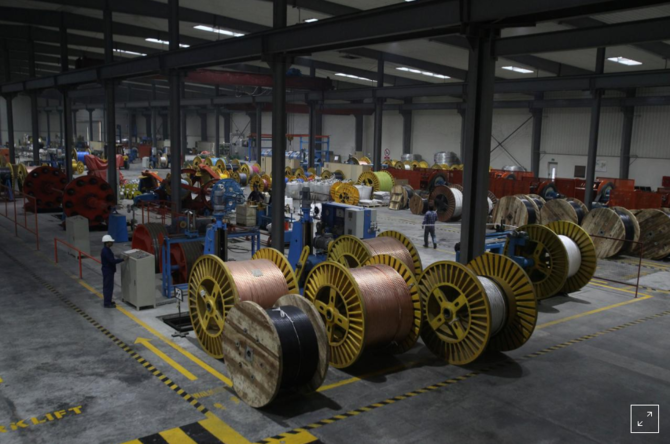
“Last year, it is estimated that around one million people lost (their) jobs, and this year as the economy has slowed down it is expected that around 800,000 to one million more people will be rendered jobless,” Dr. Hafiz A. Pasha, senior research economist and a former finance minister of Pakistan, told Arab News.He blamed the government’s negotiations of the IMF stabilization program, and compared the current state of Pakistan’s economy with a “vehicle stopped in a way...that it has completely collapsed.”“The budget is heavily taxing basic commodities and services. The speed and nature of adjustment is all flawed. During 2018-19, four million more people became poor. That may be the same or more this year,” he said. In recent years, import-led consumption had propped up growth in the South Asian country of 208 million people, and helped hide the problems of an economy riddled with inefficiency and without a strong export base.Now, industrialists and traders say every sector of the economy is bearing the brunt of the economic meltdown, which has forced industries to cut back on their production and manpower as demand dries up. “The auto-industry has started closing down, and the production has reduced by more than 50 percent,” Dr. Mirza Ikhtiar Baig, Senior Vice President of the Federation of Pakistan Chambers of Commerce and Industry, told Arab News.“Similarly, the same situation is (being faced by) our textile industry. The banks charge interest rates at 16-17 percent due to which the financial cost...has become very expensive,” he said. “The defaults (on loans) are now becoming higher... the default of only the textile sector is 30 percent as of today,” Baig said.
This week, Indus Motors, the makers of Toyota cars, announced a shutdown of their manufacturing plant in Pakistan for the rest of September, following a fall in the sale of vehicles as car prices skyrocketed, due to rupee depreciation and taxation measures. “This is painful,” Baig said. “I can’t quantify it, but the job cuts are in lacs (hundreds of thousands). Every industry has laid off workers and closed down shifts,” he said. With an estimated job multiplier of up to eight times for every direct job in the auto sector, auto assemblers and the auto vendor industry is on edge.
“Car makers have reduced their shifts, cut down their working hours and are sending workers on compulsory holidays. Sales are down 60-70 percent,” Aamir Allawala, a leading auto-parts maker, told Arab News. “A similar slump has been recorded in the production of motorcycles, tractors, trucks and buses,” he said. As bigger industries face the challenges of survival, the country’s small businesses now find themselves on the brink of collapse, with Khan’s government facing mounting pressure as rising prices squeeze the middle class that helped carry it to power. “The demand of jewelry has eroded by 50 percent which has forced about 30-40 percent highly skilled workers to look for other options like selling vegetables, bread etc.,” Mairaj Ahmed Khan, President of the All Pakistan Zargaran Jewelers and Gems Association, told Arab News, with some manufacturers saying they had laid off half their labor force.
“Our business has suffered...because the retailers have no demand. We have reduced about 50 percent of labor because I have no orders. The industry is dying because there is no customer in the market and no demand,” Adnan Qadri, a wholesale jewelry manufacturer, told Arab News. “The severity is unprecedented,” Majyd Aziz, President of the Employers Federation of Pakistan, told Arab News. “And those who become the victims of downsizing or layoffs... the chances are rare that they (will) get jobs easily,” he said, adding that despite an overwhelming inflow of job applications, even ideal candidates had to be turned down.
https://www.arabnews.pk/node/1557676/pakistan
Saturday, November 2, 2019
#Afghanistan: CIA-Backed Forces Commit Atrocities, Says HRW

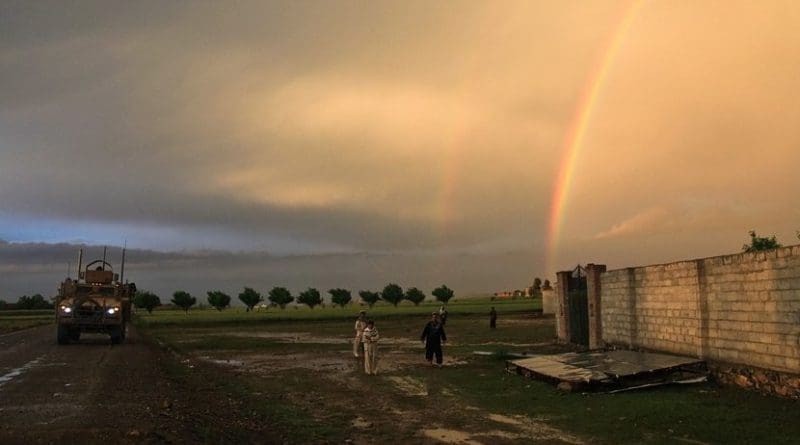
United States Central Intelligence Agency (CIA)-backed Afghan forces have committed summary executions and other grave abuses without accountability, Human Rights Watch said in a new report. These strike forces have unlawfully killed civilians during night raids, forcibly disappeared detainees, and attacked healthcare facilities for allegedly treating insurgent fighters. Civilian casualties from these raids and air operations have dramatically increased in the last two years.
The 53-page report, “‘They’ve Shot Many Like This’: Abusive Night Raids by CIA-Backed Afghan Strike Forces,” documents 14 cases from late 2017 to mid-2019 in which CIA-backed Afghan strike forces committed serious abuses, some amounting to war crimes. The US should work with the Afghan government to immediately disband and disarm all paramilitary forces that operate outside the ordinary military chain of command and cooperate with independent investigations of all allegations of war crimes and other human rights abuses.
“In ramping up operations against the Taliban, the CIA has enabled abusive Afghan forces to commit atrocities including extrajudicial executions and disappearances,” said Patricia Gossman, associate Asia director and author of the report. “In case after case, these forces have simply shot people in their custody and consigned entire communities to the terror of abusive night raids and indiscriminate airstrikes.”
The report is based on interviews with 39 local residents and other witnesses to night raids in Ghazni, Helmand, Kabul, Kandahar, Nangarhar, Paktia, Uruzgan, Wardak, and Zabul provinces, as well as with Afghan human rights groups that have documented these raids.
Since 2001, the CIA has maintained a counterterrorism operation in Afghanistan parallel to but distinct from the US military operation. It has continued to recruit, equip, train, and deploy Afghan paramilitary forces in pursuit of Al-Qaeda and Taliban forces, and, since 2014, militants affiliated with the Islamic State (also known as ISIS).
Night raids by these strike forces aimed at killing or capturing insurgents largely occur in rural areas that are under Taliban control or contested. The forces breach the walls of residential compounds, search the homes, and question the inhabitants. Some men have been detained without their families knowing their whereabouts. Others have been summarily shot.
In many of the night raids Human Rights Watch investigated, strike forces attacked civilians because of mistaken identity, poor intelligence, or political rivalries in the locality. These units have also sometimes targeted houses based on intelligence that family members had provided food to Taliban or ISIS insurgents, even if under duress.
A resident in Wardak province told Human Rights Watch that the strike force “destroyed the gate to our compound with an explosive device. They killed one of my sons at the back of our home and took the other with them.… The forces accused us, ‘Why are you feeding the Taliban?’ But the Taliban come asking for food. If you don’t feed them, then they harass you.”
In Paktia province in August 2019, a paramilitary unit killed eight men who were visiting their families for the Eid holidays and three others in the same village. Witnesses said none offered any resistance before being shot. The forces fatally shot a 60-year-old tribal elder in the eye and his nephew, a student in his 20s, in the mouth.
Afghan community elders, health workers, and others described abusive raids as having become a daily fact of life for many communities – with devastating consequences. One diplomat familiar with strike force operations referred to them as “death squads.”
Night raids have often been accompanied by airstrikes that have indiscriminately or disproportionately killed Afghan civilians. The dramatic increase in civilian casualties from US air operations over the past year may reflect changes to tactical directives eliminating measures that had formerly reduced civilian harm, including limitations on striking residential buildings. The US and Afghan governments have not adequately investigated alleged unlawful airstrikes in Afghanistan. In one case Human Rights Watch investigated, an airstrike called in by strike forces in Nangarhar killed at least 13 civilian members of two families, including
several children.
“The US and Afghan governments should cooperate with independent investigations into these allegations,” Gossman said. “These are not isolated cases but illustrative of a larger pattern of serious laws-of-war violations – and even war crimes – by these paramilitary forces.”
During night raids on medical facilities, strike forces have assaulted and sometimes killed medical staff and civilian caregivers and damaged facilities. In July, a strike force unit raided a medical clinic in Wardak province, accused clinic staff of treating Taliban fighters, and killed two caregivers, a guard, and a clinic lab worker.
The laws of war protect patients, including wounded fighters, and all medical personnel from attack. While medical facilities can be searched to ensure they are genuinely providing medical services, it is unlawful to disrupt facility operations or confiscate medical equipment.
Taliban forces have frequently committed laws-of-war violations and human rights abuses, including indiscriminate attacks that have killed and injured numerous civilians. However, Taliban atrocities never justify Afghan or US government violations.
The Afghan government should impartially investigate all allegations of abuse by Afghan security forces, prosecute those responsible for war crimes and serious abuses, and disband and disarm paramilitary forces operating outside normal chains of command. The US government should investigate any US personnel involved in these abuses, prosecute those responsible for war crimes, and cease supporting Afghan forces that have been responsible for serious violations.
“CIA-backed Afghan forces in case after case have disregarded protections to which civilians and detainees are entitled, and have committed war crimes,” Gossman said. “The US and Afghan governments should end this pathology and disband all irregular forces.”
ٹرین سانحہ اور ہماری غفلت ِمجرمانہ #Pakistan TrainAccident#

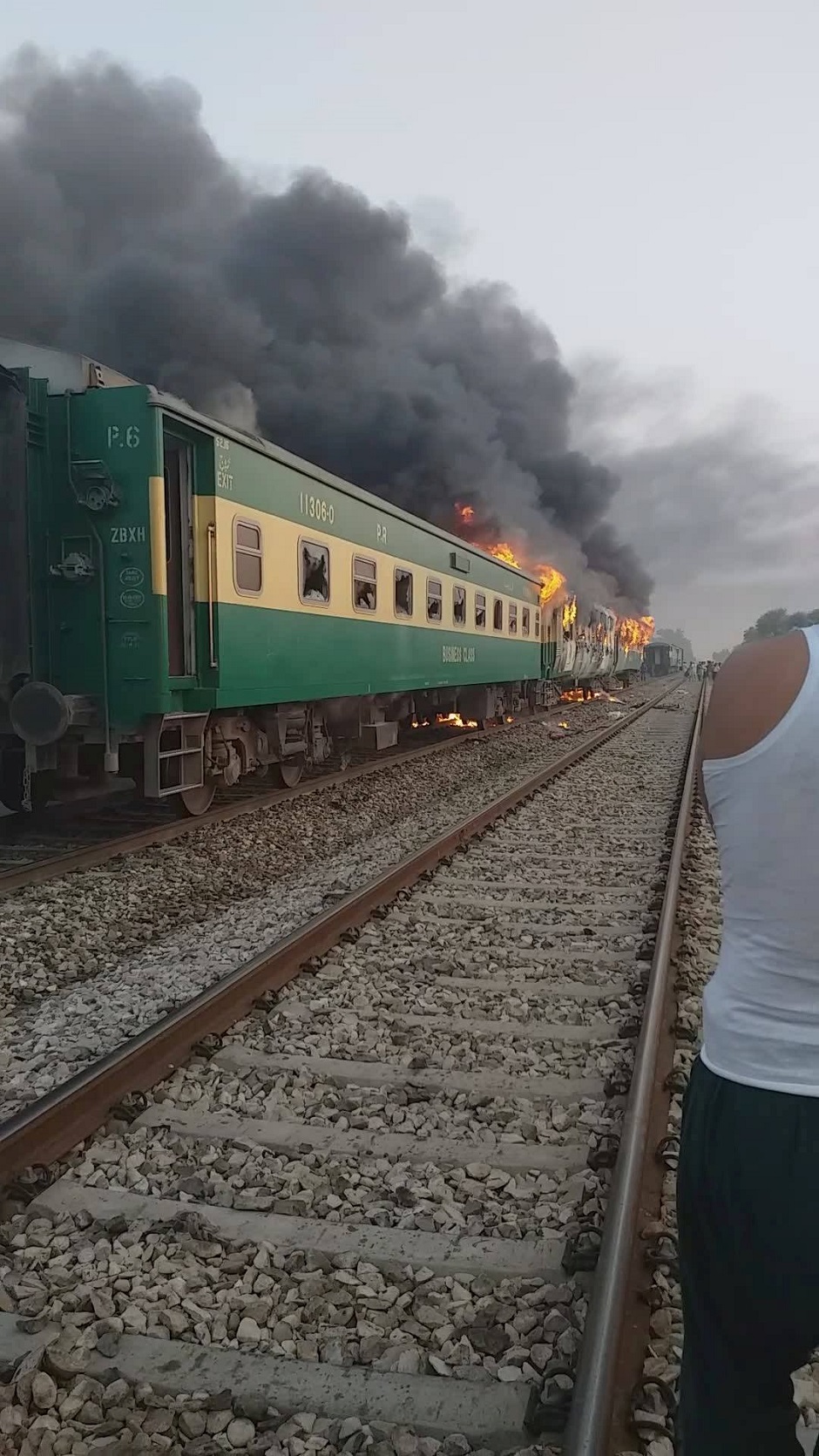
31اکتوبر کا دن بھارت میں تو اندرا گاندھی کی درد ناک ہلاکت کے باعث یومِ
سوگ کے طور پر منایا ہی جاتا ہے لیکن پاکستان میں بھی 31اکتوبر‘ افسوسناک ٹرین سانحہ کے باعث اتنا ہی بڑا انسانی المیہ بن گیا ہے۔ اس سانحہ میں 74انسان زندہ جل مرے جبکہ 90کے قریب زخمی پڑے ہیں۔ مرنے والے 58مسافروں سے متعلق بتایا گیا ہے کہ آگ میں جل کر ان کی لاشیں ناقابلِ شناخت ہو گئی ہیں۔
مرنے والوں کی بھاری اکثریت تبلیغی جماعت کے مبلغین کی تھی جو سندھ سے تبلیغی اجتماع میں شرکت کے لیے لاہور جا رہے تھے لیکن بیان کیا جا رہا ہے کہ کچھ غیر ذمہ دار افراد نے ناشتے کے لیے انڈے ابالنے کی خاطر گیس سلنڈر جلایا جس کے پھٹنے سے یہ تباہی ان کا مقدر بن گئی۔
بعض اطلاعات کے مطابق سلنڈر بوگی نمبر 13میں پھٹا اور پھر اس کی آگ نے بوگی نمبر 14اور 15کو بھی اپنی لپیٹ میں لے لیا۔ عینی شاہدین کے مطابق ٹرین کی زنجیر خراب تھی اور آگ بجھانے کے آلات بھی غائب تھے اس لیے ٹرین کو بروقت روکا جا سکا نہ آگ بجھائی جا سکی۔
اب اگر ہم چاہیں تو اتنے بڑے انسانی سانحہ کو ایک اتفاقی حادثہ یا امرِ ربی کہہ کر دبا سکتے ہیں لیکن اگر مہذب اقوام کی طرح اس سانحہ کا باعث بننے والی غفلت یا غفلتِ مجرمانہ کا تعین کرنے کے لیے اعلیٰ سطحی تحقیقات کا مطالبہ کریں تو جو سوالات سامنے آتے ہیں ان میں سب سے پہلا سوال یہ آئے گا کہ ریلوے انتظامیہ نے خطرناک گیسوں والے سلنڈر یا آگ پکڑنے والا ممنوعہ مواد ٹرین میں رکھنے کی اجازت کیوں دی؟ اور پھر ٹرین میں محکمہ ریلوے کی جو سیکورٹی ٹیم تعینات ہوتی ہے وہ اپنی ڈیوٹی سے اُس وقت کیوں غافل رہی جب چلتی ٹرین میں ان سلنڈروں کو جلایا جا رہا تھا؟
رپورٹ کے مطابق عینی شاہدین نے یہ بھی بتایا ہے کہ ٹرین رکوانے والی زنجیریں کام کر رہی ہوتیں تو فوری ٹرین رکوا کر بہت سی قیمتی انسانی جانیں بچائی جا سکتی تھیں۔ اسی طرح یہ سوال بھی اہم ہے کہ آگ بجھانے والے آلات کیوں عنقا یا ندارد تھے؟
درویش نے بچپن کی یادوں میں اپنے دادا کے منہ سے نکلتے یہ الفاظ بارہا سنے ہیں کہ اس خطے میں اعلیٰ ترین ڈسپلن والی آئیڈیل حکمرانی تو انگریز کر گئے ہیں ان کے بعد تو ہر چیز انحطاظ پذیر اور ناکارہ ہو گئی ہے۔
عدالتوں میں بروقت انصاف ہی نہیں ملتا تھا بلکہ ٹرینیں بھی بروقت چلتی تھیں اور کسی کی مجال نہ ہوتی تھی کہ اپنی ڈیوٹی میں کوتاہی کا مرتکب ہو۔ آخر اب ہماری ہر چیز ہی ناکارہ اور خراب ہو کر کیوں رہ گئی ہے؟ گزرتے وقت کے ساتھ ہر چیز میں بہتری و برتری آنا چاہئے تھی مگر ہم نے تو پہلے والی بہت سی اچھائیوں کو برائیوں اور بربادیوں میں بدل ڈالا ہے ایسے میں گڈ گورننس کہاں سے آئے گی؟ہمارے وزیر ریلوے ماشاء اللہ خوب گرجتے، برستے ہیں۔ سارے شعبہ جات کا درد ان کے سینے میں ہے۔ ان کی دیگر مصروفیات اتنی زیادہ ہیں کہ اپنے محکمے کو درست کرنے کے لیے شاید انہیں ٹائم ہی میسر نہیں۔
انہی کا فرمانا ہے کہ پہلے ٹرین حادثات زیادہ ہوتے تھے، شکر کریں کہ میرے دور میں یہ کم ہو رہے ہیں اور اب یہ سانحہ بھی ہماری وجہ سے نہیں تبلیغی جماعت کے مسافروں کی وجہ سے ہوا ہے مگر سوال یہ ہے کہ کیا ان کے زیرِ سایہ ریلوے انتظامیہ کی بھی کوئی ذمہ داری تھی یا نہیں؟ خطرناک گیس سلنڈروں کا ٹرین میں رکھا جانا اور پھر ان کا چلتی ٹرین میں استعمال روکنا تو ریلوے انتظامیہ کی ذمہ داری تھی جو شیخ صاحب کے زیر نگرانی کام کرتی ہے۔
بالفرض اگر آگ کی وجہ سرکٹ شارٹ ہونا بھی قرار پاتی ہے تب بھی اس کی درستی یا ٹرین زنجیروں کا ٹھیک حالت میں ہونا وزیر ریلوے کی ایسی محکمانہ ذمہ داری ہے جس سے جان نہیں چھڑائی جا سکتی۔ پاکستانی عوام وزیراعظم عمران خان سے یہ استدعا کرنے میں حق بجانب ہیں کہ وہ کم از کم ایک نااہل وزیر سے محکمہ ریلوے کی جان چھڑوا دیں۔ ہم اکثر ترقی یافتہ مہذب اقوام کی مثالیں دیتے نہیں تھکتے مگر اُن کا طرزِ عمل اور ڈسپلن اپنانے سے گریز کرتے ہیں کیا وہاں ایسے سانحات یا ایسی غفلتِ مجرمانہ کا مرتکب وزیر فوری مستعفی ہونے کا اعلان نہیں کر دیتا؟
زندہ اقوام ہر لمحے اپنی خود احتسابی کے لیے تیار رہتی ہیں جبکہ زوال پذیر اقوام یا معاشرے ہر پل خود ستائی و خود پسندی کا پرچار کرتے ہوئے اپنی مصنوعی عظمتِ رفتہ پر اتراتے رہتے ہیں۔
ہم سات دہائیاں گزرنے کے باوجود اپنے عوام کی بنیادی انسانی ضروریات پوری کرنے سے قاصر ہیں۔ آئین، قانون اور جمہوریت کی حکمرانی و پاسداری یا گڈ گورننس کی معیاری صورتحال تو رہی ایک طرف، ہم تو ستر برسوں بعد بھی اپنی غربت، جہالت اور اندھی جذباتیت پر قابو نہیں پا سکے۔ اپنے سماج کو مہذب، جمہوری، لبرل اور ترقی یافتہ معاشرہ بنانے کے بجائے جنونیت کے پھیلاؤ کو اپنا بزنس سمجھ بیٹھے ہیں۔
جب چھوٹی باتوں میں ہمارے رویے غیر ذمہ دارانہ ہوں گے تو بڑی باتوں کے مفاسد بھی بڑے اور برے ہی برآمد ہوں گے۔
A #Pakistani Catholic talks about the mistreatment, violence suffered by #Christians
Naseem Nawab, a nurse, told Aid to the Church in Need about a beating she received this summer at the hands of two Muslim colleagues at the hospital.
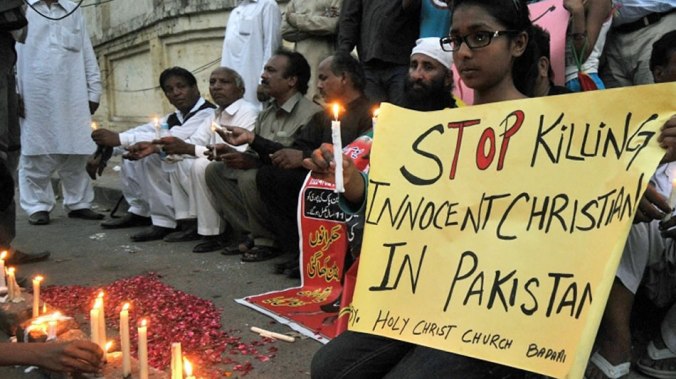
Naseem Nawab is a Pakistani Catholic nurse who has worked at a hospital in Karachi since 2008. She told Aid to the Church in Need (ACN) about a beating she received this summer at the hands of two Muslim colleagues at the hospital. It is an example of a consistent pattern of discrimination and persecution suffered by Pakistani Christians:
On August 3 [2019] I went downstairs at the end of my shift and found Ambreen and Alia, fellow staff members, waiting for me. They immediately began to beat me. They threw me on the floor, kicked at my back, and pulled my hair. They only stopped because another nurse on duty intervened.
They had come after me because I had objected to the treatment of a second-year nursing student, a Christian girl named Mishal. When I told them not to bully her, they asked why I was interfering with someone in their ward. They told me she was their responsibility.
More than a month later, they have not admitted that this was the cause of my beating—nor have they been disciplined by hospital management despite the fact that I lodged a formal complaint, nor has the police done anything.
I love Pakistan. My family is here, and I have a good, respectable job. But for Christians, it is not safe. Reports of discrimination and forced conversion have only increased, and I fear being punished for my faith. I fear that my children are in danger. I always tell them: do not go anywhere alone.
We cannot worship freely. The path to St. Jude’s, our local church, is lined with people who taunt us, even follow us. And private worship, too, is nearly impossible: to save money, we live at the hospital, where our prayers are considered a disturbance, and there was once an attempted rape at the hospital, involving an assault of Muslim young men on a Christian woman. We must be cautious.
But despite this, I know that God is on my side, and I am comforted by His presence. I have the Bible on my phone, and I read it when I am afraid, especially Psalms 23 and 121. And I pray constantly.
I pray for peace in Pakistan and that the West will protect us from the ongoing violation of human rights. I pray that those in power will use their resources wisely. I pray that my children will lead long, full lives.”
https://aleteia.org/2019/10/21/a-pakistani-catholic-talks-about-the-mistreatment-violence-suffered-by-christians/
Pakistan -sponsored terrorists target migrants, minorities to show that normalcy in Kashmir is far away
With the numbers of terrorists down but some quantum of successful infiltration, as admitted by the JKP, the terrorists have had some time to reorganize, recalibrate and reselect their targets.
The targeting of non-Kashmiris by terrorists in South Kashmir and the killing of 11 persons in less than two weeks could seem puzzling to observers. However, this is nothing new. It just revisits a tactical method that terror groups, under the guidance of Pakistan’s ISI, employ to remain relevant and promote Pakistan’s interests. It has happened many times in the past too. So, the question should be: Why should it be allowed to happen today?
In the late Nineties, while I coordinated operations in South Kashmir from Avantipur’s Rashtriya Rifles headquarters, we were suddenly hit by a spate of two kinds of incidents — minority killings and targeting of non-Kashmiri labour. The two prominent minorities in Kashmir — Kashmiri Hindus and Sikhs — live in pockets of both urban and rural areas. The urban areas are relatively safe, it’s the rural pockets that pose a challenge. While there may have been an exodus of Kashmiri Hindus in1990 under a focused Pakistani strategy, some of them did stay back, and the Sikhs hardly migrated. Both communities became the target of attacks by Pakistani terror groups from time to time. Who can forget the Nandimarg (2003) and Wandhama (1998) killings of Kashmiri Pandits and the Chittisinghpura massacre of the Sikhs in 2000. Since the latter occurred just as the-then US President Bill Clinton was to address India’s Parliament, the motive behind the attack was obvious. In 1999, just as the army was redeploying troops from Kashmir to Kargil to meet the sudden occupation of winter-vacated areas, labour from Bihar working at brick kilns and in the construction industry were targeted with mass killing, leading to their exodus.
A careful analysis of the trends at that time led to the conclusion that the Pakistani terror group Lashkar-e-Taiba (LeT) had decided to execute a high-profile attack against soft targets in certain areas to announce its arrival and demonstrate its domination of the terror scene. It was almost akin to an unfurling of the LeT flag in areas of its choosing and became a signature method.
Migrant non-Kashmiri labour in those days, too, were accommodated in small camps but the security for them was always insufficient. Security could have been strengthened by recognising that there was a major threat to them and gathering them into camps which were well protected and organising their secure movement to orchards or construction sites. Yet, the nature of the terror threat at that time — with more terrorists and lesser number of troops on the ground — prevented any such counter measures. The J&K Police (JKP) on its own could not provide the necessary security. Minority killings and targeting of non-Kashmiri labour tapered off in the early part of the first decade of the millennium and did not come to the fore despite the obvious soft nature of targets available. I, however, continued to harbour fears that the tactic would be used again when the levels of frustration of the Pakistani terror groups or the more radical of the Kashmiri terror elements would cross limits.
The recent targeting of non-Kashmiri labour and others such as truck drivers took place just when the curbs on postpaid mobile telephony were lifted. There really is no connection between the two occurrences in this case, as some are attempting to deduce. What Pakistan, through its proxies, wants to try and propagate is the idea that return of normalcy in Kashmir is yet very far away and that the security space is in their hands even with a limited number of terrorists. It wants to send the broad signal that the abrogation of the special constitutional provisions for J&K is meaningless and changes nothing.
With the numbers of terrorists down but some quantum of successful infiltration, as admitted by the JKP, the terrorists have had some time to reorganise, recalibrate and reselect their targets. Intelligence during the last three months has been of a lower order with a not-so-free movement of sources and non-availability of mobile communication. What we are witnessing in South Kashmir is a manifestation of this.
The focus of the security establishment would unmistakably have shifted towards the prevention of street agitation and mass protests. This was the correct response, as it responded to what was the bigger threat from 2008 onwards. Thereafter, the focus has been on counter infiltration — not that the army and police cannot perform multiple tasks and they have done so creditably in the past. However, such situations do result in a shift of priorities and balancing them is a challenge. Much of this happened in 1999-2000 when the counter terror space was severely challenged after the shift of the army’s focus to Kargil. Countering an aggressive terrorist phase involving so called “fidayeen” suicide attacks on government and other security targets proved more than challenging. The security establishment bounced back very quickly to neutralise 2,100 terrorists in 2001, the highest number ever. I have no doubt that with a little recalibration, the same will happen this time too. However, what has to be realised is that this takes away the larger focus from the more important factor of comprehensively neutralising the general ecosystem which enables the Pakistan-sponsored proxies and separatists to challenge the Indian nation’s will.
The “tactical pause”, so to say, must not allow for a return to the situation at the end of 2016 when the army and the police jointly launched Operation All Out. The latter was a very successful operation but we must not be drawn once again into the game of just neutralising terrorists. What the government had correctly done was to pay equal attention to dismantling financial networks and high-profile over-ground worker’s networks. That is still a work in progress as it cannot be an overnight affair. Any slippage in this is bound to embolden the Pakistani sponsors and give a boost to their capability.
India goes beyond just neutralising terrorists. It’s the elusive “terrorism”, which we have rarely targeted, that should be the priority. By giving leeway on potential minority and current non-Kashmiri targeting, we may hand the initiative back to the other side. The security establishment should heed the warning that not only migrant non-Kashmiri labour but also minority elements in Kashmir are currently vulnerable.
https://indianexpress.com/article/opinion/columns/kashmir-valley-labourers-killing-pakistan-isi-let-6096872/
#Pakistan - Deadly train inferno
Accidents are part of life, but definitely not as frequent as registered by Pakistan Railways. And some of these, like the one Rawalpindi-bound Tezgam met with on Thursday, leaves a deep scar on memory. Seventy four passengers were roasted alive and 41 injured as a non-stationary train caught fire near Rahimyar Khan. Almost cinematically, the red-hot flames leapt out of three bogies packed with passengers as the train kept moving. It took its driver four minutes to stop it, and while it was running some of the panicked passengers jumped out of the burning coaches. Some of them didn't survive, while some suffered multiple fractures. Most of the passengers were on way to Raiwind, near Lahore, to participate in an annual Tableeghi Ijtema. Given absence of record to show who the deceased were only DNA tests would now verify their identities. There are two versions as an answer to a question what actually caused fire- one given by Railways Minister Sheikh Rasheed and the other by independent witnesses. According to the minister, it was a blast caused by a gas cylinder, insisting the concerned railways staff did object to its presence, but nobody cared. The private witnesses insist the fire erupted from short-circuiting of air-conditioning system in the Business Class which engulfed the bogies that followed it. But the minister had no answer to the widely-help perception that the filled gas cylinders were not checked because the scanners at Karachi and Hyderabad stations were/are out of order. Let that be so, but how come the body-search conducted at the entry points did not detect something as big as a gas cylinder. Insofar as the question who should inquire into what led to the train inferno is concerned, there too are two answers or positions – while the government would like this to be done by the Railways Ministry the others have demanded a judicial investigation.
Nowhere in the world are the railways free from train-to-train collisions, derailments and fire incidents. Pakistan Railways too had it, but their incidence as recurrent as since Sheikh Rasheed took over as its minister is simply mindboggling. In the 14 months of his stewardship there were no less 80 train accidents that took scores of lives. Only last July 11, a passenger train ran into a stationary freight train near Sadiqabad, causing deaths of 21 passengers. The minster blamed the local staff, refusing to accept the fact that the existing signaling system was no more functional and should have been changed. And, invariably, the minister has been blaming others for these accidents while independent sources describe the rising incidence of accidents as profound deficiency of the railways department. But, on second thought, the minister admitted that ban on filled gas cylinders was relaxed to appease the Tableeghi Jamaat members!
To fit in the ‘Naya Pakistan', he introduced a number of new trains, which were not needed at all. No wonder then quite a few of them are no longer running because the Pakistan railways as it exists on the ground is not good enough to deliver on that demand. The government has no plausible answer to question why have more trains when the system is not capable of handling even the normal load. Although Sheikh Rasheed has announced that “as far as the matter about my resignation is concerned, I will talk about it on Sunday," he must resign without any further loss of time. Enough is enough.
https://www.brecorder.com/2019/11/02/540477/deadly-train-inferno/
#Pakistan - Lawmakers call for railways minister’s resignation, impartial inquiry

Speaking on the matter both inside and outside the assembly hall, MPAs belonging to the ruling Pakistan Peoples Party (PPP), Muttahida Qaumi Movement-Pakistan (MQM-P) and the Grand Democratic Alliance (GDA) asked the federal government to conduct an impartial inquiry and provide relief to the victims’ families.
“Around 40 people who were burnt to death or have gone missing in the wake of this incident belong to Sindh,” said PPP MPA Zulfiqar Shah, raising the issue on a point of order. He lashed out at the Punjab government and railways authorities for shifting the bodies in trucks, rather than sending them in ambulances. “Every other day, PTI MPAs talk against the Sindh government’s policies,” said Shah. “We are far better than Punjab when it comes to the health sector. We never ever transport victims in trucks as they have done with the people of Sindh,” he remarked.
Referring to the opposition leader, Firdous Shamim Naqvi and PTI’s parliamentary leader Haleem Adil Shaikh’s condolence visit to Mirpurkhas, Shah said, “People have welcomed them with rotten eggs and tomatoes. This all happened when they started defending the railways minister.”
Incensed by his remarks, PTI MPAs stood up from their seats and started to protest. Meanwhile, Shah, who also belongs to the Mirpurkhas division, demanded the Sindh government to announce compensation for the victims.
Earlier, PPP’s Heer Ismail Sohu also took exception to the negligence of the railways authorities and the Punjab government for transporting the bodies in a truck. “A video has gone viral that shows government officials transporting the bodies on a truck. We have a tradition in Pakistan to respect the dead. It looks like they were loading the truck with onions and potatoes,” she said while demanding an impartial inquiry to punish those who showed a lack of respect in this case. “This was the 70th incident since the PTI government has come into power,” said Sohu. “This will continue until Sheikh Rashid holds the portfolio of the department,” she added.
GDA’s Nand Kumar Goklani and Mohammad Hussain of the MQM-P also spoke on the issue. “We should not rule out a conspiracy hatched by anti-state elements,” said Goklani. The members also offered Fateha for the victims and observed a minute’s silence in their memory.
The Sindh Assembly introduced three different laws, including the Consumer Protection (Amendment) Bill 2019, the Motor Vehicles (Amendment) Bill, 2019 and Sindh Charities Registration and Regulation Bill, 2019, on Friday. All the bills were referred to the standing committees for feedback.
In the motor vehicle law, an amendment has been proposed to grant driving licences to hearing-impaired persons. “Applicants with hearing impairment, having up to 40 decibels (a unit used to measure the intensity of a sound) loss, shall wear hearing aids and in case the hearing loss exceeds the decibels, the applicant shall use sensitive technology devices,” the law states.
Adjournment motion on absconders
The Sindh Assembly rejected PTI MPA Khurrum Sher Zaman’s adjournment motion to discuss a large number of absconders living in Sindh. “There are around 57,000 absconders in Sindh. I want to know what efforts are being taken by the PPP government for their arrest,” he said.
The deputy speaker asked Zaman to convince the house on whether his adjournment motion was in line with the rules or not. Zaman tried to do so, but the Sindh government opposed the motion, paving the way for the deputy speaker to dismiss it.Earlier, as the session started with speaker Agha Siraj Durrani in the chair, the minister for parliamentary affairs, Mukesh Kumar Chawla, responded to questions related to the information technology (IT) department.
PTI MPA Saeed Afridi also tabled a resolution against the “Azadi March” organised by JUI-F leader Fazul Rehman. “We are in a war-like situation following the Indian government’s efforts to occupied Kashmir Valley. This march is against parliamentary democracy and it seems to be a conspiracy against Pakistan,” states the resolution, which could not be taken up in the house. Later, the speaker adjourned the session till Monday.
Saudi Arabia can’t help solve Kashmir issue because it now lacks legitimacy in Muslim world
AYESHA SIDDIQA
Saudi crown prince Mohammad bin Salman can snub Imran Khan and court Narendra Modi, but he won't sideline his military ties with the Pakistan armed forces.
Indian Prime Minister Narendra Modi went to Saudi Arabia again – his second trip in four years that many see as having the potential to solve India’s Kashmir issue. The cosying up between Riyadh and New Delhi is a signal to Pakistan that countries symbolising the Muslim ummah now stand with India instead.
The problem, however, is that the new Saudi Arabia is very different from even the pre-2010 one. Led by an ambitious, young, modern leader, who wants to modernise the state and westernise it culturally, does not have the same legitimacy in the Muslim world anymore. The Saudi crown prince Mohammad bin Salman bin Abdulaziz Al Saud is trying hard to do a balancing act, silencing the religious Right through oppression by gagging noted Saudi religious scholars while depending on some traditions in order to not entirely lose political legitimacy.
Therefore, despite that Israeli aircraft flying in and out of Riyadh and efforts of US President Donald Trump’s son-in-law Jared Kushner, one of the chief architects of Trump’s Middle East peace plan and a close friend of the crown prince, Palestine continues to be mentioned in the officially transmitted prayers, especially in Mecca and Medina. Similarly, as I observed myself, writings of the former grand mufti, the rabid, although pragmatic, Sheikh Abdul Aziz ibn Abdullah ibn Baz, are still available in the two holy cities.
The desire for modernity among Saudi rulers is not new. It dates back to the first ruler of the Saudi state, Muhammad ibn Saud, who established a nation-state in the Arabian Peninsula in 1932. His sons, including King Faisal, who was killed by his own nephew in 1975, faced opposition by the religious clergy for his perceived sin of bringing modern technology in Saudi Arabia. Faisal’s wife Iffat al-Thunayan opened schools for women. Clearly, the incumbent crown prince Muhammad bin Salman, popularly known as MbS and considered the de facto king, wants to take development several notches higher and is brutal in his pursuit of power.
Only a good business partner
His political ambitions make India an attractive destination for Riyadh. Unlike Pakistan, which wants Saudi money but is shy of a total embrace because it could have high costs for the country’s security, Riyadh’s relationship with New Delhi can actually work.
Indian Muslims do not necessarily pose an ideological burden on Saudi Arabia as compared to Pakistan’s. Riyadh will never want to be burdened with claims of infesting India with radicalism, an accusation it hears from Pakistan. Moreover, Modi’s India has little qualms about engaging with Saudi Arabia riddled with accusations of human rights atrocities. This makes India similar to Pakistan but different from a number of western states.
Not surprisingly, Saudi Aramco agreed to invest reportedly US$ 15 billion into Reliance Industries. In business terms, this is a major breakthrough as it brought the largest foreign investment project in India without threatening the Ambani empire. No wonder New Delhi is ready to put its eggs in the Saudi basket and temporarily abandon the Chabahar project in Iran.
The continuation of this sheen in New Delhi and Riyadh’s relationship depends upon money in Indian pockets. But it is also worth remembering that MbS has other priorities too. He can ignore and snub Pakistan Prime Minister Imran Khan by not inviting him to his ‘Davos in the Desert’ and instead invite Narendra Modi, but he is not about to sideline his military ties with the Pakistan armed forces. Not only does he have a retired Pakistani general at his beck and call, MbS also has good ties with Pakistan Army chief General Qamar Javed Bajwa. Lest we forget, MbS played a key role in arranging Imran Khan’s meeting in July this year with Donald Trump, which in reality was a meeting between Trump and Bajwa. The general was equally cool with his prime minister getting a cold shoulder.
In any case, Pakistan military is well-entrenched in the system of securing Saudi royalty for decades, which may be one of the reasons that Riyadh did not shun Islamabad despite the latter’s refusal to fight openly in Yemen, and not take a clear position against Iran.
Saudi Arabia not the inspiration
Can Saudi Arabia help solve the Kashmir issue? An MbS-led Saudi Arabia does not have legitimacy in the larger Islamic world despite physically being at the centre of the Muslim ideological imagination.
Today, the ordinary South Asian Muslim may be more thrilled by Turkey’s Recep Tayyip Erdogan and Malaysia’s Mahathir Mohamad than MbS. Mahathir’s condemnation of the situation in Kashmir and not bowing down to India’s pressure of cancelling palm oil import has already enhanced his international credibility. Some would even put Imran Khan in the same list. Not that these leaders are above board but the point being made here is that Saudi Arabia is in no position to influence the thinking of ordinary Muslims or alter the religio-political discourse in the Islamic world.
While Saudi Arabia’s efforts to distance itself from its staple Wahabi ideology may open doors for Muslim states and Muslim citizens to think deeply about the concept of Islamic nationalism, the idea of ummah has not died entirely. It probably requires an intelligent and organic discourse that is yet to take place. The absence of a strong entity or a forum in the Islamic world that has legitimate capacity to engage with issues faced by Muslims across the world could create greater space for non-state militant entities, or simply nourish frustration.
The Indian or for that matter a Kashmiri Muslim, on the other hand, wouldn’t be inspired by an oppressive prince as they are increasingly feeling more scared, disenfranchised and unrepresented in India. It’s a fact that the number of Muslim representatives in the Indian Parliament is nowhere close to being proportionate to their share in the country’s population. The Muslim representation in the Indian military has also reduced. For Muslims in India, their conditions are a greater influence than ideology.
Moreover, once in Saudi Arabia, the Indian Muslim, due to sharing a common language, is far closer to a Pakistani Muslim than Muslims from other parts of the world. I recall my own experience of sitting in the mosque of the Prophet in Medina in a group that had women from different parts of Pakistan and India (including from Kerala) as we were all identified as belonging to the same language category – Urdu.
Not that engaging Saudi Arabia and the Gulf States is not a worthwhile policy. However, India should value Saudi Arabia for capital gains rather than for political and ideological troubleshooting. India will have to look inside to find a solution to its Muslim issue.
Subscribe to:
Posts (Atom)