Wednesday, November 14, 2018
Foreign Office 'allowed Pakistan mob to dictate Asia Bibi asylum case'

By Patrick Wintour
The Foreign Office has been accused of allowing government asylum policy to be dictated to by a Pakistan mob after it was confirmed it urged the Home Office not to grant Asia Bibi political asylum in the UK out of fear for the safety of UK consular staff.Home Office urged not to grant asylum out of fears for the safety of consular staff.
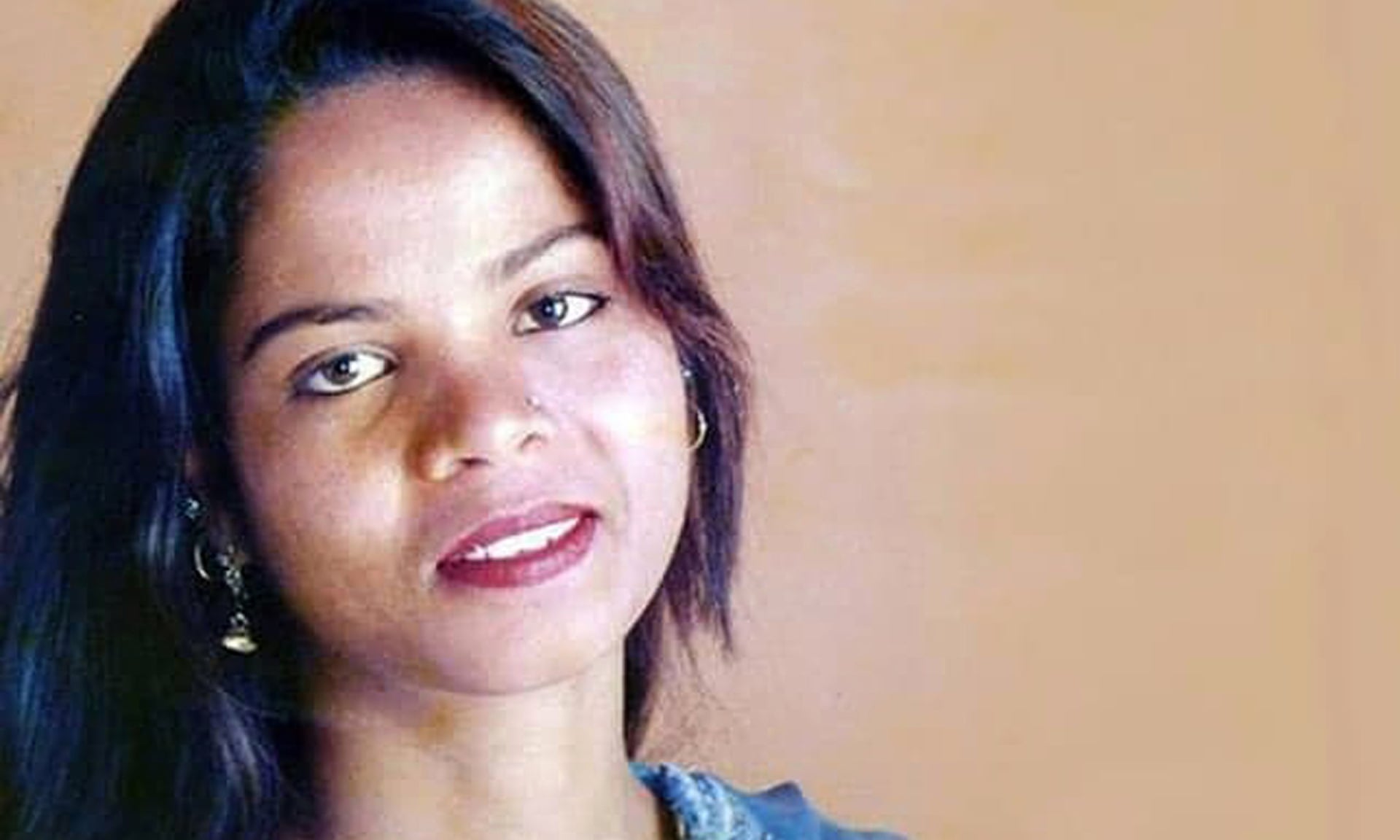
Asia Bibi, a Christian woman acquitted of blasphemy, is seeking asylum after threats to her life in Pakistan. The former UK foreign secretary Boris Johnson was among many MPs calling for her and her family to be granted sanctuary in Britain.
The acquittal of the 53-year-old Catholic farmworker by Pakistan’s supreme court last month prompted demonstrations by hardline Islamist parties in Pakistan who had campaigned for her to be hanged.
She remains in protective custody in an undisclosed locationin Pakistan after the prime minister, Imran Khan, agreed to allow a petition against the court’s decision as part of a deal to halt the protests.
Her husband, Ashiq Masih, has appealed for help to Britain, Canada, Italy and the US but the UK high commissioner in Islamabad is reported to have warned he could not protect his staff if asylum was granted by the UK.
Tom Tugendhat, the foreign affairs select committee chair, asked the Foreign Office permanent secretary, Sir Simon McDonald, whether the episode “does not raise the question that either staff should be withdrawn or security increased or otherwise UK policy is effectively dictated to by a mob?”.
Tugendhat took the committee into lengthy private session after McDonald said he did not wish to give evidence in public on a such a sensitive issue
McDonald defended Britain’s efforts to find a third country to take Bibi, saying this would allow UK policy objectives to be achieved without any risk to its staff.
Tugendhat said the episode represented “one of the clearest examples of free conscience being challenged today”. The senior Labour MP Mike Gapes said: “Given the clear inability of this new Pakistani government of Imran Khan to stop these mobs from intimidating and killing Christians in Pakistan, is it not time to reassess our relations with Pakistan? There are big concerns if religious minorities in Pakistan are not safe.”
McDonald said the Britain’s relationship with Pakistan relationship was important to both countries.
He added: “If the objective is to protect life and some other country can provide some more complete safe harbour, why should the UK not be open to working with that country?”
The Pakistan foreign office confirmed on Tuesday that it had been holding talks with the Canadian foreign ministry over granting Bibi asylum.
Confirmation of talks between the two governments came after the Canadian prime minister, Justin Trudeau, said on Monday his government was talking to Pakistan about the case.
“We are in discussions with the Pakistani government,” Trudeau said in an interview with Agence France-Presse (AFP) in Paris, where he was attending a peace conference organised by the French president, Emmanuel Macron.
کردار کشی کے سوا حکومت کے پاس کوئی ایجنڈا نہیں، بلاول

چیئرمین پاکستان پیپلزپارٹی بلاول بھٹو زرداری نے حکومت پر تنقید کرتے ہوئے کہا ہے کہ کردار کشی کے سوا حکومت کے پاس کوئی ایجنڈا نہیں، وزیراعظم خود تو کیا وزراء بھی ایوان میں جواب دینے کے لیے تیارنہیں۔
ایک بیان میں بلاول بھٹو زرداری کا کہنا تھا کہ وزیراعظم نے اسمبلی کے فلور پر سوالوں کے جواب دینے کا دعویٰ کیا تھا، وزیر اعظم عمران خان ایوان کا رخ ہی نہیں کر رہے، وزیراعظم خود تو کیا وزراء بھی ایوان میں جواب دینے کے لیے تیارنہیں۔
چیئرمین پیپلز پارٹی کا کہنا ہے کہ تحریک انصاف نے معیشت کے بہت دعوے کیے مگر اب تک نتیجہ صفرہے، حکومت نے ڈلیور نہ کیا تو عوام کی مایوسی کے ساتھ، حکومت کو لانے والے بھی اُکتا جائیں گے۔
https://jang.com.pk/news/575894-govt-have-no-agenda-but-character-assassination
چین اور عمران خان
سلیم صافی
المیہ یہ ہے کہ چینی عمران خان کو اس طرح مغرب مخالف نہیں سمجھتے جس طرح وہ اپنے آپ کو پاکستان میں پیش کرتے رہے ۔ اس سے بھی بڑا المیہ یہ ہے کہ گزشتہ سالوں کے دوران پاک چین تعلقات اور سی پیک کو عمران خان صاحب اسٹرٹیجک آئینے میں دیکھنے کے بجائے میاں نوازشریف کے آئینے میں دیکھتے رہے۔ تنائو کا آغاز دھرنوں کے دوران ہوا ۔ تب چینی صدر پاکستان کے دورے پر آرہے تھے ۔ انہوں نے بی آر آئی (Belt and road initiative)کے تحت پورے خطے کے دوروں کا پروگرام شیڈول کیا تھا۔ سی پیک ، بی آر آئی کا ایک اہم پروجیکٹ تھا اور دورہ پاکستان خطے کے ممالک کے دوروں میںسے ایک اہم دورہ تھا۔ تب چینی صدر کے دورے کا تعطل صرف ایک دورے کا تعطل نہیں تھا بلکہ بی آر آئی منصوبے کی پوری ترتیب اس سے متاثر ہورہی تھی ۔ چنانچہ چینی سفارتکاروں کی پوری کوشش تھی کہ پاکستان کا دورہ شیڈول کے مطابق ہو اور اس سلسلے میں چینی سفیر نے چوہدری شجاعت حسین جیسے لوگوں کی منتیں بھی کیں لیکن افسوس کہ عمران خان صاحب اور ڈاکٹر طاہرالقادری صاحب کے دھرنوں کی وجہ سے چینی صدر کو اپنا دورہ ملتوی کرنا پڑا ۔ صرف دورہ ملتوی نہیں ہوا بلکہ دھرنوں کے دوران عمران خان صاحب نے چینی صدر کے دورے کا یہ کہہ کر مذاق بھی اڑا دیا کہ وہ تو سرے سے پاکستان آہی نہیں رہے تھے ۔ اسی طرح انہوں نے پہلے سی پیک میں کوئی دلچسپی نہیں لی اور پھر جب دھرنوں سے فارغ ہوگئے تو اس کے پیچھے پڑ گئے ۔ وہ سی پیک منصوبوں پر معترض تھے اور بار بار سوال اٹھاتے رہے کہ شریفوں نے اس میں بڑا گھپلا کیا ہے ۔ دوسری طرف ان کے وزیراعلیٰ پرویز خٹک نے دھمکیاں دینا شروع کردیں کہ وہ اپنے صوبے سے سی پیک کو گزرنے نہیں دیں گے ۔ یوں پاکستان میں چین اور پی ٹی آئی کے مابین خلیج بڑھتی گئی ۔ جب پاکستان میں پانامہ پر غلغلہ بپا ہوا اور یہ واضح ہونے لگا کہ مستقبل میں نوازشریف کی گنجائش نہیں تو پاکستان کی ایک مقتدر شخصیت نے چینیوں سے بات کی کہ وہ عمران خان کے ساتھ فاصلے کم کردیں جبکہ خود عمران خان کو بھی بتایا گیا کہ وہ چینیوں کے ساتھ تعلقات بہتر بنالیں ۔ پہل چینیوں نے کی اور انہیں دورہ چین کی دعوت دے دی ۔ چینی وزارت خارجہ نے ان کے دورے کو بھرپور بنانے کے لئے پورا شیڈول تیار کیا اور اہم اداروں اور شخصیات سے ان کی ملاقاتیں بھی شیڈول کردیں لیکن روانگی سے ایک روز قبل اپنا دورہ چین عمران خان نے یہ کہہ کر ملتوی کردیا کہ چونکہ پانامہ کا فیصلہ آنے والا ہے اس لئے وہ فی الحال چین نہیں جاسکتے ۔ ان کی اس حرکت کا بھی چینیوں نے بہت برا منایا اور خصوصاََ پاکستان میں چینی سفارتکاروں نے تو اسے اپنی توہین سے تعبیر کیا ۔ بہر حال انتخابات منعقد ہوئے اورنتیجتاً عمران خان وزیراعظم بن گئے۔ ان کے وزیراعظم بن جانے سے شاید چینی، شریف برادران سے بھی زیادہ پریشان تھے لیکن چونکہ ان کی دوستی پاکستان کے ساتھ ہے اس لئے انہوں نے نئی حکومت کے ساتھ کام کی کوششیں شروع کردیں ۔ چین میں پاکستان کے سفارتخانے کی کوشش تھی کہ چینی صدر عمران احمد خان نیازی کو مبارک باد کے لئے فون کرے کیونکہ میاں نوازشریف کو صدر نے فون کیا تھا لیکن چین کی طرف سے صرف وزیراعظم کے فون پر اکتفا کیا گیا ۔ جس کا ظاہر ہے عمران خان صاحب نے کچھ نہ کچھ اثر ضرور لیا ہوگا اور شاید یہی وجہ تھی کہ کابینہ کے پہلے اجلاس میں سی پیک کے منصوبوں کو ری اوپن کرنے کا فیصلہ کیا گیا جو کہ چینیوں کے لئے کسی بم شیل سے کم نہ تھا۔ اپنی تشویش کے اظہار کے لئے چینی وزیر خارجہ نے پاکستان کے دورے کا پروگرام بنایا لیکن نئی حکومت نے ان سے متعلق وہ گرمجوشی نہیں دکھائی جو پیپلز پارٹی یا مسلم لیگ (ن) کی حکومت میںدکھائی جاتی تھی ۔ چینی وزیرخارجہ جب پچھلی مرتبہ پاکستان آئے تھے تو ہوائی اڈے پر وزارت خارجہ کے حکام کے علاوہ خود شہباز شریف نے ان کا استقبال کیا تھا لیکن نیازی حکومت نے ان کا استقبال دفتر خارجہ کے ایک معمولی افسر سے کروا دیا ۔ بہرحال اپنے دورے کے دوران انہوں نے پاکستانی حکام کو اپنی تشویش سے آگاہ کیا اور یہ واضح کیا کہ ان کی حکومت ہر معاملے کو ری اوپن کرنے کوتیار ہے لیکن عوامی سطح پر پروجیکٹ کو متنازع بنانے کے بجائے جے سی سی جیسے متعلقہ فورمز پر بات کی جائے ۔ تاہم ابھی چینی وزیرخارجہ اپنے ملک واپس نہیں پہنچے تھے کہ مشیرتجارت عبدالرزاق دائود نے مغربی میڈیا کو انٹرویو دیتے ہوئے کہہ دیا کہ سی پیک پر ایک سال کے لئے کام روکا جاسکتا ہے ۔ اس بیان نے تو گویا چینیوں کی نیندیں اڑا دیں ۔ پاکستان کی عسکری قیادت کی مداخلت پر اگرچہ بعدازاں اس بیان کو واپس لے لیا گیا لیکن جو نقصان ہونا تھا وہ ہوچکا تھا اور مجبور ہوکر چینی سفارتخانے کو سی پیک سے متعلق وضاحتی بیان دینا پڑا ۔ ان حرکتوں سے چینیوں کی بے چینی مایوسی میں بدل گئی اور یہی وجہ تھی کہ جنرل قمر جاوید باجوہ ، جنہوں نے پہلے شیڈول کے مطابق وزیراعظم کے ساتھ سعودی عرب جانا تھا، چین جاپہنچے ۔ انہوں نے چینی قیادت کو سی پیک کے حوالے سے مطمئن کیا اور نئی حکومت کی حرکتوں سے جن خدشات نے جنم لیا تھا ان کو رفع کرنے کی کوشش کی۔ ان کے دورہ چین کے موقع پر ہی یہ طے ہوا کہ وزیراعظم پاکستان چین کا دورہ کریں گے اور چینی قیادت کے ساتھ جنرل قمر جاوید باجوہ کے طےپانے والے معاملات کو آگے بڑھائیں گے لیکن ابھی جنرل قمر جاوید باجوہ واپس نہیں پہنچے تھے کہ سعودی عرب کے دورے سے واپسی پر اسے سی پیک کا اسٹرٹیجک پارٹنر بنانے کے وفاقی وزراکے بیانات نے ایک بار پھر چینیوں کو پریشان کردیا اور یوں ایک بار پھر عسکری قیادت کی مداخلت پر چینیوں کے اطمینان کے لئے اسد عمر اور فواد چوہدری کو پریس کانفرنس کرکے اپنے اسٹرٹیجک پارٹنر کے بیان سے رجوع کرنا پڑا ۔ اس پس منظر میں وزیراعظم کے دورہ چین کا مرحلہ آیا لیکن جانے سے قبل حکومتی وزرا نے ایسا تاثر دے دیا کہ جیسے وہ چین پہنچے نہیں اور وہاں سے ڈالروں کی بارش شروع ہوجائے گی تاہم وہاں پہنچ کر انہیں ایک دوسری طرح کی صور تحال کا سامنا کرنا پڑا ۔ ائیرپورٹ پر وزیراعظم کا استقبال ٹرانسپورٹ کے نائب وزیرنے کیا ۔ پھر جب چینی قیادت کے ساتھ مذاکرات ہوئے تو وزرا کی عدم تیاری کی وجہ سے کئی مواقع پرپاکستانی وفد کو سبکی اٹھانا پڑی ۔ میٹنگ کے دوران چینی قیادت نے عبدالرزاق دائود کی نجی کمپنی کےچینی کمپنی کے ساتھ معاملات کا ذکر کرکے جیسے منہ پر تھپڑ رسید کیا ۔ سی پیک کے انچار ج وزیر خسرو بختیار نے چینیوں کے سامنے بھی روایتی لفاظی سے کام لیا لیکن کوئی ٹھوس لائحہ عمل سامنے نہ رکھ سکے جس کا چینیوں نے انہیں احساس بھی دلایا۔ افسوسناک بات یہ تھی کہ وزیراعظم صاحب نے چینی قیادت کے سامنے بھی روایتی تقریر کی جس کے جواب میں چینی قیادت نے جو کچھ کہا اسے جھاڑ پلانے کے سوا کوئی اور نام نہیں دیا جاسکتا ۔ اسی طرح چینی قیادت سے مدد تو طلب کی گئی لیکن کوئی ٹھوس منصوبہ سامنے نہیں رکھا گیا ۔ چینی قیادت نے مدد کی ہامی تو بھرلی لیکن جب پاکستانی وفد سے یہ پوچھا کہ کس مد میں ، کس منصوبے کے تحت وہ کیا مدد کرسکتی ہے توپھر ٹیبل پر کوئی منصوبہ موجود نہیں تھا ۔ اس لئے یہ طے کیا گیا کہ دورے کے فوراً بعد پاکستانی ماہرین جاکر چینی ماہرین کے ساتھ لائحہ عمل طے کریں گے ۔ چینی قیادت کس حد تک بددل ہوئی اس کا اندازہ چینی صدر زی کا وزیراعظم عمران خان کے ساتھ مصافحے کی تصویر میں بیزاری سے بخوبی لگایا جاسکتا ہے اور وزیراعظم کس قدر بددل ہوکر واپس لوٹے ہیں یہ تو وہ جانتے ہیں۔اب حکومتی ترجمان تو دعوے کررہے ہیں کہ دورہ چین بے انتہا کامیاب رہا لیکن درون خانہ وزیراعظم اور وزرا اپنے ساتھ روا رکھے گئے سلوک پر زیادہ خوش نہیں اور مجھے ڈر ہے کہ اب وہ مزید برہم ہوکر مزید ایسے اقدامات نہ کر بیٹھیں، جو چین کے ساتھ معاملات کو مزید خراب کردیں ۔
https://jang.com.pk/news/575579-saleem-safi-column-14-11-2018
#Pakistan - From bad to hilarious governance


Three days after the two officers were given a marching order as reflected in The News story -- “Governance in disarray in Punjab”-- appeared on Sunday last, the Punjab government on November 12 issued a new notification.
The Nov 12th notification reads as: “Looking at by-election schedule of PP-168 Lahore-XXV and resultantly ban on transfer/posting imposed by Election Commission of Pakistan vide its notification dated 01-11-2018, the transfer/posting orders of Mazhar Ali Sarwar (PMS/BS-17), Assistant Commissioner, Model Town, Lahore, and posting of Abid Shaukat (PMS/BS-17), Section Officer (Services-III), Services Wing, S&GAD, as Assistant Commissioner Model Town, Lahore, in place of Mazhar Ali Sarwar, issued vide S&GAD’s notification of even number dated 09-11-2018, are hereby cancelled. Both the officers are allowed to continue working at their respective posts.”
Whether it is government’s incompetence, bad governance or hilarious handling of administration, what has happened to these two officers- Abid Shaukat and Mazhar Ali Sarwar- is considered unprecedented. It also makes a new record of how a government changed its mind about posting the officers not once, twice, thrice and four times but five and six times in a span of a few weeks.
Although for their repeated transfer orders before the latest one there is no reason mentioned for government’s repeated change of mind, the Nov 12th notification refers to ECP’s order of November 1. The same reason of ECP was there even before Nov 9 notification, which has been now cancelled, but still repeated transfers orders were issued by the S&GAD without bothering about what the Commission had said.
On October 25, Services & General Administration Department (S&GAD) issued a notification saying “Mazhar Ali Sarwar (PMS/BS-17), Assistant Commissioner, Model Town, Lahore is transferred with immediate effect and posted as Assistant Commissioner, Kasur, vice Syeda Amna Moudoodi.”
Five days later, on October 30, the S&GAD issued another notification announcing, “The transfer/posting orders of Mazhar Ali Sarwar (PMS/BS-17), Assistant Commissioner, Model Town Lahore, as Assistant Commissioner, Kasur, issued vide Notification No……. are hereby cancelled.”
A day later, on October 31, the S&GAD issued another notification to convey, “Mazhar Ali Sarwar (PMS/BS-17), Assistant Commissioner, Model Town, Lahore, is transferred with immediate effect and directed to report to Administrative Wing, S&GAD, for further orders.”
After six days, on November 5 (five days after the ECP ban on transfer) the S&GAD first placed Sarwar’s services at the disposal of Senior member, Board of Revenue, Punjab, Lahore but the same day issued yet another notification, cancelling the transfer/posting of Mazhar Ali Sarwar (PMS/BS-17), Assistant Commissioner, Model Town Lahore. The S&GAD said, “He is allowed to continue working as Assistant Commissioner, Model Town, Lahore.”
Four days later, on November 9, yet again the S&GAD issued another notification regarding the same officer and notified, “Mazhar Ali Sarwar (PMS/BS-17), Assistant Commission, Model Town, Lahore is transferred with immediate effect and directed to report to Administrative Wing, S&GAD, for further orders.”
Now, as per Nov 12 notification, the November 9th transfer order of Mazhar Ali stands cancelled and he is allowed to continue as AC Model Town, Lahore. In the case of the other officer - Abid Shaukat, again an Assistant Commissioner- he was transferred four times again within a fortnight before the latest notification of Nov 12.
According to S&GAD notification dated Oct 31, Abid Shaukat (PMS/BS-17), Assistant Commission, Nankana Sahab, was transferred and posted as Assistant Commissioner, Model Town, Lahore, vice Mazhar Ali Sarwar.
Five days later, on November 5, the S&GAD issued another notification ordering the cancellation of Abid Shaukat’s appointment as Assistant Commissioner, Model Town Lahore. The officer was further posted as Section Officer (Services-III) in the Services Wing of the S&GAD.
Four days later, on November 9, the S&GAD took another U-turn, cancelled Abid Shaukat’s appointment as Section Officer, Services Wing of the S&GAD and transferred him as Assistant Commissioner, Model Town, Lahore. Now after the Nov 12th notification, the officer’s posting as AC Model Town has been cancelled and he has been asked to continue as Section Officer in S&GAD.
Tuesday, November 13, 2018
#SaudiArabia - Bin Salman 'tried to persuade Netanyahu to go to war in Gaza': Sources #Khashoggi

Saudi Crown Prince Mohammed bin Salman attempted to persuade Israeli Prime Minister Benjamin Netanyahu to start a conflict with Hamas in Gaza as part of a plan to divert attention from the killing of journalist Jamal Khashoggi, sources inside Saudi Arabia have told Middle East Eye.
A war in Gaza was among a range of measures and scenarios proposed by an emergency task force set up to counter increasingly damaging leaks about Khashoggi's murder coming from Turkish authorities, according to sources with knowledge of the group's activities.
The task force, which is composed of officials from the royal court, the foreign and defence ministries, and the intelligence service, briefs the the crown prince every six hours, MEE was told.
It advised bin Salman that a war in Gaza would distract Trump's attention and refocus Washington’s attention on the role Saudi Arabia plays in bolstering Israeli strategic interests.
It also advised bin Salman to “neutralise Turkey by all means” - including attempts to bribe Turkish President Recep Tayyip Erdogan with offers to buy Turkish arms and statements by the crown prince attempting to shore up relations between Riyadh and Ankara.

In comments made at last month's Future Investment Initiative, bin Salman claimed Khashoggi's murder was being used to drive a wedge between Saudi Arabia and Turkey. He said that would not happen "as long as there is a king called King Salman bin Abdelaziz and a crown prince called Mohammed bin Salman in Saudi Arabia".
Khashoggi was brutally killed in the Saudi consulate in Istanbul on 2 October, in an operation which Turkish authorities believe was carried out by a hit squad whose suspected members contained several members of bin Salman's personal bodyguards.
Saudi officials have denied that the crown prince has "any knowledge whatsoever" of Khashoggi's killing.
Some of the task force’s other recommendations were leaked to a close confidant of bin Salman, Turki Aldakhil, the general manager of the Al Arabiya news channel. He revealed "more than 30 potential measures" that Riyadh could take if Washington imposed sanctions.
He said the kingdom was capable or doubling or tripling the price of oil, of offering Russia a military base in the north of the country, and of turning to both Russia and China as its main arms suppliers.
Aldakhil later dismissed these threats “as his ideas only", but his original article on the Al Arabiya website sources these threats to “ decision-making circles within the kingdom”. This, MEE can reveal, is the task force set up to advise bin Salman.
Secret ties
Saudi Arabia and Israel are considered to have increasingly close secret ties, driven by their shared hostility to Iran, and bin Salman has been a key player in efforts to sell Trump's "deal of the century" peace plan for Israel and Palestine to regional leaders.
Speaking to the BBC earlier this year, Netanyahu said that Israel and some Arab nations were going through a process of "subterraneran normalisation".
And while Khashoggi's killing has been widely condemned by world leaders, Netanyahu said earlier this month: "It is very important for the stability of the region and the world that Saudi Arabia remains stable."
Two weeks after the murder, Saudis government sources also noted an abrupt change of tone in Netanyahu's remarks about Hamas during negotiations with Qatar aimed at easing the blockade on the Gaza Strip.
Netanyahu told his cabinet meeting on 14 October: "We are very close to a different kind of activity, an activity that will include very powerful blows. If it has sense, Hamas will stop firing and stop these violent disturbances, now."
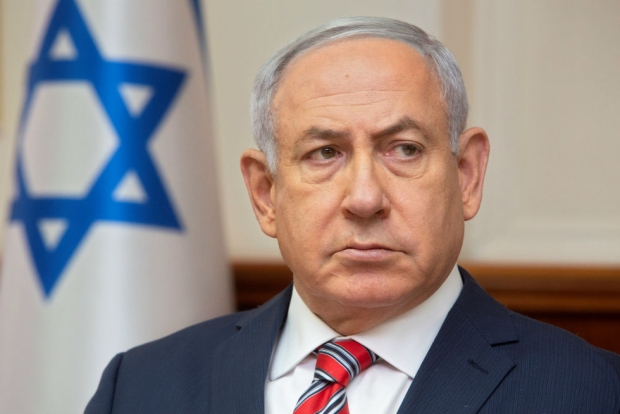 Netanyahu said Saudi Arabia's stability is 'very important' for the region and the world (AFP)
Similarly, Israel and Qatar had just reached a deal to allow funds into the blockaded strip and pay the salaries of Hamas government workers, when Sunday night's botched Israel special forces raid, a raid which had political permission, took place in Khan Younis.
Hamas subsequently launched hundreds of rockets into southern Israel, and Israel launched air strikes in Gaza with at least 15 Palestinians and one Israeli killed in the most serious exchange of fire since 2014.
MEE cannot independently confirm whether Israel's incursion into Gaza was influenced by bin Salman's appeal to Netanyahu.
Speaking on Sunday before the raid, Netanyahu had said that he was "doing everything I can to avoid an unnecessary war" in Gaza.
"I am not afraid of war if it’s necessary, but I want to avoid it if it’s not necessary,” he said.
According to MEE's sources, other measures recommended by the task force to show Trump that Saudi Arabia was not dependent on its alliance with Washington included inviting Russian President Vladimir Putin to visit Riyadh.
Putin is alleged to have said that he would go through with the visit regardless of the outcome of the Khashoggi affair.
Saudi Arabia has also made good on its promise to raise the price of crude oil by production cuts.
Saudi energy minister Khalid al-Falih said after a meeting of OPEC at the weekend that the cartel believed production would need to fall by nearly one million barrels per day. The announcement alone sent the price of international bench mark Brent Crude rising to $70.83 a barrel, having dipped below $60 a barrel at the end of last week.
The move was in direct defiance of Trump, who had tweeted on Monday: "Hopefully, Saudi Arabia and OPEC will not be cutting oil production. Oil prices should be much lower based on supply!”
'Tell your boss'
Meanwhile, pressure on bin Salman is growing as more details emerge from the investigation into Khashoggi's killing.
The MEE can reveal that Turkey has recordings of conversations among Saudi officials which date back to 28 September, when Khashoggi first entered the consulate to arrange for a certificate which proved he had divorced his second wife. This was three days before he was killed.
These tapes reveal that the Saudi military attache in Istanbul, Ahmed Abdullah al-Muzaini, played a crucial role in the killing of Khashoggi.
After meeting Khashoggi and telling him he was taking over his file personally, Muzaini flew the next day to Riyadh where he met Major General Ahmed Asiri the deputy head of Saudi intelligence and one of the commanders of the Tiger Squad formed to assassinate dissidents at home and abroad.
Describing him as the brains behind the plot, the Turkish government-controlled newspaper Sabah said Muzaini discussed Khashoggi’s assassination with Asiri and flew back to Istanbul. He returned to Riyadh at 9pm on the day Khashoggi was murdered.
MEE can also reveal that the leader of the murder squad, Maher Abdulaziz Mutreb, briefed Mohammed al-Otaibi, the consul, before the killing took place. Otaibi left Turkey on 16 October, the day before his official residence was searched by Turkish investigators.
On Monday, the New York Times revealed that Mutreb instructed his superior to “tell your boss” that Khashoggi had been killed in one of four calls back to Riyadh on the day of the murder.
This is increasing the pressure on Capitol Hill for a formal response from the Trump administration.
The CIA and other intelligence officials are set to brief Congress this week and congressional leaders are due to press Gina Haspel, the CIA director, who has heard one audio recording of Khashoggi’s murder to testify to them about what she heard.
https://www.middleeasteye.net/news/saudi-arabia-israel-gaza-khashoggi-1952586885
Saudi Arabia’s War in Yemen Has Failed
By Philip H. Gordon
Saudi Arabia is no closer to achieving its objectives in Yemen, and international pressure to end the war is growing. The kingdom can cease its bombing campaign and still defend its national interests.
The murder of Saudi columnist Jamal Khashoggi, along with sharply deteriorating humanitarian conditions and growing media attention paid to the war in Yemen, has led to increased pressure on Saudi Arabia to end the war there.
Top U.S. officials are now calling on Riyadh to agree to a ceasefire and participate in U.N.-sponsored talks, and the Pentagon announced last Friday it would no longer provide in-air refueling for Saudi bombing runs.Meanwhile, Congress, led by the new Democratic majority in the House, is credibly threatening to suspend arms sales to Saudi Arabia, which countries such as Germany have already done. The growing pressure, a marked departure from the almost-unconditional support the Trump administration has been providing to the Saudis, has led to renewed hopes that the war might finally be brought to a negotiated end.
We should all hope that U.N. talks, led by the able British mediator Martin Griffiths, succeed — but we should also be realistic. Even if the Saudis and their Emirati partners show up ready for compromise, the Iran-backed Houthis, who control much of Yemen today, are sadly unlikely to reciprocate. Having survived years of economic isolation and relentless Saudi bombing, the Houthis know all the pressure is now on the other side. Their Iranian backers, in turn, likely assume they have nothing to gain from compromise either given the Trump administration’s hostility to the Tehran regime. Houthi rejectionism would give the Saudis and Emiratis a pretext to resume the war, possibly including a bloody assault on the port of Hodeidah, which U.N. officials assess could considerably worsen the humanitarian situation even while failing to force the Houthis to give in.
The Saudis claim they will have no choice but to escalate the war if they cannot reach an agreement at the talks, but here’s a better alternative: Declare victory and go home. Given all they have invested after three and a half years of war, and their legitimate concerns about Iranian influence and Houthi threats, that might seem irrational, and it would certainly be a bitter pill to swallow. But it would be far better than continuing with a war that has had incalculable humanitarian, financial, strategic and reputational costs for the Saudis but has not remotely advanced their own declared objectives.
In fact, on almost every measure, Saudi Arabia’s war in Yemen has failed. Three and a half years after the launch of what was meant to be a quick military operation, the Houthis are stronger than ever; Iran’s influence has only grown; al-Qaeda terrorists remain a major threat; Yemenis are suffering in what may be the worst humanitarian situation on the planet; refugees have poured into Saudi Arabia and neighboring Oman; and Saudi Arabia’s reputation — critical to its ambitions to become a modern, industrial economy and tourist destination — is suffering badly in the United States and around the world. If the Saudis applied the “benchmarking” approach associated with their economic reform plan — reassessing policies regularly and changing them if objectives are not being achieved — they would have certainly altered their policies in Yemen several years ago.
Bearing these high costs would be more justifiable if there were any realistic hope that staying the course would achieve their goal of restoring the pre-Houthi regime to power, but that is unlikely even in the long run. On periodic visits to Riyadh over the past three and a half years, Saudi officials have regularly acknowledged to me in private that the war was not going well, but equally consistently insisted that progress was just around the corner. The optimistic official assurances were eerily reminiscent of those regularly issued by American political and military leaders for years in Vietnam, or by Soviet leaders in Afghanistan, before they finally and belatedly accepted the reality that their military interventions were counterproductive.
For the Saudis, “going home” in Yemen would not mean abandoning the legitimate objectives of limiting Iranian influence or containing threats from Houthis. On the contrary, even if they end the current bombing campaign, there are a number of steps the Saudis could take to defend their national interests and increase their security. These could include enhanced maritime patrols, with U.S. support, to better prevent Iranian arms deliveries to the Houthis; increased diplomatic and economic pressure on Oman — bolstered by major financial incentives — to reinforce its land border with Yemen; a readiness to undertake airstrikes against advanced ballistic missile sites and air bases in Yemen that are used to attack Saudi Arabia, much like Israel currently does in Syria; the deployment of enhanced missile defenses around Riyadh and other Saudi cities, to include U.S.-made Theater High Altitude Area Defense Systems; financial and humanitarian assistance to Saudi allies in Yemen; and even economic and monetary incentives to Houthis, including funds for reconstruction, if they end their attacks on Saudi interests. All of these measures put together would cost far less than Riyadh is currently spending on the war, and they would likely save many lives and bring greater security as well.
The United States should continue to urge the Saudis to come to peace talks and pursue a negotiated settlement. It should also insist, however, that the Houthis and Iran not be given a veto over peace. Saudi Arabia should be pressed to end the current war with others if it can, but alone if it must.
https://www.cfr.org/article/saudi-arabias-war-yemen-has-failed
Michelle Obama details incognito outings: 'I enjoyed glorious anonymity'

Her incognito trip to Target made headlines, but Michelle Obama is revealing there were other undercover outings during her time in the White House.
“I managed to make lightning-strike shopping trips from time to time, coming and going from a place before anyone really registered I was there,” Obama writes in her memoir “Becoming,” which was released Tuesday.

The former first lady details one memorable expedition to a pet store when one of the Obamas’ dogs made mince meat out of all the canine toys at the executive mansion.
“After Bo expertly disemboweled or shredded every last dog toy bought for him by the staff who did our regular shopping, I personally escorted him over to PetSmart in Alexandria one morning. And for a short while, I enjoyed glorious anonymity while browsing for better chew toys as Bo — who was as delighted by the novelty of the outing as I was — loafed next to me on a leash.”
Obama’s 2011 visit to Target was made public after an Associated Press photographer snapped photos of her sporting sunglasses and a baseball cap and pushing one of the store’s signature red shopping carts.
Obama, 54, says she was “giddy” as she “wandered every single aisle” at the department store.
Obama writes: “I selected some Oil of Olay face cream and new toothbrushes,” as Secret Service agents trailed her wearing shorts and sneakers to better fit in.
“And for the first time in several years,” Obama recalls, “I was able to pick out a card to give to Barack on our anniversary.”
Obama, who describes constantly feeling confined by the fishbowl-like and security-heavy existence of life in the White House, says she became more daring in her unannounced excursions the longer she lived in Washington.
“The most liberating activity of all turned out to be downhill skiing, a sport with which I had little experience but that quickly became a passion,” Obama writes.
President Obama’s wife, a former lawyer, paid multiple visits to Liberty Mountain, a ski area near Gettysburg, Pa., saying she and friends could “don helmets, scarves, and goggles and blend into any crowd.”
“Gliding down a ski slope, I was outdoors, in motion, and unrecognized — all at once. For me, it was like flying.”
“Anytime I went somewhere without a fuss,” Obama writes, “it felt like a small victory, an exercise of free will.”
#Pakistan - Imran Khan’s treatment of Asia Bibi is a dangerous betrayal

By Samira Shackle
On 31 October, Pakistan’s supreme court acquitted Asia Bibi, a 54-year-old Christian woman who had been sentenced to death for blasphemy. Bibi, a farm labourer and mother of five, had spent eight years on death row, accused of insulting the Prophet Muhammad after an argument with her neighbours. After her acquittal, protests erupted in all of Pakistan’s major cities: smashed shopfronts, blocked motorways, burning tyres. And it has left the prime minister, Imran Khan, wavering between defending the verdict and trying to appease the hardline religious protesters.
Perhaps more than any other individual, Bibi has become a symbol of Pakistan’s blasphemy laws. To liberals and secularists in the country – as well as to outsiders – this law is brutal, disproportionate and inhumane. Blasphemy in Pakistan carries the death sentence but, despite this harsh penalty, has a remarkably light burden of proof. The accuser can refuse to repeat the allegation in court for fear of blaspheming themselves; the law sets no standards for evidence and no requirement to prove intent. Lower court judges – such as those who condemned Bibi to eight years on death row – are often afraid to acquit in blasphemy cases because of the threat of mob violence. More than 60 people have been killed by mobs after blasphemy accusations since 1990.
To Islamists and conservatives, however, the law has become emblematic of Pakistan’s status as a Muslim state. It is therefore seen as something that must be defended at all costs. While the blasphemy law has been a political flashpoint for years, a specific movement has coalesced around it since Bibi’s arrest. In 2011, two politicians who had spoken up for her release were murdered – the Punjab governor, Salman Taseer, and the only Christian cabinet member, Shahbaz Bhatti. Taseer was murdered by his bodyguard, Mumtaz Qadri, who was executed in 2016. Mass protests were held by Islamist groups, who have held up Qadri as a hero.
In 2015, a political movement called Tehreek-e-Labbaik Pakistan (TLP), which exists more or less only to defend the blasphemy law, sprung up. As is so often the case in Pakistan, these extreme elements have been pandered to by mainstream politicians, which provides the space for them to flourish and grow. After the assassinations of Taseer and Bhatti, tentative discussions of reforming the blasphemy law were shelved, sending a clear signal that violence works. During this year’s election campaign, the winner, Khan, appealed to this section of the voter base by vowing to “defend” the blasphemy law.
While the recent protests are ostensibly about Bibi’s acquittal, they are more than that: the TLP and other Islamist groups are defending an intolerant, inward-looking vision of Pakistan that rejects secularism and does not make space for religious minorities. The uniting power of the blasphemy law is such that it has brought together disparate, usually competing Islamist groups in a rare show of unity on the streets. In a particularly alarming speech at a recent protest, firebrand cleric and politician Maulana Fazlur Rehman called for “the people’s court” to override the supreme court.
The judges at the supreme court threw out Bibi’s case since there was no evidence against her. Even against the blasphemy law’s own incredibly low standard, the case against her fell apart. Perhaps this is why Khan, in his responses to the verdict, has repeatedly cited the need to respect the rule of law: he can support the supreme court’s verdict without going back on his election promise to “defend” the law itself.
Yet Khan’s apparent attempt to find a middle ground has left many dissatisfied. Soon after the announcement of Bibi’s acquittal, he gave a speech that – given his history of appeasing more extreme elements – surprised many in its stridency. In it, he supported the supreme court’s verdict and referred to protesters as “enemies of the state”. Yet in the days that followed, as protests closed off major motorways and caused businesses and schools to shutter, Khan and his inner circle appeared to vacillate. Reports emerged that in negotiations with the TLP, the anti-blasphemy group orchestrating the protests, Khan agreed to allow a court to review the acquittal, and to work to prevent Bibi from leaving the country. This was a betrayal of immense proportions, since it is clear that her life cannot be protected while she remains in Pakistan. Her lawyer, Saif ul-Malook, has already fled the country after receiving death threats. In addition to calling for Bibi’s death, the TLP’s leaders called for the death of the three supreme court judges who acquitted her, and instructed followers to rise up against the army chief. Her current location is unclear; over the weekend, there were reports she had left the country which were then denied.
Khan is far from being the first prime minister in Pakistan to pander to the conservative religious lobby, but this does not make it any less worrying. “If a government does not stand by the decisions of the apex court, the country cannot survive,” Khan said over the weekend. Yet these words are empty if they go alongside a willingness to cede ground to groups representing a bigoted and intolerant mindset that explicitly seeks to override the rule of law.
#Pakistan - #AsiaBibi case shows the danger of courting religious extremists


News of her acquittal on October 31 was met with the shutdown of major roads in cities such as Lahore, Karachi and Islamabad, where cars were burnt and smashed by mobs organized by the Tehreek e Labbaik party (TLP), an extremist religious party. Even the news of her release from prison was greeted by a baying mob of thousands of men who waved banners demanding that she be hanged -- a terrifying and visceral picture of the patriarchy in action.
Despite being declared innocent by the courts, it is Asia who is on the run like a criminal and needs to leave the country before the mobs track her down.
Even her lawyer, Saiful Malook, had to uproot his life and family and seek asylum in the Netherlands. Other less well-known members of her legal team like Muhammad Aman Ullah, who has stayed behind in Pakistan, is fearful for his life. How did this happen in a so-called democracy like Pakistan? Ever since the military dictator Zia ul Haq began the Islamisation process of Pakistan in the 1980s, religious leaders have acquired unprecedented power. Saiful Malook, who I interviewed in late 2017 while he was preparing Asia's case, lays the blame firmly on Zia ul Haq.
"He made them ministers, gave them cars, built them bungalows, got them involved in government. Before that the religious leaders were quite weak, now they are stakeholders in government and in corruption." It was Zia ul Haq who revived the dormant British law on blasphemy by increasing the maximum penalty from 10 years to death. Yet the irony is that to date no one has been executed by the state on the charge of blasphemy, but many have been killed by the mob -- one estimate is 75. It is also this mob rule that prevents the quick dispatch of blasphemy cases in the lower courts, even when the evidence provided is as flimsy as a flight of fantasy.
The political strategy of the extremists has been to pack out the courts at every blasphemy hearing so that judges are reduced to nervous wrecks and refuse to take on cases, pleading ill health.If they do hear the cases, they simply do not acquit defendants. Lower-court judges are typically less educated and more sympathetic to the religious lobby.Saiful Malook recounts the story of the judge who sentenced Asia Bibi to death, who has preserved the pen which he used to sign off her judgment as a source of pride. The higher up you go in the Pakistani legal system, the more likely you are to get justice because judges further up the hierarchy are paid well and have security provided by the state.
Of course, even this security can turn out to be illusory as Salman Taseer, Governor of Punjab, was to discover when he was killed by his own guard in 2011 for visiting Asia in prison and calling for her to be released.The few lawyers who take on these life-threatening cases command huge fees. Many of the blasphemy victims, like Asia, are just too poor to go all the way up to the Supreme Court and languish for years in prison.But Asia caught the public imagination and donations poured into her campaign from all over the world. Rights organizations like Amnesty International also stepped in to help fund some of the legal fees.
Although the leadership of subsequent governments after Zia has been drawn from the liberal elites whose personal lives have eschewed religion to a greater or lesser degree, all of them, except General Pervez Musharraf, have relied on religious parties for their power. It was a strategy of appeasement and vote garnering.
Benazir Bhutto was the great feminist hope when she succeeded Zia but failed to overturn his Hudood ordinances, which, for example, required women to produce four witnesses to prove rape to avoid charges of adultery. Nawaz Sharif condemned religious violence against minorities but did very little to reverse the sharification of Pakistan.Musharraf cultivated an image of Enlightened moderation, introduced some women-friendly laws and pushed back against religious forces.However, Afiya Zia, a Pakistani activist and academic, in her new book "Faith and Feminism in Pakistan" says his policies were "more symbolic than transformative" while the backlash of radical conservatism against women went unchecked. Imran Khan, elected to power recently, and yet to shake off his image as playboy of the Western world, plays a similarly duplicitous game. He has valorized the Pakistani Taliban for standing against US imperialism, has aligned with religious-right parties like Jamaat-e-Islami at provincial level, has expressed his support for blasphemy laws, publicly supports the acquittal of Asia Bibi and then behind the scenes, does a deal with TLP accepting its demand for a review petition of the Supreme Court judgment and to keep Asia Bibi in the country. The US Commission on International Religious Freedom produces an annual report surveying the state of religious freedoms across the world. Pakistan has appeared regularly as a "Country of Particular Concern" and is the only country to be put on a special watch list in its 2018 annual report.
The religious right has so far not managed to win power at the ballot box, but its ability to rouse a rabble and paralyze the country has given it a disproportionate and vicious grip on what's left of democracy in Pakistan. Trump, take note: if you court religious extremists, you are in danger of letting mobs weaken democracy.
Afghan Taliban Wants What It Hasn't Been Able To Hold: Hazara Regions

Frud Bezhan
Tucked in a valley in the remote highlands of central Afghanistan, Jaghori has been a safe haven in recent years for members of the country's beleaguered Hazara minority.

But the peace in Jaghori, a district in Ghazni Province heavily populated by the mainly Shi'ite Hazara, was shattered last week when Taliban militants launched a major offensive to seize it. Afghan special forces and pro-government Hazara militiamen continue to battle the militants, with clashes killing hundreds of people and forcing thousands to flee their homes.
When asked why the Taliban would try to take an area that has long been considered unattainable, analysts suggest that the hard-line Sunni movement is emboldened by territorial gains made elsewhere in the country, and has something to prove.
Expanding its reach into a central region inhabited by an ethnic group renowned for its opposition to the Taliban could be a game changer in the battle for national influence.

The Taliban terrorized Hazara during its oppressive 1996-2001 rule, when the militants wrestled control of central Afghanistan through brute force and a campaign of targeted killings. Since the U.S.-led invasion in 2001, the Taliban has been unable to make inroads in Hazara-dominated areas.
"The Taliban want to prove that they are capable of governing non-Pashtun territories," says Haroun Mir, a Kabul-based political analyst. "They have been able to govern ethnic Tajik and Uzbek areas in the north, and they want to govern Hazara-dominated districts as well."
Apart from Jaghori, the militants have also attacked the district of Malistan, also in Ghazni. Fighting erupted two weeks ago in the Khas Uruzgan district, which has a sizeable Hazara population, of the neighboring Uruzgan Province.
'Alternative Governing Force'
The Taliban has traditionally drawn on Pashtuns to back its insurgency, but it has successfully recruited disgruntled members of other ethnic groups as it has expanded its reach. The recruits have boosted the Taliban's ability to seize territory beyond the Pashtun-majority areas in the country's south and east that serve as its base of power.
To this point, Hazara areas have been the exception.
Analysts note that the Taliban has tried to portray itself as a genuinely national movement, and to bolster that image it has tried to attract members of other ethnic groups. It has also distanced itself from sectarian and ethnic-driven attacks, although it is in fact often blamed for orchestrating incidents.
"Unlike in the case of ethnic Tajiks and Uzbeks, the Taliban doesn't have Hazara in their ranks, which is a big challenge for them," Mir says. "However, if they are capable of controlling and governing Hazara territories without brutality and abuses, then it might play well in their strategy, which is to portray themselves as an alternative governing force not only in the south but in the entire country."
'Never Accept Taliban Rule'
Taliban rule would be difficult to sell to Hazara. Aside from past Taliban atrocities against the community, the group's strict interpretation of Shari'a law and its policies on women and education would threaten advancements seen in Hazara areas in recent years.
In Jaghori, for example, there is near-universal girls education, and the number of boys attending school is higher than the national average. Women also work outside their homes and can drive cars, as is the case in most urban areas of Afghanistan but which is banned in areas under Taliban control.
During its draconian rule, the Taliban denied girls the right to go to school, and women were not allowed to work outside the home. If they ventured outside, women had to don a burqa and be escorted by a male relative. Although the Taliban has relaxed some of its strictest positions, its restrictions on education and women persist.
"Hazara will never accept Taliban rule willingly, and will do their best to resist them," says Ali Adili, a researcher at the Afghanistan Analysts Network, an independent think tank in Kabul. "Hazara do not want to have any reversal on their civic gains."
Highlighting the anti-Taliban sentiment among Hazara, civilians took up arms against the insurgents before the central government belatedly sent reinforcement troops, including special forces and warplanes, to besieged districts this week.
The fighting between the mostly Pashtun Sunni Taliban and Shi'ite Hazara has heightened fears of ethnic and sectarian violence, even as the Taliban has denied it is specifically targeting Hazara.
Pashtuns are the biggest ethnic group in Afghanistan, constituting some 40 percent of the 30 million population. Hazara make up around 10 percent.
'Try Their Chances'
The districts of Jaghori and Malistan in Ghazni Province are strategic because they are considered the gateway to the Hazara-dominated provinces of Bamiyan and Dai Kundi, peaceful areas where the Taliban currently has no influence.
Large parts of Ghazni are under the control of the Taliban and the militants briefly overran the provincial capital, Ghazni city, in August before they were beaten back by Afghan special forces backed by U.S. air strikes. Ghazni is strategically located on the main highway linking Kabul with the southern city of Kandahar.
"The Taliban may want to try their chances at wresting control of the Hazara areas from the government as they already control large parts of the non-Hazara districts in Ghazni Province," Adili says.
The Ghazni fighting prompted demonstrations in Kabul and Ghazni by Hazara, who have complained of official neglect after a string of militant attacks targeting the community. A suicide attack close to where demonstrators had been gathering in Kabul killed at least six people on November 12.
A recent U.S. government watchdog report said the number of districts under government control or influence was at the lowest level since 2015. The Special Inspector General for Afghanistan Reconstruction said only 55.5 percent of the total 407 districts were under government control or influence, with the rest either contested or controlled by the Taliban.
Subscribe to:
Posts (Atom)