Saturday, December 14, 2019

It is friendly and suspicious, distant but curious, paranoid yet cocky. Welcome to Pakistan, a full-fledged national security state which suspects everyone, most of all its own.


The barbed wire fence is the starkest new writing on the Pakistani wall. And the tragedy is, you have to know neither English nor even Urdu to read it.
Now you can travel around the world and find the first line of this sign at almost every immigration window in the world, probably even Pyongyang, with the possible exception of America since immigration there doesn’t seem to respect anybody and suspect all. You can see it in their eyes, body language. But even they do not say so in bold signs for you to read. For that candour, come to Pakistan. As you walk, wheeling your bag from the ceremonial Indian gate at Wagah check-post and into the Pakistani immigration/customs office to complete arrival formalities, the sign looks down at you as the immigration cop squints at your face and the picture on your passport to make sure you are the same guy. To be fair, the staff are friendly, relaxed, totally non-threatening and even willing to exchange banter with Indians.
The Amritsar dry fruit trader ahead of me in the line makes the usual, polite Punjabi conversation: “We are the same people. If only the Angrez had not divided us, we’d be a global power.”
“Oye chhaddo ji, vadde vir (Oh, forget it, older brother), even if we were together, assan lad-lad ke syapa pauna seega (we would have fought amongst ourselves and made a mess). Just as well they divided us, the white man knows us inside out.” His colleagues laugh the Punjabi laughter, as does the nervous trader. You can now see he is right, we are all one people.
It’s only on the way back from Lahore later in the week that the significance sinks in of that first Writing on the Wall that you see on entering Pakistan: “We Respect All, We Suspect All, Until Proven Ok”.
Never in my life travelling around the most troubled parts of the world — war-torn Afghanistan and Iraq in the early ’90s, the unravelling Soviet Bloc (all as a reporter for this magazine), countries and systems which required you to get even an exit visa stamped on your passport to be able to return home and, thereby, suspected “all” on the way in and out — had I seen a declaration of intent as rudely candid as this one. I ask the immigration staff if it isn’t odd. The innocent answer is, “Aap kya sochte hain, sir, some people tell us this is not good, but what’s wrong with being truthful?”
I laugh too and ask if I could take a picture of the sign as a souvenir and am told, by an amused gaggle, OK, but only the sign.
I lift my iPhone and am walking out when a more important looking dude in shades tells me to step aside. He takes my phone, deletes the picture, goes over the archive, asking me to explain each photo. It’s all polite and clinical. He takes screenshots of my passport, ID card and stops, finally, with a video clip I had recorded at a Kejriwal rally in the Delhi election. His “suspicion” over, he now plays the clip and asks me to explain the Kejriwal phenomenon. Then he lets me go, saying, with genuine warmth, “Don’t mind if we look overly suspicious. Ultimately it is for your hifazat (safety) and our qaum’s.”
Welcome to Pakistan, a full-fledged National Security State, and see you again soon. Because it is friendly and suspicious, distant but curious, paranoid yet cocky, all at the same time. And you see that not merely in the Writings on the Wall at the Wagah immigration office. There is much other evidence as you keep looking, even if you can’t read a letter of Urdu (like this reporter). And remember, as our experience of trawling the countryside in the subcontinent has shown, Writings on the Wall don’t lie.
Both India and Pakistan indulge in an exercise of awful, fake and filmi hyper-patriotism on their respective sides every evening as their national flags are lowered. Tourists make noisy chorus on either side, running up to the dividing line with national flags while handpicked 6-ft-plus jawans stomp the ground in exaggerated gestures, exchange threatening glares, and, of course, nobody in the thousands-strong crowds sees the ridiculous side of the daily mime. Both sides play loud “patriotic songs”, which on the Indian side include Alisha Chinai’s “Made in India”. But only on the Pakistani side, on the wall enclosing the sprawling checkpoint area, you see coloured portraits of Pakistan’s heroes of its wars with India, the name of each suffixed with “Shaheed”, as Pakistan does with all its posthumous, topmost gallantry award winners (Nishan-e-Haider, equivalent of our PVC).
Each of these wars similarly produced heroes on the Indian side and, equally, left proud and grieving families. We are at fault being so forgetful about them. But Pakistanis immortalise them on the walls, in school textbooks and road-signs. Most big cities have major roads or squares named after the same heroes. In Lahore, you can’t miss the Aziz Bhatti Road (Nishan-e-Haider, 1965, Barki, Lahore sector). We will come back to him and his equally famous kinsmen in a minute. 
Even more striking is M.M. Alam Road. Alam, the mythologised Sabre pilot who claimed to have shot down 11 Indian fighter aircraft in 1965-the first fighter ace claim since World War II (fully disputed by IAF and Indian war historians)-was a Bengali and became a greater hero because he stayed back in Pakistan even after 1971. In fact, I spotted him on one of my reporting visits in the late ’80s leading a pro-Mujahideen procession in Karachi, sporting a long mullah beard and a Kalashnikov.
For years after 1965, he flew his Sabre with 11 miniature Tricolours painted on its left, each representing an IAF jet he claimed to have shot down. That same Sabre now adorns the main square of M.M. Alam Road although a Google search now throws entries mostly about premium real estate along it. All this reverence, mind you, in a country whose army never won a war. I should actually say that with care. My professor, Stephen P. Cohen’s landmark book, The Pakistan Army, was banned by Zia-ul-Haq, who otherwise adored him, even calling “professor sahib” home for meals. He objected to a line that said something like, Pakistan’s was the finest army in the world that never won a war.
Big cities have roads or squares named after war heroes. The sabre of M.M. Alam, a 1965 fighter pilot, adorns the main square of the eponymous road.
The walls tell you better than any scholarly PhDs or journalistic tomes that the armed forces have a very special place in Pakistani hearts and minds, unmatched by any other country in the world, and mind you, everybody loves their soldiers, as we do in India. Which is the point where we return to late Major Aziz Bhatti, or let’s stick to the full usage now, Major Raja Aziz Bhatti Shaheed. He died fighting for the village of Barki after the Indian advance across Wagah was stopped in 1965. I walked to old Lahore’s Urdu Bazaar, filled with textbook shops just like Delhi’s Nai Sadak-Chawri Bazaar, and almost every year’s textbook from Class III on has a chapter on Bhatti, as on some other wars and their heroes.
And remember, I confine myself to relatively gentler English books, being illiterate in Urdu. There are myths about him, that his rooh (spirit) still visits the village at night. One area where the Pakistanis outdo us greatly is the colourful imagination of their gallantry awards citations. Three generations have been made to believe and memorise every one of these in an institutionalised militarisation of the Pakistani mind, through textbooks, folklore and, indeed, the inevitable Writings on the Wall. You might think I am overstating the point, and in any case, this was from half a century ago, so what’s the relevance today, particularly as you did not bother going on and on about it in scores of your previous reporting visits to Pakistan?
Today’s relevance is understood when you leapfrog from 1965 to the next war, 1971, and note the stories of Pakistan’s greatest hero from it, Major Shabbir Sharif Shaheed (Fazilka sector) and their highest decorated soldier ever, with a posthumous Nishan-e-Haider on top of an earlier Sitara-e-Jurat (equal to Vir Chakra) in the same 13-day war. Mythology about him, enshrined in official history, has it that he accepted a challenge for a personal duel with an Indian major (Narain Singh) and won, of course, to be killed later by India’s much larger numbers.
Now let me tell you the connection that any Pakistani interlocutor is quick to underline. Shabbir Sharif was the older brother of General Raheel Sharif, the current chief, and Bhatti their uncle (mama). So, while every army chief in Pakistan has a larger-than-life image and is admired, Gen Raheel is super-special. “Who can ever question him over anything, when he has these two most celebrated martyrs in his family history?” a prominent politician and former minister says over a generous evening of Black Label and biryani. “And then he is also our best looking chief ever.” Sure enough, most people you speak to, including top politicians, don’t bother mentioning his name or rank. He is, quite simply, the big man or the top man.
You shouldn’t call anything impossible, so let’s only say that a physical military takeover of power is very, very unlikely in Pakistan now. But it isn’t needed any more as the military control of the Pakistani mind is so complete. Note the way the National Assembly passed laws setting up military courts for terrorists with such near-unanimous alacrity. And how pending executions resumed at a pace that at the time of writing this piece Pakistan was on top of the world for the year, leading the usual suspect Saudi Arabia 53-48. 
If any doubts remained, these were buried after the killings of army officers’ children in Peshawar, Pakistan’s 26/11 and 9/11 rolled into one. The mood has now shifted completely. The army is the only institution loved and respected and soldiers adored as heroes for fighting to preserve Pakistan, the only difference being that this time they are fighting against their own. Track the Pakistani armed forces discussion groups on the internet, even the Twitter feed of its most eminent, liberal commentators, and you will only see awe and gratitude for the sacrifices “our soldiers” are making in the war against “traitors”.
And mind you, it’s a real war with real casualties and portraits of new posthumous heroes, a Major Tufail now, a Major Hamza keep popping up, rifles in hand, ammunition belts round the torso. You also find old childhood photos posted by schoolmates. There is also widespread repudiation of Raheel’s predecessor Ashfaq Parvez Kayani, who is now rumoured to have cut private protection deals with the bad guys. Even the spokesman of the armed forces, a serving brigadier, has a Twitter handle (@asimbajwaISPR) that cheekily says it doesn’t necessarily reflect the views of the organisation, but still has almost 850,000 followers.
A reference to the Indian version of these war histories is relevant not so much for fairness or to establish equivalence but to underline how this total military takeover of the Pakistani mind, this unquestioning acknowledgement of the army as the sole saviour has been reinforced over the decades. Against each one of these Pakistani heroes was, inevitably, an Indian, also with a high decoration and stirring citation.
Facing Bhatti was Major Asha Ram Tyagi (MVC, posthumous, who died in the battle of Dograi on September 20) and Shabbir Sharif was up against Major Narain Singh (VrC, posthumous). Barki fell into Indian hands after a night of amazing valour and sacrifice on both sides in September 1965, and Pakistani advance in Fazilka stopped in 1971 exactly where Sharif and Singh gave up their lives. But how many Indians remember those names, mark roads, squares, academies after them, or write textbooks celebrating their heroism? We, in fact, go to the other awful extreme. 
The Mazar of Havildar Abdul Hamid in Khem Karan and the memorial to Major Shaitan Singh of Chushul (PVCs, posthumous), killed in 1965 and 1962, respectively, are routinely devoured by weeds. Smriti Irani is now talking of taking a leaf out of Pakistanischool textbooks for ours. Keep also in mind that it is this indoctrination of young minds that has established Pakistan as the world’s most formidable National Security State, suspicious, insecure, prickly, defensive, constantly looking at its front yard and backyard, and sideways across its shoulders. Militarised up there, in the head.
So what exactly is a National Security State? Listen to General (Retd) Jehangir Karamat, one of the finest professional soldiers to lead the Pakistani army (1996-1998). At a seminar at the Institute of Regional Studies in Islamabad in 2012, he defined it as a state where security gets an inordinately high share of the national budget and where strategic concerns override all others, from economy to society to education. He said initially India was also headed that way but has now done a course-correction.
Sure enough, India’s defence budget has been consistently below 2 per cent and declining even as the GDP is rising. Pakistan’s is 3.5 per cent and rising in a stalling GDP. But it is explained somewhat more strikingly by my friend of three decades, former Pakistani ambassador, commentator and now its most eminent political exile, Husain Haqqani. “A good, strong army is needed by every nation, including Pakistan. But look at it like this: if you go to the gym and lift weights with only one arm all the time, you will have one really strong set of biceps while the rest of the body would wither.” Which is precisely what happens to a National Security State such as Pakistan.
You hear this description all the time, and with disapproval, as in the panels of the Lahore Literary Festival, at whose invitation and hospitality I visited Pakistan this time. Another old friend, and a brilliant Pakistani commentator, Najam Sethi and former foreign minister Khurshid Kasuri (wait for his book on India-Pakistan relations), with whom I had the honour of sharing a plenary in front of a full Alhamra auditorium, both underlined the problem.
But forget challenging it, nobody can even debate the notion outside of the charmed, tiny and incestuous English-speaking liberal and very brave intellectual circle. Or, as an old politician friend in Lahore tells me, in the two-passport circuit, alluding to the Pakistani law allowing dual nationality where elites keep a home each, usually, in Lahore, London and Dubai. As elites send their children overseas to study, for the natives the fastest growing knowledge business is religion. Check the backs of autorickshaws. So many display invitations to “deeni” (religious) congregations and marches.
It’s remarkable how much criticism the establishment allows the intellectual class. But only as long as it is confined to english, a marginalised discourse here.
It is remarkable how much free speech and criticism even this security establishment allows the mostly western-educated intellectual class. But with one unwritten condition: it must remain confined to English, which is a marginalised discourse here. Follow some of Pakistan’s finest, most courageous minds-many of them young women-in the new media. They have enormously more spunk than us in India. But all in English. Urdu is a different matter altogether. 
English publications’ circulation is minuscule compared to Urdu and there isn’t even one news channel in English, though they have in Mubashir Luqman someone who can by himself outshout all our English prime-time warriors, including the champion of champions. My friends tell me the story of Raza Rumi, a fine, brave liberal commentator and patriot. He was ignored as long as he confined himself to English. Then one day he succumbed to the temptation of TV, obviously in Urdu, and continued speaking the same honest truth. His car was attacked, his driver died and he escaped with a bullet and is now exiled in Washington. Do Google his writings.
Haqqani and other Pakistani liberals highlight the downside of this imbalance. In a country of 20 crore people where the median age is 23, younger than India’s 29, nearly 46 per cent young people do not go to school. They walk the streets, jobless, aimless, lacking in knowledge of the world and self-esteem, totally alienated with the elites who are now physically quarantined from them.
They are easy victims for the maulvi, madrasa, Kalashnikovs, Lashkars and jihad. It is this wasted generation that India has been fighting, from Kashmir to Parliament 2001 to Mumbai 26/11. And this is precisely what slaughtered the Pakistani army’s children in Peshawar and is drawing this brutal fightback, with artillery, Huey Cobra helicopter gunships, fighter jets. And the nation is cheering this war on some of its own people. I cannot say for sure, but can speculate with some authority on why the armed forces held a parade, a formidable show of power, on Pakistan Day last week after a seven-year break in tradition. My guess: it was to say, don’t worry, we are back, we call the shots and we are the only ones you can trust.
More than three decades ago, when Zia-ul-Haq’s martial law was at the peak of its glory, Lahore’s beautiful liberal landmark, Alhamra Centre’s auditorium, witnessed a spontaneous resurgence of democratic impulse. At a festival dedicated to Faiz Ahmed Faiz, Iqbal Bano sang his “Hum Dekhenge”, an invocation to popular rebellion against dictatorship. With each line, the crowd realised what was going on: Sub takht giraye jayenge, sub taj uchhale jayenge (All thrones will be toppled, crowns tossed), aur raj karegi khalq-e-khuda, jo main bhi hoon aur tum bhi ho (and God’s people will rule, which is you and I), hum dekhenge (we shall see).” A clap built up, a cheer and then, finding safety in numbers, everybody clapped and sang. The civil society had thrown its first challenge at Zia.
The literary festival was held in the same complex this year and the tone was just as liberal, honest, even secular. More than 70,000 people attended over three days and there were lines at the entrance through each day. The difference this time was the security, and a strong barbed wire concertina fence around the complex. At the entrance, police crouched in “position” behind barricades, fingers on trigger. A church had been bombed in Lahore a few days earlier, nearly leading to the cancellation of the festival. But now Shahbaz Sharif’s Punjab government was determined to protect it.
The barbed concertina wire is now ubiquitous, circling schools, colleges, government offices, army installations, homes of prominent people-which is the reason we said Pakistan’s intellectual elites now live in quarantine. The barbed wire fence is the starkest new Writing on the Pakistani Wall. And the tragedy is, you have to know neither English nor even Urdu to read it and understand the meaning of a National Security State which suspects all, most of all its own.

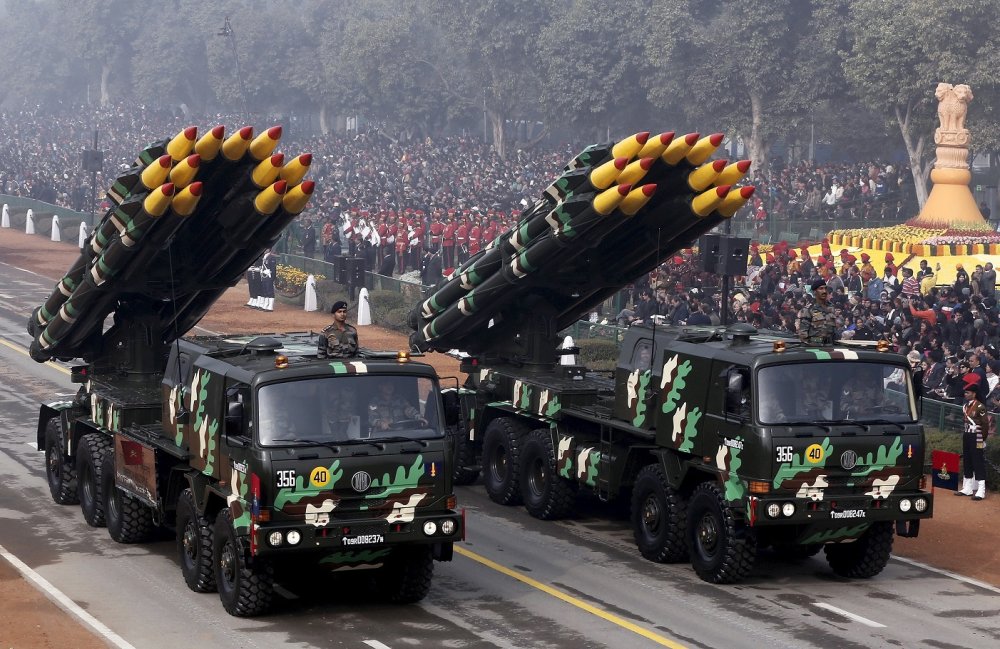
State Department Reprimanded Pakistan for Misusing F-16s, Document Shows

By Paul D. Shinkman

A State Department letter details American concerns about how Pakistan fielded fighter jets after a skirmish with India over Kashmir.

Twenty Years Ago, Nuclear-Armed India and Pakistan Fought a Chilly, High-Altitude War in the Himalayas


Was a nuclear war possible?

For years, there was a conceit that no two states with nuclear weapons have ever directly fought each other. That conceit has at times been thin. For example, during the Korean War, Soviet air force regiments battled U.S. jet fighters in support of North Korea. But Washington as much as Moscow refrained from pointing out that thinly-veiled fact, lest it escalates tensions.
But when thousands of Pakistani troops infiltrated across the Line of Control in 1999, separating the Indian and Pakistani-controlled territories, disguised as local insurgents, the pretense proved impossible to maintain before the prying eyes of global media. Just a year earlier on May 28, 1998, Pakistan conducted a series of underground nuclear tests known as Chagai-I. Islamabad’s ascension as nuclear power was met with jubilation in Pakistani streets and condemnations and sanctions across the globe. Though Pakistan’s rival India had conducted its Smiling Buddha nuclear test in 1974, Chagai came in response to a second India test held just two weeks later.
Still, in February 1999 both countries signed the Lahore Declaration expressing a desire to peacefully resolve the long-standing conflict over the mountainous region of Kashmir, which has a Muslim majority and Hindu minority.
However, the Pakistani military’s Joint Staff Headquarters, under General (and soon-to-be prime minister) Pervez Musharraf saw an opportunity to pick off salient Indian territory called the Siachen glacier. As the glacier lay 20,000 feet above sea level, Indian border outposts in the sector were sparsely manned or abandoned. And positions near the town of Kargil could be used to interdict National Highway 1 connecting the Kashmiri capital of Srinagar to the Ladakh provincial capital of Leh.
Thus, even as Islamabad and New Delhi celebrated their apparent peace accord, four battalions of Pakistan’s Northern Light Infantry regiment (5th, 6th, 12th and 13th) and two of the Sind Regiment (24th and 27th), as well as commandos from the elite Special Services Group, were infiltrating into the abandoned outposts at the very peaks of the Himalayas, without initially being detected.
The subterfuge could not last forever. Local shepherds first reported seeing the Pakistani infiltrators on May 3. On May 15, a six-man Indian patrol under Lt. Saurabh Kalia sent to investigate the Ladakh mountains was ambushed, captured and apparently tortured before being shot dead.
Within days, the Indian Army discovered that Pakistani forces had seized control of roughly 65 square miles of territory on the Indian side of the Line of Control, with troops dispersed over 132 strongpoints. New Delhi mobilized 200,000 troops to evict the infiltrators, but the bulk of the fighting was undertaken by the 20,000 soldiers in the 8th Mountain and 3rd Infantry Divisions, supported by nineteen (battalion-sized) artillery regiments.
They faced only 5,000 Pakistani soldiers—but these were dug into fortified hilltops between 8,000 and 18,000 feet above sea level, and armed with infantry support weapons including mortars, machine guns, bazooka-like recoilless rifles, and Stinger and Anza man-portable surface-to-air missiles.
Because the Line of Control limited the ability of Indian troops to maneuver around Pakistani positions, many of these positions had to be assaulted head-on. Exhaustion, cold, and high-altitude sickness also posed a formidable—and often lethal—obstacle to Indian infantry.
The Indian Army deployed heavy Bofors FH77 155-millimeter field howitzers to the mountainous terrain. Designed for indirect fire support, the mountainous terrain allowed the heavy howitzers to level their gun barrels to deliver rapid direct fire with deadly results. Meanwhile, Pakistani forward observers profited from mountain tops to spy on Indian forces moving along the NH1 Highway and call down accurate artillery from batteries across the Line of Control.
Over six weeks, protracted battles at places like Tololing and Tiger Hill. The latter’s summit lay 16,700 feet above sea level and could only be attained by scaling up on a climbing rope.
Starting May 20, the Indian Navy also began massive redeployment, with ships, amphibious forces, and reconnaissance aircraft departing on patrols pressuring the Pakistani port of Karachi. In response, the Pakistani Navy disbursed from Karachi and began escorting valuable tanker convoys. Though neither navy saw combat, it was clear they were ready for a lethal struggle—and that India might impose a suffocating blockade if tensions escalated further.Meanwhile, New Delhi initially remained reluctant to commit offensive airpower for fear of escalation. Instead, Indian Air Force aircraft based at Srinagar flew transport, reconnaissance and electronic warfare missions. This was not without it risks, as a heat-seeking missile struck photo-recon Canberra on May 21, though the pilot managed to return to base.On May 25, New Delhi authorized limited airstrikes. But initially, attempts to provide air support with unguided bombs dropped by dated MiG-21 fighters and Jaguar and MiG-27 attack jets struggled to land effective strikes. One MiG-27 crashed after an engine flameout; a MiG-21 was downed by a Stinger missile and its pilot apparently executed. Then a Mi-17 helicopter gunship was downed by a barrage of Stingers on May 28.
The air campaign (codenamed Safed Sager) turned a corner on May 30 when India deployed No. 1 and No. 7 squadrons equipped with fourth-generation Mirage 2000 jets into the war. These not only exhibited superior high-altitude performance but had been hastily modified to employ Paveway II laser-guided bomb imported from the United States and Lightening laser targeting pods acquired from Israel. Moreover, the Paveway IIs could be launched outside the effective range of portable anti-aircraft missiles.
These were first precision-guided munitions to be used in combat by the Indian Air Force. Throughout June and early July, Mirages knocked out nine supply depots and command bunkers in a succession of deadly precision strikes, particularly targeting Tiger Hill. The Pakistani Air Force was never authorized to enter the conflict, but F-16 jets from No. 9 and No. 11 squadron did shadow Indian air operations from across the Line of Control in an effort to unnerve their counterparts. Washington had condemned and sanctioned both India and Pakistan’s recent nuclear tests, and its policy was then in a state of flux. During the Cold War, India had maintained cordial relations with the Soviet Union, while the United States overtly supported Pakistan and eventually its close ally China. The end of the Cold War removed much of the rationale for these alignments.
As early as May, Pakistan warned that it might resort to “any weapon” should the Kargil War continue to escalate. That warning assumed ominous dimensions when U.S. intelligence reported deployment of Pakistani nuclear weapons to prepare for a possible escalation of the war.
Globally, few believed Islamabad’s denials that the heavily-armed troops in Kargil were merely local insurgents. President Bill Clinton first urged Prime Minister Nawaz Sharif to withdraw his forces in phone conservation on June 15. As Pakistani positions near Kargil began to collapse, Sharif flew to Washington on July 4 and agreed to order the withdrawal of Pakistani troops. This was largely accomplished, but some refused to return and continued fighting for three more weeks alongside local jihadists.
The Kargil conflict cost the lives of 527 Indian soldiers. After years of denial, Pakistan admitted its armed forces had suffered 453 dead in the border conflict.
Clinton’s negotiations also set the stage for a dramatic turnaround in U.S.-India relations, with New Delhi becoming an increasingly important international partner of Washington in the next two decades while relations suffered from Pakistan due to its involvement in the War in Afghanistan.
Certainly, the Kargil War was far from the bloodiest ever fought—but it marked a frightening new chapter in the international system as for the first time states with nuclear weapons faced off on a (fortunately limited) battlefield. India and Pakistan could easily have escalated into a wider conflict with cross-border attacks and more air and sea power in play; a scenario in which the risk of using nuclear weapons would have increased substantially.
Twenty years later in 2019, Pakistani and Indian forces again clashed on land and air. Tensions remain acute and both states deployed dozens of more nuclear weapons than they did in 1999.
https://nationalinterest.org/blog/buzz/twenty-years-ago-nuclear-armed-india-and-pakistan-fought-chilly-high-altitude-war

پچھلے دس سالوں میں پاکستان کی کن خواتین نے اپنا لوہا منوایا ہے - دہائی کی دس طاقتور پاکستانی خواتین


پچھلے دس سالوں میں پاکستان کی کن خواتین نے اپنا لوہا منوایا ہے


پاکستان میں خواتین کئی دہائیوں سے اپنے حقوق کی جنگ لڑ رہی ہیں۔ تاریخ اٹھا لیں، آپ کو بہت سی ایسی خواتین کا ذکر مل جائے گا جنہوں نے تحریکِ آزادی کی بھرپور حمایت سے لے کر مارشل لا تک کی شدید مخالفت کی۔ اس کے لیے انہوں نے ڈنڈے بھی کھائے، جیلیں بھی کاٹیں۔
2019 کے اختتام تک معاملہ کہیں آگے پہنچ چکا ہے۔ ہماری خواتین اب نہ کسی سے شرماتی ہیں اور نہ ہی ڈرتی ہیں بلکہ پورے اعتماد کے ساتھ اس معاشرے سے اپنے حقوق مانگتی ہیں، وہ بھی برابر کے حقوق۔ گذشتہ دس برسوں میں پاکستان سے کئی ایسی خواتین کے نام سامنے آئے ہیں جنہوں نے اپنے عزم و ہمت سے دنیا کو حیران کر دیا۔ ان میں سے دس کا یہاں مختصر تعارف بیان کیا جا رہا ہے۔
10۔ ہم عورتیں
پاکستان میں خواتین کا عالمی دن کئی سالوں سے منایا جا رہا ہے لیکن پچھلے دو برس سے اس دن کو منانے کا انداز بالکل تبدیل ہو چکا ہے اور اس کا سہرا ’ہم عورتیں‘ کو جاتا ہے۔ یہ ’ہم عورتیں‘ کون ہیں، اسے جاننے کے لیے دو سال پیچھے چلتے ہیں۔
دو سال قبل یعنی2017 میں کراچی میں عورتوں کے حقوق کے لیے کام کرنے والی کچھ تنظیمیں خواتین کے عالمی دن کی تیاری کے حوالے سے اکٹھی ہوئیں۔ اس نشست میں انہوں نے کچھ اہم فیصلے لیے جنہوں نے پاکستان میں اس دن کا معنی تبدیل کر کے رکھ دیا۔ اس میٹنگ میں کہا گیا کہ اس سال کے مارچ کو عورت مارچ کا نام دیا جائے گا۔ عورت مارچ کو پاکستان میں بسنے والی ہر عورت کی آواز بنانے کے لیے ان تنظیموں نے فیصلہ کیا کہ وہ اس مارچ کے لیے اپنے نام کا استعمال نہیں کریں گی بلکہ یہ مارچ 'ہم عورتیں' کے نام سے منعقد کیا جائے گی۔ غور طلب بات یہ ہے کہ 'ہم عورتیں' نہ تو کوئی تنظیم ہے اور نہ ہی کوئی ادارہ ہے بلکہ یہ پاکستان کی عورتوں کی طرف ایک استعارہ ہے۔
اس عورت مارچ میں کوئی بھی شریک ہو سکتا تھا اور وہ اپنی سمجھ بوجھ کے مطابق کسی بھی انداز میں احتجاج کر سکتا تھا۔ اس مارچ میں ہر طبقے کی عورت نے حصہ لیا۔ اس دن کراچی کی سڑکوں پر مختلف رنگ تھے۔ ہنستی گاتی عورتیں نعرے لگاتی آگے بڑھ رہیں تھیں۔ اس مارچ کے کچھ پلے کارڈز بہت مشہور ہوئے اور ان پر بہت بحث کی گئی مثلاً اپنا کھانا خود گرم کرو۔
عورت مارچ کی کامیابی دیکھتے ہوئے اس سال یہ مارچ مزید شہروں میں منعقد کروایا گیا۔ اس بار اس کا شور پہلے سے زیادہ تھا۔ اس بار پلے کارڈز بولڈ بھی تھے اور واضح بھی۔ عورت مارچ کے بعد مارچ کے منتظمین کو ریپ اور قتل کی دھمکیاں بھی ملیں۔ قانون ساز اسمبلیوں میں بھی عورت مارچ کے خلاف احتجاج کیا گیا۔ کچھ سیاستدانوں بشمول  بلاول بھٹو نے عورت مارچ کی حمایت بھی کی۔
کچھ عناصر نے اس مارچ کے مقابلے میں مرد مارچ نکالنے کا بھی اعلان کیا لیکن جب نومبر میں مردوں کا عالمی دن آیا تو کسی طرف سے کوئی شور نہیں اٹھا۔
دسمبر شروع ہوتے ہی اگلے سال ہونے والے عورت مارچ کی تیاریاں شروع ہو گئی ہیں۔ سوشل میڈیا پر خواتین اور مردوں کو اس مارچ کی تیاری میں حصہ لینے کا کہا جا رہا ہے۔ اس عورت مارچ میں کیا ہوگا یہ تو مارچ 2020 میں ہی پتہ چلے گا۔
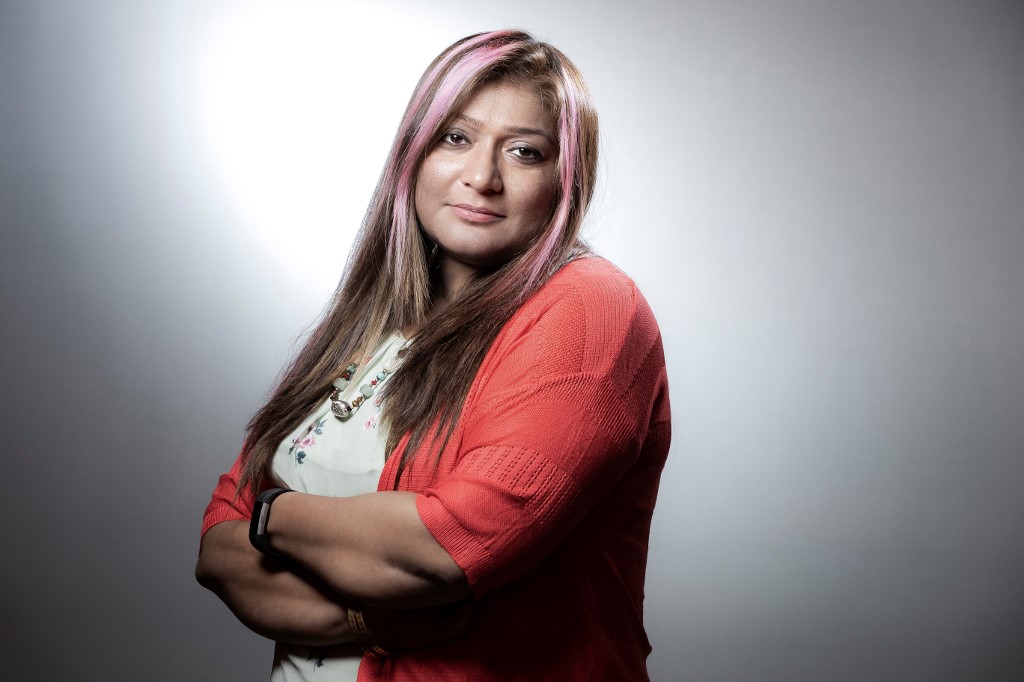
9۔ نگہت داد
اس تیز رفتار انٹرنیٹ کے دور میں ایک عورت مشعل پکڑے عورتوں اور بچیوں کو محفوظ طریقے سے انٹرنیٹ کا استعمال سکھا رہی ہے، یہ نگہت داد ہیں۔ نگہت کا کہنا ہے کہ پاکستان میں خواتین کو انٹرنیٹ پر آزادی میسر نہیں ہے اور انہیں انٹرنیٹ پر ان کی جنس کی بنیاد پر ہراساں بھی کیا جاتا ہے۔
38 سالہ نگہت داد پیشے کے لحاظ سے وکیل ہیں اور ڈیجیٹل رائٹس فاؤنڈیشن کی بانی اور ایگزیکٹو ڈائریکٹر ہیں۔ نگہت پاکستان میں انٹرنیٹ کی آزادی، ڈیجیٹل سکیورٹی، سائبر ہراسمنٹ اور فیمینزم کے حوالے سے سرگرم ہیں۔
نگہت کی تنظیم نے دسمبر 2016 میں پاکستان کی پہلی سائبر ہراسمنٹ ہیلپ لائن کا آغاز کیا جس کا مقصد آن لائن ہراساں ہونے والے افراد کو ’مفت، محفوظ اور رازدارانہ‘ سروس فراہم کرنا ہے۔ اس ہیلپ لائن کے ذریعے متاثرین کو قانونی مدد، ڈیجیٹل سیکیورٹی سپورٹ اور نفسیاتی مشاورت بھی فراہم کی جاتی ہے۔
اگر کسی ٹاک شو میں ڈیجیٹل رائٹس پر بات کرنی ہو تو نگہت داد کو ہی دعوت دی جاتی ہے۔ رابی پیر زادہ کی نجی نوعیت کی ویڈیوز انٹرنیٹ پر لیک ہونے کے بعد نگہت داد ہی ان کی مدد کرنے کے لیے آگے بڑھیں۔
2018 میں عالمی اقتصادی فورم نے نگہت داد کو اپنی سالانہ ینگ گلوبل لیڈرز کی فہرست میں شامل کیا تھا۔ اس سے پہلے 2016 میں ہالینڈ کی حکومت کی جانب سے انہیں انسانی حقوق کا ٹیولپ ایوارڈ دیا گیا تھا۔ اسی سال اٹلانٹک کونسل ڈجیٹل فریڈم ایوارڈ بھی دیا گیا تھا۔ ٹائمز میگزین نے 2017 میں انہیں’نیکسٹ جنریشن لیڈرز‘ کی فہرست میں بھی شامل کیا تھا۔
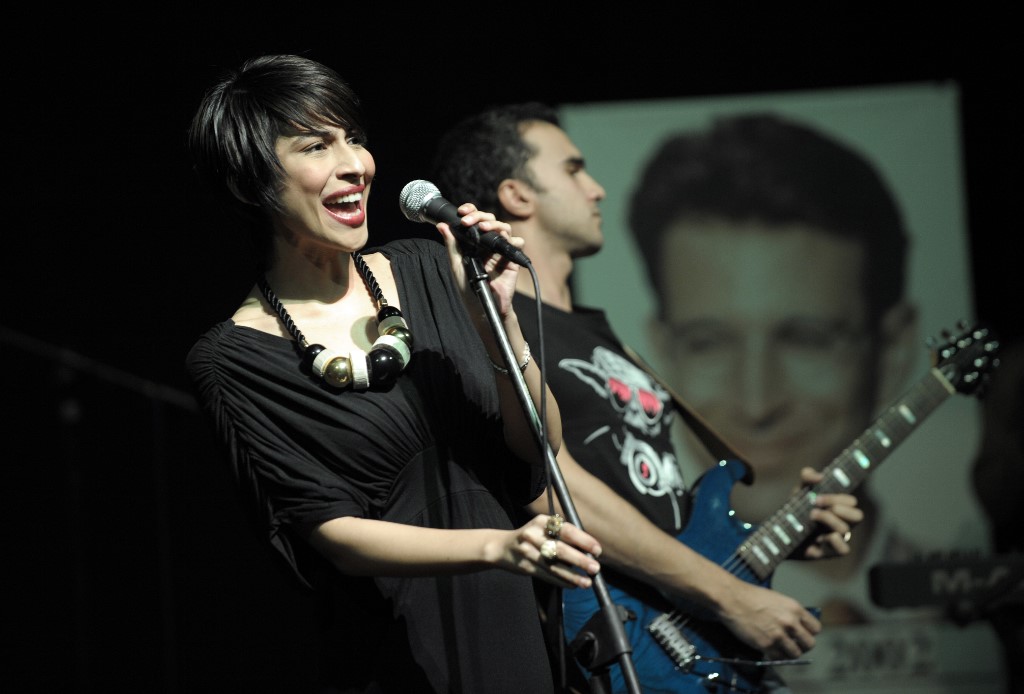
8۔ میشا شفیع
دو سال قبل ہالی وڈ کے سابق پروڈیوسر ہاروی وائنسٹین پر کئی خواتین اور اداکاراؤں نے جنسی ہراسانی کا الزام لگایا۔ یہاں سے ’می ٹو مہم‘ کا جنم ہوا جو دیکھتے ہی دیکھتے دنیا بھر میں پھیل گئی۔ دنیا بھر سے خواتین نے ہیش ٹیگ می ٹو کا استعمال کرتے ہوئے جنسی ہراسانی کے واقعات میں ملوث ملزمان کو سوشل میڈیا پر بے نقاب کرنا شروع کردیا۔ پاکستان میں می ٹو مہم کا آغاز اپریل 2018 میں اداکارہ و گلوکارہ میشا شفیع کی ایک ٹویٹ سے ہوا جس میں انہوں نے اپنے ساتھی اداکار و گلوکار علی ظفر پر انہیں جنسی طور پر ہراساں کرنے کا الزام عائد کیا۔
علی ظفر نے اس الزام کو بے بنیاد اور جھوٹا قرار دیتے ہوئے میشا شفیع کے خلاف مبینہ طور پر ان کی شہرت کو نقصان پہنچانے کا دعویٰ دائر کر دیا۔ جواب میں میشا شفیع نے بھی علی ظفر کے خلاف دو ارب روپے ہرجانے کا دعویٰ دائر کر دیا۔ اس معاملے کو تقریباً ڈیڑھ سال گزر چکا ہے لیکن اس قانونی جنگ کا ابھی تک کوئی نتیجہ نہیں نکلا۔
می ٹو مہم پر نظر رکھنے والے لوگ اس کیس میں بہت دلچسپی لے رہے ہیں۔ اس کیس کا ہر نیا موڑ پاکستان میں جنسی ہراسانی کے کلچر کو سمجھنے میں بہت مدد دے رہا ہے۔
اس ڈیڑھ سال میں میشا شفیع کو طرح طرح کے الزامات کا سامنا کرنا پڑا۔ لوگوں نے ان کے لباس اور انداز کو جنسی ہراسانی کی وجہ قرار دیا۔ علی ظفر بھی اپنے ایک متنازع انٹرویو میں ایسی ہی باتیں کر چکے ہیں جس سے پاکستانی معاشرے میں موجود وکٹم بلیمنگ کے کلچر کی سنگینی کا احساس ہوتا ہے۔
میشا شفیع نے اپنے ایک حالیہ بیان میں کہا کہ اس ایک سال کے دوران انہیں کئی دھمکیاں بھی ملیں۔ میشا شفیع کی وکیل نگہت داد کے مطابق میڈیا بھی اس کیس کی غلط رپورٹنگ کر رہا ہے۔
میشا شفیع کے کیس نے پاکستان میں خواتین کو جنسی ہراسانی سے بچانے والے قوانین کی افادیت پر بھی کئی سوال اٹھائے ہیں۔ میشا شفیع نے علی ظفر کے خلاف جنسی ہراسانی کی درخواست وفاقی محتسب کے دفتر میں جمع کروائی تھی جو وہاں سے تکنیکی بنیاد پر مسترد کر دی گئی تھی کیونکہ اس کیس کی شنوائی محتسب کے دائرہ اختیار میں نہیں آتی۔ میشا نے اس محتسب کے فیصلے کے خلاف گورنر پنجاب کو اپیل جمع کروائی جو گورنر پنجاب نے خارج کر دی۔ میشا نے گورنر پنجاب کے اس فیصلے کو پھر لاہور ہائیکورٹ میں چیلنج کیا۔ عدالت نے بھی اس اپیل کو یہ کہہ کر مسترد کر دیا کہ دونوں فریقین کے درمیان مالک اور ملازم کا رشتہ نہیں تھا۔
ستمبر 2019  میں میشا کی ایک اہم گواہ لینا غنی نے دعویٰ کیا کہ اس کیس میں گواہ بننے پر ایف آئی اے انہیں ہراساں کر رہی ہے۔
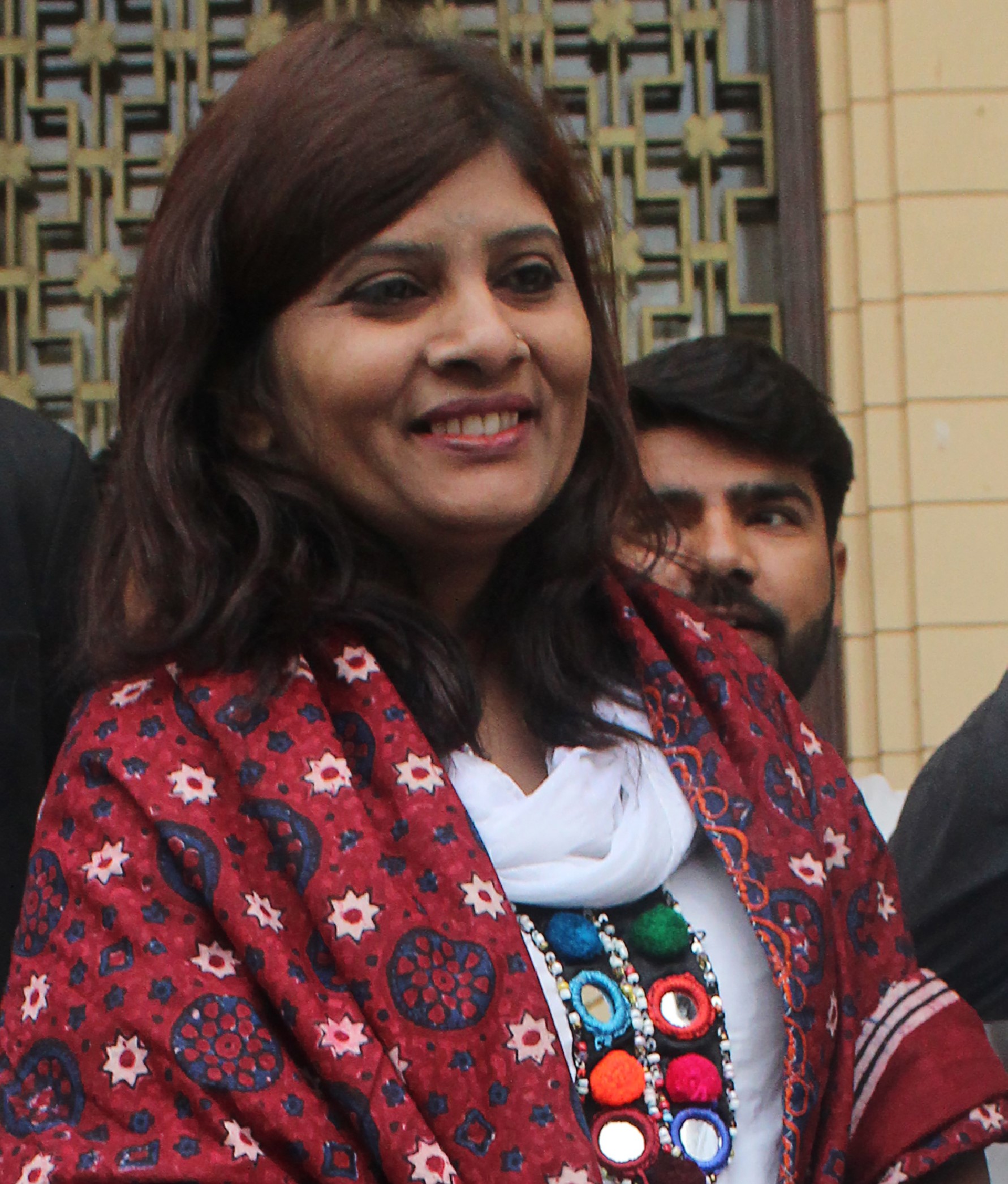
7۔ کرشنا کماری کوہلی
شاید ہی کبھی کسی نے سوچا ہو کہ تھر سے تعلق رکھنے والی ایک عام سی عورت بھی سینیٹر بن سکتی ہے۔ ہندو برادری سے تعلق رکھنے والی 40 سالہ کرشنا کماری نے یہ کارنامہ بھی کر دکھایا ہے۔ کرشنا کماری کا تعلق  میں ننگرپارکر کے ایک پسماندہ سے گاؤں دھانا گام سے ہے۔ وہ مارچ 2018 میں سینیٹر منتخب ہو کر سینیٹ میں منتخب ہونے والی پہلی ہندو دلت خاتون بن گئی ہیں۔
کرشنا کماری کی شادی 16 سال کی عمر میں کر دی گئی تھی۔ شادی کے بعد انہوں نے سندھ یونیورسٹی جامشورو سے سوشیالوجی میں ماسٹر ڈگری حاصل کی۔
کرشنا کماری نے ہر طبقے سے تعلق رکھنے والے مظلوم افراد کے لیے بہت کام کیا ہے۔ جب وہ تیسری جماعت میں تھیں تو ایک زمیندار نے انہیں اور ان کے خاندان کو تین سال تک جبری مشقت کے لیے قید کر کے رکھا ہوا تھا۔ اس جیل سے انہیں رہائی پولیس کے چھاپے کے بعد ملی۔
اسی وجہ سے ان کا زیادہ تر کام جبری مشقت پر مامور مزدوروں کے حقوق کے لیے ہے۔ اس کے علاوہ کرشنا کماری نے خواتین کے حقوق کے لیے بھی بہت کام کیا۔ انہوں نے ملازمت کی جگہ پر خواتین کو جنسی طور پر ہراساں کیے جانے کے واقعات سے نمٹنے کے حوالے سے کئی ورکشاپس اور سیمینار منعقد کروائے۔ انہوں نے انسانی حقوق پر بہت سے اخبارات کے لیے کالم بھی لکھے۔
گذشتہ برس انہیں بی بی سی کی 100 خواتین کی فہرست میں بھی شامل کیا گیا تھا۔
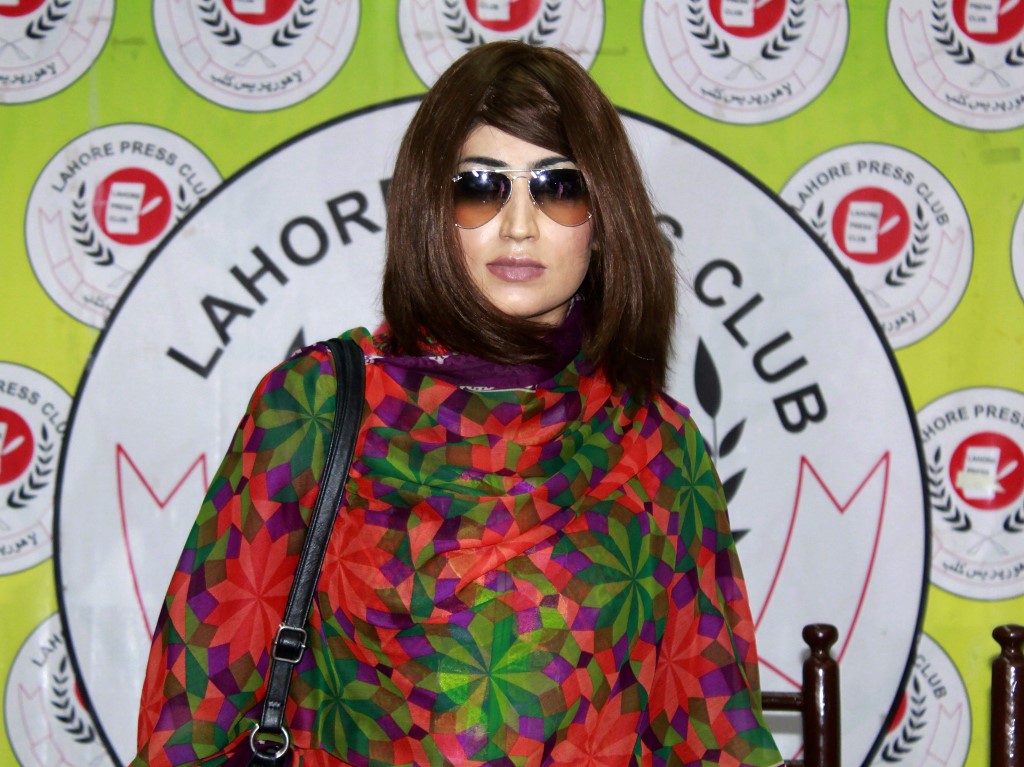
6۔ قندیل بلوچ
کچھ لوگوں کو اس مضمون میں قندیل بلوچ کا نام شامل کرنے پر اعتراض ہو سکتا ہے لیکن یہ بھی حقیقت ہے کہ اگر اس دہائی کی کچھ خواتین کا ذکر کرنا ہو تو قندیل خود بخود اس ذکر میں اپنی جگہ بنا لیں گی۔
قندیل بلوچ کو پاکستان کی پہلی سوشل میڈیا سیلیبریٹی کے طور پر جانا جاتا ہے۔ قندیل نے سوشل میڈیا کا سہارا لے کر خود کو اس جگہ پہنچایا جہاں اس سے پہلے انہیں کوئی پہنچنے نہیں دے رہا تھا۔ وہ سوشل میڈیا کو استعمال کرنے کے ساتھ ساتھ سمجھ بھی رہی تھی۔ ہر روز وہ ایک نیا گُر آزماتی اور پہلے سے زیادہ مشہور ہو جاتی۔ ان پوسٹس کے جواب میں اسے بہت سی نفرت ملی لیکن وہ پھر بھی اپنا کام کرتی رہی۔
قندیل کواس کے بھائی نے جولائی 2016 میں نیند کی حالت میں قتل کر دیا تھا۔ یہ غیرت کے نام پر کیا جانے والا قتل تھا۔ قندیل کے قتل کی خبر پوری دنیا میں پھیلی اور بہت لمبے عرصے تک دنیا بھر سے صحافی قندیل کے بارے میں جاننے کے لیے پاکستان آتے رہے۔ اس سال ستمبر میں قندیل کے بھائی وسیم کو عمر قید کی سزا دی گئی تھی۔
ایک انتہائی عام سے گھر سے تعلق رکھنے والی قندیل نے کیسے اپنی اور اپنے گھر والوں کی زندگی بہتر بنانے کے لیے جدوجہد کی اس بارے بس اندازے ہی لگائے جا سکتے ہیں۔ قندیل کو اتنی مہلت بھی نہیں دی گئی کہ وہ اپنے بارے میں کچھ بتا سکتی۔ قندیل نےبراہِ راست خواتین کے حقوق کے لیے کوئی خاص کام نہیں کیا لیکن ان کی زندگی اور موت نے پاکستانی معاشرے کا اس کا وہ چہرہ دکھایا جس سے وہ نظریں چرا رہا تھا۔
کراچی سے تعلق رکھنے والی ایک صحافی صنم مہر نے قندیل بلوچ کی زندگی اور موت پر ایک کتاب لکھی ہے جس میں وہ قندیل سے کسی بھی حیثیت میں منسلک فرد سے ہونے والی اپنی بات چیت کے ذریعے قندیل کی زندگی کو جاننے اور سمجھنے کی کوشش کرتی ہیں۔
قندیل کی زندگی پر ایک ڈرامہ باغی بھی بنایا گیا لیکن یہ کتاب کئی گنا بہتر انداز میں قندیل کی شخصیت کا احاطہ کرتی ہے۔
5۔ جلیلہ حیدر
صوبہ بلوچستان کی ہزارہ برادری سے تعلق رکھنے والی وکیل اور انسانی حقوق کی سرگرم کارکن جلیلہ حیدر بھی اس دہائی میں ایک طاقتور عورت بن کر اٹھیں۔ انہوں نے اپنی برادری اور عورتوں کے حقوق کے لیے ہر پلیٹ فارم پر آواز اٹھائی۔ ان کی آواز اتنی بلند ہوئی کہ اس سال بی بی سی نے انہیں اپنی دنیا بھر کی 100 با اثر خواتین کی فہرست میں شامل کیا گیا۔
جلیلہ انڈپینڈنٹ اردو کے لیے مختلف معاشرتی مسائل پر وی لاگ بھی بناتی ہیں۔
اپنے والد کی وفات کے بعد جلیلہ نے محسوس کیا کہ اس معاشرے کا نظام برابری کی بنیاد پر نہیں چل رہا۔ جلیلہ کی والدہ نے اپنے گھر میں ایک چھوٹا سا سکول کھول رکھا تھا۔ اس سکول میں آنے والے بچوں کو دیکھ کر جلیلہ نے اس معاشرتی تقسیم کو شدت سے محسوس کیا۔ یہی وہ وقت تھا جب انہوں نے بچوں کے حقوق اور ان کی فلاح و بہبود کے لیے کام کرنا شروع کر دیا۔
اس کے بعد جلیلہ نے کچھ تحریکوں میں بھی شرکت کی جس سے انہیں مزاحمت اور احتجاج کی طاقت سمجھ آئی۔ ہزارہ برادری کے ساتھ ہونے والے مخصوص سلوک کے خلاف بھی انہوں نے ہر فورم پر احتجاج کیا۔
گذشتہ برس 2018 میں جلیلہ حیدر نے ہزارہ برادری پر ہونے والے ایک حملے بعد تا دم مرگ بھوک ہڑتال کا اعلان کیا۔  انہوں نے مطالبہ کیا کہ وہ اپنی بھوک ہڑتال چیف آف آرمی سٹاف ضنرل قمر جاوید باجوہ کے آنے تک ختم نہیں کریں گی۔
جلیلہ کو اس ایکٹوزم کے نتائج بھی بھگتنے پڑتے ہیں۔ جبری گمشدگیوں کے معاملے پر بولنے کی وجہ سے انہیں برطانیہ کی ایک سکالرشپ سے محروم ہونا پڑا۔ پشتون تحفظ موومنٹ کے جلسے میں شرکت کرنے پر بھی انہیں ہراساں کیا گیا۔
4۔ ثنا میر
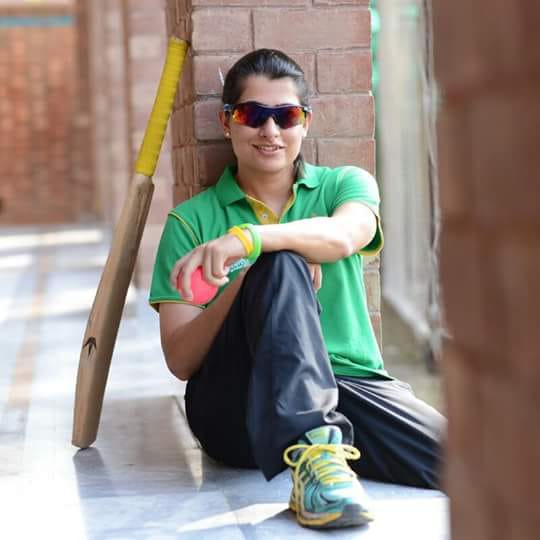
پاکستانی خواتین کرکٹ ٹیم کی سابق کپتان ثنا میر نے کرکٹ کے میدان میں پاکستان کا نام خوب روشن کیا ہے۔ وہ پہلی ایسی پاکستانی خاتون کرکٹر ہیں جنہیں آئی سی سی وومن ورلڈ ٹیم آف دی ایئر میں شامل کیا گیا ہے۔ اس کے علاوہ انہیں آئی سی سی ون ڈے ویمن رینکنگ میں بہترین خاتون بولر ہونے کا اعزاز بھی دیا گیا تھا۔
ثنا میر نے کرکٹ کا آغاز سنہ 2005 میں 19 برس کی عمر میں کیا تھا اور محض چار سال بعد وہ کرکٹ ٹیم کی کپتان بن گئیں۔ انہوں نے جس وقت کرکٹ کھیلنا شروع کی اس وقت کرکٹ میں لڑکیاں نہ ہونے کے برابر تھیں۔
33 سالہ ثنا میر نے اپنے کریئر کے دوران 118 ایک روزہ انٹرنیشنل میچ کھیلے۔ انہوں نے اب تک اپنے ون ڈے انٹرنیشنل کریئر میں 18 کی اوسط سے 1615 رنز بنائے ہیں اور ان کا بہترین سکور 52 رنز ہے جبکہ وہ 137 وکٹیں حاصل کر چکی ہیں۔
کپتان کے طور پر ثنا میر ویمن کرکٹ میں عالمی سطح پر سب سے زیادە میچ کهیلنے والی پانچویں کهلاڑی ہیں۔ ان کی کپتانی میں پاکستان کی خواتین کی کرکٹ ٹیم نے کل 69 میچ کھیلے۔
ان کی کپتانی میں ہی پاکستان نے دو مرتبہ ایشیائی کھیلوں کے مقابلوں میں سونے کا تمغہ جیتا۔ ثنا میر نے نومبر میں انٹرنیشنل کرکٹ سے بریک لینے کا اعلان کیا۔ انہوں نے کہا کہ وہ اس بریک کے دوران اپنے اگلے اہداف کو ترتیب دیں گی۔
3۔ عاصمہ جہانگیر
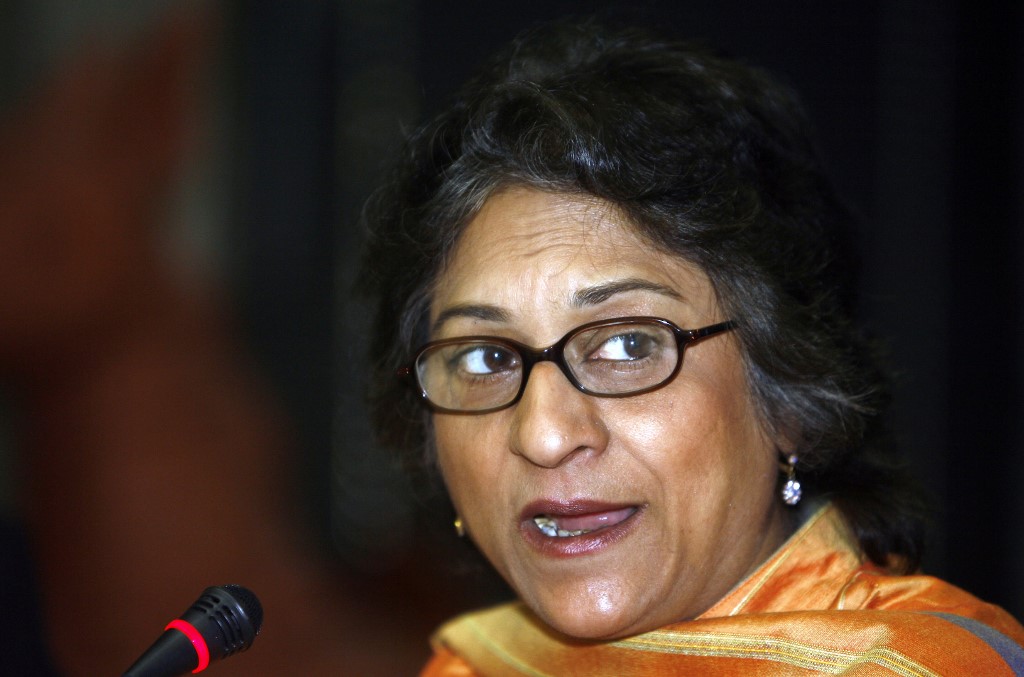
پاکستان میں انسانی حقوق کے لیے کام کرنے والوں میں سب سے روشن نام عاصمہ جہانگیر کا ہے۔ 11 فروری 2018 کو عاصمہ جہانگیر کی وفات نے سول سوسائٹی کو ایک بہت بڑا دھچکہ پہنچایا۔ ان کی وفات نے جو خلا پیدا کیا وہ شاید ہی کبھی پُر کیا جا سکے۔ ان کی وفات کے بعد کئی ایسے مواقع آئے جب پاکستان میں ان کی آواز کی کمی محسوس کی گئی۔
عاصمہ جہانگیر نے1987 میں انسانی حقوق کمیشن کی بنیاد رکھی۔ وہ پاکستانی سپریم کورٹ بار ایسوسی ایشن کی صدر منتخب ہونے والی پہلی خاتون وکیل بھی تھیں۔ اس کے علاوہ انہوں نے عدلیہ بحالی کی تحریک میں بھی اہم کردار ادا کیا تھا۔
اقوامِ متحدہ نے 2018 کا انسانی حقوق کا ایوارڈ عاصمہ جہانگیر کے نام کیا تھا۔ وہ یہ ایوارڈ کرنے والی چوتھی پاکستانی خاتون ہیں۔ ان سے پہلے یہ ایوارڈ رعنا لیاقت علی خان، سابق وزیر اعظم بینظیر بھٹو اور ملالہ یوسفزئی حاصل کر چکی ہیں۔
عاصمہ جہانگیر نے دسمبر 1972 میں اپنے والد ملک غلام جیلانی کو  حراست میں لیے جانے لے خلاف مزاحمت کی۔ انہوں نے اپنے والد کی رہائی کے لیے لاہور ہائی کورٹ میں پٹیشن دائر کی۔
ملالہ اور شرمین کی طرح عاصمہ جہانگیر کو بھی الزامات کا سامنا کرنا پڑا۔ زندگی میں کئی بار عاصمہ کو ملک سے غداری اور توہین مذہب کا مرتکب ٹھہرایا گیا۔ ان کے گھر پر بھی کئی دفعہ حملے کیے گئے۔ اس کے باوجود وہ نڈر لہجے میں اپنی رائے کا اظہار کیا کرتی تھیں۔ فوج مخالف بیانات کی وجہ سے انہیں کئی بار جیل بھی جانا پڑا۔
ان کی خدمات کے اعزاز میں انہیں کئی اعزازات سے نوازا گیا جن میں یونیسکو پرائز، فرنچ لیجن آف آنر اور مارٹن اینیلز ایوارڈ شامل ہیں۔
ستمبر 2016 میں اقوام متحدہ نے عاصمہ جہانگیر کو ایران میں انسانی حقوق اور مذہبی آزادی کے لیے اپنا نمائندہ خصوصی منتخب کیا تھا۔
2۔ شرمین عبید چنوئے
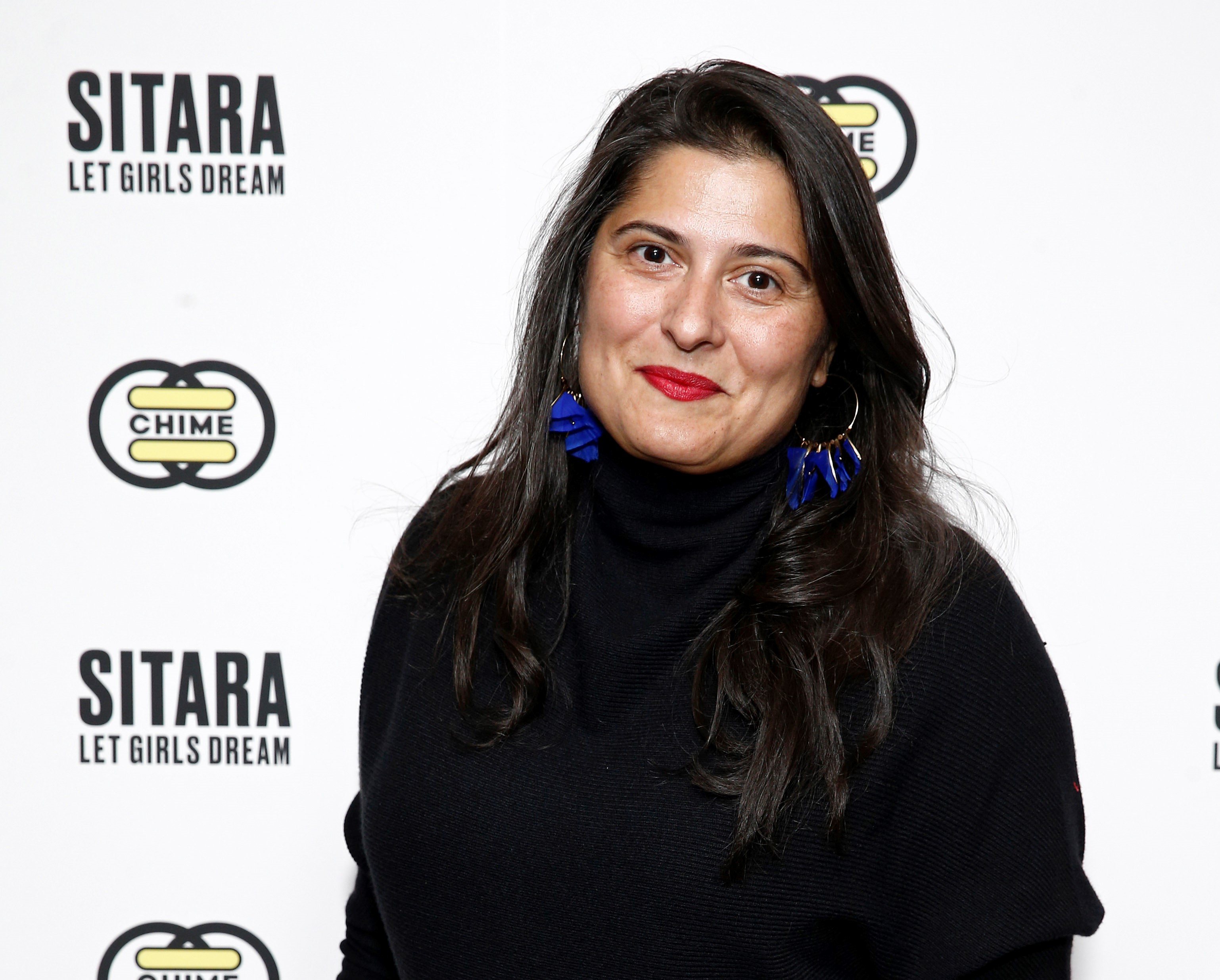
اس فہرست میں دوسرا نام شرمین عبید چنوئے کا ہے جو پاکستان کی پہلی آسکر ایوارڈ یافتہ فلم ساز ہیں۔ یہ اپنے کام کے ذریعے نہ صرف خواتین اور بچوں کے مسائل کو اجاگر کر رہی ہیں بلکہ ان مسائل کے سدِ باب کے لیے بنائے گئے قوانین کے بارے میں آگاہی بھی پھیلا رہی ہیں۔
شرمین عبید نے 2002 میں امریکہ کی سٹینفرڈ یونیورسٹی سے تعلیم مکمل کرنے کے بعد پاکستان میں بطور فلم ساز اپنے کرئیر کا آغاز کیا۔ شرمین نے ہدایت کار ڈینیئل جنگ کے ساتھ مل کر امریکی ٹی وی چینل ایچ بی او کے لیے ’سیونگ فیس‘ نامی ایک دستاویزی فلم بنائی جس نے 2012 میں آسکر ایوارڈ جیتا۔
’سیونگ فیس‘ ایک ایسے پاکستانی نژاد برطانوی ڈاکٹر کی کہانی ہے جو پاکستان میں تیزاب کے حملوں کا شکار خواتین کا علاج کر رہے ہیں۔
ملالہ کی طرح پاکستان میں شرمین پر نکتہ چینی کرنے والوں کی بھی کمی نہیں۔ ایک مخصوص حلقے کی جانب سے ان پر پاکستان کو بین الاقوامی سطح پر بدنام کرنے کا الزام بھی لگا لیکن شرمین نے اس کی بالکل بھی پروا نہیں کی۔
شرمین کو 2016 میں ان کی دوسری دستاویزی فلم ’اے گرل ان دا ریور: دی پرائس آف فارگونس‘ کے لیے دوسرا آسکر ایوارڈ ملا۔ یہ فلم ایک ایسی لڑکی کے بارے میں تھی جسے اس کے رشتے داروں نے غیرت کے نام پر قتل کر کے دریا میں پھینک دیا تھا۔ خوش قسمتی سے اس کی سانسیں باقی تھیں، وہ زندہ بچ گئی۔ شرمین نے اس کی کہانی کو ایک دستاویزی فلم کی شکل میں دنیا کے سامنے پیش کیا۔ اس فلم کے بعد پارلیمان میں غیرت کے نام پر قتل کے خلاف مناسب قانون سازی کا عمل بھی تیز کیا گیا۔
حکومتِ پاکستان نے ان کی خدمات کا اعتراف کرتے ہوئے 2012 میں انہیں پاکستان کے دوسرے بڑے سویلین اعزاز ہلالِ امتیاز سے بھی نوازا۔
پاکستان کی پہلی اینیمیٹد فلم ’تین بہادر‘ بنانے کا سہرا بھی شرمین عبید چنوئے کے سر ہے اس کے علاوہ وہ خواتین اور بچوں کے مسائل کے حوالے سے متعدد شارٹ فلمز اور ویب سیریز بنا چکی ہیں۔ ان میں زیادہ مشہور سیریز ’آگاہی‘ اور ’خاموشی توڑ دو‘ ہیں۔
1۔ ملالہ یوسفزئی
اس فہرست میں سب سے پہلا نام ملالہ یوسفزئی کا ہی ہو سکتا ہے۔ ملالہ کسی تعارف کی محتاج نہیں۔ سوات کی لڑکیوں کی تعلیم کے حق کے لیے آواز بلند کرنے والی ملالہ آج دنیا بھر کی لڑکیوں کی تعلیم کے حق کے لیے کام کر رہی ہے۔
 ملالہ یوسفزئی کا تعلق سوات کے علاقے مینگورہ سے ہے۔ اس نے 11 سال کی عمر میں وادی سوات میں طالبان عسکریت پسندوں کی جانب سے تعلیمی اداروں کے بند کیے جانے کے خلاف آواز بلند کی۔ وہ اپنے والد کے ساتھ ہر اس پلیٹ فارم پر گئیں جاں تک اس کی رسائی تھی۔ پھر اس نے بی بی سی اردو کے لیے گل مکئی کے نام سے ایک ڈائری لکھی جس نے دنیا کی توجہ سوات میں طالبان کی نام نہاد حکومت کی طرف دلائی۔
2012 میں طالبان نے ملالہ کو سکول سے واپسی پر شناخت کے بعد سر میں گولی ماری تھی۔ اس حملے میں ملالہ کی دو اور ساتھی طالبات شازیہ اور کائنات بھی زخمی ہوئی تھیں۔
ملالہ کو راولپنڈی کے ایک فوجی ہسپتال میں ابتدائی علاج  فراہم کیا گیا تھا اور اس کے بعد مزید علاج کے لیے لندن منتقل کر دیا گیا تھا۔ صحت یابی کے بعد ملالہ نے وہیں رہائش اختیار کی اور اب وہ آکسفورڈ یونیورسٹی میں زیرِ تعلیم ہے۔
گذشتہ برس ملالہ اپنے اوپر ہونے والے حملے کے بعد پہلی بار وطن واپس آئی تو اس کے دورے کو جتنا خفیہ رکھا جا سکتا تھا، رکھا گیا۔ سخت سکیورٹی کے حصار میں اسے سوات میں اس کے گھر بھی لے جایا گیا۔ اس دورے کے دوران ملالہ نے کئی اہم ملاقاتیں بھی کیں۔
ملالہ کی اب تک دو کتابیں شائع ہو چکی ہیں۔ ملالہ کی پہلی کتاب ’آئی ایم ملالہ‘ اسی کے بارے میں ہے۔ ملالہ کی دوسری کتاب ’وی آر ڈس پلیسڈ‘ میں ایسی پناہ گزین لڑکیوں کی کہانیاں ہیں جنہوں نے اپنے تعلیم کے سلسلے کو جاری رکھنے کے لیے کئی مصیبتوں کا سامنا کیا۔
ملالہ یوسفزئی کو لڑکیوں کی تعلیم کے لیے جدوجہد کرنے پر2014 میں نوبل انعام بھی دیا گیا تھا۔ وہ دنیا بھر میں نوبل انعام حاصل کرنے والی کم عمر ترین شخصیت ہے۔
جہاں دنیا بھر ملالہ کو ان کے کام اور شخصیت کی وجہ سے چاہتی ہے، وہیں بدقسمتی سے پاکستان میں لوگوں کی بہت بڑی تعداد ایسی ہے ملالہ کا ذکر آتے ہی جس کے منہ سے جھاگ نکلنے لگتا ہے۔ ملالہ پر الزام مضحکہ خیزی کی ہر حد سے ماورا ہے ۔ ۔ ۔ کہ انہوں نے طالبان کو بدنام کیا ہے۔

https://www.independenturdu.com/node/23716/میگزین/دہائی-کی-دس-طاقتور-پاکستانی-خواتین