Sher Jan P. Shohaz
@SheeranRind
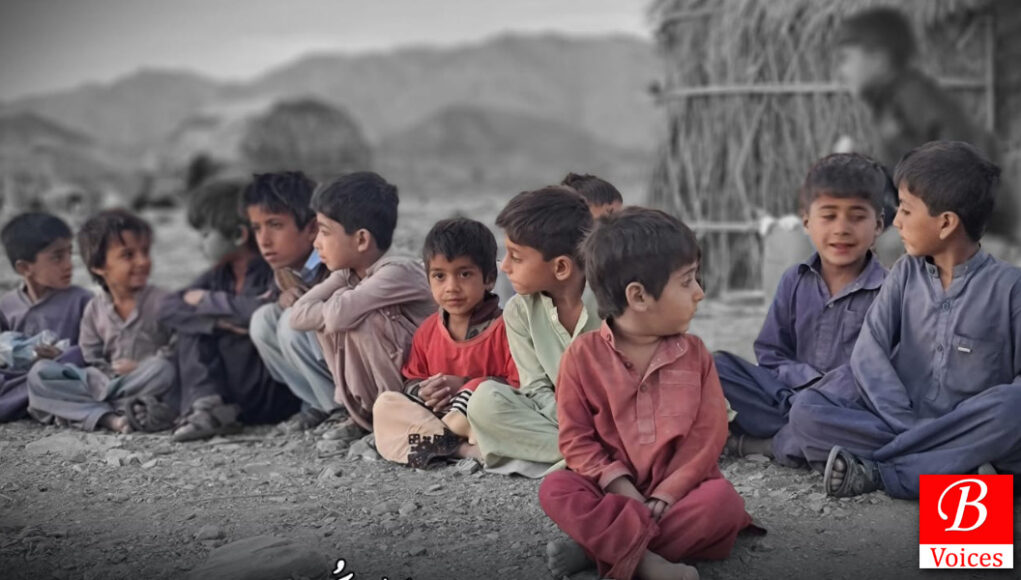 The principal goal of rural development is to improve lives in less privileged and backward areas through comprehensive development plans. Despite this, the concept of rural development is void of practical development and progress in Balochistan. Due to the failure of rural development in the province, it has become difficult for the already poverty-stricken province to overcome poverty which is rooted in rural areas. Thus, Kikken, a rural area in the Makran division, lies far off the rural development track too.
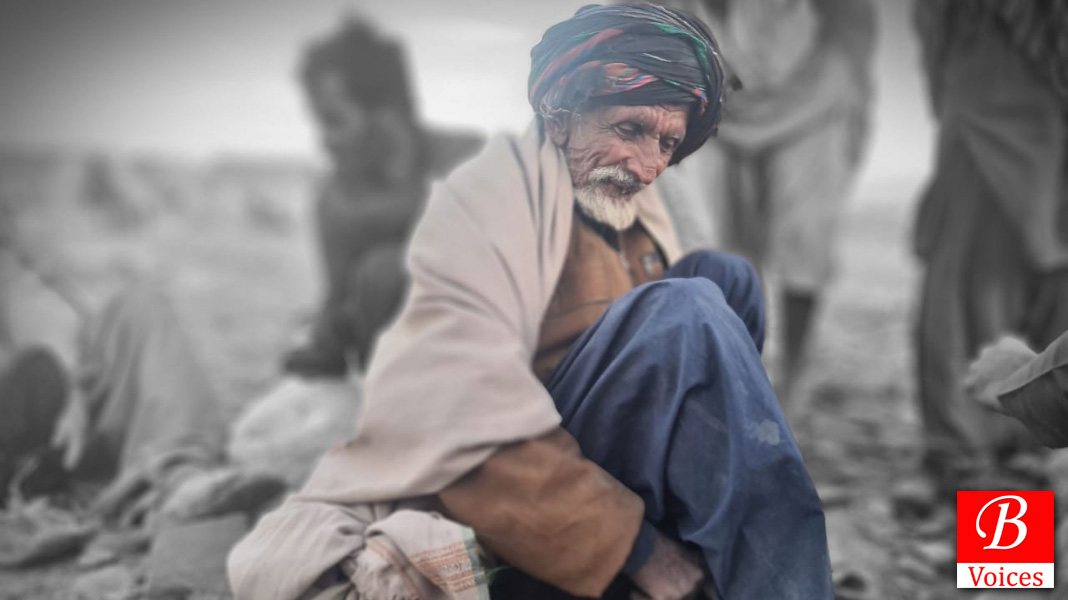
Situated 28 km to the east of Turbat, between Shahrak and Kissak, Kikken is the village left in disarray. The depressed residents of the area never avail of rural development projects. The state of education paints a gloomy picture. located close to Kech (Turbat), one of the coldest cities of Balochistan in winter, the people of the village suffer from extreme cold. Wearing coats and shoes apart, children can be seen wearing torn clothes and walking barefooted.
Unfortunately, from the development plans unleashed by the provincial government, the area remains untapped and undiscovered. In December 2020, a Non-governmental Organisation NGO, the School of All Welfare Organisation, started calling practical and online campaigns after some of their members paid a visit to the village. The campaign aimed to collect some basic stuff for the destitute majority living in the village. The one-week campaign won the trust of the people. Similarly, the campaign facilitated the village’s disadvantaged masses with several gears including blankets, shoes, coats, and clothes. The campaign, too, satiated hungry masses.

“We are thankful for this kind of assistance for providing us valuable gears and stuff. We didn’t have coats and blankets to fight against this cold December. We thought we couldn’t survive if the weather gets colder at the end of the day.” Said a resident to Kamanchar Baloch, a professional photographer from Balochistan who was one of the organizers of the campaign on behalf of the organization and visited the village.
According to Kamanchar Baloch, the area’s poverty-stricken population suffers bitterly because of the lack of development in the area. The majority of the children are raised illiterate since they don’t get the school environment in the village. Despite having a primary school, the condition of the education sector is zero. The only teacher who has been hired for the post is rarely seen teaching children, Kamanchar says further.
Moreover, Balochistan remains prone to severe poverty. Being the largest province in terms of geography, Balochistan, containing approximately two-thirds of the country’s coastline which can undoubtedly allow for ample livelihood opportunities in terms of trade and fisheries, is the second-largest province having the highest incidence of multidimensional poverty in Pakistan after FATA. Overall, 71% of the province is considered multi-dimensionally poor whereas 85% of the province is rural and 38% is urban.
No comments:
Post a Comment