Tuesday, December 22, 2020
#Pakistan - Imran Khan admits his incapacity to run the government
Deputy information secretary of Pakistan Peoples Party, Palwasha Khan in a reaction to the prime minister Imran Khan’s speech in front of his ministers has said that at last the selected and puppet prime minister has admitted his incapacity and inability to understand the people’s problems and running of the government.
In a statement Palwasha Khan said that Imran Khan had claimed of having 200 economic experts in his disposal but the economy is down the drain and no expert is seen anywhere in the government. She said that Chairman Bilawal was right to say that the government has been handed over to incapable bunch of people. Palwasha said that Imran Khan has embarrassed the selectors as well. This novice prime minister is destroying the country bit by bit. The incapable and inept government has failed in every front., Khan concluded.Prominent Pakistani rights activist found dead in Toronto

Police say they have found the body of a Pakistani dissident living in the Canadian city of Toronto on refugee status, with rights group Amnesty International and others calling for a full and transparent investigation into the circumstances surrounding her death.The body of 37-year-old Karima Mehrab Baloch was found on Monday evening, although no immediate cause of death was given by police, said Lateef Johar Baloch, a rights activist. “I am with her family [and] I was there when police came to us and confirmed that they found her body,” Lateef Baloch told Al Jazeera by telephone. “It is confirmed that she is dead, and her body was found from water near Toronto.” A Toronto police spokesperson confirmed the body of a 37-year-old woman had been located on Monday. “It is currently being investigated as a non-criminal death and there are not believed to be any suspicious circumstances,” said Caroline de Kloet, a police media relations officer. Karima had earlier been reported missing by Toronto police, having last been seen at about 3pm local time (20:00 GMT) on Sunday in the Bay Street and Queens Quay West area, according to a police statement. Rights groups and Pakistani rights activists, particularly those living on asylum status in foreign countries, have called for a thorough investigation into her death, alleging it may have been carried out by state actors.Karima was a prominent ethnic Baloch rights activist, having led the Baloch Student Organisation’s Azad faction (BSO-A), an organisation at the forefront of the political movement calling for the independence of Pakistan’s ethnic Baloch areas and documenting alleged human rights violations there.Baloch activists, particularly those calling for independence, have been subject for years to a sustained and documented campaign of enforced disappearances and extrajudicial killings, local and international rights groups say. Located in Pakistan’s southwest, Balochistan is the country’s largest but least populated province and is rich in minerals and other resources. Baloch rights groups have long decried what they term Pakistan’s extractive policy towards the region, mining it for resources but leaving it languishing at the bottom of most socioeconomic indicators in the South Asian country. For more than a decade, armed ethnic Baloch groups have also been fighting a separatist war against Pakistani security forces, killing many Pakistani security forces and civilians in attacks they say are aimed at achieving independence. Pakistan’s military routinely denies allegations of rights abuses, saying most of the region’s “missing people” are members of armed groups who fled their homes voluntarily.Karima was one of the most prominent voices calling for justice for political activists who were allegedly abducted or killed by Pakistan’s intelligence services. She took over the leadership of the BSO-A after the disappearance of its previous head, Zahid Baloch, in 2014.In 2016, the BBC named her as one of its 100 “inspirational and influential women” for that year, citing her activism.Facing threats to her life, she fled to Canada and was granted permanent political asylum in 2017. Pattern of violence “Recently, her husband told me that he got some threats regarding her [in the last week],” said Lateef Baloch, who is not related to Karima but is a close friend and associate. “People that sent messages to him saying that they will send a ‘gift’ to Karima by Christmas or something like this.” A screenshot of those threatening messages was shared with Al Jazeera. On Tuesday, international rights organisation Amnesty International called for a thorough investigation into the rights activist’s death. “The death of activist Karima Baloch in Toronto, Canada is deeply shocking and must be immediately and effectively investigated,” the group said in a tweet. “The perpetrators must be brought to justice without recourse to the death penalty.” Karima’s is the second death of a Pakistani dissident under mysterious circumstances this year. On March 2, Sajid Hussain, a Pakistani activist and journalist who often wrote on human rights violations in Balochistan and was living in self-imposed exile in Sweden, was reported missing. His body was found almost two months later in a river near the Swedish town of Uppsala, authorities said. Police did not investigate Hussain’s death as a crime, but media rights watchdog Reporters Without Borders said there was “a strong possibility that he was killed in connection with his work as a journalist”. In February, rights activist and critic of Pakistan’s powerful military Ahmed Waqass Goraya was physically attacked outside his home in Rotterdam, where he lives in self-imposed exile.Pakistani activists living in exile say the deaths and attacks come after a sustained increase in the number of threats they have faced in the last year.Taha Siddiqui, a prominent Pakistani journalist known for his strident criticism of the military, fled the country in 2018 after he escaped an attempted abduction. He was granted political asylum in France later that year. Siddiqui told Al Jazeera he had received multiple warnings from the United States and French intelligence agencies since he moved to the French capital Paris regarding threats to his life, and documented at least three incidents of what he deemed to be surveillance of his activities there. “In Pakistan, we are seeing that there has been a growing oppression and crackdown and suppression of independent voices,” he said. “Now that they’ve done it at home, it seems they are replicating that model and expanding this model globally.” https://www.aljazeera.com/news/2020/12/22/prominent-pakistani-rights-activist-found-dead-in-toronto
Suspicious Death of Baloch Activist in Toronto Raises Uncomfortable Questions for Pakistan

Well-known Baloch activist Karima Mehrab (also known as Karima Baloch) was found dead by the police in Toronto on December 21. According to media reports, Mehrab, a former chairperson of Baloch Students Organization-Azad (BSO), a separatist group proscribed in Pakistan, was found dead a day after she was reported missing. At the time of filing this report, no further details around the circumstances of her death – including the result of the autopsy – is known. However, as many media outlets have already noted, the case’s similarity with that of Sajid Hussain Baloch’s – another activist who was found dead in a river outside Uppsala, Sweden in April this year – raises the distinct possibility of foul play. Baloch activists such as the 37-year-old Mehrab have long been at the loggerheads with Pakistan’s powerful army and intelligence service, as they have demanded justice for human rights violations in Balochistan and the right to self-determination towards an independent “Azad” Balochistan. Pakistan, for its part, accuses them of being terrorists engaged in anti-state activities, and of working at the behest of archrival India and its security services. Most key Baloch activists are in exile. Resource-rich Balochistan, the largest of the five provinces of Pakistan, has acquired additional salience for Pakistan in the recent years after China’s investments there toward the construction of the Gwadar port as well as other projects under the banner of the China-Pakistan Economic Corridor (CPEC). Pakistan has also maintained that India seeks to destabilize CPEC through the deployment of Baloch separatists. Named as one the 100 most “inspirational and influential” women by the BBC in 2016, Mehrab’s asylum claim proceedings in Canada were suspended that year by the Canada Border Services Agency pending review in 2017 due to its determination that the BSO was engaged in subversive activities against Pakistan, the Toronto Sun reported in December 2016. While India has traditionally eschewed expressing overt support for Baloch activists, Prime Minister Narendra Modi broke new ground in 2016 when he referred to the province in his Indian Independence Day address on August 15. In his speech, Modi had thanked the people of Balochistan and Gilgit-Baltistan for the “goodwill” they had shown him. Three days after Modi’s speech, Mehrab appealed to him to diplomatically intervene on behalf of the Baloch people. “We appeal to you that as our brother, you speak about the genocide and war crimes in Baloch on international forums and become the voice of the sisters of Baloch,” she said at that time. However, there is little public evidence that India has provided material support to Baloch rebels despite periodic accusations by Islamabad to that effect, the latest installment of which was a “dossier” Pakistan apparently sent to the United Nations and key countries in November. According to Pakistani officials, the dossier included concrete evidence of India’s involvement in anti-Pakistan terrorist activities. While it is too early to determine who or what may have caused Mehrab’s death, pending further investigation by Canadian authorities, civilian experts of South Asian security and intelligence issues point to the distinct possibility that she was assassinated by, or at the behest of, Pakistan’s powerful Inter-Service Intelligence (ISI). When asked about the motivations that the Pakistani state may have had when it comes to the alleged assassination, School of Oriental and Asian Studies (SOAS), London professor Avinash Paliwal told The Diplomat: “The main message is to dissidents of the Pakistani security establishment the world over … that exile is not escape, and that they’ll have to cull criticism of, and activism, against the fauj [Pakistan’s Army].” “It comes at a moment when the threshold for dissent within Rawalpindi [the headquarters of Pakistan Army] is at an all-time low given the domestic situation,” he added. Pakistan is currently in the throes of major political agitation organized by a coalition of 11 opposition parties, the Pakistan Democratic Movement (PDM), against the military-backed Imran Khan government. One of the parties, the Pakistan Muslim League (Nawaz), has, in one instance during the protests, gone as far as to demand the resignation of not only Khan, but also that of army chief General Qamar Javed Bajwa and ISI chief Lieutenant General Faiz Hameed. While Khan supporters are putting up a defiant face and point to many cracks within the PDM that are already visible, there is no denying that the Pakistan military is under considerable pressure because of it. Additionally, Balochistan has seen a spate of violence over the past year. A Baloch separatist group – the Baloch Liberation Army – took responsibility for an unsuccessful attack on the Karachi Stock Exchange in June this year that killed two guards and a policeman. Paliwal suggests that all of the above-mentioned factors – Pakistan’s need to secure CPEC, the rising level of violence in Balochistan and elsewhere, as well as pressure on and within the Pakistan army – may explain the timing, should it indeed be established that Mehrab was assassinated by Pakistan-linked entities. “Pakistan’s recent dossier against India offers another contextualizing element that a momentum has been built according to the ISI which enables it to credibly counter India or those individuals and groups it perceives to be connected to India,” he added by way of an additional hypothesis.Another SOAS scholar Ayesha Siddiqa, an expert on Pakistan’s military establishment, told The Diplomat: “This is the second mysterious death of a Baluch dissident in exile in a year that is being applauded by Twitter accounts acclaimed to be close to Pakistan’s agencies.” “If the ISI is involved it would indicate the agency downgrading Western states in its estimation as places where crime can be committed without retribution or getting caught,” Siddiqa noted, echoing something Paliwal had also told The Diplomat. “The question is will the COVID-19 environment be used as creating bigger space to attack the dissidents?” Siddiqa wondered. https://thediplomat.com/2020/12/suspicious-death-of-baloch-activist-in-toronto-raises-uncomfortable-questions-for-pakistan/Karima Mehrab was outspoken in her criticism of
Pakistan’s powerful military.
Karima Baloch, Pakistani human rights activist, found dead in Canada

A dissident Pakistani human rights activist living in exile in Canada has been found dead in Toronto after going missing. Karima Baloch, 37, was granted asylum in Canada in 2016 after her work as a human rights activist in the troubled Pakistan state of Balochistan had led to her being followed and threatened by the authorities. The first chair of the Baloch Students Organization (BSO-Azad), a political student organisation, she had been advocating for the rights of those in a region home to a long-running insurgency movement, and raising the ongoing issue of enforced disappearances. She was listed by the BBC in its 100 most inspirational and influential women of 2016 for her work in human rights. Baloch is the second Pakistani dissident from Balochistan living in exile to be found dead this year. In May, Sajid Hussain, a journalist who wrote about human rights violations in Balochistan, was found dead in a river in Sweden, where he had sought asylum after threats to his life in Pakistan. Baloch’s husband, Hammal Haider, also a Pakistani activist living in exile, said she had left home at midday on Sunday for a walk on Toronto’s Centre Island as she often did, but never returned. Toronto police later put out an appeal for information on Twitter and her body was found on Monday on the island. “I can’t believe that it’s an act of suicide. She was a strong lady and she left home in a good mood,” Haider said. “We can’t rule out foul play as she has been under threats. She left Pakistan as her home was raided more than twice. Her uncle was killed. She was threatened to leave activism and political activities but she did not and fled to Canada.” Later on Tuesday, Toronto police said Baloch’s death was “currently being investigated as a non-criminal death and there are not believed to be any suspicious circumstances.” They did not provide further details. But Haider said a month ago he had received multiple threatening messages over social media after raising the issue of human rights abuses and military operations in Balochistan. He said: “I was told that my brothers and wife can be targeted. I didn’t take them seriously. We often get such trolls and threats while talking about human rights abuses. Lateef Johar, a Baloch activist and close friend in exile in Canada, told the Guardian the police had said Baloch’s body had been found near a body of water. “The police have not provided any further details. They have not told us the cause of death nor have they returned the body of Karima.” Johar said he had met Baloch on Thursday at the University of Toronto, where they were both students. They talked on the phone on Friday. “I don’t think this is an accident or an act of suicide,” Johar said. “We all feel threatened here. Even after the killing of Sajid Hussain I fear when I find myself in a dark street.” Amnesty International said: “The death of activist Karima Baloch in Toronto, Canada is deeply shocking and must be immediately and effectively investigated. The perpetrators must be brought to justice without recourse to the death penalty.” Since moving to Canada, Baloch had continued to be vocal about human rights abuses in her home province and across Pakistan. She regularly spoke at conferences, addressed the media and attended protest rallies in Canada. “She had received threats from unknown Pakistani numbers on WhatsApp after a few Baloch students were abducted in late 2017,” said Johar. “Those threats also mentioned me. She was asked to come back to Pakistan and told that if she comes back, the cases against her would be quashed and those abducted students would be freed.” The Swedish authorities ruled out foul play in the death of Hussain but an autopsy did not confirm an exact cause of death. A friend of the family who has seen the autopsy report and police investigation told the Guardian: “The family was not convinced by the investigation and they have requested for more evidence from the Swedish authorities. Their request has yet to be entertained.” https://www.theguardian.com/world/2020/dec/22/karima-baloch-pakistani-human-rights-activist-found-dead-in-canada
Husband says foul play cannot be ruled out after body of 37-year-old dissident discovered in Toronto.

Monday, December 21, 2020
#Pakistan - A colossal foreign policy failure
- Pakistan’s relations with Gulf
Pakistan has a history of decades of warm relations with the Gulf countries which has benefitted both sides. The agreement about the return of Gwadar to Pakistan from Oman was a landmark event under Prime Minister Feroz Khan Noon. Pakistan provided manpower that played a significant role in the massive development of the Gulf region’s infrastructure, trained its military personnel and helped set up airlines in the Gulf. The Gulf provided jobs to tens of thousands of Pakistanis whose remittances became an important source of the much needed foreign exchange to Pakistan. Despite occasional problems, the relations never lost their warmth.
Relations with Saudi Arabia suffered a strain earlier this year when FM Qureshi, in an unusually sharp warning, asked Saudi Arabia-led OIC to stop dilly-dallying on the convening of a meeting of its Council of Foreign Ministers (CFM) on Kashmir. Pakistan was subsequently required to pay back $1 billion out of a $3 billion Saudi loan after the kingdom reportedly decided to reduce its financial support. Meanwhile, the UAE suspended issuance of work or employment visas to Pakistan. Had the ban been related to Covid-19, India and not Pakistan would have faced the restriction. There must have been some other reason that the government is reluctant to reveal.
Initially the PTI government flatly denied the suspension of visas with SAPM Zulfikar Bukhari asserting that the UAE authorities had maintained there was no ban on the export of Pakistani workforce. This was a patent untruth. Despite staying in Dubai for two days, FM Qureshi failed in his mission to persuade Sheikh Mohammed bin Rashid Al Maktoum, vice president and prime minister of the UAE, to lift the ban.
Since the ban that came into effect on Nov 18, one recruitment agency in Rawalpindi alone is reported to have lost 3,000 jobs that have now been avowedly diverted to India. That a country which is home to 1.2m Pakistanis is arbitrarily taking such a harsh position on the entry of Pakistani citizens is deeply troubling and can have serious implications for long-term ties.
The government should come upfront about the reasons behind the UAE’s decision instead of remaining in a state of denial over an issue that can have serious consequences for tens of thousands of Pakistanis. It would hurt Pakistan a lot if the ban was to continue.
https://www.pakistantoday.com.pk/2020/12/21/a-colossal-foreign-policy-failure/
Imran Khan Should Resign If He Cannot Provide Solutions To People's Problems, Says Bilawal Bhutto
 Pakistan Peoples' Party (PPP) chairman Bilawal Bhutto-Zardari lashed out at the Prime Minister Imran Khan-led government for being unaware of ground realities, while calling for the premier to resign if he cannot provide solutions to the issues faced by the public.
Cornering Khan, the opposition leader said that the 'puppet' premier could not give an answer as to what he was doing for the public, which was 'enough evidence' for him to resign.
"If he does not have solutions for addressing the people's issues, he should resign. We have solutions for providing relief to the people," he asserted.
Speaking about the long march planned for next year by the opposition's 11-party alliance Pakistan Democratic Movement (PDM), Bilawal said that Khan would not be able to 'save himself' once the long march begins, Dawn reported.
Earlier, Pakistan Muslim League-Nawaz (PML-N) spokesperson Marriyum Aurangzeb had stated that the current Pakistan Tehreek-e-Insaf (PTI) government had nothing to show for its two years in power, according to Dawn.
"Did they manage to eliminate corruption? For two-and-a-half years they have used national institutions to exact political revenge under the guise of accountability," she had told reporters in Islamabad.
Aurangzeb further highlighted that inflation had risen in the country and the economy was not stabilised, and added that despite the government's claim of not taking any loans, it had taken out loans worth billions in an effort to "hide its own theft".
Earlier this month, the PDM demanded the Imran Khan-led government to quit by January 31 or face intensified movements by opposition parties such as the long march to Islamabad.
According to a Geo News report, PML-N Vice President Maryam Nawaz in her address at Minar-i-Pakistan last week urged supporters to answer the call for a march to Islamabad.
The next general elections in Pakistan are scheduled for 2023.
#Pakistan #PPP - Time for dialogue is over and now time is for long march

Sunday, December 20, 2020
Campaign intensifies to free renowned Saudi women's-rights activist and UBC alumna Loujain al-Hathloul
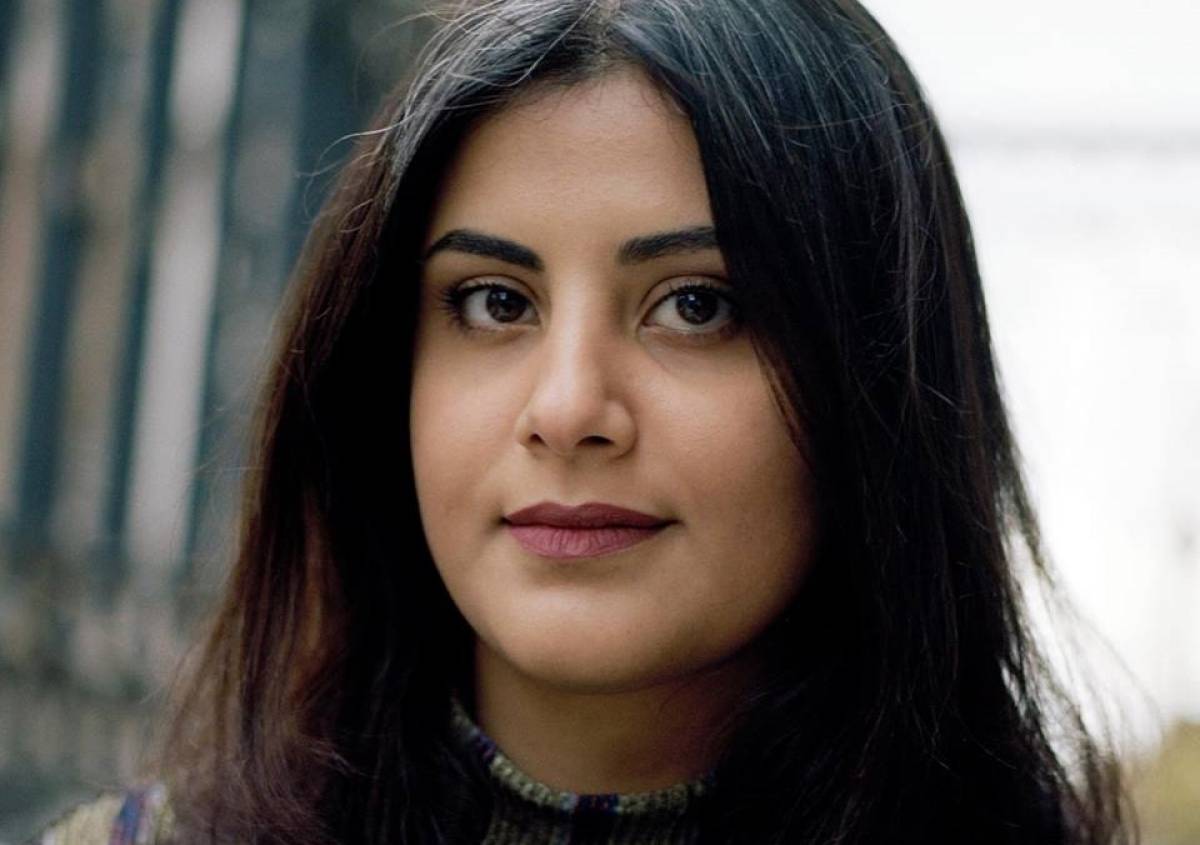 The #StudentsForLoujain movement wants the Canadian government to ramp up pressure on Crown Prince Mohammed bin Salman.
Saudi Arabia's ruler, Crown Prince Mohammed bin Salman, has been employing many public-relations tactics to persuade the world that he's not a bloodthirsty dictator.He's befriended White House senior adviser Jared Kushner, son-in-law of Donald Trump. In addition, the Saudi strongman has backed off criticizing the State of Israel.
MBS, as he's known, has even plastered his face on billboards in the U.K., purporting that he's opening Saudi Arabia to the world.But the world will never forget how Washington Post columnist Jamal Ahmad Khashoggi, a fierce critic of MBS, was executed and dismembered by Saudi agents inside the Saudi consulate in Istanbul in 2018.And in 2019, Saudi authorities escalated their repressive tactics at home, according to Amnesty International, cracking down on freedom of expression and freedom of assembly. "They harassed, arbitrarily detained and prosecuted dozens of government critics, human rights defenders, including women’s rights activists, members of the Shi’a minority and family members of activists. Shi’a activists and religious clerics remained on trial before a counter-terror court for expressing dissent," Amnesty International stated in its country report on Saudi Arabia. "The authorities used the death penalty extensively, carrying out scores of executions for a range of crimes, including drug offences." #StudentsForLoujain campaign launched Now, a former University of British Columbia student is caught up in the horrific Saudi legal system. And students in Canada are trying to free her.Loujain al-Hathloul, 31, could face 20 years in jail, according to the Guardian.She's being tried in terrorism court—yes, terrorism court—reportedly for "defying the country's ban on women driving and for campaigning for an end to the male guardianship system, which makes women second-class citizens".Driving while female is still a crime in that country, regardless of what you're being told by public relations consultants on MBS's payroll.Her relatives have told the Guardian that she's been sexually assaulted and tortured. That won't come as a surprise to Canadians who are familiar with the story of William Sampson.He was a Canadian and former member of the Seaforth Highlanders in Vancouver who was subjected to similar abuse at the hands of Saudi prison guards. This was after being sentenced to death for a bomb blast that was actually done not by him, but by opponents of the Saudi regime. Sampson died prematurely of a heart attack in his early 50s, no doubt a result of what he endured at the hands of this vicious and despicable regime. MBS's charm offensive in the West should be seen for what it is—a disgusting attempt to cover up his continuing assault on freedom and his stained reputation as one of the worst human-rights abusers in the world.The proof is on display in the execution of Khashoggi, the imprisonment and likely torture of writer Raif Badawi, and the trial and abuse of al-Hathloul, who should be seen as a national hero for her bravery. Students across Canada are campaigning for al-Hathloul's freedom by trying to pressure Foreign Affairs Minister François-Philippe Champagne to escalate efforts to liberate her from this tyrannical treatment. "As a member of our student community, Ms. Al-Hathloul is the embodiment of the values of equity, equality, and justice that we strive to uphold," UBC student associations stated in their letter to the minister. "Loujain has been a bold and courageous champion for women's rights," they continued. "As an advocate, she has stood up for women's rights to operate vehicles and for opposing laws around male guardianship." They're using the hashtag #StudentsForLoujain. The Concordia Student Union, Capilano Students' Union, University of Victoria Students' Society, Camosun College Student Society, Douglas Students Union, Emily Carr Students Union, Justice Institute Students' Union, and several others have joined the campaign. You can participate too by writing to the foreign affairs minister or by making your views known over social media. The world has largely turned a blind eye to Saudi Arabia's war crimes in Yemen, done with the complicity of the United States. That's been documented by Human Rights Watch. Everyone knows what a ghastly human being MBS is. If he's truly interested in conducting some genuine public relations that makes a real difference in the world, he'll step in and stop the persecution of Loujain al-Hathloul. That's the very least he could do to convince the world that he's not an utterly irredeemable thug. https://www.straight.com/news/campaign-intensifies-to-free-renowned-saudi-womens-rights-activist-and-ubc-alumna-loujain-al
Russia needs to protect borders given risks of smoldering regional conflicts - Putin

Russian President Vladimir Putin stressed the need to effectively protect its state border given the risks of smoldering conflicts in neighboring countries. "We need to ensure a more effective protection of the state border, moreover given the risks of smoldering regional conflicts near our borders," Putin highlighted during a visit to the Foreign Intelligence Service’s headquarters. Putin ordered to pay serious attention to information security, fight against extremism, corruption and economic crimes. In their turn, staff members of the Federal Protective Service should continue effectively ensuring security of state facilities and vital events, while the Main Directorate of Special Programs should handle "a broad range of tasks on boosting stability of work of key state bodies and communications systems in any and even the most challenging situation," he said. Russia’s intelligence services should continue a resolute struggle against terrorism, which has made it possible to significantly cut the number of such crimes, Russian President noted. According to Putin, the number of terrorism-related crimes in Russia over the past years has significantly decreased. Just two such crimes were registered in the past 11 months of this year compared with 36 in 2015. "A huge everyday dangerous and hard work and its new quality are behind this statistics. The staff of the Federal Security Service and other services under the auspices of the National Anti-Terrorism Committee should continue acting in the same resolute and consistent way," he stated. Putin also compared the current situation not only with the mid-1990s and early 2000s, but also with 2010, when some 779 terrorism-related crimes were recorded in Russia. The Russian people "have a score to settle with" international terrorism, Putin noted. "We remember everyone who died defending Russia against this harsh enemy, which our country faced at the most challenging time of its history," the president stated. https://tass.com/politics/1237609
Xi Jinping Thought on Diplomacy guides China's actions as responsible country amid pandemic

This has been achieved under the guidance of Xi Jinping Thought on Diplomacy.
The thought consists of 10 principles including building a global community of shared future to safeguard world peace and promote common development, pursuing peaceful development on the basis of mutual respect and win-win cooperation, and steering reform of the global governance system to promote greater equity and justice.
The key principles also include pursuing major-country diplomacy with distinctive Chinese features to accomplish the great rejuvenation of the Chinese nation, pursuing the Belt and Road Initiative under the principles of extensive consultation and joint contribution to benefit all, and upholding China's sovereignty, national security, and development interests as the core and non-negotiable position.
UPHOLDING COOPERATION TO AID ANTI-VIRUS FIGHT
Over the past year, President Xi Jinping has engaged in intensive head of state diplomacy.
He held more than 80 meetings and phone calls with foreign leaders and heads of international organizations, and attended over 20 important diplomatic events, including "cloud diplomacy" through the innovative virtual platform.
Xi proposed enhancing solidarity, following the guidance of science, giving full play to the leading role of the World Health Organization (WHO), and launching a joint international response to beat the pandemic.
Since the beginning of the COVID-19 outbreak in China, the government has worked closely with the WHO and the international community in an open, transparent, science-based and responsible manner.
China organized its largest global humanitarian campaign since 1949, providing anti-virus assistance to over 150 countries and nine international organizations and sent 36 medical teams to 34 countries in need.
China has joined COVAX, a global initiative backed by the WHO, to ensure effective and equitable global access to vaccines.
Xi promised on various occasions to make China's COVID-19 vaccines a "global public good."
ADVANCING OPENING-UP TO FACILITATE ECONOMIC RECOVERY
As the world's second-largest economy, China has deepened reform and opening-up across the board and actively pursued mutually beneficial cooperation to provide impetus and confidence for the world to cope with the deepest recession since World War II.
China is expected to become the only major economy to register positive growth this year.
Xi said in order to promote global recovery, the international community must close ranks and jointly respond to this crisis and meet the test, and keep global economy open.
China practiced what it preached. Over the past year, it continued to open up to the world.
In the first eight months this year, China's trade with Belt and Road partners reached 5.86 trillion yuan (about 896 billion U.S. dollars), and Chinese companies made 30 percent more non-financial direct investment in the partner countries year-on-year.
The third China International Import Expo was attended by over 3,600 companies from more than 150 countries and regions, sharing with the world the benefits and opportunities generated by the country's economic recovery and opening-up.
UPHOLDING MULTILATERALISM TO FACILITATE GLOBAL GOVERNANCE REFORM
As the world is caught up in headwinds and setbacks in global governance, Xi has expounded on China's perspectives on global governance while attending major multilateral meetings and put forward China's proposals on tackling global challenges.
"History teaches us that multilateralism, equity and justice can keep war and conflict at bay, while unilateralism and power politics will inflate dispute and confrontation," Xi said.
At various virtual meetings, Xi urged the G20 members and BRICS countries to safeguard the UN-centered international system and the international order underpinned by international law, calling the United Nations "the core institution for addressing international affairs through cooperation."
Xi has also called for forging broader consensus and stronger synergy in building a clean and beautiful world where man and nature coexist in harmony.
Supporting international cooperation on climate change, China promised that it will strive to peak CO2 emissions before 2030 and achieve carbon neutrality before 2060, demonstrating its readiness to contribute to global ecological preservation.
Actions to promote the Xi-proposed vision of a community with a shared future for mankind have been well underway, and China's proposals for building communities with a shared future in various fields including cyberspace, ocean and health have been warmly received.
Afghanistan: Challenges For Joe Biden Administration – Analysis
#Pakistan - Total active Covid-19 cases reach 40,553 as 2,615 more test positive

* Punjab's tally witnesses another spike with 722 new infections, 46 deaths
* Nearly 3,000 more recoveries reported across country.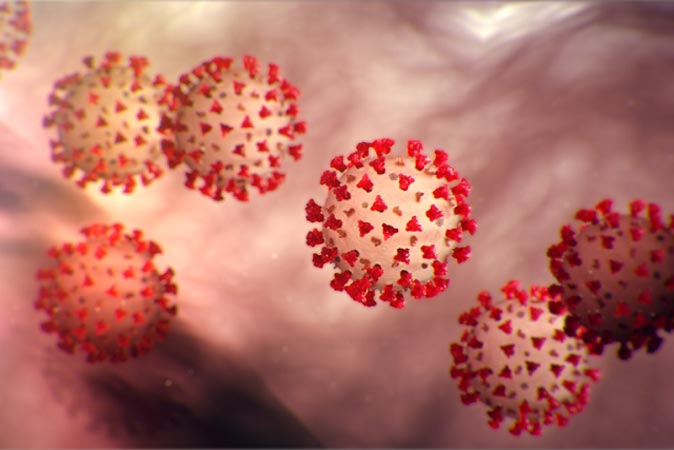
Eighty corona patients, 68 of whom were under treatment in hospital and 12 in their respective homes or quarantines died on Saturday, according to the latest update issued by the National Command and Operation Centre (NCOC). Most of the deaths had occurred in Punjab followed by the Sindh. It added that out of the total 80 deaths during last 24 hours 44 patients died on ventilators. No Covid-affected person was on ventilator in Balochistan and Gilgit Baltistan (GB) while 272 ventilators were occupied elsewhere in Pakistan. The maximum ventilators were occupied in four major areas including Multan 46 percent, ICT 44 percent, Peshawar 26 percent and Lahore 33 percent.The oxygen beds were also occupied in four major areas as in Rawalpindi 40 percent, Abbottabad 41 percent, Peshawar58 percent and Multan 38 percent. Some 37,206 tests were conducted across the country on Sunday, including 10,372 in Sindh, 14,622 in Punjab, 5,488 in Khyber Pakhtunkhwa (KP), 5,403 in Islamabad Capital Territory (ICT), 428 in Balochistan, 412 in GB, and 481 in AJK. Around 407,405 people have recovered from the disease so far across Pakistan making it a significant count with over 86 percent recovery ratio of the affected patients. Since the pandemic outbreak, a total of 457,288 cases were detected that also included the perished, recovered and under treatment COVID-19 patients so far, including AJK 7,961, Balochistan 17,909, GB 4,822, ICT 36,117, KP 54,948, Punjab 131,428 and Sindh 204,103. About 9,330 deaths were recorded in country since the eruption of the contagion, including 3,319 Sindh among 13 of them died in hospital and Four out of hospital on Saturday, 3,604 in Punjab 41 of them died in hospital and Five out of hospital on Saturday, 1,536 in KP 12 of them died in hospital and Three out of hospital on Saturday, 389 in ICT One of them died in hospital on Saturday, 179 in Balochistan, 99 in GB and 204 in AJK where One of them died in hospital on Saturday. A total of 6,301,341 corona tests have been conducted so far, while 615 hospitals are equipped with COVID facilities. Some 2,891 corona patients were admitted in hospitals across the country. Three restaurants in Karachi’s Pearl Continental Hotel were sealed Saturday night for violating the government’s coronavirus SOPs. For restaurants, the SOPs include maintaining social distance between patrons, outdoor dining, wearing masks and closing at 10pm. The three restaurants did not close on time. The restaurants are Chandani Restaurant, Tai Pan and Sakura. https://dailytimes.com.pk/704363/total-active-covid-19-cases-reach-40553-as-2615-more-test-positive/
Women rally to save #Pakistan’s taboo-busting ‘Oprah show’
SSP has more than 250,000 very active and vocal members, the majority of whom are aged between 18 and 35 and it was important to Kanwal that SSP should be an inclusive space for women of all backgrounds, including religious minorities, she said.Any platform that unites such a diverse range of women will face controversy and many conservatives have accused Ahmed of promoting “promiscuity” and “wild behaviour”. “SSP hosts a very diverse audience and the kinds of topics we discuss include those that are often considered shameful, so the SSP community routinely gets targeted for ‘leading women astray’,” said Ahmed. “When you try to challenge problematic norms, the backlash will occur. But it doesn’t mean we will back down. We only keep fighting harder.” Two years ago, Ahmed was selected as a community leader by Facebook in recognition of her efforts to use the social network to help others. She used its grant to launch Conversations with Kanwal on YouTube. “I wanted the things we championed for in the group to be talked about outside of it too, and hence within society at large. It was empowering for women to watch these stories and know they were not alone. Watching the struggles gave them strength and the happy endings gave them hope.” While the grant sustained the series for two seasons, it wasn’t enough to keep the show going, but despite hitting 30 million views – matched only by the most popular soap operas – most mainstream channels refused to touch the format because it was deemed too controversial, while others found it too hardhitting and wanted Ahmed to add a “beauty segment,” or comedy skit. Like her Soulies, Ahmed turned to SSP for advice and launched a Kickstarter campaign. Donations flooded in, from a few rupees to thousands of dollars. “Financial independence is not considered a birthright for those who identify as women. Many women either open a joint account with a male counterpart or only deal in cash, which is why it’s such a big deal,” said Ahmed. “It truly is a show that is powered by the people.” https://www.theguardian.com/world/2020/dec/20/women-rally-to-save-pakistans-taboo-busting-oprah-show
Pakistan: Government Urged To Review Christmas Guidelines
By Kamran Chaudhry
Church leaders are urging the Pakistan government to revise coronavirus guidelines for Christmas events regarding the prohibition of carpets in churches.
The Ministry of National Health Services, Regulations and Coordination on Dec. 16 issued guidelines that prohibited carpets or mats in churches, touching Christmas trees, traditional gift exchange and recommended minimal travel during Christmas holidays.
“With the Covid-19 pandemic in full rage, the safest thing that can be done during this Christmas holiday is to stay home. There should be limited in-person contacts during holiday preparations and celebrations,” it states.
“In such events, prevention of importation of the virus from one household to other and other places like shopping malls and churches is an essential element in avoiding or minimizing the occurrence of infection and of serious outbreaks in these settings and beyond. Precautions are required by the public, especially the Christian community to protect themselves and prevent transmission.”
“There are no pews in our church. The faithful have been praying cross-legged for decades. It is Pashtun culture to sit for dining and praying. It will be impossible for them to sit on a freezing floor. We cannot arrange so many benches in one week,” he told UCA News.
The majority of churches constructed during the British era are equipped with pews. Originally meant for British Army officers and their families, they later became part of the local community. However, the later churches simply use carpets.
Churches already display banners for precautions from the virus. Caritas Pakistan has conducted awareness sessions and distributed masks and food for Covid-affected families in churches around the country. A notification of 10 guidelines, posted near the entrance of Sacred Heart Cathedral in Lahore, bans cake cutting inside churches or feasts in church compounds.
In his Christmas message, Archbishop Sebastian Shaw of Lahore urged all to pray for an end to the outbreak.
“The advent season has spread happiness and hope for good days amid dangers of the pandemic. Let us pray that this Christmas becomes the feast of recovery of public health. May employment opportunities open, a culture of peace begin and our country come out of the present crisis,” he said.
According to Lutheran Bishop Jimmy Mathew of Mardan in Khyber Pakhtunkhwa province, almost all Pentecostal churches in Northern Province are carpeted with no benches.
“We are discouraging large gatherings and Christmas fairs in church compounds. Christmas carol services scheduled in the last week of December have been canceled,” he said.
“We agreed to open our doors for ventilation during Christmas Masses despite the winter season. However, a common strategy won’t work. The government should enforce SOPs [standard operating procedures] as per the nature of the district.”
According to the National Command and Operations Centre, the virus claimed 1,073 lives in Pakistan in the first 17 days of December.
The number of Covid-19 cases reached 451,494 after 2,972 new infections were detected in the last 24 hours, the Ministry of National Health Services said. The number of deaths in Pakistan has reached 9,164, it said, adding that 84 people had died in the previous 24 hours.
https://www.eurasiareview.com/20122020-pakistan-government-urged-to-review-christmas-guidelines/
Father Tariq Mehmood, parish priest of St. John Vianney Church in Peshawar, capital of Khyber Pakhtunkhwa province, is disturbed by the latest guidelines.
Saturday, December 19, 2020
A Covid-19 Surge and Conspiracy Theories Roil Pakistan

By Zia ur-Rehman and Emily SchmallPublic apathy and suspicion, and the government’s inability to enforce health restrictions, are feeding a second wave in a country with a limited social safety net.Iqbal Shaheen, a taxi driver, drove his sick father to this city’s three main hospitals. All of their intensive care beds and ventilators were occupied. Mr. Shaheen was told there might be room at a private hospital, for $625 a day, far above what his earnings of $10 a day could cover. He took his father home to die. “The poor cannot afford to be sick,” Mr. Shaheen said. “Without political connections, a coronavirus patient cannot get admitted at a public hospital, while paying a private hospital’s bills is unthinkable.” As winter sets in, cold weather, pollution and public apathy to the coronavirus are weighing heavily on Pakistan’s limited health care system. Pakistan’s Covid-19 positivity rate has rocketed up to about 7.7 percent of tests administered in recent weeks from only 2 percent in October, prompting a plea from health experts and doctors in Karachi for the government to impose a strict nationwide lockdown. Prime Minister Imran Khan has closed schools but has ruled out a second lockdown, saying it would decimate the economy. “We don’t want to lead people to death due to hunger, while saving them from coronavirus,” Mr. Khan told journalists in November. By official figures, Pakistan is weathering the coronavirus better than the United States, Europe and neighboring India. Total infections have reached 448,522, according to researchers at Johns Hopkins University using official figures, and more than 9,000 people have died. Still, cases are surging, and limited testing compared with other countries suggests the virus could be racing through the country at an even higher rate. Health experts cite ineffective government limits on personal contact and widespread doubts, often fueled by conspiracy theories, that Covid-19 poses a threat. Pakistan was also lulled into a false sense of security. A widely predicted rise in infections over the summer failed to show up in official numbers. Government restrictions on travel or the overall youth and resilience of Pakistan’s population may have contributed. “Pakistanis remained safe during the first wave and didn’t face a serious situation like seen in other countries, mainly because of God’s special blessings,” said Dr. Qaiser Sajjad, a leader of the Pakistan Medical Association. The second wave is proving more lethal. Some hospitals are turning away patients. In Dr. Ruth Pfau Civil Hospital in Karachi, managers are scrambling for beds. “The government seems to have failed to enforce health guidelines,” Dr. Sajjad said. At the Holy Family Hospital in the city of Rawalpindi, virus wards that had been nearly empty are beginning to fill. Now, about a quarter of the 120-bed facility has been taken up, said Dr. Akhtar Mehmood, the hospital’s coronavirus coordinator, though patients are in worse condition than during the first wave. “This is a major difference,” he said, adding that the hospital can take more patients as needed. Despite the rise, people in Karachi show few signs of concern. Even as the positive testing rate topped 18 percent in the city of 20 million, markets were packed with shoppers without masks. Buses were full. Overflow passengers rode on the roofs. Winter is wedding season. At night, people embrace and shake hands at crowded indoor ceremonies.
Over the summer, when official figures showed infections falling, Mr. Khan’s government credited its strategy of limited lockdowns. It had called in the Pakistan military, which plays an outsize role in the democratic country’s politics and is relatively well-organized and disciplined compared with the civil government. It also cited knowledge it had gained through a polio eradication effort.
“One clear consistent hallmark has been a coordinated, professional, data-driven, epidemiological response,” said Dr. Faisal Sultan, an adviser to Mr. Khan and Pakistan’s de facto health minister. “That’s the one thing that differentiates Pakistan from other countries.”
بے نظیر بھٹو کی پکار۔۔۔ الوداع پاپا

ایک تیز رفتار جیب میں ہمیں جیل پہنچا دیا گیا۔حفاظتی افواج کے پیچھے خوف زدہ لوگوں کا ہجوم تھا جنہیں اپنے وزیراعظم کی قسمت کے متعلق کوئی خبر نہیں ، جیل کی میٹرن نے میری والدہ اور میری تلاشی لی ، ایک مرتبہ جب ہم سہالہ کے قید خانہ سے روانہ ہوئیں اور دوسری مرتبہ سنٹرل جیل پہنچیں
آج تم دونوں اکٹھی یہاں کیوں آئی ہو؟میرے والد نے اپنی کال کوٹھڑی کی دوزخ سے آواز دی
میری والدہ نے کوئی جواب نہ دیا
ذوالفقارعلی بھٹو :کیا یہ آخری ملاقات ہے؟
میری والدہ جواب دینے کا یارا نہیں رکھتیں
بے نظیر بھٹو :میرا خیال ہے ایسا ہی ہے
وہ جیل سپرنٹنڈنٹ سے پوچھتے ہیں
ذوالفقارعلی بھٹو :کیا یہ آخری ملاقات ہے ؟
ہاں
جواب میں جیلر کہتا ہے جیل سپرنٹنڈنٹ حکومت کا یہ پیغام دیتے ہوئے شرمسار محسوس ہوتا ہے
ذوالفقارعلی بھٹو: کیا تاریخ کا تعین ہوگیا ہے ؟
جیل سپرنٹنڈنٹ : کل صبح
ذوالفقارعلی بھٹو: کتنے بجے؟
جیل سپرنٹنڈنٹ : جیل قواعد کے مطابق صبح پانچ بجے
ذوالفقارعلی بھٹو: یہ اطلاع تمہیں کب ملی؟
جیل سپرٹنڈنٹ : کل رات۔۔۔۔۔ اس نے رکتے رکتے جواب دیا
میرے والد اسے نظر بھر کے دیکھتے ہیں
ذوالفقارعلی بھٹو :اپنے اہل وعیال سے ملاقات کا کتنا وقت دیا گیا ہے
جیل سپرٹنڈنٹ : نصف گھنٹہ
ذوالفقارعلی بھٹو : جیل قواعد کے مطابق ہمیں ایک گھنٹہ ملاقات کا حق ہے ۔
جیل سپرنٹنڈنٹ : صرف نصف گھنٹہ ۔۔ سپرنٹنڈنٹ دہراتا ہے ۔ یہ میرے احکامات ہیں
ذوالفقارعلی بھٹو : غسل اور شیو کرنے کے لیے انتظامات کرو۔ دنیا خوبصورت ہے اسے میں اسی حالت میں الوداع کہنا چاہتا ہوں
صرف نصف گھنٹہ اس شخص سے ملاقات کے لیے ۔۔۔۔ صرف نصف گھنٹہ جو مجھے زندگی کی ہرشے سے زیادہ عزیز ہے سینے میں درد سے گھٹن محسوس ہوتی ہے مجھے رونا نہیں چاہیے مجھے اپنے ہوش بھی نہیں کھونے چاہیں کیونکہ اس طرح میرے والد کی ازیت بڑھ جائے گی۔
وہ فرش پر پڑے گدے پر بیٹھے ہوے ہیں ان کی کوٹھڑی میں اب صرف یہ فرنیچر باقی رہ گیا ہے جیل حکام کرسی اور میز لے جاچکے ہیں چارپائی بھی وہاں سے اٹھائی جاچکی ہے۔میگزین اور کتابیں جو میں پاپا کے لیے لاتی رہی تھی وہ میرے حوالے کرتے ہوئے کہتے ہیں
ذوالفقر علی بھٹو پنکی سے : انہیں لے جاو میں نہیں چاہتا یہ لوگ میری کسی چیز کو ہاتھ لگائیں
وہ چند سگار جو ان کے وکلا وہاں چھوڑ گئے تھے میرے حوالے کرتے ہیں
ذوالفقارعلی بھٹو ؒ میں آج شب کے لیے صرف ایک رکھ لیتا ہوں ۔شالیمار کولون کی شیشی بھی رکھ لیتے ہیں ۔وہ اپنی انگوٹھی بھی مجھے دینا چاہتے ہیں لیکن میری والدہ نہیں کہتی ہیں اسے پہنے رکھیں وہ کہتے ہیں اچھا ابھی میں رکھ لیتا ہوں لیکن بعد میں بے نظیر کے حوالے کردی جائے۔
موت کی کوٹھڑی میں روشنی مدھم سی ہے میں انہیں صاف طورپر نہیں دیکھ سکتی۔ اس سے قبل ہر ملاقات کوٹھڑی میں ان کے پاس بیٹھ کر ہوتی رہی لیکن آج ایسا نہیں ہے ۔کوٹھڑی کے باہر دروازے کی سلاخوں کے ساتھ میں اور میری والدہ سکڑ کر بیٹھی ہوئی ہیں۔باتیں کھسر پھسر کے انداز میں کرتے ہیں۔دوسرے بچوں کو میرا پیار دینا وہ میری ممی سے کہتے ہیں۔
ذوالفقارعلی بھٹو : میر، سنی ، اور شاہ کو بتانا میں نے ہمیشہ ایک اچھا باپ بننے کی کوشش کی اور میری خواہش ہے کہ کاش انہیں بھی الوداع کہہ سکتا ۔۔ میری والدہ سرہلاتی ہیں منہ سے کچھ نہیں بول سکتیں
ذوالفقارعلی بھٹو : تم دونوں نے بہت تکالیف اٹھائی ہیں ۔۔ وہ کہتے ہیں ۔۔۔وہ آج مجھے قتل کرنے جارہے ہیں۔میں تمہیں تمہاری مرضی پر چھوڑتا ہوں اگر چاہو تو پاکستان سے اس وقت تک باہر چلے جاو جب تک آئین معطل ہے اور مارشل لا نافذ ہے اگر تمہیں ذہنی سکون چاہئے اور زندگی نئے سرے سے گذارنا چاہتی ہو تو یورپ چلی جاو میری طرف سے اجازت ہے ۔
نہی نہیں ممی کہتی ہیں ہم نہیں جاسکتے ہم کبھی نہیں جائیں گے جرنیلوں کو کبھی یہ تاثر نہیں دیں گے کہ وہ جیت چکے ہیں
اور تم پنکی ۔۔۔ میرے والد پوچھتے ہیں
میں بھی کبھی نہیں جاسکتی میرا جواب ہے
وہ مسکراتے ہیں ۔۔ میں بہت خوش ہوں ۔۔ تم نہیں جانتی مجھے تم سے کتنا پیار ہے
تم میری لعل ہو اور ہمیشہ رہی ہو
وقت ختم ہوچکا ہے
سپرنٹنڈنٹ پکارتا ہے وقت ختم ہوچکا ہے
میں سلاخوں کو پکڑ لیتی ہوں
براے مہربانی کوٹھڑی کا دروازہ کھول دو میں اپنے پاپا کو الوداع کہنا چاہتی ہوں
سپرٹنڈنٹ انکار کردیتا ہے میں دوبارہ التجا کرتی ہوں میرے والد پاکستان کے منتخب وزیراعظم ہیں میں ان کی بیٹی ہوں یہ ہماری آخری ملاقات ہے مجھے ان سے مل لینے دو۔۔ سپرٹنڈنٹ انکار کردیتا ہے
سلاخوں کے درمیان سے میں اپنے والد کے جسم کو چھونے کی کوشش کرتی ہوں وہ اس قدر نحیف و ناتواں ہوچکے ہیں۔ملیریا ، پیچس اور ناکافی خوراک کھانے کی وجوہ سے جسم بالکل نحیف اور باریک ہوچکا ہے لیکن وہ سیدھا اٹھ بیٹھتے ہیں اور میرے ہاتھ کو چھولیتے ہیں۔
ذوالفقارعلی بھٹو کے آخری الفاظ
آج شب علائم دنیا سے آزاد ہوجاوں گا۔ چہرے پر ایک چمکتی روشنی لئے کہتے ہیں
میں اپنی والدہ اوراپنے والد کے پاس چلا جاوں گا۔ میں لاڑکانہ میں اپنے اجداد کی زمینوں کی طرف واپس جارہا ہوں تاکہ اس سرزمین کا ، اس کی خوشبو اور اس کی فضا کا حصہ بن جاوں
خلق خدا میرے بارے میں گیت گاے گی میں اس کی کہانیوں کا جاوداں حصہ بن جاوں گا
وہ مسکراتے ہوئے کہتے ہیں لیکن لاڑکانہ میں آج کل بہت گرمی ہے
میں وہاں ایک سائبان تعمیر کردوں گی۔میں بمشکل کہہ سکی۔۔۔ جیل حکام آگے بڑھتے
الوداع پاپا
میں والد کی طرف دیکھ کر پکار اٹھتی ہوں اور میری ممی سلاخوں میں سے ان کو چھو لیتی ہیں۔ہم گرد آلود صحن میں سے گزرتے ہیں ۔ میں مڑ کر پیچھے دیکھا چاہتی ہوں لیکن حوصلہ نہیں پڑتا ۔مجھے معلوم ہے میں ضبط نہیں کرسکوں گی۔
ہم جب پھر ملیں گے اس وقت تک خدا حافظ ۔ مجھے ان کی آواز سنائی دیتی ہے
محترمہ بے نظیر بھٹو کی خودنوشت مشرق کی بیٹی سے اقتباس۔