
https://www.ppp.org.pk/pr/26250/
https://www.ppp.org.pk/pr/26250/
چیئرمین پاکستان پیپلزپارٹی کے بلاو ل بھٹو زرداری نے کہا ہے کہ عمران خان کی
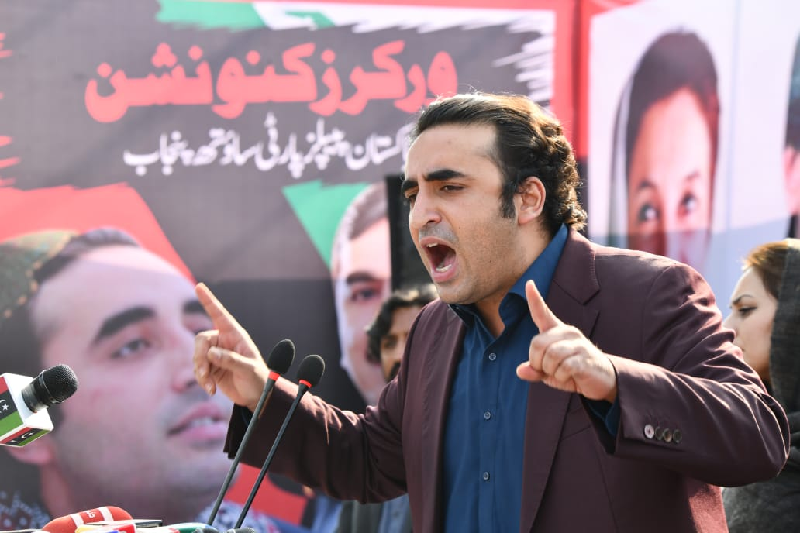
چیئرمین بلاول بھٹو نے یہ باتیں جمعرات کے روز ملتان میں پارٹی ورکرز کنونشن سے خطاب کرتے ہوئے کہیں۔ اپنے خطاب میں انہوں نے کہا کہ عمران خان نے اپنے وزیر خارجہ کو کارکردگی کا سرٹیفکیٹ نہ دے کر ملتان کے ساتھ سخت ناانصافی کی ہے۔ عمران خان نے آج اپنے چمچوں کو سرٹیفکیٹ بانٹے ہیں۔ ایک جانب حکومت اپنی کامیاب خارجہ پالیسی اور چین کے کامیاب دورے کا دعویٰ کرتی ہے اور دوسری جانب اپنے وزیر خارجہ کو سرٹیفکیٹ نہیں دیتی۔ چیئرمین بلاول نے کہا کہ پارٹی کی سی ای سی نے اس نالائق، سلیکٹڈ اور کٹ پتلی حکومت کے خلاف اعلان جنگ کر دیا ہے اور پارٹی کا ہر ورکر اس جنگ کا سپاہی ہے۔ پارٹی نے ملک بھر میں تمام مسائل پر احتجاج کئے جن میں پٹرول، گیس، چینی اور کھاد کے بحران شامل ہیں۔
پی پی پی نے کسان مارچ اور ٹریکٹر مارچ کا بھی انعقاد کیا تاکہ ان کسانوں کے حقوق کے لئے آواز بلند کی جائے جو ملک کو غذا کی سکیورٹی مہیا کرتے ہیں۔ انہوں نے کہا کہ ہمارا مارچ 27فروری کو کراچی سے اسلام آباد کی جانب روانہ ہوگا اور عمران کو عوام کی تکالیف کا جواب دینا ہوگا۔ ہم اس سلیکٹڈ کو عوام پر مزید مشکلات سے دوچار کرنے کی اجازت نہیں دیں گے۔ ہم ہر اس شخص سے رابطہ کریں گے جس نے کبھی بھی جئے بھٹو کا نعرہ لگایا ہے اور انہیں پاکستان کے عوام اور پارٹی کی حمایت پر آمادہ کریں گے۔ انہوں نے پارٹی کارکنوں کو ہدایت کی کہ پرانے کارکنوں اور حمایتیوں کی جانب یہ پیغام لے کر جائیں کہ شہید بینظیر بھٹو کا بیٹا ان کے ملک کی قسمت بدلنے اور ملک کو بچانے کے لئے نکلا ہے۔ ہم اس نااہل، سلیکٹڈ اور کٹھ پتلی کو پاکستان کے عوام کے سامنے ننگا کریں گے۔
بلاول بھٹو زرداری نے کہا کہ ہمارا لانگ مارچ تمام ملک سے گزرے گا اور ہم عوام کو مطلع کریں گے کہ ٹرانسپیرنسی انٹرنیشن نے اس سلیکٹڈ حکومت کو پاکستان کی تاریخ کی سب سے کرپٹ حکومت قرار دیا ہے۔ پاکستان کا ہر کرپٹ عمران خان کے دائیں اور بائیں بیٹھا ہوا ہے۔ آج عمران خان نے اپنے کچھ وزراءکو سرٹیفکیٹ دئیے جن میں وہ وزیر بھی شامل ہے جس نے سی پیک کے پراجیکٹ کو روک دیا، وہ وزیر بھی شامل ہے جس نے ایک صوبہ بنانے کا وعدہ کیا تھا اور وہ وزیر بھی شامل ہے جسے پہلے ایک وزارت سے ہٹایا گیا اور اب وہ پلاننگ کا وزیر بن کر چینی، گیس، پٹرول، دواﺅں وغیرہ کا بحران پیدا کر رہا ہے۔
انہوں نے کہا کہ عمران کی کابینہ میں بے تحاشہ وزراءشامل ہیں جبکہ اس نے دس وزراءکو سرٹیفیکیٹ دئیے جس سے ظاہر ہوگیا کہ عمران کو اپنی کابینہ کی اکثریتی وزراءپر اعتماد نہیں۔ عوام اس نالائق کابینہ کا بوجھ اٹھا رہے ہیں لیک اب بہت ہو چکا ہے اور عمران کو اپنی کابینہ سمیت جانا ہوگا۔ چیئرمین پی پی پی نے کہا کہ لانگ مارچ کی کامیابی ابھی سے ظاہر ہو رہی ہے۔
عمران کا ایک دوست پارلیمان سے نااہل ہوگیا ہے اور حکومت کے اتحادی بھی حکومت کے بارے اپنی رائے تبدیل کرنے پر تیار ہو رہے ہیں۔ ہم ان اتحادیوں کے حلقہ انتخاب سے بھی گزریں گے اور انہیں عوام کا فیصلہ سنائیں گے کہ عمران کو جانا ہوگا۔ ہم اسلام آباد کے راستے میں آنے والے تمام عمران کے سہولت کاروں کو بتائیں گے کہ یہ حکومت ناکام ہو چکی ہے اور جب ہم اسلام آباد پہنچیں گے تو عدم اعتماد کے وقت دنیا دیکھ لے گی کہ کون عمران خان کے ساتھ ہے اور کون نہیں ہے۔

Scientists say inbreeding is causing an unusually high number of genetic mutations to spread in Pakistan, leading to disabilities in children of consanguineous marriages. Still, this social custom persists.
Ghafoor Hussain Shah is a 56-year-old teacher and father of eight children in Pakistan-administered Kashmir. According to tribal customs in Pakistan, Shah said he is expected to arrange the children's marriages within his extended family. However, Shah knows about the potential risks of genetic disease prevalent in children from inter-family marriages. He married his maternal cousin in 1987, and three of their children suffer from disorders. Shah told DW his son's brain did not develop to a normal size. One of his daughters has a speech disorder and another has hearing problems. "My biggest regret is that they could not get education," he said. "I am always worried about them … who will look after them after my wife and I are gone?" he added. Despite the risks of genetic disorders, Shah said there is enormous social pressure to adhere to customs calling for cousins to marry. Anyone who refuses to offer their children for marriage within the family risks being ostracized. Shah said he had to marry off his one son and two daughters to close relatives. His family's medical history includes cases of blood disorders, learning disabilities, blindness and deafness. Doctors have said inbreeding could be to blame. Pakistan's 'genetic mutation' problem According to a 2017 report on genetic mutations in Pakistan, the "heterogenous composition" of Pakistan's population, including high levels of "consanguinity" has led to a prevalence of genetic disorders. The report introduces a Pakistan "genetic mutation" database, which identifies and tracks different types of mutations and the disorders they lead to. According to the database, more than 1,000 mutations have been reported in 130 different kinds of genetic disorders found in Pakistan. Huma Arshad Cheema, a pediatrician specializing in genetic disorders, told DW that Pakistan has a huge burden of generic disorders due to inbreeding.She said specific disorders can be pinpointed to particular castes and tribes where inter-marriage is common. One of the most common genetic disorders seen right now in Pakistan is the inherited blood disorder, Thalassemia, which keeps red blood cells from absorbing oxygen.Genetic testing and pre-natal screenings for hereditary disorders are not widely available in Pakistan, Cheema said, adding that many health facilities also lack the capacity to treat genetic disorders. Why do cousin marriages continue? Karachi-based health expert Seraj ud Daulah said that the practice of cousin marriages in Pakistan can be traced to Islamic religious doctrines. "I asked clerics to help create awareness about genetic diseases, asking them to explain to people how cousin marriages are contributing to the rise in genetic diseases," Daulah told DW. However, he said the clerics he spoke with flatly refused, claiming that such marriages are in accordance with Islamic Sharia law and the traditions of the Prophet Mohammad. Shah said many families in Pakistan go through with consanguineous marriages because they believe it is called for by their Islamic religion. Even if the government were to make such marriages illegal, it would be met with fierce resistance, he added. Tribal and caste systems are deeply rooted in remote areas of Pakistan. Cheema said that the caste system, particularly among the Arain people living in Punjab province, is especially rigid and leads to many inter-family marriages. She said several genetic disorders are commonly found in this community.In Pakistan's western province of Balochistan, the southern region of Sindh, and in the northwestern provinces, tribal systems dictate family life.Ghulam Hussain Baloch, a resident of Balochistan, told DW that marrying outside of your tribe is considered a major social taboo. The situation in Sindh is not much different, where marriage outside one's clan or tribe could lead to murders and tribal clashes. Health officials respond In March 2020, the government in Punjab formed a task force aimed at preventing genetic diseases. The children's hospital in Lahore is now offering free genetic screening services in cooperation with Germany's CENTOGENE diagnostics company and other international organizations.Cheema said pre-natal screening will help parents decide whether to terminate the pregnancy in cases where lethal disorders are detected. Early detection can also aid treatment of a child born with a hereditary disorder. "We have screened 30,000 families in Pakistan with suspected genetic disorders," an official from Punjab's health department told DW on condition of anonymity. Health expert Daulah, however, said that more needs to be done to change people's mindsets on the danger of having children with close family members."In religious matters, people have blind faith and they do not want to listen to any logic," he said. "Perhaps if the government asked all clerics to spread awareness about the rising number of genetic disorders, and its connection with cousin marriage, then perhaps more Pakistanis would pay heed," he added. https://www.dw.com/en/top-stories/s-9097On August 15, 2021, when the Taliban swept into Kabul and seized power in Afghanistan, there were exultations in neighbouring Pakistan. Afghans had “broken the shackles of slavery,” said Pakistani Prime Minister Imran Khan a day after the takeover, even as waves of desperate people scrambled to board departing flights at Kabul’s international airport in a bid to flee their “liberty”. The Pakistani prime minister – dubbed “Taliban Khan” by his critics – is known for his anti-West tirades. But the gaffe-prone Khan’s position on the Taliban has always been in-synch with the geostrategic objectives of Pakistan’s military and vast intelligence network headed by the Inter-Services Intelligence (ISI).Despite Islamabad’s repeated denials, a Taliban victory remained an ISI goal during the 20-year US mission in Afghanistan, making Pakistan a duplicitous ally in Washington’s “war on terror” as the country continued to provide the Islamist group safe havens until the departure of coalition forces. In more circumspect Pakistani military-intelligence circles, the “double game” was the subject of jokes that sometimes leaked into the public domain. In 2014, during the peak of the US war in Afghanistan, former ISI chief Hamid Gul appeared on the Pakistani talk show, “Joke Night”. On live TV, Gul – who was Pakistan’s spy chief towards the end of the Cold War – made a celebrated forecast. “When history is written, it will be stated that the ISI defeated the Soviet Union in Afghanistan with the help of America,” he declared, embellishing Pakistan’s role in ending the 1980s Soviet occupation of Afghanistan. It was a prelude to a punchline that Gul proceeded to deliver with pizzaz. “Then there will be another sentence: The ISI, with the help of America, defeated America,” he concluded to guffaws from the audience. America may be defeated in Afghanistan. But nearly six months after the Taliban takeover, the joke could well be on Pakistan – with cruel risks for its citizens. Deadly attacks and a cross-border warning On Sunday, five Pakistani soldiers were killed by firing from neighbouring Afghanistan in an attack claimed by Tehreek-i-Taliban (TTP), also called the Pakistani Taliban. The Taliban are separate groups in both countries, but they share a common ideology and allegiances, which the TTP renewed following the Taliban takeover of Afghanistan. Pakistan though follows a “good Taliban-bad Taliban” strategy that seeks a pliant, Islamist power across its western border in Afghanistan as a counterweight to its eastern neighbour and arch enemy, India. The ‘bad Taliban’ – the TTP, with its stated goal of overthrowing the Pakistani state and establishing Sharia law – is considered a terrorist threat. The TTP attack in Pakistan’s northwestern Khyber Pakhtunkhwa province came just days after nine Pakistani soldiers were killed in the southwestern Balochistan province in coordinated attacks that Pakistani officials said involved “planners” from Afghanistan and India. While Indian authorities routinely deny aiding Baloch separatists in Pakistan, the attacks sparked a first in Islamabad’s relations with the new Taliban regime across the western border. In a statement released over the weekend, Islamabad condemned the use of Afghan soil for attacks against Pakistan, warning that it “expects that the interim Afghan government will not allow conduct of such activities against Pakistan in future.”For decades, Pakistan pursued a policy of supporting the Afghan Taliban while cracking down on the Pakistani Taliban, the Tehreek-i-Taliban (TTP). With the Taliban in power in Afghanistan, Islamabad may have won its “long game”. But its game of chicken may be backfiring with jihadists coming home to roost.
Some experts were quick to note that the Pakistani accusation marked the first time since the Taliban takeover that a country publicly declared Afghan territory was being used for cross-border international terrorism. The irony that Pakistan was the first country to complain was not lost on Afghans who have long accused Islamabad of supporting the Taliban and other jihadist groups.
The Pakistani accusation of Afghan soil being used for cross-border terrorism came days after a UN terrorism monitoring report said the Taliban had failed to take “steps to limit the activities of foreign terrorist fighters in the country”. The report, by the UN Security Council’s monitoring team for al Qaeda, the Islamic State (IS) group and their affiliates, noted that, “On the contrary, terrorist groups enjoy greater freedom there [Afghanistan] than at any time in recent history.”
The Taliban however said the findings were “untrue”. In a Twitter post, the “Islamic Emirate of Afghanistan” – as the group refers to its government, which has not been recognised by the international community – “strongly” rejected the report. “Afghanistan is witnessing exemplary security since the Islamic Emirate regained full sovereignty over the country,” the statement noted.
“Exemplary security” is a contested claim for many Afghans – including abducted women rights activists who have been missing for weeks, and members of the Shiite Hazara minority, who have been targeted in deadly attacks attributed to the Islamic State group’s local Khorasan branch, the IS-K.
Meanwhile in Pakistan, increasing attacks over the past few weeks have raised questions over the army’s “long game” policy of supporting the Afghan Taliban despite threats of a jihadist spillover.
“For quite a few years, Pakistan had been demanding that the government in Afghanistan curb the threat of anti-Pakistan groups on Afghan soil. The hope was, with a new friendly government in Afghanistan, Pakistan would get more help than in the past,” said Michael Kugelman from the Washington DC-based Wilson Center in an interview with FRANCE 24. Instead, “there are signs of intensified security risks. We’re seeing a resurgence of the Pakistani Taliban, as well as Baloch separatist groups intensifying attacks,” he noted.
“What this means is that the [Afghan] Taliban is not a seamless entity,” said Ayesha Siddiqa, from the Department of War Studies, King's College London, in an interview with FRANCE 24. “Pakistan can continue supporting the Taliban, but they have little control in discouraging or convincing the Taliban to clamp down on the TTP.”
It’s a matter of “will and capacity”, according to Kugelman. “There’s an argument to be made that the Taliban ran a successful insurgency for many years, and it theoretically has the capacity to tackle the TTP. But I think the broader issue is one of will. The Taliban is not willing to use coercive tactics against the TTP because they have a close relationship with the group. At the end of the day, especially with Islamist militant groups, they are all cut from the same ideological cloth,” he explained.
After two decades of pursuing a “good Taliban-bad Taliban” policy, Islamabad is now confronted with the disquieting scenario of their Afghan proteges pursuing a “good Pakistan-bad Pakistan” strategy, noted Pakistani journalist and writer Kunwar Khuldune Shahid in the foreign policy website, The Diplomat.
“Good” Pakistan “helped Taliban leaders dodge the US-led forces, while diverting some of the resources taken from the West toward the Taliban,” wrote Shahid. “Bad” Pakistan now says the Taliban have an “obligation to reciprocate”.
The Afghan Taliban signaled its independence from its backers just moments after taking charge of Kabul on August 15, when it released thousands of TTP prisoners, including the group’s former deputy chief Faqir Mohammad. The move was promptly reciprocated when the TTP hailed the Afghan Taliban takeover and pledged allegiance to Taliban leader Hibatullah Akhundzada.
Since it shot into the jihadist spotlight more than a decade ago, the TTP has been blamed for hundreds of attacks in Pakistan, including the 2014 massacre of nearly 150 children at an army school in the northwestern city of Peshawar. Despite its brutal record, Islamabad has been unable to persuade the Afghan Taliban to crack down on their Pakistani cohorts.
Instead, the Afghan Taliban offered to facilitate talks between the TTP and the Pakistani government. It was an overture that was taken up by Islamabad, resulting in the two parties agreeing to a monthlong ceasefire in November. But the truce expired on December 9 after the peace talks broke down.
On the military front, Pakistan could launch cross-border raids on TTP positions in Afghanistan, but that would raise tensions with the new sovereign power in Afghanistan in a sensitive zone split by a colonial-era border that has divided Pashtun tribes on either side.
Before the Taliban takeover, Pakistan was aided in its anti-TTP fight with US intelligence and drone strikes, which resulted in the killings of the group’s top leaders, including Hakimullah Mehsud in 2012 and his successor, Maulana Fazlullah in 2018. “It’s ironic since Pakistan often complained that the US never addressed Pakistan’s terrorism concerns,” said Kugelman.
But Pakistan today is not likely to get by with a little help from its US frenemy. “The TTP is not going to be a priority for the US. Pakistan can’t count on the US to provide counterterror assistance since the US is now focused on al Qaeda and Islamic State and threats to US interests,” he added.
Meanwhile an alarming new front is opening up west of the TTP’s tribal heartland, in Pakistan’s arid, mineral-rich Balochistan province bordering Afghanistan and Iran.
Separatists have waged a low-level insurgency in the southwestern province for years, fuelled by anger over a political and economic marginalisation that traps Balochistan in “Pakistan’s poorest province” status despite its abundant natural resources.
In recent weeks though, the attacks have turned increasingly sophisticated and alarming. On Saturday, the Pakistani military finally managed to put an end to four days of assaults by separatists that began with twin attacks on army posts last week. The separatist Baloch Liberation Army (BLA) claimed the latest attack, which killed nine Pakistani soldiers, according to official figures.
It followed a spate of attacks last month following warnings by Baloch separatists that Chinese investments are not safe in Pakistan.
China is a critical ally for Pakistan, which is home to Beijing’s Belt and Road Initiative (BRI) showcase, the China-Pakistan Economic Corridor (CPEC) project linking China's western Xinjiang region with the strategic port of Gwadar in Balochistan.
In Kabul, the Taliban also views China as a “friend of Afghanistan” and is likely to address, as best it can, Beijing’s requests to expel Uighur militants on Afghan soil. It’s an easier ask than Islamabad’s call for a crackdown on their Pashtun brethren in the TTP.
China has so far resisted playing a military support role in the Af-Pak region. But if Pakistan’s claims of an Indian involvement in the Balochistan attacks are true, Beijing may feel compelled to push back against its geostrategic rival, drawing a third nuclear-armed country into an already combustible zone.
While allegations, counter allegations and denials between India and Pakistan are a familiar feature, Kugelman notes that the audacity and sophistication of the latest attacks in Balochistan have added an alarming new ingredient in the regional security stew.
“Understandably, there are speculations about external involvement. What happened in Balochistan was unprecedented. The attacks on two Pakistani army frontier camps had a level of sophistication and close coordination that suggests external involvement,” said Kugelman. “The problem though is that Pakistan so often focuses on questions of external hands, that it seemingly doesn’t focus enough on the fact that these attacks are happening in Pakistan, with all the local facilitation and involvement that this entails.”
With the authorities locked in an external blame game and with the army deprived of US intelligence and military cooperation, Pakistan’s “long game” strategy of having a weak, Islamist power in Kabul is likely to implode with forbidding consequences for regional security.
“Pakistan is playing with fire,” said Kugelman. “Now the full range of anti-Pakistan groups is going after it, and the broader picture suggests security risks for South Asia and Central Asia alike.”
But Siddiqa believes risks are par for the Pakistani course. “There’s an element of backfire built into Pakistan’s game, it comes with the territory,” she said. “Pakistan can say these are non-state actors, they are not under our control. Heartbreaking as it is for soldiers to die, it is to the advantage of the Pakistani establishment. The military establishment does not feel there is a contradiction in what they’re doing, the killings – including of school children – are just collateral damage,” Siddiqa noted, referring to former ISI chief Asad Durrani’s controversial comment, during a news show, that the victims of the 2014 Peshawar school attack were “collateral damage” in the agency’s security strategy.
The strategy though has overlooked the interests of more than 220 million Pakistani citizens, especially the 24 percent living below the poverty line, limiting the ability of civilian governments to address economic development.
“As attacks mount inside Pakistan, the political risks of inaction grow higher for the Pakistani government. Attacks now are seemingly happening every day and it will become a political issue for the government,” warned Kugelman. For a prime minister convinced that a power takeover by a hardline Islamist group – with little expertise, and no plan to include women in public life – represents a breaking of shackles, that would be something to take into consideration.
https://www.france24.com/en/asia-pacific/20220209-pakistan-s-good-taliban-bad-taliban-strategy-backfires-posing-regional-risks

Five Pakistani soldiers killed as Taliban-led Afghanistan resists cooperation with Islamabad.The Pakistani-Afghan border, running along Britain’s colonial-era Durand Line, is a centre of the increasing tensions between Islamabad and the Taliban, with a rise in attacks since the group came to power in Kabul. Five Pakistani soldiers were killed on Sunday at a north-western border post in Khurram district by militants inside Afghanistan in an attack claimed by the Pakistani Taliban, Tehreek-e-Taliban-Pakistan (TTP).After a ceasefire between the group and the Pakistani government collapsed within weeks, the Pakistani foreign minister, Shah Mahmood Qureshi, said Islamabad had told the Afghan Taliban leadership it considered TTP as a test case of its ability to control militants. “If the Taliban can’t address concerns of Pakistan, then who would trust them and their promise of cutting ties to al-Qaida and other such groups?” he asked.Pakistan previously clashed with the US-backed Afghan government over the border – which Afghanistan has never formally accepted – leaving many soldiers dead, so when the Taliban captured Kabul in summer 2021 it was celebrated in Pakistan by the prime minister, Islamist political parties and retired military officers.The Taliban’s return to power was seen as an opportunity for Pakistan to regain influence and also as a strategic victory over Delhi.The author and analyst Zahid Hussain, however, said the Afghan Taliban would not crack down on TTP bases in Nangarhar province, east of Kabul. “In the beginning, Pakistani authorities believed the Taliban would serve Pakistan’s interests and [not] allow militants to use its soil against Pakistan. But it does not seem to be the case any more,” he said, adding that the extremists were emboldened by the Taliban’s victory in Afghanistan and aspired to do the same in Pakistan. Pakistan started fencing the porous border in 2014 to contain cross-border terrorist attacks and smuggling. It says it has fenced more than 90% of the border, but Hussain said militants were able to enter Pakistan and carry out attacks where the border remained unchecked and unfenced. In at least three separate incidents, Talib fighters have been seen breaking the fencing and threatening Pakistani soldiers in border areas. In one widely shared video from 19 December, a Talib commander in Nangarhar is heard saying to Pakistani soldiers: “If you come a step further, I will fight you here. We are happy to fight you.” A similar incident was recorded last year on 30 December in Nimruz, a province in south-west Afghanistan.The Taliban’s defence ministry spokesperson said in a video posted to Twitter in January that Pakistan had no right to fence the border and divide ethnic Pashtuns living on either side.Amid mounting clashes and tensions on the border, Pakistan’s national security adviser, Moeed Yusuf, visited Afghanistan for two days on 29 January. Both countries announced plans to form a high-level committee to address the issue. Drawn by the British empire, the 2,640km (1,640-mile) land border between Afghanistan and Pakistan has been perpetually disputed. Abubakar Siddique, an author and expert on Pakistan and Afghanistan, said that after the Taliban – an Islamist group – seized power, many in Pakistan thought they would not behave as an Afghan nationalist group. He said people were wrong to make such an assumption. “The anti-Pakistan sentiments are high in Afghanistan because of Islamabad’s perceived role as a main driver of instability. In addition, no Afghan government has ever formally accepted the Durand Line as a permanent border, which remains a highly emotional issue,” he said. “Their actions along the Durand Line aim at gaining domestic legitimacy. The Taliban also want to do away with the almost universal perception that they are a Pakistani proxy group.” The Taliban are not only seeking domestic legitimacy amid a humanitarian crisis – a more porous border benefits their financial interests. A Pakistani government official posted on the Afghan border anonymously told the Guardian that “as many of the areas have been fenced, we have seen a decrease in human and drug smuggling. Of course, the Taliban benefit from these illegal businesses and now the smugglers use different routes where there is no fencing.”
https://www.theguardian.com/world/2022/feb/09/we-are-happy-to-fight-deadly-tension-on-the-afghanistan-pakistan-border-taliban
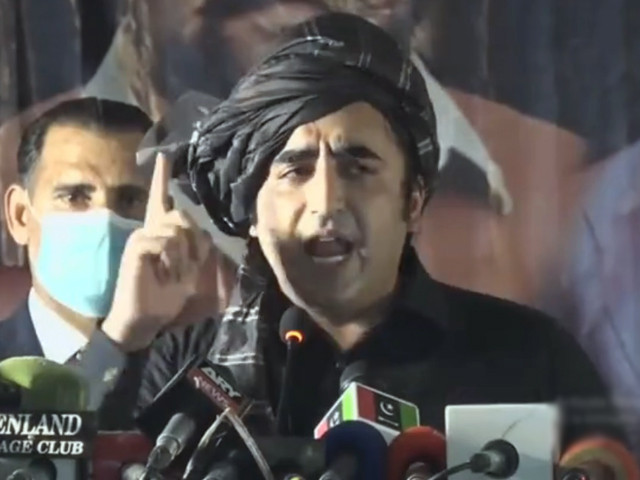
انہوں نے کہا کہ یہ مارچ اس کٹھ پتلی کی سلیکٹڈ حکومت کے خلاف اعلان جنگ ہے۔ ہم نے اس سلیکٹڈ کو قومی اسمبلی میں پہلے ہی دن سلیکٹڈ کہہ کر قوم کے سامنے ننگا کر دیا تھا۔ بجٹ کے موقع پر بھی ہم نے اس بجٹ کو پی ٹی آئی ایم ایف کا بجٹ کہہ کر اس سلیکٹڈ کو ننگا کر دیا تھا۔ آئی ایم ایف کے ساتھ معاہدہ پاکستان اور آئی ایم ایف کے ساتھ معاہدہ نہیں بلکہ پی ٹی آئی اور آئی ایم ایف کے ساتھ معاہدہ ہے۔ ہم نے اس بجٹ کو عوام دشمن اور ملک دشمن کہا تھا اور ہمارا کہا ہوا سچ ثابت ہوگیا۔ چیئرمین بلاول نے کہا کہ ہمارے دوست چاہتے تھے کہ عمران خان کے لئے ضمنی انتخابات کا میدان کھلا چھوڑ دیں لیکن ہم نے کہا کہ ہم انتخابات لڑیں گے اور پھر دنیا نے دیکھا کراچی سے خیبر تک عمران خان کو تمام ضمنی انتخابات میں شکست ہوئی۔
ہمارے دوست اسی طرح چاہتے تھے کہ ہم سینیٹ کی سیٹ کا انتخاب قومی اسمبلی میں نہ لڑیں لیکن ہم نے سابق وزیراعظم جو ملتان ہیں کو نامزد کیا اور سید یوسف رضا گیلانی نے عمران خان کو اس کے حلقہ انتخاب میں ہرا دیا۔ ہمارے چند دوستوں کا خیال ہے کہ حکومت کے خلاف مارچ مارچ کے مہینے میں کیا جائے لیکن ہم نے کہا کہ عوام ابھی تکلیف سے دوچار ہیں اس لئے ہمارا مارچ 27فروردی سے شروع ہوگا۔
جب ہمارا مارچ شروع ہوگا تو پوری پاکستانی قوم ہمارے ساتھ ہوگی۔ عمران نے آج ہی سے وکٹیں گنوانا شروع کر دی ہیں اور آج اس کا غیرقانونی سینیٹر نااہل ہوگیا ہے۔ چیئرمین بلاول نے اپنی پارٹی کی قانونی ٹیم کی اس کامیابی پر انہیں مبارکباد دی اور کہا کہ جب ہم اسلام آباد پہنچیں گے تو اس سلیکٹڈ کی مزید وکٹیں گر جائیں گی۔ بلاول بھٹو زرداری نے کہا کہ آج عمران خان نے اپنی تقریر میں پیپلزپارٹی کا ذکر کیا۔ عمران ایک بزدل شخص ہے اور وہ انتخابات سے خوفزدہ ہے۔ عمران خان لاہو رمیں ضمنی انتخاب میں بھاگ گیا اور ڈیرہ اسماعیل خان میں بھی میئر کے انتخاب میں دوڑ لگا دی جہاں پارٹی کی طرف سے فیصل کریم کنڈی کو امیدوار نامزد کیا گیا ہے۔
چیئرمین بلاول نے الیکشن کمیشن اور عدلیہ کو بھی سراہا کہ انہوں نے خیبرپختونخواہ کے دوسرے انتخابات ملتوی نہیں کئے۔ عمران خان کے پی میں بلدیاتی انتخابات کے پہلے مرحلے میں بری طرح ہار چکا ہے اور دوسرے مرحلے میں بھی ہار اس کا مقدر ہے۔ بلاول بھٹو زرداری نے کہا کہ عمران نے تین سالوں سے کرپشن کرپشن کی رٹ لگا رکھی ہے اور آج بھی اس نے یہی باتیں کی ہیں لیکن ٹرانسپیرنسی انٹرنیشنل نے اس کی کرپٹ حکومت کو پاکستانی تاریخ کی کرپٹ ترین حکومت کہا ہے۔
عمران خان اور اس جیسے لوگ شہید محترمہ بینظیربھٹو اور صدر زرداری کے خلاف ایک بھی الزام ثابت نہیں کر سکے جبکہ عمران خان کا لیڈرجنرل مشرف سزا یافتہ ہے اور قانون کا بھگوڑا ہے۔ عوام جھوٹے عمران خان پر اعتبار نہیں کرتے اور جھوٹا عمران عوام کے سامنے مکمل طور پر ننگا ہوگیا ہے۔
https://www.ppp.org.pk/pr/26234/

پاکستان کی مرکزی سیاسی قیادت کو گزشتہ تین دہائیوں سے بڑے منظم انداز میں کرپشن میں لتھڑا ہوا ثابت کیا جا رہا ہے، اس کی اچھی اور بری ہر دو طرح کی وجوہات موجود ہیں۔
یہاں یہ بات باور کرانی بھی ضروری ہے کہ پاکستانی نظامِ حکومت چلانے والے حقیقی کارپردازان کا بڑا حصہ عملاً ہر طرح کے احتساب سے بالاتر ہو چکا ہے، احتساب کے اِس پھندے میں نچلے درجے کے چند بیوروکریٹ اور کچھ فراڈ قِسم کی ہاﺅسنگ سوسائٹیاں ہی پھنستی ہیں۔
یوں تو ملک میں بلا امتیاز احتساب کرنے کے لیے نیب، ایف آئی اے اور اینٹی کرپشن کے ادارے موجود ہیں لیکن جرنیلوں، ججوں ، سینئیر بیورو کریٹوں اور اب تو بڑے تاجروں تک کے معاملات بھی ان اداروں کے حیطہء اختیار سے باہر دکھائی دیتے ہیں۔
آئیے ذرا اُس کرپشن کو ماپنے کی کوشش کریں جو پاکستانی سیاست میں اس اصطلاح کے چلن سے لے کر اب تک بھٹو خاندان اور خصوصی طور پر آصف علی زرداری–مہارت سے تراشی گئی کرپشن کی علامت — کے نام سے منسوب کی گئی۔اس کا آغاز 1987ء میں اُس وقت ہوا جب آصف علی زرداری بے نظیر بھٹو سے شادی کر کے عوامی زندگی میں داخل ہوئے۔
ذوالفقار علی بھٹو کے والد سر شاہنواز بھٹو 33 برس کی عمر میں 1921ء میں بمبے پارلیمان کے کم عمر ترین رُکن تھے۔ 1921 سے لے کر 1933 تک وہ پارلیمانی وزیر کے طور پر خدمات سر انجام دیتے رہے۔ 1930ء میں انڈیا کے وائسرائے لارڈ ارون نے انہیں سَر کے خطاب سے سرفراز کیا۔ وہ دو قومی نظریے کے سخت حامی تھے اور قائد اعظم محمد علی جناح کے ساتھ کام کرتے رہے۔ 1930-31 میں ہونے والی گول میز کانفرنس میں انہوں نے تن تنہا سندھی مسلمانوں کی نمائندگی کا فریضہ سر انجام دیا اور سندھ کی بمبے سے علیحدگی جیسی اہم کامیابی حاصل کرنے میں کامیاب رہے۔ انہوں نے نواب آف جونا گڑھ (انڈین گجرات) کے وزیر اعظم /دیوان کے طور پر نواب کو قائل کیا کہ وہ پاکستان سے الحاق کا اعلان کریں یوں انہوں نے استصوابِ رائے کے ذریعے کشمیر کے پاکستان کے ساتھ الحاق کے لیے اخلاقی اور قانونی جواز مہیا کیا۔
پاکستان پیپلز پارٹی کے بانی ذوالفقار علی بھٹو کے بارے کہا جاتا ہے کہ وہ ان چالیس ہزار سے لے کر ڈھائی لاکھ ایکٹر زرعی زمین کے وارث تھے جو لاڑکانہ، جیکب آباد اور سکھر کے ارد گرد پھیلی تھی۔ پاکستان کے قیام کے آس پاس بھٹو خاندان جتنی زمین کا مالک تھا اس زمانے کے حساب سے بھی اس کی مالیت کئی ملین ڈالر کے مساوی بنتی ہے (اُس زمانے میں اوسطاً ایک ایکٹر زمین کی قیمت ایک ہزار روپیے تھی، ایک امریکی ڈالر 1946ء میں تقریباً پانچ روپیے کے مساوی تھا۔) اس زمین کا بڑا حصہ سر شاہنواز بھٹو نے 1935 سے 1955کے عرصے میں خریدا تھا۔
1946-47 کے زمانے میں (تقسیم سے پہلے) ذوالفقار علی بھٹو کو ایک لاکھ دس ہزار کی آمدنی تفویض کی گئی۔ اِس آمدن کا بڑا ذریعہ بمبئی کا مشہور آسٹوریا ہوٹل اور ”دی نیسٹ“ نامی خاندانی گھرسے حاصل ہونے والا کرایہ تھا (اِن دونوں عمارتوں کے مالک بھی سر شاہنواز بھٹو تھے۔ )سٹینلے والپرٹ کے بقول (قائداعظم اور ذوالفقار علی بھٹو کے سوانح نگار)
”جب اُس کے والد اور والدہ بیٹی کے ہمراہ جونا گڑھ منتقل ہو گئے تو زلفی بمبے میں اکیلا رہ گیا۔وہ اُس زمانے میں کارمیکیل روڑ پر واقع اپنے خاندانی گھر ”دی نیسٹ“ میں قیام پذیر تھا، اس کے علاوہ اسے بمبے کے مصروف کاروباری علاقے فورٹ میں واقع ایک اور بھٹو جائیداد، کئی منزلہ آسٹوریا ہوٹل کی دیکھ بھال بھی کرنی تھی، اُس زمانے میں اس عمارت کا خالص کرایہ ایک لاکھ دس ہزار روپیے تھے، -471946 کے زمانے میں ہر اعتبار اور پیمانے سے یہ رقم غیر معمولی تھی۔ اس کے علاوہ کئی سیکیورٹیز، قیمتی اشیاء اور نقد رقم بھی ذہین و فطین اٹھارہ برس کے ذوالفقار کے ہاتھوں میں تھی۔ ایک دہائی کے بعد اُسے اپنے والد کی اس جائیداد کا اکیلا وارث بننا تھا۔“
بھٹو، جو ایک تجربہ کار قانون دان تھے، 18ستمبر1957ء کو چھوڑی گئی ان دونوں جائیدادوں کے عوض 4,430,400 (چوالیس لاکھ تیس ہزار چار سو) کا کلیم انڈین متروکہ املاک کمشنر سے منظور کرانے میں کامیاب رہے۔ ابھی یہاں بھٹو خاندان کے ان اثاثوں اور قیمتی اشیاء کا ذکر نہیں کیا جا رہا جو راجہ آف جونا گڑھ کی طرف سے بھٹو خاندان کو ملیں (جس وقت تقسیم ہوئی اُس وقت سر شاہنواز بھٹو ریاست جونا گڑھ کے وزیر اعظم/ دیوان کے طور پر ذمہ داریاں سر انجام دے رہے تھے۔(
یوں یہ بات کلی طور پر ثابت ہو جاتی ہے کہ ذوالفقار علی بھٹو — سر شاہنواز بھٹو کی سلطنت کا اکلوتا وارث1957ء — میں سیاست کی پر فریب دُنیا میں داخل ہونے سے پہلے ہی روپیوں میں نہیں بلکہ امریکی ڈالروں کے حساب سے لکھ پتی تھا۔
اب ایک خفطنزیہ کہانی سنیے کہ اسی ذوالفقار علی بھٹو کی سب سے بڑی بیٹی اور سیاسی جانشین، سابق وزیر اعظم بے نظیر بھٹو پر الزام لگایا گیا کہ انھوں نے ہیروں کا ایک ہار، جس کی مالیت 0.175 ملین امریکی ڈالر تھی، منی لانڈرنگ اور کمیشن کی رقم سے سوئٹزرلینڈ میں خریدا۔ اسی طرح ان پر اور اُن کے شوہر، سابق صدر، آصف علی زرداری کو موردِ الزام ٹھیرایا گیا کہ انھوں نے سرے، انگلستان میں راک وڈ اسٹیٹ چار اعشاریہ ایک ملین ڈالر میں خریدی ہے، یہ سب الزامات اُس وقت لگائے جا رہے تھے جب اس سے بھی کہیں بڑی مالیت کا کلیم ذوالفقار علی بھٹو کو، انڈیا میںمتروکہ املاک کمشنر سے منظور کرائے ہوئے چار دہائیاں گزر چکی تھیں۔
کرپشن کا ایک اور بڑا الزام جو سابقہ حکمران جوڑے پر لگایا گیا وہ مبینہ طور پر سوئس بینکوں میں پڑے ہوئے ساٹھ ملین امریکی ڈالروں کا تھا، اس رقم کے بارے میں کہا گیا کہ یہ منی لانڈرنگ اور مختلف سودوں میں کمیشن کے عوض حاصل کی گئی تھی۔ لیکن حکومت پاکستان کا بیان کردہ ڈیٹا اور لگائے گئے الزامات اس حوالے سے بالکل ہی مختلف کہانی بیان کرتے دکھائی دیتے ہیں۔
اس مبینہ کرپشن سکینڈل کا سب سے بڑا نقطہ پولینڈ سے خریدے جانے والے ارسس ٹریکٹروں کی خریداری کا معاہدہ بتایا گیا (اس میں مبینہ طور پر ایک اعشاریہ آٹھ ملین امریکی ڈالر بطور کمیشن وصول کیے جانے کی اطلاع دی گئی)، اس منصوبے میں 5900 ارسس ٹریکٹر کسانوں کو فی ٹریکٹر ڈیڑھ لاکھ روپیے کے عوض دیے جانے تھے، اِس مقصد کے لیے تمام ڈیوٹیز اور دیگر لوازمات سے استثنا دیا جانا تھا۔ اس کے بعد شور مچایا گیا کہ سوئس کمپنیوں ایس جی ایس / کوٹیکنا کو، جنہیں پاکستان میں درآمد ہونے والی اشیاءکی حقیقی مالیت کی جانچ پڑتال کے لیے تھرڈ پارٹی اندازہ قائم کرنا تھا، اور یہ دونوں کمپنیاں اِس کام میں عالمی شہرت یافتہ تھیں، یہ ٹھیکا دینے کے عوض ان سے دو ملین ڈالر کی مبینہ کمیشن حاصل کی گئی تھی۔ اگلا الزام اے آر وائے گولڈ (دس ملین ڈالر کمیشن، اس الزام کی اے آر وائے کے حاجی عبدالرزاق نے سختی سے تردید کی) کو 1994ء میں سونے کی درآمد کے خصوصی اجازت نامے کے عوض کمیشن کی وصولی کا لگایا گیا۔
سابق صدر آصف علی زرداری کو وراثت میں بمبینو سینما اور سکالا پلازہ، صدر کراچی میں ملا، اس عمارت میں بتیس مختلف دفاتر کرائے پر دستیاب تھے۔ اس کے علاوہ زرداری خاندان سندھ میں کیلوں کے باغات سمیت بیس ہزار ایکڑ زرعی زمین کا مالک بھی تھا۔ ان کے والد حاکم علی زرداری پاکستان پیپلز پارٹی کے بانی ممبران میں شامل تھے اور وہ ,1988 1971,1977اور1993میں رُکن قومی اسمبلی منتخب ہوئے۔ وہ ذوالفقار علی بھٹو کے با اعتماد ساتھیوں میں شمار ہوتے تھے جنہوں نے 1971 میں انھیں چئیر مین پبلک اکاﺅنٹس کمیٹی کی ذمہ داریاں سونپی تھیں۔ جب بیگم بھٹو اور بے نظیر ذوالفقار علی بھٹو کی زندگی بچانے کے لیے قانونی جنگ لڑنے میں اور جِلا وطنی پر مجبور تھیں تو بھٹو صاحب کی جائیداد کی دیکھ بھال کی ذمہ داریاں بھی حاکم علی زرداری نے ہی نبھائی تھیں۔ بے نظیر بھٹو صاحبہ نے بھی حاکم علی زرداری کو 1988ء میں پبلک اکاﺅنٹس کمیٹی کا چئیرمین مقرر کیا اور حاکم علی زرداری نے بے نظیر بھٹو کے خلاف پیش کی جانے والی عدم اعتماد کی تحریک کو ناکام بنانے میں اہم کردار ادا کیا۔
حاکم علی اور اب آصف علی زرداری تیس ہزار نفوس پر مبنی زرداری قبیلے کے سربراہ ہیں اور ان لوگوں نے 1965ء کا انتخاب فاطمہ جناح کے پینل پر جنرل ایوب خان کے خلاف لڑا تھا۔ حاکم علی زرداری کو آمدن سے زائد اثاثوں کے جرم میں احتساب عدالتوں کی جانب سے سزا سنائی گئی لیکن انجام کار لاہور اور سندھ ہائی کورٹ کی جانب سے انہیں تمام الزامات سے با عزت بری کر دیا گیا۔ اُن پر الزام لگایا گیا تھا کہ انھوں نے نارمنڈی، فرانس میں ایک جائیداد دو اعشاریہ ایک ملین امریکی ڈالروں کے عوض خریدنے کے لیے سرمایہ غیر قانونی ذرائع سے حاصل کیا تھا۔ انھوں نے بڑی کامیابی سے سندھ ہائی کورٹ میں ثابت کیا کہ انھوں نے یہ جائیداد خریدنے کے لیے سرمایہ اپنے فلم تقسیم کاری، کراچی حیدر آباد میں سینماﺅں اور مختلف انشورنس کمپنیوں میں کی جانے والی سرمایہ کاری جیسے ذرائع سے حاصل کیا تھا۔
آئیے اب دیکھ لیتے ہیں کہ زرداری اور بھٹو خاندان کے بارے میں مفروضوں کی بنیاد پر جس کرپشن کی تحقیقات کی گئیں اور جن کا اِتنا ڈھول پیٹا گیا اُس کی مالیت کتنی بنتی ہے۔ 1987ء سے پاکستان پیپلز پارٹی وفاق میں دس برس اور صوبہ سندھ میں اٹھارہ برس حکمران رہی۔اس حساب سے وفاق اور صوبے کی پیپلز پارٹی کی یکے بعد دیگرے قائم ہونے والی حکومتوں نے موجودہ تناضر میں ورلڈ بینک کے ڈیٹا کے مطابق تقریباً اکیس ہزار ملین امریکی ڈالر کا بجٹ خرچ کیا۔ پیپلز پارٹی حکومتوں کے اِس کل خرچ کردہ بجٹ میں سے جو ساٹھ ملین امریکی ڈالر مفروضہ کرپشن کر کے سوئس بینکوں میں رکھے گئے وہ 0.0019% بنتے ہیں (حکومتی وفاقی بجٹ/ریونیو کے جی ڈی پی کے 10.5فیصد سالانہ اوسط)۔
اب اس ”اتنی بڑی کرپشن“کا موازنہ ایک اور پہلو سے دیکھ لیجیے، اگر جنرل عاصم سلیم باجوہ اور اُن کا خاندان چار ملکوں میں پھیلی ہوئی پاپا جونز پِزا چین قائم کر سکتا ہے، جس کی مالیت ساٹھ ملین امریکی ڈالر ہے (6300ملین روپیے) جس کے لیے خود اُن کا دعویٰ ہے کہ اس کام کے لیے بُنیادی سرمایہ 54,458امریکی ڈالر (تقریباً ساٹھ لاکھ روپیے ) تھا،اور گزشتہ اٹھارہ برسوں میں یہ سرمایہ 1050گُنا بڑھ چکا ہے (یہ انگشت بدنداں کر دینے والی بڑھوتری ہے۔)خود سوچیے اگر چند ہزار امریکی ڈالر کے بنیادی سرمائے سے یہ کچھ ہو سکتا ہے تو 1958میں جس بھٹو اور زرداری خاندان کو لکھوکھا امریکی ڈالر کا سرمایہ دستیاب ہو گا وہ لوگ کیا کچھ نہیں بنا سکتے تھے؟
بھٹو خاندان 63 برس قبل دستیاب اپنے بنیادی سرمائے کو کاروباری طریقے سے استعمال کرنے کے گُر اگر جنرل باجوہ اور اُن کے خاندان سے سیکھتا تو آج یہ لوگ ڈالروں میں ارب پتی ہو چکے ہوتے، اور اس سب پر مستزاد یہ کہ یہ لوگ بھی جنرل باجوہ اور ان کے خاندان کی طرح غیر علانیہ این آر او کے مزے بھی لوٹ رہے ہوتے۔
حتیٰ کہ جنرل مشرف بھی،جن کے بارے میں 2016ء میں انکشاف ہوا کہ اُن کے آف شور اکاﺅنٹس میں 2156 ملین روپیے (بیس ملین امریکی ڈالر) موجود ہیں ، جنرل باجوہ اور اُن کے خاندان سے کاروباری مشورے لیتا تو اگلے پندرہ برس میں وہ بھی ارب پتی بن سکتا تھا۔

A total of 2,439 women were raped and 90 killed in the name of “family honor” during the last six months in the Punjab province of Pakistan, according to the data provided by the Punjab Information Commission.
In Lahore, the capital of the Punjab province with a population of 110 million, 400 women were raped and over 2,300 kidnapped during this period, the data said.
https://theprint.in/world/over-2400-women-
