Friday, February 4, 2022
Pakistani military conduct search for militants 38 hours after base attacks
https://www.reuters.com/world/asia-pacific/pakistani-military-conduct-search-militants-38-hours-after-base-attacks-2022-02-04/
شہباز شریف کا بلاول کو فون، ظہرانے کی دعوت
قومی اسمبلی میں قائد حزب اختلاف اور پاکستان مسلم لیگ ن کے صدر شہباز

شریف نے چیئرمین پیپلز پارٹی (پی پی پی) سے ٹیلی فونک رابطہ کیا ہے۔
شہباز شریف اور بلاول بھٹو زرداری نے ملکی سیاسی صورت حال پر تبادلہ خیال کیا۔
قائد حزب اختلاف شہباز شریف نے بلاول بھٹو زرداری کو کل ظہرانے کی دعوت دی، بلاول بھٹو زرداری نے شہباز شریف کی دعوت قبول کرلی۔
بلاول بھٹو کل شہباز شریف کی رہائش گاہ پر ظہرانے میں شرکت کریں گے۔
دوسری جانب ذرائع کا کہنا ہے کہ مریم نواز اورحمزہ شہباز بھی پیپلز پارٹی کی قیادت سے ملاقات کریں گے۔
ذرائع کے مطابق آصف علی زرداری بھی کل شہباز شریف اور مریم نواز سے ملاقات کریں گے۔
ذرائع کا مزید کہنا ہے کہ نواز شریف کی ہدایت پر شہباز شریف پیپلز پارٹی کی قیادت سے ملاقات کریں گے۔
https://jang.com.pk/news/1046180
Thursday, February 3, 2022
ڈیل کرنیوالے لندن چلے گئے ،ہم نے نہیں کی، بلاول بھٹو
پاکستان پیپلزپارٹی کے چئیرمین بلاول بھٹو نے کہا ہے کہ ، عمران خان کے

خلاف تمام آپشن کھلے ہیں، اسٹیبلشمنٹ کے تقرر و تبادلوں پر غیر جانبدار ہیں کسی کے خلاف ہیں نہ حامی ہیں، ہم نے کوئی ڈیل نہیں کی،ڈیل کرنے والوں کا تاریخ میں ریکارڈ موجود ہے، کیا لندن جانے والے جیل توڑ کر وہاں گئے، وہ ڈیل کے ذریعے باہر گئے ہیں،اسٹیبلشمنٹ کے تقرر و تبادلوں پر کسی کے خلاف ہیں نہ حامی ،اسمبلیوں سے استعفے دے سکتے ہیں، ان خیالات کا اظہار انھوں نے ڈیفنس سوسائٹی میں سنیئر اینکرزاورترقی پسند خواتین کے ساتھ غیر رسمی گفتگو کے
https://jang.com.pk/news/1045477
Aseefa Zardari trends on Twitter as netizens shower her with birthday wishes


Aseefa Bhutto Zardari is part of the PPP’s political family. Born February 3, 1993. She is the youngest daughter of former prime minister Benazir Bhutto Shaheed and former president Asif Ali Zardari. She is the younger sister of Aseefa Bhutto, Bilawal Bhutto Zardari, and Bakhtawar Bhutto Zardari.
Aseefa Bhutto Zardari holds a Bachelor’s degree in Political Science and Sociology from Oxford Brookes University. As a student, she started participating in various political and social activities. She participated in animal rights activities and became the youngest polio-free ambassador of Pakistan to save Pakistan from polio.
The youngest daughter of Zardari has become a trend on social media as she turned a year older today.
Wednesday, February 2, 2022
As Biden Struggles, Governors Are Reaping The Political Rewards Of His Biggest Victory

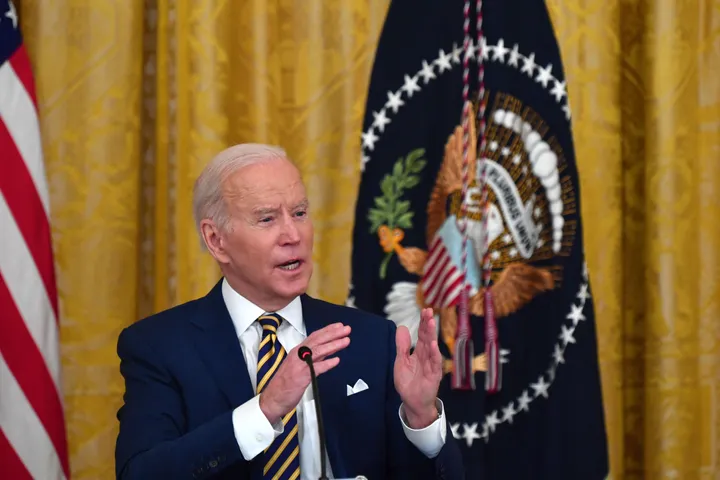
https://www.huffpost.com/entry/governors-federal-funding_n_61fad1a8e4b0f8a1b83e51ec
#Pakistan - The hanging gardens of education policies

Ensuring free and compulsory education requires holistic, bottom-up planning and its time-bound implementation mechanisms.
The Hanging Gardens of Babylon continue to fascinate historians, engineers, architects, and art aficionados alike despite being non-existent on the ground for millennia. The multiplicity of perspectives groomed over the past centuries on this subject has led to the enrichment of human minds through invaluable knowledge production. The unresolved questions of who built them, how they were built and where they were built instigate human curiosity, adding to our knowledge bank. Likewise, the education policies of the federal government in Pakistan have continued to fascinate us for seven decades with their breadth of respective frameworks and visionary perspectives. Yet, we do not find their desired results on the ground.
The process of policy development and the rationale for selecting areas of particular focus with stipulations concerning setting targets in Pakistan have a ‘baffling’ affinity with the Hanging Gardens of Babylon. Within the policy discourse, the subject of free and universal school education has been resounding throughout the history of policy commitments at the national level. “Six-year free and compulsory education should be provided and should be gradually raised to eight years in future”; the statement came as one of the recommendations of The All Pakistan Education Conference 1947, organised by the federal government, as a recognition of the role of education in development of the country. It set the course of education policymaking in Pakistan with a national guiding instrument for the executive arm of the government. Four years later, the literacy rate of Pakistan was reported to be merely 16 percent. The first target-oriented policy guideline came from the 1959 Commission on National Education, commonly known as Sharif Commission, through its report of 1960. The commission “recommended achieving five-years compulsory schooling within a period of 10 years and eight-years compulsory schooling within a period of 15 years.” The third milestone was the National Education Policy 1972-80 (as the Education Policy of 1970 was lost to the secession of East Pakistan) that was presented to the nation by the then president in March 1972. It declared that up to Class X, education would be free and universal. “From October 1, 1972, it will be free for boys and girls till Class eight; from October 1, 1979, students of Classes IX and X will receive free education.” One may jest that recommendations of the 1959 commission need not be revisited after only 12 years.
Next came the 1978 policy that envisaged achieving universal enrolment of all boys of school age by 1986-87. For girls, the goal was to be attained by 1992. A short-term policy target was to achieve a 60 percent literacy rate by 1982-83. However, data available from the UNESCO indicates that in 1981 our literacy rate stood at 25.7 percent.
Our fifth milestone was the National Education Policy, 1992. It not only laid educational targets, i.e., to make primary education free and compulsory but also committed to provide the means to achieve those targets i.e., schools and trained teachers etc. However, the closure of the century made the federal government realise the need for another policy that could lead the country into the 21st Century. Therefore, The National Educational Policy 1998-2010 was introduced. It reiterated that elementary education was a fundamental right and identified some issues and constraints ailing basic education in Pakistan. The policy committed the government to achieving 90 percent enrolment in elementary schools by 2002-03.
The absolute increase in education budget is substantial. Yet, the policy formulation process chooses to turn a blind eye to sub-national fiscal space.
We received another policy in 2009. The National Education Policy (NEP) 2009 went a step further than the previous policies and formulated policy actions as a) it required provincial and area governments to develop plans to achieve universal and free primary education by 2015, and b) all governments (federal, provincial, district, and area governments) to commit seven percent of GDP to education by 2015. The last of the policy instruments is The National Education Policy Framework, 2018, that encapsulates the ‘how’ component of addressing educational challenges.
Our 154/189 ranking on the Human Development Index, total enrolment of 52.5 million, declining net enrolment rate, a literacy rate stagnant for the past five years at 60 percent, and 32 percent of children aged 5-16 years remaining out of school is a grim reflection on the policy formulation and implementation processes. Federal laws and policies are binding for lower tiers of government, but one may question the availability of resources leading to the policy provision of making ‘catalytic funds available to support provincial governments’ (Removing Financial Barriers for Priority 1 of The National Education Policy Framework 2018) or demand from sub-national governments for committing seven percent of the GDP for education (NEP 2009)? Likewise for imparting of free and compulsory education? Apparently both the aspects, i.e., the mobilisation and allocation of resources and efficacy of governance systems at various tiers, have historically been treated as ‘quick fixes’ while making public pledges. They make allocating resources and ensuring universal school education appear to be mere Executive drawbacks. It simply needs to improve its performance? The expectation of carving a small pie of national and sub-national resources in a big favour to one sector is both unrealistic and impractical. The Punjab allocated Rs 349.4 billion for the development budget for school education last year, compared to Rs 322.5 billion for the previous year. Meanwhile, around Rs 38 billion was allocated for other sectors of education, compared to approximately Rs 34 billion for the preceding year. Within the social sector, education is second only to health as a percentage of provincial allocations. The absolute increase in education budget has been substantial. Yet, the policy formulation process chooses to turn a blind eye to sub-national fiscal space.
Similar and rather more complicated is the case of ensuring access to free school education. Availability of school infrastructure proportionate to the local demand in each part of the country, along with the presence of qualified teachers is a basic pre-requisite missing from our education delivery system. The past three decades have witnessed the role of the private sector as an important stakeholder in the education ecosystem of Pakistan expanding. The share of private sector schools is estimated at around 42 percent. The 18th Amendment to the Constitution has entrusted the provision of education to the provinces and the Punjab Free and Compulsory Education Act 2014 assigns this responsibility to the provincial government as well as local governments while also defining implementation measures for the private sector. However, seven years have elapsed since the enactment of the law, and yet there is no roadmap available to realize the right to free and compulsory education.
In my considered opinion, ensuring free and compulsory education requires holistic, bottom-up planning and its time-bound implementation mechanisms. For the Punjab, district-level plans with clear roadmaps for resource mobilization and improving service delivery are needed with defined roles for district administration, district education authorities, local governments falling within the district, private sector entities, and civil society organizations as proactive partners in improving access to and quality of education. The significance of the private sector’s role needs greater recognition at the policy and regulatory level besides developing mechanisms for developing localised plans. In the absence of such plans, the policies will continue to be no more than the fascinating hanging gardens to the citizens.
https://www.thenews.com.pk/tns/detail/929088-the-hanging-gardens-of-education-policies
#Pakistan #PPP - The current government has only provided incentives for big businesses and crony capitalists – Mian Raza Rabbani

statement.The Prime Minister in his statement on 30.1.2022 stated that the top 100 corporations in Pakistan have made a record profit of Rs.950 billion in the last year. This fact shows that the present government is big business-friendly and supports multinationals and crony capitalists for making profits while the working classes are languishing and these corporations fail to pay the basic wages as laid down under the law. On the other hand, the Consumer Price Index (CPI) rose to a peak of 13% in January, as prices of almost all the commodities and utilities maintained a growing trend. Household and energy rates increased by 15.5%, the transport sector increased by over 23%, and perishable and non-perishable food items increased by 13% to 14%, respectively. The government, on the dictates of IMF, has agreed to increase prices of petroleum products and electricity tariffs. The electricity bills of normal consumers in urban and rural areas have increased to such an extent that the middle class, lower-middle-class, and working-class cannot afford to pay the said bills. A salaried person cannot make a budget for his family, as a consequence, citizens have to withdraw their children from schools and are not in a position to have even a square meal a day. The government has failed to take any substantive measures for reducing the prices of commodities and utilities but on the other hand, has provided incentives for big business and crony capitalists.
https://www.ppp.org.pk/pr/26204/
اسٹیبلشمنٹ سے کوئی لینا دینا نہیں، سیاسی جماعتوں نے انتہاپسندانہ رویہ اپنایا تو بحران ہوگا، بلاول بھٹو
پاکستان پیپلز پارٹی کے چیئرمین بلاول بھٹو زرداری نے کہا ہے کہ انہیں گیٹ
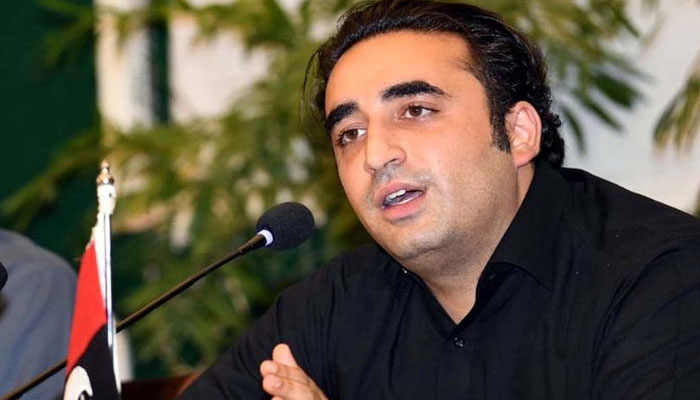
نمبر 4 کا راستہ نہیں معلوم اور یہ بات ’وہ‘ بھی جانتے ہیں،اسٹیبلشمنٹ سے کوئی لینا دینا نہیں، سیاسی جماعتوں نے انتہاپسندانہ رویہ اپنایا تو بحران ہوگا، لانگ مارچ عوام کی طرف سے عمران حکومت کیخلاف چارج شیٹ ہوگا، لمبے لمبے دھرنے اور قومی اداروں پر حملے کرنے کی بجائے پارلیمنٹ میں سیاست کرینگے، حکومت کو آئینی طریقے سے عدم اعتماد کے ذریعے ہٹائیں گے.
ن لیگ کیساتھ پی ٹی آئی کے 34 ایم این ایز ہیں تو حکومت گرا کر دکھا دیں، نواز شریف نے اکثریت ہونے کے باوجود پارلیمان کو وقت نہیں دیا، پی ٹی آئی حکومت لانگ مارچ سے گھبرا کر پیپلزپارٹی اور اسکے عوامی نمائندوں کیخلاف جھوٹے پروپیگنڈوں پر اتر آئی ہے۔
ان خیالات کا اظہارا نہوں نے لاہور میں میڈیا سے گفتگو اور سابق گورنر پنجاب مخدوم احمد محمود بات چیت کرتے ہوئے کیا۔ بلاول بھٹو زرداری نے لانگ مارچ کی کامیابی کیلئے اسٹیبلشمنٹ سے غیر جانب دار رہنے کا مطالبہ بھی کردیا اور ساتھ ہی کہا کہ اسلام آباد جائینگے لیکن پارلیمنٹ یا پی ایم ہاؤس کا گھیراؤ نہیں کرینگے، لمبے لمبے دھرنے اور قومی اداروں پر حملے کے بجائے پارلیمان میں سیاست کریں گے، حکومت نکالنے کیلئے آئین کے تحت تحریک عدم اعتماد لانی ہوگی۔
بلاول نے ن لیگ کو چیلنج بھی کیا اور کہا کہ مسلم لیگ (ن) دعویٰ کرتی ہے کہ پی ٹی آئی کے 34 ایم این ایز ان کے ساتھ ہیں، ایسا ہے تو حکومت گرا کر دکھا دیں۔پی پی چیئرمین نے کہا کہ میاں صاحب کو پارلیمان کی اس وقت یاد آئی جب حکومت کو خطرہ ہوا۔ بلاول بھٹو نے مزید کہا کہ پیپلز پارٹی ہمیشہ جمہوریت اور پارلیمان کو مضبوط کرنا چاہتی ہے،ہمیں ہر الیکشن میں ان کا ڈٹ کر مقابلہ کرنا چاہیے۔
بلاول بھٹو نے کہا کہ اگر ہم نے اس حکومت کو نکالنا ہے تو آئین کے تحت عدم اعتماد لے کرآنا ہوگا، ہم عدم اعتماد کی بات کرتے ہیں ہمارا ساتھ دیں، اپوزیشن حکومت کو ہٹانے کا کوئی دوسرا راستہ بتائے تو ہم حاضر ہی۔
بلاول بھٹو نے کہا کہ حکومت کے اتحادیوں میں سے کوئی پیشکش نہیں ہوئی، لانگ مارچ شروع ہونے پر شاید کوئی آپشن آجائے، 100 فیصد نہیں کہہ سکتا کہ لانگ مارچ پوری طرح کامیاب ہوگا یا نہیں، عمران خان اور مولانا فضل الرحمٰن کےلانگ مارچ ناکام ہوئے لیکن بے نظیر بھٹو ناکام نہیں ہوئیں۔
چیئرمین پیپلز پارٹی نے کہا کہ یوسف رضا گیلانی کو ووٹ کس کس ایم این اے نے دیا ن لیگ اور مولانا کو بھی نہیں پتہ، صرف مجھےاور یوسف رضا گیلانی کو پتہ ہے کہ ووٹ کس نے دیا تھا۔ انہوں نے کہا کہ نیب کو سیاسی طور پر استعمال نہ کیا جائے، یہ حکومت سلیکٹڈ ہے لیکن سلیکٹڈ بھی پریشان ہے۔ بلاول نے کہا کہ اسٹیبلشمنٹ کےساتھ تعلق کی خبریں میڈیا کی طرف سےآتی ہیں،ہماری طرف سےنہیں، اسٹیبلشمنٹ کے ساتھ ہماری دلچسپی کل تھی نہ آج ہے، گلگت جاتا ہوں یا جنوبی پنجاب تو کہا جاتا ہے اسٹیبلشمنٹ کا اشارہ ہے۔
دریں اثناء بلاول بھٹو زرداری نے ماڈل ٹائون میں پیپلزپارٹی جنوبی پنجاب کے صدر مخدوم احمد محمود کی رہائش گاہ پر مخدوم احمد محمود، مرتضی محمود، علی محمود، عطا گیلانی ودیگر سے ملاقات کی۔ ملاقات کے دوران چیئرمین بلاول بھٹو زرداری اور سابق گورنر پنجاب مخدوم احمد محمود کے درمیان سیاسی صورت حال پر تبادلہ خیال کیاگیا ۔
بلاول بھٹو زرداری اور مخدوم احمد محمود کے درمیان لانگ مارچ کے لائحہ عمل پر بھی تفصیلی بات چیت ہوئی۔ اس موقع پر گفتگو کرتے ہوئے چیئرمین بلاول بھٹو زرداری نے کہاکہ پاکستان پیپلزپارٹی کا لانگ مارچ ملکی سیاسی تاریخ کا ایک اہم سنگ میل ثابت ہوگا۔
https://jang.com.pk/news/1044817
Tuesday, February 1, 2022
Why Does #Pakistan lag behind #Bangladesh?


Successful statesman Sheikh Hasina has achieved full potential to move from a least developed country to a developing country. Even before the 50th anniversary of independence, Bangladesh has come a long way than that of Pakistan. It has been possible because of People’s hard-working and strong leadership.
In the 70s, independent Bangladesh was recognised by the world as a city plagued by food shortage, famine, and natural disasters. But in the last 50 years, the image of Bangladesh has been discussed in different contexts. Now, positive aspects predominate in discussions about Bangladesh. Bangladesh has always tried to build a bright image in the world by highlighting its various achievements. In 50 years, Bangladesh has overcome many negative images.
#Clergyman’s killing - #Pakistani #Christians Under Attack - The killing of Christian clergyman William Siraj in Peshawar on Sunday


Peshawar has of course seen mass violence targeting minorities in the past with the 2013 bombing of the All Saints Church being a particularly horrific example. Now, with the situation fluid next door in Afghanistan, and the resurgence of terrorist activity in this country, the authorities will need to remain alert to ensure that minorities are protected. While security forces across the country must remain active, KP and Balochistan — due to their physical proximity to Afghanistan — should be particularly vigilant. Extra security needs to be provided to churches, temples and other minority places of worship, while law-enforcement agencies should also protect neighbourhoods where large numbers of non-Muslim citizens live. As has been the experience during earlier CT operations, intelligence-based actions may be the best option to bust terrorist gangs looking to foment violence and target vulnerable segments of society. Moreover, it is the state’s responsibility to continue pressing the Afghan Taliban authorities to ensure their soil is not used for hosting elements inimical to Pakistan and determined to cause instability in this country. The challenge is essentially two-fold for the security forces where protecting minority communities is concerned. They must work to prevent ‘high-impact’ attacks against churches and large gatherings of non-Muslim citizens, while keeping alert to prevent the killing of ‘soft’ targets, such as the one witnessed in Peshawar. By no means can militant groups be allowed to unleash a reign of terror across the country, as was the case not too long ago. Pre-emptive action is required to neutralise such elements.
#Pakistan #PPP - PML-Q, PTI leaders meet Bilawal in Lahore, join PPP


A former minister and other notables from the PML-Q and the PTI called on PPP Chairman Bilawal Bhutto-Zardari here on Monday and announced joining the party.
Those who called on Bilawal included ex-forest minister Rai Ijaz Ahmad Khan, Advocate Rai Azeem Saeed, independent candidate for National Assembly seat Noorul Ain, Shoaib Rahim Vithra (a PTI ticket holder from Chichawatni) and PTI’s Sahiwal district leader Suhail Rahim Vithra.
Former Balochistan governor Ghaus Bakhsh Raisani’s son Nawabzada Aminullah Raisani also met the PPP chairman and announced joining the party.
Mr Bilawal welcomed all the new entrants to the party and hoped they would work towards realising the manifesto of the PPP.
Earlier, the party chairman visited the residences of former Lahore chapter leaders late Syed Muzaffar Shah and Shahbaz Bhatti on Ravi Road and in Qila Lakshman Singh and condoled with their heirs. He offered fateha for both the departed souls.
https://www.dawn.com/news/print/1672621
#Pakistan #PPP - بلاول بھٹو کا گیٹ نمبر 4 کے راستے سے لاعلمی کا اعلان
چیئرمین پیپلز پارٹی بلاول بھٹو زرداری نے کہا ہے کہ مجھے گیٹ نمبر 4

کاراستہ تک معلوم نہیں ہے۔
لاہور میں صحافیوں سے گفتگو میں بلاول بھٹو نے کہا کہ میری گیٹ نمبر 4 سے لاعلمی کی بات ’وہ‘بھی جانتے ہیں۔
انہوں نے کہاکہ لانگ مارچ حکومت کے خلاف فردِ جرم ہوگا، مطالبہ کرتا ہوں کہ اسٹیبلشمنٹ غیر جانب دار رہے۔
چیئرمین پی پی نے لانگ مارچ کی کامیابی کے لیے مطالبے کے ساتھ یہ یقین دہانی بھی کرائی کہ وہ اسلام آباد جائیں گے لیکن پارلیمنٹ یا پرائم منسٹر ہاؤس کا گھیراؤ نہیں کریں گے۔
اُن کا کہنا تھا کہ اسلام آباد میں لمبے دھرنے اور قومی اداروں پر حملے کے بجائے وہ پارلیمان میں سیاست کریں گے۔
بلاول بھٹو زرداری نے مزید کہا کہ وفاقی حکومت کو نکالنے کے لیے آئین کے تحت عدم اعتماد لانی ہوگی، ہم یہ بات کرتے ہیں، دوسری جماعتیں ہمارا ساتھ دیں، اپوزیشن حکومت کو ہٹانے کا کوئی دوسرا راستہ بتائے تو ہم حاضر ہیں۔
انہوں نے کہا کہ پیپلز پارٹی ہمیشہ جمہوریت اور پارلیمان کو مضبوط کرتی ہے، حکومت کو آئینی طریقے سے عدم اعتماد کے ذریعےنکالنا چاہیے، سیاسی جماعتوں کا انتہائی اقدام بحران پیدا کرسکتا ہے۔
پی پی چیئرمین نے ساتھ ہی اپوزیشن جماعت ن لیگ کو چیلنج بھی دیا اور کہا کہ ن لیگ دعویٰ کرتی ہے کہ پی ٹی آئی کے 34 ارکان قومی اسمبلی اُن کے ساتھ ہیں،ایسا ہے تو حکومت گراکر دکھائیں۔
اُن کا کہنا تھا کہ وہ گلگت جائیں یا جنوبی پنجاب کہا جاتا ہے، یہ اسٹیبلشمنٹ کا اشارہ ہے، اسٹیبلشمنٹ سے تعلق کی خبریں میڈیا سے آتی ہیں، اُن کی طرف سے نہیں۔
بلاول بھٹو زرداری نے کہا کہ اسٹیبلشمنٹ کے ساتھ دلچسپی نہ کل تھی، نہ آج ہے، پارٹی میں لوگوں کو بھیجے جانے کی بات ہوتی ہے۔
انہوں نے کہا کہ اگر شیخ رشید پیپلز پارٹی میں آتے ہیں توپتا چل جائے گا وہ کہاں سے آرہے ہیں اور کون لا رہا ہے۔
نواز شریف پر تنقید کرتے ہوئے پی پی چیئرمین نے کہا کہ میاں صاحب نے اکثریت ہونے کے باوجود پارلیمنٹ کو وقت نہیں دیا، میاں صاحب کو پارلیمنٹ اُس وقت یاد آئی جب حکومت کو خطرہ ہوا۔
ان کا کہنا تھا کہ پی ڈی ایم کا جو معاہدہ ہوا اس میں عدم اعتماد آخری آپشن تھا، یوسف رضا گیلانی پر میرا سو فیصد اعتماد ہے، میمو گیٹ کا مسئلہ ہوا تو یوسف رضا گیلانی کھڑے تھے۔
بلاول بھٹو زرداری نے یہ بھی کہا کہ جب سے لانگ مارچ کا اعلان کیا، کچھ حلقے ہماری ساکھ خراب کرنے کی کوشش کررہے ہیں۔
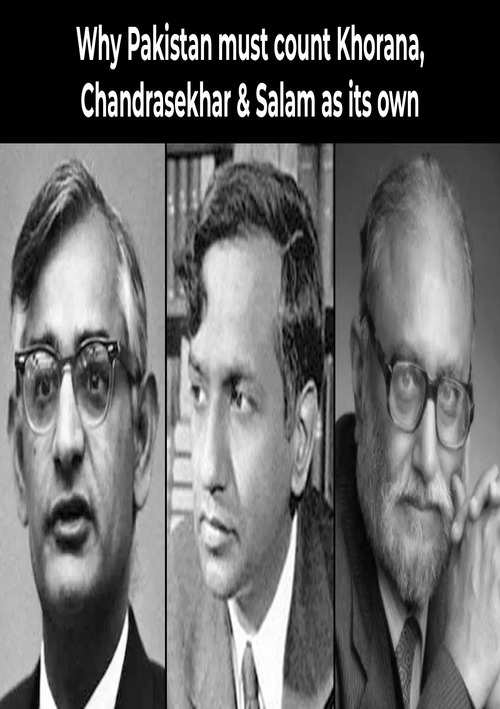
Monday, January 31, 2022
Abdus Salam - Before Pakistan can produce any science worth the name, it must overcome its deeply held prejudices
A Dawn article on Har Gobind Khorana (1922-2011) threw me back 50 years when I, along with 600 other students, had packed 26-100 (MIT’s largest lecture hall) to hear him speak. Being clueless of the basics of molecular biology, I understood little and left halfway through. Curiosity had driven me there because this famous MIT professor had won the 1968 Nobel Prize and started a brand new field — protein synthesis via nucleotides. More interestingly, he was a Lahori with bachelor and master’s degrees from Punjab University. Alas! Lahore, to its misfortune, does not know – nor cares to know – who this man was. The same holds true for another of its sons, Subrahmanyan Chandrasekhar (1910-1995), who became a Nobel Laureate in recognition of his definitive work on the death of stars. Today, a Nasa satellite named Chandra scours the skies for neutron stars, black holes and other unusual astronomical objects. The story of Abdus Salam (1926-1996) is too well known to repeat here. Winner of the 1979 physics Nobel, he studied at Government College Lahore and later taught at Punjab University. However, no road or landmark in Lahore bears Salam’s name – or that of Khorana and Chandrasekhar. While a Government College-affiliated institution called the Abdus Salam School for Mathematical Studies nominally exists, to display his name on its signboard could be dangerous in a city often gripped by religious fervour. Less well known is the story of Chowla and Chawla. At Government College, there have been two mathematicians in number theory. One was Sarvadaman Chowla, an accomplished mathematician who headed the mathematics department from 1937 to 1947. Being Hindu, he left Lahore after the rioting began and went to Princeton University, then the University of Colorado at Boulder, and eventually became professor at the University of Pennsylvania. He died in 1995 and was celebrated as a famous number theorist by the American Mathematical Society with several important theorems to his name.The other was Lal Muhammad Chawla who graduated from Oxford in 1955 and then taught at Government College for many years. With rather modest professional achievements, he had only one well-cited paper. As a Google search of his publications reveals, Chawla was more interested in writing religious books than advancing mathematics. However, the Government College math society is named after Lal Muhammad Chawla and not the more famous and much more accomplished Sarvadaman Chowla. No Hindu scientist is celebrated in Pakistan. Rejecting non-Muslims of high professional merit has come at devastating cost to Pakistan. For one, it lost those who could have helped the newborn country establish a scientific base. For another, it became difficult to create institutional meritocracies. After Partition, many clever ones played the religious or ethnic card and undeservedly rose to positions of high authority. In time, they became institutional gatekeepers with catastrophic consequences. The weakness of science education in Pakistan is too evident to belabour here. Unsurprisingly, our best and brightest young people usually go for soft stuff like medicine, law and business. Unlike in China or India, hardly any opt for tough, demanding, scientifically-oriented careers. So, how can we persuade our children towards them? What stories to tell them about science and scientists? Most importantly, who should be their role models? This brings up a civilisational problem. Over the last 300 years – which is how old modern science is – there are no Muslim subcontinental names associated with first tier (Nobel calibre) scientific accomplishments (after 1974 Salam must be excluded). Notwithstanding the valiant efforts of Sir Syed Ahmad Khan (1817-1898), Indian Muslims shunned science and the English language. Thus, even at the distant second or third tier level, one finds barely a dozen names. Since one cannot find Muslim science heroes who belong to the soil, books for Pakistani children inevitably valorise Arabs from the Golden Age such as Al-Battani, Ibn-e-Shatir, Ibn-e-Haytham, etc. While these luminaries of Muslim science were genuine path-breakers, they do not serve well as role models. For one, persons from centuries ago cannot inspire today’s children. For another, excitement is inspired by those “of your own kind”. Arabs, however, are visibly different from people around here.Ancient Hindu scientists could have found some place in Pakistani books. However, they are excluded on ideological grounds because “woh hum main say nahin hain” (they are not us). Instead, many Pakistanis anxiously seek ancestral roots in Arabia, Afghanistan and Central Asia. But modern laboratory tools are ripping apart dearly held myths of racial origins. Now several genetic marker studies are suggesting that the subcontinent’s Muslims have descended primarily from local Hindu converts with only a few per cent admixture of Arab or Central Asian genes. Excluding Hindu scientists from our books is absurd. Ideology and science are like oil and water – they refuse to mix. Science cares only about facts and logic, not personal likes and dislikes. History is replete with examples of failed attempts to fuse science with cherished beliefs. When Stalin sought to impose his Marxist views upon Soviet biology through his chosen tout, Trofim Lysenko, he nearly destroyed agriculture and forestry. Soviet Russia’s good fortune was that it had a scientific community robust enough to counter Lysenko’s meddling. Pakistan has not been so lucky. It has an abundance of charlatans pretending to be scientists but just a few who deserve to be called such. While there is a science ministry, several scientific bodies, and hundreds of institutions that purport to teach or do research in science, no community of genuine scientists exists. High-sounding scientific bodies – such as the Pakistan Academy of Sciences – are a joke. They command no respect internationally and should be dissolved. Every kind of intellectual endeavour, science included, needs an enabling cultural and social environment to flourish. Science suffocates when scientists are judged by their religion, race, ethnicity or any criterion other than scientific achievement. Before Pakistan can produce any science worth the name, it will need to overcome its deeply held prejudices. It must learn to value all who share the common heritage of humankind. The day we count Khorana, Salam and Chandrasekhar as our very own, Pakistan will have begun breaking the shackles of scientific under-development. https://scroll.in/article/1015366/before-pakistan-can-produce-any-science-worth-the-name-it-needs-to-overcome-its-prejudicesRejecting non-Muslims of high professional merit has come at devastating cost to Pakistan.