Saturday, January 8, 2022
Afghan Taliban Turn Blind Eye to the Tehreek-e-Taliban Pakistan

By
The Afghan Taliban have shown no signs of expelling TTP leaders or preventing them from carrying out attacks in Pakistan, even as Pakistan pushes a reluctant world to engage with Afghanistan’s new rulers.
Each year on January 17, Shahana bakes a cake and invites friends to her home in the Pakistani city of Peshawar. They sing happy birthday for her son, even light a candle. But it’s a birthday without the birthday boy. Her son, Asfand Khan, was 15 in December 2014 when gunmen rampaged through his military-run public school in Peshawar killing 150 people, most of them students, some as young as 5. Asfand was shot three times in the head at close range.
The attackers were Pakistani Taliban, who seven years later have once again ramped up their attacks, seemingly emboldened by the return of Afghanistan’s Taliban to power in Kabul. In the last week of December, they killed eight Pakistani army personnel in a half dozen attacks and counter attacks, all in the country’s northwest. Another two Pakistani soldiers were killed in an attack on Taliban outposts late Wednesday night.
Yet the Afghan Taliban have shown no signs of expelling TTP leaders or preventing them from carrying out attacks in Pakistan, even as Pakistan leads an effort to get a reluctant world to engage with Afghanistan’s new rulers and salvage the country from economic collapse.It is a dilemma faced by all of Afghanistan’s neighbors and major powers like China, Russia, and the United States as they ponder how to deal with Kabul. Multiple militant groups found safe haven in Afghanistan during more than four decades of war, and some of them, like the TTP, are former battlefield allies of the Afghan Taliban.So far, the Taliban have appeared unwilling or unable to root them out. The sole exception is the Islamic State affiliate, which is the Taliban’s enemy and has waged a campaign of violence against them for years. The Islamic State branch, known by the acronym IS-K, also routinely targets Afghanistan’s minority Shiite Muslims, killing hundreds in dozens of horrific attacks targeting, schools, mosques, even a maternity hospital.Washington has identified IS-K as its major militant worry emanating from Afghanistan. The Taliban’s longtime ally al-Qaida is not seen as a strong threat. Though U.S. military leaders say there are signs it may be growing slightly, it is struggling near rudderless, with its current leader, Ayman al-Zawahri, alive but unwell, according to the July U.N. report. Still, there are plenty of other militants based in Afghanistan, and they are raising concerns among Afghanistan’s neighbors. China fears insurgents from its Uyghur ethnic minority who want an independent Xinjiang region. Russia and Central Asian nations worry about the Islamic Movement of Uzbekistan, which in recent years went on a recruitment drive among Afghanistan’s ethnic Uzbeks. For Pakistan, it is the TTP, which stands for Tehreek-e-Taliban Pakistan. The group perpetrated some of the worst terrorist assaults on Pakistan, including the 2014 assault on the military public school. The TTP numbers anywhere from 4,000 to 10,000 fighters, according to the U.N. report. It has also succeeded in expanding its recruitment inside Pakistan beyond the former tribal regions along the border where it traditionally found fighters, says Amir Rana, executive director of the Pakistan Institute of Peace Studies, an independent think tank in the capital Islamabad. Analysts say the Afghan Taliban’s reluctance to clamp down on the TTP does not bode well for their readiness to crack down on the many other groups. “The plain truth is that most of the terrorist groups operating in Afghanistan, aside from IS-K, are Taliban allies,” says Michael Kugelman, deputy director of the Asia Program at the Washington-based Wilson Center. “And the Taliban aren’t about to turn their guns on their friends, even with mounting pressure from regional players and the West.” The militants’ presence complicates Pakistan’s efforts to encourage international dealings with the Afghan Taliban in hopes of bringing some stability to an Afghanistan sliding into economic ruin. Analysts say Pakistan’s military has made a calculation that the losses inflicted by the TTP are preferable to undermining Afghanistan’s Taliban rulers by pressing them on the issue. A collapse would bring a flood of refugees; Pakistan might be their first stop, but Islamabad warns that Europe and North America will be their preferred destination. Islamabad attempted to negotiate with the TTP recently, but the effort fell apart. Rana of the Pakistan Institute of Peace Studies said Pakistan’s policy of simultaneously negotiating with and attacking the TTP is “confusing” and risks emboldening like-minded insurgents in both countries. It also worries its allies, he said. China, which is spending billions in Pakistan, was not happy with Islamabad’s attempts at talks with the TTP because of its close affiliation with Uyghur separatists, said Rana. The TTP took responsibility for a July bombing in northwest Pakistan that killed Chinese engineers as well as an April bombing at a hotel where the Chinese ambassador was staying. Pressure is mounting on Pakistan to demand the Afghan Taliban hand over the TTP leadership. But Islamabad’s relationship with the Taliban is complicated. Pakistan’s powerful military, which shepherds the country’s Afghan policy, has ties to the Taliban leadership going back more than 40 years to an earlier invasion. Then, together with the U.S., they fought and defeated the invading former Soviet Union. After the 2001 U.S.-led invasion of Afghanistan, Pakistan was accused by Washington and its Afghan allies of aiding the Taliban. Pakistan denied the accusations, even as Taliban leaders and their families lived in Pakistan while waging their insurgency against Kabul. But the Taliban also have interests divergent from Pakistan’s, particularly the issue of the two countries’ 2,500-kilometer (1,600-mile) border. Afghanistan has never recognized the border, known as the Durand Line, which was drawn by British colonial administrators in the 19th century. Last week, Afghan Taliban anger over Pakistan’s construction of a border fence threatened to turn violent. Videos shared on social media showed Taliban destroying rolls of barbed wire meant for the fence and threatening to open fire on Pakistani troops. The Taliban’s Defense Ministry issued a statement saying Pakistan had no right to erect a border fence. On Wednesday Pakistan’s military spokesman Gen. Babar Iftikar said the fence was 94 percent done and would be completed. “The fence on the Pak-Afghan border is needed to regulate security, border crossing and trade,” he said. “The purpose of this is not to divide the people, but to protect them.” Even if Pakistan were to ask the Taliban to hand over TTP leaders, it shouldn’t expect any results, says Bill Roggio, editor of the Long War Journal which tracks global militancy. “The Afghan Taliban will not expel the TTP for the same reasons it won’t expel al-Qaida,” he said. “Both groups played a key role in the Afghan Taliban’s victory. They fought alongside the Afghan Taliban and sacrificed greatly over the past 20 years.”
https://thediplomat.com/2022/01/afghan-taliban-turn-blind-eye-to-the-tehreek-e-taliban-pakistan/
#Murree snowfall: Bilawal Bhutto blames local administration for deaths
Pakistan Peoples Party (PPP) Chairman Bilawal Bhutto Zardari on Saturday has termed local administration responsible for the deaths of tourists in snow-hit Murree.

In a statement, the PPP chief extended condolences to the bereaved family and pledged to stand with them in this difficult time.
The precious lives could have been saved by taking timely steps, he added.
The reaction came after Federal Minister for Interior Sheikh Rashid Ahmed confirmed that 16-19 people have lost their lives due to snowstorms in Murree and other northern areas.
https://nation.com.pk/08-Jan-2022/murree-snowfall-bilawal-bhutto-blames-local-administration-for-deaths
سانحہ مری کا ذمہ دار کون؟ شرمیلا فاروقی کا سوال
پاکستان پیپلز پارٹی کی رہنما اور رکن سندھ اسمبلی شرمیلا فاروقی نے سانحہ مری پر افسوس کا اظہار کرتے ہوئے کئی سوالات اُٹھادیے۔
سوشل میڈیا پر جاری کیے گئے بیان میں شرمیلا فاروقی نے کہا کہ ’مری سے خوفناک دل دہلا دینے والی خبر آگئی ہے، 20 سے زائد سیاح برف میں پھنسے موت کے منہ میں چلے گئے۔‘
شرمیلا فاروقی نے سوالیہ انداز میں کہا کہ ’ان اموات کا ذمہ دار کون ہے؟انتظامی تعاون، ریسکیو سہولیات کا فقدان یا یہ نااہل حکومت جو مناسب ریسکیو سہولیات کو یقینی بنائے بغیر سیاحت کو فروغ دیتی ہے؟‘
https://jang.com.pk/news/1034627
Snowstorm kills at least 16 tourists, with hundreds stranded, at Pakistani resort

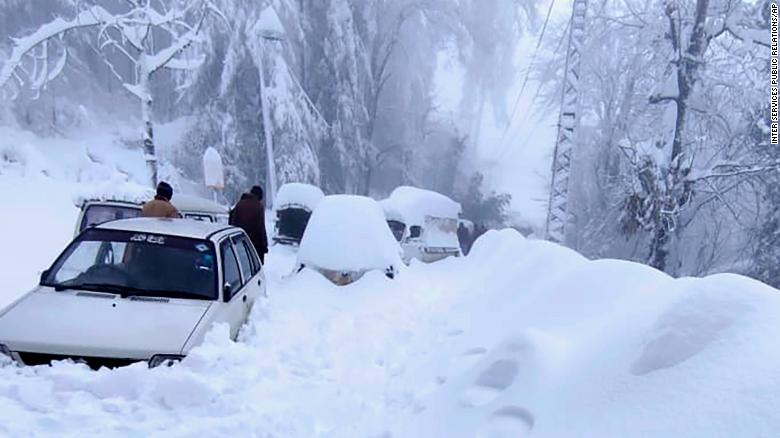
At least 16 people have been killed in a snowstorm in the northeastern Pakistan resort town of Murree northeast of the capital Islamabad.


Friday, January 7, 2022
First female judge nominated for Pakistan’s supreme court

Haroon Janjua
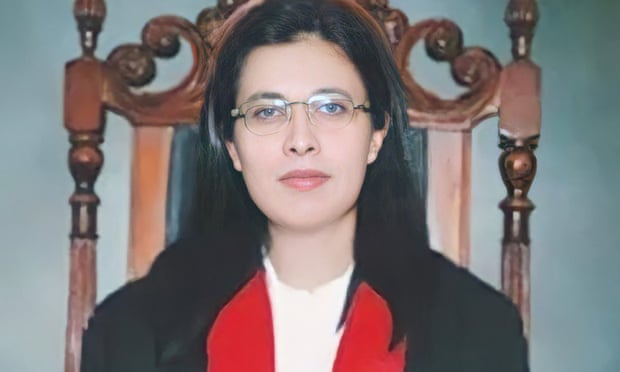
Pakistan’s top judicial commission has nominated a female judge to the supreme court for the first time in the country’s history. The move to pave the way for Justice Ayesha Malik to join the court has been widely praised by lawyers and civil society activists as a defining moment in the struggle for gender equality in Pakistan. The parliamentary secretary for law and justice, Maleeka Bokhari, called it a “shattering of the glass ceiling”. “An important and defining moment in our country as a brilliant lawyer and decorated judge has become Pakistan’s first female SC [supreme court] judge,” Bokhari, a junior minister of the ruling Tehreek-e-Insaf party, wrote on Twitter.The 55-year-old’s appointment has been supported by the chief justice of Pakistan, Gulzar Ahmed, and now goes to a parliamentary panel for confirmation. The decision has not been without opposition, with one group of lawyers threatening to strike if Malik joined the supreme court bench. The nine-member commission turned down her appointment to the court last year, but this time the decision of the panel of judges was five votes to four in her favour. A number of lawyers and judges said her selection violated the rules in terms of seniority, maintaining that she was not among the top three senior judges in the court from which she was nominated – the Lahore high court, where Malik has served since 2012. Imaan Mazari-Hazir, a lawyer in Islamabad, said: “Women have, in the past, been blocked from becoming chief justices of their respective high courts and the fact that we did not have a single woman in the supreme court until now illustrates that there is indeed deep-rooted misogyny in the legal fraternity.” Pakistan’s top judicial commission has nominated a female judge to the supreme court for the first time in the country’s history. The move to pave the way for Justice Ayesha Malik to join the court has been widely praised by lawyers and civil society activists as a defining moment in the struggle for gender equality in Pakistan. The parliamentary secretary for law and justice, Maleeka Bokhari, called it a “shattering of the glass ceiling”. “An important and defining moment in our country as a brilliant lawyer and decorated judge has become Pakistan’s first female SC [supreme court] judge,” Bokhari, a junior minister of the ruling Tehreek-e-Insaf party, wrote on Twitter. The 55-year-old’s appointment has been supported by the chief justice of Pakistan, Gulzar Ahmed, and now goes to a parliamentary panel for confirmation.The decision has not been without opposition, with one group of lawyers threatening to strike if Malik joined the supreme court bench. The nine-member commission turned down her appointment to the court last year, but this time the decision of the panel of judges was five votes to four in her favour.A number of lawyers and judges said her selection violated the rules in terms of seniority, maintaining that she was not among the top three senior judges in the court from which she was nominated – the Lahore high court, where Malik has served since 2012. Imaan Mazari-Hazir, a lawyer in Islamabad, said: “Women have, in the past, been blocked from becoming chief justices of their respective high courts and the fact that we did not have a single woman in the supreme court until now illustrates that there is indeed deep-rooted misogyny in the legal fraternity.” Malik has given some landmark verdicts in her career, last year outlawing virginity tests for female rape survivors. “It is a humiliating practice, which is used to cast suspicion on the victim, as opposed to focusing on the accused and the incident of sexual violence,” she said in her verdict, which only applies in the state of Punjab. Nighat Dad, a digital rights lawyer and human rights activist, said Malik had proved “her competence in the courtroom”. “Justice Ayesha Malik’s appointment is a historic move for our judicial system as it is not only the first time a woman has a seat in the supreme court since Pakistan’s inception, but it opens up endless possibilities for other women in the legal field,” she said. “In a country where crimes of gender-based violence are a constant reality, more women in the supreme court can hopefully have a domino effect on the larger justice system to be more inclusive,” said Dad, adding that the law had “immense barriers for women and marginalised communities”.
https://www.theguardian.com/global-development/2022/jan/07/first-female-judge-nominated-for-pakistans-supreme-court
27 فروری کو ملک بھر سے عوام نکلیں، سلیکٹڈ وزیر اعظم کو گھربھیج دیں، بلاول بھٹو
چیئرمین پیپلزپارٹی بلاول بھٹوزرداری نے کہا ہے کہ27 فروری
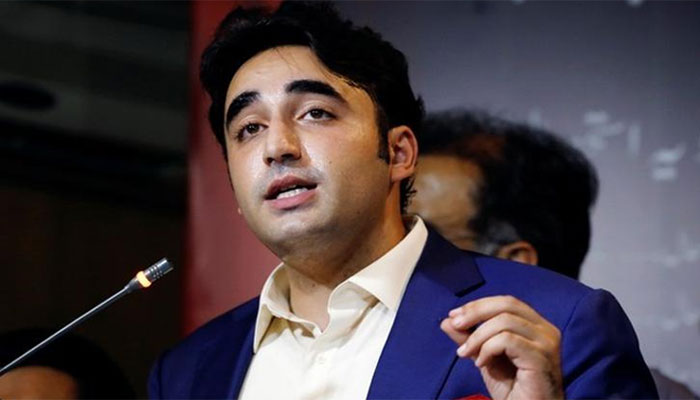
کو ملک بھر سے
عوام نکلیں اور سلیکٹڈوزیر اعظم کو گھربھیج دیں۔ لانگ مارچ سے قبل کسان مارچ اور پارلیمنٹ میں احتجاج کا ٹریلرحکومت کے لئےسبق ہوگا، حکومت کےخلاف نئے الیکشن تک تحریک جاری رہے گی۔
لاہور میں پیپلزپارٹی بلوچستان کے عہدیداروں کے اجلاس کی صدارت کرتے ہوئے بلاول بھٹو کا کہنا تھا کہ مہنگائی نےعوام کاجینا دوبھر کردیا۔
اب عمران خان کی حکومت ایک دن بھی برداشت نہیں، اگلے انتخابات کے امیدوار درخواستیں جمع کروا دیں۔
بلاول بھٹو نے پیپلزپارٹی سندھ کے عہدیداروں کا بھی اجلاس منعقد کیا، جس میں صوبے کی سیاسی صورت حال، لانگ مارچ اور کسان ریلی کی تیاریوں پر بریفنگ دی گئی۔
بلاول بھٹو، سابق وزیراعظم یوسف رضا گیلانی کی رہائش گاہ پر بھی گئے اور ان کی خوش دامن کےانتقال پر اظہار تعزیت کیا۔
https://jang.com.pk/news/1034267
Thursday, January 6, 2022
بلدیاتی انتخابات سے قبل صوبہ پنجاب کے 9 اضلاع سے 80 سے زائد بلدیاتی نمائندوں نے پاکستان پیپلز پارٹی میں شمولیت اختیار کر لی
پنجاب میں بلدیاتی انتخابات سے قبل صوبہ پنجاب کے 9 اضلاع سے 80 سے زائد بلدیاتی نمائندوں نے پاکستان پیپلز پارٹی میں شمولیت اختیار کر لی ہے۔ ان نمائندوں کا تعلق پنجاب کے اضلاع قصور، اوکاڑہ، وہاڑی، ساہیوال، ملتان، جھنگ، لیہ اور لودھراں سے ہے۔ پیپلز پارٹی میں شامل ہونے والوں میں میونسپل کمیٹیوں اور یونین کونسلوں کے سابق چیئرمین، سابق جنرل کونسلرز، کسان اتحاد کے اراکین اور تاجر برادری کی اہم شخصیات شامل ہیں۔چیئرمین پیپلز پارٹی بلاول بھٹو زرداری نے پارٹی میں نئے شامل ہونے والوں کے اعزاز میں بلاول ہاؤس لاہور میں ظہرانہ دیا۔ ان سے خطاب کرتے ہوئے چیئرمین بلاول بھٹو زرداری نے کہا کہ پیپلز پارٹی ہمیشہ نچلی سطح کی جماعت رہی ہے۔ یہ اب بھی گراس روٹ کی پارٹی ہے اور ہمیشہ گراس روٹس کی پارٹی رہے گی۔
پارٹی میں نئے شامل ہونے والوں سے خطاب کرتے ہوئے انہوں نے کہا کہ پیپلز پارٹی نے ہمیشہ مشکل وقت میں ملک کو مستحکم کیا ہے۔ پاکستان اس وقت مشکل دور سے گزر رہا ہے۔ موجودہ حکومت عوام دشمن ہے۔ پیپلز پارٹی نے ہمیشہ غریب عوام کا خیال رکھا ہے۔ اس نے ہمیشہ لوگوں کو روزگار فراہم کیا ہے اور ہمارا نعرہ تھا کہ ’’بے نظیر آئے گی، روزگار لائے گی‘‘۔ 1970
کی دہائی میں شہید ذوالفقار علی بھٹو کی حکومت میں ہم نے 5 مرلہ سکیم متعارف کروائی اور 1990 کی دہائی میں شہید بینظیر بھٹو نے 7 مرلہ سکیم متعارف کروائی۔ اب یہ منتخب حکومت جس نے 50 لاکھ گھروں کا وعدہ کیا تھا اس نے اس ملک کے غریبوں سے چھت چھین لی ہے۔ سلیکٹڈ حکومت نے ایک کروڑ نوکریوں کا وعدہ کیا تھا لیکن ہزاروں کو بے روزگار کر دیا گیا۔ عوام اس حکومت سے نجات چاہتے ہیں۔ مجھے اس ملک کو صحیح راستے پر ڈالنے کے لیے آپ کی مدد کی ضرورت ہے،چیئرمین بلاول بھٹو زرداری نے کہا کہ پیپلز پارٹی نے ہمیشہ پاکستانی عوام کو بااختیار بنایا۔ صدر زرداری نے جو اس ملک کے سب سے طاقتور سول صدر تھے، اپنے تمام اختیارات پاکستان کے عوام کے نمائندوں یعنی پارلیمنٹ کو منتقل کر دیئے۔ ہم نے ہمیشہ صوبوں اور مقامی حکومتوں کو بااختیار بنانے کی خواہش کی۔ یہی وجہ ہے کہ سندھ میں پیپلز پارٹی نے سندھ اسمبلی کے ذریعے بلدیاتی نظام متعارف کرایا ہے جو مقامی حکومتوں کو بااختیار بناتا ہے۔ سندھ کے وزیر اعلیٰ سید مراد علی شاہ مقامی حکومتوں کو خود اپنی آمدنی پیدا کرنے کے قابل بنا کر طاقتور بنا رہے ہیں۔ میئر کو واٹر بورڈ کا چیئرمین بنا دیا گیا ہے۔ کچرے کے انتظام کی مشترکہ صدارت میئر کرتے ہیں۔ مقامی حکومتوں کو پولیس، تعلیم اور صحت کے محکموں سے ہفتہ وار رپورٹس وصول کرنے کا اختیار دیا گیا ہے۔ ہم مقامی حکومتوں کو مضبوط کرنا چاہتے ہیں۔ وفاقی دارالحکومت اسلام آباد اور پنجاب میں بلدیاتی نظام آرڈیننس کے ذریعے نافذ کر دیا گیا ہے۔
چیئرمین بلاول بھٹو نے پارٹی میں آنے والے تمام نئے آنے والوں کا خیرمقدم کرتے ہوئے کہا کہ پیپلز پارٹی نہ صرف ایک سیاسی جماعت ہے بلکہ ایک ایسا خاندان ہے جہاں ہم خوشی و غم، کامیابیوں اور ناکامیوں میں ساتھ ہیں۔پیپلز پارٹی میں شامل ہونے والے سابق بلدیاتی نمائندوں میں قصور یونین کونسل کے سابق چیئرمین رانجھا بلوچ، چوہدری عبدالجبار، چوہدری محمد جمیل، حاجی عبدالستار، چوہدری لیاقت علی ساندہ، قصور یونین کونسل کے سابق چیئرمین چوہدری مشتاق احمد، اسلم میو، نجیب اللہ خان، شبیر احمد بھٹی، ڈاکٹر اشرف چوہان نے شرکت کی۔ ،، قصور کے جنرل کونسلر رانا محمد علی، اشتیاق احمد، ارشد بھٹی، سرفراز احمد، فواد رشید، حافظ ایم ارشد ملک، قصور کے جنرل کونسلر احمد علی اولکھ، محمد جہانگیر، چوہدری شہادت علی جٹ، سردار رفیق ڈوگر، ذوالفقار علی ، قصور کے جنرل کونسلر علی ڈوگر، امتیاز احمد بھٹی، ذوالفقار مسیح، ملک افضال احمد، شبنم خان، سابق ممبر ضلع کونسل قصور، زیب النساء، قصور کے سابق ممبر یونین کونسل سمیر رفیق، نرگس ریاض کھرل، سابق نائب صدر ،قصور یونین کونسل کے چیئرمین رانا محمد یونس، قصور کے سابق وائس چیئرمین فتح محمد نمبردار، کمیونٹی رہنمائوں منظور احمد کھوکھر، عزیز خالد، شرافت علی، تاجر شاہد انجم اور سابق چوہدری نثار علی خان ، قصور میونسپل کمیٹی کے چئیر مین سردار فیصل عطا ڈوگر اور سابق جنرل کونسلر اوکاڑہ میاں ادریس بھٹی، چوہدری اعجاز احمد گل صدر کسان اتحاد پنجاب، ملک جہانزیب کالس صدر لاہور ڈویژن سردار سعید احمد ڈوگر، بااثر شخصیات سردار داؤد احمد، ملک فہد احمد اور دیگر نے شرکت کی۔ حسین اعوان، لاہور بار کونسل کے ممبر رانا انتظار احمد، سابق چیئرمین وہاڑی یونین کونسل شبیر حسین، ملک ناصر محمود اعوان، نعیم اعجاز، وہاڑی یونین کونسل کے سابق وائس چیئرمین اسحاق محمد، زاہد محمود، وہاڑی کے جنرل کونسلرزیونین کونسل اسحاق محمد، زاہد محمود، وہاڑی کے جنرل کونسلرز فیصل حمید، محمد افضل، عبدالرشید، محمد یوسف، نسرین بی بی، زاہد پرویز، سابق یونین کونسل ناظم رانا محمد اقبال، رانا شرافت علی خان، نوید اختر، چوہدری شہزاد اور دیگر نے شرکت کی۔پرویز، راؤ محمد جاوید، ملک محمد اشفاق، قصور کے سابق نائب ناظم مہر محمد سرور، ساہیوال میونسپل کارپوریشن کی سابق رکن فرزانہ عباس، ملتان میونسپل کارپوریشن کی سابق رکن حنا شاہد، جھنگ،میونسپل کارپوریشن کی سابق رکن زرینہ شیخ، سابق جنرل کونسلر محمد سرور اور دیگر نے شرکت کی۔ جھنگ ارم اعجاز، شگفتہ حسین سابق ممبر ضلع کونسل لیہ، اقبال بی بی، شبانہ عامر سابق ممبر ضلع کونسل اوکاڑہ، سابق تحصیل ناظم لودھراں اور سابق یوسی چیئرمین سید اصغر شاہ نے بھی خطاب کیا۔
پیپلز پارٹی کا حکومت کے خلاف لانگ مارچ کا اعلان
پاکستان پیپلز پارٹی نے حکومت کے خلاف لانگ مارچ کا اعلان کردیا۔ بلاول بھٹو زرداری نے کہا کہ 27 فروری سے مزارِ قائد کراچی سے مارچ شروع کریں گے، لانگ مارچ کراچی سے اسلام آباد تک ہوگا۔
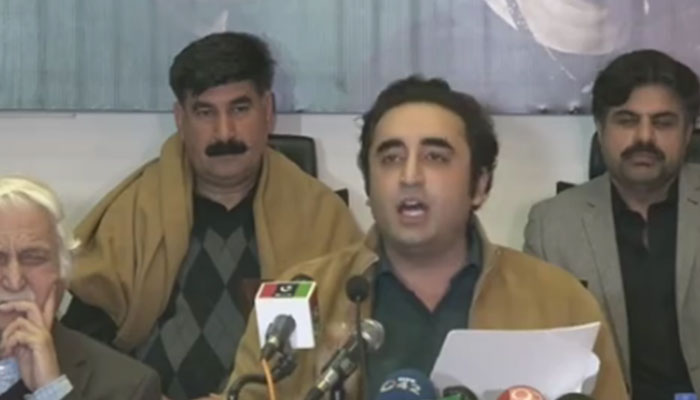
لاہور میں پیپلز پارٹی کی کور کمیٹی اجلاس کے بعد پریس کانفرنس کرتے ہوئے بلاول بھٹو زرداری نے پی ڈی ایم سے پہلے حکومت مخالف مارچ کرنے کا اعلان کیا۔
بلاول بھٹو زرداری نے کہا کہ چاہتے ہیں کہ سارے ادارے نیوٹرل رہیں، امید ہے کہ ہماری جدوجہد میں کسی ادارے کی طرف سے کوئی رکاوٹ پیدا نہیں کی جائے گی۔
پی پی چیئرمین نے کہا کہ لاہور میں پیپلز پارٹی کی بنیاد رکھی گئی تھی، اسی شہر سے موجودہ حکومت کے خاتمے کی تحریک کا آغاز کریں گے۔
بلاول بھٹو زرداری نے ملک میں فوری، صاف اور شفاف انتخابات کروانے کا مطالبہ بھی کیا۔
انہوں نے کہا کہ سپریم کورٹ اپنے اوپر لگا بھٹو کے عدالتی قتل کا داغ دھوئے۔
پی پی چیئرمین نے کہا کہ حکومت نے ملک میں زرعی اور گیس بحران پیدا کیا، اس کی مذمت کرتے ہیں، کھاد کے بحران سے ملک کی پوری زرعی معیشت کو نقصان پہنچایا جارہا ہے، کھاد کا بحران موجودہ حکومت کا پیدا کردہ ہے۔
پی پی چیئرمین نے کہا کہ ملک کے مسائل کا حل صرف جمہوریت، جمہوریت اور جمہوریت میں ہے۔
بلاول بھٹو زرداری نے کہا کہ پی ٹی آئی نے سات سال فارن فنڈنگ چھپائی، اس کی مذمت کرتے ہیں، الیکشن کمیشن پی ٹی آئی کی فارن فنڈنگ کی مزید تحقیقات کرے۔
انہوں نے کہا کہ کم از کم تنخواہ 25 ہزار کے سندھ حکومت کے فیصلے پر سپریم کورٹ کا حکمِ امتناع ہٹایا جائے، ایکسپائر ہوچکے آرڈیننسز کی دوبارہ توسیع کو عدالت میں چیلنج کریں گے۔
بلاول بھٹو زرداری نے کہا کہ ظالم حکومت عوام سے روزگار چھین رہی ہے، سلیکٹڈ حکومت کی نااہلی پر تیار وائٹ پیپر جلد الیکشن کمیشن کے سامنے پیش کیا جائے گا۔
پی ڈی ایم ہمارے جانے کے بعد ختم ہوگئی، قمر زمان کائرہ
پاکستان پیپلز پارٹی (پی پی پی) کے رہنما قمر زمان کائرہ نے کہا ہے کہ پاکستان
ڈیموکریٹک موومنٹ (پی ڈی ایم) ہمارے جانے کے بعد ختم ہوگئی ہے۔
جیونیوز کے پروگرام 'آج شاہ زیب خانزادہ کے ساتھ' میں میزبان شاہزیب خانزادہ سے گفتگو کرتے ہوئے قمر زمان کائرہ کا کہنا تھا کہ موجودہ حکومت سے جان چھڑانی چاہیے۔
انہوں نے کہا کہ پہلے بھی کہا تھا کہ مسئلے کا فوری حل حکومت کو چلتا کرنے میں ہے، پی ڈی ایم میں کچھ دوستوں کو ہمیں اور اے این پی کو باہر کرنے کی جلدی تھی۔
قمر زمان کائرہ کا یہ بھی کہنا تھا کہ اسمبلی میں ہمارا قائدہ حزب اختلاف کے ساتھ تعاون ہے اور رہے گا، ہمارے نکلنے سے پی ڈی ایم کو نقصان ہوا۔
Wednesday, January 5, 2022
#Pakistan #PPP - Bilawal, Zardari pay tributes to ZAB

#HappyBirthdaySZAB - Zulfikar Ali Bhutto!!!! - (January 5, 1928-April 4, 1979)
By M Waqar

January 5, we celebrate birthday of Z A Bhutto, a leader, politician, revolutionary, who after his execution in Pakistan on April 4, 1979, still lives on in the hearts and minds of millions of Pakistanis, and the party that he founded still possesses the largest permanent voting bank in Pakistan.
The possibility of the secular, democratic Pakistan that he had in mind, like Pakistan 's founder, Jinnah has earned ZAB the title of Quaid-i-Awam . Z. A. Bhutto has still more charisma than any politician in Pakistan. Mr Bhutto was inducted into office as the President of Pakistan in 1971 and was removed in 1977, both events took place around midnight; one in the wake of a war and the other in the shadow of a civil war. In between he gave the country what even his sympathizers and admirers would concede was a 'strong' government, he mobilized his country's first mass-based political party around a socialist ideology and highly independent foreign policy. Pakistan's modernizer Zulfikar Ali Bhutto left deep footprints in the sands of history.
To his lasting credit remains the 1973 Constitution of the country, the Shimla Accord of 1972 which brought the longest peace between India and Pakistan, the social reforms to build an egalitarian society, the non-aligned foreign policy, the nuclear programme and the building of the social, economic and military infrastructure of the country. He was a thinker, author and orator. He was deliberate, discreet, and competent; honest, upright and keeper of his covenants. He was a friend of the poor, downtrodden and oppressed. Fearless in his beliefs he refused to bow before any man or power other than the Almighty. His courage was such that he preferred to face death for his beliefs and embraced martyrdom. He had profound faith in freedom and the liberation of humanity. Under his government, Pakistan gave overt and covert support to the African nations than under apartheid and minority rule. He rejected fanaticism. He gave pride to the poor.

Z A Bhutto is the first person in Pakistan who has given voice to the common people. Z. A. Bhutto remains alive in hearts of millions of Pakistanis. It was a miracle that in less than half a decade a defeated nation had become a significant entity in the comity of nations. Pakistan had friends all around the globe from Africa to the far corner of Asia and from Europe to South America. We were regarded as a nation which had proved itself. Pakistani manpower was exported in the Middle East and the statesmanship of Shaheed Zulfikar Ali Bhutto had started bearing fruit. Under Z A Bhutto's rule, a new vision of Pakistan was born. Within a few years of the defeat in 1971, Pakistan began to see itself not as some beleaguered non-entity in South Asia, as the Indian establishment was prone to see it, but as a strategically located middle-sized power straddling the two worlds of South and West Asia, uniquely poised to take advantage of a host of geopolitical possibilities and enjoying widespread support among the Islamic states. He is one of the few Pakistani leaders that energized the nation and gave it a sense of optimism. Z A Bhutto, saw the future of Pakistan.
Like Jinnah he outwitted Indira Gandhi at Shimla and formed alliances with various world leaders, from Sadaat, to Boumediene to Qaddafi to Faisal. Pakistan survives today because of those alliances that enabled him to build the Nuclear bomb. Zulfikar Ali Bhutto understood the geo-political realities of the region. Zulfikar Ali Bhutto has earned a place in the pantheon of leaders from the Third World who earned everlasting fame in the struggle against colonialism and imperialism. He had the privilege of interacting with many of those leaders who played a great role in the epic struggle for national independence in the 20th century, including Mao Tse Tung, Ahmed Soekarno, Chou-en Lai, Gamal Abdel Nasser and Salvador Allende. During the period between the end of the Second World War and the end of the Cold War, the world was divided into two blocs: The Capitalist West and the Socialist East. All these leaders aspired to aspects of a socialist pattern of economy. Bhutto shared their faith in a leading role for the public sector as an instrument of self-reliance. Bhutto's foundation of the PPP was a setback for the reactionary forces in a country long dominated by the Right. The slogan of "Food, Shelter and Clothing" shifted the focus of Pakistan politics from theological to economic issues. Zulfikar Ali Bhutto had the courage of his conviction to decide to lay down his life rather than compromise or seek appeasement.

There was a sense of purpose and direction in the country in pursuit of peace and prosperity. The economic growth rate increased and money poured in from expatriates who got the universal right to passport. The Muslim countries donated roughly $500 million annually to Pakistan, freeing it of international financial institutions. The people got jobs and opportunities. Women of the country were emancipated entering the police force, Foreign, Civil Service and subordinate judiciary for the first time in the country's history. There is a story that the American President John F. Kennedy was much impressed with the then Foreign Minister Zulfikar Ali Bhutto. When they met, Kennedy walked with him in the Rose Garden and said, "Bhutto, if you were an American, you would be in my Cabinet". To which Zulfikar Ali Bhutto smilingly replied, "No, Mr. President. If I were an American, you would be in my cabinet". Z A Bhutto, was highly skilled negotiator and an international statesman, he secured the agreement between USSR and Pakistan, he signed an agreement with China on demarcation of the Sino-Pak boundary. When he became President, Pakistan had innumerable problems, but he was not a man to be cowed down by knotty problems, he was in fact, a dynamo of inexhaustible and boundless creative energy, he was born to solve problems , he had to tackle the problems of shattered country by a methodical system of fixing priorities. Bhutto the adroit politician and statesman tackled the difficult problems of his country one by one with devotion, determination and patriotic zeal and solved them successfully. Since his assumption of power this great man of vision and destiny, equipped with resolute will, extraordinary intelligence and seething patriotic zeal fought successfully against the landlords, capitalists, industrialists, religious fanatics, corrupt bureaucrats, saboteurs, foreign intriguers and spies, he stood like a rock against all odds and achieved national unity, he worked hard for the emancipation of the exploited working class and illiterate masses. His cruel and barbaric murder by military despots caused revulsion across the globe, Z A Bhutto dedicated his life to remove the sorrows from the hearts of the poor and the oppressed, to remove the tears from the children of his poor nation. He lived consciously to make history and to leave a legacy in the form of the development of his nation, his fight was a fight against the policies of IMF, which serve to perpetuate the backwardness of the developing nations.

Bhutto is rightfully credited with saving Pakistan at this dark moment in its history, as French President Giscard d'Estaing said, "he was the man who incarnated Pakistan at a dramatic hour of its history. Tolstoy in the last volume of his War and Peace expressed that history is a movement of ideas in which political leaders play a minor role. Sometimes the movement of ideas is indeed rapid. Yet, at times, the movement of ideas is slower than the melting of the glaciers. The movement of ideas is facilitated in a vibrant political and democratic culture, which gives room for dissent and disagreement. In dictatorial societies, history remains static in a cold freeze. And so it was in Pakistan before Quaid-i-Awam. He was the one who converted that static and decayed dictatorial polity into a vibrant and dynamic democratic society; the cost of which he paid with his own life. He who gave his blood, and the blood of his sons and daughter,

Long Live Bhuttoism….
Tuesday, January 4, 2022
#Pakistan - The day Salman Taseer fell silent

Z A Bhutto's letter to Jinnah before Pakistan's independence
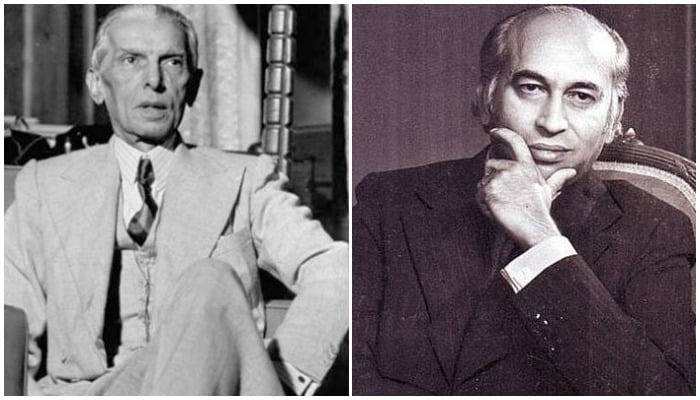
- Former President of Pakistan Zulfikar Ali Bhutto wrote a letter to Quaid-e-Azam Muhammad Ali Jinnah back in 1945.
- Bhutto wrote the letter at the age of 17 in which he talked about his interest in politics.
- Jinnah advised Bhutto to study politics and not neglect education.
Former President and Prime Minister of Pakistan Zulfikar Ali Bhutto wrote a letter to Quaid-e-Azam Muhammad Ali Jinnah back in 1945 on April 26 when Pakistan hadn’t come into existence yet.
Bhutto wrote the letter at the age of 17 in which talked about his interest in politics and admired the efforts of Quaid-e-Azam for an independent country, to which Jinnah gave him a piece of advice.
Bhutto wrote in the letter: “You have brought us under one platform. Every Muslim should have a wish for an independent Pakistan as Pakistan is our destiny and aim.”
“No one can stop us from being an independent country. We are a nation and you have united us,” Bhutto continued.
He further stated in the letter that he is unable to play a significant role towards the creation of Pakistan as he is still a student, adding that a time will come when he will sacrifice his life for Pakistan.
Jinnah replied to the letter on May 1, 1945.
The letter stated: "I am happy to read your letter and to know that you have been taking part in political events."
He continued the letter by giving him the advice to study politics and to not neglect education.
Quaid-e-Azam further said that he believes that Bhutto will be a successful person if he studies the political issues of India.
https://www.geo.tv/latest/389779-bhuttos-letter-to-jinnah-in-before-pakistans-independence
قائدعوام شہید نے ملک کو ایٹمی قوت بنایا,1973ءکا آئین دیا، ایٹمی پروگرام اور 1973ءکا آئین قوم کے پاس شہید بھٹو کی امانت ہیں۔ سابق صدر پاکستان اور صدر پاکستان پیپلزپارٹی پارلیمنٹیرینز آصف علی زرداری

سابق صدر پاکستان اور پاکستان پیپلزپارٹی پارلیمنٹیرینز کے صدر آصف علی زرداری نے پاکستان پیپلزپارٹی کے بانی چیئرمین قائد عوام ذوالفقار علی بھٹو شہید کے یوم ولادت کے موقع پر انہیں خراج عقیدت پیش کرتے ہوئے اس عہد کی تجدید کی ہے کہ شہید قائد عوام کے بلند کئے ہوئے پرچم کو سربلند رکھیں گے۔
انہوں نے کہا کہ ذوالفقار علی بھٹو شہید نے 1971ءمیں جنگ سے تباہ ہونے والے ملک کی دوبارہ تعمیر کی، شکست خوردہ قوم کو باوقار قوموں میں شامل کیا، دشمن کی قید سے 93ہزار فوجی جوانوں کو باعزت طریقے سے واپس لئے، بھارت کے قبضے میں گئی ہوئی زمین ہزاروں مربع زمین واپس لی۔
آصف علی زرداری نے کہا کہ قائدعوام شہید نے ملک کو ایٹمی قوت بنایا,1973ءکا آئین دیا، ایٹمی پروگرام اور 1973ءکا آئین قوم کے پاس شہید بھٹو کی امانت ہیں۔
انہوں نے کہا کہ شہید ذوالفقار علی بھٹو نے عوام کو سیاسی شعور دے کر بولنے کا ڈھنگ سکھایا تھا۔ وہ دنیا بھر میں چلنے والی جمہوری تحریکوں کے حامی تھے اور اسلامی دنیا کے باہمی اتحاد کے بانی تھے۔ انہوں نے کہا کہ قائد عوام شہید کے فلسفے کے مطابق پاکستان پیپلزپارٹی ملک کو مشکلات سے نکالے گی۔ پاکستان پیپلزپارٹی پارلیمنٹ کی بالادستی اور آئین کی حکمرانی کے اصولوں پر قائم ہے۔ انہوں نے کہا کہ غربت، جہالت اور عوام کا استحصال کرنے والوں کے خلاف جنگ جاری رہے گی۔
https://www.ppp.org.pk/pr/26016/
Chairman PPP Bilawal Bhutto Zardari describes Shaheed Zulfikar Ali Bhutto as an invincible movement of people of Pakistan
