Wednesday, February 9, 2022

Pakistan’s ‘good Taliban-bad Taliban’ strategy backfires, posing regional risks

Leela JACINTO
@leelajacinto

For decades, Pakistan pursued a policy of supporting the Afghan Taliban while cracking down on the Pakistani Taliban, the Tehreek-i-Taliban (TTP). With the Taliban in power in Afghanistan, Islamabad may have won its “long game”. But its game of chicken may be backfiring with jihadists coming home to roost.
On August 15, 2021, when the Taliban swept into Kabul and seized power in Afghanistan, there were exultations in neighbouring Pakistan. Afghans had “broken the shackles of slavery,” said Pakistani Prime Minister Imran Khan a day after the takeover, even as waves of desperate people scrambled to board departing flights at Kabul’s international airport in a bid to flee their “liberty”.
The Pakistani prime minister – dubbed “Taliban Khan” by his critics – is known for his anti-West tirades. But the gaffe-prone Khan’s position on the Taliban has always been in-synch with the geostrategic objectives of Pakistan’s military and vast intelligence network headed by the Inter-Services Intelligence (ISI).Despite Islamabad’s repeated denials, a Taliban victory remained an ISI goal during the 20-year US mission in Afghanistan, making Pakistan a duplicitous ally in Washington’s “war on terror” as the country continued to provide the Islamist group safe havens until the departure of coalition forces.
In more circumspect Pakistani military-intelligence circles, the “double game” was the subject of jokes that sometimes leaked into the public domain.
In 2014, during the peak of the US war in Afghanistan, former ISI chief Hamid Gul appeared on the Pakistani talk show, “Joke Night”.
On live TV, Gul – who was Pakistan’s spy chief towards the end of the Cold War – made a celebrated forecast. “When history is written, it will be stated that the ISI defeated the Soviet Union in Afghanistan with the help of America,” he declared, embellishing Pakistan’s role in ending the 1980s Soviet occupation of Afghanistan.
It was a prelude to a punchline that Gul proceeded to deliver with pizzaz. “Then there will be another sentence: The ISI, with the help of America, defeated America,” he concluded to guffaws from the audience.
America may be defeated in Afghanistan. But nearly six months after the Taliban takeover, the joke could well be on Pakistan – with cruel risks for its citizens.
Deadly attacks and a cross-border warning
On Sunday, five Pakistani soldiers were killed by firing from neighbouring Afghanistan in an attack claimed by Tehreek-i-Taliban (TTP), also called the Pakistani Taliban.
The Taliban are separate groups in both countries, but they share a common ideology and allegiances, which the TTP renewed following the Taliban takeover of Afghanistan. Pakistan though follows a “good Taliban-bad Taliban” strategy that seeks a pliant, Islamist power across its western border in Afghanistan as a counterweight to its eastern neighbour and arch enemy, India. The ‘bad Taliban’ – the TTP, with its stated goal of overthrowing the Pakistani state and establishing Sharia law – is considered a terrorist threat.
The TTP attack in Pakistan’s northwestern Khyber Pakhtunkhwa province came just days after nine Pakistani soldiers were killed in the southwestern Balochistan province in coordinated attacks that Pakistani officials said involved “planners” from Afghanistan and India.
While Indian authorities routinely deny aiding Baloch separatists in Pakistan, the attacks sparked a first in Islamabad’s relations with the new Taliban regime across the western border.
In a statement released over the weekend, Islamabad condemned the use of Afghan soil for attacks against Pakistan, warning that it “expects that the interim Afghan government will not allow conduct of such activities against Pakistan in future.”

Some experts were quick to note that the Pakistani accusation marked the first time since the Taliban takeover that a country publicly declared Afghan territory was being used for cross-border international terrorism. The irony that Pakistan was the first country to complain was not lost on Afghans who have long accused Islamabad of supporting the Taliban and other jihadist groups.  

The Pakistani accusation of Afghan soil being used for cross-border terrorism came days after a UN terrorism monitoring report said the Taliban had failed to take “steps to limit the activities of foreign terrorist fighters in the country”. The report, by the UN Security Council’s monitoring team for al Qaeda, the Islamic State (IS) group and their affiliates, noted that, “On the contrary, terrorist groups enjoy greater freedom there [Afghanistan] than at any time in recent history.”

The Taliban however said the findings were “untrue”. In a Twitter post, the “Islamic Emirate of Afghanistan” – as the group refers to its government, which has not been recognised by the international community – “strongly” rejected the report. “Afghanistan is witnessing exemplary security since the Islamic Emirate regained full sovereignty over the country,” the statement noted. 

‘Cut from the same ideological cloth’ 

“Exemplary security” is a contested claim for many Afghans – including abducted women rights activists who have been missing for weeks, and members of the Shiite Hazara minority, who have been targeted in deadly attacks attributed to the Islamic State group’s local Khorasan branch, the IS-K.

Meanwhile in Pakistan, increasing attacks over the past few weeks have raised questions over the army’s “long game” policy of supporting the Afghan Taliban despite threats of a jihadist spillover. 

“For quite a few years, Pakistan had been demanding that the government in Afghanistan curb the threat of anti-Pakistan groups on Afghan soil. The hope was, with a new friendly government in Afghanistan, Pakistan would get more help than in the past,” said Michael Kugelman from the Washington DC-based Wilson Center in an interview with FRANCE 24. Instead, “there are signs of intensified security risks. We’re seeing a resurgence of the Pakistani Taliban, as well as Baloch separatist groups intensifying attacks,” he noted. 

“What this means is that the [Afghan] Taliban is not a seamless entity,” said Ayesha Siddiqa, from the Department of War Studies, King's College London, in an interview with FRANCE 24. “Pakistan can continue supporting the Taliban, but they have little control in discouraging or convincing the Taliban to clamp down on the TTP.” 

It’s a matter of “will and capacity”, according to Kugelman. “There’s an argument to be made that the Taliban ran a successful insurgency for many years, and it theoretically has the capacity to tackle the TTP. But I think the broader issue is one of will. The Taliban is not willing to use coercive tactics against the TTP because they have a close relationship with the group. At the end of the day, especially with Islamist militant groups, they are all cut from the same ideological cloth,” he explained.  

Getting by with drone strikes from a frenemy 

After two decades of pursuing a “good Taliban-bad Taliban” policy, Islamabad is now confronted with the disquieting scenario of their Afghan proteges pursuing a “good Pakistan-bad Pakistan” strategy, noted Pakistani journalist and writer Kunwar Khuldune Shahid in the foreign policy website, The Diplomat.

“Good” Pakistan “helped Taliban leaders dodge the US-led forces, while diverting some of the resources taken from the West toward the Taliban,” wrote Shahid. “Bad” Pakistan now says the Taliban have an “obligation to reciprocate”.  

The Afghan Taliban signaled its independence from its backers just moments after taking charge of Kabul on August 15, when it released thousands of TTP prisoners, including the group’s former deputy chief Faqir Mohammad. The move was promptly reciprocated when the TTP hailed the Afghan Taliban takeover and pledged allegiance to Taliban leader Hibatullah Akhundzada. 

Since it shot into the jihadist spotlight more than a decade ago, the TTP has been blamed for hundreds of attacks in Pakistan, including the 2014 massacre of nearly 150 children at an army school in the northwestern city of Peshawar. Despite its brutal record, Islamabad has been unable to persuade the Afghan Taliban to crack down on their Pakistani cohorts.  

Instead, the Afghan Taliban offered to facilitate talks between the TTP and the Pakistani government. It was an overture that was taken up by Islamabad, resulting in the two parties agreeing to a monthlong ceasefire in November. But the truce expired on December 9 after the peace talks broke down. 

On the military front, Pakistan could launch cross-border raids on TTP positions in Afghanistan, but that would raise tensions with the new sovereign power in Afghanistan in a sensitive zone split by a colonial-era border that has divided Pashtun tribes on either side.  

Before the Taliban takeover, Pakistan was aided in its anti-TTP fight with US intelligence and drone strikes, which resulted in the killings of the group’s top leaders, including Hakimullah Mehsud in 2012 and his successor, Maulana Fazlullah in 2018. “It’s ironic since Pakistan often complained that the US never addressed Pakistan’s terrorism concerns,” said Kugelman.  

But Pakistan today is not likely to get by with a little help from its US frenemy. “The TTP is not going to be a priority for the US. Pakistan can’t count on the US to provide counterterror assistance since the US is now focused on al Qaeda and Islamic State and threats to US interests,” he added. 

Minerals and militants in Balochistan 

Meanwhile an alarming new front is opening up west of the TTP’s tribal heartland, in Pakistan’s arid, mineral-rich Balochistan province bordering Afghanistan and Iran. 

Separatists have waged a low-level insurgency in the southwestern province for years, fuelled by anger over a political and economic marginalisation that traps Balochistan in “Pakistan’s poorest province” status despite its abundant natural resources.  

In recent weeks though, the attacks have turned increasingly sophisticated and alarming. On Saturday, the Pakistani military finally managed to put an end to four days of assaults by separatists that began with twin attacks on army posts last week. The separatist Baloch Liberation Army (BLA) claimed the latest attack, which killed nine Pakistani soldiers, according to official figures.  

It followed a spate of attacks last month following warnings by Baloch separatists that Chinese investments are not safe in Pakistan.  

China is a critical ally for Pakistan, which is home to Beijing’s Belt and Road Initiative (BRI) showcase, the China-Pakistan Economic Corridor (CPEC) project linking China's western Xinjiang region with the strategic port of Gwadar in Balochistan. 

In Kabul, the Taliban also views China as a “friend of Afghanistan” and is likely to address, as best it can, Beijing’s requests to expel Uighur militants on Afghan soil. It’s an easier ask than Islamabad’s call for a crackdown on their Pashtun brethren in the TTP. 

China has so far resisted playing a military support role in the Af-Pak region. But if Pakistan’s claims of an Indian involvement in the Balochistan attacks are true, Beijing may feel compelled to push back against its geostrategic rival, drawing a third nuclear-armed country into an already combustible zone.

While allegations, counter allegations and denials between India and Pakistan are a familiar feature, Kugelman notes that the audacity and sophistication of the latest attacks in Balochistan have added an alarming new ingredient in the regional security stew.  

“Understandably, there are speculations about external involvement. What happened in Balochistan was unprecedented. The attacks on two Pakistani army frontier camps had a level of sophistication and close coordination that suggests external involvement,” said Kugelman. “The problem though is that Pakistan so often focuses on questions of external hands, that it seemingly doesn’t focus enough on the fact that these attacks are happening in Pakistan, with all the local facilitation and involvement that this entails.” 

With the authorities locked in an external blame game and with the army deprived of US intelligence and military cooperation, Pakistan’s “long game” strategy of having a weak, Islamist power in Kabul is likely to implode with forbidding consequences for regional security. 

“Pakistan is playing with fire,” said Kugelman. “Now the full range of anti-Pakistan groups is going after it, and the broader picture suggests security risks for South Asia and Central Asia alike.” 

But Siddiqa believes risks are par for the Pakistani course. “There’s an element of backfire built into Pakistan’s game, it comes with the territory,” she said. “Pakistan can say these are non-state actors, they are not under our control. Heartbreaking as it is for soldiers to die, it is to the advantage of the Pakistani establishment. The military establishment does not feel there is a contradiction in what they’re doing, the killings – including of school children – are just collateral damage,” Siddiqa noted, referring to former ISI chief Asad Durrani’s controversial comment, during a news show, that the victims of the 2014 Peshawar school attack were “collateral damage” in the agency’s security strategy.

The strategy though has overlooked the interests of more than 220 million Pakistani citizens, especially the 24 percent living below the poverty line, limiting the ability of civilian governments to address economic development.    

“As attacks mount inside Pakistan, the political risks of inaction grow higher for the Pakistani government. Attacks now are seemingly happening every day and it will become a political issue for the government,” warned Kugelman. For a prime minister convinced that a power takeover by a hardline Islamist group – with little expertise, and no plan to include women in public life – represents a breaking of shackles, that would be something to take into consideration.  

https://www.france24.com/en/asia-pacific/20220209-pakistan-s-good-taliban-bad-taliban-strategy-backfires-posing-regional-risks

‘We are happy to fight you’: tensions rise on Afghan-Pakistani border

Shah Meer Baloch
Five Pakistani soldiers killed as Taliban-led Afghanistan resists cooperation with Islamabad.
The Pakistani-Afghan border, running along Britain’s colonial-era Durand Line, is a centre of the increasing tensions between Islamabad and the Taliban, with a rise in attacks since the group came to power in Kabul.
Five Pakistani soldiers were killed on Sunday at a north-western border post in Khurram district by militants inside Afghanistan in an attack claimed by the Pakistani Taliban, Tehreek-e-Taliban-Pakistan (TTP).After a ceasefire between the group and the Pakistani government collapsed within weeks, the Pakistani foreign minister, Shah Mahmood Qureshi, said Islamabad had told the Afghan Taliban leadership it considered TTP as a test case of its ability to control militants.
“If the Taliban can’t address concerns of Pakistan, then who would trust them and their promise of cutting ties to al-Qaida and other such groups?” he asked.Pakistan previously clashed with the US-backed Afghan government over the border – which Afghanistan has never formally accepted – leaving many soldiers dead, so when the Taliban captured Kabul in summer 2021 it was celebrated in Pakistan by the prime minister, Islamist political parties and retired military officers.The Taliban’s return to power was seen as an opportunity for Pakistan to regain influence and also as a strategic victory over Delhi.The author and analyst Zahid Hussain, however, said the Afghan Taliban would not crack down on TTP bases in Nangarhar province, east of Kabul.
“In the beginning, Pakistani authorities believed the Taliban would serve Pakistan’s interests and [not] allow militants to use its soil against Pakistan. But it does not seem to be the case any more,” he said, adding that the extremists were emboldened by the Taliban’s victory in Afghanistan and aspired to do the same in Pakistan.
Pakistan started fencing the porous border in 2014 to contain cross-border terrorist attacks and smuggling. It says it has fenced more than 90% of the border, but Hussain said militants were able to enter Pakistan and carry out attacks where the border remained unchecked and unfenced.
In at least three separate incidents, Talib fighters have been seen breaking the fencing and threatening Pakistani soldiers in border areas.
In one widely shared video from 19 December, a Talib commander in Nangarhar is heard saying to Pakistani soldiers: “If you come a step further, I will fight you here. We are happy to fight you.” A similar incident was recorded last year on 30 December in Nimruz, a province in south-west Afghanistan.The Taliban’s defence ministry spokesperson said in a video posted to Twitter in January that Pakistan had no right to fence the border and divide ethnic Pashtuns living on either side.Amid mounting clashes and tensions on the border, Pakistan’s national security adviser, Moeed Yusuf, visited Afghanistan for two days on 29 January. Both countries announced plans to form a high-level committee to address the issue.
Drawn by the British empire, the 2,640km (1,640-mile) land border between Afghanistan and Pakistan has been perpetually disputed.
Abubakar Siddique, an author and expert on Pakistan and Afghanistan, said that after the Taliban – an Islamist group – seized power, many in Pakistan thought they would not behave as an Afghan nationalist group. He said people were wrong to make such an assumption. “The anti-Pakistan sentiments are high in Afghanistan because of Islamabad’s perceived role as a main driver of instability. In addition, no Afghan government has ever formally accepted the Durand Line as a permanent border, which remains a highly emotional issue,” he said.
“Their actions along the Durand Line aim at gaining domestic legitimacy. The Taliban also want to do away with the almost universal perception that they are a Pakistani proxy group.” The Taliban are not only seeking domestic legitimacy amid a humanitarian crisis – a more porous border benefits their financial interests.
A Pakistani government official posted on the Afghan border anonymously told the Guardian that “as many of the areas have been fenced, we have seen a decrease in human and drug smuggling. Of course, the Taliban benefit from these illegal businesses and now the smugglers use different routes where there is no fencing.”
https://www.theguardian.com/world/2022/feb/09/we-are-happy-to-fight-deadly-tension-on-the-afghanistan-pakistan-border-taliban

اگر عمران خان سمجھتے ہیں کہ عوام انہیں ووٹ دیں گے تو قومی اسمبلی کو توڑ کر نئے انتخابات کی راہ ہموار کرے لیکن عمران خان ایسا نہیں کرے گا کہ وہ بزدل ہے۔ چیئرمین پاکستان پیپلز پارٹی بلاول بھٹوزرداری

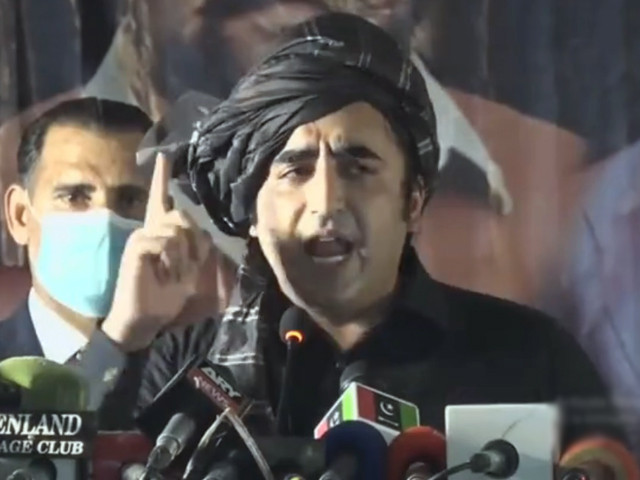
 پاکستان پیپلزپارٹی کے چیئرمین بلاول بھٹو زرداری نے ملتان میں رانا سجاد حسین کی پارٹی میں شمولیت کے موقع پر کارکنوں سے خطاب کرتے ہوئے عمران خان کو چیلنج دیا ہے کہ اگر وہ سمجھتے ہیںکہ عوام انہیں ووٹ دیں گے تو قومی اسمبلی کو توڑ کر نئے انتخابات کی راہ ہموار کرے لیکن عمران خان ایسا نہیں کرے گا کہ وہ بزدل ہے۔ چیئرمین بلاول نے پارٹی کارکنوں کو کہا کہ وہ پارٹی کے پانچ اصول “اسلام ہمارا دین ہے، جمہوریت ہماری سیاست ہے، مساوات ہماری معیشت ہے، طاقت کا سرچشمہ عوام ہیں اور شہادت ہماری منزل ہے” کا پیغام لے کر ملتان کے ہر گھر جائیں۔ انہوں نے کہا کہ جیسا کہ آپ کو معلوم ہے کہ پیپلز پارٹی کی سنٹرل ایگزیکٹو کمیٹی نے 27فروری سے کراچی سے اس سلیکٹڈ حکومت کے خلاف مارچ کا فیصلہ کیا ہے۔

 انہوں نے کہا کہ یہ مارچ اس کٹھ پتلی کی سلیکٹڈ حکومت کے خلاف اعلان جنگ ہے۔ ہم نے اس سلیکٹڈ کو قومی اسمبلی میں پہلے ہی دن سلیکٹڈ کہہ کر قوم کے سامنے ننگا کر دیا تھا۔ بجٹ کے موقع پر بھی ہم نے اس بجٹ کو پی ٹی آئی ایم ایف کا بجٹ کہہ کر اس سلیکٹڈ کو ننگا کر دیا تھا۔ آئی ایم ایف کے ساتھ معاہدہ پاکستان اور آئی ایم ایف کے ساتھ معاہدہ نہیں بلکہ پی ٹی آئی اور آئی ایم ایف کے ساتھ معاہدہ ہے۔ ہم نے اس بجٹ کو عوام دشمن اور ملک دشمن کہا تھا اور ہمارا کہا ہوا سچ ثابت ہوگیا۔ چیئرمین بلاول نے کہا کہ ہمارے دوست چاہتے تھے کہ عمران خان کے لئے ضمنی انتخابات کا میدان کھلا چھوڑ دیں لیکن ہم نے کہا کہ ہم انتخابات لڑیں گے اور پھر دنیا نے دیکھا کراچی سے خیبر تک عمران خان کو تمام ضمنی انتخابات میں شکست ہوئی۔

 ہمارے دوست اسی طرح چاہتے تھے کہ ہم سینیٹ کی سیٹ کا انتخاب قومی اسمبلی میں نہ لڑیں لیکن ہم نے سابق وزیراعظم جو ملتان ہیں کو نامزد کیا اور سید یوسف رضا گیلانی نے عمران خان کو اس کے حلقہ انتخاب میں ہرا دیا۔ ہمارے چند دوستوں کا خیال ہے کہ حکومت کے خلاف مارچ مارچ کے مہینے میں کیا جائے لیکن ہم نے کہا کہ عوام ابھی تکلیف سے دوچار ہیں اس لئے ہمارا مارچ 27فروردی سے شروع ہوگا۔

 جب ہمارا مارچ شروع ہوگا تو پوری پاکستانی قوم ہمارے ساتھ ہوگی۔ عمران نے آج ہی سے وکٹیں گنوانا شروع کر دی ہیں اور آج اس کا غیرقانونی سینیٹر نااہل ہوگیا ہے۔ چیئرمین بلاول نے اپنی پارٹی کی قانونی ٹیم کی اس کامیابی پر انہیں مبارکباد دی اور کہا کہ جب ہم اسلام آباد پہنچیں گے تو اس سلیکٹڈ کی مزید وکٹیں گر جائیں گی۔ بلاول بھٹو زرداری نے کہا کہ آج عمران خان نے اپنی تقریر میں پیپلزپارٹی کا ذکر کیا۔ عمران ایک بزدل شخص ہے اور وہ انتخابات سے خوفزدہ ہے۔ عمران خان لاہو رمیں ضمنی انتخاب میں بھاگ گیا اور ڈیرہ اسماعیل خان میں بھی میئر کے انتخاب میں دوڑ لگا دی جہاں پارٹی کی طرف سے فیصل کریم کنڈی کو امیدوار نامزد کیا گیا ہے۔

 چیئرمین بلاول نے الیکشن کمیشن اور عدلیہ کو بھی سراہا کہ انہوں نے خیبرپختونخواہ کے دوسرے انتخابات ملتوی نہیں کئے۔ عمران خان کے پی میں بلدیاتی انتخابات کے پہلے مرحلے میں بری طرح ہار چکا ہے اور دوسرے مرحلے میں بھی ہار اس کا مقدر ہے۔ بلاول بھٹو زرداری نے کہا کہ عمران نے تین سالوں سے کرپشن کرپشن کی رٹ لگا رکھی ہے اور آج بھی اس نے یہی باتیں کی ہیں لیکن ٹرانسپیرنسی انٹرنیشنل نے اس کی کرپٹ حکومت کو پاکستانی تاریخ کی کرپٹ ترین حکومت کہا ہے۔ 

عمران خان اور اس جیسے لوگ شہید محترمہ بینظیربھٹو اور صدر زرداری کے خلاف ایک بھی الزام ثابت نہیں کر سکے جبکہ عمران خان کا لیڈرجنرل مشرف سزا یافتہ ہے اور قانون کا بھگوڑا ہے۔ عوام جھوٹے عمران خان پر اعتبار نہیں کرتے اور جھوٹا عمران عوام کے سامنے مکمل طور پر ننگا ہوگیا ہے۔


https://www.ppp.org.pk/pr/26234/


Tuesday, February 8, 2022

Video Report - Doctor says low Covid-19 vaccination rate in children means it’s too soon to drop mask mandates

Video Report - What's needed to defeat Long Covid?

Video Report - #Russia #Ukraine #Scholz A stark warning for Moscow

Video Report - Putin To Macron: You Have Been Tormenting Me For 6 Hours! There Will Be No Winners If WW3 Breaks Out

Video Report - #Ukraine #Russia #NATO World leaders intensify diplomatic efforts to defuse Ukraine standoff | DW News

Urdu Music Video - Ahmad Rushdie - Bhoolee Hoi Dastan

بھٹو خاندان کی کرپشن اور زرداری


 پاکستان کی مرکزی سیاسی قیادت کو گزشتہ تین دہائیوں سے بڑے منظم انداز میں کرپشن میں لتھڑا ہوا ثابت کیا جا رہا ہے، اس کی اچھی اور بری ہر دو طرح کی وجوہات موجود ہیں۔

یہاں یہ بات باور کرانی بھی ضروری ہے کہ پاکستانی نظامِ حکومت چلانے والے حقیقی کارپردازان کا بڑا حصہ عملاً ہر طرح کے احتساب سے بالاتر ہو چکا ہے، احتساب کے اِس پھندے میں نچلے درجے کے چند بیوروکریٹ اور کچھ فراڈ قِسم کی ہاﺅسنگ سوسائٹیاں ہی پھنستی ہیں۔

یوں تو ملک میں بلا امتیاز احتساب کرنے کے لیے نیب، ایف آئی اے اور اینٹی کرپشن کے ادارے موجود ہیں لیکن جرنیلوں، ججوں ، سینئیر بیورو کریٹوں اور اب تو بڑے تاجروں تک کے معاملات بھی ان اداروں کے حیطہء اختیار سے باہر دکھائی دیتے ہیں۔

آئیے ذرا اُس کرپشن کو ماپنے کی کوشش کریں جو پاکستانی سیاست میں اس اصطلاح کے چلن سے لے کر اب تک بھٹو خاندان اور خصوصی طور پر آصف علی زرداری–مہارت سے تراشی گئی کرپشن کی علامت — کے نام سے منسوب کی گئی۔اس کا آغاز 1987ء میں اُس وقت ہوا جب آصف علی زرداری بے نظیر بھٹو سے شادی کر کے عوامی زندگی میں داخل ہوئے۔

ذوالفقار علی بھٹو کے والد سر شاہنواز بھٹو 33 برس کی عمر میں 1921ء میں بمبے پارلیمان کے کم عمر ترین رُکن تھے۔ 1921 سے لے کر 1933 تک وہ پارلیمانی وزیر کے طور پر خدمات سر انجام دیتے رہے۔ 1930ء میں انڈیا کے وائسرائے لارڈ ارون نے انہیں سَر کے خطاب سے سرفراز کیا۔ وہ دو قومی نظریے کے سخت حامی تھے اور قائد اعظم محمد علی جناح کے ساتھ کام کرتے رہے۔ 1930-31 میں ہونے والی گول میز کانفرنس میں انہوں نے تن تنہا سندھی مسلمانوں کی نمائندگی کا فریضہ سر انجام دیا اور سندھ کی بمبے سے علیحدگی جیسی اہم کامیابی حاصل کرنے میں کامیاب رہے۔ انہوں نے نواب آف جونا گڑھ (انڈین گجرات) کے وزیر اعظم /دیوان کے طور پر نواب کو قائل کیا کہ وہ پاکستان سے الحاق کا اعلان کریں یوں انہوں نے استصوابِ رائے کے ذریعے کشمیر کے پاکستان کے ساتھ الحاق کے لیے اخلاقی اور قانونی جواز مہیا کیا۔

پاکستان پیپلز پارٹی کے بانی ذوالفقار علی بھٹو کے بارے کہا جاتا ہے کہ وہ ان چالیس ہزار سے لے کر ڈھائی لاکھ ایکٹر زرعی زمین کے وارث تھے جو لاڑکانہ، جیکب آباد اور سکھر کے ارد گرد پھیلی تھی۔ پاکستان کے قیام کے آس پاس بھٹو خاندان جتنی زمین کا مالک تھا اس زمانے کے حساب سے بھی اس کی مالیت کئی ملین ڈالر کے مساوی بنتی ہے (اُس زمانے میں اوسطاً ایک ایکٹر زمین کی قیمت ایک ہزار روپیے تھی، ایک امریکی ڈالر 1946ء میں تقریباً پانچ روپیے کے مساوی تھا۔) اس زمین کا بڑا حصہ سر شاہنواز بھٹو نے 1935 سے 1955کے عرصے میں خریدا تھا۔

1946-47 کے زمانے میں (تقسیم سے پہلے) ذوالفقار علی بھٹو کو ایک لاکھ دس ہزار کی آمدنی تفویض کی گئی۔ اِس آمدن کا بڑا ذریعہ بمبئی کا مشہور آسٹوریا ہوٹل اور ”دی نیسٹ“ نامی خاندانی گھرسے حاصل ہونے والا کرایہ تھا (اِن دونوں عمارتوں کے مالک بھی سر شاہنواز بھٹو تھے۔ )سٹینلے والپرٹ کے بقول (قائداعظم اور ذوالفقار علی بھٹو کے سوانح نگار)

”جب اُس کے والد اور والدہ بیٹی کے ہمراہ جونا گڑھ منتقل ہو گئے تو زلفی بمبے میں اکیلا رہ گیا۔وہ اُس زمانے میں کارمیکیل روڑ پر واقع اپنے خاندانی گھر ”دی نیسٹ“ میں قیام پذیر تھا، اس کے علاوہ اسے بمبے کے مصروف کاروباری علاقے فورٹ میں واقع ایک اور بھٹو جائیداد، کئی منزلہ آسٹوریا ہوٹل کی دیکھ بھال بھی کرنی تھی، اُس زمانے میں اس عمارت کا خالص کرایہ ایک لاکھ دس ہزار روپیے تھے، -471946 کے زمانے میں ہر اعتبار اور پیمانے سے یہ رقم غیر معمولی تھی۔ اس کے علاوہ کئی سیکیورٹیز، قیمتی اشیاء اور نقد رقم بھی ذہین و فطین اٹھارہ برس کے ذوالفقار کے ہاتھوں میں تھی۔ ایک دہائی کے بعد اُسے اپنے والد کی اس جائیداد کا اکیلا وارث بننا تھا۔“

بھٹو، جو ایک تجربہ کار قانون دان تھے، 18ستمبر1957ء کو چھوڑی گئی ان دونوں جائیدادوں کے عوض 4,430,400 (چوالیس لاکھ تیس ہزار چار سو) کا کلیم انڈین متروکہ املاک کمشنر سے منظور کرانے میں کامیاب رہے۔ ابھی یہاں بھٹو خاندان کے ان اثاثوں اور قیمتی اشیاء کا ذکر نہیں کیا جا رہا جو راجہ آف جونا گڑھ کی طرف سے بھٹو خاندان کو ملیں (جس وقت تقسیم ہوئی اُس وقت سر شاہنواز بھٹو ریاست جونا گڑھ کے وزیر اعظم/ دیوان کے طور پر ذمہ داریاں سر انجام دے رہے تھے۔(

یوں یہ بات کلی طور پر ثابت ہو جاتی ہے کہ ذوالفقار علی بھٹو — سر شاہنواز بھٹو کی سلطنت کا اکلوتا وارث1957ء — میں سیاست کی پر فریب دُنیا میں داخل ہونے سے پہلے ہی روپیوں میں نہیں بلکہ امریکی ڈالروں کے حساب سے لکھ پتی تھا۔

اب ایک خفطنزیہ کہانی سنیے کہ اسی ذوالفقار علی بھٹو کی سب سے بڑی بیٹی اور سیاسی جانشین، سابق وزیر اعظم بے نظیر بھٹو پر الزام لگایا گیا کہ انھوں نے ہیروں کا ایک ہار، جس کی مالیت 0.175 ملین امریکی ڈالر تھی، منی لانڈرنگ اور کمیشن کی رقم سے سوئٹزرلینڈ میں خریدا۔ اسی طرح ان پر اور اُن کے شوہر، سابق صدر، آصف علی زرداری کو موردِ الزام ٹھیرایا گیا کہ انھوں نے سرے، انگلستان میں راک وڈ اسٹیٹ چار اعشاریہ ایک ملین ڈالر میں خریدی ہے، یہ سب الزامات اُس وقت لگائے جا رہے تھے جب اس سے بھی کہیں بڑی مالیت کا کلیم ذوالفقار علی بھٹو کو، انڈیا میںمتروکہ املاک کمشنر سے منظور کرائے ہوئے چار دہائیاں گزر چکی تھیں۔

کرپشن کا ایک اور بڑا الزام جو سابقہ حکمران جوڑے پر لگایا گیا وہ مبینہ طور پر سوئس بینکوں میں پڑے ہوئے ساٹھ ملین امریکی ڈالروں کا تھا، اس رقم کے بارے میں کہا گیا کہ یہ منی لانڈرنگ اور مختلف سودوں میں کمیشن کے عوض حاصل کی گئی تھی۔ لیکن حکومت پاکستان کا بیان کردہ ڈیٹا اور لگائے گئے الزامات اس حوالے سے بالکل ہی مختلف کہانی بیان کرتے دکھائی دیتے ہیں۔

اس مبینہ کرپشن سکینڈل کا سب سے بڑا نقطہ پولینڈ سے خریدے جانے والے ارسس ٹریکٹروں کی خریداری کا معاہدہ بتایا گیا (اس میں مبینہ طور پر ایک اعشاریہ آٹھ ملین امریکی ڈالر بطور کمیشن وصول کیے جانے کی اطلاع دی گئی)، اس منصوبے میں 5900 ارسس ٹریکٹر کسانوں کو فی ٹریکٹر ڈیڑھ لاکھ روپیے کے عوض دیے جانے تھے، اِس مقصد کے لیے تمام ڈیوٹیز اور دیگر لوازمات سے استثنا دیا جانا تھا۔ اس کے بعد شور مچایا گیا کہ سوئس کمپنیوں ایس جی ایس / کوٹیکنا کو، جنہیں پاکستان میں درآمد ہونے والی اشیاءکی حقیقی مالیت کی جانچ پڑتال کے لیے تھرڈ پارٹی اندازہ قائم کرنا تھا، اور یہ دونوں کمپنیاں اِس کام میں عالمی شہرت یافتہ تھیں، یہ ٹھیکا دینے کے عوض ان سے دو ملین ڈالر کی مبینہ کمیشن حاصل کی گئی تھی۔ اگلا الزام اے آر وائے گولڈ (دس ملین ڈالر کمیشن، اس الزام کی اے آر وائے کے حاجی عبدالرزاق نے سختی سے تردید کی) کو 1994ء میں سونے کی درآمد کے خصوصی اجازت نامے کے عوض کمیشن کی وصولی کا لگایا گیا۔

سابق صدر آصف علی زرداری کو وراثت میں بمبینو سینما اور سکالا پلازہ، صدر کراچی میں ملا، اس عمارت میں بتیس مختلف دفاتر کرائے پر دستیاب تھے۔ اس کے علاوہ زرداری خاندان سندھ میں کیلوں کے باغات سمیت بیس ہزار ایکڑ زرعی زمین کا مالک بھی تھا۔ ان کے والد حاکم علی زرداری پاکستان پیپلز پارٹی کے بانی ممبران میں شامل تھے اور وہ ,1988 1971,1977اور1993میں رُکن قومی اسمبلی منتخب ہوئے۔ وہ ذوالفقار علی بھٹو کے با اعتماد ساتھیوں میں شمار ہوتے تھے جنہوں نے 1971 میں انھیں چئیر مین پبلک اکاﺅنٹس کمیٹی کی ذمہ داریاں سونپی تھیں۔ جب بیگم بھٹو اور بے نظیر ذوالفقار علی بھٹو کی زندگی بچانے کے لیے قانونی جنگ لڑنے میں اور جِلا وطنی پر مجبور تھیں تو بھٹو صاحب کی جائیداد کی دیکھ بھال کی ذمہ داریاں بھی حاکم علی زرداری نے ہی نبھائی تھیں۔ بے نظیر بھٹو صاحبہ نے بھی حاکم علی زرداری کو 1988ء میں پبلک اکاﺅنٹس کمیٹی کا چئیرمین مقرر کیا اور حاکم علی زرداری نے بے نظیر بھٹو کے خلاف پیش کی جانے والی عدم اعتماد کی تحریک کو ناکام بنانے میں اہم کردار ادا کیا۔

حاکم علی اور اب آصف علی زرداری تیس ہزار نفوس پر مبنی زرداری قبیلے کے سربراہ ہیں اور ان لوگوں نے 1965ء کا انتخاب فاطمہ جناح کے پینل پر جنرل ایوب خان کے خلاف لڑا تھا۔ حاکم علی زرداری کو آمدن سے زائد اثاثوں کے جرم میں احتساب عدالتوں کی جانب سے سزا سنائی گئی لیکن انجام کار لاہور اور سندھ ہائی کورٹ کی جانب سے انہیں تمام الزامات سے با عزت بری کر دیا گیا۔ اُن پر الزام لگایا گیا تھا کہ انھوں نے نارمنڈی، فرانس میں ایک جائیداد دو اعشاریہ ایک ملین امریکی ڈالروں کے عوض خریدنے کے لیے سرمایہ غیر قانونی ذرائع سے حاصل کیا تھا۔ انھوں نے بڑی کامیابی سے سندھ ہائی کورٹ میں ثابت کیا کہ انھوں نے یہ جائیداد خریدنے کے لیے سرمایہ اپنے فلم تقسیم کاری، کراچی حیدر آباد میں سینماﺅں اور مختلف انشورنس کمپنیوں میں کی جانے والی سرمایہ کاری جیسے ذرائع سے حاصل کیا تھا۔

آئیے اب دیکھ لیتے ہیں کہ زرداری اور بھٹو خاندان کے بارے میں مفروضوں کی بنیاد پر جس کرپشن کی تحقیقات کی گئیں اور جن کا اِتنا ڈھول پیٹا گیا اُس کی مالیت کتنی بنتی ہے۔ 1987ء سے پاکستان پیپلز پارٹی وفاق میں دس برس اور صوبہ سندھ میں اٹھارہ برس حکمران رہی۔اس حساب سے وفاق اور صوبے کی پیپلز پارٹی کی یکے بعد دیگرے قائم ہونے والی حکومتوں نے موجودہ تناضر میں ورلڈ بینک کے ڈیٹا کے مطابق تقریباً اکیس ہزار ملین امریکی ڈالر کا بجٹ خرچ کیا۔ پیپلز پارٹی حکومتوں کے اِس کل خرچ کردہ بجٹ میں سے جو ساٹھ ملین امریکی ڈالر مفروضہ کرپشن کر کے سوئس بینکوں میں رکھے گئے وہ 0.0019% بنتے ہیں (حکومتی وفاقی بجٹ/ریونیو کے جی ڈی پی کے 10.5فیصد سالانہ اوسط)۔

اب اس ”اتنی بڑی کرپشن“کا موازنہ ایک اور پہلو سے دیکھ لیجیے، اگر جنرل عاصم سلیم باجوہ اور اُن کا خاندان چار ملکوں میں پھیلی ہوئی پاپا جونز پِزا چین قائم کر سکتا ہے، جس کی مالیت ساٹھ ملین امریکی ڈالر ہے (6300ملین روپیے) جس کے لیے خود اُن کا دعویٰ ہے کہ اس کام کے لیے بُنیادی سرمایہ 54,458امریکی ڈالر (تقریباً ساٹھ لاکھ روپیے ) تھا،اور گزشتہ اٹھارہ برسوں میں یہ سرمایہ 1050گُنا بڑھ چکا ہے (یہ انگشت بدنداں کر دینے والی بڑھوتری ہے۔)خود سوچیے اگر چند ہزار امریکی ڈالر کے بنیادی سرمائے سے یہ کچھ ہو سکتا ہے تو 1958میں جس بھٹو اور زرداری خاندان کو لکھوکھا امریکی ڈالر کا سرمایہ دستیاب ہو گا وہ لوگ کیا کچھ نہیں بنا سکتے تھے؟

بھٹو خاندان  63 برس قبل دستیاب اپنے بنیادی سرمائے کو کاروباری طریقے سے استعمال کرنے کے گُر اگر جنرل باجوہ اور اُن کے خاندان سے سیکھتا تو آج یہ لوگ ڈالروں میں ارب پتی ہو چکے ہوتے، اور اس سب پر مستزاد یہ کہ یہ لوگ بھی جنرل باجوہ اور ان کے خاندان کی طرح غیر علانیہ این آر او کے مزے بھی لوٹ رہے ہوتے۔

حتیٰ کہ جنرل مشرف بھی،جن کے بارے میں 2016ء میں انکشاف ہوا کہ اُن کے آف شور اکاﺅنٹس میں 2156 ملین روپیے (بیس ملین امریکی ڈالر) موجود ہیں ، جنرل باجوہ اور اُن کے خاندان سے کاروباری مشورے لیتا تو اگلے پندرہ برس میں وہ بھی ارب پتی بن سکتا تھا۔

https://www.humsub.com.pk/442950/imran-bajwa-11/


Over 2,400 women raped in Pakistan’s Punjab province in 6 months


M ZULQERNAIN

A total of 2,439 women were raped and 90 killed in the name of “family honor” during the last six months in the Punjab province of Pakistan, according to the data provided by the Punjab Information Commission.

In Lahore, the capital of the Punjab province with a population of 110 million, 400 women were raped and over 2,300 kidnapped during this period, the data said.


According to the Human Rights Commission of Pakistan (HRCP)’s recent report, in Pakistan, at least 11 rape cases are reported daily with over 22,000 such incidents reported to police in the last six years (2015-21).
The report states that society gives undue advantage to perpetrators by blaming victims. Instead of having a drop in the number of cases, there has been a sharp rise with an overall less than 1 per cent conviction rate.
“Only 77 accused of the 22,000 cases were found to be convicted and the conviction rate is around 0.3 per cent,” the report said.
“Sadly, rape culture is predominant in Pakistan – one that blames the victims of sexual assault and frames all men as naturally violent. Many are working to try to change this discourse, but it is an uphill battle,” Nida Kirmani, a professor at Lahore University of Management Sciences (LUMS) was quoted as saying in the report.
Last week, a man killed his married sister who was gang-raped in the Sargodha district, some 200 kilometres from Lahore.
The 28-year-old victim, a mother of five children, was raped by four suspects in a neighbourhood where she worked as domestic help. The alleged killer told the police that he shot dead her sister for dishonouring the family honour.
Pakistan has one of the highest numbers of documented and estimated honour killings per capita in the world.
An honour killing is the homicide of a member of a family or social group by other members, due to the belief the victim has brought dishonour upon the family or community. The death of the victim is viewed as a way to restore the reputation and honour of the family. Pakistani social media star Qandeel Baloch was strangled to death in 2016 by her brother who was upset by pictures she had uploaded to social media.Often dubbed the Kim Kardashian of Pakistan, Baloch, 26, had hundreds of thousands of followers on social media. She posted images and videos of herself twerking and singing, breaking strict taboos in socially conservative Pakistan.The shocking murder of Baloch by her brother had turned the spotlight on the epidemic of so-called ‘honour killings’ and sparked a fresh push to close loopholes allowing the killers to walk free.
The long-awaited legislation was finally passed three months later in a move cautiously hailed by women’s rights activists.
But years on, activists say honour killings are still occurring at an alarming pace in Pakistan.
According to the World Economic Forum, Pakistan is one of the worst countries in the world in terms of gender parity. Women hold fewer than 7 per cent of managerial positions.
Early marriage remains a serious issue in Pakistan, with 21 per cent of girls in the country marrying before the age of 18, and 3 per cent marrying before 15.
More than five million primary school-age children in Pakistan are not in school, most of them are girls, according to Human Rights Watch. 
https://theprint.in/world/over-2400-women-

Opinion: Pakistan’s past support for the Afghan Taliban isn’t paying off

By Hamid Mir

When the Afghan Taliban returned to power in Kabul in August, Pakistanis celebrated. Among many others, Prime Minister Imran Khan clearly saw the Taliban’s victory as a triumph for his country.

For years, observers have accused Islamabad of covertly supporting the Taliban. And for years, Pakistan has rejected such allegations, invariably citing its role as a vital U.S. ally throughout the war on terrorism. Yet Khan himself effectively confirmed what the critics have been saying by openly supporting the Afghan Taliban when it seized power — even though doing so clearly violated the agreement that it had negotiated with the United States in talks in Doha, Qatar.
Khan’s government evidently expected that the Afghan Taliban would do two things in return for Islamabad’s support: surrender Afghan-based insurgents who are fighting inside Pakistan against the Pakistani military and settle a long-running border dispute. So far neither one is happening. And that explains why Pakistan still hasn’t offered diplomatic recognition to the Taliban government in Kabul.
The biggest stumbling block is the status of the Tehrik-e-Taliban Pakistan (TTP), the offshoot of the Afghan Taliban that continues to wage war on Pakistani forces. Pakistan has been trying to get the Afghan Taliban to cut off its support for the group. After the fall of Kabul, top Pakistani officials expressed a willingness to announce an amnesty for the TTP if it laid down its arms and agreed to abide by Pakistan’s constitution. In November, the TTP agreed to secret talks and declared a one-month cease-fire. When Islamabad started its new round of negotiations with the group, I wrote that this was the seventh time the Pakistani state had tried talking with the TTP. Islamabad’s previous six agreements with the group had come to nothing.
The TTP presented a difficult list of conditions. Its leaders demanded the release of a long list of prisoners; it’s not clear whether the Pakistani government ever delivered. The TTP also declared that it wanted to open a political office in a third country (which would amount to a form of recognition for an organization that is banned in Pakistan). Most problematic of all, TTP negotiators demanded the implementation of Islamic sharia law in Pakistan — which meant they were not ready to accept the current constitution, which is based on democratic principles. What the TTP was demanding, in short, was the self-abolition of the state — a surrender agreement, in effect.
Yet government ministers claimed that the TTP had agreed on a cease-fire. Opposition parties in Parliament demanded that the government reveal details about the talks. A panel of judges publicly grilled Khan over his policy.
On Dec. 10, the TTP ended its cease-fire and resumed attacks against Pakistani forces. The Pakistani military tried to target TTP leaders in Afghanistan with drones. The TTP retaliated by attacking police in Islamabad. They were sending a message that they were willing to wage guerrilla war in Pakistani cities. The government, which is hard-pressed on other security issues, decided to restart talks. But so far there are no results. Notably, the Afghan Taliban has shown no willingness to intervene on Pakistan’s behalf.
And what about the border? The new Afghan government has shown zero willingness to acknowledge Islamabad’s concerns. The Afghan Taliban has explicitly refused to accept the current border between the two countries, which was drawn by the British empire during colonial days, effectively dividing the Pashtun ethnic group in two. Taliban soldiers have even tried to stop Pakistani troops from putting up fencing along the border. The Afghan Taliban has announced plans to build 30 extra outposts to prevent the movement of Pakistani troops along the frontier.
In short, the Afghan Taliban is now behaving like great liberators who broke the shackles of foreign occupation without help from anyone else. The Afghan Taliban refuses to acknowledge Pakistan’s many years of tacit and not-so-tacit support for the group’s fight. If Pakistani leaders were expecting some sign of gratitude, they’re still waiting.The bottom line is that the Afghan Taliban doesn’t trust Pakistan. Both have played double games with each other in the past. Now the Taliban is opening channels with India and Iran. It wants official diplomatic recognition for its new state, and it wants other countries to unfreeze Afghan funds that are held in foreign banks — but it also doesn’t want to meet the international community’s conditions. It recently had a golden opportunity to earn some goodwill with the international community when it met with Western officials in Oslo for three days last month. But the Taliban blew it. It denied involvement in the disappearance of some female activists — whose families persuasively blame the Taliban. The Taliban government in Kabul will have little hope of bolstering its relations with the West until it changes course.
But the Taliban isn’t listening to anyone — including Pakistan, which has annoyed many friendly countries by blindly supporting the Taliban over the years. On Sunday, the TTP killed five Pakistani soldiers — and openly accepted responsibility. Pakistanis’ patience is running thin. The question is how long Islamabad can go on ignoring reality.
https://www.washingtonpost.com/opinions/2022/02/08/pakistan-imran-khan-support-for-taliban-brings-no-results/

چیئرمین پاکستان پیپلز پارٹی بلاول بھٹو زرداری کا سابق گورنر، وفاقی وزیر اور پارٹی کے سینیئر رہنما شہید حیات محمد خان شیرپاوَ کو ان کے 47 ویں یومِ شہادت پر شاندار الفاظ میں خراج عقیدت


 کراچی (8 فروری 2022) پاکستان پیپلز پارٹی کے چیئرمین بلاول بھٹو زرداری نے سابق گورنر، وفاقی وزیر اور پارٹی کے سینیئر رہنما شہید حیات محمد خان شیرپاوَ کو ان کے 47 ویں یومِ شہادت پر شاندار الفاظ میں خراج عقیدت پیش کیا ہے۔ میڈیا سیل بلاول ہاوَس کراچی کی جانب سے جاری کردہ بیان کے مطابق، پی پی پی چیئرمین نے اپنے پیغام میں مزید کہا کہ شہید حیات محمد خان شیرپاوَ پارٹی کے بنیادی ارکان

میں سے ایک اور قائدِ عوام کے بااعتماد ساتھی تھے۔ 

انہوں نے کہا کہ شہید حیات خان شیرپاوَ کی سابق صوبہ خیبرپختونخوا میں پارٹی کو مضبوط بنانے کے لیئے کاوشیں ناقابلِ فرموش ہیں۔ چیئرمین بلاول بھٹو زرداری نے کہا کہ شہید حیات خان شیرپاوَ کو ایک گہنونی سازش کے تحت شہید کیا گیا،

 جس کا مقصد صوبے میں پی پی پی کی بڑھتی ہوئی مقبولیت کو روکنا تھا۔ انہوں نے کہا کہ شہید حیات محمد خان شیرپاوَ پارٹی قیادت اور کارکنان کی دلوں میں ہمیشہ زندہ رہیں گے۔ پی پی پی چیئرمین نے اپیل کی کہ جیالے آج اپنے ایک عظیم ساتھی شہید حیات محمد خان شیرپاوَ کے ایصال ثواب کیلئے فاتحہ خوانی کریں۔

https://www.ppp.org.pk/pr/26228/

Monday, February 7, 2022

Video Report - Chris Christie joins Pence in rebuking Trump

Video Report - Bad idea: 90% of millennials are willing to buy a home without actually seeing it

Video Report - Macron the mediator: Can France help calm Ukraine crisis?

Video - Putin and Macron hold joint press conference

Video - Biden and Scholz participate in joint press conference

Music Video - Chura Liya Hai Tumne with - Zeenat Aman|Yaadon Ki Baaraat

Video Report - PPP Senator Raza Rabbani expresses his views in the Senate | 07 Feb 2022

Video Report - Islamabad: PPP Senator Sherry Rehman expresses her views in Senate Session

Why the Taliban ignores Pakistan's demands to take action against the TTP

Far from being a strategic win for Pakistan, the Taliban’s comeback has created security, political and economic challenges for Islamabad. Since coming to power last August, the Taliban's acting regime has been ignoring Pakistan’s demands to rein in the Pakistani Taliban, also known as the Tehrik-i-Taliban Pakistan (TTP).
Not just that, the Taliban have also turned a blind eye to TTP’s unabated attacks against Pakistan. For instance, on January 6, TTP militants ambushed and killed five Pakistani soldiers on the Pak-Afghan border along the Khurram tribal district. Following this attack, the statement from Pakistan Army’s media wing, the Inter Services Public Relations (ISPR), underscored Islamabad’s growing frustration with the Taliban’s unwillingness to stop TTP from using the Afghan soil for terrorism against Pakistan despite verbal commitments to the contrary. Likewise, in late December and early January, the Taliban disrupted the fencing of the Pak-Afghan border, also known as the Durand Line, along the eastern Nangarhar and northeastern Nimroz provinces. In one instance, Pakistani troops and the Taliban fighters came face to face as well. Since 2017, Islamabad has fenced 90 percent of its roughly 2,600-kilometre-long porous border with Afghanistan to stop terrorist infiltration and smuggling. Like all previous Afghan governments, the Taliban do not recognise the Pak-Afghan border. From the Taliban standpoint, the Durand Line is a relic of the British colonial era, which divided the ethnic Pashtun community straddling the border region.
Though many considered the revival of the Taliban’s self-styled theocratic rule in Afghanistan a strategic win for Pakistan, it has created serious security, political and economic challenges for the country. The Taliban’s victory in Afghanistan had a rejuvenating effect on TTP and provided the militant group with greater operational freedom and mobility.
The Taliban have been non-committal on the issue of the TTP, beyond giving generic assurances to Islamabad that Afghanistan's soil will not be used against any other country and urging it to settle its disputes with TTP through negotiations.
Following the revival of the Taliban rule, Pakistan handed over a list of wanted TTP leaders to the Taliban. Though the Taliban formed a three-member committee to probe the veracity of the Pakistani security concerns, their response was rather tame. Last August, the Taliban's Information and Cultural Minister Zabiullah Mujahid told a Pakistani News channel that "Pakistan, not the Taliban, need to decide whether or not TTP's war is legitimate and to formulate a strategy in response."
Probably, the Taliban’s unwillingness to crackdown, expel or disarm TTP from its Afghan sanctuaries has compelled Pakistan to retaliate covertly. The recent assassination attempts at different TTP leaders in Afghanistan should be seen in that context. For instance, on December 17, TTP’s deputy chief Faqir Muhammad narrowly escaped a drone attack, as the missiles failed to explode. Similarly, in January two TTP leaders Khalid Balti and Mufti Burjan were eliminated in Kunar in two separate incidents. From November 9 to December 9, the Taliban brokered a ceasefire between Pakistan and the TTP as a confidence building measure to pave the way for a broader peace deal. However, the negotiations collapsed given the inherent lack of trust and divergent positions of both conflicting parties. The TTP wanted imposition of Taliban-style Sharia rule in the ex-FATA (Federally Administered Tribal Areas) region, the release of 100 Taliban prisoners and the permission to open a political office in a third country as pre-conditions.
Islamabad, on the contrary, wanted TTP to renounce violence, offer a public apology for its past violence, respect the Pakistani constitution and live like normal citizens to avail indemnity. Following the collapse of peace talks, TTP attacks against Pakistan increased dramatically. For instance, in December, TTP carried out as many as 45 terrorist attacks, the most for any month in 2020.
On the one hand, the Taliban's reluctance to act against TTP highlights their longstanding and deep-rooted ties to the militant group. On the other hand, the Taliban's open defiance and opposition to the Pak-Afghan border's fencing and ignoring Islamabad's TTP-centric demands underscore the shifting nature of their relations with Pakistan. Arguably, Taliban fighters intentionally provoked Pakistan through border flare-ups to divert attention from Pakistani demands of action against TTP. Since 2018, the Taliban's dependence on Pakistan has continuously diminished given the movement's rapid territorial gains in Afghanistan, diversified diplomatic ties with other countries through their Doha Office, and direct negotiations with the US. However, the Taliban were still reliant on Pakistan for sanctuaries, medical assistance and weapons. This dependence ended last August as the Taliban took over Kabul, giving the group more autonomy and freedom of action. It is essential to point out that the Taliban still rely on Islamabad as a bridge to avail international humanitarian assistance. For instance, Pakistan hosted a special summit of the Organization of Islamic Cooperation (OIC) to draw the Muslim world's attention in a bid to avert the humanitarian crisis in Afghanistan.
Reluctance to take action
The Taliban’s disinclination to crackdown against TTP on Pakistan’s insistence stems from the following three reasons.
First, the Taliban have long standing historical, ethnic, and ideological links with the TTP. Its leaders and fighters consider the Taliban supreme leader Haibatullah Akhundzada as their emir and pledge their oath of allegiance to him. TTP was one of the first groups which congratulated the Taliban on their victory in Afghanistan and renewed their oath of loyalty to the Taliban emir.
The TTP considers the revival of the Taliban’s so-called Islamic Emirate in Afghanistan a goal worthy of emulating in Pakistan. The TTP, like Al Qaeda, was also instrumental in helping the Taliban revive their insurgency and eventually attain a victory in Afghanistan. After the restoration of their power in Afghanistan, the Taliban are returning the favour by sheltering TTP and they are unlikely to betray their ideological brethren.
If the Taliban act against TTP, it would push the latter towards the Islamic State of Khorasan (ISK), the former’s ideological nemesis. Any such action is likely to widen the Taliban’s factional divisions, undermining their internal unity and cohesion which they badly need to retain power.
Importantly, the Taliban’s reluctance to act against TTP is instructive concerning the group's counterterrorism commitments given to the US under the Doha Agreement. If the Taliban are ignoring the demands of Pakistan, its main benefactor for the last two decades, then the Taliban’s guarantees to other states, which have less leverage on them, are unreliable.
Second, so far, no country has granted diplomatic recognition to the Taliban’s acting regime. This compels the Taliban to retain their ideological legitimacy and credibility within the fraternity of ideologically-linked movements. Turning on fellow groups, which sheltered the Taliban during testing times and helped them achieve victory, will amount to an act of great betrayal.
Partly, Islamabad’s reluctance to recognise the Taliban’s acting regime also accounts for growing Pakistan-Taliban tensions. The Taliban seems frustrated at its failure to get diplomatic recognition. The Taliban believe they have fulfilled the international community’s demands and it is their right to gain recognition which will also pave the way for unlocking $9.5 billion in frozen Afghan assets. On January 19, the Taliban urged the Muslim world to take lead in recognising their regime. Third, lacking international diplomatic recognition, the Taliban are desperately trying to win local sympathies, particularly among Afghanistan’s Pashtun community. By not recognising the Pak-Afghan border and physically obstructing its fencing, the Taliban are positioning themselves to be the self-appointed champions of Pashtun rights. In this regard, the Taliban deputy Foreign Minister Mohammad Abbas Stanikzai's January 6 statement is worth noting. He maintained, "the Durand Line is an issue of the whole nation, not the government. It doesn't belong to the government. We will give the responsibility to the nation so that the nation will make the decision." Keeping this in view, the TTP is an important bargaining chip for the Taliban – it provides the Taliban with tremendous strategic leverage against Pakistan.
In 2022, TTP will remain a major threat to Pakistan’s internal security, which will negatively impact already strained Taliban-Pakistan ties. However, beyond token demands for action against TTP, Islamabad cannot afford to alienate the Taliban.
A weakened and factionalised Taliban regime would strengthen the anti-Taliban resistance in Afghanistan such as the National Resistance Force led by exiled Ahmed Massoud, the son of legendary Afghan commander Ahmed Shah Massoud, which is a recipe for a civil war. Such a development would send a massive wave of Afghan refugees to Pakistan. Pakistan will continue to press the Taliban to act against the TTP without taking any dramatic steps or alienating the Taliban’s acting regime. The trade-off between dealing with TTP’s terrorist attacks from their Afghan sanctuaries versus the prospects of a weakened Taliban regime makes it obvious that Pakistan will have live with the existing status quo.
https://www.trtworld.com/opinion/why-the-taliban-ignores-pakistan-s-demands-to-take-action-against-the-ttp-54507

#PPP - Former President Asif Ali Zardari condemns attack on #Pakistani soldiers

Former President of Pakistan and President Pakistan Peoples Party Parliamentarians, Asif Ali Zardari has strongly condemned the attack on Pakistan soldiers in Kurram district in Khyber Pakhtunkhwa. 

He said that the attackers must be given a stern response.
President Asif Ali Zardari expressed sympathy and offered condolences to the families of the martyred soldiers.
The nation is proud of these brave sons who sacrificed their lives and thwarted the enemy’s plan.

https://www.ppp.org.pk/pr/26224/