https://www.wionews.com/south-asia/is-pakistans-covid-19-mortality-rate-much-higher-than-global-data-heres-a-report-438225
Sunday, December 19, 2021
Is Pakistan's COVID-19 mortality rate much higher than global data? Here's a report
Coronavirus (COVID-19) and its deadly variants have caused havoc across the world. Some health experts have claimed that the virus has been less lethal among Asians. A global data has shown that Pakistan's mortality rate is far higher than in many regions, a local media report stated.The COVID-19 mortality rate of Pakistan was 2.24 per cent against 1.97 per cent globally, DAWN reported citing a document of the country's National Command and Operation Centre (NCOC).
The report further included that 28,870 deaths were reported across the country so far, out of which 61 per cent were males and 39 per cent females. The report quoted a member of the Scientific Task Force on COVID-19 Dr Javed Akram, who noted that more Pakistanis died because they visited hospitals only after complications emerged rather than the infection itself.
Dr Akram also highlighted the state of infrastructure as he blamed poor health and diagnostic facilities for the high number of casualties.
While speaking to DAWN, he accepted that far more patients lost their lives in Pakistan compared to the global percentage of deaths.
"Unfortunately in Pakistan people do not visit hospitals with COVID-19; rather they visit hospitals once they develop complications. We lack state-of-the-art health and diagnostic facilities," he said, as quoted by DAWN.
He also said that that country's intensive care units (ICUs) remained under pressure or were overburdened which was one of the reasons why the COVID-19 mortality ratio increased. Although, the Pakistani government had claimed that many ventilators were never occupied in the country.
As per the report, the minimum age of a Pakistani national who succumbed to the infection was two months and the maximum age was over 100 years, with the median age calculated at 62 years.
Omicron variant in Pakistan
On December 13, Pakistani health authorities confirmed the first case of the Omicron variant of the coronavirus in the country.
"The National Institute of Health, Islamabad has been able to confirm that a recently suspected sample from Karachi is indeed the 'Omicron variant' of SARS-CoV2," said the statement.
"This is the first confirmed case but continued surveillance of identified samples is in place to identify trends," it added.
#Pakistan - The City-State of Medina and Political Gimmick of the Incumbent Government
By Naseebullah Achakzai“You can fool some of the people all of the time, and all of the people some of the time, but you can not fool all of the people all of the time.” Abraham Lincoln The city-state of Medina – the first welfare state on mother earth was a miracle of the last Prophet Muhammad (PBUH). After the demise of the Holy Prophet, his companion further cemented his legacy. After the martyrdom of Hazrat Ali, the Umayyad Caliph Umar bin Abdul Aziz was, to some extent able to resemble his caliphate on the footprints and rules of the city-state of Medina – since then, no country can acclaim to be as per the rules and regulations of the city-state of Medina. The state was a complete example of socioeconomic justice, protection of human rights, patience, responsibility, piety, austerity, an admirable governing system, meritocracy, was a blow to nepotism, and a place for respect. There was neither a doctrine of necessity nor anyone who was above the law. The incumbent prime minister of Pakistan Mr Imran Khan after assuming power as premier announced that he will run the government in the footprints of the city-state of Medina. It has been three and a half years that the new Pakistan of Imran khan has been in a quagmire and out of track which he wished and promised for. There is no single evidence in the affairs of the city sate of Medina when nepotism had penetrated, where merit had been compromised, or when corrupt people had been given provided a safe passage. Unlike the city-state of Medina, the proponents of new Pakistan are involved in nepotism, by compromising meritocracy and leaving the corrupt unanswered. In the city-state of Medina, no one even could ever think of corruption, but here in New Pakistan, the country has plunged into Corruption. Even though, irregularities of Rs 40 billion have been found in the Corona relief fund. We have witnessed many scandals such as the Medicine scandal, Wheat and Sugar scandal, and the Ring road scandal__ where the right and left of Mr Khan have either fled abroad or have been left unquestioned. On the economic front, Riba was banned in the city-state of Medina. Whereas in the affairs of the new Pakistan, it has prime importance__in both national and international level. Piteously, a loan has been taken from Saudi Arabia at a 4 per cent interest rate for one year. The so-called exaggeration of Imran Khan by naming politicians as corrupt, dacoits, and murderers and saying that he will never make an alliance with them has defaced his hypocritical political aims for the fulfilment of his vested interests. His collation with the PML Q, the MQM, and favouring turncoats for his party are short of the norms of the city-state of Medina. Austerity was another important feature of the city-state of Medina. At current, the salary of the prime minister is around 2 lac whereas the ministers have been living luxurious life at the expense of the people. A separate aeroplane for the prime minister and his journey from prime minister house to Bani Gala does not reflect the austerity as like of the City of Medina. Administratively, the paraphrasing of Hazrat Umar “If a Dog dies on the banks of the River Euphrates, Umar will be responsible for dereliction of duty.” speaks volumes of his calibre as an administrator, and as a representative of the ruled. Dissimilarly, in Naya Pakistan, people are starved. Millions have been trapped in poverty and millions have lost jobs. People are compelled to commit suicide. The government has failed to control price hikes, hoarding, and inflation. There was a separation of personal business and state affairs in the city stare of Medina. The Caliphs used to stop their business activities after assuming the charge. But in Naha Pakistan, the scenario is reversed. The President of the state uses its office for personal business regardless of conflict of interests. The proponent of Naya Pakistan Mr Imran Khan has zipped his lips on a private agreement (between President family private business centre Alvi Dental with Bringing Smile USA worth 25 million dollars) which was signed in Governor house Sindh in the presence of President Dr Arif Alvi The above shortcomings had already penetrated Pakistan before Mr Imran Khan took the oath as prime minister. He should have the foresight that he could not be able to revamp these challenges as per the city-state of Medina. It has been three and a half years in his power, along his ministers are still exaggerating that Pakistan resembles the city-state of Medina. This political gimmick might not work for them any more__as ground realities gesticulate that the policies of the incumbent government are far from the basic rules and regulations of the city-state of Medina.
https://en.humsub.com.pk/3465/the-city-state-of-medina-and-political-gimmick-of-the-incumbent-government/
Saturday, December 18, 2021
OP-ED: #Pakistan - From Army Public School Attack to the Tehreek-e-Taliban Pakistan Amnesty

Abdul Basit
It has been seven years since the deadliest ever attack against young students in the country by Tehreek-e-Taliban Pakistan. On a bright, sunny, winter morning, 147 children were brutally massacred in the Army Public School in Peshawar. At that time, hardly anyone could anticipate that a few years down, the line Osama bin Laden–the founder of Al Qaeda–would be called a martyr by the Prime Minister on the floor of the house, Ehsanullah Ehsan “the mastermind of the APS attack” would mysteriously escape the invincible security, and the TTP would be considered for amnesty while the guardians of the APS victims would keep awaiting justice. The APS attack on December 16th, 2014, was an attack on civilians, penetrating the security of a state institution, with an intent to massacre as many children as possible. The TTP claimed responsibility for the attack and called it revenge against the operation Zarb-e-Azb started by the military in North Waziristan the same year. Some in Pakistan later accepted the unfortunate incident as collateral damage. The whole nation mourned the insurmountable loss, emotionally united against the terrorists, and even pledged to educate the children of the enemies. Yet, where it ended up is miserable. Pakistan could certainly do better provided that a comprehensive national action plan was implemented in the letter as well as the spirit.For TTP, the idea of the state of Pakistan is contrary to Islam.
Since the creation of the TTP in 2007 after the Red Mosque miscalculation by the dictator Pervaiz Musharraf, the organization has launched numerous attacks threatening the national security of Pakistan. They have attacked civilians, politicians, army personnel, police, and even polio workers. For them, the idea of the state of Pakistan is contrary to Islam and hence they wage a terrorist campaign against the state to uproot the government structures. A vile ideology of TTP has fortunately not been able to win support from the masses but Musharraf’s offensive against the Red Mosque provided different extremist sections with glue to unite in the form of Tehreek-e-Taliban Pakistan. The cleric who was then found running away from the Red Mosque wearing a burqa was over-joyous at the Afghan Taliban’s conquest of Kabul. Waving the Afghan Taliban flags at the seminaries, he challenged the Pakistani state and dared the policemen to wait and see what the Pakistan Taliban would do to the state when the police went there to remove the flags of an unrecognized element in the capital city. Are individuals more powerful than the state? If the state gives space to extremists and lets them become stronger and gather support from the masses until they become a potential threat to the security only to be crushed by brute force, the chances of the approach becoming successful are minimal. Frankenstein monsters are hard to chain. Creating them for political goals is easy but disposing of them off is a messy thing to do. It is catastrophic. The mistakes must not be repeated.
Tehreek-e-Labbaik Pakistan’s ideology has massive support among the citizenry. Unlike TTP, the TLP is an organic movement with mass support. The party sees itself as the kingmaker in the upcoming elections. As they gather in huge numbers every now and then disrupting the peace in the public spheres, some voices start coming out that force should be used against them as if suppressive measures can choke wide-spread ideas no matter how questionable their legitimacy is. Succumbing to TLP’s demands again and again, calling it out a proscribed organization one day and then embracing it the other day, sending its hereditary leader to prison and then welcoming him by flowers on the release, and showing crocodile tears on the damages done by TLP and then advocation of the same ideology by the office-holders only confuse the citizens and drain the public’s trust on the governance structures.
The radicalization wave that came up with TLP was arguably hitherto unseen by the country. The incidents like a Sri Lankan citizen lynched and burnt by a mob in Sialkot are an expected unfortunate outcome of such ideologies mainstreamed for political purposes.
During the cold war era, Pakistan was an accomplice along with the United States and the Saudi Kingdom in producing the jihadi ideology. That ideology backfired and Pakistan became a living hell suffering from religious extremism. It took years and immense efforts to control that crisis. The terrorist organizations are, however, still operating although Pakistan has seen relative peace in the last few years. But the threat is not all gone. As the Taliban conquered Afghanistan, other religiously motivated groups in the region also gained confidence. There are speculations that Pakistan was hoping that the Taliban in Afghanistan would use their influence in brokering agreements between the state of Pakistan and TTP, but lately, it seems the hopes were mere delusions. TTP has ended the ceasefire and the future talks are uncertain.
Giving amnesty to an organized terrorist network, which has the blood of tens of thousands of Pakistan and who do not believe in the constitution at all, merely on the idealism that they will become inclusive citizens at once, will not be helpful. The country needs serious revision on its policies at handling radicalization. The least it can do is to refrain from creating monsters like the mujahideen in the first place for they cannot be disposed of when the urge arises. They are costly liabilities, not assets. Also, make sure the public does not get hyper radicalized. Radicalization occurs fast while deradicalization takes time and huge efforts. The joint risk of a radicalized population in the form of TLP exerting its muscular Barelvism and a militant blood-thirsty TTP will be a big challenge for the state. For the most part, the state itself is allegedly responsible. Will it handle the forthcoming crisis responsibly to avoid the blame? One can only hope so.
https://dailytimes.com.pk/856305/from-aps-attack-to-the-ttp-amnesty/
US Has Paid A Heavy Price For Condoning The Bangladesh Genocide In 1971 – OpEd
By Arul Louis
American realpolitik has taken a 180-degree turn between 1971 and now, but Washington continues to pay a heavy price for the decision that drove it to virtually condoning the genocide in Bangladesh by Pakistani troops. The US under President Richard Nixon and his then-National Security Adviser Henry Kissinger tried in 1971 to develop close ties with China with barely veiled hostility to India, but Washington is now trying to build a strategic partnership with India, which it sees as an ally against China.
As Kissinger has said, the driving force behind the US failure to condemn the Pakistani atrocities in what was then East Pakistan was Washington trying to build a bridge to Beijing via Islamabad.Kissinger admitted in an Atlantic magazine interview that Pakistan used “extreme violence and gross human rights violations” to put down the Bangladeshi independence movement, but “to condemn these violations publicly would have destroyed the Pakistani channel” to China.
For their pipeline to Beijing, Kissinger, Nixon and the Secretary of State William Rogers disregarded the warnings by Dhaka-based US diplomats in what came to be known as “The Blood Telegram” about the “genocide” in East Pakistan and their denunciation of the US “moral bankruptcy” in failing to condemn the atrocities and the suppression of democracy.
The US went on to intimidate India that was inundated by millions of Bangladeshis fleeing the killing fields of East Pakistan by trying to use its diplomatic muscle and by moving the Seventh Fleet close to India when New Delhi backed Bangladesh’s Mukhti Bahini freedom fighters.
And there were the vulgar insults – revealed decades later – by Nixon aimed at India’s then-Prime Minister Indira Gandhi.
US policy turnaround
For someone hailed as the master of realpolitik, Kissinger has in retrospect worked against the national interests of the US, paving the way for a massive challenge to his country by China, outmanoeuvred by Mao Zedong, Zhou Enlai and their successors.
As a result of the Nixon-Kissinger folly that made it an accomplice of the Pakistani crimes in Bangladesh, Washington is now facing a formidable rival in China, that built itself economically at the expense of the US and is trying to emerge as the dominant world power and a challenger to the world order, especially in the Indo-Pacific,
To counter China’s power the US – under President Joe Biden and before him Donald Trump – is turning to India, a nation reviled by their predecessor, Nixon, as “repulsive” and ridiculed with racist and sexual vulgarities.
Decades later as the effects of Kissinger’s China diplomacy haunt the US, Trump had India declared a major defence partner of the US and the bookend with it of democracies in the Indo-Pacific.
Biden has moved the strategic cooperation further making cooperation with India a priority for his administration as it confronts China’s aggressive behaviour from the Himalayas to the South China Sea and beyond.
After their meeting in Washington in September, they said that because of the “growing strategic convergence, President Biden and Prime Minister Modi resolved to advance the U.S.-India Comprehensive Global Strategic Partnership.”
A changed world
The world has also changed in other ways.
When the Cold War raged in 1971 with the Soviet Union and the US as the main protagonists, Moscow and Beijing were at loggerheads ideologically and were coming off prolonged border clashes in 1969.
The US was trying to pull China into its orbit to counter the Soviet Union.
The Soviet Union’s rift with China was a factor in propelling Moscow towards close ties with India.
India and the Soviet Union had signed the Treaty of Friendship, Peace and Cooperation in 1971, which stopped just short of an overt military pact.
It said that if either of them was attacked they “shall immediately enter into mutual consultations in order to remove such threat and to take appropriate effective measures to ensure peace and the security of their countries.”
Moscow was the main provider of arms to New Delhi mostly on concessional terms based on rupee trade for then-foreign exchange starved India.
Now China is closer to the Soviet Union’s successor, Russia, drawn by their mutual antipathy towards the US.
India, on the other hand, is drawing away from Russia and moving closer to the US and the West, the residual military purchases and joint manufacturing notwithstanding.
Economically, too, India and the US see the benefits from cooperation, while India’s move away from its vaunted pseudo-socialism has paid dividends.
While India pushes its Make In India agenda, the US sees value in diversifying its supply chain on mutually beneficial terms having seen the results of its over-reliance on China during the COVID-19 crisis.
Paying a price
The US has unequivocally backed India during the clashes with China.
The US and India have made several agreements on defence and strategic matters including the Logistics Exchange Memorandum of Agreement (LEMOA), Communications, Compatibility and Security Agreement (COMCASA), and the Industrial Security Agreement (ISA) and are working towards interoperability of their militaries.
But in the 1970s India’s brand of nonalignment with a pro-Soviet tilt would have made any cooperation with the US unlikely, nor would the US attraction to dictators like Pakistan’s generals. India, too, has paid its own price for the Soviet-branded nonalignment in economic terms, which in turn has impacted its strategic and diplomatic standing.
In “The Blood Telegram,” which got its name from the US Consul General Archer Blood who endorsed their stand, the diplomats witnessing the genocide said they “fervently hope that our true and lasting interests here can be defined and our policies redirected in order to salvage our nationʼs position as a moral leader of the free world.”
Fifty years later, Biden may be trying to do just that even as the US pays its price for Kissinger’s realpolitik folly.
https://www.eurasiareview.com/18122021-us-has-paid-a-heavy-price-for-condoning-the-bangladesh-genocide-in-1971-oped/
Friday, December 17, 2021
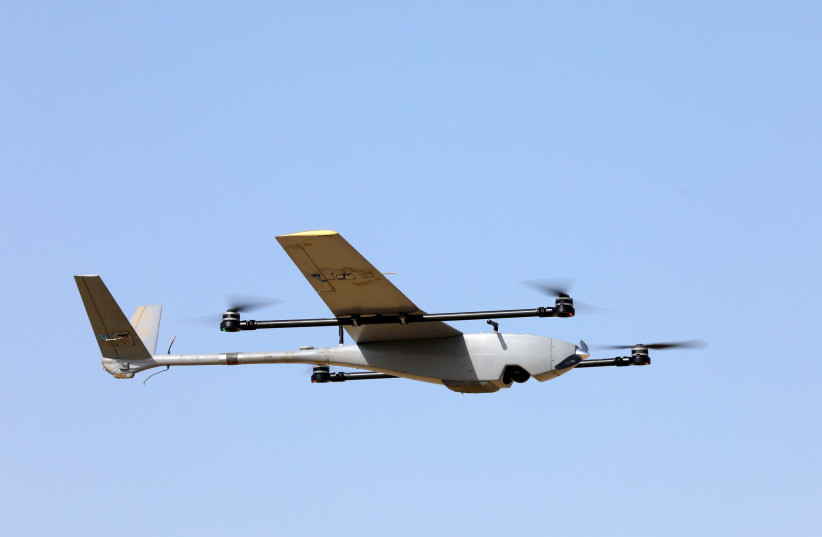
Drone strike on Pakistani Taliban leader fails to explode, Taliban sources say
Pakistan failed to prosecute terrorists, including Masood Azhar: US report
The State Department report stated that Indian security agencies are effective in disrupting terror threats and respond “in a timely manner” to the requests made by the United States.
Pakistan failed to take adequate steps to counter terrorism and prosecute terrorists including masterminds of the 2008 Mumbai attacks such as Jaish-e-Mohammed (JEM) founder Masood Azhar and Lashkar-e-Taiba's (LeT) Sajid Mir, according to a new US report. It also said that Pakistan made “limited progress” in its pledge to dismantle all terrorist organizations without delay or discrimination."Pakistan made limited progress on the most difficult aspects of its 2015 National Action Plan to counter-terrorism, specifically in its pledge to dismantle all terrorist organizations without delay or discrimination," the US State Department report said in its 2020 ‘Country Reports on Terrorism’. At the same time, the US report stated that Indian security agencies are effective in disrupting terror threats and respond “in a timely manner” to the requests made by the United States for information related to terrorism investigations. On Pakistan, the US report said that in February and again in November, a Lahore anti-terrorism court convicted LeT founder Hafiz Saeed on multiple counts of terrorism financing and sentenced him to five years and six months in prison but failed to take action against other terrorist leaders. It then listed the terror attacks that took place in Pakistan last year, including the one in Quetta in which 15 people were killed and 18 others injured. Islamic Stae had claimed responsibility for the attack.The report said that on June 29, four Balochistan Liberation Army militants carrying guns and grenades charged the security barrier of the Pakistan Stock Exchange in Karachi. In the ensuing gun battle, eight people were killed. On October 27, a five-kilogram IED exploded in a madrassa in Peshawar during a religious lecture in which eight people were killed and 136 others injured. The State Department report also said that some madrassas in Pakistan continue to teach violent extremist doctrine, though it mentioned the states taken by the government there to regulate these institutions.
https://www.hindustantimes.com/world-news/pakistan-made-limited-progress-in-dismantling-terror-organisations-us-report-101639713818584.html
چیئرمین پاکستان پیپلزپارٹی بلاول بھٹو زرداری نے 16ہزار ملازمین کی بحالی کے فیصلے کو خوش آئند قرار دے دیا۔
چیئرمین پاکستان پیپلزپارٹی بلاول بھٹو زرداری نے 16ہزار ملازمین کی بحالی کے فیصلے کو خوش آئند قرار دیتے ہوئے بحال ہونے والے 16ہزار ملازمین اور ان سے وابستہ ان کے

خاندان کو مبارکباد دی ہے۔
چیئرمین پیپلزپارٹی نے کہا کہ پارٹی کے وکلاءسید نیر حسین بخاری، لطیف کھوسہ ، رضا ربانی، اعتزازا حسن اور دیگر وکلاءنے بہترین انداز میں برطرف ملازمین کا مقدمہ پیش کیا۔ پاکستان پیپلزپارٹی کی کاوشوں کے بدولت پہلے بھی ان 16ہزار ملازمین کو پارلیمان سے بحال کروایا تھا۔
پاکستان پیپلزپارٹی ہمیشہ ورکرز کلاس کے ساتھ کھڑی ہے اور آئندہ بھی رہے گی۔
Thursday, December 16, 2021
#Bangladesh50 #BangladeshLiberationWar - Declassified Tape: How US "Saved West Pakistan" As India Liberated Bangladesh
The 1971 war between India and Pakistan saw Bangladesh liberated and over 93,000 Pakistani troops surrender to the Indian Army. The war was fought on both the western and eastern fronts with Pakistan signing the instrument of surrender in just over 2 weeks.
A day after Bangladesh was liberated from Pakistan on December 16, 1971, the then President of the US, Richard Nixon was told by his strategic advisor Henry Kissinger that he had managed to "save West Pakistan," according to confidential papers since declassified by the US department of state. The 1971 war between India and Pakistan saw Bangladesh liberated and over 93,000 Pakistani troops surrender to the Indian Army. The war was fought on both the western and eastern fronts with Pakistan signing the instrument of surrender in just over 2 weeks. The journey to this ironic compliment in the midst of a defeat for US diplomacy at the time came eight-and -a-half months after leaders of the world's most powerful nation - the United States - agreed in a secret meeting that they had wrongly believed their protege Pakistani General Yahya Khan would be able to subdue the rebellion in East Pakistan with naked military might. "Congratulations Mr President. You saved West Pakistan," said Henry Kissinger over the phone to his boss Richard Nixon, about 16 hours after Gen AAK Niazi signed the surrender of East Pakistan and about the time India's Prime Minister Indira Gandhi declared the unilateral ceasefire on the Western front on December 17 Indian Standard Time. Explaining the strange conversation, Ambassador Pinak R Chakravarty, former High Commissioner to Bangladesh, who is currently writing a book on the 1971 liberation of Bangladesh, said "Kissinger was playing a dubious role. Their (US administration's) main objective was to befriend China using the Pakistanis as middlemen during the conflict months. His comments should be read as both an attempt to take credit with the Pakistanis in the face of a hopeless situation and a bid to please a difficult boss." However, the fact remains that this was one war of liberation which the Americans probably misread from the very beginning. About eight-and-a-half months before, on March 29, 1971, Henry Kissinger was telling Richard Nixon in a similar telephone conversation that Pakistan would be able to contain the rebellion in its eastern wing and his President cited the example of British invasion of India to justify that belief. The US National Security Adviser told then President Nixon in a phone call soon after the Pakistan military regime cracked down in East Pakistan on March 26, 1971: "Apparently Yahya has got control of East Pakistan… all the experts were saying that 30,000 people (Pakistan Army at that time in the East) can't get control of 75 million (Bangladesh's population)... as of this moment it seems to be quiet." President Nixon responded that this ability of a small force to control large populations was normal and pointed out: "Look what the Spanish did when they came in and took the Incas. Look what the British did when they took India." "The Americans misread the situation completely. They failed to understand people's wish to be free and the fast pace with which the course of history changed," said Ambassador Tariq Karim, former High Commissioner of Bangladesh to New Delhi and one of the first East Pakistani diplomats to declare loyalty to the Bangladesh Government in exile. On December 8, as Pakistani defences in East Pakistan were falling before the onslaught of the joint command of the Indian Army and Bangladeshi Mukti Bahini (liberation warriors), Richard Nixon and Henry Kissinger were busy plotting ways to change the ride of the war or to arrest it. Henry Kissinger in a meeting with Richard Nixon and Attorney General Newton Mitchell, now declassified, said he had "got a message to you from the Shah (of Iran), in which he says he can send ammunition (to a beleaguered Pakistan) - he is doing it now." The brilliant diplomat also revealed that Iran will send fighter planes to protect Jordan from Israel, while Jordan will send jets to Pakistan for the war effort against India. The US National Security Adviser also expressed fear that India would attack West Pakistan in a major way after winning the war in the east. "The Indian plan is now clear. They're going to move their forces from East Pakistan to the west. They will then smash the Pakistan land forces and air forces, annex (take back) the (Pakistan-occupied) part of Kashmir and then call it off," warned Henry Kissinger. "When this has happened, the centrifugal forces in West Pakistan would be liberated. Baluchistan and the Northwest Frontier will celebrate. West Pakistan would become a sort of intricate Afghanistan," Henry Kissinger mused. The dire warnings seemed to work and then US President Nixon in the same conversation goes on to commit to move the American Seventh Fleet into the Bay of Bengal from waters off Vietnam, on the pretext of evacuating US citizens from the war zone. Nixon responded by stating "Would you move the aircraft carrier? I'd do it immediately. I wouldn't wait 24 hours." The Seventh Fleet, led by the 75,000-ton nuclear powered aircraft carrier USS Enterprise, was considered the most formidable naval force of the time. The only aircraft carrier India had was the aging INS Vikrant which was readied to take on the massive force in case disaster did strike.
A day after Bangladesh was liberated from Pakistan on December 16, 1971, the then President of the US, Richard Nixon was told by his strategic advisor Henry Kissinger that he had managed to "save West Pakistan," according to confidential papers since declassified by the US department of state. The 1971 war between India and Pakistan saw Bangladesh liberated and over 93,000 Pakistani troops surrender to the Indian Army. The war was fought on both the western and eastern fronts with Pakistan signing the instrument of surrender in just over 2 weeks. The journey to this ironic compliment in the midst of a defeat for US diplomacy at the time came eight-and -a-half months after leaders of the world's most powerful nation - the United States - agreed in a secret meeting that they had wrongly believed their protege Pakistani General Yahya Khan would be able to subdue the rebellion in East Pakistan with naked military might. "Congratulations Mr President. You saved West Pakistan," said Henry Kissinger over the phone to his boss Richard Nixon, about 16 hours after Gen AAK Niazi signed the surrender of East Pakistan and about the time India's Prime Minister Indira Gandhi declared the unilateral ceasefire on the Western front on December 17 Indian Standard Time. Explaining the strange conversation, Ambassador Pinak R Chakravarty, former High Commissioner to Bangladesh, who is currently writing a book on the 1971 liberation of Bangladesh, said "Kissinger was playing a dubious role. Their (US administration's) main objective was to befriend China using the Pakistanis as middlemen during the conflict months. His comments should be read as both an attempt to take credit with the Pakistanis in the face of a hopeless situation and a bid to please a difficult boss." However, the fact remains that this was one war of liberation which the Americans probably misread from the very beginning. About eight-and-a-half months before, on March 29, 1971, Henry Kissinger was telling Richard Nixon in a similar telephone conversation that Pakistan would be able to contain the rebellion in its eastern wing and his President cited the example of British invasion of India to justify that belief. The US National Security Adviser told then President Nixon in a phone call soon after the Pakistan military regime cracked down in East Pakistan on March 26, 1971: "Apparently Yahya has got control of East Pakistan… all the experts were saying that 30,000 people (Pakistan Army at that time in the East) can't get control of 75 million (Bangladesh's population)... as of this moment it seems to be quiet." President Nixon responded that this ability of a small force to control large populations was normal and pointed out: "Look what the Spanish did when they came in and took the Incas. Look what the British did when they took India." "The Americans misread the situation completely. They failed to understand people's wish to be free and the fast pace with which the course of history changed," said Ambassador Tariq Karim, former High Commissioner of Bangladesh to New Delhi and one of the first East Pakistani diplomats to declare loyalty to the Bangladesh Government in exile. On December 8, as Pakistani defences in East Pakistan were falling before the onslaught of the joint command of the Indian Army and Bangladeshi Mukti Bahini (liberation warriors), Richard Nixon and Henry Kissinger were busy plotting ways to change the ride of the war or to arrest it. Henry Kissinger in a meeting with Richard Nixon and Attorney General Newton Mitchell, now declassified, said he had "got a message to you from the Shah (of Iran), in which he says he can send ammunition (to a beleaguered Pakistan) - he is doing it now." The brilliant diplomat also revealed that Iran will send fighter planes to protect Jordan from Israel, while Jordan will send jets to Pakistan for the war effort against India. The US National Security Adviser also expressed fear that India would attack West Pakistan in a major way after winning the war in the east. "The Indian plan is now clear. They're going to move their forces from East Pakistan to the west. They will then smash the Pakistan land forces and air forces, annex (take back) the (Pakistan-occupied) part of Kashmir and then call it off," warned Henry Kissinger. "When this has happened, the centrifugal forces in West Pakistan would be liberated. Baluchistan and the Northwest Frontier will celebrate. West Pakistan would become a sort of intricate Afghanistan," Henry Kissinger mused. The dire warnings seemed to work and then US President Nixon in the same conversation goes on to commit to move the American Seventh Fleet into the Bay of Bengal from waters off Vietnam, on the pretext of evacuating US citizens from the war zone. Nixon responded by stating "Would you move the aircraft carrier? I'd do it immediately. I wouldn't wait 24 hours." The Seventh Fleet, led by the 75,000-ton nuclear powered aircraft carrier USS Enterprise, was considered the most formidable naval force of the time. The only aircraft carrier India had was the aging INS Vikrant which was readied to take on the massive force in case disaster did strike.
Col Quazi Sajjad Ali Zahir (Retd.), a Bangladesh freedom fighter who was honoured earlier this year with the Padma Shri by India, said, "Leading Democrats, like Ted Kennedy, brother of slain US President Robert Kennedy, were with us. But the Republicans were blind-sided. The ordering of the US 7th fleet into the Bay of Bengal did not really impact the war as the Russians quickly sent their own fleet to counteract this chess move by the west."In a later conversation in 1972, Kissinger told the US President: "Not one has yet understood what we did in India-Pakistan and how we saved the China option which we need for the bloody Russians. Why should we give a damn about Bangladesh?"
https://www.ndtv.com/india-news/kissinger-nixon-tape-declassified-how-us-saved-west-pakistan-as-india-liberated-bangladesh-2655016
#Bangladesh50 #BangladeshLiberationWar - #Bangladesh marks 50 years of liberation war victory over Pakistan
Nation celebrates victory in 1971 war for independence by hosting military parade with India’s president as guest of honour.
Bangladesh has marked 50 years of victory over Pakistan in a bloody war for independence by hosting a military parade with the Indian president as a guest of honour.
Huge crowds paid tribute to Bangladesh’s war heroes in the capital Dhaka and other cities on Thursday.
Veterans who lost their limbs in the war laid wreaths – watched by thousands of solemn observers – at the National Martyrs’ Memorial, a concrete monument near Dhaka symbolising the campaign against Pakistani rule.
Women across the country wore saris of green and red, matching the national flag, as they watched concerts where musicians performed patriotic songs.
On December 16, 1971, Pakistani soldiers surrendered to a joint India-Bangladesh force, formally making Bangladesh a new nation under the leadership of independence leader Sheikh Mujibur Rahman, the father of current Prime Minister Sheikh Hasina.The war began on March 26 and continued for nine months – killing as many as three million people – before victory was declared in December, aided by India under then-Prime Minister Indira Gandhi.
Thursday’s celebrations were attended by Indian President Ram Nath Kovind, who was on a two-day visit to the Muslim-majority country.
After arriving on Wednesday, Kovind held discussions with Bangladeshi President Abdul Hamid in Dhaka.
Arindam Bagchi, a spokesman for the Indian Ministry of External Affairs, said the two leaders discussed issues of interest, including connectivity and trade, cooperation in the fight against COVID-19 and development partnerships. Hasina and Bangladeshi Foreign Minister A K Abdul Momen also received Kovind. “In 10 years, we will see very changed and different countries. We are looking at green technologies, renewables in this era of climate change to create employment, IT and digital platforms, startups,” said India’s Foreign Secretary Harsh Vardhan Shringla. Bangladesh has held celebrations throughout the year to mark the golden anniversary of its independence, though some events were called off because of the coronavirus pandemic.Indian Prime Minister Narendra Modi was the guest of honour in March to mark the outbreak of the conflict – a recognition of his country’s crucial aid and support at the time. “I recall the great valour and sacrifice by … the Indian Armed Forces,” Modi, who laid a wreath in New Delhi to mark the anniversary, tweeted on Thursday. “Together, we fought and defeated oppressive forces.”
https://www.aljazeera.com/news/2021/12/16/bangladesh-50-years-liberation-war-victory-day-pakistan
Wednesday, December 15, 2021
Why PM Imran's use of religion to achieve political objectives is a great leap backward - Resetting the system?

THE move speaks volumes about Prime Minister Imran Khan’s politics of religiosity. The man he has chosen to head the newly established National Rehmatul-lil-Aalameen Authority (NRA), as part of his effort to build a ‘Riyasat-i-Madina’, does not appear to believe in democracy, and instead, wants to prop up the “elite of the elite” to run the affairs of the state. His views about regional and global politics too are extremely bizarre.
Last month, the president through an ordinance established the NRA with the prime minister as its patron-in-chief. This body is mandated to work towards making the “dream of a just and welfare state a reality”. Besides sponsoring research on the Prophet’s (PBUH) teachings, the NRA is also to monitor the country’s education system and the media to see whether they are conforming to Islamic values. One of its tasks is to work for “the character-building” of youth.
Such a sweeping mandate for the authority raises several questions about its objectives. The very fact that it is established through an ordinance and not an act of parliament makes the body questionable. A brainchild of the prime minister, it seems to be an extension of Gen Zia’s legacy of using religiosity to achieve political objectives. The appointment of Dr Ejaz Akram with his highly controversial views supporting authoritarianism reinforces worries on this count.
Among the members of the authority are also some highly respected scholars like Seyyed Hossein Nasr. He is an Iranian philosopher and professor of Islamic studies at George Washington University. Given his scholarship, it’s highly doubtful that he would share the retrogressive ideas espoused by the chairman of the authority.
One wonders where are we heading with the kind of worldview espoused by Dr Ejaz Akram.
Dr Akram’s obvious contempt for democratic values and enlightenment is evident in his writings and speeches. In his article published in Global Village Space he said, “…the idea of a republic, nationalism, capitalism, feminism, absolute freedom of speech, are all false consciousness that must be abandoned for things that work for us”.
Calling Pakistan’s political leadership “coward, stupid, and sold out for many decades”, he says that the “only hope this country has now is if the whole principle and structure of governance is completely dismantled”. He wants the creation of a new system of governance led by an elite “that have an upright character and espouse a much deeper understanding of ideologies, religions, civilisations, and principles of statecraft”.
According to him “a few hundred good people should replace the rule of a few hundred bad people”. Surely this view is not very different from those espoused by fascists.
His liking for military rule is evident in his writings. He believes that only the military can clean up the “mess”. “A deeply infested and infiltrated country mired by mafia rule cannot be cleaned up without the help of intelligence agencies, the best of whom are under military control,” he says in his article titled ‘The Global Reset: What Should Pakistan Do?’ “The institutions of the military should help the state to expand its arteries and tentacles deep inside the society by a greater level of civil society-military cooperation”.
He, however, laments that the “military continues to believe in the supremacy of civilian rule (Bajwa Doctrine), therefore one cannot help but think that our military knowingly or unknowingly supports the rule of corrupt people and is guilty of propping up the kakistos while keeping down the aristos”.
Earlier, he had called upon Pakistan to pursue an ‘expansionist policy’ and claim some parts of India including Junagadh and West Bengal that he believes should have been given to Pakistan. He is of the view that Pakistan has been the victim of international conspiracies being hatched by India and the ‘forces of global Zionism’. He has also accused some rights groups and regional nationalist parties of being funded by foreign powers.
He seems to support conspiracy theories defining global politics — for instance, 9/11 was a false flag operation by the US. In his article in Global Village Space, he is of the opinion that “the global politics of coronavirus is fraudulent. Since its kill rate is less than the ordinary flu, closing down the world economy cannot be justified”.
Dr Akram often stresses on correcting the ‘direction of Qibla’. It reminds us of Gen Zia’s rhetoric when he imposed retrogressive laws in the name of faith. The country has never been the same with the rise of faith-based extremism. Now we are hearing the same narrative from a person who would be heading a body that is mandated to work for Imran Khan’s vision of turning Pakistan into a ‘Riyasat-i-Madina’. “To use our local logic, the state should shift their qibla towards Sirat al Mustaqim, a straight path that doesn’t suffer from the convolutions of the current path of disaster that we are comfortably treading,” he said in his article. One wonders where are we heading with this kind of worldview.
It’s not very surprising that Imran Khan has appointed a person like Dr Akram to head the NRA that is supposed to determine the ideological direction of this country. On various occasions, the prime minister has aired the same views. What is most worrisome is the monitoring of education and the media.
Given the chairman’s controversial and retrogressive narrative about state and society, one must raise serious concerns about the possibility of further restrictions on the freedom of expression under the cover of Islam. The PTI government has already done huge damage to education by introducing the Single National Curriculum. The so-called uniform system appears to have reinforced a closed mindset and has nothing to do with the requirements of a modern education system. Additional measures to ‘Islamise’ the system could lead to a further decline in educational standards.
Most worrisome is the move to undermine the democratic process in the country and encourage authoritarianism under cover of resetting the system. It is extremely dangerous for the country. More troubling is that it is all being done in the name of faith. Imran Khan’s vision of ‘Riyasat-i-Madina’ is in fact an effort to further Gen Zia’s obscurantist legacy. It is a great leap backward.
https://www.dawn.com/news/1663838/resetting-the-system
سابق صدر آصف علی زرداری کا اے پی ایس کے شہیدوں کو خراج عقیدت

سہولت کاروں کو انصاف کے کٹہرے میں لا کر عبرت ناک سزا نہیں دی جاتی تب تک ریاست اور قوم محصوم شہیدوں کی مقروض رہے گی ۔ آصف علی زرداری نے کہا کہ سانحہ اے پی ایس نہ صرف

شہداء کے وارثوں بلکہ درد مند انسانوں کے
جگر پر ایسا زخم ہے جس آج بھی خون ٹپک رہا ہے ، انہوں نے کہا کہ نیشنل ایکشن پلان دہشت گردوں کو نیست اور نابود کرنے کا عہد تھا تاکہ ملک کی دھرتی کو دہشت گردوں سے پاک کیا جائے افسوس قوم سے کیئے ہوئے عہد پر من و عن عمل نہیں ہوا جس کا نتیجہ یہ نکلا ہے کہ دہشت گرد آج بھی ہمارے جوانوں کو قتل کر رہے ہیں، آصف علی زرداری نے کہا ریاست کو یہ حق یا اختیار نہیں ہے کہ وہ محصوم انسانوں کے قاتلوں کو معاف کرے ۔ آصف علی زرداری نے
کہا کہ دہشت گردوں اور ریاست کو چیلنج کرنے والوں سے مذاکرات کرنا ریاست کو کمزور اور شرمندہ کرنے کے مترادف ہے ۔ آصف علی زرداری نے کہا کہ میں افواج پاکستان کے ان بہادر بیٹوں کو سلام کرتا ہوں جنہوں نے دھرتی ماں کے دشمنوں کی مزاحمت کرتے ہوئے اپنی جانوں کا نذرانہ دیا ہے اس طرح پولیس اور سیکیورٹی اداروں کے ان افسران اورسپاہیوں کو بھی خراج عقیدت پیش کرتا ہوں جنہوں اپنے فرائض کی ادائیگی کرتے ہوئے اپنی جانیں
قربان کی ہیں ۔ آصف زرداری نے کہا کہ دہشت گرد کسی طور بھی معافی کے مستحق نہیں ہیں۔ انہوں کہ کہا کہ میں شہیدوں کے والدین، شہیدوں کی بیواہوں ، بچوں اور بھائیوں اور بہنوں سے واعدہ کرتا ہوں کہ موقع ملا تو سفاک دہشت گردوں کو انصاف کے کٹہرے میں لاکر عبرت ناک سزا دی جائے گی اور وطن کی دھرتی کو وطن دشمنوں اور دہشت گردوں کو کا اس طرح صفایا کیا جائے گا جیسے سوات میں کیا گیا تھا۔
Former President Zardari pays glowing tributes to the martyrs of APS
Former President of Pakistan and President Pakistan Peoples Party Parliamentarians, Asif Ali Zardari has paid rich tributes to the martyrs of Army Public School Peshawar.Asif Ali Zardari in a message on the day of APS tragedy falling on 16 December said that as long as the killers, the planners and their facilitators are not brought to justice, the state and the nation will remain indebted to the martyrs. Asif Ali Zardari said that the hearts of not only the families of the martyrs but of every conscientious human being are still bleeding.
Former President said that the National Action Plan was a pledge to wipe out the terrorists from the country. Unfortunately, the promise made to the nation has not been fulfilled which has resulted in terrorists killing our soldiers even today. He said that the state does not have the right or authority to pardon the killers of innocent children. He said that negotiations with the terrorists and killers who are challenging the state amounts to weakening the writ of the state.
Asif Ali Zardari paid glowing tributes to the valiant soldiers who sacrificed their lives fighting these terrorists who have killed thousands of innocent men women and children. These soldiers paid supreme sacrifice against the enemies of our motherland. He saluted those brave sons of the nation.
Asif Zardari said that these terrorists will never be forgiven. He promised the families of the martyrs that if given the opportunity, the ruthless terrorists will be brought to justice and given exemplary punishment. He said that the homeland will be cleansed of enemies and terrorists like the PPP had done in Swat during its government.
https://www.ppp.org.pk/pr/25924/
Tuesday, December 14, 2021
Pakistan skipped the US Summit for Democracy. Why?
Madiha Afzal
In a surprise move, Pakistan, one of the 110 countries invited to U.S. President Joe Biden’s Summit for Democracy, skipped the event. Its Ministry of Foreign Affairs offered an oblique statement, thanking the administration for the invitation, and saying that it looked forward to engaging with the U.S. on democracy “at an opportune time in the future.”
WHY PAKISTAN WAS INVITEDPakistan is the fifth largest country in the world — and has a functioning, albeit flawed democracy. The shortcomings primarily stem from the dominance of its military, which exercises influence over key elements of the country’s security and foreign policy. But in a break from periods of military rule in the past, since its 2008 election Pakistan has had successful transitions of power from one civilian government to another via elections. It also has a robust political opposition. To be sure, Pakistan has a troubled human rights record, including suppression of dissidents from its Baluch and Pashtun ethnic minorities, and cases of mob vigilante violence against those accused of blasphemy, including the horrific killing of a Sri Lankan factory manager on December 3. Given these failings, some considered Pakistan’s invitation contentious, and argued it was inconsistent given the other countries in the region that were left out, such as Bangladesh (albeit itself a flawed democracy). But the invitations went out to a range of countries with questionable records on human rights. More importantly, for America — which has all too often bolstered Pakistan’s military at the expense of its civilian leaders, especially in dealings involving Afghanistan for the last four decades — the invitation was an important signal of support for Pakistan’s democracy. It also balanced India’s invitation with one to a regional rival. It is an invitation Pakistan should have accepted. PAKISTAN’S REASONS FOR SKIPPING THE SUMMIT Last November, in a statement congratulating Biden for his election win, Pakistan’s Prime Minister Imran Khan specifically mentioned that he looked forward to the Summit for Democracy and to working with the White House to counter corruption. But the intervening year has brought a cold shoulder from the Biden administration toward Pakistan and specifically toward Khan, who is yet to receive a phone call from Biden (the issue of the phone call has been the subject of considerable attention in Pakistan). For Pakistan, which had enjoyed a good relationship with the Trump administration, especially during its latter half, with Khan and Trump having personally hit it off — hopes for a broadening of the U.S.-Pakistan relationship with Biden have not materialized. Given the Taliban’s swift takeover of Afghanistan this year (and Pakistan’s long-standing support for the group), the mood in Washington has been dour — though two congressional delegations have visited Pakistan in recent weeks, including a four-member Senate delegation over the weekend, ostensibly to discuss Afghanistan. The Biden administration has narrowed the scope of the relationship to limited engagement on Afghanistan — and given the lack of a phone call, made clear that high-level engagement is not a priority. Khan and his government have perceived that as a snub, and that is part of the subtext for the declined invitation. Khan, who has made clear that he wants a relationship with the U.S. that values Pakistan’s sovereignty, is likely to find support for the decision at home. The second and perhaps larger factor is China. Pakistan and China are exceedingly close partners, and Pakistan is the flagship venue for Beijing’s Belt and Road Initiative — the China-Pakistan Economic Corridor promises $62 billion worth of Chinese economic investments in Pakistan. The two countries also have a long-standing military and strategic partnership that dates back to the 1960s. In a speech last week, Khan said that Pakistan did not want to be part of any “bloc” and wanted instead to bridge gaps between the U.S. and China. Lijiang Zhao, a Chinese foreign ministry spokesman, tweeted that Pakistan had declined to attend the summit and was a “real iron brother.” The underlying message is that Pakistan declined the invitation in support of China, which has shown displeasure over Taiwan’s inclusion. In fact, a source at Pakistan’s foreign ministry directly told The Guardian that Pakistan was not attending as China was not invited. (This may also say something about the summit more broadly — that some countries perceived it as an event that required them to make a choice between the U.S. and China, rather than a meeting to advance the cause of democracy — that the Biden administration should note.) WHY SKIPPING THE SUMMIT IS A MISTAKE ON PAKISTAN’S PART The invitation was in effect an opening offered by the Biden administration to Pakistan. It provided a chance for Pakistan to present its perspective to a global audience that is not always inclined to view it kindly — including regarding its democratic progress and aspirations. But Islamabad gave up the platform the summit offered, and spurned the chance to be at the table when discussing key issues on which many question its commitments: those of human rights and democracy. That is a mistake. Pakistan has also repeatedly said that it doesn’t want its relationships with the U.S. and with China to be seen as zero-sum, and that it wants good relationships with both countries. But if Pakistan chose not to attend a global summit held by the U.S. to show its support for China, Pakistan has effectively chosen a side: China’s. If skipping the summit was a response to Biden’s cold shoulder to Khan, Pakistan could have sent the foreign minister as a delegate. Skipping the summit altogether is a move that will clearly be noted by the Biden administration — and if Pakistan wants to improve ties with it, it’s a puzzling decision that will almost certainly have left a sour taste.
https://www.brookings.edu/blog/order-from-chaos/2021/12/13/pakistan-skipped-the-us-summit-for-democracy-why/
Pakistan offered safe haven to Taliban as militants killed US troops: Senator Robert Menendez
Welcoming the nomination of Donald Armin Blome as US Ambassador to Pakistan, the senator called for a serious conversation with the Imran Khan government on the path forward in bilateral relations.A Democrat senator from New Jersey Robert Menendez on Tuesday said Islamabad offered a safe haven to the Taliban as its militants targeted and killed troops of the United States. Welcoming the nomination of Donald Armin Blome as US Ambassador to Pakistan, the senator called for a serious conversation with the Imran Khan government on the path forward in bilateral relations.“Islamabad offered a safe haven to the Taliban even as its militants targeted and killed US troops. We need to have a serious conversation with the Pakistani Government in our path forward,” Menendez was quoted as saying news agency ANI. The senator, who is chairing a hearing of US Senate Committee on Foreign Relations on ambassadorial nominations to Pakistan, India and Germany, further said, “As I told this committee last month, the failure of our mission in Afghanistan was due, in a small part, to years of Pakistani double-dealing.” “We welcome your (Blome as US Ambassador to Pakistan) nomination at this particularly challenging moment in US-Pakistan bilateral relationship,” he added. Speaking about the nomination of Eric Garcetti as US Ambassador to India, Menendez said, “ As a member of Quad, alongside US-Japan-Australia, India is playing a greater role in helping maintain a free and open Indo-Pacific. In September, the Joe Biden administration hosted the first-ever in-person Quad Summit.” https://www.hindustantimes.com/world-news/us-senator-says-pak-offered-safe-haven-to-taliban-as-militants-killed-its-troops-101639499018369.html
عمران نیازی نے ایمانداری کا ڈھونگ رچا کر لوگوں بیوقوف بنایا
پاکستان پیپلز پارٹی پارلیمنٹیرینز کی مرکزی اطلاعات سیکریٹری و رکن قومی اسمبلی شازیہ عطا مری نے کہا کہ عمران احمد نیازی اپنے گھر کا خرچہ چلانے والوں کو نوازتے گئے اور عوام کا تیل نکالتے رہے ہیں ،
یہ کہاں کی ایمانداری ہے کہ آپکے گھر کا خرچ اور دیگر اخراجات کسی اور کی کمائی سےہوں جبکہ عمران نیازی نے ایمانداری کا ڈھونگ رچا کر لوگوں بیوقوف بنایا ہے۔ ان باتوں کا اظہار آج انہوں نے اپنے ایک جاری کردہ بیان میں کیا۔ شازیہ مری نے کہا کہ جس شخص نے کبھی اپنا خرچ نہ اٹھایا ہو اور اپنے بچوں کی فیس نہ بھری ہو اسے عوام کی کیا فکر ہوگی،
عمران نیازی نے تو سرکاری دورے کے دوران ملنے والی گھڑی بھی بیچ دی جبکہ آج ملک مالی بحران کا شکار ہے اور قومی خزانے پر آئی ایم کا راج ہے۔ انہوں نے کہا کہ ملک میں مہنگائی کا سونامی ہے اور نااہل حکومت ایک نیا منی بجٹ لانے کی تیاری کر رہی ہے ، منی بجٹ کے ذریعے عوام کا مزید تیل نکالا جائے گا۔ شازیہ مری نے کہا کہ عوام کو رولانے والا عمران نیازی یہ بھول گیا ہے کہ عوام کو حساب دینا ہوگا جبکہ گوادر کے ماہیگیر ہوں، یا زراعت سے تعلق رکھنے والے کاشتکار اور کسان، آج کوئی بھی ان سے خوش نہیں ہے اور آج ملک میں مافیا کا راج ہے ،انکے سرپرست سلیکٹڈ وزیراعظم عمران احمد نیازی ہے۔
انہوں نے مزید کہا کہ پاکستان کو بلاول بھٹو زرداری جیسے جرتمند لیڈر کی ضرورت ہے اورانشااللہ جلد ہم اس نالائق حکمرانوں سے چھٹکارا حاصل کرینگے اور ملک کی عوام بلاول بھٹو کو اگلا وزریرِاعظم بنائے گی ۔
https://www.ppp.org.pk/pr/25914/
Monday, December 13, 2021
Pakistan: Where did billions of rupees in COVID aid go?
Missing PPE and hospital staff going unpaid. The government has rejected corruption allegations but opposition lawmakers and hospital staff remain unconvinced.
The ruling Pakistan Tehreek-e-Insaf (PTI) party has recently hit back at claims that corruption is behind the billions of rupees in financial irregularities, following an audit of cash intended for Pakistan's coronavirus response.
The report released last month by the Auditor General of Pakistan (AGP) claimed that irregularities amounted to 40 billion Pakistani rupees ($226 million, €200 million).The report, delayed by almost six months, showed irregularities in procurement, payments to ineligible beneficiaries, cash withdrawal through fake biometrics and the procurement of substandard goods by the state-owned Utility Stores Corporation of Pakistan (USC).The auditors attempted to scrutinize the whereabouts of 354.3 billion Pakistan rupees in cash but did not receive all the records, the report showed.
The release of the audit by the Ministry of Finance was one of five criteria to be fulfilled in order to receive a $1 billion International Monetary Fund loan by January 2022.
The report has sparked outrage among opposition politicians and hospital staff who allege corruption against the government led by PTI.
No account for missing wages and PPE
Senior nurse Juliana William told DW that she has been underpaid for months. She has been working on the coronavirus ward at Pakistan Institute of Medical Sciences, the largest hospital of Pakistan's federal capital Islamabad, since February 2020. But she has only received payment for around five-and-a-half months.
She told DW that this experience was not an exception. According to William, more than 300 doctors, nurses and paramedics have been waiting for over a year to receive their wages. This was despite assurances from the government authorities.
Rahim Khan, a doctor at the National Hospital in Quetta in southwestern Balochistan province, told DW that medicines were being purchased at exorbitant rates. He added that at his hospital, doctors had to fight to get personal protective equipment (PPE), such as masks and gowns, as well as other essentials. Additionally, Khan claimed that food provided to patients was overbilled.Khan told DW that he suspects that corruption lies behind the missing resources because the grants provided to the government by international organizations failed to materialize.
Dr Muhammad Imran from Lahore, who belongs to Young Doctors Association, concurs. "Throughout the crisis we kept on demanding for PPEs and other essential equipment," he told DW, adding that nothing was provided on time despite the massive aid that the country received.
Opposition lawmakers allege 'massive corruption'
Uzma Bukhari, a leader from the opposition Pakistan Muslim League Party told DW that the people were affected by large-scale corruption. "The government made bogus claims of helping poor people during the contagion but in reality such help was never extended," she told DW.
"This is a case of massive corruption where cronies were rewarded, contracts were doled out without tenders and prices of medicines and other items were exaggerated," she told DW.
Former deputy chairman of the Senate Saleem Mandviwala and Pakistan People's Party politician alleged that irregularities amounting to around 25 billion Pakistani rupees may have been funneled away through the Benazir Income Support program that faked biometric identities.
For him, the lack of motivation from the government to probe the missing funds pointed to corruption.
PTI rejects claims
PTI lawmaker Musarrat Jamshed Cheema has rejected the allegations. "Our program has been appreciated by several international bodies, so there cannot be any fake identities [such as those alleged by Mandviwala]," she said. Irregularities could mean that set procedure was not followed, she suggested, but this did not mean there was corruption.
During the height of pandemic, if the rules had not been followed then the government could not have arranged PPEs, medicines, ventilators and other essential items that were eventually delivered, she asserted.
https://www.dw.com/en/pakistan-where-did-billions-of-rupees-in-covid-aid-go/a-60084630
Imran Khan treats farmers likewise Modi did to India’s farmers: Central Information Secretary PPP-P and MNA Shazia Atta Marri
Central Information Secretary PPP-P and MNA Shazia Atta Marri has said that Prime Minster Imran Khan had said once that he would make everyone cry and he has been fulfilled only that promise that today entire nation is crying due to his worst economic and anti-farmer policies.
Ms Marri said that Imran Niazi has proved his promise true regarding making people cry, even, now the labourers and farmers in the country are also crying due to an artificial shortage of urea fertilizer created by his government. This she said in a reaction of an artificial scarcity of urea across the country.
Shazia Marri said that Imran Khan is treating formers in the country likewise Narendra Modi dealt with formers in India and suddenly created an artificial shortage of Urea and DAP fertilizer is beyond ours understanding. She added that it seems that government’s ATMs are allegedly involved in the smuggling of urea fertilizer and they want to destroy the farmers and growers of the country by importing urea on expensive rates.
Ms Marri uttered that Imran Khan’s government has programmed to export the urea fertilizer and to buy it back on higher prices like wheat. She said that Prime Minister of Pakistan Imran Khan is also following the Narendera Modi’s footprints against farmers. She further said that PTI’s government has started the preparation to benefit the wheat importers of his government and there is fear that such measures by Imran Khan’s government could lead to severe food shortages in the country.
لوکل گورنمنٹ (ترمیمی) بل-2021 بلدیاتی اداروں کو سیاسی اور مالی طور پر بااختیار بنائے گا، چیئرمین پاکستان پیپلز پارٹی بلاول بھٹو زرداری
پاکستان پیپلز پارٹی کے چیئرمین بلاول بھٹو زرداری نے کہا ہے کہ لوکل گورنمنٹ

(ترمیمی) بل-2021 بلدیاتی اداروں کو سیاسی اور مالی طور پر بااختیار بنائے گا، جبکہ مذکورہ ایکٹ کو کالا قانون وہ قرار دے رہے ہیں، جنہوں نے پنجاب پر لوکل گورنمنٹ آرڈیننس یکطرفہ طور نافذ کیا۔ بلاول ہاؤس میں پریس کانفرنس سے خطاب کرتے ہوئے پی پی پی چیئرمین نے مزید کہا کہ پاکستان پیپلز پارٹی بلدیاتی اداروں کو بااختیار بنائے گی۔
انہوں نے کہا کہ پراپرٹی ٹیکس بلواسطہ طور بلدیاتی اداروں کے حوالے کیا جائے گا اور جب وہ خود ٹیکس وصول کرنا شروع کریں گے تو ان کے پاس عوام کے مسائل حل کرنے کے لیے مالی وسائل بھی ہوں گے۔ انہوں نے کہا کہ آئندہ بلدیاتی الیکشن میں کراچی سمیت ملک بھر کے عوام ثابت کردیں گے کہ پاکستان پیپلز پارٹی ہی واحد جماعت ہے جس کے پاس ان کے مسائل کا حل ہے۔ چیئرمین بلاول بھٹو زرداری کا کہنا تھا کہ ہر ٹاوَن کے تعلیم، صحت اور قانون کے محکمے منتخب اداروں کو جوابدہ ہونے سے بلدیاتی ادارے سیاسی طور پر مضبوط ہوں گے، جوانہیں ہر دو ہفتے بعد اپنی رپورٹ پیش کرنے کے پابند ہوں گے۔ پی پی پی چیئرمین کا کہنا تھا کہ جب سے وہ پیدا ہوئے ہیں، مصطفی کمال اور وسیم اختر کراچی پر راج کرتے آئے ہیں۔ اگر ان کے پاس تعمیری تنقید ہے، تو میں ان کے ساتھ بیٹھ سکتا ہوں۔
پاکستان پیپلز پارٹی وہ واحد پارٹی ہے، جو سچ بولتی ہے اور جس کی نیت بھی نیک ہے۔ چیئرمین بلاول بھٹو زرداری نے کہا کہ تاریخی قانون کو بہت جلد سندھ بھر میں متعارف کرایا جائے گا۔ انہوں نے مزید کہا کہ دیگر جماعتوں کی جانب سے اعتراضات اٹھانے کی واحد وجہ یہ ہے کہ وہ جانتی ہیں کہ وہ تیر کے سامنے ہار جائیں گی۔ انہوں نے مزید کہا کہ اب وہ وقت آگیا ہے کہ تمام حریف جماعتیں پاکستان پیپلز پارٹی کی کامیابی کو تسلیم کریں اور یہ مان لیں کہ پی پی پی اب پہلے کی طرح مضبوط ہے۔
پی پی پی چیئرمین نے حکومتِ سندھ کی اسپتالوں کا دیگر تمام صوبوں سے موزانہ کر کے دیکھ لیں۔ ہم مفت علاج معالجے کی سہولت پر یقین رکھتے ہیں اور ہمارے تمام اسپتال عوام کو عالمی معیار کی سہولیات فراہم کر رہے ہیں۔ جناح پوسٹ میڈیکل سینٹر میں وہ سہولیات دستیاب ہیں، جو آپ کو دنیا کے دیگر ممالک میں ملتی ہیں، اور یہی صورتحال این آئی سی وی ڈی میں بھی ہے۔ پی پی پی چیئرمین نے خیبرپختونخواہ اور پنجاب کی حکومتوں کو چیلنج کرتے ہوئے کہا کہ وہ اپنا ایک ایسا اسپتال دکھائیں، جس کا موازنہ این آئی سی وی ڈی اور کراچی کے جناح اسپتال سے کر سکیں۔
چیئرمین بلاول بھٹو زرداری نے کہا کہ عمران خان کا ہیلتھ کارڈ محظ شوشا ہے، جس کی حد محدود ہے، جس سے کروناوائرس کے ورڈ کے ایک دن کے اخراجات بھی پورا نہیں ہو سکیں گے، جبکہ دوسری جانب پاکستان پیپلز پارٹی ہے جو دل کی ٹرانسپلانٹیشن کا علاج مفت فراہم کرتی ہے۔ پی پی پی چیئرمین نے کہا کہ حزبِ اختلاف سیاست کر سکتی ہے، لیکن کسی کو نسل پرست بننے کا حق نہیں۔ انہوں نے کہا کہ ہم جائز تنقید کو برداشت کرسکتے ہیں، لیکن وہ اب لسانیت کا کارڈ کھیل رہے ہیں۔ چیئرمین بلاول بھٹو زرداری کا کہنا تھا کہ سندھ کا نیا لوکل گورنمنٹ ایکٹ پنجاب، اسلام آباد اور خیبرپختونخوا کے بلدیاتی قوانین سے بہتر ہے، کیونکہ سندھ نے بلدیاتی اداروں کو دوسرے صوبوں کے مقابلے بہت زیادہ اختیارات دیئے ہیں۔ مشرف نے نہ الطاف حسین نے کبھی ایسے اختیارات دیئے تھے۔ ہم منتخب نمائندگان کو بااختیار بنارہے ہیں تاکہ وہ اپنے وسائل خود پیدا کریں۔ پی پی پی چیئرمین نے کہا کہ ایم کیو ایم کا دور بہت خون خرابے کا دور تھا، جبکہ پاکستان پیپلز پارٹی نے کراچی میں امن قائم کیا ہے۔
Subscribe to:
Posts (Atom)