Tuesday, January 12, 2021
Pakistan: Gunmen target polio workers, kill policeman
Haroon Janjua
A police officer was shot dead in northwestern Pakistan when gunmen riding a motorcycle opened fire on a polio vaccination team that he was escorting.
Armed gunmen on Tuesday shot dead a police officer guarding a team of polio vaccine handlers in northwestern Pakistan, according to local officials.
The attack took place in Karak, a remote town in Khyber Pakhtunkhwa province, on the second day of a five-day national polio immunization drive. According to official figures, Karak and adjoining areas recorded 15 of province's 22 cases polio cases last year.
"Two gunmen came on a motorcycle and attacked our colleague Junaid Ullah while he was escorting the polio team. They opened fire on the van carrying polio workers," Muhammad Ishaq Khan, a police official in Karak, told DW.
"Police teams have launched an operation to catch the attackers. The polio vaccination campaign has been temporarily halted; we will resume it in the area tomorrow," he added.
The latest polio campaign aims to vaccinate more than 40 million children under the age of five across Pakistan, with the help of around 285,000 frontline workers.
Islamist attacks
Islamist militants regularly carry out violent attacks against polio vaccination workers in northwestern Pakistan.
The Taliban claim that polio eradication campaigns are being used by the West as a cover for spying. They allege that the drives are similar to a hepatitis vaccination program run by the imprisoned Pakistani doctor Shakeel Afridi, who allegedly helped the CIA find al Qaeda's former chief Osama bin Laden. Bin Laden was killed by the US Special Forces at his Abbottabad hideout in May, 2011.
"Polio vaccination is considered a foreign drive and a propaganda campaign in these areas of Pakistan," Rahim ullah Yousafzai, a security analyst, told DW.
Rising polio cases in Pakistan
Polio is now only found in two countries — Afghanistan and Pakistan — with the latter struggling to cope with a surge in cases over the past few months. The Muslim-majority South Asian country has registered 68 polio cases since the start of the year.
The disease, which mainly affects children under the age of five, can infect the spinal cord, causing paralysis.
Pakistani authorities brought down polio cases to as low as eight in 2017 and 12 in 2018. However, in 2019, cases rose to 148.
Pakistan started its first nationwide polio eradication campaign in 1994. At the time, the country was recording 20,000 polio cases each year on an average. By 2004, 10 years into the campaign, the number of cases in the country had dropped to only 30 per year. Health experts dubbed it a major achievement.
However, the campaign lost momentum after the September 11, 2001 attacks and the deteriorating security situation in the years following the US invasion of Afghanistan. The US-led war on terror in the Afghanistan-Pakistan region made it difficult for authorities to focus on polio eradication.
The ongoing coronavirus pandemic has also had an impact on polio vaccination campaigns, with the government's focus shifting to curb COVID-19 in the country.
#Pakistan #Balochistan Neglected by Policymakers, Ballnigwer Faces Educational Crisis the Most
Sher Jan P. Shohaz
@SheeranRind
Entertaining most of its audience, CM Balochistan Jam Kamal Khan’s tweet on 13 December on upgrading secondary schools read, ” Our government has decided to upgrade 53 girls primary schools into middle and 53 from the middle to high schools”, is a straight emphasis on economic statistics aiming to build a tall statue of his virtue in his regimen rather actually reforming education sector in Balochistan.
Having the highest illiteracy rate countrywide, Balochistan welcomes every initiative which helps in recovering it from the clutches of illiteracy based on trimming the breakneck rise in illiteracy rather than making huge discussions on economic statistics which never happen to be real development to the occupants of the province.
Concentrating so heavily on upgrading primary schools into middle and middle into high, our policymakers and government; following the traditional ways of educational provisions, are ignoring danger signs that the rest of the students in the province, especially those who belong to rural areas, couldn’t reach to lessen illiteracy ratio of the province is due to not getting enrolled in higher education which exposes that the establishment of colleges was one of the major aspects always neglected by the government.
Many districts in the province don’t facilitate the inhabitants their educational demands respectively. Each district owns a number of tehsils and sub tehsils that are yet to be provided higher education. This neglected need enriches the illiteracy rate in the province further if the policymakers don’t recognize themselves making decisions on the basis of quantity than quality. The federal efforts of the government give the impression of erecting a political statue of doing something in the regimen on low budgets rather than forming an experience of educational rise.
Located 90 KMs in the west of Turbat, Ballnigwer, a sub-tehsil, is one of those regions where higher education is yet to be introduced. Students completing matriculation from the region, having financial burdens on them, are interested less in the number to move to the nearby cities for the seek of higher education. This pause in their education includes several reasons making poverty one of the most common in all. As the region is an agricultural site is left with the only profession of agriculture. It is hard to manage the expenditure of every adult of a family in moving to other cities.
As a result, it’s hard to find a student persuading higher education in a family living in such regions.
Nazila, 16, a secondary student from Ball, wishes to become a lecturer after completing her degree. “I have always thought to be a professional in life. After completing my matriculation from the village, I have been asked by my parents to pause my study since we are financially powerless.” Said Nazila, “I read books at home but I dream of being enrolled in a college and university where i can grow my intellectual journey more strong and can achieve the desire i keep. I wish we were built a college in our village.”
Comparatively, a number of girls from the village are destitute from higher education which even counts a great focus on growing illiteracy in the region.
17-year old Nayaz, the only son of his parents, after completing matriculation, is working in the field in Ballnigwer. Nawaz was an extremely intelligent student, according to his Math teacher, when he was a school student. Nawaz said that would grow an artist after he completes his higher education in a university.
“I love painting and sketching a lot. I wish we had a college here in Ballnigwer where we could complete our at least higher education. I wanted to learn and join a government job, but my father can’t afford me on sending other cities for higher education since he’s the only one to earn and feed.” Said Nayaz.
Recently, the only boys high school in Ballnigwer has been administered to provide HSSC certificates to the students enrolled in registers. Unfortunately, the school has not been managed to conduct classes for the very students. No teacher so far has been hired for college classes. This upgrading leaves the locals amazed.
The female students of the region are entirely dependent on one school. Located at the epicenter of the region Ball, Government Girls High School Ballnigwer has rejected many students coming from far-flung areas such as Dezder, Kocho, Kapkapar, Kashap, Talvi, ShayZangi, Drachko, Hochath, and many more. What does the word “Emerging Balochistan” mean to them?
It’s even worse to inform those female students from Talvi, Shayzangi, Sorik, and few other areas, pay walk to the school taking them 1 and a half hour to reach there.
A primary girls school in Talvi town in Ballnigwer has been promoted to the middle which let us raise many questions to policymakers. Keeping the number of high schools in the region in mind, the idea of promoting primary to the middle should have been introduced. Since we have one high school in the region for girls, this promotion from primary to the middle is equal to zero reform. Why not promoting from primary to high directly? This could have been considered a more innovative and accepted move.
According to civil society representatives and NGOs in Pakistan’s Balochistan Province, Balochistan has the lowest female literacy rates anywhere in the world where women and girls have extremely poor access to education.
Increasing institutions in number will never help in decreasing the illiteracy ratio but quality education does.
Balochistan has the lowest literacy rate than all other Pakistan’s provinces that stands at 40pc.
The greater contribution to illiteracy is often noted from rural areas of the province where opportunities for education aren’t entertained. With that said, illiteracy causes unemployment, low community involvement, and low self-esteem. Unemployment leads to poverty and poverty gives rise to criminal activity, child labor, poor health, homelessness, child marriage, and many other struggles. This all worst is given birth since awareness via education is denied.
I believe upgrading primary institutions into the middle of rural areas contribute nothing to educating Balochistan. To be productive, the provincial government must undo its ask for this and emphasis upgrading primary into high. It doesn’t cost the regime a giant pocket to replace middle by building high schools and providing colleges to each far-flung tehsil and sub tehsil which locate a great number of people living.
https://balochistanvoices.com/2021/01/neglected-by-policymakers-ballnigwer-faces-educational-crisis-the-most/
#Pakistan - #PPP deplores and condemns vicious lies purveyed by a section of media
Pakistan People’s Party deplores and condemns the vicious lies propagated by a private television alleging back channel contacts of the Party with the government as a result of which the Party is alleged to have backtracked from its criticism of the NAB in the Parliament.
In a statement the Secretary General of the PPP Parliamentarians Farhatullah Babar said that neither there are back channel contacts with the government nor the Party has relented from its condemnation of the NAB as a tool of political re-engineering. It was on the PPP’s initiative that the motion was taken up in the Senate that lay bare how NAB was working as the political arm of the regime, he recalled.
The PPP believes that the country can neither achieve economic progress nor political stability as long accountability is used for political witch hunting by the NAB in its present form and legislation. No accountability will be genuine unless everyone who is paid out of the national exchequer is judged under the same accountability mechanism and the same accountability law which also respects constitutional requirements of due process and fair trial as in Article 10-A of the Constitution.
Article 10-A states, “For the determination of his civil rights and obligations or in any criminal charge against him a person shall be entitled to a fair trial and due process”
It is most unfortunate that the TV channel allowed itself to be used as propaganda arm of the regime to sow dissensions within the combined opposition that is determined to pursue its democratic campaign against the selected government as well as its selectors, he said.
https://www.ppp.org.pk/pr/24294/
US invites Bilawal,Asif Zardari to Biden’s oath-taking ceremony

Bilawal Bhutto is expected to attend the oath taking ceremony; however Asif Zardari cannot attend this ceremony because his name is listed in the Exit Control List. Peoples Party circles claimed that their leaders were the first who received the invitation in Pakistan. The invitation came from the Democratic Party, which has close links with the Pakistan People’s Party. Last month, Murad Ali Shah, Chief Minister of Sindh, visited USA and held meeting with the members of the Democratic Party, sources said.
Asif Zardari and Obama governments had worked closely on different issues including War on Terror and Kerry Lugar Bill. Earlier The Correspondent had reported that Pakistan Democratic Movement’s (PDM) politics, and its leadership, will be effected by the recent election of Joe Biden as the US President Elect has close relations with the PPP.
https://www.thecorrespondent.pk/2021/01/12/bilawal-zardari-invited-for-joe-bidens-oath-taking-ceremony/
Monday, January 11, 2021
مل کر کٹھ پتلی و سلیکٹڈ راج کا خاتمہ کریں گے، بلاول بھٹو زرداری
پاکستان پیپلزپارٹی کے چئیرمین بلاول بھٹو زرداری کا کہنا ہے کہ ملاکنڈ کے
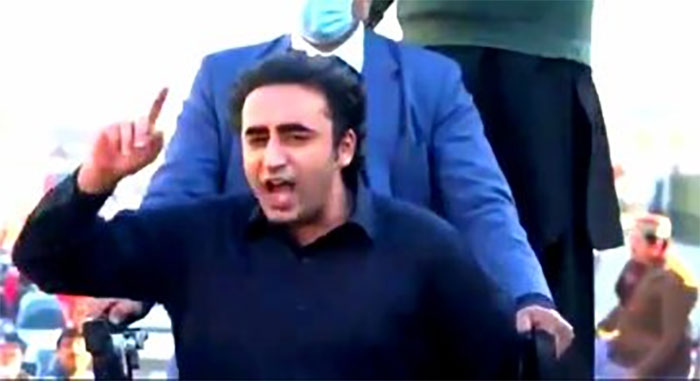
عوام نے آج پاکستان کو اپنا فیصلہ سنا دیا ہے، ملاکنڈ کے ہر شہری کا ایک ہی مطالبہ ہے، سیلیکٹڈ چلا جائے، یہ تبدیلی والے سارے دھوکے باز ہیں۔
ملاکنڈ میں جلسہ سے خطاب کرتے ہوئے بلاول بھٹوزرداری نے کہا کہ عوام ناجائز حکمرانوں کو آج سے نہیں 60 سال سے بھگت رہے ہیں، ہم نے جوبھی وعدہ کیا اسے پورا بھی کیا ہے۔
بلاول بھٹوزرداری نے کہا کہ ذوالفقار علی بھٹو نے ایف سی آر کے خاتمے کا وعدہ کیا تھا اور پورا کرکے دکھایا۔
انہوں نے کہا کہ ہم مل کر کٹھ پتلی اور سلیکٹڈ راج کا خاتمہ کریں گے ، جمہوریت بحال کریں گے۔
بلاول بھٹو زرداری نے کہا کہ ملاکنڈ کے عوام نے دہشتگردوں کو ہماری سرزمین سے بھگایا، ہمیں یاد ہے کون آپ کے ساتھ کھڑے تھے اور کون دہشتگردوں کے ساتھ تھے۔
پی پی چیئرمین نے کہا کہ ہمیں فخر ہے کہ آپ نے یہاں پاکستان کا پرچم لہرایا، ملاکنڈ کے عوام نے فوج کے ساتھ کھڑے ہوکر دہشتگردوں کو شکست دی۔
بلاول بھٹو نے کہا کہ عمران خان نے مچھ متاثرین کو بلیک میلر کہا یہ کس قسم کا انصاف ہے، وزیراعظم نے متاثرین کے پاس جانے کے بجائے ان کو اپنے پاس بلایا۔
انہوں نے کہا کہ پاکستان کی مہنگائی پورے ریجن میں سب سے زیادہ ہے، عوام تاریخی غربت، مہنگائی کا مقابلہ کررہے ہیں، یہ ہے نیاپاکستان۔
بلاول بھٹو نے کہا کہ عمران خان کا پورا ٹولہ نالائق اور کرپٹ ترین ہے ملک نہیں چل رہا، انہوں نے روزگار چھینا اور گھروں کو برباد کیا۔
پی پی چیئرمین نے کہا کہ علیمہ باجی کی سلائی مشین میں کرپشن، بلین ٹری میں کرپشن ہر طرف کرپشن ہے۔
https://jang.com.pk/news/870748
Sunday, January 10, 2021
#CapitolRiots - Incitement to Riot? What Trump Told Supporters Before Mob Stormed Capitol

Here is a closer look at what the president said at a rally of his supporters, which is a central focus of the impeachment case being prepared against him.

Tyrants gaze with glee at what Trump has done to American democracy

Andrew Rawnsley

His incitement of the violent assault on the US Capitol was the savage consummation of the four years of vandalism he has unleashed on America’s body politic.
Ever since he lost last November’s election, there have been entirely believeable reports that Donald Trump is toying with issuing a presidential pardon to himself. What he will never secure is a reprieve from history’s verdict on his wretched presidency. It will be a defining image and an enduring epitaph: the invasion and ransacking of the US Capitol by a mob he incited to prevent Congress certifying that Joe Biden had won a free and fair election. It is highly moot whether the use of the 25th amendment or a second impeachment will now bring a slightly earlier conclusion to America’s long national nightmare by removing him before the official end of his term on 20 January. However that turns out, posterity will condemn him as the president who conspired to subvert the constitution that he was solemnly sworn to preserve and protect. Historians will also dwell on some of the other actors in play, including those Republican senators and congressmen who indulged or stoked his plot to overturn the election result by peddling claims of fraud that were themselves fraudulent and have been investigated and rejected at every level of government. None of that, nor questions about the role played by social media and why the security around Congress was so easily breached, should distract us from the fundamental point. Culpability for the violent assault on the heart of American democracy lies squarely with him, as even some who were his most ardent apologists have acknowledged. An event can be shocking and at the same time not at all surprising. The dark hours when the Capitol was overrun by a pro-Trump horde, some of the invaders emblazoned with Nazi slogans, were the product of the four dark years of vandalism he has unleashed on America’s body politic. The assault on Capitol Hill was the savage consummation of a presidency founded, fuelled and feeding on division; a presidency that has stamped on democratic norms, fomented lunatic conspiracy theories and made lies the chief currency of its public discourse since the very beginning. It was a grimly appropriate finale that he employed demagoguery powered by falsehoods to invite the assault on lawmakers, inflaming a so-called “Save America” rally by declaring: “You’ll never take back our country with weakness. You have to show strength.” His personal attorney, Rudy Giuliani, was even more explicitly insurrectionist when he told the crowd: “Let’s have trial by combat.” The horde, some of them armed, then overran the Capitol screaming Mr Trump’s mendacious mantra: “Stop the steal!” The mobster-in-chief, the capo of chaos, then released a pre-recorded video expressing his “love” for the “very special” people who were menacing elected representatives and rampaging in the most hallowed chambers of America’s democracy while regurgitating the lie that he won the election. Liz Cheney, the third highest-ranking Republican in the House of Representatives, offered a quote for the history books when she said: “There is no question that the president formed the mob, the president incited the mob, the president addressed the mob. He lit the flame.” She is right. Mitt Romney, the Utah senator and former presidential candidate, had something to say to those in his party who colluded with the scheme to delegitimise the election result. He yelled in their direction: “This is what you’ve gotten.” He is right. “This is banana republic crap,” said Mike Gallagher, a Republican congressman, before making this plea to its author. “Mr President, you have got to stop this. Call it off! The election is over. Call it off! This is bigger than you.” He was also right, but hopelessly naive to think that Mr Trump can ever conceive of anything bigger than himself. Only much later did he seek to distance himself from the mob that he had instigated and ignited. In a robotic statement that some likened to a hostage video, he redefined his “very special” people as the perpetrators of a “heinous act”. This volte face came only after the insurrection had failed, when even some previously diehard loyalists had deserted him in disgust and advisers were warning he had exposed himself to a prosecution for sedition. An enforced climbdown that reeked of insincerity does nothing to alleviate the most damnatory verdict against this president. You can argue that there are slivers of encouragement to be extracted from the day of infamy. Once the rioters had been cleared from the Capitol, Congress reconvened in the early hours to certify Joe Biden as the next president. Shockingly, more than a hundred Republicans in Congress continued to collude with Mr Trump even after the storming of the building, but it should be noted that others have shown a commendable dedication to democracy. The ugly events on Capitol Hill overshadowed a revelation earlier in the week that the president had unsuccessfully sought to bully Brad Raffensperger, a Republican and the senior election official in Georgia, into “finding” enough votes to flip the result in that state. Judges have thrown out more than 60 Trumpian gambits to discredit the election. The conservative-dominated supreme court, three of whose justices are Trump appointments, rejected his attempts to block ballots in a number of key states that voted for Mr Biden. So you can make a case that the constitution and the republic’s attachment to democratic values have ultimately proved sufficiently robust to meet the severe stress test inflicted by this disgraced president. There is a terrible cost, though, to America’s experiment with Trumpism and the price will still be being paid after he has been removed. The catastrophic wreckage left by his presidency is not just to be reckoned in the broken glass, trashed offices and fatalities on Capitol Hill. The cost of Trumpism is also to be counted in a poisoning of American politics. He is an electoral failure. Never forget that he lost the popular vote in both the contests he fought, defeated by a thumping margin of more than 7m votes last November. Yet he has been horribly successful in undermining faith in American democracy and corroding respect for it abroad. Once, you would have assumed that the spectacle of rioters desecrating the national legislature would repel Republican voters. They usually like to think they belong to the party of law and order. So it is testimony to the scale of his malignant achievement that polling of Trump voters suggests that two-thirds buy his big lie that the election was stolen and as many approved as deplored the mayhem unleashed at the citadel of their country’s democracy. Mr Trump has done far more damage to trust in America’s system of government than Vladimir Putin’s battalions of cyber-agents have ever managed. By despoiling his high office so basely, he has also made it that much harder for the values of liberty to prevail in the vital global contest to combat resurgent despotism. The latest audit of pluralism and democracy from Freedom House comes to the baleful conclusion that the world is becoming less free as dictators tighten their grip in some regions, while elsewhere wannabe despots stretch and unravel the fabric of democracy. Mr Trump is not solely responsible for this dismal trend, but he has helped to exaggerate it by demoralising those struggling for civil liberties and fair elections while emboldening their opponents. America’s claim to be a “beacon of liberty” has always been contestable. Under him, the idea became risible. The violence on Capitol Hill was watched with horror in the capitals of liberal democracies and with glee among the rulers of Russia, China and Iran. Many of the world’s most unsavoury regimes seized on the grisly finale to the Trump presidency to justify their own autocracies. Beijing was gifted another opportunity to depict democracy as a recipe for anarchy. Tehran gloatingly took it as evidence of “how vulnerable and fragile western democracy is”. From Moscow came the snickering contention that “American democracy is obviously limping on both feet”. We must hope that this is the final service that Mr Trump will render to the world’s autocracies after four years of offering them encouragement. From Jair Bolsonaro of Brazil to Viktor Orbán in Hungary to Rodrigo Duterte in the Philippines, authoritarians recognised themselves in his behaviour and from that drew strength. The Trump presidency has emboldened autocrats the world over to believe that liberal democracy is in decline and tomorrow belongs to them. It is not just America that has suffered a terrible price for the Trump presidency. The cost is being paid in lost liberty around the planet. https://www.theguardian.com/commentisfree/2021/jan/10/tyrants-gaze-with-glee-at-what-trump-has-done-to-american-democracy#hazaragenocide #Pakistan - Lethal blackmail arsenal

#Pakistan - Journalists pay heavy price for press freedom - Journalist Raza Rumi talks about the state of media freedom in Pakistan

Freedom of the press is becoming an increasingly deadly commitment for South Asian journalists. Although censorship tactics are not new to the region, Pakistan appears to be at the forefront of taking extreme measures, including violence, against journalists.
According to the Committee to Protect Journalists (CPJ), 61 journalists died in Pakistan between 1992 and 2020. During the same period, 51 journalists were killed in India and Afghanistan each, 22 in Bangladesh, 19 in Sri Lanka, eight in Nepal, and two in the Maldives.
The CPJ database indicates that most of these Pakistani journalists were killed while working on ‘dangerous’ assignments. Others were caught in the crossfire. An overwhelming majority of these worked for newspaper and TV channels. Several were also associated with the internet and social media.
Raza Rumi is one of the Pakistani journalists who narrowly survived an assassination attempt that killed his driver. He currently lives in the United States and leads a multi-media online network. He has written three books on Pakistan, including the recent collection of essays: Being Pakistani: Society, Culture and the Arts. He also teaches journalism at Ithaca College in the New York state.
Talking about freedom of the press in Pakistan, he says, “Journalists have been at the receiving end throughout the history of Pakistan, mainly due to the censorship policies that the state has followed. As an inheritor of the Raj, it views information control as a tool of power as well as the means to keep the hegemony of ruling classes intact.”
According to the CPJ database, 56 of the assassinated journalists worked for Urdu and English newspapers and TV channels across the nation.
The print media journalists represented Karak Times, Akhbar-i-Jahan, Dawn, Osaf, Mashriq, Parcham, Daily Express, Takbir, The News, Daily Pakistan, Intikhab, Shumal, Ummat, The Nation, K2 Times, Daily News, NaiBaat, Azadi, The Frontier Post, Akhbar-i-Khyber and Jang.
The other media workers were representing TV news channels including Sama, ARY, Express TV, Kavish Television Network, Geo, Waqt, Markaz and DM Digital TV, Dunya, Abtak, WASH TV, Royal TV, Khyber TV, Associated Press TV News, City 42 and Aaj TV.
In Rumi‘s opinion, crimes against electronic media and newspaper reporters have been increasing because of the growing militancy in the country. He recalls that the state had been the only source of censorship in the past.
“In recent decades, however, the rise of militias and vigilante groups has made it worse. In addition to the state, non-state actors, sometimes in collusion with their patrons in the state, unleash violence against journalists. Under the current hybrid regime, the need to control the narrative has become even more paramount with more and more voices on social media challenging the official policies,” he elaborates.
Of the journalists who lost their lives, 35 were involved in political reporting, six were crime reporters, six were assigned establishment-related reporting and three government departments. Several others were reporting on human rights, war and corruption.
For Raza Rumi, “In many ways, this is an unprecedented moment. There is firm self-censorship in place in the electronic and print media, but the digital spaces are relatively open. That seems to be the major challenge for the state now. They enacted a draconian PECA law in 2017, and have recently enacted rules without consultation and parliamentary input. This will lead to more gagging and violence.”
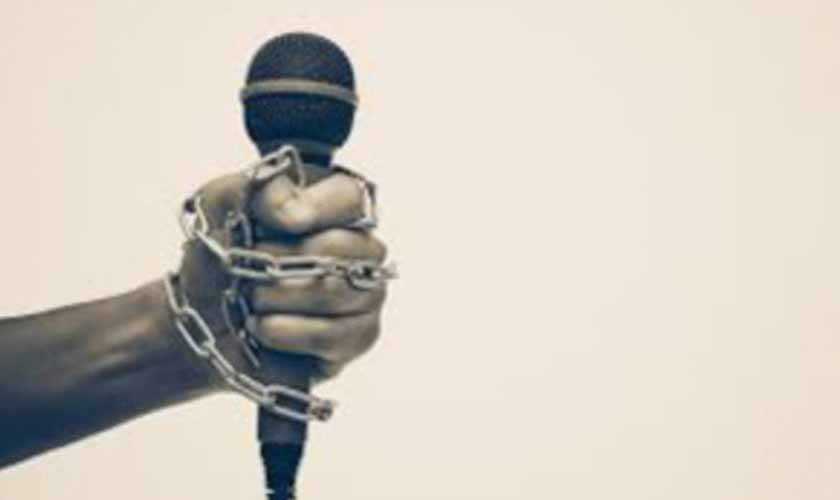
“In recent decades the rise of militias and vigilante groups has made it worse. In addition to the state, non-state actors sometimes, in collusion with their patrons in the state, unleash violence against journalists. Under the current hybrid regime, the need to control the narrative has become paramount with more and more voices on social media challenging the official policies.”
Consequently, several social media activists have been arrested for their ‘anti-state’ posts. As Raza Rumi explains, “The most glaring example is the way four bloggers were picked up in 2017 and kept in detention for months before being sent home. Some of them left Pakistan in the following weeks.”
Several unions and numerous press clubs in the country try to protect journalists and media workers. Besides passing resolutions and organising protest rallies, are these organisations taking some practical steps to protect journalists?
The government has also tried to gag opposition voices on the electronic media. In October last year, the Pakistan Electronic Media Regulatory Authority (PEMRA) banned the broadcast of speeches, interviews and public addresses by absconders and proclaimed offenders. The development came a few hours after former prime minister Nawaz Sharif criticized the government in his second address to the PML-N’s central working committee meeting, which was aired on numerous news channels in Pakistan. Later on, the Human Rights Commission of Pakistan (HRCP) and 16 journalists, anchorpersons and media analysts filed a petition in the Islamabad High Court (IHC) against the prohibition order. The petitioners include IA Rehman, Mohammad Ziauddin, Saleem Safi, Zahid Hussain, Asma Shirazi, Syed Ejaz Haider, Munizae Jahangir, Ghazi Salahuddin, Zubeida Mustafa, Najam Sethi, Nasim Zehra, Amber Rahim Shamsi, Gharida Farooqi, Mehmal Sarfraz and Mansoor Ali Khan.
Expressing pessimism on disunity among journalists’ organisations, Raza has mixed feelings about the future of media freedoms in Pakistan: “With dozens dead and hundreds fired by media outlets, the journalist bodies are disunited to put up a joint front. In fact, they have been divided and made ineffective. Still, a number of media persons are pushing the envelope and defying the current environment of self-censorship.”
Since independence, Pakistani media has been under pressure during dictatorships and civil governments. However, research indicates that censorship and restrictions on media have been more violent and direct during dictatorships.
Tactics of pressures and modes of censorship have also drastically changed in recent years. Media are usually free to analyse social, cultural, and economic issues and criticise civil governments and political leaders. Criticism on the establishment directly or indirectly is a no-go area.
The state religion and religious leaders’ criticism is also not tolerated by militant groups, religious organizations and clerics. On the other hand, criticism of minority religions and their followers have become an accepted norm.
The nature of censorship also varies by the type of media outlets and their reach to the population at large. As print media and TV channels in Urdu and regional languages have a broader audience, they are severely scrutinized than the English newspapers and magazines.
As a result of economic pressures and violence, journalists and media organisations have created unwritten rules on what to cover. These self-censorship parameters dangerously hamper the free flow of information and healthy debates on significant issues of society.
Against this backdrop, it appears that journalists and media workers are paying a heavy price for their commitment to freedom of the press in the country. With hopes for freedom to write fading, the fourth pillar of democracy appears to be in a bad shape in Pakistan.
https://www.thenews.com.pk/tns/detail/771176-journalists-pay-heavy-price-for-press-freedom
#Pakistan, #PakistanHindusTorture, #pakistanHindus - Protests in #Bangladesh against atrocities against minorities in #Pakistan
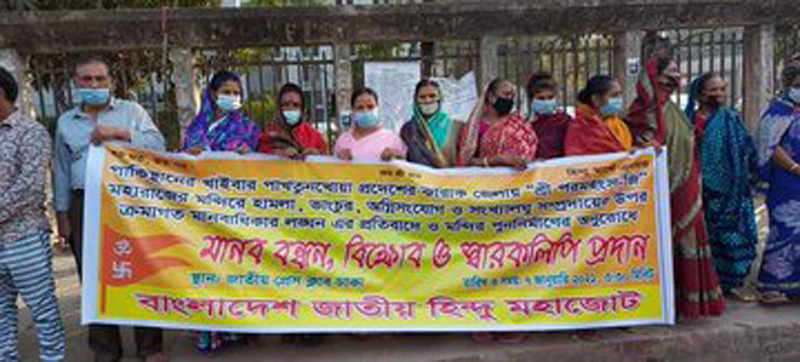
The protesters included Sumon Kumar Roy, president of Bangladesh Hindu Bar Association; Kapil Krishna Mandal, general secretary of Vishwa Hindu Parishad (VHP) Bangladesh Branch and Subir Kanti Saha, convener of Hindu Parishad, reports ANI.
The protest was held in the context of a temple being damaged by a mob in Pakistan's Karak district.
Human rights activities have condemned the incident that took place against the Hindu community of the country.
“Although the Hindus of Pakistan are outraged by this incident, Imran Khan’s administration has not yet taken any action. Hindus in the area could not protest due to fear. Pakistan is now slowly becoming a hell for the people of the Hindu community,” VHP general secretary Kapil Krishna Mandal told ANI.
Dipankar Sikder Dipu, one of the members of Hindu Parishad, hit out at the Imran Khan-led Pakistan government for playing the role of a mere spectator despite knowing the reality of the situation.
“Hindus living in Sindh province were subjected to severe torture by fundamentalists and women were forcibly taken away and raped. After abduction of minors and young women, they were converted and married off forcibly. Imran Khan’s administration is fully aware of these incidents but continues to play the role of a silent spectator,” Dipu told ANI.
Sumon Kumar Roy, president of Bangladesh Hindu Bar Association, told ANI that Hindus and other minorities in Pakistan have to live as second class citizens and are discriminated against in every step of life to get accommodation, job, government facilities.
“Many members of the Pakistani Hindu community feel that many Hindu families are now being forced to convert to Islam because they cannot tolerate inhumane treatment and torture,” Roy added.
https://www.indiablooms.com/world-details/SA/27553/protests-in-bangladesh-against-atrocities-against-minorities-in-pakistan.html
Air pollution likely led to 29% pregnancy loss in #India, #Pakistan, #Bangladesh — Lancet study

Study in Lancet Planetary Health also finds that pregnancy loss associated with air pollution is more common in the northern plains of India and Pakistan.
Poor air quality has been associated with a significant proportion of pregnancy loss in India, Pakistan, and Bangladesh from 2000-2016, according to a study published in Lancet Planetary Health.
The epidemiological case-control study — the first to quantify the impact of air pollution on pregnancy loss in South Asia — said that exposure among mothers to ambient particulate matter (PM 2.5) was associated with pregnancy loss, which included stillbirths and miscarriages.
It also stated that in India, Pakistan and Bangladesh, air pollution might have contributed to as much as 29 per cent of pregnancy losses.
ہزارہ ہم وطنوں کے بلاوے اور انا کی اونچی دیواریں
درد کے قبیلے سے بلاوے آ رہے ہیں اور اقتدار کی پالکی میں پڑے بھاری پاؤں اٹھنے میں نہیں آ رہے۔
شیخ سعدی کی گلستانِ سعدی میں ایک حکایت پڑھی تھی۔ شہری نے ایک جابر بادشاہ کو سوتے دیکھا تو دعا کی، خدایا تو اسے دیر تک سلائے رکھ۔ جتنی دیر یہ سوتا ہے، اتنی دیر سکون رہتا ہے۔
کوئٹہ میں نقطہ انجماد کو چھونے والی سردی میں ہزارہ ہم وطنوں کی سر بریدہ لاشیں رکھی ہیں۔ ایک وزیر جاتا ہے، دکھ میں اضافہ کرتا ہے اور آجاتا ہے۔ دوسرا جاتا ہے، فائدہ دینے کی بجائے فائدہ مانگ کر آجاتا ہے۔ پھر باری آتی وزیر اعظم کی۔ ٹویٹ کرتے ہیں تو زخموں پر نمک چھڑک دیتے ہیں۔ اشارہ دیتے ہیں تو جلتی پر تیل کی دھار مار دیتے ہیں۔ گفتگو کے لیے ایوان سے باہر آئے تو لگا کہ تین دن کی سیاسی بد اخلاقیوں کا ازالہ کریں گے۔ وہ آئے، درد کا مذاق اڑا کر چلے گئے۔
وہ تو اپوزیشن کی تحریک اور ہزارہ ہم وطنوں کے ماتم میں فرق ہی نہ کر سکے۔ تعزیت اور احتجاج کو ایک ہی مصرعے میں باندھ کر ایسے چلے گئے جیسے کہ کچھ کہا ہی نہ ہو۔ وہ نہ سمجھتے ہوں گے، کیا اس کابینہ میں ایک شخص بھی ایسا نہیں ہے جو زمین سے جڑت رکھتا ہو؟ ہزارہ اب دعا کرتے ہوں گے، اے خدائے بزرگ وبرتر! تونے آنے کی توفیق تو نہیں دی، تو ہمارے بادشاہ کو خاموش رہنے کی توفیق ہی دے دے۔ جتنی دیر یہ خاموش رہتا ہے، زخم سلے رہتے ہیں۔
انسان اگر یہ جان لے کہ کبھی کبھی خاموش رہنا کتنا ضروری ہوتا ہے، تو وہ گفتگو کا ہنر جان لے۔ جب مُردے کلام کرنے لگ جائیں تب تو خاموشی اور بھی ضروری ہوجاتی ہے۔ ایسے موقع پر تو ہمدردی کے بول بھی تذلیل کی جسارت دکھائی دینے لگتی ہے۔ جس کے بچے کا گلا کاٹا جا چکا ہو، اسے تو یہ تک کہنا بھی مشکل ہو جاتا ہے کہ میں تمہارے درد کو سمجھ سکتا ہوں۔ اسے تو یہ بھی نہیں کہا جا سکتا کہ میں تمہارے دکھ میں برابر کا شریک ہوں۔ ایسی ہر بات رسمی لگتی ہے اور مذاق لگتا ہے۔
ایسے میں صرف خاموش ہوا جا سکتا ہے۔ ساتھ کھڑے رہو مگر خاموش رہو۔ سر پہ ہاتھ رکھو یا پھر ہاتھ پکڑ لو۔ خاموشی میں گہرائی ہوئی اور لمس کی گرمی ہوئی تو زخم صاف ہونا شروع ہو جائیں گے۔ گفتگو کی گنجائش نکلنا شروع ہو جائے گی۔ آج سے کوئی دس برس قبل ایک بڑے دھماکے کے بعد حسن معراج نے ہزارہ ٹاون کے پاس ایک بچے کو دیکھا تھا، جو خستہ و شکستہ سی موٹر سائیکل سے کچھ کھرچ کھرچ کر تھیلی میں ڈال رہا تھا۔ حسن نے پوچھا، یہ کیا ڈال رہے ہو؟ بچے نے کہا، یہ میرا بھائی ہے۔ حسن چپ ہو گیا۔ اس چُپ سے بڑھ کر اس موقعے پر آپ کیا دے سکتے ہیں؟
میں پہلی بار ہزارہ ٹاؤن کے قبرستان میں داخل ہوا تو ایک ہزارہ لڑکی میرے ساتھ تھی۔ قبرستان کے داخلی راستے پر کچھ بھکاری بیٹھے تھے۔ لڑکی نے کہا، کبھی یہ تصور بھی نہیں کیا جا سکتا تھا کہ ہزارہ بزرگ اور خواتین اس طرح بھیک مانگنے پر مجبور ہوں گے۔ ہم تو درد سے یہ بھی نہ کہہ سکے، اچھا۔ بس چُپ!!!
قبرستان میں ایک پوری دیوار شہدا کی تصاویر اور ناموں سے بھری ہوئی ہے۔ ہزارہ لڑکی نے کہا، شاید ہی اس ٹاؤن میں ایسا کوئی گھر ہو جس کی نمائندگی اس دیوار پر موجود نہ ہو۔ ہم چپ رہے۔ ہم نے چلنا شروع کیا اور اُس نے بتانا شروع کیا، یہ دیکھو یہ میرا کزن ہے۔ یہ والی میرے ایک اور کزن کی منگیتر تھی۔ وہ کزن بھی ایک دھماکے میں زخمی ہو چکا ہے۔ جس سال اس کی منگیتر ماری گئی، اسی سال اس کا گریجویشن ہونی تھی اور پھر شادی کی تیاریاں ہونی تھیں۔ یہ جو بزرگ سے ہیں یہ میرے ددھیال کی طرف سے میرے عزیز تھے۔ ہم انہیں چچا ہی کہتے تھے۔ بہت اچھے انسان تھے۔ یار یہ دیکھو، اس کے تنور سے ہم روٹیاں خریدتے تھے۔
یہ جو لڑکا سا ہے جینز ٹی شرٹ میں، یہ بھی ہماری امی کے رشتے داروں میں سے تھا۔ اداکاری کا اسے بہت شوق تھا۔ اس کی امی نے اس کے شوق کی خاطر بہت پیسے لگائے، مگر سارے خواب ادھورے رہ گئے۔ یہ جو سامنے والے تین ہیں، یہ ایک ہی گھر کے افراد ہیں۔ یہ بھی یوں سمجھو کہ ہمارے رشتے دار ہی تھے۔ جس دن مارے گئے اس کے دوسرے دن ان کی بیٹی پیدا ہوئی تھی۔ ابھی تو کافی بڑی ہو گئی ہے۔ کتنا عجیب سا دکھ ہے اس بچی کا بھی۔
یہ دیکھو، یہ بچہ اپنے والد کے ساتھ مارا گیا تھا۔ ان کی تصویریں نہیں ہیں، مگر نام لکھے ہوئے ہیں۔ چلتے چلتے لڑکی نے ایک تصویر کی طرف اشارہ کیا اور بے دھڑک کہہ دیا، اور یہ میرا محبوب تھا۔ زندہ ہوتا تو ابھی یہاں ہمارے ساتھ چل رہا ہوتا، آپ سے ملاقات کراتی۔ مگر ابھی یہ سامنے والی قبر میں ہے۔ اس پورے تعارفی ماتم کے جواب میں ہمارے پاس ایک ہی چیز تھی۔ وہ تھی خاموشی۔
جس کے بچے کا گلا کاٹا جا چکا ہو، اسے تو یہ تک بھی نہیں کہا جا سکتا کہ میں تمہارے درد کو سمجھتا ہوں۔ اسے تو یہ بھی نہیں کہا جا سکتا کہ میں تمہارے دکھ میں برابر کا شریک ہوں۔ یہاں مملکت کا سربراہ لواحقین سے نو سو کلومیٹر کا فاصلہ رکھتے ہوئے کہہ رہا ہے کہ کسی وزیر اعظم کو بلیک میل نہیں کیا جا سکتا؟ اللہ!!!!
ہزارہ لوگ بہت نفیس، پڑھے لکھے، نرم خو، مستعد اور خود دار ہوتے ہیں۔ ایسی پاکیزہ طبعیتیں رکھنے والے لوگ اپنے زخم دکھاکر بلاوے نہیں دیتے۔ غم گساروں کو خود جانا پڑتا ہے۔ یہاں تو مگر قیامت ہی کچھ اور طرح کی آن پڑی ہے۔ درد کے قبیلے سے بلاوے آ رہے ہیں اور اقتدار کی پالکی میں پڑے بھاری پاؤں اٹھنے میں نہیں آ رہے۔
پاس جا کر پرسہ نہیں دے سکتے، کیا آپ خاموش بھی نہیں رہ سکتے؟ کچھ مہربانی کیجیے۔ دل دکھتا ہے!
https://www.independenturdu.com/node/56891
وزیر اعظم عمران خان سے ہزارہ برادری کے صرف ایک متاثرہ خاندان نے ملاقات کی، باقی کا بائیکاٹ: رہنما ہزارہ دھرنا
سانحہ مچھ میں ایک طویل لے دے کے بعد آخر کار وزیر اعظم عمران خان کوئٹہ جا پہنچے لیکن اس سے پہلے اس بات کو یقینی بنایا گیا کہ لواحقین اپنے پیاروں کی میتوں کی تدفین کردیں۔ اس کے بعد وزیر اعظم کی لواحقین سے ملاقات کو لائیو نشر کیا گیا جس میں وزیر اعظم کو ان سے خطاب کرتے ہوئے دکھایا گیا۔ وزیر اعظم نے اس موقع پر متاثرین کے لواحقین کو کہا کہ سمجھیں کہ اب وہ وزیر اعظم ہیں عام آدمی کی اور بات ہوتی ہے۔
پہلے وہ عام آدمی تھے تو ان کے پاس آئے تھے۔ اب معاملہ مختلف ہے اگر ایک بار وزیر اعظم کسی کے کہنے پر کہیں چلا گیا تو پھر یہ سلسلہ شروع ہوجائے گا۔
تاہم اب اس بات کا انکشاف ہوا ہے کہ وزیر اعظم عمران خان سے ہزارہ برادری کے ان شہدا کے تمام لواحقین نے ملاقات نہیں کی۔ بلکہ 11 فیملیز میں سے ایک یا دو فیملیز نے ملاقات کی جبکہ تمام دیگر خاندانوں نے ان سے ملاقات کا بائیکاٹ کیا۔ اینکر منصور علی خان کے یوٹیوب چینل پر ہزارہ دھرنا رہنما علامہ ڈاکٹر موسیٰ حسینی نے دعویٰ کیا ہے کل دوپہر کو اچانک ڈی سی صاحب آئے اور شہدا کے لواحقین میں سے ایک خاندان کو اپنے ساتھ لے گئے۔
اور انہوں نے ہی ان سے ملاقات کی۔ انہوں نے مزید انکشاف کیا کہ وزیر اعظم کی لواحقین سے ملاقات کے لیے امام بارگاہ میں انتظامات کیئے گئے تھے لیکن انہوں نے اپنے متعین کردہ مقام پر ملاقات کے لیے متاثرہ خاندانوں کو بلایا۔ انہوں نے کہا کہ اس سے پہلے تو انہیں کہا گیا تھا کہ متاثرین اسلام آباد میں آکر وزیر اعظم سے مل لیں۔
https://urdu.nayadaur.tv/53288/