
Saturday, May 9, 2020

Yet Another #Christian Girl In #Pakistan Abducted, Forcibly Converted And Forcibly ‘Married’ To Her Abductor


 By Ewelina U. Ochab
At the end of April 2020, a 14 year old Christian girl, Myra Shehbaz, was reportedly abducted and forced to marry in Faisalabad, Punjab. According to International Christian Concern, “Myra Shehbaz was abducted by a group of Muslim men led by Muhammad Naqash. Eye witnesses claim that Myra was attacked while she was traveling to her workplace as a domestic worker on Sunday afternoon. Pervez Masih, Younas Masih, and Naeem Masih, the eye witnesses, claimed that Myra’s abductors forced her into a car and that Myra tried to resist. These eye witnesses were unable to help Myra because abductors were armed and fired several shots into the air.” Myra’s mother, Nighat, told International Christian Concern that she feared her daughter would be “raped, forcefully converted toIslam, or even killed.”
Unfortunately, her concerns are not farfetched. According to the Movement for Solidarity and Peace (MSP), a human rights organization in the country, around 1,000 Christian and Hindu women and girls are kidnapped each year, forced to convert and marry Muslim men. The victims are usually between the ages of 12 and 25. 

Despite these shocking statistics, the number of victims may be even higher as many cases remain unreported, often due to the girls’ families limited financial means. As recently as March, I wrote about the case of another Christian girl, Huma Younus, 14 years old at the time of her abduction. Huma was allegedly abducted from her parents’ home in Karachi on October 10, 2019, by a man named Abdul Jabbar of Dera Ghazi Khan, Punjab Province. Other known cases from recent years include a Christian girl, Mehwish, who was kidnapped when she was just 14. It was reported that the police have not taken appropriate steps to investigate her case or attempt to rescue her. The same is true in the case of a 13-year-old Christian girl, Sana John. Two teenage girls, Farzana and Sehrish, aged 14 and 16 respectively, were abducted and subjected to gang rape perpetrated by three Muslim men. Despite the fact that one of the perpetrators was apprehended, the family was pressured to settle the case outside of court. Similarly, the case of Maria Sarfraz, an 11-year-old girl abducted and gang-raped for three days, was forcibly settled out of court.
Considering the damning data from MSP, there are many more stories like these, which are yet to be heard.
The latest information in the case of Myra Shehbaz suggests that she was forcibly converted and married to her abductors. Although a National Database and Registration Authority (NADRA) certificate has been produced confirming her age, a marriage certificate contradicts this, stating her age as 18. A typed statement was also produced, allegedly made by her, stating that she left her home and married willingly. The case is yet to proceed through the courts. However, this does not mean that justice will be served and the girl will be reunited with her family. Indeed, the reports suggest a variety of approaches to such cases concerning abducted, forced conversion and forced marriages.
In another case, Nasira v Judicial Magistrate, the Lahore High Court recognized that an under age girl lacks legal capacity to convert. In the case, Nasira, a Christian woman, has filed a petition for her minor daughter Pumy Muskan to be recovered from the alleged illegal custody of people (referred to in the judgment as the Respondent No. 5 & 6) and dealt with in accordance with law. Respondent No. 5 & 6 employed the 14-year-old girl, Pumy Muskan, as part of a household. After a few months, when the mother went to meet Pumy Muskan, Respondents No.5 & 6 told her that Pumy Muskan was with the sister of Respondent No.5 in another city and, having embraced Islam, did not want to see her mother any more. After a lengthy legal battle, ultimately, the Lahore High Court decided that “Pumy Muskan is barely 14 years old. As she is not sui juris she lacks legal capacity to change religion on her own. However, the question of faith being a matter of heart and one’s conviction, no Court can declare her conversion invalid or void. It can only refuse to recognize or give effect to it for certain legal purposes. The Petitioner being the lawful guardian of Pumy Muskan is entitled to her custody. There is no reason to deprive her of that right.”
Many such cases, of women and girls being abducted, forcibly converted, forcibly ‘married’ and abused by their abductors, continue to be neglected by the police and the justice system. This only allows further crimes to be committed. Every child deserves a normal childhood. Every girl deserves to be a child and to be afforded the opportunity to flourish. Pakistan needs to step up its approach of dealing with such cases and ensure proper investigations and prosecutions of the perpetrators and reunification of the children with their parents. However, a change in society is also required so that abduction of a child, forced conversion and forced marriage are considered abhorrent. There is still a long way to go.
https://www.forbes.com/sites/ewelinaochab/2020/05/08/yet-another-girl-in-pakistan-abducted-forcibly-converted-and-forcibly-married-to-her-abductor/#5d23946474da

Friday, May 8, 2020

Music Video - Dua Lipa - Don't Start Now

Video Report - New study raises question: Can coronavirus spread through sex?

Video Report - #USUnemployment US economy loses a record 20.5 million jobs in April

Video Report - Michelle Obama offers Chicago healthcare workers words of thanks and support during #COVID19

Video Report - Covid-19: how it will change the world |

Video Report - Member of Pence's staff tests positive for #coronavirus

Video Report - Dr Furqan sought help at the hospital too late: Sindh Health Minister

Pakistan - ’لوگ اپنے جانور مرنے دیتے ہیں لیکن خاتون معالج سے علاج نہیں کراتے‘

Video Report - Govt Gave Relief To 'Elites', Says Musadik Malik In Interview With Raza Rumi, Murtaza Solangi

احمدی اور پاکستانی اقلیتی کونسل، سوشل میڈیا پر بحث

پاکستان میں اقلیتی کونسل میں احمدیوں کو نمائندگی دیے جانے سے متعلق سامنے آنے والی خبروں اور حکومت کی جانب سے اس معاملے پر پیچھے ہٹ جانے کے باوجود شدید بحث جاری ہے۔
پاکستان میں کابینہ کی جانب سے وزارتِ مذہبی امور کو اقلیتی کونسل کی تشکیل نو کے لیے بھیجی جانے والی ایک سمری میں احمدیوں کو بھی اس کونسل میں شامل کیا گیا تھا، تاہم اس پر شدید ردعمل کے بعد حتمی نوٹیفیکشن میں یہ فیصلہ واپس لے لیا گیا۔
تاہم اس معاملے پر تاحال ٹی وی چینلز  پر وزیراعظم عمران خان کی کابینہ کے چند وزراء پر کڑی تنقید ہو رہی ہے جب کہ سوشل میڈیا پر بھی کابینہ کے اس عمل کے ساتھ ساتھ احمدی برداری کے خلاف ایک مہم جاری ہے۔
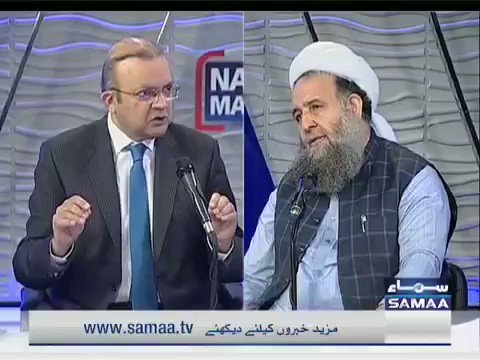
ایک معروف پاکستانی ٹی وی اینکر ندیم ملک نے اس سلسلے میں وفاقی وزیر برائے مذہبی امور نورالحق قادری سے ایک ٹی وی شو میں تندوتیز سوالات بھی کیے۔ اس پروگرام میں نورالحق قادری دفاعی پوزیشن اختیار کیے دکھائی دیے۔
سوشل میڈیا پر بھی احمدیوں کے خلاف کئی طرح کے ہیش ٹیگ دکھائی دیے، جس پر انسانی حقوق کی تنظیموں اور کارکنوں کی جانب سے تشویش کا اظہار بھی کیا گیا ہے۔
پاکستانی سوشل میڈیا صارف ریما عمر اس حوالے سے اپنے ایک ٹوئٹر پیغام میں کہتی ہیں، ''نفرت کا ایک بھونڈا منظر اور وہ بھی کابینہ کی جانب سے ایک بے اختیار کمیشن میں ایک احمدی رکن کو شامل کرنے پر۔ کس طرح لوگ احمدیوں سے نفرت میں روزانہ کی بنیاد پر کہاں سے کہاں نکل جاتے ہیں۔‘‘

Pathetic display of bigotry here, that too over a discussion in the cabinet about including an Ahmadi member in a toothless commission on *minorities* which has no real legal standing, mandate

Astounding how people get away with spewing hatred against Ahmadis on a regular basis https://twitter.com/sohaileqbal1/status/1258094549131501570 

420 people are talking about this
ایک سوشل میڈیا صارف مونا فاروق نے ندیم ملک کے پروگرام پر سخت تنقید کرتے ہوئے کہا، ''ہر احمدی مسلم پیغمبر کی ختم نبوت پر ایمان رکھتا ہو۔ آپ کا پورا پروگرام احمدیوں سے نفرت اور جھوٹ پر مبنی تھا۔ ہمیں آپ سے کسی سند کی ضرورت نہیں مگر صرف ریٹنگ کے لیے ایک پرامن برداری کے خلاف نفرت کا پرچار ایک شرم ناک کام ہے۔‘‘


ایک سوشل میڈیا صارف مونا فاروق نے ندیم ملک کے پروگرام پر سخت تنقید کرتے ہوئے کہا، ''ہر احمدی مسلم پیغمبر کی ختم نبوت پر ایمان رکھتا ہو۔ آپ کا پورا پروگرام احمدیوں سے نفرت اور جھوٹ پر مبنی تھا۔ ہمیں آپ سے کسی سند کی ضرورت نہیں مگر صرف ریٹنگ کے لیے ایک پرامن برداری کے خلاف نفرت کا پرچار ایک شرم ناک کام ہے۔‘‘

Each and every Ahmadi Muslim believes Prophet (SAW) as Khataman Nabiyeen. So your whole show with hateful rant against Ahamdis is a blatant lie. We don't need your certificate for our beliefs but inciting violence against a peaceful community for ratings is shameful @nadeemmalik

53 people are talking about this

پاکستان پیپلز پارٹی کے چیئرمین بلاول بھٹو زرداری نے سندھ کی عوامی حکومت کی جانب سے کراچی اور حیدرآباد کے بعد لاڑکانہ میں بھی کروناوائرس ٹیسٹنگ لیب کے قیام پر اطمینان و تعریف کا اظہار کیا ہے

 پاکستان پیپلز پارٹی کے چیئرمین بلاول بھٹو زرداری نے سندھ کی عوامی حکومت کی جانب سے کراچی اور حیدرآباد کے بعد لاڑکانہ میں بھی کروناوائرس ٹیسٹنگ لیب کے قیام پر اطمینان و تعریف کا اظہار کیا ہے۔ اپنے جاری کردہ بیان میں پی پی پی چیئرمین نے کہا کہ ٹیسٹنگ صلاحیت میں اضافہ صحیح سمت میں کی جانے والی کاوشیں ہیں، جبکہ صوبے کے تین شہروں میں کروناوائرس ٹیسٹنگ سہولیات کی مفت فراہمی سندھ حکومت کا قابل تحسین اقدام ہے۔ 

بلاول بھٹو زرداری نے کہا کہ انہیں یقین ہے، حکومت سندھ اس مہلک وباء کی روکتھام کے سلسلے میں گمبٹ اور سکھر سمیت صوبے کے دیگر علاقوں میں بھی مذکورہ سہولیات کو بڑھائے گی۔

پاکستان پیپلز پارٹی کے چیئرمین بلاول بھٹو زرداری کی پی پی پی شمالی وزیرستان کے رہنما شفقت داوڑ کی گرفتاری کی شدید مذمت

 پاکستان پیپلز پارٹی کے چیئرمین بلاول بھٹو زرداری نے پی پی پی شمالیکے رہنما شفقت داوڑ کی گرفتاری کی شدید مذمت کرتے ہوئے اس عمل کو پی ٹی آئی حکومت کی جانب سے اپنے اُن مخالفین کو دبانے کا مذموم منصوبہ قرار دیا ہے جو اس کا داغدار چہرہ بے نقاب کرتے رہتے ہیں۔ اپنے بیان میں پی پی پی چیئرمین نے مزید کہا ہے کہ پاکستان پیپلز پارٹی کے کارکنان نے ماضی میں بھی آمروں کا ڈٹ کر مقابلہ کیا، لیکن سر نہیں جھکایا، کیونکہ وہ سچے پکے جمہوریت پسند کارکن ہیں، جو اپنی پارٹی قیادت و دیگر کارکنان کی میراث کے عین مطابق عوامی حقوق کی خاطر اپنی ہر چیز قربان کرنے کے لئے ہمہ وقت تیار رہتے ہیں۔
انہوں نے پی پی پی شمالی وزیرستان کے سابق سیکریٹری اطلاعات شفقت داوڑ کی گرفتاری پی ٹِی آئی حکومت کی صریحاً انتقامی کاروائی قرار دیتے ہوئے مطالبہ کیا کہ شفقت داوڑ کو فوری طور رہا کیا جائے۔ بلاول بھٹو زرداری نے کہا کہ پی پی پی قیادت و کارکنان اُن جیالوں کے شانہ بشانہ کھڑے ہیں، جنھیں سابقہ فاٹا سمیت ملک کے مختلف علاقوں میں دہونس دھمکیوں کا سامنا کرنا پڑ رہا ہے، لیکن پارٹی کی جانب سے انہیں اور ان کے اہل خانہ کو ہر ممکن قانونی و اخلاقی مدد فراہم کی جائے گی۔
https://www.ppp.org.pk/2020/05/08/chairman-ppp-bilawal-bhutto-zardari-ki-ppp-rehnuma-shafqat-daawar-ki-giraftari-per-mazamat/

#Pakistan #coronavirus cases surge past 25,000, pace quickens


Prime Minister Imran Khan has announced plans to begin lifting Pakistan's poorly enforced lockdown from Saturday, amid fears for the country's economy as it sinks into recession.
Coronavirus cases in Pakistan surged past 25,000 on Friday, just hours before the government was due to lift lockdown measures, with the country reporting some of the biggest daily increases in new infections in the world. Officials reported 1,764 new COVID-19 cases over the past 24 hours on Friday, taking the total to 25,837. Deaths rose by 30 to 594.
Prime Minister Imran Khan has announced plans to begin lifting Pakistan's poorly enforced lockdown from Saturday, amid fears for the country's economy as it sinks into recession.
Mr. Khan said the easing of restrictions, aimed at helping the country's most impoverished citizens, would be lifted in phases and warned people that the epidemic could get out of control if they did not take precautions. He added that restrictions could be restored if the outbreak worsens.
The government's handling of the virus has been strongly criticised by scientists and doctors who fear the outbreak will gather pace among a population of around 210 million and overwhelm the country's struggling health system.After reporting just a handful of COVID-19 cases in late February, Pakistan's numbers began to surge from mid-March. It has reported an average of just over 1,000 cases and around 27 deaths per day for the past week, according to a Reuters tally based on official data.
In the Middle East and Asia regions, only India, Saudi Arabia, Iran and Turkey are reporting daily increases at a similar rate.
Pakistan officials have said small markets and shops would be the first to open, with restricted hours, while big malls and other spaces that attract large crowds will remain closed for now. Schools will stay shut until mid-July and a decision on reopening intercity transport would be made at a later, unspecified, date.
https://www.thehindu.com/news/international/pakistan-coronavirus-cases-surge-past-25000-pace-quickens-reuters-tally/article31531445.ece

HRW slams exclusion of #Ahmadis from #Pakistan minority commission


By


HRW calls exclusion of Ahmadiyya from commission 'absurd', while sect leaders warn it could lead to greater persecution.
Human Rights Watch (HRW) has termed the Pakistani government's exclusion of members of the Ahmadiyya religious movement from a commission on safeguarding the rights of minorities "absurd", while sect leaders have warned it could lead to greater persecution of members resident in the South Asian country.
"The Ahmadis are among the most persecuted communities in Pakistan and to exclude them from a minority rights commission is absurd," said Brad Adams, Asia director at HRW, a US-based rights group, in a statement on Friday.
"Keeping Ahmadis off the commission shows the extent to which the community faces discrimination every day."
Earlier this week, the Pakistani government established the National Commission on Minorities (NCM), an interfaith body aimed at increasing religious tolerance and addressing issues of persecution in the country of 220 million people.
Pakistan is home to more than half a million Ahmadis, who have been declared "non-Muslim" under Pakistan's constitution since 1974 for their belief in the sect's founder, Mirza Ghulam Ahmad, being a subordinate prophet to Islam's final prophet, Muhammad.
Members of the sect believe they are Muslim, and, as such, a community spokesperson told Al Jazeera they did not wish to be a part of the commission, but that dragging them into the argument had increased threats of violence.
"They never approached us or contacted us about this," said Saleemuddin, the spokesperson.
"We never requested this - our principled stand is the same as before and we will not join such a commission."
Saleemuddin said debate over the issue - an emotive subject for many in religiously conservative Pakistan - had resulted in greater threats to the Ahmadi community.
"What it does is put the community more in danger," he said.
"The campaign that has been launched after that, no one has spoken to the community and we have become even more vulnerable."

'They do not fall in the definition of minorities'

Members of the Ahmadiyya sect were initially part of the government's plans for the commission, but after the religious affairs ministry objected on April 15, their representation was removed.
On May 5, when announcing the official formation of the commission, Information Minister Shibli Faraz said Ahmadis were to be excluded because "they do not fall in the definition of minorities".
The back-and-forth on the issue prompted the religious affairs minister, Noor-ul-Haq Qadri, to accuse Ahmadis of not recognising the constitution, a charge community spokesperson Saleemuddin denied.
"The government's position is clear that it can only include a group or party in the country's constitutional bodies after that group recognises the constitution," Qadri said.
"Declaring your reservations or objections to a certain constitutional amendment, does that make you a traitor?" said Saleemuddin.
"The constitution gives me a right to believe myself to be whatever I am. If you have declared us non-Muslim for the purposes of law and constitution, fine, but I have the right to believe what I am myself."
Ahmadis routinely face widespread discrimination in Pakistan, with members of the sect denied service at shops or businesses if they identify themselves.
Specific provisions of Pakistan's strict blasphemy laws make it illegal for them to refer to themselves as Muslims, or to their places of worship and call to prayer by the equivalent Islamic terms. The country has also seen numerous targeted attacks against members of the community.
Saleemuddin warned that fiery debate over the issue on nationally aired television news channels risked inflaming tensions further.
"Day by day, life is becoming even more difficult for us," he said.
"We are so restricted socially, and anyone who is branded an Ahmadi it becomes impossible for them to live [in that area] ... if they need to do a business, go for groceries, or anything."

#Balochistan: Roadside explosion kills six #Pakistani soldiers

At least six Pakistani paramilitary troops including a major were killed in an improvised explosive device (IED) in district Kech Balochistan on Friday.
Pakistan’s Inter-Services Public Relations (ISPR), the military’s media wing, said May 8 that the security forces were returning from patrolling duty when an improvised explosive device (IED) hit their reconnaissance vehicle.
The killed Pakistani forces personnel have been named as Major Nadeem Abbas Bhatti, resident of Hafizabad, Naik Jamshed, resident of Mianwali, Lance Naik Taimoor, resident of Taunsa Sharif, Lance Naik Khizer Hayat, resident of Attock, Sepoy Sajid, resident of Mardan and Sepoy Nadeem, resident of Taunsa Sharif.
Today’s attack was the latest in a series of ambushes on Pakistani forces in the mineral-rich Balochistan, a key route of $64 billion China Pakistan Economic Corridor (CPEC) project.
The Western Part of Balochistan is occupied by Iran whereas the Northern part fell under Afghanistan control after the British drew the Durand Line due to which large chunks of Afghanistan were given to Pakistan. The Baloch and Afghans, however, have never accepted the Durand Line.
Balochistan is strategically important because of the rich presence of copper, zinc, and natural gas.
The Baloch people are currently ‘at war with Pakistan’ because at the end of British rule in 1947 Balochistan declared its independence but their sovereign country was forcibly incorporated into Pakistan in 1948.
Baloch people have fought five wars of liberations against Pakistan, the latest and ongoing attempt to push for freedom started in 1996 which is considered by far the more organised and widespread compared to previous insurgencies in Balochistan.

Thursday, May 7, 2020

Music Video - Dua Lipa - Physical

Video Report - How the top 5 biggest military powers spend over a trillion dollars

Video Report - #Coronavirus #Sports How is coronavirus affecting the sports industry?

Video Report - Chris Cuomo jokes with his governor brother: You're single and ready to mingle

Video - #TrevorNoah #Coronavirus Beef Shortages & Jared Kushner’s Botched PPE Response | The Daily Social Distancing

Ghazal - Malika Pukhraj, Tahira Syed - Abhi To Main Jawan Hoon

Music Video - Salaam | Umrao Jaan | Aishwarya Rai

Music Video - Pyar Kiya To Darna Kya | Madhubala | Dilip Kumar | Mughal-E-Azam |

Music Video - Chura liya hai-YAADON KI BARAT

Video - Tribute To The Legendary Actor Rishi Kapoor | Bollywood Superhit Songs

Video Report - #RishiKapoor Rishi Kapoor | A Tribute To 'Chintu'

Video Report - #NayaDaur #FirdousAshiqAwan Firdaus Ashiq Awan's Explosive Interview After Removal

KPK doctors demand end to privatization of healthcare facilities, seek provosion of automated coronovirus testing machines to medical staff, Chairman PPP Bilawal Bhutto Zardari

Pakistan Peoples Party and the representative medical organizations of Khyber-Pakhtunkhwa have jointly demenaded end to the privatization of healthcare facilities in the province.
The demand was made through a joint resolution passed during a meeting presided over by Chairman PPP Bilawal Bhutto Zardari through video link attended by the Party office-bearers of of KPK and different health professional organizations of the province.
Humayun Khan, Faisal Karim Kundi, Rubina Khalid, Dr Nisar Khan and Dr Dawood also participated in the video link meeting. Provincial Doctors Association of KPK President, Dr Zubair, General Secretary Dr Alamgir and Dr Abdul Manan participated in the discussion through te-video meeting.
Young Doctors Association (YDA) President Dr Rizwan and General Secretary Dr Asfandyar Bhitani, Dr Faisal Barakzai, Dr Alamgir Yousafzai, Dr Rodar Shah, Kausar Niaz and Maryam Ambreen also participated.
Bilawal Bhutto Zardari told the meeting that there can never be any compromise on protection of front line workers and directedthe PPP Coronavirus Relief Committee to provide protective clothing to doctors in KPK as much as possible.
He said that PPP opposes privatisation of hospitals in KP as well as across the country pointing out that the private healthcare system has failed worldwide after COVID-19 pandemic. “Now it is the responsibility of the federation to help the provinces increase the testing capacity of the coronavirus as in case the doctors at hospitals continue to go in isolation, it will have negative impact on health sector,” he added.
Bilawal Bhutto Zardari said that a welfare state can never subscribe to the narrative that economy is more important than the lives of the people.
During the meeting a joint resolution was passed by PPP and the doctors and paramedical organizations which unanimously demanded a full-time Health Minister in KPK.
The resolution demanded that the Martyrs’ Package should be given to medical personnel who died of coronavirus in KPK. It pointed out that there was zero level lockdown in KP from day one adding that the lockdown should be implemented in letter and spirit instead of easing it.
The resolution expressed concern that the PTI government fights doctors instead of fighting coronavirus crisis. It said that KPK Health Task Force chief Nowsherawan Burki can’t be successful in his attempt to run the provincial set-up through Skype from the United States of America, demanding his immediate removal declaring him the root cause of destruction of health system in KPK.
The resolution further demanded that 3000 nurses be hired in KPK to fill the gap and those already in service should immediately be regularised while the medical doctors in KPK should also be given risk allowance as the Sindh government has started in the province.
The resolution pointed out that the KPK has the lowest number of tests facilities and rampant deaths from Coronavirus are a matter of serious concern demanding that the automated testing machines should be provided in coronavirus testing laboratories.
Joint resolution also demanded that the privatisation of healthcare facilities in KPK should immediately be stopped.

https://www.ppp.org.pk/2020/05/07/kpk-doctors-demand-end-to-privatization-of-healthcare-facilities-seek-provosion-of-automated-coronovirus-testing-machines-to-medical-staff-chairman-ppp-bilawal-bhutto-zardari/

#Pakistan: Authorities Must Be Transparent About #Covid_19 Cases in Prisons

Pakistani authorities must ensure greater transparency about the number of COVID-19 cases in the country’s prisons, and the volume of testing being done in prisons nationwide, Amnesty International said today.
After the first case of COVID-19 was reported in Camp Jail, Lahore on 20 March, official numbers confirmed on 21 April that at least 97 prisoners nationwide had contracted the virus. 59 of them were in Lahore, nine in Dera Gazi Khan, seven in Gujranwala, three in Jhelum, three in Bhakkar, and one each in Hafizabad, Kasur and Faisalabad.
However, this number was dropped to 86 infected prisoners, without any explanation on 26 April.
There has been no reporting of the number of COVID-19 cases in prisons ever since, nor have authorities disclosed any fatalities that may have resulted or the number of prisoners who recovered.
Given the extremely contagious nature of the disease and massive overcrowding, it is highly likely that more prisoners have contracted the virus than official figures suggest.
Given the likelihood that there is a significant number of undiagnosed and unreported cases, it is cause for serious concern if authorities have halted testing or are failing to disclose the number of cases in prisons. 
Rimmel Mohydin, South Asia Campaigner
“As tempting as it is to believe that the virus has been contained so effectively in prisons across Pakistan, unfortunately, we believe the reality shows a different picture. Given the likelihood that there is a significant number of undiagnosed and unreported cases, it is cause for serious concern if authorities have halted testing or are failing to disclose the number of cases in prisons,” said Rimmel Mohydin, South Asia Campaigner at Amnesty International.
Protective measures in prison must be implemented
In March 2020, the provincial governments of Sindh and Punjab announced measures such as early release and testing in prisons. The Islamabad High Court also issued directives to immediately release vulnerable and pre-trial or remand detainees. However, on 30 March, the Supreme Court of Pakistan suspended all orders granting bail, stating that a suo motu (a decision made by a judge at their own discretion, without the prompting of another party) could only be issued by the highest court in the country, and not the Islamabad High Court.
Given that the Supreme Court has blocked attempts to reduce the prison population, it is the government’s duty of care towards inmates that all reasonable protective measures are taken.
The conditions in Pakistan’s prisons – which are often overcrowded, unsanitary and under resourced –  serve to increase the chances of a COVID-19 outbreak, making access to testing even more urgent.
However, no information about the number of tests in Pakistani prisons has been made public, save for the 512 tests that were conducted in Camp Jail, Lahore.
“While testing has been a challenge for many countries, it is critical to ensure that healthcare is just as available to prisoners as it would be to the community at large – including in the diagnosis, prevention and treatment of COVID-19. If prison populations cannot be reduced, then authorities must ensure that the necessary measures are in place to protect them,” said Rimmel Mohydin.
Background
Pakistani authorities must ensure that all people affected by the coronavirus have access to adequate health care, including those detained in prisons.
The right to health is guaranteed under several human rights treaties. Article 12 of the International Covenant on Economic, Social and Cultural Rights (ICESCR) includes the “prevention, treatment and control of epidemic, endemic, occupational and other diseases” as a part of the right to health. In the context of a spreading epidemic, this includes the obligation on states to ensure that preventive care, goods, services and information are available and accessible to all persons.
Under the right to health, health care goods, facilities and services should be available in sufficient quantity within the state; accessible to everyone without discrimination; respectful of medical ethics and culturally appropriate; and scientifically and medically appropriate and of good quality. To be considered “accessible”, these goods and services must be accessible to all, especially the most vulnerable or marginalized sections of the population; within safe physical reach for all sections of the population; and affordable for all. The right also includes the accessibility of health-related information. 

In Imran Khan’s Naya #Pakistan, a minority commission without minority


NAILA INAYAT

 Imran Khan’s attacks on India over its treatment of the Muslim minority stand blunted, considering his own govt’s poor track record on minorities in Pakistan.

Aminority commission without a ‘minority’ is what Pakistan is promising its minorities.
Every turn the government of Imran Khan takes regarding the welfare of the Ahmadiyya community ends up in a U-turn. After all, there is nothing new in Naya Pakistan when it comes to protecting the beleaguered Ahmadis.

The latest controversy involving the Pakistan Tehreek-e-Insaf (PTI) government began with the cabinet deciding to include the Ahmadis in the National Commission for Minorities. All hell broke loose by the mere mention of their representation. Within hours, a vile campaign against the community started on social media, labelling Qadianis as traitors, calling them the worst infidels in this world.

The hate campaign

Joining this hate chorus, minister of state for parliamentary affairs Ali Muhammad Khan tweeted: Beheading is the only punishment for those who mock Prophet Mohammad. Ali Muhammad is the same politician who vehemently opposed the child marriage bill last year, telling a Hindu legislator that he had no right to present an anti-Islam bill.
Meanwhile, PTI’s coalition partner Chaudhry Shujaat Hussain showed his disdain, saying the government was opening a Pandora’s box by suggesting that the Ahmadis become part of a minority body when they don’t consider themselves as minorities.
Two voices from within the government, and a troll army on social media were enough for the religious affairs minister Noorul Haq Qadri to shun the “rumours” that the PTI government had made any suggestion to include Ahmadis in the National Commission for Minorities.
The formation of this commission hasn’t pleased other Pakistani minority groups either. They are urging Imran Khan to constitute this body under an Act of Parliament, rather than with cabinet notifications. The demand is to establish something on the lines of the minority commission in India, which was formed after the Liaquat-Nehru Pact of 1950 between Pakistan and India for protection of rights of minorities in both these countries. In 2014 then chief justice of Pakistan, Tassaduq Hussain Jillani, mandated the government to constitute a taskforce to safeguard the rights of minorities. But to no avail. There are apprehensions that this new commission proposed by the Imran Khan government will be an ineffective body with little or no powers.

PTI, the master of U-turns

Why does the PTI government always start something that it can’t complete?
This is a Déjà Vu for the government. Succumbing under the pressure of religious groups is nothing new for the PTI.
In September 2018, soon after he came to power, Imran Khan removed renowned economist Atif Mian from his economic advisory board because of his Ahmadi faith. In 2014, Khan had revered Mian as one of the top 25 economists in the world. He had gone on to name him as his future finance minister. But when Khan was questioned on Mian’s faith and his stand on the finality of the prophethood, the prime minister made a U-turn.
It is criminal how successive governments in Pakistan have failed the religious minorities by surrendering to the pressure groups at the drop of a hat, starting from the time when Ahmadi Muslims were declared a minority by the government of Zufliqar Ali Bhutto through the second amendment in 1973. The decades following this move saw the worst kind of persecution of the Ahmadis. Now under articles 298(b) and 298(c) of the Penal Code Ahmadis preaching or professing their beliefs could go to jail, could be booked under blasphemy and the discrimination at the societal level knows no bounds. Even the mosques of the community and their graveyards have been targeted. All this under the patronage of the state of Pakistan.

Defining minority in Pakistan

To suggest that “non-inclusion of any Ahmadi in the commission is because they do not fall in the definition of minorities” is laughable. What definition do they fall in? Pakistan itself declared Ahmadis non-Muslims. Now, if Ahmadis are not minorities then what social contract do they have with the state of Pakistan? Does Pakistan consider its Ahmadis citizens even human?
The issue of Khatam-e-Nabuwat or finality of the Prophet is a handy political tool. Every political party has used it as a weapon against the other when in opposition and the tables turn when the party is in government. Just the way Imran Khan exploited the ‘change of oath’ issue against PMLN government during the 2017 sit-in of Khadim Hussain Rizvi. Rizvi had then accused the government of committing blasphemy by changing the words of candidate election oath from ‘I solemnly swear’ to ‘I believe’.
The vicious cycle goes on. And the only casualties are the persecuted Ahmadis, and not any political party.
In its annual report the United States Commission on International Religious Freedom again identified Pakistan among the Countries of Particular Concern. The body noted that the religious freedom conditions across Pakistan continued to trend negatively. The systematic enforcement of blasphemy and anti-Ahmadiyya laws, and authorities’ failure to address forced conversions of religious minorities—including Hindus, Christians, and Sikhs—to Islam, severely restricted freedom of religion or belief.
Imran Khan’s attacks on India over its treatment of the Muslim minority now stand blunted with his own government’s poor track record on minorities in Pakistan. Can he get his minorities to be considered a minority first, please? Fighting for their rights shall come later.
Whenever incidents of violence against Muslims in India are reported, some Pakistanis want to “thank Jinnah for saving them”. Wish the Ahmadis who played a pivotal role in building Pakistan could one day thank Jinnah too.