Tuesday, December 24, 2019

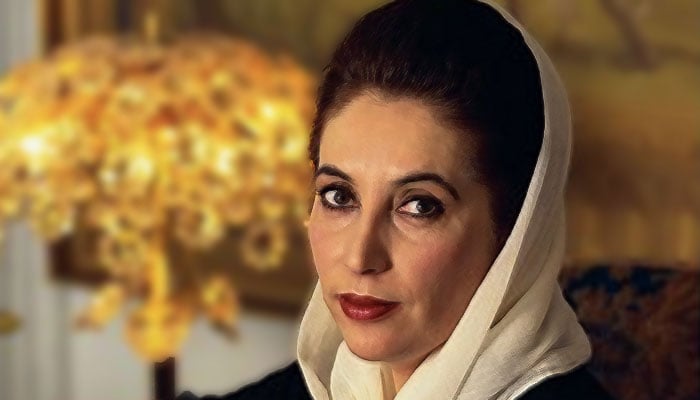
شہید بے نظیر بھٹو اسلامی دنیا کی پہلی مسلم خاتون وزیراعظم

تحریر:آصف نسیم راٹھور۔۔بریڈ فورڈ

بے نظیر بھٹو 1988 میں مسلم دنیا کی پہلی خاتون وزیراعظم منتخب ہونے سے
لے کر 27دسمبر 2007تک یعنی دنیا سے رخصت ہونے تک انتہائی مشکل ترین حالات سے گزریں۔ مصیبتوں پریشانیوں اور دُکھوں کا صبرو استقلال کا پیکر بن کر مقابلہ کیا ،یہ بات حقیقت پر مبنی ہےان پر کہ 1979 میں اپنےوالد ذوالفقار علی بھٹوکی شہادت ،بھائی شاہ نواز کی موت پھر دور اقتدار میں بھائی مرتضیٰ کی شہادت سے لے کر اپنی زندگی کی آخری سانس تک مصائب کے پہاڑ توڑے گئے لیکن ایک سیاست دان ہونے کے ناتے مدبرانہ سوچ ،فہم و فراست ، صبر و تحمل اور بلند حوصلے و استقامت سے مشکل سفر طے کیا۔ تمام تر دُکھوں اور پریشانیوں کے باوجود مسلم دنیا کی پہلی منتخب وزیراعظم ہونے کی بنا پر انھوں نے ساری توجہ مُلک و قوم کی خدمت ، جمہوریت ، پاکستان کی فلاح و بہبود اور ترقی کی طرف مبذول کی، اس کے بعد آہستہ آہستہ وہ سیاست کے عالمی منظرنامےمیں دنیا میں اہمیت اور مقام اختیار کرتی گئیں۔ جمہوریت کے لیے بے نظیر بھٹو شہید کی استقامت و استقلال نے ان کے مخالفین کو بھی عالمی سیاست میں شہرت پذیرائی اور اعلیٰ کردار کی اہمیت کو تسلیم کرنے پرمجبور کردیا اذیتیں بےنظیر بھٹو کا نصیب ٹھہریں جس دوران والد جیل میں تھے اور ہر گذرتا دن پھندے کو گلے کے قریب تر
 کررہا تھا، بیٹی کی نگاہیں اپنے بابا کے چہرے سے جدا ہونا نہیں چاہتی تھیں مگر ذوالفقار علی بھٹو کی پھانسی ٹل نہیں سکتی تھی۔ کارکن سزائیں کاٹ رہے ہیں، کوڑے کھا رہے ہیں اور زندان میں پابند سلاسل ہیں، حالات کا جبر اپنی انتہا پر ہے مگر ان اعصاب شکن گردشوں میں محترمہ نے اپنی عورت کو مرنے نہیں دیا۔ ان کے ماتھے پر مردانہ کرختگیاں کبھی جگہ نہیں پاسکیں،ان کی روشن ستارہ آنکھوں نے اشکوں کی سلامی گوارا نہیں کی، ان سے بڑھ کر بھی کوئی مصروف ہوا ہے ؟ مگر اپنے بچے نوکروں کو نہیں سونپے۔ اپنے خاص مہمانوں کے لئے چائے خود بنا کر پیش کرنے کی روایت قائم رکھی، وہ سرتا پا ایک عورت ہی رہی۔اس جنگ کی تو خوبصورتی ہی یہی ہے کہ ایک مکمل عورت کے عزم و استقلال نے ایک مکمل مرد کی بے تابیوں کو تمغوں پر لگی دھول چاٹنے پر مجبور کیا۔دُکھوں نے بے نظیر بھٹو کی دنیا کو اندھیر کر دیا ایسے دُکھ دیکھنا نصیب ہوئے کہ اگر ان دُکھوں کو پہاڑ پر ڈال دیا جاتا شاید وہ بھی برداشت نہ کر پاتا،بے نظیر بھٹو نے وہ دُکھ برداشت کئے جن میں سے کچھ ہم سب کے سامنے کھلی کتاب کی طرح ہیں اور ان کے سینے میں ایسے خنجر بھی اترے جن سے خود انھوں نے بھی آنکھیں چرائیں۔ سخت صعوبتیں اور آزمائشیں برداشت کرنے کے بعد عوام کے ووٹ سے برسر اقتدار آئیں۔ عورتوں کے لیے پاکستان جیسے بند سماج میں ان کے ووٹرزنے معجزہ کر دکھایا اور وہ وزارت عظمیٰ کے عہدے پر پہنچیں۔ اس وقت ان کی عمر 35 برس تھی اور پاکستان ایک ایسے جزیرے کی مانند تھا جس کے چاروں طرف اقتدار کے بھوکے مگر مچھ ہر وقت اپنے جبڑے کھولے گھومتے تھے۔ ان کی پہلی حکومت دسمبر 1988ء سے اگست 1990ء تک قائم رہی اس کے بعد وہ معزول کردی گئیں۔جلاوطنی کا ایک طویل دور گزار کر جب وہ وطن واپس آئیں تو ایک بدلی ہوئی انسان تھیں۔ میثاق جمہوریت تخلیق کرنے کے بعد وہ سیاستدان سے زیادہ ایک مدبر، ایک رہنما بن چکی تھیں۔ ان کے خیالات میں انقلابی تبدیلیاں آچکی تھیں۔ عوام جمہوریت اور پاکستان کی خاطر اپنی جان قُربان کرنے والی قوم کی عظیم لیڈر اور رہنما محترمہ بے نظیر بھٹو شہید اپنی سوچ عزم اور بصیرت کی صورت میں آج بھی زندہ ہے پاکستان کی ترقی اور عوام کی خوشحالی کیلئے شہید جمہوریت کا خواب ہمیشہ زندہ رہے گا۔

#PPP - Qamar Zaman Kaira: Govt pushing Pakistan towards pit of losses

If the PTI government does not dissolve, it will drag Pakistan into a pit of losses, says Pakistan Peoples Party leader Qamar Zaman Kaira.
During a media talk on Tuesday, Kaira said that ministers too were dubious about the performance of the government. “The government has to dissolve,” he said.
On the extension of the army chief, Kaira said that the party will only be able to give their analysis over it once the government passes the bill.
The Supreme Court had extended Chief of Army Staff General Qamar Javed Bajwa’s tenure by six months on the condition that Parliament enacts a law specifying the tenure of the army chief and other conditions of the service.
The court had asked the government to submit an undertaking that Parliament would enact the law in six months. Parliament has till May 2020 to draft and pass the law.
“It’s the government’s bill and they’re going to pass it,” he said. “But we do understand one thing that the things Prime Minister Khan and his ministers have said, it is clear that they want to break and irritate the opposition.”
The PPP leader further added that PML-N Chairperson Nawaz Sharif should come back and that Maryam Nawaz should break her silence.

#Pakistan - Court allows #PPP to hold rally in Rawalpindi

A bench of the Lahore High Court (LHC) on Tuesday granted permission to Pakistan People’s Party to hold a public meeting at Liaquat Bagh, Rawalpindi, on December 27.
Justice Tariq Abbasi of the high court’s Rawalpindi bench announced the decision over a petition of the PPP seeking permission for a public meeting on Dec 27 in the city to commemorate the death anniversary of former prime minister Benazir Bhutto.
The court also summoned the district administration on Dec. 26.
The PPP chairman, Bilawal Bhutto had earlier announced that the party will commemorate 12th death anniversary of Benazir Bhutto at Liaquat Bagh in Rawalpindi. He had formed a committee of party leaders to monitor arrangements of the event.
The committee comprised senior party leaders including two former prime ministers Yousuf Raza Gillani, Raja Pervaiz Ashraf, former chairman of the Senate Nayyar Bukhari and former chief minister of Sindh Syed Qaim Ali Shah among others.
On Monday, the government denied the PPP permission to observe Benazir Bhutto’s death anniversary at Liaquat Bagh.
According to Mustafa Nawaz Khokhar, the Liaquat Bagh administration denied written application to hold the jalsa on December 27. Bilawal Bhutto’s spokesman said that the government is resorting to cheap tactics, and repressing any voice against it.
Khokar said that the rally will be held at Liaquat Bagh at any cost, adding that they will utilise every legal option to hold the jalsa. https://www.pakistantoday.com.pk/2019/12/24/court-allows-ppp-to-hold-rally-in-rawalpindi/

#Pakistan #PPP - Bilawal says will not appear before NAB on Dec 24, terms call-up notice 'illegal'

PPP Chairman Bilawal Bhutto-Zardari on Monday announced that he will not appear before the Nat­ional Accountability Bureau (NAB) on December 24, saying the call-up notice served to him by the anti-corruption watchdog is "unconstitutional and illegal".
NAB had summoned the PPP chairperson for a second time this month in the fake bank accounts and money laundering case on Dec 24 (tomorrow).
Addressing a press conference in Karachi, Bilawal accused the government of creating obstacles in his party's plans to observe former prime minister Benazir Bhutto's death anniversary on Dec 27.
During his presser that came just hours after senior PML-N leader Ahsan Iqbal was arrested by NAB in the Narowal Sports City (NSC) Project corruption case, Bilawal also challenged NAB to arrest him "if they have the courage".
Bilawal said he had been repeatedly announcing that the PPP would observe Benazir's death anniversary on Dec 27 in Rawalpindi, where she was assassinated. Despite this, he said, he was issued a call-up notice by the "NAB-government nexus".
He accused the government of "preventing a son from observing the death anniversary of his mother".
Bilawal claimed that the government has till yet not issued permission to hold the death anniversary observance ceremony and accused it of hindering PPP workers from making transportation arrangements in connection with the event.
"I will reach Liaquat Bagh on Dec 27 and observe Bibi's death anniversary in any condition," he announced, saying the nation needed to be shown a way out of its current state of despair.
He said former chief justice of Pakistan Mian Saqib Nisar had stated that the PPP chairperson had "nothing to do" with the fake case accounts case after receiving a report of the joint investigation team probing the matter.
Despite this, Bilawal said, he had appeared before NAB to answer its questions and also responded to the bureau's questionnaires.
"The PPP had neither come under pressure earlier nor will I come under any pressure today," the PPP leader declared, adding that he has conveyed to NAB through his lawyers that he will not appear before it on Tuesday.
Despite his objections regarding NAB's functioning, Bilawal said he will continue to appear before the bureau — but not on Dec 24 — because "I respect the rule of law of this country and I can face all these illegitimate accusations".
Bilawal accused the government of repeatedly "targeting" opposition parties and keeping their members incarcerated for months without charge. "What kind of accountability is this?" he asked, appealing to the judiciary to intervene and protect human rights.
He said the NAB chairman had revealed earlier this month that references were ready to be filed in the Peshawar Bus Rapid Transport (BRT) and Malam Jabba resort projects cases, but questioned whether any minister from the PTI-led Khyber Pakhtunkhwa government was issued a call-up notice.
Answering a question, Bilawal said there was no chance of him being arrested by NAB. "We are not scared of any arrest. I will be more dangerous for them if they arrest me.
"If you have the courage, then arrest me," the PPP leader said.
The case against Bilawal
Bilawal’s spokesman Senator Mustafa Nawaz Khokhar, in a statement on Friday, had confirmed that the PPP chief had received the notice for Dec 24 and alleged that the government was taking revenge from the opposition through NAB.
According to NAB, Bilawal had 25 per cent shares in a private firm, Opal-225, a joint venture of the Zardari Group.
PPP leaders have been accused of transferring billions of rupees to Opal-225 via fake bank accounts. The company also took loans of billions of rupees from banks.
The bureau is investigating the fake bank accounts and money laundering case against the PPP leaders and on Dec 9, the bureau had filed eight references in the Accountability Court of Islamabad.On May 29, NAB had served a 32-point questionnaire to the PPP chairperson during his short appearance at the bureau’s headquarters.The NAB headquarters had shifted the fake bank accounts and money laundering case from NAB Karachi to NAB Rawalpindi a couple of months ago.
The case involves 172 important personalities, including Bilawal, PPP co-chairman Asif Ali Zardari, his sister Faryal Talpur, former chief minister of Sindh Qaim Ali Shah, Anwar Siyal, Bahria Town founder Malik Riaz, and others.

https://www.dawn.com/news/1523938/bilawal-says-will-not-appear-before-nab-on-dec-24-terms-call-up-notice-illegal

Monday, December 23, 2019

Video - Throwback Thursday: That Time I Was On The Arsenio Hall Show | Gabriel Iglesias

Video Report - French unions to stage new strikes and protests on January over pension reform

Video Report - French strikes: Paris metro blocked as protesters ignore Macron plea for Christmas truce

Video Report - Putin gives a speech at the opening of railway link on the Crimean bridge

Video Report - Still confused about how we got to impeachment?

Video Report - Sethi Sey Sawal | 23 December 2019 | IMRAN - LEADER OR A DRIVER ?

The Kuala Lumpur Summit 2019 Shows Pakistan’s Diplomatic Subservience to Saudi Arabia


The Kuala Lumpur summit, which is taking place in Malaysia, signposted a deepening divide in the Muslim world. The summit has highlighted curbs on some states’ ability to navigate freely among different blocs and alliances.
Pakistan’s limits in this regard are on full display this week. Pakistan’s prime minister, Imran Khan, has canceled his scheduled attendance at the Kuala Lumpur summit following his recent visit to Saudi Arabia. Reportedly, Riyadh is not happy with Malaysia’s attempt to build a platform that could potentially challenge the Organization of Islamic Cooperation (OIC), which is led by Saudi Arabia.
The summit has become controversial after Malaysia’s refusal to extend invites to Saudi Arabia and its close allies in the Gulf region. Reportedly, Iran, Turkey, Qatar, and Pakistan were the primary invitees to the summit, which includes more than 400 Muslim scholars from across the world.
Malaysia’s prime minister in consultation with other Muslim-majority states, particularly Pakistan and Turkey, decided to hold the summit to deliberate issues that the Muslim world faces globally. Khan not only offered his support for the initiative, but also announced that he would attend the event. For Islamabad, the summit in Malaysia offered an opportunity when it comes to discussing the Kashmir issue. The sentiment in Pakistan’s policymaking circles is that the OIC has done virtually nothing to call out India or offer support to Pakistan globally in this regard.
However, for Riyadh, the idea of Iran, Turkey, and Malaysia potentially building an alternative platform to the OIC directly challenges Saudi Arabia’s political and diplomatic outreach in the Muslim world. The success of such an initiative would mean that in the coming months and years, the OIC’s role may be further sidelined.
Arguably, the fact that Malaysia, Turkey, Iran, and Pakistan decided to hold a summit to discuss issues such as the ongoing situation in Jammu and Kashmir is a reflection of the OIC’s politicization and attachment to Saudi interests. The countries participating in the summit have been quite critical of India’s recent moves in Jammu and Kashmir. On the other hand, Saudi Arabia and its allies in the Gulf region have not sided with Pakistan mainly due to India’s growing economic clout. While Riyadh showed solidarity with Islamabad and expressed concern over New Delhi’s unilateral move in Kashmir, the UAE termed it India’s internal matter.
Pakistan, Turkey, Malaysia, and Iran have emerged as the evident opponents of India’s decision to revoke Article 370 of the Indian constitution. It’s important to note that the OIC, which is dominated by Saudi Arabia and states in the Gulf region, has gone soft on the Kashmir issue. In fact, Riyadh has made efforts to bring India into the OIC’s ambit. This has divided the forum and impacted its vision of addressing the issues of the Muslim world.
Over the last couple of years, the OIC has also condemned the Houthis’ role in Yemeni politics and declared the group a threat to regional peace and stability. This directly goes against Iran’s policy preferences regarding the ongoing war in Yemen.


It’s a strategic blunder that Pakistan has decided not to participate in the Kuala Lumpur summit and completely yielded to Saudi pressure. Riyadh’s anger over the initiative is such that Pakistan was forced to cancel even its ministerial-level representation. Pakistan’s decision shows that Riyadh still retains significant leverage over Pakistan’s foreign policy.
The costs for Pakistan are excessive. The fact that Pakistan is skipping the event shows that its foreign policy remains vulnerable to outside pressures. It also confirms that states like Iran, Turkey, and Malaysia, which favored Pakistan’s position on Kashmir, cannot expect Islamabad to protect its own interests. This directly puts to question Pakistan’s so-called ability to negotiate between Iran and Saudi Arabia. The development exposes existing debates concerning Islamabad’s intervention to negotiate a settlement between Riyadh and Tehran. Going forward, Pakistan’s ability to navigate its partnership between two major Islamic camps will remain severely constrained.
The forum and the surrounding controversy not only underscores the growing differences in the Muslim world but also offers insights into Pakistan’s foreign policy constraints. After this event, Pakistan’s decision-makers need to engage in serious introspection about the country’s future.

#Pakistan - #PPP - Permission denied to observe Benazir’s death anniversary at Liaquat Bagh

The government has denied permission to observe Shaheed Benazir Bhutto’s death anniversary at Rawalpindi’s Liaquat Bagh, according to Pakistan People’s Party leader Mustafa Nawaz Khokar.
According to PPP Chairman Bilawal Bhutto’s spokesperson, the Liaquat Bagh administration denied written application to hold the jalsa on December 27.
Bilawal Bhutto’s spokesman said that the government is resorting to cheap tactics, and repressing any voice against it.
Khokar said that the rally will be held at Liaquat Bagh at any cost, adding that they will utilise every legal option to hold the jalsa.
Bilawal Bhutto earlier said the party will observe the death anniversary of Shaheed Benazir Bhutto at Liaquat Bagh Rawalpindi on Dec 27.
The Sindh government has announced a public holiday on December 27 (Friday) on account of the death anniversary of former prime minister Benazir Bhutto.

#Pakistan arrests opposition leader known for criticizing PM


By Munir Ahmed 


Pakistan’s anti-corruption body arrested a prominent opposition leader on Monday who has been a vocal critic of the prime minister.
Ahsan Iqbal was arrested hours after he publicly described Prime Minister Imran Khan as the country’s “biggest beggar.” He said Khan has failed to improve Pakistan’s ailing economy despite getting billions of dollars in new loans from the IMF and other countries.
Ahsan Iqbal served as interior minister in the government of former Prime Minister Nawaz Sharif, who was himself removed from office in 2017 over corruption allegations, and sentenced to prison the following year.
Iqbal was arrested Monday after he appeared before the National Accountability Bureau. He was being questioned about alleged corruption in the construction of a sports stadium several years ago in his constituency in the eastern Punjab province.
Maryam Aurangzeb, a spokeswoman for Iqbal’s political party, called his arrest “political victimization” and said he was detained “because he refused to stop criticizing Imran Khan.” She said the party will continue to push for Khan’s resignation.
Iqbal’s arrest was yet another addition to the long list of politicians from opposition parties who have been arrested on corruption charges since Khan took office. He campaigned in last year’s election on promises to stamp out governmental corruption.
Khan’s predecessor, Sharif, got a seven-year prison sentence in 2018 for corruption and money laundering. However, his health has recently deteriorated, and he’s currently receiving medical treatment in London after being released on bail earlier this month.
In June, Khan’s government arrested former President Asif Ali Zardari in connection with a money laundering case. But a court freed him earlier this month on bail, also on medical grounds.
Sharif and Zardari are longtime political rivals but their parties have vowed to oust Khan’s government, citing increasing inflation and a spike in the price of essential foods.

#Pakistan #PPP - Bilawal Bhutto - Not afraid of arrest

Pakistan People’s Party (PPP) Chairman Bilawal Bhutto Zardari said that he is not afraid of being taken under arrest, he will speak more bravely if such an attempt is made against him, ARY News reported on Monday.
Addressing a news conference in Karachi, the PPP leader refused to appear before the National Accountability Bureau (NAB) Rawalpindi on December 24 (Tuesday), adding the notice served to him by the anti-corruption watchdog is “unconstitutional and illegal”.
“I am not afraid of being detained, but will speak more aggressively if an attempt made to arrest me,” Bilawal cautioned.
The PPP leader alleged that the National Accountability Bureau (NAB) was targeting opposition political leaders, adding that anti-corruption watchdog was defaming politicians through baseless allegations.
It must be noted that the NAB Rawalpindi has summoned the party chairman in a fake accounts probe for JV-Opal-225, a joint venture of Zardari Group Ltd.
The PPP chairman has been asked to appear before the NAB Rawalpindi office on December 24 (Tuesday) at 11:00 am.
According to sources, the Opal-225 (referred in tax record is a joint investment of Zardari Group Ltd) was initiated on October 15, 2011. In 2009, Bilawal Bhutto Zardari and his father became shareholders of the company.
Allegedly, billions of rupees were transferred to the company’s accounts via fake bank accounts. The company took out loans of billions of rupees from the banks.
Fake Bank Accounts Case
The anti-graft watchdog is conducting investigations in pursuance of the Supreme Court’s verdict in the fake accounts case wherein it forwarded the joint investigation team (JIT) report with directions to investigate and file references.Former president Asif Ali Zardari, chairman of the Pakistan People’s Party Bilawal Bhutto-Zardari, his aunt Faryal Talpur, former chief minister Qaim Ali Shah, provincial minister Anwar Siyal, others are among as many as 172 accused in the fake accounts case.The Islamabad High Court (IHC) had granted bail to the former president and Pakistan People’s Party (PPP) co-chairman Asif Ali Zardari on medical grounds.
A two-member special bench of the Islamabad High Court (IHC) comprising Chief Justice IHC, Justice Athar Minallah and Justice Aamir Farooq heard the bail plea of Asif Ali Zardari seeking his release on medical grounds.
The Islamabad High Court (IHC), in its December 17 judgment, had also approved the interim bail of Pakistan People’s Party (PPP) central leader Faryal Talpur in fake bank accounts case. https://arynews.tv/en/not-afraid-of-arrest-says-bilawal-bhutto/

Sunday, December 22, 2019

Music Video - Z-Money "Stove On"

Video Report - #YellowVests celebrate Macron's birthday

Video Report - Dana Bash presses GOP senator on Trump's Ukraine call

Video Report - CNN legal analyst: This is what happens when law professors get too clever

Video - 'SNL': Eddie Murphy brings back Mister Robinson, Gumby for return | USA TODAY

IRAN: PAKISTANI PRIME MINISTER BENAZIR BHUTTO VISIT

Video - FRANCE: PAKISTAN'S PRIME MINISTER BENAZIR BHUTTO VISIT

Video - #Pakistan - Hillary Clinton Meets Benazir Bhutto

Documentary Video - USA: PAKISTAN'S BENAZIR BHUTTO MEETS PRESIDENT BILL CLINTON

Documentary Video - DAUD KHAN AND ZULFIKAR ALI BHUTTO IN KABUL 1975

Music Video - Pashto song dedicated to DIEHARD PASHTUN/AFGHAN - DR.NAJIB

#Afghanistan - Ghani Tops Preliminary Election Results: IEC

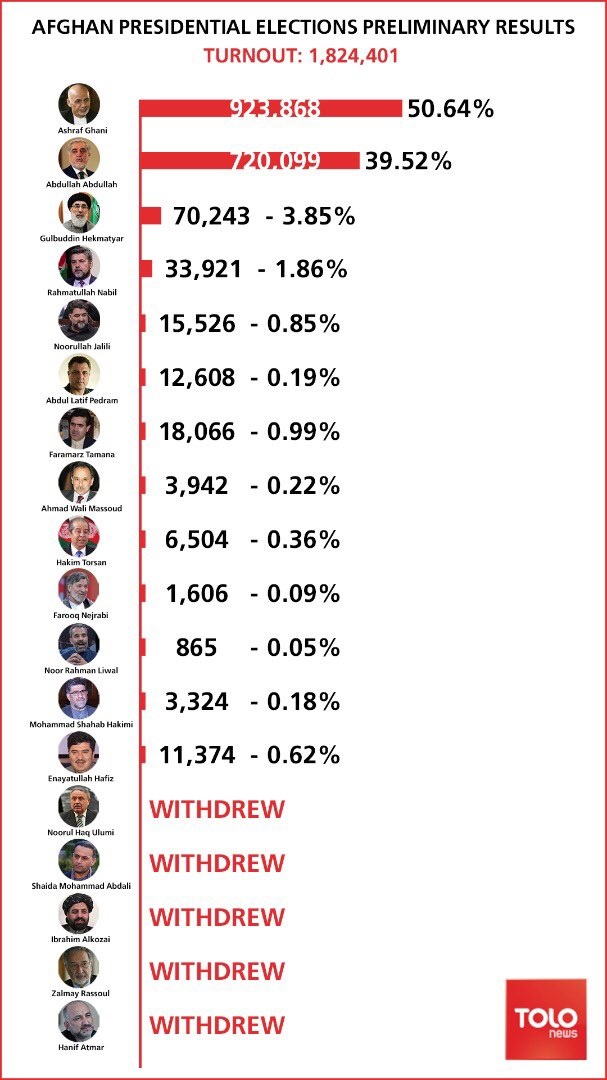
The Independent Election Commission said Ghani earned 50.64% and Abdullah 39.52%.

President Ashraf Ghani earned 923,868 votes and 50.64% , to lead the preliminary results of the 2019 presidential election, according to the Independent Election Commission’s announcement on Sunday morning.
Abdullah Abdullah followed with 720,990 votes and 39.52%, the IEC announced.
The UN Assistance Mission in Afghanistan (UNAMA) welcomes the announcement of the preliminary results for Afghanistan’s presidential election and commended the “Independent Election Commission (IEC) and the Electoral Complaints Commission (ECC) – for their work leading up to the announcement.”
Tadamichi Yamamoto, the UN Secretary-General’s Special Representative for Afghanistan, stated: “Now, all Afghan authorities and actors must demonstrate their commitment to safeguard and complete the election, and to protect the integrity of the final stage of the process.”
Yamamoto said: “Any decisions taken by the electoral management bodies in the final stage of the process must have clear legal and technical justifications and should be explained to the people of Afghanistan in clear terms.”
The United Nations called for “particular care and sensitivity, leading up to the announcement of the final results,” said Yamamoto, adding:
“All candidates have the chance to raise any concerns they may have through the appropriate mechanism and within the prescribed time, in accordance with the relevant legal frameworks, regulations and procedures,” said Yamamoto. “At the same time, the ECC has an obligation to adjudicate any complaints it receives transparently and thoroughly so the election process may conclude in a credible manner.”
French Embassy in Kabul said: “The electoral process must now be completed. The Afghan people deserve a legitimate, credible and undisputed process until the end.” Also: ”The electoral law must be … completely enforced.”
“The electoral process is not, and never has been, incompatible with peace negotiations, on the contrary. A democratically elected president with a clear mandate from the people will have the necessary legitimacy … (for) intra-Afghan negotiations,” the French Embassy said.

#Pakistan on special US watch list

The US government has kept Pakistan on a special watch list for severe violations of religious freedom. Pakistan for the first time appeared on the list in 2018. This year, Pakistan was retained among the countries that tolerate religious discrimination. The placement on the list for violations of religious freedom can lead to economic sanctions. Other countries sharing space with Pakistan on the list of ‘Countries of Particular Concerns’ are Myanmar, China, Eritrea, Iran, North Korea, Saudi Arabia, Tajikistan and Turkmenistan. Pakistan has already been facing severe actions from the US such as the suspension of military aid and withholding of coalition support funds for ‘Pakistan’s failure to meet US expectations and follow its do more slogans’.
Last time, when Pakistan was placed on religious freedom violation list, then-ambassador to the United States Aizaz Ahmad Chaudhry seemed clueless about the challenge and asked the US government to clarify about the special watch list and what “severe violations of religious freedom” had prompted Washington to take such an extreme measure. The US State Department, however, did not mention the methodology of its annual practice, undertaken under the International Religious Freedom Act of 1998. The US states: “These designations underscore the United States’ commitment to protect those who seek to exercise their freedom of religion or belief. We believe that everyone, everywhere, at all times, should have the right to live according to the dictates of their conscience. We will continue to challenge state and non-state entities that seek to infringe upon those fundamental rights and to ensure they are held to account for their actions.”
The US list conveniently ignores Indian actions against its religious minorities. But this is the time we had better put our own house in order. Though on the government level, measures have been ensured for the protection of human rights and religious freedoms, at the public level, one can see people are being persecuted and killed for their religious beliefs. Minorities are routinely killed and persecuted. Pakistan needs to ensure religious freedom and that can only be done through beating extremism and terrorism. There is no other way out.
https://dailytimes.com.pk/524688/pakistan-on-special-us-watch-list/

#Pakistan - Patients suffer over routine protest at #PIMS

Citizens on Sunday complained that a large number of patients at Pakistan Institute of Medical Sciences (PIMS) had to face several difficulties in accessing health assistance due to routine strikes of doctors and nursing staff.
According to them, the administration of the hospital should take notice of the routine absence of doctors and paramedical staff in different sections due to their political activities. They added that many patients who visit here from others parts of the country with different medical complications had to move to private hospitals due to whole day agitation related activities of doctors.
“Doctors should raise voice for their genuine demands but they must realize the sufferings of patients at the hospital who faced refusal of treatment due to their strike,” Naseem Alam, a patient at PIMS said. He appealed the doctors to serve the ailing rather than spending time in agitations and protests for political gains.He added that the hospital administration should also realize the problems of incoming patients and attitude of doctors at time of the latter’s protests.Another patient, Saleem Baig said, “During protest few days back some representatives of junior doctors had clearly communicated us to move to any other hospital for early treatment as no doctor will attend them now.”
He expressed his reservations over regular feature of protests of doctors at major hospitals of the federal capital and appealed the quarters concerned to make certain laws to discourage this inhuman practice in hospitals.
He said patients care should not be given in the hands of those who didn’t know about professional ethics and norms, adding the doctors should not refuse their duties towards patients care.
Waseem Khalid, a patient said despite several complaints submitted on increasing incidents of misbehaviour with the patients by trainee doctors, the hospital management was reluctant to take any action on those applications.
“Under professional ethics, medical practitioners are bound to avoid any discriminating attitude or exploiting vulnerable situations in the hospital,” Aamir Nazeer, a citizen said.
He said under the code of ethics prepared by Pakistan Medical Commission (PMC) for medical practitioners, gross negligence in respect of professional duties might lead to suspension or removal from services.
Shoaib Kaleem, a patient said, “The junior doctors must ensure that they do not indulge in any untoward incident that negatively impacts directly or indirectly on patient care and that their political activities must never interfere with patients’ treatment at PIMS in any way.”
He said they should adopt polite behavior with the patients and guide them properly rather than adopting rough attitude with them.
“The PMC is committed to regulate the standards of medical practice, protect the interests of the patients, supervise medical education, and give guidelines on ethical issues,” an official of PMC said while reacting on non-observance of code of ethics by PIMS doctors.He said the code of ethics provided a set of principles, which doctors could use as guidelines in the varying situations, in line with their judgment, experience, knowledge and skills. In case of receiving any complaint regarding negligence, misbehave and malpractice of doctors, the commission takes strict action against medical practitioners, he added.
The official advised the citizens to send their complaints against doctors directly to the PMC.
When contacted, an official from PIMS said patient care was the top priority of the hospital management and every doctor and member of nursing staff was responsible to fulfill due responsibilities.
He said there were clear instructions for all medical practitioners and nursing staff to give best treatment to patients at hospital and there was zero-tolerance policy for any negligence in this regard. https://dailytimes.com.pk/525082/patients-suffer-over-routine-protest-at-pims/

Interview - “Pakistan must improve literacy rate to improve healthcare” - Dr Ather Ahmad Saeed


By Amer Malik
In an interview with Dr. Ather Ahmad Saeed.

"Pakistan is among the countries in the region which despite having qualified medical human resource and sufficient resources, have not made sufficient progress towards providing adequate healthcare to every citizen, mainly due to policy and implementation failures,” says Dr Ather Ahmad Saeed, coordinator to King Edward Medical College Alumni Association of the UK, in an interview with The News on Sunday.
Dr Ather Ahmad Saeed, a consultant physician in gastroenterology working in the UK, is a former graduate of King Edward Medical College, Lahore. He was in Pakistan this week to coordinate between the UK and US chapters of King Edward Medical College Alumni Association (KEMCAA) and King Edward Medical University and for a two-day International Universal Healthcare Symposium at his alma mater in Lahore.
Pakistan is struggling to provide universal healthcare, which some of its Asian counterparts, including Sri Lanka, Bangladesh and Turkey, are delivering with almost similar levels of expertise, resources and capability. Universal healthcare means provision of comprehensive medical services to all citizens irrespective of age, gender, social status and the ability to pay.
In developed countries, Dr Saeed says, various strategies have been adopted to achieve the objective of universal healthcare. UK has implemented perhaps the best healthcare system to provide free quality health services to every citizen in government-run hospitals. Even general practitioners in the UK, he says, provide free treatment to patients. They are paid by the government under a formula for every patient they treat.
In Canada, Dr Saeed continues, doctors work independently, yet treatment of patients is free and the government reimburses the patient for the payment made for treatment. In the US, he says, health services are very expensive and most of the people seek treatment through private insurance. “Doctors offer private healthcare to people, except for the armed forces. The poor and the elderly get treatment through government-financed insurance.”
Dr Saeed maintains that Pakistan must adopt a strategy of prevention and focus more on primary healthcare. That way, he says, Pakistan can save its people from many diseases at much less expense through the provision of basic education, clean drinking water, nutrition and vaccination. “An illness, when it occurs, puts a massive financial burden on the individual, family, society and the government,” he adds.
Dr Saeed believes that among South Asian countries, the best model of healthcare is in place in Sri Lanka. Pakistan can learn from the success of healthcare provision in Sri Lanka, Turkey and Bangladesh to provide universal healthcare in the country.
He says public healthcare indicators in Sri Lanka can be compared with those of Europe and America despite the much smaller per capita income, nearly equal to that of Pakistan’s. Infant mortality rate in Sri Lanka is 8 per 1,000, while it’s 33 per 1,000 in Bangladesh and 70 per 1000 in Pakistan. “These indicators are a matter of shame and a food for thought for Pakistan,” he adds.
Best model of healthcare is in place in Sri Lanka. Pakistan can learn from the success of healthcare provision in Sri Lanka, Turkey and Bangladesh to provide universal healthcare in the country. He says public healthcare indicators in Sri Lanka can be compared with those of Europe and America
While Sri Lanka has also been through internal conflicts and extremism, Dr Saeed says, it has maintained its services delivery in health and education sectors. “The literacy rate in Sri Lanka is 93 percent against Pakistan’s 56 percent. Pakistan must work hard to improve its literacy rate to improve healthcare in the country.”
Besides focusing on education, Sri Lanka has paid special attention to basic health centres and gradually improved diagnostic facilities with particular focus on chronic diseases like diabetes and high blood pressure.
In Bangladesh, he notes, the dividends of social welfare have been achieved through women’s protection and empowerment by providing them small loans, which have produced very positive results in healthcare as well. In Turkey, he says, the Health Card System was launched to provide universal healthcare to all citizens. It is mentioned by World Health Organisation (WHO) as a model of success. “All this progress has been made in the last 15 years and Turkish government’s initiatives enjoy full public support,” he adds.
He maintains that it must be understood that health is a basic human right and nowhere in the world can the patients be treated through charity alone. The government and the society cannot be absolved of their responsibility to provide affordable healthcare to patients. “Public representatives work for the welfare of the people and provide necessary facilities,” he emphasises, adding that the people must support their representatives and also hold them accountable.
Dr Saeed says that expatriate Pakistani medical experts, who attended the Universal Healthcare Symposium in KEMU, had sound knowledge of foreign countries’ healthcare systems. They can be very helpful in providing guidance to Pakistani doctors to help achieve the goal of universal healthcare in Pakistan.
Pakistani doctors, he believes, working in developed countries, especially in the UK and US, want to play their part in improving the health sector in their own country. “The most effective contribution by them is to train Pakistani doctors,” he says. He adds that expatriate Pakistani doctors can also help in making a policy framework to improve the health sector.
He says many expatriate Pakistani doctors, are proactively working to provide relief to patients in Pakistan in their individual capacity. Some of these doctors have started endoscopy courses in Lahore, Multan and Peshawar to impart training to the local doctors in accordance with British standards. “Although these doctors continue to organise such courses, it will be better to streamline such efforts for training of health providers in an effective manner. Such training courses help save a lot of time, effort and energy to meet the desired targets and reap long-term dividends.”
The doctor believes that the goal of providing universal healthcare is attainable in Pakistan where healthcare services are available currently to only 22 percent of the population. “This includes health facilities provided by the armed forces’ institutions, labourers’ treatment under social security projects, charity projects in Pakistan and insurance by large corporations and local business communities.”
He says Pakistan’s armed forces have the most efficient system of healthcare in the country. Building on such successful models, he recommends, the health authorities need to devise strategies to extend the services to all the citizens of Pakistan. With available funds and resources, he says, Pakistan needs to concentrate all specialised intellectual and material resources on achieving these targets. “We must identify our priorities and create a consensus to aggressively work towards achieving them.”
Dr Saeed favours autonomy for public sector hospitals through legislation. He says it must start with teaching hospitals. He also proposes establishing health authorities at the district level. “Regional authorities must also be established to oversee the performance of at least three to five district health authorities and report it to the provincial government,” he adds.
He believes the next five years would be vital in transforming the health sector in Pakistan. “If we work with honesty and dedication, Pakistan will be able to achieve universal healthcare in the next five years,” he concludes.
https://www.thenews.com.pk/tns/detail/586626-pakistan-must-improve-literacy-rate-to-improve-healthcare

جنید حفیظ کون ہیں؟

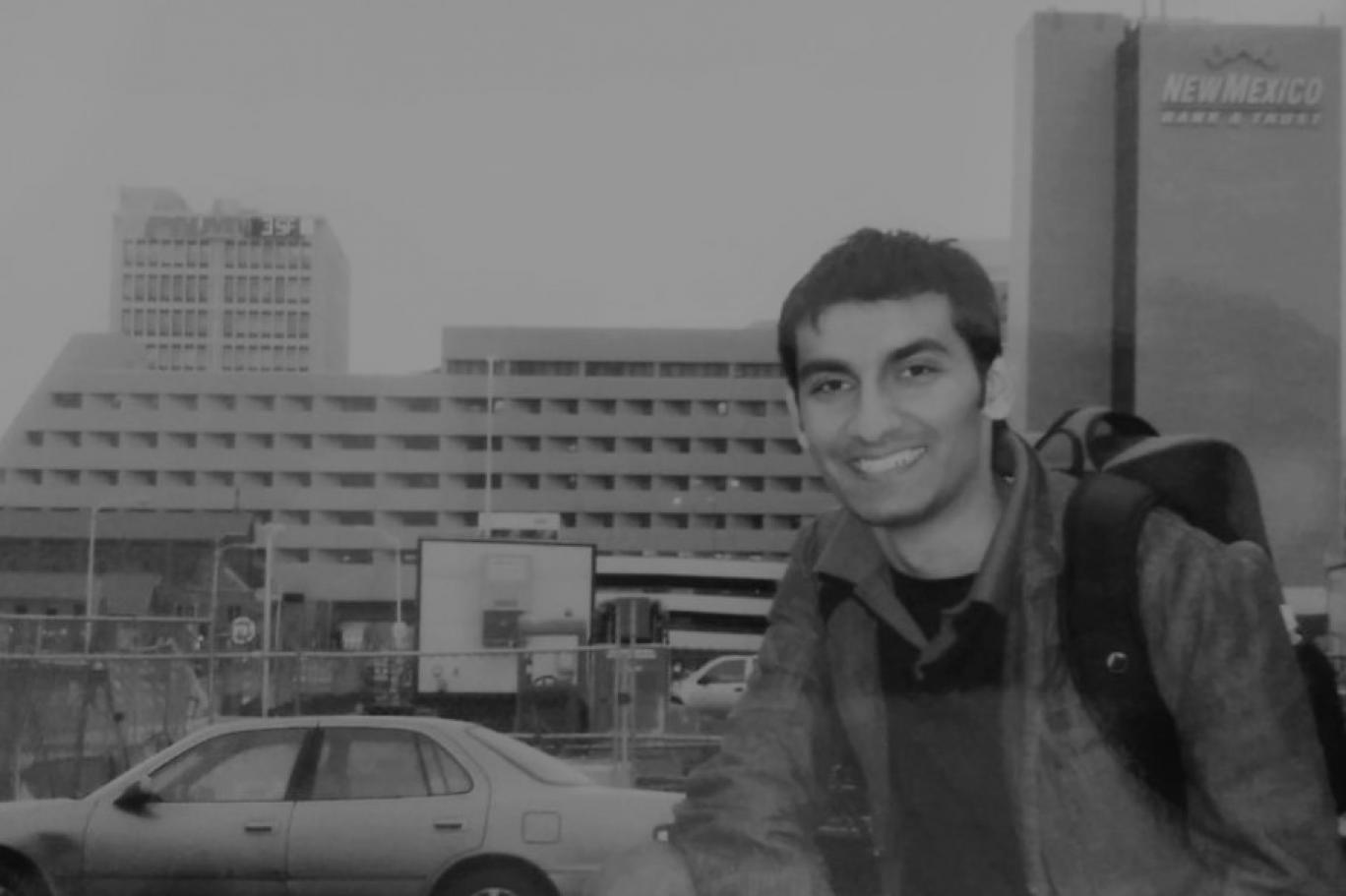
پنجاب کے پسماندہ سمجھے جانے والے ضلع راجن کے رہائشی جنید حفیظ نے میٹرک میں ٹاپ کرنے کے بعد ایف ایس سی پری میڈیکل میں ڈیرہ غازی خان بورڈ میں پہلی پوزیشن لے کر گولڈ میڈل حاصل کیا۔
انہوں نے میڈیکل انٹری ٹیسٹ میں پنجاب بھر میں پہلی پوزیشن حاصل کی، یہی وجہ تھی کہ انہیں صوبے کے سب سے بڑے کنگ ایڈورڈ میڈیکل کالج لاہورمیں رول نمبر ون دیا گیا۔
دو سال میڈیکل میں ٹاپ کرتے رہے۔ اس کے بعد انھوں نے میڈیکل کا شعبہ چھوڑ کر والدین کی اجازت سے بہاؤالدین زکریا یونیورسٹی ملتان میں شعبہ انگریزی سے ایم اے انگلش کرنے کے لیے داخلہ لے لیا اور ایم اے انگلش لٹریچر میں بھی ٹاپر رہے۔ اسی لیے انہیں شعبے میں وزٹنگ لیکچرار مقررکر دیا گیا تھا۔
جلد ہی قابلیت کی بنیاد پروہ لیکچرار بن گئے۔ انہیں امریکہ نے مقابلہ کا امتحان پہلی پوزیشن سے پاس کرنے پر فلم میکنگ کی تربیت کی ایک سالہ سکالر شپ بھی دی۔ 
جنید کے دوستوں کا دعویٰ ہے کہ اس دوران ان کا ایک مذہبی و سیاسی جماعت سے تعلق رکھنے والے پروفیسرز اور ایک طلبہ گروپ سے جھگڑا ہو گیا، جس کے بعد ان پر الزام لگا کہ وہ توہین مذہب پر مبنی ایک خفیہ فیس بک پیج چلاتے ہیں۔
جب ان کے خلاف مظاہرے شدت اختیار کر گئے اور ان کو جان سے مارنے کی دھکیاں ملنے لگیں تو پولیس نے انہیں لاہور سے 13مارچ، 2013 کو
گرفتار کرلیا۔
https://www.independenturdu.com/

Pakistan: outrage over death sentence for 'blasphemous' lecturer

By Shah Meer Baloch and Hannah Ellis-Petersen

Amnesty calls verdict in Junaid Hafeez’s trial a ‘vile and gross miscarriage of justice’.
A Pakistani university lecturer has been sentenced to death for blasphemy in a case that his family and human rights groups have decried as a gross miscarriage of justice.
Junaid Hafeez, a lecturer at the Bahauddin Zakariya University (BZU) in the central Pakistani city of Multan, had been accused of running a secret Facebook group and having insulted the prophet Muhammad and the Qur’an in 2013.He was also accused of hosting Qaisra Shahraz, a famous British novelist of Pakistani origin, as a guest speaker and sharing blasphemous remarks against Islam during a lecture .Hafeez was a US Fulbright scholar in 2009 and holds a masters from Jackson State University where he majored in US literature, photography and theatre. A US religious freedom commission placed his name on its list of global victims in December.
The blasphemy trial had been one of the most contentious in Pakistan, running for more than six years with various delays and seven different judges brought in. Hafeez’s former lawyer, Rashid Rehman, who had been threatened in court by religious leaders and other lawyers for taking on the case, was shot and killed in his office in 2014. Hafeez has since been kept in solitary confinement and the trial was held behind closed doors in a high-security prison in Multan.
“The prosecution, the witnesses and trial could not prove any of the allegations,” said Hafeez’s lawyer. “Hafeez was so happy when I met him on Wednesday night and everyone was sure that he would be acquitted.”
He alleged that during the trial that the prosecutor had not presented concrete evidence against Hafeez but had instead warned the judge that he was “against Islam” and that in Pakistan the case was “sensitive”. “It was the point I realised they were just using the religious card, which was immoral and unethical precedent in the court,” he said.In a statement released by Hafeez’s family, they said the murder of his previous lawyer in 2014 and the failure to bring anyone to justice for the killing meant that “the prospect of Hafeez getting a fair trial came into question”.They accused the courts of ignoring the lack of evidence and instead succumbing to outside threats in the verdict. “The failure to apprehend those who shot his lawyer Rehman dead signalled impunity for other would-be vigilantes,” said the family. “Could any judge in such circumstances take the risk of doing justice? Those who could were transferred from the district or brought under pressure by groups of lawyers operating as a mafia.”Hafeez’s younger brother, Jawad, said the family “were not expecting this verdict as the case was an open case where nothing was proved against my brother. The judge has given this decision under fear while ignoring all arguments and facts”.
Activists, politicians and journalists are often fearful of talking about the inflammatory issue of blasphemy in Pakistan, where even unproven accusations of insulting Islam can spark lynchings and assassination attempts, but there has been widespread anger at the verdict.
IA Rehman, a prominent human rights activist and former general secretary of the Human Rights Commission of Pakistan (HRCP), said: “The verdict is brutal and unjust. He has been in prison for six years for no reason. It is an open fact that trial courts in Pakistan rarely acquit accused in blasphemy cases.
“It is very deadly to comment on blasphemy related cases even in Pakistan. His lawyer was killed for following up the case. This has multiplied the fear in the country over such cases.”
Rabia Mehmood, a South Asia researcher at Amnesty International tweeted: “This is a vile and gross miscarriage of justice.”
A senior official who requested anonymity, said that before the verdict Hafeez’s lawyer was asked not to come to the prison because officials feared a mob attack if he was acquitted. They had also devised plans for Hafeez’s safe removal if any tense situation arose.
“Everyone was confident that he will be released today. This unfortunately did not happen,” he said.
Pakistan’s blasphemy laws came under global scrutiny last year after the supreme court acquitted Asia Bibi, a Christian woman accused of blasphemy and held on death row for eight years. It was a landmark ruling that vindicated rights groups’ concerns about the conduct of blasphemy cases.
According to the Centre for Social Justice, a Pakistani advocacy group, at least 1,472 people were charged under blasphemy provisions between 1987 and 2016. There have been no executions, but at least 17 people convicted of blasphemy are on death row, and many others are serving life sentences for related offences.
https://www.theguardian.com/world/2019/dec/21/death-sentence-for-pakistani-lecturer-junaid-hafeez-in-blasphemy-case-prompts-outcry

Junaid Hafeez: Academic sentenced to death for blasphemy in Pakistan

A university lecturer in Pakistan has been sentenced to death for blasphemy.
Junaid Hafeez, 33, was arrested in March 2013 and accused of posting derogatory comments about the Prophet Muhammad on social media.
Allegations of blasphemy are taken very seriously in Pakistan, and even an accusation is often enough to make someone a target for hardliners.
The lecturer has also spent years in solitary confinement, after repeated attacks by other prisoners.
The sentence was delivered by a court in the Central Jail in Multan, where Mr Hafeez was being held.
Mr Hafeez had studied a Master's degree in the US on a Fulbright Scholarship, specialising in American literature, photography and theatre.
After returning to Pakistan he took up a lecturer position at Bahauddin Zakariya University (BZU) in Multan, where he worked until his arrest.
Mr Hafeez's current counsel said the verdict was "most unfortunate", and told AFP news agency that they would appeal against the decision.
Prosecution lawyers, meanwhile, distributed sweets to their colleagues, who chanted "Allahu akbar" and "death to blasphemers".
Amnesty International said the verdict was "a gross miscarriage of justice" and described it as "extremely disappointing and surprising".

What are Pakistan's blasphemy laws?

Pakistan's blasphemy laws carry strict sentences, including death, for anyone who insults Islam.
The offences relating to religion were first codified by India's British rulers in 1860, and were expanded in 1927. Pakistan inherited these laws when it came into existence after the partition of India in 1947.
These early laws made it a crime to disturb a religious assembly, trespass on burial grounds, insult religious beliefs or to intentionally destroy or defile a place or an object of worship.
Under these laws, the maximum punishment ranged from one to 10 years in jail.
But between 1980 and 1986, a number of clauses were added by the military government of General Zia-ul Haq.
Gen Haq wanted to "Islamicise" them and also legally to separate the Ahmadi community, declared non-Muslim in 1973, from the main body of Pakistan's overwhelmingly Muslim population.
The new clauses made it illegal to make derogatory remarks against Islamic personages, introduced life sentences for "wilful" desecration of the Koran, and later, introduced the death penalty or life imprisonment for blasphemy against the Prophet Muhammad.
About 40 people are currently on death row for blasphemy - although so far, no executions for blasphemy have been carried out.
The blasphemy laws have been under the spotlight internationally after Asia Bibi, a Pakistani Christian who spent eight years on death row, was freed from prison last year, following a Supreme Court decision which overturned her conviction.
Her release sparked riots, and she had to seek safety in another country.

Anti-Terror Watchdog's 150 Questions To Pakistan On Terror Groups' Fronts

The Financial Action Task Force has sent 150 questions to Pakistan, seeking some clarifications, updates and most importantly actions taken against the madrassas belonging to the proscribed outfits.
A global watchdog for terror financing has sought clarifications and data from Pakistan on actions taken by it against madrassas belonging to the banned outfits, weeks after the country submitted a report detailing steps taken to curb terrorism and money laundering.
The Paris-based Financial Action Task Force (FATF), which kept Pakistan on the Grey List for an extended period till February 2020, had warned in October that Islamabad would be put on the Black List if it did not comply with the remaining 22 points in a list of 27 questions.
Pakistan submitted a report comprising answers to 22 questions to the FATF on December 6.
In response to the report, the FATF Joint Group has sent 150 questions to Pakistan, seeking some clarifications, updates and most importantly actions taken against the madrassas belonging to the proscribed outfits.
"We did receive a response from the FATF on our compliance report through an email in which they raised a set of 150 questions. Some of them are seeking more data, some clarifications, and most importantly questions related to madrassas and actions taken against them having affiliation with proscribed outfits," a report by The News quoted a top official source as saying.
According to officials, Mumbai terror attack mastermind Hafiz Saeed-led Jamat-ud Dawah network includes 300 seminaries and schools.
In March 2019, Punjab police said that government seized control of 160 madrassas, 32 schools, two colleges, four hospitals, 178 ambulances and 153 dispensaries associated with the JuD and its so-called charity wing Falah-i-Insaniat Foundation (FIF) in province.
At least 56 madrassas and facilities being run by the JuD and FIF in southern Sindh province were also taken over by authorities in the same month.
Saeed-led JuD is believed to be the front organisation for the Lashkar-e-Taiba which is responsible for carrying out the 2008 Mumbai attacks. The US declared the LeT as a foreign terrorist organisation in June 2014.
Pakistan has been given January 8, 2020 deadline to respond to the 150 questions, the official said on Saturday.
The next FATF meeting is scheduled to be held from January 21 to 24 in Beijing where Pakistan will be given an opportunity to defend the points in the report.
Pakistan expects another relaxation probably up to June 2020 in the FATF's upcoming plenary review meeting, as the February deadline is too short a period for Islamabad to comply with the remaining 22 action plans.
The FATF in its previous statement had said: "Should significant and sustainable progress not be made across the full range of its action plan by the next plenary, the FATF will take action, which could include the FATF calling on its members and urging all jurisdictions to advise their FIs (financial institutions) to give special attention to business relations and transactions with Pakistan".
Earlier, the FATF had asked 27 questions pertaining to Pakistan's efforts to stop terrorism financing. But Islamabad managed to satisfy the global watchdog over just five of them.
Pakistan was placed on the Grey List by the FATF in June last year and was given a plan of action to complete it by October 2019, or face the risk of being placed on the blacklist with Iran and North Korea.
The FATF said Pakistan must demonstrate effective implementation of targeted financial sanctions against all UN designated terrorists like Lashkar-e-Taiba founder Hafiz Saeed, Jaish-e-Mohammad founder Maulana Masood Azhar, and those acting for or on their behalf.
The FATF is an inter-governmental body established in 1989 to combat money laundering, terrorist financing and other related threats to the integrity of the international financial system.

سرٹیفائیڈ غدار مشرف کی تکلیف پر نیب کا ردعمل تو آنا ہی تھا، بلاول

پاکستان پیپلز پارٹی کے چیئرمین بلاول بھٹو زرداری نے کہا ہے کہ سرٹیفائیڈ غدارمشرف کی تکلیف پر نیب کا ردعمل آنا لازمی تھا، سلیکٹڈ ہمارے راولپنڈی آنے کے اعلان سے ڈرگئے ہیں اس لئے نوٹس بھیجنے شروع کردئیے ہیں،عوام کو کٹھ پتلی کا غلام نہیں بننے دیں گے،جب منتخب وزیر اعظم کو نیب یا عدالت طلب کرسکتی ہے تو سلیکٹڈوزیراعظم عمران خان کیخلاف کیس میں انہیں طلب کیوں نہیں کیا جا رہا؟ان خیالات کا اظہار انہوں نے گزشتہ روز پشاور میں ورکرز کنونشن سے خطاب کرتے ہوئے کیا۔
ان کا کہنا تھا کہ نیب سے پیپلز پارٹی ڈر جائے گی یہ ان کی بھول ہے ، ملک میں وہ جمہوریت نہیں جس کیلئے پیپلز پارٹی کے کارکنوں نے کوڑے کھائے اورقائدین نے شہادئیں دیں، طاقت کا سرچشمہ عوام ہیں اس لئے ہم ملک میں عوامی راج لائیں گے جس کیلئے27 دسمبر کوراولپنڈی آرہے ہیں کیونکہ ملک میں عوام، صحافت اور سیاست آزاد نہیں، دہشت گردوں اور بھارتی جاسوس کلبھوشن یادیو کے انٹرویو نشر ہوسکتے ہیں لیکن سابق صدر آصف علی زرداری کا انٹرویو نشر کرنے پر مکمل پابندی ہے۔
پیپلز پارٹی کے چیئرمین بلاول بھٹو زرداری نے عنقریب تحریک انصاف حکومت گرانے کا دعویٰ کرتے ہوئے کہا ہے کہ راولپنڈی سن لیں ہم ایک بار پھر 27 دسمبر کو آرہے ہیں۔
پیپلزپارٹی کی تیسری نسل کا پیغام ہے کہ 27 دسمبر کو پھر راولپنڈی آرہے ہیں اگر آپ 2018 میں بھی صاف و شفاف انتخابات نہیں کراوسکتے تو پھر کس قسم کی جمہوریت ہے، یہ کیسی جمہوریت ہے، شفاف انتخابات کا موقع نہیں دیتے اور احتجاج بھی نہیں کرنے دیتے۔
دنیا کو بتائیں گے پاکستان میں طاقت کا سرچشمہ عوام ہے اور ملک میں حکمرانی ہوگی تو صرف عوام کی حکمرانی ہوگی ،سلیکٹڈ حکومت ہر محاذ پرناکام ہوچکی ہے، حکومت چلا سکتے ہیں اور نہ ہی معیشت یہاں تک کہ وہ ایک نوٹیفکیشن بھی ٹھیک طریقے سے جاری نہیں کرسکتے۔
2018 کے انتخابات میں تاریخی دھاندلی ہوئی سابق صدر (ر) جنرل پرویز مشرف کے بنائے ہوئے قومی احتساب بیورو (نیب) سے پیپلز پارٹی ڈر جائے گی یہ ان کی بھول ہے جس نیب کو آپ سیاسی مخالفین کیلئے استعمال کررہے ہیں، پرویز مشرف کامیاب ہوئے اور نہ آپ کامیاب ہوں گے۔
پیپلز پارٹی کی حکومت کے بعد تمام حکومتیں عوام دشمن رہیں اور انہوں نے کسانوں سمیت عوام کے معاشی، معاشرتی، سیاسی اور بنیادی حقوق کا تحفظ نہیں کیا ،معیشت کا ستیاناس کردیاگیا، حکومت تو چلا ہی نہیں سکتے ہیں اور یہاں تک کہ کٹھ پتلی حکومت نے کشمیر کا سودا کردیاکوئی غیرت مند پاکستانی ان کو معاف نہیں کرسکتا۔
بلاول بھٹو زرداری نے دعویٰ کیا کہ جلد ہی یہ حکومت گرے گی اور عوامی حکومت بنے گی، ورکرز کنونشن میں سابق وزیر اعظم یوسف رضا گیلانی،صوبائی صدر انجینئر محمد ہمایوں خان، رحیم دادخان، سید ظاہر علی شاہ اور کرامت اللہ چغرمٹی سمیت دیگر قائدین بھی شریک تھے