Friday, January 4, 2019

#HappyBirthdaySZAB - Why Benazir Bhutto was the daughter of Pakistan


How much Benazir was driven by a sense of destiny and how much was she the product of the peculiar circumstances of her life is a question for historians to answer. But if any conclusion can be drawn from the story of her life it is that she managed to hang on to her destiny even when she was initially thrust by the not-so-mundane realities of her life into it and even though the practical problems of everyday life kept dodging – and sometimes tripping – her in her larger-than-life endeavours. Bhutto first called herself the “daughter of Pakistan”, then the “daughter of the East” and lately the “daughter of destiny” — giving an unmistakable hint how the very concept of being larger than life kept changing for her.
While the aim was to champion the cause of democracy in Pakistan in the initial stages of her political career, it expanded to serve as a symbol of success for all women in the East. In the latest transformation of her personal symbolism, she stood as the human incarnation of destiny which, however, was left vague and undefined.It was traumatically tragic that this “daughter of destiny” was mowed down so ruthlessly much before she could succeed or fail in justifying her recent appellation or, more basically, define what her destiny was.
Still, she has left a long trail of evidence to suggest that destiny for her might have meant beating back extremism and militancy by knocking down the military dictatorship and restoring democracy in Pakistan. Whether she would have succeeded or failed is open to debate as have been much of her earlier achievements and failures, more on which later. Going back to the symbolism she used to describe herself, the “daughter of Pakistan” quite closely followed in the footsteps of the daughter of India — Indira Gandhi.
Though some circumstances of their lives and most of their respective political situations were remarkably different, both women stepped into the political arena as substitutes to their illustrious fathers who, as the legend has it, had started training them from a very tender age for the superhuman roles they would eventually take up. Where the daughter of India did well, the “daughter of Pakistan” was bound to succeed also. They were their fathers’ daughters as well as the daughters of their homelands which partly explains why Gandhi and Bhutto headed in different directions in extending their symbolism onto a wider canvas. The progeny of Jawaharlal Nehru, the founder and architect of modern, independent India, was right-fully proud that she ruled the largest democracy in the world, while the off-spring of Zulfikar Ali Bhutto, who once was the most prominent standard-bearer of Muslim unity, was sure to draw satisfaction from being the first woman to head a country in the Muslim world.India is big enough to accommodate any ambition, no matter how grand.
So Gandhi at the height of her success became synonymous with her country: Indira was India and India was Indira, was her party’s political mantra during the 1970s. Bhutto,after successfully rising to lead the party – which at that time enjoyed the support of most of her countrymen – found that her use of the sobriquet, the “daughter of her homeland”, was a bit constricting. Like her father who wanted to become the leader of not just one Muslim country but the whole lot of them, she would expand the scope of her success and become the “daughter of the East”.
To her credit, the success of this “daughter of the East”, who rose to the top job in her impoverished homeland, indirectly inspired many other daughters of the region to climb up from more or less similar circumstances.That this first happened in what was once apart of Pakistan – Bangladesh, through the electoral successes of Sheikh Hasina Wajed and Khaleda Zia – soon after it happened in Pakistan only underscores the ironic discrepancy between the regional grandiosity of the symbol and its much smaller reality.

Photo | White Star Archives

That Bhutto should call herself the “daughter of destiny” might also have to do with the ongoing conflict between religious extremism and tolerant liberalism for the souls of humanity. By winning over the hearts and minds of the people in the second-largest Muslim country in the world to her side – that is, the side of toleration and liberalism – she would play a decisive role in which way the conflict would end. That her assassination is being blamed on those representing the ‘other’ in this battle of ideas is a backhanded admission that she stood for what she claimed she stood for.
In order to discover the origin of this symbolism, understanding Bhutto's life with its numerous struggles – both at personal and political levels – with varying degrees of success and failure is extremely helpful. That she failed more spectacularly than many had expected or could reconcile with, is a function of how she came to be regarded as what her son Bilawal called her in his first press conference in London — the best hope for democracy in Pakistan. She was the best hope because she had the most suitable family background,the most appropriate education and the most needed political training. In a country of mostly poor, illiterate and politically disempowered people, her bloodline, her Western training and her upbringing under one of the country's best political brains ensured that she was looked up to by all and sundry.
That she became the focus of popular attention as well as the centre of people’s hopes for a better future was only the next logical stage in her life and career. In the eyes of her supporters she could do nothing but succeed. Bhutto, though, proved them wrong — not just by failing but also by accepting failure as an option in the political choices that she voluntarily made or was forced to make under unrelenting circumstances.This is the only way to explain why she agreed to make so many com-promises with virtually everyone around before coming to power for the first time after winning the 1988 general elections. She agreed with the army that she would have no truck with the activities of the intelligence agencies as well as Pakistan’s nuclear programme.
She assured then president Ghulam Ishaq Khan that she intended to change nothing in the Constitution that upset the constitutional apple cart so meticulously loaded against parliamentary democracy by his predecessor and long-time tormentor of both Bhutto and her party, General Ziaul Haq. And in an attempt to reassure the concerned foreigners, she agreed to keep Sahibzada Yaqoob Ali Khan as the foreign minister of Pakistan even though he was chosen for that role by none other than Zia himself. Even before arriving in Pakistan to an unprecedented and tumultuous welcome in 1986, she was a regular visitor to Washington DC, trying – through a network of personal and family friends and professional lobbyists – to do the Americans’ bidding, in Afghanistan in particular, as efficiently and effectively as Zia was doing before her. After giving away so much to begin with, she was still thought to have gatecrashed the corridors of power, and was accepted only begrudgingly. With this background, she must have been under some great delusion if she still believed that she would succeed.
Even in ensuring her downfall, which came much earlier than she would have expected, she managed to sneak a peek into the internal working of the so-called corridors of power. By allowing herself to fail,she learnt some precious tricks that facilitated a comeback soon afterwards — in a matter of three years to be exact. She also learnt that palace intrigues mattered as much, or more than marching in the streets, and why the wily ways of power politics were a necessary addendum to the gains made from mobilising the masses and victories won at the ballot box. She used all this knowledge to good effect by allowing her enemies to destroy each other during her first stint in the parliamentary opposition. This experience of being the government-in-waiting,therefore, differed sharply from her much longer stint in the popular opposition to the military regime.
This earlier experience, however, was the only political experience that she had before she came to power. If the situation had allowed her to exercise her own choice, she would have joined the foreign service, something that her father had trained her for, particularly when he took her along with him to Shimla for the historic peace agreement that he struck with Gandhi. Short of being a diplomat under the supervision of her father, Bhutto could have gone back to Europe as her father had advised her from his prison cell. Only 10 days after she returned to a Pakistan where her father was an all-powerful prime minister, she was to learn the politics the hard way. She came back to the country after completing her education at Oxford University, aged 24, and knew nothing for the next 11 years except the travails of being in opposition to a military dictator who would not relent until he had ensured that her family and party no longer disturbed his peace of mind.

Begum Nusrat Bhutto, Benazir Bhutto, Murtaza Bhutto, Zulfikar Ali Bhutto and Shahnawaz Bhutto | White Star Archives

By disagreeing with her father, the young girl that Bhutto was at that time chose the rigours that come automatically with being on the wrong side of power over a settled, comfort-able and politically indifferent life abroad. For someone born and brought up in luxury and privilege, this was a momentous decision that set the course of her life in the days, months, years and decades to come. Little did she know that her participation in the anti-Vietnam war protests during her stay at Harvard University and her election as the president of the students union at Oxford were to come in quite handy in the future. The “bubbly babe” of her Harvard years and the fun-loving,ice cream guzzling, sports car driver at Oxford took little time in adapting to her new and much humbler environs. Bhutto, who would spend her winter holidays in Switzerland and who would drive all the way from Oxford to her favourite ice cream parlour in London, spent the next six years of her life under arrest, sometimes in solitary confinement, without any contact with the outside world.s
The contact with the world, however, was not the only thing that she lost during this period of extreme tribulation. In 1979, her father was hanged and six years later she lost her younger brother Shahnawaz. In between she tried to reorganise her father’s party, launch a movement for the restoration of democracy and keep in touch with the well-wishers of her family, foreign supporters of democracy’s revival in Pakistan and the supporters of her own party living in exile. She also fought ceaselessly with her political “uncles”,who by virtue of their age and their proximity to her father, refused to take her seriously. To many of them, she was still “Pinky” as she was lovingly called by her parents during her childhood and youth. But she soon proved her political mettle by winning the factional war within her Pakistan Peoples Party with help from a younger generation of party members. By 1986, however, she was becoming increasingly certain that the time for her public launch as heir to Zulfikar Ali Bhutto’s political legacy was ripe.
She was not surprised when she was received in Lahore by more than a million-strong mob, which after years of political hibernation under Zia vividly exhibited that Bhutto would be nipping her political career in the bud if she failed to ride the anti-Zia storm. That the then prime minister Muhammad Khan Junejo allowed her to move around freely was obviously one of the many reasons why Zia eventually sacked him in early 1988. In retrospect, it can be argued that Junejo initially had thought that he would be able to contain her inexorable rise to the political summit in the country. Like the recent holders of political power under the patronage of a soldier, he would have believed that he had the power of the state behind him, that he had the control of the local governments and that he came from the same province as her. So, he would have thought that her success was not inevitable. But Zia’s presence and the absolute control that he had on power meant that Bhutto could not win without a bloody conflict with his regime — the outcome of which could be anybody’s guess. This was avoided when the unthinkable happened and Zia died in a plane crash in August 1988.
Thus he was saved from the ignominy of swearing in a Bhutto as the prime minister of the country or risking alienation and worldwide condemnation that could have accrued to him if he persisted in keeping her out. But shortly before then the “queen of people’s hearts” – the title that Bhutto had by then won through her sheer political tenacity and verve – gave her followers a major shock when she agreed to marry Asif Ali Zardari. It was an arranged marriage, made possible through the good offices of her mother, Nusrat Bhutto, who wanted her daughter to settle down in life. Bhutto was initially reluctant to enter into the marriage, believing that linking any man’s name to hers would be politically counterproductive for her. She had in fact made up her mind about a unmarried life before she realised that she might have to be dependent upon her brothers and their wives for carrying out even the smallest social activities, let alone power politics.
She also did not have time for a courtship and, moreover, any love affair, no matter how rewarding personally, could have been politically damaging for her. Hence she agreed to an arranged union which her Western friends as well as the local champions of women’s rights could not stomach easily. Bhutto was unable to console any of those whose hearts she broke by marrying Zardari. In extreme cases,some of her staunch supporters saw her 1987 marriage as a ‘plot’ by the Zia regime. Zardari is the son of Hakim Ali Zardari who was then a member of the Awami National Party headed by one of Zulfikar Ali Bhutto’s many political opponents,Khan Abdul Wali Khan. It mattered little for her die hard fans that Zardari Senior’s party at that time was still an official part of the Movement for the Restoration of Democracy which Bhutto was spearheading. To be fair to them, her marriage to anyone would be a step down for their political goddess to the level of an ordinary woman. No man could be a “suitable boy” for her, much less Zardari, who was seen as coming from a lower social and family back-ground than the Bhuttos, who, by dint of their large landholding and their prominent political presence for many generations, were seen as the elite of the elite.
In a different sense, her union with Zardari was initially a marriage of convenience which allowed her to portray herself as a ‘normal’ woman who did not shy away from the feminine norms of marriage and bearing children. It also took away some of the sting from the religious opposition she was facing for being a woman aspiring to rule over men. Though she successfully put this opposition down, she continued to be haunted by it during her years in power and opposition. Conscious of her gender, she made it a point to appear stronger than all the men around and, again like Gandhi,sometimes behaved as the only‘man’ in her large cabinet. Years later she told an interviewer that this was one thing she would change if and when she was in power again. She said she would be herself – a woman, a wife, a mother – to ensure that she exuded care and compassion - qualities much needed for running governments in tortured and troubled societies such as Pakistan. As she was trying to be more‘manly’ than most men around her, Bilawal, the second man in her life after Zardari, started gaining prominence in her political life even before he was born.

Benazir waves to the crowd at her wedding celebrations held in Karachi's Lyari are in 1987 | dawn.com

It’s not without reason that aged 19 and heading the party of his mother and grandfather, he fears more for his privacy than for his life. Though he said much about fearing prying journalists, at a subconscious level he was referring to the lack of privacy he suffered when even in his mother’s womb. An object of intense debate and politicking both among Zia’s camp followers and Bhutto’s own supporters, Bilawal’s birth was one occasion upon which once hinged the political fortunes of an entire nation. Zia wanted to schedule the 1988 elections in such a way that a pregnant Bhutto would be unable to campaign vigorously. Many of her supporters saw her pregnancy as yet another proof that her marriage was an official conspiracy to keep her away from active politics.
Much later, Bhutto confessed in her interviews that Zardari, too, was not favourably inclined – at least initially – towards her politics and did not believe that she was going to become the prime minister sooner rather than later. But once he was convinced, Bhutto said, he was quite comfortable in playing second fiddle to his eminent life partner. This, she said, was the start of their post-marriage love affair which all evidence suggests continued till they parted forever. He was the first man in her life after her father and brothers and she leaned heavily on him in times of emotional trial for succour.
Their detractors would say that she leaned rather too heavily on someone who, by all accounts, played a big role in both her ignoble exits from power. When she said Zardari suffered immensely because of her political career, she often glossed over the fact that he was the cause of most of her political failings between 1988 and 1996. He went to jail and remained there for 11 of their 20 years of marriage but he also earned her government the unenviable title of being one of the most corrupt administrations in the world at that time. If inexperience in administration and the incorrect notion of benefiting the party’s members and workers through jobs that they did not deserve or contracts and licences that they did not qualify for were the basic cause of her undoing, Zardari’s reputation as Mr 10 per cent was further proof that she was unable to govern, let alone effectively and efficiently. She would often act haughtily and arrogantly as a means of warding off this much disliked criticism.
When President Farooq Leghari, once her confidant, threw her government out in 1996, her husband also faced the unlikely charge of killing Mir Murtaza Bhutto, her only brother then living. The “queen of hearts” degenerated into the “princess” of a 1997 British Broadcasting Corporation documentary which dubbed Zardari the “play-boy” who had siphoned off hundreds of millions of dollars earned as commissions and kickbacks while Bhutto ruled in Islamabad. The “princess”was shown to have a weakness for costly jewellery and the “playboy” was alleged to have houses in all the important cities in the world, including a multi-million pound palace in the exclusive London suburb of Surrey.In the 1997 elections, hence, it was a payback time. Her supporters voted with their feet by not turning up at the polling stations, cutting her down to a political size she could not reconcile with easily. Heartbroken and almost on the verge of becoming irrelevant to politics in her country, Bhutto acquired a siege mentality, looking for demons where none existed.
Like all those suffering from an acute sense of victimhood, she failed to take even the slightest constructive criticism in her stride. With her political fortunes at their lowest and her husband in jail for the long haul,she decided to be with her children and went into self-imposed exile in 1998 when Nawaz Sharif was prime minister. In retrospect, the decision may some day pay rich political dividends as it was the only time a growing Bilawal spent in the company of his mother, who had been through all that Pakistani politics is made up of.
During the mid-1990s Bhutto felt increasingly alone in the political battlefield as she was almost always at the receiving end of an official accountability drive, even after her removal from power, as well as the focus of unending media reporting into the fabulous wealth that she had allegedly stashed away in foreign accounts and properties abroad.

Benazir Bhutto takes the oath of office for prime minister on October 19, 1993 in Islamabad | AFP

On a personal level, too, she was nothing but an embattled and challenged occupant of the Bhutto throne. After her brother came back to Pakistan in 1993 and ran for about two dozen seats in Sindh against her party’s nominees in the general elections, one critical factor that he was banking on was support from their mother Nusrat Bhutto. The mother canvassed for her “favourite” offspring, openly suspecting her daughter’s credentials to head her deceased husband’s party. By 1996, these family fissures became all the more visible when Mir Murtaza’s widow and his children accused their aunt and her husband of killing him. The only solace that Benazir Bhutto could secure came in the shape of the successful ouster of her mother from the party’s leadership and the electoral success of her nominees against her own brothers. The bitter memories of those bad old days still vitiate the relations between the two parts of the Bhutto family and reverberated even after her death and the subsequent bequeathing of party leadership to her husband and then to her son. Nervous sympathisers feared this could again lead to a feud in the family over who genuinely deserved to carry on Zulfikar Ali Bhutto’s political mantle.
Till the time she left this world, however, her claim was established beyond any doubt. People looked up and were beholden to her because she remained in the fray and fought politically, unlike her brothers who chose to stay away and use violence as the means to avenge their father’s removal from power, imprisonment and eventual execution.By opting to lie low while the chips were down, Bhutto remained out of Pakistan even when the country was going through yet another momentous period of its turbulent history. Her arch rival, Sharif, already stung by the uneasy cohabitation that the country’s political system had become,decided to do away with some of the obstacles she had tripped over. By removing the presidential powers to sack the cabinets and parliaments, by confronting head-on a judiciary trying to assert its independence and by forcing the resignation of an army chief venting dissidence, he was setting the stage for another massive political showdown in the country — with one novel aspect.
After almost three decades of being continuously at the centre of everything political in Pakistan, no Bhutto was an active participant in that political drama.The fact that the fight between Sharif and all others in the establishment ended in a hiatus for the career of Bhutto’s worst political enemy helped her claw back to centre stage. Some other contributing factors and attenuating circumstances – some of which were seminally important to her ideology, political style and image – also promoted her cause. That Sharif’s political legacy had to be passed on to his wife Kulsoom Nawaz vindicated her long-held belief that women could be as politically effective – or ineffective – as men.
Coming from a family and political party that once had secured religious decrees against Bhutto’s presence in the public sphere, this was a clear sign that Bhutto – her personal failure not withstanding – had helped change social and political attitudes towards women like no other feminist activist or organisation could do.
Soon after General (retd) Pervez Musharraf came to power, he started securing peace with the foreign investors that Bhutto had brought in, especially in the energy sector, lending credence to the former prime minister's stance that corruption cases against her and her husband were politically motivated. But the biggest thing in her favour was the surfacing of a taped conversation between Malik Qayyum, then a high court judge, and the then prime minister Sharif. It clearly showed that the only conviction that her opponents had managed to secure against her was made on the continuous prompting of the government. By trying to keep both Sharif and Bhutto out, Musharraf unwittingly helped her come in — for a record third time.
That her party won the highest number of popular votes in the 2002 election – in which she was a target of official machinations to manipulate the electoral verdict – helped her stake her claim, yet again, as the most popular politician in the country. She, wisely, stayed away from striking a Faustian bargain with the Musharraf regime even though it would have brought her to power much earlier than her detractors and critics had expected and despite the fact that her decision split her party almost down the middle.
She certainly lost a number of legislators to the government but retained her regained support. Then, even more to her advantage,Musharraf started to fail in his pet projects. His accountability drive started to bog down under political expedience and under the heavy bur-den of its failure to have Bhutto and Zardari convicted for corruption despite relentless media campaigns and much to-ing and fro-ing to Switzerland and Great Britain. While debilitating setbacks to the government’s security apparatus started increasing in the so-called war on terrorism, Pakistan’s image as an honourable member of the comity of nations suffered severe jolts. Rising religious extremism across the country showed that prominent political players under Musharraf could at best be silent bystanders and at worst accomplices of terrorists and religious fanatics.
Bhutto and her party offered the only ideological alternative to this rising tide of intolerance and obscurantism. The stage was set yet again for the “queen of people’s hearts” to regain her lost throne. Her resilience, her courage, her willingness to take threats against her person and her country head-on, as well as her relentless lobbying in the Western capitals during her long years in exile, all combined to propel a sea of people from across Pakistan to receive her in Karachi on October 18, 2007. By some estimates this welcoming crowd was even bigger than the one that had gathered in Lahore slightly more than two decades ago to receive her as the daughter of Pakistan. Her journey to become the “daughter of destiny” had certainly started on a high note and it came to an abrupt end on an even higher note: no worldly achievement, or failure,could have immortalised her as her death has done.

#HappyBirthdaySZAB - OP-ED - A tribute to Bhutto

Napoleon Bonaparte rightly believed that “it is the cause, and not the death, that makes the martyr.” In this historic perspective those leaders become immortal who live and die for causes dear to them. There could not be a better example of a father and daughter who died for the causes they had struggled for all their lives.
Very few leaders enjoy that permanent epitome in glory in history that judicially murdered Zulfikar Ali Bhutto (Born Jan 5, 1928) does to this day. Bhutto Sahib from the days of his school-had chosen the hazardous path that was to take him to eternal glory for waging a dauntless struggle to unshackle the masses, give them a voice and free them from all sorts of bondages. He walked to the gallows head high to arm Pakistan with a nuclear bomb so that his people and his army would not have to lower their heads ever. As a school student he had pledged to Pakistan’s founder-that if need be, he would die for Pakistan.
Bhutto Sahib’s original letter and Quaid-i-Azam’s reply to him is preserved as part of Shamsul Hasan Papers in the National Archives in Islamabad.
Indeed true to his word, he sacrificed his life for Pakistan. Muhammad Ali Jinnah (MAJ) advised him (May 1, 1945): “I was very glad to read your letter of 26th April and to note that you have been following the various political events. I would advise you, if you are interested in politics, to make a thorough study of it. But, don’t neglect your education, and when you have completed your student’s career, I have no doubt that you will be all better qualified if you study thoroughly the political problems of India, when you enter the struggle of life.”
To know the real story read ZAB’s “Myth of Independence” along with Ayub’s “Friends, Not Masters”. It bares how intrusive American interference had become in the day to day affairs of running Pakistan
It is nothing but ironic that he did not die in a foreign prison, neither his killers were aliens. He was judicially murdered by the dictator who was also an ungrateful beneficiary. What made the crime more horrendous was the fact that in cahoots with him were four persons belonging to legal fraternity. Ever since then, Pakistani judiciary has this judgment hanging around its neck as an albatross.
He took MAJ’s advice to his heart, immersed in his studies to prepare himself for the future leadership role. Perhaps no one in history has sustained his fame and a coveted place among the top leaders despite year after year of slander on him by successive generations of unscrupulous power manipulators. Generals Ayub and Yahya Khan lost the wars with India, to cover it up they blamed Bhutto. Despite that he remains dear to the masses. It seems to be a rare phenomenon-the most dominant political personality in post-1947 Pakistan until death came to him “not with the due panoply of justice but like a thief in the night, a deed done shamefully, apprehensively and with desperation”-by a dictator.
Bhutto found his way forward when the power troika comprising of generals, judges and civil bureaucracy had shown the door to the vintage politicians. They had become ineffective and their very survival had become impossible in the new ball game, with rules made to order by the powerful Establishment rather than the people of Pakistan. Always a moot point that he owed his political career to a military dictator–Bhutto had learnt much earlier in the day to practice politics as the art of the impossible. His entry was a means to an end and not an end in itself. And in due course of time he outplayed them all.
Bhutto’s outstanding reservoir of multifaceted talents and charismatic personality made him master of every portfolio that he was entrusted with. He outshone all previous foreign ministers to date by providing unique dynamism by unshackling Pakistan’s subservient foreign policy to American diktats and making it proactive. Indeed, if ever Pakistan had an independent foreign policy it was during Bhutto’s time. President Ayub Khan had devalued Pakistan with the United States. To know the real story read ZAB’s “Myth of Independence” along with Ayub’s Friends, Not Masters.  It bares how intrusive American interference had become in the day to day affairs of running Pakistan.
A question keeps coming back to me by researchers-asking me for my journalistic opinion about Pakistan’s foreign policy, my conscientious comment-instead of beating about the bush saying nothing–typical of diplomats-I just tell them: “Pakistan’s foreign policy is made in Washington and executed by security apparatus”. If one looks at it from the days of General Ziaul Haq to this day, it is nothing but kowtowing to the Americans, more related to defence procurement and financial assistance for military needs-whether it is CSF or those suitcases full of dollars that CIA delivered to the last two generals in the Presidency.
Except for Bhutto’s initiative to charter an independent foreign policy, laying the foundation of ever lasting friendship with China, building bridges with the Third World, uniting the Muslim countries-Pakistan was leased out by Ayub Khan, General Zia followed by General Pervez Musharraf to the Americans. I hope and pray we don’t revert back to the era of dictators to cast a shadow of uncertainty on our future by becoming kingpins in the American designs for “enhancing uncertainties abroad”.
Bhutto’s unnatural demise unleashed nearly four decades of unease, disruption, dislocation, ethnicity, divisiveness, sectarianism, ongoing trauma, terrorism and unending war between the Praetorian establishment and the people-the former defending its right to a security state and later seeking the supremacy of the vote as the sole arbiter of power-a phenomenon symbolic of martyred Bhuttos.

#HappyBirthdaySZAB - ‏پی پی پی چیئرمین بلاول بھٹو زرداری کا شہید ذوالفقار علی بھٹو کی 91 ویں سالگراہ پر پیغام


 پاکستان پیپلز پارٹی کے چیئرمین بلاول بھٹو زرداری نے
ملک کے سابق وزیراعظم و پی پی پی کے بانی چیئرمین شہید ذوالفقار علی بھٹو کو ان کی 91 ویں سالگراہ کے موقعے پر شاندار الفاظ میں خراج عقیدت پیش کیا ہے۔ اپنے پیغام میں پی پی پی چیئرمین نے کہا کہ پاکستان پیپلز پارٹی کی قیادت و جیالے شہید ذوالفقار علی بھٹو اور شہید محترمہ بینظیر بھٹو کے فلسفے، ویژن اور مشن کو پایئہ تکمیل تک پہنچانے کے لیئے سرگرمِ عمل رہیں گے۔ انہوں نے کہا کہ نہ فقط شہید بھٹو کے نظریئے پر سختی سے کاربند رہنا ان کا نصب العین ہے بلکہ اس کے ساتھ ساتھ عوام کو ان کے مشن سے کمٹمنٹ، سیاسی ویژن، تدبر اور بھادری کے متعلق بھی آگہی دینا ہے۔ پی پی پی چیئرمین نے کہا کہ شہید ذوالفقار علی بھٹو غیرمعمولی طور ذرخیز ذھن کے مالک تھے، جمہوریت بے مثال طور ان کے خون میں ایسے رچی بسی تھی اور بینظیر سیاسی ویژن کے بل بوتے وہ ایک متفقہ دستور تخلیق کرنے میں بھی سرخرو ہوئے۔ وہ ہتھیار ڈالنے والے 90 ہزار جنگی قیدیوں کو بھارت سے واپس لانے، پاکستان کی ہزاروں میلوں پر مبنی زمین بھارتی قبضے سے واگذار کرانے اور تاریخی شملہ معاہدہ کرنے میں بھی کامیاب ہوئے۔ انہوں نے نشاندہی کرتے ہوئے کہا کہ پاکستان کے دفاع کو ناقابل تسخیر بنانے والے جوہری پروگرام کی بنیاد رکھنے سے لے کر  اسٹیل ملز اور پورٹ قاسم جیسے سینکڑوں میگا پروجیکٹس کے ذریعے ملک میں معاشی انقلاب برپا کیا اور یونیورسٹیاں و اسپتالیں قائم کیں۔  بلاول بھٹو زرداری نے کہا کہ شہید بھٹو کے عدالتی قتل نے عوام کو ان کی خدمات اور صدیوں میں پیدا ہونے والے عظیم مدبر سے محروم کردیا، لیکن ان کی سیاسی میراث ناقابل تسخیر ہے، جو پاکستان میں جمہوریت کے اقدار اور معیار کی آبیاری کرتی رہے گی۔
https://mediacellppp.wordpress.com

#HappyBirthdaySZAB #PPP Chairman Bilawal Bhutto pays rich tribute to former Prime Minister of Pakistan and PPP founder Shaheed Zulfikar Ali Bhutto on his 91st Birth Anniversary

Pakistan People’s Party (PPP) Chairman Bilawal Bhutto Zardari has paid rich tribute to former Prime Minister of Pakistan and PPP founder Shaheed Zulfikar Ali Bhutto on his 91st Birth Anniversary, which is being observed on Saturday January 05, throughout the country.
In his message, the PPP Chairman said that the PPP leadership and Jiyalas will continue our struggle to take the philosophy, vision and mission of Shaheed Zulfikar Ali Bhutto and Shaheed Benazir Bhutto forward.
He lauded Shaheed Bhutto and said that it is his aim to not only to firmly adhere to his ideology but to also apprise the masses about the commitment to the mission, his political vision, wisdom and bravery.
The PPP Chairman said that Shaheed Zulfikar Ali Bhutto had a rich mind, an unprecedented democracy in his blood, unmatched political vision with which he successfully created a unanimous Constitution. He successfully managed to retrieve the already surrendered to India 90,000 PoWs, and thousands of miles of occupied Pakistani territory from India and a landmark Simla accord.He pointed out that from laying foundation of country’s nuclear programme, which made defence of Pakistan invincible besides launching economic revolution through establishing scores of mega projects like Pakistan Steel, Port Qasim etc universities and health facilities.
Bilawal Bhutto Zardari said that his judicial murder had deprived the masses of services and intuition of century’s great statesman in the history of Pakistan but his legacy can never be conquered and would keep nurturing the values and norms of democracy in Pakistan.
https://mediacellppp.wordpress.com/2019/01/04/ppp-chairman-bilawal-bhutto-zardari-pays-rich-tribute-to-former-prime-minister-of-pakistan-and-ppp-founder-shaheed-zulfikar-ali-bhutto-on-his-91st-birth-anniversary/

#HappyBirthdaySZAB - Former President Zardari’s message on Quaid-e-Awam’s birth anniversary

Former President of Pakistan and President Pakistan Peoples Party Parliamentarians Asif Ali Zardari paying glowing tributes to Quaid-e-Awam Shaheed Zulfikar Ali Bhutto on his birth anniversary has expressed his resolve to remain steadfast on the principles of “respect for humans and liberty” and to follow the slogan of “all powers to the people”.
Asif Ali Zardari said that Shaheed Zulfikar Ali Bhutto rebuilt the country which had been turned into ashes before he came to power. He gave the nation strength and gave voice to the downtrodden masses.
Former President said that Quaid-e-Awam loved his country especially the lower stratum of the society and accepted gallows but never left his people, he said. PPP will continue to work according to its founder’s ideology and will continue to resist the anti-democratic elements in the country, he said. The PPP will fulfill every dream of its founder, he concluded.
https://mediacellppp.wordpress.com/2019/01/04/former-president-zardaris-message-on-quaid-e-awams-birth-anniversary/

Thursday, January 3, 2019

Music Video - Michael Jackson - Beat It

Video Report - #China #Moon China Moon Landing: Spacecraft makes first landing on dark side

Video Report - #Pelosi: 'Open discussion' whether a sitting president can be indicted

Video Report - #pelosi - Nancy Pelosi takes House speaker oath with children at her side

Video Report - #Pelosi - Nancy Pelosi elected House speaker, lays out agenda

Music Video - DILBAR DILBAR

Imran Khan Points Fingers at India, but Can Pakistan Reassure Its Minorities?


Vivek Katju
Even if questions over Khan's commitment to improve the situation for minorities are kept aside, he cannot take on the army and the ulema to address institutionalised discrimination.
Twice in the past fortnight, Pakistan Prime Minister Imran Khan criticised the current treatment of minorities in India. Naseeruddin Shah’s comments, which captured the anguish of many Indians, on the December 3 Bulandshahr mob violence during which inspector Subodh Kumar Singh was murdered provided him the opportunity to do so.
On December 22, Khan said, “We will show the Modi government how to treat minorities. Even in India, people are saying that minorities are not being treated as equal citizens”. Three days later, on Pakistan’s founder Mohammad Ali Jinnah’s birthday, Khan tweeted, “Quaid envisaged Pakistan as a democratic, just and compassionate nation. Most importantly he wanted our minorities to be equal citizens. It should be remembered that his early political career was as an ambassador for Hindu-Muslim unity”.
These have not been the only instances where Khan has felt impelled to point fingers at India for ‘mistreating’ its minorities, while urging his own people to treat Pakistan’s minorities fairly and with dignity.
In a video of his speeches on minorities put out by the Pakistan Tehreek -e-Insaf (PTI) before the 2018 national elections, he urged equal rights and opportunities for the minorities in keeping with the system established by Prophet Mohammad in Medina and in accordance with Jinnah’s vision as mentioned in his August 11 speech to the Pakistan Constituent Assembly.
Delving into history, Khan made the same claim as he did now in his December 25 tweets that Jinnah left the Congress and joined the Muslim League for the creation of Pakistan only when he realised that Muslims would not get their rights and remain equal citizens in a united India. In this context he went on to state, “As I look at Narendra Modi’s India, truly Quaid-e-Azam’s apprehensions were justified in view of the condition of the Muslims, minorities and the Christian community there”.
India and Pakistan have traded accusations on the treatment of minorities in the past. In a reply to a question in the Rajya Sabha in July last year, external affairs minister Sushma Swaraj said, “The issue of the continued poor condition and mistreatment of minority communities in Pakistan has been highlighted by India at the United Nations Human Rights Council (UNHRC)”.
Pakistan and minority issues
The main question before Khan, however, is not how India treats its minorities, but if he can move Pakistan in a positive direction on minority issues. For this purpose, he will have to undertake a ruthless examination of the compatibility of the Medina example based on a theological model with the nature of Jinnah’s vision for Pakistan, which was rooted in a liberal secular approach. He will also have to take into account the Pakistan army’s ideological vision and its determination to uphold it. Finally, there is the question of the depth and clarity of Khan’s own convictions and of his political stamina. In her book on Pakistan’s religious minorities, Purifying the Land of the Pure, Farahnaz Ispahani notes the country’s “foundational dilemma”: is it a “Muslim homeland” or an “Islamic state”? The Medina example calls for the latter while Jinnah’s address is based on the former idea. Jinnah’s August 11 speech envisions a country in which all men are equal “no matter what is his colour, caste, or creed is first, second, and last a citizen of the State with equal rights, privileges and obligations, there will be no end of progress you will make”. He elaborated this further in the same speech: You are free; you are free to go to your temples, you are free to go to your mosques or to any other place or worship in this state of Pakistan. You may belong to any religion or caste or creed—that has nothing to do with the business of the State.
Prima facie, there is no doubt that these words reflected the views of Jinnah, the liberal-moderate who was immersed in British constitutionalism and had, till he turned his back on the Congress, a horror for mixing religion and politics. Clearly, his inspiration derived from classic secularism.The problem was that in destroying the prospects of a united secular India through his advocacy of Pakistan on the basis of the two-nation theory, Jinnah had also effectively thwarted the chance of Pakistan becoming a secular, democratic and liberal homeland where Muslims would be in a majority. Another problem with Jinnah’s position was the implication that liberal and democratic values were safe in a Muslim majority country but not in one with a Hindu majority.
The communal genie had been effectively let out by the formation of the Muslim League in 1906 and Jinnah relentlessly used it to achieve Pakistan. At the time of the creation of Pakistan, it was simply too late for him to ask his people to become secular and treat the minorities as equal.
Jinnah’s speech ignored
Thus, Jinnah’s August 11 address embarrassed his Muslim League colleagues who, in any case, had no commitment to liberal principles; his words were therefore ignored. Jinnah passed away in September 1948 and the question of the fundamental orientation of Pakistan’s polity remained unresolved.
The ulema (a body of Islamic scholars), including Maulana Maududi the founder of the Jamaat-e- Islami, pressed for a clear declaration that Pakistan will be an Islamic country where primacy would be given to the Islamic sharia in the legal structure of the country. Prime Minister Liaqat Ali Khan tried to bridge the irreconcilable chasm between an Islamic state and a secular homeland for Muslims by a compromise in the shape of an Objectives Resolution adopted in 1949. It has since then been part of every Pakistani constitution.
The Objectives Resolution’s first assertion itself made Pakistan a theocratic state: “Sovereignty belongs to Allah alone,” it declared. Having done so, it tried to impart a critical role for the people by creating the fudge of its delegation to the “people” who could only exercise it within the bounds prescribed by Allah himself.
The resolution further clarified that Muslims would be “enabled to lead their lives in the individual and collective spheres in accordance with the teaching of Islam as set out in the holy Quran and Sunnah”. And as for non-Muslims, it merely provided the assurance that, “Adequate provision shall be made for the minorities to freely profess and practice their religions and develop their cultures.”
Thus, within months of Jinnah’s death, the notion of Pakistan as a Muslim homeland based on secular, liberal principles was formally set aside in favour of an Islamic state. Since then, no Pakistani leader has ever sought to go back to Jinnah’s August speech. Certainly, Imran Khan has no intention to do so despite his invoking his name. Naya Pakistan will never be the Pakistan Jinnah envisioned in his August 11 speech. In fact, Khan, like all his predecessors, will continue to paint Jinnah in Islamic, if not Islamist, colours.
Once the direction of the country as an Islamic state was set, it was inevitable that the ulema would gradually gain ideological ascendancy. Initially, the Pakistani political class and the army sought to constrain their role in policy making. Thus, they resisted the declaration of the Ahmadis as non-Muslims, though they allowed full play to popular prejudice against the Hindus. Tall talk, but no sympathy For all his tall talk, Imran Khan also has no time or sympathy for the Ahmadis. This was demonstrated after he rescinded the inclusion of Atif Mian, an outstanding economist, from the Prime Ministers Economic Advisory Council only because the ulema protested that an Ahmadi should not be given an important office.
President General Zia-ul-Haq took Pakistan towards austere and rigid Islam. He sought to mainstream the sharia through the country’s legal system and made the death penalty mandatory under the country’s blasphemy laws. The burden of these laws and the way they are implemented has been borne by the minorities. The Pakistani courts have seldom shown the courage to stand against popular opinion and provide justice. It was therefore creditable that the Supreme Court recently acquitted Asia Bibi, but the Imran Khan government has not had the courage to let her travel abroad because of fear of the ulema, who have sought a revision of the decision.
The Pakistan army also has a view on the ideological orientation of the country. It conceives the country as an Islamic state and as a body corporate, is comfortable with Zia’s austere vision of Islam, though lip-service is paid to moderate Islam. The army looks upon the minorities with suspicion, though it has positively treated the Sikhs to dilute their commitment to India. This is a vain hope, but Pakistan persists pursuing it nevertheless. Lahore based lawyer Latif Hamdani summed up the situation of the non-Muslims in Pakistan in an article carried on the Jinnah institute website a few years ago. He wrote:
While the constitution of Pakistan 1973 guarantees equality of citizenship, it creates far too many bars against Non-Muslims for this to mean anything concrete. A Non-Muslim Pakistani today is not allowed to hold the highest offices in the state. A Non-Muslim member of parliament has to protect the undefined Islamic ideology.
Even if Imran Khan’s oft repeated desire to improve the situation of Pakistani minorities is true, he simply cannot take on the army or the ulema to address the institutionalised discrimination against the minorities, nor their general exploitation and maltreatment. All he can do is to make rhetorical statements and try to put India in the dock while Pakistan remains in the grip of communalism and sectarianism.

#Pakistan's Shia Genocide - 52 SHIA MUSLIMS EMBRACE MARTYRDOM DUE TO TERROR ATTACKS IN 2018

At least 52 Shia Muslims were killed in targeted terrorist attacks across Pakistan where Khyber-Pakhtunkhwa province remained the most-hit province of Pakistan so far as Shia genocide is concerned.

At least 41 Shia Muslims were reportedly killed in various terror attacks in 2018 in different areas of the Khyber Pakhtunkhwa province. The notorious takfiri terrorists of outlawed Deobandi outfits such as Sipah-e-Sahaba (ASWJ) or its subsidiary Lashkar-e-Jhangvi have remained involved in the pogrom against the Shia Muslims.
In Balochistan province, at least 7 Shia Muslims were killed due to terrorist attacks in 2018. 

Sindh province saw 4 martyrdoms of Shia Muslims whereas reports from Punjab had it although no killing was reported, Shia Muslims suffer from government-sponsored restrictions of their religious and cultural rituals.

http://www.shiitenews.org/index.php/pakistan/item/36319-52-shia-muslims-embrace-martyrdom-due-to-terror-attacks-in-2018

سندھ حکومت کی تبدیلی: سپریم کورٹ نے آگ پر پانی پھینک دیا

تحریک انصاف کی جانب سے سندھ حکومت کی تبدیلی سے متعلق چائے کی پیالی میں اٹھائے جانے والے طوفان کو سپریم کورٹ کے ایک ہی ہلے نے ٹھنڈا کردیا سپریم کورٹ نے جعلی اکاؤنٹس کیس میں جے آئی ٹی کے خط پر 172 افرادکے نام ای سی ایل میں ڈالنے پر سخت برہمی کا اظہار کرتے ہوئے وفاقی حکومت کو ای سی ایل لسٹ پر نظرثانی کے احکامات جاری کئے، سپریم کورٹ نے کہاکہ اگر گورنرراج لگا تو اسے ایک ہی منٹ میں اڑادیں گےاورگورنر راج کس آئین کے تحت لگے گا مسٹروزیرداخلہ اپنے بڑوں کو بتادیں ملک آئین کے تحت چلے گاجے آئی ٹی کی رپورٹ آسمانی صحیفہ نہیںہے جمہوریت کو پٹری سے اترنے نہیں دیں گے جے آئی ٹی کی رپورٹ کی بنیاد پر حکومت گرانے کی اجازت نہیں دے سکتے سپریم کورٹ نے وزیراعلیٰ سندھ سیدمرادعلی شاہ کا نام ای سی ایل میں شامل کرنے پر کہاکہ دوسرے بڑے صوبے کے چیف ایگزیکیٹو کا نام ای سی ایل میں کیسے ڈال سکتے ہیں؟ سپریم کورٹ کی جانب سےجعلی اکاؤنٹس کے ازخود نوٹس کی سماعت سے قبل خبر گرم تھی کہ "پی پی پی کے سندھ میں اڑیں گے پرزے" تاہم سپریم کورٹ کے ریمارکس کے بعد پی ٹی آئی کے وہ رہنما جو سندھ میں پی پی پی کی حکومت گرانے کے لیے سرگرم ہوگئے تھے ٹھنڈے ہوگئے اس سے قبل پی ٹی آئی کے رہنماوں خرم شیرزماں اور حلیم عادل شیخ نے دعویٰ کیا تھا کہ انہیں سندھ میں مطلوبہ اکثریت تقریباً حاصل ہوچکی ہے اور پی پی پی کی حکومت پل بھر کی بات ہےاس ضمن میں وفاقی وزیراطلاعات فواد چوہدری نے کراچی کے دورے کا شیڈول بھی دے دیا تاکہ وہ اپوزیشن جماعتوں سے رابطے کرسکیں دوسری جانب پی ٹی آئی کے رہنما حلیم عادل شیخ اور فردوس شمیم نقوی اپوزیشن جماعتوں سے رابطے کررہے تھے دوسری جانب وفاقی وزیراطلاعات فوادچوہدری نے کنگری ہاؤس سے ٹائم لیے بغیر پیرپگاڑا سے ملاقات کرنے کا اعلان کردیا تھا تاہم کہاجارہا ہے کہ پیرپگاڑا نے فواد چوہدری سے ملنے سے انکار کردیا یہ بھی کہاجارہا ہے کہ سپریم کورٹ کے ریمارکس کے بعدوفاقی وزیر نے کراچی کا دورہ ملتوی کردیا سیاسی حلقوں کے مطابق پی ٹی آئی نے جے آئی ٹی رپورٹ آنے کے بعد سیاسی بلوغت کا مظاہرہ نہیں کیا اور سندھ حکومت کی تبدیلی سے متعلق متعدد بیانات داغ کر یہ تاثر دینے کی کوشش کہ ادارے ان کی پشت۔پر ہیں جے آئی ٹی کی رپورٹ کے بعدعدالتی فیصلے تک انتظار کیا جاتا تو پی ٹی آئی کے لیے بہتر ہوتا اس معاملے پر پی ٹی آئی کو سیاسی سبکی کا سامنا کرنا پڑا سندھ حکومت کی تبدیلی پرپسپائی کے بعد پی پی پی کی قیادت نے جارحانہ انداز اختیار کرلیا پیپلزپارٹی کے چیئرمین بلاول بھٹو نے کہاکہ اگر آصف زرداری اشارہ کریں تو پی ٹی آئی حکومت ختم کردیں گے ہمیں وفاقی حکومت گرانے کے لیے چھ ووٹوںکی ضرورت ہے پی ٹی آئی اور پی پی پی کے درمیان سیاسی چپقلش عروج پر پہنچ چکی ہے پی ٹی آئی مفادعامہ کے کاموںکے بجائے سیاسی محاذ آرائیوں میں الجھ گئی ہے جس کی وجہ سے ان کی کارکردگی پر منفی اثرات مرتب ہورہے ہیں یہ بھی کہاجارہا ہے کہ سندھ حکومت کی تبدیلی سے متعلق پی ٹی آئی کی سرگرمیوں کے بعد پی پی پی نے سینیٹ کے چیئرمین کی تبدیلی کی دھمکی دی تھی جس کے بعد پی ٹی آئی کو اپنی حکمت عملی تبدیل کرنی پڑی تھی سندھ کے موجودہ سیاسی منظر نامے میں صورتحال انتہائی تیزی سے تبدیل ہوتی نظرآرہی ہے جعلی وبے نامی اکاؤنٹس، بیرون ملک مبینہ جائیدادیں ظاہرنہ کرنے کے معاملے پرپی پی پی کی قیادت انتہائی مشکلات کا شکار ہے۔کہاجارہا ہے کہ جعلی اکاؤنٹس کیس میں سابق صدر آصف علی زرداری اور فریال تالپورپر ناصرف تاحیات نااہلی کی تلوار لٹک رہی ہے بلکہ بعض حلقے ان کے جیل جانے کی بھی باتیں کررہے ہیں اس ضمن میں پی پی پی کے بعض اہم رہنماؤں کے نام بھی لیے جارہے ہیں۔ جے آئی ٹی رپورٹ میں سابق صدر آصف علی زرداری اور فریال تالپور کے ظاہر نہ کئے گئے اثاثوں سے متعلق اہم انکشافات کئے گئے ہیں جے آئی ٹی کی رپورٹس کے مطابق دونوں نے بیرون ملک جائیدادیں چھپائیں دوسری طرف منی لانڈرنگ کیس میں بھی پی پی پی کے اہم رہنماؤں کے نام سامنے آئے ہیں پی پی پی نے جے آئی ٹی میں نام آنے پر احتجاج نہ کرنے کا فیصلہ کیا ہے۔تاہم یہ سوال اہم ہے کہ پی پی پی کی قیادت مبینہ گرفتاریوں کے بعد بھی احتجاج نہیں کرے گی اور عدالتی جنگ لڑے گی اگر پی پی پی کی قیادت احتجاج کرتی ہے تو انہیں اس کی قیمت چکانی پڑے گی ،کیا پی پی پی کی قیاد ت سندھ حکومت کی قیمت پر احتجاج کی راہ اختیار کرے گی اور کیا اس احتجاج میں مسلم لیگ(ن) ان کا ساتھ دے گی یہ وہ سوالات ہیں جن پر مستقبل کی سیاست کا دارومدار ہے دوسری جانب پی پی پی کی قیادت کو گرفتارکرنا حکومت کے لیے بھی مشکل کام ہوگا کیا صرف چھ ووٹوں کی اکثریت کی بنیاد پر قائم حکومت اپنے لیے تیسرا سیاسی محاذ کھولے گی، حکومت کو فضل الرحمن اور مسلم لیگ(ن) کی صورت میں دو محاذوں پر جنگ لڑناپڑرہی ہے پی پی پی کی قیادت کو گرفتار کرکے وہ تیسرا محاذ بھی کھول دے گی تاہم پی ٹی آئی اس سے صرف نظربھی نہیں کرسکتی کیونکہ پی ٹی آئی کرپشن کے خاتمے کانعرہ لگاکر حکومت میں آئی ہے موجودہ صورتحال میں حکومت اور اپوزیشن دونوں ہی سیاسی مشکلات کا شکار ہے۔یہ بھی کہاجارہا ہے کہ مسلم لیگ(ن) کی قیادت کو جیل یاترا کرانے کے بعد اگر پی پی پی کی قیادت بھی جیل چلی گئی تو ایسی صورتحال میں ملک میں ایک پارٹی نظام نافذ ہو جائے گا شتربے مہار بن جائے گی جس کے بعد حکومتی پارٹی اور سیاسی آمریت ملک میں نافذ ہوجائے گی جمہوریت کے لیے اپوزیشن کاوجودلازمی ہے ادھر بے نظیربھٹو کی برسی کے موقع پر گڑھی خدابخش میں پی پی پی نے عوامی قوت کا مظاہرہ کیا جہاں بلاول بھٹواور آصف علی زرداری نے جارحانہ خطاب کیا بلاول بھٹو نے کہاکہ وفاق کمزور ہوچکا ہے ایک چنگاری سب کو راکھ کرسکتی ہے انہوں نے نام لیے بغیر مخاطب ہوکر کہاکہ شہیدوں کے خون کی قسم تمہاری سازشوں سے لڑوں گا عوام نئی جنگ کی تیاری کرلیں پی پی پی کی قیادت نے گڑھی خدابخش میں جارحانہ تقریریں ضرور کیں تاہم انہوں نے کارکنوں کو مستقبل کا روٹ میپ نہیں دیا اور نا ہی کسی سیاسی حکمت عملی کا اعلان کیا۔ ادھر متحدہ قومی موومنٹ کے سابق رکن قومی اسمبلی علی رضا عابدی کے قتل کی تفتیش میں مزید پیش رفت نہیں ہوسکی اور ناہی دس روز گزرجانے کے باوجود تفتیشی اہلکارقاتلوں تک پہنچ سکے، علی رضاعابدی کا قتل کراچی کے موجودہ حالات میں ایک بڑا واقعہ ہے، علی رضاعابدی گرچہ ایم کیو ایم چھوڑ چکے تھے تاہم وہ مہاجرسیاست کرنے والی پارٹیوں خصوصاً فاروق ستار اور ڈاکٹرخالدمقبول صدیقی گروپ کو یکجاکرنے کے لیے کوشاں تھے۔ علی رضاعابدی کا نام ملک بھر میں اس وقت سامنے آیا جب انہوں نے پاک سرزمین پارٹی اور ایم کیو ایم پاکستان کے انضمام کو تسلیم نہ کرتے ہوئے قومی اسمبلی سے مستعفی ہونے کا اعلان کیا تھا تاہم بعد میں انضمام ختم ہونے کے بعد انہوں نے یہ فیصلہ واپس لے لیا تھاا نہوں نےکراچی سے وزیراعظم عمران خان کے خلاف الیکشن لڑا تاہم وہ کامیاب نہیں ہوسکے تھے۔ بعدازاں ضمنی الیکشن میں انہیں پارٹی نے نامعلوم وجوہات کی بناپر پارٹی ٹکٹ نہیں دیا جس سے وہ دلبرداشتہ ہوکر ایک طرف ہوگئے تھے۔
https://jang.com.pk/news/594028-supreme-court

کاروبار ٹھپ، بیروزگاری عام۔ سب انڈے مرغی بیچو

انصار عباسی

تحریک انصاف حکومت نے وعدہ کیا تھا کہ ایک کروڑ نوکریاں دیں گے اور 
پچاس لاکھ گھر تعمیر کریں گے لیکن عمران خان کی حکومت کے پہلے چار ماہ کے دوران مختلف شعبوں سے تعلق رکھنے والے ہزاروں افراد کو نوکریوں سے نکالا جا چکا ہے اور یہ سلسلہ تاحال جاری ہے۔ کاروباری لوگ شکایت کر رہے ہیں کہ اُن کے کاروبار ٹھپ ہو رہے ہیں۔ پچاس لاکھ گھر تو نجانے کب بننا شروع ہوں گے مگر فی الوقت پراپرٹی، ہائوسنگ سوسائٹیوں اور گھروں کی تعمیر کے کاروبار کو ملک بھر میں شدید مندی کا سامنا ہے اور محض ہائوسنگ سوسائٹیوں نے بڑی تعداد میں اپنے ملازمین کو فارغ کر دیا ہے۔ حکومت نے گزشتہ تین چار ماہ کے دوران روپے کی قدر میں تاریخی کمی کرنے کے ساتھ ساتھ مختلف اقدامات کئے لیکن نہ ملکی معیشت کی بہتری کے اشارے مل رہے ہیں اورنہ ہی سرمایہ کاری، ٹیکس وصولی اور برآمدات میں اضافہ ہو رہا ہے بلکہ اس کے برعکس ٹیکس وصولی میں پہلے چھ ماہ کے دوران 175ارب کی کم وصولیاں ہوئی ہیں۔ سرمایہ کاری میں بھی کوئی بہتری نہیں دیکھی گئی، ترسیلاتِ زر بھی گزشتہ ایک دو ماہ سے پچھلے سال کے مقابلے میں کم ہو رہی ہیں۔ اندرونِ ملک کاروبار کرنے والے انویسٹمنٹ سے گھبرا رہے ہیں۔ آج (بدھ کو) شائع ہونے والی ایک خبر کے مطابق پبلک اکائونٹس کمیٹی کو بتایا گیا کہ سرکلر ڈیٹ مزید بڑھ کر تقریباً چودہ سو ارب تک پہنچ چکا ہے۔ بیرونِ ملک پاکستانیوں‘ جن پر عمران خان کو بہت بھروسہ تھا، بھی پاکستان میں پیسہ لگانے میں ابھی تک دلچسپی نہیں دکھا رہے۔ پاکستان کو سعودی عرب، متحدہ عرب امارات اور چین جیسے دوست ممالک سے کئی ارب ڈالر ملنے کے وعدے کے باوجود ملکی معیشت اور کاروبا ری حالات بہتر نہیں ہو رہے۔ اس کی وجوہات کیا ہیں، اس پر مختلف افراد کی آراءمختلف ہو سکتی ہیں لیکن ایک بات تو طے ہے کہ سیاسی استحکام کے بغیر نہ کوئی باہر سے پیسے پاکستان میں انویسٹ کرے گا اور نہ ہی ہمارے اپنے کاروباری حالات بہتر ہو سکتے ہیں۔ لیکن افسوس کہ عمران خان کی حکومت کو تو جیسے شوق ہے کہ نہ خود سکون سے رہنا ہے اور نہ ہی کسی دوسرے کو سکون سے رہنا دینا ہے۔ کوئی دن نہیں گزرتا کہ جب حکومت کی طرف سے ایک کے بعد ایک نیا تنازع پیدا نہ کیا جائے۔ جب وزیراعظم عمران خان خود کہیں کہ مڈٹرم الیکشن ہو سکتے ہیں، جب تحریک انصاف کے حکومتی وزرا اور تحریک انصاف کے رہنما اپنی حریف جماعت کی صوبائی حکومت کو گرانے کی بات کریں گے، گورنر راج لگانے کا اعلان کریں گے، اپوزیشن کے ساتھ لڑائی کا کوئی موقع ہاتھ سے جانے نہ دیں گے تو کوئی یہاں کیوں انویسٹمنٹ کرے گا؟ پھر یہاں کے کاروباری حالات کیسے بہتر ہوں گے؟ ایف بی آر کی جانب سے نئے ٹیکس دہندگان کو ڈھونڈنے کے بجائے‘ جو لوگ ٹیکس دیتے ہیں، اُنہیں کو نوٹس پر نوٹس دیئے جا رہے ہیں۔ فرنیچر کے کاروبار سے منسلک ایک بڑے کاروباری نے مجھے بتایا کہ وہ ایک ایماندار ٹیکس دہندہ ہے لیکن ٹیکس سے متعلقہ اداروں کے ہاتھوں اتنا تنگ ہے کہ اب سنجیدگی سے سوچ رہا ہے کہ اپنا کاروبار پاکستان میں بند کرکے کسی دوسرے ملک شفٹ ہو جائے۔ عدلیہ، حکومت اور سیاستدان بار بار یہ کہتے نہیں تھکتے کہ پاکستانیوں کے اربوں ڈالر باہر پڑے ہیں، ہزاروں کی تعداد میں پاکستانیوں نے دبئی، برطانیہ اور امریکہ وغیرہ میں جائیدادیں خرید رکھی ہیں۔ کوئی انہیں سمجھائے کہ جناب! پاکستان میں کاروباری افراد اور پیسے والوں کے ساتھ جو سلوک کیا جا رہا ہے، اُس کی وجہ سے جس کو موقع ملتا ہے، اپنا پیسہ ملک سے باہر لے جاتا ہے۔ یہاں تو جس کے پاس پیسہ ہے‘ اُسے چور ہی سمجھا جاتا ہے۔ اگر نیب سے تفصیلات طلب کی جائیں کہ پاکستان کے کن کاروباری افراد کے خلاف اُس نے سالہا سال سے فائلیں کھول رکھی ہیں تو پتا چلے گا کہ شاید ہی کوئی بڑا کاروباری نیب سے بچا ہو۔ ہمارے کتنے ایسے کاروباری افراد ہیں جنہوں نے یہاں کے حالات سے بددل ہو کر اپنا کاروبار بنگلہ دیش، دبئی اور دوسرے ممالک میں شفٹ کر دیا۔ کاروباری افراداور سرمایہ کاری کرنے والوں کے بارے میں کہا جاتا ہے کہ اُن کی مثال اُن پرندوں کی سی ہوتی ہے جو اُس درخت سے اُڑ جاتے ہیں جہاں وہ اپنے آپ کو محفوظ نہیں سمجھتے۔ اگر پاکستان میں سرمایہ کاری کرنا ہے، کاروبار کو بڑھانا ہے تو حکومت کو سرمایہ کاروں اور کاروباری طبقہ کو یقین دلانا ہو گا کہ اُن کا سرمایہ اور کاروبار نہ صرف یہاں محفوظ رہیں گے بلکہ وہ منافع بھی کمائیں گے اور اپنے کاروبار کو وسیع بھی کریں گے۔ اس کے لیے سیاسی استحکام بنیادی شرط ہے۔ جب کاروبار کرنے والوں کو یقین ہی نہ ہو کہ یہ حکومت رہے گی بھی یا نہیں، یا جب وہ حکومت کو ہر روز اپوزیشن سے لڑتے دیکھتے ہوں، جب اُنہیں معلوم ہو کہ حکومت نہ تو کوئی قانون سازی کرنے کے قابل ہے اور ہی کوئی مستقل پالیسی نظر آ رہی ہے تو پھر وہ کیونکر کاروبار اور سرمایہ کاری کریں گے؟ کاروباری طبقہ کے ساتھ زیادتی تو ہو رہی ہے کہ جو کاروبار اُن کا پہلے سے چل رہا تھا اُسے بھی بند کرنے کے حالات پیدا کیے جا رہے ہیں۔بڑھتی ہوئی بیروزگاری کے سبب خدشہ ہے کہ کہیں ایسی صورتحال پیدا نہ ہو جائے کہ تمام کاروبار ٹھپ ہو جائیں اور ہر کسی کو یہاں مرغیاں اور انڈے بیچ کر ہی گزارا کرنا پڑے۔ اگر یہ سلسلہ ایسے ہی چلتا رہا اور حکومت نے اپنا رویہ نہ بدلا تو پاکستان کو جلد ایک ایسے اقتصادی بحران کا سامنا ہو گا جس کا نقصان حکومت کے ساتھ ساتھ ملک کو بھی پہنچ سکتا ہے۔ کاش حکومت کو کوئی یہ بات سمجھائے!!!
https://jang.com.pk/news/594028-supreme-court

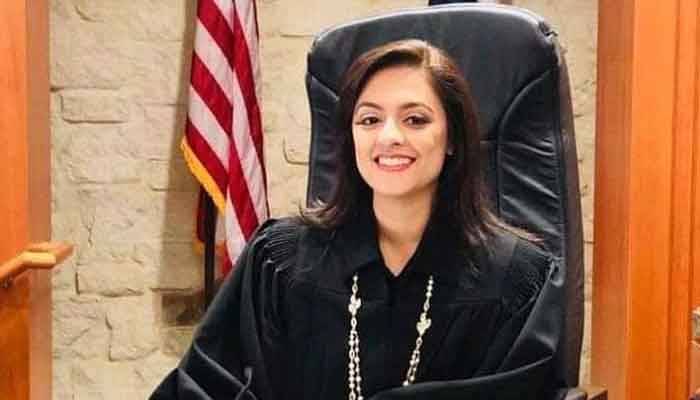
Rabeea Collier becomes First ever Pakistani American to become Judge in US


Pakistani American woman Rabeea Collier has become first ever female Judge of Pakistani origin in the United States.


She has become the judge of the 113th District Court in Harris Country in US state of Taxas.
She is married to Robert Collier, an attorney. They have two sons and live in North Houston.
She has served as a board member of the Harris County Democratic Lawyers' Association and Association of Women Attorneys.
Rabeea has also served on the Women in the Profession Committee of the State Bar of Texas.
She is a graduate of Kingwood High School in Houston, Texas. She earned a Bachelor of Arts degree in Government from the University of Texas at Austin. She earned a Juris Doctor degree from Texas Southern University, Thurgood Marshall School of Law in Houston, Texas.

Pakistan - Destabilising the #PPP


Zahid Hussain
THE JIT report in the money-laundering case implicating top PPP leaders has generated a political storm. An attempt to bring about regime change in Sindh has exacerbated matters. The federal government’s clumsy move to impose a travel ban on all those named in the inquiry report, including Chief Minister Murad Ali Shah, and the PTI’s campaign for Mr Shah’s ouster have brought the swords out. The chief justice’s admonition may have dampened the PTI charge, but the game is not over yet.
Although the veracity of the JIT report has yet to be substantiated, the financial scandal involving the Zardari family has found the PPP and Sindh government in deep water. Most troubling for the party is that it is not only the fate of the former president that hangs in the balance, but also the political future of his son Bilawal Bhutto-Zardari. The young scion is seen by PPP supporters as their last hope of keeping alive the Bhutto legacy.
Despite being politically handicapped because of living under the shadow of his wily father, Bilawal has made significant impact on parliamentary politics. Being implicated in the financial scandal could affect his politics. The charges are indeed damning and could see the PPP leadership engaged in a prolonged legal and political battle that would constrain the party and the Sindh government.
Political engineering by the PTI in Sindh is not likely to work.
There seems to be little possibility of the provincial government being overthrown or governor rule being imposed in the province. But the crisis may well have revived the old project of political engineering in Sindh that could see defections being encouraged from the PPP. We have witnessed such a move in the province in the past too. The ‘successful’ political engineering of Karachi seems to have given impetus to the implementation of the plan at the provincial level.
Bad governance and allegations of widespread corruption have not helped the PPP’s cause. Still, it will not be easy to manipulate the recently elected provincial assembly. There is no Jam Sadiq to coerce into submission its members or buy them over. Any such step could fuel an ethnic divide and strengthen extremist sub-nationalist forces.
Any move to destabilise the provincial government would be disastrous for the entire system, particularly at a time when the country faces multiple economic and political challenges. The politics of confrontation will not benefit either side. The PTI’s move is reminiscent of the politics of the 1990s when governments were installed or removed overnight, an exercise that involved forcing or bribing legislators to switch sides.Ironically, the PTI, which came to power on the slogan of the rule of law and the sanctity of the vote, is becoming a key player in this sordid game. The reason behind the move against the PPP government is not the provincial government’s incompetence or the widespread allegations of corruption against party leaders; it is the desire for complete political control that is driving the campaign towards what some analysts describe as the establishment of a one-party system. That may never happen, but such moves could widen the political fault lines and have serious consequences for the integrity of the country.While the fears of the PPP of the country’s being pushed towards a unitary form of government and of an attempt to abolish the 18th Amendment may be exaggerated, there is little doubt regarding the PTI government’s intention to take control of the country’s second-largest province.
Its electoral victory in Karachi, the country’s largest city and its financial and industrial lifeline, has put the party on a strong footing in provincial politics. The PTI’s rise to becoming the second-largest party in Sindh with its control in the urban areas has completely changed the political dynamics of the troubled province. That has given the party a heady sense of power. The statements from the federal ministers and the PTI’s provincial leadership are a clear manifestation of the power syndrome at play.
Moreover, a strong centre has always been an issue close to the heart of the security establishment. The passage of the 18th Amendment through consensus among political parties across the board is seen with scepticism by the security establishment. The generals believe that greater financial and administrative autonomy for the provinces is detrimental to national integration and security. The top brass has expressed its reservations over the amendment publicly.The military’s main concern is that a greater share of finances going to the provinces not only weakens the federal government’s control but is also one of the causes of the country’s growing fiscal problems. The military’s reservation over the 18th Amendment came out strongly in remarks attributed to the army chief last year. That has also evoked a strong reaction from all the political parties signatory to the most critical changes in the country’s Constitution. The PTI, which had no representation in parliament in that period, is obviously not that keen about the amendment.
Surely there are some questions about devolving power and the capacity of the provinces to handle the situation emanating from the transfer of responsibilities, but those issues can be gradually overcome. For sure, there is also a need for reviewing the NFC award to address the serious fiscal problems faced by the federal government. But comments against the amendment naturally raise questions about the establishment’s intention and fuel conspiracy theories.
Unsurprisingly, the PPP has tried to connect the action against its leaders with the purported move to abolish the 18th Amendment. There may not be any linkage between them but it is mainly the responsibility of the government to dispel those concerns. The silence of the administration has further complicated the issue.
It is important to separate the accountability process from politics, but unfortunately, it is not happening. The government’s own actions and remarks reinforce apprehensions. Political engineering is not the solution; in fact, it has been the major cause of political instability in the country and the reason for the growing alienation within. Such a move has not worked in the past, nor will it work now.

#Pakistani #Christians faced worst religious freedom issues in year 2018


The Pakistani Christians always expressed their grave concerns on imposed election system which forced them to vote for Muslims in their constituencies and accept their representation selected by Muslim leaders on reserved seats in parliament.

As 2018 was election year in Pakistan and demand of voting right for them to elect their leaders with their vote in parliament on reserved seats became at full swing but unfortunately elections held on July 25, 2018, without due consideration to this due and genuine demand.

The Pakistani Christians enjoyed elections electing their representatives from national elections from 1985-98 but on intimation and pressure of powerful Pakistani establishment some religious leaders and Churches demanded Joint electorate and met military Dictator General Pervez Musharraf in Islamabad in 2000 and after that voting right for minorities were abolished and in 2002 national general elections that right was snatched and Muslim political parties were empowered to pick minority individuals of their choice and select on reserve seats in parliament.

The Churches and Christian clergy argued that Joint electorate system will make a way out to prevent Christians from false accusations of blasphemy laws as Muslims parliamentarians who will be elected by Christian votes will present legislation in parliament to stop misuse of blasphemy laws.


Unfortunately, none of Muslim member parliament member talked about stopping misuse of blasphemy laws but legislated military dictators’ orders of Joint electorate endorsed as part of constitution of Islamic Republic of Pakistan under 18th Amendment.

The Pakistani Christians witness rising abduction of Christian women and forcibly converting them to Islam, Gang rape of Christian women, murder of innocent Christians on petty issues and dispute covering under blasphemy laws, increasing unemployment of Christian youth in government and semi-government institutions and due share in resources of federation.

The only promising action was seen, the release of blasphemy accused Christian woman Asia Bibi was facing death sentence but again she was taken in protective custody by secret service agencies of Pakistan and moved to undisclosed location from release of jail where she was not even allowed to attend Christmas services; which disappointed all who expected freedom for Asia Bibi.

As conclusion, the year 2018 was not any year of relief for millions of Pakistani Christians but rising violence against them when justice was not ensured in any unjust incident against them.

#Pakistan - Time to honor Salmaan


It has been eight years since Salmaan Taseer was assassinated. The fact that Asia Bibi remains under lockdown even after the highest court in the land exonerated her from all charges of blasphemy indicates who holds the real power here in democratic Pakistan.
For as the previous year drew to a close, Khadim Rizvi emerged as the man of the moment and more. His Tehreek Labbaik Pakistan (TLP) had, after all, successfully reinvented itself as a legitimate political force; with two seats under its belt in the Sindh Assembly, no less. Hardly a poor show for a party that came into being to revere a murderer. Especially one that had all too readily been written off as an oddity; not in it for the long and a threat to none. Yet in an apparent bid to honour just how far Rizvi and the Labbaik boys had come — Prime Minister Imran Khan granted them their heart’s desire. And just like that Asia Bibi — the poor and illiterate Christian farm worker who spent the last nine years behind bars for confessing to blasphemy while a flash-mobbing and violent crowd bayed for her blood — was not released in accordance with the Supreme Court (SC) ruling. As an additional travesty, the ruling PTI caved into the illegitimate demand the latter review its own judgement. Had this been another time or place, the Centre might well have faced contempt of court. Thus the subsequent booking of the TLP big boys and their supporters for terrorism and treason carries reduced significance when incitement to religious hatred and murder are absent from the charge-sheet.
The government has been left considerably weakened and the preachers of bigoted hatred strengthened. And while Rizvi and his gang did not fire a single shot this time around — these turn of events underscore how the religious right have long ended the pretence of relying on faith or scholarly debate to win the fight. On display instead is an open admission of adopting violence towards this end; as these actors persecute their way to power and relevance.
It goes without saying that the aforementioned symmetry of events should have lent itself to haunting remembrance. Of Salmaan Taseer; a man who sacrificed his life in the struggle for Asia Bibi’s release and deliverance of justice. The memory of this ought to now appear before the incumbents as their very own Banquo’s ghost. Looming forever large as they approach international forums to protest western efforts to caricature wounded Muslim sentiment. For the late Governor Punjab and publisher of this newspaper understood better than most that incitement to religious hatred does not cease to be just because it targets a minority faith. And that some blood can never be washed away.
Of course, it would be unfair to blame the PTI alone for what has come to pass. The PPP, too, must shoulder some of the burden. For the party wavered on the question of amending the country’s draconian blasphemy laws. That being said, most progressive voices were and continue to be sitting targets. This includes Shahbaz Bhatti, a sitting federal minister who was also fatally targeted over the shared conviction that legislative reform was urgently needed. For one cannot observe the sacrifice of Governor Taseer without that remembering that of Minister Bhatti. Not least because of the devastation suffered by the entire Christian community here in Pakistan following the assassination of these two remarkable human rights defenders. That no government of the day has demonstrated sufficient courage to ensure that these lives were not lost in vain means that minority communities continue to live in fear. It is thus imperative that lawmakers across the political divide honour Taseer’s legacy and reform legal structures to make Pakistan a safe place for all its citizens.

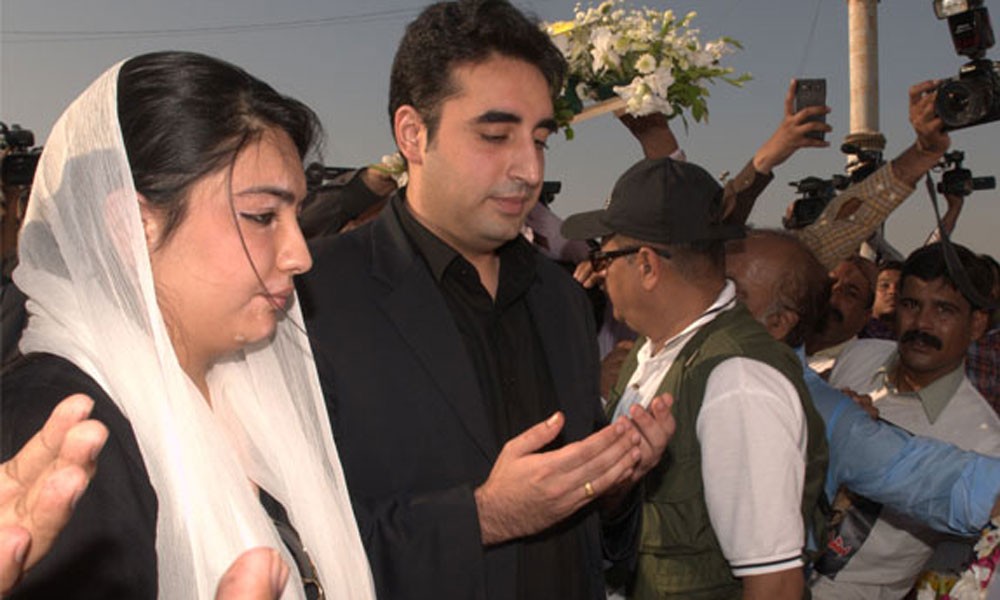
بلاول، آصفہ کی لیاری میں ظہور زیبی کے گھر آمد


چیئرمین پیپلز پارٹی بلاول بھٹو زرداری نے آصفہ بھٹو کے ہمراہ لیاری میں مرحوم ظہور زیبی کے گھر جا کر ان کے لواحقین سے تعزیت کی اور مرحوم کے ایصال ثواب کے لیے فاتحہ خوانی کی۔
ترجمان بلاول ہاؤس کے مطابق چیئرمین پیپلز پارٹی بلاول بھٹو نے پیپلز پارٹی کے مشہور ترانہ ’دلا تیر بجا ۔۔‘کے خالق ظہور زیبی کے انتقال پر تعزیت کی۔
بلاول بھٹو نے مرحوم کے ایصال ثواب کے لیے فاتحہ خوانی کی ، اس موقع پر بلاول بھٹو کا کہنا تھا کے مرحوم ظہور زیبی نے دیگر پارٹی ترانوں کے علاوہ مشہور نغمہ ’دلا تیر بجا۔۔‘ کی موسیقی ترتیب دی تھی ۔
اس موقع پر بلاول بھٹو کے ہمراہ صنم بھٹو اور آصفہ بھٹو زرداری موجود تھیں،جبکہ وقار مہدی، راشد ربانی، جاوید ناگوری، اعجاز درانی اور دیگر رہنما بھی اس موقع پر موجود تھے۔
https://jang.com.pk/news/594080-bilawal-asifa-reached-liyari-to-condoled-with-family-of-zahoor-zaibi