Monday, August 15, 2022
Sunday, August 14, 2022
Pakistan at 75: A Long History of Anti-Americanism

Pakistan is sometimes informally addressed as “paranoidistan.” Conspiracies spread widely, especially when they are populist. Lately, Pakistan’s ousted Prime Minister Imran Khan, a popular leader indeed, has been successful in regaining his lost support by invoking anti-Americanism. He is adamant that the United States has interfered in the domestic politics of Pakistan. He publicly calls the current government an imported one. Khan insists that he has been removed from office by a U.S. regime-change operation, and alleges that the military, which is a power broker in the country, was following the directions of the United States. While Khan’s party, the Pakistan Tehreek-e-Insaf (PTI), itself came into power after the 2018 elections with the support of the military, he has been able to create a paranoia, especially among the youth and overseas diaspora, via his strong social media presence and populist rhetoric.

What is important here is the question of what has made a significant part of the population believe Khan’s claims. After all, the allegations made by Khan have been called null and void by the country’s National Security Committee; civil society also considers the allegations as a mere populist move by Khan. The United States has such a notorious history of interfering in others’ affairs that even when there is no proof and mere rhetoric, people in Pakistan are willing to buy the narrative. No sentiments arise out of thin air. There are solid reasons why the average Pakistani has an unfavorable opinion about the United States. Anti-Americanism is prevalent among all sections of the society, in both the right and left wings. According to a Gallup survey, 72 percent of the population thinks the U.S. is an enemy and an alarming 80 percent of PTI supporters consider America an enemy. Pakistan has been a U.S. ally for most of its history, and yet public sentiments have not been much in the favor of the United States. Pakistan came into being 75 years ago on August 14, 1947 and has a much bigger, often hostile, neighbor. There is a common agreement in Pakistan that the U.S. has always favored India over Pakistan. This “friend of the enemy” is often seen with wary eyes. In contemporary times, the U.S. Indo-Pacific strategy has India at its heart, which makes the public in Pakistan see the U.S. as inherently anti-Pakistan.Pakistan has been stuck between India’s strategic enmity in the east and Afghanistan’s volatile situation in the west for years. While officially Pakistan and the U.S. have worked together on Afghanistan, the fallout from these efforts has been devastating for Pakistan in practice.During the Cold War era, the U.S. propped up the mujahideen, with the support of Pakistan’s intelligence agency, to use as proxies against the Soviet Union in Afghanistan. This social engineering on Afghan soil affected Pakistan brutally, in addition to turning Afghanistan into a failed state. Kalashnikov and drug culture fused into Pakistan. By the time the Soviet Union broke down, the mujahideen had become stronger, and the Americans did not care about handling the situation. Soon after the unfortunate 9/11 attacks, the U.S. invaded Afghanistan again and left it in tatters on August 15, 2021, when Kabul fell to the Taliban. Meanwhile, drone strikes in Pakistan generated feelings of loathing toward the United States – which helped propel Imran Khan to prominence in the first place.The U.S. has always seen Pakistan through the Afghan lens and hence focused on supporting the military to achieve its aims. Consequently, the United States – despite being the champion of democracy worldwide, at least in theory – has effectively supported dictatorships in Pakistan throughout its political past. Pakistan has experienced 33 years of direct military rule, and was under hybrid rule for most of the rest of its history. The dictator Zia-ul-Haq allegedly had the blessing of the United States when he judicially murdered the most popular leader of the country, Zulfiqar Ali Bhutto. Moreover, international financial institutions are blamed for Pakistan’s economic plights, and there is a widespread agreement that the U.S. pulls the strings of these institutions. Pakistan has gone to the IMF program 22 times to date and has been crippled with debts. The most recent loan deal with the IMF was supposed to be conceived in 2019, but it kept being delayed. At the moment, the IMF is in talks with Pakistan and a loan release is likely. This helped the PTI in crafting a narrative that the imported government has the support of the United States. From security to politics to the economy, nearly every facet of Pakistan’s woes can be traced back to the United States in the public imagination. Today, Imran Khan has created a narrative that a U.S. conspiracy that led to his ouster from office. But it must be remembered that Khan’s machinations are only a symptom of the anti-Americanism that has long prevailed in the country.
https://thediplomat.com/2022/08/pakistan-at-75-a-long-history-of-anti-americanism/
Protests, hunger strike mark Pakistan’s Day of Minorities
By Kamran Chaudhry

Under the current system, religious minorities join others in voting for local representation in the national and provincial assemblies.

The Muslim leadership of the mainstream political parties only selects non-Muslim candidates by granting them tickets for the few seats reserved for minorities.
Currently, religious minorities can contest only 33 reserved seats in provincial assemblies and four seats in the Senate.
“This system practically takes away the democratic powers and rights from minority voters"
“This system practically takes away the democratic powers and rights from minority voters to elect their parliamentarians and instead power remains with the political parties and political elite. Merit is ignored. As a result, parliamentarians with minority seats follow party lines rather than focus on minority issues which remain unheard in parliament,” Samson Salamat, the Christian chairman of Rwadari Tehreek, told UCA News.
Church leaders cite blasphemy allegations, forced conversions and attacks on minority places of worship as major threats faced by religious minorities in the Islamic Republic.
Last month the Lahore High Court sentenced Ashfaq Masih, a Christian mechanic, to death for blasphemy.
Masih was accused of uttering blasphemous comments about the Prophet Muhammad at his shop in 2017 a few days after a dispute involving a Muslim customer.
According to the annual Human Rights Monitor of the Catholic Bishop's National Commission for Justice and Peace, 54 people were charged under the blasphemy law last year. These included 23 Muslims, 11 Christians, 14 Ahmadis and six Hindus.
Activists of Voice for Justice (VFJ) held demonstrations on Aug. 11 in five cities demanding the protection of religious freedom.
"Recognition of minority and human rights is imperative for stability"
“An autonomous and independent statutory National Council for Minorities must be constituted with a mandate to monitor the implementation of rights of minorities, to oversee policies and give advice on policy matters. Recognition of minority and human rights is imperative for stability,” said Ashiknaz Khokhar, a Catholic executive member of VFJ who organized a protest in Sahiwal, Punjab province.
Meanwhile, Archbishop Sebastian Shaw observed the Day of Masawat [equality] at Lahore’s Sacred Heart Cathedral on Aug. 10 with clerics and pastors.
“Long live Pakistan” chanted uniformed students as the prelate led a rally in the cathedral compound.
“We pray together to work for the prosperity of the country as per the vision of Pakistan's founder Muhammad Ali Jinnah. Everyone should work together to take the country out of challenges. May God hear our prayers,” he said addressing the gathering.
Shahbaz Bhatti, the Catholic federal minister for minorities, led the campaign to have Aug. 11 declared National Day of Minorities in 2009. He was assassinated in 2011 in a gun attack in Islamabad.
https://www.ucanews.com/news/protests-hunger-strike-mark-pakistans-day-of-minorities/98365
Free Balochistan Movement writes to UNHCR about mysterious deaths of Baloch activists abroad
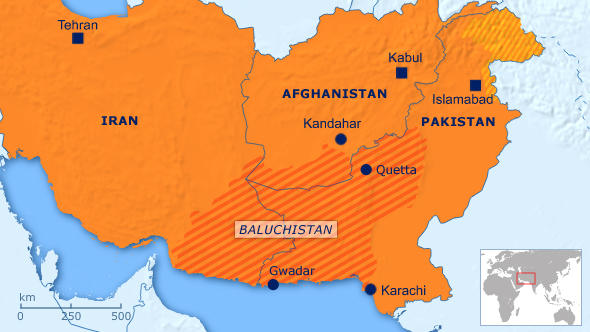
In a detailed letter, the FBM vice president Dr Shahzavar Karimzadi also raised the issue of Baloch political refugees living abroad, especially those in Afghanistan living under constant danger.
The letter also drew the UNHCR’s attention to the case of the mysterious disappearance of FBM member Raziq Baloch from Kabul and claims of his murder by Pakistani TV where his photos were shared.
FBM in the statement further said that Saqib Karim’s family has given enormous sacrifices for Baloch freedom, his two brothers Asim Karim and Tariq Karim were abducted by Pakistani intelligence agencies in 2010 and 2011 from Karachi and Quetta and killed in custody.
Baloch protest outside Pak consulate in Germany to mark August 14 as ‘Black Day’

https://theprint.in/world/baloch-protest-outside-pak-consulate-in-germany-to-mark-august-14-as-black-day/1082767/
Saturday, August 13, 2022
ستر سال کا پاکستان اور جشن کس بات کا؟ - #PakistanAt75 #PakistanIndependenceDay #Pakistan - 25 جولائی ، 2017
چند روز بعد پاکستان ستر برس کا ہوجائے گا۔ ’’حکومت اس پر70سالہ جشن بڑے زور و شور سے منارہی ہے ،خوب پیسہ لگایا جائے گا، آتش بازی اور رنگا رنگ تقاریب ہوں گی۔جس طالبہ نے اس ستر برس پر ایک لوگو بنایا ہے حکومت نے اسے انعام و اکرام سے بھی نوازا ہے۔ پنجاب کے وزیر تعلیم برائے ا سکولز ایجوکیشن نے اعلان کردیا ہے کہ تمام ا سکولز 15اگست کی بجائے 7 اگست کو کھلیں گے اور اس سلسلے میں نوٹیفکیشن بھی جاری کردیا گیا ہے اور یہ بھی شنیدہے کہ ہر اسکول کا سربراہ اپنے اسکول کی حاضری کو سوفیصد یقینی بنائے گا اور اگر حاضری پوری نہ ہوئی تو کارروائی بھی ہوسکتی ہے۔
اربوں، کروڑوں روپے کا بجٹ رکھا جارہا ہے، مگر کیوں؟یہ سارا کچھ کسی روز سامنے آہی جائے گا۔ بحیثیت قوم اس بےبس عوام نے کیا کمایا؟ مجموعی طور پر قوم کے کردار نے کیا صورت اختیار کی؟ سڑکیں، عمارتیں،پل، انڈر پاسز ،اوورہیڈ برج اور باغ بنانے سے ملک کی ترقی نہیں ہوتی۔ یہ تمام چیزیں ضرورت کے تحت بنائی جاتی ہیں اس میں کسی حکومت کا عوام پر کوئی احسان نہیں کیونکہ ان چیزوں کی حکمرانوں کو بھی ضرورت ہوتی ہے۔آخر ہم کس بات کا جشن آزادی منانا چاہتے ہیں کیا ہمارا ملک ڈنمارک، سویڈن، ناروے، چین، کوریا جرمن اور عرب ممالک جیسا ہوگیا ہے۔ ہم نے ان ممالک کی مثالیں اس لئے دی ہیں کہ ستر برس قبل ان ممالک کے حالات بھی بہت خراب تھے۔ آج ان ممالک کی ترقی دیکھتے ہوئے ایسا لگتا ہے کہ پاکستان ان سے برسوں پیچھے ہے اوردور دور تک ان کا مقابلہ نہیں کرسکتا۔ جن ممالک کے ہم مقروض ہیں وہ ملک اور قومیں کیا ہم پر ہنسیں گی نہیں کہ پاکستان کے امیر ترین حکمران خود کشکول لے کر آجاتے ہیں اور پھر جشن آزادی مناتے ہیں۔ ان کو ذرہ برابر شرم نہیں ا ٓتی کہ آخر ہم کس منہ سے70سالہ جشن آزادی منارہے ہیں؟ اپنا احتساب کرو،بلائو ان لوگوں کو جن کی عمریں اب نوے سال اور اس سے اوپر ہیں سنو ان کے دل کی باتیں ،جنہیں سن کر رونا آجائےگا ۔ آج بھی ا س ملک میں وہ چند لوگ زندہ ہوں گے جنہوں نے اپنے ہوش و حواس میں بھارت سے ہجرت کی،سنو! ان سے ہجرت کے وہ واقعات۔
آج جشن آزادی نہیں بلکہ اپنے احتساب کا دن منائو اور سوچو کہ ہم نے اس ملک کو کیا دیا اور ہجرت کرکے آنے والوں کو کیا دیا؟ جنہوں نے اپنی جانیں قربان کرکے یہ آزادی حاصل کی۔ صرف چند پٹواریوں اور کچھ جہاندیدہ لوگوں نے1947سے ہی لوٹنا شروع کردیا تھا۔ آج ان پٹواریوں کے خاندان عزت دار اور بڑے لوگ کہلاتے ہیں۔ یہ بالکل حقیقت ہے کہ ایک طرف لٹے ہوئے قافلے آرہے تھے تو دوسری طرف مختلف شہروں اور دیہات کے پٹواری جعلی کاغذات بناکر(PTO)بنا کر لوٹ مار کرنے میں لگے ہوئے تھے۔ اس وقت ان کی طرف کسی کی توجہ نہ گئی صرف لاہور کو چار پٹواریوں نے مل کر لوٹا ، یہی وہ لوگ ہیں جو اب بھی پشت در پشت چلے آرہے ہیں اور بڑے لوگ بنے بیٹھے ہیں۔
عزیز قارئین! آپ کو یہ سن کر حیرت ہوگی کہ محکمہ ا سکول ایجوکیشن پرائمری کلاس میں داخل ہونے و الے طلبا کو ڈھائی لاکھ بیگ مع کتابوں کے دے رہے ہیں جس پر گیارہ کروڑ 25لاکھ روپے لاگت آرہی ہے۔ ان اسکول بیگ پر وزیر اعلیٰ پنجاب کی تصویر، پڑھو پنجاب، بڑھو پنجاب کا سلوگن لکھا ہوگا اور یہ36اضلاع میں دئیے جائیں گے۔
ارے اللہ کے نیک بندو ان گیارہ کروڑ 25لاکھ روپےسے کتنے اسکولوں میں سہولتیں مہیا کی جاسکتی ہیں۔ ذرا سوچو اور اس پر غور کرو۔ یہ بیگ کیوں اور کون بنارہا ہے اور اس میں دلچسپی کیوں ہے یہ بھی کہانی کبھی سامنے آجائے گی۔ چوہدری پرویز الٰہی جب پنجاب کے وزیر اعلیٰ تھے تو انہوں نے اسکولوں کی کتابوں کے بیک ٹائٹل پر اپنی تصویر لگوادی تھی پھر جب ن لیگ کی حکومت آئی تو وہ لاکھوں کتابیں تقسیم کرنے سے روک دی گئیں۔ کیا ہمارے حکمراںکتابوں اور بیگوں پر تصاویر لگوا کر زندہ رہیں گے؟ کیا لیپ ٹاپ تقسیم کرکے زندہ رہیں گے؟ ہرگز نہیں اگر کوئی زندہ رہے گا تو صرف اپنے کاموں اور نیکیوں کے ذریعے۔ برصغیر کے ہزاروں اولیاء کرام کے مزارات آج بھی بارونق ہیں اور رشد و ہدایت کا ذریعہ ہیں۔ انہوں نے کسی کو پیسے نہیں دئیے تھے بلکہ نیکی کا پرچار کیا تھا، انسانیت کی بھلائی، دین کی سرفرازی کے لئے کام کیا تھا۔کس بات کا جشن آزادی منارہے ہیں۔ کیا پاکستان کرپشن سے پاک ہوگیا ہے؟ کیا اسپتالوں میں غریب کو دوائی مفت مل رہی ہے؟ کیا پاکستان ہیپاٹائٹس اور پولیو فری ہوگیا ہے۔پنجاب کے کئی اضلاع پورے پورے ہیپاٹائٹس بی اور سی میں مبتلا ہوچکے ہیں۔ یہ آفیشل اعداد و شمار ہیں۔کیا اس بات کا جشن منارہے ہو کہ پاکستان میں گوڈے گوڈے کرپشن ہے؟ کیا عوام اور پولیس میں فاصلے ختم ہوچکے ہیں؟ کیا تھانہ کلچر تبدیل ہوچکا ہے؟ کیا ڈاکٹرز اپنی ڈیوٹی پوری طرح کرتے ہیں؟ کیا پرائیویٹ اسپتالوں میں لوٹ مار کا بازار ختم ہوچکا ہے؟ کیا جعلی ادویات اور ناقص غذا ملنا بند ہوگئی ہے؟
ارے بلائو ان خاندانوں کو جن کے عزیز و اقارب دوران ہجرت شہید کردئیے گئے سکھوں نے ہزاروں لوگوں کو مار دیا ۔ ہزاروں خواتین سکھ اٹھا کر لے گئے ۔ ارے بلائو ان خاندانوں کو ہاکی ا سٹیڈیم میں اور سنو ان کی داستانیں اور شہداء کے لئے قرآن خوانی کرائو پورے ملک میں۔ کس بات کا جشن، آج نوجوان نسل بگڑ چکی ہے، اساتذہ کا احترام ختم ہوچکا ہے۔ اس بات کا سترسالہ جشن منارہے ہیں؟جس ملک میں ستر برس کے بعد بھی سیٹل منٹ کا آفس کام کررہا ہوکبھی سوچا وہ محکمہ آج بھی کیوں قائم ہے؟ اور وہاں پر آج بھی گھپلے کیوں ہورہے ہیں ؟جس قوم کا کردار یہ ہو کہ ایک لیٹر پٹرول کو لوٹنے کے لئے ٹوٹ پڑے اور پھر دیکھتے ہی دیکھتے لقمہ اجل بن گئے، احمد پور شرقیہ کے اتنے بڑے سانحے کے بعد بھی لوگوں کو عقل نہ آئی اور وہاڑی میں ایک اور ٹرک پر لٹیرے حملہ آور ہوگئے وہ تو پولیس نے ان کی جانیں بچالی لیں۔ آج کون سا محکمہ ہے جہاں پر رشوت کا بازار گرم نہیں۔ آج لوگ اربوں روپے کی کرپشن کرتے ہیں جب جیل جاتے ہیں تو گردوں اور دل کے عارضے کے جعلی سرٹیفکیٹ پیش کرکے بچ جاتے ہیں۔ جب لوٹ مار کررہے ہوتے ہیں تو تب کیا دل ،گردوں اور شوگر کے مریض نہیں ہوتے؟ تب تو بڑے تھری پیس سوٹ اور ٹائی پہن کر انگریزی میں بھاشن دے رہے ہوتے ہیں۔
ذرا سوچو! ان ستر برسوں میں کتنے لوگ اپنے دیس میں آکر اجڑ گئے ، کتنے خاندان دہشت گردی کی نذر ہوگئے اور کتنے خاندان آج معذوری کی زندگی بسر کررہے ہیں۔ کسی نے مولانا حسرت موہانی سے پوچھا کہ آپ بھارت میں خوش نہیں حالانکہ آپ نے آزادی کی خاطر جیل کاٹی۔ پاکستان کیوں نہیں چلے جاتے۔اس پر مولانا حسرت موہانی نے کہا کہ بھارت میں مجھے کوئی ہندو، مسلمان کہہ کر ماردے گا جبکہ پاکستان میں مجھے کافر کہہ کر مار دے گا۔ اس سے بہتر ہے کہ میں مسلمان کہلوا کر ہی مارا جائوں۔ سوچیں حسرت موہانی نے یہ بات کتنے برس قبل کہہ ڈالی اور آج ہم کسی پر بھی کوئی مذہبی الزام لگا کر جب چاہیں مار سکتے ہیں۔ دکھ اور افسوس کی بات یہ ہے کہ جس ملک کو ہم نے اس لئے حاصل کیا تھا کہ وہاں ان کی عزتیں محفوظ ہوں گی، اسی ملک میں آج عورتوں کی عزتیں غیر محفوظ ہیں، بوڑھے لوگ دھکے کھارہے ہیں، پنشن نہیں ملتی، رشوت کا بازار گرم ہے، پھر بھی ہم ستر سال کا جشن منارہے ہیں۔ ستر سال میں انسان میں بردباری اور سنجیدگی آجاتی ہے مگر ہم ستر سال کے بعد بھی سات سال کے بچے ہیں؎
کبھی سوچا ہے کہ لوگ تمہیں اچھا کیوں نہیں کہتے
اس ملک نے صرف ان کو بہت کچھ دیا جو سیاست میں ہیں، بیوروکریسی میں اور مقتدر اداروں میں ہیں،دو مرلہ کے مکانوں میں رہنے والے آج کئی کئی ہائوسنگ اسکیموں کے مالک ہیں۔ اس وقت بیوروکریسی، پولیس اور بعض سیاستداں صرف اور صرف زمینوں کے کاروبار میں مبتلا ہیں اس پر پھر بات کریں گے۔
#PakistanAt75 #PakistanIndependenceDay #Pakistan - ''Pakistan’s universities at 75''

As Pakistan turns 75, will its people finally rise above the fault lines?


On the 76th anniversary of its founding as a modern nation-state, Pakistan’s struggles appear unending. Will we ever move beyond the logic of a rentier state run by an unrepresentative military-bureaucratic oligarchy more answerable to foreign patrons than its own people? Can we generate the political will to enforce redistribution of wealth and power so as to change our course? In a polity riven by seemingly interminable conflict, will the state and its official ideologues continue peddling obsolete ideologies about an indivisible Muslim nation? Such big-picture questions will likely frame political and intellectual debates about Pakistan for the foreseeable future. But it is all too often the case that macro-level commentary about society, economy and polity ignores the subjectivities of the very people in whose name the state and/or the ruling class claims to operate. In what follows, I offer both a taxonomy of the various social groups and forces that constitute ‘the Pakistani people’ and some reflections on our putatively collective future. Youth will rule the world In case anyone needs reminding, Pakistan is one of the youngest countries in the world. An estimated 65 per cent of our population — approximately 150 million people — is below the age of 23. Meeting their education, health, employment and other basic needs, including that of a dignified life, must inform any meaningful political force worth its name. Perhaps even more urgent is the imperative of ensuring that many of our already fragile ecosystems do not collapse entirely — young people will bear the brunt of such eventualities. Naively optimistic slogans about the youth bulge offering a great opportunity, especially in an age of digitalisation, are neither here nor there. A rapidly growing segment of our youthful population is already online, and tends mostly towards atomisation on the one hand, and hateful herd behaviour on the other.The rot, however, precedes digitalisation. Up to 25 million school-going children are either begging on the streets or engaged in other forms of child labour. Children who do get to attend school are subjected to ideologically-doctored curricula and a culture of rote learning that not only stifles their creative impulses but makes them fodder for hateful politics as they grow older.Finally, the relatively small percentage of young people who acquire higher education are like assembly-line workers securing increasingly meaningless degree certification — the job market is already highly saturated and in any case, favours the already influential who can deploy rishwat or sifarish.As more and more are confronted with ecological disasters due to capitalist ‘development’, this mass of already frustrated and parochially-minded youth will militate towards no-holds-barred internecine conflict. Already this year, we have experienced a heavily curtained spring season and one of the hottest and driest April-May periods in history; unseasonal glacier melts in Gilgit-Baltistan and multiple bridge collapses on the KKH up to Kohistan; devastating monsoon-related flooding in Karachi as well as remote parts of Balochistan and the Siraiki belt; and acute shortages of water in Sindh, especially downstream of the Kotri Barrage. Pakistan’s young people will figuratively come to ‘rule the world’ by dint of generational change, but will they learn to rule in different ways to the current crop of generals and political opportunists? The only hope is to inculcate progressive ideas within our youth to avert the worst-case scenario and instead forge an alternative future, but time is short. All animals are equal but … For a progressive alternative to take root within young people, we must first acknowledge that they are divided along many fault lines — only then is it possible to chart a future with popular support while healing historical wounds. Arguably, the most significant of these fault lines is ethnic-national. The military establishment and many mainstream politicians appear to have been reluctant from the very beginning to recognise the demands for dignity, resources and political freedom of all of the distinct ethnic-nations that comprise Pakistan. In fact, the popular sentiment is that they have relied too much — and continue to do so today — on the consent they generate from the majoritarian Punjabi ethnic group whilst paying pittance to Balochis, Sindhis, Pashtuns, Siraikis and many others. Progressive-minded youth offer an alternative. At its zenith, the youth-led Pashtun Tahaffuz Movement (PTM), for example, tried to make common cause with youth from other ethnic-national backgrounds even as it foregrounded the sufferings of Pashtun tribal districts under the ‘war on terror’ regime. But the PTM was met with state repression and the age-old accusation of ‘foreign conspiracy’. One of its primary leaders, Ali Wazir, has been in jail for two years in multiple trumped up cases. Baloch youth are arguably even more disaffected, and there is little sign of let up in the heinous policy of enforced disappearances. It would certainly appear as if the establishment — and the mainstream politicians who dare not challenge it — are unwilling to change historical policies vis-à-vis Baloch youth. This will only alienate them further and engender more hateful conflict. Neither will other young people who perceive themselves to be second-class citizens, nay colonial subjects, become more ‘loyal’ if things stay as they are. Punjabis will remain the overwhelming majority of Pakistan’s population in years and decades to come. In the current conjuncture, most Punjabi youth are picking sides between the PML-N and PTI even as the establishment-centric political-economic order remains largely unchallenged. The challenge of inculcating alternative ideas to forge a shared future is therefore most acute in Punjab, otherwise our ethnic peripheries will continue to burn. Defeating majoritarian tyranny In fact, Punjab also represents the primary support base of millenarian groups like the Tehrik-e-Labbaik Pakistan (TLP). Whether their aspirations for a ‘better life’ are unmet or because they are simply predisposed to the highly masculine and forceful rhetoric of figures like Khadim Rizvi, records reflect that young men in Punjab, including those who have acquired secondary and tertiary education, have been seen to deploy violence at will against minorities. The phenomenon of religious militancy is certainly not limited to Punjab — the TLP has garnered support amongst Sindhi and Muhajir youth well, while the Taliban are resurgent in Pashtun areas — but it would be foolish not to pay attention to the Punjab as the primary repository of majoritarianism. On the other hand, the fear that exists within the heads and hearts of young people hailing from minoritarian religious groups in Pakistan cannot be understated. They are forced to demonstrate that they are ‘Good Muslims’ at every juncture of their lives. There are some, like Punjabi Christians, for example, that are subjected to religious, caste and class discrimination all at once. Most Punjabi Christian children grow up in katchi abadis that resemble walled ghettoes and go to schools where they are subjected to sub-human status and xenophobic ‘education’. For the most part, they replicate their parents’ lives as domestic servants or sweepers. And then they are regularly evicted from their shanties under the pretext of being ‘illegal encroachers’. In Punjab and beyond, to imagine a progressive future is to recognise that majoritarian tyranny is not just limited to the articulation of religious or ethnic-national identity but is invariably tinged by caste and class. And then there is gender. To be a woman in Pakistan Pakistan today is, in no uncertain terms, one of the most patriarchal societies in the world. Girls, women, trans and non-binary peoples are subjected to myriad forms of domination, discrimination, and sexual violence. That there is today greater disclosure about these everyday realities in our public sphere is an important but ultimately small step towards redressing gendered oppression in all of its various guises. Like with all other segments of our predominantly young population, girls, women and other oppressed genders are far from a monolith. Their political subjectivities are also highly variegated — the groundbreaking Aurat Marches may have triggered the average Pakistani man most of all, but many women who have imbibed entrenched notions of femininity as well as official state ideology have also expressed visceral opposition. Beyond culture wars, some argue that Pakistani patriarchy will be most effectively challenged by enhancing women’s participation in the labour force, often invoking Bangladesh as a ‘successful’ case to be emulated. That girls, women and other oppressed genders need and must be granted greater economic opportunities — and autonomy — is indisputable. But it is important to place the struggles of oppressed genders within the context of the wider challenges faced by all youth, and here I am referring most of all to capitalist ‘development’ and its relationship to climate change. Furthermore it is worth bearing in mind that patriarchal attitudes and violence in society — within the home, places of religious worship, workplaces and public spaces in general — must be challenged in their own right. Here too, progressive feminist ideas must be demystified and then imbibed by a wide cross-section of society, men and boys most of all. As with all of the other challenges that we face, there is no quick fix here, only a long-term horizon to which we can aspire. When all is said and done Of course such long-term horizons will only come to pass if they acquire traction within a wide cross-section of society. It is folly to harbour any expectation that Pakistan’s current ruling elite — including the military establishment and most mainstream political players — will ever subscribe to such progressive visions of the future, the PTI included. But it is worth dwelling on the PTI briefly because it has successfully mobilised significant numbers of young people over the past decade, particularly in Punjab. That the majority of this newly politicised segment of youth has imbibed relatively superficial ideas and often relies on hateful sloganeering confirms that the PTI is very much part of the problem, rather than a genuine long-term solution. But the fact that young people are able and willing to demand a stake in politics represents an opening for progressive ideas and, ultimately, a genuine alternative. It is certainly no small task to bring together young people across the ethnic peripheries and metropolitan Pakistan or to transcend other forms of majoritarian tyranny and patriarchal domination. The challenge appears even more daunting when one considers the often reactionary nature of political communication takes in online spaces. Which is why we must turn our gaze to the natural environment and recognise the imperative of building a progressive and shared vision of the future. Nature is warning all of us — the younger generations of Pakistanis most of all — that carrying on with business as usual is no longer tenable. The extent to which enough segments of ‘the people’ pay attention to her increasingly forceful reminders will shape our collective future.
Why has Pakistan not realized its economic and political potential?

By Haroon Janjua
Despite gaining independence 75 years ago, Pakistan has yet to rid itself of economic and political crises. As Pakistan marks 75 years of independence this weekend, Islamabad has not planned any special events, aside from a flag-raising ceremony, a fireworks display in the capital and the introduction of a new 75 rupee (€0.34/$0.35) note. |
However, 75 rupees doesn't buy what it used to. Inflation data from July released last week showed Pakistan's Consumer Price Index surged nearly 25% compared to last year, with consumers struggling to bear the soaring costs of basic essentials like food and energy. The economic turmoil is putting heavy pressure on Pakistan's new government, which is currently in long-running negotiations with the International Monetary Fund on a bailout deal to stave off a disastrous default on foreign debt. Cycle of economic malaise Husain Haqqani, a former Pakistani ambassador to the United States, told DW that Pakistan's economic dysfunction is rooted in deep structural problems dating back decades. "The common explanation for Pakistan's relatively uninspiring economic performance is that the country's riches are regularly plundered by corrupt politicians and bureaucrats, making it seem poorer than it is," said Haqqani. But he said that Pakistan's economic trouble goes deeper than mere corruption. Pakistan remains a net importer of goods and services, and its industrialization has not expanded sufficiently to close the gap. The ratio between tax collection and GDP as well as between exports and GDP for Pakistan is also among the lowest in the world. This means that the government faces a persistent shortage of revenue, and the country confronts a perennial shortage of foreign exchange. "Successive Pakistani leaders made the choice of depending on foreign aid while building military capacity, ignoring the fundamentals of economics," said Haqqani, who is currently director for South and Central Asia at the Hudson Institute, a think tank in Washington, D.C. However, it wasn't always like this. According to renowned economist Kaiser Bengali, Pakistan pursued robust development and created a vast amount of economic assets in the years following independence in 1947. Bengali told DW that after Pakistan opened more to foreign interests around the year 2000, government spending and imports began to far exceed tax revenues and exports, with the gap made up by foreign loans. "Today, loans are contracted only to repay past loans — none for any development projects," he said. Continued political instability Less government revenue means shrinking resources for public services, which in turn contributes to political instability. In April, former premier Imran Khan was ousted from office in a no-confidence vote after being blamed for mismanaging the economy over his three years in office. Khan claimed he was "overthrown" by a "US-backed, imported government." His supporters took to the streets in protest, and Khan remains a destabilizing political force. Khan's successor, Shehbaz Sharif, has faced an uphill battle with a fractured polity and floundering economy. As the Sharif government negotiates with the IMF on debt relief, it has removed fuel subsidies in a bid to increase public revenue. His detractors have accused him of selling out ordinary Pakistanis to the benefit of foreign creditors. "Pakistan's political instability has left the country's economic future uncertain. Growing political polarization and protests by Khan have encumbered governance, especially the hard decisions to fulfill the IMF bailout conditions," Raza Rumi, a political commentator, told DW in May. Military always looming in the background For decades, Pakistan's military has been a powerful political and economic force. It holds considerable sway over civilian institutions, contributing to public perceptions of government corruption. Opponents of Khan have accused the former premier of being a "puppet" of the army, with some liberal analysts saying the military rigged the 2018 general election to bring Khan's Pakistan Tehreek-e-Insaf party to power, a claim both the military and Khan have denied. "Imran Khan is the civilian face of a military state," Tauseef Ahmed Khan, a Karachi-based political analyst, told DW in a 2021 interview. Maleeha Lodhi, a former Pakistani diplomat, told DW that political discontinuity has "contributed greatly" to Pakistan's problems as the country has "alternated between military rule and civilian governance in a cyclical pattern." "It has also left a legacy of a power asymmetry between elected and unelected institutions," she added. "Governance challenges are also the result of blowback from the country's protracted geopolitical engagements during the Cold War and beyond, impact of great power rivalries and the fault lines of geopolitics in the region," Lodhi said. Analyst Haqqani said "four military dictatorships and behind-the-scenes political maneuvering by the army has created a skewed civil-military relationship." "Pakistan's army leadership has never trusted civilian politicians to act in what they view to be 'the country's interests' and so have repeatedly intervened to remove civilian leaders, through coups, both judicial and military," he added.
Salman Rushdie attack prompts muted reaction in India and Pakistan

By Shah Meer Baloch and Amrit Dhillon
Majority of public figures have chosen not to comment on attack on Indian-born writer.The literary world and public figures across the globe have expressed shock and outrage after the author Salman Rushdie was attacked at an event in New York.
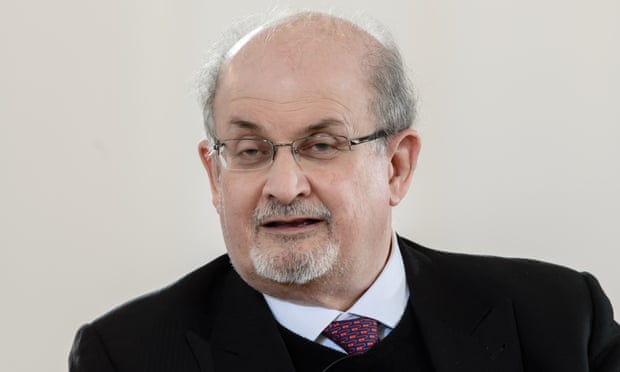
But in Pakistan, an Islamic republic, there was a deep silence from celebrated writers and politicians following the attack on the author, while in India, where Rushdie was born, it is a bank holiday this weekend but apart from some liberals expressing horror at the stabbing, reaction has been muted.The author, whose writing led to death threats from Iran in the 1980s, was stabbed in the neck and torso as he was about to give a lecture in western New York.He remains on a ventilator after being attacked on stage in western New York state on Friday morning and his spokesperson, Andrew Wylie, said that the author may lose an eye following the attack. Rushdie has been accused of blasphemy in the Islamic world for his book The Satanic Verses. The book caused huge controversy as some Muslims accused the text of blasphemy and of mocking Islam. This also sparked protests across the UK by British Muslims.Blasphemy is a hugely sensitive issue in Pakistan, with even unproven allegations provoking mob lynchings and violence. Salman Taseer, a governor of Punjab, was killed by his security guard in Pakistan’s capital in Islamabad, in 2011. Taseer had called for reforms to the blasphemy legislation and promised to help Asia Bibi, a Christian woman who was accused for blasphemy after an argument with a Muslim woman. As talking about Rushdie’s attack can bring condemnation and death threats, many dare not speak. Veengas, a journalist and founder of a non-profit news organisation The Rise News, tweeted: “Some are still thinking about whether to tweet on #SalmanRushdie – you call yourself an author, journalist, and activist but have no courage to condemn the violent action. Your silence describes everything. Sane minds won’t encourage violence regardless of who you are.” Cyril Almeida, a journalist, said in the fog of the Iranian fatwa, many had forgotten that some of the first protests against Rushdie were in Pakistan. But matters have largely been overtaken by the assassination of Salman Taseer.“The Asia Bibi episode unleashed a wave of bigotry that has swept over society to the point that, today, one of [Pakistan’s] biggest parties in terms of votes polled is a party founded on a single point agenda of having blasphemy laws ferociously enforced. In this environment, few activists or writers dare to speak even in the narrowest and most cautious of ways,” said Almeida.There were a few who condemned the attack on Rushdie on social media but with caution. Mehr Tarar, a writer, , said in a tweet: “Salman Rushdie, excl Satanic Verses, is one of the greatest writers of all time. Attacking someone for his novel – written 33 years ago as an atheist, non-believer in Islam or something else he wrote – makes no sense at all. Our Islam doesn’t allow anyone to be killed for their views.” More than a hundred people reacted to her tweet. One wrote in a response: “I respect you a lot but don’t indulge in this matter. If I were there I could have done worse.” Privacy Notice: Newsletters may contain info about charities, online ads, and content funded by outside parties. For more information see our Privacy Policy. We use Google reCaptcha to protect our website and the Google Privacy Policy and Terms of Service apply. India was the first country to impose a ban on The Satanic Verses in 1988. There has been no statement from the Indian government or the main opposition, the Congress party. The Congress party was in power when the book came out and quickly decided to ban it. Natwar Singh, who was external affairs minister at the time, defended the controversial ban on Saturday, justifying it as necessary to avoid law and order problems. Singh told the Indian news agency the Press Trust of India what he told the then prime minister, Rajiv Gandhi, when asked what he thought about banning the book.“‘All my life I have been totally opposed to banning books but when it comes to law and order even a book of a great writer like Rushdie should be banned’,” Singh said he told Gandhi.He recalled adding: “The entire Muslim world is going to flare up, we have a large number of Muslims and apart from that, what the book contains at this time, is not acceptable’.” Conservative Muslim groups and clerics were outraged by the book, without having read it mostly, and burned copies as part of street protests to demand a ban. Gandhi was accused by the Bharatiya Janata party, which is now in power, of “pandering” to the most regressive elements in Muslim society for the sake of their votes, without caring about freedom of expression. Rushdie too, in angry letter to Gandhi, accused him of capitulating to a handful of Indian Muslim politicians and clerics who were “extremists”. Decades later, the Hindu nationalist BJP is in power and has been accused of marginalising and targeting India’s Muslims and eagerly grabbing opportunities to attack some of them as terrorist sympathisers who will do anything to defend Islam. As a result, the conservative Muslim groups have chosen not to react, fearing the BJP may round on them for supporting violent acts.
https://www.theguardian.com/books/2022/aug/13/salman-rushdie-attack-prompts-muted-reaction-in-india-and-pakistan
Friday, August 12, 2022
Middle East peace will come despite US policy - opinion

Interestingly, the international community’s now sacrosanct pre-1967 lines were not so hallowed back then.Failed American Middle East plans Alpha was largely clandestine, but the 1969 Rogers Plan was very publicly launched by president Richard Nixon’s secretary of state William Rogers. His proposal called for Israel to withdraw from Egyptian territory captured in the 1967 Six Day War, in return for Cairo’s non-belligerency and Israeli freedom of navigation through the Gulf of Eilat and the Suez Canal. This plan, too, went nowhere. Egypt’s president Gamal Abdel Nasser rejected it as biased toward Israel, while prime minister Golda Meir believed it contained a fundamental imbalance – Israel was expected to make a full withdrawal but would not receive full peace in return. In June 1970, a second, more modest, Rogers Plan was adopted. It focused on an Israel-Egypt ceasefire along the Suez Canal that ended the War of Attrition.
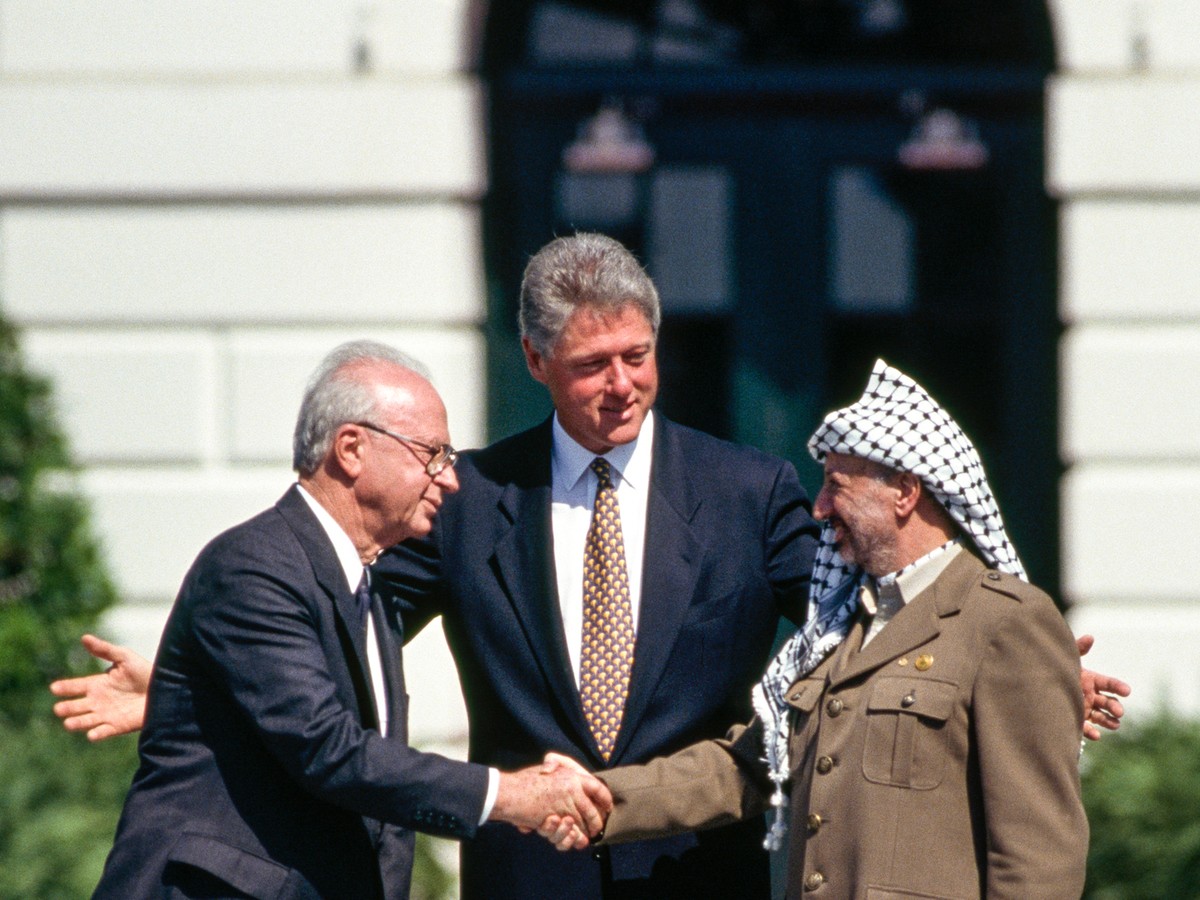
WASHINGTON’S involvement in the Arab-Israeli peace process moved into high gear after the October 1973 Yom Kippur War. Secretary of state Henry Kissinger’s “shuttle diplomacy” begat Israeli disengagement agreements with Egypt (January 1974) and Syria (May 1974). And Kissinger produced Sinai II (September 1975), an Israel-Egypt interim agreement in which the IDF pulled back from the Suez Canal and Egypt agreed to the demilitarization of the evacuated territory. Despite these tangible diplomatic successes, president Jimmy Carter, elected in 1976, saw Kissinger’s incremental approach as overly piecemeal. Believing the time was ripe for a comprehensive Middle East peace, Carter proposed an international conference sponsored by the UN and both superpowers, with Israel, Arab states, and the Palestinians participating. Carter’s proposal riled Israel and dismayed Egypt, but it did inadvertently advance peace. Egyptian president Anwar Sadat had no interest in a process that would give the Soviet Union and the radical Arabs a veto over Cairo’s freedom of maneuver. Sadat’s historic decision to become the first Arab head of state to visit Israel was the Egyptian president’s response to American ideas, which he thought could only lead to stagnation. Carter was initially critical of Egypt’s uncoordinated, surprise diplomatic initiative, and while millions worldwide looked on in hopeful anticipation in November 1977 as Sadat landed at Ben-Gurion Airport, the American president worried that the visit was a mistake that would undermine his plans for a comprehensive solution. However, upon being presented with the Egyptian fait accompli, and correctly understanding that active American involvement would be the key to success, Carter rolled up his sleeves and went to work. His indefatigability proved indispensable in reaching the 1978 Camp David Accords and the 1979 Israel-Egypt peace treaty. Although the 1993 Oslo Accords between Israel and the PLO were signed at the White House, with a beaming president Bill Clinton presiding over the ceremony, the Americans were only brought into the process once the deal had been agreed. In contrast, Clinton gave vital backing to the negotiations between prime minister Yitzhak Rabin and King Hussein that produced the 1994 Israel-Jordan peace treaty, especially in granting Amman generous debt relief. Later, when the Israeli-Palestinian talks faltered, the Clinton administration picked up the ball and played a crucial role, facilitating the Hebron (1997) and Wye River (1998) agreements, as well as hosting the ultimately unsuccessful 2000 Camp David peace summit. The Clinton administration also had a central position in the negotiations for Israel-Syria peace, shuttling between the parties and hosting negotiations at both Wye River (1996) and Shepherdstown (2000).For all his efforts, Clinton left the White House without a Syria-Israel agreement and with the deadly explosion of Israeli-Palestinian violence of the Second Intifada, which erupted in September 2000.President George W. Bush initially decided not to adopt Clinton’s hands-on approach to Middle East peacemaking. Yet he was nonetheless drawn into the process, producing the 2003 “Roadmap for Peace,” supporting prime minister Ariel Sharon’s Gaza disengagement in 2005, and hosting the 2007 Annapolis peace conference.PRESIDENT Barack Obama entered office in 2009 with aspirations to aggressively move forward on the Israeli-Palestinian track. But despite the efforts of his two secretaries of state, Hillary Clinton and John Kerry, no breakthrough was achieved. On the contrary, Obama left the White House after eight years with the negotiations collapsed and any expectation for an early resumption seemingly illusory. Notwithstanding this failure, Obama inadvertently made an immeasurable contribution to peace. His responses to the Arab Spring, to the Syrian civil war, and to nuclear diplomacy with Iran, all negatively impacted the confidence of America’s traditional Arab allies in the US commitment to them. Moreover, the repeated declarations of a “pivot to Asia” implied the de-prioritization of the Middle East – this when pro-Western Arab states had for decades based their national security on American protection. Feeling less certain of Washington’s support in a crisis, Arab states sought new security partners – the Jewish state becoming the unintended beneficiary. After his predecessor unwittingly laid the foundations, president Donald Trump embraced the opportunity. His active engagement produced the 2020 Abraham Accords with the UAE, Bahrain and Sudan, and the normalization of ties with Morocco. This while Trump’s much-hyped plan for Israeli-Palestinian peace remained stillborn, having been adamantly rejected by Ramallah. Last month, when Biden left the region for home, it remained unclear as to whether the current US president will be making any meaningful contribution to Middle East peace – either by design or by folly.https://www.jpost.com/opinion/article-714529
Salman Rushdie - Stabbing sends ripples of ‘shock and horror’ through the literary world.

The author Neil Gaiman wrote on Twitter that he was “shocked and distressed” about the attack. “He’s a good man and a brilliant one and I hope he’s okay,” he said. Prime Minister Boris Johnson of Britain said in a Twitter post that he was “appalled that Sir Salman Rushdie has been stabbed while exercising a right we should never cease to defend. Right now my thoughts are with his loved ones. We are all hoping he is okay.” Gov. Kathy Hochul of New York said she had directed state police to assist with the investigation into Mr. Rushdie’s attack. A man was immediately taken into custody, according to a statement from the state police. “Our thoughts are with Salman & his loved ones following this horrific event,” Ms. Hochul said on Twitter. Senator Charles E. Schumer of New York also spoke out on social media, calling the attack “shocking and appalling.” “It is an attack on freedom of speech and thought, which are two bedrock values of our country and of the Chautauqua Institution,” Mr. Schumer wrote. “I hope Mr. Rushdie quickly and fully recovers and the perpetrator experiences full accountability and justice.” A spokesman for the Council on American-Islamic Relations, the country’s largest Muslim civil rights group, said he was concerned that people might rush to blame Muslims or Islam for the stabbing before the attacker’s identity or motive were known. “American Muslims, like all Americans, condemn any violence targeting anyone in our society,” said Ibrahim Hooper. “That goes without saying. We will have to monitor the situation and see what facts come to light.”