Sunday, June 12, 2022
Fear for democracy in Pakistan as ISI gets power over civil service

New PM mounts ‘attack on constitution’ by putting spy agency in charge of vetting bureaucrats.Pakistani politicians and activists have raised fears about the military increasing its control over the country’s public life after the new prime minister, Shehbaz Sharif, gave the ISI spy agency vetting power over civil service appointments. The move has placed the verification and screening of government officials in charge of postings, appointments and promotions in ISI hands, leading to concerns of a shrunken civilian space. Pakistan’s powerful military, which ruled the country directly for three decades, and its premier intelligence agency have a long history of meddling in politics and controlling politicians.It is widely perceived in Pakistan that politicians need the military’s backing to come to power, but many now fear that bureaucrats could also need the same support for their appointment and postings. “If we keep in mind Pakistan’s history of takeovers and the sway that military has over our politics, this decision will weaken civil bureaucracy and compromise their independence,” said senator Mustafa Nawaz Khokhar. “We have shot ourselves in the foot and it’s a decision worth reconsidering.” Raza Rabbani, the former chair of the senate, called Sharif’s decision an attack on the constitution. “The concept of civilian supremacy is tarnishing,” he said. Before ousting the former prime minister, Imran Khan, in a no-confidence vote in April, opposition parties now in power had criticised the military for its meddling in politics, rigging elections and bringing Khan into office. Ayesha Siddiqa, an author and expert on military affairs of Pakistan, said it was depressing that none of the senior leadership of the major political parties had condemned Sharif’s move. “The government’s notification has legalised military intelligence’s power over other institutions,” she said. “At the same time [it has] sown seeds for a long-term disempowerment of the political class to strengthen its position and that of the parliament to weaken the military’s control over politics.” Maryam Nawaz, the leader of Pakistan Muslim League-Nawaz (PML-N) and daughter of the former prime minister Nawaz Sharif, defended the prime minister’s decision. “ISI works with the government and it directly works under the prime minister,” she told local media. “If the prime minister has taken such a step, he knows very well how to assign responsibilities and tasks to which organisation and at what time.”Siddiqa disputed her reading of the situation, saying a Pakistani prime minister could only dream about controlling the ISI. “ISI is theoretically under the prime minister’s office but in reality, it has never been controlled by the head of government.“In the last decade, the ISI chief has become almost as powerful an officer as the army chief due to power to intervene in politics and society … Maryam Nawaz’s statement is nothing but a wish to control the ISI.” The military has always refuted allegations that it meddles in politics and rigs elections. The Human Rights Commission of Pakistan, an NGO, has also expressed concern over the prime minister’s decision. “Even if this practice was already in place, it goes against democratic norms,” it said. “The role of the military in civilian affairs needs to recede if Pakistan is to move forward as a democracy.” Pervaiz Rasheed, a former information minister, said there were already laws governing the appointment and promotion of bureaucrats and that if the government wanted to adopt another system it should have amended the constitution via parliament rather than issuing an executive order. “If the scrutiny of civilian bureaucracy is to be included in the responsibilities of the ISI, then ISI too should be answerable and accountable to the civilian bureaucracy as well as the parliament,” he said.
https://www.theguardian.com/world/2022/jun/12/fear-for-democracy-in-pakistan-as-isi-gets-power-over-civil-service
وفاقی بجٹ اور سخت فیصلے #Pakistan
تحریر: آفتاب احمد گورائیہ
گزشتہ جمعہ کے روز وفاقی حکومت نے آئندہ مالی سال 2022-23 کا 9500 ارب روپے کا وفاقی بجٹ قومی اسمبلی میں پیش کیا ہے۔ ملکی معیشت کی تباہ کن صورتحال اور دستیاب وسائل کو مد نظر رکھتے ہوئے بہت حد تک کوشش کی گئی ہے کہ عوام کو کچھ نہ کچھ ٹوکن ریلیف ضرور دیا جائے۔ بظاہر توقع یہی کی جا رہی تھی کہ اس سال بجٹ کافی سخت ہو گا اور اس میں عوام کے لئےصرف قربانی ہی رکھی جائے گی۔ بجٹ کو کچھ لوگ صرف الفاظ کا گورکھ دھندا ہی سمجھتے ہیں اور شائد ٹھیک بھی سمجھتے ہیں اس لئے بظاہر بجٹ میں نہ تو کوئی نیا ٹیکس لگایا گیا ہے جس کا براہ راست عام عوام پر کوئی زیادہ اثر ہو اور نہ ہی عام عوام کے زیراستعمال اشیا کی قیمت میں کوئی اضافہ کیا گیا ہے۔ یہ علیحدہ بات ہے کہ بجٹ سے پہلے ہی پٹرول اور بجلی کی قیمت میں اضافے جیسے سخت فیصلے کئے جا چکے تھے اور بجٹ سے قطع نظر ان میں مزید اضافے کی بھی توقع ہے اس لئے یار لوگ بجٹ سے زیادہ ہپٹرول اور بجلی کی قیمت میں اضافے پر نظر رکھے ہوئے ہیں۔ وفاقی بجٹ کو اگر صرف الفاظ کا گورکھ دھندا بھی قرار دیا جائے توبھی اس سال کے وفاقی بجٹ میں چند اقدامات ایسے ضرور نظر آئیں گے جن سے اندازہ ہوتا ہے کہ موجودہ حکومت نے درست سمت میں قدم اٹھاتے ہوئے اپنی کچھ ترجیحات ضرور متعین کی ہیں جن میں جی ڈی پی کے سب سے بڑے شراکت دار شعبہ رزاعت کو ریلیف دئیے جانے کے بارے اہم اقدامات، تنخواہ دار طبقے کو دیا جانے والا ٹیکس ریلیف اور سرکاری ملازمین کی تنخواہوں میں اضافے جیسے اقدامات شامل ہیں۔ زرعی شعبے کے ایک بڑے مطالبے یعنی زرعی شعبے میں استعمال ہونے والی بجلی پر سبسڈی جیسےمطالبے کو بہرحال نظرانداز کیا گیا ہے۔ اسی طرح دفاعی بجٹ پر بھی سوال اٹھایا جا سکتا ہے کہ ملکی معیشت کے اس مشکل ترین وقت میں اگر عارضی طور پر ہی سہی ایک سال کے لئے اگر دفاعی بجٹ میں کچھ کمی کر دی جاتی تو اس سے بھی ملکی معیشت کوسنبھالا دینے میں خاطر خواہ مدد مل سکتی تھی۔ توقع بہرحال یہی کی جا رہی ہے کہ حکومت کے سخت اقدامات کے اثرات آنے والے چند ماہ میں نظر آنے شروع ہو جائیں گے۔ ملکی معیشت کی بحالی اور عوام کو ریلیف دینے میں حکومت مکمل طور پر سنجیدہ نظرآتی ہے اور اس کے لئے سارے اتحادی اپنے اپنے دائرہ کار میں محنت کرتے نظر بھی آ رہے ہیں۔ معیشت کی بحالی کی ان کوششوں میں چیرمین پیپلزپارٹی اور وزیر خارجہ بلاول بھٹو زرداری کے غیر ملکی دوروں کے دوران دوست ممالک کے ساتھ اعتماد کی بحالی اوراس کے نتیجے میں معاشی تعلقات کی بحالی سے تباہ حال معیشت کو دوبارہ پٹری پر لانے میں بہت مدد ملے گی۔ اتحادی حکومت کی سنجیدگی کا اندازہ اس بات سے بھی لگایا جا سکتا ہے کہ وفاقی بجٹ کی منظوری کے لئے بلایا جانے والا وفاقی کابینہ کا اجلاس تین گھنٹے سے زائد وقت تک جاری رہا اور آخری وقت میں بھی پیپلزپارٹی کے اصرار پر سرکاری ملازمین کی تنخواہوں میں تجویز کردہ دس فیصد اضافے کو پندرہ فیصد کر دیا گیا۔ یاد رہے کہ پچھلے سال وفاقی کابینہ نے چار پانچ منٹ کے اجلاس میں ہی وفاقی بجٹ کی منظوری دے دی تھی۔ امید کی جانی چاہئیے کہ معیشت کی بحالی کے بعد اگلے سال کا بجٹ جو موجودہ اتحادی حکومت کا الیکشن بجٹ بھی ہو گا مکمل طور پر ایک عوامی اور فلاحی بجٹ ہو گا۔
حالیہ وفاقی بجٹ میں اگلے مالی سال کے لئے گروتھ ریٹ کا ہدف پانچ فیصد رکھا گیا ہے جبکہ افراط زر کی شرح کا ہدف 11.7 فیصد سے کم کر کے 11.5 فیصد کر دیا گیا ہے۔ سرکاری ملازمین کی تنخواہوں میں پندرہ فیصد اضافہ کی تجویز ہے جبکہ انکم ٹیکس کی کم سے کم شرح چھ لاکھ روپے سے بڑھا کر بارہ لاکھ روپے کر دی گئی ہے جس کا براہ راست فائدہ تنخواہ دار طبقے کو ہو گا۔ اسی طرح کفایت شعاری کو اپناتے ہوئے وفاقی کابینہ اور سرکاری اہلکاروں کے لئے پٹرول کی حد کو چالیس فیصد کم کر دیا گیا ہے۔ فلمی صنعت کی بحالی اورفنکاروں کی مدد کے لئے موجودہ بجٹ میں خاطر خواہ اقدامات کئے گئے ہیں تاکہ فلم اور سنیما ترقی کرے اور دنیا میں پاکستان کا سافٹ اور مثبت تشخص اجاگر کیا جا سکے۔ بے نظیر انکم سپورٹ پروگرام میں قابل قدر حد تک اضافہ کیا جا رہا ہے تاکہ غربت سے نمٹا جاسکے۔ بے نظیر وظائف میں مزید ایک کروڑ طالب علموں کو شامل کیا جا رہا ہے تاکہ انہیں زیور تعلیم سےآراستہ کیا جائے۔ سی پیک کے منصوبوں پر کام کی رفتار تیز کرنے کے لئے فنڈز مختص کئے گئے ہیں۔ سی پیک کے تحت سپیشل اکنامک زونز کے جلد آغاز پر بھی خصوصی توجہ دئیے جانے کا ارادہ ظاہر کیا گیا ہے۔ انفارمیشن ٹیکنالوجی، زراعت، غذائی تحفظ، قابل تجدید توانائی، تعلیم اور نوجوانوں کی آمدن کے لئے بھی ٹیکس میں ریلیف دئیے جانے کی تجویز ہے۔
سولرپینل کی درآمد اور ترسیل پر ٹیکس ختم کیا جارہا ہے۔ اس کے علاوہ زرعی مشینری، گندم، چاول، بیج سمیت اس شعبے میں استعمال ہونے والی دیگراشیاءاور ان کی ترسیل پر ٹیکس ختم کیا جا رہا ہے۔ زرعی مشینری کو کسٹم ڈیوٹی سے استثنٰی دئیے جانےکی تجویز ہے۔ زرعی شعبے کی مشینری اور اس سے منسلک اشیاء، گرین ہائوس فارمنگ، پراسیسنگ، پودوں کو بچانے کے آلات، ڈرپ اریگیشن، فراہمی آب سمیت ہر طرح کے زرعی آلات پر ٹیکس ختم کرنے کی تجویز ہے۔ زرعی شعبے کو دئیے جانے والے اس ریلیف سے زرعی پیداوار میں خاطر خواہ اضافے کی توقع ہے جس سے جی ڈی پی میں بھی اضافہ ہو گا اور تباہ حال معیشت کو بھی تازہ آکسیجن مہیا ہو گی۔ ایک نہایت اہم قدم جو اس بجٹ میں اٹھایا گیا ہے وہ غیر پیداواری اور پرتعیش کے زمرے میں آنے والی چیزوں سے سرمائے کو پیداواری اثاثوں اور شعبوں کی طرف منتقل کرنے کے لئے کئے جانے کے اقدامات ہیں۔ رئیل اسٹیٹ سمیت غیرپیداواری اثاثے جمع کرنے سے غریبوں کے لئے گھروں کی قیمت بڑھ جاتی ہے۔ امیروں کے غیرپیداواری اثاثوں پر ٹیکس عائد کیا جا رہا ہے تاکہ رئیل اسٹیٹ میں توازن آنے سے غریبوں کے لئے جائیداد کی قیمتوں میں کمی ہو۔ اڑھائی کروڑ مالیت کی دوسری جائیداد کی خریداری پر پانچ فیصد ٹیکس عائد کئے جانے کی بھی تجویز ہے۔
اوورآل اگر وفاقی بجٹ کا جائزہ لیا جائے تو مشکل ترین معاشی حالات میں بھی موجودہ بجٹ میں معیشت کو مستحکم کرنے اور معاشرے کے کمزور طبقات کی مشکلات کم کرنے پر توجہ مرکوز کی گئی ہے اور عام آدمی پر کوئی نیا ٹیکس نہیں لگایا گیا تاکہ پہلے سے مہنگائی میں پسے ہوئے عوام پر مزید کوئی بوجھ نہ ڈالا جائے۔
موجودہ اتحادی حکومت کی جانب سے کئے جانے والے سخت فیصلے جنہیں اگر درست فیصلے بھی کہا جائے تو مناسب ہو گا کیونکہ ملکی معیشت کو وینٹی لیٹر سے اتارنے اور عمران حکومت کی ملکی معیشت کو تباہ کرنے کے لئے پھیلائی گئی بارودی سرنگوں کو ڈی فیوز کرنے اور ملکی معیشت کو دوبارہ پٹری پر لانے کے لئے یہ فیصلے ناگزیر ہیں اور اتحادی حکومت ان سخت فیصلوں کا بوجھ اٹھانے کے لئے تیار نظر آتی ہے ورنہ عمران حکومت کے آئی ایم ایف سے بدترین شرائط پر کئے جانے والے معاہدے اور پھر اس سے بھی زیادہ خطرناک بات اس معاہدے سے مکر جانے کے نتیجے میں ملک کی عالمی اداروں اور دوست ممالک کے سامنے جو ساکھ مجروح ہوئی اس سے ملک کے دیوالیہ ہونے کے خطرات پیدا ہو چکے تھے اور کوئی عالمی معاشی ادارہ اور دوست ملک ہم پر اعتبار کرنے کو تیار نہیں تھا۔ سابق صدر آصف علی زرداری سے جب ایک صحافی نے یہ سوال کیا کہ جب آپ کو معلوم تھا کہ ملک بدترین معاشی حالات کا شکار ہے اور آپ کو حکومت میں آنے کے بعد سخت اور ناپسندیدہ فیصلے کرنے پڑیں گے جس کا آپ لوگوں کو سیاسی طور پر نقصان بھی اٹھانا پڑ سکتا ہے تو آپ نے عمران حکومت کو چلتا کیوں کیا تو اس پر صدر زرداری کا جواب ایک سٹیٹسمین کا جواب تھا کہ ہمارے سامنے ملک ڈوب رہا تھا تو کیا ہم اسے ڈوبتا ہوا دیکھتے رہتے اور اپنے سیاسی مفاد کا خیال رکھتے؟
دوسری طرف سابق وزیراعظم عمران خان نیازی جو اپنے علاوہ باقی سب کو چور ڈاکو اور بددیانت ہی تصور کرتے ہیں ان کا کردار یہ ہے کہ اپنی حکومت جاتی دیکھ کر آئی ایم ایف سے کئے گئے معاہدے کے برعکس پہلے پٹرول اور بجلی کی قیمتیں کم کر دیں اور پھرانہیں فریز کر دیا مطلب پاکستان کو دیوالیہ کرنے کا پورا بندوبست کر دیا۔ اس سے ظاہر ہوتا ہے کہ اپنے سیاسی مفاد کے لئے عمران خان نے پاکستان کا کتنا بڑا نقصان کر دیا تھا اور عمران خان نے ایسا کوئی پہلی دفعہ نہیں کیا۔ دو ہزار چودہ کے دھرنے کے دوران عوام کو سول نافرمانی کی ترغیب دینا اور اوورسیز پاکستانیوں کو بینکنگ چینل سے پاکستان فنڈز بھیجنے سے روکنے کا کہنا یہ سب عمران خان کے اسی مائینڈ سیٹ کو ظاہر کرتا ہے کہ اگر میں نہیں تو کوئی بھی نہیں حتی کہ پاکستان بھی نہیں۔ ویسے بھی عمران خان اپنے اس مائینڈ سیٹ کا اظہار اپنی زبان سے بھی کئی بار کر چکے ہیں کہ موجودہ حکومت کو لانے سے تو بہتر ہے کہ ملک پرایٹم بم گرا دیا جائے، اگر نیوٹرلز نے درست فیصلے نہ کئے مطلب مجھے اقتدار میں نہ لایا گیا تو ملک تین ٹکڑے ہو جائے گا اور نیوکلئیرپروگرام خطرے میں پڑ جائے گا۔
اتحادی حکومت معیشت کی بہتری کے لئے اٹھائے گئے سخت اقدامات کی جو بھی توجیح پیش کرے، عام آدمی کو یہ سمجھانا مشکل ہے کہ ان اقدامات کی نوبت کیوں پیش آئی اور سابقہ عمران حکومت کا اس میں کیا کردار ہے۔ ان سخت فیصلوں کا بوجھ بہرحال اتحادی حکومت کو ہی اٹھانا پڑے گا۔ اس لئے ان سخت فیصلوں کے نتیجے میں عوام سے جو قربانی مانگی جا رہی ہے اس کو قابل قبول بنانے کے لئے ضروری ہے کہ حکمرانوں کے اپنے طرز عمل سے یہ ظاہر ہو کہ اس مشکل وقت میں حکمران اور مراعات یافتہ طبقہ بھی عوام کے شانہ بہ شانہ قربانی دے رہا ہے۔ اگر حکومت اور وزرا کی جانب سے ایسا نہ کیا گیا تو عوام کی بے چینی میں اضافہ ہوگا اور شرپسند عناصر کو کھل کھیلنے کا موقع مل سکتا ہے۔
پاکستان پیپلزپارٹی کو ماضی میں ایسی چیلنجر سے بھرپور حکومتوں کا کافی تجربہ رہا ہے جب پیپلزپارٹی نے انتہائی مشکل اور نامساعد حالات میں حکومتیں سنبھالیں اور ملک کو مشکل حالات سے نکالا اس لئے توقع کی جانی چاہئیے کہ پیپلزپارٹی کے اس تجربہ سے فائدہ اٹھاتے ہوئے موجودہ اتحادی حکومت ملک کو ان مشکل اور سخت ترین حالات سے نکالنے میں کامیاب ہو جائے گی اورجوں جوں ان سخت فیصلوں کے ثمرات سامنے آتے جائیں گے اور معیشت بہتر ہوتی جائے گی، شرپسند عناصر جو اس مشکل صورتحال سے فائدہ اٹھا کر اور ملک میں افراتفری پیدا کرکے سری لنکا جیسے حالات پیدا کرنے کے خواب دیکھ رہے ہیں وہ غیر متعلق ہوتے جائیں گے۔
علی وزیر کے پروڈکشن آرڈر جاری کیے جائیں: رضا ربانی
پاکستان پیپلز پارٹی کے رہنما و سینیٹر میاں رضا ربانی نے اسپیکر قومی اسمبلی راجہ پرویز اشرف سے اپیل کی ہے کہ ایم این اے علی وزیر کے پروڈکشن آرڈر جاری کریں۔
یہ اپیل پاکستان پیپلز پارٹی کے رہنما و سینیٹر میاں رضا ربانی نے جاری کیے گئے ایک بیان کے ذریعے کی ہے۔
ان کا کہنا ہے کہ علی وزیر کے پروڈکشن آرڈر جاری کیے جائیں تاکہ وہ بجٹ اجلاس میں اپنے حلقے کی نمائندگی کر سکیں۔
رضا ربانی کا کہنا ہے کہ علی وزیر 15 ماہ سے زائد عرصے سے زیرِ حراست ہیں، قومی اسمبلی کے اجلاس میں شرکت علی وزیر کا آئینی حق ہے۔
انہوں نے کہا کہ پیپلز پارٹی نے ہمیشہ قومی اسمبلی کے رول 108 اور سینیٹ کے رول 84 کا تحفظ کیا، ان رولز پر عمل درآمد نہ کرنا علاقے کے عوام کو نمائندگی سے محروم رکھنے کے مترادف ہے۔
سابق چیئرمین سینیٹ کا کہنا ہے کہ پارلیمنٹ کا تشخص اور اتھارٹی کو روندا گیا، اب یہ ایک خالی عمارت ہے، پارلیمنٹ کے ادارے کو دوبارہ تعمیر کرنا ہو گا۔
انہوں نے مزید کہا کہ پارلیمنٹ اور اس کے پریزائیڈنگ افسران کی اتھارٹی کو بحال کرنا ہو گا، اسپیکر بطور ایوان کے کسٹوڈین کے اپنی اتھارٹی منوائیں۔
رضا ربانی کا یہ بھی کہنا ہے کہ چیئرمین اور اسپیکر مشترکہ طور پر پارلیمنٹ کے آئین کے تحت حقیقی مقام دلوائیں، ایسا نہ ہوا تو تاریخ ہمیں معاف نہیں کرے گی۔
افغان طالبان اور کالعدم ٹی ٹی پی سے متعلق حالیہ پیش رفت کے معاملے پر وزیرِ خارجہ بلاول بھٹو زرداری نے سیاسی جماعتوں سے رابطوں اور پارلیمان میں معاملہ اٹھانے کے لیے 3 رکنی کمیٹی بنا دی۔
افغان طالبان اور کالعدم ٹی ٹی پی سے متعلق حالیہ پیش رفت کے معاملے پر وزیرِ خارجہ بلاول بھٹو زرداری نے سیاسی جماعتوں سے رابطوں اور پارلیمان میں معاملہ اٹھانے کے لیے 3 رکنی کمیٹی بنا دی۔
اس سلسلے میں جاری کیے گئے اعلامیے کے مطابق مذکورہ کمیٹی میں پاکستان پیپلز پارٹی کی رہنما شیری رحمٰن، فرحت اللّٰہ بابر اور قمر زمان کائرہ شامل ہوں گے۔
اعلامیے میں یہ بھی کہا گیا ہے کہ گزشتہ روز پارٹی اجلاس میں افغان طالبان اور کالعدم ٹی ٹی پی کے بارے میں حالیہ پیش رفت پر تبادلۂ خیال ہوا تھا۔
Chairman PPP Bilawal Bhutto Zardari forms 3-member committee to engage other political parties for taking up terrorism-related issues in Parliament

https://www.ppp.org.pk/pr/27288/
Saturday, June 11, 2022
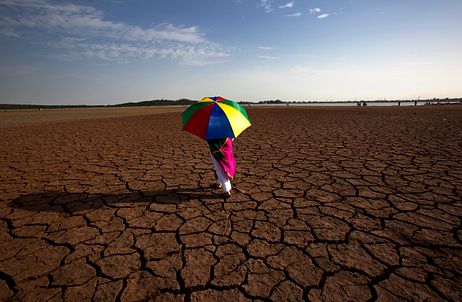
Pakistan’s Water Crisis

By Osama Rizvi
https://thediplomat.com/2022/06/pakistans-water-crisis/
#Pakistan - Bigger military role — why?
https://www.dawn.com/news/1694230/bigger-military-role-why
#Pakistan - High level PPP meeting stresses for taking decisions related to terrorism issues through Parliament

Friday, June 10, 2022
#Pakistan - Child marriage

Imran Khan and his destructive populist politics dangerous for Pakistan’s security
Imran Khan is critical of the military leadership not because he wants the establishment to be out of politics but because he is upset at being abandoned.THERE was an element of inevitability about Imran Khan’s outburst against the security establishment. He feels dejected at being left midstream without the prop he had become so used to. He now blames his former patrons for all that had gone wrong with his rule. During a recent interview, he indicated he had responsibility but without full power. In the same breath, he lamented that the establishment did not do anything to thwart the ‘foreign conspiracy’ against his government as the latter decided to stay neutral in the fray. The former prime minister also warned that the country could “break up into three parts” if the establishment did not take the right decisions. He went further, presenting an even grimmer scenario of its nuclear facilities being removed in the event of an economic collapse. Such reckless statements by a former prime minister raise serious concerns about his motives. He would prefer military intervention to the political process taking its own course. His destructive populist politics is extremely dangerous not only for democracy but also for national security. His tenor has become increasingly blunt after his party’s failed attempt on May 25 to storm the capital and to force the new government to call early elections. In his no-holds-barred speeches, the former prime minister has had his guns trained on the security establishment. He is now even implying that the establishment has been part of what he describes as a foreign conspiracy of regime change. All those remarks by the former prime minister seem full of contradictions. Imran Khan is critical of the military leadership not because he wants the establishment to be out of politics but because he is upset at being abandoned. The campaign by PTI supporters against the establishment manifests the same sentiment. They are unhappy with the breaking of the hybrid arrangement that provided the critical pivot around which the Imran Khan government had endured. Once establishment loyalists, they are now shouting betrayal. It’s certainly a new phenomenon in Pakistani politics and a dangerous one too. More serious is their designation of favourite generals. Such a campaign is unprecedented. Indeed, it’s not the first time that the establishment has been under attack. Practically all civilian governments over the past three decades have blamed the security agencies for their ouster and criticised their machinations. The imprint of the establishment on every political change has been visible. In fact, the military has continued to cast its shadow over the country’s political landscape even when it has not been directly in power. It’s also true that the involvement of the security establishment has been one of the major reasons for the political instability that has weakened the democratic political process in the country. The rise of Imran Khan’s political fortunes owed itself to the political engineering carried out by the establishment. The cricketer-turned-politician was projected as the last best hope that could deliver the promised change. It was the first experiment in what is described as real hybrid rule in the country. A coalition of disparate political groups was built up to provide support to Imran Khan to form the government. For the first three years, the hybrid arrangement worked well with the imprint of the security establishment all over. In fact, the establishment repeatedly bailed out the government from crises within the ruling coalition and outside. Imran Khan had then been all praise for the military leadership. Described as a ‘democratic general’, Gen Bajwa was given a three-year extension in office. Imran Khan then had no complaints that he had no power. In fact, he would boast of being on the same page with the establishment. All was going well until cracks in the hybrid arrangement started emerging last year. The trigger may have been the differences over the appointment of the ISI chief but there were also other issues that together led to the breakdown of the relationship. Beside governance issues, it was the erratic handling of foreign policy that caused further estrangement. Khan’s refusal to work within the parliamentary system and sit with the opposition on critical national issues had increased his government’s dependence on the security establishment.
https://theprint.in/opinion/imran-khan-and-his-destructive-populist-politics-dangerous-for-pakistans-security/991126/
کیا پاکستان میں اقلیتوں کی آبادی کم ہو رہی ہے؟

پاکستان میں ہونے والی مختلف مردم شماریوں میں متضاد اعداد و شمار ملتے ہیں جب کہ نادرا کا ڈیٹا کچھ اور کہانی سناتا ہے۔
پاکستان میں اگرچہ غالب اکثریت کا تعلق اسلام سے ہے تاہم تقریباً ساڑھے تین فیصد آبادی دیگر مذاہب کے ماننے والوں پر مشتمل ہے اور ملک میں جب بھی مردم شماری ہوتی ہے چھوٹے صوبوں کے ساتھ ساتھ اقلیتوں کو بھی اس کے نتائج پر شدید تحفظات ہوتے ہیں۔
سابق صدر آصف زرداری نے گذشتہ دنوں ایک پریس کانفرنس میں پاکستان کی آبادی کو 22 کی بجائے 30 کروڑ کہا ہے۔ ایم کیو ایم بھی کراچی، حیدر آباد اور سکھر جیسے گنجان آباد شہروں کی مردم شماری کے نتائج کو تسلیم نہیں کرتی۔ ایک مفروضہ یہ بھی بیان کیا جاتا ہے کہ پاکستان نے عالمی اداروں کے جتنے فنڈز آبادی میں اضافے کی شرح کو کم کرنے کے لیے حاصل کیے ان کا درست استعمال نہیں ہوا جس کی وجہ سے آبادی میں اضافے کی شرح کم ہونے کی بجائے بڑھ گئی ہے۔ اب عالمی سبکی سے بچنے کے لیے آبادی کو کم ظاہر کرنا اس کی مجبوری ہے۔
ایک رائے یہ بھی ہے کہ صوبوں میں وسائل کی تقسیم آبادی کے تناسب سے ہوتی ہے، آبادی کے تناسب سے ہی قومی اور صوبائی اسمبلیوں کی سیٹوں میں اضافہ ہوتا ہے اس لیے اشرافیہ سٹیٹس کو برقرار رکھنے کے لیے آبادی کم یا زیادہ دکھاتی ہے۔ اسی پس منظر میں 2017 کی مردم شماری کے نتائج پاکستان کی تاریخ کے متنازع ترین نتائج تھے جنہیں چھوٹے صوبوں اور اقلیتوں دونوں نے تسلیم نہیں کیا، جس کی وجہ سے سابق حکومت نے اگست میں پاکستان کی پہلی ڈیجیٹل مردم شماری کرانے کا اعلان کر رکھا تھا۔
کیا پاکستان میں اقلیتوں کی آبادی کم ہو رہی ہے؟
اس کا جواب دینے سے پہلے ہمیں پچھلی تین مردم شماریوں میں مسلمانوں اور اقلیتوں کی آبادی میں ہونے والی تبدیلیوں کو دیکھنا ہو گا۔
مثال کے طور پر 1981 کی مردم شماری کے مطابق پاکستان میں مسلمانوں کی آبادی آٹھ کروڑ 14 لاکھ تھی جو کل آبادی کا 96.68 فیصد تھے۔ 1998 میں مسلمانوں کی آبادی 2.67 فیصد اضافے کے ساتھ 12 کروڑ 74لاکھ ہو گئی۔ یہی آبادی 2017 کی مردم شماری میں2.48 فیصد اضافے کے ساتھ 20 کروڑ تین لاکھ ہو گئی۔ 1981 سے 1998 کے دوران 17 برسوں میں مسلمانوں کی آبادی میں 56.45 اضافہ ہوا جبکہ اگلے 19 برسوں میں 2017 تک اس میں 59.30 فیصد اضافہ ہوا۔
مسیحی آبادی جو 1981 میں 13 لاکھ تھی وہ کل آبادی کا 1.55 فیصد تھی، 1998 میں 2.81 فیصد اضافے کے ساتھ 20 لاکھ نو ہزار ہو گئی۔ 2017 کی مردم شماری میں مسیحیوں کی آبادی میں اضافے کی شرح 1.21 فیصد ظاہر کی گئی اور ان کی مجموعی آبادی 20 لاکھ 64 ہزار بتائی گئی جبکہ اسی عرصے میں مسلمانوں کی آبادی میں اضافے کی شرح 2.48 تھی۔
1981 سے 1998 کے دوران مسیحی آبادی میں اضافے کی شرح 60.31 فیصد یعنی آٹھ لاکھ جبکہ 1998 سے 2017 تک یہ شرح کم ہو کر 25.71 فیصد ہو گئی اور ان 19 سالوں میں مسیحی آبادی میں صرف پانچ لاکھ 50 ہزار کا اضافہ دکھایا گیا۔
ہندو آبادی کی بھی کم و بیش یہی صورت حال ہے۔ 1981 کی مردم شماری کے مطابق پاکستان میں ہندوؤں کی آبادی 12 لاکھ 80ہزار تھی جو کل آبادی کا 1.55 فیصد تھے۔ 1998 میں 2.98فیصد اضافے کے ساتھ ان کی آبادی 20 لاکھ 11 ہزار ہو گئی۔ 2017 میں ہندو آبادی 2.85 فیصد اضافے کے بعد 36 لاکھ ہو گئی۔ 1981 سے 1998 کے دوران 64.84 فیصد یعنی آٹھ لاکھ 30 ہزار کا اضافہ ہوا۔ اگلے 19برس میں2017 تک ہندو آبادی میں اضافے کی شرح 70.62 فیصد رہی اور وہ مجموعی آبادی کا 1.48 فیصد ہو گئے۔
ہندوؤں کی نچلی ذاتیں جنہیں ’شیڈولڈ کاسٹ‘ کہا جاتا ہے انہیں 1981 کی مردم شماری میں ہندوؤں کے ساتھ ہی شمار کیا جاتا تھا مگر 1998 کی مردم شماری میں جب انہیں الگ شمار کیا گیا تو ان کی آبادی تین لاکھ 30 ہزار تھی جو 2017 میں 157.58 فیصد اضافے کے بعد نو لاکھ ہو گئی۔
احمدی جو 1981 کی مردم شماری میں پاکستان کی کل آبادی کا 0.12 فیصد تھے اور ان کی آبادی ایک لاکھ تھی، 1998 میں ان کی آبادی 6.24 فیصد اضافے کے بعد دو لاکھ 90 ہزار ہو گئی جبکہ 2017 میں یہ کم ہو کر ایک لاکھ 90 ہزار رہ گئے۔ اس طرح ان 17 برس کے دوران ان کی آبادی میں منفی2.30 فیصد کمی واقع ہو گئی۔ 1998 سے 2017 کے درمیان احمدی آبادی میں 90 ہزار کی کمی ہوئی۔
جہاں تک دوسرے مذاہب یعنی سکھ، بدھ مت، پارسی وغیرہ کا تعلق ہے ان کی آبادی 1981 میں ایک لاکھ دس ہزار تھی جو 1998میں بڑھنے کی بجائے کم ہو کر ایک لاکھ رہ گئی۔ لیکن 2017 تک اس میں مزید کمی ہوئی اور یہ کم ہو کر 40 ہزار رہ گئی۔ 1981 سے 1998 تک ان مذاہب کے ماننے والوں کی آبادی میں کمی کی شرح 9.09 فیصد تھی جو اگلے 17 برس میں 60 فیصد تک پہنچ گئی۔
اسی عرصے میں پاکستان کی مسلمان آبادی میں اضافے کا تناسب دیکھا جائے تو 1981 سے 1998 تک ان کی آبادی میں اضافے کی شرح 45.98 فیصد اور 1998 سے 2017 کے درمیان 72.93 فیصد رہی۔
اقلیتی آبادی میں ابہام کیوں ہے؟
سینٹر فار سوشل جسٹس کی ایک رپورٹ کے مطابق اقلیتوں کی آبادی کے اعداد و شمار کافی الجھاؤ پر مبنی ہیں۔ مثال کے طور پاکستان میں اقلیتوں کی مجموعی آبادی میں مسیحی 1981 میں 47 فیصد تھے جو 2017 میں کم ہو کر 36 فیصد رہ گئے۔ اسی طرح ہندو جو اقلیتوں میں 46 فیصد تھے وہ2017 میں 49 فیصد ہو گئے۔ اسی عرصے میں احمدی چار فیصد سے کم ہو کر دو فیصد ہو گئے۔ شیڈولڈ کاسٹ بڑھ کر 12 فیصد اور دیگر مذاہب کے ماننے والوں کی تعداد تین فیصد سے کم ہو کر ایک فیصد رہ گئی۔
کرسچیئن سٹڈی سینٹر راولپنڈی کی سابق ایگزیکٹو ڈائریکٹر جینی فر جگ جیون نے انڈپینڈنٹ اردو سے بات کرتے ہوئے بتایا: ’پاکستان کے ہر شہری کا حق ہے کہ اسے قومی مردم شماری میں شمار کیا جائے، بعد میں اسی بنیاد پر وسائل کی تقسیم ہوتی ہے، قومی اور صوبائی اسمبلیوں میں ان کی نمائندگی کا تعین ہوتا ہے۔ پاکستان کی اقلیتیں جو اہم سٹیک ہولڈر ہیں، وہ یہ سمجھتی ہیں کہ قومی سطح پر ان کی نمائندگی ان کی آبادی کے تناسب سے نہیں ہے۔ اگر مردم شماری درست ہو گی تو جمہوری اقدار کو فروغ ملے گا اور ادارے مضبوط ہوں گے۔‘
سینٹر فار سوشل جسٹس کے ایگزیکٹو ڈائریکٹر پیٹر جیکب نے انڈپینڈنٹ اردو کو بتایا: ’چونکہ چھٹی مردم شماری کے نتائج متنازع ہو گئے تھے اس لیے مردم شماری کے وقت تمام سٹیک ہولڈرز اور سول سوسائٹی کو اعتماد میں لیا جانا چاہیے۔ اسی طرح ڈیٹا پروسیسنگ میں رازداری کا کلچر ختم کرنے کی ضرورت ہے۔ مردم شماری کے نتائج کو یونین کونسل سطح پر بھی جاری کیا جائے تاکہ عوام کا سرکاری اعداد و شمار پر اعتماد بڑھے اور بالخصوص اقلیتوں کو جو تحفظات ہیں ان کا خاتمہ ہو سکے۔‘ 1981 کی مردم شماری کے مطابق مسلمان کل آبادی کا 96.68 فیصد تھے۔ اس تناسب سے 17 برس میں ان کی آبادی میں غالب حصے کو دیکھتے ہوئے ان کی آبادی میں بھی زیادہ اضافہ ہونا چاہیے تھا مگر 1998 کی مردم شماری میں ان کی آبادی پاکستان کی کل آبادی کا 96.28 فیصد رہ گئی۔
لیکن اگلے 19 برسوں میں یعنی 2017 میں آبادی میں ان کا تناسب ایک بار پھر بڑھ گیا اور یہ 96.47 فیصد ہو گیا۔ یہی ابہام اقلیتی آبادی میں بھی موجود ہے۔ 1981 کی مردم شماری میں اقلیتیں پاکستان کی کل آبادی کا 3.32 فیصد تھیں جو 1998 میں بڑھ کر 3.83فیصد ہو گئیں لیکن اگلے 19 برسوں یعنی2017 میں ان کی آبادی میں یہ شرح کم ہو کر 3.52 فیصد رہ گئی۔
نادرا کا ڈیٹا کیا کہتا ہے؟
نادرا کے مارچ 2022 کے ڈیٹا کے مطابق پاکستان میں اقلیتوں کی 17 اقسام ہیں، جن میں مسیحی آبادی 2642048 نفوس، ہندو 3595256، احمدی 191737، شیڈولڈ کاسٹ 849614 اور دیگر مذاہب 43253 نفوس پر مشتمل ہیں۔
جن میں سکھوں کی تعداد 7413، بہائی مذہب کے ماننے والوں کی تعداد 14537، پارسیوں کی تعداد 3917، بدھ مت کے ماننے والوں کی تعداد 1787، یہودی 812، چائینیز فوک 1115 افریقن ایتھنک 1418، ایتھیئسٹ 1346 کیلاشی 1522، مذہب کے نہ ماننے والے 781، شنٹو ازم 628، سپرٹ ازم 95، جین مت چھ فیصد اور تاؤ ازم کے ماننے والوں کی تعداد 73 ہے۔
پاکستان انسٹی ٹیوٹ فار پارلیمنٹری سروسز کے سابق ایگزیکٹو ڈائریکٹر ظفر اللہ خان نے انڈیپنڈنٹ اردو کے ساتھ گفتگو کرتے ہوئے کہا: ’نادرا کے ڈیٹا کو اگر ڈیجیٹل مردم شماری کے لیے استعمال کیا گیا تو وہ بھی متنازع ہو جائے گا، کیونکہ لاکھوں لوگ اپنے روزگار کے لیے دوسرے شہروں یا ممالک میں رہائش پذیر ہیں۔ اب سوال یہ ہے کہ کیا انہیں عارضی پتے پر شمار کیا جائے گا یا مستقل پتے پر، کیونکہ مردم شماری کا پہلا تقاضا خانہ شماری ہے کہ اس وقت اس گھر میں کتنے لوگ رہائش پذیر ہیں۔‘
انہوں نے کہا: ’اقلیتوں کو اس لیے بھی تحفظات زیادہ ہیں کہ مردم شماری کا فارم ہی مبہم ہے اس میں بہت سی اقلیتوں کا نام ہی نہیں ہے۔ جہاں تک احمدیوں کی آبادی کم ہونے کا تعلق ہے اس کی وجہ یہ ہے کہ وہ اپنے تحفظ کے لیے اپنی شناخت خفیہ رکھنا چاہتے ہیں۔ لیکن دوسری اقلیتوں کی آبادی میں کمی کی کئی وجوہات ہو سکتی ہیں۔ ہو سکتا ہے کہ وہ ’کم بچے خوشحال گھرانہ‘ پر مسلمانوں کی نسبت زیادہ یقین رکھتے ہوں۔ لیکن بہرحال اس رجحان کی مزید تحقیق کی ضرورت ہے۔‘
Thursday, June 9, 2022
Wednesday, June 8, 2022
Opinion: Thanks to Saudi Arabia, Pakistan's Recognition of Israel Is Now Inevitable
The visit to Israel of a group of Pakistani-Americans and Pakistanis last month has mainstreamed the debate surrounding the formalization of ties between the two countries. From newspaper columns, to blogs, to YouTube videos, to Twitter threads in the local Urdu language – all are dedicated to the discussion. While the most visible narrative still betrays Islamist hyperbole and antisemitic hysteria, even the hyper-nationalist internet fora in Pakistan have found space for arguments in favor of recognizing Israel. That change is in the air is clear from the surprisingly robust defense of former state television journalist Ahmed Quraishi, who was part of the Pakistani delegation that visited Israel last month, who himself isn’t the only prominent voice championing the formalizing of ties between the two countries today. Despite being sacked by the government affiliated Pakistan Television Cooperation, and being targeted by the recently ousted Imran Khan, many mainstream journalists have come to Quraishi’s defense. An expert I recently interviewed for a piece on the country’s environmental policies reiterated that he has been saying for years that Pakistan should “learn from Israel” and use Israeli tech knowhow to bring about a green revolution. A similar argument was made here in Haaretz by Pakistani agriculture experts a couple of years ago, and back then, the backlash was severe.Pakistan can't afford to remain the last Sunni Islamist bastion resisting Saudi normalization with Israel. But the country's rulers, both political and military, want safeguards against a frenzied domestic backlash.
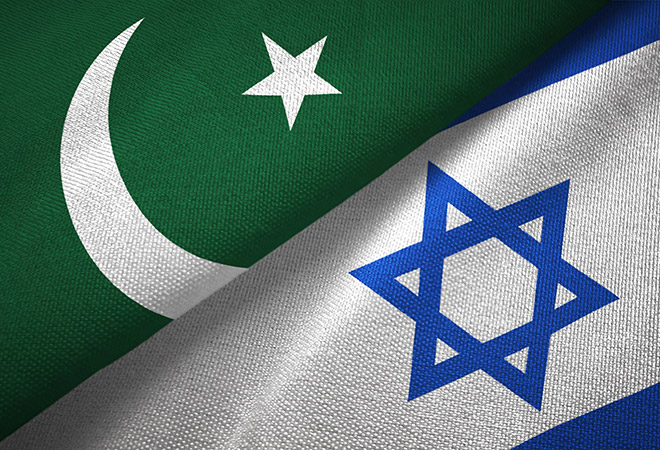
A decade ago, when some of us found space in local English-language newspapers then willing to push the proverbial envelope, questioning the state’s duplicity over Israel, highlighting the similarities between the two countries, and arguing for ties between them, it was an eccentric opinion that barely anyone would take seriously. Today, it is one of the top-level foreign policy deliberations in Pakistan’s corridors of power.
This, of course, is not to suggest that these handful of Pakistani writers penning the occasional piece in local, and more recently Israeli, newspapers have rejigged the national ethos. It is the new geopolitical realities that have transformed what was until recently unthinkable to now being increasingly inevitable.Even so, decades of anti-Israel frenzy was never going to evaporate without a whimper, even if the push for formalization is coming from the omnipotent military establishment. On cue, Imran Khan, who had already been fanning conspiracy theories about an “Israeli plot” against him before his removal as the prime minister in April, is now amplifying them in front of crowds of many thousands. At one recent mass rally he declared that his government was "ousted because of a conspiracy to install America’s puppets," and alleged that the Israel visit was not only masterminded by the Sharif government that replaced his, but that it was "an attempt to impose the Indian-Israeli-American agenda on Pakistan and enslave Pakistan.” Further than that, Khan is increasingly spilling the beans on the military leadership which once secured his position but with which he’s now at loggerheads. Khan has been reiterating how his successors have been “tasked with” recognizing Israel and a settlement over Kashmir with India, because of course that is precisely what he had been “tasked with” when he was in power. Last week, the day after Khan first made the allegation that Pakistan’s current leaders were effectively Israel’s pawns, his rival, Prime Minister Shehbaz Sharif, attended the National Assembly session with a performative riposte, wearing a Palestinian scarf with “Jerusalem is ours” inscribed on it. Antisemitic slurs are being hurled by both the government and the opposition. Maryam Nawaz, vice president of the ruling Pakistan Muslim League-Nawaz (PML-N) saying that Khan is the “only person in Pakistan with family ties to Israel,” alluding to his erstwhile marriage with Jemima Goldsmith. Fazlur Rehman, the Islamic cleric who is presiding over the ruling coalition Pakistan Democratic Movement (PDM), and who has spent the past couple of decades directing antisemitic hatred towards Khan, last week said that it was the ousted prime minister whose “agenda” was to recognize Israel and “taint Islam.”
Meanwhile, as the current government, like its predecessors, gaslights its way towards ties with Israel, the leaders of Khan’s Pakistan Tehrik-e-Insaf (PTI) are digging out developments from the PML-N’s previous tenure to suggest that the “plot” had been hatched even before Khan came to power. For Shireen Mazari, the former Khan administration’s human rights minister no less, the current government allowing a Jewish man, Fishel Benkhald, to correct his religion on official documents in 2017 came at the initiation of the “Israel agenda.” Benkhald, Pakistan’s “last Jew,” was part of the delegation that visited Israel last month.Clearly, neither the government nor the Khan-led opposition wants the formalization of Israeli ties under their watch unless the military can guarantee protection from the inevitable electoral dent that the move would trigger. Prime Minister Shehbaz Sharif has been keen on subservience to the military. However, his government still isn’t certain of the depth and breadth of support it enjoys from the powers that be. For instance, it took the government two months to make the commonsensical move on removing the unsustainable subsidy on fuel which had pulverized the Pakistani rupee, exacerbated the current account deficit and crashed the markets. Where aligning fuel prices with global crude hike is politically touted as a “tough decision,” recognizing Israel obviously goes off the difficulty charts. However, given that even in a crippling economic crisis, the government has managed to find a way to hike the defense budget by six percent shows that Sharif is willing to put it all on the line over the military bailing his regime out in the election now likely to be in 2023. The military, of course, has much to gain from the godfathers of normalization with Israel, namely Saudi Arabia and the United States, and was increasingly alarmed by the strident anti-American tone adopted by Khan, particularly in his final months in office. When Khan was visiting Putin and openly slamming the U.S. in the weeks leading up to his ouster, Army Chief Gen Qamar Javed Bajwa was orchestrating damage control with Washington in his public statements and diplomatic engagements, both official and backchannel. However, with Khan’s popularity escalating following his unceremonious exit in April, both Gen Bajwa and the institution that he leads, are facing vitriol across social media. #BajwaHasToGo was the top Twitter trend in Pakistan on Monday. Indeed, a behind-the-scene turf war has been brewing within the military leadership, with a faction backing Khan, whose exit was prompted by the fallout his attempt to exercise the prime minister’s constitutional right to prolong the term of his spymaster instead of nominating Gen Bajwa’s choice. With Bajwa’s term ending in November, he wants a government willing to obediently follow his call and pick his choice as the next army chief. But this has made Gen Bajwa enemies with Khan’s party, the political grouping that dominates social media like no other. As result, pushing ties with Israel, a treasonous, “anti-Pakistan” argument until last year, is now a popular accusation directed at the military leadership. Meanwhile, Saudi Arabia, the principal force behind Pakistan’s Israel move, cannot afford to wait too long for Pakistan’s civil-military leaders to sort out their wariness over the consequences. With Israeli businesspeople, frequenting Saudi Arabia, the kingdom wants to formalize the ties swiftly especially with Joe Biden’s visit to the two countries – now postponed till July – likely to fortify defense alliances in the region. Formalizing ties with Israel, coupled with peace in Jerusalem – which, in turn, would require a settlement acceptable to the Palestinian leadership – is the final piece in the Islamic jigsaw of the al-Saud family, with Crown Prince Mohammed bin Salman pivoting, in recent years, towards selling a tourism-friendly version of Islam. The hub of Salafi jihadism for the past four decades, Saudi Arabia, is now coping with new economic realities after losing out oil dominance to U.S. shale in recent years, and with Islam evolving from being the source of al-Saud family’s control over Islamic sites in the Arabian Peninsula to now growing as the bedrock of the Saudi economy. With Islamic pilgrimage already contributing over $12 billion to the Saudi economy, a reformed, moderate Islam will bolster Saudi geoeconomic power, especially if it can be coupled with hegemony over the Islamic heritage in the region. Easy access to Jerusalem would complete the Mecca-Medina-Jerusalem Islamic trail connecting the three holiest sites in Islam, with the theological rationale for brotherhood with Jews – fellow ‘people of the book’ in Islam – already being peddled by leading Saudi clerics in official sermons. With the seven-decade old Turkey-Israel ties recently growing warmer after years of frigidity, encouraged by Saudi Arabia which has petrodollars that Recep Tayyip Erdogan desperately needs, and ever-closer ties between Israel and its Abraham Accords partners, it is Pakistan that remains the last Sunni Islamist bastion resisting Saudi normalization with Israel. Pakistan, too, will inevitably be offered sweeteners to soften its stance: massive financial gains to heal an ailing economy, which is once again at the doorstep of the International Monetary Fund for a bailout. That bailout could allow the government, for instance, to pass a more populist budget next June in the lead up to national elections. A Saudi-backed influence campaign championing both subsidies for essential goods and access to Al-Aqsa could offer an enticing electoral slogan. Despite that, Saudi protection is largely for the military rulers invested in the country not imploding, financially or otherwise. The government wants safeguards from the army that in turn wants safeguards from Riyadh and DC, a veritable food chain of guarantees. But with a significant chunk of Pakistanis, most notably Imran Khan’s followers, no longer being under the army’s control, it is already more difficult for both the U.S. and Saudi Arabia to leverage their influence. Biden and MBS will find little reassurance in solely incentivizing the military leadership, which has hitherto sufficed in guaranteeing Pakistan’s position in regard to Israel. In the meantime, Saudi Arabia is likely to soon make its move on Israel, with or without a Pakistan high on self-righteousness but running out of economic lifelines.https://www.haaretz.com/israel-news/2022-06-08/ty-article-opinion/.premium/thanks-to-saudi-arabia-pakistans-recognition-of-israel-is-now-inevitable/00000181-441d-dada-a9a7-fe9d68970000
Pakistan should not be dragged into any conflict: Bilawal Bhutto
Bilawal said Pakistan is a small and developing country, but it always advocated that international laws should be adhered to.Foreign Minister Bilawal Bhutto Zardari Tuesday said that Pakistan always advocated dialogue and use of diplomacy as tools for pursuit of peace in the world.Addressing a joint presser along with his German counterpart Annalena Baerbock, the foreign minister referred to the Russia-Ukraine conflict and said Pakistan had a firm position that it should not be dragged into any conflict. Pakistan is a small and developing country, but it always advocated that international laws should be adhered to, he said, adding that all world conflicts should be resolved through peaceful means.Replying to a question, Bilawal maintained that humanitarian crises in Ukraine could not be ignored and stressed that Pakistan would continue to advocate for dialogue and diplomacy as means in the pursuit of peace. The foreign minister said Pakistan always emphasised upon the adherence of UN principles and its charters and respect for sovereignty and territorial integrity of countries. Bilawal observed that ramifications of conflict in the EU in the shape of Russia-Ukraine conflict were also felt in Pakistan in the shape of increasing prices of fuel and food. He reiterated that Pakistan called upon immediate cessation of hostilities and immediate initiation of peaceful dialogue. He said considering the plight of people in Ukraine, Pakistan had dispatched four planeloads of humanitarian aid. The foreign minister said Pakistan remained concerned about the well-being of the Ukrainian people, civilian casualties and massive exodus of refugees. The foreign minister said Pakistan wanted to engage with all its neighbours. Pakistan played an important role in establishing diplomatic ties between China and the US and it would continue to play the role of bridge, he added. About the Indian Illegally Occupied Jammu and Kashmir (IIOJK) issue, he said that he had been vociferously raising the Indian atrocities issue during his engagements at the global fora and in his meetings with his counterparts of various countries, including the US secretary of state. The foreign minister warned that the situation in IIOJK had been fast deteriorating due to provocative steps of India that was trying to undermine the Muslim majority by marginalising and turning it into minority through illegal steps. The foreign minister said the international community must immediately take noticeof the increasing incidents of persecution of minorities and rising tide of Islamophobia in India. Bilawal, citing the recent provocative and sacrilegious statements by the BJP leaders, said that such outrageous and highly-condemnable statements had hurt the sentiments of Muslims all over the world. He said it was a proof that India had turned into a fascist country and it was no longer a secular India, but dominated by Hindutva ideology.The foreign minister said Pakistan wanted peace with India, but it required a rational approach from the other side, adding with such irrational steps by India, the space for peace was being squeezed. The foreign minister reiterated The peace in South Asia is contingent upon peaceful resolution of the Kashmir issue." He said that Pakistan and Germany enjoyed a close and long standing cordial cooperation based upon mutual respect and driven by bilateral ties and shared interests. He said both the countries were also close partners in the European Union context. Bilawal said Germany had been Pakistan s largest trading partner in the EU context and its fifth world export destination. Last year, he said Pakistan's exports to Germany stood at around $2.5 billion while German imports remained at $1.3 billion. Germany was also the seventh largest direct investor in Pakistan. The foreign minister said Pakistan always emphasized upon and supported a peaceful and stable Afghanistan contributing to the regional progress and development and connectivity. He stressed upon the international community to focus on the humanitarian assistance to the Afghan people who had been facing financial crises. A UN report had indicated that about 97 per cent of Afghan population had been pushed below the poverty line and faced immediate danger of hunger and starvation. At the same time, the foreign minister stressed that the Afghan government must come up to the expectations of the international community with regard to upholding of human and women’s rights and take effective steps against terrorism. He urged the international community to actively engage with the Afghan government to avoid humanitarian crises in Afghanistan, adding release of its foreign assets would help its sagging economy. The foreign minister also enumerated Pakistan’s efforts for the safe evacuation of foreigners in the earlier phases after the Taliban took control of the country. Foreign Minister Bilawal said Pakistan had faced the brunt of terrorism and extremism in Afghanistan and it was in the world’s interest to ensure peace in Afghanistan, so that no terrorist activities could take place in that country. He said it was important for the international community to engage with the new rulers of Afghanistan. The foreign minister said Pakistan had been a victim of terrorism from the groups operating in Afghanistan, adding they were concerned about the consequences of the humanitarian crises unfolding on their borders. He called upon the international community to help avoid a total economic collapse in Afghanistan. The foreign minister said Pakistan faced economic constraints in helping the Afghan refugees, still it was playing a very responsible role on the world stage. About Pakistan’s diplomatic priorities, he said they had focused on strengthening of economic relations by resetting of ties with different countries, adding Pakistan was keen that its GSP plus status should be extended so that its businesses and economy could take benefits. Foreign minister Annalena Baerbock said during her meeting with FM Bilawal, they had discussed at length the issue of Afghanistan where the situation had forced millions to leave the country. Lauding Pakistan’s role for peace and stability in Afghanistan, she said Pakistan had shown a big heart to provide shelter and support to Afghan refugees. The German foreign minister said it was an enormous task and reiterated her government s solidarity and support to Pakistan. Germany remained committed to continuing its support to the Afghan refugees in Pakistan, she said, urging the international partners to play their part in supporting efforts for education and health sectors. She also expressed Germany’s concerns over Taliban treatment of women and people and said that Afghan s economy had come to a grinding halt. Annalena Baerbock said that Taliban government had been heading in the wrong direction still she reiterated that they would not abandon the people of Afghanistan and would continue to provide support. About ties with Pakistan, she said that both countries had been the closest and reliable partner, adding both countries achieved when they worked together by further strengthening the bilateral relations. The German foreign minister said Germany and Pakistan had prioritize their efforts to combat climate crises as the time for the world community was running out, requiring immediate global action. She said both the countries excellent ties and there existed immense opportunities for trade and investment and energy sectors. To a question regarding Kashmir, she said they supported resolution of the Kashmir issue in accordance with the UN resolutions. She said they believed that a constructive approach and confidence building measures between Pakistan and India were key to improvement of the ties and solution of the issue. About Russian-Ukraine conflict, the foreign minister observed the world was pushed into danger when the law of strongest was applied. The German foreign minister said that issues like Islamophobia had been linked with the regional and international peace and security. She maintained that German always insisted upon implementation of UNSC principles and charters. About Russian-Ukraine conflict, she said the crises had consequences beyond borders. The Russian-Ukraine conflict had sent the food prices skyrocketed, especially of the wheat. She termed it as the biggest threat and challenge to the humanity in the 21st century and stressed upon the international community to work together and support each other.
.png)
https://www.thenews.com.pk/print/964347-pakistan-should-not-be-dragged-into-any-conflict-bilawal
Tuesday, June 7, 2022
Sunday, June 5, 2022
Is Pakistan paying attention to existential environment crises?
Water crisis
Researchers predict that Pakistan is on its way to becoming the most water-stressed country in the region by the year 2040.
According to a 2018 report by the International Monetary Fund (IMF), Pakistan ranked third in the world among countries facing acute water shortage. Reports by the United Nations Development Program (UNDP) and the Pakistan Council of Research in Water Resources (PCRWR) also warn the authorities that the South Asian country will reach absolute water scarcity by 2025.
In 2016, PCRWR reported that Pakistan touched the "water stress line" in 1990 and crossed the "water scarcity line" in 2005. If this situation persists, Pakistan is likely to face an acute water shortage or a drought-like situation in the near future, according to PCRWR, which is affiliated with the nation's Ministry of Science and Technology.
Pakistan has the world's fourth-highest rate of water use. Its water intensity rate — the amount of water, in cubic meters, used per unit of GDP — is the world's highest.
Environmental degradation
Environment specialist Rahat Jabeen writes in a World Bank blog that every year Pakistan loses almost 27,000 hectares of natural forest area, explaining that almost three-quarters of the country's population use forest resources for a lack of alternative energy resources.
Pakistan is among the top ten countries in the world that are vulnerable to the impacts of climate change, according to Mome Saleem, an environmental activist.
"The agriculture land is being used for housing projects, which has resulted in the loss of trees and extreme heat waves. No attention is being paid to depleting water, which is already scarce," she added.
https://www.dw.com/en/is-pakistan-paying-attention-to-existential-environment-crises/a-61987940