Thursday, December 9, 2021
No Biden-Imran call, ‘solidarity’ with China — why Pakistan opted out of US Summit for Democracy
https://theprint.in/diplomacy/no-biden-imran-call-solidarity-with-china-why-pakistan-opted-out-of-us-summit-for-democracy/779163/
The founding chairman of PPP Shaheed Zulfikar Ali Bhutto presented the nation with a constitution that guarantees protection of all human rights – Chairman Bilawal Bhutto Zardari
Pakistan Peoples Party Chairman Bilawal Bhutto Zardari has stressed that in order to promote the observance of human rights in the country, it is necessary to strengthen democracy and cultivate democratic traditions.
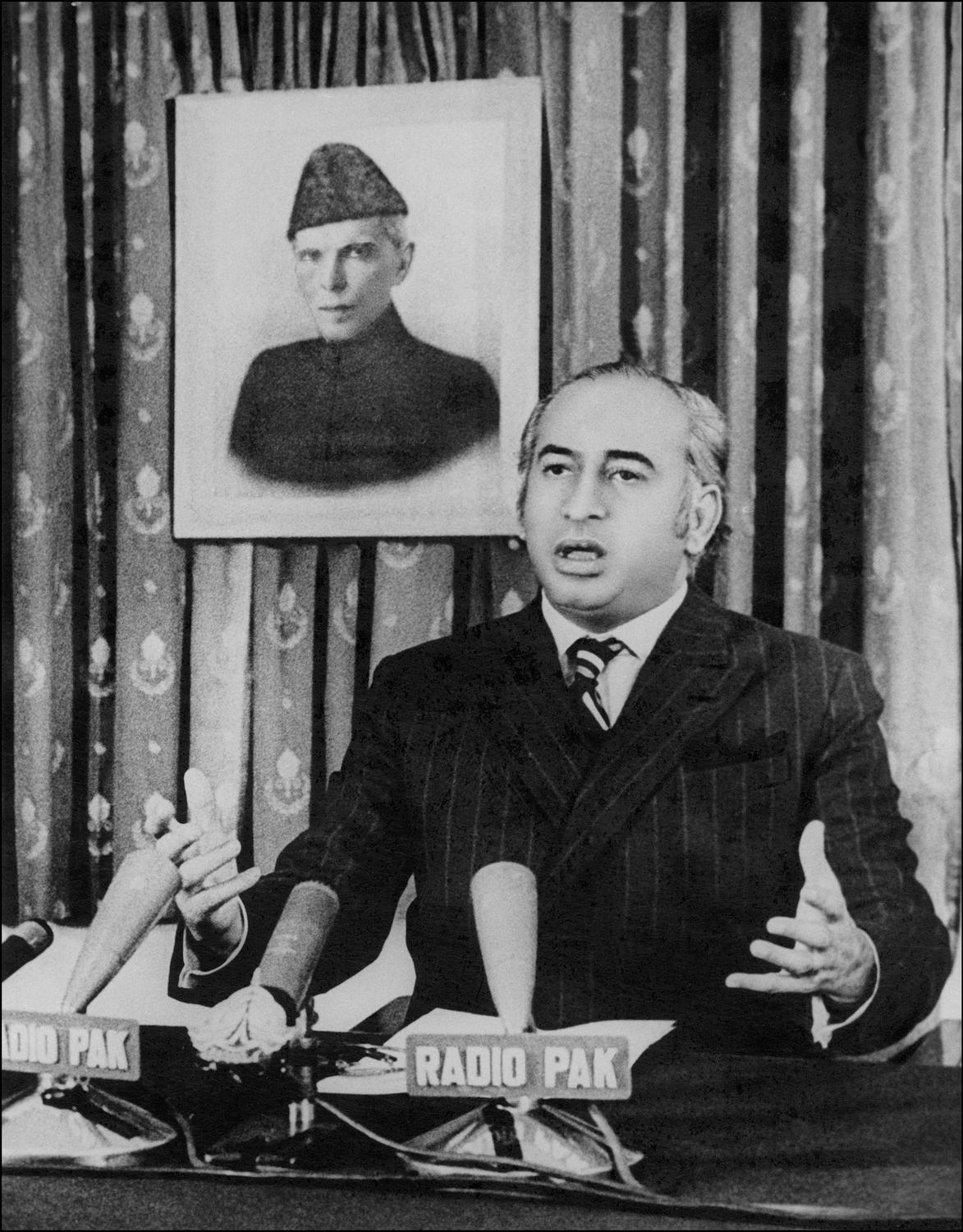
According to a statement issued by the Media Cell Bilawal House, the PPP Chairman added in his message that in real democratic societies human rights are considered essential, but in Pakistan because of the dictatorship regimes and their puppet Prime Ministers, there are human rights violations everywhere. “We are working to create an environment of peaceful coexistence where citizens are not discriminated against on the basis of color, race, religion, or gender,” he added.
Chairman Bilawal Bhutto Zardari stated that Pakistan Peoples Party is the only party defending human rights. The founding chairman of the party Shaheed Zulfiqar Ali Bhutto presented to the nation with a constitution that guarantees protection of all human rights. He said that PPP governments have taken a number of revolutionary steps to protect basic human rights, including multi-faceted legal reforms and the establishment of fair institutional mechanisms.
The Chairman PPP stressed that the international community must fulfill its duty to stop the serious human rights violations in Kashmir. Sadly, today the world is celebrating International Human Rights Day, but human rights continue to be exploited in occupied Kashmir.
Chairman Bilawal Bhutto Zardari vowed that the leadership of Pakistan Peoples Party and the jiyalas would always play their role on the front line in fighting for the protection of human rights all over the world including Pakistan.
https://www.ppp.org.pk/pr/25896/
Wednesday, December 8, 2021
Malala Yousafzai meets with Blinken, calls on US to take action for Afghan women and girls
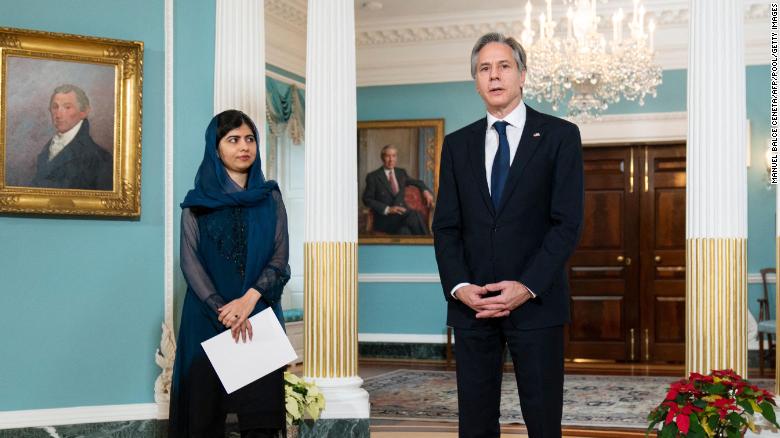
https://www.cnn.com/2021/12/06/politics/malala-yousafzai-antony-blinken-meeting/index.html
کراچی میں بلاول بھٹو زرداری سے پاکستانی کوہ پیما اسد علی میمن کی ملاقات
پاکستان پیپلز پارٹی (پی پی پی) کے چیئرمین بلاول بھٹو زرداری سے کوہ پیما اسد علی میمن نے ملاقات کی ہے۔
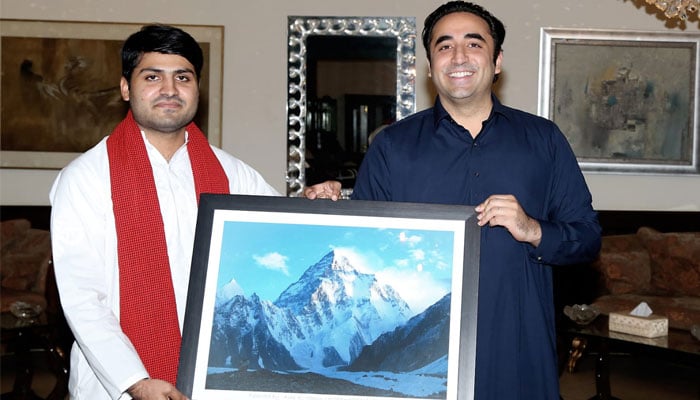
بلاول ہاؤس کراچی میں پی پی چیئرمین سے ملنے والے اسد علی میمن نے کسی بھی ایشیائی کوہ پیما کی جانب سے 24 گھنٹے میں افریقہ کی بلند ترین چوٹی سر کرنے کا عالمی ریکارڈ بنا رکھا ہے۔
بلاول بھٹو زرداری سے ملاقات کرنے والے کوہ پیما کا تعلق سندھ کے شہر لاڑکانہ سے ہے۔
پی پی چیئرمین سے مکالمے میں اسدعلی میمن نے بتایا کہ وہ دنیا کے 7 براعظموں کی 7 بلند ترین چوٹیوں کو سرکرنے کے خواہشمند ہیں۔
پاکستانی کوہ پیما نے دوران گفتگو بتایا کہ 2022ء میں شمالی امریکا کی بلند ترین چوٹی سر کروں گا۔
اس موقع پر چیئرمین پی پی بلاول بھٹو زرداری نے کوہ پیما اسد علی میمن کے جذبے کو سراہا۔
ان کا کہنا تھا کہ میری نیک خواہشات آپ کے ساتھ ہیں، ملک و قوم کا نام خوب روشن کریں۔
https://jang.com.pk/news/1022048
Tuesday, December 7, 2021
Lynching of foreigner threatens economic recovery in Pakistan
Sri Lankan factory manager was accused of blasphemy by a mob.The lynching of a Sri Lankan factory manager has threatened economic recovery in Pakistan. Priyantha Kumara, 49, manager of Rajco Industries, was killed on Friday by an angry mob of hundreds of people, including factory workers, on allegations of blasphemy. So far, police have arrested 131 people involved in the lynching in Sialkot and booked hundreds of people for facilitating the murder. Prime Minister Imran Khan tweeted that he had spoken to Sri Lankan President Gotabaya Rajapaksa "to convey our nation's anger and shame to people of Sri Lanka at the vigilante killing of Priyantha Diyawadana in Sialkot." Sri Lankan Prime Minister Mahinda Rajapaksa, the elder brother of the president, tweeted: "My heart goes out to his wife and family. #SriLanka and her people are confident that PM [Khan] will keep to his commitment to bring all those involved to justice." Sialkot, 230 km southeast of the capital, Islamabad, is famous for manufacturing sporting goods and clothing, surgical instruments, martial arts uniforms and footwear. According to estimates, Sialkot is responsible for 10% of Pakistani goods exports and is one of the most successful commercial cities in the country. Sialkot's business community, who built its own airport and airline, expressed concern over the lynching of a Sri Lankan national. Officials of the Sialkot Chamber of Commerce and Industry said in press statements that the negative effects of the lynching on the city's export-based industry might take a long time to heal. With rising inflation and needing loans from the International Monetary Fund, Pakistan's economy is struggling. The country plans to impose new taxes and cut development spending by more than 300 billion rupees ($1.7 billion) as prerequisites for qualifying for the next tranche of IMF loans. Experts fear that the lynching could badly affect the economy of Pakistan in general and Sialkot in particular. Sabookh Syed, an independent analyst based in Islamabad covering religious extremism for two decades, explained that Western professionals do not work in Pakistan due to security reasons, so the country is left with only South Asia experts who can apply their expertise to the Pakistani economy. "The lynching of Sri Lankan factory manager will now even reduce the arrival of South Asian experts, which will badly affect the economy," he told Nikkei Asia. He further added that events like the Sialkot lynching will also cause a brain drain from Pakistan. "Businessmen will also be compelled to shift out their capital out of Pakistan due to regular disruptions caused to the economic activity by religious protests." Experts also fear that Pakistan could get into more trouble with global financial bodies and watchdogs in the wake of the Sialkot slaying. Ahmed Naeem Salik, a research fellow at the Institute of Strategic Studies Islamabad, said that Pakistan's Generalized Scheme of Preferences Plus (GSP+) status -- a European Union concession on imports favorable to Pakistani goods that must be reviewed in the coming year -- will face difficulties in getting passed again due to the country's human rights record. "Pakistan is already in the [Financial Action Task Force] gray list, and this [event] will also hurt Pakistan's chances of getting out of it. So, all in all, when all of these are combined, Pakistan's economy is in for a big shock," Salik told Nikkei. Pakistan needs to reform its blasphemy laws if it wants to get out of this quagmire, according to experts. Krzysztof Iwanek, head of the Asia Research Center at the War Studies University in Warsaw, said blasphemy laws as such should be discontinued in all countries. "In Pakistan, the state should react strongly against such acts of persecution. But such legal changes appear politically impossible to carry out as of now," he told Nikkei. Salik also said that reasonable religious people need to be brought on board to reformulate the religious laws in the country. "The writ of the state needs to be established, and speedy justice be given without any biases," he said.
https://asia.nikkei.com/Politics/International-relations/Lynching-of-foreigner-threatens-economic-recovery-in-Pakistan
Pakistan can’t be Saudi Arabia or Iran. So it’s inching towards Talibanisation
AYESHA SIDDIQA
Tragically, the dark days of General Zia’s brutality in Pakistan seem lighter today.Thinking about the future of Afghanistan, especially in the last year, has been exhausting. You really begin to wonder what future are we looking at with the Taliban fairly in control of the country and the Islamic State, al-Qaeda and other militant groups present in other parts of Afghanistan. The marginally progressive, liberal and comparatively resourceful population has almost all fled the place. The scene of a State and society in tatters gnawed at my heart until I realised that socio-politically, Afghanistan is expanding into Pakistan too. While Islamabad claims the Taliban are inching towards pragmatism, Pakistan is moving towards the original formula of Talibanisation. I am quite sure this will make the blood of many theoreticians boil, who would quickly point out that it’s flawed to mention Pakistan in the same breath as a failed country because it still has a functional bureaucracy, a strong military institution, and many systems that work. I am sure theoretical nuances wouldn’t have mattered to Priyantha Diyawadana as he was attacked and burned by a roaring crowd of Tehreek-e-Labbaik (TLP) supporters in Sialkot. The unfortunate man was just doing his duty as a general manager, asking the workers to clean the premises and remove all needless material from the walls that included TLP posters as the company was coming up for a foreign audit. To the jubilant young men, who took selfies with the burning body of the Sri Lankan manager, the State must have appeared like ashes to be stumped under the feet. Those of us in Pakistan that get horrified at seeing photos of Taliban whipping women or beheading people, it would be educating to go and attend the court hearing in Sialkot to see that the average age of most suspects in the Diyawadana murder case appears to be under 30. Some will argue that though highly unfortunate, such violence happens around the world. This kind of view tends to shy from the reality that these young men (the suspects) are not just random miscreants but imagine themselves as a new force shaping up the face of the State and society. In their minds, they are taking the State in the direction that those who imagined Pakistan like Allama Iqbal, who wanted Islamic republicanism, would like — with a far heavier ideological colour than Pakistan’s national poet may have imagined. After all, didn’t the late TLP leader Khadim Rizvi constantly refer to Iqbal? This is not the story of a single murder but a natural outcome of the direction Pakistan’s identity is taking. How religion shapes the State I remember a conversation with renowned Pakistani scientist and activist Pervez Hoodbhoy during the 2000s when he was hopeful that the military would not let the situation get out of control and would harness the extremists it had produced to fight in Afghanistan and other fronts. Hoodbhoy imagined the military as a pragmatic and somewhat secular force. But the mistake was not only his as many policy wonks around the world had a similar view at the time– equating alcohol–consuming Generals with secularism. Many international observers also made the mistake of ignoring the fact that it was the pragmatism that would eventually kill Diyawadana and the Pakistani society along with him. The consistent use of religion to maximise power has stacked up the odds against any form of normality. Today, there is no one in Pakistan’s civil or military leadership who has the power to condemn the TLP directly. The current Army Chief, Qamar Javed Bajwa, with his controversial background is least capable of taking any action. It was Bajwa who had recently got a group of men together to negotiate a deal for the religious party to back down from its march towards Islamabad. He was incapable of forcing his choice on the TLP mainly because he thought of the religious party as a useful tool for future purposes but also because many of his own men are tied to the ideological agenda of the issue of finality of the Prophet (Khatme Nabuwat) and blasphemy that TLP parrots. Furthermore, why forget that the TLP was trained in violence and allowed to get away with murders of police officials during their earlier protests against the Nawaz Sharif government. The army, instead of coming to the help of the civilian government, had encouraged and even participated in the violence and paid money to the TLP. In fact, the army played an instrumental role in diverting the urban trader-merchants away from the Deobandis to the Barelvis. Important to note that like the killer (Mumtaz Qadri) of former Punjab governor Salman Taseer was supported and helped by traders of Islamabad and Rawalpindi, sources said that the traders in Sialkot are providing assistance and moral help to lawyers pleading the case of those arrested in the Sri Lankan manager’s murder. In any case, the defence minister tried to downplay the violence as something ordinary. Allama Iqbal was one leader who did not support the Khilafat movement but wanted an Islamic democracy where religious thought could be developed to shape the future of the State and society. He believed that ijma (consensus amongst religious scholars or community), which is an important source in Islamic jurisprudence, especially the principles that trickle down from companions of the Prophet, are not binding on future generations. The communal thought must be developed. The only problem with this formula was that while all efforts were made by successive Pakistani leaderships to create and emphasise the religious nature of the State, nothing was done to consciously develop the political discourse. As regimes kept developing religious institutions like the Federal Shariat Court, the Council of Islamic Ideology, the blasphemy laws, the Qisas and Diyat laws and much more, the State was allowed to keep using British laws and governance system. Every time a leader wanted to negotiate and bargain for more power, they would use religion as a tool and add to the cultural value of religion and in the process reiterate the significance of traditional ijma. Not Iran or Saudi Arabia Over the years, Pakistan has arrived at a point where we are neither like Saudi Arabia nor Iran. The absence of a monarchy makes it difficult for a ruler to impose a certain religious formula or change the direction of society towards less religion. More importantly, it does not have an alternative identity, which in the case of Saudi Arabia is being Arab, to fall back on to secure a sense of nationalism that does not depend on religion. Pakistan’s ruling elite consistently discouraged people from embracing multiple ethnic identities. Even Mohammad Ali Jinnah spoke about the ‘menace of provincialism’. While competing ethnic identities were discouraged, competing sectarian ideologies were encouraged. A religious State and society is the only natural direction but the problem is that, unlike Iran, Pakistan lacks a single faith. The presence of multiple competing sectarian ideologies complicates life. Thus, violence becomes a necessary tool through which various religious groups compete for greater influence. So, like the Taliban, use of force and violence will be used to impress the audience, control their imagination and maximise power. However, there are the non-religious parties that may not compete in violence but are equally willing to use the popular religious narrative to compete politically. The issues of constituency politics has made the Pakistan Tehreek-e-Insaaf (PTI), Pakistan Muslim League–Nawaz (PML–N), or the Pakistan Peoples Party (PPP) all look alike as far as the religious card is concerned. They parrot the ideological position of Deobandi and now Barelvi religious gangs. Could the PPP — known as liberal and more capable than other parties to build legal/institutional mechanisms (the 18th amendment being a case in point) — provide an answer? Unfortunately, the party leadership has its limitations in the face of constituency politics as visible from its candidate in the Lahore bypolls using religion card as part of his campaign. Religion as a negotiating and power maximising tool is used across the board – main political parties, ethnic nationalists, and even separatist movements. In Balochistan, for example, the Balochistan Nationalist Party and the Pashtunkhwa Milli Awami Party have joined hands with Maulana Fazlur Rehman to fight their battle for political survival. In another corner of the province in Gwadar, separatist leaders have instructed people to support Maulvi Hidayat-ur Rehman of Jamaat-e-Islami against the mainstream political parties or even Baloch nationalist parties that continue to subscribe to democratic principles for Baloch rights. It is heartening to hear about the progressive women marching for their rights in Gwadar. But a less talked about fact is that different mafias are aiding the maulvi, perhaps even playing to the tune of global China-US rivalry, in supporting Rehman to use the religion card for propaganda against Chinese clubs, wine factories and coastal city development in Gwadar. It is sad to see mullahs becoming the only available tool for locals to protest Chinese expansion. The fact that diverse political groups use the same tool – religion – is less a commentary about them and more a reflection on the nature of the State – it only has room for religion and religious narrative. One would have wanted it to turn into a Sunni Iran but to reiterate an earlier point, in the absence of a singular ideology it will only end up with more violence and chaos. Tragically, the dark days of General Zia’s brutality seem lighter today. Particularly because a dissident then would land in Attock or Lahore Forts or any other State-run torture chambers. If one survived all of that, the person would get respect from society. Now, the fate of any dissident is as precarious as Diyawadana’s – the society cheers or remains silent to finish the job of the State that has almost made it a habit to feed its opponents to mob violence. It feels worse than Kabul. https://theprint.in/opinion/pakistan-cant-be-saudi-arabia-or-iran-so-its-inching-towards-talibanisation/777380/
Monday, December 6, 2021
In Pakistan, a state of fear among children—inspectors enter schools to ensure Quran reading
SHAME SHAME SHAME #Pakistan #Srilanka #sialkotincident - Horror in #Sialkot
https://www.dawn.com/news/1662043/horror-in-sialkot
'Ashamed': Pakistan grapples with fallout from mob killing
/cloudfront-us-east-2.images.arcpublishing.com/reuters/VEEKMZ3UZJP7ZNGSTTUKIIRZFA.jpg)
The violence, which was condemned by rights watchdogs including Amnesty International, also drew intense responses from politicians, celebrities and journalists on social media. "Ashamed!! Sick to my stomach!!," actress Mahira Khan wrote on Twitter shortly after the lynching. The mob of factory employees in Pakistan's Punjab province tortured and burned a Sri Lankan manager on Friday in an attack that Prime Minister Imran Khan said brought shame on the country. The killing raised alarm over the potential for accusations of blasphemy to fuel crowd violence in Pakistan, coming just weeks after at least seven policemen were killed in clashes with the radical TLP movement, which has built its identity on fighting what it sees as blasphemy. Mob killings over accusations of blasphemy are frequent in Muslim-majority Pakistan, where the crime can carry the death sentence. Other politicians and the country's powerful military also released statements condemning the attack. "Mob violence cannot be acceptable under any circumstance as (the) state has laws to deal with all offences," said Human Rights Minister Shireen Mazari on Twitter.The victim's body was returned to Sri Lankan officials over the weekend and then flown to his home country, a government source in Punjab province told Reuters. Punjab's police said arrests were continuing. "In the last 12 hours, police have arrested seven more key figures, including one involved in planning an attack on a Sri Lankan manager," they said in a statement. Some politicians and activists argued that broader societal and political change was needed, beyond legal consequences for those involved. "Arrests should of course be made, but there has to be a clear appraisal of why mobs feel the impunity," said Senator Sherry Rehman, a member of the opposition Pakistan People's Party (PPP). In an editorial entitled "Horror in Sialkot", leading newspaper Dawn on Sunday criticised Pakistan for "appeasing religious extremists." "Once again, we are reminded how far this nation has descended into the abyss," the editorial said.
https://www.reuters.com/world/asia-pacific/ashamed-pakistan-grapples-with-fallout-mob-killing-2021-12-06/
Chairman PPP Bilawal Bhutto Zardari demands punishment for the perpetrators of the Sialkot tragedy without delay
Saturday, December 4, 2021
U.S. to Urge Democracies to Sanction Corrupt Foreign Officials, Human-Rights Abusers
https://www.wsj.com/articles/u-s-to-urge-democracies-to-sanction-corrupt-foreign-officials-human-rights-abusers-11638566102?mod=politics_lead_pos6
#Sialkot blasphemy: The murder of a Sri Lankan is the latest example of a rising trend

https://www.pakistantoday.com.pk/2021/12/04/sialkot-blasphemy/
سیالکوٹ میں قتل: یہ ایک جرم نہیں، قومی مزاج کا پرتو ہے
سیالکوٹ میں لاقانونیت کے ایک واقعہ پر وزیر اعظم اور آرمی چیف کی مذمت اور قصور واروں کو عبرت ناک سزائیں دینے کے بیانات سے کیا یہ سمجھا جاسکتا ہے کہ پاکستانی حکومت اور ریاست ماضی کی غلطیوں سے سبق سیکھنے پر آمادہ ہے اور مذہب کی آڑ میں انسانی جانوں کو ضائع کرنے کا طریقہ قومی سطح پر ناقابل قبول عمل کہلائے گا؟ بادی النظر میں یہ قیاس کرلینا ممکن نہیں ہے۔
پاکستان میں توہین مذہب کے شبہ میں ایک فیکٹری منیجر کو زد و کوب کر کے ہلاک کرنے کے بعد اس کی لاش کو جلا کر بھسم کرنے کا واقعہ عقیدہ کی وجہ سے قانون کو ہاتھ میں لینے کا نہ تو پہلا واقعہ ہے اور نہ ہی یہ امکان ہے کہ یہ آخری واقعہ ثابت ہو گا۔ حالیہ تاریخ میں لاقانونیت کے ملتے جلتے ایک واقعہ میں گورنر پنجاب سلمان تاثیر کے قاتل ممتاز قادری کو موت کی سزا ہوئی تھی جس پر عمل بھی کیا گیا تھا۔ تاہم اسلام آباد کے نواح میں اس قانون شکن اور قاتل کا عالیشان مقبرہ اور وہاں ’حاضری‘ دینے والوں کی کثیر تعداد، اب بھی یہ چغلی کھاتی ہے کہ توہین مذہب و رسالت کے معاملہ کو عوامی جذبات کی نفسیات کا یوں حصہ بنا دیا گیا ہے کہ ایسے واقعات میں دلیل یا عقل کا استعمال ضروری نہیں سمجھا جاتا۔ ملکی نصاب سے لے کر سیاسی مزاج اور ضرورتوں تک نے اس شدت پسندانہ مذہبی رویہ کی آبیاری کی ہے اور اب یہ اتنا تناور درخت بن چکا ہے کہ وزیر اعظم اور آرمی چیف کے ایک بیان سے اسے شاخوں سمیت گرا دینا کسی کے بس میں نہیں ہے۔
سیالکوٹ کی ایک فیکٹری میں منیجر کے عہدے پر کام کرنے والے سری لنکا کے ایک شخص کے بارے میں یہ افواہیں پھیلائی گئیں کہ اس نے توہین رسالت کی ہے۔ کسی بھی ذریعہ سے ابھی تک یہ تصدیق نہیں ہو سکی کہ متوفی پریا نتھا کمارا سے کیا قصور سرزد ہوا تھا۔ کوئی کہتا ہے اس نے کوئی ایسے کاغذ نذر آتش کر دیے تھے جن پر قرآنی آیات درج تھیں۔ کسی کا کہنا ہے کہ دیوار پر لگا ہوا کوئی پوسٹر اتار پھینکا تھا جس پر مقدس ہستیوں کے اسمائے گرامی درج تھے یا ایک بیان یہ کہ کسی پرنٹر پر رسول پاک ﷺ کے اسٹیکر لگے ہوئے تھے جنہیں منیجر نے اتار دیا تھا۔
تاہم فیکٹری میں کام کا آغاز ہوتے ہی یہ افواہ زور پکڑ گئی کہ توہین رسالت کی گئی ہے پھر حالات کسی کے کنٹرول میں نہ رہے۔ بعینہ جیسا کہ ملک میں ایسے جذبات، مزاج اور طریقہ کار کو کنٹرول کرنا کسی کے بس میں نہیں ہے کیوں کہ انہیں پروان چڑھانے کے لئے ہر حکومت اور ریاست نے گزشتہ کئی دہائیوں سے مسلسل کوشش کی ہے۔ وزیر اعظم عمران خان کی سیاست کی بنیاد تو مدینہ ریاست کے بیانیہ سے شروع ہو کر رحمت اللعالمین اتھارٹی کے قیام تک پہنچ چکی ہے۔
وہ دنیا میں اسلامو فوبیا کے خلاف خود کو ’مجاہد اعظم‘ کا درجہ دیتے ہیں عمران خان کا سیاسی پیغام کرپشن ختم کرنے کے وعدوں کی ناکامی کے بعد اب قوم کا اخلاق سدھارنے اور انہیں دین کے راستے پر لگانے کے عظیم مشن کی تکمیل میں تبدیل ہو چکا ہے۔ ایسی حکومت اور اس کا سربراہ کس منہ سے سیالکوٹ میں اپنا ’دینی فریضہ‘ ادا کرنے والوں کو سزا دلوانے کا اہتمام کرسکے گا؟
حکومت نے حال ہی میں ممتاز قادری کی پھانسی کے واقعہ سے جنم لینے والی تحریک لبیک پاکستان کے ساتھ معاہدہ کیا ہے اور اسے محب وطن مذہبی اور سیاسی پارٹی تسلیم کیا گیا ہے۔ اس کے لیڈروں کے خلاف ہمہ قسم الزامات واپس لے لئے گئے ہیں، پارٹی کے فنڈز بحال کر دیے گئے ہیں اور اس کے لیڈر کو باعزت طریقے سے جیل سے گھر بھیجنے کے بعد حکمران جماعت کا ایک مقامی لیڈر، سعد رضوی کو پھولوں کے ہار پیش کر کے مستقبل کے سیاسی عزائم کے لئے اس انتہاپسند گروہ کی ضرورت کا اعتراف کرچکا ہے۔
تحریک لبیک تو پھر چند پولیس والوں کو ہلاک کرنے، چند ارب روپے کی املاک کی تباہی اور عوام کو چند روز پریشان کرنے کا موجب بنی تھی لیکن حکومت تو تحریک طالبان پاکستان کے ساتھ بھی معاہدہ کر کے اس کے خوں خوار لیڈروں کو عام معافی دینے کے عزم کا اظہار کر رہی ہے جس نے گزشتہ بیس سال کے دوران 80 ہزار پاکستانیوں کو ناحق قتل کیا ہے۔
ان میں سب سے ہولناک واقعہ 16 دسمبر 2014 کو پشاور کے آرمی پبلک اسکول میں پیش آیا تھا جہاں دہشت گردوں نے حملہ کر کے اسکول کے ڈیڑھ سو کے لگ بھگ نوجوان طالب علموں کو گولیوں سے بھون دیا تھا۔ ایسا لگتا تھا کہ یہ واقعہ پاکستانی ریاست اور فوج کے لئے ویک اپ کال کی حیثیت رکھتا تھا اور دہشت گردی اور مذہب کے نام پر قانون ہاتھوں میں لینے والوں سے ہمہ قسم تعلق اور رشتہ توڑ لیا جائے گا۔ تاہم ہمارا سفر حقانی نیٹ ورک کی دوستی سے لے کر تحریک لبیک کی سرپرستی اور سیاسی مقاصد کے لئے ان کے استعمال تک جاری رہا۔
اب بھی ہم دنیا کو افغان طالبان کی انسان دوستی کا یقین دلاتے ہوئے ان کی سرپرستی پر آمادہ کرنے کی کوشش کر رہے ہیں اور انہی افغان طالبان کے مشورہ و ہدایت پر ٹی ایل پی کے ساتھ ’مذاکرات‘ کیے جا رہے ہیں۔ یوں آپریشن ضرب عضب کے بعد آپریشن رد الفساد بھی ان عوامل کا خاتمہ کرنے میں کامیاب نہیں ہوسکا جن کا اعتراف اے پی ایس کے سانحہ کے بعد ’قومی ایکشن پلان‘ کے تحت کیا گیا تھا۔ وزیر اعظم عمران خان ایک سے زائد بار ان دونوں فوجی آپریشنز کو مسترد کرتے ہوئے اسے ماضی کی غلطی قرار دے چکے ہیں۔ تاہم انہوں نے ابھی تک واضح نہیں کیا ہے کہ مستقبل میں درست راستہ کا تعین کیوں کر ہو گا؟
ہونا تو یہ چاہیے تھا کہ سیالکوٹ میں جس بے رحمی سے ایک غیر ملکی منیجر کو ہلاک کیا گیا ہے، اس کے بعد محض بیانات جاری کرنے اور کسی صورت معاف نہ کرنے کے مبہم اور ناقابل عمل دعوؤں کی بجائے بطور قوم اس بات کا جائزہ لینے کی کوشش کی جاتی کہ قوم کو اس دلدل سے کیسے نکالا جاسکتا ہے۔ کسی سانحہ کی تکلیف کو پر زور بیانوں کے جوش سے رفع کرنے والے لیڈر البتہ ایسا کوئی قدم اٹھانے کی تاب نہیں رکھتے۔ اس موقع پر سرکاری عہدوں پر متمکن یا سرکار کی خوشنودی کے لئے دین کی لاٹھی فراہم کرنے والے ملاؤں کے ان بیانات سے کیا فرق پڑے گا کہ ’یہ واقعہ انسانی عمل نہیں ہے۔ جب پاکستان میں توہین مذہب کے قوانین موجود ہیں۔ تو ان کے ہوتے ہوئے اس طرح کی حرکت کرنا یہ واضح کرتا ہے کہ یہ جہالت اور وحشت ہے جس کا اسلام اور انسانیت سے کوئی تعلق نہیں ہے‘ ۔
وزیر اعظم کے معاون خصوصی علامہ طاہر اشرفی یہ بیان دیتے ہوئے اس سچ سے دامن بچانے کی کوشش کر رہے ہیں کہ درحقیقت ملک کے بلاسفیمی قوانین جو فوجی آمر ضیا الحق کی ملک و قوم کو دین ہیں، ملک میں دہشت، لاقانونیت، جھوٹی دینی حمیت اور عقیدے کو ذاتی عناد نکالنے کا ذریعہ بنانے کا سبب بنے ہوئے ہیں۔ توہین مذہب کے نام پر بے گناہوں کو ہلاک کرنے والے لوگوں کو انہی قوانین کے ذریعے طاقت فراہم کی گئی ہے ورنہ کیا وجہ ہے کہ سپریم کورٹ کی طرف سے انسان کے بنائے ہوئے ایک قانون پر تنقید کو درست و جائز قرار دینے کے باوجود اور توہین مذہب کے عذر پر گورنر پنجاب کو ہلاک کرنے والے ممتاز قادری کو موت کی سزا دینے کے باوصف، ملک میں اس نام کو حرمت رسولﷺ کی علامت بنا دیا گیا ہے۔ کسی حکومت میں حوصلہ نہیں کی وہ توہین مذہب کے مروجہ قوانین کی ہلاکت خیزی کو سمجھتے ہوئے ان میں ترمیم کا لفظ بھی زبان پر لا سکے اور کوئی یہ اعلان نہیں کر سکتا کہ ان کمزور، ناجائز اور متعصبانہ قوانین کے تحت درجنوں افراد کو کسی مقدمہ کے بغیر جیلوں میں قید رکھنا خلاف انسانیت فعل ہے۔
مسئلہ کسی شخص کو سزا دینے کا طریقہ نہیں ہے۔ بلکہ مسئلہ یہ ہے کہ کسی معاملہ کو کیوں کر دین کی ضرورت سے منسلک کرتے ہوئے عام شہریوں کو یہ باور کروا دیا گیا ہے کہ اگر کوئی شخص ’توہین مذہب‘ کا مرتکب ہوا ہے تو اسے بہر طور سزا دینا اہم ہے۔ اگر ایسے قوانین بنا کر انہیں قبول کرنے کا مزاج بنایا جائے گا تو پھر عام لوگوں کو کیسے یہ یقین دلایا جائے گا کہ مذہب کے احترام میں اگر وہ کسی دنیاوی قانون کو ہاتھ میں لیتے ہیں تو یہ کوئی ’جرم‘ نہیں ہے؟
چند روز پہلے چارسدہ میں ایک شخص کو ایسے ہی الزام میں پکڑا گیا۔ مشتعل ہجوم کا دعویٰ تھا کہ اسے اس کے حوالے کر دیا جائے تاکہ وہ اپنی دینی حمیت و جذبہ کے مطابق ’انصاف‘ کرسکیں۔ پولیس نے جب یہ مطالبہ ماننے سے انکار کر دیا تو ناراض ہجوم نے پولیس اسٹیشن کو آگ لگا دی۔ تاکہ نہ بانس رہے گا اور نہ بانسری بجے گی۔
سیالکوٹ میں ایک انسان کی بے حرمتی اور المناک قتل کی واردات اگر کسی طور سے بھی اس قوم کے ضمیر کو بیدار کرنے کا سبب بن سکتی ہے تو اس کا اظہار بیانات اور گرفتاریوں کے دعوؤں کی بجائے سیاسی اقدامات سے ہونا چاہیے۔ اس سے مرنے والے یا اسے مارنے کی تڑپ رکھنے والوں کو کوئی فرق نہیں پڑے گا کہ ملک کا وزیر اعظم اور آرمی چیف ایک معاملہ پر متفق ہیں اور اپوزیشن لیڈر بھی ان کی ہاں میں ہاں ملا رہے ہیں۔ یہ مزاج اسی وقت ختم ہو گا اگر اس ملک میں دین کے دعوے دار یہ جواب دینے کی زحمت کریں گے کہ عقیدے کے نام پر انسانوں کو ہلاک کرنے کا جو کام دنیا کے کسی دوسرے اسلامی ملک میں نہیں ہوتا اور نہ ہی وہاں کے قوانین اس کی حوصلہ افزائی کرتے ہیں، وہ پاکستان میں کیوں مروج ہو چکا ہے۔ جب تک یہ جاننے کی کوشش نہیں کی جائے گی کہ اسلامی شعائر کے بارے میں ضیا الحق کی ’تحقیق‘ سے پہلے کیوں اس ملک میں ’توہین مذہب و رسالت‘ کا کوئی واقعہ دیکھنے سننے میں نہیں آتا تھا یا اس کی پرواہ نہیں کی جاتی تھی۔
وقت آ گیا ہے کہ عقیدہ کے نام پر ہلاکت کا اصول اسکولوں و کالجوں میں ازبر کروانے کی بجائے یہ پیغام عام کیا جائے کہ ہر عقیدہ محبت کا داعی ہوتا ہے۔ مذہب کے نام پر خوں ریزی کا سبق سکھانے والے خود بھی مذہب سے دور ہیں اور ملک کو بھی خود ساختہ تباہی کے گڑھے میں دھکیل رہے ہیں۔ یہ رویہ ملک میں شدت پسندی کو پروان چڑھاتا رہے گا اور دنیا دن بدن پاکستان کو مسائل کا حل سمجھنے کی بجائے مسئلہ کی وجہ قرار دینے لگے گی۔
https://www.humsub.com.pk/432615/syed-mujahid-ali-1980/
انتہا پسندی کی فیکٹریاں!
ہم دہشت گردی کو تو شاید مات دے چکے لیکن انتہا پسندی کے نتیجے میں ہم اتنے سانحات در سانحات کا شکار ہوئے لیکن یہ کنفیوژن ختم ہونے کا نام ہی نہیں لیتی۔ آیا ہم نے اس سے نمٹنا کیسے ہے؟
اقبال ؒ کے شہر میں صبح سے ہی افواہیں زیرِ گردش تھیں کہ کوئی توہین مذہب کا مرتکب پایا گیا ہے۔ لہٰذا بڑی عدالت لگنے سے پہلے ہی ایک عدالت لگ چکی تھی۔
سیالکوٹ میں وزیر آباد کی ایک فیکٹری سے نکلنے والی افواہ بہت تیزی سے پھیل چکی تھی، ایسی کے ’گلی کوچوں کے خود ساختہ مفتیوں‘ کے بھی کان کھڑے ہوگئے اور وہ جا پہنچے اس کارخانے میں جہاں پہلے سے موجود ایک مشتعل ہجوم کسی پر چڑھ دوڑنے کے لیے تیار بیٹھا تھا۔ کسی پر صرف یہ الزام لگا تھا کہ اس نے مذہب کی توہین کر دی ہے۔
لیکن الزام لگانے والے فیصلہ لکھ چکے تھے اور اس فیصلے پر عمل درآمد کی تیاری بھی کرچکے تھے۔ وزیر آباد کی فیکٹری کا ایکسپورٹ مینیجر پریانتھا کمارا سری لنکن نژاد شہری تھا۔ وہ شاید اپنے انجام سے بےخبر تھا۔
پہلے تو ’افواہ کاروں‘ نے فیکٹری کے اندر احتجاج کیا اور پھر جتھے کی شکل میں فیکٹری کے اندر جا گھسے اور گھسیٹتے مارتے پیٹتے اس شخص کو باہر لے آئے۔ ہجوم مشتعل تھا لہٰذا پولیس اور ریسکیو ٹیمیں موقع پر موجود تو تھیں لیکن کسی انجام کے انجانے خوف نے انہیں بھی آگے بڑھنے سے روک رکھا تھا۔ اس موقع پر کسی بھی قسم کی مداخلت کا مطلب موت کو گلے لگانے کے مترادف تھا۔
پریانتھا کمارا ہجوم کے بہیمانہ تشدد سے ہلاک ہو چکا تھا۔ لیکن ابھی ایک اور انسانیت سوز کام انجام دیا جانا باقی تھا۔ کیمرے کی آنکھ نے یہ ظلم بھی دیکھا کہ مقتول کی لاش کو گھسیٹ کر بیچ چوراہے لے جا کر جلایا گیا۔
یہاں نامور شاعر افتخار عارف کا شعر یاد آ رہا ہے کہ
رحمتِ سیدِ لولاک پہ کامل ایمان
اُمت سیدِ لولاک سے خوف آتا ہے
مقتول کی لاش تقریبا راکھ بن چکی تھی جب ہسپتال کی چوکھٹ پہ پہنچائی گئی۔ اس طرح سیالکوٹ میں انسانیت کا گلا گھونٹ دیا گیا۔ لیکن حالات اب قابو میں ہیں کیونکہ جو ہونا تھا ہو چکا۔ ایک شخص نے مشتعل ہجوم کے ہتھے چڑھنا تھا وہ چڑھ چکا۔ مقتول کی لاش کے ڈھیر سے اب کڑے سوالات کی صورت میں دھواں اٹھ رہا ہے۔
سوال ان زندہ لاشوں سے جو اس غیراسلامی غیرانسانی فعل کے ذمہ دار ہیں۔ کون ذمہ دار ہے انسانیت کی اس توہین کا؟ کون ہے جس نے پیغمبر اِسلام اور دین کی تعلیمات کو پس پشت ڈال دیا۔ ماورائے عدالت قتل کی اجازت تو دنیا کا کوئی دین نہیں دیتا۔ تو پھر توہین مذہب کی آڑ میں رحمت اللعالمین کے دین پر ڈاکہ کیوں؟
امت کو کتاب کی بجائے جذبات کا یہ بیانیہ تھمایا کس نے؟ کیا کسی نے یہ جاننے کی کوشش کی کہ توہین کی تشریح کیا ہے اور ایسی صورت حال میں نبی کریم کی حکمت عملی کیا ہوا کرتی تھی۔ کیا تاجدار ریاست مدینہ کی حیات مبارکہ میں ہمیں کوئی ایسا عمل دیکھنے کو ملا؟ یقینا نہیں، تو پھر کتاب اور سنت کے منہج سے ہٹ کر دلیل کی بجائے تلوار اور تیر سے جواب کیوں دیے جا رہے ہیں؟
جذبات نے کتاب سے اس قدر دور کر دیا کہ اب گلی گلی انسانیت کا قتل ہو رہا ہے۔ جو نام نہاد دین کی جذباتی ڈاکٹرائن کھڑی کی جا چکی ہے اس کے خوفناک نتائج تو پہلے سے ہی ہم بھگت رہے ہیں۔ دنیا اب امت کو نفرت کی نگاہ سے دیکھ رہی ہے۔ دین پر براہ راست سوالات اٹھائے جا رہے ہیں۔
بجائے کے جس ہستی کو رول ماڈل بنا کر دنیا کے سامنے پیش کرنا چاہیے ہم اسی ہستی کے دین کی جگ ہنسائی کا سبب بن رہے ہیں۔ یہ ایک بڑا لمحہ فکریہ ہے۔ حکمرانِ وقت تو واقعے کی مذمت کر رہے یہ کہہ کر کے یہ غیرانسانی اور غیراسلامی فعل ہے اور کسی کو اجازت نہیں قانون ہاتھ میں لینے کی لیکن افسوس صد افسوس؛ واقعات رونما ہو جانے کے بعد ایسے بیانات پر ماتم ہی کیا جا سکتا ہے۔
کیوں ریاست اور حکومت ان ہجوموں کے سامنے بے بس ہو جاتی ہے؟ آخر یہ رجحان بڑھتا ہی کیوں چلا جا رہا ہے۔ بات عدم برداشت کے فقدان سے کہیں آگے ہی بڑھتی چلی جا رہی ہے۔ افسوسناک اور شرمناک جیسے الفاظ بھی اب تو چھوٹے پڑ گئے ہیں۔
یقینا یہ کوئی پہلا واقعہ نہیں۔ ہر واقعے کے بعد توقع کی جاتی ہے کہ شاید یہ آخری واقعہ ہوا۔ پاکستان میں شدت پسندی کا عنصر وقت گزرنے کے ساتھ ساتھ بڑھتا ہی چلا جا رہا ہے۔ دہشت گردی کو تو ہم شکست دے چکے لیکن انتہا پسندی کے خلاف ابھی تک خاطر خواہ نتائج پر مبنی کوئی آپریشن نہیں ہوا۔
ستم ظریفی تو یہ ہے کہ ریاست اور حکومت انتہا پسندوں کے آگے گھٹنے ٹیک دیتی ہے۔ انتہا پسند سڑکوں پر آ جائیں تو ریاست کی ٹانگیں کپکپانے لگتی ہیں۔ پھر انہی انتہا پسندوں کو ’اپنے لوگ‘ قرار دے دیا جاتا ہے اور جب اس بارے میں حکومت سے سوال کریں تو کہا جاتا ہے یہ ’حساس‘ معاملہ ہے۔ یعنی ریاست اور حکومت بالکل مجبور معذور اور لاچار ہے۔
لیکن آج اس مجبوری معذوری اور لاچاری کی کنفیوژن کو ہمیں دور کرنا ہوگا۔ ایک وقت تھا جب پوری قوم دہشت گردی کے خلاف کنفیوژن کا شکار تھی لیکن 2014 کے ایک سانحہ (سانحہ اے پی ایس) نے پوری قوم کو یکسو کر دیا اور دہشت گردی کے خلاف وہ ابہام ختم ہوگیا اور سب ایک پیج پر آگئے جس کے بعد دہشت گردوں کو شکست سے دوچار کیا۔
ہم دہشت گردی کو تو شاید مات دے چکے لیکن انتہا پسندی کے نتیجے میں ہم اتنے سانحات در سانحات کا شکار ہوئے لیکن یہ کنفیوژن ختم ہونے کا نام ہی نہیں لیتی۔ آیا ہم نے اس سے نمٹنا کیسے ہے؟
ایک طرف ہم سیالکوٹ جیسے واقعات کی مذمت بھی کرتے ہیں اور دوسری طرف ایسے انتہا پسندوں کو سپورٹ بھی کرتے ہیں۔ صرف مذمتی بیانات ریاستی اور حکومتی سطح پر کافی نہیں ہیں۔ ایک فیصلہ کن آپریشن کی اس ملکِ پاکستان کو اشد ضرورت ہے جو کہ انتہا پسندی کی ’فیکٹریوں‘ کے خلاف کیا جائے۔
https://www.independenturdu.com/node/86651
Friday, December 3, 2021
Britain Has Created Millions of Refugees and It Must Face Its Responsibilities
On 24 November, Mohammed Shekha clung to the side of a flimsy boat in the waters between France and the United Kingdom while around him at least 27 people drowned. The 21-year-old had left his home in Iraqi-Kurdistan a month before, travelled through Belarus, and attempted the 20-mile journey across the Channel in the freezing conditions of the northern European winter. According to Muhammad, who spoke to Rudaw, 15 of those who died on the journey were Kurds. Mohammed and a man from Somalia are the only survivors.Almost 26,000 people are thought to have crossed the Channel in small boats in 2021, an increase of nearly 8,700% in three years. Politicians in the UK have pinned the blame firmly on those who profit from the dangerous journeys. The Home Secretary Priti Patel responded to the deaths by saying the UK will “stop the vile people-smuggling gangs”, insisting the journeys across the Channel are “absolutely unnecessary.” The migration crisis, as far as the British government is concerned, is that people are trying to enter the UK, rather than people being forced to leave their homes. However, British foreign policies over the past twenty years have increased the number of refugees around the world. Furthermore, the UK has one of the least generous refugee policies of any wealthy nation and there are plans to make it even harsher, threatening to push tens of thousands of people deeper into misery, poison public debate in the UK with more xenophobic rhetoric, and disalow the British public a chance to acknowledge the effects recent wars have had on their society.
Instead, Britain needs to acknowledge that post-9/11 wars led to the displacement of millions of people and provide routes for safe access for the very small numbers, when compared with countries in the Middle East and the European Union example, who wish to settle in the UK.
Asylum Requests in the UK
Contrary to popular belief, the number of asylum requests in the UK is tiny. There were 37,562 claims for asylum made over the last 12 months.
This is low compared with other EU nations and extremely low compared with less wealthy states in the Middle East, Africa, and Asia. For example, Germany received 122,015 and France 93,475 applications. Per head of the population, the UK has the 17th highest intake of refugees compared with EU states.
UK and US Wars and ISIS
Britain’s wars following 9/11, undertaken hand-in-hand with the US, have resulted in the displacement of between 37m and 59m people. By 2007, the Iraq War had left 4.7m people displaced within their own country or as refugees or asylum seekers elsewhere.
The rise of Islamic State and the bloody years in the second decade of the century caused the displacement of at least a further 2m people. Last year, 9.2m people were internally displaced or refugees abroad as a result of the invasion. Tellingly, there has been no thorough study on the number of refugees created from the conflict.
The UK has never had a proper scheme for the resettlement of Iraqis. Even now, Iraqis are far less likely than other nationalities to be granted asylum.
Following the civil war period in Iraq, Britain only accepted 69, 355, and 432 Iraqi refugees each year from 2007 to 2009 through a scheme designed to resettle Iraqis who had worked with British forces. In the same period, Sweden, France, and Germany accepted many more.
The UK has not improved in its obligations to Iraqis fleeing violence. In the year preceding June 2021, for example, only 30% of requests from Iraqi asylum seekers were granted on the first decision.
Some of these decisions are eventually overturned and for those who are waiting for a decision, often for years, it’s a grueling period; unable to work and given only £5.64 a day for food, sanitation, and clothing.
Displacement After Invasion of Iraq
Jason Hart, Senior Lecturer at the University of Bath, points out that the invasion of Iraq led to wider forced displacement in the Middle East. “It’s fair to link the destabilization in Iraq experienced since the invasion of 2003 to destabilization across the region", he told Al Bawaba. “This has not been properly discussed in the mainstream British media.
“When I was working in Jordan in 2014, looking at the response to the Iraqi displacement, the UK did not want to talk about it or acknowledge its role in creating the conditions for that displacement. It was surprising to me that the US were willing to do that, which just showed the UK in an even worse light.”
Every day more people attempt the same deadly journey across the Channel as Mohammed Shekha and those who died in horrific circumstances last week. The British government treats them as subhuman; housing them in inadequate accommodation and forcing them to sleep on concrete floors with only one toilet for up to 250 people.
The UK’s recent wars created millions of refugees. It needs to stand up to its responsibilities to those who want to flee the violence.
https://www.albawaba.com/news/britain-has-created-millions-refugees-and-it-must-face-its-responsibilities-1457254