Tuesday, May 18, 2021
#Pakistan: How has COVID impacted the LGBT+ community?

The pandemic has resulted in reports of domestic violence and mental distress among LGBT+ people. Restrictions have made it more difficult to find partners because of virus fears and as many return to their family homes.
The coronavirus pandemic has made being LGBT+ in Pakistan significantly more difficult, in a country where those communities already face numerous challenges, including systemic oppression, social stigma and a legal ban on homosexual acts.
The colonial British government criminalized homosexual activities in India in 1860, establishing them as crimes that can result in life imprisonment or even death by stoning. Though these laws are seldom enforced by officials, as gay and queer activities remain largely clandestine, those identifying as LGBT+ rarely come out to their families.
When family members do come out or are found out to be queer, they face threats of violence and disownment. This is why some LGBT+ Pakistanis often move out of their family homes to pursue more freedom to explore their identity and sexuality. However, during the pandemic, exploration and independence have become increasingly perilous for some.
Usman, 32, who works for a multinational company in Abbottabad, a city slightly north of the capital, Islamabad, told DW that during the pandemic he has only managed to meet his long-distance boyfriend once every three months.
"My boyfriend is 25 and living with his family in Gujranwala, so he doesn't have the same freedom to leave his house," he said. "With the lockdowns and travel restrictions in place, our meetups have become more difficult."
Hookup culture and online apps
Though Usman prefers monogamy, he and his partner have an agreement that they are free to explore physical relationships with other men, because of the nature of their long-distance relationship.
Such meetings are largely facilitated by social media, online groups and dating applications. Due to the pandemic, however, Usman said that usage of dating apps and the possibility of actual meetups have been considerably reduced.
"In the beginning of COVID, people were definitely more scared than they are now. I had a few people actually asking me for proof of negative tests on dating apps. I didn't have one at the time, so I moved on from them," he said.
During the fasting month of Ramadan, Usman said many men were also abstaining from casual sex and hookups, as many gay men negatively internalize their sexuality as something shameful or wrong.
"Families don't even acknowledge or dream that their son could be gay. If you are always with a man, he is just considered a friend," he said.
Though Usman has future plans to forge a life in Europe with his partner, other gay men in Pakistan face more challenges in finding love and feel that they have to settle for casual sex and dating.
Saad, 30, told DW that, as a single man, he findd meeting like-minded people and partners to be increasingly difficult, especially during the pandemic.
"Many people moved to their hometowns, and there were less meetings because so many locations were closed or heavily policed. So the risk of getting caught is so much greater too," he said.
Online dating has also suffered a few setbacks. Prime Minister Imran Khan banned the use of dating apps such as Tinder and Grindr earlier last year in order to curb "un-Islamic behavior." However, Saad said, there are lesser-known apps and VPNs through which users can still meet each other.
Dating app users have also found ways around the pandemic by offering more transparency about their health. Saad said some users updated their online status to "COVID recovered" or "vaccinated" in order to engage more potential mates in a safe and stress-free way.
"I just got vaccinated, so I, too, look forward to changing my status now," Saad said.
Domestic violence on the rise
Activists are concerned that the increased alienation and barriers to meeting people is negatively affecting mental health within LGBT+ communities.
Mani, a 36-year-old human rights defender, identifies as a transgender man. His organization called HOPE has carried out several studies on the impact of COVID on his community. He told DW that more cases of domestic violence among gay and transgender partners had been reported during the lockdowns, as the financial and emotional stress led to more clashes, especially for transgender women.
"Some trans women enjoy having a masculine boyfriend because he can make her feel more feminine and loved, but, during COVID, we saw that many women reported more domestic violence," Mani said.
LGBT+ communities have some of the highest rates of suicide in in Pakistan, as well as reports of self-harm and mental health problems.
Mani said communities had stigmatized themselves in some ways by reinforcing sexual identity as an act of defiance.
"Sex is a natural need, and, because our community is so marginalized, we talk about sex more openly among ourselves, which has stereotyped LGBT people as being more sexual," he said, stressing that this stereotype of being hypersexual can also create barriers to finding stable romantic partnerships.
Pakistan has more than 873,000 COVID-19 cases and over 19,000 deaths. On May 8, the government imposed a 10-day nationwide lockdown to curb the spread of the virus ahead of the Eid al-Fitr holiday.
#Pakistan has strict blasphemy laws, but celebs still tweet antisemitism
By SETH J. FRANTZMANThe pro-Hitler tweets coming from Pakistani social media users were just one instance in a deluge of anti-Jewish sentiments expressed online and in rallies around the world over the last week. A swastika, one of the many pro-Nazi symbols used among Pakistanis who hate Israeli and claim to support Palestinians, was spotted by social media users at a rally in Pakistan. Pakistan has strict blasphemy laws and its leader Imran Khan often complains about “Islamophobia” in the West, but does not condemn pro-Nazi expressions or hatred of Jews.The pro-Hitler tweets in Pakistan were just one instance in a deluge of anti-Jewish sentiments expressed online and in rallies around the world.Adeel Raja, a freelance contributor who had written for CNN in the past, wrote that “the world needs a Hitler,” in a recent tweet. When CNN cut ties with him over the tweet, which was exposed on Sunday, Raja complained that a “single tweet contributed to the Palestine cause and brought it to the limelight with me losing [sic] my job.” He complained that the West supposedly supports freedom of expression and human rights but that he lost his work because of his pro-Hitler tweets. Apparently this wasn’t the first pro-Hitler tweet from him, and in 2014 he had tweeted a similar sentiment, saying that “Hitler did good with those Jews.” Pakistani actress Veena Malik also tweeted support for Hitler. She posted a quote on Twitter, claiming Hitler had said “I would have killed all the Jews of the world, but I kept some to show the world why I killed them.” Twitter removed the tweet but some screenshots of it can still be found online. Some users pointed out the hypocrisy whereby her tweet was removed but her account was not suspended. Apparently pro-Hitler tweets are not a red line on social media. Oddly some Pakistani activists, such as opposition leader Shehbaz Sharif, also claim that Israel is like a Nazi state because of its treatment of Palestinians. Sharif even tweeted “Israeli Prime Minister is today’s Hitler.” It’s unclear how, on the one hand some can praise Hitler and on the other also claim Israel is like the Nazis. This inconsistency is common among countries where the Muslim Brotherhood is supported, from Turkey to Malaysia and Pakistan, Qatar and Hamas-run Gaza. In those places Holocaust denial, as well as claims that Israel is like the Nazis, and praise for the Nazis, is often common. This three sided contradictory logic denies that the main crime of the Nazis ever took place, but critiques Israel for committing that crime, and then praises the crime. It makes not sense, but then, antisemitism often makes no sense. In another pro-Hitler tweet a Pakistani who claimed to be an engineer said that “Jews are not humans, they are animals,” a quote the user ascribed to Hitler. Like the quote tweeted by Malik, it was not clear if Hitler even said this. It would appear that Pakistan is awash with fake Hitler quotes. Another man claiming to be Pakistani said he wanted to “repeat the colorful story of Holocaust, respect to Hitler.” Since the recent conflict began there have been many other social media posts praising Hitler, with one person pointing out that in India there are some who claim to admire Hitler, but also support Hitler and engage in holocaust denial, another contradiction among south Asia social media users.
https://www.jpost.com/diaspora/pakistani-celebrities-tweet-holocaust-denial-praise-for-hitler-668365
Pakistan: Mob attacks police station in Islamabad to lynch man detained on blasphemy charges
The PTI government has pushed at least 2.5 million Pakistanis below the poverty line – says Chairman PPP Bilawal Bhutto Zardari.

In a press statement issued from Media Cell Bilawal House, the PPP Chairman said that the puppet Prime Minister had turned out to be the patron of mafias, enabling them to snatch even the last morsel from the mouths of the poor by artificially hiking flour prices. “The rate of inflation and prices of essential commodities in the country have escalated by 15 percent,” he added.
He said that Imran Ahmed Khan Niazi’s imposition as Chief Executive of this country and his subsequent incompetence had exposed his hollow and patently false slogans of change and anti-corruption. “ Imran Khan has completely been exposed to be the most incompetent PM, and he is utterly unfit to run the country’s affairs,” he stated.
Bilawal Bhutto Zardari also said that the metric for calculating the economic growth of a country lies in the lived experience of the masses, not fudged reports tailored by subordinates sitting in air-conditioned rooms to deceive the masses and to please their masters.
He said that it was a shame that the chief executive of a country like Pakistan has no policy to improve the economy, and keeps it dependent on loans and aid by begging from country to country. A Chief Executive that believes begging is a sustainable and feasible policy to pull a country out of crisis can never rid the country of inflation. “The only way out of the economic quagmire is to get rid of the selected and incompetent PM, Imran Ahmed Khan Niazi,” he added.
The PPP Chairman said that the flawed economic policies of the selected PTI-led Federal government had pushed at least 2.5 million Pakistani citizens below the poverty line in just a single year.
“PM Imran Ahmed Khan Niazi is totally ignorant of the ground realities in the country. He talks about economic growth but doesn’t know workers have seen their wages slashed by up to a quarter,” he pointed out.
جس ملک کے وزیراعظم کو کشکول اٹھانے کے علاوہ کچھ اور نہ آتا ہو، وہ کیسے مہنگائی کا خاتمہ کرے گا؟ چیئرمین پی پی پی بلاول بھٹو زرداری
پاکستان پیپلزپارٹی کے چیئرمین بلاول بھٹو زرداری نے میڈیا سیل بلاول ہاؤس سے جاری ملک کی بدترین

معاشی صورت حال کے حوالے سے اپنے ایک بیان میں کہا ہے کہ جب سے عمران خان وزیراعظم بنے ہیں، صرف آٹے کی قیمتوں میں 30 فیصد اضافہ ہوا ہے، مافیا کے سرپرست عمران خان نے آٹے کی قیمتوں میں اضافہ کرکے غریبوں کے منہ سے نوالہ چھیننے کی کوشش کی ہے، انہوں نے کہا کہ ملک میں کھانے پینے کی اشیا میں مہنگائی کی سالانہ شرح 15 فیصد تک پہنچ چکی ہے، عمران خان نے بڑے بڑے دعوے کرکے اقتدار تو ہتھیالیا مگر وہ ملک چلانے میں مکمل ناکام ہوچکے ہیں، انہوں نے یہ بھی کہا کہ معاشی ترقی کا پیمانہ جی حضوری کرنے والے افسران کی رپورٹیں نہیں بلکہ عام آدمی کے چہرے کی مسلراہٹ ہوتی ہے، پی پی پی چیئرمین کا کہنا تھا کہ جس ملک کے وزیراعظم کو کشکول اٹھانے کے علاوہ کچھ اور نہ آتا ہو، وہ کیسے مہنگائی کا خاتمہ کرے گا، مہنگائی سے نجات کا بس ایک ہی طریقہ ہے کہ ملک کو عمران خان سے نجات دلائی جائے، چیئرمین بلاول بھٹو زرداری نے بتایا کہ صرف ایک سال میں عمران خان حکومت کی ناکام پالیسیوں کی وجہ سے 25 لاکھ سے پاکستانی غربت کی لکیر سے نیچے دھکیل دئیے گئے جبکہ عمران خان کو خبر ہی نہیں کہ ملک کے تقریبا
نصف کاروباری ادارے اپنے ملازمین کی ایک چوتھائی تنخواہ کم کرچکے ہیں۔
Monday, May 17, 2021
Arab states split for first time on refusal to condemn Israel over Gaza
Silence over bombing of occupied territory puts UAE, Bahrain, Morocco and Sudan at odds with their populations.
While some states with Muslim majorities, such as Turkey and Iran, have accused Israel of incitement at the al-Aqsa mosque and committing atrocities in Gaza, other countries that had followed suit during previous flare-ups have this time been more restrained.
The relative silence has been led by states that made peace with Israel in the last year of the Trump administration and are now standard bearers of the so-called Abraham Accords.
The United Arab Emirates, Bahrain, Morocco and Sudan, which all recently normalised ties with Israel, now find themselves balancing their new relationships against citizens who have been vocal in their anger at Israel’s violence.
Long-time observers of Israel and Palestine say the divergent reactions to this round of fighting have put some regional powers in a difficult position with their own populations.
“It is extraordinary, in this denial position of the Emiratis in particular, that they have not uttered hardly a single criticism of what is happening in Israel and the occupied Palestinian territories,” said Chris Doyle, director of the Council for Arab-British Understanding (CAABU).
“It is sending out a signal from the Emirati leadership that we are not going to be swayed away from this burgeoning alliance with Israel, which they consider to be valuable to future plans; this includes countering Iran, Turkey and the Muslim Brotherhood groups.
“There is plenty of room to make a very supportive statement of the rights of the Palestinians, without endorsing Hamas. And they haven’t done that.”
In what appeared to be a state-backed response, the hashtag “Palestine is not my cause” circulated in the UAE, Bahrain and Kuwait over the weekend. It made little dent in region-wide support for Twitter accounts from Gaza and East Jerusalem decrying scenes of violence and the Israeli leadership.
“[These governments] are on the wrong side of public opinion in how they’re seen and received by the populations of the Arab region,” said Mohanad Hage Ali, research fellow at Carnegie Middle East Centre. “They’re trying to pursue an active foreign policy holding positions that they’ve never had before. They could be seen as synonymous with the Israeli occupation and the Israeli policy in the region. This will have an impact on not only Israel, but their new Arab allies. And this will tarnish their reputation.”
“The regimes are very nervous about Arab public opinion,” said Doyle. “These scenes of the bombing of Gaza will make the leadership seem very worried and make them wish they would end sooner rather than later.”
Coverage of the conflict has been nearly non-existent in UAE newspapers and muted in Bahrain and Saudi Arabia, which is yet to sign up to a peace deal with Israel, but has given hints that it may do so. The Israeli prime minister, Benjamin Netanyahu, visited Saudi heir, Crown Prince Mohammed bin Salman, in Neom on the Red Sea coast earlier this year. Ties between the two states are deeper than ever – even without concrete moves towards a peace deal.
Riyadh’s position has placed a two-state solution at the centre of any solution – a stance long adopted by the Arab League. It has not chosen more confrontational language than the region’s smaller players. “What we’ve seen in the past is that the king and the crown prince do not necessarily see the conflict in the same way, and the king would be more inclined to be critical.”
https://www.theguardian.com/world/2021/may/17/arab-states-split-for-first-time-on-refusal-to-condemn-israel-over-gaza
Celeb battles heat up on social media over Israeli, Palestinian conflict

By HANNAH BROWN
This war is playing out on the battlefield of social media as well as on the streets of Israel and Gaza, and celebrities supporting both sides have spoken out, receiving both backlash and praise.

Israel-Gaza Conflict: What You Need to Know

As the fighting enters its second week, it is being defined by civilian casualties, undiminished rocket fire and airstrikes, and by historical tensions erupting into unrest.As Palestinians and Israelis hunkered down for the second week of an intense conflict, a series of deadly flash points have galvanized both sides in a region where the human cost of war is all too familiar. Before dawn on Monday, Israeli warplanes bombarded Gaza City, compounding the civilian suffering in the coastal enclave. At the same time, the rocket barrage by Hamas — the militant group that has ruled Gaza since 2007 and does not recognize Israel — continued to take its toll on Israeli cities, including Tel Aviv, the commercial center of the country.As the civilian casualties grow, the conflict has polarized Israeli society, and the world, like seldom before, and it has spurred unrest within Israel and the occupied territories that has been more intense than any in years. Here is what is driving the conflict, and its arc so far: Who is being killed?
Israeli airstrikes and artillery barrages on Gaza, an impoverished and densely packed enclave of two million people, have killed at least 197 Palestinians, including 92 women and children, between May 10 and Sunday evening, producing stark images of destruction that have reverberated around the world. In the other direction, Hamas missiles have rained over Israeli towns and cities, sowing fear and killing at least 10 Israeli residents, including two children — a greater civilian toll within Israel than during the last war, in 2014, which lasted more than seven weeks. Israeli strategists and representatives describe the Gaza campaign as being aimed at destroying as much of Hamas’s infrastructure as possible, including the group’s network of rocket factories and underground tunnels — a subterranean transit system that the Israel military refers to as “the metro.”But Israel has come under increasing international criticism for the growing number of children that have been killed in airstrikes on Gaza. Images of children’s bodies have circulated on social media in recent days, along with the video of a bereft Gaza father comforting his wailing infant — the only one of his five children to survive an Israeli airstrike. Among the deaths have been eight children killed in a single airstrike at a refugee camp.On the Israeli side, one of the children killed was a 5-year-old Israeli boy who died after a rocket fired from Gaza made a direct hit on the building next door to his aunt’s apartment, where he was visiting with his mother and older sister.
How did the current conflict start? The conflict erupted a week ago, on May 10, when weeks of simmering tensions in Jerusalem among Palestinian protesters, the police and right-wing Israelis escalated, against the backdrop of a longstanding battle for control of a city sacred to Jews, Arabs and Christians.The root of the latest violence is an intense dispute over East Jerusalem, which is predominantly Palestinian. Protests had gone on for days ahead of a Supreme Court ruling, originally expected on May 10 but then postponed, on the eviction of several Palestinian families from East Jerusalem. Israeli officials described it as a dispute over real estate. Many Arabs called it part of a wider Israeli campaign to force Palestinians out of the city, describing it as ethnic cleansing.The protests sharply intensified after Israeli police prevented Palestinians from gathering near one of the Old City’s ancient gates, as they have customarily done during the holy month of Ramadan. The police responded on May 10 by raiding the Aqsa Mosque compound, one of Islam’s holiest sites, to keep Palestinian protesters from throwing stones, they said. Hundreds of Palestinians and a score of police officers were wounded in the skirmish.Militants in Gaza then began firing rockets in Jerusalem’s direction, to which Israel responded with airstrikes on Gaza. Barrages by both sides intensified through the week, as did casualties — though Gazans have suffered a disproportionate number of deaths. What kind of arsenal does Hamas have?
Despite Israel’s surveillance capability and overwhelming military firepower next door, Palestinian militants in Gaza have managed to amass a large arsenal of rockets with enhanced range in the 16 years since Israel vacated the coastal enclave, which it had occupied after the 1967 war. Hamas, with help from allies outside Gaza — including Iran, according to Israeli and Hamas officials — has parlayed that arsenal into an increasingly lethal threat. Since the conflict erupted last week, Hamas has launched more than 3,000 rockets toward Israeli cities and towns. The intensity of the barrages has put the Israeli city of Tel Aviv, among others, under greater threat than in previous conflicts. Beyond tunnels and rockets, Israeli military experts and officials say there is another lesser-discussed and murky threat: clandestine naval commandoes entering or hitting Israel by sea, and waging potential attacks at energy facilities or populated settlements. On Monday, Israel’s military released a video showing Israeli defense forces destroying a vessel that it said was suspected of being on its way to carry out an attack on Israeli waters.What is the Iron Dome? As the worst violence in years rages, each night the sky is lit up by rockets fired from Gaza, and by the guided projectiles of Israel’s Iron Dome defense system shooting up to counter them. The images of the tense call-and-response barrages have been among the most widely shared online, even as the toll wrought by the violence becomes clear only in the light of the next day’s dawn. The Iron Dome missile defense system became operational in 2011 and got its biggest first test over eight days in November 2014, when Gaza militants fired some 1,500 rockets aimed at Israel. While Israeli officials claimed a success rate of up to 90 percent during that conflict, outside experts were skeptical. The system’s interceptors — just 6 inches wide and 10 feet long — rely on miniature sensors and onboard computer processors to zero in on short-range rockets. While Israel has suffered casualties and the psychological terror of incoming rockets, the system is clearly winnowing out much of the daily rocket fire. How are politics on each side influencing events? Intense political struggles for leadership of Israel and the Palestinian Authority are part of the backdrop for the fighting. After four inconclusive elections in Israel in two years, no one has been able to form a governing coalition. But Prime Minister Benjamin Netanyahu, on trial on corruption charges, has been able to remain in office, and hopes that Israelis will rally around him in the crisis. In Palestinian elections that were recently postponed, Hamas hoped to take control of the Palestinian Authority, and has positioned itself as the defender of Jerusalem. It sought to reinforce that claim by firing rockets after the Israeli police raided the Aqsa Mosque compound in Jerusalem’s Old City. How did the last conflict, in 2014, unfold? In 2014, Israel invaded Gaza after 10 days of aerial bombardment failed to stop Palestinian militants from showering Israeli cities with rockets. The bloody conflict, which lasted for 50 days in July and August, ended in a truce. By then, 2,251 Palestinians, of whom 1,462 were civilians, had died. Israel had lost 67 soldiers and six civilians, according to the United Nations Human Rights Council. Israeli leaders agreed to to halt hostilities under intense diplomatic pressure and with increasing casualties on both sides. At the time, U.S. Secretary of State John Kerry seemed to calculate that a succession of short truces could be cobbled together to begin unwinding the conflict. Accepting a truce offered Israel an opportunity to thwart the threat of tunnels being used to attack or kidnap its citizens, without risking more of the civilian casualties in the Gaza Strip that were turning world opinion against it. Hamas, too, faced pressure to accept the truce, not only from international negotiators but from many Palestinians in the Gaza Strip who were suffering under continuous Israeli bombardment and grappling with the devastation and destruction around them.
بینظیر انکم سپورٹ کو احساس پروگرام کا نام دے کر واہ واہ سمیٹنے والے وزیراعظم کو خبر ہی نہیں کہ عید پر بچوں کے مہنگے کپڑے خریدنے والے عام آدمی پر کیا گزری، چیئرمین پی پی پی بلاول بھٹو زرداری
کراچی/ اسلام آباد(—–) پاکستان پیپلزپارٹی کے چیئرمین بلاول بھٹو زرداری نے عید کے دنوں میں ہونے والی ہوشربا مہنگائی کے حوالے سے پی ٹی آئی حکومت پر تنقید کرتے ہوئے کہا ہے کہ نااہل وزیراعظم اپنی پوری قوت لگا کر بھی رمضان میں مہنگائی قابو کرنے میں ناکام رہے اور عید پر بھی عوام کو ریلیف نہ دے سکے، میڈیا سیل بلاول ہاؤس سے جاری اپنے ایک بیان میں چیئرمین بلاول بھٹو زرداری نے کہا کہ عید پر 30 فیصد تک مہنگے کپڑے اور جوتے خرید کر عام آدمی سمجھ چکا ہے کہ عمران خان کی تبدیلی ایک فراڈ تھی، پی ٹی آئی حکومت نے عوام کی قوت خرید پر تبدیلی کا وہ کاری وار کیا ہے کہ عوام کی عید پھیکی پڑگئی، انہوں نے کہا کہ عوام کو مہنگائی کے رحم و کرم پر چھوڑ کر وزیراعظم پابندی کے باوجود عید کی چھٹیاں منانے نتھیاگلی پہنچ گئے،
چیئرمین پی پی پی کا یہ بھی کہنا تھا کہ لاک ڈاؤن کی وجہ سے فروخت کم ہونے کے باوجود گوشت کی قیمتوں میں 200 روپے فی کلو تک کا اضافہ عمران خان کی حکومت کی ناکامی ہے، مرغی کے گوشت کی قیمت 600 روپے فی کلو تک پہنچا کر عمران خان عام آدمی سے عید کی چھوٹی چھوٹی خوشیاں تک چھین چکے ہیں جبکہ عید پر 200 روپے فی کلو مہنگی مٹھائی خرید کر عام آدمی نے دراصل تبدیلی کی ایک بھیانک قیمت ادا کی ہے،
اس موقع پر چیئرمین بلاول بھٹو زرداری نے عمران خان کو مخاطب کرتے ہوئے کہا کہ وزیراعظم صاحب! 150 روپے فی کلو تک دودھ اور 50 فیصد تک مہنگے میوہ جات خریدنے والا عام آدمی پی ٹی آئی کی حکومت سے بدظن ہوچکا ہے، عمران خان کی حکومت نے کاسمیٹکس اور جیولری کی اشیا کی قیمتوں میں 50 فیصد تک اضافہ کرکے ایک عام گھرانے کو عید کی خوشیوں سے محروم کرنے کی کوشش کی، انہوں نے یہ بھی کہا کہ بینظیر انکم سپورٹ کو احساس پروگرام کا نام دے کر واہ واہ سمیٹنے والے وزیراعظم کو خبر ہی نہیں کہ عید پر بچوں کے مہنگے کپڑے خریدنے والے عام آدمی پر کیا گزری، چیئرمین بلاول بھٹو زرداری نے سوال اٹھایا کہ رمضان اور عید پر اعلانات کے باوجود عمران خان مہنگائی کے خاتمے کیلئے کچھ نہ کرسکے، عام دنوں میں عوام کا کیا حال کریں گے-
Sunday, May 16, 2021
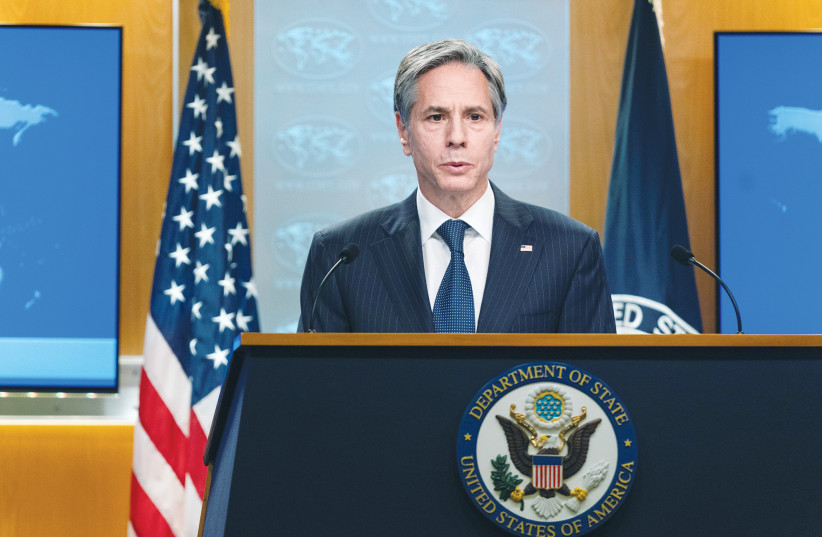
Blinken discusses Gaza in calls with Qatari, Egyptian, Saudi counterparts
US Secretary of State Antony Blinken discussed the violence in Israel, the West Bank and Gaza in phone calls with the Qatari, Egyptian and Saudi foreign ministers, the State Department said on Sunday.Blinken and Qatar's Sheikh Mohammed bin Abdulrahman Al-Thani discussed "efforts to restore calm in Israel and the West Bank and Gaza in light of the tragic loss of civilian life," the State Department said. The Qatari Foreign Ministry said in a statement that the two officials discussed "the recent Israeli attacks on worshipers at the Al Aqsa Compound and the attack on the besieged Gaza Strip," adding that Al-Thani stressed "the need for urgent action by the international community to stop the repeated brutal Israeli attacks against civilians in Gaza and the blessed Al-Aqsa Mosque."In his call with Egypt's Sameh Shoukry, Blinken "reiterated his call on all parties to deescalate tensions and bring a halt to the violence, which has claimed the lives of Israeli and Palestinian civilians, including children," the State Department said in another statement. Saudi state news agency SPA reported on Sunday that Blinken also had a phone call with Saudi Foreign Minister Prince Faisal bin Farhan Al Saud to discuss the latest developments "in Palestine and in the region." The State Department said the two discussed "the ongoing efforts to calm tensions in Israel and the West Bank and Gaza and bring the current violence to an end." Qatar's Al-Thani also held a phone call on Sunday with Shoukry, in which they reviewed "bilateral cooperation relations and developments in Palestine," the Qatari Foreign Ministry said in a separate statement. The Egyptian Foreign Ministry said in a statement that the two ministers agreed on "the importance of working to reach an immediate ceasefire between the two sides, and they also agreed to continue coordination in the bilateral framework, as well as in regional and international ones, regarding what is in the interest of the Palestinian people and reaching a ceasefire," The truce efforts by Egypt, Qatar and the United Nations have so far offered no sign of progress.The truce efforts by Egypt, Qatar and the United Nations have so far offered no sign of progress.