Friday, May 7, 2021
900,000 Americans Estimated To Have Died From COVID-19, Study Says
By Sara BoboltzPublic health experts agree that official COVID-19 death tolls are undercounts, but there is disagreement over how high the actual tolls are. Around 905,000 Americans may have died from COVID-19, according to a new study that arrived at a substantially higher number than the official government tally of 577,000 U.S. deaths. In India, where the coronavirus is maxing out hospital beds and leaving would-be patients gasping for air, the real number of deaths may be 654,400, three times the official toll. Worldwide, COVID-19 deaths are nearing 7 million, the study says, more than double the reported number. While public health experts agree that the actual number of people who have died of COVID-19 is higher than the numbers reported by the U.S. Centers for Disease Control and Prevention and similar agencies in other countries, it is not clear how much higher the real toll may be. The new estimates come from the University of Washington’s Institute for Health Metrics and Evaluation, where researchers looked at a variety of existing data sets and studies and used statistical modeling to arrive at their results ― which are being updated daily. IHME Director Dr. Chris Murray said in a video released alongside the report that it marks “a major change” in how his institution is thinking about the pandemic’s impact. “As terrible as the COVID-19 pandemic appears, this analysis shows that the actual toll is significantly worse,” Murray added in a statement. “Understanding the true number of COVID-19 deaths not only helps us appreciate the magnitude of this global crisis, but also provides valuable information to policymakers developing response and recovery plans.” IHME projects that nearly 950,000 Americans will have died from COVID-19 by September, and the global death toll will top 9.4 million. IHME, a research institute that makes policy recommendations on issues in global health, was founded by the Bill and Melinda Gates Foundation in 2007. The institution’s previous model for projecting COVID-19 deaths in the U.S. received criticism in the epidemiological community last April, as the pandemic was just taking off. Some thought IMHE’s model overestimated potential U.S. deaths: IHME initially projected that 38,000 to 162,000 people might die in the U.S. by the time the pandemic tapered off, which experts had hoped it would do by fall 2020. In its most recent report, IHME researchers included in their estimates deaths believed to be “caused directly by” the coronavirus, “not deaths caused by the pandemic’s disruption to health care systems and communities.” The researchers cited extremely limited testing and uneven reporting practices in many high-income countries over the first months of the pandemic as part of the reason they sought to analyze death tolls. Other countries, such as Russia and Ecuador, have seen a wide discrepancy between expected death rates and actual death rates, suggesting that reporting has been incomplete throughout the pandemic. Russia’s official COVID-19 death toll sits just above 100,000 people, but IHME researchers believe it is closer to 600,000. Mexico’s official toll of 217,000 deaths is estimated to be 400,000 under the true number. The gap is smaller in the United Kingdom, where the official count is about 150,000 people, but IHME estimates it is actually around 210,000. Underreporting has been particularly problematic in Eastern Europe and Central Asia, Murray said. Some localities only report COVID-19 deaths that occur in hospitals or to people with confirmed diagnoses, and the difficulty of accessing health care contributes to inaccurate tallies.
https://www.huffpost.com/entry/coronavirus-death-toll-900000-americans_n_60954012e4b0ae3c687d78fa
Why Did It Take So Long to Accept the Facts About Covid?

بلاول بھٹو کی مختلف ممالک کے سفارتکاروں سے ملاقات
پیپلز پارٹی کے چیئرمین بلاول بھٹو زرداری سے کراچی میں مختلف ممالک کے
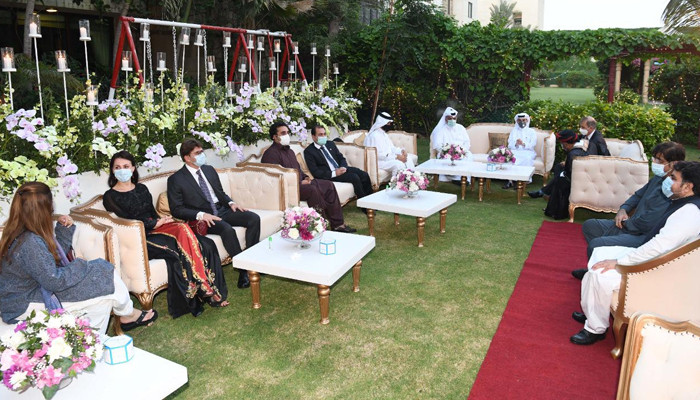
سفارتکاروں نے ملاقات کی ہے۔
ترجمان بلاول ہاؤس کے مطابق بلاول بھٹو سے امریکا، افغانستان، سعودی عرب، بحرین، عمان اور اٹلی کے سفارتکاروں نے ملاقات کی۔
ترجمان کے مطابق ملاقات میں وزیراعلیٰ سندھ سید مراد علی شاہ اور وزیراطلاعات سندھ ناصر حسین شاہ بھی شریک تھے۔
اس موقع پر بلاول بھٹو نے دوست ممالک کے سفارتکاروں کے اعزاز میں افطار ڈنر کا اہتمام کیا۔
افطار ڈنر میں پی پی کی نائب صدر شیری رحمان اور سیکریٹری اطلاعات شازیہ مری شریک تھیں جبکہ وزیراعلیٰ سندھ سید مراد علی شاہ، وزیرتعلیم سعید غنی اور وزیراطلاعات ناصر شاہ بھی موجود تھے۔
بلاول بھٹو کے افطار ڈنر میں امریکی قونصل جنرل رابرٹ سلبرسٹین اور اٹلی کے قونصل جنرل ڈینیلو گیئورڈانیلا، سعودی عرب کے قونصل جنرل بندر فہد الدائل اور متحدہ عرب امارات کی سفارت کار مریم العزیزی موجود تھیں۔
اس افطار ڈنر میں افغانستان کے سفارت کار عبدالرحمان قاضی زادہ اور بحرین کے قونصل جنرل یاسر عیسیٰ ایجان الہدیدی، عمان کے سفارت کار محمد ناصر حماد المبسالی اور قطر کے قونصل جنرل مشال ایم الانصاری بھی شریک ہوئے۔
بلاول بھٹو نے دوست ممالک کے سفارت کاروں کے درمیان دلچسپی کے دو طرفہ امور پر تبادلہ خیال کیا گیا۔
چیئرمین بلاول بھٹو زرداری اور دوست ممالک کے سفارت کاروں کا دوطرفہ تعلقات میں اضافے اور باہمی تجارتی روابط مزید مضبوط کرنے پر اتفاق کیا۔
بلاول بھٹو کی زیر صدارت پنجاب کےصوبائی عہدیداران کا وڈیولنک اجلاس
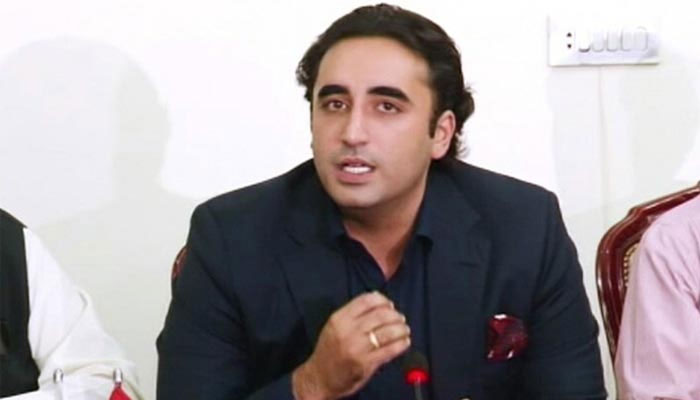
چیئرمین پیپلزپارٹی بلاول بھٹو زرداری کی زیر صدارت پنجاب کےصوبائی عہدیداران کا وڈیولنک اجلاس ہوا، اجلاس میں پی پی پی وسطی پنجاب کے صدر قمر زمان کائرہ، جنرل سیکریٹری چودھری منظور شریک ہوئے۔
ویڈیو لنک اجلاس میں سیکرٹری اطلاعات حسن مرتضیٰ، سیکرٹری جنرل نیر بخاری بھی موجود تھے، اجلاس میں سیاسی صورت حال بالخصوص پی پی پی پنجاب کے تنظیمی معاملات پر تبادلہ خیال کیا گیا۔
اس موقع پر پی پی پی پنجاب کےصوبائی عہدیداران کا کہنا تھا کہ ہماری تقرری کو 3 سال مکمل ہوچکے ہیں، خواہش ہے کہ وسطی پنجاب میں پارٹی کی تنظیم نو کی جائے۔
اگلے 3سال کیلئے نئے عہدیداروں کے تقرر کے سلسلے میں وسطی پنجاب کے عہدیداران نے استعفے پیش کردیے۔
اعلامیہ کے مطابق بلاول بھٹو نے قمر زمان کائرہ،چودھری منظور اور حسن مرتضیٰ کے استعفے منظور کرلیے۔
https://jang.com.pk/news/923336
#OP-ED - #Covid and the Age of Ignorance

#Pakistan - Squeezing the salaried class
Dr. Usman W. ChohanPakistan’s salaried class serves the role of a steadied backbone in our otherwise rough-and-tumble economic life. Their salaries are subject to taxation that offers the slimmest modicum of tax effort in a country with a worryingly small tax base and unsound fiscal health. The salaried class are in fact an easier target for revenue collection than other sources, because they sell their professional labour within an observable and formalised system. Yet the problem with taxing the salaried class excessively is that they offer but a narrow base, and what Pakistan needs is breadth of tax collection, rather than depth—which is to say, one cannot really squeeze the salaried class much further than they already are, above all because salaries in Pakistan do not rise at the same rate as inflation. This is a problem in most emerging markets, but is particularly acute in Pakistan, since our inflation rate remains persistently high, thereby shrinking the buying power of salary-earning households at an increasing rate. The question of squeezing the salaried class has become a bone of contention between the government and the IMF. As part of its stringent demands, the IMF has prodded the government to consider additional tax impositions for the upcoming FY2021-22 on the already struggling salaried class. It wants the government to extract a further Rs. 176 billion, which would raise the total amount gutted from the salaried class to Rs. 305 billion, more than double the present Rs. 129 billion. The IMF argues that this additional money could help reduce the budget deficit, or be channelled towards development expenditures for the poor—as if the salaried class wasn’t carrying the burden of the poor already, who are unable (not to mention: unwilling) to shoulder the burden of sustaining the nation. It should be noted that the salaried class’ tax burden already shot up in the earlier fiscal year (FY19-20) by a whopping 70 percent, from Rs 76 billion to the 129 billion now under discussion. The government is mindful of the burden placed upon the narrow base of the salaried class, and the Federal Board of Revenue has raised objections to the IMF’s proposal, offering instead a counteroffer of raising the tax burden on the salaried class by only Rs10 billion, especially given that the inflation rate continues to remain high. The Prime Minister has himself met with IMF officials and insisted that they back away from certain stringent conditionalities, including this but also energy prices and certain types of tax areas including education, agriculture, and healthcare. Yet the resumption of the $6 billion Extended Fund Facility has meant that negotiations are tough. This EFF negotiation is especially dismal when seen in the wider international context where there is too much money sloshing around, unable to earn any returns. The global economy actually has a surplus of dollars pumped in by the large stimulus measures throughout the developed world, particularly the US, and yet Pakistan is having to squeeze its stoic salaried class just to comply with stipulations for a measly $6 billion? This is not to suggest that the government should continue with its tax reform efforts. After all, the scope for tax reform is enormous in Pakistan, and some areas where the government is laying emphasis are important ones, such as simplifying the tax code, reducing the numbers of rates, reducing tax credits, decreasing the number of slabs, and increasing progressivity. The Centre for Aerospace & Security Studies (CASS) has worked recently on taxation reform proposals in Pakistan, and so have other research institutions. There is of course much more still that would help make Pakistan’s system conform to the principles of ideal taxation, but that is a bigger project and it certainly doesn’t involve breaking the back of the salaried class. The biggest measure that would help the fiscal architecture would be to expand the tax base in a progressive manner, so that there is less reliance on the slim bracket decent folk who earn salaries that cannot keep up with inflation in any case. Given the weight that the salaried class in Pakistan carries, in fiscal terms relative to other cohorts of the population, they should in fact be given a preferential outlook rather than a discriminatory one. https://nation.com.pk/07-May-2021/squeezing-the-salaried-class
#Pakistan reports 4,298 #coronavirus cases in a day
- 140 coronavirus fatalities reported over the past 24 hours.
- Total number of coronavirus cases crosses 850,000 mark.
- Total death toll has climbed to 18,677.
Pakistan continues to report a large number of coronavirus cases across the country, with 4,298 people testing positive for the virus, with 140 people succumbing to the infection.
The country passed the grim milestone of 850,000 cases in total while the total death toll has climbed to 18,677.
The total number of recoveries reported across the country stand at 747,755 while the active number of cases have risen to 83,699.
Pakistan's coronavirus positivity ratio stands at 9.58%.
As Eid approaches, Dr Faisal Sultan warns Pakistanis of a 'very risky period'
Special Assistant to the Prime Minister on Health Dr Faisal Sultan on Thursday warned Pakistanis of a "very risky period ahead" as Ramadan comes to an end and the days of Eid-ul-Fitr holidays approach.
"We are today in the midst of the third wave of Covid-19 pandemic and while there may be very initial signs of some stability (in the third wave), these are very early days and this is a very risky period for us as the holy month of Ramazan is going to end and Eid is approaching," he said during a webinar.
He called on microbiologists and scientists to keep warning people about the dangers of the coronavirus and encourage them to keep following the standard operating procedures for safety against the infection.
The webinar, titled SOPs and vaccination: Solution for the Covid-19 Pandemic, was attended by microbiologists, molecular biologists, medical professionals and students from Pakistan as well as abroad.
Speaking about Punjab, Dr Sultan said the curve is flattening in Punjab and the same was the case in Khyber Pakhtunkhwa. However, he said coronavirus cases were on the rise in Sindh due to low compliance of SOPs by the masses, adding that now was not the time to get complacent as Pakistan still had more than 5,200 in critical care.
"Covid-19 cases may rise again if precautions are not taken during this critical period when we are seeing the last days of the holy month of Ramazan and Eid is a festive season," he said.
https://www.geo.tv/latest/349109-pakistan-reports-4298-coronavirus-cases-in-a-day
Bilawal Bhutto warns Pakistan approaching another flour crisis, slams govt over wheat prices
Apr 29, 2021
Pakistan Peoples Party (PPP) chairman Bilawal Bhutto-Zardari has warned that the country is moving towards another flour crisis as there are only less than 20 days of wheat stock left available in the country. In a statement issued by the PPP Media Office on Wednesday, Bilawal slammed the federal government for fixing the wheat purchase price at INR1,800 per 40 kg, alleging that the government was making a false claim that it had increased the subsidy price up to 400 per cent, Dawn reported.The PPP chairman also underscored the prices of fertilisers, seeds, pesticides, agricultural machinery and electricity that have gone up by 150 per cent.

He claimed that the increase was only 28 per cent as the government had raised the purchase price from INR 1,400 to INR 1,800. He said that his party would not allow the oppression of farmers in Sindh and the relief price would be INR 2,000 per 40kg in the province."Today, for the first time in the history of the country, the support price of wheat is not the same in all the provinces and Imran Khan is responsible for this oppression of the farmers of Punjab, Khyber Pakhtunkhwa and Balochistan," he alleged. The PPP chairman also underscored the prices of fertilisers, seeds, pesticides, agricultural machinery and electricity that have gone up by 150 per cent.Reminding the people that the federal government had already created two wheat crises in three years, he said that it was due to the poor planning of Prime Minister Imran Khan's Pakistan Tehreek-i-Insaf (PTI) government that today only two to two-and-a-half weeks of wheat stock was available in the country. "If the crisis is not dealt with, the country may once again face a shortage of flour," he said. According to Dawn, Bilawal lamented that Pakistan, which was known as a wheat-producing country, is now importing wheat, adding that the ruler of Pakistan (Imran Khan) was unfortunately not even familiar with "alphabets of the word agriculture". Meanwhile, in a separate statement, PPP's parliamentary leader in the Senate Sherry Rehman expressed concern over the government's plan to split Pakistan International Airlines (PIA) into two companies, Dawn reported. "The Tabahi Sarkar (destructive government) has literally crashed PIA by compromising several Pakistani pilots with clean licences, got the airline grounded in EU capitals after the 'Licencegate', sold PIA assets abroad via crony shell firms and are now cannibalising 'old PIA' to create new business ventures. This is a new low," she said. Around 2,000 PIA employees had been forced to take voluntary redundancy and now the plan was to lay off half of its 14,000 employees, the Senator added. "Why did the government recently mislead the people by claiming PIA losses have been brought down? If this was the case then what losses are they talking about now? The national flag carrier posted a net loss of US $226 million (INR 34.6 billion) in 2020, its loan has caused an overall loss of INR460 billion, the iconic Roosevelt Hotel in New York has been sold and our profitable international routes were given to competitors," she said. Rehman blamed the government's incompetence over PIA's losses and said that PIA flights had been banned in Europe and the US because of the Pakistan aviation minister's "callous statement". https://www.wionews.com/south-asia/bilawal-bhutto-warns-pakistan-approaching-another-flour-crisis-slams-govt-over-wheat-prices-381510
پاکستان پیپلزپارٹی کے چیئرمین بلاول بھٹو زرداری کی سندھ میں پانی کی قلت کے حوالے سے وفاقی حکومت پر کڑی تنقید
پاکستان پیپلزپارٹی کے چیئرمین بلاول بھٹو زرداری نے سندھ میں پانی کی قلت کے حوالے سے وفاقی حکومت پر کڑی تنقید کرتے ہوئے کہا ہے کہ پی ٹی آئی کی سندھ میں نااہل حکومت نے پانی کا بحران پیدا کردیا، چیئرمین بلاول بھٹو زرداری نے متنازع چشمہ جہلم لنک کینال کو فی الفور بند کرنے کا مطالبہ کرتے ہوئے بتایا کہ پاکستان پیپلزپارٹی نے عوام کا مقدمہ لڑا

تو پی ٹی آئی حکومت نے مجبور ہوکر غیرقانونی تونسہ پنجند لنک کینال کو بند کیا
، میڈیا سیل بلاول ہاؤس سے جاری اپنے ایک بیان میں چیئرمین پی پی پی بلاول بھٹو زرداری کا کہنا تھا کہ ارسا صرف واٹر اکارڈ کے تحت پانی کی تقسیم کی مانیٹرنگ کا ادارہ ہے، پانی کی ترسیل میں ارسا کی من مانیاں نہیں چلیں گی، منگلا ڈیم کو ارسا کے طے شدہ متنازع فارمولے سے زیادہ بھرنے کی وجہ سے سندھ میں پانی کی قلت پیدا ہوئی، انہوں نے کہا کہ نوبت یہاں تک پہنچ گئی کہ سکھر بیراج میں 27 فیصد جبکہ کوٹری بیراج میں پانی کی 44 فیصد تک کمی ہوچکی ہے، وفاقی حکومت کی نااہلی کی وجہ سے سندھ میں پانی کی قلت کا یہ عالم ہے کہ گڈو بیراج سے پانی کی ترسیل بند ہوچکی ہے
، چیئرمین بلاول بھٹو زرداری کے مطابق گزشتہ سال کی برسات میں ڈیموں میں پانی کی وافر مقدار تھی مگر پی ٹی آئی حکومت کی بدانتظامی کی وجہ سے ڈیموں میں پانی کی کمی ہوئی، پی ٹی آئی حکومت سندھ سمیت پورے پاکستان میں پانی کی ترسیل کی منصفانہ تقسیم میں مکمل طور پر ناکام ہوچکی ہے، اس موقع پر عمران خان کی حکومت کر تنقید کرتے ہوئے انہوں نے کہا کہ پی ٹی آئی حکومت نے سندھ کے زیریں علاقوں کو پیاس کا صحرا بنادیا، کراچی، ٹھٹہ، سجاول، بدین اور تھرپارکر کا پانی بند کرکے پی ٹی آئی حکومت نے سفاکیت کی انتہا کردی، یہ کیسی مدینے کی ریاست ہے کہ بدترین گرمی اور رمضان کے مقدس مہینے میں سندھ کا پانی بند کردیا گیا، چیئرمین بلاول بھٹو زرداری نے کہا کہ اگر سندھ کے زیریں علاقوں میں پانی کی قلت کے بحران کو دور نہیں کیا گیا تو قحط جیسی صورت حال پیدا ہوسکتی ہے، سندھ کے حصے کا پانی روک کر پی ٹی آئی حکومت اہلیان کراچی کو سزا دینا بند کرے
، پی پی پی چیئرمین نے وزیراعظم کو مخاطب کرتے ہوئے کہا کہ وزیراعظم صاحب، خریف کی فصل کا سیزن شروع ہورہا ہے، ہوش کے ناخن لیں اور سندھ کو اس کے حصے کا پانی دیں، پی ٹی آئی کی جانب سے پیدا کردہ پانی کے بحران کے بعد سندھ کے کسانوں کے لئے کپاس کی بوائی ممکن نہیں، ملک میں کپاس کی قلت سے پہلے ہی ٹیکسٹائل سیکٹر کو مسائل کا سامنا ہے، پانی بند کرکے عمران خان نئے بحران نہ پیدا کریں، انہوں نے یہ بھی کہا کہ وفاقی حکومت کی بدانتظامی کی وجہ سے کراچی سمیت سندھ کے مختلف علاقوں میں پینے تک کے پانی کا بحران پیدا ہورہا ہے، پہلے بارشوں کی وجہ سےفصلیں تباہ ہوئیں اور اب سندھ کا پانی بند کرکے دیوار سے لگایا جارہا ہے، چیئرمین بلاول بھٹو زرداری نے وفاقی حکومت کو خبردار کرتے ہوئے کہا کہ اگر ہنگامی بنیادوں پر پانی کا بحران حل نہ کیا گیا تو فصلوں کی بوائی نہیں ہوسکے گی اور غذائی بحران کے ساتھ ایک نیا المیہ پیدا ہوجائے گا-
https://www.ppp.org.pk/pr/24750/
Thursday, May 6, 2021
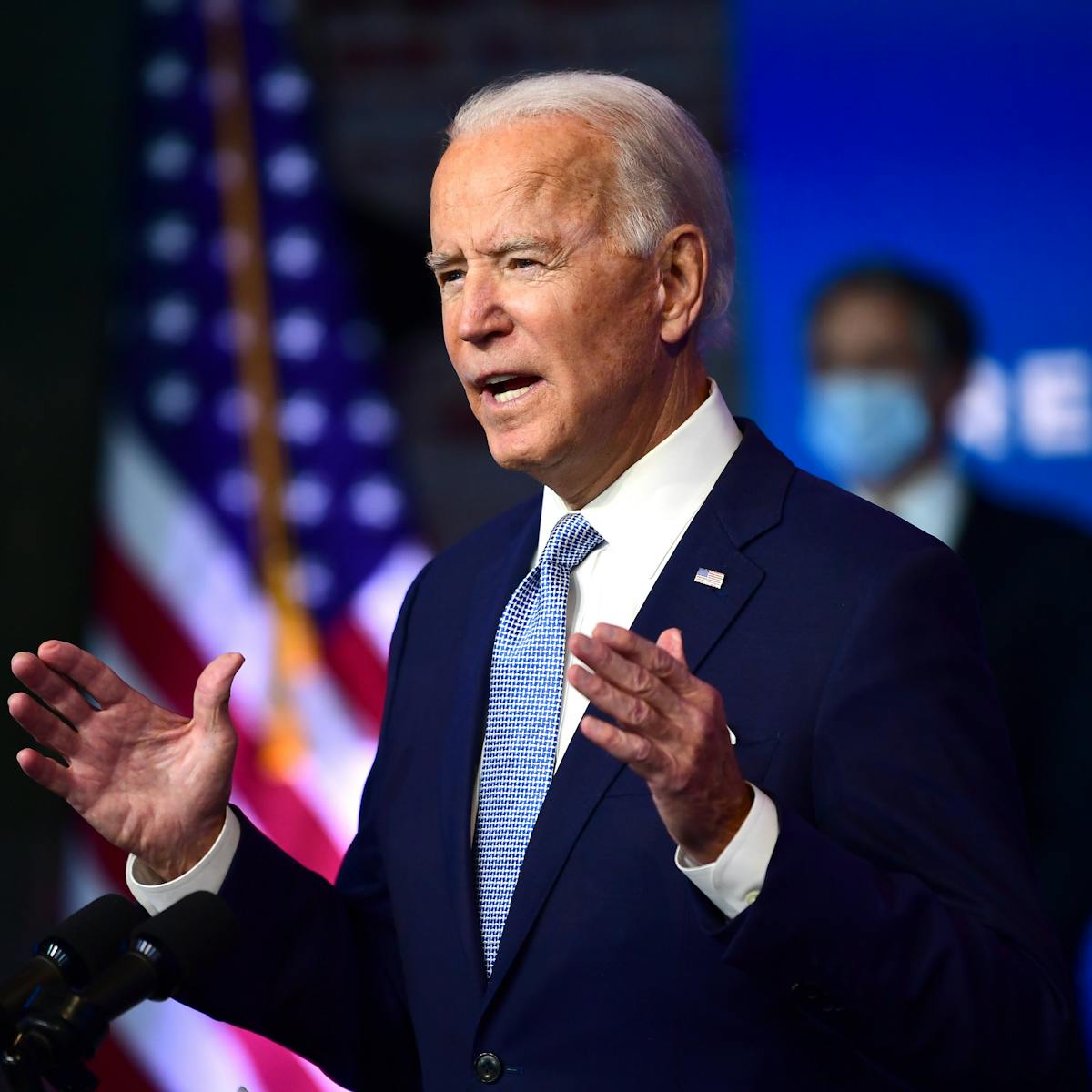
Why Biden won’t engage with #Pakistan
By FM SHAKILUS leader has not contacted his Pakistani counterpart despite Islamabad's crucial role in brokering an Afghan peace settlement. When Joe Biden assumed the US presidency in January, many in Pakistan hoped for a bilateral reset. Three months on, there is no such rapprochement in sight as the new administration in Washington delivers perceived snubs rather than engaged olive branches to Islamabad.
Coronavirus doctor's diary: Families stranded in Pakistan, India and Bangladesh

Some Bradford schools are missing pupils because they travelled abroad with their families, who cannot now get back without paying a hefty bill for hotel quarantine. This is just one of the risks of travel during a global pandemic, says Dr John Wright of Bradford Royal Infirmary, who notes that British travellers may also have contributed to the spread of the virus.
A head teacher tells me that she has a problem with families stuck abroad, in countries on the UK's red list.
British residents who have been in one of these countries have to spend 10 days in quarantine in a hotel when they arrive back, at a cost of £1,750 for a single adult, and much more for families. Those who can't afford it are sometimes staying where they are - perhaps living free of charge with relatives - and this has left noticeable gaps in some classes.
In Bradford, families are mostly stuck in Pakistan, where the majority of the city's Asian population originates, but it's clear that many UK families are also unable to return from India and Bangladesh.
"We didn't know there was any chance of quarantine - we just went," says Inaya Hussain, who flew to Pakistan with her three children, aged between nine and 13, the week before lockdown, because her mother was seriously ill.
But on 9 April Pakistan was put on the UK's red list, because of rising numbers of Covid infections, as was Bangladesh. On 23 April, India was added too.
Lynette Clapham, head teacher at Grove House and Crossley Hall Primary Schools, says she's aware of 11 families who are currently abroad and unable to return, often because of the cost of quarantine.
Some travellers, however, have found a way round this: they are travelling from Pakistan to Turkey, spending 10 days in Turkey, and then returning perfectly legally to the UK from there. They are then able to quarantine at home for 10 days, rather than in a hotel.
But now it turns out that cases have been rising in Turkey too. A week ago the country went into a three-week lockdown as a result. Travel agents say travellers from Pakistan are still arriving in Istanbul en route for the UK, and that while Turkish residents are meant to stay at home, tourists are still allowed to go sightseeing.
The surge of cases in India, and to a lesser extent in Pakistan and Turkey, reminds us how connected our world is in the face of this pandemic. It is less a global village and more a global forest, with the Covid fire igniting one section of dry tinder just as it is extinguished somewhere else.

Front-line diary
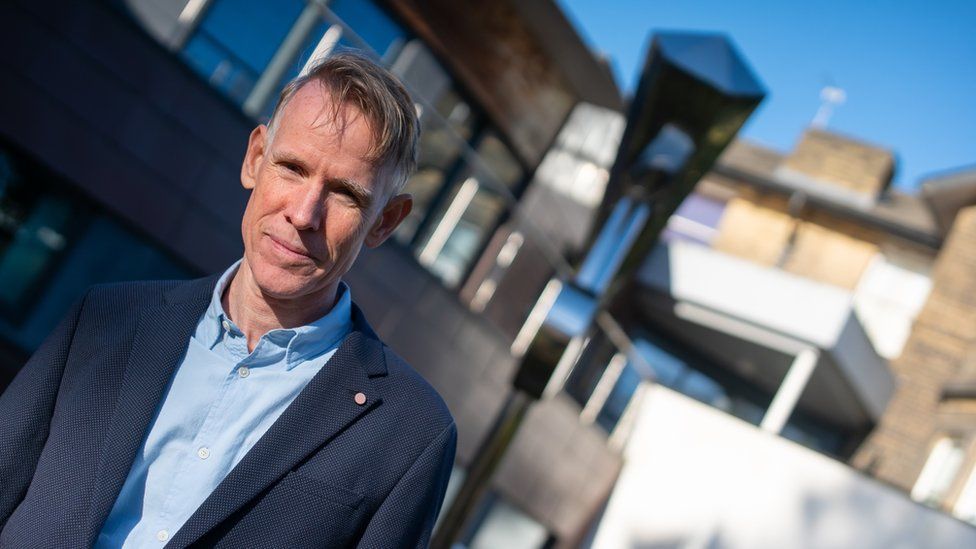
Prof John Wright, a doctor and epidemiologist, is head of the Bradford Institute for Health Research, and a veteran of cholera, HIV and Ebola epidemics in sub-Saharan Africa. He is writing this diary for BBC News and recording from the hospital wards for BBC Radio.
Last year, during the first lockdown, when the UK had some of the highest rates of infection, I talked to patients and their families who were escaping back to their roots in Eastern Europe or Pakistan, seeking places of greater safety. I'm aware that in the second and third waves too people have been travelling to see their families, perhaps for funerals or weddings, or to look after elderly parents.
According to the Civil Aviation Authority, 32,000 people either took a direct flight from the UK to Pakistan in January, or flew from Pakistan to the UK. The figure was nearly 38,000 in February and 46,000 in March.
However, as we know from the initial spread of the virus from China to Italy and Spain in 2020, travel is a critical, yet highly controllable route of transmission.
I suspect that during each of our three waves we exported the virus from Bradford to low-incidence countries, and this may well have contributed to subsequent outbreaks in Pakistan, India, Eastern Europe or Turkey.
Nobody wants to be a prisoner on our island, but until we have effective global vaccine coverage and control of international transmission then importation of cases, and new variants in particular, remains a clear and present danger.
Red list restrictions for travellers from high risk countries may be disruptive and inconvenient but they are a crucial public health protection measure.
Quarantine
- A state, period, or place of isolation in which people or animals that may have been exposed to infectious disease are placed
- Origin: Late 15th Century (in sense "place where Jesus fasted for forty days")... The modern sense is from Italian quarantina "forty days", from quaranta "forty"
Source: Lexico.com
The good thing about our connected world, however, is that information also travels with ease.
In the hospital in February 2020 we were getting minute-by-minute updates from our medical colleagues in China, Italy and Spain, who were sharing the latest glimmers of evidence about risk factors and treatments via WhatsApp groups and social media. That speed of knowledge mobilisation saved countless lives.
Recently, my Bradford colleague Dr Dinesh Saralaya and his classmates from medical school in India have been helping one another by sharing what they've been able to find out about best practice since the start of the pandemic.
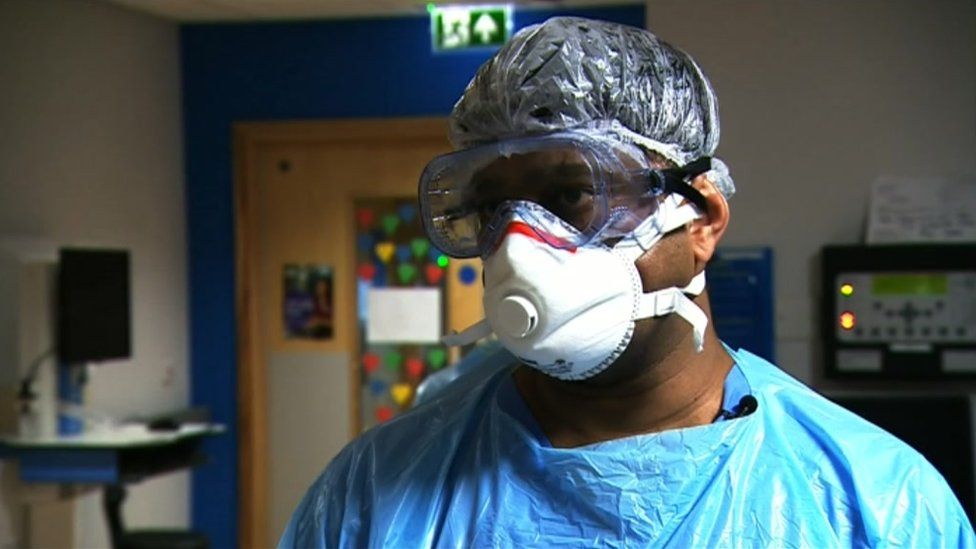
"We are sharing information about what has worked - Dexamethadone, the early use of C-pap [non-invasive ventilation with oxygen] and proning, for example," says Dinesh.
"Some of the drugs they're using there - Remdesivir and plasma treatment, for example - are hardly used here as they haven't proved effective in trials."
In the early 1990s my wife Helen and I were working in a rural hospital in Southern Africa when we noticed a rapid rise of HIV-related infections.
In the age before the internet, knowledge was a precious commodity that moved slower than the tortoises wandering through the Lubombo bush. Our observation of rising rates of HIV-related TB in 1991 required a letter written on an ancient typewriter, posted by aerogram and eventually published months later as a letter in the British Medical Journal.
There is a long-standing frustration from political leaders about how slowly innovation spreads in the NHS; a good idea in Bradford is rarely adopted in Bristol (and vice-versa). There is a whole field of "implementation science", with its own bespoke journals, dedicated to how we can overcome our natural, curmudgeonly instinct to ignore ideas that are not invented here. But the pandemic has demonstrated that in a crisis we are very good at rapid adoption and spread.
https://www.bbc.com/news/health-56873813