Wednesday, August 12, 2020
پیپلز پارٹی نے ہمیشہ نوجوان دوست پالیسیاں متعارف کروائیں، بلاول بھٹو
بلاول بھٹو زرداری نے کہا ہے کہ خوابوں کی تعبیر کے لئے درست سمت میں
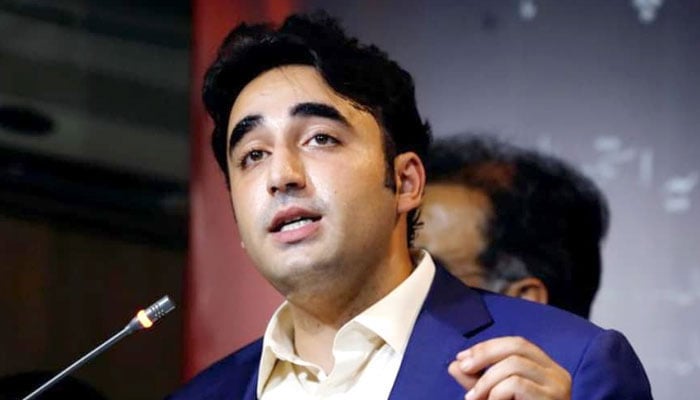
نوجوانوں کےعالمی دن کےموقع پر اپنے پیغام میں بلاول بھٹو زرداری نے کہا کہ نوجوانوں کوحقیقی طور پر با اختیار بنانا چاہیے۔
بلاول بھٹو کا کہنا ہے کہ ملکی معاملات میں شراکت داری دینے کیلئے پیپلز پارٹی نے ہمیشہ نوجوان دوست پالیسیاں متعارف کروائیں۔ شہید ذوالفقارعلی بھٹو نے پورے ملک کے نوجوانوں کو متحرک کیا تھا۔
انھوں نے مزید کہا کہ شہید محترمہ بینظیر بھٹو نے نوجوانوں کے لئے تعلیم اور روزگار کے مواقع پیدا کئے تھے۔ پیپلزپارٹی وہ واحد پارٹی ہے جس نے ملک میں سب سے زیادہ تعلیمی ادارے بنائے۔
'جمہوریت پسند خواتین صحافیوں کو زیادہ نشانہ بنایا جا رہا ہے'

مونا خان
پاکستانی میڈیا میں کام کرنے والی خواتین صحافیوں نے کہا ہے کہ سوشل میڈیا پر ان کی کردار کشی کی جاتی ہے، ٹرول کیا جاتا ہے، ڈرایا دھمکایا جاتا ہے اور ان کے خلاف منظم مہم چلائی جاتی ہے، جس کی وجہ سے ان کا آزاد رائے کا اظہار مشکل ہو گیا ہے۔
اکستانی میڈیا میں کام کرنے والی سرکردہ خواتین صحافیوں نے کہا ہے کہ سوشل میڈیا پر ان کی کردار کشی کی جاتی ہے، ٹرول کیا جاتا ہے، ڈرایا دھمکایا جاتا ہے اور ان کے خلاف منظم مہم چلائی جاتی ہے، جس کی وجہ سے ان کا آزاد رائے کا اظہار مشکل ہو گیا ہے۔
'ویمن اِن میڈیا' نے بدھ کو سوشل میڈیا پر ایک خط میں تفصیلاً بتایا کہ انہیں کن مشکلات کا سامنا ہے۔ خط میں حکومت سے مطالبہ کیا گیا ہے کہ ایسے عناصر کو روکا جائے جو خواتین صحافیوں کو کسی بھی طریقے سے ہراساں کرنے کے مرتکب ہوں۔
خط میں یہ بھی کہا گیا کہ تمام سیاسی جماعتیں اپنے فالوورز اور سپورٹرز کو پیغام دیں کہ وہ 'غیر اخلاقی' حرکات کرنے سے گریز کریں۔ خط میں قومی اسمبلی کی قائمہ کمیٹی برائے انسانی حقوق کو نوٹس لینے کی بھی استدعا کی گئی ہے۔
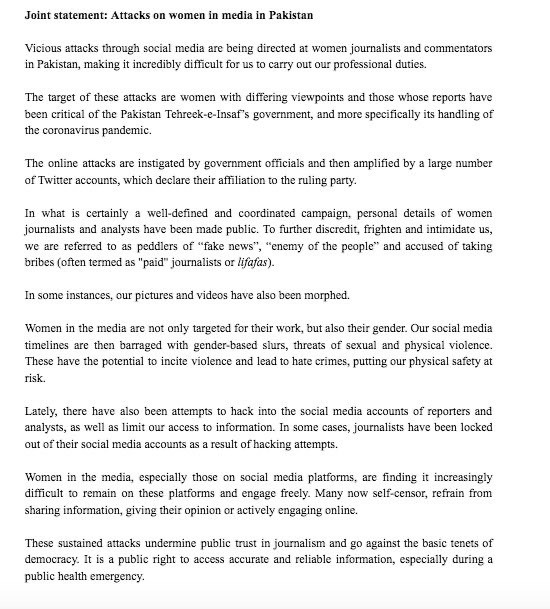
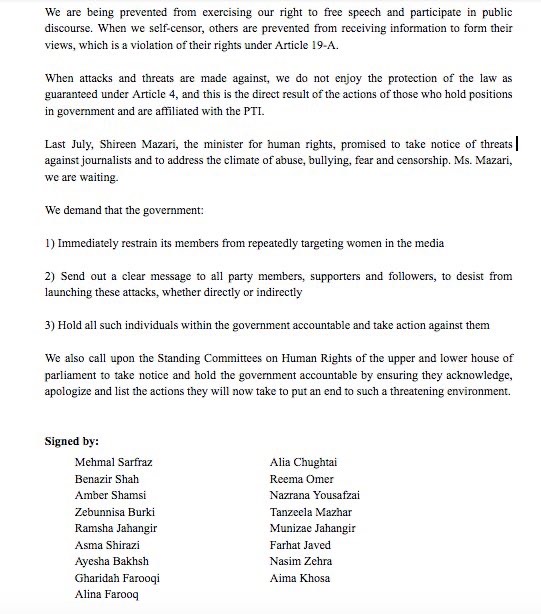
یہ خط اور اس حوالے سے ایک ہیش ٹیگ آج صبح سے ٹوئٹر پر ٹرینڈ میں ہے اور لوگ اس حوالے سے مختلف تبصرے کر رہے ہیں۔ پاکستان پیپلز پارٹی (پی پی پی) کے چیئرمین بلاول بھٹو زرداری نے خواتین صحافیوں کے خط پر ردعمل دیتے ہوئے کہا کہ 'بطور چیئرمین قائمہ کمیٹی برائے انسانی حقوق، میں نے اس معاملے کا نوٹس لیتے ہوئے خواتین صحافیوں کی نمائندوں کو کمیٹی کے آئندہ اجلاس میں طلب کیا ہے تاکہ وہ اپنے تحفظات سے آگاہ کر سکیں۔'
دوسری جانب وفاقی وزیر برائے انسانی حقوق شیریں مزاری نے اپنی ٹویٹ میں خواتین صحافیوں کو درپیش اس مسئلے کو 'افسوس ناک' قرار دیتے ہوئے کہا کہ 'اس ضمن میں وزیر اطلاعات سے بات کی ہے کہ صحافیوں کے تحفظ سے متعلق بل کو ترجیحی بنیادوں پر فعال کیا جائے۔'
انہوں نے مزید کہا کہ 'جنس کی بنیاد پر خواتین صحافیوں کی کردار کشی اور حملے ناقابل قبول ہیں اور آئین و قانون بھی اس بات کی اجازت نہیں دیتا۔'
سینیٹر شیری رحمٰن نے بھی اپنے پیغام میں کہا کہ 'سوشل میڈیا پر خواتین صحافیوں پر حملوں کے محرکات دیکھنے کی ضرورت ہے اور اس ضمن میں سینیٹ کی قائمہ کمیٹی برائے انسانی حقوق معاملے کا نوٹس لے گی۔'
اس حوالے سے سینیئر صحافی عاصمہ شیرازی نے انڈپینڈنٹ اردو سے بات کرتے ہوئے کہا کہ 'جمہوریت پسند خواتین صحافیوں کو زیادہ نشانہ بنایا جاتا ہے جس کی وجہ سے وہ محسوس کرتی ہیں کہ اس معاملے کو سامنے لایا جائے تاکہ وہ بات کرتے ہوئے خوف میں مبتلا نہ ہوں۔'
انہوں نے سوال اٹھایا کہ 'کب تک منظم مہم کو برداشت کیا جا سکتا ہے؟ صرف حکومت پر تنقیدی آوازوں کو نشانہ بنایا جا رہا ہے اس لیے اب آواز اٹھانی ہو گی۔'
عاصمہ شیرازی نے مزید کہا کہ 'آئے دن سوشل میڈیا پر خواتین صحافیوں کے خلاف کردار کشی، ہراسانی اور گالم گلوچ کی مہم نہ تو خواتین کو ڈرا سکتی ہیں اور نہ ہی انہیں سچ کہنے سے روک سکتی ہیں۔'
دیگر خواتین صحافیوں نے بھی ٹوئٹر پر اپنے خیالات کا اظہار کیا۔ جیو نیوز کی اینکر علینہ فاروق شائق کہتی ہیں کہ 'سوال کا جواب بد زبانی، گالی، ذاتی حملے اور ٹرولز کے ذریعے ہراساں کرنا نہیں ہوتا لیکن بدقسمتی سے ہمارے ہاں خواتین میڈیا ورکرز کو بہادری سے یہ برداشت کرنا پڑتا ہے۔ روز بروز یہ رجحان بڑھتا چلا جا رہا ہے اور اب ہمارے کام میں رکاوٹ بن رہا ہے، لیکن ہم ڈٹے رہیں گے۔'
U.S. citizens in Pakistan - Travel Advisory: Level 4: Do not travel:

Information for U.S. citizens in Pakistan is disseminated via the Smart Traveler Enrollment Program (STEP). Register and check your email often.
The United States Embassy and Consulates General in Pakistan remain closed for routine services for U.S. citizens. We will resume services as soon as possible but are unable to provide a specific timeline. However, we do continue to provide emergency consular services to U.S. citizens, please review our website for appointment information. Visa services are also suspended, additional information is posted on our website.
U.S. Citizens Who Want to Depart Pakistan:
- The Government of Pakistan is now permitting commercial outbound and inbound passenger flights from all international airports except Gwadar and Turbat, effective June 20.
- As of June 15, the U.S. Embassy is aware of the several announced commercial flight options to depart Pakistan – please see our June 15 Health Alert Update #46 – but we expect that the situation will be constantly changing. Consult with your travel agent or the airlines’ websites for flight availability. There are no direct flights from Pakistan to the United States. U.S. citizens who want to depart Pakistan should contact their preferred travel arranger or the airline directly to book tickets.
- Several airlines have announced that passengers departing from Pakistan will need to complete a COVID test before departure – please see our July 14 Health Alert #49.
- For U.S. citizens and Lawful Permanent Residents traveling with a U.S. visa holder, please review information about S. entry restrictions related to the COVID-19 global pandemic for flights that transit through certain countries and for entry of certain immigrant visa categories into the United States.
- The U.S. Mission to Pakistan has repatriated more than 3,200 private U.S. citizens, Lawful Permanent Residents, and their immediate family members to the United States on ten U.S. government charter flights. The U.S. Mission to Pakistan is not planning additional charter flights to the United States.
- Upon arrival to the United States, all international passengers will be subject to CDC screening, health observation, and monitoring requirements. For additional questions, visit CDC’s website at COVID-19 Information for Travel.
U.S. Citizens in Pakistan:
- Stay healthy! Transmission rates continue to increase across Pakistan. For U.S. citizens in Pakistan, we urge you to review the CDC’s recommendations to reduce your risk of contracting COVID-19.
- On May 7, the Government of Pakistan announced an ease in some of the nationwide lockdown restrictions. Additionally, the Islamabad Capital Territory and Sindh, Punjab, Balochistan, and Khyber Pakhtunkhwa provinces have varying degrees of lockdowns and may elect to modify the Government of Pakistan’s nationwide lockdown restrictions.
- Due to the travel disruptions caused by COVID-19, foreign nationals currently in Pakistan (to include U.S. citizens) whose Pakistani visa expired after March 15, 2020, have been granted an automatic extension until August 31, 2020.
- U.S. citizens in Pakistan with COVID-19 symptoms, or who have tested positive for COVID-19, should follow their medical provider’s instructions. U.S. citizens in Pakistan are subject to Government of Pakistan and provincial government health care screening and treatment requirements.
- The Embassy and Consulates General cannot arrange for the transfer of a U.S. citizen to a different hospital or release of U.S. citizen from a hospital. U.S. citizens in isolation wards or their families should speak directly to hospital staff regarding possible transfer.
Routine Consular Services:
As of March 17, the United States Embassy and Consulates in Pakistan canceled all routine consular services, including all visa services and routine services to U.S. citizens. We will resume routine services as soon as possible but are unable to provide a specific date at this time.
The Embassy and Consulates General will continue to provide emergency consular services to U.S. citizens on a case-by-case basis, including emergency U.S. passports. To schedule an emergency appointment, applicants must first contact the appropriate consular section by email to discuss the nature of their emergency. If the emergency appointment is approved, applicants will receive an email confirmation with further instructions.
Contact information is available on our website.
Entry and Exit Requirements:
Travelers arriving in Pakistan are subject to local health requirements to include COVID-19 testing on arrival and could include isolation or quarantine. The Department of State has a Global Level 4 Health Advisory – Do Not Travel recommendation in effect. U.S. citizens are not encouraged to travel to Pakistan or any other international destination outside the United States at this time.
Travelers departing Pakistan are subject to local health screening that may include a questionnaire and temperature monitoring. Passengers may be denied boarding.
Pakistan women journalists say they face online abuse by officials for criticising Imran govt

36 women journalists in Pakistan have alleged that online attacks are instigated by officials of the Imran Khan government and 'amplified by a large number of Twitter accounts'.
Several Pakistani women journalists and commentators issued a statement Wednesday condemning alleged trolling and online abuse by government officials and other Twitter users affiliated to the ruling Pakistan Tehreek-e-Insaf (PTI).
The joint statement said “vicious” online attacks at women journalists have made it “incredibly difficult” for them to carry out professional duties. It also said those who have been critical of the Imran Khan-led government and its handling of the pandemic were specifically targetted.
As many as 36 women journalists from Pakistan have signed the statement (at the time of publishing this report), including many award winning names such as Benazir Shah, Asma Shirazi, Mehmal Sarfraz, Ayesha Bakhsh and Amber Shamsi.
“The target of these attacks are women with differing viewpoints and those whose reports have been critical of the PTI government, and more specifically its handling of the coronavirus pandemic,” the statement read.
It also alleged that online attacks were instigated by government officials and then “amplified by a large number of Twitter accounts, which declare their affiliation to the ruling party”.
The signatories have accused the alleged abusers of morphing their photographs and videos, apart from making gender-based slurs and sexual threats.
“To further discredit, frighten and intimidate us, we are referred to as peddlers of ‘fake news’, ‘enemy of the people’ and accused of taking bribes (often termed as ‘paid’ journalists or lifafas),” the statement said.
Reacting to the statement, Pakistan’s Minister for Human Rights Shireen Mazari said abusing women because they are critical of the government “is never acceptable”.
“Disturbing to learn of women journalists being targeted and abused. Abusing women bec they are critical is never acceptable. Journalists do their job & to target them, especially gender-based abusive attacks on women journos, is absolutely unacceptable and disgusting,” she posted on Twitter.
In a subsequent tweet, Mazari also said she has requested the country’s information minister to assist in “fast-tracking our Journalist Protection Bill, which is not only an urgent need in Pakistan but an obligation under our Constitution and international law”.
‘Social media platforms must formulate policy against abuse’
The journalists have asked the Pakistani government to take action against such perpetrators and stop them from targetting women online.
Ramsha Jahangir, one of the signatories and journalist at Dawn, told ThePrint that all political parties must formulate a social media policy against harassment and abuse.
“There should be accountability for accounts affiliated to political parties hurling abuse and involved in smear,” she added.
Jahangir also said the statement, which was initially shared among 10 people, has now been made public.
Meanwhile, Pakistan Peoples Party (PPP) chairperson Bilawal Bhutto Zardari, who is also chairman of the National Assembly Standing Committee for Human Rights in Pakistan, tweeted saying he has taken note of threats to women journalists. He has also invited them to brief the committee on issues faced by them.
Tuesday, August 11, 2020
#Pakistan is fast losing other friends in Islamic world - Oil to Kashmir — Why China, not Saudi Arabia, is Pakistan’s only Big Brother now
JYOTI MALHOTRA
It has been a good week for China and Pakistan, with Big Brother helping out its poor cousin at the UN Security Council on the Kashmir issue and even paying off its ‘EMI’ with Saudi Arabia. But the question Islamabad should be asking itself this week is, ‘Is its obsession with Jammu and Kashmir losing it both friends and influence?’
Certainly, there was little left of J&K’s special status under Article 370 even before 5 August 2019, except the fig leaf that it was somehow exceptional – although the diminishing of the state’s obligations to its citizens ever since are both immoral and unconstitutional. But of that, another time.
This week also belongs to External Affairs Minister S. Jaishankar, who on the first anniversary of the scrapping of Article 370, tweeted that “a transformation is underway” in J&K and in Ladakh, in the “application of progressive laws, delivery of social justice, advancement of women’s rights and empowerment and support for vulnerable sections”.
Sometimes it seems like the good minister has outsourced his Twitter handle to someone who lives in the Land of Gup. Salman Rushdie surely needs a sequel to his brilliant novel Haroun and the Sea of Stories to properly explain the inversion of reality where everything is somehow the opposite of what it is supposed to be, at least in the Kashmir valley.
‘Youm-e-Istehal’
Significantly, the inversion of reality has long been a hallmark of the Pakistani state, which has believed its own stories of planting the crescent moon on Srinagar’s Lal Chowk over the decades, from Operation Gibraltar in 1965 to Kargil in 1999.
Since that is never going to happen – whatever India’s own multiplicity of views on what’s happening inside J&K – it was interesting to see Pakistan foreign minister Shah Mehmood Qureshi marching down Islamabad’s main avenue on 5 August marking ‘Youm-e-Istehsal’ or Kashmir Siege Day.
Only days before, Pakistan’s infamous Inter-Services Intelligence (ISI) media wing, ISPR, had asked Shafqat Amanat Ali, the Pakistani singer who has sung dozens of Bollywood songs in better times (Mitwa to Manchala), to sing about the continuing atrocities in J&K. He is said to have been paid Rs 3.8 crore for his efforts.
In fact, nothing illustrates the massive change in India-Pakistan relations than Ali’s superlative performance of Gandhi’s favourite bhajan, ‘Vaishnava jan toh”, in 2018, commissioned by then High Commissioner in Islamabad Ajay Bisaria in the hope that culture could join at least a few hearts and minds, despite surgical strikes and cross-LoC infiltrations.
Saudi closes tap, on Kashmir too
We don’t know if Ali was finally paid or not by ISPR, but Pakistan has increasingly been reduced to paying lip-service to a cause its own establishment knows is increasingly hopeless. None other than Qureshi admitted that the Organisation of Islamic Countries (OIC) was not paying heed to the Muslim world’s pain on Kashmir and not even convening a meeting, which would rap India on its knuckles.
The enormous irony of this statement cannot be underestimated. The OIC is headquartered in Saudi Arabia, which has remained the foremost and fiercest Muslim brother of Pakistan these past several decades. From bustard hunting in Pakistan’s Thar desert to setting up the 39-nation Islamic Military Counter-Terrorism Coalition in 2015, first headed by former Pakistan army chief Gen. Raheel Sharif, the Saudi-Pakistani relationship has been a thick bond.
Ironically, most nations part of this Islamic military coalition are members of the OIC.
The day after Qureshi & Co’s frenzied march in Islamabad, Pakistan was embarrassed enough by its Saudi brother, which asked it to pay back $1 billion out of the $3 billion cash it had borrowed in October 2018. This was in addition to $6.2 billion in oil the Saudis had promised to loan to Pakistan.
Except, the Saudis seem to have lost patience with their little Pakistani sibling. Two months ago, they turned off the oil tap when Pakistan was unable to pay back that EMI. So, guess who signed a cheque last week to keep Pakistan’s izzat intact? China.
A win for India
Meanwhile, on 5 August, China tried to bring back Jammu & Kashmir to international attention again. It sought a meeting of the Permanent-5 at the UN Security Council, under the rubric of ‘Any Other Business,’ like it had done twice before this past year. With the US and China at daggers and the rest of the world equally furious with the impact of the Wuhan-originated virus on their economies, the Kashmir mention died as quickly as it was raised. No one was remotely interested.
In the ‘dangal’ or contest of Big Brotherhood, the Chinese have certainly trumped the Saudis this week. Remember, though, that Saudi, Emirati and increasingly the OIC’s disinterest in Pakistan is as much a victory of the Modi government’s outreach to the Islamic Ummah – Sushma Swaraj’s invitation to the OIC foreign minister’s meeting in UAE last year and Saudi crown prince Mohammed bin Salman visit to India are proof.
For the time being at least, neither the OIC, the UAE or the Saudis are paying serious attention to Pakistan’s tantrums on Jammu & Kashmir – as recently as 1996, the last three were the only countries in the world to have recognised the Taliban when it took power in Afghanistan.
Still, the prize for the biggest irony this week must be awarded to four Chinese labourers who beat up Pakistani soldiers because they wanted to work on a new site on the China-Pakistan Economic Corridor (CPEC) and the Pakistani havildar ostensibly protecting them couldn’t make out a word of what the Chinese were saying. Before he could call the local military camp, he was assaulted by the furious Chinese not used to being told to wait for permission.
In its obsession with Jammu & Kashmir and the constant iteration of its friendship with China being ‘higher than the mountains, deeper than the seas and sweeter than honey’, Pakistan forgot the basic slogan that trumps everything else: Keep your friends close, but your enemies closer.
#Pakistan #PPP - Chairman PPP Bilawal Bhutto Zardari congratulates 9-year-old Pakistani girl Natalia Najam on achieving a Guinness World Record

Natalia Najam is the granddaughter of Afzal Siddiqi from Lahore, an old member of PPP and a lawyer for Shaheed Zulfikar Ali Bhutto, Shaheed Mohtarma Benazir Bhutto, Begum Nusrat Bhutto and other Party leaders in different cases.
Natalia had broken an Indian Chemistry Professor’s Guinness record (who had previously broken a Pakistani’s record), by being the fastest to arrange all elements of the periodic table (in 2 min 42 seconds). This was announced by Guinness on 18 July 2020. She had broken the record by seven seconds.
Bilawal Bhutto Zardari said that entire Pakistan was proud of Natalia Najam and her feat adding that she is an inspiration for the Pakistani girls and boys who aspire and dream to achieve great accomplishments in their life through hard work and dedication.
https://www.ppp.org.pk/2020/08/11/chairman-ppp-bilawal-bhutto-zardari-congratulates-9-year-old-pakistani-girl-natalia-najam-on-achieving-a-guinness-world-record/
مریم نواز اور پارٹی ورکرز پر پتھراؤ قابل مذمت ہے، بلاول

چیئرمین پیپلزپارٹی بلاول بھٹو زرداری کا کہنا ہےکہ مریم نواز اور ان کے پارٹی ورکرز پر پتھراؤ قابل مذمت ہے۔
سماجی رابطے کی ویب سائٹ ٹوئٹر پر اپنے بیان میں چیئرمین پیپلزپارٹی بلاول بھٹو زرداری نے کہا کہ لاہور میں پولیس کی جانب سے آج مریم نواز اور ان کے پارٹی ورکرز پر آنسو گیس کا استعمال کیا گیا ہے۔
انہوں نے کہا کہ ہم اس عمل کی مذمت کرتے ہیں۔
واضح رہے کہ قومی احتساب بیورو (نیب) لاہور نے مریم نواز کو رائے ونڈ میں خلافِ قانون اور خلافِ ضابطہ اراضی انتہائی سستے داموں خریدنے کے الزام میں انکوائری کے لیے آج طلب کر رکھا تھا۔
ذرائع کے مطابق نیب کا کہنا ہے کہ زمین کی منتقلی میں ایل ڈی اے کے قواعد و ضوابط کو نظر انداز کیا گیا، شریف فیملی کی اراضی کے ارد گرد تعمیرات کو روکنے کے لیے اراضی کو گرین لینڈ قرار دیا گیا تھا۔
انکوائری میں سابق ڈی سی لاہور نور الامین مینگل اور سابق ڈی جی ایل ڈی اے احد خان چیمہ کو بھی طلب کیے جانے کا امکان ہے۔
اسلام آباد: بلاول بھٹو سے ایمل ولی خان کی ملاقات
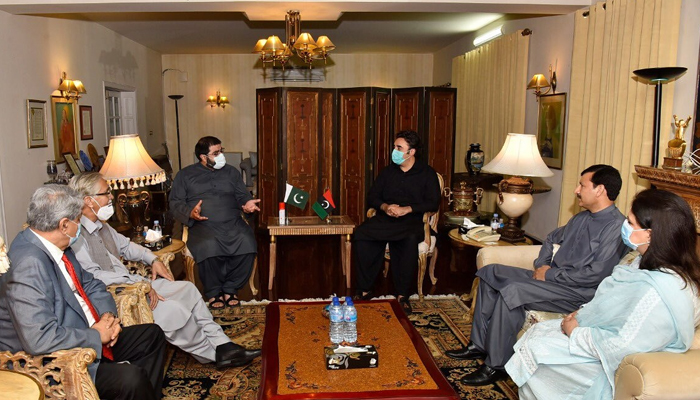
چیئرمین پیپلز پارٹی بلاول بھٹو زرداری سے عوامی نیشنل پارٹی (اے این پی) خیبرپختونخوا کے صدر ایمل ولی خان نے ملاقات کی ہے۔
بلاول اور ایمل ولی خان کی اسلام آباد میں ہونے والی ملاقات میں ملکی سیاسی صورتحال پر گفتگو ہوئی۔
اس موقع پر پارلیمان کے اندر اور باہر اپوزیشن کی جانب سے بھرپور کردار ادا کرنے پر اتفاق کیا گیا۔
ایمل ولی خان نے بلاول بھٹو زرداری کے خدشات، تحفظات اور اپوزیشن کی جدوجہد سے متعلق نکات سے مکمل اتفاق کیا۔
دوران گفتگو بلاول بھٹو زرداری نے کہا کہ حکومت ہر محاذ پر ناکام ہوچکی ہے، اس حکومت کی کوئی سمت نہیں۔
انہوں نے کہا کہ پی ٹی آئی کی حکومت جتنے عرصے رہے گی ملک اور عوام کا نقصان زیادہ سے زیادہ ہوتا چلاجائے گا۔
پی پی چیئرمین نے مزید کہا کہ یہ حکومت چھوٹے صوبوں کے حقوق چھیننا چاہتی ہے، ہم چھوٹے صوبوں کے حقوق اور آئین کی پامالی کو کسی صورت برداشت نہیں کریں گے۔
ان کا کہنا تھا کہ این ایف سی ایوارڈ پر حکومت کی جانب سے ناانصافی پر سمجھوتہ نہیں کیا جائے گا، ملک کو ون یونٹ کی جانب دھکیلنے کی کوشش ہر صورت ناکام بنائیں گے۔
https://jang.com.pk/news/807694
Monday, August 10, 2020
'Holy warrior' selfies: Pakistan teen feted for killing U.S. blasphemy suspect
Umar Farooq, Jibran Ahmad
Faisal Khan, a 15-year-old Pakistani, beams for selfies with lawyers and police. Thousands hail him in the streets as a “holy warrior.”
His claim to adulation? Allegedly gunning down in open court an American accused of blasphemy, a capital crime in this Islamic republic.
Khan is charged with murder, which also carries a death sentence. But while lawyers line up to defend him, the attorney for Tahir Naseem, the U.S. citizen, has gone into hiding.
The teen, according to officials and witnesses, got through three security checkpoints on his way into a courtroom in the northwestern Pakistani city of Peshawar on July 29, pulled out a pistol and fired multiple shots into Naseem, 57, at a bail hearing.
Naseem died on the spot, onlookers spattered with his blood.
His killing grabbed global headlines, put a fresh spotlight on Pakistan’s blasphemy laws and drew criticism from abroad, even as many in the country praised the shooter. The United States and human rights groups decried the killing and urged changes to Pakistan’s blasphemy statutes, among the harshest in the world.
Closer to home, Khan is a hero.
“It’s one of those cases where everyone wants to be his lawyer,” Inamullah Yusufzai, who represented Khan at his first court hearing last week, told Reuters. Yusufzai said lawyers from across Pakistan had called to defend Khan for free, to support what they see as the justified killing of a heretic.
The case has not reached the stage for Khan to enter a plea.
Thousands rallied, calling for Khan’s release. Delegations of well-wishers - lawyers, clerics, local politicians - have visited the Khan family home in Peshawar to congratulate the family. He has received messages of support from the Pakistani Taliban.
A selfie shot by Elite Force police guards in a van escorting Khan to court after his arrest was shared widely on social media. Wearing all white, the teen grins broadly. Several officers smile, one gives a thumbs-up.
A senior police official, who said the force had looked the photo, said it was authentic. Reuters could not independently confirm its authenticity.
Another selfie shows a crowd, some black-clad lawyers, escorting a beaming Khan into court.
BLASPHEMY
The U.S. State Department, in an unusually blunt statement, said Naseem “had been lured to Pakistan from his home in Illinois by individuals who then used Pakistan’s blasphemy laws to entrap him.”
It called on Pakistan to reform its blasphemy laws and prosecuting Naseem’s killing.
Pakistan’s Foreign Ministry says a special team is investigating the case and it “will be dealt with in accordance with the law.”
But prosecuting Khan and any potential accomplices will be an immense challenge.
In blasphemy cases in Pakistan, “an accusation becomes a death sentence, whether carried out by the state or by mobs or vigilantes,” Omar Waraich, head of South Asia for Amnesty International, told Reuters.
The rights group said in a 2016 report, “Pakistan’s blasphemy laws are often used against religious minorities and others who are the target of false accusations, while emboldening vigilantes prepared to threaten or kill the accused.”
In 2011, the governor of Punjab, Pakistan’s largest province, was killed by his own police guard for offering support to a Christian woman facing blasphemy charges. His killer was tried and awarded the death penalty, but not before thousands rallied for his release and rioted after he was executed.
SELF-STYLED ‘PROPHET’
Naseem was born in a village outside Peshawar but had long lived in the United States, according to clerics and locals who knew him.
He often visited his village, where he expressed views that “upset locals,” said Wajid Ali, a cleric who runs a seminary there.
Naseem’s statements landed him in prison several times, said Ali and another local who knew him Naseem. In those cases, they said, the intervention of locals, who believed Naseem was mentally unstable, got him released.
“On the internet, he kept saying things like, ‘I’m a messiah, or a prophet,’ and that caused great trouble in our village,” Ali said.
Naseem set up a website proclaiming himself a messiah, with a link for people to pledge allegiance to him. On LinkedIn, he described himself as “Jesus’s second coming, reviver, Prophet.”
His distance from Pakistan kept him safe, even as he reached out to its Islamic seminary students to preach his messianic call.
In 2018 one of those students convinced Naseem to travel to Pakistan, where they met at a Peshawar shopping mall, according to court documents seen by Reuters.
“He came thinking this student will believe him and others will join his call,” Ali said. “But the student had already told the police. They were standing nearby in plainclothes and they arrested him.”
Naseem was charged with denigrating the Koran and the Prophet Muhammad. Two years later, awaiting his bail hearing surrounded by police and lawyers, he was gunned down.
https://www.reuters.com/article/us-pakistan-blasphemy-court/holy-warrior-selfies-pakistan-teen-feted-for-killing-u-s-blasphemy-suspect-idUSKCN255105
#Chaman Five Killed, 10 Injured as Blast Rocks Market in Pakistan's Balochistan Province

A powerful bomb blast at a market in a Pakistani town bordering Afghanistan on Monday killed at least five people and injured 10 others, police said.
The blast occurred at the Haji Nida market of Chaman town in Balochistan province, according to the police.
"Five people were killed and 10 others injured," police said.
Nobody claimed the responsibility of the attack.
Militants and separatists belonging to the banned outfits have stepped up terror attacks in Balochistan in recent weeks.
At least one person was killed and six others were injured after an explosion in Turbat bazaar on July 21.
Saudi Arabia pulls support for Pakistan as Kashmir tiff widens
By ADNAN AAMIR

Pakistan last week repaid a $1 billion Saudi loan that was called in after Pakistan began insisting that Saudi Arabia allow it to marshal the Islamic world's support on the Kashmir issue.
The $1 billion to repay the loan came from China in the form of another loan.
The original loan was a part of a $6.2 billion package announced by Saudi Arabia in November 2018, when Islamabad was struggling with a rapidly expanding trade deficit and declining foreign reserves. The package included $3 billion in loans and a $3.2 billion oil credit facility. Saudi Arabia at the time was something of a white knight, providing much-needed cash before the International Monetary Fund approved a $6 billion bailout in July 2019.
According to Pakistani media, the oil credit facility was suspended in May, with the Saudis later asking Pakistan to also repay the loan in full.
The countries' relations deteriorated quickly, beginning in February when Saudi Arabia turned down a request by Pakistan to convene a special meeting of the Council of Foreign Ministers of the Organization of Islamic Cooperation. Islamabad did not back down, demanding to use the OIC to pressure India on the Kashmir issue. It was then that Saudi Arabia decided to call in the loan.
The OIC is a group of 57 Muslim countries that is largely guided by Saudi Arabia.
India and Pakistan have been disputing claims over Kashmir since gaining their independence from Britain in 1947. Each of the neighbors controls parts of Kashmir, but they also have overlapping claims.
Since 1963, China has controlled the Aksai region of Kashmir. Lately, China has adopted an aggressive posture toward Kashmir that favors Pakistan. This has resulted in a number of border clashes, including ones with India that erupted May and June.
Shah Mahmood Qureshi, Pakistan's foreign minister, has continued openly demanding that Saudi Arabia convene an OIC council meeting.
Last week in a TV interview, he said, "Today, I am telling the OIC to convene the meeting of the council of foreign ministers. If they cannot do it, then I will be compelled to ask the prime minister [Imran Khan] to call a meeting of Islamic countries [Iran, Turkey and Malaysia] that are ready to stand with us on the issue of Kashmir."
The latest developments have also cast doubt on the future of memorandums of understanding that call on Saudi Arabia to invest $20 billion in Pakistan; they were signed during Saudi Crown Prince Muhammad bin Salman's visit to Pakistan in February 2019.
The proposed investments include $10 billion in an oil refinery in Gwadar, a port city that because of its strategic location at the mouth of the Gulf of Oman has made it a focal point of the $50 billion China-Pakistan Economic Corridor, itself a big part of China's much wider Belt and Road Initiative.
Experts believe Saudi Arabia is reluctant to become entangled in the efforts of Pakistan and China to contain India.
"Saudi Arabia is closely allied with the U.S., which may also be [applying behind-the-scenes pressure on] Saudi Arabia to stay away from Chinese initiatives," said Jeremy Garlick, an assistant professor with the Jan Masaryk Center for International Studies at the University of Economics in Prague.
Garlick is also the author of "The Impact of China's Belt and Road Initiative: From Asia to Europe."
"It is probably less risky for Saudi Arabia to withdraw its support for Pakistan than to stay in Gwadar," Garlick told the Nikkei Asian Review, "since Pakistan is so closely allied to China and both are forming a wedge against India."
James M. Dorsey, a senior fellow at the S. Rajaratnam School of International Studies at Singapore, believes close economic ties between the Saudis and India are driving the kingdom's change of heart toward Pakistan.
"Saudi Arabia has significant investments in India, which is also a major buyer of oil from the kingdom. Consequently, Riyadh has been less forthcoming to extend support to Pakistan's stance on Kashmir," Dorsey told Nikkei.
Other experts say the Saudis are on a diplomatic high wire and are sure to try to find a balance. "Saudi Arabia also needs Pakistan due to its proximity with Iran and being home to world's largest Shiite minority," Dorsey said. He added that the Saudis will try to do something on the issue of Kashmir to placate Pakistan but not go so far as to provoke India.
Experts believe the Saudis are not alone in exercising caution, that Beijing is also wary. "China needs Saudi oil," Garlick said, adding that it will "play a waiting game at this stage and try not to become involved in Middle Eastern politics for as long as possible."
Einar Tangen, an author and economic affairs commentator based in Beijing, maintains that China's approach to the Islamabad-Riyadh tiff is more practical than ideological. "China needs multiple land and sea routes to protect its economic interests," he told Nikkei, "hence regional divides will not serve China's interests."
Analysts fear the Islamabad-Riyadh spat will make Pakistan further reliant on Chinese loans. "With China, Pakistan has put all its eggs in one basket at this stage," Garlick said, adding that Pakistan has a difficult task ahead -- finding more allies.
#Pakistan #PPP #HaqZardariSachZardari - Asif Ali Zardari – always persecuted never prosecuted

By Bakhtawar Bhutto-Zardari

One of his first acts as the president was wilfully surrendering his presidential powers to Parliament thus restoring its supremacy. Previous dictators had usurped this power to dismiss elected governments through presidential ordinances. By doing so he became the first president in history to voluntarily give up his powers. His was a coalition government of consensus and reconciliation with monumental achievements like creating the first social safety net, The Benazir Income Support Programme, that empowered women in low income households. He promulgated the 18th Amendment to the Constitution of Pakistan that devolved powers and funds to provinces allowing for more provincial autonomy and equitable distribution of resources. In the backdrop of the World Recession as well as the height of the war on terror, his appointed governor of Punjab was murdered in cold blood; his minister for minorities was assassinated. The threats could not be understated. His government was always treading on eggshells, as no democratic government before it, had ever been able to realise a full term in power.
Despite very serious reservations on the 2013 election, and lack of a level playing field for the Pakistan People’s Party, for the first time in the history of Pakistan, President Asif Ali Zardari oversaw the transition of power from one democratically elected government to another. This process was intrinsic to the evolution of democracy in Pakistan.
The years leading up to the 2018 elections saw Pakistan slipping back to old ways. This time the face bearer was going to be Imran Khan. He led a campaign based on guile and gumption, election slogans of complete hyperbole and hysterical claims of repatriating 200 billion dollars of looted money stashed abroad by opposition leaders. This was well orchestrated chaos, politics not of policy but of person. Spewing hatred in public gatherings for the leaders of the last 10 years, bifurcation of the youth and fanning the flames of religious bigotry. The campaign slogans read that all aliments of Pakistan were due to their “corruption”. He spoke openly of his fanboy vision of a glorified Pakistan era under the military rule in the 60s and early 2000. The biggest irony is Pakistan has never had an uninterrupted period where democracy was allowed to flourish. What he was actually doing was creating a hatred for civilian rule. He was known for his lack of attendance in Parliament, deeming it as a wasteful exercise. Cursing even the very existence of the Prime Minister House like it was a personal property of Zardari or Sharif. This leaflet of propaganda was well backed, funded and sold to the masses. A direct repercussion of this were the corruption allegations brought against Asif Ali Zardari.
In the weeks before the 2018 general elections, a hysterical frenzy broke out on all media channels of corruption allegations against Asif Ali Zardari. The timing of it mirroring the likes of the Hilary Clinton email fiasco. On June 7, 2018, an FIR was registered by the Federal Investigation Agency questioning some private intra-banking transactions. The investigating FIA officer happened to be Najaf Mirza who facilitated Asif Ali Zardari’s torture during his previous incarceration and had an active pending FIR investigation on him. It became obvious very early on that this matter was more personal and against the person. In the following weeks, the matters brought against Asif Ali Zardari were suddenly elevated from the banking courts in Karachi, to the highest court of law – the Supreme Court in Islamabad due to “slackness in the progress of pending enquiries” on fake bank accounts. This was an unprecedented legal move where a pending enquiry on private intra-banking transactions was considered slack. The Supreme Court had overstretched its insight deeming it as a matter of fundamental rights thus exercising its suo motu powers under Article 184(3) of the Constitution.
It is unfathomable to understand how slackness was a legal reason when the judicial and wrongful murder of Shaheed Zulfikar Ali Bhutto (1979) and the case of the assassination of Shaheed Benazir Bhutto (2007) are still pending in our honourable courts for decades. I understand there may be benefits of judicial activism in cases of swift justice but for the first time we see our courts entering into a phase of judicial expediency with selected justice. On July 9th 2018, ten days after the suo motu notice, the Supreme Court ordered for both President Zardari and his sister Faryal Talpur to be placed on the Exit Control List. This would be the start of curbing his human rights. Despite this, he was elected from his constituency on July 26, 2018 regardless of these blatant attempts to tarnish his campaign. Even the notion of him returning to Islamabad was bound to ruffle feathers. Election day was a complete debacle and deserves an entire chapter on the vast contraventions of the Election Act. Our Rangers went from securing polling booths to counting votes, in the absence of polling agents. They wanted my father out of the political scene but here he was elected by the people right back in the heart of the capital as an elected member of the National Assembly to defend what he had so carefully put together - the institution of democracy and supremacy of Parliament.
The morning the House gathered for the prime ministerial vote - arrest warrants were issued for Asif Ali Zardari. Instead of attending Parliament to vote, he was rushed to court for bail proceedings. Simultaneously, our prime minister began his maiden speech where he hurled direct threats, vowing to persecute and imprison his incumbents of the last 10 years. This would be exactly the course of events that followed. In the following months, several PTI top ranking ministers met privately with the then Chief Justice of Pakistan, Saqib Nisar, where the government endorsed his call for collecting donations to build a dam. The same Chief Justice ordered to form a Joint Investigation Team (JIT) with extra constitutional powers including members of the secret service (ISI) with the purpose to investigate the intra-banking transactions case alleging involvement of Asif Ali Zardari. Clearly this was not a matter of funding terrorism nor a matter of national security. It was just a gimmick of national propaganda and well orchestrated chaos.
The people of Pakistan would soon realise how the PTI government was never prepared for the job. It was a government with a vision completely misconstrued. They had set the nation on a course to nowhere. A government of oxymorons, clearly confused and absolutely useless. However, what they have mastered is a fascist form of government of slander and accusations against the opposition to divert attention from the relevant, curbing liberties and rights of the press and the people. During the JIT investigations, the PTI minister of information would repeatedly pre-empt legal developments on national television. There was no subtleness in their collusion. They wanted to undo what Asif Ali Zardari had done in his tenure, and destabilise the majority PPP government in Sindh. Therefore, they started openly denouncing the 18th Constitutional Amendment, questioning why funds had to be given to the provinces. This debate took place in tandem with carefully orchestrated corruption allegations against Sindh cabinet members. The speaker of the Sindh Assembly was suddenly arrested, without any probe or investigation, on frivolous charges of “assets beyond means”, and he still remains in custody.
On Dec 27th 2018, PTI leaders addressed a press conference announcing their intent to form their own government in Sindh. Hours later, a whole host of elected representatives from the PPP government in Sindh were placed on the Exit Control List including the Chairman of the party, Bilawal Bhutto-Zardari. There was not an iota of legal ground or justification – this was nothing short of dictatorship and the enforcement of a one party rule with all other leaders of opposition behind bars.
On January 7, 2019, the Supreme Court decided to move the findings of the JIT reports to the National Accountability Bureau in Rawalpindi and ordered them to take over the investigation. Not only was this absolutely unjustified, given that it was a jurisdictional leap across provinces but that NAB itself is a highly controversial entity. NAB is an investigative body set up by the military dictator Musharraf (who himself is an absconder and wanted man with swiss bank accounts, international properties but not a single investigation) wildly used as a tool to pressurise and coerce politicians and undermine and dismiss elected governments. They boast unbridled power with unaccounted deaths in their custody but have never been held answerable or accountable. The achievements of NAB is a tale of absolute shambles where instead of recovering money their misadventures have cost Pakistan’s exchequer billions. The public accounts committee and parliamentary procedures are undermined and bypassed with the existence of this extra constitutional body. In a completely unrelated series of events NAB have just inaugurated an art gallery in Quetta. The threshold today is, if you are with PTI you are given a clean chit by NAB and if you are on the other side of the aisle, you get persecuted.
Up until June 2019, Asif Ali Zardari was present and complicit for all JIT and NAB summons. In an outrageous power trip, he was arrested and sent to detention in a NAB cell on June 10th 2019. A medical examination arranged by NAB authorities at the Rawalpindi Institute of Cardiology on the 13th of June discovered a depleted state of his health. After all he suffers from ailments brought on from his first 11 years of unjust incarceration and physical torture. The report conducted by Professor Maj Gen Azhar Mahmood Kayani revealed three coronary arteries are severely blocked. His blood sugar levels had been uncontrollable exasperating his daily condition. Despite all of this, the courts went ahead and sent him to Adiala Jail on judicial remand on August 16, 2019, where he still remains. He is being kept in a fenced off Class B 12x12 prison cell in complete isolation. The courts are even scrambling over a decision as to whether he should be allowed an air condition in his cell. Both his family and lawyers are denied access in complete violation of his human rights. Apart from being the former President of Pakistan, and a law abiding citizen, his pre-trial treatment is not only unwarranted but also criminally negligent with an intent to harm.
On August 29th media broke the news of his midnight shift from jail to a cardiac hospital. The next morning, my sister Aseefa rushed to the hospital to see him. She barely caught a glimpse of our ailing father when she was denied access and manhandled by police at the hospital gates despite brandishing her court orders in hand. The hospital doors were locked and barricaded – even patients were not permitted entry or exit. I must reiterate at this point, that this is a former president, not a terrorist or enemy state pilot and up till now no charges have been formally brought against him; the references are still pending investigation and the trial has yet to even begin. He was brisked back to Adiala Jail the very same day without even completing the required check-ups or obtaining a discharge form. No record of this visit has been shared with us or his lawyers till date. This was not the first time a court order was so unabashedly dismissed. We also had permission for Eid visitation but were denied the most basic of prison rights. I narrate these events to highlight the absurdity of what is taking place in Pakistan. PTI’s interior minister who served the same post under Musharraf is not only personally nominated accused in my mother’s assassination but has now been tasked to personally oversee the treatment being handed down to Asif Ali Zardari. Make no mistake about it, it is very clear that this fascist regime is after his life.
President Asif Ali Zardari never once objected to being investigated. As a matter of fact, he has been the single most scrutinised, investigated, persecuted, but never once convicted person in the history of Pakistan. Not a single conviction to date, despite spending 11 years in prison on falsified charges, he is now again sent to Adiala Jail in Rawalpindi – the city where my mother was assassinated in 2007. My grandfather, Zulfikar Ali Bhutto’s crime was saying, “all power to the people” and he was sent to the gallows on trumped-up charges. My mother, Benazir Bhutto returned from exile to fulfil the dream of restoring democracy in Pakistan but she was assassinated for saying, “Democracy is the best Revenge”. My father, Asif Ali Zardari, resonated the slogan, “Jeay Bhutto”. His crime is that he managed to succeed in realising their vision of democracy in Pakistan. Now the intention is to break him, mentally, physically as he defies the new orders of power. Time will decide how he goes down but that time is not now.
https://www.thenews.com.pk/print/525846-asif-ali-zardari-always-persecuted-never-prosecuted
Subscribe to:
Posts (Atom)