Tuesday, June 9, 2020
Pakistan’s Confused COVID-19 Response

By Daud Khattak
Pakistan’s coronavirus fight needs clear public messaging to avert a public health crisis.
With over 108,000 COVID-19 cases, Pakistan has passed the official count in neighboring China, the country first hit by the novel coronavirus. Officially projected figures suggest positive cases in Pakistan could reach 125,000 by June 15. Yet thanks to the government’s contradictory public messaging, a majority of Pakistanis still haven’t registered the danger.
The pandemic, if it continues to be underplayed by the government, may pose a formidable challenge for Prime Minister Imran Khan’s leadership — along with causing a serious health crisis in a country of 220 million people with a weak healthcare system.
It has been 100 days since Pakistan registered its first coronavirus case. But the government has yet to come out with a unified statement and an orderly policy to inform, educate, and protect the masses. Instead, the public tends to follow dangerously fatalist and superstitious approaches rather than paying heed to science and health experts.
I have been closely covering the coronavirus outbreak in Pakistan by directly speaking to ordinary people, from the country’s tribal region bordering Afghanistan to the port city of Karachi. One common theme emerges: many people live in a state of denial and disbelief.
A section of society, mostly under the influence of religious propagandists, believe that COVID-19 is a conspiracy hatched by non-Muslims to keep believers from worshiping at mosques and following their religion. Similar misinformation surrounds the polio virus; propaganda that the polio vaccine is a ploy to make “Muslim men infertile” is one of the major reasons that polio still exists in Pakistan.
Maulana Tariq Jameel, a leading religious scholar in Pakistan and public face of the missionary Tablighi group, told a gathering that COVID-19 is the result of the “wrongdoing of women.”
“When a Muslim’s daughter practices immodesty and the youth indulges in immorality, then Allah’s torment is unto such a nation,” the highly acclaimed cleric said in a televised address while sitting side-by-side with the prime minister. Jameel later retracted his remarks, but the damage was done.Even among those who accept the existence of coronavirus, some are under the impression that the virus can not touch Muslims. There is a narrative that the disease is God’s wrath against the “infidels” for their “immorality.” This section of the society, again under influence from religious propaganda, believes that Muslims are immune to COVID-19 because they wash their hands and faces five times a day while performing ablution before each prayer.Yet another section of the society — mostly those coming from rural backgrounds and the lower middle class — presumes that reporting their symptoms to a hospital or a health worker means certain death. They believe that the government is trying to show more fatalities in order to collect money from international aid agencies and donor countries.
This is a rapidly spreading conspiracy theory with unclear origins. The most obvious reason for the spread of this conspiracy theory is the government’s unclear and ambiguous public messaging.
The public disbelief has its roots in the government’s unclear statements from the very beginning. Pakistan’s central leadership, instead of chalking out a unified strategy, tried to score political mileage by coming out with the usual bravado.
One of the first public messages was an Urdu language phrase that translates as “fight instead of fearing coronavirus.” This provided enough ground for the common people to respond frivolously to the deadly virus.
Prime Minister Khan’s speeches downplaying the nature of the menace, and his government’s flipflopping announcements – a lockdown, a smart lockdown and finally no lockdown, all without flattening the COVID-19 curve — further deepened the disbelief among the people.
The prime minister’s statements partly reflect his personal views about the global pandemic and partly emanate from his contempt for his political rivals. When the government of Sindh, the only province run by the opposition Pakistan People’s Party (PPP), started amassing praise in the local and international media for its strict COVID-19 measures while Khan’s central government was still dragging its feet on imposing a lockdown, Khan was quoted as saying that it was the “elites who locked down the country.”
At the outset of the outbreak in December 2019, Khan’s government remained unresponsive as the novel coronavirus started taking its toll in China, Pakistan’s northeastern neighbor and close economic and political partner. Later, dozens of returning Shiite pilgrims were quarantined at the Pakistan-Iran border in Balochistan when the virus was first detected in February 2020 among those returning from visits to the shrines in Iran. Many of the returnees, however, were released without a proper health check.
In March, the government of Punjab province allowed a congregation of devout Muslims, the Tablighis, in the city of Lahore. Over 100,000 people attended from across Pakistan, alongside devotees from around 40 countries.
Both the Shiite pilgrims who returned from Iran and the Tablighis later turned out to become the main agents of spreading the virus to other cities.
Health experts across Pakistan are the only segment ringing alarm bells about the threat and have been asking for a strict lockdown. But their voice was often drowned out by official confusion, the economic woes of the business community, and calls from clerics asking believers to return to mosques for congregational prayers.In the month of May, as doctors were issuing passionate appeals to the government and the public to pay heed to their warning calls, prominent religious scholars gathered to tell believers that the lockdown does not apply to mosques. It was the latter who prevailed.Khan, in his June 5 televised address to his so-called Corona Relief Tiger Force volunteers, said that “it is important to ensure people follow the SOPs [standard operating procedures, referring to precautionary measures] because we can’t go back to lockdown; this country cannot afford it.”
A few days later, on June 8, Pakistan recorded more than 4,500 coronavirus positive cases for a third straight day, raising the threat of an exponential growth in the number of cases.
Days before Khan’s speech, an official report of Pakistan’s Punjab government had suggested that “no workplace and residential area of any town is disease-free” in the city of Lahore. The same report estimated that total cases in the city at over 670,000.
Pakistan now has the 16th highest number of coronavirus cases in the world, but the government’s public messaging and decision making have yet to assume a clear direction.
One may sympathize with Khan while he speaks of the woes of the labor and daily wage class being hit by a complete lockdown, but, as health experts suggest, opting for the economy over people’s lives may result in serious health crisis for the country. The clarity in public messaging could limit, if not fully stop, the spread of the disease.
WHO says Pakistan meets no pre-requisites for easing restrictions, recommends 'intermittent lockdown'

The World Health Organisation (WHO) — in a letter addressed to Punjab Health Minister Dr Yasmin Rashid — has recommended that the country impose an "intermittent lockdown" to curb the spread of Covid-19, noting that the country doesn't meet any prerequisites for lifting restrictions as was done on May 1 and then on May 22
The letter dated June 7 has been penned by Dr Palitha Mahipala, WHO Country Head for Pakistan, and states that the coronavirus has spread to almost all districts in the country, with major cities making up a majority of national cases.
"Government intervention on April 12 detailing social distancing measures, including movement restrictions, closure of schools and businesses, international travel restrictions, and geographical area restrictions were instituted with the aim of limiting the spread of the disease."
However, the partial relaxation of restrictions on May 1, followed by a complete relaxation on May 22, has caused the rate of infection to increase, the letter noted.

According to WHO recommendations, any government that wishes to lift lockdown restrictions must meet a set of conditions. The letter noted that so far, Pakistan has not met any of the conditions which include:
- Disease transmission is under control
- Health systems can "detect, test, isolate and treat every case and trace every contact"
- Hot spot risks are minimised in vulnerable places
- Schools, workplaces and other essential places should have preventive measures
- The risk of importing new cases can be managed
- Communities are fully educated, engaged and empowered to live under a new normal
"The positivity rate is high, the surveillance system is weak, there is limited capacity to provide for critical patients and the population is not ready to adapt to change in behaviour," the letter stated, adding that Pakistan's reproductive number (R), which is an estimate for the number of individuals infected by each carrier, is also greater than 1.

The WHO recommended that strategic decisions should be taken to either tighten or loosen public health measures. "These difficult decisions will require the need to balance the response directly to Covid-19 which includes intermittent lockdowns of targeted areas."
Stressing the need for ramping up testing capacity beyond 50,000 tests per day and strengthening public health measures, the WHO recommended that the government enforce a "two weeks on, two weeks off strategy" as it offers the smallest infection curve.
Pakistan's coronavirus cases surpassed the 100,000 mark last week. As of June 9, more than 110,000 Covid-19 cases and 2,000 deaths have been reported.
'Need to ensure implementation of SOPs'
Commenting on the letter, Rashid said that it was important to remember that the recommendations were for the entire country, not just for Punjab.
She expressed these views while speaking at a press conference in Lahore earlier today. "I have been telling you since day one that the number of cases [in the province] are increasing, no data is being hidden.
"The main thing that they have said is to ensure implementation of standard operating procedures (SOPs). This discussion has already taken place. In his last meeting, the Punjab chief minister stressed on taking action in areas where there are violations.
"The current situation, whatever WHO says, right now we can also treat patients. The purpose of a lockdown is to prevent flooding of hospitals. We have a contingency plan [...] right now we have the capacity [to treat patients] and will increase it in the next 10 to 15 days."
She added that whatever the WHO had said was correct and that the government would "consider" it. It has already been proposed to lockdown areas where a large number of cases are being reported but this decision will be taken by the cabinet committee, she concluded.
ڈبلیو ایچ او کے خط میں درست تحفظات کا اظہار کیا گیا ہے، بلاول بھٹو
چیئرمین پیپلزپارٹی بلاول بھٹو زرداری نے کہا ہے کہ عالمی ادارہ صحت (ڈبلیو ایچ او) کے سندھ حکومت کو خط میں درست تحفظات کا اظہار اور تجاویز دی گئی ہیں۔
اپنے بیان میں بلاول بھٹو زرداری کا کہنا تھا کہ سندھ حکومت ڈبلیو ایچ او کے خط پر غور کے بعد وہ نکات قومی سطح پر اٹھائے گی۔
WHO letter to Sindh government raises valid concerns & suggestions. Will be discussed by Sindh govt before being taken up at national level. We’ve long called for national policy to be linked to facts & our own capacity. Unfortunately so far this hasn’t been national approach.

960 people are talking about this
انہوں نے کہا کہ سندھ نے ہمیشہ حقائق اور استعداد کے مطابق قومی پالیسی بنانے پر زور دیا ہے۔
بلاول بھٹو کا کہنا ہے کہ بدقسمتی سے کورونا کے معاملے پر قومی سطح کی حکمت عملی اختیار نہیں کی گئی ہے۔
Monday, June 8, 2020
Chairman PPP Bilawal Bhutto Zardari exhorts Sindh to work-out poor-friendly budget by prioritizing health, agriculture sectors & poverty reduction
Chairman Pakistan Peoples Party Bilawal Bhutto Zardari has stressed for assigning priorities to
 health and agriculture sectors in the next provincial budget 2020-21 as fighting coronavirus and locust attacks shall be the top-most agenda to save human lives and avert famine and food insecurity.

During a briefing through video-conference by Chief Minister Murad Ali Shah, Coordinator to Chief Minister for Social Protection Haris Gazdar, Chairman Planning & Development Waseem Ahmed and Secrteray Finance Syed Hassan Naqvi, the PPP Chairman said that Sindh has to prepare a poor-friendly budget within the available resources to cater to the needs of the people in an era or multiple crises.
Chief Minister and his team apprised the Chairman about the additional allocations for COVID-19 response schemes, social protection and poverty reduction programmes so that repercussions of COVID-19 and the locust attacks could be mitigated.
Murad Ali Shah also informed the Party Chairman that Sindh government plans to extend subsidies to the small farmers on export quality rice seeds, fertilizers and pesticides to compensate the agriculture sector in the wake of locust attack.
Bilawal Bhutto Zardari pointed out that the issue of reduction of Federal transfers harmed the Provincial strategies during the current financial year as the province received Rs229 billion less than its share of Rs 835 billion by the PTI’s Federal government. “This is a great injustice to Sindh and other provinces,” he added.
PPP Chairman asked Chief Minister and his team to formulate a pro-people and pro-poor budget within the meager resources and receipts due to the COVID-19, locust attacks and the negligence-cum-incompetence of the Federal government.
https://www.ppp.org.pk/2020/06/07/chairman-ppp-bilawal-bhutto-zardari-exhorts-sindh-to-work-out-poor-friendly-budget-by-prioritizing-health-agriculture-sectors-poverty-reduction/
Chairman PPP Bilawal Bhutto Zardari accuses PTI of creating conditions for chaos across the country by engineering an artificial fuel shortage, demands immediate restoration of supply
Chairman Pakistan Peoples Party Bilawal Bhutto Zardari blamed the PTI’s Federal government and individuals running it’s policies for the fuel crisis, which has engulfed the country and threatens chaos if it lingers on.

In a statement issued here, the PPP Chairman said that incompetence and bad governance by the PTI regime was leading the country into a quagmire. After failure to follow a uniformed policy of preventing the onslaught of the coronavirus and mismanaging the response to the locust attack, the PTI government has once again proven that they serve the vested interests of their crony capitalist friends at the cost of the lives of hundreds of millions of ordinary Pakistanis, he added.
Bilawal Bhutto Zardari said that the shortage of petroleum at outlets has been artificially created and it would come as no surprise if even this fuel scarcity turns out to be another big scam involving some blue-eyed boys of the PTI regime.
“The blame-game between the power ministry and oil marketing companies seems to be a coordinated tool to distract the people from their own exploitation as those with vested interests mint money by overcharging the Pakistani public”, he added.
The PPP Chairman said that ensuring Pakistans fuel and energy security was one of the prime duties of the Federal government, a duty that it has shamelessly neglected whilst it has indulged in witch-hunts and busy in intimidating and victimising the leaders and members of the Opposition.
Bilawal Bhutto Zardari warned that the grave shortage of fuel had led to long queues in the cities and they could fast turn into raging mobs if the government doesn’t take its responsibilities to its citizens seriously. He added that it was imperative for the federal government to act fast to mitigate this crisis.
The PPP Chairman also implored the public to remain peaceful as the country was facing a myriad of grave crises and could not afford the added shock of fuel shortages. He asked the government to immediately restore supply and ensure availability of fuel at every station as well as take action against all those involved in the scam, which had led to this artificial shortage.
Bilawal Bhutto Zardari said that his Party was deeply concerned over the situation arising out of the mishandling by PTI government in dealing with coronavirus, locust attacks and now the petroleum scarcity.
https://www.ppp.org.pk/2020/06/08/bilawal-bhutto-zardari-accuses-pti-of-creating-conditions-for-chaos-across-the-country-by-engineering-an-artificial-fuel-shortage-demands-immediate-restoration-of-supply/
In a statement issued here, the PPP Chairman said that incompetence and bad governance by the PTI regime was leading the country into a quagmire. After failure to follow a uniformed policy of preventing the onslaught of the coronavirus and mismanaging the response to the locust attack, the PTI government has once again proven that they serve the vested interests of their crony capitalist friends at the cost of the lives of hundreds of millions of ordinary Pakistanis, he added.
Bilawal Bhutto Zardari said that the shortage of petroleum at outlets has been artificially created and it would come as no surprise if even this fuel scarcity turns out to be another big scam involving some blue-eyed boys of the PTI regime.
“The blame-game between the power ministry and oil marketing companies seems to be a coordinated tool to distract the people from their own exploitation as those with vested interests mint money by overcharging the Pakistani public”, he added.
The PPP Chairman said that ensuring Pakistans fuel and energy security was one of the prime duties of the Federal government, a duty that it has shamelessly neglected whilst it has indulged in witch-hunts and busy in intimidating and victimising the leaders and members of the Opposition.
Bilawal Bhutto Zardari warned that the grave shortage of fuel had led to long queues in the cities and they could fast turn into raging mobs if the government doesn’t take its responsibilities to its citizens seriously. He added that it was imperative for the federal government to act fast to mitigate this crisis.
The PPP Chairman also implored the public to remain peaceful as the country was facing a myriad of grave crises and could not afford the added shock of fuel shortages. He asked the government to immediately restore supply and ensure availability of fuel at every station as well as take action against all those involved in the scam, which had led to this artificial shortage.
Bilawal Bhutto Zardari said that his Party was deeply concerned over the situation arising out of the mishandling by PTI government in dealing with coronavirus, locust attacks and now the petroleum scarcity.
https://www.ppp.org.pk/2020/06/08/bilawal-bhutto-zardari-accuses-pti-of-creating-conditions-for-chaos-across-the-country-by-engineering-an-artificial-fuel-shortage-demands-immediate-restoration-of-supply/
Bakhtawar sees dual standards of accountability under PTI
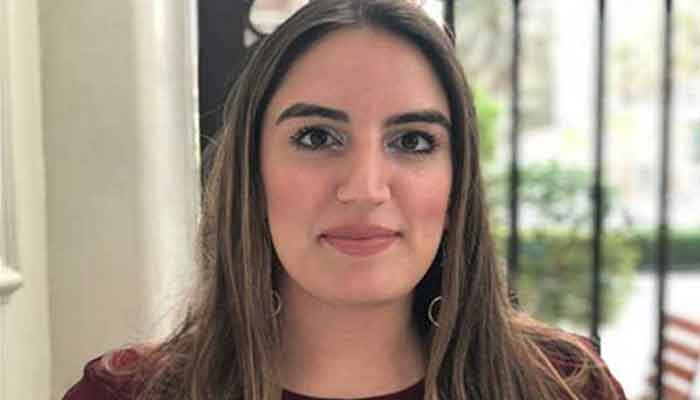
PPP leader and daughter of former prime president Asif Zardari, Bakhtawar Bhutto on Saturday took exception to Jahangir Khan Tareen’s UK visit despite him being named in the sugar inquiry report.
Responding to a tweet in which the user stated that Jahangir Tareen has left for the UK after “looting billions” but the National Accountability Bureau was “sleeping”, she said her father was placed on the no-fly list during elections after “a media scandal” broke and has been on it ever since.
“[M]y father a former President was placed on [Exit Control List] ECL during the elections after a media scandal broke & has been on it ever since. My brother [Bilawal Bhutto] was placed on ECL just for making a speech. Also half of Sindh Gov ministers,” she said.
“When it comes to real accountability - This is the other side,” Bakhtawar said.
- my father a former President was placed on ECL during the elections after a media scandal broke & has been on it ever since. My brother was placed on ECL just for making a speech.Also half of Sindh Gov ministers. When it comes to real accountability - This is the other side: twitter.com/chacharfayaz/s…

745 people are talking about this
On Friday, Tareen had reacted to media reports about his foreign visit and clarified that there’s “nothing to worry about” and that he was in the UK for a regular medical checkup.
“IA will get a clean bill of health and be back soon,” he added.
Seeing media speculating about my trip to the UK.
Nothing to worry about. Since I recovered from my illness in 2014, I have to have regular biannual check ups with my Doctors in the UK.
IA will get a clean bill of health and be back soon.


1,631 people are talking about this
Tareen has been named in the damning inquiry report as one of the beneficiaries of sugar price hike and a subsidy of billions of rupees doled out to the mills' owners.
The government of Pakistan Tehreek-e-Insaf has multiple times reiterated that action would be taken on the basis of the report and no one will be spared.
Pakistan hospitals running out of beds as virus cases surge past 100,000
Pakistan -- and neighbours India and Afghanistan -- have lagged behind Western nations in virus tolls, but experts warn a lack of testing or accurate reporting in rural areas could be hiding true figures.
In recent weeks, however, the country of more than 210 million has reported a sharp rise in new infections, and on Monday the government said more than 100,000 cases and 2,000 deaths had now been recorded.
Last week a leaked government report suggested there were nearly 700,000 infections in Lahore alone.
Doctors at several main hospitals in the historic eastern city told AFP they were running out of beds, ventilators and other vital equipment.
"As the cases increase, more health care workers are also falling victim to the virus," said Farooq Sahil, a doctor at Services Hospital Lahore.
Khizer Hayat, chairman of the Young Doctors Association of Punjab, said facilities across the province needed help.
"Hospitals are running out of beds; there aren't enough ventilators given to us," he told AFP.
In the southern port city of Karachi, health centres are turning away the sick, with a large sign near the entrance of the Indus hospital stating there was no room for coronavirus patients.
Asad Umar, who heads the national coronavirus task force, said Monday a package to relieve pressure on hospitals was being finalised and would include 1,000 new beds in major cities.
Pakistan's lockdown policy has been patchy at best, with Prime Minister Imran Khan reluctant to call a nationwide shutdown in order to protect the economy.
"The crisis is unfolding now as we have ceased to observe isolation," said Sikander Ali Memon, who is leading Sindh province's anti-virus efforts.
In southwestern Balochistan province, government spokesman Liaqat Shahwani told AFP the situation was serious, and authorities were struggling to cope.
Sunday, June 7, 2020
#Pakistan - #Coronavirus: Govt needs to pay attention to doctors advice as lockdown eases
Javed Aziz KhanAs Khyber Pakhtunkwa’s major hospitals exceed capacity amidst an eased lockdown close to Eid, the government needs to pay attention to doctors’ advice and grievances.
Khyber Pakhtunkhwa’s hospitals are running short of facilities. According to some doctors, by the start of this week, there was no vacant bed at the isolation center for Covid-19 patients at Hayatabad Medical Complex, one of the three major hospitals in Peshawar and Khyber Pakhtunkhwa. The administration was asked to admit the new patients to another facility. According to doctors, there are 145 beds at the isolation ward of Hayatabad Medical Complex for Covid-19 patients while 14 beds were reserved in the ICU.
There are similar scenes at other hospitals where more people are coming with symptoms and need to be tested but they have to wait for their turn. There were cases in which people were refused tests, probably for lack of test kits, saying these were symptoms of flu but they were tested positive when they approached private facilities.
The number of cases in KP especially Peshawar is already concerning: one in every five deaths in Pakistan due to coronavirus is from only one district, Peshawar. The number of Covid-19 patients has been increasing since the relaxation of lockdown close to Eid. As tens of thousands of people flocked to markets for shopping ahead of Eid in markets, socialising on Eid, and attending funerals, hardly a few were seen to be following social distancing SOPs like wearing masks or keeping a safe distance from others. These occurrences fueled concerns that the number of Covid-19 patients may increase further in the coming weeks.
The situation is not just alarming for the government or concerned citizens but the health staff as well. Some doctors have asked the government functionaries to let them attend their press conferences to request people to follow government SOPs regarding social distancing or the health staff will stop treatment since an increasing number of people are being admitted on a daily basis.
Daily reports suggest that despite many doctors, nurses and other care-workers tested positive, the government was yet to provide proper facilities at hospitals. Apart from acute shortage, many even questioned the quality of the PPEs provided to doctors. The provincial doctors’ association has expressed concern over the increasing number of Covid-19 cases among the doctors and health staff across KP.
A huge embarrassment for the government amid the pandemic was the resignation of the in-charge of the intensive care unit of the biggest hospital of KP along with another colleague. The resignation of two doctors in ICU has caused concern amongst the doctors and other staff. The in charge of the ICU Dr Ayesha Mufti, an assistant professor, is said to be the only qualified intensivist and lone FCPS of acute medicine in KP. Dr Ayesha and Dr Mazhar were serving in ICU department of LRH when they decided to quit.
In her resignation letter, Dr Ayesha Mufti accused the LRH administration of “completely unprepared to deal with corona epidemic”. She stated there was no planning and even if there were a plan, the ICU and anesthesia department were never informed because they were not considered important part of the hospital.
The resignation of two doctors in ICU has caused concern amongst the doctors and other staff. The in charge of the ICU Dr Ayesha Mufti, an assistant professor, is said to be the only qualified intensivist and lone FCPS of acute medicine in KP.
“The number of nursing staff was highly inadequate inside the ICU, the quality of care was poor, hygienic conditions were very bad, we tried to communicate at various levels but instead we received an explanation by [the] dean over some minor issues. It was never ordered by any senior to physically inspect what was going on inside the ICU. After recovery of first four patients the remaining could not recover, poor nursing care has a huge role in it,” the doctor mentioned in the resignation letter.
Dr Mufti mentioned that the ICU was being run by six consultants only when the patient turnover was very rapid, the burden was huge and despite the fact that the admin knew this was the maximum capacity they opened a second ICU in thoracic unit. According to her, despite their maximum effort to run the general ICU with minimal and inexperienced staff, they faced criticism. In her letter, she highlighted that irrelevant doctors visited the ICU and questioned ICU management over arterial lines, CVP measurements, humidifiers and ted stockings. She added that they tried to advise anesthesiologist over setting of tidal volume for the patient.
“In daily Zoom meetings, we were made to answer questions asked by such irrelevant doctors with absolutely no concept of critical care. Some other departments of LRH were also destroyed in a similar fashion. The laboratories we asked for were never provided because it is not the priority of the hospital. I made a request for MDI adapters, and so far, no one has updated me about it. The head nurses were not going inside the ICU despite repeated questioning of poor nursing care,” stated the letter by Dr Mufti.
There were reports that many doctors and health staff at different hospitals in KP are planning to quit for lack of facilities for patients, and doctors.
The administration of the hospital denied these charges, saying there were a lot of deficiencies in protocol set for Covid-19 pandemic. The management said Dr Nausherwan Burki had to personally monitor each and every Covid-19 patient from the US and give suggestions. The management said Dr Burki had called an intensivist from Shaukat Khanum Hospital who also expressed his dissatisfaction over the ICU services in LRH.
A couple of weeks back, Taimur Jhagra, the provincial health minister said that the doctors are with the government are on the same page. “We will win the corona fight with strength of mind, courage and unity. Representatives of doctors’ associations that have had complicated relationships with government all sat together to give one message that we will shun aside differences and work together to win this,” he said.
But there have been a number of complaints by the doctors of neither providing sufficient and better-quality PPEs, masks and other facilities to those fighting this war on the frontline.
People in cities, suburbs and villages all need to be educated, or even forced to stay home and strictly follow SOPs to prevent the spread of Covid-19. For this reason, various influentials from prayer leaders in mosques of KP and the rest of Pakistan, parliament members, local government representatives, teachers, elders and anyone who wields power and has a say needs to be involved an in both countering negative propaganda and convincing people to follow social distancing SOPs to stay safe and keep their loved ones safe. Just a few ads and few social media posts cannot work in isolation unless serious and holistic efforts are made with the understanding that there are rural areas where social media, internet access and literacy are challenges. At the same time, the government needs to listen closely to doctors’ grievances and respond to the challenges that they are facing in real-time ranging from ensuring supply of PPEs to all kinds of technical facilities and support to the health staff to enable that they can safely and better test, treat and save patients.
#Coronavirus impact: Pakistan saw highest inflation in world during 2020
With the emergence of the coronavirus pandemic, the entire economic scenario was turned upside down.
For Pakistans residents, the fiscal year 2020 was the worst year as they witnessed highest inflation in the world forcing policymakers to increase the interest rate, according to the State Bank of Pakistan (SBP).
"Pakistan witnessed the highest inflation not only in comparison with the developed economies but also with emerging economies," said the Inflation Monitor for April issued by the SBP on Saturday.
The SBP pushed up interest rates to cool down the inflationary pressure during the fiscal year but high rates proved counterproductive as they further increased inflation while the private sector stopped borrowing costly money hampering industrial growth and services, reports Dawn news.
January witnessed 12-year high inflation at 14.6 percent. In response to the rising prices, the SBP rose the interest rates to 13.25 percent.
However, with the emergence of the coronavirus pandemic, the entire economic scenario was turned upside down as demand contraction lowered inflation forcing the SBP to cut down interest rates to 5.25 percent within just three months.
The rate cut announcement came as inflation slowed down, falling to 8.2 percent in May, much lower than the SBP projections for the month.
The July-May inflation for the current fiscal year slipped below to the State Bank's earlier projection of 11 percent to 10.94 percent. The number is expected to drop further in June.
The government has slashed petroleum prices thrice during the two months, which drastically reduced the cost of production, transportation, and finally reduced inflation.
The SBP has provided relief amounting to hundreds of billions in the form of principal payments deferrals, debts rescheduling, and lending on easier terms for the industrial sector to avoid massive layoffs.
https://www.khaleejtimes.com/coronavirus-pandemic/coronavirus-what-are-working-mums-concerned-about-as-dubai-offices-return-to-100--
Opinion: Against Corona virus, Pakistan Turns to a Traditional Remedy: Blame Ahmadis and Jews

Ahmadis, like Israel and Jews, are designated 'enemies of Islam,' and hence of Pakistan, accused of working in tandem to provoke crises across the Muslim world. Their latest plot? COVID-19.
Every few minutes for the past week, a viral meme entitled "coronavirus timeline in Pakistan’ has been shared by social media users in Pakistan. Written in Urdu transliterated into Latin script, the meme helpfully conveys the evolution of Pakistani conspiracy theories surrounding COVID-19 from January 2020 till May, as coronavirus has mutated from "Allah’s wrath on China" (January) to the globe-spanning claim that it’s a "hoax designed by Bill Gates to forcibly implant microchips" (May).
Tucked in for April is: "American and Israeli conspiracy." No anthology of conspiracy theories in Pakistan could be complete without superlatively imaginative attributions to Israel. In fact, had the meme been ranked by the degree of fixation of the conspiracists, and not a take on the evolution of the theories, Israel would’ve won first place in a walkover.
In meme terms, Israel would be best described by the baton roué, or bike fall, the template in Pakistan: the country is riding along steadily, when the movement is arrested by an obstacle of its own making. The bike falls, and the rider blames Israel.
Almost every perceived, often self-inflicted, predicament in the country is cited as a Jewish plot, not just by dedicated conspiracists, also by those ruling the country.As the perpetual imagined enemy of Pakistan, Israel is almost always hyphenated with its "partner in crime": the Ahmadiyya Muslim community, a revivalist, messianic Muslim sect founded in the late 19th century Punjab, in then-British India, with a following of 10-20 million, of which four million adherents live, precariously, in Pakistan.
Excommunicated in the very text of Pakistan’s constitution, forbidden by its Penal Code from "posing as Muslims," the Ahmadis, like Israel, are designated as "enemies of Islam" – and hence of Pakistan – with the two accused of working in tandem to provoke crises across the Muslim world.
Subscribe to:
Posts (Atom)