Tuesday, April 28, 2020
آٹھ کمروں کے سکول میں 1600 سے زائد بچیاں کیسے پڑھتی ہیں؟

ایک جائزہ رپورٹ کے مطابق ضم شدہ اضلاع میں تقریباً 53 فی صد سکولوں اور کالجوں میں بجلی، پنکھوں، صاف پانی، ٹائلٹ اور دیگر ضروری سہولیات نہیں۔
گل روز خان چوتھی جماعت کا طالب علم ہے۔ وہ ہر روز تقریباً ڈھائی کلومیٹر کا فاصلہ طے کر کے نالے کے پار سکول جاتا ہے۔ اپنی آنکھوں میں بڑا آدمی بننے کا خواب سجائے یہ ننھا طالب علم اس لیے ڈاکٹر بننا چاہتا ہے تاکہ اپنی بیمار والدہ کا علاج کر سکے۔
گل روز ضلع اورکزئی کے ایک چھوٹے سے گاؤں بازید خیل میں واقع دو کمروں پر مشتمل گورنمنٹ پرائمری سکول کے ان 360 طلبہ میں سے ایک ہے جو کم و بیش یہی سپنے آنکھوں میں سجائے سکول کا رخ کرتے ہیں۔
گل روز خان کا یہ خواب شرمندہ تعبیر ہوسکے گا یا نہیں، اس کا اندازہ ان کے سکول میں دستیاب سہولیات سے لگانا کچھ زیادہ مشکل نہیں۔
سکول میں موجود تعلیمی سہولیات کا اندازہ اس بات سے باآسانی لگایا جاسکتا ہے کہ ان طالب علموں کو پڑھانے کے لیے صرف دو اساتذہ ہی موجود ہوتے ہیں۔
یہ کہانی نئے ضم شدہ اضلاع کے تقریباً ہر سکول کی ہے۔ پشاور میں ایجوکیشن ڈائریکٹوریٹ سے حاصل کیے گئے اعداد وشمار کے مطابق ضم شدہ اضلاع میں5900 تعلیمی ادارے ہیں، جن میں چھ لاکھ 54 ہزار 331 طلبا زیر تعلیم ہیں۔
ان میں سے تین ہزار 471سکول لڑکوں جبکہ دو ہزار 429 لڑکیوں کے لیے ہیں۔
حکومتی قواعد و ضوابط کے مطابق ہائی سکول کے لیے آٹھ جبکہ مڈل سکول کے لیے چھ اساتذہ کی موجودگی لازمی ہے، لیکن تعلیمی ماہرین کے مطابق یہ تعداد بالکل ناکافی ہے۔
پچھلے سال کے اواخر میں ضلع کرم کے صدر مقام پاڑہ چنار کے ایک گرلز ہائی سکول میں جانے کا اتفاق ہوا۔ آٹھ کمروں پر مشتمل اس سکول میں 1600 سے زائد بچیوں کے بیٹھنے کے لیے گنجائش بنائی گئی تھی۔ کیسے؟ اس بات کا اندازہ اس بات سے باآسانی لگایا جاسکتا ہے کہ اس سکول کے جماعت نہم میں 176 بچیاں فرش پر کندھے سے کندھے ملائے اس انداز میں بیٹھی تھیں گویا ان کو چھٹی سے پہلے ہلنے کی بھی ضرورت پیش نہیں آئے گی۔
مقامی صحافی اور پاڑہ چنار پریس کلب کے چیئرمین علی افضل افضال نے بتایا یہ کرم کے دوسرے سکولوں کی ایک چھوٹی سی تصویر ہے۔
2016 کی ایک جائزہ رپورٹ کے مطابق ضم شدہ اضلاع میں تقریباً 53 فی صد سکولوں اور کالجوں میں بجلی، پنکھوں، صاف پانی، ٹائلٹ اور دیگر ضروری سہولیات نہیں تھیں۔ اکثر سکولوں کی چار دیواریاں بھی نہیں تھیں۔
ٹرائبل یوتھ مومنٹ کے صدر خیال زمان اورکزئی کہتے ہیں قبائلی علاقہ جات جیسے روایت پسند اور قدامت پسند معاشرے میں کیا کوئی شخص اپنی بچی کو ایسے سکول بھیجےگا جس سکول کی چار دیواری نہ ہو؟
شاید یہی وجہ ہے کہ ضم شدہ اضلاع میں تعلیمی شرح اور خصوصاً خواتین کی شرح تعلیم انتہائی کم ہے۔ فاٹا سیکرٹریٹ اور بیورو آف سٹیٹسٹکس کے اشتراک سے دو سال پہلے ہوئے ایک سروے کے مطابق ضم شدہ اضلاع میں خواتین کی شرح تعلیم صرف 7.8 فیصد ہے جبکہ مردوں میں یہ شرح 28.4 فیصد ہے۔
سروے کے مطابق 44.2 فیصد بچے ایسے ہیں جو کبھی سکول گئے ہی نہیں۔ان سکولوں میں سہولیات کے فقدان کے ساتھ ساتھ اہم سوال یہ بھی ہے کہ کیا اساتذہ کو حکومت کی طرف سے وہ تربیت دی جاتی ہے جوطلبہ کو عصری تقاضوں سے ہم آہنگ کرنے کے لیے ان کے نصابی اور غیرنصابی سرگرمیوں کی تکمیل کے لیے درکار ہے؟
مشہور ماہر تعلیم اور گورنمنٹ کالج پاڑہ چنار کے سابق پرنسپل جمیل کاظمی اس کا جواب نفی میں دیتے ہیں۔ ٹیچر تربیت کی سہولت یہاں پر نہیں ہیں اور نہ ہی خواتین اساتذہ کے لیے ہاسٹل کی کوئی سہولت موجود ہے۔ غیرموثر مواصلاتی نظام، سڑکوں کی حالت زار اور ٹرانسپورٹ کی کمی اس کام کو مزید مشکل بنا دیتی ہے۔
خیبرپختونخوا کے وزیر اعلیٰ محمود خان کہہ چکے ہیں کہ ضم شدہ اضلاع میں تعلیمی اور دیگر مسائل کو ترجیحی بنیادوں پر دور کیا جائے گا۔ تاہم ابھی تک یہ پیش رفت سست روی کا شکار ہے۔
حیرت کی بات ہے کہ اکیسویں صدی میں بھی ان علاقوں میں انٹرنیٹ کی سہولت موجود نہیں۔ کرونا وائرس کے پیش نظر ملک کے دورافتادہ پسماندہ علاقوں میں طلبہ کی تعلیمی ضروریات کو پورا کرنے کے لیے وزیراعظم عمران خان نے گذشتہ دنوں پاکستان ٹیلی ویژن کے ذریعے ایک ٹیلی چینل کا افتتاح کیا لیکن وزیر اعظم کو کوئی سمجھائے کہ ٹی وی سیٹ تو بجلی سے چلتے ہیں اور بجلی تو ان علاقوں میں ناپید ہے۔
Pakistan’s response to Covid crisis is divided: between coronavirus fear and trust in God

F.S AIJAZUDDIN
As Muslims, we believe that we belong to God, and to him will we return. Our negligence will allow Covid-19 to decide who, and when.
World religions can be divided into two categories — those that are life affirming and those premised on life negation. Dr Albert Schweitzer identified this distinction: “World and life affirmation unceasingly urges men to serve their fellows, society, the nation, mankind, and indeed all that lives, with their utmost will and in lively hope of realisable progress. World and life negation takes no interest in the world, but regards man’s life on earth either merely as a stage play in which it is his duty to participate, or only as a puzzling pilgrimage through the land of Time to his home in eternity.”
Schweitzer regarded Islam, Christianity and Judaism as life-affirming religions because they acknowledge “the instinctive will-to-live”, whereas to him Hinduism, Jainism and Buddhism represented life negation, a condition “when man takes no interest whatsoever in any realisable purpose nor in the improvement of conditions in the world”.
Where would Dr Schweitzer have placed Pakistan’s credo? Somewhere between the two. Its unbridled population growth could not be more life affirming, yet its determination to reject realities existing in today’s Covid-19 world reveals the weaker traits of life negation. We have chosen to discount the advice of international medical experts, to ignore the experiences of China, Italy, Spain, the UK and US. We pray in Arabic but repudiate the advice of the Grand Mufti of Saudi Arabia that prayers during Ramazan and for Eidul Fitr should be performed at home if the pandemic continues. Instead, we have opted to follow the tenets of an agreement between a group of unelected ulema and our country’s president.
Even the most cursory scrutiny of the 20-point agreement exposes its inconsistencies: worshippers are expected to perform their ablutions at home before coming to the mosque; they are expected to wear masks and forbidden from handshakes and hugs or touching their faces; no carpets in mosques, but hundreds of individual prayer mats disinfected with chlorine are permitted; prayers would be held in the compounds of mosques not within the buildings, but taraweeh preparations are allowed within the mosque premises; social distancing of at least three feet between worshippers would be enforced by the mosque administration and police.
Attendees at the meeting between the president and the ulema included Interior Minister Ijaz Shah, the PM’s aide on health Dr Zafar Mirza and Religious Affairs Minister Noorul Haq Qadri. Where, one wonders, was the representative of the National Command and Control Centre? After all, the NCCC had been established in March to ensure effective coordination among the federal and provincial governments to control the virus. Has the NCCC endorsed this agreement? Is the president aware that he had no executive authority to enter into such an agreement? Does he realise that its enforceability stood vitiated when the ulema refused to guarantee compliance by their adherents? One suspects that this shotgun agreement will prove as ineffective as the one signed with exaggerated publicity by the provocateur Canadian cleric Tahirul Qadri with the PPP government in January 2013.
Social distancing is not new to Pakistan. It has been ostracised often enough internationally, even by the Commonwealth. Today, however, Pakistan is social distancing within itself. Islamabad is at odds with the provinces. Ministers are at odds with each other. The more flamboyant vie to demonstrate their cosmetic concern. Railway bogies are converted into wards on wheels, yet no one asks where are the sterilization or washing facilities for patients and medical staff. Cavernous Expo centres are crammed with a thousand beds, even though these public spaces have only communal latrines and no facilities for bathing. Three-star hotels in Islamabad have been commandeered for Covid-19 patients but opulent marriage halls throughout the country are exempt.
The government’s Janus-headed approach to the Covid-19 crisis is unhelpfully ambivalent. It advocates a purposeful lockdown and simultaneously wishes to oblige religious and sectoral interests, such as the powerful construction industry. It fears rightly that an extended lockdown will cause an economic collapse which we can ill-afford. At the same time, it knows that any premature suspension of the lockdown could release a plague of unimaginable proportions. As a result, our nation stands divided between those who fear the virus and those who trust in God. As Muslims, we believe that we belong to God, and to Him will we return. Our negligence will allow Covid-19 to decide who, and when.
In the 1990s, Singaporean prime minister Lee Kuan Yew visited Pakistan. He was asked his opinion of his hosts. He responded that he had never seen any country more determined to commit suicide. He is not alive to be proven right. We are alive, and can with rational decisive policies prove him wrong.
#Pakistan - Centre sabotaging Sindh’s efforts against Covid-19, says Bilawal
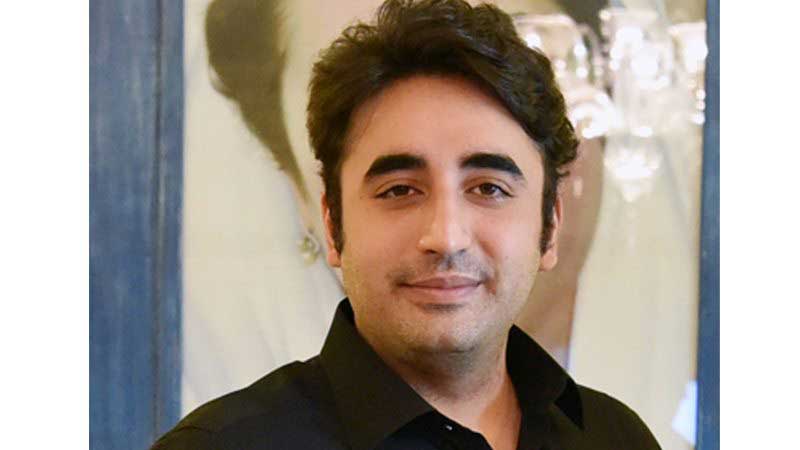 Pakistan People’s Party (PPP) Chairman Bilawal Bhutto has accused PTI-led federal government of sabotaging the steps taken by Sindh government in fight against coronavirus.
“It is the responsibility of the country’s leadership to take difficult decisions in the event of a national crisis. But this will be the first time that the Centre and the prime minister have announced their disengagement from the provinces,” Bilawal said, adding that the federal government cannot abdicate its responsibility to formulate a comprehensive strategy for the country by ‘misinterpreting’ the 18th Amendment. He emphasized that the federal government is responsible for formulating policy at the national level, adding that there is a ‘lack of leadership’ in the federal government.
Referring to the recent efforts of the federal government to bring some major hospitals of Sindh under its control, Bilawal said, “The 18th Amendment is ignored when Centre wants to snatch hospitals of Sindh, but when there is an pandemic all over the world and the country is in a war-like situation, Centre is talking about the 18th Amendment.” “If the federal government has no role to play after the 18th Amendment, then why is there a National Disaster Management Authority (NDMA) in the country? Why is there a federal health secretary?” he asked.
Talking about the perception of tensions between the Centre and Sindh, Bilawal said that the federal government has been criticizing the most successful province ‘to hide its incompetence’. “Statements of the prime minister are very irresponsible. Every province is trying to deal with the situation to the best of its ability, but even then, Centre is busy in criticism,” he said, and stressed that it is time to get united to fight this deadly virus.
https://dailytimes.com.pk/603576/centre-sabotaging-sindhs-efforts-against-covid-19-says-bilawal/
#CoronaInPakistan #Pakistan registers its deadliest day of coronavirus pandemic
Asad Hashim

Pakistan has registered its deadliest day in terms of deaths from the coronavirus, with at least 20 people dying, taking the country's toll to 301 deaths since the outbreak began in late February, government data shows.
Cases in the South Asian nation have been spiking since last week, with 751 new infections recorded on Monday, taking the overall number of cases to 14,079, data collected by Al Jazeera shows.
So far, at least 3,233 patients, or 23 percent of the overall cases, have recovered, leaving 10,545 active cases in a country where a weak health infrastructure has been at the centre of concerns regarding the rapid spread of COVID-19.In recent weeks, the government has built several makeshift hospitals, with a capacity of thousands. A police officer uses a megaphone to disperse shopkeepers gathered to reopen their shops at a closed market in Karachi [Akhtar Soomro/Reuters] Last week, however, Prime Minister Imran Khan warned that cases could spike by the middle of May, possibly overwhelming infrastructure capacity.
On Monday, Khan chaired a meeting of high-level officials to discuss the government's response to the crisis, where de facto Health Minister Zafar Mirza told government leaders that "the number of corona[virus] cases and [the] death rate in Pakistan is less than that of the rest of the world".Khan reiterated that his government was seeking to "balance the need to save people from corona[virus] and the continuation of economic activity".In the same meeting, Industries Minister Hammad Azhar said the government would be paying electricity bills for qualifying small businesses for up to three months to support them during the crisis.
Earlier this month, Khan's government reopened several sectors of the economy, arguing that rising unemployment could kill more people than the virus.
Cases have been rising, however, with the country's number doubling roughly every 11 days, while the number of fatalities has doubled almost every eight days.
The latest "deadliest day" comes a week after the previous highest number of daily deaths, 17, was recorded in the country.
As it eases up on the lockdown, the government has also been attempting to tighten restrictions in certain areas.
On Monday, Interior Minister Ijaz Shah advocated for greater restrictions on intercity bus travel on the weekends, stopping labourers from returning to their home villages.
Also on Monday, Imran Ismail, the governor of the southern Sindh province - home to the country's largest city of Karachi - said he had tested positive for COVID-19.
https://www.msn.com/en-us/news/world/pakistan-registers-its-deadliest-day-of-coronavirus-pandemic/ar-BB13js23?ocid=msedgntp
Monday, April 27, 2020
Federal government’s interpretation of 18th Amendment is disingenuous: Bilawal

The federal government is trying to ruin the efforts made by the provinces to fight the coronavirus, instead of working together, says Pakistan Peoples Party Chairperson Bilawal Bhutto Zardari.
The young PPP leader gave an interview to BBC Urdu. In it, he spoke about the Sindh government’s strategy to fight the virus, the need for unity between the centre and provinces and more.
Bilawal said the federation was interpreting the 18th Amendment incorrectly.
He blamed Prime Minister Imran Khan of distancing himself from the provinces and its problems.
“The centre doesn’t think of the 18th amendment when it wants to snatch away hospitals from the provinces like the Jinnah hospital, but relies on it when there is a global pandemic, which is a war-like situation,” Bilawal said, adding that this is disingenuous.
فضل الرحمٰن کا بلاول بھٹو اور دیگر اپوزیشن رہنماؤں سے ٹیلیفونک رابط- - 18ویں ترمیم
پیپلز پارٹی کے چیئرمین بلاول بھٹو زرداری اور جمعیت علماء اسلام (ف) کے سربراہ مولانا فضل الرحمٰن کے درمیان ٹیلیفونک رابطہ ہوا ہے۔
پیپلز پارٹی کی طرف سے جاری کیے گئے اعلامیے کے مطابق بلاول بھٹو اور مولانا فضل الرحمٰن نےاس موقع پر 18 ویں ترمیم پر گفتگو کی۔
دونوں رہنماؤں نے بات چیت کے دوران کہا کہ جمہوری قوتیں 18ویں آئینی ترمیم پر کسی صورت سمجھوتہ نہیں کریں گی۔
بلاول بھٹو اور مولانا فضل الرحمٰن نے کہا کہ 18ویں ترمیم کے خاتمے سے متعلق کسی کوشش کو برداشت نہیں کریں گے۔
اس موقع پر پی پی چیئرمین نے مزید کہا کہ ملک کورونا وائرس کی وجہ سے سنگین حالات سے گزررہا ہے، وفاق آئین سے چھیڑ چھاڑ کے بجائےصوبوں کی مدد کرے۔
ذرائع کے مطابق بلاول بھٹو سے گفتگو کے بعد مولانا فضل الرحمٰن نے اپوزیشن لیڈر شہباز شریف، محمود خان اچکزئی، میاں افتخار اور آفتاب شیر پاؤ سے ٹیلیفونک رابطہ کیا۔
جے یو آئی سربراہ نے دیگر اپوزیشن جماعتوں کی قیادت سے موجودہ حالات میں حکومتی اقدامات پر بات چیت کی۔
Pakistan to keep Mosques open during Ramadan

By ARSHAD MEHMOOD
Government reversed course under pressure from the faithful.
Pakistan will permit mass prayer services during Ramadan as long as mosques follow 20 rules, including having congregants stay six feet apart, bring their own prayer mats and perform their ablutions at home.Last month, authorities across the South Asian country ordered local mosque administrators to limit Friday prayer congregations to just five people, as part of a broader ban on public gathering to curb the spread of the coronavirus. However, as Ramadan approached, a growing number of people across the country refused to follow the restriction.
More than 96% of Pakistan’s approximately 220 million inhabitants are Muslim, giving it the second-largest number of Muslims in the world after Indonesia. There have been 10,513 confirmed cases of COVID-19 in the country and 224 deaths. Meanwhile, the majority of the Muslim world has decided that Ramadan prayers should be offered at home. Prime Minister Imran Khan, in a televised address to the nation on Tuesday, defended the government’s decision and said, “Pakistan is an independent country and its citizens could not be stopped from visiting places of worship.” “We take decisions according to our situation,” he said. “Ramadan is a month of worship and people want to go to mosques. Do we forcefully tell them to not go to mosques? That could not happen in an independent society.” The prime minister added, however, that it would be preferable if people prayed at home. He urged those attending mosques to follow official guidelines.
Khan warned that “if safety measures are not taken by the worshippers in mosques and there are reports of the spread of the virus, the decision can be reviewed without any delay. Then we would have no choice but to take action and close the mosques.” Pakistani President Arif Alvi, a dentist by training, held a consultative meeting with top religious scholars from all schools of thought and sects on April 18 and announced that the government would allow special prayers during Ramadan if certain conditions were observed. They agreed on a 20-point guideline to prevent the spread of COVID-19 during the holy month. Under the guidelines, people above the age of 50, minors and those suffering from “flu” will not be allowed to enter mosques. Ramadan traveeh prayers should not be conducted on roads, footpaths or anywhere else other than in mosques, and mosque floors will be washed with chlorine disinfectant. Prayer mats will also be disinfected with a chlorine mixture, and congregational rows will be formed with a six-foot distance between worshipers. However, people will be encouraged to offer traveeh prayers at home.
In Islamabad on Monday, the prime minister met with the country’s leading Islamic clerics and scholars and asked them to ensure the implementation of the safety procedures during the communal prayers during Ramadan. After the meeting, Noor-ul-Haq Qadri, federal minister for religious affairs and interfaith harmony, said, “Khan has asked the clerics to seek the blessings of Almighty Allah to accept repentance, forgive sins and help in the eradication of the deadliest coronavirus.” Mawlana Tahir Ashrafi, the chairman of the Pakistan Ulema (Islamic Scholars) Council, participated in the meeting with the prime minister. He strongly denied that the government’s decision was a result of the Islamists’ pressure. Ashrafi told The Media Line, “After several days of meetings and consultations with the country’s leading health professional and Islamic scholars, the government has allowed the condition-based congressional prayers.”
He continued, “Shopping malls, markets, offices and factories, ministries are open. Dozens of people are sitting and discussing matters on the TV channels, media houses are open, but only mosques are being targeted. Why?” He claimed that “some so-called liberals aim at creating chaos in the country in the wake of the coronavirus and are propagandizing against the government’s decision.
“The mosques are our ideological centers and the Pakistan Ulema Council assures that mosques have taken more precautionary measures as compared to other public places,” Ashrafi said. “The Pakistan Ulema Council is fully cooperating with the government in implementing its guidelines.” He appealed to the public to stay safe by following precautionary measures and limiting social contact. “We have asked imams to strictly abide by official guidelines during the holy month,” Ashrafi said. Mawlana Muhammad Sajjad Sajid, a Rawalpindi-based imam and prominent scholar, told The Media Line that “the government’s decision is a wise step because a devoted Muslim wishes to spend most of his time in the mosque, particularly during the holy month, but the worshippers must follow the official guidelines while ensuring personal care, too.
“The situation in Pakistan is quite different as compared to Saudi Arabia and other Arab countries. However, the traveeh special Ramadan prayer may be offered separately, inside the homes,” Sajid said. Senior health professionals express deep concern over the government’s decision to allow communal prayer during Ramadan. Pakistan’s top Karachi-based health professionals wrote a joint letter to the federal government and leading religious scholars on Wednesday, asking them to review their decisions to permit mass prayer. “Imams will be unable to make people abide by the precautionary measures to contain the spread of coronavirus,” the medical professionals wrote. Dr. Fartash Sarwar, an Islamabad-based leading health professional and analyst, told The Media Line that “probably due to the strong pressure from the religious lobby, which seems to be in the driving seat rather than the concern for public safety, the government has permitted the congressional prayers. “With the lack of random testing for the general population, one cannot be sure who is positive and who is negative [for COVID-19],” he continued. “In such circumstances, in a third world country like Pakistan, whose health system is as weak as its economy, the sane approach would be prevention, which is better than cure. “If the virus is spread, will our health system be able to bear the brunt? The answer is an unequivocal no because our hospitals and our health system, in general, are grossly underfunded and lack the necessary human resources for such a calamity,” he said. “Our only hope is to prevent the disease [from spreading] through maintaining coordinated social distancing and educating the masses,” Sarwar said. “Do we have any alternative other than that? The answer is still no.” “If countries like Italy, Spain, China and the US have caved in to this disaster, Pakistan’s best bet is to follow the prescribed preventive protocols until a definitive treatment is on the market,” Sarwar said. Prof. Dr. Liaqat Ali, a Lahore-based senior physician and a former Health Ministry director-general, told The Media Line that “despite all the precautions as stated by the officials and worthy Islamic scholars, social distancing cannot be observed during congressional prayers. “Even if those over 50 and the sick don’t attend communal prayers, asymptomatic patients can spread the virus to others,” he said. “There is a possibility that a young person can catch it [during mass prayer] and then elderly people at home would be exposed to the virus, which would further worsen the situation.
“God forbid, in the case of a rapid rise in the number of coronavirus cases, the country would witness an acute shortage of beds, ventilators, health personnel and medical equipment,” Ali said. Dr. Zafar Mirza, special assistant to the prime minister on national health services, told The Media Line, “The coming days are crucial and depend upon people’s behavior, whether they adopt official guidelines or not. The coronavirus is a preventable disease and its spread can be stopped if we take proper preventive measures.” Mirza said the death from COVID-19 in Pakistan had risen to 1.7%, while the global fatality rate was 6.1%. Thanks to the government’s “effective and advanced preventive measures, the fatality rate is low as compared to global rate,” he said.
Coronavirus pandemic: Bilawal says centre showing indifference towards provinces

PPP Chairperson Bilawal Bhutto-Zardari on Monday said the Prime Minister Imran Khan-led government was showing indifference towards the provinces during the coronavirus crisis.
In an interview with the BBC, the PPP boss said that the PTI-led federal government, rather than working alongside its provincial counterparts, was attempting to "sabotage the good work done by Sindh".
He added that the Centre could not remain negligent towards its duty towards the provinces in light of its own interpretation of the constitutional 18th Amendment.
During a crisis, he noted, it was the national leadership's responsibility to take ownership of matters. He opined that it was the federal government that should formulate the policy to be implemented on a country-wide level but that there was a lapse in leadership this time.
“When the Centre wants to steal hospitals [from] under the government of Sindh, then no one sees the 18th Amendment. But, when there is a global outbreak of a disease and the country is in a state of war, then they bring up the 18th Amendment — which is extremely unfair,” he underlined.
The PPP chair said at such a time, the entire country needed to unite and termed PM Imran's statements as quite irresponsible. "The sliver of doubt in the policy of [PM Imran] Khan gives an impression that the state of Pakistan is not free.
"Governments across the world are abolishing popular decisions and implementing measures that can benefit their public and secure their health,” he said.
While referring to the premier's telethon for the Corona Relief Fund, Bilawal said even though the donations were for a worthy cause, the premier needed to comprehend that donations were not a solution to everything.
He lamented that no matter which global organisation lauded the work of the Sindh government, the federal government always had some kind of criticism in store.
Bilawal said the Senate chairperson and speaker should decided whether a virtual or in-person session of the National Assembly could be summoned to discuss pertinent national issues and relevant legislation.
Earlier today, The News had reported quoting sources that the federal government had contacted several political parties for key changes in the National Finance Commission (NFC) Award and the 18th Amendment.
Some political parties had assured support to the Centre for the changes, sources had informed the publication.
COVID-19: Food prices sky rocket in Pakistan during Ramadan
Zubair QureshiPrices of edible items, vegetables, fruit, gram flour and some pulses have gone up by 30 per cent-40 per cent with arrival of Ramadan in Pakistan. This overnight increase in the prices of these essential items by profiteers has multiplied woes of the poor daily wage earners, who are already facing hard times due to prevailing lockdown in the country.
Unfortunately, the government’s relevant departments have miserably failed to curb this rising trend in prices.
In Pakistan and India, traditionally Muslims break their fast with fruit, milk, lemonade, samosa, pakora and other traditional items at Iftaar. This turns into quite a festivity and all the family members sit together to break their fast or at least to participate in the ritual.
However, this year whereas coronavirus has affected the normal course of life forcing the people inside their homes, it has also put them in enormous financial constraints, particularly those who earn daily wages or have small incomes. Price hike in items of daily use has further added to their miseries.
In Islamabad, Lahore, Karachi, Peshawar, Quetta and other cities of Pakistan, there has been a sharp increase in prices. For example, apple (red) is being sold at Rs280 (Dh6.30) per kg. Before Ramadan it was Rs240 for one-kg.
Similarly, banana which is an essential ingredient of the Iftaar is being sold at Rs150 (Dh3.45) while a couple of days earlier its price was Rs120 per dozen.
Interestingly the government price list for banana is Rs95 for one dozen. Other fruit like guava being sold at Rs200 instead of Rs84, melon for Rs120 instead of Rs60, watermelon Rs85 instead of Rs50 and lemon Rs400 instead of Rs150.
In Islamabad, the district administration sent teams to a number of markets and imposed a total fine of Rs80,000 on 15 shops for violating the official prices. A total of 37 such shops were raided on Saturday, according to an official of the Islamabad Capital Territory (ICT).
On the other hand, the shopkeepers and vendors have blamed hoarders and whole sellers for this increase in the edible items, fruit and vegetables.
Farid, a vegetable vendor, told Gulf News that the wholesale dealers kept raising lemon prices on a daily basis and then one day before Ramadan it went missing from the market. Now its prices are up almost twice and poor people are forced to buy it because it is integral part of their Iftaar menu. Lahore District government too imposed a fine of Rs61,000 besides arresting seven vendors for profiteering.
In Karachi too prices of fruits, vegetables and poultry have gone up. Among fruits/vegetables, lemon is the most sought after and highly priced item being sold at the rate of RS 440 per kg. Similarly, the prices of apple have also been raised from Rs190 to Rs260 per kg. Among vegetables, potatoes and onions now cost Rs300 per 5kg weight. Earlier its price was Rs225 per 5-kg.
Sunday, April 26, 2020
Trump’s Disinfectant Remark Raises a Question About the ‘Very Stable Genius’

By Matt Flegenheimer
The president has often said he is exceptionally smart. His recent suggestion about injecting disinfectants was not.
President Trump’s self-assessment has been consistent.“I’m, like, a very smart person,” he assured voters in 2016. “A very stable genius,” he ruled two years later.
“I’m not a doctor,” he allowed on Thursday, pointing to his skull inside the White House briefing room, “but I’m, like, a person that has a good you-know-what.”
Mr. Trump’s performance that evening, when he suggested that injections of disinfectants into the human body could help combat the coronavirus, did not sound like the work of a doctor, a genius, or a person with a good you-know-what.
Even by the turbulent standards of this president, his musings on virus remedies have landed with uncommon force, drawing widespread condemnation as dangerous to the health of Americans and inspiring a near-universal alarm that many of his past remarks — whether offensive or fear-mongering or simply untrue — did not.
Mr. Trump’s typical name-calling can be recast to receptive audiences as mere “counterpunching.” His impeachment was explained away as the dastardly opus of overreaching Democrats. It is more difficult to insist that the man floating disinfectant injection knows what he’s doing.The reaction has so rattled the president’s allies and advisers that he was compelled over the weekend to remove himself from the pandemic briefings entirely, at least temporarily accepting two fates he loathes: giving in to advice (from Republicans who said the appearances did far more harm than good to his political standing) and surrendering the mass viewership he relishes.Some at the White House have expressed frustration that the issue has lingered. “It bothers me that this is still in the news cycle,” Dr. Deborah Birx, the coronavirus response coordinator, told CNN on Sunday, adding, “I worry that we don’t get the information to the American people that they need, when we continue to bring up something that was from Thursday night.”
Gov. Larry Hogan of Maryland, a Republican who has been willing to speak skeptically about Mr. Trump’s virus leadership, said on ABC’s “This Week” on Sunday that it “does send a wrong message” when misinformation spreads from a public official or “you just say something that pops in your head.” Asked to explain the president’s words, Mr. Hogan said, “You know, I can’t really explain it.”
No modern American politician can match Mr. Trump’s record of false or illogical statements, which has invited questions about his intelligence. Insinuations and gaffes have trailed former President George W. Bush, former Vice President Dan Quayle and Joseph R. Biden Jr., now the presumptive Democratic nominee, among many others. But Mr. Trump’s stark pronouncement — on live television, amid a grave public health crisis, and leaving little room for interpretation — was at once in a class of its own and wholly consistent with a reputation for carelessness in speech.
Still, for weeks, the president’s political team has been strikingly explicit about its intended messaging against Mr. Biden: presenting him as a doddering 77-year-old not up to the rigors of the office — and setting off on the kind of whisper campaign that does not bother with whispers.
A Trump campaign Twitter account on Saturday celebrated the anniversary of Mr. Biden’s 2020 bid by highlighting all that he had “forgotten” as a candidate, with corresponding video clips of momentary flubs and verbal stumbles: “Joe Biden forgot the name of the coronavirus.” “Joe Biden forgot the G7 was not the G8.” “Joe Biden forgot Super Tuesday was on a Tuesday.”
On Sunday, the Trump campaign made clear that the disinfectant affair would not disrupt its plans. “Joe Biden is often lost,” said Tim Murtaugh, a Trump campaign spokesman, “losing his train of thought during friendly interviews, even when he relies on written notes in front of him.”
T.J. Ducklo, a Biden spokesman, called this approach “a distraction tactic — as if anything could erase the memory of the president suggesting people drink disinfectant on national television.”
Carlos Curbelo, a Republican former Florida congressman who clashed at times with Mr. Trump and did not vote for him, said the president’s comments on disinfectants were likely to resonate precisely because he was running a race premised largely on Mr. Biden’s mental capacity. “Given Joe Biden’s gaffes and mistakes, I think the Trump campaign had a strong narrative there,” he said. “At the very least, that advantage was completely erased.”
Mr. Curbelo said a friend had suggested recently that Mr. Trump’s toxic virus idea was “the craziest thing he ever said.”
“I said, ‘I don’t know,’” Mr. Curbelo recalled. “‘Maybe. I’d have to look back and check.’”
This history, of course, is the argument for Democratic caution. The list of episodes that were supposed to end Mr. Trump — the “Access Hollywood” tape, the “very fine people” on both sides of a white supremacist rally, insulting John McCain’s service as a prisoner of war — is longer than most voters’ memories.The president can register as more time-bending than Teflon. Plenty sticks to him; it just tends to be buried quickly enough by the next stack of outrages, limiting the exposure of any single one.But if most Trump admirers have long since made up their minds about him, recent polling on his handling of the crisis does suggest some measure of electoral risk. Governors and public health officials like Dr. Anthony Fauci are viewed as far more trustworthy on the pandemic, according to surveys.Lily Adams, a former aide on the presidential campaigns of Hillary Clinton and Kamala Harris, who is now advising Unite the Country, a pro-Biden super PAC, said that swing voters in focus groups were especially dismayed at Mr. Trump’s refusal to listen to experts.
“Any person who has ever done a load of laundry, or installed a childproof lock on a cleaning supplies cabinet, or just looked at one of those skulls on the label, knows it’s an idiotic idea,” she said.
Even some of the president’s reliable cheerleaders at Fox News have not tried to defend him. And recent visitors to the Drudge Report — the powerful conservative news aggregation site whose proprietor, Matt Drudge, has increasingly ridiculed Mr. Trump of late — were greeted with a doctored image of “Clorox Chewables.” “Trump Recommended,” the tagline read. “Don’t Die Maybe!”
For Mr. Trump, such mockery tends to singe. Since long before his 2016 campaign, few subjects have been as meaningful to him as appraisals of his intellect.
It is a source of perpetual obsession and manifest insecurity, former aides say, so much so that Mr. Trump has felt the need to allude to his brainpower regularly: tales of his academic credentials at the University of Pennsylvania; his “natural ability” in complicated disciplines; his connection to a “super genius” uncle, an engineer who taught at the Massachusetts Institute of Technology.
When Rex Tillerson, the president’s first secretary of state, was reported to have called Mr. Trump a “moron” in private — one of several former senior administration officials said to have rendered equivalent verdicts — Mr. Trump challenged him to “compare I.Q. tests.” A favorite Trump insult on Twitter, reserved for Mr. Biden among others, is “low I.Q. individual.”
“He doesn’t want to feel like anybody is better than he is,” said Barbara A. Res, a former executive vice president of the Trump Organization, who recalled Mr. Trump bragging about his college grades. “He can’t deal with that. I can see it now with the doctors, and that’s why he dismisses them. He used to be intimidated by lawyers. Anyone who knows more than he does makes him feel less than he is.”
Steve Schmidt, a former Republican strategist and prominent Trump critic, said the president’s meditation on disinfectants stood apart from a trope that Mr. Schmidt came to recognize as an adviser to conservatives like Mr. Bush: “that the conservative candidate in the race was also always portrayed as the dumb candidate.”
“But a caricature is distinct from a narrative,” Mr. Schmidt said. And Mr. Trump’s reckless medical fare, he reasoned, had given adversaries a narrative by confirming a caricature.
The president’s own attempts at damage control have been scattershot. First, his new press secretary, Kayleigh McEnany, accused the news media of taking Mr. Trump out of context. Shortly afterward, he undercut her case by saying his comments had in fact been a sarcastic prank on reporters, an explanation even some supporters found implausible.
He left his Friday briefing on the coronavirus without taking questions. By Saturday, when Mr. Trump tweeted that the events were “not worth the time & effort,” his opponents conceded this much:
The president had probably done something smart. https://www.nytimes.com/2020/04/26/us/politics/trump-disinfectant.html?action=click&module=Top%20Stories&pgtype=Homepage
حکومت دې په بلوچستان کې ګرځبندیز ولګوي: ډاکتران

کوټه - په بلوچستان کې د ځوانو ډاکترانو سازمان (ینګ ډاکټرز اسوسيېشن) د اپرېل پر ۲۶مه له صوبايي حکومته وغوښتل چې په چټکۍ د وایرس خپرېدو مخنیوي لپاره دې په سیمه کې ګرځبندیز ولګوي.
د سازمان مشر ډاکتر یاسر اڅکزي په کوټه کې خبري غونډې ته وویل چې د ناروغۍ د خپرېدو یو لامل په ټولبند (لاکډاون) کې نرمي ده.
د اڅکزي په خبره، حکومت دې د وایرس د خپراوي مخنیوي په موخه ۱۵ ورځنی ګرځبند اعلان کړي.
ده همداراز پر حکومت غږ وکړ چې په صوبه کې دې د کورونا وایرس د معاینو شمېر لوړ کړي.
اڅکزی وايي، اوسمهال هره ورځ تر ۴۰۰ پورې ټېسټونه کېږي چې ناکافي دي.
خو صوبايي حکومت د ډاکترانو د ګرځبندیز غوښتنه رد کړې.
د بلوچستان د حکومت ویاند لیاقت شاهوانی وايي، د کرفیو اړتیا نشته البته ټولبند یې سخت کړی دی او په بازارونو کې یې د خلکو پر ګرځېدو له بندیز سره سم، ځینې سرغړوونکي ګرفتار کړي دي.
شاهواني همداراز زیاته کړه چې د بلوچستان حکومت د کورونا وایرس د ټېسټونو شمېر لوړوي.
د کورونا وایرس په اړه د پاکستان د حکومتي ووبپاڼې له وینا سره سم، د اپرېل ۲۶مې تر مازیګره په بلوچستان کې ۷۲۲ کسان وایرس وهلي دي.
Whopping rise in Pakistan's coronavirus cases reported on second day of Ramadan
Nearly 700 new cases of the novel coronavirus and a dozen virus-related deaths were reported in Pakistan on Sunday as the country continued to grapple with the pandemic amid new concerns of spread during Ramadan.
Over the past 24 hours, the number infections rose from 12,658 to 13,318, at the time this report was filed.
Punjab led the tally at 5,446, as opposed to 5,326 a day prior, marking an increase of 120 new cases.
Punjab led the tally at 5,446, as opposed to 5,326 a day prior, marking an increase of 120 new cases.
Sindh had 383 new cases, rising from an aggregate of 4,232 a day earlier to 4,615 today.
KP recorded 71 new cases, bumping up from 1,793 to 1,864, Balochistan had 60 new cases, increasing from 721 to 781, Islamabad had 12 new ones, inflating from 223 to 235, Gilgit-Baltistan had 10 new ones, expanding from 308 to 318, and Azad Jammu and Kashmir recorded four new cases, growing from 55 to 59.
KP recorded 71 new cases, bumping up from 1,793 to 1,864, Balochistan had 60 new cases, increasing from 721 to 781, Islamabad had 12 new ones, inflating from 223 to 235, Gilgit-Baltistan had 10 new ones, expanding from 308 to 318, and Azad Jammu and Kashmir recorded four new cases, growing from 55 to 59.
The total number of deaths, at the time of this report, had risen from 265 a day prior to 277. Of these, five were from KP, three each in Punjab and Sindh, one in Balochistan, and none in GB, AJK or Islamabad.
The death tolls in KP, Punjab, Sindh, Balochistan, GB, and Islamabad now stand at 93, 81, 81, 11, three, and three, respectively.
Punjab
With an increase of 120 cases, Punjab's total cases have now reached 5,446. Among the province's common citizens, 119 new cases emerged over the past 24 hours, while one more participant of the Tableeghi Jamaat from Rajanpur tested positive.
Half of Punjab's new cases were from Lahore, 22 from Gujranwala, 11 from Rawalpindi, 10 from Gujrat, five from Bhakkar, three each from Faisalabad, Mandi Bahauddin, and Rahim Yar Khan, and one each from Bahawalnagar and Pakpattan.
There were no new cases among the pilgrims or the citizens, which stood at 768 and 86, respectively.
Sindh
The pandemic turned from "bad to worse" in Sindh as 383 new positive cases were recorded over the past 24 hours, making it the highest surge in the daily tally since the past two months.
Chief Minister Murad Ali Shah said Karachi was Sindh's worst-affected division, with 301 new cases. He added that 3,028 tests were conducted, of which 383 patients were diagnosed as positive.
Of the new cases, those in Karachi constituted 12% of the tests, he said, mentioning that in total, 3,077 of Sindh's 4,615 cases were in the city.
The South district had 895 cases, of which 80 were new ones. Another 66, 99, 20, 26, and 10 new cases were recorded in the East, Central, West, Korangi, and Malir districts, bringing their respective totals to 676, 594, 322, 318, and 272.
Across the province, 41,216 tests had been carried out so far, translating into an 11.2% rate of testing positive. Three people died, bumping up the death toll to 81 — or 1.8% of the total patients.
At present, 2,432 (66%) of the 3,662 patients under treatment were in self-isolation, 767 (21%) at designated isolation centers, and 463 (13%) in various hospitals. Of the total patients, 41 were in critical condition and 12 on ventilators.
Shah said 70 patients were discharged after recovery. "872 (18.9%) patients have recovered so far,” he noted.
Khyber Pakhtunkhwa
71 new cases (2 from Torkham quarantine centre) were confirmed in the last 24 hours taking total tally to 1,864. 5 new deaths were reported taking tally to 98. 30 new patients have recovered taking the total tally to 515 in KP.
Highest concentration of cases was in and around Peshawar, Mardan, and Swat, with more than 100 cases in each city and over 35 in those surrounding them, as well as Mansehra and Abbottabad.
There were 24 new cases in Peshawar, 21 in Swat, six in Lower Dir, five in Bajaur, four each in Malakand and Abbottabad, two in Buner, and one each in Charsadda, Nowshera, and Kurram.
Four people died in Peshawar and one in Swat.
Balochistan
Balochistan government spokesperson Liaquat Shahwani reported 60 more cases of local transmission in the province.
The province now has 633 cases of the virus. With pilgrims from Iran included, the total tally stands at 781.
On the Taliban, Pakistan, and Islamic State: An Interview With the Former TTP Spokesman

In an ironic twist, Ehsanullah Ehsan is championing human rights after fleeing Pakistan.
A former spokesman of the Pakistani Taliban, who goes by the nom de guerre Ehsanullah Ehsan, is currently raising his voice against the alleged human rights abuses of the Pakistani state.Ehsan, who escaped from the captivity of the Pakistani security agencies in February, has written letters to Prime Minister Imran Khan, along with global rights groups like Amnesty International, Human Rights Watch and the International Red Crescent.The former spokesman of terror outfits Tehreek-e-Taliban Pakistan (TTP) and Jamaat-ul-Ahrar (JA) alleges that the Pakistan Army has abducted his family members, including father and brothers, without following the “process of law.”Ehsan, reiterating that he doesn’t “want any sympathy for myself,” urges the human rights groups to take note of what he maintains are illegal activities on the part of the Pakistani military.
In a similar plea to Prime Minister Khan, he requests action as a “man of faith.” Ehsan also reminds Khan that two of those allegedly abducted were actually members of the ruling Pakistan Tehreek-e-Insaf (PTI).
Over a week since sending out the letters, Ehsan is still awaiting a response. In an exclusive interview with The Diplomat he recalls his escape, discusses his future, and reiterates that his membership of the Taliban is now a part of his past.
“Contrary to what has been claimed in the media, I did not surrender, I was arrested by the Pakistan Army. I stayed in captivity as part of a deal, but escaped with my family when I realized that the agreement was being breached,” Ehsan recalls.
In a press conference in April 2017, the then-military spokesperson Major General Asif Ghafoor had claimed that Ehsan had surrendered himself to the Pakistan Army. The official stance of Ehsan, and the JA at the time, is that he had been captured from Afghanistan’s Paktika province.Ehsan says that he had agreed a deal with the Pakistani Military Intelligence (MI), which had agreed to pay him a monthly stipend to “facilitate the start of a new life.”“I wanted to leave my past behind and start a new peaceful life. But the Army didn’t follow through with the agreement – perhaps they feared being ridiculed. And now they are targeting my family members in order to blackmail me,” he claims.When asked, the former TTP spokesman didn’t reveal what he offered the Pakistan Army in return for the stipend. However, he maintains that his escape wasn’t facilitated by anyone.Military officials have claimed that Ehsan was an important counterterror asset who had been helping the military take down TTP hideouts across the country, especially in the former tribal areas along the Afghanistan border. The military and government officials have refused to comment on Ehsan, only confirming his escape initially, while claiming that “a lot” is being done in its aftermath.
The Army aired Ehsan’s confessional statement in April 2017, which was followed by an interview with Pakistan’s top media house. However, the Geo TV interview was blocked from being aired by the Pakistan Electronic Media Regularity Authority (PEMRA) over “glorification of a terrorist.” The aired trailer of the interview was deemed insensitive by many, given that the interviewee had taken responsibility for the killings of thousands of Pakistanis.
The attacks Ehsan owned on behalf of the TTP and JA included bombings targeting religious minorities and marginalized Islamic sects. Among the most high-profile attacks claimed by Ehsan on behalf of the Taliban was the one aimed at now Nobel Laureate and education activist Malala Yousafzai in October 2012.
Ehsan does not seem to have had a change of heart regarding the attack on the then-15-year-old girl. “Malala was used by her father and certain elements to promote an anti-Islam narrative. When you work against someone, they will obviously retaliate,” he maintains.
While reiterating that he has “abandoned his past” Ehsan expresses no remorse in being a part of outfits with blood of tens of thousands on their hands. He says those killed were “victims of war” and refuses to condemn the Taliban.
Critics of the Pakistan Army have called it out for not making an example out of a representative of groups that orchestrated attacks like the gruesome Peshawar school massacre in December 2014.
“I was against the Peshawar school attack, and I condemned it as well. Personally, I was against targeting schools and expressed my views during meetings as well. But once an attack had been carried out, it was my responsibility to own it on behalf of my organization,” says Ehsan.
By the time the Peshawar school attack had been orchestrated by the TTP, Ehsan had joined its breakaway faction JA. The splinter group was formed owing to a leadership clash within the TTP, with the group’s chief Fazlullah sidelining Omar Khalid Khorasani, who was its head for the Mohmand Agency. Ehsan had his reservations about Fazlullah and chose to side with Khorasani, joining the JA. He also says there were ideological divisions within the TTP, which were crucial since the “Taliban’s war is based purely on ideology.”
Having been significantly decimated over the past few years, the Pakistani Taliban have resurfaced near the Afghanistan border. This has further overlapped with the shift of the Islamic State (IS, Arabic acronym Daesh) increasing its focus on South Asia. Ehsan recalls that many in the TTP and JA had left to join IS when the group first began to expand from the Middle East to South Asia. That resulted in multiple attacks across Pakistan being simultaneously claimed by the Taliban and the Islamic State. The former Taliban spokesman, however, believes that following the February deal with the United States, it is the Afghan Taliban who hold the most clout in the region as far as the militant outfits are concerned.“The influence of Daesh has decreased [in Afghanistan]. They had established many of their hideouts in Nangarhar, but were then forced to flee to Kunar. The Afghan Taliban have targeted them there in operations as well. What remains to be seen is how the Afghan Taliban react after coming to power. They could demand action against the Pakistani Taliban, but at the same time they have an ideological bond with them as well,” he says.
However, Ehsan reiterates they he personally will not be involved in any potential future warfare, claiming that he is eyeing a “fresh start.” He is currently working on a book, wherein he would look to “reveal the actual truth” with regards to the activities of the Pakistani Taliban during 2007-2017 and also “expose [the] Pakistan Army.”
When asked if he has been backed by anyone to further his new narrative against the Pakistan military, Ehsan insists he is working independently. He claims that he isn’t receiving any funding, and only pursuing an agenda “based on human rights.” Ehsan maintains that is currently being “fed by Allah Almighty.”He refuses to comment on his current whereabouts or reveal what he has been up to since escaping in February. He communicates through a mobile number based in Turkey, where he had reportedly fled to following his escape, which he neither confirms nor denies.However, Ehsan categorically refutes claims that he provided information that helped the Pakistan Army eliminate the Taliban hideouts, maintaining that as the group’s spokesman he was only required to deal with the politics and media, and never had any operational details to divulge.When asked why then the Pakistan Army kept him in captivity for three years, with a paid monthly allowance, Ehsan says, “you should ask them that.”
Ehsan claims that he fears for his life, and believes he will be targeted by “Pakistani institutions” to “hide their failures.” However, he reiterates that his immediate concern is the safety of his family.
https://thediplomat.com/authors/kunwar-khuldune-shahid/
Subscribe to:
Posts (Atom)