Thursday, March 26, 2020
Wednesday, March 25, 2020
اگر ہم نے سنجیدگی کے ساتھ اس وباء کا مقابلہ نہ کیا تو ہمارا صحت عامہ کا نظام اس وائرس کے نیچے دب جائیگا - بلاول بھٹو

ہم اپیل کرتے ہیں کہ وزیراعظم اپنی ائپروچ پر نظرثانی کرے اور وہ کسی کو فیور نہیں دے رہے بلکہ بطور وزیراعظم پاکستان یہ ان کی ذمیداری ہے۔ انہیں تمام سیاسی قیادت سے بھی بات کرنی چاہیئے۔ ہم اب بھی مقابلہ کرنے کے لیئے تیار ہیں۔ پانہوں نے کہا کہ وزیراعظم کا یہ موقف عالمی اداروں کی تحقیق اور وارننگس سے متضاد ہیں کہ پاکستان میں مقامی سطح پر کرونا وائرس کا پھیلاوَ بہت کم ہے۔ عالمی ادارہ صحت کے مطابق پاکستان مقامی سطح پر متاثر ہیں، سندھ میں 148 کیسز جن میں سے 94 مقامی ہیں جو خاص کر کراچی میں ہیں جس کا مطلب ہے کہ 64 فیصد کیسز مقامی ہیں۔ پی پی پی چیئرمین نے مختلف ممالک میں طبی سہولیات کا پاکستان سے تقابلی جائزہ لیتے ہوئے بتایا کہ برطانیا میں فی ایک ہزار شہریوں کے لیئے 2.8 اسپتال کے بیڈ، اسپین میں 3، اٹلی میں 3.4 اور چین میں 2 ہاسپیٹل بیڈ دستیاب ہیں، جبکہ پاکستان فی ایک ہزار شہریوں کو فقط 0.6 ہاسپیٹل بیڈ میسر ہیں۔ اس صورتحال میں ہمیں اس مہلک وباء کی روکتھام کے لیئے انتھائی تیزی اور موثر اقدامات اٹھانے ہوں گے۔ قرطینہ سینٹرز اور لاک ڈاوَن کو سنجیدگی سے لینا پڑے گا۔ وفاق پورا ملک میں وہ اقدامات کرے جو اس وائرس کو کم کرسکتا ہے، متاثرین کا سراغ لگاسکتے ہیں، اس دوران ہم اپنے ہسپتالوں کی تعداد بڑھائیں، تشخیصی کٹس کی
تعداد بڑھائیں، ایک دن میں ٹیسٹ کرنے کی تعداد بڑھائیں، ڈاکٹر اور نرسز کی تربیت کریں۔
ہمیں اس بیماری کے خلاف تیاری کریں تاکہ ہم مقابلہ کرسکیں۔ اس وقت ریاست کا فقط دو معاملات پر فوکس ہونا چاہیئے۔ ہمیں ہمیں ملک میں ٹیسٹنگ اور طبی سہولیات صلاحیت میں اضافہ اور اس کے ساتھ ساتھ امدادی کاموں اور معیشت کا سنبھالنا ہوگا۔ انہوں نے کہا کہ جب تک ہم سب مل جل کر اقدامات نہیں اٹھائیں گے، لاک ڈاوَن موثر نہیں ہوگا۔ پنجاب کا لاک ڈاؤن فائدہ مند نہیں ہوسکے گا اگر اسلام آباد میں لاک ڈاؤن نہیں ہوگا۔ پی پی پی چیئرمین نے اپنی جانب سے حکومت کو تجاویز دیتے ہوئے کہا کہ وزیراعظم کی جانب سے ریلیف پیکیج کے اعلان کے بعد اسٹاک ایکسچینج کے ردعمل سے واضح ہے یہ پیکیج ناکافی ہے۔ ہمیں غریبوں کی صحت اور زندگیوں کو تحفظ دینے کے ساتھ ساتھ ان کے معاشی حالات کو بھی سنبھالنا ہوگا۔ ہر غریب خاندان کو کم از کم 15000 روپے ماہانہ دیئے جائیں۔ شہریوں کی موثر آئسولیشن کے لیئے لوڈشیڈنگ کا خاتمہ کرنا ہوگا۔ پانچ ہزار تک کے بجلی کے بلز اور 2000 روپے تک کے گئس کے بلز معاف کرنا ہونگے۔ انٹریسٹ ریٹ کو سنگل ڈجٹ پر لانا پڑے گا۔ حکومت سندھ نے سب سے پہلے موجودہ حالات کے پیش نظر ریلیف فنڈ قائم کیا ہے اور اس کے بعد دیگر صوبوں نے بھی اس طرح کے قدم اٹھائے ہیں۔ ہمیں ہنگامی بنیادوں پر حفاظتی اقدامات اٹھانے ہوں گے۔ موجودہ حالات میں ریاست کا پیغام یہ ہونا چاہیئے کہ شہریوں کی صحت اور ان کی زندگیوں کی
بلا امتیاز حفاظت اور معاشی معاملات کو سنبھالیں گے
https://www.ppp.org.pk/2020/03/25/agar-hum-ny-is-waba-ka-sanjdagi-sy-mutable-na-kiya-tu-humara-health-system-is-ky-agay-soon-jy-ga/
بلا امتیاز حفاظت اور معاشی معاملات کو سنبھالیں گے
https://www.ppp.org.pk/2020/03/25/agar-hum-ny-is-waba-ka-sanjdagi-sy-mutable-na-kiya-tu-humara-health-system-is-ky-agay-soon-jy-ga/
بلوچستان میں کورونا کے 119 کیسز ہوگئے - #COVID2019

چیف سیکرٹری بلوچستا ن فضیل اصغر کا کہنا ہے کہ بلوچستان میں کورونا وائرس کے 119 کیسز ہوگئے ہیں۔
کوئٹہ میں چیف سیکریٹری بلوچستان فضیل اصغر نے میڈیا کو بریفنگ دیتے ہوئے بتایا کہ کوروناوائرس کے کیسز میں دن بدن اضافہ ہو رہاہے، جس کی وجہ سے کوئٹہ کو مکمل لاک ڈاؤن کرنے کا فیصلہ کیا گیا ہے۔
انہوں نے کہا کہ لاک ڈاؤن میں کوئٹہ سے کوئی باہر جاسکے گا اور نہ ہی کوئی اندر آسکے گا۔
فضیل اصغر نے کہا کہ مری آباد اور ہزارہ ٹاؤن میں لوگوں کا کورونا کا فوری چیک اپ کیا جائے گا اور ان علاقوں کو پوری طرح سے حصار میں لیا جائے گا۔
چیف سیکریٹری بلوچستان نے کہا کہ کچھ عرصہ میں بیرون ملک سے طیارے سے دو ہزار 64 افراد کوئٹہ آئے ہیں، بیرون ملک سے آنے والے تمام مسافروں کا طبی چیک کیا جائے گا۔
انہوں نے کہا کہ بلوچستان کے وزراء نے کوروناوائرس کے امدادی فنڈ کےلئے ایک ماہ کی تنخواہ دینے کافیصلہ کیا ہے۔
چیف سیکریٹری نے کہا کہ ڈیوٹی پر نہ آنے والے ڈاکٹروں کے خلاف کارروائی شروع کردی گئی ہے جبکہ بلوچستان میں آٹے کی کمی نہیں ہے۔
انہوں نے کہا کہ عوام اپنے گھروں میں مقیم ہوکر رہ جائیں، تاہم ابھی تک کوروناوائرس کی بیماری کنٹرول میں ہے جبکہ اگر کورونا کی وبا پھیلی تو اسے کنٹرول کرنا بہت مشکل ہوجائے گا۔
چیف سیکریٹری بلوچستان نے کہا کہ لاک ڈاؤن کے بعد کوئٹہ کا دیگر صوبوں سے رابطہ نہیں رہے گا، اس مشکل صورتحال میں مخیرحضرات مالی مدد اور تعاون کے لئے آگے آئیں۔
انہوں نے کہا کہ بلوچستان کے لوگوں سے درخواست ہے کہ وہ صورتحال کا ناجائز فائدہ نہ اٹھائیں، صورتحال کا ناجائز فائدہ اٹھانے والوں سے سختی سے نمٹا جائےگا۔
چیف سیکریٹری نے کہا کہ منافع خوری پر سخت کارروائی کی جائے گی، جبکہ لوگ اگر گھروں میں رہیں گے تو کوروناوائرس سے بچت ہوگی اور کوئٹہ میں لوگوں کی آمدورفت روکنے کے لئے آٹھ مقامات پر ناکے لگائے جائیں گے۔
Tuesday, March 24, 2020
#Pakistan #PPP - The political leadership of the country vows to fight #coronavirus epidemic as a unified nation.

At the All-Parties Conference organised by the Pakistan People’s Party (PPP) and Pakistan Muslim League (Nawaz), the political leadership of the country has vowed to fight the challenge posed by the coronavirus epidemic as a unified nation and urged that Imran Khan rise up to the task of being the Prime Minister of the entire country rather than just Islamabad.
It is necessary that the PM should play his role as PM of the country, while restoration of municipalities in Punjab is a necessity for the prevention of the deadly Corona pandemic.
It is necessary that the PM should play his role as PM of the country, while restoration of municipalities in Punjab is a necessity for the prevention of the deadly Corona pandemic.
The PPP Chairman Bilawal Bhutto Zardari and leader of the opposition Shahbaz Sharif co-chaired the APC via video link.
The Speaker of the Punjab Assembly Chaudhry Pervaiz Elahi, Amir of Jamaat-e Islami Siraj-ul-Haq, Sardar Akhtar Mengal, BNP (Mengal) chief, Maulana Abdul Ghafoor Haidri of Jamiat Ulema-e Islam (F), MQM Pakistan Chief Dr Khalid Maqbool Siddiqui and Faisal Sabzwari, National Party Leader Mir Hasil Bizenjo, National Watan Party Chief Aftab Sherpao, Ayaz Sadiq, Mian Iftikhar of Awami National Party and Usman Kakar of Pakhtunkhwa Milli Swami Party participated.
Former Prime Minister Raja Pervez Ashraf, Senator Sherry Rehman, Farhatullah Babar and Sindh Chief Minister Syed Murad Ali Shah were also present along with their chairman at the conference.
In his address, Bilawal Bhutto Zardari said that he wanted to convey a message to the nation through this conference that the political leadership of the country was on one page and would unite and fight this deadly disease. ‘This step should have been taken by the federal government, but the PPP and PMLN have taken risen to this responsibility instead.’
He added that it was quite telling that allies of the ruling coalition were also participating in this conference. We will keep demanding that the federal government fulfill its national obligations and untill that time we will keep raising our voices for the every Pakistani.
The PPP chairman said Imran Khan has to play his role as Prime Minister of the whole country, not just Islamabad. Provinces have to be provided with the resources required to deal with this pandemic.
He said that the federal government will have to do its best to mitigate the problems the public may face in the coming days.
At this time there is a need for a unified policy to deal with the virus, added the PPP Chairman.
Bilawal Bhutto Zardar said that everyone appreciated the steps taken by the Sindh government to prevent the outbreak, but it is difficult to achieve success until the federal government comes with a tangible uniform policy to amicably deal with the challenges ahead.
“We need testing kits and other equipment right now. We also need equipment to protect our doctors and nurses.”
The PPP chairman said he was grateful to the parties in the APC, whose participation made it clear that we all want to fight this deadly disease.
Leader of the Opposition in the National Assembly Mian Shahbaz Sharif said that Sindh government took timely action in the province, and now other provinces are following the same initiatives taken by Sindh government.
He said that at present, the local bodies need to be restored in Punjab.
Amir Jamat-e Islami Siraj UL Haq said that the government should form a national policy with all parties in line with the national action plan on the Corona virus.
Sardar Akhtar Mengal said that the centers that were set up in Balochistan were not quarantine centers and they seem to be akin to gypsy camps.
Senator Mir Hasil Bizenjo said that he considers the Taftan incident a national crime.
Dr Khalid Maqbool Siddiqui, the Convenor of MQM Pakistan, said that the Corona virus pandemic could only be defeated through self-isolation and lockdown.
“We have to fight beyond all political and regional interests.”
Faisal Sabzwari said that together with religious scholars and clerics, steps should be taken to prevent prayer congregations in mosques.
Aftab Sher Pao, chief of the National Watan Party praised the Sindh government and said that the PPP provincial government had taken timely action.
The federal government should forthwith announce the relief package for provinces, he demanded.
Meanwhile, Sindh Chief Minister Syed Murad Ali Shah and Dr Bari briefed the participants of the APC.
The Speaker of the Punjab Assembly Chaudhry Pervaiz Elahi, Amir of Jamaat-e Islami Siraj-ul-Haq, Sardar Akhtar Mengal, BNP (Mengal) chief, Maulana Abdul Ghafoor Haidri of Jamiat Ulema-e Islam (F), MQM Pakistan Chief Dr Khalid Maqbool Siddiqui and Faisal Sabzwari, National Party Leader Mir Hasil Bizenjo, National Watan Party Chief Aftab Sherpao, Ayaz Sadiq, Mian Iftikhar of Awami National Party and Usman Kakar of Pakhtunkhwa Milli Swami Party participated.
Former Prime Minister Raja Pervez Ashraf, Senator Sherry Rehman, Farhatullah Babar and Sindh Chief Minister Syed Murad Ali Shah were also present along with their chairman at the conference.
In his address, Bilawal Bhutto Zardari said that he wanted to convey a message to the nation through this conference that the political leadership of the country was on one page and would unite and fight this deadly disease. ‘This step should have been taken by the federal government, but the PPP and PMLN have taken risen to this responsibility instead.’
He added that it was quite telling that allies of the ruling coalition were also participating in this conference. We will keep demanding that the federal government fulfill its national obligations and untill that time we will keep raising our voices for the every Pakistani.
The PPP chairman said Imran Khan has to play his role as Prime Minister of the whole country, not just Islamabad. Provinces have to be provided with the resources required to deal with this pandemic.
He said that the federal government will have to do its best to mitigate the problems the public may face in the coming days.
At this time there is a need for a unified policy to deal with the virus, added the PPP Chairman.
Bilawal Bhutto Zardar said that everyone appreciated the steps taken by the Sindh government to prevent the outbreak, but it is difficult to achieve success until the federal government comes with a tangible uniform policy to amicably deal with the challenges ahead.
“We need testing kits and other equipment right now. We also need equipment to protect our doctors and nurses.”
The PPP chairman said he was grateful to the parties in the APC, whose participation made it clear that we all want to fight this deadly disease.
Leader of the Opposition in the National Assembly Mian Shahbaz Sharif said that Sindh government took timely action in the province, and now other provinces are following the same initiatives taken by Sindh government.
He said that at present, the local bodies need to be restored in Punjab.
Amir Jamat-e Islami Siraj UL Haq said that the government should form a national policy with all parties in line with the national action plan on the Corona virus.
Sardar Akhtar Mengal said that the centers that were set up in Balochistan were not quarantine centers and they seem to be akin to gypsy camps.
Senator Mir Hasil Bizenjo said that he considers the Taftan incident a national crime.
Dr Khalid Maqbool Siddiqui, the Convenor of MQM Pakistan, said that the Corona virus pandemic could only be defeated through self-isolation and lockdown.
“We have to fight beyond all political and regional interests.”
Faisal Sabzwari said that together with religious scholars and clerics, steps should be taken to prevent prayer congregations in mosques.
Aftab Sher Pao, chief of the National Watan Party praised the Sindh government and said that the PPP provincial government had taken timely action.
The federal government should forthwith announce the relief package for provinces, he demanded.
Meanwhile, Sindh Chief Minister Syed Murad Ali Shah and Dr Bari briefed the participants of the APC.
کراچی (24 مارچ 2020) پاکستان پیپلز پارٹی کی جانب سے منعقدہ آل پارٹیز کانفرنس میں شریک ملک کی سیاسی قیادت نے کرونا وائرس کے درپیش چیلینج کا ایک قوم بن کر مقابلہ کرنے کا عزم کرتے ہوئے زور دیا ہے کہ عمران خان کو فقط اسلام آباد کے بجائے پورے ملک کا وزیراعظم بن کر اپنا کردار نبھانا ہوگا، جبکہ مہلک وباء کی روکتھام کے لیئے پنجاب میں بلدیاتی اداروں کو بحال کرنا حالات کا تقاضا ہے۔ پاکستان کی تاریخ میں ویڈیو لنک کے ذریعے ہونے والی پہلی آل پارٹیز کانفرنس کی صدارت پی پی پی چیئرمین بلاول بھٹو زرداری نے کی، جبکہ قومی اسمبلی میں قائدِ حزب اختلاف میاں شہباز شریف، اسپیکر پنجاب اسمبلی چودھری پرویز الاہی، جماعت اسلامی کے امیر سراج الحق، بی این پی (مینگل) کے سربراہ سردار اختر مینگل، جمیعت علماء اسلام (ف) کے مولانا عبدالغفور حیدری، ایم کیوایم پاکستان کی جانب سے خالد مقبول صدیقی اور فیصل سبزواری، نیشنل پارٹی کے راہنما حاصل بزنجو، قومی وطن پارٹی کے سربراہ آفتاب شیرپاؤ، ایاز صادق، عوامی نیشنل پارٹی کے میاں افتخار اور پختونخوا ملی عوامی پارٹی کے عثمان کاکڑ نے حصہ لیا۔ سابق وزیراعظم راجا پرویز اشرف، سینیٹر شیری رحمان، فرحت اللہ بابر اور وزیراعلیٰ سندھ مراد علی شاہ بھی کانفرنس میں اپنے چیئرمین کے ہمراہ موجود تھے۔ بلاول بھٹو زرداری نے اپنے خطاب میں کہا کہ وہ اس کانفرنس کے ذریعے قوم کو یہ پیغام دینا چاہتے ہیں کہ ملک کی سیاسی قیادت ایک پیج پر ہے اور متحد ہوکر اس مہلک بیماری کا مقابلہ کریں گے۔
یہ قدم وفاقی حکومت کو اٹھانا چاہیئے تھا، لیکن وہ ذمیداری پاکستان پیپلز پارٹی اور قائد حزب اختلاف میاں شہباز شریف نبھا رہے ہیں۔ انہوں نے کہا کہ اس کانفرنس میں حکمران اتحاد میں شامل جماعتیں بھی حصہ لے رہی ہیں، ہم کوشش کر رہے ہیں اور جب تک وفاق اس معاملے میں دلچسپی نہیں لیتا، ہم مطالبات کرتے اور آواز اٹھاتے رہیں گے۔ پی پی ہی چیئرمین نے کہا کہ عمران خان کو اسلام آباد نہیں، پورے ملک کا وزیراعظم بن کر اپنا کردار نبھانا ہوگا۔ صوبں کو وسائل فراہم کرنا ہوں گے۔ آنے والے دنوں میں عوام کو جن مشکلات کا سامنا کرنا پڑسکتا ہے، انہیں روکنے کے لیئے وفاقی حکومت کو اپنا بھرپور کردار ادا کرنا پڑے گا۔ اس وقت کرونا وائرس سے نمٹنے کیلے متفقہ پالیسی بنانے کی ضرورت ہے۔ انہوں نے کہا کہ حکومت سندھ کی جانب سے وباء کی روکتھام کے لیئے اٹحائے گئے اقدامات کو سب نے سراہا ہے، لیکن جب تک وفاق مکمل تعقون نہیں کرے گا، کامیابی ملنا مشکل ہے۔ ہمیں اس وقت ٹیسٹنگ کٹس اور دیگر اکیوپمینٹس کی ضرورت ہے۔ ہمیں اپنے ڈاکٹرز اور نرسز کی حفاظت کے لیئے بھی سامان کی ضرورت ہے۔ پی پی پی چیئرمین نے کہا کہ وہ اے پی سے میں حصہ لینے والی جماعتوں کے شکرگذار ہیں، جن کی شرکت سے واضح ہے کہ ہم سب مل جل کر اس مہلک بیماری کا مقابلہ کرنا چاہتے ہیں۔
قومی اسمبلی میں قائدِ حزب اختلاف میاں شہباز شریف نے کہا کہ سندھ حکومت نے اپنے صوبے میں بروقت اقدامات اٹھائے، اب دوسرے صوبے بھی سندھ حکومت کے دیکھا دیکھی اقدامات لے رہے ہیں۔ انہوں نے کہا کہ اس وقت پنجاب میں بلدیاتی اداروں کو بحال کرنے کی ضرورت ہے۔ امیر جماعت اسلامی سراج الحق نے کہا کہ حکومت کو کرونا وائرس پر نیشنل ایکشن پلان کے طرز پرتمام جماعتوں کے ساتھ ملکر ایک قومی پالیسی بنانا چاہیے تھی۔ سردار اختر مینگل نے کہا کہ بلوچستان میں جو سینٹر قائم کئے گئے وہ کرنٹائن سینٹر نہیں کوئی مہاجرین کی بستی لگ رہی تھی۔ سینیٹر میر حاصل بزنجو کا کہنا تھا کہ میں تفتان واقعہ کو قومی جرم قرار دیتا ہوں۔ ایم کیو ایم پاکستان کے کنوینر ڈاکٹر خالد کہنا تھا کہ کرونا وائرس کا مقابلہ سیلف آئسولیشن اور لاک ڈاؤن ہی ہے۔
تمام سیاسی و علاقائی مفادات سے ہٹ کر ہمیں لڑنا ہوگا۔ فیصل سبزواری نے کہا کہ مذہبی جماعتوں کے ساتھ ملکر مساجد میں اجتماعات کو روکنے کیلیے مدد لی جائے۔ قومی وطن پارٹی کے سربراہ آفتاب شیر پاوَ نے حکومت سندھ کے اقدامات کی تعریف کی اور کہا کہ پیپلز پارٹی کی صوبائی حکومت نے بروقت اقدامات اٹھائے۔ وفاقی حکومت صوبوں کیلے ریلیف پیکج کا اعلان کریں۔ دریں اثناء وزیراعلی سندھ سید مراد علی شاہ اور ڈاکٹر باری نے اے پی سی کے شرکاء کو بریفنگ دی۔
Monday, March 23, 2020
#RT #Pakistan's first #coronavirus death exposes nation's vulnerability

When Saadat Khan, 50, returned to Pakistan on March 9 from a pilgrimage to Saudi Arabia, he was greeted in his village with a rousing welcome and a grand feast attended by more than 2,000 people, many of whom embraced him warmly.On March 18, less than 10 days later, Khan died at an isolation centre for coronavirus patients in the northwestern city of Mardan. He died from COVID-19, the day his test results came back positive.
Khan was Pakistan’s first fatality from a disease that is rapidly spreading through the country of 220 million people. The virus has already infected over 317,000 people worldwide, and killed more than 13,000.
The number of confirmed cases in Pakistan has soared to more than 800 from 22 last week, largely driven by a wave of pilgrims returning from Iran who Pakistani authorities said were inadequately tested and improperly isolated. At least four people have died from the disease in Pakistan in the past week.
Thousands of people now need to undergo the slow process of retesting, and authorities fear the number of cases could surge in coming days.
Health experts say there is a lack of public awareness in Pakistan about the virus and that the cash-strapped government is ill-prepared to tackle its spread. A shortage of quarantine facilities and testing labs have also hampered efforts to effectively deal with high-risk cases.In Sindh, Pakistan’s hardest-hit province, the situation is already grim, said Dr Naseem Salahuddin, the head of department for infectious diseases at Indus Hospital in Karachi. She said that the few hospitals equipped to handle COVID-19 cases in Karachi are either close to capacity or have shut their doors because they can’t handle the influx of suspected cases.“We’re likely to have a very big outbreak no matter what we do now,” she said. “And we will not be equipped to handle the numbers. There will be breakdowns at many levels.” Better border controls and quarantine measures should have been instituted a lot earlier, she said. “I think the cat’s now out of the bag.”
Dr Zafar Mirza, who said last week that some of Pakistan’s quarantine facilities had not been “ideal”, did not respond to Reuters’ requests for comment. The provincial health minister in Khan’s home province of Khyber Pakhtunkhwa also did not respond to a request for comment.
Mardan’s COVID-19 victim infected five people
Reuters interviewed three doctors involved in the case, as well as four people from Khan’s village, and reviewed medical case notes detailing his travel history. Together, they provide a picture of Khan’s last days, and illustrate why the South Asian nation is rapidly becoming the latest hotbed of the fast-spreading disease.
Fateful journey
In late February, Khan flew to Saudi Arabia to visit the holy city of Makkah for Umrah, a religious pilgrimage performed by millions of Muslims from across the world each year. Khan entered the country just before it shut its borders to Umrah pilgrims, in a bid to stem the spread of COVID-19. Khan was in Saudi Arabia for two to three weeks, according to the doctors handling his case and an acquaintance from his village. Medical case notes, provided by one of Khan’s doctors, show that he departed from the kingdom’s Jeddah International Airport on March 8 via flight number PK736, which landed the following day at Peshawar International Airport. At least two people who knew Khan said he was already ill when he got on the plane and needed assistance on arrival in Pakistan. Despite Pakistan having identified its first confirmed cases of COVID-19 two weeks prior, the case notes state Khan was only asked to fill out a form and did not undergo a medical screening at the Peshawar airport. Khan did not mention any illness, and he would have escaped detection anyway if he had taken fever suppressors, said a Peshawar airport official who asked not to be named. Authorities are also scrambling to trace dozens of other passengers on flight PK736 that night, as well as airport staff who assisted Khan.
Village Banquet
Khan first visited a district hospital close to his village on March 16, complaining of cough, fever and breathing issues. The doctor diagnosed him as a potential COVID-19 patient and had him tested for the virus. The sample was sent to Islamabad for testing, according to the case notes reviewed by Reuters. While it is unclear if doctors could have forced Khan into quarantine, the case notes indicate he refused to be isolated. Instead, he went home, where he lived with his wife, three sons, two daughters-in-law, three daughters and four grandchildren.
Hospital officials say Khan returned on March 17, when his symptoms intensified.
On March 18, test results confirmed he was infected with COVID-19, and he was moved to an isolation center, where he died the same day.
It is the events before his death, though, that have worried medical officials and alarmed many residents of his village. On March 9, Khan was greeted with a mass gathering in his village, as is traditional in Pakistan when someone returns from Umrah. According to local authorities, some 2,000 people were in attendance at the lunch – most of whom embraced Khan.
Khan also ran a popular “medical clinic” in his village – though he wasn’t a qualified doctor, say local health officials.
As is the case in many rural areas of Pakistan, people with just rudimentary medical knowledge often run such dispensaries to treat patients with ailments like fevers and colds, despite not having any qualifications.
Khan had not resumed his practice on returning to Pakistan, but his sons ran it for him while he stayed at home in “self-quarantine,” health officials from the village told Reuters.
However, they added, the “self-quarantine” involved his sons staying in the same room as him. The sons in turn also tended to dozens of patients at their father’s clinic during that period.
Reuters was unable to speak with anyone in Khan’s family.
Mass Panic
There is mass panic in the village, local residents told Reuters via phone, adding that no one had taken the coronavirus threat seriously prior to this.
“There are hundreds of people believed to have been infected but they are hiding and reluctant to go to hospital,” said Liaqat Ali Shah, a local social worker, adding that villagers feared being ostracized by the community and shunned by healthcare workers.
The village, Union Council Mangah, was locked down following Khan’s death, according to an official directive from authorities. A complete lockdown was ordered “with immediate effect and there shall be no entry and no exit,” the order seen by Reuters read. The village of about 7,000 people, has been declared a mass quarantine zone, according to the provincial government, and testing has begun. But residents of Mangah say none of the officials surveying the area have testing kits with them.
A medical worker on the ground said test kits were limited so they couldn’t test everyone and were only testing patients displaying symptoms.
“There’s a virtual lockdown in the village and movement is restricted,” a school teacher in the village, told Reuters via phone.
Despite this, at least four people showing symptoms, including two members of Khan’s family, are now missing and have gone underground, health officials told Reuters. All four had tested positive for COVID-19, the officials said.
https://tribune.com.pk/story/2182441/1-pakistans-first-coronavirus-death-exposes-nations-vulnerability/
#Pakistan #PTI government and #coronavirus

- There is no way if there is no will
The Sindh Chief Minister’s appeal for a three-day voluntary lock down was highly successful on Saturday. Shopping areas and government and private offices remained closed in Karachi. People remained confined to their homes and there were few vehicles on the road. This showed that with a dedicated and persuasive leadership a longer lockdown is also feasible, provided the vulnerable sections of society are ensured free and regular supply of food and medicines. In his address to the nation on Tuesday the Prime Minister had complained that the national economy was recovering from a very difficult time and it was therefore decided not to lock down the cities. It is apparently lack of will or loss of nerve on the part of Prime Minister Imran Khan, rather than paucity of resources, that stops the government from taking bold decisions. With big donations coming from the USA and China, and the World Bank and ADB together pledging $588 million for Pakistan’s fight against the pandemic, the government could have looked after the needs of the deserving during the period of lockdowns if it really wanted. Pakistanis’ philanthropy, that Mr Khan often talks about, could have also helped.
The Balochistan government has meanwhile announced partial lockdown. All shopping malls, crowded markets, restaurants as well as public transport within and between the cities, will remain closed for three weeks.
The two provinces directly ruled by the PTI have taken no credible measures to reduce social interaction which could exacerbate the spread of coronavirus. The Punjab government has not gone beyond restricting the public’s entry into parks and recreational spots like Murree. Shopping malls and hotels however remain open till 10 pm. Business areas in Lahore like Hall Road continue to draw milling crowds till late in the evening. There is no preparation for anything like a lockdown either in Punjab or KP.
With coronavirus cases in Pakistan increasing at a fast speed, the federal government needs to review its position regarding free mixing of people and the need for sequestration of large sections of population for testing that alone can stop the fast advance of the disease in Pakistan.
#پلیزگھرپررہیں - Pakistani doctors decry lack of supplies as lockdown looms
By Asad Hashim
Doctors raise alert over personal protection equipment shortage, as Taftan quarantine camp remains at the centre of the spread.
Pakistan has moved closer to a countrywide lockdown to attempt to control the accelerating spread of coronavirus cases across the country, as cases hit more than 850 and doctors complain of dwindling personal protective kits.
On Monday, a full lockdown went into effect in the southern city of Karachi, home to more than 20 million people, while Punjab province - home to almost half of Pakistan's 207 million people - also announced widespread restrictions on public movement.
The government in both areas has restricted people to their homes, other than to access essential services such as groceries, pharmacies or medical care, according to a government announcement.
Countrywide, Pakistan has so far recorded at least 859 cases of coronavirus, with six deaths and six patients making a full recovery, according to government data. The number of cases has more than quadrupled in a week.
In Karachi, citizens were ordered to remain within their homes and to only leave for emergencies or to obtain groceries or medicines.
"[The provincial] government is satisfied that it has become extremely urgent and important to prevent mixing/gathering/meeting of people by taking extreme measures to contain the spread of COVID-19 and therefore imposes ban on the movement and the gathering of people," read a government announcement.
The lockdown will remain in place until at least March 31, the statement said.
A day earlier, however, Pakistan's Prime Minister Imran Khan said that he was not prepared to place the entire country on lockdown because of the associated economic costs.
"Twenty-five percent of Pakistanis are below the poverty line ... today if I impose a complete lockdown then … my country's rickshaw drivers, pushcart vendors, taxi drivers, small shopkeepers, daily wage earners, all of them will be shut in their homes," Khan said in a televised address to the nation.
"If Pakistan had the resources that Italy has, that France has, that the US has, that England has, I would fully lock down all of Pakistan today."
The prime minister advised citizens to self-quarantine if they felt ill, and to limit their social contacts to stop the spread of the virus.
Pakistan's government has placed a ban on all public gatherings, closed educational institutions, shopping malls and other public places until at least April 3. On Saturday, the country also suspended all incoming international air traffic until April 4.
Quarantine woes
Sindh province, within which Karachi is located, has seen the highest number of cases across the country, recording at least 352 cases since Pakistan's outbreak began in late February.
At least 260 of those cases were tested at a quarantine camp in the city of Sukkur, established to house travellers who arrived in the country from Iran and had previously passed through the Taftan quarantine camp at the border.
The Taftan camp - criticised by those held there as lacking proper medical and social isolation facilities - has been at the centre of Pakistan's outbreak of cases.
At least 57 percent of all people who have tested positive for coronavirus in Pakistan passed through the camp at some stage, according to government data.
"In Taftan, everyone was sleeping in a single room, all our children were sleeping with us," said Hussain Bux Gopang, 48, currently housed at the Sukkur quarantine camp.
"There were very few medical checks in Taftan. They would check our temperature on our forehead [and] they had no other checking there."
Others echoed those complaints.
"They kept us in a tent [in Taftan]," said Lal Bux Khaskheli, 36, a labourer who arrived at Taftan from Iran on March 2. "It was very, very cold, and we had small blankets. It was very difficult there. We did get food on time, but … there were just a few bathrooms ... for about 600 people."
The camp at Sukkur, which currently houses more than 1,000 people, has been set up in a disused residential complex, and people held there say facilities are much better.
"Per person, we get one room, with a bed, a prayer mat, a towel, soap," said Gopang. "Conditions are good here. This is 100 percent better than Taftan."
Khaskheli, however, disagreed, saying while there was better medical care and testing, those in the Sukkur quarantine camp were still not being treated for their pre-existing conditions.
"We have not been asked about our symptoms or what we should be doing in order to save ourselves from infection," he said. "The least they should do is monitor our conditions."
In addition to Sukkur, people who passed through Taftan are also being held at separate quarantine camps across the country, in Multan (1,247 people), Dera Ghazi Khan (782), Dera Ismail Khan (269), and just outside Quetta (532), according to the National Disaster Management Authority (NDMA).
More than 400 people remain quarantined at Taftan, according to the provincial government's data.
Lack of supplies
Pakistani authorities say they are racing to secure supplies and hospital space in case numbers of COVID19 patients continue to rise. Currently, the government says it has more than 35 hospitals set up to deal with the outbreak, equipped with more than 118,000 beds.
Doctors across the country, however, have complained that they are battling the virus without proper protective equipment.
"We do not have personal protective equipment (PPE), or goggles, and even [face] masks we are buying from our own funds," said Dr Ahmed Zeb, 35, a spokesman for a doctor's union in the northwestern Khyber Pakhtunkhwa province. "We have nothing and we don't know where patients are coming from."
Dr Hazrat Akbar, 29, practising at a major hospital in Khyber Pakhtunkhwa, echoed those concerns.
"Only those on the front line have kits, those in emergency and casualty do not really have access to them," he told Al Jazeera.
At his hospital, which caters to thousands of patients a day, with a staff of more than 1,000, Akbar said there were less than 40 PPE kits left in storage.
On Friday, Lieutenant General Muhammad Afzal, the NDMA chairman, said the government was working on securing more PPEs and other resources for healthcare workers.
On Sunday, the health ministry announced that 14 metric tonnes of PPE, "including face masks, thermometers, gloves [and] gowns", had been dispatched to Pakistan.
On Sunday, authorities in Gilgit-Baltistan state said a young doctor had contracted the virus while screening travellers at a road checkpoint, and subsequently died.
"If we do not protect our healthcare providers and keep losing them ... what will we do? Won't it get worse than Italy and China?" asked Zeb.
بلاول کورونا وائرس پر قومی بیانئے کی تشکیل کیلئے متحرک

پاکستان پیپلز پارٹی (پی پی پی) کے چیئرمین بلاول بھٹو زرداری کورونا وائرس پر قومی بیانئے کی تشکیل کے لیے متحرک ہوگئے۔
بلاول بھٹو زرداری نے آل پارٹیز کانفرنس بلانے کے لیے سیاسی جماعتوں کے رہنماؤں سے رابطے کیے ہیں۔
چیئرمین پیپلز پارٹی نے مسلم لیگ (ن)، جمعیت علماء اسلام اور مسلم لیگ (ق)، بلوچستان نیشنل پارٹی (بی این پی) اور عوامی نیشنل پارٹی (اے این پی) کی قیادت سے رابطے کیے ہیں۔
بلاول بھٹو زرداری نے شہبازشریف، مولانا فضل الرحمٰن، پرویز الہٰی اختر مینگل اور ایمل ولی خان سے ٹیلی فونک رابطہ کیا ہے۔
بلاول بھٹو کا کہنا تھا کہ کورونا وائرس سے متعلق تمام سیاسی جماعتوں کو ایک پیج پر آنا ہوگا، کورونا وائرس سے بچاؤ کے لیے مشترکہ لائحہ عمل ضروری ہے۔
ترجمان چیئرمین پی پی پی کے مطابق سیاسی رہنماؤں نے کورونا وائرس پر ویڈیو لنک کے ذریعے آل پارٹی کانفرنس (اے پی سی) بلانے کے لیے اتفاق کیا۔
Sunday, March 22, 2020
Israeli scientists: 'In a few weeks, we will have #coronavirus vaccine'

By MAAYAN JAFFE-HOFFMAN
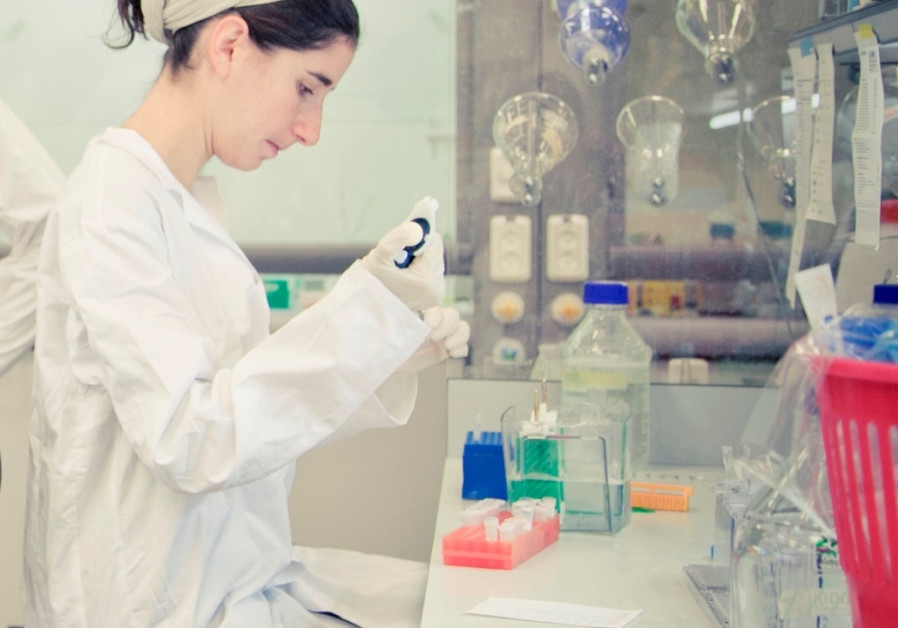
For the past four years, a team of MIGAL scientists has been developing a vaccine against infectious bronchitis virus (IBV), which causes a bronchial disease affecting poultry. The effectiveness of the vaccine has been proven in preclinical trials carried out at the Veterinary Institute.
“Our basic concept was to develop the technology and not specifically a vaccine for this kind or that kind of virus,” said Dr. Chen Katz, MIGAL’s biotechnology group leader. “The scientific framework for the vaccine is based on a new protein expression vector, which forms and secretes a chimeric soluble protein that delivers the viral antigen into mucosal tissues by self-activated endocytosis, causing the body to form antibodies against the virus.” Endocytosis is a cellular process in which substances are brought into a cell by surrounding the material with cell membrane, forming a vesicle containing the ingested material.
In preclinical trials, the team demonstrated that the oral vaccination induces high levels of specific anti-IBV antibodies, Katz said. “Let’s call it pure luck,” he said. “We decided to choose coronavirus as a model for our system just as a proof of concept for our technology.” But after scientists sequenced the DNA of the novel coronavirus causing the current worldwide outbreak, the MIGAL researchers examined it and found that the poultry coronavirus has high genetic similarity to the human one, and that it uses the same infection mechanism, which increases the likelihood of achieving an effective human vaccine in a very short period of time, Katz said. “All we need to do is adjust the system to the new sequence,” he said. “We are in the middle of this process, and hopefully in a few weeks we will have the vaccine in our hands. Yes, in a few weeks, if it all works, we would have a vaccine to prevent coronavirus.” MIGAL would be responsible for developing the new vaccine, but it would then have to go through a regulatory process, including clinical trials and large-scale production, Katz said.
Akunis said he has instructed his ministry’s director-general to fast-track all approval processes with the goal of bringing the human vaccine to market as quickly as possible.
“Given the urgent global need for a human coronavirus vaccine, we are doing everything we can to accelerate development,” MIGAL CEO David Zigdon said. The vaccine could “achieve safety approval in 90 days,” he said.It will be an oral vaccine, making it particularly accessible to the general public, Zigdon said.
“We are currently in intensive discussions with potential partners that can help accelerate the in-human trials phase and expedite completion of final-product development and regulatory activities,” he said.
https://www.jpost.com/HEALTH-SCIENCE/Israeli-scientists-In-three-weeks-we-will-have-coronavirus-vaccine-619101
Sen. Rand Paul, Who Opposed Coronavirus Relief Bill, Tests Positive
He was the only senator to vote against an $8.3 billion emergency package to deal with the health crisis last month.
Sen. Rand Paul (R-KY), who was the only senator to oppose a coronavirus relief package last month, announced Sunday that he has tested positive for the virus.
“He is feeling fine and is in quarantine,” an announcement on his Twitter said. “He is asymptomatic and was tested out of an abundance of caution due to his extensive travel and events.”
It added, “He expects to be back in the Senate after his quarantine period ends and will continue to work for the people of Kentucky at this difficult time.”
Paul, a physician who has a Kentucky-issued medical license, was the only senator to vote against an $8.3 billion emergency coronavirus package. He also was one of the eight senators who voted against paid sick leave in a stimulus bill that passed with an overwhelming 90-8 vote last week.“I think that the paid sick leave is an incentive for businesses to actually let go employees and will make unemployment worse,” Paul explained to Newsweek.Paul is the first senator to test positive for the novel coronavirus. Two other members of congress, Reps. Mario Diaz-Balart (R-FL) and Ben McAdams (D-UT), have also gone public with positive test results.
According to the World Health Organization, the COVID-19, the disease caused by the novel coronavirus, is particularly dangerous for people with lung problems. In August of 2019, Paul had part of his lung removed because it was injured when he was attacked by his neighbor Rene Boucher in a dispute over lawn care.
On March 2, Paul appeared on Fox News and downplayed the global threat of the coronavirus.
“While it is worldwide, I think there is room for optimism that this thing may plateau out in a few weeks and not be as bad it as it may have been portrayed,” he said to host Neil Cavuto. “We’ve seen pockets of this around the world and even in Italy and Iran where we have it, but none of it is approaching what started in China.”
When asked about institutions taking larger measures to limit the spread of the virus, Paul was resistant to the idea. “I think closing down the Smithsonians would be way too premature and I wouldn’t advise something like that.”
And when Cavuto asked Paul about making personal adjustments to avoid infection, the Senator was particularly defiant. “I mean, I fly all the time and I’m not cutting back on my flying... I was on a plane today,” he said. “I could be wrong and this could be really bad in two or three weeks or a month, but I’m hoping it’s not going to be. I’m not ready to buy all the toilet paper at Target.”
The senator’s father, Dr. Ron Paul, is a physician and a former Republican congressman for Texas. Last week, he wrote an essay titled The Coronavirus Hoax for the New River Valley News, a local outlet based in Virginia.
https://www.thedailybeast.com/sen-rand-paul-reveals-he-has-coronavirus?ref=home
#Coronavirus: what happens to people's lungs if they get Covid-19?

Graham Readfearn
@readfearn
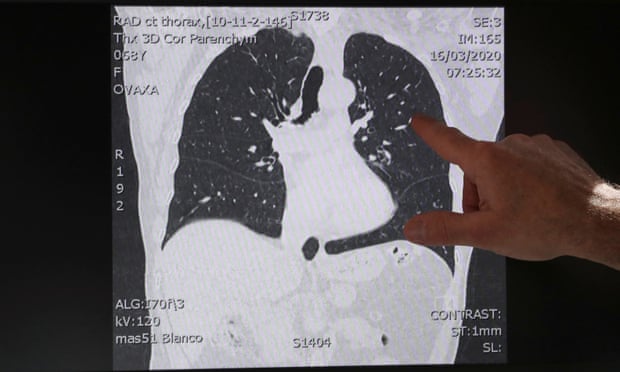
Respiratory physician John Wilson explains the range of Covid-19 impacts, from no symptoms to severe illness featuring pneumonia.What became known as Covid-19, or the coronavirus, started in late 2019 as a cluster of pneumonia cases with an unknown cause. The cause of the pneumonia was found to be a new virus – severe acute respiratory syndrome coronavirus 2, or Sars-CoV-2. The illness caused by the virus is Covid-19.
Now declared as a pandemic by the World Health Organisation (WHO), the majority of people who contract Covid-19 suffer only mild, cold-like symptoms.
WHO says about 80% of people with Covid-19 recover without needing any specialist treatment. Only about one person in six becomes seriously ill “and develops difficulty breathing”.
So how can Covid-19 develop into a more serious illness featuring pneumonia, and what does that do to our lungs and the rest of our body?
How is the virus affecting people?
Guardian Australia spoke with Prof John Wilson, president-elect of the Royal Australasian College of Physicians and a respiratory physician.
He says almost all serious consequences of Covid-19 feature pneumonia.
Wilson says people who catch Covid-19 can be placed into four broad categories.
The least serious are those people who are “sub-clinical” and who have the virus but have no symptoms.
Next are those who get an infection in the upper respiratory tract, which, Wilson says, “means a person has a fever and a cough and maybe milder symptoms like headache or conjunctivitis”.
He says: “Those people with minor symptoms are still able to transmit the virus but may not be aware of it.”
The largest group of those who would be positive for Covid-19, and the people most likely to present to hospitals and surgeries, are those who develop the same flu-like symptoms that would usually keep them off work. A fourth group, Wilson says, will develop severe illness that features pneumonia. He says: “In Wuhan, it worked out that from those who had tested positive and had sought medical help, roughly 6% had a severe illness.” The WHO says the elderly and people with underlying problems like high blood pressure, heart and lung problems or diabetes, are more likely to develop serious illness. How does the pneumonia develop? When people with Covid-19 develop a cough and fever, Wilson says this is a result of the infection reaching the respiratory tree – the air passages that conduct air between the lungs and the outside. He says: “The lining of the respiratory tree becomes injured, causing inflammation. This in turn irritates the nerves in the lining of the airway. Just a speck of dust can stimulate a cough. “But if this gets worse, it goes past just the lining of the airway and goes to the gas exchange units, which are at the end of the air passages. “If they become infected they respond by pouring out inflammatory material into the air sacs that are at the bottom of our lungs.”
If the air sacs then become inflamed, Wilson says this causes an “outpouring of inflammatory material [fluid and inflammatory cells] into the lungs and we end up with pneumonia.”He says lungs that become filled with inflammatory material are unable to get enough oxygen to the bloodstream, reducing the body’s ability to take on oxygen and get rid of carbon dioxide.“That’s the usual cause of death with severe pneumonia,” he says.
How can the pneumonia be treated?
Prof Christine Jenkins, chair of Lung Foundation Australia and a leading respiratory physician, told Guardian Australia: “Unfortunately, so far we don’t have anything that can stop people getting Covid-19 pneumonia.
“People are already trialling all sorts of medications and we’re hopeful that we might discover that there are various combinations of viral and anti-viral medications that could be effective. At the moment there isn’t any established treatment apart from supportive treatment, which is what we give people in intensive care.
“We ventilate them and maintain high oxygen levels until their lungs are able to function in a normal way again as they recover.”
Wilson says patients with viral pneumonia are also at risk of developing secondary infections, so they would also be treated with anti-viral medication and antibiotics.
“In some situations that isn’t enough,” he says of the current outbreak. “The pneumonia went unabated and the patients did not survive.”
Is Covid-19 pneumonia different?
Jenkins says Covid-19 pneumonia is different from the most common cases that people are admitted to hospitals for.
“Most types of pneumonia that we know of and that we admit people to hospital for are bacterial and they respond to an antibiotic.
Wilson says there is evidence that pneumonia caused by Covid-19 may be particularly severe. Wilson says cases of coronavirus pneumonia tend to affect all of the lungs, instead of just small parts. He says: “Once we have an infection in the lung and, if it involves the air sacs, then the body’s response is first to try and destroy [the virus] and limit its replication.”
But Wilson says this “first responder mechanism” can be impaired in some groups, including people with underlying heart and lung conditions, diabetes and the elderly.
Jenkins says that, generally, people aged 65 and over are at risk of getting pneumonia, as well as people with medical conditions such as diabetes, cancer or a chronic disease affecting the lungs, heart, kidney or liver, smokers, Indigenous Australians, and infants aged 12 months and under.
“Age is the major predictor of risk of death from pneumonia. Pneumonia is always serious for an older person and in fact it used to be one of the main causes of death in the elderly. Now we have very good treatments for pneumonia. “It’s important to remember that no matter how healthy and active you are, your risk for getting pneumonia increases with age. This is because our immune system naturally weakens with age, making it harder for our bodies to fight off infections and diseases.”
#Balochistan: #Coronavirus Updates
CONFIRMED CASES IN BALOCHISTAN: 108
Latest Updates:
Four new cases oof coronavirus have been confirmed in Balochistan.
Results of 337 people, who are in quarantine, are still awaited.
Over 60 people have been screened for local transmission in Quetta and all of them have been tested negative.
402 people are still quarantined at Taftan and 26 at RDA Quetta.
26 drivers are in Quarantine at RDA who were continuously
transporting the positive COVID-19 cases.
Markets in Quetta remained closed due to the call of Trader’s association.
21st March 2020:
457 people tested negative in PSCIR quarantine have been allowed to go to their homes on the condition that they will further self-quarantine for 14 days.
657 people are still in the Taftan Quarantine center.
27 pilgrims from Quetta, initially screened in Taftan, have been req-quarantined in Rural Development Academy Quetta.
12 news cases of Coronavirus confirmed in Balochistan.
All the news cases are among the people quarantined at the PCSIR center in Quetta.
Despite the government’s order to close malls and markets, people of Quetta are still on roads and socializing.
20th March 2020:
11 news cases confirmed in Balochistan.
Balochistan government ordered a partial lockdown. Shopping malls, crowded markets, public transport, and inter-provincial transport shut down for 3 weeks.
19th March 2020:
60 out of 353 people tested in PCSIR quarantine tested positive, as per CM Balochistan.
22 new cases confirmed in Balochistan by Liaquat Shahwani, the spokesperson of the government.
Government has announced to close restaurants for dine-in and crowded shopping malls.
18th March 2020:
Seven more people confirmed with Coronavirus in Balochistan, as per Chief Secretary. More details about the patients have not been made public.
One patient died today at Sheikh Khalifa bin Zayed (SKBZ) hospital in Quetta. The heirs of the patients claimed that the death was caused by Coronavirus. The hospital administration claimed that the patient died due to cardiac arrest.
671 people quarantined in Taftan have left for Sindh today. More than 1,500 are waiting to be sent to Punjab and Khyber Pakhtunkhwa.
Members of the Hazara community protested against leakage of the private information of Hazara pilgrims kept in Quarantine.
17th March 2020:
Test results of 415 people are awaited.
528 pilgrims belonging to Quetta are quarantined at PCSIR center in Quetta
اسلام آباد کے ڈاکٹروں نے مطالبات نہ ماننے کی صورت میں چوبیس مارچ کو او پی ڈیز بند کرنے کا اعلان کر دیا ہے - حفاظتی سامان نہ ملا تو ہڑتال ہو گی، ڈاکٹروں کی دھمکی
اس اعلان سے دارالحکومت کے کئی حلقوں میں پریشانی کی ایک لہر دوڑ گئی ہے۔ اسلام آباد کے پانچ بڑے طبی مراکز سے تعلق رکھنے والے ڈاکٹرز اور نان میڈیکل اسٹاف کے نمائندوں نے کل بروز جمعرات اسلام آباد میں ایک پریس کانفرنس کرتے ہوئے یہ مطالبات حکومت کے سامنے پیش کئے تھے۔ انہوں نے مطالبہ کیا تھا کہ حکومت انہیں ذاتی تحفظ کی اشیاء فراہم کرے، جنہیں 'پرسنل پروٹیکشن ایکوئپمنٹ‘ بھی کہا جاتا ہے۔ پی پی ای میں مخصوص لباس، مخصوص چشمے، دستانے، سر کو ڈھانپنے والا ہوڈ، ماسک، گوونز، شوکوور اور فیس شیلڈز شامل ہیں۔
اسلام آباد ملک کا نہ صرف سیاسی دارالخلافہ ہے بلکہ یہ طبی مرکز بھی ہے، جہاں کے پی، پاکستان کے زیر انتظام کشمیر، گلگت بلتستان اور شمالی پنجاب سے بھی بڑی تعداد میں مریض آتے ہیں۔ ماہرین کا خیال ہے کہ بڑے ہسپتالوں کی او پی ڈیز بند ہونے کی صورت میں دارالحکومت میں ایک بڑا طبی بحران پیدا ہو سکتا ہے کیونکہ ان ہسپتالوں میں بیس ہزار سے زائد مریض روزانہ آتے ہیں۔ لیکن ڈاکٹروں کا موقف ہے کہ ان کے پاس اس کے علاوہ اور کوئی آپشن نہیں ہے۔ ینگ کنسلٹینٹس ایسویشن پاکستان کے چیئرمین ڈاکٹر اسفندیار خان نے اپنی تنظیم کا موقف ڈی ڈبلیو کو بتاتے ہوئے کہا، ''ہمارے مطالبات ناجائز نہیں ہیں۔ ہم حکومت سے کہہ رہے ہیں کہ وہ ہمیں ضروری حفاظتی سامان فراہم کرے اور آئسیولیشن وارڈز کی جگہ تبدیل کرے۔ اگر ہمارے پاس پی پی ای نہیں ہو گا، توہم کام کیسے کریں گے؟ اس طرح تو ہر ڈاکٹر اور ہر اسٹاف ممبر رسک پر ہو گا اور اگر کسی ایک ڈاکٹر کو بھی کورونا ہوگیا تو کوئی ڈاکٹر خوف کے مارے مریضوں کو ہاتھ بھی نہیں لگائے گا۔‘‘
انہوں نے آئیسولیشن وارڈ کی جگہ کو بھی ہدف تنقید بنایا، ''یہ وارڈ ایک ایسی جگہ بنایا گیا ہے کہ اگر کسی کو کورونا کا شک ہو یا اسے واقعی کورونا وائرس ہو، تو وہ پورے ہسپتال سے ہوتا ہوا وہاں جائے گا۔ اس وارڈ میں صرف دس بیڈ ہیں اور دو وینٹیلیٹرز ہیں جب کہ کام کرنے والے اسٹاف کے پاس کوئی حفاظتی سامان نہیں ہے، توکوئی ایسی صورت حال میں خود کشی تو نہیں کرے گا۔ ہم کہتے ہیں کہ افراد کے ہجوم کو ہسپتال میں آنے سے روکا جائے اور آنے والے افراد کی پہلے اسکریننگ ہو۔‘‘
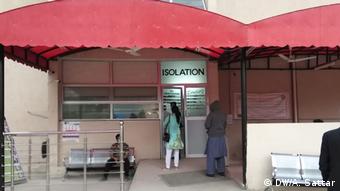
واضح رہے صرف پاکستان انسٹیٹیوٹ آف میڈیکل سائنسز میں روزانہ تقریبا دس ہزار مریض او پی ڈیز میں آتے ہیں جب کہ ان کے ساتھ ان کے تیمار دار اور رشتہ دار بھی ہسپتال کا رخ کرتے ہیں لیکن ان تمام افراد کے لیے ہسپتال کے دروازوں پر کوئی اسکریننگ کا انتظام نہیں کیا گیا ہے۔ کچھ تنظیموں کا یہ کہنا ہے کہ آئیسولیشن وارڈز بیچ آبادی میں بنانا ہی نہیں چاہیے۔
پمز کے نان میڈیکل اسٹاف ایسویسی ایشن کے صدر چوہدری ریاض گجر نے اس حوالے سے ڈی ڈبلیو کو بتایا، ''فیڈرل ہسپتال اسلام آباد ایک کونے میں ہے اور وہ ایک سنسان علاقہ ہے۔ کورونا کے ٹیسٹ بھی وہیں ہو رہے ہیں۔ تو آئیسو لیشن وارڈز وہاں بنانے چاہیے تھے لیکن انہوں نے یہاں بنا دیے اور صورت حال یہ ہے کہ کوئی سہولت فراہم نہیں کی گئی۔ آپ یقین جانیے کہ کل تک ہمارے پاس ماسک بھی نہیں تھے۔ اس کے علاوہ چشمے، دستانے اور سینیٹائزرز تک کا بھی انتظام نہیں ہے۔ اسٹاف ممبرز میں بہت خوف ہے کیونکہ کوئی اپنی جان رسک پر نہیں لینا چاہتا۔ ہمیں کہا جا رہا ہے کہ یہ جنگ ہے تو جنگ میں کیا سپاہی ہتھیار کے بغیر لڑتے ہیں۔ حکومت ہمیں پی پی ای دے اور ہمارے دیگر مطالبات مانے، ہم کام کرنے کے لیے تیار ہیں۔‘‘
اسلام آباد میں کورونا کے دو کیسز منظر عام پر آ چکے ہیں اور خوف کی وجہ سے لوگ پہلے ہی گھروں سے نہیں نکل رہے۔ تاہم ہلکے سے بھی نزلے یا بخار کی صورت میں وہ ہسپتالوں کا رخ کر رہے ہیں۔ کچھ ڈاکٹرزکا کہنا ہے کہ اگر ایسی صورت میں حکومت نے اقدامات نہ کیے تو بہت بڑا طبی بحران پیدا ہو سکتا ہے۔ پولی کلینک سے تعلق رکھنے والے ایک ڈاکٹر نے نام نہ ظاہر کرنے کی شرط پر ڈی ڈبلیو کو بتایا، ''نہ جانے کیوں حکومت ڈاکٹرز اور میڈیکل اسٹاف کے یہ مطالبات نہیں مان رہی۔ کوئی ڈاکٹر یا ممبر اسٹاف کس طرح پی پی ای کے بغیر کسی وبائی مرض میں مبتلا مریض کا علاج کر سکتا ہے۔ یہ حکومت کی بے حسی ہے۔ یہ سامان کوئی اتنا مہنگا نہیں ہے۔ خان صاحب نے صرف کچھ دن میں ہی سولہ ارب روپے کرتار پور راہداری کے لئے دیئے تھے، تو اس اہم کام کے لئے پیسے خرچ کیوں نہیں کیے جا سکتے۔‘‘
پمز اور اسلام آباد کے دوسرے ہسپتالوں میں ذرائع کے مطابق حکومت نے ابھی تک ڈاکٹرز یا نان میڈیکل اسٹاف سے کوئی رابطہ نہیں کیا۔ ڈی ڈبلیو نے حکومت کے کئی ذمہ داران سے رابطہ کرنے کی کوشش کی لیکن نہ ہی انہوں نے فون اٹھائے اور نہ پیغامات کے جوابات دیے۔
#TogetherWeCan - کورونا وبا کے مشکل ترین حالات میں بھی وزیراعظم نے مایوسی پھیلائی، بلاول بھٹو
چیئرمین پاکستان پیپلز پارٹی (پی پی پی) بلاول بھٹو زرداری نے کہا ہے کہ کورونا وبا سے پیدا مشکل حالات میں بھی وزیراعظم عمران خان نے مایوسی پھیلائی۔

وزیراعظم سے قوم خطاب پر ردعمل میں بلاول بھٹو زرداری نے کہا کہ طالبان کے خلاف جنگ ہو یا کورونا وائرس سے لڑائی، عمران خان نے ہمیشہ قوم کو تقسیم کیا۔
انہوں نے کہا کہ ہمیں ہر صورت عوام کی جانوں کا تحفظ کرنا ہے، وزیراعظم قوم میں مایوسی پھیلارہے ہیں۔
پی پی چیئرمین نے مزید کہا کہ 18ماہ میں لاکھوں لوگوں کو بیروزگار کرنے والے حاکم کو اب غریب یاد آئے ہیں؟
ان کا کہنا تھا کہ روزگار بچانے کے نام پر لوگوں کو موت کے منہ میں نہیں دھکیلا جا سکتا۔
بلاول بھٹو زرداری نے استفسار کیا کہ بہانے بنانے کے بجائے وزیراعظم قومی وسائل غریبوں پر خرچ کیوں نہیں کرتے؟
انہوں نے یہ سوال بھی اٹھایا کہ اگر اب بھی قومی وسائل اور خزانہ عوام پر خرچ نہیں ہوگا تو کب ہوگا؟
Subscribe to:
Posts (Atom)