Thursday, November 14, 2019
The fight for Christianity in Pakistan
Two years after fleeing to the United States, Lakeland resident Junaid Saqib is lobbying American politicians to support the protection of religious minorities in his home country of Pakistan.
Junaid Saqib’s political activities put his life in danger in his native Pakistan.
Two years after fleeing to the United States, Saqib is lobbying American politicians to support the protection of religious minorities in Pakistan. Saqib said he and other Christians in his home country faced discrimination, violence and restrictions on holding office.
Saqib, 35, recently traveled to Washington, D.C., and met with some members of Congress as well as congressional staff members. He urged them to put pressure on Pakistan’s government to allow full equality and protection for Christians, who make up less than 2 percent of the country’s population.
Pakistan’s population of 208 million is about 96 percent Muslim, according to a U.S. State Department report.
“We discussed how it’s dangerous for Pakistani Christians to collaborate (with Muslims),” Saqib said of his meetings in Washington. “When you try to collaborate with people in Pakistan, you have fear inside because of the blasphemy law and the discrimination laws. They are so fearful of religious fanatics and cannot express their views openly.”
Saqib has been living in Lakeland since 2017, apart from his family, including daughters ages 4 and 7. He communicates with the girls daily through phone calls and video chats.
As Saqib met with a reporter on a recent morning, he received successive calls from each of his daughters. He briefly chatted in Urdu and promised to call the girls back.
Saqib said he became politically active as a student, and he founded the group Pakistan Minority Rights Commission. He still runs the organization, conducting phone calls and video chats through the night from his home in North Lakeland. (Pakistan is 10 hours ahead.)
Beneficial timing?
Recent news reports suggest Saqib’s timing might be good in renewing his effort to lobby American lawmakers. Politico reported that aides to President Donald Trump are developing plans to make foreign aid dependent on each country’s treatment of religious minorities.
White House officials said the plan is in the early stages, and it isn’t clear if the policy would cover military aid, Politico reported. In a speech to the U.N. General Assembly in September, Trump vowed to emphasize the promotion of religious freedom.
The United States provided about $837 million in aid to Pakistan in 2017, according to figures from the U.S. Agency for International Development. The majority of that was military aid.
Based on what he hears from friends and colleagues, Saqib said the plight of Christians in Pakistan has only worsened since he left the country.
“Since I moved, I have lost several political friends in Pakistan who were running campaigns with me for Congress, but now they are no more,” Saqib said.
He said the friends were killed at public rallies and meetings in targeted killings and suicide bombings.
Secretary of State Mike Pompeo designated Pakistan in November 2018 as a “Country of Particular Concern” under the International Religious Freedom Act of 1998. A State Department spokesperson said the agency is particularly concerned about the use of blasphemy laws and abuses against members of the Ahmadiyya Muslim community and other religious minorities.
In its 2018 Report on International Religious Freedom, the State Department cited reports of at least 77 Pakistani residents imprisoned on blasphemy charges, with at least 28 receiving death sentences. The report said Pakistan’s government had not yet carried out an execution for blasphemy.
The report described cases of Christian women being abducted and raped by Muslim men and said victims were chosen as vulnerable because of their religious identity. Saqib said it is difficult for Christians to convince the authorities to bring charges in such crimes unless they can convince a Muslim citizen to serve as a witness.
The government report also said activists claim “widespread discrimination” against Christians in private employment.
Seeking connections
Saqib said the office of Rep. Ross Spano, R-Dover, helped arrange his meetings with members of Congress and staff members when he visited Washington in late September.
“Mr. Saqib reached out to me and my team with some real needs facing real people,” Spano said in an emailed statement. “Here in the United States where the freedom to worship is protected by the Constitution, it is sometimes hard to imagine the depth of persecution the Church around the world faces on a daily basis. I was happy to refer him to my colleagues and several nonprofits who work directly with these issues with the hope that they could find solutions for these unjust practices.”
Saqib said he met briefly with Sen. Marco Rubio, R-Florida, and had a more extended conversation with Rep. Gus Bilirakis, R-New Port Richey. He said he also talked to staffers for Sen. Thom Tillis, R-North Carolina, U.S. Rep. Steve Scalise, R-Louisiana, and Rep. Chris Smith, R-New Jersey.
Saqib said he also gave an interview to Voice of America, the government-funded broadcaster, while he was in Washington.
Saqib said he told those he met in Washington about the threat of forced conversion to Islam faced by Christians in Pakistan. He also described government hostility toward Christian schools.
As an example, Saqib cited Edwardes College in Peshawar, a Christian institution founded in 1900 in what was then British India. He said the government nationalized the private college earlier this year, prompting demonstrations throughout the country.
Saqib said the Pakistan Minority Rights Commission has provided free legal services to the college. The PMRC has an executive board of about 500 and about 50,000 supporters, he said.
Among its other activities, the PMRC seeks changes in political representation. Pakistan’s constitution designates a small number of seats in Parliament for non-Muslims, and only Muslims are eligible to be president or prime minister.
“We love our country, Pakistan,” Saqib said. “We don’t hate it, but we need equal rights. We want them to treat Christians as equal citizens. We don’t have any conflict with the government, but if the government wants to make conflict with minorities then definitely we are stakeholders and we will fight for our rights.”
Saqib said he also urged the elected officials to lobby for an increase in the number of Pakistani Christians given asylum each year to enter the United States. Meanwhile, he seeks to form alliances with churches and business groups to support Pakistani exiles already in the country.
“They are facing the same huge difficulties when they come here,” he said. “They don’t know how to apply for asylum, and asylum is so expensive. And they don’t have health insurance, so life is very difficult for them here. I want churches to stand up for them and approach me — or organizations — and I can assist them culturally (on) how to help them.”
Pakistan - Sit-in: a comparison
Saleem Safi
Polybius, the Greek historian, propagated the notion of historic recurrence and the historic cycle of striking similarities. In other words, he believed that history repeats itself. However, his soul would be restless to see the repetition of political history and events in such a short span of five years in Islamabad.In 2014, Imran Khan marched over Islamabad and staged a sit-in at D-Chowk to protest alleged rigging in the 2013 election. Today after five years, Maulana Fazlur Rehman is leading a sit-in for the same reasons – rigging in the 2018 elections. Imran Khan stood on a container demanding the then prime minister’s resignation. Maulana too has a container and the same demand. In 2014, when Imran Khan was assaulting the capital with protest, Pakistan was facing daunting challenges on the national and international fronts. Internally, terrorism was playing havoc with deadly suicide bombings on a daily basis. Military operations had been launched in North Waziristan resulting in the displacement of hundreds of thousands Pashtuns. Externally, relations with India and the US were strained. However, in such a testing time, the Chinese president was coming to Pakistan to inaugurate the CPEC project. Unfortunately, this historic visit was postponed due to Imran Khan’s sit-in. Similarly, today in 2019, Maulana Fazlur Rehman has come to Islamabad with his highly charged but well disciplined followers at a time when the Jammu and Kashmir issue has become a tragedy and the Afghanistan issue has entered a decisive stage. On this account, it seems that there is no difference between Imran Khan and Maulana’s politics and sit-ins. However, in some respects, there are glaring differences between the 2014 and 2019 sit-ins. First, Imran Khan's sit-in was legal as long as it remained at Abpara Chowk, since it was permitted by the then government. But it became illegal after moving ahead towards D-chowk by breaking its promise. Maulana's sit-in is democratic and legal as long as they stay at H-9 Park and do not break the agreement which they have respected so far. Second, police officers were assaulted and government officials were threatened during Imran Khan's sit-in but nothing such has happened yet in Maulana's sit-in. Third, in Imran Khan’s sit-in the sanctity of state institutions was violated with impunity: dirty clothes were hung in the premises of the honourable Supreme Court, and parliament and the PTV center were attacked. But in Maulana’s sit-in, nothing of the sort has happened yet. Fourth, Imran Khan’s sit-in did not even spare the media. They pelted the Geo office with stones and misbehaved with female journalists like Sana Mirza and Farhat Javed. But in Maulana's sit-in we have seen touching scenes of a female reporter who is reporting in the rain while Maulana’s supporter is holding his own umbrella over her to protect her from the rain. Moreover, Imran Khan's sit-in split the media while Maulana's sit-in helped, albeit for some time, with a slight decline in media censorship. Fifth, Imran Khan's sit-in was widely alleged to be a scripted show and fingers were also raised towards the umpire but Maulana's sit-in is free from such allegations and impression – and in some aspects has even been seen as the opposite. Sixth, Imran Khan's sit-in was dominated by the middle class, mainly from central Punjab and Khyber Pakhtunkhwa (KP). Maulana's sit-in has brought the poorest class of society from KP, Balochistan, Sindh and the Seraiki Belt. However, there is no meaningful participation from Central Punjab. Similarly, Imran Khan was seen on the container along with citizens of Canada, the United States and the United Kingdom, but there is no one of dual nationality on the container with Maulana. Seventh, Imran Khan’s sit-in was more like a party with full entertainment for participants. But nothing of that sort is happening in Maulana's sit-in. Only poems and Naats are being played. Except for Eid, there were no congregation prayers in Imran Khan’s sit-in, but in Maulana's sit-in prayers are held five times a day on a daily basis.Eight, the Imran Khan sit-in was a single political party show and there were no leaders of other opposition parties with Imran Khan. Even the Chaudhry brothers, who supported the sit-in, used to go stand with Tahirul Qadri – the imported political cousin of Imran Khan. Ninth, no opposition parties – like the PPP, ANP and the MQM – supported Imran Khan's sit-in. On the contrary, opposition parties like the PPP and ANP backed the PML-N government despite their own grievances against the system. But now all of the opposition has stood with Maulana on the container and demanded the resignation of the government and fresh elections. Tenth, Imran Khan's sit-in benefited Musharraf and his successors and damaged the democratic forces. But Maulana's sit-in has been a great test for Musharraf's successors and rejuvenated the democratic forces. Last but not the least, the PML-N faced the main brunt of Imran Khan's sit-in but now the PML-N seems to be the main beneficiary of Maulana's sit-in. This is the difference which is visible between the two sit-ins. However, what hasn't changed is the stance of students of politics like us. In 2014, we accepted Imran Khan's right to protest but opposed the toppling of an elected government though coercion and sit-ins. Today, we also support Maulana's right to protest but strongly oppose any forced overthrow of the government. In 2014, we were requesting Imran Khan that, while he had a right to protest, he should not take the law into his hands. But he was not in the mood to listen. Now we make the same request to Maulana. He has listened so far. Let see what he does next. https://www.thenews.com.pk/print/555310-sit-in-a-comparison
In Udta Pakistan, tomatoes selling at Rs 320/kg for everyone but Imran’s finance adviser

By NAILA INAYAT

Imran Khan’s finance adviser Hafeez Shaikh insists tomatoes are being sold at Rs 17/kg. He is in charge of Pakistan’s economic policy.
Pakistan has a tomato problem. Shortage of tomatoes has meant that it is being sold in Lahore, Islamabad and Karachi for as high as Rs 320 per kg. It seems that in Imran Khan’s Pakistan, tomatoes have won the battle against the rising dollar, which is at Rs 156.
But not to worry, for Finance Adviser to the PM, Hafeez Shaikh, knows something that we don’t. He said that tamatars were available in the market for Rs 17 per kg. Wait, what? Then why did we buy them for Rs 320? Where did he get his tamatars from? And when did Shaikh last step out to go to the sabzi mandi? So many questions, so few tomatoes.

“Karachi sabzi mandi mein…,” Shaikh started saying, when a shocked reporter interjected: “What, which sabzi mandi?” Shaikh told him to go and check it for himself and smiled. Then he said something about tracking the tomato rates on television – this is yet another remarkable quality of the Pakistan government, to find out about things from the TV. PM Imran Khan found out about the falling Pakistani Rupee after watching TV news.
#Pakistan #PPP - Bilawal Bhutto Zardari asks govt to stop playing with lives of political opponents
In a tweet on Wednesday, Bilawal said the way in which this regime plays with political opponents’ lives and exploits illness for their own pressure tactics and political objectives is disgusting.The Pakistan People’s Party (PPP) Chairman Bilawal Bhutto Zardari Wednesday said the government should stop playing with political opponents’ lives.
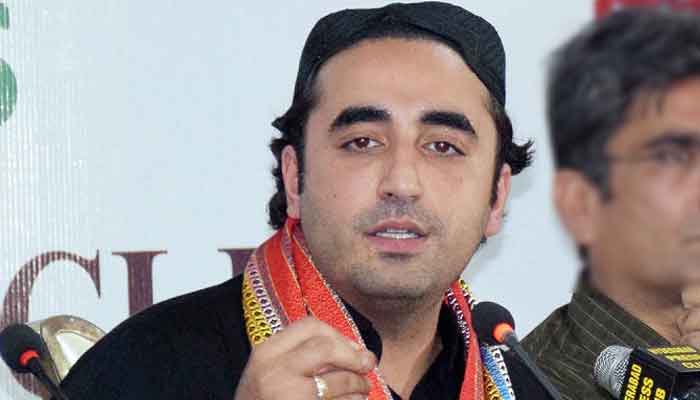
He stated that the government should stop politics on health and give all political prisoners medical facilities which the courts and law allow. The tweet of Bilawal came in the wake of government’s conditional permission to former prime minister Nawaz Sharif and the government’s alleged act of not giving access of private doctors to former president Asif Ali Zardari.
https://www.thenews.com.pk/print/555362-bilawal-asks-govt-to-stop-playing-with-lives-of-political-opponents
Wednesday, November 13, 2019
The Trump administration shows just how clueless it is about the middle class

By Henry Olsen
The White House is reportedly considering making a “middle-class tax cut” the centerpiece of its 2020 economic agenda. If that campaign goes forward, the administration would show just how clueless it is about what “middle class” means.
The Post reported Tuesday that White House economic adviser Larry Kudlow was leading the charge to create a “15 percent tax rate for the American middle class.” That sounds good — until you look at the actual tax rates middle-class families pay now. Most American families already pay less than 15 percent of their income in taxes, so a 15 percent rate would actually be a tax increase for most middle-class families.
Though Kudlow stressed that the administration was still in its preliminary stages of developing the tax cut, the proposed 15 percent rate suggests the White House is out of touch with real American families. Families don’t pay more than 15 percent until they earn more than about $80,000 in taxable income. Add the $25,000 standard deduction — the amount a family can earn without paying any tax — to that, and a family has to earn a minimum of $105,000 a year before they would save a penny with a 15 percent tax rate.
That might be middle class in the D.C. suburbs and in Kudlow’s tony hometown of Redding, Conn., where the median family income is more than $157,000 a year. But the national annual median family income is only $75,500, and it is much lower than that in the rural, Midwestern counties that propelled Donald Trump to the White House. Calling a tax cut that many middle-class families can’t get a “middle class” benefit would be one of the stupidest things a president could possibly do.
There is some political method to this madness. Trump has driven many higher-income voters away from the party, and these people were likeliest to be hit by the 2017 tax cut’s limitations on deducting state and local taxes. Cutting tax rates for these people would be a strategic move to win them back. That’s what a 15 percent rate would do — cut taxes by thousands of dollars per family for people in the upper middle class.
One can easily see why this would appeal to the well-to-do White House economic team who surely see the weakening GOP position in their neighborhoods every time they talk with neighbors. But it’s not a middle-class tax cut, and it might even be resented by the majority of actual Trump voters who are struggling more and voted for Trump in part because they resented America’s growing economic inequality.
There are plenty of tax cuts the administration could endorse if it is serious about helping the struggling and pinched working and middle class. To start, they could back Sen. Tom Cotton’s bill to refund revenues from Trump’s tariffs to average taxpayers. Cotton’s proposal could give as much as $485 a year to each family earning less than $168,000 a year in taxable income, and — unlike the 15 percent tax-rate idea — would give nothing to families earning above that. If you limited the refund only to taxpayers in the bottom two tax brackets, then almost no one earning six figures would get a dime, and each qualifying family’s refund check would be much larger.
The administration could also cut the payroll tax paid by all U.S. workers. While some might worry about this because most of the tax funds Social Security, a portion is reserved to fund Medicare’s hospital insurance program. That portion could be cut without endangering Social Security funding, and the lost revenue could be recouped by lowering the government subsidy that wealthy seniors receive when they’re on Medicare. Seniors earning more than $100,000 a year, for example, could surely afford higher deductibles and co-pays for their hospital stays and pay higher monthly premiums for their Part B than they currently do. That money could fund tax relief for the people who need money now just to support their families.
There are plenty of other ways the administration could cut taxes on middle-class families. It could lower the tax rate paid by families making less than $105,000 — currently 10 percent or 12 percent — to 8 percent. It could restore the personal exemption for families with more than two children because the standard deduction is lower than the poverty level for families with three or more children. It could also increase the federal child tax credit and make more of it refundable for families with very low incomes. Each of these proposals would give real tax relief to the people who need it most.
The administration is right to want to give tax relief to the middle and working class. But members of the president’s economic team need to get out of their bubble and discover who those people really are. Once they do, they’ll find loads of ways to use the tax code to help middle-class families make ends meet.
#ImpeachmentHearings #ImpeachmentDay - The Evidence of Wrongdoing by Trump Is Overwhelming

By Noah Bookbinder
The witnesses’ testimony on Wednesday was clear and alarming.Impeachment is a constitutional procedure that should be reserved only for extraordinary times with the most extreme examples of abuse of power by a president. That is why, in our country’s history, only two presidents have been impeached.

But this is one of those times.
The evidence of wrongdoing by President Trump is overwhelming. The impeachment inquiry has been conducted so far in a sober, responsible way. As Wednesday’s hearing made clear, the witnesses are credible and clear, and the story they tell is alarming. All members of Congress are now compelled to listen to the witnesses and independently determine whether the president’s conduct warrants impeachment.
Mr. Trump used the immense powers of the American presidency to pressure an ally to open investigations that would help him personally. That much is clear just from the call memo of the July 25 conversation between President Trump and President Volodymyr Zelensky of Ukraine. Any American who has not read the call memo should do so, because it is as shocking today to realize that Mr. Trump said the jaw-dropping phrase, “I would like you to do us a favor,” as it was the day it was released. He followed that by expressing his desire for Ukraine to investigate the 2016 election and the Bidens. That is sufficient in itself to prove unacceptable wrongdoing by the president.
But today’s testimony made clear that it goes much further. Two respected public servants — Ambassador William Taylor, an experienced diplomat and a decorated Vietnam War veteran, and Deputy Assistant Secretary of State George Kent, the State Department official overseeing European and Eurasian affairs — testified that the president and his personal attorney sought politically motivated investigations by the Ukrainian government into former Vice President Joseph Biden and allegations concerning the 2016 election (the latter references an unfounded conspiracy theory that Ukrainians, not Russians, were behind the hacking of the Democratic National Committee, and the Ukrainians framed the Russian government to make it look like that country was working with Mr. Trump’s presidential campaign).
Mr. Kent testified that the undercutting of dedicated career foreign service officers in Ukraine did great damage to our national security. Mr. Taylor testified that, from his experiences over several months, he developed a clear understanding that, at the direction of the president, nearly $400 million in taxpayer-funded military aid and the powerful optics of a White House meeting were conditioned on a public announcement of investigations personally helpful to Mr. Trump’s re-election efforts.
Like Mr. Kent, Mr. Taylor also said that the president’s interference in our support of Ukraine for political purposes was deeply damaging to national security. Furthermore, he emphasized the potentially deadly costs of the delay in military support: Ukraine’s conflict with Russia has resulted in 14,000 casualties, and “more die each week” in fighting in the eastern part of the country.
Pressuring a foreign power to investigate a political rival is, alone, a potentially impeachable offense. But Mr. Trump’s effort to condition needed military and diplomatic aid on investigations helpful to his personal political interests may also constitute bribery as contemplated by the Constitution for the purpose of impeachment. It also likely violates criminal laws, including the federal bribery statute.
The president’s allies in the House tried to distract from the devastating facts against him, but they do not hold up to even the briefest scrutiny.
The claim that there could not have been serious wrongdoing because military aid to Ukraine was ultimately released and Ukraine did not begin the requested investigations is laughable. The aid was released only after Congress discovered it had been held up and began angrily asking about it and as the scandal was emerging. The reported statements of senior Ukrainian officials also indicate that Ukraine’s government had reluctantly decided to publicly announce these political investigations and was rescued only by this scandal’s public emergence.
As important, today Mr. Taylor revealed stunning new information. He said that a staff member of his witnessed Gordon Sondland, the ambassador to the European Union, call Mr. Trump the day after his call with Mr. Zelensky and that the staff member heard Mr. Trump ask Mr. Sondland about the status of “the investigations” — which witnesses have testified was shorthand for inquiries into the Bidens and the origins of the investigation into foreign interference in the 2016 election. Mr. Taylor testified that his staff member heard Mr. Sondland say Ukraine was moving forward on those investigations and that Mr. Sondland said that the president “cares more about the investigations of Biden, which Giuliani was pressing for.”
Similarly, President Zelensky’s statement that he did not feel pressured by Mr. Trump is hardly a silver bullet, given that he made it while seated next to the president at the United Nations. In fact, the evidence as a whole showed that the pressure worked and that Ukraine’s efforts to avoid getting embroiled in politicized investigations pushed by Mr. Trump and his personal lawyer, Rudy Giuliani, were unsuccessful, and that Russia stands to potentially benefit from the interruption of United States-Ukraine relations (through, for example, a break in security support). Critically, Mr. Zelensky still has not received a White House meeting.
Finally, efforts to dismiss or smear witnesses testifying at the hearings ring hollow. Some of these witnesses’ testimony is firsthand, others is secondhand, as you would expect from anyone with knowledge of a piece of a multipart story. But their motivations are unimpeachable, their statements are clear, and when taken together, the account they have provided is devastating.
Members of Congress must listen closely to what these witnesses are saying: President Trump used the power of his office to pressure a struggling ally to conduct investigations for his own personal, political benefit.
They will face a vote as consequential to American democracy as any they have taken. The testimony spoken in these hearings, and the facts outlined by these witnesses, must be their only guide when they take that vote.
Not to do so is to allow the president to succeed in damaging our democracy.
Balochistan has the Highest Unemployment Rate in the Country

A B Khan
Demographically the largest province of Pakistan, Balochistan, has a population of 12.34 million comprising of just 5.94% of the total population (207.77m) of Pakistan. Census 2017 revealed that the population of Karachi city alone is 14.91 million which is almost 2.57 million greater than the population of Balochistan. With such a small population, the province still faces a very big job deficit.
Due to a lack of employment opportunities in Balochistan, the youth of the province is more vulnerable compared to other provinces. Due to this unemployment, in June 2019, Nazar Muhammad a student of BS (Chemical Engineering) lost his life and was burned alive, on Kech highway, while transporting oil illegally to earn his living. The fate of Hidayat Ullah was not different from Nazar Muhamamd; he also lost his life while appearing in a marathon for the recruitment test of the Levis Sepoy in June 2019 in Ziarat. Similarly, in the month of July 2019, for the test of the vacant post of junior clerk, in District Khuzdar, several female candidates appeared. All these and many more cases which are not reported are proof that the burning issue of unemployment is soaring in the province and it needs to be addressed.
According to the Pakistan Labour Force Survey (2014-15), Punjab has 2.32 million unemployed population, Sindh has 0.66 million, KP with 0.51 million and Balochistan has 0.13 million. Clearly from the figures, Punjab has the highest unemployed population, but when we compare the unemployed population with the current total population to find out the percentage of unemployed population in each province, the scenario completely changes and the province with unemployed population of just 0.51 million becomes the most vulnerable having 4.13% of unemployed population.

To address the issue of unemployment and the sense of deprivation Aghaz e Haqooq package was announced for Balochistan by PPP government. Under the Aghaze Haqooq Package, one of the key points was that the Federal Government will create additional jobs for Balochistan and will strictly observe the provincial quota while providing employment to the province. Aghaz e Haqooq like other projects was made dormant with the passage of time and it all faded away in the time.
In 2013, PM Nawaz Sharif imposed ban on all recruitments and the posts to be filled under Aghaz e Haqooq were not advertised. In June 2013, Principal Secretary to CM, Naseem Lehri, was communicated in a reply from Joint Secretary (Establishment Division) Dr. Masood Akhtar that almost 4,000 posts under Balochistan Quota are laying vacant however the government has imposed ban on the recruitment. In September 2018, Minister of State for Parliamentary Affairs, Ali Muhammad Khan, informed the Senate that there are four thousand vacancies yet to be filled under the Aghaz e Haqooq. These posts were deferred and the tyranny of the province is that none of the political leaders asked or inquired about it.
Provincial and Regional quotas prescribed in 1973 has been reviewed from time to time and it has been decided by the Federal Government that following provincial quota shall be observed in filling the vacant posts in all Federal Government Organizations.
The premier recruiting organization of Pakistan, FPSC, follows the same recruiting policy for its recruitment. Unfortunately, the recruitment policy prescribed in the paper is not followed generally and especially in the case of Balochistan. The claim is not made on the basis of one’s perception rather on the basis of figures and statistics provided by the Establishment Division’s Annual Statistical Bulletin of 2017-18 (autonomous bodies, corporations).
According to the report, Balochistan has just 4.34%, against its due share of 6%, whereas Punjab, including Islamabad, has 56.06%, Sindh has 21.67% and KP has 14.82% share in the jobs of Federal Government corporations/autonomous bodies. According to the report, all three provinces are getting more than its recommended quota whereas Balochistan is the only province that is getting less than its actual share. The unusual thing in the report is that in table 5 “domicile wise working strength section”, Islamabad is mentioned separately from Punjab and in few cases, Islamabad alone is getting more number of jobs in different autonomous /corporate bodies than the province of Balochistan which is a clear violation of the provincial and regional quota.
Article 38 (g) of the Constitution of Pakistan ensures that the shares of the Provinces in all Federal services, including autonomous/ corporate bodies, under the control of the Federal Government shall be secured any omission in the allocation of the shares of the Provinces in the past shall be rectified. Unfortunately, the political leadership of the province seems to be ignorant whereas the unemployed youth of Balochistan are helpless and cannot find any savior who can advocate for the right of these youth.
Balochistan: University students to be forced to wear a uniform from next year

The University of Balochistan has made it compulsory for all Bachelors and Masters students to uniforms on campus as the varsity grapple with a host of harassment accusations against its staff and administration.
According to details, the new uniform that will be enforced from March 1, 2020, requires male students are required to wear a white shirt, black pants and a tie with the university logo affix on it, while the female students are to wear grey shirts with white trousers and white headscarves.
‘No students will be allowed to enter university without the uniform,’ notification by the institution’s administration warned.
The university registrar has issued a notification and urged the students to purchase their uniforms from ‘Mothercare’ a shop located on Jinnah’s Road Quetta – the capital of Balochistan.
It has been claimed that the Balochistan High Court chief justice had instructed the university administration to make uniforms compulsory for students.
The administration of University has recently been subjected to heavy criticism after it was revealed that they have installed secret cameras in a different section of university and to record the activities of students and later used those CCTV footages to harass and blackmail female students.
Many female students have claimed that the administration was using their videos to blackmail them and asking for sexual favours in return.
The academic staff even revealed that secret cameras were placed inside switchboards and keyboards to monitor the student’s activities.
Prof Dr Javed Iqbal, the former vice-chancellor of the university, has even stepped down from his post until the Federal Investigation Agency (FIA) completes its inquiry in the case.
The Baloch and Pashtun students’ organisation have been protesting against the university administration and demanding for the arrest and severe punishment of the culprits.
“While the harassment scandal still remains unresolved now the university has taken another controversial step to force the students to wear a uniform. It is a deliberate attempt to close the door of education to Baloch and Pashtun students.
“First they harassed and blackmailed our children now when they are caught; they are trying to cover their crimes with a uniform,” a worried father told Balochwarna.
It is pertinent to mention that after the harassment scandal, there have been reports of many female students returning home after their parents objected to the behaviour of the university administration and heavy presence of Pakistan army, FC and intelligence agencies inside the university.
Independent analysts believe that such extreme steps will discourage female students and Baloch parents who consider this acts an enforcing a dress on their children which is not culturally accepted.
#Pakistan - The price of tomatoes
AT a press conference called to tout the government’s achievement in stabilising the economy, and to announce the first stimulus measures since the period of adjustment began, the prime minister’s financial adviser, Hafeez Shaikh, found himself peppered, instead, with questions about the rise in prices of essential items.
Rarely has a government official found himself so much at sea in trying to field questions of such intimate importance to ordinary people.
When the responses given by Mr Shaikh sounded too vacuous, the questions became more pointed, ending, ultimately, with one reporter asking about the massive spike in the price of tomatoes, to which the adviser famously responded that, as per his information, tomatoes were selling for Rs17 per kilo in Karachi’s wholesale vegetable markets.
Rarely has so much been said in so few words.
In that one fleeting moment, videos of which went viral in a matter of minutes and made Mr Shaikh the target of derision around the country, we all saw the immense gulf that separates the rulers from the ruled in this country.
It is entirely possible that many of our worthy policymakers have hardly ever gone to the market to purchase tomatoes. It is equally possible that they are largely indifferent to the impact that the food price hikes have on the daily lives of tens of millions of people in this country, who have no choice but to spend more than half their household income on food for their family.But surely, our decision-makers should look beyond their mandate to fix the deficits in the economy and “create buffers”, to use the soulless parlance of the IMF, in the fiscal equation as well as the foreign exchange reserves.Surely, they should not be indifferent to how their policies will impact the population even as the financial managers try to correct the economic flaws.
Meanwhile, the macroeconomic stability that Mr Shaikh wants to underscore has actually been earned on the backs of the working and unemployed poor of this country. It is they who have made the heaviest sacrifice in the government’s slash-and-burn economic stabilisation effort thus far, and who have felt the greatest pain of these ‘demand compression’ policies.
Yet, once the buffers are created, and fiscal resources become available, they are to be spent on the rich first and foremost, in the old-fashioned hope that from there the wealth will trickle down to the poor. This is how Mr Shaikh was able to announce that Rs200bn will be spent to subsidise interest rates on loans for exporters, and Rs30bn would be similarly spent on loans for construction magnates. But for the poor, we see a package worth Rs6bn to be spent through the utility stores to make essential items affordable. The disparity is unmistakable, as is the terrible injustice behind it all.
https://www.dawn.com/news/1516372/the-price-of-tomatoes
'Plan B': Pakistan anti-government protesters leave capital to block roads countrywide
Syed Raza Hassan, Alasdair Pal
Anti-government protesters in Pakistan called off a two-week sit-in on the capital’s main highway on Wednesday but began what they called a “Plan B” aimed at crippling the country’s roads and ousting Prime Minister Imran Khan.The protests, led by Fazl-ur-Rehman, head of the conservative Jamiat Ulema-i-Islam (F) party, began with the “Azadi” (freedom) March on Oct. 27 from the southern city of Karachi.
Thousands of protesters reached the capital Islamabad on Oct. 31, where they have been holding a sit-in demanding Khan’s resignation and a fresh election, over allegations of electoral fraud and mismanagement of the economy - accusations the government denies.
On Wednesday, Rehman told supporters, who waved distinctive sticks in the black-and-white stripes of the party, to return to their home states to begin “Plan B”.
“Our strength is converged here, and our associates are out on the roads, they need your help and assistance,” Rehman told the crowd from the top of an articulated lorry that has served as a stage for nightly addresses to protesters.
“Your presence here has cut the roots of the government. In the next phase, we will demolish this trunk.”
Earlier on Wednesday, JUI-F workers holding party flags blocked the western Quetta–Chaman highway linking the country with Afghanistan, resulting in a long queue of trucks laden with goods, footage from private news channels showed.“The roads are already blocked with our workers but we are going to sit with them,” said Qutb-ud-Din, one of the many party supporters dismantling the makeshift tent camp in Islamabad. “We are going to begin Plan B.”Rehman is a veteran politician who can mobilize significant support in religious circles across the country, especially in the southern and western states of Balochistan and Sindh.If successful, the expansion of the sit-in could also disrupt Sindh’s capital Karachi, Pakistan’s most populous city and its commercial hub.
Rehman’s campaign is the first concerted opposition challenge that cricket star-turned-politician Khan has faced since he won a general election last year, promising to end corruption and create jobs for the poor.
The protests come as the government is battling high inflation and a sluggish economy.
Khan ran on a platform of economic reform, but his government - like many of its predecessors - was forced to turn to the International Monetary Fund for a $6 billion bailout in July.The opposition says Khan’s government is illegitimate and is being propped up by the military, which has ruled Pakistan for about half of its history and sets security and foreign policy.The military denies meddling in politics and Khan has dismissed the calls to step down.
India to Kick off Military Exercise Involving 40,000 Troops Near Pakistan’s Border
By Franz-Stefan Gady
A corps-level exercise of the Indian Army will be held from November 13 to 18 in Rajasthan.

“The exercise aims to validate battle readiness and operational effectiveness of Sudarshan Chakra [21] Corps in an integrated air-land battle scenario,” a defense spokesperson was quoted as saying by the Times of India. “The exercise will showcase tanks and other armored vehicles duly supported by overwhelming land and air-based fire power conducting fully integrated operational maneuvers.”
The Indian Air Force and the Army’s Army Aviation Corps (AAC) will participate in the war games with an undisclosed number of combat aircraft.
The first part of the exercise was held in the middle of October and involved live fire drills conducted by BM-21 Multiple Rocket Launch Systems, K-9 Vajra 155 mm/52 caliber self-propelled tracked howitzers, and Rudra advanced light helicopters, next to others. The third part of Sindu Sudarshan-VII’ will also include live firing exercise held in the Pokhran Field Firing Range, Jaisalmer between November 29 and December 4.
The principal emphasis of this week’s portion of Sindu Sudarshan-VII will integrated air-land maneuver warfare. India’s limited war doctrine, known as the Cold Start or Pro-Active doctrine, foresees armored ground offensives into Pakistani territory supported by mechanized infantry formations and air power within 48-72 hours at the outset of a military confrontation with Pakistan.
“These Blitzkrieg-style operations would heavily depend on close coordination between the Indian Army and the Indian Air Force given the pivotal role close air support and overwhelming conventional firepower would play in such a campaign,” I wrote elsewhere. The Indian Army plans to eventually restructure a number of its corps into division-sized integrated battle groups (IBGs). This September, the Indian Ministry of Defense cleared the restructuring of the first unit, 9 Corps, into an IBG. Overall, the Army plans to stand up between 11 to 13 IBGs. As I explained:
“[E]very IBG will consist of three to six infantry and armored battalions and two to three artillery regiments, next to air defense, logistical, signal, and headquarter units — overall 5,000 to 8,000 troops. Consequently, the size of the IBGs would fall in between an undersized Army division and brigade (2,400 to 3,200 troops) in terms of manpower (a division on average has a strength of around 20,000 troops).”
The IBGs will be an integral part of the Indian Army’s offensive military doctrine and are also discussed in the service’s Land Warfare Doctrine released earlier this year.
/2019/11/india-to-kick-off-military-exercise-involving-40000-troops-near-pakistans-border/
Tuesday, November 12, 2019
INTERVIEW WITH FAZLUR REHMAN - Pakistani cleric urges military to abandon Imran Khan
In an interview with DW, Pakistani politician Maulana Fazlur Rehman criticized his country's military for interfering in politics and backing Imran Khan, who he alleged came to power through a rigged poll in July 2018.
Hundreds of thousands of anti-government protesters have been camping outside Islamabad for over a week, waiting for an order from Islamic cleric Maulana Fazlur Rehman to march toward Prime Minister Imran Khan's residence in the Pakistani capital.
Rehman, a powerful religious figure and head of the Jamiat Ulema-e-Islam (JUI-F) party, claims that Khan came to power through rigged elections. Rehman's party lost to Khan's Pakistan Tehreek-e-Insaaf (PTI) in the July 2018 general elections.
The cleric is backed by Pakistan's major opposition parties, including the Pakistan Muslim League (PML-N) of three-time former Prime Minister Nawaz Sharif and the Pakistan People's Party (PPP), headed by former President Asif Ali Zardari and his son, Bilawal Bhutto-Zardari.
Rehman is the head of a powerful right-wing party that regularly contests elections and believes in parliamentary democracy. He was a member of the National Assembly (lower house of parliament) between 1988 and May 2018 and served as leader of the opposition in parliament from 2004 to 2007. In May 2014, former Prime Minister Sharif appointed him as the chairman of the parliament's Kashmir committee.
The cleric also had close ties with another former premier, Benazir Bhutto, who was assassinated at a public rally in Rawalpindi city in 2007.
Nonetheless, Rehman's politics remain hard-line Islamic, with his party demanding that the country's laws be aligned to Islamic principles.
In an interview with DW, Rehman says that it is high time the country's powerful military relinquish its "support" for PM Khan.
DW: Have you set a deadline for PM Khan's resignation?
Fazlur Rehman: No, we haven’t. But we’ll continue to press for his resignation.
Do you think the military establishment would withdraw its alleged support for Khan as a result of your demonstrations?
The military establishment claims it is impartial. At the same time, it says it backs the government. So they need to clarify their position. Are they supporting Khan or not?
Some political analysts say that your protest is actually against the tenure extension of Army Chief General Qamar Javed Bajwa and not against PM Khan. Is it true?
No, our protest is against last year's rigged elections and the incumbent government.
You allege that the military establishment supported Khan in the July 2018 election…
I have no doubt about it. As a result of the poll rigging, the military establishment has become controversial. We don’t want our national institutions to become controversial. We want our country's institutions to be strong. They should not get involved in controversies.
Is the Pakistani military involved in politics?
I like to believe that they don’t want to be controversial. They don’t want that people criticize their role. They want to maintain their national character, and we also want the same.
How can Pakistan ensure free and fair elections in the future?
The military should not play any part in the elections. The ISI [the Pakistani military’s Inter-Services Intelligence agency] should also keep its distance. The ISI interfered in the 2018 vote.
You say that Pakistan must uphold the rule of law. Yet, Asia Bibi, the Christian woman who spent many years in jail on blasphemy charges, was released by the country’s Supreme Court, yet you and your party didn’t accept the decision?
We must remember that the European Union, the UK, the US and other countries issued statements in Bibi’s favor. These statements were tantamount to pressuring the government and courts. They have no right to interfere in our internal matters.
Do you think the government is planning to amend the blasphemy laws?
The international community is pressuring Pakistan to change the laws. It is incorrect that these laws are against minority rights. I told the EU that more than 500 blasphemy cases have been registered against Muslims and only 40 to 50 against those from religious minorities in the past years. Then how can you say they are against the country’s minorities? Respect for our Prophet is part of our belief. We cannot compromise on it. We will always defend it.
Critics say that you use religion for political gains. How would you react to this claim?
The country was founded on Islamic principles. Islamic clauses are enshrined in our constitution. I want our constitution to be respected.
The interview was conducted by S. Khan, DW's correspondent, in Islamabad.
Zardari deliberately deprived of medical facilities in jail: Bilawal Bhutto

The statement issued by Bilawal Bhutto asserted that despite repeated medical demands, Zardari was not being given access to medical experts. “He is not guilty of any crime but imprisoned for a baseless and false trial”, he added.
PPP chairman expressed that the health condition of former president was being concealed. “Even his family members are not being told from what he is suffering”, he added.
He further said that Zardari was deliberately kept out of treatment facilities in Adiala Jail. “He was forced out of the hospital on a wheelchair”, he asserted adding that his whole family is worried about Zardari’s health.
As per details, application earlier filed by Bilawal Bhutto demanded including neurologist and an orthopedic surgeon in the medical board. He said medical board must be formed for the satisfaction of Zardari’s family as his health condition is worsening.
https://dunyanews.tv/en/Pakistan/517728-Govt-will-responsible-anything-happens-Zardari-Bilawal-Bhutto
آصف علی زرداری: بنا جرم قیدی
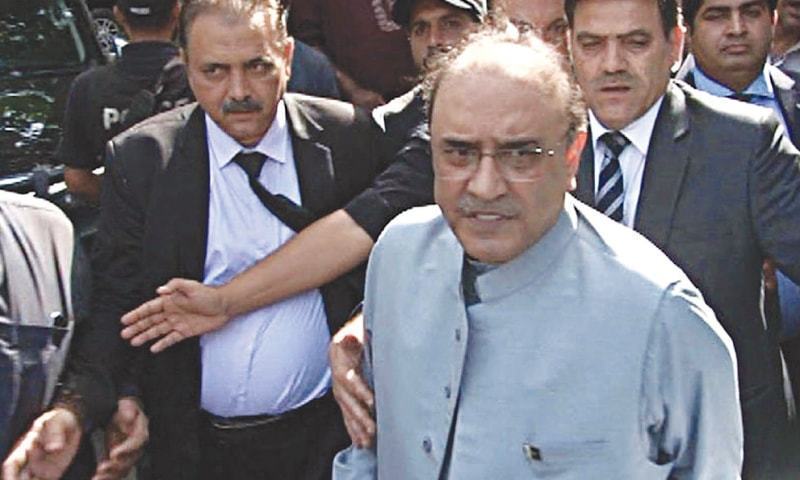
سابق صدر پاکستان و ممبر قومی اسمبلی آصف علی زرداری نے بنا سزا کے گیارہ سال جیل کاٹی، اب بھی تقریباً 160 روز سے آصف علی زرداری صاحب نینشل اکاؤنٹیبلیٹی بیورو (نیب) کی تحویل یا جوڈیشل کسٹڈی میں ہیں۔ ابتدا میں آصف علی زرداری پر نیب نے 1400 ارب کی کرپشن اور جعلی بنک اکاؤنٹس کے الزامات لگائے، اب محض ڈیڑھ کروڑ کے الزامات کے تحت نیب کی تحقیقات کا سامنا کررہے ہیں، جس کا آج تک حتمی چالان بھی پیش نہیں کیا جاسکا ہے، تحقیقات کسی حتمی نتیجہ تک نہیں پہنچ سکی ہیں۔
نیب قانون سابق ڈکٹیٹر پرویز مشرف لائے، جس کا مقصد تھا کہ سیاست کو گندہ کیا جاسکے، اپنی مرضی کی جماعتیں بنائی جاسکیں، اپنے غیر آئینی اور غیر قانونی اقدامات کو آئینی تحفظ فراہم کرنے کے لئے انہے قوانین کو استعمال کیا جاسکے۔ موجودہ حکومت کے آتے ہی مختلف طریقوں سے نیب کو اسی طرح مخالفین کے خلاف آزمایا گیا، لیکن جب بات نہ بنی تو نیب کو دباؤ میں لایا گیا نیب میں بھرتیاں کی گئیں، اس کے باوجود بھی نیب وہ نتائج نہیں دے سکا جو چاہیے تھے۔
پھر اچانک ایک ویڈیو آئی اور وہ بھی ایک ایسے چینل نے آن ایئر کی گئی جس کا مالک اہم حکومتی عہدے پر تھا، بعدازاں اسے عہدے سے ہٹادیا گیا اور اس ویڈیو کی تحقیقات کا اعلان ہوا جو آج تک شروع نہیں ہوسکی۔ موجودہ حکومت بھی نیب قوانین میں ترامیم کرنا چاہتی تھیں، جس کے بارے وفاقی وزیر قانون کئی مرتبہ اعلان کرچکے لیکن دیکھنے میں آیا کہ ایسا آرڈیننس لایا گیا جس کا مقصد صرف مخالف سیاستدانوں کو تکالیف پہنچائی جاسکیں۔
اس ترمیم کے مطابق اگر کسی مخالف پر پانچ کروڑ یا زائد کی کرپشن کا محض الزام بھی لگادے تو اسے جیل میں سی کلاس دیا جائے گا، چاہے وہ محض الزام ہی رہے اور کبھی بھی ثابت نہ ہو، لیکن اسے جیل میں سی کلاس کی ہوا کھانی پڑے گی۔ اس کے علاوہ موجودہ حکومت نے مخالف سیاستدانوں کے خلاف کئی ایسے کیسز بنائے جس کی وجہ سے انہیں ہزیمت کا سامنا کرنا پڑا۔ پیپلزپارٹی کے ممبر قومی اسمبلی خورشید احمد شاہ کے خلاف 500 ارب کی کرپشن کا الزام لگایا گیا لیکن چالان صرف ایک پلاٹ کا پیش کیا گیا
شاہد خاقان عباسی، مفتاح اسماعیل، خواجہ سعد رفیق، حمزہ شہباز و دیگر جیلوں میں قید ہیں یا پھر نیب حوالات میں قید ہیں۔ تقریباً ساڑھے چھ ماہ سے آصف علی زرداری اور تقریباً 6 مہینے سے آصف علی زرداری کی بہن منتخب ممبر صوبائی اسمبلی سندھ محترمہ فریال تالپور نیب تحویل یا جوڈیشل کسٹڈی میں ہیں۔
ابھی تک آصف علی زرداری کے خلاف تحقیقات ابتدائی مراحل میں ہیں، ان پر آج تک کوئی الزام ثابت نہیں ہوسکا ہے، حالانکہ آصف علی زرداری گیارہ سال بنا سزا کے جیل کاٹ چکے ہیں۔ پاکستان کی تاریخ کا شاید یہ پہلا کیس ہے جس کا وقوع پذیر ایک صوبہ ہے گواہان کا تعلق اسے صوبہ سے ہے لیکن کیس دوسرے صوبے میں چل رہا ہے، نامزد ملزم دوسرے صوبے میں جیل کاٹ رہا، حالانکہ وہ کہیں بھاگ نہیں رہا ان کا نام ایگزٹ کنٹرول لسٹ میں شامل ہے اور نہ ہی کسی حکومتی اعلیٰ عہدے پر فائز ہے کہ وہ کسی ریکارڈ میں ردوبدل کرسکے۔
اس وقت آصف علی زرداری کی صحت بارے حکومتی ڈاکٹرز بھی کافی تشویش کا اظہار کرچکے ہیں، لیکن حکومت کی بے حسی کا یہ عالم ہے کہ سابق صدر کو ذیابیطس کے بچاؤ کی ویکسین کے لئے ایک فرج تک کی سہولت نہیں دی گئیں۔ نیب کے مطابق گرفتاری کے 6 ماہ بعد بھی الزامات پر ابھی تک تحقیقات ہورہی ہیں۔
حکومتی ڈاکٹروں کے مطابق آصف علی زرداری کی صحت کافی تشویشناک ہے، حکومت چاہتی ہے کہ آصف علی زرداری ان سے ضمانت کی درخواست کریں لیکن آصف علی زرداری اپنے بچوں، پارٹی رہنماؤں اور وکلاء کے بار بار اصرار کے باوجود ضمانت کی درخواست پر دستخط نہیں کررہے ہیں، وہ چاہتے ہیں حکومت اپنا شوق پورا کرے، جتنا انتقام لینا چاہتی ہے انتقام لے، وہ حکومت، نیب و دیگر اداروں سے ضمانت کی درخواست ہرگز نہیں کریں گے
Subscribe to:
Posts (Atom)