Tuesday, July 30, 2019
Pakistan has a domestic abuse problem – but there’s a way to turn the outrage into action

Saba Karim Khan
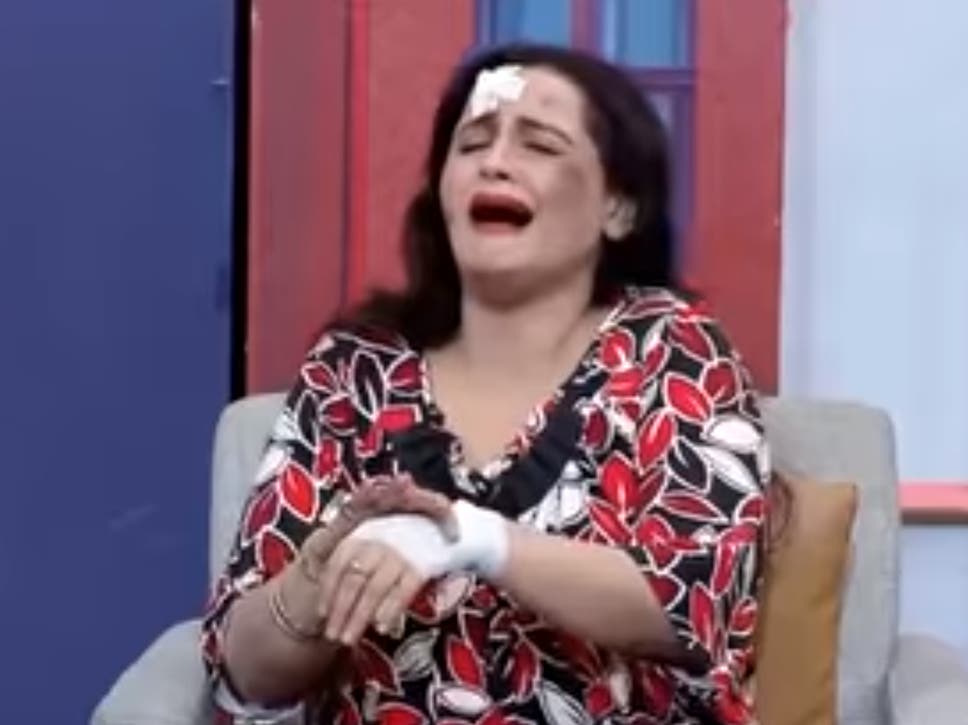
After a TV host in Pakistan made light of the issue days after the wife of Pakistani actor Mohsin Abbas Haider accused him of violence, it’s clear a cultural shift is needed to de-normalise this behaviour.
Several years ago, at my uncle’s funeral, a distant relative next to me, whispered: “Good riddance. His poor wife is finally free.” Struck by newly palpable grief, her words choked me. How could someone be callous enough to curse the dead even before they were buried? My uncle – as it turned out – was a chronic wife-beater and my aunt, a brave yet convention-bound woman.
More than a decade later, as #saynotodomesticviolence gains virality in Pakistan, I recalled those words. Should my aunt have confided in someone? Is there something we had missed? Would I offer newfound advice to my daughters? But first, what even comprises domestic violence? Is the “see what you made me do” alibi legitimate? And beyond the blame-game, how do we fix things? These questions are complex, unsettling, and Pakistani society has mostly shirked them.
Back then, the words at the funeral offered relief – the knowledge that for my aunt, the worst was finally over. Today, I realise that a trusted member of our extended family, intimidating his partner, signalled a graver dilemma: that domestic violence is normalised and the price for whistle-blowing, often too rancorous for victims to speak up.
As I sifted through my university years and entered the job market, stories from workmates, house-help and one time even a stranger on a flight, surfaced, signalling how domestic violence permeates society in a privileged, agnostic fashion in Pakistan, cutting across race, class and religion. The elderly lady who cooks in my mother’s home and the fashion celebrity earning a six-figure salary are both susceptible to abuse. Accounts ranged from evident coercion to invisible bruises, both equally harrowing.
In 2018, a United Nations report cut to the bottom-line: The most dangerous place for a woman is her home. According to the World Bank, almost one in three married Pakistani women report facing physical violence. So every time a victim is shamed for speaking up, or a court refuses to convict a perpetrator, or a TV show jokes about domestic violence, we are lowering the stakes and emboldening home-grown terrorism, literally.
Commonly understood reasons for domestic violence often fuel confusion: a stroke of bad luck; wrong place, wrong time; substance abuse; financial stress; laudable possessiveness; a sex game gone wrong; a man hard-wired to hurt; and the false guarantee that with time it will vanish. These myths must be dismantled. Toxic masculinity, cultivated in male upbringing across South Asia, is largely responsible for normalising, even applauding an imbalance of power between the sexes. By privileging typically “masculine” traits of aggression, control and a natural killer instinct, domestic violence offers an ego-boost, buttressing the belief that it is, after all, a man’s world. When this gets augmented with society’s blind-eye, abuse blossoms; by remaining tongue-tied, we are all complicit.
However, before judging victims for suffering, we must examine the cost of speaking up. From the outside, silence appears synonymous with cowardice but this couldn’t be farther from the truth. Often, victims are rippled by prospects of shame, fatigued with fear, yet wondering when to take the plunge. They are planning a careful exit, calculating risks, devising strategies that don’t place their children in jeopardy – none of it is simple, especially not in Pakistan – where even affluent women are labelled troublemakers for casting the die against men.
A year ago, an ex-colleague broke down mid-conversation at our dining-table – her husband would throw furniture at her in front of their six-year-old son and had recently begun choking her during role-play. Her cry was a water-shed; it stoked within me, the deepest revulsion, but I disallowed the fury to curdle into bitterness. It was an invitation to reflect on how to make the leap from outrage to action.
I realise that Pakistan needs its own revolution to stir things up but how might such a movement be ignited? The answer can be found via a two-pronged approach.
First, domestic violence must occupy a higher seat on every agenda: global, national, political and personal. Words come cheap so instead of what we’re used to, from our partners to the president, practical, life-saving solutions must emerge – policies, helplines, accountability bureaus, rapid court case resolutions, therapy units, funding for shelters. Only then can the benefits of unsilencing outweigh the costs. But foremost, what must accompany curative measures is conversation – a cultural shift that de-normalises domestic violence. So that mothers stop admiring sons for abusing wives because they suffered similarly or because “she must have asked for it”. So that we stop relying on post market failure fixes but instead, offer proactive support, which makes perpetrators rethink violent acts before they occur.
When I look back, in an ideal world, my advice to my aunt and colleague would’ve been: “Don’t walk, run”. Nothing about our world, though, is ideal. So, I’ve made their stories come alive to show that domestic violence is non-negotiable, that nothing about abuse is funny and that all of us are responsible to pick up the pieces. Only with collaborative will can we hope for bells to chime and ring in change, for a world where no one has to wait for a partner’s death to set themselves free.
Al Qaeda still resilient, closely works with Pakistani LeT, Afghani Haqqani Network: UN
YOSHITA SINGH
https://theprint.in/world/al-qaeda-still-resilient-closely-works-with-pakistani-let-afghani-haqqani-network-un/269831/
A UN report said al Qaeda still considers Afghanistan a safe haven but the health of its leadership was uncertain. It also said the Islamic State remains much stronger than al Qaeda.
United Nations: Al Qaeda “remains resilient” and continues to cooperate closely with Pakistan-based terror outfits like Lashkar-e-Taiba (LeT) and the Haqqani Network, but the health of its leader Aiman Muhammed al-Zawahiri and how the succession will work are in doubt, according to a UN report.
The 24th report of the Analytical Support and Sanctions Monitoring Team was submitted to the UN Security Council Al-Qaeda Sanctions Committee here this month.
The sanctions monitoring team submits independent reports every six months to the Security Council on the Islamic State, al Qaeda and associated individuals, groups, undertakings and entities.Al Qaeda remains resilient, although the health and longevity of its leader, Aiman Muhammed Rabi al-Zawahiri, and how the succession will work are in doubt, it said.Al Qaeda considers Afghanistan a continuing safe haven for its leadership, relying on its long-standing and strong relationship with the Taliban, it said.
Under Taliban patronage, al Qaeda is keen to strengthen its presence in Badakhshan Province, in particular in the Shighnan area bordering Tajikistan, as well as in Barmal, in Paktika Province, it added.
“Al Qaeda continues to cooperate closely with Lashkar-e-Taiba and the Haqqani Network. Al Qaeda members continue to function routinely as military and religious instructors for the Taliban, the report said.
It further noted that the Islamic State of Iraq and Levant (ISIL) is reported to be moving towards a hub-and-spoke network in its remote provinces, a logical extension of the dispersed, delegated leadership approach.Better established affiliates are taking on elements of responsibility for lesser ones, channelling funds and assisting with propaganda. Over time, this may have the effect of regionalising the agendas of these networks,” the report said.This has already happened in the case of al Qaeda, which has long embedded itself in local issues and politics, bringing the group some successes but also some problems, as in Idlib, it stated.Further, groups aligned with al Qaeda are stronger than their ISIL counterparts in Idlib, Syrian Arab Republic, Yemen, Somalia and much of West Africa. The largest concentrations of active foreign terrorist fighters are in Idlib and Afghanistan, the majority of whom are aligned with Al-Qaeda.
The report, however, noted that ISIL remains much stronger than Al-Qaeda in terms of finances, media profile, current combat experience and terrorist expertise and remains the more immediate threat to global security.
It also stressed that the ability of local authorities to cope with terrorist challenges in Afghanistan, Libya and Somalia remains limited.
Referring to the Easter Sunday attacks in Sri Lanka that killed 258 people, the report said that despite the claim of responsibility by ISIL, member state investigations revealed that the ISIL core did not direct or facilitate the attacks, nor did it know about them in advance.”
“It was a locally instigated and led attack inspired by ISIL ideology. The bombings aimed to boost the global image of ISIL after its military defeat in Iraq and the Syrian Arab Republic,” it said.
Regional Member States expressed concern about dynamics in the region, in particular in Sri Lanka, southern India and the Maldives, that could contribute to internal threats. Since 2013, approximately 170 Maldivians have travelled to Iraq and the Syrian Arab Republic, and more than 70 have unsuccessfully attempted to travel, it said.
The report noted that as ISIL continues its evolution from a pseudo-state to a global network inspiring and directing terrorism, it may aim to build platforms for operations in areas in which it has not been active before.
The Easter Sunday attacks may serve as a blueprint for future ISIL terrorism in other unexpected locations. The return of foreign terrorist fighters to their home countries from Iraq and the Syrian Arab Republic may combine with indigenous radicalization in South Asia or elsewhere.
The Lanka attacks show the “continuing appeal of ISIL propaganda and the risk that indigenous cells may incubate in unexpected locations and generate a significant terrorist capability.
“These and other ISIL attacks on places of worship, alongside the attacks in Christchurch in New Zealand in March offer a troubling narrative of escalating interfaith conflict, it said. The report also noted that outside the core conflict zone, ISIL and Al-Qaeda are both contending for dominance and international relevance. Some Member States describe the existence of a number of local conflict zones, each of which has its own gravitational pull, drawing foreign terrorist fighters who either come from the region or have ethnic or linguistic ties to it,” it said. Afghanistan remains the most established of these, and concerns remain about the short and long-term threats posed by ISIL and Al-Qaeda-aligned groups and foreign terrorist fighters who have established themselves on Afghan territory, the report said. There are also growing concerns about West Africa and the Sahel, where ISIL and al Qaeda are both active and deconflict with each other in favour of destabilizing the more fragile regional States.
https://theprint.in/world/al-qaeda-still-resilient-closely-works-with-pakistani-let-afghani-haqqani-network-un/269831/
Pakistani military plane that crashed was used for surveillance after Balakot strikes

AMRITA NAYAK DUTTA
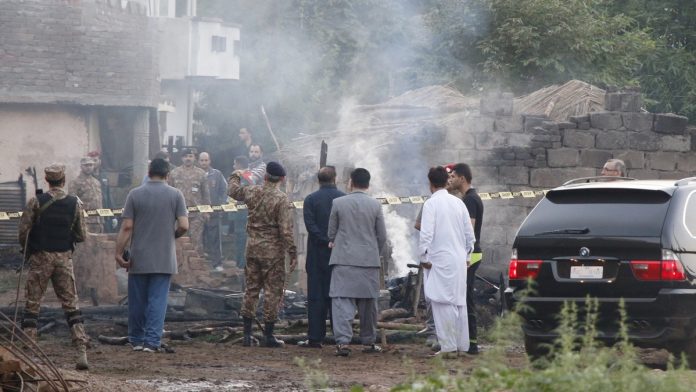
Pakistan military's media wing draws flak for not naming civilian victims and for referring to killed soldiers as martyrs.
The aircraft that crashed in Pakistan Tuesday killing 18 people, including five military personnel, was a surveillance aircraft that the country’s army deployed to maintain a vigil on Indian military movement — both in air and land — following the Balakot strikes, defence sources told ThePrint.
The crashed aircraft was a King Air 350 turboprop of the Pakistan Army Aviation Corps and was inducted for surveillance around 2012.
The accident killed 18 people, including two pilots and three military personnel, and injured 12 others when the aircraft went down in a residential area in the garrison city of Rawalpindi early Tuesday.
Pak army statement draws flak
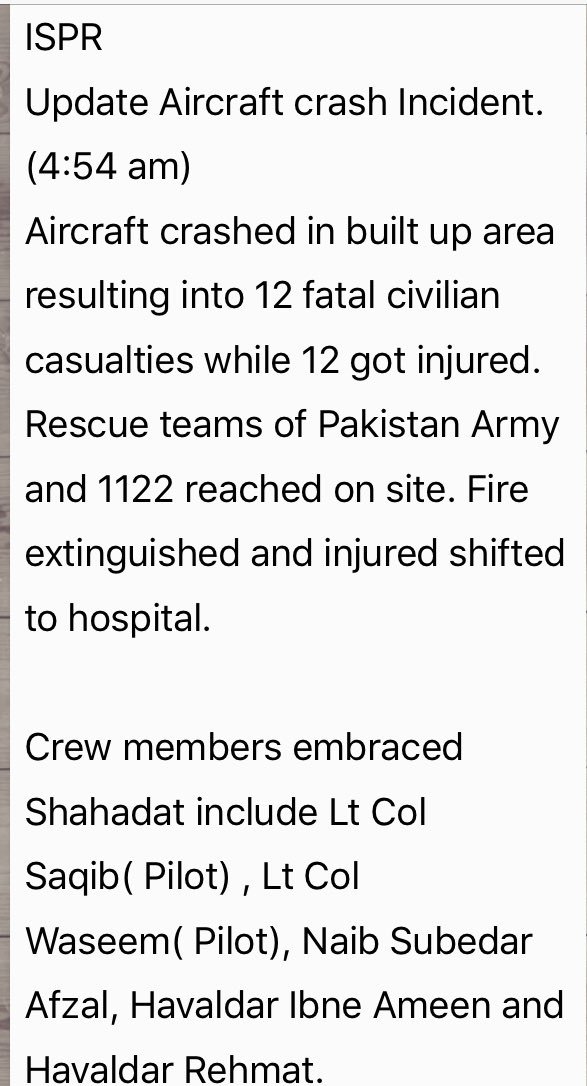
A Pakistan Inter-Services Public Relations (ISPR) statement said the two pilots and three military personnel killed had embraced “Shahadat” or martyrdom. The statement also mentioned that two high-ranking officials in the Pakistani Army were among the dead.
It, however, drew flak for leaving out the names of the 12 civilian casualties and for using the term Shahadat. The term martyr or martyrdom is generally used when a person is killed because of his religious or political beliefs.
The Indian military doesn’t officially use this term in case of soldier casualties and instead relies on killed in action.
Lahore-based journalist and rights activist Gul Bukhari tweeted, “The army crashes a plane in a residential area. And ISPR statement reads, “12 fatal civilian casualties… crew members embraced Shahadat. “And names each ‘shaheed’ and bloody civilians killed don’t merit being named.”

Plane was on a training mission
According to media reports, the Rawalpindi district commissioner Ali Randhawa said the incident occurred between 2:30 am and 2:40 am when the small military plane was on a training mission.
He added that the dead and injured were shifted to various hospitals of Rawalpindi, where paramedics said most of the victims were badly burnt. The cause of the crash is yet to be ascertained and the rescue operation was completed by the morning, according to authorities.
#QuettaBlast #Blast in #Pakistani city #Quetta kills five: police
Five people including two policemen were killed and 27 injured in a blast near a police station in southwestern Pakistani city of Quetta on Tuesday evening, a week after a similar blast that killed two people, police said.An explosive rigged motorcycle was detonated to target a police van parked outside the police station in the heart of Quetta’s busy shopping area, the city police chief said.
“Five people have been killed, including two policemen,” Abdul Razzaq Cheema, Quetta police chief told Reuters. Two women and a child are among the 27 injured in the blast, he added. In a similar blast last Tuesday two people were killed and 16 were injured when an explosive-rigged motorcycle went off outside a store in Quetta.
Violence in the Baluchistan province, which borders Afghanistan and Iran, has fueled concern about the security of investments, in particular an energy link planned to run from western China to Pakistan’s southern port of Gwadar.
https://www.reuters.com/article/us-pakistan-blast/blast-in-pakistani-city-quetta-kills-five-police-idUSKCN1UP22F
Monday, July 29, 2019
#Pakistan - Bias in education
A REPORT prepared by two NGOs reconfirms the worst fears of how the system is played against Pakistan’s religious minorities at all levels and in all areas. The report by the Institute of Development Research and Corresponding Capabilities and the Human Rights Commission of Pakistan focuses on education. The findings reflect the country’s depressing record on the treatment of its minorities, indicating the great distance between us and other nations that can justifiably claim to be civilised. The survey sketches an embarrassing picture of the deeply ingrained intolerance in the most basic unit — the classroom. The report describes how non-Muslims are seen as “enemies of Islam by Muslim students and teachers”. Some 60pc of the non-Muslim students interviewed for this study had “experienced discrimination or felt they were being discriminated against and disrespected”. With such foundations, it is no surprise that the survey found that some 70pc of (non-Muslim) teachers had been discriminated against on the basis of their faith, with parents experiencing a similar faith-based bias. Given that there is great reluctance among those routinely discriminated against for their religious beliefs to come forward, the actual figures are probably much higher. That means that ‘only’ 60 out of 100 students, or 70 out of 100 parents alleging they were victims of the long-cultivated intolerance in the country could, ironically, be seen as a positive. The truth is, there are very few non-Muslims who escape discrimination at the hands of those who belong to the majority faith — so ingrained is prejudice in society.
Ways have been constantly suggested on how to tackle the issue, and there have been some efforts to deal with the discrimination that plagues education in the country. However, the task at the outset has been complicated, as even innocuous terminology such as ‘secular’ can lead to trouble. Consequently, the work aimed at combating faith-based intolerance in all spheres has to be very subtle, but without losing sight of the main purpose. The difficulties along the way must never be an excuse for slackening or refusing to challenge existing societal attitudes that threaten to further divide a country in desperate need of basic lessons in pluralism. There are individuals who have taken a stand and those who must step forward to set an example. But it is the state that must lead the way carefully. If it fails to do its duty by all its citizens it will only sharpen societal divisions.
https://www.dawn.com/news/1496830/bias-in-education
Helpless Pakistanis in Saudi Arabia
Earlier this year, when Saudi Crown Prince Mohammed Bin Salman visited Pakistan, Prime Minister Imran Khan won a huge public approval when he raised the issue of thousands of Pakistanis detained in Saudi jails. The prince also promised to look into the matter. Since then, there has been no or a very little progress on this front. Side by side, the Ministry of Foreign Affairs has failed to watch the interests of our people around the world, especially in Saudi Arabia. The ministry runs 114 missions across the globe. This is a big number, which involves huge money to run these missions. Nations run foreign missions to counter enemies and develop friendships with foreign powers. According to our foreign policy, Saudi Arabia is our great friend and there is a treaty of friendship between the two countries to testify it.Despite this great friendship, Saudi Arabia shows no respect for the rights of Pakistani citizens working in Saudi Arabia. The Justice Project Pakistan and Human Rights Watch has recently released ‘Caught in a Web’, a research which documented the treatment of Pakistani prisoners by the Saudi criminal justice system. The report says trials, punctuated with rampant due process violations, have marked the executions of 66 Pakistanis, while 2,795 Pakistanis have been languishing in jails, subject to abuse and poor jail conditions. The highest number of foreign nationals gone to the Saudi gallows has been Pakistanis. This is not the case with any other nation. In October 2015, then Indian foreign minister Sushma Swaraj reacted harshly to the ordeal of an Indian domestic worker by her Saudi employer who chopped her arm off. The Indian embassy extended her consular and legal help to pursue charges against the employer. Similarly, in 2014, Sri Lanka and Saudi Arabia reached a deal under which around 500,000 Sir Lankans working in the kingdom were entitled to protections under the labour laws. This deal was signed after a 24-year-old maid was beheaded in Saudi Arabia. Now, the Sri Lankan embassy in Saudi Arabia runs a dedicated 24/7 hotline where workers in trouble can call for help. On the contrary, many detained Pakistanis and their families are not even sure which government agency to reach out to in the hour of need. Pakistan must work to launch a consular protection policy for the Pakistanis in the kingdom and other Gulf countries. The other possible option is negotiating a prisoner transfer agreement with Saudi Arabia, and arranging legal cells to the aid of prisoners on death row. Helping prisoners in foreign jails is never impossible.
https://dailytimes.com.pk/439328/helpless-pakistanis-in-saudi-arabia/
#Kashmir: A Battleground For Middle Eastern Rivals – Analysis


Thought that sectarianism was a pillar of the Saud Iranian rivalry? Think again, think Kashmir where the two countries’ geopolitical rivalry and Turkish ambitions cross sectarian lines.
With Iran, Saudi Arabia and Turkey competing for Indian Kashmiri hearts and minds, Iran and Turkey’s embrace of Kashmiri nationalism is winning them sympathy among both Shiite and Sunni Muslims.
The two countries’ perception of Kashmiri aspirations as nationalist rather than religious gives them a fighting chance to counter long-standing Saudi influence in the troubled South Asian region.
The Kashmiri competition, like Kazakhstan where a Saudi-inspired apolitical and loyalist strand of ultra-conservative Islam has gained popularity, suggests that crown prince Mohammed bin Salman has not given up on religion as a soft power too despite who seeking to root his legitimacy in newly found Saudi nationalismrather than the kingdom’s ultra-conservative interpretation of Islam.
Prince Mohammed, since coming to office in 2015, has significantly cut back on funding and converted the kingdom’s major funding vehicle, the World Muslim League, into a group that sings his praises and propagates tolerance and inter-faith dialogue.
Nevertheless, the crown prince views the promotion of Madkhalism, a particular Saudi strand of ultra-conservatism that preaches absolute obedience to the ruler and sees the kingdom as the model of Islamic governance as a way of countering Iranian activism and the notion of an Islamic republic that recognizes a degree of popular sovereignty.
Saudi Arabia invested an estimated US$100 billion in funding of religious seminaries, cultural and higher educational institutions, media organizations and in a handful of countries militant groups as part of a more than 40-year religiously cloaked, globally waged covert war with Iran.
More recently, Turkey has sought to lay claim to leadership of the Muslim world by funding mosques and other institutions across the globe and seizing up Islamic causes like Jerusalem.
The funding, coupled with diplomatic pressure, also aims to counter the far-flung, embattled empire of Fethullah Gulen, an Islamic preacher who lives in exile in Pennsylvania and whom Turkish president Recep Tayyip Erdogan accuses of having staged a 2016 failed military coup.
Iran, Saudi Arabia and Turkey’s identification of Kashmir as a battleground points to the increased importance they attribute to South and by extension Central Asia.
In a twist of irony, Turkish president Recep Tayyip Erdogan appears to be embracing the Sufi Menzil sect, one of the largest and most powerful Sufi orders in Turkey, that is far more liberal than Saudi Arabia’s ultra-conservatism but shares with Madkhalism a rejection of politics.
Menzil Sufis have filled vacancies in the government bureaucracy and security services created by Mr. Erdogan’s mass purge in the wake of the failed coup of alleged followers of Mr. Gulen, according to journalist Timur Soykan, who recently published a book on a more controversial Sufi order.
Like Madkhalis, Menzils, with a history of support for the Turkish state and its military, potentially could serve as anti-dotes to Iranian Shiites’ activism in places like Kashmir where Iran is targeting the Shiite minority who account for 15 percent of the region’s population.
Iran and Turkey’s emphasis on nationalism rather than religion compensates to some degree for Saudi Arabia’s first starter advantage, allowing Iran in particular to make significant inroads in Kashmir.
Portraits of Iran’s late spiritual leader, Ayatollah Ruhollah Khomeini, loom large on billboards in Shiite neighbourhoods whose streets are named after Shiite martyrs. Saudi Arabia’s execution in 2016 of a prominent Shiite cleric sparked anti-Saudi protests in Kashmir.
Unlike Iran, Turkey, eager to expand economic cooperation with India, has restricted its focus in Kashmir to verbal support in international fora rather than the funding of mosques and/or schools. That has not stopped separatist groups from embracing Mr. Erdogan even if that doesn’t challenge Saudi influence on the ground.
Indian journalist Asit Jolly estimated as far back as 2011 that 15 percent of Kashmir’s population was affiliated with some 700 Saudi-inspired ultra-conservative mosques. A Sufi organization put the figure ten times higher.
Ahl-e-Hadith, South Asia’s oldest Saudi-backed religious group, is believed to have funded some 150 schools, colleges, orphanages, clinics and medical diagnostic centres in Kashmir.
“Practically every village along the picturesque, poplar-lined, 60-km stretch northwest of Srinagar towards Gulmarg has one or more Ahl-e-Hadith-funded mosques. The new mosques and their attendant madrassas make for a contrasting picture with the hundreds of dilapidated mosques built over centuries in the age-old Sufi tradition,” Mr Jolly reported.
“The Wahhabi influence is not new to Kashmir as followers of this Islamic practice have been there since the last 100 years. But the phenomenal growth in their influence and their far and wide reach now can be attributed only to the funding the local ‘Ahle Hadith’ have got from Saudi Arabia in the last 30 years,” said an Indian intelligence official more recently.
Added analyst Abhinav Pandya: “Kashmir is becoming the ground zero for a new geopolitical race for influence: Iran and Turkey have deep, sometimes overlapping interests, Saudi Arabia wants to ensure a return on its financial and ideological investment… The question is whether these states…will weaponize those supporters in a future proxy conflict between themselves, or between separatists and India itself.”
کوئٹہ میں جنسی ہوس کا نشانہ بننے والے بچے

ان بچوں کو دکان دار بلکہ راہ چلتے لوگ اور عزیز و اقارب جنسی بھوک مٹانے کے لیے استعمال کر رہے ہیں۔
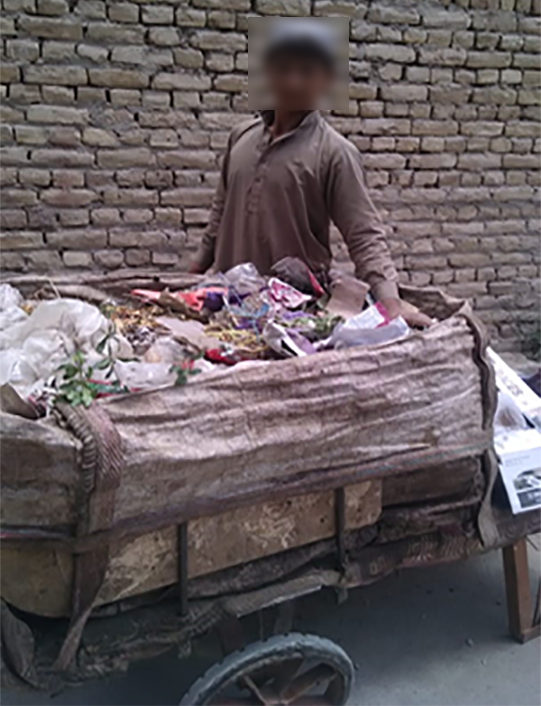
11 سالہ دلاور خان کا شمار کوئٹہ کے ان بچوں میں ہوتا ہے جن کے دن کا آغاز فجر کی نماز کے فوراً بعد ہو جاتا ہے اور وہ گھر سے باسی روٹی پانی یا کبھی بغیر دودھ کی چائے کے ساتھ کھا کر دیگر ساتھی بچوں کے ساتھ گھر سے کچرا چننے روانہ ہو جاتا ہے۔
اس کی واپسی شام ڈھلے ہی ہوتی ہے۔ کئی دفعہ ایسا بھی ہوتا ہے کہ وہ گھر سے بھوکا نکل جاتا ہے اور کچرے سے کھانے پینے کی اشیا ڈھونڈ کر پیٹ کا دوزخ بھرتا ہے۔
’میں اور میرے ساتھی گذشتہ تین سال سے کوئٹہ کے مختلف علاقوں میں کچرا چن رہے ہیں۔ اگرچہ پہلے کی نسبت اب کوئٹہ کے زیادہ ترعلاقوں میں کچرے کے ڈھیر لگے رہتے ہیں مگر پشتون آباد، سیٹلائٹ ٹاؤن، سرکی روڈ، سریاب روڈ اور اس سے ملحقہ علاقے آلودہ ترین علاقے ہیں۔ اس لیے ہمیں یہاں سے کھانے پینے کی اشیا کے علاوہ، ردی، کاغذ، پلاسٹک بیگز اور دھاتوں کے ٹکڑے بھی باآسانی مل جاتے ہیں جنھیں ہم شام میں سرکی روڈ کی کچرا ری سائیکل دکانوں پر فروخت کر دیتے ہیں۔ اس کے علاوہ ہم نے آپس میں علاقے بھی تقسیم کیے ہوئے ہیں اور روزانہ گھروں سے کچرا اٹھا کر کوڑا گھر تک پھینکنے کے ہمیں فی گھر 20 سے 30 روپے دیے جاتے ہیں۔‘
دلاور خان نے کسی پروفیشنل کی طرح معلومات فراہم کیں۔ اس دوران مکھیاں مسلسل اس کی گندگی سے اٹی انگلیوں پر بھنبھناتی رہیں مگر ایسا لگتا تھا کہ وہ گندگی کے احساس سے بیگانہ ہو چکا ہے۔
کوئٹہ میں آبادی کے تیزی سے بڑھنے کے باعث بےروزگاری اور غربت کی شرح میں گذشتہ پانچ سالوں کے دوران بہت تیزی سے اضافہ ہوا ہے اور والدین لالچ یا خود غرضی میں جان بوجھ کر اپنے بچوں کو اس کام میں دھکیل رہے ہیں جو نہ صرف ان کے لیے غیر محفوظ بلکہ ان کی جسمانی و دماغی صحت دونوں کے لیے شدید نقصان دہ ہے۔
ان بچوں کو دکان دار بلکہ راہ چلتے لوگ اور عزیز و اقارب جنسی بھوک مٹانے کے لیے استعمال کر رہے ہیں۔
بلوچستان میں ابھی تک بچوں کے ریپ یا ریپ کے بعد قتل کے زیادہ کیس سامنے نہیں آئے جو ملکی و بین الاقوامی میڈیا کی توجہ کا مرکز بن سکیں مگر کوئٹہ کے رہائشی افراد بخوبی واقف ہیں کہ کچرا چننے والے ان بچوں
کو ہر روز کن مراحل سے گزرنا پڑتا ہے۔
14سال ولی محمد بھی کچھ عرصے پہلے تک اپنے گاؤں کی گلیوں میں مست کھیلتا، دھول اڑاتا ایک معصوم بچہ تھا جو آج کوئٹہ کی گلیوں میں ریڑھی لگا کر گھر گھر کچرا جمع کرتا ہے اور بھول چکا ہے کہ کب، کہاں انہی گلیوں میں اس کا بچپن اور معصومیت کھو گئے تھے۔
’میں اپنے گاؤں کلی کاؤس ڈسٹرکٹ زیارت کے سکول کا ایک ہونہار طالبعلم تھا مگر حالات نے مجھے آج یہاں پہنچا دیا۔ والد کو چرس کے نشے کی لت لگنے کے بعد جب ہمارے گھر فاقوں کی نوبت آنے لگی اور زیارت میں شدید سردی کے باعث مناسب روزگار ملنا دشوار ہو گیا تو گھر کا بڑا بیٹا ہونے کے باعث میری ماں نے مجھے ایک رشتہ دار کے ساتھ کوئٹہ بھیج دیا۔
’یہاں مسلسل کئی روز کا فاقہ مجھے ایک دن کچرے کے ڈھیر پر لے آیا اور پھر زندگی ایک نئی ڈگر پر چل پڑی۔ میں دن بھر کچرا چن کر رات کسی دکان کے پیچھے جا کر سو جاتا۔ مگر ایک رات ایسی بھی آئی کہ اس کی تاریکی آج تک چھٹ نہیں سکی۔ سرکی روڈ کے نواح میں ایک دکان دار کے ہاتھوں جنسی استحصال کا شکار ہونے کے بعد میں اس قدر خوفزدہ تھا کہ صبح ہونے سے پہلے ہی واپس گاؤں بھاگ گیا۔ میں ماں کی گود میں چھپ جانا چاہتا تھا مگر اب وہاں بھی میرے لیے کوئی جگہ نہیں تھی۔ میری ماں اور بہن بھائیوں کو روٹی اور پیسوں کی ضرورت تھی، میری نہیں۔ سو واپس انہی گلیوں، انہی کوڑے کے ڈھیروں پر لوٹ آیا اور اب یہی میرا مسکن ہیں۔‘
ولی کی مدھم آواز میں چھپا درد دل کو چیرے دے رہا تھا۔
مگر یہ صرف ایک ولی محمد کا درد نہیں آپ کو کوئٹہ کی ہر دوسری گلی میں ایک ولی محمد ملے گا جس کی آواز کو کبھی دو وقت کی روٹی تو کبھی چند نوٹوں کے عوض دبا دیا جاتا اور اس وقت تک دبایا جاتا رہے گا جب تک صوبائی یا مرکزی حکومت اس سنگین صورتِ حال کا نوٹس لے کر ان مزدور بچوں کے حقوق کے تحفظ کا موثر انتظام نہیں کرتی۔
پاکستان بلکہ بلوچستان میں بھی چائلڈ لیبر کے حوالے سے باقاعدہ قانون موجود ہے مگر اس پر عمل درآمد آج تک نہیں ہو سکا۔ دیکھا جائے تو سڑکوں اور کوڑا گھروں سے کچرا چننے والے یہ بچے ایک طرح سے ’ماحول دوست‘ یا سوشل ورکر کا کردار ادا کر رہے ہیں اور جو کام کوئٹہ میونسپل کارپوریشن نہیں کرتی وہ یہ بچے بلاناغہ سرانجام دیتے ہیں، مگر اس کے عوض انھیں عزت و تحفظ دینے کے بجائے دھتکارا اور کم تر سمجھا جاتا ہے بلکہ جنسی زیادتی کا نشانہ بنا کر ان کی زندگی برباد کی جا رہی ہے۔
اس ضمن میں جب چائلڈ لیبر پر کام کر نے والی کوئٹہ کی ایک معروف سوشل ورکر مسز مسرت جبیں سے رابطہ کیا گیا تو ان کا کہنا تھا ’ہم اس پر گذشتہ تین چار سال سے کام کر رہے ہیں اور چھ یا سات سال سے کم عمر بچے جنھیں ان کے والدین بے حسی سے اس پروفیشن میں دھکیل رہے ہیں ہم ان کے تحفظ کے علاوہ تعلیم اور والد یا سر پرست کے روزگار کے کئی منصوبوں پر بھی کام کر رہے ہیں تاکہ چائلڈ لیبر کی اس بدترین صورت کو کسی طرح جڑ سے ختم کیا جائے۔‘
مگر اس مقصد کے لیے اکیلی این جی اوز کچھ نہیں کر سکتیں۔ صوبائی حکومت کو اس سلسلے میں موثر قانون سازی کر کے سختی سے اس کا قلع قمع کرنا ہو گا، جس کے لیے ہمارے قوانین کا چائلڈ لیبر کے بین الاقوامی ضابطۂ اخلاق اور قوانین کے مطابق ہونا ضروری ہے۔
مگر ہماری حکومتوں کا المیہ یہ ہے کہ یہاں اب تک جو قانون سازی کی گئی ہے اس پر بھی صوبائی حکومت کی جانب سے عمل کرانے کی کوئی خاص کوشش نہیں کی جا رہی، اس وجہ سے یہ صورت حال سنگین ہوتی جا رہی ہے۔
ان بچوں کے ساتھ جنسی تشدد کے واقعات کی شرح بڑھنے سے لامحالہ یہ صورتحال ایک ایسی چنگاری بنتی جا رہی ہے جو کسی بھی وقت بھڑک کر ہماری اس آلودہ سوسائٹی کو بھسم کر سکتی ہے
#Pakistan - We never ordered Alamgir Khan’s arrest, says Bilawal
We never ordered FixIt campaigner and National Assembly member Alamgir Khan’s arrest, said PPP Chairperson Bilawal Bhutto Zardari. PPP workers were the ones who were arrested just because of the law and order situation created by PTI workers, he claimed.

While addressing the media on Monday, Bilawal remarked that it is the job of journalists to show the truth and what really happened at Teen Talwar on Sunday.
“PPP is the only party that never issues arrests warrants for political leaders,” said Bilawal. “In Zardari’s tenure or even Benazir’s tenure, there were no political prisoners.”
He added that the whole law and order situation at Teen Talwar occurred because of the fascist mindset of PTI workers. “They [PTI] don’t respect anyone, they also beat up our saviours’, the police as a result of which they got arrested,” he said.
PTI MNA and FixIt founder Khan was taken into custody by the police following a clash between members of his campaign and workers of the PPP on Sunday, however, he was released after a brief detention.
Sunday, July 28, 2019
#Siri ‘regularly’ records sex encounters, sends ‘countless’ private moments to Apple contractors

“There have been countless instances of recordings featuring private discussions between doctors and patients, business deals, seemingly criminal dealings, sexual encounters and so on. These recordings are accompanied by user data showing location, contact details, and app data,” the whistleblower revealed.
“Apple is subcontracting out, there’s a high turnover. It’s not like people are being encouraged to have consideration for people’s privacy, or even consider it,” the whistleblower said, explaining that they are concerned these recordings, produced when Siri thinks it hears its “wake word,” could be used against the people who (accidentally) made them – especially given the “broad” amount of user data they claim contractors are “free to look through.” In what sounds like a sick joke on the part of some programmer, the sound of a zipper unzipping often triggers Siri to wake up.
If there were someone with nefarious intentions, it wouldn’t be hard to identify [people on the recordings].
While Apple does not explicitly mention any human involvement in Siri’s training in the AI’s documentation, it acknowledged when asked about its practices that “a small portion of Siri requests are analyzed to improve Siri and dictation.” The company insisted that this amounted to less than one percent of all daily activations of the AI and that the recordings were “typically only a few seconds long.”
While Apple emphasized that a user’s Apple ID and name are not attached to clips reviewed by contractors, it also took pains to explain that recordings are “analyzed in secure facilities and all reviewers are under the obligation to adhere to Apple’s strict confidentiality requirements” – suggesting the company is aware of how easily even a recording stripped of its user ID can be connected to the user who made it.
Siri isn’t the only voice assistant that transmits users’ private moments back to the mothership, of course – Amazon’s Alexa infamously has entire chat rooms for its human trainers to discuss difficult-to-understand audio clips (or mock funny recordings) and Google Home uses a similar system of outsourced “language experts” that allows the company to claim that no one at Google has access to the recordings its devices make.
#Pakistan - Lessons from how women voted in 2018

An analysis of gender voting patterns shows that neglecting women’s electoral agency is a direct and consequential disadvantage for political parties.
In last year’s general elections the Election Commission of Pakistan collected gender disaggregated data for the first time. The effort, mandated under the Elections Act, 2017, allows for an analysis of differences in voting choices of men and women.
The Free and Fair Election Network (FAFEN) followed a multi-phased methodology that involved analysis of ECP-furnished data from35,988 male-and female-specific polling stations across 246 NA constituencies (88 percent) and generated some ground-breaking findings. These identify multifarious issues that impede women’s participation in elections and politics and also provide evidence to guide future strategies to improve women’s political autonomy in mainstream politics.
Some of these are presented here. The analysis is based on data from across 52,565 (32 percent) census blocks for which the results from both the male and female polling stations were collated and analysed. While some of the gender-related findings have been reported earlier, the trend of women’s choices deviating from those of men’s in the same area is an important indicator of increased political agency and exercise of autonomy.
Missing women
Women constitute 49 percent (101.314 million) of Pakistan’s population. Despite a high-paced citizen registration process prior to the 2018 elections, the number of registered women voters last year was 46.731 million, which constituted 44 percent of the electoral rolls.
The gap between the number of men and women registered as voters has been growing. The primary cause for this gender imbalance is believed to be that many eligible women do not possess CNICs which is a legal requirement for voting. Despite concerted policy, campaigns and technological and pragmatic efforts to close this gap, the gender electoral roll imbalance actually increased from 10.97 percent in the 2013 elections to 12.49 percent in 2018 elections. This gender gap is the largest in Balochistan (15.65 percent), followed by Khyber Pakhtunkhwa (KP) (13.65), Sindh (11.02) and Punjab (11.095).
The 10 percent women
FAFEN’s collation reveals that around 65 percent National Assembly constituencies (173 out of 272) had a gender gap of more than 10 percent. Specific to provinces, 83 constituencies in the Punjab, 47 in the KP, 28 in Sindh and 15 in Balochistan have more than 10 percent women missing from their rolls. A similar pattern is observed in the Provincial Assemblies where 381 out of 577 constituencies have a gender gap of above 10 percent.
While the overall gender gap of enrolled voters remains under 20 percent, the troubling aspect is that women’s absence from electoral rolls has steadily increased by 10 percent (or more) in 80 out of 127 districts across the country (63 percent). Very few districts (just 17) have managed to be shielded from a large increase in the widening gap between registered men and women voters.
Contesting women
The Elections Act, 2017, introduced a requirement for allotting 5 percent of party tickets for general seats to women, albeit without legal consequence for its non-compliance. The benefit of this provision remains unclear since no significant improvement in the number of women candidates was seen. Just 463 women ran for national and provincial assemblies in GE-2018 which is only 18 more candidates compared to general elections 2013 (though a marked growth over 192 candidates in general elections 2008). Women winning on general seats in 2018 remained at 16 as in 2013 and down from 26 in 2008.
The ‘deviancy’ patterns in KP and Sindh are more vibrant than for the Punjab where women’s autonomous voting agency is flatter and less variable.
No zero turnout
Of the registered women, 21.746 million cast their votes in 2018 for the National Assembly. This made up 40 percent of the 54.657 million votes cast. In general elections 2013 there were 13 polling stations where no woman had turned out to vote on polling day but none such in 2018. Credit for this is attributed to the ECP’s Gender Affairs wing and collaborative efforts civil society drives to increase women’s participation.
Women voter’s turnout was 47 percent of the registered voters, with Punjab, Sindh and Balochistan showing an average voter turnout gap of about 8 percent between men and women while Khyber Pakhtunkhwa had a turnout gap of almost 19 percent. Several metropolitan cities in each province showed a larger gender gap in turn out compared to other parts of the provinces – Peshawar 25 percent; Karachi West 14 percent; Lahore 13 percent; Quetta 13 percent.
According to the FAFEN analysed data, female polling stations generally showed a lower turnout with 73 percent of the polling stations hosting less than 20 percent turnout (mostly KP).This raises serious questions of efficacy at the expense of making ‘cultural concessions’ or overestimating mobility issues for women voters. A more extensive study of all polling stations will allow for more accurate policy on this matter.
Over-and-underestimat-ing women’s agency
A gender analysis of electoral choices exercised at the 2018 polls challenges misconceptions about lack of autonomy amongst women voters and the myth that they always vote for the same political party as male family members. Men and women’s voting choices were found to be similar in 82 percent of the electoral areas analysed by FAFEN(that is, 43,178 out of 52,565 in number) but the ‘deviancy’ of women’s voting from men was found in 18 percent – up from 11 percent in 2013.
Clearly, women voters are ‘deviating’ considerably and parties stand to gain by directly engaging and being responsive to the demands of women voters.
‘Deviant’ women
The voting choices of men and women were more homogenous in ICT than any other area (86 percent voted for the same winning party but in 14 percent of electoral areas women deviated). Balochistan has two districts where there is no difference between the electoral choices of men and women in any of electoral areas studied, whereas five provincial districts had 31 to 40 percent electoral areas where men and women voted differently.
The difference in voting choices was starker in Khyber Pakhtunkhwa and Sindh, where men and women voted for the same winning party (77 percent and 79 percent respectively, of the electoral areas) but women deviated in around a quarter (23 percent and 21 percent) of the electoral areas and voted for a different winning candidate/party.
The ‘deviancy’ patterns in KP and Sindh are more vibrant than for the Punjab where women’s autonomous voting agency is flatter and less variable (85 percent voted for the same winner and in 15 percent electoral areas women chose a different one). In Dadu and Badin in Sindh, the differential in women’s choices from men’s for winning parties were recorded in 41 percent and 35 percent of electoral areas respectively, whereas in the Punjab, higher women’s voting ‘deviancy’ was noted in Muzafargarh (26 percent), Khushab (25 percent) and Nankana Sahib (22 percent).
Findings on gender-based comparative voting for specific parties may be summarised as follows with some broadly derived observations;
ICT: The PTI and the PPPP won more men’s votes in the capital than from women in the analysed electoral areas. However, for PML-N’s wins in the ICT, women’s votes were found have deviated three-fold over that of men’s choice.
It was predominantly men who voted for the PTI and the PPPP and more women for the PML-N in the ICT.
Punjab: More men voted for the PTI in the areas where the party won in the Punjab while women’s ‘deviant’ votes were found to be higher where the PML-N and PPPP won.
More men voted for the PTI while women preferred to vote for PML-N and PPPP in Punjab.
KP: More men voted for the PTI and the MMAP wins in the electoral areas while more women’s ‘deviant’ votes were found for PPPP and PML-N where these parties were successful.
The highest rate of deviancy of women’s voting overall was observed in KP (80 percent) in favour of the PPPP wherever the party won in the electoral areas.
Sindh: An overwhelming 83 percent of the PPPP’s victory was from Sindh province. In almost every district of Sindh, the choice of women voters for this party dominated that of male voters.
Without women voters the PPPP would struggle to win its majority in Sindh. Women’s deviancy votes were three times higher in urban Sindh for the ANP wins.
Balochistan: Independence or deviancy in electoral choice by women for the PTI was highest in Balochistan’s electoral areas.
Balochistan is the only province (other than some electoral areas in rural Sindh) where women’s voting deviancy went in favour of the PTI, although the party that won most support from women’s ‘deviant’ voting overall in the province was the ANP followed by the PKMAP (although the figures for PPPP are still being analysed).
(Another set of raw figures awaiting cross-checking is women’s (fairly substantial) deviancy vote in KP (urban), Sindh (rural) that suggests these favoured the Tehreek-i-Labbaik Party).
Inter-provincial deviation
Another interesting point of ‘deviation’ was that smaller parties won in electoral areas according to a similar gender pattern as seen with the PTI, that is, with men’s votes and not from women deviating their votes for them. However, for other bigger parties’ wins (PML-N, PPPP, and ANP) the trend was found to be reverse (that is, more women ‘deviant’ votes).
This provincial level data is being further refined. A detailed analysis will be cross-checked and released soon. However, the main point is that it’s erroneous to think women’s deviations would not impact the electoral results; the overall share of victory for political parties was such that the PML-N, the PPPP and the ANP were victorious at 54 percent, 57 percent and 61 percent of electoral areas respectively, where women’s votes deviated from men’s.
Cross-provincial deviation
There are other interesting cross-provincial variables; comparatively, more of women’s ‘deviant’ votes were cast in those electoral areas that converted into a win for the success of the PPPP in KP (79.4 percent electoral areas) and the Punjab (61.3 percent electoral areas) than in the party’s own province of Sindh (55.5 percent electoral areas) which enjoys base support.
A full 100 percent of women’s ‘deviant’ votes that led to a win for the ANP were those in Punjab, followed by in Sindh (76.9 percent), Balochistan, and the party’s own province, KP, had the least amount of women’s ‘deviant’ votes for winning parties (60 percent electoral areas) where it enjoy base support.
The PML-N received the most number of ‘deviant’ votes (by women in 172 electoral areas compared to that of men in 52) to win in the ICT (76.8 percent) followed by in KP (54.1 percent) and in Punjab (54 percent) – enjoying base support in the latter.
Rural-urban results
These results challenge traditional estimates about rural-urban voting behaviour. Cumulatively, the PTI’s wins based on women’s deviant votes amounted to under 50 percent electoral areas in urban and rural areas in the KP, the ICT, and the Punjab, and in 51 percent electoral areas from rural Sindh, and 53 percent urban and 50 percent rural in Balochistan.
With much more variation, the PML-N wins achieved the highest number of female deviant votes from the ICT electoral areas (rural 82 percent and urban 66 percent), followed by those in the KP (65 percent urban and 52 percent rural). In Punjab, the PML-N gained wins where women’s deviant votes amounted to 54 percent in urban and 53 percent rural electoral areas and in under 50 percent of electoral areas in Balochistan.
The most notable pattern of women’s ‘deviant’ voting was observed in the PPPP wins in the KP as found in 79 percent of urban electoral areas and even higher at 80 percent of rural electoral areas. This is followed by women’s votes for the party’s wins in Punjab (60 percent urban and 62 percent rural electoral areas) and less in its wins in the home-base of Sindh where a more balanced division of women’s ‘deviant’ votes were cast in 58 percent of urban and 54 percent rural electoral areas. In Balochistan, the PPPP’s wins showed women’s ‘deviant’ voting in 63 percent of urban electoral areas and 41 percent rural.
Deeper gender analysis is needed since there is rich empirical data available now but clearly, the evidence shows that neglecting women’s electoral agency is a direct and consequential disadvantage for political parties. It also suggests that undervaluing rather than expanding women’s electoral concerns is a losing strategy. More qualitative studies will support and enable a better grasp of the evolving nature of electoral behaviour in Pakistan.
*This does not mean these necessarily translated into overall wins – just the electoral areas based on the polling stations analysed.
Subscribe to:
Posts (Atom)