Sunday, July 14, 2019
Wahhabism confronted: Sri Lanka curbs Saudi influence after bombings
By Alexandra Ulmer, Omar Rajarathnam
Sri Lanka is moving to curtail Saudi Arabian influence, after some politicians and Buddhist monks blamed the spread of the kingdom’s ultra-conservative Wahhabi school of Islam for planting the seeds of militancy that culminated in deadly Easter bomb attacks.
 On April 21, nine Sri Lankans blew themselves up in churches and luxury hotels, killing more than 250 people and shocking the country a decade after its civil war ended.
Sri Lanka has since arrested a Wahhabi scholar and is poised to take over a Saudi-funded school. The government also says it will monitor previously unchecked money flows from donors including prominent Saudi families to mosques on the Indian Ocean island.
“Nobody will be able to just make donations now,” said Muslim cabinet minister Kabir Hashim, who has urged Muslim communities to look at how radical ideas could have spread. He said the Department of Muslim Religious and Cultural Affairs would oversee donations.
The outcry in Sri Lanka is the latest sign that Wahhabism, which critics deem a root cause of the jihadist threat, is under pressure internationally.Jihadist organizations, including Islamic State - which claimed responsibility for the Easter bombings - follow an extreme interpretation of Islam’s Salafi branch, of which Wahhabism was the original strain.Saudi Arabia rejects the idea that Wahhabism is problematic and defends its record by pointing to the detention of thousands of suspected militants. Riyadh in June sent back five Sri Lankans allegedly linked to the Easter attacks.Saudi diplomats in Colombo have expressed “displeasure” over being targeted during a recent meeting with President Maithripala Sirisena, a Sri Lankan official told Reuters.Sirisena’s office, as well as Saudi Arabia’s Colombo embassy and the kingdom’s communications office in Riyadh, did not respond to requests for comment on the backlash against Saudi influence.
MONKS’ INFLUENCE
That backlash has focused on one man in particular - Muhammad Hizbullah, a businessman and politician who was the governor of Sri Lanka’s Eastern Province until he resigned in June following protests by hardline Buddhist monks. The monks, who are influential on the island where 70 percent of the population are Buddhists, and some members of parliament say Hizbullah’s links to Riyadh contributed to the spread of militancy in his native Kattankudy, a Muslim-majority town.Hizbullah’s family helped build Saudi-financed mosques and a Saudi-funded higher education institute, Batticaloa Campus, which has not opened yet, in the Eastern Province.The mosque and school projects were led by the Hira Foundation, a non-profit owned by Hizbullah and his son Hiras.Its financial statements show income of some $31,000 between 2014 and 2018, though Hizbullah told parliament Hira had received $2 million from foreign donors. He did not respond to a request from Reuters for further financial details.In an interview with Reuters at his home in the capital, Colombo, Hizbullah, 56, said most funds come from the Juffalis, a leading Saudi merchant family. Reuters also found two wires from other Saudis but was not able to trace them. Hizbullah said they were pooled contributions from smaller donors.The Sheikh Ali Abdullah Al Juffali Foundation Charity wired some $24.5 million to Batticaloa Campus between 2016 and 2017, bank statements and loan agreements seen by Reuters show.
Hizbullah warned the experience of the Juffalis, who he said have received hate mail, was spooking Saudi investors. He did not identify any investors.
Ongoing investigations have not shown that any Saudi money flowed to the plotters. And critics attribute moves against Saudi influence to burgeoning Islamophobia, including mob attacks on Muslim properties in May.“Not a single Saudi institution, charity or individual gave even one rupee to terrorists,” Hizbullah said.The charity did not respond to calls or messages seeking comment, and Reuters was unable to find alternative contact details for the Juffalis. The charity’s website lists the founders as Ali al-Juffali, a businessman and former member of the kingdom’s consultative assembly who died in 2015, and his four sons. The charity says its objectives include supporting orphans and activities that promote religious tolerance.The Juffalis, who promised a total of $100 million to Batticaloa Campus, have halted loans over the school’s uncertain future, Hizbullah said. Construction of the sprawling campus, designed in Islamic architectural style, has been paused, he added.
Hira also connects mosques with donors.
The modest Siharam Mosque, for example, was rebuilt in 2015 thanks to some $56,000 from the Juffalis, according to a mosque plaque and its ex-president M.Y. Adam, who said Hira received a 10% commission. Hizbullah did not respond to questions about mosque funding.
SCAPEGOAT?
In the Reuters interview, Hizbullah also denied allegations made by some monks that he had links to the attacks, and no evidence has surfaced to support that claim.His critics, however, point to a 2015 photograph that shows Mohamed Hashim Mohamed Zahran, who authorities say led the April suicide bombings and blew himself up at a Colombo hotel, grinning under his beard as he shakes Hizbullah’s hand. Hizbullah said he was seeking support from Zahran, also a Kattankudy native, for a parliamentary election. Back then, Hizbullah stressed, Zahran was just a charismatic preacher who could deliver some 2,000 votes in the devout town of roughly 50,000.His supporters - and even some opponents - say Hizbullah is a scapegoat. Ameer Ali Shihabdeen, an Eastern Province member of parliament from a rival party, said Hizbullah was being targeted despite a lack of evidence linking him to the attacks.Wahhabism spread to Sri Lanka’s Eastern Province three decades ago, when the area was convulsed by conflict between mostly Hindu Tamil separatists and the Buddhist-dominated government, according to local religious leaders and politicians.Muslim scholars received scholarships to study in Saudi Arabia, while impoverished farmers escaped clashes by becoming drivers or maids in the Middle East - often returning home with stricter Islamic practices, the sources said.
Saudi-funded mosques mushroomed. Women ditched their saris for all-enveloping black abayas. Some Sri Lankan Sufis, who follow a mystical form of Islam that Wahhabis consider heretical, said they began to be persecuted.Hizbullah’s political career, which included stints in parliament, blossomed during this time. In Kattankudy, his name adorns schools, a public hall and roads.Batticaloa Campus, the college funded by the Juffalis, initially planned to teach sharia, which some critics say limits women’s rights. Hizbullah said sharia only meant the academic subject of Islamic Studies, and that the discipline had been dropped from curriculum plans.Students would pay half standard tuition fees, which Hizbullah said was partly why this long-neglected area welcomes Arab donors’ deep pockets.A parliamentary committee last month called for authorities to take over Batticaloa Campus and compensate investors, citing incomplete documentation, possible violations of foreign exchange rules, and national security concerns.No decision has been announced yet, but a presidential spokesman told Reuters that Sirisena, a Hizbullah ally who is on the back foot ahead of presidential elections this year, also favors a takeover.
WAHHABI SCHOLAR BEHIND BARS
Some Kattankudy Sufis link the advent of Wahhabism to the 1990 opening of the Saudi-financed Center for Islamic Guidance, which boasts a mosque, school, and library. Reuters was unable to trace Saudi donors, who had names common in the Middle East, thanked on a plaque at the center.The center “brainwashed” youth and distributed flyers denouncing Sufism, according to H. M. Ameer, a community spokesman who said his house was destroyed during anti-Sufi unrest in 2004. Persecution intensified with the rise of Zahran, the suspected Easter bombings ringleader, whose followers attacked Sufis with swords in 2017, Ameer added.Representatives of the center did not respond to requests for comment about the Sufis’ allegations. They previously told Reuters the center practiced “moderate Islam”.
The center’s Riyadh-educated founder, Mohamed Aliyar, was arrested in May for allegedly funding Zahran.
The charge sheet, reviewed by Reuters, details his bank accounts but does not provide evidence of wrongdoing. A police spokesman did not respond to requests for details.
Aliyar’s lawyer Abdul Uwais said he was a victim of paranoia over Wahhabism.
Two sources from Kattankudy’s Muslim leadership said Zahran voraciously read Wahhabi texts from Aliyar’s center, but that the men were not known to be close.
https://www.reuters.com/article/us-sri-lanka-saudi-insight/wahhabism-confronted-sri-lanka-curbs-saudi-influence-after-bombings-idUSKCN1U00LY
Either election or revolution will take place now: Bilawal Bhutto
Pakistan Peoples Party (PPP) Chairman Bilawal Bhutto Zardari said on Sunday that either an election or a revolution would take place in the country now, as the masses could no longer tolerate the government’s economic policies.

Bilawal said so while addressing a workers convention in Sadiqabad. “The people are being murdered economically in this tenure. They cannot tolerate more than what they have already suffered, and now either an election or a revolution will take place,” he said.
The PPP chairman said the government brought trouble to the poor, and relief and amnesty scheme to the rich through the budget. “The puppets will be sent home,” he asserted.
Bilawal said the provinces were getting bankrupted, noting that Punjab’s development budget had been reduced. He said his party would continue raising the voice against a puppet chief minister of Punjab.
“Imran Khan did not fulfill the promises he made with the people. They used to say that they would commit suicide but they would not go to the IMF,” the PPP chairman said.
“It has turned out in one year that every promise made by Imran Khan was a lie. The selected prime minister took a U-turn and bowed before the IMF.”
He said the prime minister promised to provide 10 million jobs, but failed to provide even a single one.
Bilawal said his party would continue to safeguard the rights of the people, adding, “Now a free and fair election will have to be held”.
’میڈیا کے خلاف میڈیا ٹرائل بند ہونا چاہیے‘#Pakistan -
مونا خان

جنگ گروپ سے وابستہ کچھ صحافیوں نے اچانک اپنے سوشل میڈیا اکاؤنٹس غیر فعال کیوں کر دیے؟
آئے روز سوشل میڈیا پر صحافیوں کے خلاف ٹرینڈز کیوں بنتے ہیں؟ خصوصا تنقید کرنے والے صحافیوں کے خلاف باضابطہ مہمیں چلائی جاتی ہیں۔

یہ مہمیں کون چلاتا ہے؟ اور کیا یہ مہمیں صحافیوں پر نفسیاتی دباؤ ڈالنے کے لیے کی جاتی ہیں؟
گذشتہ روز جنگ گروپ کے کچھ صحافیوں نے اپنے ٹوئٹر اکاؤنٹ غیر فعال کیوں کیے؟ ان سوالات کے جواب جاننے کے لیے انڈپینڈنٹ اردو نے مختلف صحافیوں سے رابطہ کیا۔
ہم اس سے نہیں گھبراتے: حامد میر
حامد میر نے انڈپینڈنٹ اردو سے گفتگو کرتے ہوئے کہا ’میرے لیے یہ کوئی نئی چیز نہیں۔ میں گذشتہ کئی سالوں سے اس کا مقابلہ کر رہا ہوں۔ کسی نے اگر گرفتار کرنا ہے تو کر لے، اثاثے بھی چیک کرنے ہیں تو کر لیں، ہم اس سے نہیں گھبراتے۔‘
انہوں نے کہا اس میں قابل تشویش بات یہ ہے کہ خواتین صحافیوں کو دھمکایا جا رہا ہے۔ ’ہماری کمیونٹی کی خواتین ہماری بہن بیٹیاں ہیں اگر آپ کسی کے گھر میں گُھس جائیں گے تو ہم خاموش کیسے رہیں گے؟‘
حامد میر نے کہا ابھی تک سول حکومت کی جانب سے کسی نے رابطہ نہیں کیا اور نہ کوئی وضاحت دی گئی۔
صحافیوں کے اکاؤنٹ غیر فعال ہونے پر حامد میر نے کہا کہ جنگ گروپ کے جن صحافیوں نے اپنا ذاتی اکاؤنٹ ادارے کے کہنے پر غیر فعال کیے اور اب اس پر بات بھی نہیں کر رہے تو پھر اُن کا احتجاج کرنے کا کوئی حق نہیں۔
انہوں نے کہا انسان کو نوکری سے زیادہ عزت پیاری ہونی چاہیے، جو اپنے حق کے لیے نہیں بول سکتے وہ دوسرے کے حق کے لیے کیا بات کریں گے۔
صرف حکومت پر تنقید کرنے والے صحافی نشانے پر: عاصمہ شیرازی
معروف صحافی عاصمہ شیرازی نے انڈپینڈنٹ اردو سے گفتگو کرتے ہوئے کہا حکومت اور کچھ اداروں کی جانب سے کہا جا رہا ہے کہ اُن کی مرضی کا لکھا اور بولا جائے لیکن ایسا نہیں ہو سکتا کیونکہ زندہ معاشرے میں لوگ بات کرتے ہیں۔
’جو گرفتاری کی دھمکیاں دے رہے ہیں اُن سے یہ کہنا ہے کہ آئیں اور گرفتاریاں شروع کریں۔‘
انہوں نے کہا جو حکومت کے حق میں بول رہے ہیں اُنھیں کچھ نہیں کہا جا رہا لیکن جو حکومت پر تنقید کر رہے ہیں وہ سوشل میڈیا میں نشانے پر ہیں۔ ’میڈیا کے خلاف میڈیا ٹرائل بند ہونا چاہیے۔ تحقیقات ضرور کریں لیکن ایسا نہ کریں کہ جب کچھ نہ ملے تو گاڑی سے ہیروئن نکال لیں۔‘
احتساب کریں لیکن غداری کا سرٹفیکیٹ دینا درست نہیں: غریدہ فاروقی
سینیئر اینکر غریدہ فاروقی نے انڈپینڈنٹ اردو سے بات کرتے ہوئے کہا پہلے صحافیوں پر جب پابندیاں لگائی جاتی تھی تو طریقہ کار مختلف ہوتا تھا۔ اُنھیں مار پیٹ یا تشدد کا نشانہ بنایا جاتا تھا، اُن کے خاندان کو ہراساں کیا جاتا تھا، اُن کو مارا یا اغوا کیا جاتا تھا، لیکن آج کل سوشل میڈیا کے دور میں صحافیوں کے لیے یہ مشکلات کا نیا اضافہ ہے۔
’کبھی سوشل میڈیا پر اُن کے خلاف مہمیں چلوائی جاتی ہیں اور اب میڈیا مالکان کو اپروچ کر کے صحافیوں پر دباؤ ڈلوایا جا رہا ہے۔ جیسے اعزاز سید، عمر چیمہ کے ٹویٹر اکاؤنٹ بند کروائے گئے۔‘
غریدہ فاروقی نے کہا صحافی مقدس گائے نہیں ہیں، سب کا احتساب کریں، اثاثے چیک کریں لیکن احتساب کی آڑ میں کسی کو نشانہ بنانے کا اصول نہیں ہونا چاہیے۔
حکومت میں تنقید برداشت کرنے کا بھی حوصلہ نہیں: ارشد وحید چوہدری
صحافی ارشد وحید چوہدری نے کہا کہ اس سے قبل ملکی سلامتی کے مفاد میں خبر روکی جاتی تھی لیکن موجودہ حکومت میں تنقید برداشت کرنے کا بھی حوصلہ نہیں۔
انہوں نے کہا جو بھی صحافی حکومتی اقدامات/کارکردگی پر تنقید کرتا ہے اُس کو سوشل میڈیا پر نشانہ بنایا جاتا ہے۔ ’میرے خلاف بھی مہم چلائی گئی تھی جب میں نے بلاول بھٹو زرداری سے سوال کیا تھا۔اکثر اوقات جنگ اخبار میں کالم بھی چھپنے سے روک دیا جاتا ہے اور وجہ یہ بتائی جاتی ہے کہ ادارہ اس کالم کو چھاپنے کا متحمل نہیں ہو سکتا۔’
جیو نیوز کے اعزاز سید سے جب پوچھا گیا کہ انہوں نے اپنا ٹوئٹر اکاؤنٹ غیر فعال کیوں کیا تو انہوں نے کہا ’میں اس معاملے پر خاموش ہی رہوں گا۔ ناگزیر وجوہات کی بنا پر کمنٹ نہیں کر سکتا۔‘
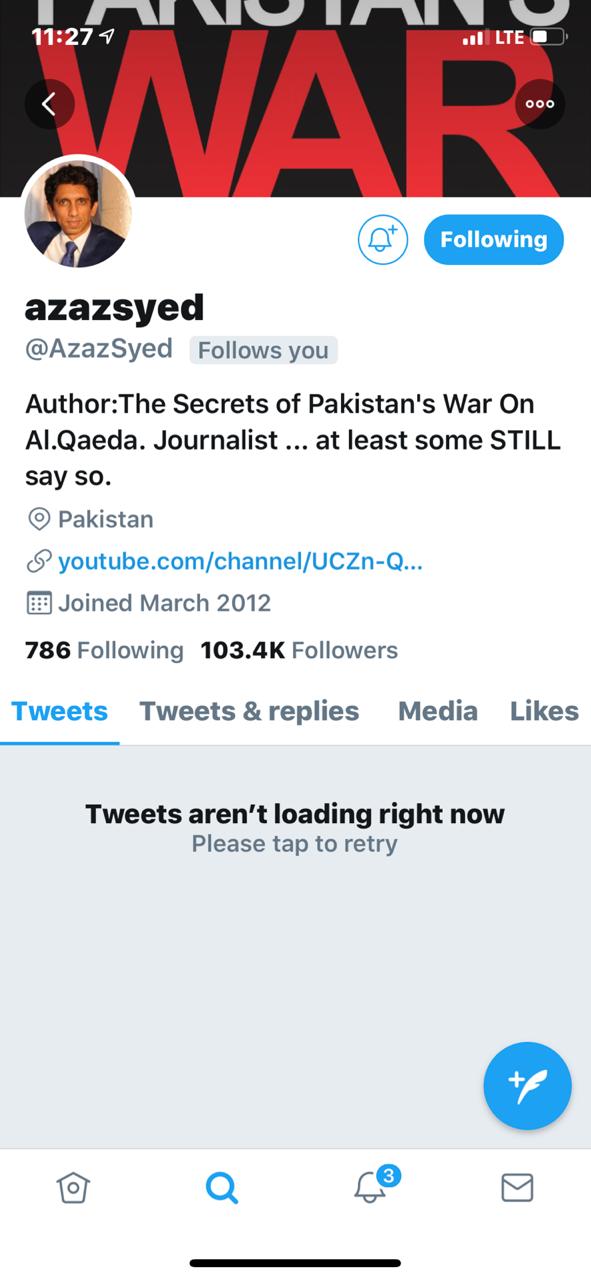
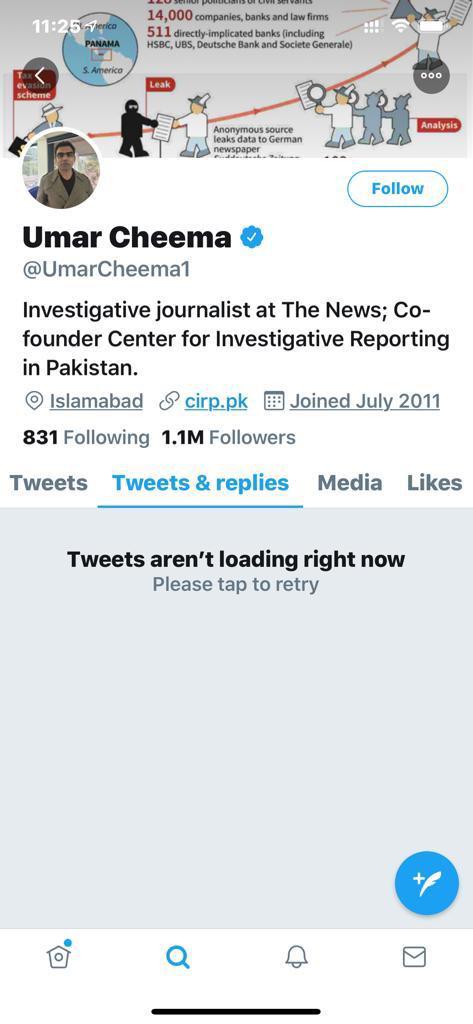
انڈپینڈنٹ اردو نے جنگ گروپ کے عمر چیمہ سے رابطہ کیا لیکن انہوں نے فون نہیں اُٹھایا اسی طرح انڈپینڈنٹ اردو نے وزیر اعظم کی معاون خصوصی برائے اطلاعات ونشریات ڈاکٹر فردوس عاشق اعوان سے اُن کا موقف جاننے کے لیے رابطہ کیا لیکن بات نہیں ہو سکی۔
'Please Save Me': Pakistani 'Brides' Plead For Help From China Amid Trafficking Claims

By Daud Khattak,Carl Schreck

The wedding picture shows Rimsha in a white bridal gown and tiara posing with her new Chinese husband in front of a curved staircase, their thumbs and forefingers joined in the shape of a heart. The caption reads, "Endless love."
The marriage of the 27-year-old Pakistani Christian and her Chinese suitor here in Lahore last fall was seen by relatives both as a chance for Rimsha to find marital bliss and to boost her family's financial fortunes.
Her mother, Parveen, said the marriage agency that arranged the union claimed the bridegroom operated a factory, and that Rimsha's brother could go to China as well to get a "good job" and send money home.
"We thought that our daughter will be happy, and they promised a happy life for the family," Parveen told RFE/RL in a recent interview in her cramped, one-story home in a Christian neighborhood where children play cricket in the narrow streets.
"We were also overcome by greed," Parveen added.
The family's dream of lifting themselves from the hardscrabble existence typical of Pakistan's marginalized Christian minority has now morphed into a nightmare. Rimsha, who is still in China, claims her Chinese husband is using and physically abusing her.
"He is asking me to have sex with all his friends visiting the place to earn money. He is beating me when I refuse. Please help me," Rimsha said in a tearful video sent to her family via a messaging app in early June.
Rimsha, whose full name is being withheld by RFE/RL, is among the scores of Pakistani women -- primarily Christians from poor families in the eastern Punjab Province -- allegedly lured into marrying Chinese men under false pretenses and forced into prostitution.
Pakistani authorities in May arrested dozens of Pakistani and Chinese nationals on suspicion of arranging such marriages in order to force the targeted women into the sex trade, with some alleged victims claiming they were threatened with having their organs removed.
China, a key security and economic partner for Islamabad that has poured billions of dollars into the China-Pakistan Economic Corridor (CPEC), has publicly denied or downplayed the reports of the abuses. "These are lies that Pakistani girls are being trafficked to China for forced prostitution or the sale of organs," the Chinese envoy in Islamabad tweeted in May.
AP quoted two unidentified Pakistani officials as saying last month that senior officials in Islamabad had ordered the authorities to remain tight-lipped about the trafficking issue over fears of damaging relations with Beijing.The tensions come against the broader backdrop of a rising demand for foreign brides in China, where the government's decades-long "one-child policy" along with a cultural preference for boys has resulted in a heavy gender imbalance.Saleem Iqbal, a Pakistani Christian activist who has spearheaded efforts to bring alleged victims home from China, tells RFE/RL the Chinese and Pakistani governments had not done enough to find and return the allegedly trafficked brides since the spate of arrests in May."Investigations are under way, and there will be more arrests," says Iqbal, adding that around 50 girls and young women have been returned to Pakistan from China. "But the Pakistani government and human rights organizations should raise their voices and bring the girls back."

In a second video obtained by RFE/RL, another Pakistani Christian woman currently in China claims her Chinese husband has abused her and tried to force her to have sex with other men. In the video, Maryam tells Iqbal that her husband has beaten her with a rod and choked her. She points to a scar on her neck as evidence of the abuse.
"When I was in Pakistan, he behaved well. But after arriving here he started beating me. Look, here I have a scar. He is inviting men here and asks me to have sex with them. I keep crying and refuse, and then he beats me," Maryam, 17, tells Iqbal in the June 3 video chat. Maryam, who says she moved to China in early 2019, claims that when she asks to return to Pakistan her husband threatens to have her kidneys removed and kill her.
Maryam is from Kasur, 50 kilometers south of Lahore. Her father, Ishaq, is a day laborer who paints houses and lives in a dusty Christian neighborhood in the city. Ishaq says that his older sister encouraged her marriage to a Chinese man due to the material benefits."In our community, we have to arrange a dowry, but the Chinese do not ask for a dowry. Your daughter will live a better life and she will be sending you money from China every month. But nothing as such happened," Ishaq says. He says he received money for the marriage but declines to say how much.He says the wedding was held at a hotel in Lahore, but that the family has no documents confirming the marriage. Ishaq says both he and his daughter are illiterate and that he does not know the name or age of his son-in-law, whom he met for the first time on the wedding day, nor does he know where in China his daughter is living.
When he speaks to Maryam on the phone she cries and "seems terrified," Ishaq says.
He adds they were also told that Maryam's husband was a Christian, although in reality he was not. Both Pakistani Christian and Muslim women have said their Chinese bridegrooms assured them they were wealthy and of the same faith, only to discover after arriving in China that they were neither.
Two young Pakistani Christians who married Chinese men but did not go to China told RFE/RL that the bridegrooms toted Chinese translations of the Bible around with them but appeared to know little about Christianity.
'All Expenses Will Be Paid'
The poverty-stricken existence that Pakistani Christians largely lead leaves young women in the community particularly vulnerable to predatory marriage scams, Iqbal says. "They know that they are voiceless people, they are poor, and it is easier to target them. No one will pay heed to their voice," he says..

Last winter, a banner festooned across a road in a Christian neighborhood of Lahore read: "Attention Christian People: matrimonial relations needed for deserving, poor, and noble families in China. All expenses will be paid by Chinese families. No education needed." RFE/RL recently called the phone number listed on the banner, but it was disconnected.
One of the suspected ringleaders of the alleged gang under investigation in Pakistan is a man named Anas Butt, the son of a retired police officer in the Punjab region. Several of the women who say they were duped into the marriages identified Butt, who has been charged but remains at large, as a central player in the alleged scam -- and that he regularly hurled abusive language at Christian girls.
In a recording of a phone call obtained by RFE/RL, a man said to be Butt is heard arguing with a woman over access to a mobile phone and telling her that "people won't even spit" on Christians. Repeated attempts by RFE/RL to reach Butt by phone were unsuccessful.
Azra, a Christian mother of nine who also lives in Kasur, says her 15-year-old daughter Sawera at first refused to marry the Chinese suitor who twice came to their home with associates, even after they told her he owned a jewelry business and three houses, and that he would help her family financially.
"When they visited for the third time, we agreed to the marriage. We arranged the marriage and then they would send cars to invite us to Lahore or Islamabad. But they did not give us anything that they promised," Azra said in a recent interview.
Like Ishaq, Azra said she did not know the name of her daughter's husband or where in China they live. The couple married in November and moved to China in January, she added. In telephone conversations, her daughter has told her that her husband is pressuring her to do sex work to compensate for the money that was spent for the marriage, and that they will let her go after that, Azra told RFE/RL.
Her daughter says she suffers beatings when she refuses. "We are getting disturbed when we listen to her."
'Disturbing Pattern'
The sex-trafficking and abuse allegations by Pakistani girls and women could not be independently corroborated by RFE/RL. China says it is cooperating with Pakistani authorities to combat crimes "under the banner of...cross-border marriage" but dismissing the sexual-exploitation accusations -- which Pakistani authorities themselves have lodged -- as "fabricated facts" and "rumors."
"According to investigations by the Ministry of Public Security of China, there is no forced prostitution or sale of human organs for those Pakistani women who stay in China after marriage with Chinese," the Chinese Embassy in Islamabad said in May.
"We will never allow a few criminals to undermine China-Pakistan friendship and hurt the friendly feelings between two peoples," the embassy added.
A week before Pakistani authorities arrested numerous suspects in the sex-trafficking case related to the marriage brokers, Human Rights Watch (HRW) said Islamabad should be "alarmed by recent reports of trafficking of women and girls to China."
"These allegations are disturbingly similar to the pattern of trafficking of 'brides' to China from at least five other Asian countries," HRW said.
RFE/RL spoke to five other young Pakistani Christian brides who managed either to return home from China or avoid moving there after learning something was amiss with their marriages. Among these, only Natasha Masih, a 23-year-old from Faisalabad, alleged that she was beaten and coerced into the sex trade.
Natasha's parents arranged the marriage in the hopes of getting a new home and financial support for their family of eight. She said that after arriving in China, her husband moved her to a hotel in the city of Urumqi and forced her to work as a prostitute there.
"He was torturing and beating me after shifting me into the hotel room. He was calling other men and forcing me to do bad things," she told RFE/RL following her recent testimony at a court hearing in Faisalabad in a criminal case related to the marriage of a Pakistani woman to a Chinese man.Masih said she escaped thanks to a Pakistani student in China related to a member of her parents' church congregation back home. The congregation members contacted the student and had him spirit Natasha away after contacting her husband and posing as a client, she said.Naina, an 18-year-old from Lahore, told RFE/RL that her marriage was arranged by her parents in exchange for money without her knowledge. She said she lived in China for four months and that she was kept "as a servant" and made to work "all day." She said she "politely" persuaded her 35-year-old husband to let her visit Pakistan, and then never returned.
"My parents wanted me to go back, but I did not want to spoil my life," Naina said.
While Naina and the three other Pakistani brides interviewed by RFE/RL said they were not sexually exploited in China, several said others in similar situations like them had told them via messaging apps that they were being abused and forced into prostitution.
'I Want My Daughter Back'
Rimsha, the 27-year-old who sent the tearful video message to her family in Lahore, twice called police after she was advised to do so by other Pakistani women in China that she communicates with, her mother, Parveen, told RFE/RL.
But Rimsha claimed her husband paid off the police so they would go away, Parveen and Rimsha's sister, Jameela, said. "After that, the husband snatched her mobile phone," Jameela said, adding that her sister was only allowed to use the phone to take incoming calls from her family.
Parveen said she had suffered health problems due to her daughter's situation and her concerns about how -- or whether – Rimsha might return. She appeared regretful about the financial considerations that led to her daughter's marriage.
"We became greedy, and we had no idea that there would be such problems later on," Parveen said.
"Now I want my daughter back."
Saudi Arabia and Russia among 37 states backing China's Xinjiang policy
Saudi Arabia, Russia and 35 other states have written to the United Nations supporting China’s policies in its western region of Xinjiang, according to a copy of the letter seen by Reuters on Friday, in contrast to strong Western criticism.

China has been accused of detaining a million Muslims and persecuting ethnic Uighurs in Xinjiang, and 22 ambassadors signed a letter to the U.N. Human Rights Council this week criticizing its policies. But the letter supporting China commended what it called China’s remarkable achievements in the field of human rights.
“Faced with grave challenge of terrorism & extremism, #China has undertaken a series of counter-terrorism and deradicalization measures in #Xinjiang"
37 nations including #SaudiArabia #Syria #Pakistan #Oman #Kuwait #Qatar#UAE #Bahrain #Russia #Myanmar
China has been accused of detaining a million Muslims and persecuting ethnic Uighurs in Xinjiang, and 22 ambassadors signed a letter to the U.N. Human Rights Council this week criticizing its policies. But the letter supporting China commended what it called China’s remarkable achievements in the field of human rights.
“Faced with the grave challenge of terrorism and extremism, China has undertaken a series of counter-terrorism and deradicalization measures in Xinjiang, including setting up vocational education and training centers,” the letter said.
The letter said security had returned to Xinjiang and the fundamental human rights of people of all ethnic groups there had been safeguarded. It added there had been no terrorist attack there for three years and people enjoyed a stronger sense of happiness, fulfillment and security. As well as Saudi Arabia and Russia, the letter was signed by ambassadors from many African countries, North Korea, Venezuela, Cuba, Belarus, Myanmar, the Philippines, Syria, Pakistan, Oman, Kuwait, Qatar, the United Arab Emirates and Bahrain.
Beijing has denied any human rights violations in the region and Chinese Ambassador Xu Chen, speaking at the close of the Council’s three-week session on Friday, said China highly appreciated the support it had received from the signatories.
https://www.reuters.com/article/us-china-xinjiang-rights/saudi-arabia-and-russia-among-37-states-backing-chinas-xinjiang-policy-idUSKCN1U721X
Saturday, July 13, 2019
Is Bangladesh falling into a Chinese 'debt trap'?

Bangladesh and China have inked billions worth of infrastructure deals. Investment from China promises advantages, but many remain concerned that reliance on Chinese money will make Dhaka beholden to Beijing.
Bangladeshi Prime Minister Sheikh Hasina's official visit to China last week seemingly succeeded in bolstering ties between the countries. During the trip, both sides inked a host of agreements, including two deals to provide loans to the Bangladeshi power sector, worth $1.7 billion (€1.52 billion).

The countries also expressed interest in accelerating the work related to the Bangladesh-China-India-Myanmar Economic Corridor (BCIM EC) project, an initiative aimed at expanding the economic ties of the four countries that together are home to nearly 3 billion people.
Bangladesh and China turned their relationship into a strategic partnership in 2016, and, in recent years, Chinese investment in the South Asian country has risen rapidly.
As part of Chinese President Xi Jinping's Belt and Road Initiative (BRI), Beijing and Dhaka signed deals worth $21.5 billion covering a raft of power and infrastructure projects. To date, pledged BRI-related investment in Bangladesh stands at around $38 billion, estimates Standard Chartered, a British bank.
Chinese money
China has pumped more money into Bangladesh than any other country over the past couple of years. Bangladesh saw a record inflow of foreign direct investment (FDI) in 2018, with the country attracting some $3.6 billion of FDI, 68% higher than in the preceding year, according to a report by the United Nations Conference on Trade and Development (UNCTAD). China alone accounts for almost a third of this investment, worth over $1 billion.
Bangladesh now increasingly relies on Chinese money to achieve its ambitious target of producing 24,000 megawatts of power by 2022, up from 17,000 megawatts now. The Padma Bridge, a major road-rail project across the Padma river, is being built by the China Major Bridge Engineering Company. And China's Exim Bank is providing $3 billion for the construction of the rail link accompanying the bridge.
"Chinese investment is a welcome addition for Bangladesh, because it creates a new source of funding," Ahsan S Mansur, executive director of Dhaka-based Policy Research Institute, told DW. "Traditional sources of funding are not adequate for emerging economies like Bangladesh."
Chinese money brings with it other advantages, Mansur said. "It creates a bit of competitive environment. It prompts countries like Japan and India to also come forward and invest."
Bangladesh has announced an ambitious plan to set up 100 special economic zones by 2030. Many Chinese companies appear interested in investing in these zones. Zhejiang Jindun Pressure Vessel Co Ltd., for instance, has offered to invest $5 billion in one such site near Chittagong.
A debt trap?
In South Asia, Bangladesh is the second-biggest receiver of Chinese investment, behind Pakistan. But not everyone seems optimistic about the development, with many warning that the growing reliance on Chinese money will make Dhaka beholden to Beijing.
Critics point to Sri Lanka's experience, where Colombo had to cede control of its southern port of Hambantota to China on a 99-year lease after it failed to repay its debts.
Mansur, however, said it would be more beneficial for Bangladesh to draw direct investment from China rather than debt financing.
"Chinese investment comes in both equity and debt. The infrastructure projects are mostly carried out through debt financing," Mansur said. "So I would rather be interested in equity, not debt."
It's too early to say that Bangladesh is falling into a debt trap, some experts argue. Bangladesh's total external debt at the end of 2018 stood at around $33.1 billion, and the share owed to China doesn't seem big, they say.
"The loans granted to Bangladesh by China so far account for just 6% of the total debt," Zahid Hussain, lead economist of the World Bank's Dhaka office, told DW. "There is not enough information as to the grounds on which the loans have been granted," Hussain said.
However, the analyst didn't want to call the Chinese investment a "debt trap."
"It presents both risks and opportunities. The information we have so far doesn't point us to a debt trap scenario."
Skeptics, however, remain worried about China's growing economic influence over Bangladesh.
Why is India concerned?
But trade and investment may not always have the last word when it comes to international relations. In 2016, Dhaka quietly killed a deep sea port project that China proposed to build at Sonadia, in southeastern Bangladesh. New Delhi expressed concern about the project, which if completed would have brought the Chinese presence closer to India's Andaman and Nicobar Islands.
Nevertheless, China's increasing economic clout in South Asia presents a huge challenge for New Delhi, not for economic reasons, but for political and security reasons, said Siegfried O. Wolf, director of research at the South Asia Democratic Forum (SADF), a Brussels-based think tank.
"China has a port facility [Hambantota] in Sri Lanka, they have Gwadar [in Pakistan], they are building a port facility in Myanmar [Kyaukpyu] – this gives India the feeling of being surrounded by China. This is the military dimension of Indian concern," Wolf told DW.
The expert also warned that by pumping investment, China gains political influence over the governments. "So there is a threat for India that China might influence the government of Bangladesh." This influence may also have an economic dimension, Wolf said. "We have seen China driving out other countries from the market. For instance, it has become very difficult for French and German companies to get contracts in African countries."
India to continue helping Afghanistan limit Taliban, Pakistan & China’s influence: Pentagon

The Pentagon said a significant deterioration of security conditions in Afghanistan may adversely affect the ability of India to provide aid to the war-torn country.
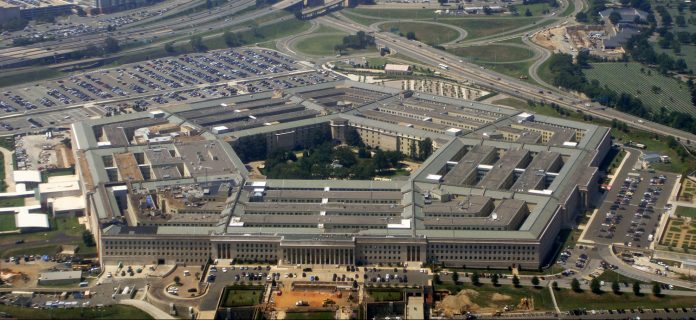
India is likely to continue supporting Afghanistan with its financial and other assistance despite the US’ troop withdrawal to limit the Taliban, Pakistani and Chinese influence, the Pentagon has told the Congress.
In its latest report to the Congress on Friday, the Pentagon said a significant deterioration of security conditions in Afghanistan, however, may adversely affect the ability of India to provide aid to the war-torn country.
With USD 3 billion in aid since 2001, India remains the largest regional donor to Afghanistan, the report said.
“In the event of a US drawdown in Afghanistan, India likely will attempt to continue its support to Afghanistan and try to limit Taliban, Pakistani, and Chinese influence,” the Pentagon said.
India desires a stable Afghanistan that does not harbour terrorists who could target Indian interests and does not have close ties with Pakistan, it said.
“There are no reports indicating that India has taken any serious action during the reporting period that would affect the situation in Afghanistan,” the Pentagon said.
It said that in the 1990s, India supported the former Northern Alliance and maintains contact with Afghan power brokers.
India has transferred a total of eight Mi-35 helicopters to the Afghan Air Force, four during 2015/2016 and four more during 2018.
“This aid marks a significant departure from India’s previous policy of providing only non-lethal military assistance,” the Pentagon told the Congress.
“Pakistani sensitivities towards Indian involvement in the country ultimately limited the assistance. Additionally, the Indian military provides procurement and training support to help professionalise the Afghan military and to improve its vehicle maintenance capabilities,” it said.
However, Indian aid to Afghanistan focuses primarily on four main categories: humanitarian assistance, major infrastructure projects, small and community-based projects, and education and capacity development, the report said.
US President Donald Trump in his new South Asia strategy unveiled in August 2017 had sought a major role for India in bringing peace in Afghanistan.
He had accused Pakistan of giving “safe haven to agents of chaos, violence, and terror,” and said the time had come “for Pakistan to demonstrate its commitment to civilisation, order, and to peace”.
In December last year, Trump had announced that the US would pull out troops from Afghanistan.
The US still has about 14,000 troops in Afghanistan, nearly 18 years after the US-led invasion to topple the Taliban.
What is behind the crackdown on freedom of speech in Pakistan?

Gul Bukhari
Published 16 Jul 2018
The security establishment is trying to push a certain narrative on the Pakistani public ahead of the July 25 elections.
Last week, a journalist was suspended after he asked Pakistan's military spokesperson, Major General Asif Ghafoor, an uncomfortable question.
"Now that Nawaz Sharif has been sidelined, and former President Asif Zardari is about to be, maybe you should take care of the scourge called Imran Khan, too, as he will not spare anyone either?" Express News reporter Ahmed Mansoor asked at a press conference.
His comment implied what many in Pakistan have been wondering about: the perceived meddling of the security establishment in politics to pave the way for its favourite candidate, Imran Khan of the Pakistan Tehreek-e-Insaf Party (PTI), to win the upcoming general election. And it seems Mansoor's question was not well-received.
His suspension comes at the backdrop of a months-long crackdown on the freedom of expression in Pakistan in advance of the July 25 vote. For those who follow Pakistan's domestic affairs closely, it is clear that this effort to silence independent voices in the media is part of an attempt to unlawfully engineer the country's political landscape.
Controlling the public narrative
Today, it is quite difficult to steer the public discourse in Pakistan in one direction. Gone are the days when there was only one state-owned television channel that tightly controlled what people were allowed to hear or believe.
Pakistan now has dozens of independent news channels, and thanks to high mobile and internet penetration, the public lives and breathes politics. News shows are the most popular form of entertainment, and a vibrant social mediaallows the public to follow and comment on minute-to-minute developments. Conversations on militancy, foreign policy and court cases of politicians are staples at work, the dinner table and social gatherings.
As a result of all this, the general public has acquired a certain level of independence of thought and is no longer buying official narratives.
And despite the presence of security-establishment-friendly journalists and anchors, who push a certain discourse and observe the red lines, there are still some others who continue to do factual reporting.
That is why, in an effort to the reign in the "runaway" narrative before the elections, a brutal crackdown on media houses and journalists was unleashed.
In April, Geo TV, the most critical of the lot and the market leader, was taken off the air and its journalists were threatened. It came back only after its management reportedly agreed to all demands of the military. However, its broadcast is still being blocked in several areas of Pakistan.
In May, the circulation of Dawn, Pakistan's oldest and most-respected English-language daily newspaper, was blocked across the country. This came right after it published an interview with former Prime Minister Nawaz Sharif in which he questioned the lack of progress in the trial of the alleged mastermind of the November 2008 Mumbai attacks, Hafiz Saeed - a sensitive matter for Pakistan's security establishment.
Then, in June, at another press conference, Ghafoor declared that the military is monitoring "social media and who's doing what" and warned of "social media cells". He also showed a presentation slide with the social media avatars of prominent Pakistani journalists which some perceived as a veiled threat.
These are just a few examples of the ongoing campaign by the security establishment to intimidate critical media professionals in an attempt to turn public opinion against Sharif's Pakistan Muslim League (PML-N) party and in favour of Imran Khan's PTI.
All this has to be viewed in the context of the country's recent political history.
Political games
Last year, Sharif was forced to step down as prime minister after the country's supreme court unanimously disqualified him on grounds that he lied during a corruption investigation.
But some Pakistanis saw the story differently: It was Sharif's attempt to try former military ruler General Pervez Musharraf for treason, implement an independent foreign policy and force the military to curb support for Islamist and militant groups that got him ousted.
Now, there are new attempts to block Sharif's return to power and bring in a weak, puppet-like coalition parliament instead. The establishment needs a compliant and cooperative parliament to undo the 18th constitutional amendment, which was enacted in 2010.
This amendment has been a thorn in the security establishment's side for two key reasons. First, it makes the direct military intervention in civilian affairs and its endorsement by the judiciary a near impossibility. Second, it devolves power and resources to the provinces, capping funds available to the federal centre.
Successive transfers of power from one popularly elected government to the next in the long term would sound the death knell for the military's outsized role in Pakistan's politics and policymaking.
But to reverse the 18th amendment, without throwing the country into political turmoil and mass riots, the military needs a change in government and to make this a reality it needs to sell a narrative.
Sharif has been portrayed as a dishonest politician involved in election-rigging andcorruption. After an inquiry into alleged vote-rigging at the 2013 elections failed to produce any results, the former prime minister was then targeted with a corruption court case for failing to disclose the source of funds used to pay for two luxury apartments in the UK.
This narrative has also failed so far, as polls continue to show that the PML-N is leadingin the polls ahead of the PTI. When Sharif returned with his daughter, Maryam, on July 13 to serve his jail sentence, he was greeted by a large crowd of supporters at the airport in Lahore. Thousands joined the rally despite the roadblocks, riot police and the shutting down of mobile networks.
What we are witnessing in Pakistan at the moment is the first mass resistance to the military's political engineering attempts since East Pakistan seceded to become Bangladesh after the Pakistani army's bloody attacks on the Bengali population in 1971.
The poll results on July 25, however, will show how much of this revolt will translate itself into a push-back to bring Sharif's party to power again.
 |
Subscribe to:
Posts (Atom)