Tuesday, June 25, 2019
’عام انتخابات والی غلطی ضمنی الیکشن میں نہ دہرائی جائے‘
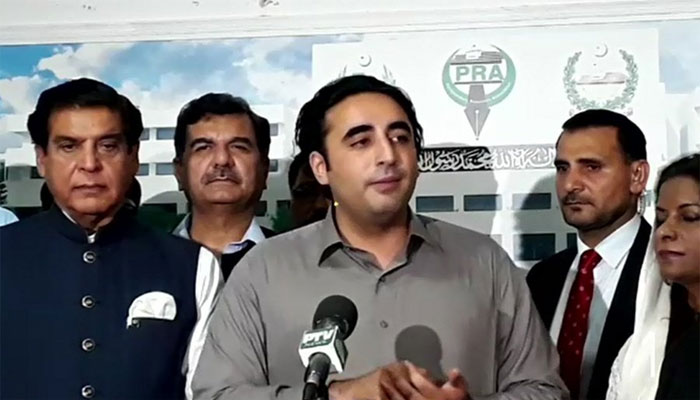
پیپلز پارٹی کے چیئرمین بلاول بھٹو زرداری نے کہا ہے کہ عام انتخابات میں ہوئی غلطی ضمنی الیکشن میں نہ دہرائی جائے۔
اسلام آباد میں پارلیمنٹ ہائوس کے باہر میڈیا سے گفتگو میں بلاول بھٹو نے ضمنی انتخابات میں پولنگ اسٹیشن کے اندر فوج کی تعیناتی پر سوال اٹھا دیا۔
انہوں نے کہا کہ پولنگ اسٹیشن میں فوج کی تعیناتی سے ادارہ متنازع ہوگا، فوج اہم ادارہ ہے، ماضی کی غلطیوں سے سبق سیکھا جائے۔
پی پی چیئرمین نے مزید کہا کہ عمران خان کو کیا ضرورت ہے کہ وہ الیکشن میں فوج کو پولنگ بوتھ کے اندر تعینات کرائیں؟ الیکشن کو صاف اور شفاف بنانے کیلئے دیگر کئی راستے موجود ہیں۔
ان کا بجٹ کے حوالے سے کہنا تھا کہ اگر عوام دشمن بجٹ پاس ہوا تو سڑکوں پر نکلیں گے،گھر گھر جائیں گے، اس بار اکیلے نہیں ساری اپوزیشن ساتھ نکلے گی اور ایک ساتھ چلے گی۔
بلاول بھٹو نے یہ بھی کہا کہ نندی پور کیس میں آج پی ٹی آئی کے بابر اعوان کو تو انصاف مل گیا، راجا پرویز اشرف کو نہیں ملا۔
پی پی چیئرمین نے سندھ میں فصلوں پر ٹڈی دل حملے کے نقصان کے ازالے کےلئے وفاق سے مدد کی اپیل کردی اور کہا کہ کاشت کاروں کو بچانے کےلئے وفاق کی مدد کی ضرورت ہے۔
چیئرمین سینیٹ صادق سنجرانی کے خلاف تحریک عدم اعتماد پر بلاول نے کہا کہ چیئرمین سینیٹ کے رہنے یا نہ رہنے کا فیصلہ آل پارٹیز کانفرنس کرے گی، اگر اے پی سی فیصلہ کرتی ہے چیئرمین سینیٹ کو جانا ہے تو انہیں جانا ہوگا، اگر فیصلہ ہوا کہ رہنا ہے تو وہی رہیں گے۔
مسلم لیگ (ن) میں میثاق معیشت کے حوالے سے اختلاف پر پی پی چیئرمین کا کہنا تھا کہ میں نہیں سمجھتا کہ ن لیگ میں میثاق معیشت پر کوئی اختلاف ہے۔
آل پارٹیز کانفرنس کے حوالے سے بلاول نے کہا کہ بحث کے بعد جو فیصلہ ہوتا ہے اس پر سب راضی ہوں گے جو مسائل ہیں ان کا حل ایک بندے کے بس کی بات نہیں، شاید ایک دن میں ساری باتیں طے بھی نہیں ہوسکیں جس کیلئے ہمیں بار بار ملنا پڑے گا اور بار بار کوشش کرنا پڑے گی۔
ان کا کہنا تھا کہ این ایف سی پر پیپلز پارٹی اے پی سی میں بات کرے گی اور اس پر مشترکہ حکمت عملی اختیار کی جائے گی، صوبوں کے وسائل کا شارٹ فال آرہا ہے۔
Chairman Bilawal Bhutto Zardari condemns PTI office-bearer’s attack and torture on senior working journalist and Karachi Press Club President Imtiaz Khan Faran

He said the attack against KPC President is unacceptable as PTI puppets have time and again proven that the fascism is their sole ideology.
Bilawal Bhutto Zardari said that the PTI Chairman and the sitting Prime Minister Imran Khan has trained his party workers, leaders and followers for tyranny, oppression, torture and unlawful dominance.
He said that the PTI could never succeed in suppressing the voice of the journalists and the freedom of expression.
The PPP Chairman said that the PPP has always been on the side of the journalists’ fraternity and would always defend them against all forms of aggression whether under dictatorial or their puppets rule.
https://mediacellppp.wordpress.com/2019/06/24/chairman-bilawal-bhutto-zardari-condemns-pti-office-bearers-attack-and-torture-on-senior-working-journalist-and-karachi-press-club-president-imtiaz-khan-faran/
Monday, June 24, 2019
#Pakistan - Health of the budget - The Punjab government has reduced the health budget by Rs5 billion

Shehryar Warraich

Contrary to its claims, the Punjab government has reduced the health budget by Rs5 billion, which is a worrying concern.
In its recently announced annual budget, for the fiscal year 2019-20, the Punjab government allocated Rs279 billion for health sector. While the government claimed that the allocation budget was up by 20 percent from the current fiscal year (which ends June 30), the fact is that the caretaker government had allocated Rs284 bn for health.
To put it in other words, the Pakistan Tehreek-e-Insaf led provincial government has reduced the health budget by Rs5 bn. Moreover, some important healthcare programmes seem to have been overlooked completely.
The highlights of the health budget include setting up a children’s hospital in Bahawalpur. Besides, Rs3.5 bn has been assigned for revamping the Tehsil Headquarter (THQ) and District Headquarter (DHQ) hospitals across the province. Rs1.5 bn has been allocated for provision of free medicines to patients of hepatitis; at least eight hospitals are being set up in Layyah, Mianwali, Lahore, Rahim Yar Khan, Rawalpindi, Dera Ghazi Khan, and Multan; and Rs12 bn is to go to free drugs and healthcare services. The Sehat Card programme is also to be expanded to 36 districts of Punjab, with an allocated budget of Rs2 bn.

Quality of healthcare services needs to be improved.
The Punjab government manages a large number of health related facilities, be it teaching, research or tertiary. There are six universities, 11 colleges, 46 tertiary health facilities, 45 nursing colleges/schools, and numerous other institutions for allied services. As far as the primary and secondary healthcare facilities are concerned, Punjab boasts 32 District Headquarter Hospitals, 126 Tehsil Headquarter Hospitals, 316 Rural Health Centres (RHCs) and 2,506 Basic Health Units.
“Until recently, most of these facilities were poorly funded and managed, and lacked adequate staff and facilities,” says Mukhtar Ahmed Ali, a health expert and the founder director of Centre for Peace and Development Initiatives (CPDI).
Ali also speaks of presenting a Shadow Development Budget for the Punjab’s health sector. “Unfortunately, the FY2019-20’s health budget doesn’t offer much to improve the current health facilities,” he adds.
It is pertinent to mention here that in its manifesto for 2018-23, the PTI had promised to “ensure universal health coverage and enhance the focus on primary healthcare, while upgrading secondary and tertiary facilities; to upscale the Sehat Insaf Card Programme across Pakistan; double the size of the Lady Health Workers (LHWs) programme; increase the number of 24/7 BHUs and RHCs, equipped with basic package of services; establish training institutes for nurses and paramedical staff nationwide; upgrade secondary care facilities; and build state-of-the-art hospitals in major urban centres.”
For Ali, “Factually, the first health budget is not a true reflection of the promises made by the PTI in its manifesto. With the allocation of Rs3.5 billion a large number of primary and secondary health facilities would remain under-resourced.
An expert on SDGs, and the Chief Executive of Awaz Centre for Development Services (CDS) Zia Ur Rehman says that after the 18th Constitutional Amendment in 2010, under the international commitments, 99 indicators of the SDGs shall be implemented by the provincial government.
“It is important to allocate sufficient budget to set up more facilities across the regions, to further improve the quality of services and management in existing facilities, and to lessen the burden at the tertiary level which is not only concentrated in large cities but also inaccessible for the poor or those based in remote areas.”
Apart from the regular facilities, the Punjab government is managing a number of disease prevention programmes aimed at controlling different types of ailments such as Hepatitis, AIDS, Tuberculosis (TB), Integrated Reproductive, Maternal, Newborn & Child Health (IRMNCH), and the Nutrition, Malaria, Immunisation and Infection Control Program.
“Preventive healthcare strategies must be a priority area for any government,” says Dr Ashraf Nizami, Central President, Pakistan Medical Association (PMA), “because the schemes are designed to avert any incidence of diseases at the primary level.
“Reduction in health budget is a matter of concern,” he declares.
The government has allocated Rs40 bn for setting up new hospitals and upgrading the Children’s Hospital, Lahore, to the status of a medical university. The PMA appreciates the announcement of establishing new hospitals that are among the long-awaited projects, but Dr Nizami says the allocated funds for the new hospitals are insufficient. “This means that the government has decided not to complete these in one year’s time. Secondly, no amount is allocated to enhancing the capacity of the existing six medical public universities.
“The budget for purchasing medicines has also been ignored by the government,” he adds. “Likewise for the strength of nurses and paramedical staff at the district level. There is disappointment when you look at the paltry earmarking in the budget for scientific research and development programmes of healthcare.”
Health experts bracket the issue of safe drinking water supply with the health sector, as it causes various diseases some of which can also cause an epidemic situation. The Punjab government has allocated Rs8 bn for supply of clean drinking water, and Rs8.1 bn for rehabilitation of 662 dysfunctional rural water supply schemes. Mukhtar Ahmed Ali considers it an inadequate amount.
According to the data provided by the CPDI, one of the major health challenges continues to be the large percentage of births that are not attended by skilled workers. Lack of maternity services and child healthcare units at the primary level is the main cause of the high rate of maternal and child mortality in Pakistan. The new budget offers nothing to support such programmes.
In 2015, the Sustainable Development Goals (SDGs) were adopted by nations to end poverty, protect our planet, and to ensure that people enjoy peace and prosperity. Of the 17 agreed goals, Goal 3 concerns good health and well-being. The government of Pakistan was among the first few countries to adopt the SDGs as their national goals.
An expert on SDGs, and the Chief Executive of Awaz Centre for Development Services (CDS) Zia Ur Rehman says that after the 18th Constitutional Amendment in 2010, under the international commitments, 99 indicators of the SDGs shall be implemented by the provincial government. “Some of the major health targets for the SDG 3 include reducing the global maternal mortality ratio to less than 70 per 100,000 live births, by the year 2030; ending preventable deaths of newborns and children under five years of age; with all countries aiming to reduce the neo-natal mortality to at least as low as 12 per 1,000 live births and under-five mortalities to at least as low as 25 per 1,000 live births; combating AIDS, TB, malaria, and neglected tropical diseases as well as water-borne diseases like hepatitis, and other communicable diseases; reducing by one-third premature mortality from non-communicable diseases through prevention and treatment; promoting mental health and well-being; giving access to quality, essential health-care services and safe, effective, and affordable essential medicines and vaccines for all.”
The allocation of budget and related policy should be a true reflection of the commitments made by the government at national and international levels, Rehman adds. “It is evident that the current health budget like previous ones is opposite to the roadmap offered on ‘National Priority Targets’ in 2016, to implement the Goal 3.”
Bilawal is voice of the poor, farmer and labour instead of rich
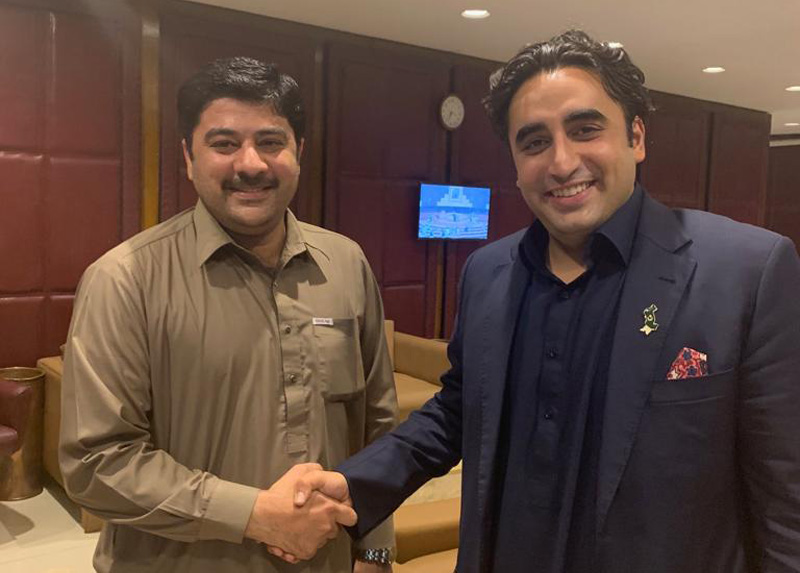
Secretary information Gujranwala Muhammad Sageer Butt met with Chairman Peoples Party Bilawal bhutto Zardari during the budget session in the parliament. Muhammad Sageer Butt took the Chairman PPP Bilawal Bhutto into confidence on two accounts, one to perform well as the opposition and second to reject the IMF budget. Sagheer Butt showed his confidence on the leadership of Bilawal Bhutto and exclaimed that he was proud because ” our chairman is the voice of the poor, the farmer and the labour instead of the rich”.
Sagheer butt has invited Bilawal Bhutto to Gujranwala which he accepted. Bilawal will soon visit Gujranwala and meet with workers personally. Sagheer Butt also talked about party which was appraised by chairman.
انسانی حقوق کی کارکن گلالئی اسماعیل روپوش ہونے پر مجبور؟
ہم گلالئی اسماعیل کے معاملے میں بے حد فکر مند ہیں۔ ان سے آخری بار بات ایک ماہ پہلے ہوئی تھی: بہن صبا۔
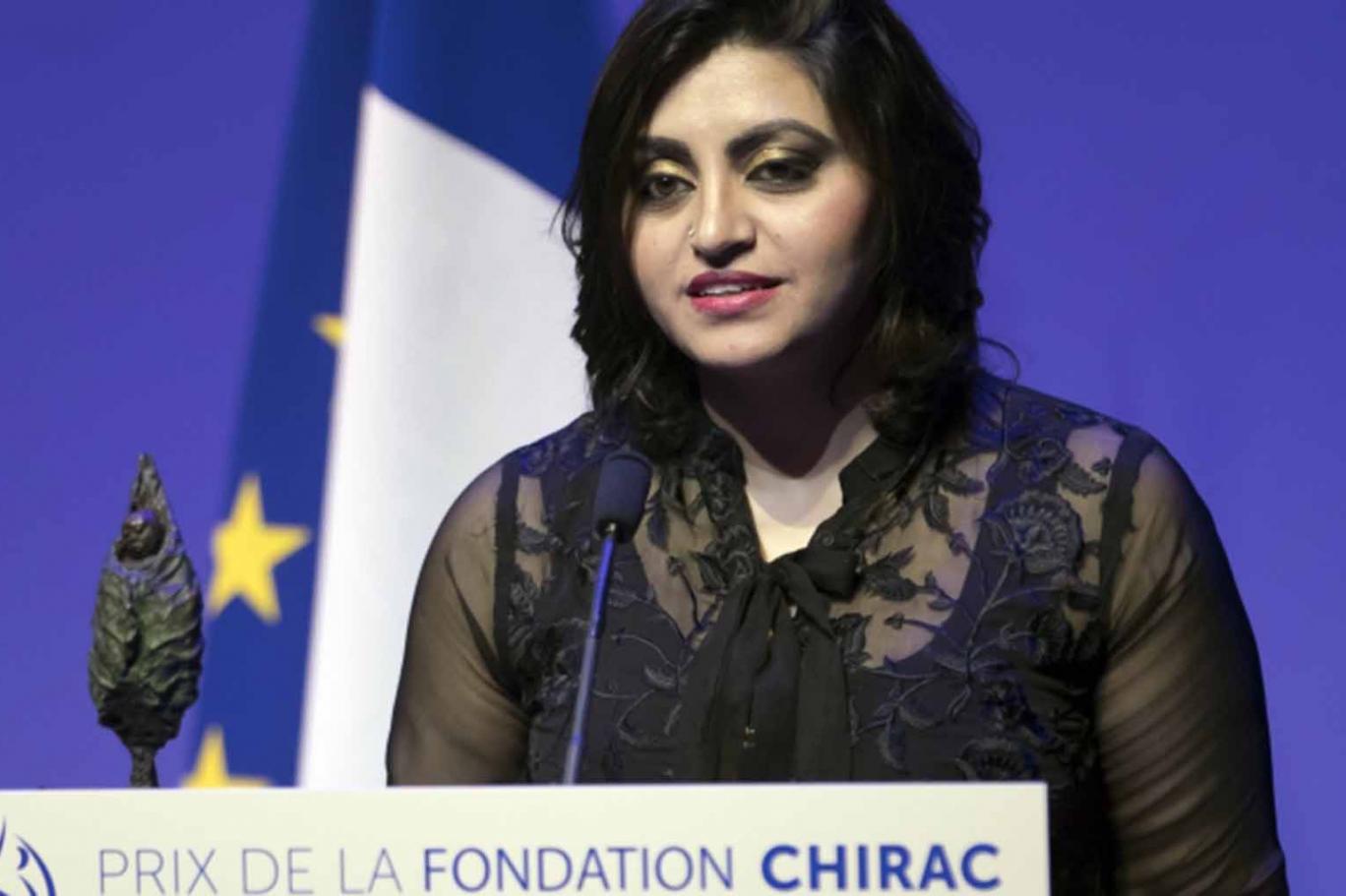
پاکستان میں ایک 11 سالہ لڑکی سے زیادتی اور قتل کے واقعے پر کارروائی کا مطالبہ کرنے والی انسانی حقوق کی ایک عالمی شہرت یافتہ کارکن گلالئی اسماعیل کو مبینہ طور پر روپوش ہونے پر مجبور کر دیا گیا ہے۔
گلالئی پر انسداد دہشت گردی قانون کے تحت بغاوت کا الزام عائد کیا گیا تھا۔ انہوں نے گذشتہ ماہ 11 سالہ فرشتہ مہمند کے قتل پر انتظامیہ کے مایوس کن جواب پر احتجاجی مظاہروں میں شرکت کی تھی۔ فرشتہ کی لاش اس کے اسلام آباد میں واقع گھر کے قریب جنگل سے ملی تھی۔
گلالئی نے اسلام آباد میں ایک تقریر کے دوران پولیس اور سکیورٹی اداروں سے شہریوں کی حفاظت کے لیے مزید اقدامات کا مطالبہ کرتے ہوئے خاص طور پر پشتون برادری کی حفاظت پر زور دیا جس سے خود ان کا اور مقتولہ فرشتہ کا تعلق ہے۔
انہوں نے فرشتہ قتل کیس کے بعد ایک ٹویٹ میں کہا تھا کہ عسکریت پسندی، مذہبی بنیاد پرستی اور معاشرے میں پھیلی حیوانیت جنگ پر استوار معیشت کا نتیجہ ہے، جس نے معاشرے کو تباہ کر کے رکھ دیا۔
انہوں نے مزید کہا کہ جنگی معیشت نے پاکستانی معاشرے سے انسانیت چھین لی ہے اور بچوں سے جنسی زیادتی اور قتل کے واقعات میں خوفناک اضافے کی وجہ معاشرے میں پھیلی حیوانیت ہے۔
ٹوئٹر پیغام میں گلالئی نے مزید کہا کہ ہمیں بھولنا نہیں چاہیے کہ فرشتہ کے خاندان کو مقدمے کے اندراج اور اس کی لاش کے پوسٹ مارٹم میں شدید مشکلات کا سامنا کرنا پڑا کیونکہ وہ مہمند کے علاقے سے بے گھر ہو کر آنے والے لوگ تھے۔ ان کے بےگھر اور غریب ہو نے کی وجہ جنگی معیشت ہے۔
گلالئی کی بہن صبا اسماعیل نے ’Aware Girls‘ کے نام سے غیر سرکاری تنظیم کے قیام میں مدد کی۔ یہ غیر سرکاری تنظیم اس وقت سے امن اور برادری کی ترقی کے لیے کام کر رہی ہے جب دونوں بہنیں خود بھی کمسن تھیں۔
صبا نے اس ہفتے امریکی شہر نیویارک میں اقوام متحدہ کی مدد کے لیے لابنگ کی۔ انہوں نے شورش زدہ علاقے میں جنسی تشدد سے متعلق اقوام متحدہ کی خصوصی نمائندہ پرامیلا پیٹن سے بھی بات کی۔
انہوں نے دی انڈپینڈنٹ کو بتایا ’ہم اپنی بہن گلالئی اسماعیل کے معاملے میں بے حد فکر مند ہیں۔ ان سے آخری بار بات ایک ماہ پہلے ہوئی تھی‘۔
صبا کا دعوی ہے کہ ان کے خاندان کو مبینہ طور پر ہراساں کیا گیا اور سکیورٹی فورسز نے ان کے گھر چھاپہ مارا۔ ’میری بہن روپوش ہو چکی ہیں۔‘
گلالئی صوابی کے دور افتادہ علاقے میں پیدا ہوئیں اور پلی بڑھیں۔ دو سال پہلے انہوں نے ’ٹی ای ڈی‘ (ٹیکنالوجی، انٹرٹینمنٹ، ڈیزائن) کے نام سے قائم ایک میڈیا تنظیم کی کانفرنس سے زور دار خطاب میں انکشاف کیا تھا کہ کس طرح 16 برس کی عمر تک وہ جہادی بننا چاہتی تھیں۔
گلالئی کا کہنا تھا کہ ان کے پرانے خیالات کے حامل شہر میں پوسٹر لگا کر نوجوان لڑکے، لڑکیوں کو افغانستان یا کشمیر میں ’شہید‘ ہونے کے لیے بھرتی کرنے کی کوشش کی گئی۔
انہوں نے بتایا کہ ان کے لوگوں کو سکھایا گیا تھا کہ شہادت کے بعد کی زندگی زمین پر زندہ رہنے کے مقابلے میں کہیں زیادہ اہم ہے۔ جس شخص نے انہیں روکا وہ ان کے والد محمد اسماعیل تھے جنہیں انتہا پسندوں کے جہاد میں کوئی دلچسپی نہیں تھی اور امن پر یقین رکھتے تھے۔ گلالئی نے 16 برس کی عمر میں غیر سرکاری تنظیم ’Aware Girls‘ شروع کی۔
اس غیر سرکاری تنظیم کے زیر اہتمام تقاریب میں شرکت کرنے والوں میں ملالہ یوسفزئی بھی شامل ہیں۔
گلالئی کو اپنے کام پر کئی ایوارڈ مل چکے ہیں جن میں ’اینا پولٹکوف سکایا‘ (Anna Politkovskaya) ایوارڈ شامل ہے، جو 2006 میں قتل ہونے والی روسی صحافی کے نام پر ہے۔
سرگرم عمل خواتین کے ایک گروپ نے، جس میں Reach All Women in War کی ماریانا کٹزرکووا، شمالی مشرقی بھارت میں قیام امن کے لیے خواتین کی تنظیم کی بینا لکشمی نپرام اور ’کوٹا الائنس‘ کی جانا رہنسٹورم شامل ہیں، اپنے کھلے خط میں عمران خان کی حکومت پر زور دیا کہ گلالئی کا تحفظ یقینی بنایا جائے۔
یہ کھلا خط اقوام متحدہ کے سیکرٹری جنرل انتونیو گوتیریش کو بھیجا گیا۔کھلے خط میں لکھا گیا کہ گلالئی اپنی برادری میں ایسی بہت سی خواتین، لڑکیوں اور نوجوانوں کے لیے امید کی کرن ہیں جن کی آواز نہیں سنی جا سکی۔ ’گلالئی ایک جرات مند آواز ہے اور ان کے کام پر کسی بھی ملک اور دنیا کو فخر کرنا چاہیے۔‘
ایمنسٹی انٹرنیشنل کے ڈپٹی ڈائریکٹر جنوبی ایشیا عمر وڑائچ نے کہا پاکستانی حکام کی جانب سے گلالئی اسماعیل اور ان کے خاندان کو ہراساں کرنے، دھمکیاں دینے اور ڈرانے کا سلسلہ لازمی طور ختم ہونا چاہیے۔
انہوں نے الزام لگایا کہ ملک میں انسانی حقوق کی خوف ناک صورت حال پر توجہ دینے کے بجائے سکیورٹی ادارے اپنی توانائی اور وسائل انسانی حقوق کے دفاع میں بلند ہونے والی آواز کو خاموش کرانے پر صرف کر رہے ہیں۔
غیر سرکاری تنظیم ’Reach All Women In War‘ کی عہدے دار ماریانا کٹزرکووا کہتی ہیں نیا پاکستان اس وقت بنے گا جب انسانی حقوق کا دفاع کرنے والی گلالئی اسماعیل جیسی خواتین محفوظ ہوں گی اور ریاست، قانون نافذ کرنے والے ادارے اور انصاف فراہم کرنے کے ذمہ دار حکام انہیں تکلیف پہنچانے اور جان کی دھمکیاں دینے کے بجائے ان کی مکمل طور پر مدد کریں گے۔
گلالئی اسماعیل کے معاملے میں پاکستانی وزارت خارجہ، وزیر اعظم آفس یا وزارت انسانی حقوق کی جانب سے کوئی فوری جواب نہیں ملا۔
شورش زدہ علاقوں میں جنسی تشدد سے متعلق اقوام متحدہ سیکریٹری جنرل کی نمائندہ خصوصی پرامیلا پیٹن کے دفتر نے ان کی گلالئی اسماعیل کی بہن صبا سے ملاقات کی تصدیق کی ہے لیکن کہا کہ ملاقات میں ہونے والی گفتگو عام نہیں کی جا سکتی۔
Pakistan blacklisting absolutely a possibility: FATF president
Sriram Lakshman
It lacks in almost every respect of action plan, says Billingslea.
There is “absolutely a possibility” that Pakistan could be on its blacklist after the international financial watchdog’s next meeting in October in Paris, the outgoing president of the Financial Action Task Force (FATF), Marshall Billingslea, said on Friday. The comments were made at a press briefing at the end of the FATF plenary held in Orlando, Florida, an audio call of which was released to the press on Monday morning.
Pakistan had “significant” work to do and was, with regard to an action plan agreed in June 2018, “lacking in almost every respect”, Mr. Billingslea said.
“Pakistan was cautioned in February at the plenary that they had missed almost all of their January milestones. And they were urged to not fail to meet the milestones in May. Unfortunately, Pakistan has yet again missed its May milestones,” he added.
“Now the action plan itself is set to complete in September. So this [the June 16-21 Orlando plenary] was not the plenary where we would discuss a blacklisting issue. This was the plenary where we examine how far and how far behind Pakistan is on its action plan … and I must say they are far behind,” Mr. Billinglsea said.
“There is much that must be done by September. If they fail to implement the action plan by September then the FATF has made clear that we will consider next steps.”
China, Turkey, Malaysia, Indonesia, Saudi Arabia and the Gulf Cooperation Council were among those at the Orlando plenary who had asked that Pakistan be given more time to comply with the action plan, The Hindu had reported over the weekend.Getting on the FATF blacklist, which currently only has Iran and North Korea on it, could severely cripple and isolate a country financially, resulting in a downgraded credit rating and denying it loans and development assistance.Mr. Billingslea said he did not want to specify or prejudge outcomes and that this was his last plenary as President of the FATF, but reiterated that Pakistan had much work to do if it was going to meet the action plan requirements.
Not responsive enoughIn response to a question on whether Pakistan’s Central bank had enough regulatory measures in place and concerns about the grey economy in the country, Mr. Billinglsea said that Pakistan did not adequately appreciate the transnational terror financing risks.“… Pakistan does not either appreciate or chooses not to acknowledge the transnational, trans-border terrorist financing risk they face. Even though they did issue an addendum, an annex, to their national risk assessment following the February discussion. There are also a number of other structural and legal changes that have to be undertaken, including successful prosecution of terrorist financing cases,” he said.India had been pushing for Pakistan to get on the FATF blacklist for its failure to take “credible, verifiable, irreversible and sustainable measures” against terrorist activities. Billinglsea said, in response to a question on Pakistan having the capacity to meet its milestones, that if they did not currently have the capacity, they are expected to generate it, and soon, in order to meet their targets.
IMF decision
He said that any conditionality associated with Pakistan’s loan from the International Monetary Fund (IMF) would not automatically have a connection to the FATF outcomes, although the IMF could choose to link the two. The U.S. has been pushing for a conditionality on an approximately $6 billion IMF loan to Pakistan, agreed in May.
“So the IMF is an observer organisation to the Financial Action Task Force and so they have complete visibility into everything that occurs within the task force, including a very detailed understanding of what the Pakistani action plan is. The decision however, to condition fund disbursement under an IMF programme based on structural benchmarks that might be associated with the Financial Action Task Force is purely an IMF decision,” he said.
https://www.thehindu.com/news/international/pakistan-blacklisting-absolutely-a-possibility-fatf-president/article28129739.ece
Sunday, June 23, 2019
The ‘Euphoria’ Teenagers Are Wild. But Most Real Teenagers Are Tame.

By Margot Sanger-Katz and Aaron E. Carroll
Kids these days are the “cautious generation,” the evidence shows.
Teenage dramas have typically presented a soapy view of high school, with more sex, drugs and wild behavior than in real life. But HBO’s new series “Euphoria” portrays a youth bacchanal that’s a stretch even for Hollywood. The show suggests that our modern society, with its smartphone dating apps, internet pornography and designer drugs, has made teenage life more extreme and dangerous than ever before.
Actually, nearly the opposite is true.
You wouldn’t know it from “Euphoria,” but today’s teenagers drink less than their parents’ generation did. They smoke less, and they use fewer hard drugs. They get in fewer car accidents and fewer physical fights. They are less likely to drop out of high school, less likely to have sex, and less likely to become pregnant. They commit fewer crimes.
They even wear bike helmets.
Across a wide range of classically risky teenage behaviors, today’s teenagers are getting tamer and more responsible, making better decisions and eschewing the dangerous choices that, for many adults today, defined youth. “There is a whole bunch of good news out there,” said Bill Albert, the chief innovation officer at Power to Decide, a group that used to be called the Campaign to Prevent Teen and Unplanned Pregnancy, before teenage pregnancy rates fell by half. “I think it is fair to call this the cautious generation.”

But over all, adolescence is safer than it’s ever been.
Most teenagers aren’t having sex
Most High School Juniors Are VirginsThe show’s depiction of sexual activity among teenagers may be where it strays furthest from the facts. In the first episode, the character Jules encourages her virginal friend Cat to have sex, saying, “This isn’t the ’80s.” Many, many characters are shown having sex and talking about it, as if it were something all teenagers do. But the rates of sex — and particularly risky sex — among teenagers are lower now than they were then. Most teenagers the age of the main characters report, on surveys, that they are virgins.
The percentage of high school juniors who have ever had sexual intercourse has declined to 42 percent from 62 percent since 1991, according to a national survey of teenagers conducted by the Centers for Disease Control and Prevention. And the number having sex with multiple partners has fallen: Fewer than 11 percent of high school juniors have had four or more partners, down from 22 percent in 1991. More teenagers who are having sex are using contraception. And the rates of teenage birth have fallen by more than half.
One thing that certainly is true is that teenagers today have more access to porn than ever before. They are also more likely to sext, and share nude photos online (“Unless you’re Amish, nudes are the currency of love,” says the main character, Rue, played by Zendaya, who has a tendency to exaggerate). It’s possible that teenagers will be less shocked than many television reviewers have been at a locker room scene in Episode 2 featuring many, many penises. But wider access to pornography doesn’t mean adolescents are more promiscuous. Young people who have grown up with this technology and access are having less sex than those who lacked it.
Drug use is declining
The series depicts extensive drug use among teenagers, including cocaine, opioids and synthetic hallucinogens. But the use of nearly every type of drug, including alcohol and tobacco, has been falling among teenagers for decades, according to a longstanding survey conducted by researchers at the University of Michigan.In Episode 1, Rue and Jules use a hallucinogen. Only 0.5 percent of 10th graders now report having used a hallucinogen in the last month. That’s about a third of the rate in the late 1990s. In 2018, only 19 percent of 10th graders reported having consumed an alcoholic beverage in the prior 30 days, down from more than 40 percent in the 1990s.
Cigarette use has fallen even more precipitously. In 2018, only 4 percent of 10th graders had smoked in the last 30 days, down from highs of 30 percent.
The one major exception to the trend is marijuana use. Teenagers seem to smoke pot at around the same rate that they did a generation ago, with just over one in four 10th graders reporting any use in the last year.
There has been an increase in the use of electronic cigarettes, which deliver the drug nicotine. Though vaping has fewer long-term health risks than smoked tobacco, federal officials have characterized the recent increases as a new epidemic. About 16 percent of 10th graders and 21 percent of 12th graders reported use in the last month in 2018.
The declines in drug use among teenagers have several health benefits. Young people, whose brains keep developing till their mid-20s, may be at higher risk of addiction when they begin consuming substances. And, as the opioid supply in many parts of the country has become more dangerous and less predictable, anyone taking such drugs is at an increased risk of a fatal overdose.
There are a number of theories that may explain the declines in drug use. Some experts point to a benevolent effect of peer pressure. As fewer teenagers use substances, doing so becomes more stigmatized and less cool. The parties with rampant drug and alcohol use depicted in “Euphoria” clearly differ from the social experiences of many American teenagers today.
But suicide is a growing worry
The first episode contains a few quick depictions of suicide (and plenty of self-destructive behavior). This is one area that has actually been worsening for adolescents.
From 2000 through 2007, the rates of teenage suicide were somewhat flat, according to C.D.C. data. From 2008 through 2014, the annual rate of suicide began increasing. Beginning in 2014, through 2017, the most recent year with complete data, the rate rose even more, to a 10 percent increase per year.
Among girls 15 to 19, changes have been even more significant. The overall rate in 2017 was about twice that in 2000. The suicide rate among adolescents is currently at its highest level in 20 years based on available C.D.C. data. It’s the second-leading cause of death in this age group. Yet teenage suicide remains far from common: Fewer than 2,500 teenagers died this way in 2017. It’s worth noting that almost half of these deaths are via firearms, and many could probably be prevented. There’s some evidence that mental health problems, like depression and anxiety, are becoming more common among teenagers. Recent data are not available, but a study published last year found that the lifetime prevalence of anxiety or depression in children between the ages of 6 and 17 increased to 8.4 percent in 2011–12 from 5.4 percent in 2003. (Rue is put on more medications at a very young age than almost any pediatrician would support.)
Researchers say there is no one simple explanation for the decline in reckless behavior among teenagers. Besides positive peer pressure, some possible causes they cite include the rise of more intensive parenting; internet distractions that keep teenagers at home rather than out and about; expanded health coverage and improvements in mental health care; and the elimination of brain-damaging lead from gasoline in the 1970s.
There is such a tendency to catastrophize teenage behavior that many parents and television writers have missed this revolution in the nature of adolescence.
“In the long term, the trends are quite clear,” said David Finkelhor, a sociology professor and director of the Crimes Against Children Research Center at the University of New Hampshire. “But even in the short term, we’re undergoing a period of dramatic improvements that have not been widely acknowledged or underlined, and it’s too bad.”

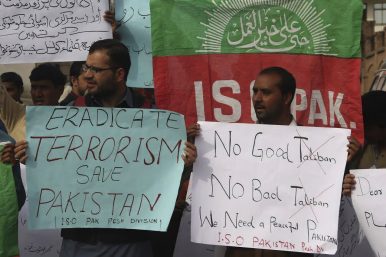
Is Pakistan An Unviable State? A Numerical Investigation – Analysis

By Sushant Sareen

For now, Pakistan is banking upon its time tested modus operandi of tiding over the immediate crisis by giving in to whatever is demanded of it, and then waiting and hoping that things take a turn for the better so that they no longer need to deliver on the commitments they have made.
Is Pakistan, as it is currently structured, an economically viable state? Is it a state that can sustain itself without huge amounts of foreign assistance? In other words, can Pakistan live off its own money or does it survive on other people’s money?
The economic crisis that the country is facing is not new. In fact, it is cyclical and every few years, Pakistan finds itself in a similar crisis. But every new cycle brings Pakistan closer to the point of an economic meltdown. The current economic crisis is in many ways far worse than earlier crises that the country has faced. Not only is this financial, it is systemic and structural. Band-aid solutions might delay the inevitable, but won’t address the fundamental problems that bog the economy. If anything, the bailouts being given will only pull Pakistan out of the immediate crisis, but then create the conditions for the next upcoming crises, which will be even more difficult to handle. This is in part because the sweeping reforms that need to accompany the bailouts will either be done half-heartedly, or else partially and extremely reluctantly, not with the purpose of reform but to ward off the immediate crisis. Against this backdrop, when the de facto finance minister, who has been imported and imposed upon the government allegedly by the IMF and the Pakistani ‘deep state’ says that unless the country addresses the imbalances in the economy, it is heading for a default and will be left with no escape route, it is a sign that things are actually even worse than what they appear to be.
If the latest Pakistani budget is anything to go by, the economy seems to be entering a long dark tunnel with no light coming in from the other side. The numbers in the budget are so far-fetched that no one is really taking them seriously. What is worse, even if Pakistan actually manages to achieve the numbers it has given in the budget 2019-20, it doesn’t really pull the country out of the economic morass in which it finds itself. The reason is simple: the financials of Pakistan are totally out of sync with the fundamentals of economic management. Their sums don’t match, and the way they are making their national accounts books match smack more of voodoo economics than anything else.
According to the 2019-20 budget, the federal government proposes to collect taxes of PKR 5.55 trillion. This is an increase of PKR 1.450 trillion (approximately 35%) over the revised tax collection of PKR 4.150 trillion in the outgoing fiscal year. The revised tax number is also inflated and is not expected to cross PKR 3.95 trillion when the financial year closes on 30 June. The ‘revised’ tax collection is PKR 285 billion less than the budgeted tax collection for FY 2018-19 and the expected number is PKR 485 billion less than budgeted number. The real kicker is that even the inflated revised tax collection number for FY 2018-19 is almost the same as the revised number for the FY 2017-18 (pg. 3). In other words, the total tax collection was virtually static in the outgoing year. And yet, there is the projection of a nearly 35% increase (40% if the expected or if you will, the actual number of PKR 3.95 trillion is considered) in tax collections in the budget for 2019-20!
In 2018-19, given the GDP growth of 3.3% (according to independent economists, even this GDP growth of 3.3% has been jacked up by almost 1% by showing an increase in electricity generation & distribution and gas distribution sector growing by an unbelievable 40%) and an inflation of around 7%, tax collections should have risen by around 10-11% at the very least. But this didn’t happen. In the next fiscal, with growth expected to contract further to 2.4% and inflation expected to be around 11-13%, the tax collections could increase by around 15% in the natural course. But to expect them to increase by 35% (or 40% if the actual number is taken into account) is utterly unrealistic. The only possible justification for fixing such an over-ambitious tax revenue target is a World Bank report which has calculated that Pakistan can raise substantial tax revenues by improving compliance, removing exemptions and broadening and expanding the tax base. Although the World Bank has agreed to fund the revenue mobilisation project, the last time such a project was funded by the World Bank, produced less than satisfactory results.
Given that Pakistan’s population is growing at 2.4% every year, if the GDP growth in the outgoing and the coming year is going to be more or less the same, it means that there is virtually no growth in incomes. Add to this rising inflation (independent economists calculate that because of rising taxes, weakening of the Pakistani rupee and a massive spike in utility prices, inflation will be at least a few percentage points higher than the 11-13% estimated by the Pakistan government), it means that poverty levels will rise as will unemployment. The above is the best case scenario in which the government is able to achieve the targets it has set for itself in the budget.
Even if Pakistan pulls off the impossible and meets the revenue target of PKR 5.55 trillion, it doesn’t take the country out of the woods. The reason is that its fiscal math is totally out of sync. The net revenue receipts that the federal government estimates is only PKR 3.46 trillion. But just debt servicing (PKR 2.89 trillion) and defence expenditure (PKR 1.15 trillion) are PKR 500 billion more than the grossly over-optimistic estimate of revenue that the government of Pakistan hopes to collect. In other words, everything else that the government does is on borrowed money. In fact, the net revenue is only 50% of the PKR 7.02 trillion total federal expenditure that the government will incur.
According to the government’s own calculations, the total fiscal deficit in 2019-20 will be 7.2% of GDP, almost the same as the fiscal deficit number given for the outgoing financial year. But the thing is that given the inflated revenue numbers for 2018-19, it is expected that the fiscal deficit will be closer to 8%. Next year, it could be 9% or even more depending on how much the revenue shortfall is. Already, economists are claiming that the PKR 423 billion of provincial surpluses that the federal government is expecting are unlikely and this alone means that the fiscal deficit will breach the 8% mark. And if there are cost escalations in defence spending or if interest rates rise further and the rupee weakens more (by some estimates the Rupee could fall to 180 to a Dollar by December, and may even breach the 200 mark) then debt servicing will shoot up further and make an even bigger hole in the budget. Even if the pessimists are proven wrong, and everything works according to plan, Pakistan’s total public debt will continue to gallop out of control. Since the ouster of the military dictator Gen Pervez Musharraf, Pakistan’s debt has almost doubled every five years, and given the trajectory of borrowings done by the Imran Khan government in the last 10 months, Pakistan’s debt could double again by the time the current dispensation completes its term.
Clearly, this is an unsustainable proposition and Pakistan is staring at a sovereign default. Economists have been warning of the country being caught in a debt-trap situation for some years, but it is now that the imminence of the crisis has hit home. After the usual bluff, bluster and bravado, which has become the hallmark of Pakistan in general and the Imran Khan led dispensation in particular, Pakistan has been forced to approach the IMF for a bailout. Before approaching the IMF, however, Imran Khan went hat in hand to ‘friendly countries,’ hoping that this would help Pakistan avoid the tough conditions that the IMF was expected to impose before agreeing to a bailout. But within a few months Pakistan had run through the over USD 9 billion that it borrowed from Saudi Arabia, UAE and China. The last resort left was the IMF.
Much of the budget seems to be aimed at only getting the IMF package, which in turn will open to doors to other multilateral funding and also the access to international financial markets. But the unrealistic numbers in the budget suggest that Pakistan will in all likelihood live up to its infamy as a ‘one tranche nation.’ In the last 60 years, Pakistan has gone to the IMF 21 times. The latest IMF programme that Pakistan is entering will be the 22nd time. Out of all these programmes, the only time Pakistan successfully completed an IMF programme was the 2013 one, and even that after the Fund allowed more than a dozen waivers on non-observance of performance criteria on the basis of which the programme had been approved. What this means is that Pakistan has never carried out the structural reforms that the IMF had recommended. As a result, on an average every 3-4 years Pakistan has had to go hat in hand to the IMF. Over the years, two things have happened. One, the US romance with Pakistan has ended and the soft terms, concessions, bailouts and waivers that came by so easily in the past are no longer available; two, the IMF has also smartened up to Pakistan’s shenanigans and has insisted on front-loading the conditionalities instead of spacing them out. Pakistan invariably used to take the IMF for a royal ride by taking the money and then reneging on the conditionalities. The IMF therefore has forced Pakistan to take ‘prior actions’ before it even approves the Extended Fund Facility arrangement.
For now, Pakistan is banking upon its time tested modus operandi of tiding over the immediate crisis by giving in to whatever is demanded of it, and then waiting and hoping that things take a turn for the better so that they no longer need to deliver on the commitments they have made. The way the Pakistanis see it, their ‘geography for alms’ strategy has never failed them in the past. In the region they are located, something or the other always happens that opens the floodgates of funds for them. Who knows? Perhaps, the Americans will once again rediscover Pakistan’s utility as a mercenary state? Maybe, the Chinese will become more expansive in pouring in funds? What’s to rule out the Saudis or UAE opening their coffers in exchange for some Pakistani troops deploying in the Middle East to fight the dirty wars being fought there? And, if all else fails, Pakistan can always leverage itself as “a country too dangerous to fail.” But if nothing works, and no one is ready to throw good money after bad in Pakistan, then it will be exceedingly difficult to prevent an economic meltdown.
Pakistan struggling to eradicate malnutrition in children
Despite abundance of food, child malnutrition is rife in Pakistan. Four in 10 children under 5 years of age are stunted in the country, according to a government survey.
The malnutrition and neonatal ward of the government-run civil hospital in Mithi city, in Pakistan's southern Sindh province, has hundreds of child patients. One of them is Mukesh, a frail, listless toddler showing no signs of motion. A sign on his crib says he is 3 years old, but he hardly looks that age.
His mother, 36-year-old Ragini Mehgwar, gave birth to six children, but only two managed to survive. Now, Mukesh is battling for his life. "We are poor laborers living on daily wages. We rely on our livestock for income and are unable to make ends meet. There is a frequent shortage of food in the house," Mehgwar told DW.
Mukesh's plight is shared by millions of other children in Pakistan. According to the country's National Nutrition Survey for the years 2018-19, one in every three children is underweight.
The study assessed the nutritional status of 115,500 households across Pakistan. The primary focus of data collection was on children under the age of 5, adolescent girls, and women of child-bearing age.
Reasons for malnutrition
According to the World Health Organization's (WHO) child growth standards, stunting is a harmful complication of malnutrition and can simply be defined as being shorter than the average height for one's age.
The United Nations' Sustainable Development Goals (SDGs) require that governments worldwide end hunger, achieve food security and improve nutrition by 2030, particularly for the poor and vulnerable sections of society, including infants.
Pakistan's national survey results, however, reveal that no considerable progress has been made on these fronts in the country. Four out of every 10 children aged under 5 are stunted, while nearly 5 million children in the same age group suffer from wasting, or low weight for their height. In total, 18% of the children aged under five suffer from wasting.
Wasting is also a strong predictor of mortality among children.
The survey also showed that nearly 13% of children between the ages of 2 and 5 years faced some form of functional disability. Furthermore, one in every eight adolescent girls and one in every five adolescent boys suffered from being underweight, while over half of adolescent girls were anemic.

Maternal health affects children's health too
Maternal health a factor
Ram Ratan, the medical superintendent at the Mithi hospital, has been witnessing the malnutrition crisis for the past several years. He said many children in the region fall victim to malnutrition and undernourishment because of the weakness of their mothers, many of whom have delivered several babies without enough gap between pregnancies. "Mothers' poor nutrition and diet patterns are the major causes of babies' death and malnutrition," he said.
This is compounded by Pakistan's patriarchal culture and gender-based discrimination, say observers. In most households, women often have less food to eat than their male relatives. And the cultural norm of women eating after the male members of the family finish their meals as well as young-aged marriages have also contributed to the problem.
Bearing large numbers of children from a young age not only takes a toll on women's health, but also impacts the well-being of the fetus and the ability to breastfeed a newborn.
"Children who are born small due to poor maternal nutrition start life with a huge disadvantage. Stunting, for example, is one of Pakistan's biggest nutrition-related challenges, and has its roots in pregnancy when mothers do not get adequate nutrition," Aida Girma, country representative for the UNICEF in Pakistan, told DW.
Improving feeding practices
Addressing the problem requires nutritional intervention, said Girma. It included the treatment of acute malnutrition, administering oral rehydration salts for diarrhea, supplementing maternal and child micro-nutrients, improving infant and young child feeding practices, including exclusive breastfeeding, introducing minimum dietary diversity and minimum acceptable diet.
In Pakistan, only 38% of babies are fed breast milk exclusively during their first six months in line with UN recommendations.
"There are also nutrition-sensitive interventions that must be equally emphasized such as ending open defecation, addressing food security, providing care giving resources at maternal, household and community level," Girma said.
According to the Global Nutrition Report 2018, there are 10.7 million stunted children in Pakistan. Owing to widespread poverty, many families cannot afford a nutritious diet with the recommended intake of protein, fat, minerals and vitamins.
Prime Minister Imran Khan's government has expressed concern about the stunted growth of children in the country, which has the third highest rate of stunting among young children in the world.
Pakistan's state minister for health, Zafar Mirza, also said that the federal government prioritized the country's nutrition agenda and would work closely with the provinces for informed and effective interventions in the sector. "As difficult a task as it may seem, we will ensure that we save our children from malnutrition," he said shortly after his ministry revealed the survey's results.
Subscribe to:
Posts (Atom)