Monday, January 21, 2019

#Justice4SahiwalVictims - ظلم کو چار چاند لگانے والے....#Pakistan -


آج اپنے دل کا کیا حال سنائوں؟ یہ دل بہت زخمی ہے۔ ان زخموں کے پیچھے ایک بے بسی کا احساس ہے۔ بے بسی کا یہ احساس نشتر بن کر بار بار دلِ ناتواں پر زخم لگا رہا ہے۔ آج صرف میرا نہیں، اکثر اہلِ وطن کا دل زخمی ہے۔ جس جس نے سانحہ ساہیوال میں زندہ بچ جانے والے تین بچوں کے چہروں پر دکھ اور بے بسی کو محسوس کیا ہے، اسے ان بچوں کی بے بسی میں اپنی بے بسی نظر آئی ہو گی۔ جب بھی کسی بے گناہ کو گولیاں مار کر دہشت گرد یا لٹیرا قرار دیا جاتا ہے تو میری آنکھوں کے سامنے وہ تمام واقعات گھومنے لگتے ہیں جن میں پہلے کسی بے گناہ پر ظلم کیا گیا، پھر اس ظلم کو چار چاند لگا کر ایک کارنامہ بنا دیا گیا۔ ساہیوال میں بھی کچھ ایسا ہی ہوا۔ 19جنوری کی دوپہر بارہ بجے کے قریب ساہیوال ٹول پلازہ کے قریب کائونٹر ٹیررازم (سی ٹی ڈی) کے اہلکاروں نے لاہور سے آنے والی ایک کار کے ٹائروں پر فائرنگ کی۔ جب یہ کار سڑک کنارے رک گئی تو اس پر تین اطراف سے فائرنگ کی گئی۔ فائرنگ کے باعث کار میں موجود عورتوں اور بچوں نے چیخ و پکار شروع کی تو رنگ برنگے کپڑوں میں ملبوس سی ٹی ڈی اہلکار کار کے قریب آئے۔ کار میں موجود زخمی خلیل نے کہا کہ ہماری تلاشی لے لو، ہم غیر مسلح ہیں، ہم شادی میں جا رہے ہیں، تم نے جو لینا ہے لے لو، ہمیں چھوڑ دو۔ پھر اس نے کہا کہ ہماری گاڑی میں بچے ہیں، ہمارے بچوں کو مت مارو۔ ایک سی ٹی ڈی اہلکار نے خلیل سے کہا کہ بچوں کو کار سے باہر نکالو۔ اس دوران خلیل اپنے ہوش کھو چکا تھا۔ پچھلی سیٹ پر موجود اس کی بیوی نبیلہ اور 13سال کی بیٹی اریبہ خاموش ہو چکی تھیں۔ دو سی ٹی ڈی والوں نے پچھلے دروازے کھول کر دس سالہ عمیر، سات سالہ منیبہ اور چار سالہ ہادیہ کو نکالا اور پھر بڑی سفاکی کے ساتھ کار میں موجود دو زخمی عورتوں اور دو زخمی مردوں پر مزید گولیاں برسائیں تاکہ ان میں سے کوئی زندہ نہ بچ جائے۔
سی ٹی ڈی والوں کو اپنی غلطی کا احساس ہو چکا تھا اور وہ وائرلیس کے علاوہ اپنے موبائل فونوں پر اپنے افسروں کو بتا رہے تھے کہ زندہ بچنے والے بچے مارے جانے والوں کو اپنے ماں باپ قرار دے رہے ہیں لیکن افسران نے اصرار کیا کہ اس غلطی کو کارنامہ بنا دو۔ سی ٹی ڈی والوں نے اپنے ظلم کو چار چاند لگانے کیلئے ایک کہانی گھڑی اور دعویٰ کیا کہ مارے جانے والے مرد اور عورتیں دہشت گرد تھے اور ان کا تعلق دہشت گرد تنظیم داعش سے تھا۔
سی ٹی ڈی والے زخمی بچوں کو ایک اسپتال میں لے گئے، یہاں پہنچنے والے صحافیوں نے دس سالہ عمیر سے بات کی تو پتا چلا کہ سی ٹی ڈی والے جھوٹ بول رہے ہیں۔ جب میڈیا پر اس جھوٹ کا پردہ چاک ہوا تو سی ٹی ڈی والوں نے ایک نیا موقف اختیار کیا۔ ان کا کہنا تھا کہ کار کا ڈرائیور ذیشان دہشت گرد تنظیم کا کمانڈر تھا اور کار میں سوار دیگر افراد کو نہیں پتا تھا کہ اس کا تعلق دہشت گردوں سے ہے۔ کار کے کالے شیشوں کے باعث کار کے اندر موجود عورتیں اور بچے نظر نہیں آئے۔ ایک جھوٹ کو چھپانے کیلئے سی ٹی ڈی جھوٹ پر جھوٹ بولتی گئی۔ پتا چلا کہ ذیشان دراصل خلیل کا محلے دار تھا اور کرائے پر گاڑی چلاتا تھا۔ سی ٹی ڈی کا دعویٰ تھا کہ اس کار میں سے ان پر فائرنگ ہوئی اور جوابی فائرنگ میں دہشت گرد مارے گئے۔ عینی شاہدین نے بتایا کہ کار سواروں نے کوئی فائرنگ نہیں کی، فائرنگ اگر کی تو سی ٹی ڈی والوں نے کی۔
افسوسناک پہلو یہ تھا کہ جب میڈیا میں سی ٹی ڈی کا جھوٹ بے نقاب ہو چکا تو پنجاب پولیس نے ایک ہینڈ آئوٹ میں کہا کہ ساہیوال کے قریب چار دہشت گرد مار دیئے گئے۔ اگر یہ دہشت گرد واقعی اتنے خطرناک تھے تو سی ٹی ڈی والے شلواریں قمصیں اور رنگ برنگے ٹرائوزر پہن کر انہیں گرفتار کرنے کیوں آئے؟ کسی نے بھی بلٹ پروف جیکٹ نہیں پہنی ہوئی تھی۔ مجھے جب دس سالہ عمیر کا موبائل فون پر ریکارڈ کیا گیا ویڈیو بیان سننے کا موقع ملا تو میں نے پنچاب حکومت کے مختلف ذمہ داروں سے رابطہ کیا۔ سب کو معلوم تھا کہ سی ٹی ڈی والوں نے ظلم کیا ہے کیونکہ ساہیوال کی ضلعی انتظامیہ نے بھی سی ٹی ڈی کی کہانی کو جھوٹ قرار دیدیا تھا۔ سی ٹی ڈی والوں کے خلاف کارروائی کرنے کے بجائے پنجاب حکومت نے ایک جے آئی ٹی بنانے کا اعلان کر دیا۔
یہ وہ موقع تھا جب پنجاب حکومت کے ترجمان ڈاکٹر شہباز گل نے وزیراعلیٰ سردار عثمان بزدار سے رابطہ کیا اور انہیں بتایا کہ سی ٹی ڈی کے جھوٹ کا دفاع ممکن نہیں رہا، اب آپ سی ٹی ڈی والوں کی گرفتاری کا اعلان کر دیجئے۔ سردار عثمان بزدار میانوالی کے دورے پر تھے۔ ان کی گاڑیوں کے لمبے قافلے میں سیکورٹی جیمرز کے باعث موبائل فون غیر موثر تھے۔ عثمان بزدار کو صورتحال کی سنگینی کا احساس اس وقت ہوا جب وزیراعظم عمران خان نے ان سے رابطہ کرکے سانحہ ساہیوال پر بات کی۔ وزیراعلیٰ سی ٹی ڈی اہلکاروں کی گرفتاری کا حکم دینے پر شش و پنج میں پڑے ہوئے تھے لیکن جب انہیں بتایا گیا کہ اس واقعے کی سنگینی کے نتیجے میں وزیراعظم عمران خان ان کی حمایت سے ہاتھ کھینچ سکتے ہیں اور یوٹرن لے سکتے ہیں تو وزیراعلیٰ نے سی ٹی ڈی والوں کی گرفتاری کا حکم دیدیا۔ اس واقعے کی اگلی صبح وزیراعظم عمران خان نے ایک ٹویٹ کیا اور کہا کہ سی ٹی ڈی نے دہشت گردی کے خلاف بہت اہم کردار ادا کیا ہے لیکن قانون سب کیلئے برابر ہے۔
وہ یہ بتانا بھول گئے کہ 23جون 2010ء کو وزیراعلیٰ پنجاب شہباز شریف نے سی آئی ڈی کو سی ٹی ڈی میں تبدیل کیا تھا۔ سی ٹی ڈی نے کچھ اچھے کام بھی کیے ہوں گے کیونکہ انہیں دہشت گردوں سے لڑنے کیلئے تنخواہ دی جا رہی تھی۔ وہ قوم پر احسان نہیں کر رہے تھے لیکن یہ بھی ایک حقیقت ہے کہ سی ٹی ڈی نے بہت سے بے گناہوں کو بغیر کسی ثبوت کے غائب کر دیا، کسی کو جعلی مقابلے میں مار دیا، کسی کو دوسرے اداروں کے حوالے کر کے لاپتا افراد میں شامل کر دیا۔ 13جنوری 2018ء کو کراچی میں نقیب اللہ محسود کے ہمراہ مارے جانے والے محمد اسحاق کا تعلق احمدپور شرقیہ سے تھا اور اسے بھی سی ٹی ڈی پنجاب نے پورے علاقے کے سامنے اس کے گھر سے گرفتار کیا تھا۔ نجانے وہ کراچی کیسے پہنچا اور رائو انوار کے ہاتھ کیسے آیا؟ رائو انوار کو سزا مل جاتی تو شاید سی ٹی ڈی والے ساہیوال میں ایک بے گناہ خاندان پر ظلم کرکے اسے اپنا کارنامہ قرار نہ دیتے۔
وزیراعلیٰ پنچاب عثمان بزدار کہتے ہیں کہ وہ سانحہ ساہیوال کے ذمہ داروں کو عبرت کا نشان بنائیں گے۔ جب قاتل پولیس والوں کی انکوائری ایک پولیس افسر کرے گا تو کون سی عبرت اور کیسا نشان؟ سب سے پہلے تو آپ ظلم کو چار چاند لگا کر کارنامہ بنانے والی پولیس کے سربراہ آئی جی پنجاب کو فارغ کریں، پھر دیکھیں گے کہ آپ کسے عبرت کا نشان بناتے ہیں۔ سانحہ ساہیوال میں زندہ بچ جانے والے بچوں کی بے بسی نے دل کو جو زخم لگائے ہیں اس بے بسی نے ہمیں چیخنے چلانے پر مجبور کر دیا ہے اور مجبوروں کی بددعائیں حکمرانوں کو بھی نشانِ عبرت بنا سکتی ہیں۔

Sunday, January 20, 2019

Music Video - Bob Marley - Get up, stand up

Martin Luther King | "I Have A Dream" Speech

Video Reports - #MartinLutherKing - Martin Luther King III and daughter speak about preserving MLK's legacy

Video - CNN Fareed Zakaria GPS 1/20/2019 | CNN BREAKING NEWS Today Jan 20, 2019

Opinion - Why Infants May Be More Likely to Die in America Than Cuba


By Nicholas Kristof
Many Americans would welcome some traits of the island’s free, universal health care system.
Claudia Fernández, 29, is an accountant whose stomach bulges with her first child, a girl, who is due in April.
Fernández lives in a cramped apartment on a potholed street and can’t afford a car. She also gets by without a meaningful vote or the right to speak freely about politics. Yet the paradox of Cuba is this: Her baby appears more likely to survive than if she were born in the United States.
Cuba is poor and repressive with a dysfunctional economy, but in health care it does an impressive job that the United States could learn from. According to official statistics (about which, as we’ll see, there is some debate), the infant mortality rate in Cuba is only 4.0 deaths per 1,000 live births. In the United States, it’s 5.9.
In other words, an American infant is, by official statistics, almost 50 percent more likely to die than a Cuban infant. By my calculations, that means that 7,500 American kids die each year because we don’t have as good an infant mortality rate as Cuba reports.
How is this possible? Well, remember that it may not be. The figures should be taken with a dose of skepticism. Still, there’s no doubt that a major strength of the Cuban system is that it assures universal access. Cuba has the Medicare for All that many Americans dream about.
“Cuba’s example is important since for decades ‘health care for all’ has been more than a slogan there,” said Dr. Paul Farmer, the legendary globe-trotting founder of Partners in Health. “Cuban families aren’t ruined financially by catastrophic illness or injury, as happens so often elsewhere in the neighborhood.”
In Havana, I shadowed a grass-roots doctor, Lisett Rodríguez, as she paid a house call on Fernández — and it was the 20th time Dr. Rodríguez had dropped in on Fernández’s apartment to examine her over the six months of her pregnancy. That’s on top of 14 visits that Fernández made to the doctor’s office, in addition to pregnancy consultations Fernández held with a dentist, a psychologist and a nutritionist.
This was all free, like the rest of the medical and dental system. It’s also notable that Cuba achieves excellent health outcomes even though the American trade and financial embargo badly damages the economy and restricts access to medical equipment.
Fernández has received more attention than normal because she has hypothyroidism, making her pregnancy higher risk than average. Over the course of a more typical Cuban pregnancy, a woman might make 10 office visits and receive eight home visits.
Thirty-four visits, or even 18, may be overkill, but this certainly is preferable to the care common in, say, Texas, where one-third of pregnant women don’t get a single prenatal checkup in the first trimester.
Missing a prenatal checkup is much less likely in Cuba because of a system of front-line clinics called consultorios. These clinics, staffed by a single doctor and nurse, are often run down and poorly equipped, but they make health care readily available: Doctors live upstairs and are on hand after hours in emergencies.
They are also part of the neighborhood. Dr. Rodríguez and her nurse know the 907 people they are responsible for from their consultorio: As I walked with Dr. Rodríguez on the street, neighbors stopped her and asked her about their complaints. This proximity and convenience, and not just the lack of fees, make Cuba’s medical system accessible.
“It helps that the doctor is close, because transportation would be a problem,” Fernández told me.
Home visits are also a chance to reach elderly and disabled people and to coach dysfunctional families, such as those wracked by alcoholism (a common problem), and to work on prevention. During Dr. Rodríguez’s visits to Fernández, for example, they discuss breast-feeding and how to make the home safe for the baby.
“It’s no secret that most health problems can be resolved at the primary-care level by the doctor, nurse or health worker nearest you,” said Gail Reed, the American executive editor of the health journal Medicc Review, which focuses on Cuban health care. “So, there is something to be said for Cuba’s building of a national primary-care network that posts health professionals in neighborhoods nationwide.”
Each consultorio doctor is supposed to see every person in the area at least once a year, if not for a formal physical then at least to take blood pressure.
All this is possible because Cuba overflows with doctors — it has three times as many per capita as the United States — and pays them very little. A new doctor earns $45 a month, and a very experienced one $80.
The opening of Cuba to tourism has created some tensions. A taxi driver who gets tips from foreigners may earn several times as much as a distinguished surgeon. Unless, of course, that surgeon also moonlights as a taxi driver.
Critics inside and outside the country raise various objections to the Cuban system. Corruption and shortages of supplies and medicine are significant problems, and the health system could do more to address smoking and alcoholism.There are also allegations that Cuba fiddles with its numbers. The country has an unusually high rate of late fetal deaths, and skeptics contend that when a baby is born in distress and dies after a few hours, this is sometimes categorized as a stillbirth to avoid recording an infant death.
Dr. Roberto Álvarez, a Cuban pediatrician, insisted to me that this does not happen and countered with explanations for why the fetal death rate is high. I’m not in a position to judge who’s right, but any manipulation seems unlikely to make a huge difference to the reported figures. Outsiders mostly say they admire the Cuban health system. The World Health Organization has praised it, and Ban Ki-moon, the former United Nations secretary general, described it as “a model for many countries.” In many ways, the Cuban and United States health care systems are mirror opposites. Cuban health care is dilapidated, low-tech and free, and it is very good at ensuring that no one slips through the cracks. American medicine is high-tech and expensive, achieving some extraordinary results while stumbling at the basics: A lower percentage of children are vaccinated in the United States than in Cuba.
The difference can also be seen in treatment of cancer. Cuba regularly screens all women for breast and cervical cancer, so it is excellent at finding cancers — but then it lacks enough machines for radiation treatment. In the United States, on the other hand, many women don’t get regular screenings so cancers may be discovered late — but then there are advanced treatment options.
As Cuba’s population becomes older and heavier (as in the United States, the nutrition problem here is people who are overweight, not underweight), heart disease and cancer are becoming more of a burden. And the lack of resources is a major constraint in treating those ailments.
There’s a Cuban saying: “We live like poor people, but we die like rich people.”

Music - Aaj Janay Ki Zid - Habib Wali Mohammad

Ghazal - GHULAM ALI - SAQI SHARAB LA KEH TABIYAT UDAS HAI

Music Video - Chaar Botal Vodka Full Song Feat. Yo Yo Honey Singh, Sunny Leone | Ragini MMS 2

Music Video - Lal Dupatta Full HD Song | Mujhse Shaadi Karogi | Salman Khan, Priyanka Chopra

Music Video - Maiee Ka Laal - Mai Ka Lal - Tum Hee Ho

#Pakistan - OP-ED - Justice Nisar Out, Haqqani Not Out

By Sadiq Saleem
On January 29 last year, Chief Justice Saqib Nisar had suddenly asked the question, “Where is Husain Haqqani?” in the middle of a case about voting rights for overseas Pakistanis. He then went on to reopen the seven-year old Memogate case, which had been shelved by four of his predecessors.
Almost a year, and several hearings later, Justice Nisar has retired as Chief Justice, adding 2,125 more cases to the list of 40,000 cases pending in the SC. Haqqani continues to live in the United States and travels all over the world.In his quest for Haqqani, Justice Nisar first discovered that there were no criminal charges registered anywhere in Pakistan against the former ambassador. Apparently Haqqani had been bad-mouthed in Pakistan’s media from 2011 (when he stepped down as ambassador) until February 2018 without a single criminal charge being filed against him.
This anomaly was clumsily rectified by hurriedly filing various FIRs around the country by several people on grounds of treason even though the law clearly states that treason charges can only be filed by the state.
Ironically, former President General Pervez Musharraf, who faces a treason case brought against him by the government through due process, remains out of the country. CJ Nisar made no serious effort to repatriate Musharraf, making his enthusiasm against Haqqani seem misplaced.

Moreover, anyone with a modicum of knowledge of international law would have known that treason is defined as a ‘political offense’ and is not subject to extradition.
The many court hours wasted on pursuing a man who has committed no crime beyond having views some Pakistanis do not like, could be used to deal with the tens of thousands of pending cases
It was embarrassing when warrants issued against Haqqani were rejected by Interpol on grounds that refusal to appear before the Supreme Court in a political case and charges of treason were both outside the jurisdiction of Interpol.The outgoing Chief Justice continued to discuss, in open court, how Haqqani could be brought back after Interpol’s refusal to act. He even appointed an Amicus Curiae, a lawyer supposed to be an expert in international law to figure out how to repatriate Haqqani.
It was almost comical for a Chief Justice to be saying, “I want this man back, so let us find a case that will lead Interpol or other governments to act against Haqqani.” Normally, judges should not encourage invention or initiation of charges against individuals.Subsequently, corruption charges were filed against Haqqani on advice of the Deputy Attorney General and the Amicus Curiae in the hope that these might force his repatriation.If anything, filing of charges seven years after Haqqani’s resignation as ambassador and without any new evidence only made it apparent that the former ambassador was being hounded.A First Information Report claiming that a crime was committed seven to 10 years ago is hardly credible and runs contrary to statutes of limitations in most countries. In the U.S., a case must be filed within five years of an alleged crime.
Interpol refused to act against Haqqani a second time, recognising the political nature of the proceedings. The CJ then decided to conduct hearings in camera. At the last hearing, Justice Nisar seems to have been told that an extradition request to the U.S. government could be one way of repatriating Haqqani. Given the lapse of time and other factors, it is impossible that the U.S. would extradite a former ambassador and a prominent scholar. If filed, the extradition request would certainly have been turned down.
The former Chief Justice was obviously taken in by the hype over the so-called Memogate case, not realising that it has no resonance beyond Pakistan’s noisy electronic media.
It is time to bury the Memogate case, which was taken up by then Chief Justice Iftikhar Chaudhry as part of his political agenda against the PPP, and then president Asif Zardari. Memogate was a product of media noise, aided by Justice Chaudhry’s love for media attention.
The petitioner in the case, Mian Nawaz Sharif, later acknowledged he had made a mistake in bringing the petition before the Court at the urging of hidden hands.CJ Nisar erred in his populist enthusiasm in reopening the case after four Chief Justices between him and Iftikhar Chaudhry chose not to even schedule a hearing of the matter.Now that Mian Saqib Nisar has retired, his successor should consider pursuing the original Memogate petition as infructuous.The Supreme Court is not a trial court and the original issues in the petition, which were controversial to begin with, have become redundant over time. The sole ‘witness’ and accuser in the matter, one Mansoor Ijaz, seems to have disappeared from public view; Haqqani cannot be brought back; and most jurists agree that the grounds on which the petition was decided were flimsy at best.
Condemning Haqqani’s opinions, and talking about ways to force his return, might generate headlines in the local media but they do not affect his ability to write and speak internationally. What, then, is gained from keeping the so-called Memogate case alive?
The many court hours wasted on pursuing a man who has committed no crime beyond having views some Pakistanis do not like, could be used to deal with the tens of thousands of pending cases that affect the lives of people.

#Pakistan - Plight of minorities


Arguably, one of the biggest stories this year was the acquittal of Aasia Bibi — who spent years in jail on allegations of blasphemy — by the Supreme Court.
There is reason for hope in the fact that the judgement was announced in difficult times, but there is also the reality that the verdict was followed by a right-wing backlash from some sections of society.
Indeed, Mr Jinnah’s words — that Pakistanis are free to go to their respective places of worship, and that religion has “nothing to do with the business of the state”, have yet to translate into a secure reality for the minorities.
The truth is that minorities in Pakistan do not feel safe as society has moved far from the intentions of its founding father, and the state has done little to rein in those who spew venom on adherents of a faith not their own. It has simply stood by as various minority communities have for years been relentlessly targeted by hardline groups.
Whether it is the Christians of Gojra, the Hazaras of Balochistan, the Hindus in Sindh, or the Kalasha people of Chitral, despite all the laws on the books Pakistan has proved a formidable environment.
The only hope lies in the stringent implementation of the law, where those that harass and threaten beleaguered communities are pursued and successfully prosecuted.
This was envisioned as a country where minorities have exactly the same rights as the majority population. It will not do to target religious differences that have for centuries made this region unique.
The dark clouds under which Pakistan’s religious minorities labour are a reality that will require much effort to dispel. It is time to return to Mr Jinnah’s vision.
Published in Dawn, December 25th, 2018

' الیکشن لڑنے والے سکھ رہنما پشاور چھوڑنے پر مجبور

پاکستان کی تاریخ میں پہلی بار پشاور سے عام انتخابات میں حصہ لینے والے سکھ امیدوار دھمکیوں اور قاتلانہ حملوں کے بعد پشاور سے انتہائی کسمپرسی کی حالت میں نقل مکانی پر مجبور ہو چکے ہیں۔
گذشتہ سال کے دوران پشاور سے دوسرے علاقوں اور شہروں میں منتقل ہونے والے رادیش سنگھ کا واحد خاندان نہیں بلکہ ان کے علاوہ کئی خاندان اپنی جان و مال بچانے کے لیے نہ صرف پاکستان بلکہ انڈیا بھی منتقل ہو چکے ہیں۔

عوامی نیشنل پارٹی کے ہمراہ میان افتخار کو دی جانے والی دھمکیوں کے خلاف احتجاج کے موقع پر بشری گوہر اور جمیلہ بی بی کے ساتھ


سکھوں کی پشاور سے منتقلی کی وجہ ٹارکٹ کلنگ اور دھمکیوں کا نشانہ بننا ہے۔ سکھ فیڈریش آف پاکستان کے مطابق سنہ 2014 سے لے کر 2018 تک دس سکھ ٹارکٹ کلنگ کا نشانہ بن چکے ہیں اور کئی کو دھمکیاں ملی ہیں جبکہ کئی ایک کو اغوا کیا گیا اور بعد میں بھاری تاوان کے عوض چھڑایا گیا
رادیش سنگھ مشہور سیاسی و سماجی رہنما ہیں جو پورے ملک کی سکھ برادری کے علاوہ پشاور بھر میں جانے پہچانے جاتے ہیں۔ انھیں اکتوبر سنہ 2005 میں خیبر پختوںخوا میں آنے والے سیلاب کے دوران سماجی خدمات انجام دینے پر کئی ایوارڈز دیے گئے ہیں۔ رادیش سنگھ کئی سالوں سے پشاور کے کئی مقامات پر مسلمانوں کے لیے رمضان کے موقعے پر افطار کیمپ بھی قائم کرتے ہیں۔ پشاور کے سکھ، دیگر اقلیتیں اور مسلم سب انھیں ٹونی بھائی کے نام سے جانتے ہیں۔
رادیش سنگھ عرف ٹونی بھائی نے بی بی سی کو بتایا: 'لگتا ہے کہ کچھ حلقوں کو میرا عام انتخابات میں حصہ لینا پسند نہیں آیا۔ یہی وجہ ہے کہ انتخابات کے دوران مجھے دھمکی آمیز کال موصول ہوئیں اور یہ ایسی کال تھی جو موبائل نمبر پر نہیں آ رہی تھی جن کی باقاعدہ پشاور کے مقامی تھانہ میں شکایت درج کروائی گئی تھی۔
’انہی انتخابات کے دوران تین مرتبہ مجھ پر قاتلانہ حملے ہوئے۔ ایک حملہ انتخابات سے دو روز پہلے ہوا تھا۔ قاتلانہ حملوں کی پولیس کو اطلاع اس لیے نہیں دی تھی کہ دھمکیوں کی اطلاعات پر بھی پولیس نے خود حفاظتی اقدامات کرنے کی جگہ مجھ پر پابندیاں عائد کرنا شروع کر دی تھیں۔
انھوں نے مزید کہا: 'پولیس دھمکیوں کی شکایات پر مجھے ہدایات دے رہی تھی کہ میں گھر پر سکیورٹی گارڈ رکھوں اور کیمرے لگاؤں۔ میں نے روزانہ گھر پر آنا جانا شروع کر دیا تھا جبکہ میری والدہ کینسر کی مریضہ ہیں اور وہ اس صورتحال سے مزید پریشان ہوتی تھیں جس پر دوستوں کے مشورے کے بعد یہ ہی مناسب سمجھا کہ پولیس کو قاتلانہ حملوں کی اطلاع نہ دی جائے۔'
رادیش سنگھ کا کہنا تھا کہ انتخابات میں حصہ لینے کا مقصد انتخابات کے ان نظام پر احتجاج کرنا تھا جس میں پاکستان میں موجود اقلیتیں اب اپنے نمائندوں کا خود انتخاب نہیں کر سکتیں بلکہ وہ اب سیاسی پارٹیوں کے رحم و کرم پر ہیں جو ایسے اقلیتی نمائندے نامزد کرتے ہیں جو اقلتیوں کے بہرحال نمائندہ نہیں ہوتے۔
انھوں نے کہا: 'میں عام بلدیاتی انتخابات کے موقعے پر براہ راست کونسلر منتخب ہوا تھا جس میں مجھے اکثریتی مسلم ووٹ ملے تھے۔ اس دوران میں نے عوام کی بھرپور خدمت کی تھی جس بنا پر میں پرجوش تھا کہ لوگ مجھے خدمت کی بنیاد پر ووٹ دیں گے مگر ایسا تو نہ ہو سکا مگر مجھے اپنا گھر بار چھوڑ کر لاہور میں پناہ حاصل کرنا پڑی ہے۔'
ان کا کہنا تھا کہ انتخابات کے بعد انھیں اطلاعات ملنا شروع ہو چکی تھیں اور دوستوں نے بھی خبردار کیا تھا کہ اب کچھ بھی ہو سکتا ہے جس بنا پر انھوں نے انتہائی دکھی دل اور کمسپرسی کے عالم میں گذشتہ سال اکتوبر میں پشاور کو خیرباد کہا۔
ہماری صورتحال یہ تھی کہ ہمیں اتنی جلدی منتقل ہونا پڑا تھا کہ میرے پاس میرا واحد اثاثہ ایک مٹسوبشی کار ماڈل 1987 تھی جس کو میں نے کچھ عرصہ قبل ڈھائی لاکھ میں خریدا تھا جبکہ اس کو 55 ہزار میں فروخت کرنا پڑا۔ میرا الیکٹرانکس کی سپلائی کا چھوٹا سا کاروبار تھا جہاں پر میرا دفتر تھا اس کا تین ماہ کا کرایہ ادا نہیں کیا تھا۔ جب وہ دفتر چھوڑا تو مالک پلازا نے دفتر میں موجود تمام سامان کرایہ کی مد میں اپنے قبضے میں کرلیا۔ بس ہم نے جان بچا کر لاہور میں پناہ حاصل کر لی۔'
رادیش سنگھ کا کہنا تھا کہ پشاور میں کسی نہ کسی طرح دال روٹی چلتی رہتی تھی مگر لاہور تو نیا شہر ہے۔ 'میں ایسوسی ایٹ الیکٹریکل انجینیئر ہوں پھر بھی مجھے کوئی ملازمت نہیں مل رہی بلکہ دکان پر بھی کوئی کام نہیں ملتا۔ لوگ میری سفید داڑھی اور بال دیکھ کر کہتے ہیں کہ بابا جی آپ کو اب کیا نوکری دیں گے اور آپ کیا کریں گے؟ جس وجہ سے میرے تین بیٹوں کی تعلیم ادھوری رہ گئی ہے وہ مختلف دکانوں پر سیلزمین کی ملازمت کرتے ہیں جس کا مجھے انتہائی دکھ ہے مگر چلیں کسی حد تک ان کی زندگیاں تو محفوظ ہیں۔'
ان کا کہنا تھا کہ بظاہر تو پشاور، خیبر پختوںخوا اور قبائیلی علاقہ جات میں امن قائم ہو چکا ہے مگر سکھوں کے لیے امن قائم نہیں ہو سکا۔
وہ کہتے ہیں کہ ’2014 کے بعد سکھوں کی ٹارگٹ کلنگ شروع ہوئی تھی جس کا پہلا نشانہ میرے دوست بھگوان سنگھ بنے تھے اور سنہ 2018 میں بھی نشانہ بننے والے چرن جیت سنگھ میرے دوست تھے جبکہ کئی سکھ اغوا برائے تاوان کا شکار ہوئے ہیں جس میں مجھے ذاتی طور پر معلومات ہیں کہ رابن سنگھ اور رنجیت سنگھ کو تاوان دے کر چھڑایا گیا تھا۔‘
رادیش کے مطابق وہ ہی نہیں بلکہ کئی خاندانوں نے حالیہ دنوں میں پشاور چھوڑا ہے اور کئی ایک انڈیا بھی چلے گئے ہیں جس میں ان کے رشتہ دار بھی شامل ہیں اور سکھوں کے انڈیا جانے کا سلسلہ سنہ 2004 سے شروع ہے۔
جب اس سلسلے میں صوبائی حکومت سے رابطہ کیا گیا تو ان کے ترجمان نے کہا کہ وہ رادیش سنگھ عرف ٹونی بھائی کو نہیں جانتے اس لیے کچھ نہیں کہیں گے۔ ترجمان کا کہنا تھا کہ صوبہ خیبرپختوںخوا پولیس پورے صوبے کے عوام کوتحفظ فراہم کرنے کے لیے سرگرم عمل ہے اور سکھوں سمیت سب کو تحفظ فراہم کیا جائے گا۔
ترجمان کے مطابق پولیس سکھوں کے قتل کی تفتیش کررہی ہے اور کچھ ملزماں گرفتار بھی ہوئے ہیں اور سب کو تحفظ فراہم کیا جائے گا۔
شاور کو چھوڑ کر اسلام آباد سے تقریباً ایک گھنٹہ کی مسافت پر صوبہ پنجاب میں واقع سکھوں کے مقدس مذہبی مقام حسن ابدال میں آباد ہونے والے سکھ خاندان کے سربراہ مہان سنگھ نے بی بی سی کو بتایا کہ پشاور ان کا آبائی علاقہ ہے مگر وہاں پر ہر وقت ان کے سر پر خطرے کی تلوار لٹکتی رہتی تھی جس وجہ سے اپنے اور اپنے خاندان کے تحفظ کے لیے زمین، جائیداد اور کاروبار چھوڑ کر حسن ابدال منتقل ہونے کا فیصلہ کیا ہے۔
'چرن جیت سنگھ کے قاتلوں کی ٹارگٹ کلنگ اور پھر پولیس کی جانب سے گرفتار ملزمان کی عدالت سے ثبوت نہ ہونے کی بنا پر بری ہونے کے بعد تو کوئی کنجائش باقی ہی نہیں بچی تھی کہ پشاور میں رہائش اختیار کر سکتے۔'
سکھ فیڈریش آف پاکستان کے مطابق پاکستان کے قبائلی علاقہ جات خیبر ایجنسی اور اورکزئی ایجنسی میں اس صدی کے آغاز میں شروع ہونے والے دہشت گردی سے پہلے 40 ہزار کے لگ بھگ سکھ خاندان موجود تھے، جن کی ایک بڑی تعداد 2004 میں پشاور منتقل ہوئی تھی۔ ان میں سے ایک بڑی تعداد انڈیا بھی چلی گئی تھی۔ اسی طرح مالاکنڈ ڈویژن میں 2008 کے طالبائزیشن دور کے اندر بھی سکھ اپنا آبائی علاقہ چھوڑنے پر مجبور ہوئے تھے۔
سکھوں کی ملک گیر تنظیم کے مطابق پاکستان کے قبائلی علاقوں سے منتقل ہونے والوں کی بڑی تعداد نے پشاور میں رہائش اختیار کی تھی مگر کچھ نے پنجاب کے علاقوں کا رخ بھی کیا تھا۔ 2014 تک تو یہی سمجھا جاتا رہا کہ دہشت گردی سب کے لیے ہے مگر جب 2014 کے بعد امن قائم ہونا شروع ہوا تو اس کے بعد سے سکھوں کو ٹارگٹ کلنگ اور اغوا برائے تاوان کی وارداتو ں کا نشانہ بنایا جانا شروع ہو گیا جس میں اب تک دس سکھوں کی ٹارکٹ کلنگ ہوئی ہے جو کہ ریکارڈ پر ہے جب کہ کئی ایک اغوا برائے تاوان کی وارداتوں کا نشانہ بن چکے ہیں۔
پشاور کے تاریخی شواہد اکٹھے کرنے والے اور اس پر نظر رکھنے والے پشاور کے مقامی قلم کار ہمایون اخونذادہ نے بی بی سی کو بتایا کہ پشاور، قبائلی علاقہ جات اور خیبر پختوںخوا کی تاریخ، ثقافت، تمدن میں سکھوں کا بہت اہم کردار رہا ہے اس صدی سے پہلے سکھ بڑی تعداد میں آباد تھے۔ ان کے تمام چھوٹے بڑے گرودواروں میں عبادات ہوتی تھیں۔ وہ میلے ٹھیلوں کا انعقاد کرتے تھے جس میں مقامی مسلمان بھی شریک ہوتے تھے اور سکھ مسلمانوں کے تہواروں میں شریک ہوا کرتے تھے مگر اب تو ان کی تعداد بہت کم ہو چکی ہے وہ تمام روایتی میلے ٹھیلے بھی ختم ہو چکے ہیں۔
ان کا کہنا ہے کہ اس کی ایک بڑی وجہ یہ ہے کہ سکھ بہت بری تعداد میں نقل مکانی کر چکے ہیں۔

#Pakistan - Bilawal condemns killings of innocent citizens in #Sahiwal - #ساہیوال_لہولہو

Pakistan People’s Party (PPP) Chairman Bilawal Bhutto Zardari has vehemently condemned the killings of innocent citizens at the hands of Punjab Police in Sahiwal.
In his message, the PPP Chairman said that the killings of the citizens are a vivid proof that the government of PTI has made Punjab a Police State.
“The killings are a message to the people of the country that they should not go out with their children”, he said, adding, “The killings of parents in front of their children has exposed all tall claims of ‘good governance’ of the ruling PTI.”
Bilawal Bhutto Zardari said that the government had shamefully disappeared after the killings of parents in Sahiwal, which perhaps they believed to be the best of their governance.
He said that the PTI government and the PM claimed to transform Pakistan into a welfare state of Medina but they don’t know that the head of the Medina state used to hold responsibility for anything that would hurt the people.
He said that the announcements for enquiry into the killings of parents and children by the government are sheer face-covering things while nobody trusts the government. Those who shuffled ranks and positions in Police just to please friends can never ensure justice.
Bilawal Bhutto Zardari said that the entire government is dependent on twitter handles and they are only experts in maligning tactic. The fact is that ‘Law of jungle’ has been imposed ion Pakistan under PTI’s slogan for ‘New Pakistan.’

https://www.thenews.com.pk/latest/421442-bilawal

#SahiwalIncident #SahiwalKillings - ’نئے پاکستان میں شہری بچوں کے ساتھ باہر نہ نکلیں‘

پی پی پی چیئرمین بلاول بھٹو زرداری نے کہا ہے کہ تحریک انصاف نے پنجاب
کو پولیس اسٹیٹ میں تبدیل کردیا، ساہیوال سانحہ پیغام ہے،نئے پاکستان میں شہری بال بچوں کے ساتھ گھروں سے باہرنانکلیں۔
بلاول بھٹو زرداری کی جانب سےپولیس کےہاتھوں شہریوں کےقتل کی شدیدالفاظ میں مذمت کی گئی ہے، پی پی پی چیئرمین نےساہیوال واقعے پرردعمل
دیتے ہوئے کہا ہے کہ بچوں کے سامنے والدین کا قتل گڈ گورننس کے جھوٹے دعویداروں کے منہ پرطمانچہ ہے،اتنے بڑے سانحے کے بعد حکومت لاپتہ ہوگئی۔
بلاول بھٹو زرادری نے کہا کہ ریاستِ مدینہ میں دریائے نیل کنارے مرنے والے کتے کی ذمہ داری خلیفہ وقت اٹھاتا تھا،ریاستِ مدینہ کی پیروی کے دعویدارآج کے حکمران بتائیں سانحہ ساہیوال کا ذمہ دارکون ہے؟
انہوں نے کہا کہ نیازی سرکار کی تحقیقات پر کسی کواعتماد نہیں، ایس ایس پیزاورآئی جیزکوتبادلہ کرنے والوں سے انصاف نہیں ہوگا۔
انہوں نے مزید کہا کہ ٹوئٹروالی سرکار دروغ گوئی اورمخالفین پر الزام بازی کے علاوہ کچھ نہیں کرسکتی،نیا پاکستان کے نام پر ملک میں جنگل کا قانون لاگو کردیا گیا ہے۔

Saturday, January 19, 2019

Video Report - Germany to UK after Brexit vote: We will miss you, please stay! | DW News

Video Report - From Yellow Vests to Red Pens: France braces for 10th consecutive weekend of protests

Video Report - #YellowVests #GiletsJaunes - #Paris Many arrests as "Yellow Vests" protests continue

Video Report - #YellowVests #GiletsJaunes #Paris Yellow Vests, round 10: Thousands clash with police on streets of Paris

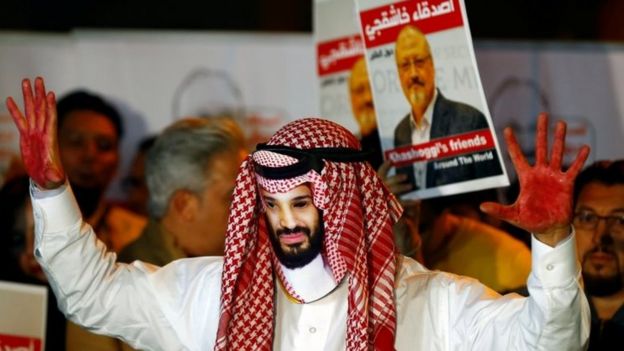
US-Saudi ties can't move forward until MBS 'dealt with': Graham


The US senator says Congress will reintroduce sanctions against those involved in the killing of Jamal Khashoggi.
Senator Lindsey Graham has said the relationship between the United States and Saudi Arabia cannot move forward until Crown Prince Mohammed bin Salman (MBS) is "dealt with".
Speaking in Ankara a day after meeting with Turkish President Recep Tayyip Erdogan, Graham said Congress would reintroduce sanctions against those involved in the killing of Saudi writer Jamal Khashoggi.
"What has transpired over the last couple of years has been unnerving, to say the least," Graham told reporters.
"The leadership coming from MBS is not what I have envisioned. Imprisoning the Lebanese Prime Minister, taking all of your critics and throw[ing] them in prison, the brutal murder [of] Mr Khashoggi in Turkey, violating every norm of international behaviour.
"I have concluded that the relationship between Saudi Arabia and the United States cannot move forward until MBS has been dealt with."
Last November, the CIA concluded that MBS ordered the assassination of Khashoggi in Istanbul, a finding that contradicts Saudi government assertions that he was not involved.Khashoggi, a longtime royal insider who had become a critic of Prince Mohammed, was killed and dismembered by a Saudi hit team in the kingdom's consulate in Istanbul in October, prompting a global outcry.
"We will start sanctioning those involved in the killing of Mr Khashoggi," Graham added.
"We will make a definitive statement that MBS knew about it and is responsible for it and come up with a series of sanctions to let others know this is not what you do if you're an ally of the United States."
'Not one to mince his words'
The US Treasury sanctioned 17 Saudi individuals and the Senate adopted a resolution blaming Prince Mohammed. President Donald Trump, however, has so far been reluctant to directly implicate the royal or issue any punitive measures.
At least 21 Saudis have reportedly been arrested in connection with the case, with five facing the death penalty. Five officials were also fired, including senior royal adviser Saud al-Qahtani, the alleged mastermind of the operation against Khashoggi.
Saudi Arabia is yet to reveal what its agents did with the remains of Khashoggi.
Al Jazeera's Osama Bin Javaid, reporting from the Turkish city of Gaziantep, said Graham's comments were not surprising considering his recent distaste for the Saudi Monarch. "Graham is not one to mince his words and has called MBS a wrecking ball in the past. So, this is not the first time he's airing his views about MBS and how he feels he's implicated in Khashoggi's murder. "He's based that on information provided by the CIA that orders did not come from a low-level operative but straight from the top, almost indicting the Saudi leadership, including MBS. "But the US president still sees MBS as a key ally, and sees Saudi Arabia's role as not just buying weapons from the US, but also in forwarding what Donald Trump has envisioned as a policy for the Middle East," Bin Javaid said. "So it's very interesting that Graham's stance is closer to the US ally Turkey but very different from what the president himself has been saying."
'Filling a void'
Andreas Krieg, an assistant professor at the Defence Studies Department of King's College London, said Graham was filling a much needed void in US foreign policy.
"[John] Bolton was trying to reach out to Turkey as a national security adviser but was given a bit of a slap by Erdogan because he doesn't trust him. Bolton has been very hawkish in his approach to Turkey and in general, Islamism in the region.
"Then you have [Mike] Pompeo who has been in the region recently but has been very pro-Saudi and hasn't responded well to the pressure in civil society and the media in the US over the Khashoggi affair. "And then you had [Jim] Mattis, who while being diplomatic was let go recently. So there's a void Graham is filling given he's a very prominent foreign policy expert in congress".

Al Jazeera's Gabriel Elizondo, reporting from Washington DC, said while it was surprising Graham had visited Turkey amid the government shutdown, he couldn't have gone "without some sort of coordination with the White House".
Trump has refused to approve legislation to restore funding to about a quarter of the federal government, resulting in up to 800,000 employees going without pay.
And earlier this week, House Speaker Nancy Pelosi was forced to abandon a planned trip to Afghanistan after Trump denied her the use of military aircraft.
"Considering how close Graham is with Trump, there's no way he could have gone to Turkey without some sort of coordination with the White House," Elizondo said.
"How much coordination, and how much he is speaking on behalf of the administration, remains to be seen. But Graham doesn't need President Trump's blessing to go anywhere. He can speak about anything. Graham is one of America's most powerful senators. He sits on the Foreign Relations committee, the Budget committee, the Appropriations committee.
"For several years now he's been a strong voice in international relations ... and this is the second time he's met with President Erdogan in the past six months".

Syria withdrawal

Senator Graham also said he hoped President Trump would slow the US withdrawal from Syria until the Islamic State of Iraq and the Levant (ISIL, also known as ISIS) is destroyed.
Graham said he believed US Chief of Staff Joseph Dunford was working on a plan with Turkey to move Kurdish YPG elements away from the country.
By arming the YPG group in Syria, Washington "created a nightmare for Turkey," said Graham.
Underlining that the YPG/PYD is "clearly" tied to the PKK - listed as a terrorist group by Turkey, the US, and the European Union - Graham told reporters that the US strategy in Syria has the potential to cause harm to Turkey.
The South Carolina senator stressed the importance of protecting Turkey and solving the problem the US "created" for Ankara, referring to US support for the YPG/PYD in the name of fighting ISIL.
Turkey has said it will soon launch an operation against the YPG/PYD in Syria, east of the Euphrates River, near the Turkish border.
There has been friction between Ankara and Washington over the upcoming operation amid the withdrawal of US forces from Syria.

#Pakistan's Police Brutality - Three children watch father, mother, sister getting killed - #ساہیوال_لہولہو - #SahiwalFiring #SahiwalMassacre #SahiwalMassacre #SahiwalIncident


The Counter-Terrorism Department (CTD) officials shot dead four persons, including a couple, their 13-year-old daughter and a friend of the family in the presence of three children on Saturday.
The incident took place near the Sahiwal toll plaza, where members of the CTD killed the car riders in cold blood, accusing them of being terrorists, on Saturday afternoon. The deceased were identified as Khalil, his wife Nabeela, daughter Areeba and Khalil’s friend. Mystery shrouded the shooting incident, as the CTD officials kept changing their statements after the killings; first declaring them child kidnappers, and then dubbing them as terrorists.
The CTD claimed that the car riders had opened fire on the raiding party, which had tried to intercept the vehicle as well as a motorcycle on the main road. The family in the car also included three children, two sisters and a brother, and the surviving boy also sustained minor injuries. The injured child, Khalil’s son Umair Khalil, told the media persons that his parents, sister and a friend of his father were killed in police firing. He said the incident took place when they were on their way to attend the wedding ceremony of his uncle Rizwan in Burewala. He said they were travelling from Tariqabad (Kot Lakhpat) area of Lahore, to Burewala (Sahiwal) when the police opened fire on their vehicle.
He said his father had asked the law-enforcers to check their vehicle and told them that there were no weapons. However, the police did not pay any heed and opened fire, killing his parents on-the-spot.Eyewitnesses contradicted the CTD statements and said the car-riding family did not open fire at the officials. "No weapons were found with the bodies," they said. The eyewitnesses said the children told them at a nearby petrol station that the “police killed their parents”.Following the firing incident, the CTD officials first abandoned the children at a petrol station. However, later on, they came back and took them to some undisclosed location, and then to an area hospital.
A CTD spokesman said the operation was conducted as follow-up of an action carried out in Faisalabad on Jan 16.
"The car was coming from Lahore and the women killed were 40 and 13 years old, respectively.”
The CTD also claimed that there were three other suspected terrorists on-the-spot, who managed to escape. “They were identified as Shahid Jabbar, Abdul Rehman and their accomplice," the CTD spokesperson added.
Earlier, the CTD officials claimed that the four people were kidnappers, but later on dubbed them as terrorists.
The CTD identified one of the deceased as Zeeshan. The department said that he was wanted for several crimes, including the abduction of Ali Haider Gilani, son of former premier Yusuf Raza Gilani, and several American nationals. The CTD also claimed that he was the deputy chief of a banned outfit.
Reportedly, the children were in an area hospital at the time of filing of the report, which had been cordoned off completely, and no one was being allowed to enter the emergency department. Ironically, the crime scene was not preserved, neither by the CTD nor by the area police.Taking notice of the incident, Prime Minister Imran Khan on Saturday contacted Punjab Chief Minister Sardar Usman Buzdar and sought a report on the incident. He ordered for conducting a transparent and detailed inquiry into the incident.
Also, on the order of the Punjab chief minister, the CTD officials, who took part in the action, have been arrested.
Inspector General of Police Punjab Amjad Javed Salimi has also constituted a four-member Joint Investigation Team (JIT) to probe the incident. Additional IG Establishment Punjab will be the head of the team, and one each representative from the ISI and the IB would be part of the JIT. The team will submit its report within three days.Meanwhile, Information Minister Chaudhry Fawad Hussain said on Saturday Prime Minister Imran Khan contacted Chief Minister Punjab Usman Buzdar and asked him to immediately reach Sahiwal and called for bringing facts to the fore.In a video clip, the minister noted that the Counter-Terrorism Department had claimed that terrorists had been gunned down in the incident, whereas the media reports and interviews of the children of the victims, were telling something else.He said action would be taken against the CTD raiding party members and they would be made an example if found to be guilty of any wrong-doing.
“And, if CTD’s version is found correct and they (deceased) were terrorists, then that would also be shared with the nation. On both ways, details would be shared with people,” the minister added. He noted that when the incident happened, the chief minister was away from Lahore and the PM contacted him and directed him to immediately reach Sahiwal. Later in the evening, the chief minister reached Sahiwal from Mianwali and visited the children at the DHQ Hospital.
Meanwhile, the inspector general of police (IGP), Punjab, took notice of the incident. He sought an inquiry report on the incident from the Sahiwal RPO and the Punjab CTD. The CTD submitted its initial report regarding the incident to the IGP. According to the report, the CTD team did a joint intelligence-based operation in which four terrorists related with the defunct organisation Daesh were killed, whereas, weapons and explosive material was seized from their possession.
The report said the CTD team tried to intercept terrorists, who were riding a car and a motorcycle near the Sahiwal toll plaza, but they opened fire on the CTD team, and a shootout ensued. When the firing stopped, four persons, including two women, were found dead by firing of their accomplices. Three terrorists fled the scene. The CTD said that the operation was in continuation of the operation conducted in Faisalabad on January 16. The CTD was tracking the remaining terrorists of Red Book namely Shahid Jabbar and Abdul Rehman. According to the CTD, this is the Daesh Network which killed three ISI officers in Multan, one police officer in Faisalabad and kidnapped American national Warren Weinstein and Ali Haider Gilani, son of former prime minister Yusuf Raza Gilani. The network had also killed dozens of people in blasts and firing. It was the most dangerous network of Daesh in Punjab.
Meanwhile, family members, relatives, friends and locals staged a demonstration in Lahore on Saturday and blocked the main Ferozpur Road against the killings.
The protesters burnt tyres in protest and chanted slogans against the Punjab Police and the CTD and demanded immediate action against the culprits. A terrible traffic mess was witnessed on the Ferozpur Road Chungi Amar Sidhu as thousands of motorists remained stuck almost for hours. However, the protesters dispersed after getting assurance that a police officer would accompany the family to Sahiwal so that bodies could be handed over to the heirs without any trouble.
https://www.thenews.com.pk/print/421157-three-children-watch-father-mother-sister-getting-killed?5c43bd5d937fd

#Pakistan - #ساہیوال_لہولہو - - #SahiwalFiring #SahiwalMassacre #SahiwalMassacre #SahiwalIncident - اس اینکر نے حق ادا کردیا۔۔۔ اور وھی زبان استعمال کی جو 22 کروڑ عوام استعمال کرنا چاھتی ھے۔۔۔👇👇👇

#Balochistan: Baloch Republican Army claimed to damage #Pakistan military helicopter

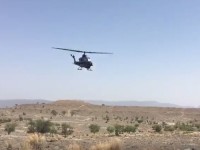
The Baloch Republican Army (BRA) spokesperson, Sarbaz Baloch, in a statement to media said that on Wednesday morning Pakistani forces’ helicopters bombed hideouts of Baloch fighters in Shaikhen area in Kohlu.
He further said that Baloch Republican Army (BRA) snipers have targeted the force’s helicopter and damaged it.
In another statement, the BRA has accepted responsibility for an attack on a Pakistani force’s check post in Kolahu area of Tump in district Kech Balochistan.
He said, ‘Our snipers have targeted and killed a security officer on duty at the check post.’
‘The video for the attack on helicopters will be released shortly,’ Sarbaz Baloch said vowing that such attacks will continue till the establishment of an independent Baloch state.

Succumbing to the #Saudis - #Pakistan - ANOTHER U-TURN - #PTI GOVT ISSUES NOC TO RETIRED ARMY CHIEF RAHEEL SHARIF FOR JOB IN SAUDI KINGDOM

In what appeared another U-turn, the PTI-led federal government has issued a no-objection certificate (NOC) to former army chief retired General Raheel Sharif for his job as head of a Saudi Arabia-led military coalition.

The NOC has been issued in view of an approval that was granted by the federal cabinet during its meeting held on Jan 10, according to a source.
Federal Information Minister Fawad Chaudhry confirmed that the NOC had indeed been issued after approval by the federal cabinet.
“The issue was not on the normal agenda of the federal cabinet’s meeting but it was approved through circulation,” the minister said. Cabinet approved decision in last meeting
Gen Sharif retired in November 2016 and joined the Saudi led coalition that was called counterterrorism coalition, in April 2017 amid controversy that he could not go for any job, especially abroad, within two years of his retirement from Pakistan Army.
Initially, it remained unclear whether the-then Pakistan Muslim League-Nawaz (PML-N) government had issued any NOC to the general. But former defence minister Khawaja Mohammad Asif in 2017 revealed that Gen Sharif had applied for an NOC and that it was approved by the Ministry of Defence after due process. However, legally, Federal Cabinet approval is required for such NOC which was not granted to Raheel Sharif by the federal cabinet under Prime Minister Nawaz Sharif.
For that reason, the Supreme Court later directed the Pakistan Tehreek-e-Insaf (PTI) government to issue a fresh NOC that was needed by the general for employment abroad during the two-year period when he was not supposed to be employed.
The information minister said the government had submitted the NOC to the Supreme Court.
Earlier, the PTI had opposed the issuance of an NOC and questioned the decision to allow Gen Sharif to lead the coalition without knowing its terms of reference, and aims and objectives. The PTI was one of the parties that remained vocal on the issue in the days of the PML-N government.
Former defence minister Khawaja Asif had informed the National Assembly in April 2017 that the Saudi government would hold a meeting soon in which it would unveil the TOR of the alliance.
Mr Chaudhry had presented the PTI’s point of view on the issue and said: “We strongly oppose this decision and will soon bring the issue to parliament.”
The party was of the view that all parliamentary parties had decided that Pakistan should be neutral in the Middle East crisis and the decision to issue an NOC to Gen Sharif was contrary to the parliament’s decision.

http://www.shiitenews.org/index.php/pakistan/item/36441-pti-govt-issues-noc-to-retired-army-chief-raheel-sharif-for-job-in-saudi-kingdom

#Pakistan - #ساہیوال_لہولہو - Son of man killed in Sahiwal raid narrates incident - #SahiwalFiring #SahiwalMassacre #SahiwalMassacre #SahiwalIncident


The son of a man who was killed along with his wife, daughter and a friend, has narrated the entire episode to media.
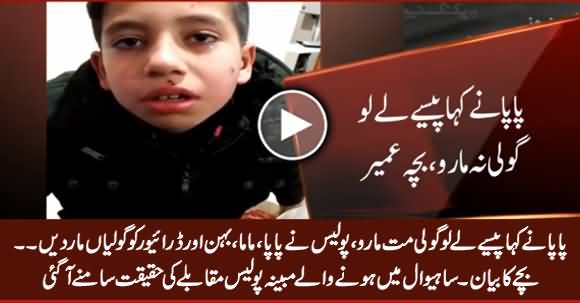
Umair Khalil, son of Khalil, told media that his father had begged CTD personnel to take money and spare their lives, but they refused and opened fire on the car.
“My papa, mummy, sister and a friend of my father were killed. We survived the firing,” he said. “We were taken to a petrol station and left there,” he said.
The boy said that they were going to a wedding in Burewala from Lahore when they were intercepted by the CTD personnel.Jalil, brother of suspect, also rejected the police claim that his brother was a terrorist.“We all were going to Burewala to attend a marriage. We were in three cars,” Jalil said.Nabeela Ghazanfar, a Punjab police spokeswoman, said that action would be taken against the CTD men if those killed were found to be innocent.
Ms Ghazanfar said that a joint investigation team was formed to probe the matter.DIG Zulfiqar Hameed will head the team which will also have officials from ISI, MI and IB.The JIT has been directed to complete the inquiry and submit the report within thee days. On the other hand, a CTD spokesman insisted that people riding the car were terrorists. "They opened fire on the security personnel which led to the shooting, he said. Meanwhile, relatives of the Khalil took to the streets in Lahore and urged Prime Minister Imran Khan to take notice of the incident.

https://www.thenews.com.pk/latest/421001-son-of-man-killed-in-sahiwal-raid-narrates-incident

Friday, January 18, 2019

Video - Nancy Pelosi Struck A Nerve With Donald Trump

Video Report - Pelosi: Trump outing our trip made things more dangerous

Inside a Teen Girl's New Life After She Escaped Allegedly Abusive Family Under Cover of Darkness


SUSAN KEATING


“The food, the clothing, every new thing — even the cold weather — makes her go ‘wow,’ ” says the friend, Abeer, who knows al-Qunun through an online community of women who have fled Saudi Arabia. “She ate her very first bacon and she loved it!”
On the advice of refugee workers who are concerned about the women’s safety, Abeer spoke to PEOPLE via encrypted communication and used an assumed name.
Al-Qunun, 18, became an international cause célèbre earlier this month when she took to social media after her transoceanic journey went awry.
Humanitarian observers said her plight illustrated the strictures women and girls live under in Saudi Arabia, whose culture is regulated by an intensely conservative branch of Islam. Only recently were women there allowed to drive.The daughter of a powerful Saudi Arabian governor, al-Qunun had at first escaped both her family and Saudi control under the cover of darkness on Jan. 5, boarding the first of several plane rides hoping to resettle in Australia.
She later described years of alleged abuse and called herself a prisoner under her relatives.
During a transit stop in Thailand, however, al-Qunun faced possible deportation back to her homeland. She barricaded herself inside an airport hotel room and then she went online: Writing that she had been abused, she pleaded for help via Twitter, amassing first hundreds and then thousands of followers and notice from around the globe.
Fearing she would be kidnapped, al-Qunun also wrote a farewell letter.
“I decided that I would end my life, before I was forced back to Saudi Arabia,” al-Qunun told the Australian Broadcasting Corporation.
Instead, thanks largely to the attention she had attracted, other authorities intervened and she was ultimately whisked to Canada, where she had been granted hasty asylum. Foreign Affairs Minister Chrystia Freeland welcomed the exhausted yet overjoyed teen as “a very brave new Canadian.”
“I wanted to be free from abuse and depression. I wanted to be independent,” she told the ABC. “I wouldn’t be able to marry the person I wanted to. I couldn’t get a job without permission.”
The first few days in Canada have brought both ups and downs, her friend Abeer says. Some of her everyday decisions led to rapt headlines by a curious — or exploitative — tabloid press.
“Rahaf went out to eat with friends, a decision she made herself,” Abeer tells PEOPLE. “She was not afraid of getting in trouble.”
Rahaf ate bacon, which is forbidden by Islam, for the first time in her life. On Snapchat, she posted a photo along with heart emojis, the Canadian flag and the caption “Omg bacon.”
“The feeling of freedom, it’s so hard to describe to people who have always known it,” Abeer says. “This feeling is wonderful.”
There has also been loss.
In a statement published by the ABC, al-Qunun’s family denounced and disavowed her as a “mentally unstable daughter who has displayed insulting and disgraceful behaviour.”
“It really upset me,” she told the ABC.
Al-Qunun’s father and brother had tried to visit her while she was stuck in Thailand, according to PBS, but she refused to see them. They appear not to have directly commented on her accusations of abuse.In the wake of multiple threats against her, and in light of what happened to Saudi critic Jamal Khashoggi, a U.S. resident who was reportedly murdered inside a Saudi consulate last year in Turkey, the teen now has a bodyguard.
“She never is alone,” said Mario Calla, director of COSTI, a Canadian group that assists refugees.
“It’s like moving to Disney World, but there are people who want to throw you off the rides,” Abeer says. “We must stay safe.”
Nevertheless, al-Qunan looks forward to a new, productive life. According to Al Jazeera, she has dropped the “al-Qunan” from her name, given her family’s disownment.
In a statement in Toronto on Tuesday, she talked about paying forward the help she received.
“Today and for years to come, I will work in support of freedom for women around the world,” she said. “The same freedom I experienced on the first day I arrived in Canada.”

https://people.com/politics/rahaf-mohammed-al-qanun-twitter-escape-to-canada/

Saudi Women, Tired of Restraints, Find Ways to Flee


    Whenever her father beat her, or bound her wrists and ankles to punish her for perceived disobedience, the Saudi teenager dreamed of escape, she said.
    As desperate as she was to leave, however, the same question always stopped her short: How would she get out?
    If she ran away anywhere within the country, the Saudi police would just send her home, she feared. Saudi law barred her from traveling abroad without her father’s permission.
    But during a family vacation in Turkey when she was 17, Shahad al-Muhaimeed saw her chance, and bolted. While her family slept, she took a taxi across the border to Georgia and declared herself a refugee, leaving Saudi Arabia behind to start a new life.
    “I now live the way I want to,” said Ms. Muhaimeed, 19, by phone from her new home in Sweden. “I live in a good place that has women’s rights.”
    World attention was drawn to the status of Saudi women after another teenager, Rahaf Alqunun, was stopped in Thailand last week while trying to make it to Australia to seek refuge there. After an international social media campaign, the United Nations declared her a refugee on Wednesday. She left Thailand on Friday and was flying to Canada, where officials said she had been granted asylum.
    The phenomenon of women trying to flee Saudi Arabia is not new, coming to the world’s attention as early as the 1970s, when a Saudi princess was caught trying to flee the kingdom with her lover. The couple were tried for adultery and executed.
    But the number of young women considering and taking the enormous risk to flee Saudi Arabia appears to have grown in recent years, rights groups say, as women frustrated by social and legal constraints at home turn to social media to help plan, and sometimes document, their efforts to escape.
    “All these women who 15 years ago would have never been heard from can now find a way to reach out,” said Adam Coogle, who monitors Saudi Arabia for Human Rights Watch.
    Some who dare to leave slip out quietly, traveling to the United States or elsewhere before applying for asylum — which is never a sure thing. Since being stopped in Turkey in 2017, two sisters, Ashwaq and Areej Hamoud, 31 and 29 respectively, have been fighting a deportation order in court, saying they fear for their lives if they return to Saudi Arabia.For other women, like Ms. Alqunun, publicity played a key role in their successful escapes, but even global attention does not guarantee that a woman will not be repatriated.In 2017, Dina Ali Lasloom, 24, begged for help in a widely viewed online video after she was stopped while transiting in the Philippines. She was held at the airport until family members arrived and took her back to Saudi Arabia, where it is unclear what happened to her.The women who make it out must contend not only with their families’ efforts to force them home, but also with the Saudi government’s extensive and well-financed efforts to do so, often involving local diplomats pressing for repatriation.
    Women who are repatriated can face criminal charges of parental disobedience or harming the kingdom’s reputation.
    “As Saudi women, we are still treated as property that belongs to the state,” said Moudi Aljohani, who moved to the United States as a student and has applied for asylum. “It doesn’t matter if the woman has any political views or not. They are going to go after her and forcibly return her.”
    The ways women choose to flee vary, but interviews with five who succeeded showed common themes. Many had discussed their plans in private chat groups with other women who had already fled or were also considering it.
    A few months before Ms. Alqunun left her family during a trip to Kuwait, for instance, a friend of hers had fled and reached Australia as a refugee and was giving her advice about escaping. Many fled from Turkey, a popular Saudi vacation spot, to Georgia, which Saudis can enter without a visa. And many aimed for Australia because they could apply for visas online, the only option for women who could not get to a foreign embassy.
    Some said they had fled because of abuse by male relatives and because they felt that the kingdom offered nowhere to turn for protection or justice.Others wanted out of the kingdom’s strict, Islamic social codes, which limit what women can wear, which jobs they can pursue and with whom they can socialize. And all spoke of wanting to escape the kingdom’s male guardianship laws, which give men great power over the lives of female relatives.“It is male guardianship that made us flee from Saudi Arabia,” said Ms. Muhaimeed, in Sweden. “That is the biggest reason that the girls flee.”In Saudi Arabia, all women are required to have a male guardian, whose permission they need to get married, travel and undergo some medical procedures. The guardian is often a father or husband, but can be a brother or even a son.
    The kingdom’s day-to-day ruler, Crown Prince Mohammed bin Salman, has vowed to make life better for Saudi women. He defanged the once-feared religious police, who harassed women deemed inappropriately dressed, and last year he lifted the ban on women driving. Saudi women can now attend mixed concerts and pursue careers off limits to their mothers.
    When asked about guardianship laws last year, the prince said that Saudi Arabia had to “figure out a way to treat this that doesn’t harm families and doesn’t harm the culture.”
    Those moves have increased his popularity among Saudi women, many of whom say guardianship is not a burden because their male relatives take good care of them. Others escape the rules by seeking jobs in neighboring countries like the United Arab Emirates, where social rules are more lax. But the system’s critics say it gives no recourse to women with controlling or abusive guardians.
    That’s what sent Nourah, 20, fleeing for Australia. Her father had divorced her mother before Nourah was born, and she was raised mostly by her uncles, she said. Her father sometimes abused her, but her efforts to get help fell on deaf ears.
    Last year, her boyfriend wanted to marry her, but her family refused because they perceived him as coming from a lower social class, said Nourah, who spoke on the condition that only her first name be used for her safety. Her father began to arrange her marriage to a man she did not know and who wanted to bar her from working. In October, a day before her prospective groom arrived, she ran away.
    Saudi men use a government website to manage the women they have guardianship over, granting or denying them the right to travel, for example, and even setting up notifications so that they receive a text message when their wife or daughter boards a plane.In order to flee, Nourah used her father’s phone to give herself permission to travel, disabled his notifications and flew to Turkey. From there she traveled to Georgia, then bought a ticket to Australia via the United Arab Emirates, although she feared that the Emirati government would catch her in transit and return her to Saudi Arabia.
    “To me that was like a suicide mission, but I had no other option,” she said.
    But she made her connection and safely landed in Sydney, where she applied for asylum.
    Once abroad, the women often face barrages of insults and death threats from family members and other Saudis who think they have shamed the country. While human rights groups understand why women would want to flee bad situations, they worry that doing so could put them in grave danger.
    “For the few who succeed, there are many who fail, and to be sent back after this puts the women in a really dangerous situation,” said Mr. Coogle of Human Rights Watch.He said it is hard to know how many women have fled the kingdom because some who leave never seek help from aid groups, and those who do reach out sometimes fall out of contact before it is clear if they actually made an attempt to leave or, if they did, where they ended up.He said he had been contacted by many women inside Saudi Arabia who wanted help getting out. His organization did not help them do so, he said, although it would help them seek legal protection if they were outside Saudi Arabia.
    Speaking from a hotel room in Bangkok where she was waiting under guard to learn if another nation would grant her asylum, Ms. Alqunun was already thinking about her new life. She wanted to go to college to improve her English and study architecture, she said.
    She did not expect the transition to life in a country she had never visited to be easy, but she had no regrets.
    “There is no escape other than fleeing,” she said. “There is no other way.”