Saturday, February 17, 2018

#AsmaJahangir - Asma’s struggle


By Afrasiab Khattak


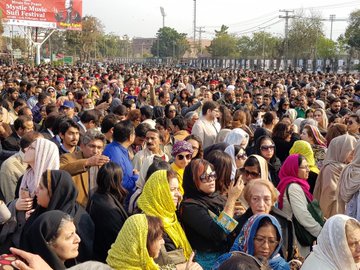
Sad news of the sudden death of Asma Jehangir on February 11 not only shocked to core her family, friends and followers in Pakistan but it also hit hard many people around the world as she was one of the internationally best known Pakistanis with a positive image. As a woman of substance and strong personality her words and actions during her life used to evoke strong feelings among both her supporters and detractors. Her death proved to be no different. Social media in particular got almost jammed by the large scale outpouring of feelings reflected in comments. But the strength and scale of the twin feelings of sorrow and solidarity for her during her funeral clearly demonstrated the imprint that her struggle has left on the hearts and minds of the people of Pakistan. As various reports have put it, her funeral was a microcosm of the Pakistan she had envisioned; democratic plural, inclusive, liberal and humane. Her ideals and her struggle inspired many people. There are various other people in Pakistan who also espouse the same ideals. But it was the type of determined and courageous struggle for achieving these ideals which distinguishes Asma Jehangir from all others.
As one of her friends tweeted she was more of activism than an idea and that her principles were more real than theoretic. It was because she was forced to start her struggle at the young age of eighteen years to defend her father Malik Ghulam Jilani in courts against the despotic military regime that was hell bent on keeping him in prison for his criticism of martial law. The well known Asma Jeelani case against General Yahya’s martial law bears testimony to this fact. Again it was due to the high profile involvement of her father in the country’s politics that she could watch the unfolding political crises in 1971 in detail that ultimately led to the dismemberment of the country. Her father along with other democrats ( such as Abdul Wali Khan, Ghous Bakhsh Bezinjo and a few others) was opposed to military action against the popularly elected representatives of the people of the then East Pakistan ( Bangladesh now) as that was the sure path towards disintegration of the country, a contention validated by the subsequent chain of events. But sticking to such views in Lahore at that time, was to invite the intense wrath of Punjabi chauvinism. It meant living in the environment of blind hatred. Asma had many stories to tell about the type of animosity that she and her siblings had to face because of their family background. So the direction of her struggle was swimming against the tide from the word go and it remained so almost throughout her life. Facing venomous opposition from reactionary forces at quite young age proved to be an important factor in shaping her personality for the future struggle .
Even when she started working for establishing an organised indigenous human rights movement in Pakistan in 1980s it was a time when the country was pushed into deep regression by the reactionary military dictatorship of Zia-ul-Haq. Religious extremism was used to reinforce the already deeply entrenched patriarchy. But when legal and social discrimination against women reached unacceptable levels Pakistani women, particularly in the main urban centres decided to come out to the streets against it and Asma was in the forefront of this struggle . Religious minorities also faced a tough situation when General Zia decided to use the slogan of Islamisation for perpetuating his unconstitutional anti people rule. These were the issues that the Human Rights Commission of Pakistan had to immediately grapple with just after its formation in 1987. Students unions, trade unions and professional associations were facing bans and repression. Asma was in the mainstream of people’s resistance against the military dictatorship. She was lucky to have some of the best Pakistanis on her side at this initial stage of HRCP. They included journalists I A Rehman, Aziz Siddiqi & Nisar Usmani ; lawyers such as Sabihuddin Ahmad and Tahir Mohammad Khan, woman activists such Anees Haroon, Zohar Yosuf, Alys Faiz and many others. Active support by Justice (r) Durab Patel gave boost to the movement. But for the military authorities and religious political parties the rise of a young and courageous female lawyer as a star of people’s resistance was totally unacceptable. So they launched vicious propaganda campaigns against her based on lies and fabrications attacking her patriotism and faith. This concoction was recycled again and again by anti democratic forces who were always afraid of her clear and bold stand against the tyranny of military dictatorship.
''I had the honour of working with her in the human rights movement. She had no hesitation in challenging exploitation, discrimination and oppression in every nook and corner of Pakistan. ''  Afrasiab Khattak.

HRCP’s campaign against bonded labor high lighted the despicable cruelty of the feudal bondage and hundreds of men, women and children were released from the clutches of feudal lords. Asma had a unique capacity to connect with the wretched of the earth of all regions, speaking different languages and professing different faiths. It was a life time experience to see her galvanising peasant women in Badin and Tharparker ( Sindh) and inspiring female teachers deep inside Momand Agency near Ghalanai ( FATA). Each of her visit to Gilgit Baltistan would creat hope among the oppressed people of the area. Asma courageously exposed state atrocities in Balochistan at critical junctures. I accompanied Asma in her visit to Dera Bugti in August 2006. Our vehicle came under fire just beyond Kashmore as we entered Balochistan on our way to Sui and Dera Bugti. Authorities had hoped that firing on the vehicle would scare Asma away but actually her determination to visit the area became stronger after the incident. The next day we went to Sui and Dera Bugti and had a meeting with Nawab Akbar Bugti who was killed in a military operation soon after our meeting. On our return Asma exposed the reign of terror unleashed by the state against the Baloch population.
Asma understood the relationship between peace and democracy. That’s why she actively participated in peace movements. She led many peace delegations to India and she was instrumental in creating Pakistan-Afghanistan People’s Friendship Association in 2002. She was a trail blazer on the path of struggle for people’s rights. She has left a rich legacy behind her.

#JusticeForZainab - #Pakistan - Justice for Zainab?

Justice for little Zainab has been delivered. Or has it? An Anti-Terrorism Court (ATC) awarded the man who confessed the brutal crimes committed against the seven-year-old a total of four death sentences: for kidnapping, rape and murder. He was also sentenced to life imprisonment as well as being fined for performing an unnatural act with a minor. And for desecrating human remains he also faces an additional seven years in prison.
For the family, nothing short of a public execution will do. They believe this will act as a deterrent to others. But as we know from Saudi Arabia’s experience, this will solve nothing. We commend the law enforcement agencies for acting swiftly to apprehend guilty party; while noting that this only happened after the media and civil society took up the issue. Though now the judge has sentenced Imran Ali — we need to take a deep breath and decide what sort of country we wish to be.
And this means starting with our criminal justice system. DNA from Ali is said to have matched that taken from seven other minor girls who were abducted and sexually abused in the same area. This naturally begs the question as to whether or not he will also be tried for their murders. And then there is the matter of the defendant’s defence counsel reportedly informing the judge that he would not be able to represent Imran Ali given his confession; which he had already given on the very first day of trial. But above and beyond all that — we have to ask if the higher judiciary is so weak that cases involving the rape and murder of little girls or the lynching to death of a young man on false blasphemy charges are now routinely presented before ATCs. This is the reintroduction of the death penalty for civilians by another name. And represents yet another instance of keeping Parliament out of the loop.
Yet elsewhere, the Supreme Court has fared no better. It opted to award former SSP Rao Anwar protective bail instead of ordering his arrest for his alleged role in the extra-judicial killing of, among others, a young Pashtun man. And then he failed to present himself before the court. This, sadly, smacks of selective justice. Surely, if anyone is to go before an ATC it should be those who may or may not have broken their pledge to keep the citizenry safe.
Thus in light of the seemingly piecemeal approaches to justice that Pakistan has witnessed in recent times — we urge Parliament takes up the issue for debate. That, after all, is the job of our lawmakers.

#PAKISTAN’S ‘SAFE HAVEN’ PROBLEM

ISLAMABAD HAS A WAYS TO GO BEFORE THE WORLD CAN BE CONVINCED IT IS TAKING EFFECTIVE AGAINST TERROR FINANCIERS
The United States, together with Britain, France and Germany, are going to decide in Paris whether to place Pakistan on a global terror-financing watchlist at the Financial Action Task Force (FATF). The member states are concerned about Pakistan’s “deficiencies” in combating “money laundering and terrorist financing” and in preventing terrorists from attacking inside Afghanistan from its territory. Pakistan wants to know more about the complaints about its “safe havens,” but the United States seems unwilling to share information while appreciating Pakistan’s disbandment of U.N.-sanctioned Jamaatud Dawa and its charity adjuncts.
Pakistan has a problem with Washington over accusations of Islamabad sheltering Afghan militants who attack inside Afghanistan across the Durand Line. Both sides seem to be on a different wavelength on the issue, but the fact that the U.S. is supported by Britain, France and Germany at the FATF is a matter of great concern and Pakistan must take steps to disarm this negative alliance against it. The past doesn’t help because of willful neglect of complaints about such organizations as Jamaatud Dawa, the Afghan Taliban-in-exile and Pakistani Taliban, whom it used inside its territory. For instance, political parties such as Pakistan Peoples Party and the Awami National Party in Khyber-Pakhtunkhwa were virtually shut down by the Taliban while the PTI, friendly to the terrorists, were allowed freedom to contest and win the 2013 election.
The world is less inclined to believe Pakistan because of its lack of credibility. It denied that Osama bin Laden was in Abbottabad and Mullah Omar—and still denies Dawood Ibrahim’s presence—in Karachi. Jaish-e-Muhammad terrorist Masood Azhar is not supposed to be in Pakistan either and the Haqqani Network’s commanders are found and killed on its territory by drones. Pakistan’s recent step to ban Jamaatud Dawa goes some ways to disarm international suspicion and hopefully it will change tack sufficiently to duck any economic sanctions coming its way.

http://newsweekpakistan.com/pakistans-safe-haven-problem/

Video Report - Chairman #PPP Bilawal Bhutto,s interview to Russian TV Chanel RT.

Peace in Afghanistan has to be an Afghan led peace, says Bilawal Bhutto


In an interview with Russian Television the Chairperson of Pakistan People’s Party, Bilawal Bhutto Zardari expressed his party’s views about the Afghan War, the Syrian Crisis and International Relations on the whole.

When asked about Pakistan-US relations and the prolonged state of the Afghan War, he said “Unfortunately the Afghan War has turned into this forever war, where the United States has lost sight of its objectives, it seems that they do not know, why they are there, what they are going to do, or how they are going to get out.”
He identified terrorist activity and the slipping writ of state to be the two major problems that plague Pakistan’s northwestern neighbour. “The fact of the matter is that 75 % of Afghanistan witnesses terrorist activity, 45% of Afghanistan is not in control of the Afghan government”, he said.
Asserting Pakistan’s position on the recent bombings in Afghanistan the PPP chairperson said, “We want there to be peace in Afghanistan, but it has to be an Afghan led peace and the Afghan Forces and NATO Forces need to start taking responsibility for their failures, if they have not been successful, its time for us to rethink what we are doing.”
Speaking about the Syrian crisis and the aftermath of the war, he said, “The PPP and I, believe in non-interventionist foreign policies and that if change is to take place, it should take place domestically and organically.”
He further added that the West got ‘overly excited’ by the Arab Spring and did not allow it to take its organic conclusion. He pointed out that individuals and state agendas should not be cultivated in Afghanistan, Syria or Iraq, the will of the people should preside.
Moving on to international relations, he said, “We have always emphasised good relations with all countries, especially our neighbours. I don’t think it is fair to expect Pakistan to not maintain good relations with its neighbours.”
He talked about the vitality of harnessing good relations between Pakistan and Russia, saying that Pakistan and Pakistanis, “like to be treated with respect and the government of Russia and the people of Russia have been very respectful to the government and the people of Pakistan”.

Bilawal Bhutto warns PM Abbasi on privatisation of PIA, Pakistan Steel


Chairman Pakistan People’s Party (PPP) Bilawal Bhutto Zardari has urged Prime Minister Shahid Khaqan Abbasi to shelve attempts to privatise Pakistan International Airlines (PIA) and Pakistan Steel or or ‘be ready to face stiff resistance.’

While presiding over a meeting of the Cabinet Committee on Privatisation (CCoP), PM Abbasi had approved a privatisation plan for both PIA and Pakistan Steel.
Criticising Abbasi, the PPP chairman said that commoners and experts were taken aback by the decision of a man who led the PIA before he launched his own profit-making private airline.
Likewise, he added, Nawaz Sharif has dragged the largest state industrial unit to a point of operational death.
“Both PM Abbasi and the disqualified prime minister are conspiring to sell PIA and Pakistan Steel most probably to their undisclosed aides,” Bilawal said. “They are selling national assets on one hand and purchasing on the other.”
The PPP chief also directed his party to raise voice against, what he called, fraudulent privatisation of the new organisations in the Parliament and other available forums.

Video Report - ‘Only praised Rao Anwar’s valor during anti-MQM operation’: Zardari clears the air on ‘brave kid’ comment

Former President Zardari retracts and regrets his remarks about Rao Anwar as mis-spoken

Former President Asif Ali Zardari has regretted the remarks he made in interview with a private channel Friday that sought to give the impression of supporting the absconding former SSP Malir Rao Anwar.
Spokesperson Senator Farhatullah Babar said that Mr. Asif Ali Zardari has described his words as mis-spoken and regretted any offence to anyone.
The former President also acknowledged in another TV interview today that his words about Rao Anwar were indeed mis-spoken, the Spokesperson said..
The former President has also denounced extra judicial killings as “abhorrent, criminal and unacceptable” and called for bringing to justice all those involved in it, the Spokesperson said.
Enforced disappearances and extra judicial killings are twins of a deepening curse. It is unthinkable that the Pakistan People’s Party would support it in any form or manner, the Spokesperson said. The party’s record in and out of the parliament is a testimony to it.
The former President realizes that his remarks made unwittingly in the flow of conversation may have caused anguish and has regretted it.

رائو انوار سے متعلق اپنے ریمارکس پر افسوس ہے،زرداری

سابق صدر اور پیپلز پارٹی کے شریک چیئرمین آصف زرداری نے رائو انوار سے متعلق اپنے ریمارکس پر اظہار افسوس کردیا ۔
ایک بیان میں آصف زرداری نے کہا کہ سابق ایس ایس پی ملیر کے بارے میں ان کے منہ سے غلط الفاظ ادا ہوئے،جن پر افسوس ہے۔
ان کا کہناتھاکہ ماورائے عدالت قتل گھناونا جرم ہے جس کی کوئی معافی نہیں،لوگوں کو جبری لاپتہ اور جعلی مقابلوں میں ہلاک کرنا قابلِ نفرت جرم ہے۔
پیپلزپارٹی کے شریک چیئرمین کا یہ بھی کہناتھاکہ شہریوں کو غائب کرنا اور انہیں ماورائے عدالت قتل ایک جیسے جرائم ہیں،پی پی ایسے اقدامات کی حمایت کا سوچ بھی نہیں سکتی ۔
سابق صدر نے کہا کہ ان کے رائو انوار سے متعلق ادا کئے گئے الفاظ سے کسی کو تکلیف پہنچی ہے تو وہ اس پر افسوس کا اظہار کرتے ہیں۔
آصف زرداری نے حکومت کو خبردار کیا کہ وہ پر اسر ار انداز میں پی آئی اے کی نجکاری سے باز رہے،اس اقدام کا مقصد الیکشن سے قبل پیسے بنانا ہے،خریداروں کو بھی نتائج بھگتنا پڑیں گے۔
انہوں نے مزید کہا کہ پارلیمنٹ کو قومی ائرلائن کی نجکاری سے بے خبر رکھنا جر م ہے۔

https://jang.com.pk/latest/450145-asif-zardari-regrets-his-remarks-on-rao-anwar

Friday, February 16, 2018

Video Report - CrossTalk: Syria on Fire

Video Report - Teacher who hid students: The government failed us today

Video Report - Parkland student makes demand to lawmakers

Video report - Don Lemon DlSGUSTED With Trump Supporter in G*UN C0NTR0L DebatE, "These Are The FACTS"

Video report - Don Lemon Calls Out Trump On His 'Horrible' Response: Thoughts And Prayers Doesn't Change Anything!

Video Report - President Asif Ali Zardari's Interview on Channel24 TV

خليلزاد: پاکستان کې د پښتنو غوښتنې قانوني دي

د امريکا پخوانی سفير زلمی خليلزاد وايي چې د پاکستان په پښتني سیمو کې زيات ظلم شوی دی چې له کبله يې د پښتنو مشکلات نور هم زیات شوي دي. له نوموړي سره د امريکا غږ ډيوه راډيو نفيس ټکر مرکه کړې ده. خليلزاد زياتوي، پاکستان کې د پښتنو غوښتنې قانوني دي خو ګوري به چې حکومت دغو غوښتنو ته څه ځواب وایي؟

#Balochistan: Five people abducted in Panjgur and Balgtar, Two released

Pakistani security forces have abducted three people including two teenage boys from different areas of Panjgur Balochistan on Monday and Tuesday.
According to details, Pakistani forces abducted Akran son of Qadeer resident of Gwash from Parome region of Panjgur city on Monday while on Tuesday Pakistani forces abducted 15-year-old Idrees son of a Saddique resident of Jahein in Parome Panjgur.
Akram has been abducted during a raid on his house and Pakistani troops abducted Idrees from his farm in Panjgur.
In another incident, Pakistani forces abducted Nawab son of Ghulam Hussain from Kalkshan area of Parome in Pangur.
Also, on Monday, the police have shot dead a Baloch shopkeeper in Washbood area of Panjgur.
Local sources reported that an unknown caller informed Munir son of Usman Baloch that there was a robbery at his shop. Munir immediately informed the police and he also reached to his shop.
When the police arrived at the shop Munir was already inside who identified himself as the owner of the shop but the police shot him dead despite confirming his identity.
Separately, Pakistani forces abducted two men from Balgtar area of district Kech Balochistan on Tuesday.
The abducted men have been named as Abdul Haq son of Mohammad Hussain and Yasee son of Murad.
Meanwhile, two previously abducted Baloch men from Dasht area of district Kech have been released and reunited with their loved ones.
The released men have been named as Wahag s/o Muhammad and Yaqoob s/o Mullah Sabzal.

http://balochwarna.com/2018/02/14/balochistan-five-people-abducted-in-panjgur-and-balgtar-two-released/

#Pakistani #Christian Disable Girl became Victim of Gang Rape

A widow Rukhsana Kausar who was previously living in Sargodha moved to Gujrat with her family 10 years ago. Her husband died 4 years ago leaving 4 daughters and 3 sons behind him. Rukhsana is a sanitary worker in a hospital. Her three daughters are married while one daughter identified as Saba is deaf and dumb.
Saba Masih
When Rukhsana went to the market her daughter Saba was alone at home. Then four Muslim men took advantage of Saba’s disability and targeted her of their sexual abuse at her home. Later on Saba’s identification the police arrested four men known as Arsalan son of Muhammad Bota, Shehbaz son of Muhammad Inayat, Shoiab and Abdul Aziz with the case reference number 17/1101 in Civil Line Gujrat.
According to the victim’s mother her disable daughter was severely tortured and raped by four men in her absence. The investigation officer arrested the four culprits but later released the two of them who bribed him. According to the girl’s mother the third rapist is released on bail too while the forth criminal is still in jail.
The released culprits went to victim’s mother work place and threatened her to sign apology form or they will harm her family and the eye witness of this case whose name is Awais .
The poor widow appeals to the DPO (District Police Officer) of Gujrat and Chief Justice of Pakistan to help her to get justice for her disable daughter.
All daughters either Christian or Muslim are honor of the country. Like Zainab of Kasur who was raped and murdered last month, Saba is also the daughter of Pakistan. Saba’s family appeals to the DPO Gujrat to take immediate notice of the Saba case and arrest the rest of the rapists who got released. They want that all the culprits must be penalized according to the law who raped the poor widow’s disable daughter.

Pakistan: Terror Under Wraps In Khyber Pakhtunkhwa – Analysis


By Ajit Kumar Singh

A local Jamaat-i-Islami (JI) leader, Malik Tufail, was shot dead by unidentified assailants in the Mughalkhel area of Bannu District in Khyber Pakhtunkhwa (KP) on February 4, 2018.
On February 2, 2018, at least 11 Army personnel were killed and another 13 injured in a suicide bombing near an Army camp in the Sharifabad area of Kabal tehsil (revenue unit) in Swat District. The suicide bomber targeted the sports area of the military base camp where soldiers were playing volleyball. Claiming responsibility for the attack, Mohammad Khorasani, a spokesman for the Tehreek-e-Taliban Pakistan (TTP), said they had sent a young suicide bomber, Siddiqullah, to conduct the attack.
On January 23, 2018, a ‘commander’ of the Haqqani Network, Ehsan alias Khawari, and two of his associates were killed when a US drone targeted a house in the Speen Thall area of Hangu District.
According to partial data compiled by the Institute for Conflict Management (ICM), KP has accounted for at least 19 terrorism-related fatalities (two civilians, 11 Security Force, SF, personnel, and six terrorists) in the 2018, thus far (data till February 11, 2018). During the corresponding period of 2017, the Province had accounted for just two fatalities, both terrorists.
Through 2017, KP recorded a total of 123 fatalities (40 civilians, 26 SF personnel, and 57 terrorists) as against 213 such fatalities (123 civilians, 50 SF personnel, and 40 terrorists) registered in 2016. The trend of decline in overall fatalities thus continued for the fourth consecutive year since 2014.
Other parameters of violence like major incidents (each resulting in three or more fatalities), bomb blasts, and sectarian attacks also registered declines. There were 16 major attacks causing 80 deaths in 2017; as against 17 such attacks resulting in 121 fatalities in 2016. The most prominent attack in 2017 was on December 1, when at least nine persons, including six students, were killed and 37 were injured as TTP terrorists attacked the Agriculture Training Institute (ATI) in Peshawar, the provincial capital. All the four terrorists involved in the attack were also killed. KP accounted for 17 incidents of bomb blast, resulting in 23 fatalities and 110 persons injured, in 2017; as against 32 such incidents, resulting in 70 deaths and over 218 persons injured. Also, as against six incidents of sectarian attack, resulting in eight deaths and three persons injured in 2016, KP recorded only one such incident in 2017, resulting in three fatalities.
However, little has changed on the ground in terms of dealing with the reasons responsible for the growth of terrorism, including mischievous state policies, radicalization and growing fundamentalism, among others. In the most recent example of growing radicalisation, life in KP’s Mardan District came to a halt on February 9, 2018, as thousands of workers and supporters of the Aalmi Majlis Tahaffuz Khatm-e-Nubuwwat (AMTKN, the International Organisation for the Protection of the Finality of Prophethood), joined by locals, participated in protests to pressure the Government into releasing 31 men convicted in the lynching of Mashal Khan, a resident of Swabi and a student at the Abdul Wali Khan University in Mardan, on April 13, 2017. Holding banners that read “Mashalyon [Mashal supporters], stop us if you can!” the protesters chanted slogans against Mashal and the Government. Qari Ikramul Haq, leader of the AMTKN demanded that the men convicted for the murder be released. Several of the 26 men acquitted by the court in the same case, including Ajmal Mayar, attended the rally and were given a ‘Ghazi (Muslim warrior) welcome’. The people in rally offered a dua (grand prayer) for those acquitted. AMTKN is a Pakistan-based anti-Ahmadi group, closely affiliated with Sipah-e-Sahaba Pakistan (SSP); Jamaat-e-Islami Pakistan (JI) and the Fazl faction of JI (JI-F)
Mashal Khan was lynched to death after being falsely accused of blasphemy. A group of students had shouted religious slogans during the attack and had stripped Mashal naked and about 10 of them assaulted him with planks until his skull caved in, as the others students looked on. An anti-Terrorism Court in Abbotabad awarded the death sentence to one of the accused on February 7, 2018. It also awarded 25-year prison sentences to five others and four-year sentences to another 25 accused. The decision, announced by judge Fazal-e-Subhan Khan at Haripur Central Jail, exonerated 26 of the accused. There were a total of 57 accused in the Mardan lynching case.
Significantly, according to a report published on September 29, 2014, by the Centre for Research and Security Studies, Pakistan, a total of at least 59 persons ‘accused’ of blasphemy have been victims of extra-judicial killings in the country since 1990. Of these, only one case was reported from KP: Ashiq Nabi was shot dead on April 20, 2005, in Nowshera District. Though no further definitive data is available in this regard, according to open media sources, the April 13, 2017, killing of Mashal Khan, is the second such incident reported from the Province.
The Imran Khan led Pakistan Tehreek-e-Insaf (PTI), in alliance with JI – which formed the Government in the Province under the Chief Ministership of Parvez Khattak on May 31, 2013, replacing the Awami National Party (ANP) led Government of Chief Minister Ameer Haider Khan Hoti – came to power on a platform that is deeply sympathetic to the Islamist extremist ideology. The stated position of the present Government on TTP and other Islamist terrorist formations, according to Chief Minister Khattak’s declaration of January 26, 2014, is that military operations against these groups would be opposed. This was only a further reiteration of the position that Imran Khan and other party leaders, both of the PTI and the JI, had defined well before the elections, and that brought them to power. In October 2012, Imran Khan had claimed that the Taliban were fighting a ‘holy war’ justified by Islam in neighbouring Afghanistan: “It is very clear that whoever is fighting for their freedom is fighting a jihad… The people who are fighting in Afghanistan against the foreign occupation are fighting a jihad.”
More recently, on February 4, 2018, Imran Khan defended Afghan Taliban (to which the TTP pays allegiance) against the North Atlantic Treaty Organization (NATO), claiming that they represent Western “liberals [who] are thirsty for blood.”
In the meantime, the Islamic State (IS, also Daesh) has made some inroads into KP, as in other parts of Pakistan. On June 24, 2017, at least two suspected Daesh terrorists, including its KP ‘chief’ Arif aka Khalil aka Abuzar, were killed and five SF personnel (three Policemen and two Army soldiers) injured in an exchange of fire which lasted for six hours in Shahpur village, Peshawar. A large quantity of explosives, AK 47s and material used in assembling improvised explosive devices was found at their hideout. According to reports, the terrorists had completed their ‘preparations’ for terrorist attacks in the city with the help of videos of their intended target sites.
It is not surprising therefore that terror groups continue to get more ‘dedicated cadres’ for them to work. Indeed, incidents of suicide attack, which are an important indicator of the level of existing threat in a particular region witnessing a protracted conflict, more than doubled. In 2017, KP accounted for seven such incidents resulting in 34 deaths and 80 injuries as against three such incidents recorded in 2016 which had resulted in 21 fatalities and 53 injuries. The current year, 2018, has already witnessed one such incident (February 4, mentioned above).
The surge in violence during the first 40 days of the current year, as compared to the same period last year, indicates that terrorists continue to have a significant presence in the region. Acknowledging the danger on January 10, 2018, the US Government issued a new travel advisory to it citizens cautioning them against travel to KP, Federally Administered Tribal Area (FATA), and Balochistan. The US State Department statement read:
Reconsider travel to Pakistan due to terrorism. Some areas have increased risk. Do not travel to Balochistan province, Khyber Pakhtunkhwa (KPK) province, the Federally Administered Tribal Areas, (FATA) and the Azad Kashmir area due to terrorism and armed conflict.
Apart from ‘domestically oriented’ terror groups, the Haqqani Network continues to operate out of the tribal regions of KP and FATA. Significantly, US drone attacks returned to KP in 2017. A US drone strike killed a ‘commander’ of the Haqqani Network and his partner in the Speen Tal area of Hangu District on June 12, 2017. The last such attack had taken place on November 21, 2013, when at least eight suspected terrorists were killed and five were injured in a US drone strike at a seminary in the Tal area of Hangu District. The Haqqani Network’s ‘spiritual leader’, Maulana Ahmad Jan, was among eight persons killed in the attack. More recently, on January 23, 2018, a ‘commander’ of the Haqqani Network, Ehsan aka Khawari and two of his associates were killed when a US drone targeted a house in the Speen Thall area of Hangu District.
Despite recording a continuous decline in terrorism-related fatalities over the past four years, KP remains a troubled region, where terrorism is just under wraps and can flare up again at any moment. All the factors responsible for the rise of terrorism, including its political sponsorship, remain intact, and no honest effort has been made to deal with these issues, as the declared state policy, both at Islamabad and Peshawar, is against taking any hard measures.

#Pakistan- Poor Women Health


There is a direct link between the health statuses of women and women’s low societal standing in Pakistan. This correlation is strengthened with the latest United Nation’s released report on women’s health presents a poor picture of women health in Pakistan. According to the report, 48.1 percent of female population of the country lacks participation in decisions regarding their health care.
Pakistan ranks third worst country in the world if numbers of maternal deaths are taken into account. There are many factors responsible for such problems. However, more important is the lack of resources even for those who wish to seek treatment.
The dogmatic and extremely narrow approach to women’s rights and indifference towards women’s health is the main reason why women are not able to get the proper medical attention. Women are at times not even allowed by other women to undergo medical treatment or visit a doctor. The tribal and rural concept of home deliveries is another reason why patients remain undiagnosed of medical complications and later on suffer for the remainder of their lives.
Besides other factors that serve as hurdles in improving women’s health include low investment in the health sector, rapid population growth. The state needs to take revolutionary steps to enhance the status of health in general and women health in particular. Investment in health has a long-term beneficial effect. It improves health outcomes, reduces poverty and contributes to promoting economic growth. At the backdrop of this perspective, the federal, as well as provincial governments are spending sufficient amount on health and education to bring the social sector into the main stream of development.
Social dogmas further limit the rights and access of women to reproductive health services. Domestic violence remains a chief cause of complications related to pregnancy including unwanted pregnancies, lack of access to family planning services, unsafe abortions or injuries due to abortion, complications due to frequent and high-risk pregnancies, lack of follow-up care, sexually transmitted infections, and other psychological problems.
There is widespread and chronic malnutrition among women and young children, especially girl children, against whom there is cultural and social discrimination in the distribution of household resources. Women lack the power within their families to decide on the number of children they want. Patriarchal values system and gender biases affect women’s choices and health and consequently their work, economic productivity and sense of wellbeing.
Pakistan is a signatory to a number of international commitments to improve the status of women health . To achieve the targets of 2030 Agenda for Sustainable Development, Islamabad needs to carry more efforts to improve the health of women .

#Pakistan - Sending troops to Saudi Arabia


The American demands for Pakistan to do more and more created a honeymoon period of sorts for the civil-military relationship; whereby both sides were united in the face of what they saw as Washington’s unfairness. That chapter may now be closed.
For while our lawmakers have seemingly turned on each other and denounced US moves to have this country put on the FATF watch list as evidence of government failure — the men in khaki have snuck out from behind the wings and announced as a done deal the deployment of Pakistani troops to Saudi Arabia; in addition to the 1,000 or so already stationed there. Thus Senator Farhatullah Babar was right to slam this as “tantamount to bypassing the Parliament”. For such unilateral manoeuvrings do not bode well for the country’s long-term democratic health. That this has happened so close to elections sends a reminder of just who calls the shots.
The military establishment issued a press release earlier this week informing of the deployment. It said that the contingent will adopt a training and advisory role under the umbrella of Pak-Saudi bilateral security cooperation and that no soldiers will be deployed outside of the Kingdom. Though it was less forth coming about the number involved. Parliament therefore has legitimate grounds to demand answers. For the fear has long been that Riyadh wants to draw this country into its regional conflicts such as the all-out military aggression directed at Yemen, one of the world’s poorest nations. As well as its ongoing proxy war with Iran. Despite our lawmakers voting for the principled stand of neutrality on both these fronts.
This may or may not be the price of the double-edged sword of nuclear capability: everyone wants a piece of the atomic pie; or at least the threat of it.  Back home, we suffer from a non-transparency epidemic. For while much has been made of how the Turkish and Iranian governments were taken into quiet confidence — the citizenry is always the last to know. In this case, Parliament too.
Thus we want to be apprised of the terms and conditions of the ‘deal’. Will the Saudis, for example, let our troops get their hands on advanced US weaponry to try the latter out for size? Or will Riyadh be the one to explain to a belligerent Washington that at a time when it has suspended all military assistance to this country on the grounds of our unwillingness to go after militant safe-havens — we have chosen to help out another nation? We would also like someone to tell us if our boys will somehow be involved in the Islamic Military Alliance that many believe has Tehran in its sights? And, lastly, someone somewhere has to come clean on what the future holds. Is Pakistan turning into a Saudi satellite Republic?
The Senate Chairman was right to summon the Defence minister to appear before the House on Monday. Though, as we all know, it should not have come to this. The national interest has to extend beyond that of the military. If, that is, Pakistan is to continue with the charade of calling itself a democracy.  *

Pakistan could face economic pain from return to terrorist financing 'gray list'


By Drazen Jorgic , Michelle Price , Sumeet Chatterjee
The prospect of Pakistan being placed back on a global terrorist financing watchlist could endanger its handful of remaining banking links to the outside world, causing real financial pain to the economy just as a general election looms.
Washington and its European allies have co-sponsored a motion calling for the nuclear-armed nation to be placed on a “gray list” of countries deemed to be doing too little to comply with anti-terrorist financing and anti-money laundering regulations, with a decision expected next week when member states of the Financial Action Task Force (FATF) meet in Paris.
The move is part of a broader U.S. strategy to pressure Pakistan to cut its alleged links to Islamist militants waging chaos in Afghanistan.
Pakistan, which denies such links, last month shrugged off a U.S. aid suspension worth $2 billion. But inclusion on the FATF watchlist could inflict real damage, bankers and government officials say.
Islamabad has sought to head off the motion by amending its anti-terrorism laws and by taking over organizations controlled by Hafiz Saeed, a Pakistan-based Islamist whom Washington blames for the 2008 Mumbai attacks that killed 166 people.
But there are concerns Pakistan’s nearly $300 billion economy, expanding at its fastest rate in a decade at above 5 percent, could lose steam if it ends up on the FATF watchlist, from which it was removed in 2015 after three years.
“We don’t think the consequences are going to be drastic but it’s definitely not good,” said one senior finance ministry official.
Military successes against militants and massive Chinese infrastructure investments have restored some vim to an economy hobbled by a long-running Islamist insurgency and wrecked by the 2008/09 global financial crisis.
Officials are aiming for economic expansion to hit 6 percent this fiscal year (July-June) and Prime Minister Shahid Khaqan Abbasi’s ruling party will want to avert a slowdown in the lead up to a general election due in about six months.
Being placed on the FATF watchlist carries no direct legal implications, but brings extra scrutiny from regulators and financial institutions that can chill trade and investment and increase transaction costs, according to experts. Mike Casey, a partner at law firm Kirkland & Ellis in London, said being put back on the gray list would heighten Pakistan’s risk profile and some financial institutions would be wary of transacting with Pakistani banks and counterparties.
“Others might elect to avoid Pakistan altogether, viewing the legal risks associated with doing business there to outweigh any economic benefits,” he said.
CURRENT ACCOUNT DEFICIT
A decline in foreign transactions and a drop in foreign currency inflows could further widen Pakistan’s large current account deficit, the Achilles heel of an economy that required an IMF bailout in 2013 following a balance of payments crisis. Another major worry is that the likes of Standard Chartered, the largest international bank in Pakistan with 116 branches, or Citibank and Deutsche Bank, who mostly deal with corporate clients, would pull out.
Banks have been retreating from high-risk countries in recent years amid intense pressure from global regulators to guard against money laundering and terrorist financing.
“The level of due diligence is already high in countries like Pakistan, but if this goes ahead then the banks will really have to reassess the risk-reward scenario,” said a senior executive with a large foreign bank, which has business interests in Pakistan.
In September, Pakistan’s biggest lender, Habib Bank, was fined $225 million and effectively forced to shut its U.S. operations by the New York regulator due to compliance failures over money laundering and terrorist financing.
U.S. watchdogs have dished out more than $16 billion in fines for anti-money laundering (AML) compliance failings since the end of 2009, according to data compiled by Hong Kong consultancy Quinlan & Associates.
“No one wants to be get caught in a situation where for a few million dollars of business the bank will have to pay billions in fines,” added the foreign bank executive.
There is no immediate indication the handful of international banks that remain are considering leaving Pakistan, and banking sources point out that these banks are well-versed with the risks of operating in the country.
Citibank, in a statement, said: “Citi complies with all applicable U.S. and international anti-money laundering requirements and economic sanctions.”
Standard Chartered said it was “closely monitoring the situation and as a matter of policy, we do not comment on market speculation”. Deutsche declined to comment.
RAISING MONEY
The FATF threat has begun to weigh on Pakistan’s stock market, although local businessmen say the country’s companies are accustomed to operating in tough conditions.
Yet some are unnerved.
One Pakistani money manager launching an alternative investment fund said he fears his new venture could now struggle to attract U.S and European investment.
“It’s already tough to raise money in Pakistan and anything to do with a ‘terror financing’ watchlist will just scare people,” said the fund manager. “There will be more scrutiny and some foreign funds will back away.”
A Pakistani finance ministry source said the government also fears a downgrade by the credit ratings agencies, making it harder or more expensive for Pakistan to raise debt on the international markets.
“It reduces our credibility in the world, which is unfair,” added Pakistan’s State Minister for Finance, Rana Afzal.
Some Pakistani officials say there is growing confidence in the country that recent efforts against Saeed, who was the focus of the FATF motion, will be enough to stave off further action.
“We’ve taken the wind out of their sails,” said one senior Pakistani government official. “If we now get punished, it would be a political move and vengeful.”

#Pakistan - Crime against women not to be tolerated: Bilawal Bhutto


Pakistan People’s Party Chairman Bilawal Bhutto Zardari has said that his party and its government in Sindh will maintain zero tolerance against crimes against women and girls asking the government to implement the policy so that tormentors of the women and girls don’t go scot-free.
In a statement, the PPP chairman said that he deeply felt the pain reading the media reports about the rape of Tayaba Rahimoon and Rozina Mallah in two different incidents in Karachi and Tando Mohammad Khan. “Such ugly incidents won’t be tolerated and the culprits have to be caught and punished as per the law of the land,” he added.
Bilawal Bhutto Zardari further said that protection of women and girls was collective responsibility of the society and the government. However, the government and its police should take such incidents in utmost seriousness and ensure that the criminals involved in heinous crimes including the rapists of Tayaba Rahimoon and Rozina Mallah.

#Pakistan - Thousands visit Thar science festival during two days


Hanif Samoon
More than 15,000 students from over 100 government and private schools and science enthusiasts visited the two-day first ever ‘Thar Science Festival’ that concluded at the Shaheed Benazir Cultural Complex here on Thursday.

The festival was jointly organised by Thar Edu­cation Alliance (TEA), Alif Ailaan and Thar education department’s office of chief monitoring officer (CMO).
TEA’s Partab Shivani and CMO Samiullah Sanj­rani told journalists that the largest science festival held for the first time ever in Thar was a shining example for all district administrations across the country to replicate it in their areas.
“Such events are especially important to familiarise school administrations, teachers and students with unique ways to teach and understand basic science concepts in an interesting and engaging manner,” they said.
They said that it was a pleasant shock for them to see unprecedented response from students of the area, considered to be one of the most backward regions of the country.
Students from all over Thar set up over 100 stalls to showcase their creative works on different themes and aspects of science, they said.
The students expressed their joy and gratitude for getting an opportunity to display their innovative products.
Some of the popular exhi­bits included planetarium by Pakistan Science Foun­dation, a fruit piano created by Learn-o-Bots and a mental arithmetic exercise conducted by Robotech.
The girl students from Bright Future School and Lata Shah from Government Primary School, North Colony Mithi, surprised the visitors with their knowledge about hydraulics and water filters, respectively. Abdul Rehman of class four was the star of the festival, attracting large audiences, for explaining Pythagoras Theorem in an interesting manner.
Several renowned personalities including Dr Bee­kha Ram, vice chancellor of the Liaquat University of Medi­cal and Health Scie­nces, visited the stalls and praised the festival organisers and students.
At a session for career counselling Dr Beekha Ram spoke about medical science, noted activist from Islamabad Meena Gabina talked about women education and the challenges Thari women were faced with and the first barrister from Thar lectured on law and urged participants to study law.
The organisers gave away awards including eight laptops, 31 tablets, mobile phones and cash awards to 160 students, who had clinched top three positions in a mathematics test held on Jan 20.
Army Public School, Mithi, grabbed the first position for setting up the most beautiful stall, while a local trader, Partab Lakh­wani, gave a gold medal to the student who had decorated the stall.
The other students, who won top positions inclu­ded Eshwar Lal, Asadullah, Gur­iya, Pirachi, Imtiaz Ali Ra­jar, Uzma, Naqqash, Ra­­bia, Ajmal, Moomal, Anusha and Mohen Lal.
Pakistan Peoples Party chairman Bilawal Bhutto-Zardari also praised the festival in his tweet, saying: “The festival is a wonderful initiative that allows the children of Thar to learn and engage with science in a practical way.
“My heartfelt gratitude and congratulations go to everyone who has made it possible.”

Thursday, February 15, 2018

Ghazal - AWARGI - Ghulam Ali

Remembering Pakistan's Empowering Human Rights Activist Asma Jahangir


On February 11, 2018, the sudden and untimely demise of Asma Jahangir, Pakistani human rights champion and a United Nations (UN) Special Rapporteur on the situation of Islamic Republic of Iran left the world in shock and grief.
Jahangir, who turned 66 in January, was a cancer survivor and one heart attack before passing away from cardiac arrest. Thousands from around the world sent condolence messages and paid tribute to the woman often dubbed as the ‘voice of the voiceless.’ Also known as the ‘iron lady,’ Jahangir was known to take to the streets against military dictators and regimes and for standing up for social justice.
UN Human Rights mourned:
Jahangir was laid to rest in her hometown Lahore, Pakistan, where her funeral was attended by thousands of people regardless of gender, religion and social status. In Pakistan, a predominately a Muslim society, women are barred from attending funerals, particularly the act of funeral prayer. The burial in a graveyard is considered a man's job.
Independent journalist Rabia Mehmood dubbed Jahangir's funeral ‘the last subversive act':


View image on TwitterView image on TwitterView image on TwitterView image on Twitter

- Women & men all gathered to say her funeral prayer. Last subversive act. May she rest in power.
In a Facebook post, Mehmood writes that “even in her death she empowered us”:
Last subversive act – women, and men stood together for Asma Jahangir's funeral prayer. This was the first funeral prayer I have participated in. Even in her death, she empowered us. Salam. Rest in power AJ and thank you.
Sabahat Zakariya, a Lahore-based journalist who attended the funeral tweeted her experience:
First time my friend and I were part of a namaaz-e-janaaza. Fitting that it was Asma Jahangir’s funeral that allowed us this glimpse into a male universe.
Human rights activist Marvi Sirmed writes:
Even in her death, she did not conform to the established code. Resistance, thy name is Asma.
If one word can describe the funeral procession, it is pluralism. That’s what Asma Jahangir lived for as well. Her funeral looked like Pakistan. A truly federal Pakistan with all communities represented.

Asma Jahangir's activist roots

Asma Jahangir was born in 1952 in Lahore, Pakistan and was introduced to politics as a teenager through her father, Malik Ghula Jilani, who was seen as a thorn in the eyes of the establishment and arrested several times as an active critic of the then military dictators Ayub Khan and Yahya Khan. Jilani supported Sheikh Mujibur Rahman‘s Awami League (Shiekh Mujib led the liberation of Bangladesh movement, causing East Pakistan to separate in 1971). Jilani was arrested in December 1971 after his resignation from the National Assembly to protest the Pakistan Government’s military action in Bangladesh.
In 1972, Jahangir challenged her father's arrest and secured a landmark judgment which became known as Ms. Asma Jilani versus the government of Punjab.
Muhammad Taqi, a political activist, and columnist explains:
The Asma Jilani case was the basis for the framers of the 1973 constitution to draft not only Article 6 – dealing with high treason – but also making a specific exception to the constitutional principle of non-retrospectivity of offences and punishments in the case of high treason and desecration of the constitution.
Jahangir earned a law degree and started practicing law under military dictator Zia ul Haq. Along with her sister Hina Jilani and two friends, she co-founded an all-women legal aid practice in 1980 to provide legal aid to women.
Jahangir actively participated in the resistance against ul Haq and images of women being lathhi-charged (beaten by batons by police) have become a symbol of resistance. The government of Pakistan declared this day of resistance as Pakistan Women's Day a few years ago, as described by the Women's Action Forum in Pakistan:
On 12th February 1983, 250 women took out a peaceful protest in Lahore to petition against the discriminatory Law of Evidence that General Zia ul Haq's regime attempted to promulgate. These protesters were lathhi chargedbrutally, tear-gassed and some 50 were arrested.
The second wave of the women's movement has not retreated since. In tribute and memory of that historic challenge to a dictatorial regime and discriminatory state, 12th February is marked as Pakistan Women's Day. 

An activist who lived and died for the resistance

A firebrand activist and extremely outspoken advocate for oppressed, Jahangir was a trailblazer in Pakistan who went on to co-found the Human Rights Commission  of Pakistan in 1987. She was an integral part of the lawyers’ movement that led to ousted military dictator Pervez Musharaf in 2007, ushering in democracy's return in Pakistan.
Jahangir remained a staunch member of the Pakistan's political resistance. Her last speech was in support of the Pakthun Long March in which marginalised Pakhtuns demanded equal rights and justice from the center.

Bushra Gohar, a Pakistani politician thanks Jahangir for her solidarity with the Pakhtuns:
She stood with the in their struggle for justice & right to life...She showed solidarity with when others were playing safe. She was glad the youth had woken up. Will treasure your powerful words of support. Thank you .
Jahangir did not constrain her activism to geographical boundaries, speaking for the rights of oppressed people such as the RohingyaKashmiriPalestinians, and Baloch. In January, she gave statements against BBC Persian journalists on trial in Iran. David Kaye, UN Special Rapporteur on Freedom of Opinion and Expression tweeted:


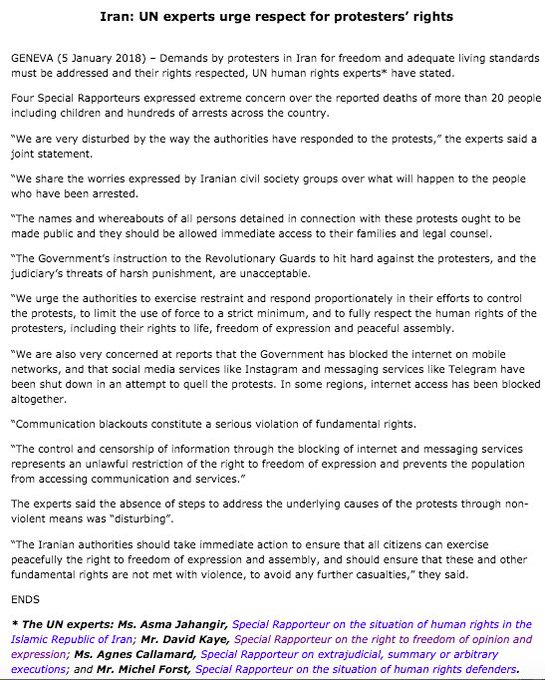
was an extraordinary person. eg: in just past month she engaged in several public stmts on . she initiated this in january, urging to respect protesters’ rights. such a loss for so many. http://www.ohchr.org/EN/NewsEvents/Pages/DisplayNews.aspx?NewsID=22574&LangID=E 
Jahangir received Pakistan's highest civilian awards such as the Hilal-e-Imtiaz (second highest civilian award) and Sitara-e-Imtiaz (the third highest honour and civilian award in Pakistan) in 2010. She also received several international awards including the 2014 Right Livelihood Award (along with Edward Snowden), the 2010 Freedom AwardRamon Magsaysay Award, the 1995 Martin Ennals Award for Human Rights Defenders, and the UNESCO/Bilbao Prize for the Promotion of a Culture of Human Rights. France awarded her the Officier de la Légion d'honneur.
Jahangir also wrote two books: The Hudood Ordinance: A Divine Sanction and Children of a Lesser God: Child Prisoners of Pakistan. 


Her 2014 Right Livelihood Award speech is making rounds on social media:


Many struggling for empowerment and justice will miss her dearly, including civil society activists, prisoners waiting for a fair trial and women on the frontlines of activist movements. Pakistani journalist Taha Siddiqui, who narrowly escaped abduction in January 2018 and openly complained about being harassed and intimidated by the Pakistani military, shared his grief, honoring Jahangir as his legal counsel through the ordeal:
Met Asma saahiba just few weeks back. She told me going silent is not an option. And it gave me the courage i needed. Who will now I look up to? Without her, I feel like an orphan... https://twitter.com/TahaSSiddiqui/status/951470070328430593 
Salman Hyder, a blogger and independent journalist who was among the four bloggers abducted and later released in January last year grieved:
محل سڑا میں خوشیاں ہوں گی
سڑکوں پر ماتم ہو گا
چھاونیوں میں رونق ہو گی
بستی بستی غم ہو گا۔۔۔سلمان

Palace will celebrate
streets will mourn
military cantonments will be lively
every small town will be in grief
Salman
#RIPAsmaJahangir