Sunday, June 4, 2017

Pakistan urged to exit Saudi-led military alliance; anti-Iran stance harmful for Islamabad

A leading Pakistani newspaper on Sunday urged the government to pull out of the Saudi-led military alliance, saying its anti-Iran stance was harmful to Islamabad’s interests.
The Dawn said in an editorial that Pakistan’s decision to participate in the Islamic Military Alliance or IMA and to allow former Army chief General Raheel Sharif to accept a Saudi offer to militarily head it “appear to have been taken in haste”.
The alliance “may have some counter-militancy aims but it is also increasingly clear that it has been conceived by the kingdom as an anti-Iran alliance”, the Dawn said.
The editorial said the Muslim world did need leadership and coordination in the fight against militancy, terrorism and extremism and theoretically the IMA could be a meaningful platform. But it should have involved the entire Islamic world.
“The IMA is plainly the anti-thesis of that, and, therefore, a potentially dangerous and destabilizing alliance.
“The Saudi leadership has explicitly stated that Iran is a threat to Saudi Arabia and countries allied with it.
“President Trump and his administration have explicitly embraced the Saudi-led IMA as a potential counter to the influence of Iran in the Middle East.”
The Dawn said Pakistan cannot afford to be part of “an overtly sectarian military alliance and membership and leadership of the IMA is inimical to the historical and future strategic interests of this country.
“While a close relationship with Saudi Arabia is warranted, better relations with Iran are necessary too.
“The government, the military leadership and Gen Sharif must urgently reconsider their position.”
http://www.hindustantimes.com/world-news/pakistan-urged-to-exit-saudi-led-military-alliance-anti-iran-stance-harmful-for-islamabad/story-hlk8Q8NFLvyJcl7a8dATrI.html

Saudi Slave's ALBAKISTAN - ''Dangerous alliance''


Editorial : ''Dangerous alliance''


WHAT was always a possibility now appears to have all but been confirmed. The Saudi-led Islamic Military Alliance against terrorism may have some counter-militancy aims, but it is also increasingly clear that it has been conceived by the kingdom as an anti-Iran alliance. The admission by foreign adviser Sartaj Aziz in the Senate on Thursday that the recent summit in Riyadh, headlined by US President Donald Trump’s presence and attended by dozens of leaders of Muslim-majority countries, has widened the sectarian divide in the Muslim world ought to lead to a reassessment of Pakistan’s involvement in the IMA. Two decisions — to participate in the IMA itself and allow former army chief Gen Raheel Sharif to accept a Saudi offer to militarily head it — appear to have been taken in haste and, more worryingly, without keeping in mind Pakistan’s true national interest.
To be sure, the Muslim world needs leadership and coordination when it comes to the fight against militancy, terrorism and extremism. Saudi Arabia, with its enormous resources and status in the Muslim world, is an important plank in any attempt to forge a consensus against the danger. Theoretically, the IMA could be a meaningful platform from which the fight against militant violence and extremism can be led. But that would require one non-negotiable, inarguable condition: participation by the full spectrum of Muslim-majority nations and a reflection of all mainstream strains of Islamic belief. The IMA is plainly the antithesis of that, and, therefore, a potentially dangerous and destabilising alliance. It is not so much what critics of the alliance are alleging as what the participants themselves are claiming. The Saudi leadership has explicitly stated that Iran is a threat to Saudi Arabia and countries allied with it. President Trump and his administration have explicitly embraced the Saudi-led IMA as a potential counter to the influence of Iran in the Middle East.
Not only can Pakistan not afford to be part of an overtly sectarian military alliance, membership and leadership of the IMA is inimical to the historical and future strategic interests of this country. While a close relationship with Saudi Arabia is warranted, better relations with Iran are necessary too. Pakistan shares a border with Iran; there are commonalities between large sections of the two populations; sound economic policy demands greater trade and connectivity with Iran; Iran can help Pakistan mitigate a persistent deficit of affordable energy; Iran and Pakistan have several common security problems along the border that demand cooperative solutions — the reasons why the two countries must progressively build closer relations is long and substantive. Courageous voices in parliament, like that of Senator Farhatullah Babar, have underlined the risks and emphasised the senselessness of aligning Pakistan along sectarian lines. The government, the military leadership and Gen Raheel Sharif must urgently reconsider their position.

Saturday, June 3, 2017

Music Video - Diana Damrau - Queen of the Night - (The Magic Flute)

Video Report - Narendra Modi BEFITTING reply to Donald Trump on his decision of withdrawal from Paris agreement

Despite Trump climate turmoil, India's PM Modi reaffirms Paris pact during France visit


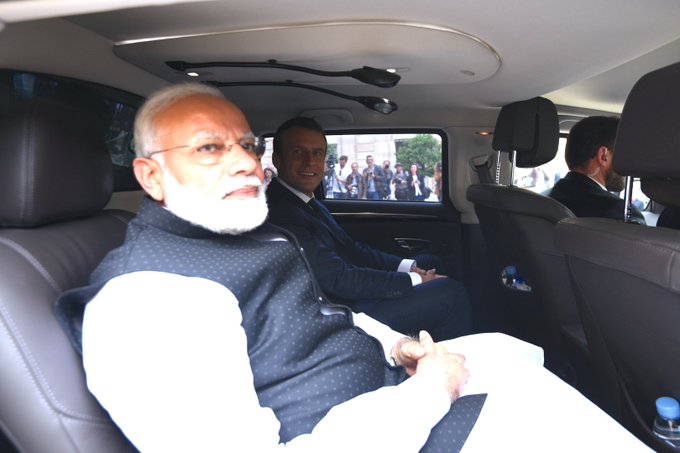
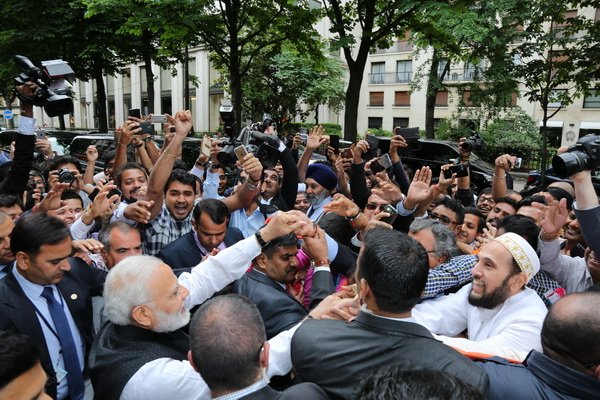
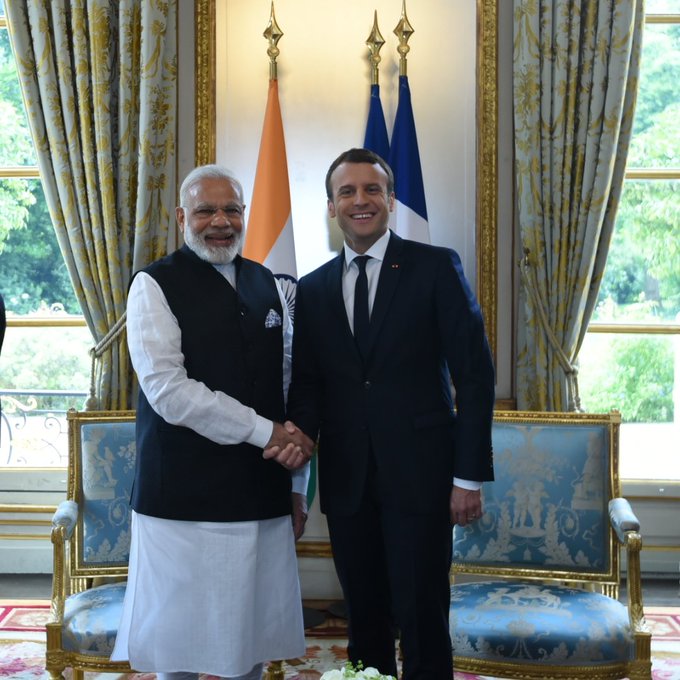
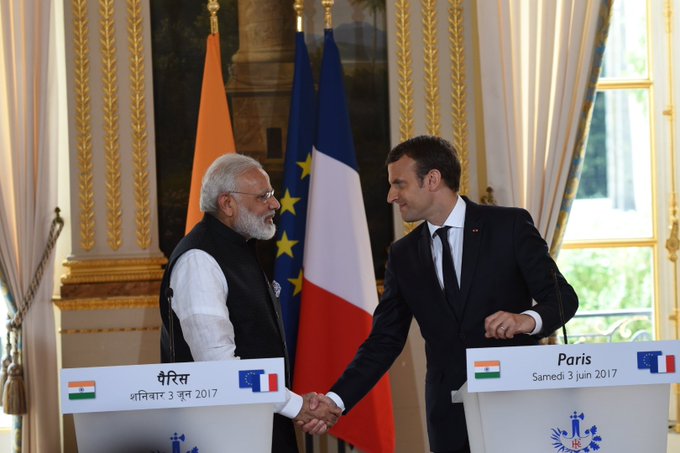
Indian Prime Minister Narendra Modi vowed after meeting French President Emmanuel Macron Saturday to go "above and beyond" the Paris Agreement on climate change, after the US said it would quit the deal.

Speaking two days after US President Donald Trump announced plans to withdraw from the deal on curbing carbon emissions, Modi said it was "part of the world's shared heritage" and that India would "continue working...above and beyond the Paris accord".

The agreement signed by 195 countries in the French capital in 2015 "can protect future generations and give new hope," the Indian leader said.
He avoiding direct criticism of Trump's move, however.


View image on TwitterView image on TwitterView image on TwitterView image on Twitter

My gratitude to the Government and people of France for their hospitality during my visit. This was a significant visit.
Macron said that during two hours of the talks that encompassed trade, defense and the anti-terror fight the pair had "mainly discussed our commitment to the climate".
"I want to restate here France's full commitment to the fight against climate warming," said the president, who reacted to Trump's announcement Thursday with a memorable call to "make the planet great again" -- a play on Trump's pledge to "make America great again" that has been shared by tens of thousands of Twitter users.
Macron said he would visit India, the world's third-largest carbon emitter, by the end of the year for an international summit on solar power -- an area on which France plans closer cooperation with the Asian power.
The Frenchman has led Europe's defence of the Paris accord in the face of Trump's climate scepticism.
As justification for his move Trump accused China and India of benefitting from the deal at the expense of the US.
Modi said protecting "mother Earth" was part of Indian culture, enshrined in the country's holy texts.
Arriving at the presidential palace the 66-year-old prime minister hugged 39-year-old Macron, in scenes contrasting with Macron's white-knuckle handshake with US President Donald Trump last week.
On Friday, the Indian government said it was committed to the Paris climate accord irrespective of the position of other nations.
"As far as the Paris accord is concerned... our government is committed irrespective of the stand of anyone, anywhere in the world," Environment Minister Harsh Vardhan told reporters.

US does not need Trump to fulfil Paris Accord, says ex-NY mayor Bloomberg to Macron


Subscribe to our videos for free!
© Christophe Petit Tesson / POOL / AFP | French President Emmanuel Macron (R), Paris Mayor Anne Hidalgo (L) and former mayor of New York City Michael Bloomberg (C) speak during their meeting at the Elysee Palace
Text by NEWS WIRES
Latest update : 2017-06-03

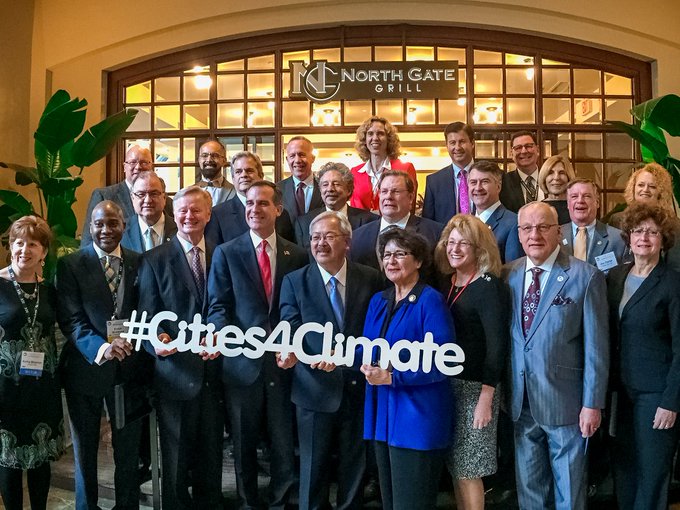
U.S. cities, states and businesses can fulfil commitments made by the United States under the Paris climate change agreement even though the U.S. has withdrawn from the pact, former New York mayor Michael Bloomberg said in Paris.

"Americans don't need Washington to meet our Paris commitments, and Americans are not going to let Washington stand in the way of fulfilling it," Bloomberg said following a meeting with French President Emmanuel Macron and Paris Mayor Anne Hidalgo on Friday.
Bloomberg, who is the U.N. Secretary-General's special envoy for Cities and Climate Change, said the United States has led the world on emission reductions over the past decade. Those efforts had been led by citizens and cities, he added, not the federal government, aided by market forces that have made solar and wind energy cheaper than coal.
"I want the world to know that the U.S. will meet its Paris commitments and that through partnerships among cities, states and businesses we will seek to remain part of the Paris agreement process," Bloomberg said.
He said he would notify the U.N. Secretary General and the climate change secretariat that U.S. cities, states, businesses and others will aim to meet the United States' commitment to reducing emissions 26 percent below the 2005 levels by 2025.
"We are already halfway there and we can accelerate our process further even without any support from Washington," Bloomberg said.
He said his own foundation will help coordinate the U.S. effort, which will be called America's Pledge, and it will help submit "nationally determined contributions" like other nations.
The foundation will provide the $15 million commitment the U.N. climate change secretariat will lose from Washington to ensure there is no disruption in their work, he said. It will also help fulfil the Paris agreement reporting requirements so that the world can track the United States' progress.
Macron, in a joint news conference with Bloomberg and Hidalgo, said the Paris climate pact is irreversible despite U.S. President Donald Trump's decision to withdraw from it.
"The Paris agreement is irreversible and will be implemented because it is our responsibility," he said.
He added that China, Russia and India had confirmed their commitment to it.
"Yesterday, the government of a great nation renounced its climate obligations, but a nation is not only its government," Macron said. "Other actors -- political and economical and civil -- have stood up, and thousands of promising initiatives are being taken. We will support them and fight on their side."

Video - What Barack Obama Doesn’t Miss About The White House - May 9, 2017

Video Report - Bernie Sanders BRILLIANT takedown of Trump's Withdrawal from the Paris Climate Agreement

Video Report - California steps up efforts to battle climate change

Video Report - Will sanctions against North Korea work? - Inside Story

Video Report - Police declare London Bridge and Borough Market ongoing terrorist incidents

Video report - #LondonBridge - Third attack reported in the south of London

Ghazal - Sabko Maloom Hai Main Sharabi Nahin

"افغان طالبان یوازې په کوټه کې د چندې ۱۵ مرکزونه لري"


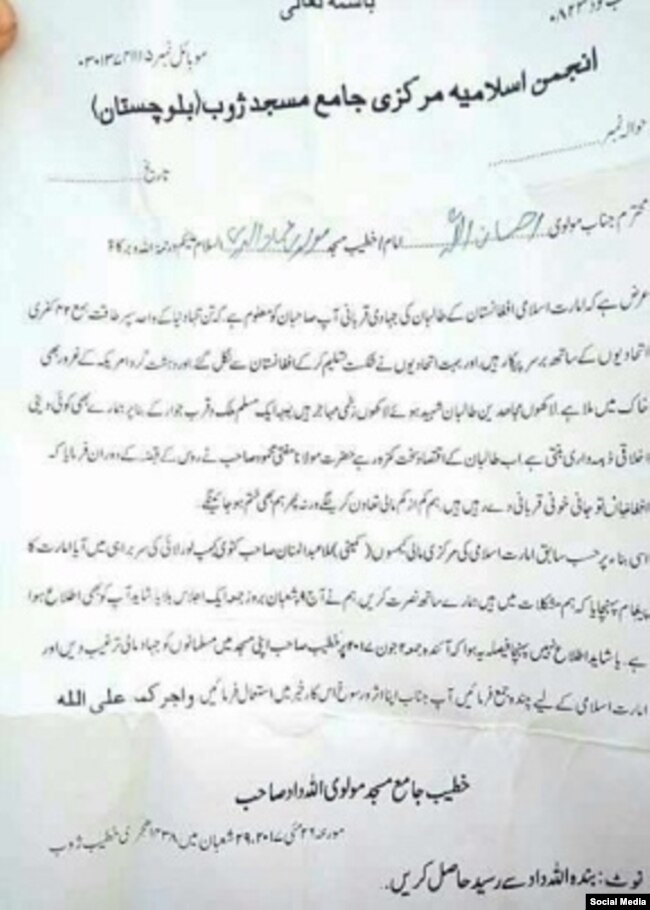
ټولنیزو رسنیو کې یو داسې لیک خپور شوی دی چې پکې د بلوچستان له خلکو غوښتنه شوې ده چې له افغان طالبانو سره مالي مرستې وکړي. دا لیک د بلوچستان پښتون مېشتې سیمې ږوب د مرکزي جامع مسجد خطیب خپور کړی. هغه وايي دوی دا کار له تېرو څو کلونو راهسې کوي. خو د بلوچستان د کورنیو چارو وزارت وايي ، په دې اړه به پلټې کوي او چنده کوونکو ته به سزا ورکوي.
د ږوب ښار د مرکزي جومات د خطیب مولوي الله داد له نامه په خپاره شوي دې لیک کې ویل شوي چې افغان طالبان له مالي مشکلاتو سره مخامخ دي او خلک د دې هغوی لپاره پیسې ورکړي.
د مولوي الله داد لیک
لیک زیاتوي چې هر چنده ورکوونکی کس دې رسید له مولوي الله داد څخه تر لاسه کړي. پر دې لیک د نوموړي د ټېلیفون نمبر هم ورکړل شوی دی.
مولوي الله داد پر هم دې ټلیفون نمبر نه یوازې د دې لیک خپرولو پخلی وکړ بلکې وايي چې د بلوچستان په ډېرو سیمو کې د افغان طالبانو لپاره چندې ټولېږي.
مولوي الله داد د جمعې په ورځ مشال راډیو ته وویل چې دوی دا چندې د افغان طالبانو د مالي کمېسون په غوښتنه ټولوي.
نوموړي د دې کمېسون په اړه وویل، "دا مرکزي مالي کمېسیون دی. مخکې مشر مولوي محمد اکرم وو چې په یوه پښه ګوډ هم وی. اوس نو مولوي محمد اکرم سږ کال وفات شو. مولوي عبدالصمد په جېل کې دی. اوس بیا مولوي عبدالمنان دی د لورلايي د کټوۍ د کېمپ او د هغه ملګري دي. دا د امارت اسلامي مرکزي مالي کمېسون دی. هغوی په ښکاره چندې کوي. په خضدار کې کېږي. په کوټه کې یې پنځلس مرکزونه دي او هلته دوی دا کار کوي."
مولوي الله داد وویل، د افغان طالبانو دا چنده ټولوونکي مشران هر کال په ځانګړې توګه د بلوچستان په پښتني سیمو کې ګرځي او د چندو غوښتنه کوي. "هغوی همېشه راځي. د روزې په میاشت کې دا مطالبه وکړي. دا څلور پنځه کاله وشو. د [پروېز مشرف] په وخت کې دا اواز یو څه کښته شوی وو خو چې هغه ولاړ نو له هغه وروسته دوی ځي او نه ده چې یوازې ږوب ته راځي بلکې لورالايي له ځي ، کلاسېف الله له ځي ، مسلم باغ له ځي او په کوټه کې چې ما درته وویل دا ملایان دي. دا کمېسیون دی. په ښکاره ځي دورې کوي او چندې ټولوي."
له مولوي الله داد څخه مې وپوښتل چې تاسو څومره پېسې ټولوی او بیا یې تر افغان طالبانو څنګه رسوئ نو هغه وویل، "دا بیا زه دوی ته ورکوم. دوی بیا راسي د ختم پر موقع (یانې د روژې په پای کې)، کله یې بیا موږ په یو چا ور ولېږ. له درې نیم لاکو تر دوو لکو او کله څومره وي او کله څومره.''
د بلوچستان د کورنیو چارو وزیر سرفراز بګټي مشال راډیو ته وویل چې دوی په دې اړه تر اوسه هیڅ رپوټ نه دی ترلاسه کړي.
هغه وویل ، اوس چې د مشال راډیو له لارې خبر شو نو به یې پلټنې وکړي. "موږ ته تر اوسه چا داسې خبر نه دی راکړی. که داسې وي نو دا بیا یو ډېره جدي مسله ده. زه ستاسو له لارې په خبر شوم. او موږ به هیڅ یوه چا ته د دې اجازه ورنکړو چې د ترهګرو سازمانونو لپاره چندې وکړي. موږ د دې پلټنې کوو او چې هر څوک پکې لاس ولري نو کلکه سزا به ورکوو."
د سیاسي او امنیتي چارو کارپوه ډاکټر خادم حسېن وايي، دا لړۍ له کلونو نه بلکې لسیزو راهسې روانه ده چې د پاکستان خاوره په یوه او بله بڼه د افغانستان او ګاونډیو پرضد استعمالېږي.
نوموړی وايي، د ترهګرۍ مخینوي او سختدریځۍ له منځه وړلو لپاره په جوړ شوي نېشنل ایکشن پلان کې شامل وو چې د داسې کړنو به مخه نیول کېږي.
خو د ډاکټر خادم حېسن په وینا ، په پاکستان کې د ترهګرۍ ضد مفکوره یا خو نشته او یا هم د نه برابره ده.
دا په داسې حال کې ده چې د افغانستان حکومت وايي ، پاکستان نه یوازې پر خپله خاوره افغان طالبانو ته پټنځایونه ورکړي دي بلکې مرستې او ملاتړ یې کوي خو پاکستان دا خبره تل ناسمه او بې اساسه بللې ده.

https://www.mashaalradio.com/a/28525053.html

The West is indifferent to Afghanistan and Iraq’s world of terror


By Ishaan Tharoor 


 It's a truism that the world has grown numb to terrorist attacks outside the West. When the Islamic State set off a car bomb on Tuesday outside a popular ice cream shop in Baghdad, killing 13 people and wounding dozens more, no candlelight vigils took place in Western cities. No imperial monuments were lit up in Iraqi colors in European capitals. When militants set off a devastating explosion in Kabul's diplomatic enclave on Wednesday, killing at least 80 people and injuring hundreds more, no CNN anchor uploaded the flag of Afghanistan on social media. No pop stars organized solidarity concerts.
Part of the contrast, of course, is the extent to which we are used to hearing these stories. In the global news cycle, a bombing in Baghdad or a Taliban strike in Kabul is like a typhoon in the Pacific or a Sean Spicer gaffe. These things happen. If we pay attention at all, we do so fleetingly, grimace at the calamity and move on.
The difference lies in distance. The capitals of Iraq and Afghanistan are zones of war, their roads made familiar to us only through years of U.S. military deployments. In the American consciousness, this is where the killing is supposed to happen. But easy as it is gloss over death, it's important to recognize life.
On Tuesday in Iraq, “hours after the blast, builders were working at the al-Faqma ice-cream parlor, plastering over cracks and repainting walls,” noted an editorial in Britain's Guardian newspaper. “By evening the streets and restaurants were full again with families, demonstrating the resilience that was feted in Manchester and is taken for granted in the places that must summon it time and time again.”
In shell-shocked Kabul, scene of one of the worst attacks in many years, residents lurched into a new reality. My colleague Pamela Constable reported on Thursday from the perimeter of the massive blast site as protesters vented their rage and grief at a government that couldn't keep them safe.

“Let us turn the silence of suffering into a national voice. We must all come together to stop terrorism from going any further and raise our voices against oppression,” a young man with a bullhorn exhorted the crowd.
In the United States, a great deal of attention has been paid to the effect of more than a decade of war on the mental health of American servicemen and women — and rightly so. But in Iraq and Afghanistan, whole societies have been traumatized. Millions of children grow up amid bombings, displacement and political collapse. Public health workers and aid agencies are still trying to measure the immense psychological toll they may have suffered.
So it's worth considering the depth of courage ordinary Afghans and Iraqis must show in the face of daily threats and violence.
“There had been many other bombings, some even deadlier. But this time, it felt like the collective burden of a society at war had suddenly become much heavier,” Constable wrote after the attack Wednesday. It's a weight that can't be easy to carry.
“People have an anxious feeling now, like a psychological illness. I feel suspicious if I see someone carrying something,” said Gul Rahim, 42, a real estate agent whose office lost all its windows in the blast, speaking to The Washington Post. “I was in the jihad [against the Soviet Union], and there were a lot of bombs and rockets. This was much worse.”


No group — neither the Afghan Taliban nor outfits connected to the Islamic State — have asserted responsibility for the attack. As Constable reported, the aftermath has been punctuated by anger at the government of President Ashraf Ghani, which is hobbled by infighting and, like its predecessors, persistent allegations of corruption and incompetence.
“In the face of this senseless and cowardly act, the U.S. commitment to Afghanistan is unwavering,” Secretary of State Rex Tillerson said in a statement. “The United States stands with the government and the people of Afghanistan and will continue to support their efforts to achieve peace, security, and prosperity.” The Pentagon is said to be pushing the White House to authorize a new surge of troops. But peace will require negotiations and a political settlement with the Taliban that Trump has so far shown no interest in championing.
In the meantime, consider the struggles of those already scarred by war. A stunning piece recently published by the Bureau of Investigative Journalism detailed the prevalence of amputees on the front lines of the war against the Taliban.
“If I go and sit in my house Taliban will go to my house and kill me,” said Kudai Rahm Shakir, a police official in Afghanistan's insurgency-ravaged Helmand province who lost both legs to an improvised explosive device a year ago. “This is the only way for me to protect myself and survive.” Another police officer deployed not far from Shakir drives a Humvee with “no problem.” He's missing a leg. “There are people who are in worse condition than I am,” he said. “I still have one leg.”
You can lament their desperation, wonder at the woeful state of Afghanistan's security forces and even celebrate their resilience. But months from now, will the world still note these acts of courage, or remember the many victims in Kabul and Baghdad the way those slain last week in Manchester will be memorialized? Probably not. And it's more than time for that to change.