Wednesday, October 23, 2013
Former president Zardari pays tribute to Nusrat Bhutto
چند یادیں!بیگم نصرت بھٹو …بشیر ریاض............................................... !!!!!! Long Live Bhuttoism

http://mediacellppp.wordpress.com/

آج 23اکتوبر کو بیگم نصرت بھٹو کی دوسری برسی ہے۔ 23مارچ بیگم نصرت بھٹو کا یوم ولادت ہے۔ 23مارچ 2011ء کو جناب آصف علی زرداری صدر پاکستان نے بیگم نصرت بھٹو کو پاکستان کا اعلیٰ ترین ایوارڈ نشان پاکستان جمہوریت کیلئے ان کی خدمات کے اعتراف میں دیا تھا اور انہیں مادر جمہوریت کا خطاب بھی دیا گیا تھا۔ مادر جمہوریت بیگم نصرت بھٹو کی جمہوری جدوجہد اور عظیم قربانیوں کی داستان عوام کے دلوں پر نقش ہے۔ دوسری برسی کے موقع پر انہیں خراج عقیدت پیش کرنے کے لئے چند یادیں پیش خدمت ہیں۔ 4اپریل1984ء کو ذوالفقار علی بھٹو شہید کی پانچویں برسی میں بیگم نصرت بھٹو اور بے نظیر بھٹو پہلی مرتبہ ایک ساتھ شریک ہوئیں۔ لندن کی ویمبلے مسجد میں قرآن خوانی کا اہتمام کیا گیا تھا۔ انگلینڈ کے مختلف شہروں سے پارٹی عہدیدار بھی شریک ہوئے اور عظیم لیڈر کے لئے دعائے مغفرت کی گئی۔ برسی کی تقریب کو مقامی انگریزی پریس میں نمایاں طور پر شائع کیا گیا۔ قائد عوام کی پانچویں برسی کے سلسلے میں لندن کے علاقے الرز کورٹ کے بڑے ہال میں جلسہ عام منعقد ہوا۔ تقریب کی یہ خصوصیت تھی کہ اس میں پارٹی کے مرکزی رہنمائوں اور عہدیداروں کے علاوہ انگلینڈ اور یورپ کے ممالک میں پی پی پی کے نمائندوں اور کارکنوں نے بڑی تعداد میں شرکت کی۔ بعض عرب ممالک کے سفارتی نمائندے بھی موجود تھے اور انہوں نے بی بی کی تقریر سنی جس میں بی بی نے اعلان کیا تھا کہ وہ پاکستان میں جمہوریت کی بحالی اور انسانی حقوق کے لئے قائدعوام ذوالفقار علی بھٹو کے مشن پر کاربند رہیں گی۔ اس جلسہ عام کے بعد بیگم صاحبہ پیرس چلی گئیں۔ اپنی علالت کے باوجود بیگم صاحبہ پارٹی کارکنوں سے ملاقات کرتی تھیں اور انہیں اپنی بیٹی شریک چیئرپرسن کا مکمل ساتھ دینے کی تلقین کرتی تھیں تاکہ جنرل ضیاء کی آمریت کا خاتمہ کیاجا سکے۔بیگم نصرت بھٹو کو دانشوروں اور اہل قلم سے خاص لگائو تھا۔ وہ اردو روانی سے بولتی تھیں۔ انگریزی اور اردو اخبارات کامطالعہ کرتی تھیں۔ بیگم صاحبہ مساوات کو سیاسی قوت کے اظہار کا اہم ذریعہ سمجھتی تھیں۔ بی بی نے لندن سے ماہنامہ عمل جاری کیا۔ اسے بہتر بنانے اور مضامین کے سلسلے میں بیگم صاحبہ رہنمائی کرتی تھیں۔ میر مرتضیٰ بھٹو نے 1978ء میں بیگم صاحبہ کی ہدایت پر لندن سے مساوات ویکلی کا اجراء کیا تو بیگم صاحبہ نے اس کی تحسین کی تھی۔ بیگم نصرت بھٹو دردمند ،عظیم انسان تھیں۔ ان کی شخصیت بے داغ تھی۔ پارٹی کی سربراہ کے طور پر کارکنوں کا بہت خیال کرتی تھیں۔ وہ لیڈروں کے بجائے کارکنوں کو زیادہ اہمیت دیتی تھیں، ان کے ذاتی مسائل میں دلچسپی لیتی تھیں اور حتی المقدور مدد کرتی تھیں۔ وہ پارٹی کارکنوں کو اثاثہ سمجھتی تھیں۔ بیگم صاحبہ کا پارٹی کارکنوں کے ساتھ احترام کا پائیدار رشتہ آخر دم تک قائم رہا۔ بیگم صاحبہ کو وہ لوگ پسند نہیں تھے جو پارٹی مفادات کو نقصان پہنچانے کے ذمہ دار تھے۔ بیگم صاحبہ کو یہ شکایت تھی کہ بی بی کے گردوپیش بعض لوگوں نے ان پر جادو کیا ہوا ہے اور وہ غلط مشورے دیتے ہیں۔ جناب ذوالفقار علی بھٹو نے 1969ء میں بیگم نصرت بھٹو سے میرا پہلا تعارف کرایا تھا۔ میں نے بریڈ فورڈ اور برمنگھم میں بھٹو صاحب کے عوامی جلسوں کا انتظام کیا۔ بیگم نصرت بھٹو نے بھٹو صاحب کے ساتھ ان جلسوں میں شرکت کی اور عوام نے ان کا فقید المثال استقبال کیا تھا۔ بیگم بھٹو اس سے بہت متاثر ہوئی تھیں۔ خاتون اول بیگم نصرت بھٹو 1972ء میں لندن آئیں ان کا قیام پاکستانی سفیر میاں ممتاز دولتانہ کے ہاں تھا۔ میری بیگم صاحبہ سے ملاقات ہوئی تو میں نے انہیں بتایا کہ لندن میں ڈان کے نمائندے نسیم احمد نے وزیراعظم کے چیف سیکورٹی افسر سے ملاقات کرائی ہے اور انہوں نے مجھے اس کے ساتھ رابطہ کے لئے کہا ہے۔ بیگم صاحبہ نے مجھے ہدایت کی کہ یہ پولیس والا ہے اور اس پر اعتبار نہیں کیا جا سکتا ۔ آپ وزیراعظم ہائوس میں صرف مجھ سے رابطہ رکھیں اور ہر ضروری اطلاع مجھے دیا کریں اور میں وزیراعظم کو اس سے آگاہ کروں گی۔بیگم صاحبہ کی اس کے بارے میں رائے درست ثابت ہوئی ،قصوری کے جھوٹے مقدمہ قتل میں اسی چیف سیکورٹی افسر نے اپنے اسی وزیراعظم کے خلاف سلطانی گواہ بن کر لاہور ہائیکورٹ میں شہادت دی تھی جن کے نام پر اس نے ہر کس و ناکس پر دھونس جما رکھی تھی۔ فوجی آمر جنرل ضیاء نے وزیراعظم ذوالفقار علی بھٹو کے عدالتی قتل کے بعد ان کے خاندان کے خلاف انتقامی کارروائیوں کاسلسلہ جاری رکھا۔ بیگم نصرت بھٹو اور بے نظیر بھٹو کو مختلف جیلوں میں قید اور گھروں میں نظربند کرنے کی اذیت ہی نہیں دی بلکہ انہیں ہراساں کرنے کیلئے ان کی جائیداد ضبط کرنے کے گھنائونے اقدام سے بھی گریز نہیں کیا۔ انتقام کی وحشیانہ کارروائیاں بھی بیگم نصرت بھٹو کے عزم و استقلال کو کمزور نہ کر سکیں بلکہ انہوں نے فولادی قوت سے ان کا مقابلہ کرکے جنرل ضیا کے مذموم عزائم کو ناکام بنایا۔ وہ ان کے حوصلہ کو پست نہ کر سکا۔ جنرل ضیا ہر کوشش کے باوجود شہید قائدعوام اور ان کے خاندان کے خلاف کرپشن کا کوئی ثبوت پیش نہ کر سکا، اس میں ناکامی کے بعد ضیاء نے انکم ٹیکس کی عدم ادائیگی کا افسانہ تراشا اور کثیر رقم کا جھوٹا کیس بنا کر نوٹس دیا کہ اگر ٹیکس ادا نہ کیا گیا تو ان کی رہائشی جائیداد ضبط کر لی جائے گی۔لندن کے مقتدر اخبار گارڈین نے یہ خبر شائع کی کہ جنرل ضیاء کی فوجی حکومت نے بیگم نصرت بھٹو کو تین لاکھ ستاسی ہزار پونڈ انکم ٹیکس ادا کرنے کا حکم دیاہے اور عدم ادائیگی کی صورت میں کراچی میں ان کی رہائش گاہ 70کلفٹن ضبط کر لی جائے گی۔ایک دوست عرب ملک کے سفیر نے گارڈین کی خبر پڑھ کر مجھ سے رابطہ کیا اور یہ پیش کش کی کہ ان کی حکومت یہ رقم ادا کرے گی تاکہ ذوالفقار علی بھٹو کی بیوہ اور ان کی بیٹی کو گھر سے بے دخل نہ کیا جائے۔ اتفاق سے بیگم صاحبہ آزاد تھیں۔ میں نے انہیں کراچی فون کرکے اس پیش کش سے آگاہ کیا۔ بیگم صاحبہ نے کہاکہ جنرل ضیاء بے شک ہمیں گھر سے نکال دے ہم باہر سڑک پر بیٹھ جائیں گے لیکن اس جھوٹے کیس میں ایک روپیہ بھی نہیں دیں گے۔ آپ ان کا شکریہ ادا کر دیں ۔ میں نے بیگم صاحبہ کے جواب سے انہیں مطلع کر دیا کہ بیگم صاحبہ آپ کی تشویش کے لیے شکرگزار ہیں لیکن پیش کش قبول کرنے سے معذرت کر لی ہے۔ 20ستمبر1996ء کو مرتضیٰ بھٹو کا کراچی میں قتل ہوا۔ اس وقت بیگم صاحبہ لندن میں تھیں اور اس المناک واقعے سے بے خبر تھیں۔ مرتضیٰ کی سالگرہ 18ستمبر کو ہے۔ انہوں نے بیٹے کے لئے تحائف خریدے لیکن قدرت کو کچھ اور ہی منظور تھا۔جس طرح وہ بیٹے کو سفرِ آخرت میں نہ دیکھ سکی تھیں۔ اسی طرح جب بی بی27دسمبر2007ء کو لیاقت باغ راولپنڈی میں شہید کر دی گئیں تب بھی انہیں یہ معلوم نہ تھا کہ ان کی پیاری بیٹی خالق حقیقی سے جا ملی ہیں اور اسی بے خبری کے عالم میں وہ دنیا کو الوداع کہہ کر اپنے پیاروں کے پاس چلی گئیں
NATO allies vow to standby Afghans post-2014
http://www.pajhwok.com/Believing they have still work to do, NATO allies and ISAF partners on Wednesday said they would continue to stand by Afghanistan after the mission ends in December 2014. NATO defence ministers, who met for a second day in the Belgium capital of Brussels, discussed with their Afghan counterpart progress in Afghanistan and planning for the post-2014 mission to train, advise and assist Afghan forces. “We have moved closer to putting that mission in place. Our military commanders have reviewed planning and identified in broad terms the key elements we require to set up the mission,” NATO Secretary General Anders Fogh Rasmussen said in his remarks. Afghan forces took the lead for providing security nation-wide in June and they had shown they were up to the job, Rasmussen remarked. He said Afghan forces were currently leading more than 1,000 patrols a day and planning and conducting complex operations in all parts of the country. The NATO chief said Afghan forces were developing their skills in areas such as helicopter air support in order to achieve the best possible position from which they would assume full responsibility for security at the end of 4014. As the defence Ministers moved ahead in their planning for the NATO-led post 2014 Resolute Support mission, Rasmussen said “We still have to do work”. ISAF defence ministers also discussed next year’s elections in Afghanistan, which will be fully led and managed by the Afghans. “We expect those elections to be transparent, inclusive and credible,” Rasmussen said. They also reviewed the implementation of United Nations Security Council Resolution 1325 on Women, Peace and Security. That review has been published. It sets out the areas where NATO is doing well and areas where more work is needed. Afghan Defence Minister Bismillah Khan Mohammadi attended the meeting, as well as representatives from the European Union and the United Nations.
Afghanistan: Former Taliban Leader's Release Fails To Revive Peace Talks
http://www.rferl.org/
Just weeks ago, his release was hailed by the Afghan government as the key to successful peace talks with the Taliban.
But Pakistan's decision to free Mullah Abdul Ghani Baradar, the Taliban's co-founder and former second-in-command, has failed to live up to Kabul's expectations.
No formal negotiations between Kabul and the Taliban have been scheduled. No location has been set. And it is unclear whether Baradar is actually free at all. Added together, it appears that Kabul's efforts to negotiate a peaceful end to the 12-year conflict in Afghanistan have suffered yet another blow.
Even before his reported release in September, questions were raised about Baradar and the possible role he could play in the peace process. There were doubts about his clout with the current Taliban high command and whether he could convince the militant group to end its bloody insurgency.
But to the Afghan government, securing Baradar's release became a top priority as soon as he was arrested in a joint operation conducted by Pakistani security forces and the CIA in Karachi in 2010. The widely held belief at the time was that he was targeted because Islamabad was concerned that he would circumvent the Pakistani authorities and enter into direct negotiations with Kabul.
No Framework
Kate Clark, a senior analyst at Afghanistan Analysts Network, an independent research organization in Kabul, says she is not surprised that Baradar's release has not immediately resulted in peace talks.
"What you needed was not only his release but some mechanism or political framework for him to fit into or some place for him to work from," Clark said. "We also don't know if he wants to make peace. After many years in a Pakistani jail he might actually want to fight."
Clark says Kabul had unrealistic expectations that Pakistan would release Baradar without keeping close tabs on him. And now there are new complications -- both the Taliban and the Afghan government have said he is still being held by Pakistan's security establishment.
Despite Pakistan's recent pledge that Baradar is "free to meet and contact anyone to advance the cause of reconciliation," there are indications that he has simply been placed under house arrest.
Clark says that for any Taliban leader to be effective in a peace process he would have to be independent of both Islamabad and Kabul.
House Arrest?
The Afghan High Peace Council (AHPC), the presidentially appointed Afghan body tasked with pursuing a peace settlement with the militant group, has said Baradar is being held in Peshawar, in Pakistan's restive northwest.
Maulavi Shahzada Shahid, a spokesman for the AHPC, told RFE/RL's Radio Free Afghanistan that they know Baradar's address but have not been able to make contact with him because his communications and movement are being restricted.
"Unfortunately, it's clear that Mullah Baradar is not completely free," Shahid said. "He has been transferred to Peshawar. We don't know the reason but he is being held under house arrest. For the sake of his contribution to peace, we want him freed."
Pakistan announced in September that the former Taliban leader had been released, but has been silent about where he may have gone afterward.
The Taliban says it has not reached out to Baradar because he is under house arrest.
In a statement on October 9, Taliban spokesman Zabihullah Mujahid said Baradar could not meet anybody or move anywhere without permission from Islamabad.
"Unfortunately, he still spends his days and nights in prison and his health condition is worrying," read the statement. "It is getting worse day-by-day."
Taliban sources have told international news agencies that Baradar is being held by Inter-Services Intelligence (ISI), Pakistan's notorious spy agency. Those sources have suggested that the ISI could be attempting to persuade Baradar to protect Pakistan's interests during Afghan-led peace talks.
In July, the Taliban closed its new political office in Qatar after protests by Afghan President Hamid Karzai, who objected angrily to the presence of the Taliban's flag and insignia on the grounds of the building, which was intended to host peace negotiations.
Baradar's release came amid reports that he would lead negotiation efforts at a new Taliban political office. Saudi Arabia and Turkey were identified as possible locations for the office, but no such opening has been announced.
US defends drones, rejects findings of rights groups
 The United States on Tuesday defended drone strikes targeting Al Qaeda operatives and others it deems enemies, rejecting reports by two human-rights groups questioning the legality of strikes they asserted have killed or wounded scores of civilians in Yemen and Pakistan.
 Human Rights Watch alleged that 82 people, at least 57 of them civilians, were killed by the aircraft and other aerial strikes in Yemen between September 2012 and June 2013 and called such strikes unlawful or indiscriminate. Amnesty International called on the United States to investigate reports in Pakistan of civilian casualties, among them a 68-year-old woman hit while farming with her grandchildren.
The New York-based Human Rights Watch said such strikes are unlawful or indiscriminate. Amnesty, based in London, said it is concerned that the attacks outlined in the report and others may have resulted in unlawful killings that constitute extrajudicial executions or war crimes.
President Obama’s chief spokesman, Jay Carney, said the United States ‘‘would strongly disagree’’ with any claims that the United States had acted improperly, arguing that American actions follow all applicable law.
Repeating Obama’s defense of the drone policy earlier in the year, Carney said there must be ‘‘near-certainty’’ of no civilian casualties before the US proceeds with a drone strike. He said they are not used when targets can instead be captured.
‘‘US counterterrorism operations are precise, they are lawful, and they are effective,’’ Carney said.
Other methods of going after targets would result in even more civilian casualties ‘‘and ultimately empower those who thrive on violent conflict,’’ Carney said. He added that there’s a wide gap between US assessment of drone-related civilian casualties and what some nongovernmental groups have determined.
Amnesty said the United States is so secretive about the drone program that there is no way to tell what steps it takes to prevent civilian casualties. They say it has ‘‘failed to commit to conduct investigations’’ into alleged deaths that have already occurred, and it called on the United States to comply with its obligations under international law by investigating the killings documented in the report and providing victims with ‘‘full reparation.’’
In its report about strikes in Yemen, Human Rights Watch asserted that each of six cases examined through interviews with Yemeni officials, witnesses, and survivors, drone or other aerial strikes were carried out despite the presence of civilians, in contravention of the laws of war.
The strikes are part of a joint US-Yemeni campaign against Al Qaeda in the Arabian Peninsula, called the most dangerous Al Qaeda branch. It’s blamed for a number of unsuccessful bomb plots aimed at Americans, including a failed plan to down a US-bound airliner with explosive hidden in the bomber’s underwear and a second plot to send mail bombs on planes to the United States hidden in the toner cartridges of computer printers.
The Yemeni Embassy in Washington said Yemen has adopted strict measures to avoid targeting militants in civilian areas, and only uses drones ‘‘in remote areas to target militants that are out of the reach of security personnel’’ who present an immediate danger because they ‘‘are planning to carry out terror attacks inside the capitals of governorates.’’
Among the six strikes detailed by Human Rights Watch is an attack in Sarar, in central Yemen on Sept. 2, 2012, in which two warplanes or drones attacked a minibus, killing a pregnant woman, three children, and eight other people. The report said the apparent target, tribal leader Abd al-Raouf al-Dahab, was not in the vehicle. The Yemeni families were only compensated for the deaths after Human Rights Watch brought the case to the Yemeni government’s attention, the report said.
The researchers also examined the US cruise missile strike in al-Majalah in southern Abyan province on Dec. 17, 2009. The report said the Yemeni government described the attack as a Yemeni airstrike that killed 34 at a training camp, but a later government inquiry found the strike actually killed 14 suspected AQAP fighters, but also at least 41 civilians living in a Bedouin camp, including 21 children.
The Yemeni president acknowledged the 2009 strike in an interview last year. The Yemeni Embassy said Tuesday said the surviving families had been compensated. The statement said the use of drones was under review as part of the country’s ongoing national dialogue between the president and Yemeni tribal factions.
In Pakistan, the United States considers its drone program to be a key weapon against insurgent groups that it says stages cross-border forays into neighboring Afghanistan. But the belief, widespread in Pakistan, that the strikes kill large numbers of civilians sparks resentment and complicates the two countries’ ability to coordinate efforts against militants based in the country, including Al Qaeda.
The US drone policy sets a dangerous precedent ‘‘that other states may seek to exploit to avoid responsibility for their own unlawful killings,’’ Amnesty said.
Amnesty’s report said that the grandchildren of the woman killed said that missile fire struck on Oct. 24, 2012, as she was collecting vegetables in a family field in the North Waziristan tribal area, a major militant sanctuary near the Afghan border. Three of the grandchildren were wounded, as were several others who were nearby, the victims said.
Another incident noted by the Amnesty report occurred in North Waziristan on July 6, 2012. Witnesses said a volley of missiles hit a tent where a group of men had gathered for an evening meal after work, and then a second struck those who came to help the wounded, the rights group said.
Human Rights Watch alleged that 82 people, at least 57 of them civilians, were killed by the aircraft and other aerial strikes in Yemen between September 2012 and June 2013 and called such strikes unlawful or indiscriminate. Amnesty International called on the United States to investigate reports in Pakistan of civilian casualties, among them a 68-year-old woman hit while farming with her grandchildren.
The New York-based Human Rights Watch said such strikes are unlawful or indiscriminate. Amnesty, based in London, said it is concerned that the attacks outlined in the report and others may have resulted in unlawful killings that constitute extrajudicial executions or war crimes.
President Obama’s chief spokesman, Jay Carney, said the United States ‘‘would strongly disagree’’ with any claims that the United States had acted improperly, arguing that American actions follow all applicable law.
Repeating Obama’s defense of the drone policy earlier in the year, Carney said there must be ‘‘near-certainty’’ of no civilian casualties before the US proceeds with a drone strike. He said they are not used when targets can instead be captured.
‘‘US counterterrorism operations are precise, they are lawful, and they are effective,’’ Carney said.
Other methods of going after targets would result in even more civilian casualties ‘‘and ultimately empower those who thrive on violent conflict,’’ Carney said. He added that there’s a wide gap between US assessment of drone-related civilian casualties and what some nongovernmental groups have determined.
Amnesty said the United States is so secretive about the drone program that there is no way to tell what steps it takes to prevent civilian casualties. They say it has ‘‘failed to commit to conduct investigations’’ into alleged deaths that have already occurred, and it called on the United States to comply with its obligations under international law by investigating the killings documented in the report and providing victims with ‘‘full reparation.’’
In its report about strikes in Yemen, Human Rights Watch asserted that each of six cases examined through interviews with Yemeni officials, witnesses, and survivors, drone or other aerial strikes were carried out despite the presence of civilians, in contravention of the laws of war.
The strikes are part of a joint US-Yemeni campaign against Al Qaeda in the Arabian Peninsula, called the most dangerous Al Qaeda branch. It’s blamed for a number of unsuccessful bomb plots aimed at Americans, including a failed plan to down a US-bound airliner with explosive hidden in the bomber’s underwear and a second plot to send mail bombs on planes to the United States hidden in the toner cartridges of computer printers.
The Yemeni Embassy in Washington said Yemen has adopted strict measures to avoid targeting militants in civilian areas, and only uses drones ‘‘in remote areas to target militants that are out of the reach of security personnel’’ who present an immediate danger because they ‘‘are planning to carry out terror attacks inside the capitals of governorates.’’
Among the six strikes detailed by Human Rights Watch is an attack in Sarar, in central Yemen on Sept. 2, 2012, in which two warplanes or drones attacked a minibus, killing a pregnant woman, three children, and eight other people. The report said the apparent target, tribal leader Abd al-Raouf al-Dahab, was not in the vehicle. The Yemeni families were only compensated for the deaths after Human Rights Watch brought the case to the Yemeni government’s attention, the report said.
The researchers also examined the US cruise missile strike in al-Majalah in southern Abyan province on Dec. 17, 2009. The report said the Yemeni government described the attack as a Yemeni airstrike that killed 34 at a training camp, but a later government inquiry found the strike actually killed 14 suspected AQAP fighters, but also at least 41 civilians living in a Bedouin camp, including 21 children.
The Yemeni president acknowledged the 2009 strike in an interview last year. The Yemeni Embassy said Tuesday said the surviving families had been compensated. The statement said the use of drones was under review as part of the country’s ongoing national dialogue between the president and Yemeni tribal factions.
In Pakistan, the United States considers its drone program to be a key weapon against insurgent groups that it says stages cross-border forays into neighboring Afghanistan. But the belief, widespread in Pakistan, that the strikes kill large numbers of civilians sparks resentment and complicates the two countries’ ability to coordinate efforts against militants based in the country, including Al Qaeda.
The US drone policy sets a dangerous precedent ‘‘that other states may seek to exploit to avoid responsibility for their own unlawful killings,’’ Amnesty said.
Amnesty’s report said that the grandchildren of the woman killed said that missile fire struck on Oct. 24, 2012, as she was collecting vegetables in a family field in the North Waziristan tribal area, a major militant sanctuary near the Afghan border. Three of the grandchildren were wounded, as were several others who were nearby, the victims said.
Another incident noted by the Amnesty report occurred in North Waziristan on July 6, 2012. Witnesses said a volley of missiles hit a tent where a group of men had gathered for an evening meal after work, and then a second struck those who came to help the wounded, the rights group said.
Nawaz faced tough questions on 26/11 in US: sources
 Nawaz Sharif, who is on a visit to Washington, was, according to sources, reportedly questioned today by the US House Foreign Affairs Committee on terror-related issues, including Hafiz Saeed, the Lashkar e Taiba and their role in the Mumbai attacks of 2008 in which 166 people, including six Americans were killed.
Hafiz Saeed, believed to be the mastermind of the 26/11 attacks carried out by Pakistan-based terror outfit Lashkar, is on the US' list of most wanted terrorists, but roams a free man in Mr Sharif's country.
Later today, Mr Sharif will meet President Barack Obama for the first time as the two countries try to build on a slow improvement in ties that hit rock bottom two years ago, in part over the US raid that killed al-Qaida leader Osama bin Laden.
Tempers have calmed since then, but there remain sore points, particularly US drone strikes and alleged Pakistani support for the Afghan Taliban.
Under pressure from back home, Mr Sharif on Tuesday publicly called on the United States to end its drone attacks in Pakistan, saying, "the use of drones is not only a continued violation of our territorial integrity, but also detrimental to our resolve and efforts at eliminating terrorism from our country."
"This issue has become a major irritant in our bilateral relationship (with the United States) as well. I would therefore stress the need for an end to drone attacks," the Pakistan PM said.
His petition came as two human rights groups have in reports accused the United States of breaking international law and perhaps committing war crimes by killing civilians in missile and drone strikes that were intended to hit militants in Pakistan and Yemen. (US broke international law by killing civilians with drones, claims human rights groups)
But the US has emphatically denied that its drone strikes in Yemen and Pakistan and elsewhere infringe international law. White House spokesman Jay Carney said, "To the extent these reports claim that the US has acted contrary to international law, we would strongly disagree." (US rejects charges of breaking international law with drone strikes)
"US counter-terrorism operations," he said, "are precise, they are lawful, and they are effective, and the United States does not take lethal strikes when we or our partners have the ability to capture individual terrorist.... terrorists. Our preference is always to detain, interrogate and prosecute."
The White House meeting is Mr Sharif's first since he swept to power in May elections this year.
In a nod to the fading of tensions since the 2011 raid that killed Osama bin Laden, President Barack Obama's administration has moved to release more than $1.6 billion in blocked security assistance to Pakistan.
Nawaz Sharif, who is on a visit to Washington, was, according to sources, reportedly questioned today by the US House Foreign Affairs Committee on terror-related issues, including Hafiz Saeed, the Lashkar e Taiba and their role in the Mumbai attacks of 2008 in which 166 people, including six Americans were killed.
Hafiz Saeed, believed to be the mastermind of the 26/11 attacks carried out by Pakistan-based terror outfit Lashkar, is on the US' list of most wanted terrorists, but roams a free man in Mr Sharif's country.
Later today, Mr Sharif will meet President Barack Obama for the first time as the two countries try to build on a slow improvement in ties that hit rock bottom two years ago, in part over the US raid that killed al-Qaida leader Osama bin Laden.
Tempers have calmed since then, but there remain sore points, particularly US drone strikes and alleged Pakistani support for the Afghan Taliban.
Under pressure from back home, Mr Sharif on Tuesday publicly called on the United States to end its drone attacks in Pakistan, saying, "the use of drones is not only a continued violation of our territorial integrity, but also detrimental to our resolve and efforts at eliminating terrorism from our country."
"This issue has become a major irritant in our bilateral relationship (with the United States) as well. I would therefore stress the need for an end to drone attacks," the Pakistan PM said.
His petition came as two human rights groups have in reports accused the United States of breaking international law and perhaps committing war crimes by killing civilians in missile and drone strikes that were intended to hit militants in Pakistan and Yemen. (US broke international law by killing civilians with drones, claims human rights groups)
But the US has emphatically denied that its drone strikes in Yemen and Pakistan and elsewhere infringe international law. White House spokesman Jay Carney said, "To the extent these reports claim that the US has acted contrary to international law, we would strongly disagree." (US rejects charges of breaking international law with drone strikes)
"US counter-terrorism operations," he said, "are precise, they are lawful, and they are effective, and the United States does not take lethal strikes when we or our partners have the ability to capture individual terrorist.... terrorists. Our preference is always to detain, interrogate and prosecute."
The White House meeting is Mr Sharif's first since he swept to power in May elections this year.
In a nod to the fading of tensions since the 2011 raid that killed Osama bin Laden, President Barack Obama's administration has moved to release more than $1.6 billion in blocked security assistance to Pakistan.
Nawaz Sharif parrots same old li(n)es in US — seeks parity with India
timesofindia.indiatimes.comAny hopes that Pakistan may embark on a new course in its ties with the United States — and India — have been laid to rest even before Prime Minister Nawaz Sharif meets President Obama at the White House on Wednesday afternoon. In a speech at the US Institute of Peace (USIP) some 24 hours before he is to meet Obama, MNS delivered the stock Pakistani wish list, despite the Obama administration having shot down each of them in the hours and days before the meeting viz., US should mediate between India and Pakistan particularly on the Kashmir issue (Washington has said no several times); US should offer Pakistan a civilian-nuclear deal like the one it did to India (fat chance, the US has said); and US should stop drone strikes inside Pakistan (We will when we’ve taken out the last terrorist, the Obama administration has indicated). On the last point, Sharif was evidently emboldened by a Amnesty International/Human Rights report that pilloried the US for civilian deaths associated with drone strikes, but some of the key accounts in the report are already being questioned in the online media. Besides, the White House has already pushing back against the report. But on the other two issues relating to India — it’s the same old, same old. Besides, allowing wicked Indian diplomats to chuckle about “who’s being the dehati aurat now?” it also suggests that far from allowing Miansahib to get on with a new foreign policy paradigm, the Pakistani military is still calling the shots. You can almost hear the Obama folks, who’ve been trying to walk Pakistan away from its India-fixation, banging their heads against the wall, although my sense is they knew/know what was coming (same old, same old). Which is why the protocol for MNS is anything but dazzling, as Ejaz Haider has snarkily pointed out here. Not only was Obama out playing golf with his White House staff on Sunday, leaving MNS to call on secretary of state Kerry (although as Ejaz points out charitably, MNS is also Pakistan’s foreign minister), MNS had to wait two days in Washington for a White House meeting while Obama had been in town all along doing other things. If the WH had sensed (doubtless from good, clear NSA intercepts) that Pakistan was ready to change its stars or stripes, they would have laid out the band-baaja with lunch or dinner thrown in. Instead, Obama isn’t even feeding him lunch on Wednesday. The White House schedule shows Obama having lunch with Vice President Joe Biden before he meets Sharif, AFTER LUNCH. Really, how bad is it really if Obama prefers to have lunch with his bloviator vice president??? Hell, even MMS got a “working lunch” despite the fact that he may be serving out his last few months! The good news Pakistanis can carry home though is first lady Michelle Obama (joined by Dr Jill Biden) will not only host tea for Kulsoom Nawaz, but thereafter entertain her with a poetry recital, ostensibly because she holds a Master’s degree in Urdu literature, although whether she will appreciate former US poet laureate Billy Collins (who I met and heard at TED last year and absolutely loved) is another matter. Still, bully for Pak. They’ll probably think this is so much more than what Mrs Gursharan Kaur got (only tea), although the truth is Mrs K hoofed off to be present at the investiture ceremony of DC Appeals Court judge Sri Srinivasan not waiting for any White House song and dance. But such is the burning Pakistani desire for one-upmanship vis-à-vis India that they must have gone looking for a judge whose swearing in they could have Mrs MNS attend. You can see and hear this desperate yearning for being tagged with India in every one of MNS’ speeches, but the sad fact is Pakistan is in a different league altogether. For all the positive noises and optics aimed at creating a congenial atmosphere around the visit, Pakistan is now known as a terrorist state, or to put it more politely, a state that nourishes, entertains, and uses terrorists. You don’t have to hear this from American or Indian commentators. There are many Pakistanis who are saying this openly, and one of them, Husain Haqqani, Pakistan’s ambassador to the US, has been embarrassing the travelling circus with brilliant testimonials about the garrison state’s ties to terrorism. Of course, in the eyes of ultranationalist Pakistanis, he’s a traitor, in the same vein as Dr Shakil Afridi, who helped US nail Osama bin Laden. In fact, I’m surprised that US lawmakers who MNS met today did not make a STRONGER case for springing him, since the scales have fallen from their eyes (in most cases) about the true nature of the Pakistani state. Here is an example of Congressional reaction to meeting MNS, an event that involved close questioning on the Lashkar-e-Taiba. It has also not escaped the American media that Washington is doling out US tax payer dollars to a Pakistan that is extracting American blood in Afghanistan at a time when the US itself is in debt. “US resuming aid to Pakistan as national debt passes $17 trillion” read the headline on Fox News, always ready to take a swipe at the Obama administration, although it was the Bush administration which accelerated the “let’s buy Pakistan’s loyalty” program, a strategy that is questioned even by Husain Haqqani (who didn’t mind the lolly coming in as long as he was ambassador). But Denialistan, living in some cuckoo land (a new Pakistani poll shows 59 per cent of Pakistanis believe US was responsible for 9/11) just doesn’t get all this. After the masterpiece in his UN speech about Pakistan being a “responsible nuclear power,” poor MNS had to ply another military-vetted speech at the USIP in which he said, with a straight face that, “Pakistan is neither source of nor epicentre of terrorism.” Towards the end of the speech, he was comparing the founding fathers of Pakistan of his moth-eaten state with those of the US and even brought the Sermon on the Mount into play. You can hear all of it here, including the 182 times he clears his throat, which suggests that he has a throat infection and which begs the question – what happens when world leaders have a bug (the real one); do they avoid shaking hands? The military of course has remained in the shadows during Sharif’s visit. He is being projected as a civilian prime minister, an elected leader of a Pakistan that has effected a smooth transition of power for the first time in history yada yada yada. But long-time Pakistan watchers know the khakis are never too far in the shadows and everything that Sharif has said so far on his U.S visit suggests they still in control on the foreign policy front. He’s just fronting for a military that has been starved of $$$ and new toys for a few years now. The $ 1.6 billion American largess, including an immediate transfer of $ 322 million under the CSF — is the biggest takeaway from this visit. More to follow, as we say in journalese.


Nusrat Bhutto’s death — end of an era

Published 2011-10-24


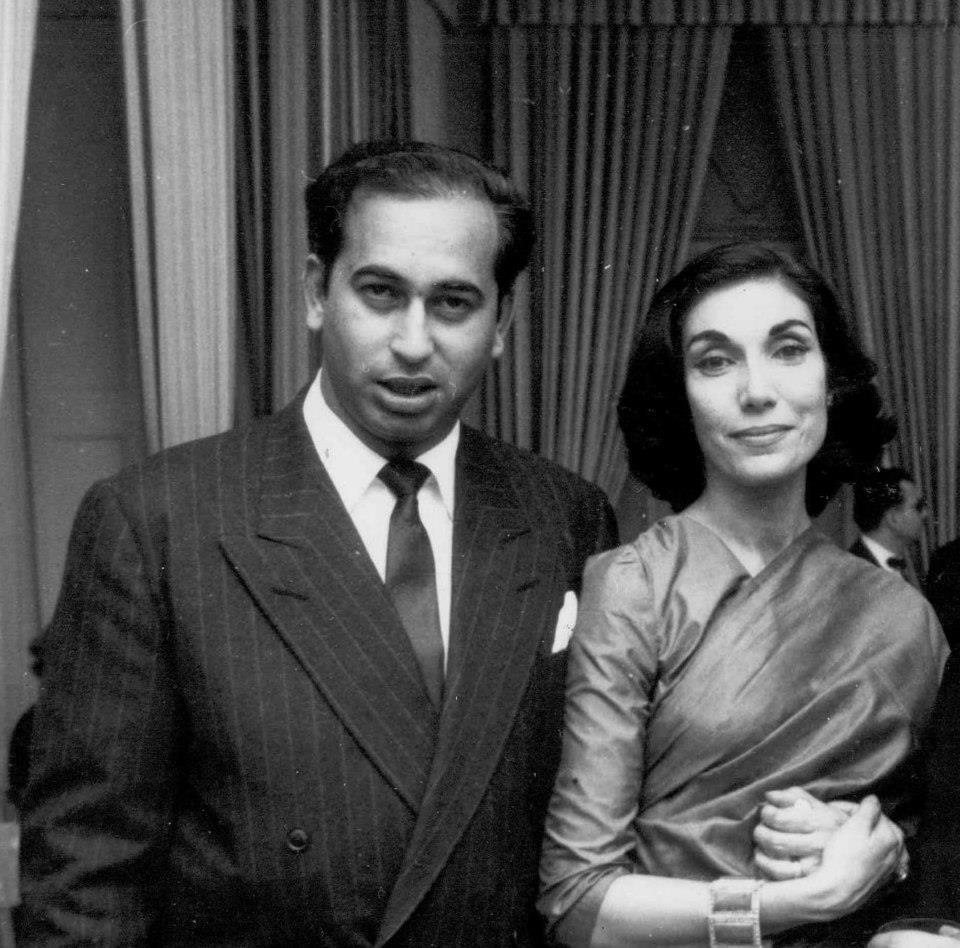
Remembering Nusrat Bhutto: Bilawal recalls grandmother’s struggle
The Express Tribune

Second death anniversary of Begum Nusrat Bhutto today


Balochistan: Another tragedy: Train bombing
MATTERS have come to such a pass in Balochistan that there’s barely time to cope with one tragedy when another one strikes. Following last month’s massive earthquake in the province, and subsequent attacks by Baloch separatists on government and military aid teams, the Quetta-bound Jaffar Express was hit by a blast in Nasirabad district on Monday. At least six people were killed and many others injured. It was sheer good fortune that the death toll was not higher, given that the explosion was of such magnitude that several bogies were derailed and the track was damaged. Coming from Rawalpindi, the train carried many who were returning after celebrating Eid with their families in Punjab.
Responsibility for the attack has been claimed by the proscribed Baloch Republican Army that cites military operations, discrimination against the province by the centre and denial of rights to the native population as reasons for its bloody tactics. True, Baloch grievances are many and legitimate, and it is not surprising that militancy is increasing in intensity. But the targeting of civilians must be condemned in the strongest terms. As elsewhere in the country, innocents have often been targeted in Balochistan, and migrants from other provinces are particularly vulnerable. But much of the blame also rests with the security establishment and political governments in the past and now. They have either actively contributed to Balochistan’s descent into chaos or have simply stood by, not taking remedial action, and thus causing the province to be split along several fault lines. From the issue of underdevelopment to that of missing persons reportedly in the illegal custody of the security apparatus, too many matters have been left to fester. What will it take for the state to wake up to its responsibilities?
Balochistan: Why no international aid to Awaran?
Pakistan: Opposition to protest in NA against electricity, POL price hike


Minorities under pressure in Pakistan
 Being a member of an ethnic or religious minority in Pakistan brings with it inherent risks - something dramatically illustrated in Peshawar last month when a bomb attack on a church killed at least 85 people.
The US State Department’s International Religious Freedom Report for 2012 notes that the 5 percent who constitute the non-Muslim population in a country of just over 190 million face persecution in many forms, including “attacks on houses of worship, religious gatherings, and religious leaders perpetrated by sectarian, violent extremist, and terrorist groups.” These result in hundreds of deaths during the year.
The plight of non-Muslim citizens has been taken up repeatedly by monitoring organizations. In a statement following the Peshawar church attack, Zohra Yusuf, chairperson of the Lahore-based Human Rights Commission of Pakistan (HRCP), said: “HRCP calls upon the government to explain its plan to confront this menace and take meaningful steps to reassure the non-Muslim citizens of Pakistan that the government has the will and the ability to protect their lives and religious freedoms.”
Like Christians, Hindus, who make up just under 2 percent of the population, face growing persecution, particularly in the form of their “forced” conversion to Islam, notably of young girls who are wed to Muslims and made to adopt Islam.
“We hear of dozens of such cases,” said Amarnath Motumal, a Karachi-based lawyer and Hindu community leader. “We have no issue when an adult Hindu woman, aged over 18 years, opts to marry a Muslim, but in the case of 14- or 15-year-olds, coercion and even abduction is not uncommon. Besides, the marriage of girls under 16 years is against the law.”
Parliament has taken up the issue of the conversion and abduction of Hindus. A report based on an inquiry begun last year is expected soon.
The Ahmadi community
Members of the minority Ahmadi community, which faced the worst attack in its history in 2010 in Lahore when around a 100 were killed, say they live in constant fear.
The group considers itself Muslim, but was in 1974 declared non-Muslim under Pakistani law, on the basis of beliefs seen by orthodox groups as being controversial. There are an estimated 3-5 million Ahmadis in Pakistan.
“Naturally there is fear. Pamphlets are distributed, saying Ahmadis should be killed as infidels,” said Qamar Suleman, a spokesman for the Ahmadi community in the town of Rabwah in the Punjab.
“Attacks on members of our community are reported from across the country, threats are made to them and recently, in educational institutions, there has been an increase in harassment, even of very young children. A plan was made by the peers of an Ahmadi college girl at a Lahore private institution to have her run over by a car.”
He said he saw no signs of improvement in the situation - indeed many talk of a deterioration.
Ethnic Hazaras
The ethnic Hazara minority, comprising some 6,000-7,000 people according to its leaders, have also faced attacks.
It is targeted both because it is an ethnic minority concentrated in certain parts of Quetta and speaking Farsi, and because nearly all Hazaras are Shia. “The Hazaras are targeted due to both these factors, and we have no protection,” Abdul Qayuum Changezi, chairman of the Hazara Jarga representing the community, told IRIN.
For months, the community has lived under siege with roads to predominantly Hazara areas blockaded, but this has not prevented bomb attacks such as the one in January this year that killed 96. Other attacks have taken place since then.
The Kihal community
The Kihal are another community under pressure. Samu Kihal, a member of the indigenous Kihal community with whom IRIN last spoke in 2010 said: “Things have been getting worse and worse for us since then. People say we are `dirty’ and now they sometimes don’t even pay us as beggars - saying they will give their money only to Muslims.”
The Kihals have for centuries lived along the banks of the River Indus, making their living from fishing or using reeds to construct river craft.
However, rapid development along the Indus, and in some cases, according to Samu Kihal, “the seizure of lands that were ours for generations” have threatened their livelihoods and homes.
While the Kihals say they are Muslim, the majority population rejects this on the basis that they eat `impure’ food prohibited to Muslims, such as crocodile meat. As a nomadic population they are also not entitled to national ID cards, which require a fixed address, meaning that Kihals cannot vote. “We are not even considered people,” Samu Kihal said.
The Kalash community
Being a member of an ethnic or religious minority in Pakistan brings with it inherent risks - something dramatically illustrated in Peshawar last month when a bomb attack on a church killed at least 85 people.
The US State Department’s International Religious Freedom Report for 2012 notes that the 5 percent who constitute the non-Muslim population in a country of just over 190 million face persecution in many forms, including “attacks on houses of worship, religious gatherings, and religious leaders perpetrated by sectarian, violent extremist, and terrorist groups.” These result in hundreds of deaths during the year.
The plight of non-Muslim citizens has been taken up repeatedly by monitoring organizations. In a statement following the Peshawar church attack, Zohra Yusuf, chairperson of the Lahore-based Human Rights Commission of Pakistan (HRCP), said: “HRCP calls upon the government to explain its plan to confront this menace and take meaningful steps to reassure the non-Muslim citizens of Pakistan that the government has the will and the ability to protect their lives and religious freedoms.”
Like Christians, Hindus, who make up just under 2 percent of the population, face growing persecution, particularly in the form of their “forced” conversion to Islam, notably of young girls who are wed to Muslims and made to adopt Islam.
“We hear of dozens of such cases,” said Amarnath Motumal, a Karachi-based lawyer and Hindu community leader. “We have no issue when an adult Hindu woman, aged over 18 years, opts to marry a Muslim, but in the case of 14- or 15-year-olds, coercion and even abduction is not uncommon. Besides, the marriage of girls under 16 years is against the law.”
Parliament has taken up the issue of the conversion and abduction of Hindus. A report based on an inquiry begun last year is expected soon.
The Ahmadi community
Members of the minority Ahmadi community, which faced the worst attack in its history in 2010 in Lahore when around a 100 were killed, say they live in constant fear.
The group considers itself Muslim, but was in 1974 declared non-Muslim under Pakistani law, on the basis of beliefs seen by orthodox groups as being controversial. There are an estimated 3-5 million Ahmadis in Pakistan.
“Naturally there is fear. Pamphlets are distributed, saying Ahmadis should be killed as infidels,” said Qamar Suleman, a spokesman for the Ahmadi community in the town of Rabwah in the Punjab.
“Attacks on members of our community are reported from across the country, threats are made to them and recently, in educational institutions, there has been an increase in harassment, even of very young children. A plan was made by the peers of an Ahmadi college girl at a Lahore private institution to have her run over by a car.”
He said he saw no signs of improvement in the situation - indeed many talk of a deterioration.
Ethnic Hazaras
The ethnic Hazara minority, comprising some 6,000-7,000 people according to its leaders, have also faced attacks.
It is targeted both because it is an ethnic minority concentrated in certain parts of Quetta and speaking Farsi, and because nearly all Hazaras are Shia. “The Hazaras are targeted due to both these factors, and we have no protection,” Abdul Qayuum Changezi, chairman of the Hazara Jarga representing the community, told IRIN.
For months, the community has lived under siege with roads to predominantly Hazara areas blockaded, but this has not prevented bomb attacks such as the one in January this year that killed 96. Other attacks have taken place since then.
The Kihal community
The Kihal are another community under pressure. Samu Kihal, a member of the indigenous Kihal community with whom IRIN last spoke in 2010 said: “Things have been getting worse and worse for us since then. People say we are `dirty’ and now they sometimes don’t even pay us as beggars - saying they will give their money only to Muslims.”
The Kihals have for centuries lived along the banks of the River Indus, making their living from fishing or using reeds to construct river craft.
However, rapid development along the Indus, and in some cases, according to Samu Kihal, “the seizure of lands that were ours for generations” have threatened their livelihoods and homes.
While the Kihals say they are Muslim, the majority population rejects this on the basis that they eat `impure’ food prohibited to Muslims, such as crocodile meat. As a nomadic population they are also not entitled to national ID cards, which require a fixed address, meaning that Kihals cannot vote. “We are not even considered people,” Samu Kihal said.
The Kalash community
 The Kalash community, who inhabit three valleys in Chitral District, Khyber Pakhtunkhwa Province, are a pagan group. They follow an animist faith.
“In my lifetime of over 70 years I have seen our culture torn apart; our people convert to Islam just to stay safe, even though in practice they follow our ancient beliefs,” said Shimshaala Bibi, in Chitral.
Apart from the pressures on them to convert, incidents such as the 2009 kidnapping of a Greek charity worker have led to a worsening in their situation.
Though NGO activist Athanassios Lerounis was released some seven months after his abduction, allegedly by Taliban-style militants, the incident brought more security force deployments in the Kalash valleys and, according to local people, a bigger threat from the Taliban who frequently target state forces.
“Because there are more men in uniform, we fear more attacks,” said Razzak Shah, from the main Kalash Valley of Bumburit.
The Kalash are thought to number 3,000-4,000 individuals, with a rapid fall in numbers seen mainly as a result of forced conversions to Islam. Estimates as to numbers vary, with some accounts stating there are around 6,000 Kalash.
Bibi says people who try to help them have been driven away, and she fears a day could come when the Kalash exist “no more”.
The Shia community
While the Shia sect, making up some 25 percent of the Muslim population, considers itself a part of the Muslim majority, it has in recent times been subjected to more and more attacks by orthodox groups from the Sunni majority community who question some of their beliefs.
In July this year, 57 Shias died in a bomb attack in a market place in the town of Parachinar in the Kurram Tribal Agency, and Shia groups continue to protest the killing of Shias, notably in Karachi.
The Kalash community, who inhabit three valleys in Chitral District, Khyber Pakhtunkhwa Province, are a pagan group. They follow an animist faith.
“In my lifetime of over 70 years I have seen our culture torn apart; our people convert to Islam just to stay safe, even though in practice they follow our ancient beliefs,” said Shimshaala Bibi, in Chitral.
Apart from the pressures on them to convert, incidents such as the 2009 kidnapping of a Greek charity worker have led to a worsening in their situation.
Though NGO activist Athanassios Lerounis was released some seven months after his abduction, allegedly by Taliban-style militants, the incident brought more security force deployments in the Kalash valleys and, according to local people, a bigger threat from the Taliban who frequently target state forces.
“Because there are more men in uniform, we fear more attacks,” said Razzak Shah, from the main Kalash Valley of Bumburit.
The Kalash are thought to number 3,000-4,000 individuals, with a rapid fall in numbers seen mainly as a result of forced conversions to Islam. Estimates as to numbers vary, with some accounts stating there are around 6,000 Kalash.
Bibi says people who try to help them have been driven away, and she fears a day could come when the Kalash exist “no more”.
The Shia community
While the Shia sect, making up some 25 percent of the Muslim population, considers itself a part of the Muslim majority, it has in recent times been subjected to more and more attacks by orthodox groups from the Sunni majority community who question some of their beliefs.
In July this year, 57 Shias died in a bomb attack in a market place in the town of Parachinar in the Kurram Tribal Agency, and Shia groups continue to protest the killing of Shias, notably in Karachi.
نواز شریف پنجاب کو طالبان سے بچاتے رہے تو کوئی صوبہ نہیں بچے گا،خورشید شاہ
http://www.express.pk/
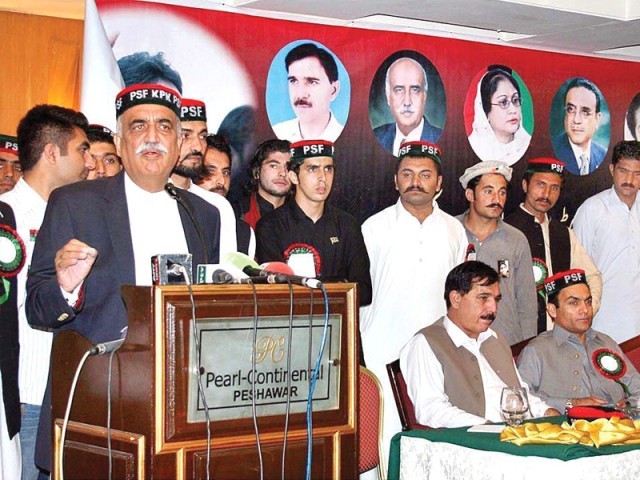
قومی اسمبلی میں اپوزیشن لیڈرسیدخورشید شاہ نے کہا ہے کہ اگر وزیراعظم نوازشریف پنجابی طالبان کے ساتھ معاملات ٹھیک کرتے ہوئے صرف پنجاب کو بچانے کے چکروں میں ہیں تویہ اقدام فیڈریشن کیلیے انتہائی خطرناک ہوگا کہ ایک صوبہ توپرامن ہواوردیگر3آگ میں جلتے رہیں تاہم یہ یادرکھاجائے کہ وہ ایک صوبہ بھی اس آگ سے بچ نہیں پائے گا۔ حکومت کو فوری طور پر فیصلہ کرنا چاہیے جس کے لیے اسے پہلے ہی اختیار دیاجاچکاہے،شیخ رشید اپوزیشن لیڈر بن رہے ہیں یا نہیں اس بارے میں کچھ نہیں کہناچاہتا،پیپلزپارٹی جلد ہی ملک بھر میں پارٹی انتخابات کرائے گی جس کے لیے تیاریاں جاری ہیں۔منگل کوپشاور میں پارٹی رہنما سید ظاہر علی شاہ کی رہائش گاہ پر میڈیاسے بات چیت کرتے ہوئے انھوں نے کہاکہ پیپلزپارٹی ،پارٹی انتخابات کیلیے جلد ہی مرکز اور چاروں صوبوں میں آرگنائزرز مقرر کرے گی جن کے ساتھ تین ،تین رکنی کمیٹیاں بھی ہوں گی جو 72 دنوں میں پارٹی انتخابات کاعمل مکمل کرے گی، الیکشن کچھ غلطیوں اور کچھ زیادتیوں کی وجہ سے ہارے ،جہاں تک پارٹی کے اندراختلافات یا گروپنگ کا تعلق ہے توجتنی بڑی کشتی ہوگی اتنے ہی جھٹکے بھی لگیں گے تاہم سب کاقبلہ ذوالفقارعلی بھٹوہی کی طرف ہے۔ پرویز مشرف نے نواز شریف کو باہر چھوڑا تھا اوراب نواز شریف، پرویز مشرف کو چھوڑیں گے عمران خان بادشاہ آدمی ہیں وہ کبھی طالبان کو دفتر کھول کردینے کی بات کہتے ہیں ،بلاول بھٹوزرداری نے18 اکتوبر کو جو تقریر کی ہے وہ ایک اچھا آغاز تھاجہاں تک شکیل آفریدی کے حوالے سے معاملہ ہے کہ تو ہمارااپنا آئین اور قانون موجودہے اس لیے ہمیں غلام بن کرنہیں بلکہ ایٹمی قوت کے طور پر فیصلے کرنے چاہئیں۔قبل ازیں پی ایس ایف کے زیراہتمام پشاورکے مقامی ہوٹل میں بھٹو ازم اسٹڈی سرکل کے زیر اہتمام پروگرام سے خطاب کرتے ہوئے انہوں نے کہا کہ وفاقی حکومت جس 1.6 ارب ڈالر کی امداد پر خوشیاں منارہی ہے یہ کوئی نئی رقم نہیں بلکہ یہ وہی کیری لوگر بل کی قسط ہے جومختلف وجوہات کی بناء پر رکی ہوئی تھی ۔
Afghan-US talks: A bad end to the ‘good war’?
Tuesday, October 22, 2013
Facebook: Why beheadings ... and not breasts?


A Pakistani Christian Nurse is in Danger.... I Do not want to Marry Muslim
 Ghulam Muhammad, an influential and feared Muslim businessman in Sanghar District, has threatened to abduct Nazia Masih and disfigured her with acid because she has refused to marry him. The man is known to police because of several complaints against him of kidnappings and rapes. Yet he lives with impunity. Now Nazia’s whole family is in danger. “We are Christians and poor,” she said. “In Pakistan, our honour and property are not safe.” For a Catholic priest in Karachi, “This is shameful”. The authorities “need to do something to protect them.”
Pakistan’s small Catholic community has been shaken again by another case of violence. An influential Muslim businessman in the district of Sanghar has repeatedly threatened a Catholic nurse who has refused to marry him, filing a case against her when she became engaged to another man. Despite the threats, the situation seems under control for now. Police, which so far aided and abetted the Muslim man, has been forced to provide protection to the Catholic woman thanks to pressure from Christian groups and moderate Muslims.
It all began when Ghulam Muhammad decided he wanted to marry Nazia Masih (pictured), a Catholic nurse from Padri-Jo-Goth, Sanghar District, who works at Cheniot Hospital.
Muhammad approached her with a proposal to marry him and convert to Islam. After she turned him down, he threatened to abduct her and disfigure her with acid.
Regrettably, Muhammad has a certain reputation in the district as someone who has already abducted, raped and forcibly converted local Hindu women to Islam. Those who dared sue him for rape were in fact unable to obtain justice.
On her way home on 10 May, Nazia Masih was approached by four armed men who warned her to accept Muhammad’s proposal or else. After harassing her, they drove away. Frightened, she sought help at work but hospital authorities refused.
The girl’s parents decided then to anticipate her engagement to Ejaz Joseph, a local Christian, on 26 May. However, Ghulam Muhammad interrupted the ceremony accompanied by several police officers who, without evidence of any crime, tried to arrest the couple.
Luckily, after the involvement of village elders, police took her father and brother away, but released them a few hours later. Eventually, Nazia’s persecutor decided to change tactic and tried to pressure Joseph with dire consequences if he do not leave the nurse.
The girl’s family decided again to ask the authorities for help and filed a complaint at the police station in Sanghar. Once more, Muhammad’s influence thwarted an investigation into the matter.
In fact, police told Nazia that her tormentor now claimed that she was his wife, and that a family court would have to sort things out. This in turn caused an uproar in the Christian community and among moderate Muslims. The court eventually decided not to intervene in the case of false marriage.
Still, Ghulam Muhammad did not give up and began threatening not only Nazia’s relatives but also Sister Maria Khurshid, the head nun at Saint Teresa Hospital in Mir Purkhas and a close friend of Nazia. The nun called on the authorities to provide the nurse with protection, but failed even to get them to issue a warning against the Muslim man. The situation is now at an impasse.
On Saturday, Muhammad filed another complaint to get police to force Nazia to marry him.
“I feel unsafe and face many problems and threats,” Nazia Masih told AsiaNews. “I am also angry because my family is in danger as a result of that person’s behavior. We are Christians and poor. That is why these things always happen to us. In Pakistan, our honour and property are not safe.”
“This is shameful,” said Fr John James, from the diocese of Karachi. “Such incidents should be strongly condemned by society. Countless Hindu girls are abducted every month from the interior of Sindh, and the authorities are silent about it. They need to do something to protect them. We call on the authorities to provide protection to Nazia Masih and her family.”
- See more at: http://www.christiansinpakistan.com/i-do-not-want-to-marry-muslim-a-pakistani-christian-nurse-is-in-danger/#sthash.QOAaYcwl.PmhBXjNE.dpuf
Ghulam Muhammad, an influential and feared Muslim businessman in Sanghar District, has threatened to abduct Nazia Masih and disfigured her with acid because she has refused to marry him. The man is known to police because of several complaints against him of kidnappings and rapes. Yet he lives with impunity. Now Nazia’s whole family is in danger. “We are Christians and poor,” she said. “In Pakistan, our honour and property are not safe.” For a Catholic priest in Karachi, “This is shameful”. The authorities “need to do something to protect them.”
Pakistan’s small Catholic community has been shaken again by another case of violence. An influential Muslim businessman in the district of Sanghar has repeatedly threatened a Catholic nurse who has refused to marry him, filing a case against her when she became engaged to another man. Despite the threats, the situation seems under control for now. Police, which so far aided and abetted the Muslim man, has been forced to provide protection to the Catholic woman thanks to pressure from Christian groups and moderate Muslims.
It all began when Ghulam Muhammad decided he wanted to marry Nazia Masih (pictured), a Catholic nurse from Padri-Jo-Goth, Sanghar District, who works at Cheniot Hospital.
Muhammad approached her with a proposal to marry him and convert to Islam. After she turned him down, he threatened to abduct her and disfigure her with acid.
Regrettably, Muhammad has a certain reputation in the district as someone who has already abducted, raped and forcibly converted local Hindu women to Islam. Those who dared sue him for rape were in fact unable to obtain justice.
On her way home on 10 May, Nazia Masih was approached by four armed men who warned her to accept Muhammad’s proposal or else. After harassing her, they drove away. Frightened, she sought help at work but hospital authorities refused.
The girl’s parents decided then to anticipate her engagement to Ejaz Joseph, a local Christian, on 26 May. However, Ghulam Muhammad interrupted the ceremony accompanied by several police officers who, without evidence of any crime, tried to arrest the couple.
Luckily, after the involvement of village elders, police took her father and brother away, but released them a few hours later. Eventually, Nazia’s persecutor decided to change tactic and tried to pressure Joseph with dire consequences if he do not leave the nurse.
The girl’s family decided again to ask the authorities for help and filed a complaint at the police station in Sanghar. Once more, Muhammad’s influence thwarted an investigation into the matter.
In fact, police told Nazia that her tormentor now claimed that she was his wife, and that a family court would have to sort things out. This in turn caused an uproar in the Christian community and among moderate Muslims. The court eventually decided not to intervene in the case of false marriage.
Still, Ghulam Muhammad did not give up and began threatening not only Nazia’s relatives but also Sister Maria Khurshid, the head nun at Saint Teresa Hospital in Mir Purkhas and a close friend of Nazia. The nun called on the authorities to provide the nurse with protection, but failed even to get them to issue a warning against the Muslim man. The situation is now at an impasse.
On Saturday, Muhammad filed another complaint to get police to force Nazia to marry him.
“I feel unsafe and face many problems and threats,” Nazia Masih told AsiaNews. “I am also angry because my family is in danger as a result of that person’s behavior. We are Christians and poor. That is why these things always happen to us. In Pakistan, our honour and property are not safe.”
“This is shameful,” said Fr John James, from the diocese of Karachi. “Such incidents should be strongly condemned by society. Countless Hindu girls are abducted every month from the interior of Sindh, and the authorities are silent about it. They need to do something to protect them. We call on the authorities to provide protection to Nazia Masih and her family.”
- See more at: http://www.christiansinpakistan.com/i-do-not-want-to-marry-muslim-a-pakistani-christian-nurse-is-in-danger/#sthash.QOAaYcwl.PmhBXjNE.dpuf
Veena Malik Not Interested In Salman-Shahrukh Movies


Message of Bilawal Bhutto On 2nd death anniversary of Madir-e-Jamhoriyat Begum Nusrat Bhutto
Bilawal Bhutto Zardari, Patron-In-Chief of Pakistan People’s Party has paid glowing tributes to Begum Nusrat Bhutto on her second death anniversary and termed her as Mother of Democracy who fought valiantly for the nation against the dictatorship. In his message on the occasion, Bilawal Bhutto Zardari said Begum Nusrat Bhutto lost her husband Shaheed Zulfikar Ali Bhutto, two sons Shaheed Mir Murtaza Bhutto, Shaheed Shahnawaz Bhutto and a daughter Shaheed Mohtarma Benazir Bhutto in the struggle of nation for restoration of democracy and people’s rights.http://mediacellppp.wordpress.com/

Bilawal, moulding the future politics of Pakistan
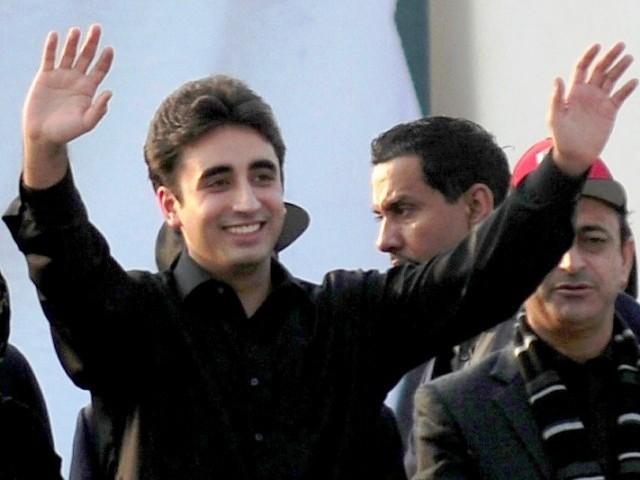 These have been the question I and many of my other office bearers of the party had to answer when we used to interact with our political opponent who mostly are right wing activist or somehow have their inclination towards the vote bank known to us as Anti-Bhutto vote bank.
Finally on the last Friday our leader & our 25 years young Bilawal Bhutto Zardari he himself gave them a sound reply when he was interacting to his workers for the very first time at any public place in Karachi & it was at the monument constructed in the memory of our young brave workers who back on 18th October 2007 sacrificed their lives to save their mother & sister safe from the savage attack by Tehreek-e-Taliban.
For every generation of PPP there has been a Karbala where we fought, we have been fighting & we will continue fighting against the tyranny & oppressors & 18th October has been the Karbala of my generation where PPP lost its 200 young workers and around 500 plus were injured in twin blasts took place at Karsaaz on Shaheed Benazeer Bhutto’s reception.
To pay tribute to the martyrs of Karsaaz tragedy chairman Bilawal Bhutto Zardari choose his first ever public place speech in Karachi at the monument of martyrs of Karsaaz tragedy where he was being accompanied by most nearest trustees of Shaheed Benazir Bhutto including Mian Razza Rabbani, Syed Qaim Ali Shah & Sherry Rehman but such things usually go in waste when the opponents of PPP criticize PPP that it’s not the one which was there when Shaheed Benazir Bhutto was alive.
Chairman Bilawal’s ten minute speech at the monument of Karsaz tragedy reflected the true image of Shaheed Zulfiqar Ali Bhutto’s personality from his clothes to his gestures during his speech everything was common between him & his grandfather Shaheed Zulfiqar Ali Bhutto not only this but also as his mother & grandfather both had never bothered about their security and they used to breach their own security citadel to meet their workers , same was witnessed at Karsaz where Chairman Bilawal Bhutto Zardari who has been facing threats to his life but didn’t bother about his security & getting out of his vehicle he was lost somewhere in workers & his security staff was seen saying to workers ” Bhai Humein choro hum Chairman ke security mein hein ” Let us get in & near Chairman we are part of chairman’s official security.
A peoples leader never compromises with prevailing conditions & speaks his ideology & what masses want to hear from him & young Bilawal absolutely did it in his speech at Karsaaz where he knew that neither the workers of Karachi nor an ordinary citizen of Karachi is happy with those claim to be king & kite of Karachi, he didn’t spare them for a second those have been part of various conspiracies against PPP & democracy including MQM, PTI & those religious lunatics who claim to be saviors of Islam but in clarity they sell their name using Islam as their brand.
The way he roared against Tehreek-e-Taliban & terrorists It made clear about the future politics of Pakistan Peoples Party and that it has no plans to make entire nation surrender in front of a handful of terrorists who do not believe in Pakistan’s constitution but in the supremacy of suicide bombings. His speech also charged the workers of Karachi with a new soul when he pledged that they would cut the ‘kite flying through telephone from London and this was what his workers wanted to listen for last many years but only only workers this statement truly was a representation of masses living in Karachi & want an everlasting peace & freedom from united kingdom because Karachites are independent in name but not independent in mind, karachites have been too long under British tutelage and what young Bilawal stated no one ever had the courage to say even want to make readers remember Pakistan Tehreek-e-Insaf’s 25th December gathering in Karachi where Imran Khan kept bad mouthing against the then President of Pakistan & against Nawaz Sharif but couldn’t utter a word against our respected Altaf Bhai even though he was standing in a crowd of thousands.
In short Bilawal’s 18th October speech was a ten minute speech but it was a statesman’s speech which not only has molded the future politics of Pakistan but has also shed light on the fact that Bhutto’s are the essence of their workers neither the Taliban nor Pakistan’s establishment can keep this essence away from workers that’s why despite threats to his life he reached among his workers who lost their loved ones in Karsaaz tragedy.
Young Bilawal Bhutto Zardari knows about the political difficulties for him but he feel, he is convinced that he receives the blessings of the downtrodden class of Pakistan specially his workers of his party & this is the great satisfaction for him, the way he ensured his workers that he can’t live without them, he is from them & he belongs to them was nothing less than the words uttered by Shaheed Zulffiqar Ali Bhutto addressing to his workers in Karachi – June 1972.
The historic struggle started on 30th November 1967 went through various stages where it faced persecutions, gallows, character assassination, exiles & humiliations but the fact is struggle has been continued & will remain continue. Young Bilawal’s address has enlightened the fact that the destination for socialist revolution is now not so far in which the labors, lawyers.
Students, teachers & peasants have been struggling since PPP’s date of inception. Karsaaz speech is merely the beginning of an arduous journey this is the first step and not the end of historic struggle. We shall not rejoice too much even if we feel satisfied. The road ahead is very difficult but neither the young Bilawal Bhutto Zardari will leave workers nor the workers will leave him because we both have been partners in each other’s pain & privilege. Tomorrow is our & not theirs.
These have been the question I and many of my other office bearers of the party had to answer when we used to interact with our political opponent who mostly are right wing activist or somehow have their inclination towards the vote bank known to us as Anti-Bhutto vote bank.
Finally on the last Friday our leader & our 25 years young Bilawal Bhutto Zardari he himself gave them a sound reply when he was interacting to his workers for the very first time at any public place in Karachi & it was at the monument constructed in the memory of our young brave workers who back on 18th October 2007 sacrificed their lives to save their mother & sister safe from the savage attack by Tehreek-e-Taliban.
For every generation of PPP there has been a Karbala where we fought, we have been fighting & we will continue fighting against the tyranny & oppressors & 18th October has been the Karbala of my generation where PPP lost its 200 young workers and around 500 plus were injured in twin blasts took place at Karsaaz on Shaheed Benazeer Bhutto’s reception.
To pay tribute to the martyrs of Karsaaz tragedy chairman Bilawal Bhutto Zardari choose his first ever public place speech in Karachi at the monument of martyrs of Karsaaz tragedy where he was being accompanied by most nearest trustees of Shaheed Benazir Bhutto including Mian Razza Rabbani, Syed Qaim Ali Shah & Sherry Rehman but such things usually go in waste when the opponents of PPP criticize PPP that it’s not the one which was there when Shaheed Benazir Bhutto was alive.
Chairman Bilawal’s ten minute speech at the monument of Karsaz tragedy reflected the true image of Shaheed Zulfiqar Ali Bhutto’s personality from his clothes to his gestures during his speech everything was common between him & his grandfather Shaheed Zulfiqar Ali Bhutto not only this but also as his mother & grandfather both had never bothered about their security and they used to breach their own security citadel to meet their workers , same was witnessed at Karsaz where Chairman Bilawal Bhutto Zardari who has been facing threats to his life but didn’t bother about his security & getting out of his vehicle he was lost somewhere in workers & his security staff was seen saying to workers ” Bhai Humein choro hum Chairman ke security mein hein ” Let us get in & near Chairman we are part of chairman’s official security.
A peoples leader never compromises with prevailing conditions & speaks his ideology & what masses want to hear from him & young Bilawal absolutely did it in his speech at Karsaaz where he knew that neither the workers of Karachi nor an ordinary citizen of Karachi is happy with those claim to be king & kite of Karachi, he didn’t spare them for a second those have been part of various conspiracies against PPP & democracy including MQM, PTI & those religious lunatics who claim to be saviors of Islam but in clarity they sell their name using Islam as their brand.
The way he roared against Tehreek-e-Taliban & terrorists It made clear about the future politics of Pakistan Peoples Party and that it has no plans to make entire nation surrender in front of a handful of terrorists who do not believe in Pakistan’s constitution but in the supremacy of suicide bombings. His speech also charged the workers of Karachi with a new soul when he pledged that they would cut the ‘kite flying through telephone from London and this was what his workers wanted to listen for last many years but only only workers this statement truly was a representation of masses living in Karachi & want an everlasting peace & freedom from united kingdom because Karachites are independent in name but not independent in mind, karachites have been too long under British tutelage and what young Bilawal stated no one ever had the courage to say even want to make readers remember Pakistan Tehreek-e-Insaf’s 25th December gathering in Karachi where Imran Khan kept bad mouthing against the then President of Pakistan & against Nawaz Sharif but couldn’t utter a word against our respected Altaf Bhai even though he was standing in a crowd of thousands.
In short Bilawal’s 18th October speech was a ten minute speech but it was a statesman’s speech which not only has molded the future politics of Pakistan but has also shed light on the fact that Bhutto’s are the essence of their workers neither the Taliban nor Pakistan’s establishment can keep this essence away from workers that’s why despite threats to his life he reached among his workers who lost their loved ones in Karsaaz tragedy.
Young Bilawal Bhutto Zardari knows about the political difficulties for him but he feel, he is convinced that he receives the blessings of the downtrodden class of Pakistan specially his workers of his party & this is the great satisfaction for him, the way he ensured his workers that he can’t live without them, he is from them & he belongs to them was nothing less than the words uttered by Shaheed Zulffiqar Ali Bhutto addressing to his workers in Karachi – June 1972.
The historic struggle started on 30th November 1967 went through various stages where it faced persecutions, gallows, character assassination, exiles & humiliations but the fact is struggle has been continued & will remain continue. Young Bilawal’s address has enlightened the fact that the destination for socialist revolution is now not so far in which the labors, lawyers.
Students, teachers & peasants have been struggling since PPP’s date of inception. Karsaaz speech is merely the beginning of an arduous journey this is the first step and not the end of historic struggle. We shall not rejoice too much even if we feel satisfied. The road ahead is very difficult but neither the young Bilawal Bhutto Zardari will leave workers nor the workers will leave him because we both have been partners in each other’s pain & privilege. Tomorrow is our & not theirs.
Pakistan: Experts see no future of Govt-Taliban peace talks’
 Defence and security analysts, who are closely monitoring Prime Minister Nawaz Sharif’s visit to the United States (US), see a major shift in his tone and tenor vis-à-vis the dialogue process with the banned Tehreek-e-Taliban Pakistan (TTP) while en route to Washington.
They say the peace process may remain a "non starter" due to the changes taking shape in and across the region.
In a detailed conversation with Pakistan Today on Monday, eminent journalist and security expert Salim Safi, and noted defence analysts Lt General (r) Talat Masood and Brig (r) Mahmood Shah were of the view that the dialogue may remain a dream as all the major players involved in the talks – including the TTP and the ruling parties in the Centre and Khyber Pakhtunkhwa (KP) – were politicising the issue just to grab attention and win political mileage rather than making a real effort to sit together and resolving the issues with sincerity.
Since the conclusion of the all parties conference (APC) in last week of September during which all political forces of the country had resolved to hold dialogue with the TTP, the PML-N government has taken no practical steps in this regard so far.
Sources in the government claim that the dialogue process had been derailed by the Taliban soon after the APC when two top military officers, including the Malakand general officer commanding (GoC), had been assassinated by Taliban.
On the other hand, the experts say the Taliban have also increased attacks against the KP government and the military including the assassination of KP law minister Israrullah Gandapur, who was killed on Eidul Azha.
Safi said the dialogue process had not begun so far despite the passage of a month since the APC. He said he did not see any breakthrough as the government looked confused and its leadership lacked clarity in this regard.
"I can safely state that I don't see any breakthrough in the dialogue process and this will remain a non-starter," he asserted.
During the discourse, Masood said the prime minister's remarks made in London reflected his attempt to give a message to the world that Pakistan wanted to hold unconditional talks with the Taliban but the response from the Taliban was in negative.
"Despite the government's talks offer, the Taliban carried on attacking the military and civilians and did not help create conducive environment for the talks. Now in the wake of Nawaz Sharif’s US trip, I don’t expect that talks with militants will succeed. Talking alone won’t be fruitful and policy of carrot and stick may work. The Taliban would carry on attacks on military and civilians and the government's response finally would be in the same manner," he added.
Asked if this meant that the onus of the failure of the dialogue process lay with the Taliban, General Masood said the responsibility of failure of dialogue process would rest with the Taliban and not the government.
"The Taliban are hampering the government’s efforts to raise the social sector and the life of the common public. All they are interested is to impose their writ and expand it further," he said.
He said the army was now in a transitional phase. "As far as the appointment of the new army chief is concerned, no individual appointment will matter and any officer given the duty would handle any operation or talks process," he said.
"If the army does not cleanse the TTP leadership by year 2014, the Taliban will turn into a very potent force and they will cultivate more and more strength in league with the other likeminded factions".
Eminent defence strategist Shah said the PML-N government looked cautious and its leadership was confused and threatened while dealing with the subject.
"Probably, Prime Minister Nawaz Sharif knows that the government will finally have to take action against the TTP and that is why he is buying time as he is afraid that any action will have a reaction in Punjab where his own party's government will be attacked. Anyway, the Sharifs will have to adopt a clear stance under a clear headed approach".
He said the TTP leadership was not serious in talks and the unabated attacks against the army and the KP government functionaries reflected that they wanted to fight.
“The PTI and other pro-talks parties are politicising the issue. There is a race between the PML-N, the JUI-F and the PTI for taking stronger pro-Taliban stance. But they can't appease the Taliban who will target each and every party or local elder who has capacity to organise the locals. In past they were attacking the ANP and the PPP and now they are attacking the PTI," he said.
He said PTI Chairman Imran Khan had sabotaged the APC, saying that only talks could resolve the matter. "I wonder how the federal and the KP governments will pass through their five-year tenures with such a policy," he said.
- See more at: http://www.pakistantoday.com.pk/2013/10/22/news/national/experts-see-no-future-of-govt-ttp-peace-talks/#sthash.tclQ9erg.dpuf
Defence and security analysts, who are closely monitoring Prime Minister Nawaz Sharif’s visit to the United States (US), see a major shift in his tone and tenor vis-à-vis the dialogue process with the banned Tehreek-e-Taliban Pakistan (TTP) while en route to Washington.
They say the peace process may remain a "non starter" due to the changes taking shape in and across the region.
In a detailed conversation with Pakistan Today on Monday, eminent journalist and security expert Salim Safi, and noted defence analysts Lt General (r) Talat Masood and Brig (r) Mahmood Shah were of the view that the dialogue may remain a dream as all the major players involved in the talks – including the TTP and the ruling parties in the Centre and Khyber Pakhtunkhwa (KP) – were politicising the issue just to grab attention and win political mileage rather than making a real effort to sit together and resolving the issues with sincerity.
Since the conclusion of the all parties conference (APC) in last week of September during which all political forces of the country had resolved to hold dialogue with the TTP, the PML-N government has taken no practical steps in this regard so far.
Sources in the government claim that the dialogue process had been derailed by the Taliban soon after the APC when two top military officers, including the Malakand general officer commanding (GoC), had been assassinated by Taliban.
On the other hand, the experts say the Taliban have also increased attacks against the KP government and the military including the assassination of KP law minister Israrullah Gandapur, who was killed on Eidul Azha.
Safi said the dialogue process had not begun so far despite the passage of a month since the APC. He said he did not see any breakthrough as the government looked confused and its leadership lacked clarity in this regard.
"I can safely state that I don't see any breakthrough in the dialogue process and this will remain a non-starter," he asserted.
During the discourse, Masood said the prime minister's remarks made in London reflected his attempt to give a message to the world that Pakistan wanted to hold unconditional talks with the Taliban but the response from the Taliban was in negative.
"Despite the government's talks offer, the Taliban carried on attacking the military and civilians and did not help create conducive environment for the talks. Now in the wake of Nawaz Sharif’s US trip, I don’t expect that talks with militants will succeed. Talking alone won’t be fruitful and policy of carrot and stick may work. The Taliban would carry on attacks on military and civilians and the government's response finally would be in the same manner," he added.
Asked if this meant that the onus of the failure of the dialogue process lay with the Taliban, General Masood said the responsibility of failure of dialogue process would rest with the Taliban and not the government.
"The Taliban are hampering the government’s efforts to raise the social sector and the life of the common public. All they are interested is to impose their writ and expand it further," he said.
He said the army was now in a transitional phase. "As far as the appointment of the new army chief is concerned, no individual appointment will matter and any officer given the duty would handle any operation or talks process," he said.
"If the army does not cleanse the TTP leadership by year 2014, the Taliban will turn into a very potent force and they will cultivate more and more strength in league with the other likeminded factions".
Eminent defence strategist Shah said the PML-N government looked cautious and its leadership was confused and threatened while dealing with the subject.
"Probably, Prime Minister Nawaz Sharif knows that the government will finally have to take action against the TTP and that is why he is buying time as he is afraid that any action will have a reaction in Punjab where his own party's government will be attacked. Anyway, the Sharifs will have to adopt a clear stance under a clear headed approach".
He said the TTP leadership was not serious in talks and the unabated attacks against the army and the KP government functionaries reflected that they wanted to fight.
“The PTI and other pro-talks parties are politicising the issue. There is a race between the PML-N, the JUI-F and the PTI for taking stronger pro-Taliban stance. But they can't appease the Taliban who will target each and every party or local elder who has capacity to organise the locals. In past they were attacking the ANP and the PPP and now they are attacking the PTI," he said.
He said PTI Chairman Imran Khan had sabotaged the APC, saying that only talks could resolve the matter. "I wonder how the federal and the KP governments will pass through their five-year tenures with such a policy," he said.
- See more at: http://www.pakistantoday.com.pk/2013/10/22/news/national/experts-see-no-future-of-govt-ttp-peace-talks/#sthash.tclQ9erg.dpuf
Pakistan: Nawaz administration Soft on the Taliban
BY ZAHID HUSSAINWHITHER the much-talked-about talks with the Pakistani Taliban? There is no sign yet of them taking off. But even if the talks happen it would be more like talks between the victor and the vanquished. While the national leadership pleads for mercy, the militants dictate the modalities of the surrender to the state. With no will to fight, the Sharif administration has already conceded too much ground to the Taliban with extremely dangerous consequences for national security, and it may not be easy to retrieve the situation. The latest escalation in violence, including the killing of a senior Khyber Pakhtunkhwa minister, makes the intention of the militants even clearer — talks but only on their terms. It was frightening to watch Hakeemullah Mehsud on BBC recently, arrogantly justifying the killing of those who do not subscribe to the Taliban’s retrogressive worldview. “We have targeted those who are with the infidels, America, and we will continue to target them,” the Tehreek-i-Taliban Pakistan (TTP) chief declared. For him, whoever is not with them is an infidel and deserves to be killed. His triumphant tenor and newfound confidence was shocking. Just a few months ago, the TTP chief was afraid for his own safety. The group was dealt a serious blow after the death of Waliur Rehman, the deputy commander of the TTP, in a drone strike. Surely, the inaction of the government has given a new lifeline to his supporters. In a more recent interview, the TTP spokesman Shahidullah Shahid said that they would never engage in talks under the Pakistani Constitution since it enshrines democracy, which according to him is a secular and un-Islamic system. He also wants the Sharia’s enforcement in the country. Are these preconditions acceptable to the state? They will be tantamount to legitimising a Taliban dictatorship. Emboldened by the government’s dithering and the defeatist approach of political leaders such as Imran Khan, the TTP is now threatening to eliminate journalists and intellectuals who are challenging its tyranny. What is most appalling is the complete silence of the political leaders over these death threats. But it must not surprise us since these leaders did the same when the militants targeted the activists of the Awami National Party during the May 11 elections, virtually pushing it out of the poll race. In fact, the Pakistan Tehreek-i-Insaf (PTI) to some extent owes its electoral success in KP to the compromise it had made with the Taliban. It is also fear that drives the PTI’s current pro-TTP policy. But what Imran Khan and his supporters do not understand is that appeasement may not protect them for long. The message was clear when the militants murdered provincial law minister Israrullah Gandapur in a suicide attack on Eid day. He was the third provincial assembly member to be killed by the militants in the past few months. It is now several weeks since the all-party conference mandated the government to initiate the so-called peace talks with the militants. But there is still no clear strategy for negotiations. There is huge ambiguity over whom the administration intends to talk to. The TTP is a loose group of more than 30 factions and each one has its own views on the negotiations. Moreover they are not bound by the decisions taken by Hakeemullah Mehsud. Most TTP groups have publicly rejected the government’s peace offer. It is not surprising that different factions accepted responsibility for the recent terrorist attacks in KP. For instance, the Peshawar church attack was carried out by the TTP’s Mohmand branch which is totally opposed to any peace talks with the Pakistani state. Imran Khan has come out with a bizarre demand of allowing the outlawed militant network to open its office in Pakistan to clear the way for dialogue. The sheer ridiculousness of the suggestion aside, it is not clear whether the PTI chief wants offices for all the TTP factions. Then, there are also numerous splinter factions of outlawed Pakistani militant groups operating from North Waziristan. Known as the Punjabi Taliban, they may be cooperating with the TTP in carrying out terrorist attacks, but they have their own specific agendas too. One of the most powerful Punjabi Taliban leaders, Asmatullah Muawiya, is, perhaps, the only one who has publicly supported the government’s peace offer. This positive response apparently came only after the prime minister suspended the execution of two members of the Lashkar-i-Jhangvi convicted on several murder charges. Muawiya had threatened to target the members of the Sharif family and to unleash terrorist attacks in Punjab. There cannot be long-term peace with the government buckling under terrorist threats. I recently watched a speech of Muawiya on video, on the killing of Osama bin Laden. In a most vitriolic diatribe against the Pakistani security forces, the militant leader vowed to carry out the mission of the late Al Qaeda chief. Does the Sharif government understand the ramifications of dealing with Al Qaeda affiliates and those responsible for sectarian killings? Not only would peace deals with such groups clear the way for the Talibanisation of Pakistan, they would also be dangerous for regional security. More importantly, the move would reinforce the suspicion of the international community about Pakistan’s unwillingness to fight against violent extremism. Indeed, there is very little hope of achieving peace through dialogue with the militants. But more worrisome is whether the administration has an alternative plan to deal with the worsening security situation. The choice is not between dialogue and a military operation. The state must use all options to enforce the rule of law. No state can allow its writ to be challenged by armed groups, or a parallel system to operate. What is needed are measures to strengthen the civilian law-enforcement and intelligence networks to deal with the menace of militant violence. The government has to act more firmly if it wants to eliminate terrorism in Pakistan. The threat cannot wither away by romancing the enemy.
Subscribe to:
Posts (Atom)