Tuesday, January 18, 2022

Opinion | The Al-Qaida Operative, Antisemite and Pakistani National Hero Who Inspired the Texas Synagogue Terrorist


Kunwar Khuldune Shahid
@khuldune
  The story of Aafia Siddiqui, and her zealous fans, exposes the intersection of Islamist violence, Pakistani politics, raging antisemitism and the relentless, hypocritical apologists for terror, from Islamabad to the U.S.
Why would a U.K. citizen travel to Texas and target a synagogue, taking Jews hostage, for the sake of a convicted terrorist who is also a Pakistani national hero?
The story of Aafia Siddiqui, and her zealous fans, is a long saga about the intersection of Islamist violence, Pakistani politics, antisemitism and the relentlessness of apologists for terror, from Islamabad to the United States.
Malik Faisal Akram, a 44-year-old British man from Blackburn, perpetrated a jihadist attack targeting the Congregation Beth Israel synagogue in Colleyville, Texas last Saturday. Before being shot dead by an FBI rescue team, the attacker had taken four hostages and demanded the release of Pakistani neuroscientist Aafia Siddiqui, whom the jihadist called "my sister" during the failed raid.
Since 2010, Siddiqui has been serving an 86-year sentence in a Fort Worth prison for shooting U.S. soldiers in Afghanistan. Before her arrest in Afghanistan in 2008, she luxuriated in the titles of "Lady Al-Qaida" (for her numerous connections with the group) and the "world’s most wanted woman." Despite all this, every single Pakistani regime since Siddiqui’s arrest has made her release a rallying cry.
Siddiqui’s links to Al-Qaida and Jaish-e-Muhammad, a terrorist group with ties to al-Qa’ida and the Taliban, have been well established by Afghan, Pakistani and U.S. intelligence. When she was first detained in Afghanistan, she was said to be carrying plans for a "mass casualty attack" at U.S. sites, including the Brooklyn Bridge, the Statue of Liberty and the Empire State Building, documents related to weaponizing the Ebola virus as a weapon, and instructions on how to make chemical weapons.
Siddiqui confirmed in confessions to the FBI that her second marriage was to Ammar al-Baluchi – the 9/11 mastermind Khalid Sheikh Muhammad’s nephew. Al-Baluchi was arrested soon after for plotting a bombing campaign in Karachi and U.S. attacks; Siddiqui assisted him with planning the latter. He is now a prisoner in Guantanamo Bay.
Following her U.S. terror conviction, then-Pakistani Prime Minister Yusuf Raza Gillani dubbed Aafia Siddiqui "Daughter of the Nation," and that honorific was formally bestowed upon her by a 2018 Senate resolution during the incumbent Imran Khan regime.
The issue was such a national priority that, in his sole White House meeting with President Donald Trump in 2019, Khan offered a prisoner exchange, swapping Aafia Siddiqui for Shakil Afridi, the doctor who helped the U.S. track down Osama bin Laden and who is serving a 33 year jail sentence in an unknown location in Pakistan. It was an exchange initially suggested by the U.S. in 2012 but, at the time, categorically rejected by Pakistan.
Of course, no one in Islamabad would want to allude to the fact that Siddiqui herself was actually arrested by Pakistani security agencies as a terrorism suspect in 2003. She remained a wanted terrorist in Pakistan between 2003 and 2008, when she was arrested by the Afghanistan police over a bombing plot in Ghazni province, before shooting at U.S. army and FBI officials during their investigation of her case.
Indeed, mental gymnastics is the preferred vocation of the Pakistani leadership, and Imran Khan has now taken them to new heights by. Islamabad’s bizarre duplicity on Siddiqui is both familiar and even understated when one considers that Khan loudly called Osama Bin Laden a "martyr" in parliament, and lauded the Taliban for "breaking the shackles of slavery" while leading a country that has taken over $33 billion from the U.S. to uphold that "slavery."
While domestic Islamist parties have rallied for her release over the past 14 years, Siddiqui’s name doesn’t only resonate in Pakistan. Vows to avenge Siddiqui, and offers to exchange prisoners with her, have come from major global jihadist outfits, including the Taliban, Al-Qaida, and ISIS, with attacks being orchestrated as a persuasive tactic towards this aim. Indeed, 57 people have already been killed over the years by jihadis seeking Siddiqui's release.
Tehrik-e-Taliban Pakistan, known as the Pakistani Taliban, a jihadist group responsible for years of bloodshed within the country, even formed an "Aafia Siddiqui Brigade" dedicated to her release. In addition to jihadists, radical Islamist preachers, even in the West, have rallied behind Siddiqui as a symbol of the West’s alleged victimization of Muslims. Even nominally non-Islamist Muslim representative groups, like the Council on American Islamic Relations (CAIR), have designated advocacy days for Siddiqui and not for any of the many other Muslims, including women, being denied fundamental rights in American prisons.
And once we start scratching the surface of why Aafia Siddiqui has attracted such vehement backers, from terrorist groups who celebrate suicide bombers to apparently mainstream advocacy groups, we’ll also find the reason as to why the Texas synagogue became the target of the jihadist maneuver designed to free her. It's been confirmed that 20 years ago Faisal Akram, the hostage-taker shot dead in Texas, was banned from a Blackburn court after telling staff he wished he'd been on one of the 9/11 planes attacking the USA. He was described as a "menace" and excluded from the magistrates court.
Aafia Siddiqui’s vocal support for jihad was evident in her early years in the early 1990s as an undergraduate student at the University of Houston. Before being involved in the web of global jihad post 9/11, she had raised funds for al-Kifah, which was linked to the 1993 World Trade Center bombing.
Her long-standing ideological support for jihad against infidels – and the desire to make America a ‘Muslim land’ – is well-documented and collaborated. And that’s precisely what has made her the poster girl for the Islamist cause in the West. By deeming any crackdown on jihad sympathizers or any counterterror measures in the West as ‘Islamophobic,’ no matter that they are also undertaken by Muslim states, many groups seek to shield an Islamist network that rests on jihadist ideology. In Aafia Siddiqui, they’ve found the ideal representation of their ideas and ambitions, but also an ideal poster child for what they consider systematic injustice against Muslims, someone with a sufficient buffer of ‘inconclusive evidence’ to delink her – and in turn themselves – from Islamic terrorism.
And the Congregation Beth Israel terror raid, along with the reaction to it, perfectly epitomizes this.
In addition to its relatively close physical proximity to the prison where Siddiqui is being held, the synagogue was chosen for the attack as hat-tip to her virulently antisemitic beliefs, which are an inevitable baggage of Islamism. In her trial, Siddiqui maintained she was actually being targeted by Israel, citing the conspiracy theories which are second nature to all jihadists, claiming the verdict came "from Israel and not from America."
Seeing in reporting that Aafia Siddiqui said at her sentencing hearing that she doesn’t want violence in her name. That’s true. Also true, two minutes before that she told a federal judge “Israel masterminded 9/11”.
Siddiqui wanted jury members to be "genetically tested" for signs of being "Jewish or Zionist" and if found, that they be removed. Likewise, she serially asked to fire her own lawyers because they were Jewish (despite her defense counsel being paid for to the tune of $2 million by the Pakistani government). In a letter to Barack Obama, she wrote that Jews are "cruel, ungrateful, backstabbing… [which is] why ‘holocausts’ keep happening to them repeatedly." She even cited Quranic verses asking Muslims to "not take Jews and Christians as allies," while deriding Pakistan for allying with the U.S. to capture the 1993 World Trade Center bomber Ramzi Yousef. Almost laughably, Siddiqui’s trial lawyer claimed her client was "not antisemitic but pro-Palestinian."
So how did the so-called ‘representative’ and certainly high-profile Muslim organization CAIR respond to the synagogue attack? While it condemned it, they obviously did so without calling it out as a jihadist attack. Instead, CAIR’s statement makes it appear as though a deliberate attack on a synagogue in the name of a prominent antisemitic jihad sympathizer (if not jihadist) is incomprehensible, even when synagogues, from Paris to Istanbul, Djerba to Copenhagen, have been consistent targets of Islamist terror. CAIR, hence, is also unlikely to address its own antisemitic or jihadist roots, which prompted even the UAE to list it as a terrorist group.
Populist leaders in the Muslim world who push an Islamist narrative studded with antisemitic tropes, like Turkey’s Recep Tayyip Erdogan and Pakistan’s Imran Khan (who likes to equate caricatures of Muhammad with the Holocaust) do so in the name of "protecting" Muslims. Groups like CAIR in the West are their back-up. Meanwhile, jihadist attacks on Jews will continue to be glorified as "resistance" – to Jewish plots or Zionist imperialism – across the globe.
And Islamist ideologues like Aafia Siddiqui, 'living martyr,' folk hero, al-Qaida operative and prisoner number 90279-054, will continue to boost that antisemitic jihad, whether or not they are the ones actually pulling the trigger.
https://www.haaretz.com/us-news/.premium-the-al-qaida-operative-antisemite-and-pakistani-national-hero-who-inspired-the-texa-1.10545760

Taliban Militants Claim Responsibility for Rare Attack in Pakistan’s Capital

The outlawed Pakistani Taliban claimed responsibility Tuesday for a rare overnight attack in Islamabad that killed a police officer and wounded two others.
Police officials said two gunmen riding a motorcycle opened fire on a security checkpoint near one of the city’s busy markets late on Monday. They say the ensuing shootout killed both the assailants.
“The gunfire by terrorists martyred a police officer while two others were wounded,” said a police statement. The Pakistani Taliban, known as Tehrik-i-Taliban Pakistan or TTP, claimed responsibility for the attack in a statement on Twitter and confirmed the killing of its two gunmen involved in it.
The TTP has increased attacks in Pakistan, particularly since early December when a 30-day ceasefire between the militants and the government expired.Afghanistan’s ruling Taliban had brokered the truce to try to pave the way for substantive peace talks between the two adversaries. But the Pakistani Taliban refused to extend the ceasefire deal, citing a lack of progress in the talks.
Over the years, the TTP has claimed responsibility for carrying out hundreds of suicide bombings and other attacks in Pakistan that killed thousands of Pakistani civilians and security forces.
Pakistan says TTP leaders and fighters have taken refuge in neighboring Afghanistan from where they are organizing cross-border terrorist attacks.
Last week the TTP confirmed the killing of one of its top commanders in the eastern Afghan border province of Nangarhar. The dead man was identified as senior leader Khalid Balti but it was not clear who killed him.
The United Nations and the United States have also designated the Pakistani Taliban as a global terrorist organization.
The Pakistani Taliban is the largest militant outfit fighting the Pakistani government. TTP and the Afghan Taliban are close allies and jointly fought the United States-led international forces that backed the Western-supported government in Afghanistan until their pullout last year.
https://www.voanews.com/a/taliban-militants-claim-responsibility-for-rare-attack-in-pakistan-s-capital-/6401515.html

#Pakistan #PPP - Bilawal offers conditional reconciliation with PDM


PPP leader says alliance should drop the idea of en masse resignations, adopt a strategy of the no-confidence motion.

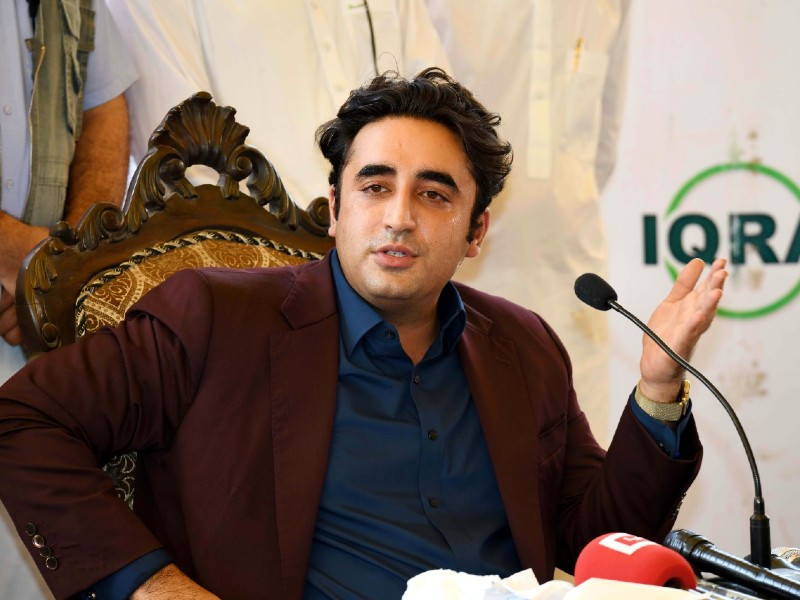
Pakistan Peoples Party (PPP) Chairman Bilawal Bhutto Zardari on Tuesday said his party would rejoin the Pakistan Democratic Movement (PDM) provided that the multi-party alliance dropped its proposal for en masse resignations and adopted his strategy of the no-confidence move.

The PPP chairman offered a counterproposal to PDM and once again broached the idea of bringing a no-confidence motion against the Pakistan Tehreek-e-Insaf government – a bone of contention that resulted in the party’s separation from the alliance.

Bilawal’s indication towards the prospects of reconciliation constitutes his first statement since his party poured cold water on the PDM’s idea of en masse resignation, leaving the alliance struggling to salvage its plans to oust the incumbent government.

“My demand from the first day was to bring a no-confidence motion against this government,” Bilawal said during his media talk at the Parliament House on Tuesday.

“The government should be dislodged through democratic means,” the PPP chairman said, adding all parties have to play their role to oust the government.

“We have decided to March on Feb 27, and it does not matter if there is a single march or multiple ones. They will only add to the pressure on the government.”

Every democratic party will have to play its role to rid people of this government, he added.

Bilawal said that there was a high possibility of the opposition working together now that the PDM has come to the same conclusion that PPP had reached earlier.

In a PDM meeting on March 16 last year, Asif Ali Zardari had demanded that ex-PM Nawaz Sharif, who is in London for medical treatment, should return to the country, saying that the leaders should be prepared to go to jails in their struggle.

Apart from Sharif’s return, the meeting had witnessed heated exchanges on tendering resignations from assemblies and defeat of the opposition candidates in the election for Senate top slots. PPP had disagreed with the proposal of linking long march against the government with resignations from the assemblies.

During Tuesday’s talk, Bilawal said that PPP rallies will pass through the constituencies of government MNAs and allies and show them the demand of the people, which is to be liberated from the tyranny of this new Pakistan.

The chairperson said that the reservation regarding the prices of essential commodities being multiplied due to the mini-budget has been proved correct, saying Pakistan had already been facing an economic crisis before the mini-budget, which has now led to the historic price hike, unemployment and poverty.

“The people are being crushed under this burden,” he said, adding that PPP has already decided that it will take to the streets against this incapable government and will start the long march from Karachi on 27 February. “We can never resort to undemocratic practices,” he reiterated.

SBP bill

Commenting on the bill pertaining to granting autonomy to the State Bank of Pakistan (SBP), he regretted that opposition’s amendments were not heard regarding the bill.

“This was the biggest economic attack on the country in its history,” he lamented, adding that after the legislation, SBP is not answerable to the government, parliament, judiciary and the people. “Rather,” he said, “it will be run on the dictation of international financial institutions.”

The account of our defence budget will be in the State Bank and the government, parliament or the judiciary will have no control over it, he said, adding the defence expenditure would be for the world to see and the nuclear programme will be threatened. “This government has attacked our economic sovereignty and democratic liberties,” he said.

Presidential system

Regarding the presidential system, he said that the constitution of the Quaid-e-Awam has given a federal, democratic and parliamentary Islamic republic to the nation, adding “there is no space for a presidential system in the constitution.” Talking about the presidential system, he said that it was an effort to distract the people from the price-hike, unemployment, poverty and agricultural crisis.

PPP has always maintained the respect of the country in the international community, he said, adding that Pakistan had discontinued the NATO supply and demanded an apology from the United States during the Salalah incident. For the first time in history, he recalled, a superpower had apologized to an elected government and its people.

The people always come first for a truly elected government of the people as was the case with Quaid-e-Awam, Shaheed Mohtarma Benazir Bhutto and Asif Ali Zardari. PPP's government in the future will follow the same precedent.

LG polls

The first phase of the local body elections in K-P was the referendum against this government. All the opposition parties outperformed the PTI in those elections. Regarding extremism, Bilawal said that there is a false dichotomy in the country as Islam does not allow for women and children to be killed.


#Pakistan #PTI was funded by prohibited foreign funding accounts during general elections – Central Information Secretary of #PPPP and member of the National Assembly Shazia Atta Marri

 Central Information Secretary of Pakistan Peoples Party Parliamentarians and the member of the National Assembly Shazia Atta Marri has said that the so-called transparency of Pakistan Tehreek-i-Insaf’s foreign funding case has been disclosed publicly which PTI leadership tried to conceal from the Election commission of Pakistan and from the entire nation. 

She said that the incumbent government of PTI was funded by prohibited foreign funding accounts during general elections and now the members of the PTI-led government are only talking lies with the nation regarding the foreign funding case. This she said in reaction to a statement of PTI’s member Farrukh Habib hereon today.

 Ms. Marri alleged that Pakistan Tehreek-I- Insaf was funded by a few Indians and the cheques of funding were issued on the name of the construction of Shoukat Khanum Hospital in the USA to Imran Khan. PTI leadership committed fraud in the donation of a hospital while the money was invested during the general elections on a political party of PTI. 

Ms. Marri added that Akbar S. Babar is a founding member of PTI and he knows all secrets of foreign funding accounts while Imran Khan Niazi is an expert liar and he has done specialization in concealing the facts and truths. 

She said that Niazi and company are bewildered after the disclosure of facts and truth regarding the foreign funding bank accounts by the ECP while Pakistan Peoples Party and PPP-P have already provided all records and the details to the Election Commission of Pakistan. Shazia Marri said that those who voted for Imran Khan during general elections are now cursing him and now the time has come for them who made everyone cry to cry themselves.

https://www.ppp.org.pk/pr/26119/

سانحہ مری کی تمام تر حالات کی ذمہ داری ڈی جی ریسکیو، وزیراعلی پنجاب، سمیت لوکل ایڈمینسٹریشن پر عائد ہوتی ہے، ترجمان بلاول بھٹو زرداری، زوالفقارعلی بدر

لاہور: ترجمان بلاول بھٹو زرداری، زوالفقارعلی بدر کی لاہور میں مختلف نیوز چینلز ، اور قومی اخبارات کے بیورو چیف کے اعزاز میں ظہرانہ، کے موقع پر گفتگو میں پاکستان پیپلز پارٹی کے چئیرمین بلاول بھٹو زرداری کی جانب سے سی ای سی اجلاس میں ہونے والے فیصلے اور 27 فروری کے لانگ مارچ کے اعلان کے بعد تیاریوں کے سلسلہ میں پارٹی تنظیموں کی جاری ورکنگ پر تبادلہ خیال، ملک بھر میں روز بروز بڑھتی ہوئی مہنگائی لاقانونیت انتقامی کارروائیوں سے جان چھڑانے اور حقیقی جمہوریت کی بحالی جدوجہد کو مزید تیز کرنے کیلئے پارٹی تنظیموں، کارکنوں، وکلا ء تنظیموں، سول سوسائیٹی، نوجوان، طلبا، اداروں کی ٹریڈ یونینز سے وابستہ افراد، تاجر برادری کی بھر شمولیت کو یقینی بنایا جائیگا،
ایک سوال کے جواب میں زوالفقار علی بدر کا کہنا تھا کہ ملک کے اندر صدارتی نظام کی بجائے پارلیمانی نظام بہتر کیا جائے تو بہتر ہوگا، کیونکہ صدارتی نظام کا ملک متحمل نہیں ہوسکتا، اگر ایمرجنسی کی صورت میں کوئی اقدام کیا گیا تو وہ غیر آئینی ہوگا، ایمرجنسی کی آئین میں کوئی گنجائیش نہیں ہے،
ترجمان بلاول بھٹو زرداری کا مزید کہنا تھا کہ سانحہ مری کے اندر تمام تر حالات کی زمہ داری ڈی جی ریسکیو، وزیراعلی پنجاب، سمیت لوکل ایڈمینسٹریشن پر عائد ہوتی ہے جنہیں فوری طور پر استعفی دینا چاہیںے تھا۔

https://www.ppp.org.pk/pr/26123/


Monday, January 17, 2022

Music Video - #MLKDay - Bob Marley - Get Up Stand Up

Video - #MLKDay - Martin Luther King - I Have A Dream Speech - August 28, 1963

#MLKDay - Americans see Martin Luther King Jr. as a hero now, but that wasn't the case during his lifetime

Analysis by Harry Enten
Martin Luther King Jr. was a civil rights leader and an American hero. Almost every American adult (95%) believes he was an important figure in American history in CBS News polling.
But it wasn't always that way. The fact that King is now beloved and has a national holiday commemorating his birthday wasn't something that obviously was going to happen during his lifetime.This shows us that often the fight for civil rights is unpopular at the time, and it only becomes popular retrospectively.
During the 1960s, King was a very divisive figure. The last Gallup poll to ask about his popularity during his lifetime, taken in 1966, found his unfavorable rating was 63%. This included 39% of Americans who gave him a -5 rating on a scale, with -5 being least favorable and +5 being most favorable.
King's highly negative rating came when he had turned his attention from southern de jure segregation toward de facto segregation in northern cities.
But even before then, King was far from a universally liked person. In the middle of 1964, when Congress was in the midst of passing many landmark civil rights laws, King's favorable rating was just 44%. His unfavorable rating was basically equal at 38%. When Americans were asked which three Americans they had the least respect for in a 1964 Gallup poll, King came in second at 42%. This was barely less than the 47% registered by George Wallace, the segregationist governor of Alabama. Only 17% mentioned King's name, when asked which three Americans they had the most respect for.
Perhaps even more revealing is that a lot of White Americans thought King was doing more harm than good for the fight for civil rights. In a 1966 Harris Poll, 50% of White Americans indicated that he was hurting the Civil Rights effort. A mere 36% said he was helping. King's favorable rating among them was 27% in 1966.
Black Americans saw things very differently. The vast majority in 1963 thought his work for equal rights was moving at the right speed (71%) or not fast enough (21%) compared to 8% who believed it was happening too fast. In 1966, 84% of Black adults had a favorable view of him, while 4% had an unfavorable view.Even in the immediate aftermath of his death, many Americans had a negative view of King. Nearly a third (31%) say he brought his 1968 assassination upon himself. Less than a majority (43%) said they were sad (38%) or angry (5%).
By the mid-1970s, views toward King became more positive. The vast majority (67%) of Americans believed the protest marches he led helped to speed up civil rights legislation.That said, it was far from a sure thing that King would be celebrated with a national holiday. Early in the year (1983) that legislation passed Congress and was signed by the president (Reagan), opinion was split down the middle.
A within the margin of error plurality (48%) indicated that they didn't want it to be, as a nearly equal 47% said it should in an ABC News/Washington Post poll. It was only by the end of the year when most Americans (59%) favored the national holiday in a Harris poll. Some states, however, lagged behind. South Carolina was the last state to make Martin Luther King Day a non-optional state holiday, and that didn't happen until 2000.
Arizona was another state that took a long time to make Martin Luther King's birthday a state holiday. The bill failed to pass the state legislature in 1986, and two ballot propositions failed in 1990. The NFL decided to move the 1993 Super Bowl away from the state, as a result. When all Americans were asked about whether they favored or opposed this move, just 25% favored it. The vast majority (63%) said they were opposed to moving the Super Bowl. The move by the NFL had the intended effect. Voters in Arizona passed a law in 1992 to make King's birthday a state holiday. The NFL put the 1996 Super Bowl in the state. As the 20th century turned to the 21st, King's legacy was cemented in the American mind. A near unanimous majority (89%) indicated he was a person they admired in 1999.
In 2011, 94% of Americans had a favorable view of him in Gallup polling. This included an 89% favorable rating among those ages 65 and older. The vast majority of whom were born in 1927 or later. Among that same group in 1966, King's favorable rating was 41%. In other words, King's now uniform popularity isn't only because older generations died out. People's minds changed. King became a lot more popular among many people who didn't like him when he was alive.
https://edition.cnn.com/2022/01/17/politics/mlk-polling-analysis/index.html

Video - #MLKDay #MLKDay2022 - Vice President Harris delivers remarks on Martin Luther King Jr. Day

Video Report - 'Whose Side Are You On?' Biden Commemorates #MLK Day With Message On Voting Rights

#MJtv LIVE: سابق نیوی چیف ایڈمرل (ر) ظفر عباسی کی فوجداری کاروائی کے عدالتی حکم کیخلاف ا اپیل سماعت

Video Report - Nawaz Sharif To Be Replaced? Ishaq Dar Back On TV | Who Is Behind Campaign For Presidential System?

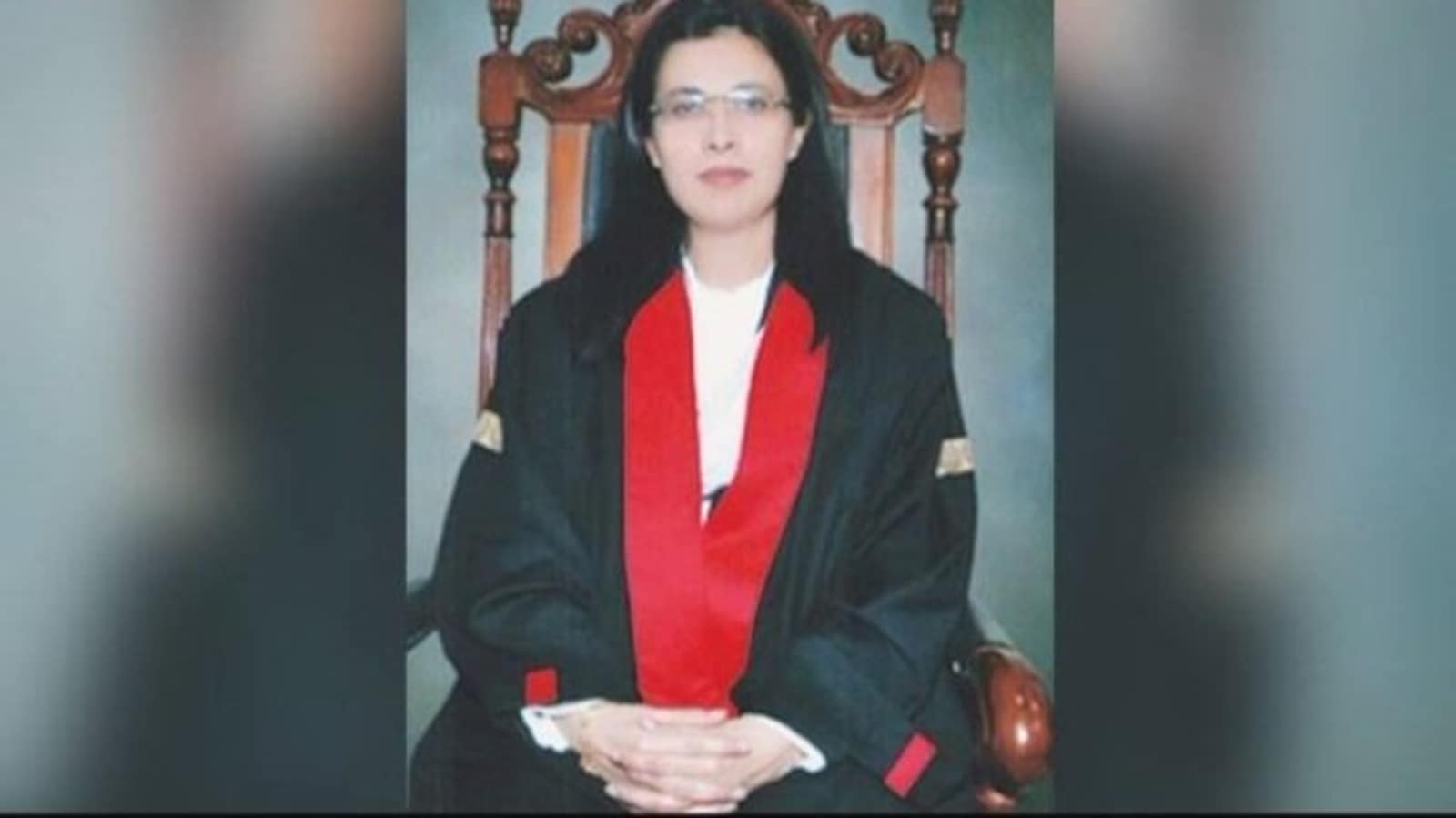
Ayesha Malik: How this Pakistani female judge shatters the glass ceiling


  • By Haroon Janjua 


Justice Ayesha Malik's nomination to the Supreme Court has broken the glass ceiling and her appointment will open increased opportunities for women in the legal field, say, observers.

Pakistan's judicial commission recently confirmed the nomination of the first female Supreme Court judge in the Muslim-majority nation's history, paving the way for Justice Ayesha A. Malik to join the apex court.   

The move has been widely welcomed by the government, lawyers, activists and civil society bodies, calling it a defining moment in the Islamic nation's judicial history.

Pakistan's Chief Justice Gulzar Ahmed supported Malik's nomination.

The next step is a parliamentary panel where Prime Minister Imran Khan's ruling Tehreek-e-Insaf party has more than enough members to affirm her appointment for a 10-year term.

"This is an important development for Pakistan. She is a competent judge and a role model for women in the judicial and legal field," Maleeka Bokhari, a legislator from the ruling party and parliamentary secretary for law and justice, told DW. 

Pakistani judge Ayesha Malik

Many lawyers and even judges said Malik's selection was made in violation of seniority lists

Breaking the glass ceiling 

The Human Rights Commission of Pakistan (HRCP), an independent rights organization, also welcomed the appointment.

"As the first woman judge appointed to the apex court in the country's judicial history, this is an important step towards improving gender diversity in the judiciary, where women reportedly account for only 17% of judges overall and just under 4.4% in the high courts," HRCP stated.

Observers and rights activists believe the move has broken the glass ceiling and her appointment will open increased opportunities for women in the legal field.

"It has definitely broken the glass ceiling. This will have an impact on cases, not specifically those related to gender, but having a woman judge there will increase confidence among women to access justice and reach out to the courts," Nighat Dad, a digital rights lawyer and human rights activist, told DW.

Bokhari also shares a similar view. "It is the beginning of the shattering of the glass ceiling, and we hope more women will end up at the top management level in various fields." 

A remarkable legal career

After completing her basic education from schools in Paris, New York and London, Malik studied law at the Pakistan College of Law in Lahore city. She then went on to pursue higher studies at Harvard University in the US, where she was named a London H. Gammon Fellow 1998-1999 for outstanding merit.

Before she was appointed as a high court judge, Malik worked in various capacities in law firms. She also authored a number of publications on trade and financial services, the issue of judicial independence and Pakistan's secular laws.

Furthermore, Malik had been a reporter for the Oxford Reports on the International Law in the Domestic Courts, a publication of the Oxford University Press.

Malik had also been appearing as pro bono counsel for NGOs working on poverty alleviation, microfinance and skills development programs.

The 55-year-old is currently serving as a judge at the Lahore High Court.

Controversial appointment?

Though historic, the judicial commission's move to elevate her to the Supreme Court has sparked controversy.

The nine-member body that was to confirm her appointment turned down her elevation to the top court last year. The recent vote was close, with five committee members opting for her while four were against.

Many lawyers and even judges said Malik's selection was made in violation of seniority lists, as she was not among the top three most senior judges of the lower court from which she was elevated.

Some lawyers' bodies have threatened to strike and boycott court proceedings, saying their calls for the drafting of fixed criteria for the nomination of Supreme Court judges were ignored.

"There is no question more representation of women is needed in the judiciary. Having a woman there is a positive development but we cannot condone the process through which arbitrary and non-transparent decisions have been made — not just in this instance but prior to this appointment as well," Imaan Mazari, an Islamabad-based lawyer and rights activist, told DW. 

"I don't think the opposition of the bar should have been made controversial — it was not specific to Justice Ayesha Malik, nor did anyone question her competence as a judge. The debate was over the judicial commission's process," said Mazari. 

A step towards gender equality in judiciary

Usama J Malik, a senior lawyer, said that there is a misconception that the majority of male lawyers in Pakistan have opposed Ayesha Malik's elevation to the top court because of her gender.

"Many male lawyers wholeheartedly support her elevation and feel that there should be more female, ethnic and religious minority members in the higher judiciary."

Dad, the digital rights lawyer, said that despite the latest move, more efforts should be made to ensure a greater number of female judges in the nation's high courts and the Supreme Court.

"There should be an increased focus on promoting women judges from lower courts to high courts. Malik has been promoted based on merit and there are many other female judges and lawyers capable of working in higher courts," she said.

https://www.dw.com/en/ayesha-malik-how-this-pakistani-female-judge-shatters-the-glass-ceiling/a-60450671

#Pakistan - Establishment and politics - ''Vital issue of neutrality''

Keeping in view the state of Pakistan’s political culture, one can expect a junior and less responsible political official from government or the opposition to be careless while talking about serious issues that also include civil-military relations. Statements from this category however do not attract much public attention. But when it comes to a senior politician or a federal minister, an irresponsible statement can send alarm bells ringing.
What Federal Information Minister Fawad Chaudhry said about PML-N’s top four seeking to replace Nawaz Sharif was interpreted by many as an attempt to divert attention from Defence Minister’s recent confrontation with PM Imran Khan and PTI MNA Noor Alam Khan’s harsh criticism of his own government. The idea was to convey that there were more challenges to Nawaz Sharif from his own party than to Imran Khan from the PTI. It was however quite alarming when Fawad Chaudhry claimed that the PML-N leaders had met “someone”, implying some high-up in the establishment. An earlier statement by Interior Minister Sheikh Rashid had roused similar feelings when he maintained that the hand that supported PM Khan would soon be on the Sharifs’ neck. Sheikh Rashid has long taken pride in being the establishment’s own man and hence his statement showing establishment’s leanings was widely debated in the media.
Many had welcomed when ISPR Chief warned that politicians should stop dragging the army into politics as it had nothing to do with it. What the statement by Fawad Chaudhry implies is that the establishment still meets politicians while the remarks by Sheikh Rashid indicate it is preparing to act against the PML-N leaders. PML-N Punjab President has categorised Fawad Chaudhry’s remark regarding four PML-N leaders having allegedly met “someone” as factually wrong. According to him if “someone” means establishment or more precisely the army Chief, no one can meet him without prior information and agenda.
Fawad Chaudhry and Sheikh Rashid are among the cabinet heavyweights and hold important portfolios. They have called into question the establishment’s claim of being neutral in politics. It is for those who matter to clear the doubts that are being created about their role.
https://www.pakistantoday.com.pk/2022/01/17/establishment-and-politics/

ملک میں آٹا چینی گندم، کھاد کے بعد ادویات کے خام مال پر ٹیکس سے اب ادویات کا ممکنہ بحران پیدا ہونے کا خدشہ ہے، پاکستان پیپلز پارٹی سیکرٹری جنرل سید نیر حسین بخاری

پاکستان پیپلز پارٹی کے سیکرٹری جنرل سید نیر حسین بخاری نے کہا ہے کہ ملک معاشی بدحالی کی بدترین سطح پر آگیا ہے ملک میں سنگین مالی اقتصادی بحران پیدا کر دیا گیا ہے آئئ ایم۔ایف ڈکٹیشن منی بجٹ کے زرعیے عوام الناس کی زندگیاں اجیرن بنانے اور بغلیں بجانے والے بے رحم بے حس اور انسانیت سے عاری ہیں انہوں نے مزید کہا ہے کہ ملک میں آٹا چینی گندم، کھاد کے بعد ادویات کے خام مال پر ٹیکس سے اب ادویات کا ممکنہ بحران پیدا ہونے کا خدشہ ہے نیر بخآری نے کہا ہے کہ زرعی ملک میں معیشت کی ریڑھ کی ہڈی کسانوں کو کھاد میسر نہیں ملک میں زرعی اجناس فراہم کرنے والے طبقہ کسانوں کو مالیاتی مافیاز کی سرپرستی حکومت نے کھاد لے جانے والی گاڑیوں پر حملے کرنے پر مجبور کردیا ہے نیر بخآری نے سوال اٹھایا ہے کہ کیا یہ ہے تبدیلی کہ کسان کیلئے مہنگی کھاد قطار میں بھی لینا محال ہوگیا ہےحکمران مہنگائی کی چکی میں پسنے والے غریبوں سے ایک وقت کی روٹی بھی چھین رہے ہیں بے حس بے رحم بیمار زہنیت حکمران عوام الناس کے مسائل سے مکمل لا تعلق ہیں نیر بخاری نے مزید کہا ہے کہ
ناقابل برداشت مہنگائی سے خوشحال طبقہ بھی غرباء کی سطح پر آگیا ہے اور حکمران طبقہ عوام الناس کیلئے خون چوس گروہ بن چکے ہیں پی ٹی آئی انتخابی مددگار اور حکومتی شراکت دار اشیاء ضروریہ کی من مانی قیمتوں میں اضافہ کے زریعے انتخابی سرمایہ کاری کی کھلے عام حصہ داری عوام کی جیبوں پر ڈاکوں سے وصول کر رہے ہیں نیر بخآری نے مزید کہا ہے کہ کہا کہ خوشحالی کے جعلی اور جھوٹےدعویداروں نے ملک کی بڑی آبادی روٹی روزگار رہائش سے محروم کر دی گئی ہے پارٹی کو چھت روزگار روٹی چھن جانے والوں کی حمایت سے کوئی نہیں روک سکتا چیرمین بلاول بھٹو کی قیادت میں کسان کاشتکار کے ساتھ روا رکھی جانے ظلم۔الغرض معاشرے کے حکومتی ستائے ہر طبقہ کے شانہ بشانہ کھڑے ہیں 27فروری اسلام آباد لانگ مارچ کے تحت عوامی طاقت سے نالائق ناائل۔حکمرانوں کا آباد بوریا بستر گول کریں گے

https://www.ppp.org.pk/pr/26100/ 

Sunday, January 16, 2022

Video Report - Fareed Zakaria: History warns us about troubles brought by inflation

Video Report - #China #Covid #Omicron Covid-19 epidemic in China: Beijing reports first local Omicron case

Video Report - Biden: 'This Was an Act of Terror'

Video Report - What lies ahead for the global economy in 2022? | Counting the Cost

Video Report - Kaine defends Democratic strategy on voting rights despite Senate roadblocks

Pashto Music Video - Alia Ansari | Khayat |

Video Report - Pak, Iran Role In Stabilising Afghanistan | Pak-US Relations To Improve?

If Pakistan doesn’t value work of non-Muslims like Har Gobind Khorana, science will remain dead


PERVEZ HOODBHOY


 Ideology and science are like oil and water — they refuse to mix.
Dawn article on Har Gobind Khorana (1922-2011) threw me back 50 years when I, along with 600 other students had packed 26-100 (MIT’s largest lecture hall) to hear him speak. Being clueless of the basics of molecular biology, I understood little and left halfway through. Curiosity had driven me there because this famous MIT professor had won the 1968 Nobel Prize and started a brand new field — protein synthesis via nucleotides. More interestingly, he was a Lahori with bachelor and master’s degrees from Punjab University.
Alas! Lahore, to its misfortune, does not know — nor cares to know — who this man was. The same holds true for another of its sons, Subrahmanyan Chandrasekhar (1910-1995), who became a Nobel Laureate in recognition of his definitive work on the death of stars. Today a Nasa satellite named Chandra scours the skies for neutron stars, black holes and other unusual astronomical objects.
The story of Abdus Salam (1926-1996) is too well known to repeat here. Winner of the 1979 physics Nobel, he studied at Government College (GC) Lahore and later taught at Punjab University. However, no road or landmark in Lahore bears Salam’s name — or that of Khorana and Chandrasekhar. While a GC affiliated institution called the Abdus Salam School for Mathematical Studies nominally exists, to display his name on its signboard could be dangerous in a city often gripped by religious fervour.
Less well known is the story of Chowla and Chawla. At GC there have been two mathematicians in number theory. One was Sarvadaman Chowla, an accomplished mathematician who headed the mathematics department from 1937 to 1947. Being Hindu, he left Lahore after the rioting began and went to Princeton University, then the University of Colorado at Boulder, and eventually became professor at the University of Pennsylvania. He died in 1995 and was celebrated as a famous number theorist by the American Mathematical Society with several important theorems to his name.
Unless Pakistanis learn to value the works of non-Muslims, science in Pakistan shall remain dead.
The other was Lal Muhammad Chawla who graduated from Oxford in 1955 and then taught at GC for many years. With rather modest professional achievements, he had only one well cited paper. As a Google search of his publications reveals, Chawla was more interested in writing religious books than advancing mathematics. However, the GC math society is named after Lal Muhammad Chawla and not the more famous and much more accomplished Sarvadaman Chowla. No Hindu scientist is celebrated in Pakistan. Rejecting non-Muslims of high professional merit has come at devastating cost to Pakistan. For one, it lost those who could have helped the newborn country establish a scientific base. For another, it became difficult to create institutional meritocracies. After Partition, many clever ones played the religious or ethnic card and undeservedly rose to positions of high authority. In time they became institutional gatekeepers with catastrophic consequences.
The weakness of science education in Pakistan is too evident to belabour here. Unsurprisingly, our best and brightest young people usually go for soft stuff like medicine, law, and business. Unlike in China or India, hardly any opt for tough, demanding, scientifically oriented careers. So, how can we persuade our children towards them? What stories to tell them about science and scientists? Most importantly, who should be their role models?
This brings up a civilisational problem. Over the last 300 years — which is how old modern science is — there are no Muslim subcontinental names associated with first tier (Nobel calibre) scientific accomplishments (after 1974 Salam must be excluded). Notwithstanding the valiant efforts of Sir Syed Ahmad Khan (1817-1898), Indian Muslims shunned science and the English language. Thus, even at the distant second or third tier level, one finds barely a dozen names. Since one cannot find Muslim science heroes who belong to the soil, books for Pakistani children inevitably valorise Arabs from the Golden Age such as Al-Battani, Ibn-e-Shatir, Ibn-e-Haytham, etc. While these luminaries of Muslim science were genuine path-breakers, they do not serve well as role models. For one, persons from centuries ago cannot inspire today’s children. For another, excitement is inspired by those ‘of your own kind’. Arabs, however, are visibly different from people around here. Ancient Hindu scientists could have found some place in Pakistani books. However, they are excluded on ideological grounds because ‘woh hum main say nahin hain’ (they are not us). Instead, many Pakistanis anxiously seek ancestral roots in Arabia, Afghanistan and Central Asia. But modern laboratory tools are ripping apart dearly held myths of racial origins. Now several genetic marker studies are suggesting that the subcontinent’s Muslims have descended primarily from local Hindu converts with only a few per cent admixture of Arab or Central Asian genes. Excluding Hindu scientists from our books is absurd.
Ideology and science are like oil and water — they refuse to mix. Science cares only about facts and logic, not personal likes and dislikes. History is replete with examples of failed attempts to fuse science with cherished beliefs. When Stalin sought to impose his Marxist views upon Soviet biology through his chosen tout, Trofim Lysenko, he nearly destroyed agriculture and forestry.
Soviet Russia’s good fortune was that it had a scientific community robust enough to counter Lysenko’s meddling. Pakistan has not been so lucky. It has an abundance of charlatans pretending to be scientists but just a few who deserve to be called such. While there is a science ministry, several scientific bodies, and hundreds of institutions that purport to teach or do research in science, no community of genuine scientists exists. High-sounding scientific bodies — such as the Pakistan Academy of Sciences — are a joke. They command no respect internationally and should be dissolved.
Every kind of intellectual endeavour, science included, needs an enabling cultural and social environment to flourish. Science suffocates when scientists are judged by their religion, race, ethnicity or any criterion other than scientific achievement. Before Pakistan can produce any science worth the name, it will need to overcome its deeply held prejudices. It must learn to value all who share the common heritage of humankind. The day we count Khorana, Salam, and Chandrasekhar as our very own, Pakistan will have begun breaking the shackles of scientific under-development.

Pakistani mercenaries tricking J&K youth into terrorism, using them as ‘terror mules’: Officials


Pakistani mercenaries operating in Jammu and Kashmir are tricking the youth into terrorism and using them as “terror mules” who can even be eliminated if they plan to shun the path of violence, senior security officials said on Sunday.Referring to an encounter in Budgam earlier this month and the call details of 24-year-old Wasim Qadir Mir, a resident of Shahzadpora, the officials said he was the latest victim of the despotic behaviour of the Pakistani terrorists who eliminated him during a gunfight with security forces in village Zoiu in the central Kashmir district on January 6.
Mir along with his two Pakistani accomplices were trapped in a cordon-and-search operation, leading to a fierce gunfight, they said, adding by dawn, it was common news that the security forces had eliminated yet another group of terrorists in an encounter but what was uncommon was the way the series of events unfolded during the encounter the preceding night.
“During the encounter Mir wanted to put down his arms probably with an aim to come out and surrender to the security forces but was forced by the two Pakistani terrorists to keep firing back.“Details that emerged later including the post-mortem report further confirmed that Mir was actually killed by members of his own group, as a result of their failed attempts to resist him from surrendering,” a senior official involved in the gunfight said.
Mir was a school dropout who initially worked as an Over Ground Worker and subsequently was recruited into the terror folds in December 2020 by JeM commander Saifulla alias “Lambu Bhai”, a Pakistani terrorist.
Even though Mir’s stint as an active terrorist was short, he had a long list of acts of terror attributed to him, including the Zewan attack in which three police personnel were killed and 11 others were injured on December 13 last year, the officials said.They said it was probably his involvement in a long list of terror-related incidents that prevented him from re-joining the mainstream and eventually when he was given an opportunity by the security forces to save his own life, he did not stand a chance at the hands of the very companions for whom he was working as the “terror mule”.He said as it would have exposed the façade of the so-called local freedom movement and also shown the great human tragedy that the valley has been subjected to for the last three decades by Pakistan-based terror groups.
“As far as Kashmir is concerned, Pakistan’s modus operandi continues to remain the same over the years — infiltrate Pakistani terrorists into the valley in numbers, sizable enough to create and operate cellular groups of 3-4 terrorists, comprising at least one local boy,” he said. The official said Pakistan’s strategic aim remains to mislead the global community and portray terrorism in Jammu and Kashmir as the result of a local uprising and an insurgent movement led by the local youth. They do it by creation of pseudo terror groups, namely Kashmir Tigers and The Resistance Front (TRF), which are only shadow outfits of banned terror groups like Jaish-e-Mohammed and Lashker-e-Taiba respectively.
The shadow groups were created by ISI coupled with the tactical aim of ensuring that these local Kashmiri recruits provide the much-needed logistical support to the foreign terrorists and act as a conduit to keep terrorism in the valley alive. “But in reality, over the years these local recruits have been reduced to nothing but ‘terror mules’, acting as guides for the Pakistani terrorists, carrying the burden of Pakistan’s misinformation campaign and exploited to keep its terror factory up and running in the valley,” the official said. He said the local Kashmiri recruit lies at the heart of this vicious terror cycle, carefully planned and surgically executed by ISI-backed terror groups, including JeM and LeT.
On recruitment of the local youth into terrorism, the official said it all begins with “talent” spotting, where radicalised mind and religious leaning form the virtues of a potential recruit. “After being employed initially for logistical errands, transportation of arms and ammunition and reconnaissance of potential targets, the local Kashmiri boys are tasked to carry out random acts of terror which include grenade throwing, planting IED and stand-off attacks against security forces,” the official said.
“Once the routes back to a normal civil life are severed, the next step is to recruit them into the terror folds, followed with deliberate circulation of their photographs carrying arms, swearing allegiance to proscribed terror groups.
“If the persistence to surrender does not end there, they are intimidated by threatening the life of their loved ones by the same recruiters who forced them into terrorism,” the official said, adding “no matter how hard one tries to give up arms and go back to their home and live a normal life, they just fail to come out of this vicious quicksand of Pakistan’s terror cycle.”
https://theprint.in/india/pak-mercenaries-tricking-jk-youth-into-terrorism-using-them-as-terror-mules-officials/804896/

Imran Khan to face wrath of the people from 27 February – Chairman PPP Bilawal Bhutto Zardari

Chairman Pakistan Peoples Party, Bilawal Bhutto Zardari had a busy day on Sunday. He was met at Zardari House in Islamabad by key personalities of the party and briefed about the preparations for the long march on February 27. Among the persons who called on the Chairman PPP were Anwar Saifullah Khan, Member Central Executive Committee, Asma Arbab Alamgir, Central Deputy Secretary Information of PPP, Syed Zahir Shah, Senior Leader of PPP and Haji Dilbar Khan from PPP District Diamer, Engineer Naveed Iqbal, Nizam Din, Syed Imam Malik Shah and Sherullah.

Talking to the delegations, the Chairman PPP said that with the increase in electricity prices by four rupees, the prices of petroleum have also been increased by more than three rupees which is an economic murder of the people. He said that the long march of PPP was to save the people from inflation and economic crisis. Inflation and unemployment must end and it is necessary now to get rid of Imran Khan. The PPP chairman said that enough is enough and the people would leave for Islamabad on February 27 from every corner of the country to hold Imran Khan accountable for inflation.

He said that increase in petroleum products’ prices after gas and electricity was a robbery on the pockets of the people. The government has mortgaged the people to the IMF. Pakistan’s decisions are being made abroad. He said that Imran Khan would have to face the wrath of the people from February 27for increasing electricity and petrol prices.

https://www.ppp.org.pk/pr/26088/

Saturday, January 15, 2022

Video Report - #Colbert #Comedy #Monologue Drinking Urine Won't Cure Covid | Mike Lindell Wants To Imprison 300 Million Americans

Video Report - The hidden dangers of online trading -

Video Report - Reporter Presses State Dept: Why Should US Tell Putin Where To Move Troops Inside Russia?

Video Report - EU, NATO and Crossing Red Lines | Top Moments from Russian FM’s Press Conference

Video Report - #Hostage #Rabbi #msnbc Man Holds Rabbi, Potentially Others Hostage in Synagogue, Wants Release of Aafia Siddiqui

Video Report - #KhabarSayAagay #NayaDaur #Politics Pervez Khattak Leading Revolt In PTI Against Imran Khan? No-Confidence Move | Saleem Safi

Video Report - Will Pakistan's National Security Policy work?

Pakistan: Child activist goes on a climate education mission

Taliban-Pakistan Ties Run Into Trouble


By 

Taliban’s recent confrontation of Pakistan over its fencing of the disputed Durand Line, which Afghanistan does not recognize, has taken many by surprise.

Tensions between Pakistan and the Afghan Taliban have surged over the past fortnight over Pakistan’s fencing of the Durand Line, the 2,640-kilometer disputed border between the two countries.

Taliban commanders reportedly disrupted fencing of the border in two separate incidents in the last week of December. Videos circulating on social media show Taliban fighters removing fencing at several locations, and warning Pakistani soldiers of action if they continued to pursue the fence building activity.

The incident happened on the very day when representatives of the Organization of Islamic Cooperation gathered in Islamabad to discuss Afghanistan’s humanitarian crisis.

Despite protests from Afghanistan that the fence would divide families living in the Pashtun tribal belt, Pakistan has fenced most of its border with Afghanistan. Underlying Afghan opposition to Pakistani fence is the fact that Afghanistan does not recognize the Durand Line as the international border.

This has been the position of all Afghan governments. It is therefore not surprising that the Taliban interim government has also refused to accord it recognition. What is surprising, however, is that it has gone a step further than previous Afghan governments and openly confronted Pakistan’s fencing plan at a time when the Taliban government is heavily dependent on Islamabad for political and diplomatic support.

Following the incident, Afghan defense ministry spokesman Enayatullah Khwarazmi said Taliban fighters stopped the Pakistani military from building what he described as an “illegal” border fence. In another development on January 4, Taliban foreign ministry spokesperson Abdul Qahar Balkhi tweeted that some incidents along the Durand Line had “given rise to the need for authorities of the two sides to address the problem.”

The next day, Maulvi Sanaullah Sangin, commander of the Taliban’s border forces for the eastern zone, said: “We will not allow the fencing anytime, in any form [along the Durand Line]. Whatever they [Pakistan] did before, they did, but we will not allow it anymore.” On January 7, reports emerged that the Afghan Taliban had captured seven Pakistani security personnel in Gomal district of Paktika province on the Afghanistan-Pakistan border for alleged illegal crossing.

For many in Pakistan, these statements and actions indicate that anti-Pakistan factions within the Taliban’s ranks have not been sidelined and rather appear to be gaining influence over issues that are of significant importance to the Taliban’s supporters and fighters. Pakistan’s fencing project has created resentment among Afghan living along the border regions, as they are opposed to regulations imposed by Pakistan on their cross-border movement.

These groups also include the sympathizers and supporters of the Tehrik-i-Taliban Pakistan (TTP) hiding in the Afghanistan-Pakistan border regions.

It is important to note here that Islamabad has failed to get the Taliban vital diplomatic recognition internationally and the financial assistance that the group desperately needs.

The pro-Pakistan factions within the Taliban ranks have so far only been able to facilitate a dialogue between the TTP and Islamabad, which also fell apart last month. Moreover, the Taliban have not only refused to publicly accept that TTP’s sanctuaries exist in Afghanistan, but also they have actively countered Pakistan’s military attacks, potentially targeting TTP’s hideouts across the Durand Line.

“Some days ago they [Pakistani military] fired some mortars. In response, we fired 32 mortar rounds,” Taliban’s commander of the border forces for the eastern zone, told TOLOnews on January 5.

The Taliban’s unexpected hard line on the border fencing may be partially motivated by the Pakistan government’s tough stance against the TTP’s presence in Afghanistan. If that is the case, then TTP-Taliban ties are far closer than previously understood.

The January 6 statement of Sher Mohammad Abbas Stanikzai, deputy minister of foreign affairs, merits attention in this context. “The Durand Line is an issue of the whole nation, not the government. It doesn’t belong to the government. We will give the responsibility to the nation, so the nation will make the decision,” he said.

His mention of the “whole nation” was a reference to Pashtuns living on both sides of the Durand Line. In essence, it invalidates the legality of the boundary from Afghanistan’s perspective. Moreover, it supports the TTP’s goal to take “control of Pakistan’s border tribal region and make them independent.”

One can question the timing of the incident as the Taliban’s troubles in governance have only begun and the last thing they want is to ruin their relationship with Pakistan. However, if these incidents are emerging at a time when the Taliban are heavily dependent on Pakistan, imagine what would happen once they gain recognition from countries like India, the United States, and the European Union.

The Taliban are quietly pushing on their own to mend ties with countries like India and the U.S. Last week, the Taliban chief spokesman Zabiullah Mujahid applauded India’s humanitarian assistance for Afghanistan. “The Islamic Emirate is grateful to India for its humanitarian assistance and cooperation,” he tweeted.

However, he didn’t publish a single tweet in support of Pakistan’s humanitarian assistance dispatched to Afghanistan last month. Taliban fighters had, in fact, removed Pakistan’s flags from trucks that were carrying humanitarian aid for Afghanistan. These statements and incidents may appear surprising, as many in Pakistan tend to believe that the Taliban are Pakistan’s friends and may respect Islamabad’s wishes on issues of strategic importance to the country.

But this is not the case. While Islamabad may have cultivated a relationship with some leaders of the group, the group’s rank and file do not seem to be appreciative of Pakistan’s role in Afghanistan or celebrating ties with the country.

At this stage, it is unclear if Pakistan will choose to deteriorate its ties with the Taliban after supporting the group’s return to power. Its military leadership is aware of the Taliban’s hostile perception of Pakistan. This is one of the reasons for the military actively pursuing the fencing of the border.

Last year, Pakistani Army Chief General Qamar Javed Bajwa  acknowledged in an off-the-record briefing that the Taliban and the TTP are “two faces of the same coin.”

The Afghan Taliban and the TTP share close ethnic ties and have fought together in the past. Available data suggests that the TTP has gained immensely with the Taliban’s return to power.

It is possible that once the Taliban’s financial difficulties ease, we could see the group actively supporting the TTP in Pakistan’s tribal districts to settle the Durand Line issue and develop some leverage against Pakistan on many other issues.

It does seem that Pakistan’s security woes relating to the border dispute and terrorism will worsen during the Taliban’s rule.

https://thediplomat.com/2022/01/taliban-pakistan-ties-run-into-trouble/

27فروی کو عوام پورے پاکستان سے نکلیں گے اور مہنگائی کے ذمہ دار پی ٹی آئی حکومت سے حساب لیں گے۔ چیئرمین پاکستان پیپلز پارٹی بلاول بھٹو زرداری

 چیئرمین پاکستان پیپلزپارٹی بلاول بھٹو زرداری نے کہا ہے کہ عمران خان سن لیں ساحلوں سے پہاڑوں اور


دریاﺅں کے کناروں سے صحراﺅں تک ہر جگہ سے عوام 27فروی کو اپنا حق لینے اسلام آباد آرہے ہیں۔ 27

فروی کو عوام پورے پاکستان سے نکلیں گے اور مہنگائی کے ذمہ دار پی ٹی آئی حکومت سے حساب لیں گے۔ ہفتہ کے روز زرداری ہاﺅس اسلام آباد میں گلگت بلتستان کی ایگزیکٹو کمیٹی کے اجلاس سے خطاب کرتے ہوئے چیئرمین پیپلزپارٹی نے کہا کہ پاکستان پیپلزپارٹی کا لانگ مارچ ملک کے عوام آدمی کی آواز ہے۔ ملک بھر کے عوام 27فروی کو نکلیں گے اور عمران خان کی حکومت کے خلاف اپنا فیصلہ سنائیں گے۔ انہوں نے کہا کہ عوام کو ایسی حکومت نہیں چاہیے جو ان کے گھروں کے چولہے تک بجھا دے۔ مہنگائی اور بیروزگاری ذمے دارسرکار کے خلاف اب کھلی مذاحمت ہوگی۔ اجلاس میں پیپلزپارٹی گلگت بلتستان کے عہدیداروں نے چیئرمین پیپلزپارٹی کو خطے کی صورتحال سے آگاہ کیا۔

 چیئرمین بلاول بھٹو زرداری کی سربراہی میں ہونے والے اجلاس میں پی پی پی گلگت بلتستا کی سنٹرل ایگزیکٹو کمیٹی کے عہدیداروں نے سنٹرل ایگزیکٹو کمیٹی اور فیڈرل کونسل کے فیصلوں کی توثیق کرتے ہوئے چیئرمین بلاول بھٹو زرداری کو لانگ مارچ کی تیاریوں کے حوالے سے آگاہ کیا۔

 اجلاس میں امجد ایڈووکیٹ، مہدی شاہ، موسی گلگتی، عمران نذیر، بشیر احمد، ایوب شاہ، سید پیر جلال شاہ، محمد علی شاہ، غفار خان، حاجی دلبر خان، مرزا حسین، ڈاکٹر علی مدد شیر، مظفرریلے، شہزاد آغا، اقبال رسول، حاجت علی، حسین علی رانا اور زوار فدا حسین، توقیر مہدی، عباس موسوی، سیف اللہ، سعید امان، محمد طارق، طارق عظیم، فدا کریم، وزیر محمد خان، نیاز علی سیان، سید حیدر شاہ، سید ساجد حسین، محمد حسین، غلام عباس، جی ایم پاروی، کاشف کونجو، وزیر محمد یوسف، محمد بشیر، سید یاور عباس، فیصل کریم، شیر اکبر خان، صاحب خان، ڈاکٹرنسیم محمد فدا، محمد علی پٹھان، احسن علی، منظور حسین، قاسم شاہ، اقبال دلبر اور دیگر نے شرکت کی۔ دریں اثناءچیئرمین پی پی پی بلاول بھٹو زرداری سے نوشہرہ سے تحصیل ناظم کے انتخاب میں حصہ لینے والے عہد خٹک نے بھی ملاقات کی اور تحصیل نوشہرہ میں ناظم کے انتخاب کے حوالے سے آگاہ کیا۔

 وزیر دفاع پرویز خٹک کے آبائی گاﺅں سے پی ٹی آئی کو شکست دینے والے عہد خٹک نے چیئرمین پیپلزپارٹی سے ملاقات کے دوران لانگ مارچ کے حوالے سے گفتگو کرتے ہوئے بتایا کہ لانگ مارچ میں نوشہرہ کے عوام آپ کے ساتھ ہوں گے۔ چیئرمین پیپلز پارٹی سے کے پی کے سینئر نائب صدر محمد علی باچا نے بھی ملاقات کی۔

https://www.ppp.org.pk/pr/26080/