Friday, August 27, 2021

Pakistan’s Support for the Taliban: What to Know

By Manjari Chatterjee Miller
Pakistan’s government and military generally favored a Taliban victory in Afghanistan. But maintaining support for the Taliban is risky.

Why did Pakistani officials cheer the Taliban takeover of Afghanistan?

It is important to note Pakistan’s government and military are not monolithic institutions but rather groups with competing interests. With that in mind, it is true that these groups were generally in favor of a Taliban victory. After the Taliban took over Kabul, Pakistani Prime Minister Imran Khan declared that the Taliban were “breaking the chains of slavery.”

There are three long-standing and overlapping reasons for Khan’s public show of support. First, Pakistan has vested ideological interests in the Taliban. Pakistan was created in 1947 as a Muslim nation and Islam was the glue that was supposed to hold together many otherwise disparate communities with diverse linguistic and ethnic identities. But this was a struggle. In 1971, after a bitter civil war, a large portion of Pakistani territory in the east dominated by the Bengali-speaking community broke away to become Bangladesh. That loss made the Pakistani government particularly paranoid about the western territories of Balochistan and Khyber Pakhtunkhwa, which have large Pashtun or Pashto-speaking populations. Pakistan established madrassas in these territories to emphasize and teach a particularly strict brand of Islam in the hopes that Islamic nationalism would suppress Pashtun nationalism. Taliban leaders, who also espouse Islamic nationalism, were trained in those madrassas.

Afghanistan-Pakistan Border Divides Pashtun Communities
A map of Afghanistan and Pakistan showing Pashtun areas convering on both sides of the Durand Line separating Afghanistan from Pakistan

TURKMENISTAN

CHINA

Pashtun areas

Kabul

Peshawar

AFGHANISTAN

Islamabad

IRAN

Quetta

Durand Line

PAKISTAN

INDIA

0

500 km

ARABIAN SEA

0

200 mi

Note: Data as of June 2021.

Second, Pakistani officials worry about the border with Afghanistan and believe that a Taliban government could ease their concerns. Since 1947, Afghan governments have rejected the Durand Line, which separates Pakistani Pashtun-dominated territories from Afghanistan. Afghanistan, home to a Pashtun majority, claims these territories as a part of a “Pashtunistan” or traditional Pashtun homeland. Pakistan’s government believes that the Taliban’s ideology emphasizes Islam over Pashtun identity.

Third, it is imperative for Pakistan to have a Pakistan-friendly government established in Afghanistan. Pakistan accuses India of seeking to exploit its ethnic and linguistic divisions to destabilize and break up the country. India’s good relationship with former Afghan President Ashraf Ghani’s government did nothing to assuage this concern. A Taliban government could help Pakistan counter India, including by providing a haven for anti-India jihadi groups.

How has Pakistan’s relationship with the Taliban changed since 9/11? 

Pakistan continues to be a major source of financial and logistical support for the Taliban. The Pakistani Inter-Services Intelligence (ISI) agency has supported the Taliban from their inception with money, training, and weaponry. The ISI also maintains strong ties with the Pakistan-based Haqqani network, a militant group that works closely with the Taliban. (Sirajuddin Haqqani, the leader of the Haqqani network, has also been a deputy leader of the Taliban since 2015.) The Taliban own real estate in Pakistan and receive large donations from private individuals in the country.

At the same time, under pressure from the United States, Pakistan has over the years detained—and allegedly tortured—Taliban commanders, including Mullah Abdul Ghani Baradar, a Taliban founder who is now back as one of the group’s chief leaders. Moreover, the current Pakistan Army chief, General Qamar Javed Bajwa, is reportedly more wary of the Taliban’s potential to destabilize Pakistan.

Going forward, Pakistan’s influence with the Taliban could decrease. The Taliban have been politically savvy in attempting to build ties with China, Iran, and Russia. If China, a close Pakistani ally, chooses to recognize the Taliban-led government, it will do so without enthusiasm for the virulent religious nationalism espoused by both the Taliban and Pakistan. This is because it could spill over into China’s Xinjiang region, where the Chinese government has used claims of separatism to crack down on Uyghur Muslims.

What consequences could the Taliban takeover have for Pakistan?

Pakistan is playing a risky game in supporting the Taliban. Its goal to contain Pashtun nationalism and counter India by having a Pakistan-friendly government in Afghanistan does not account for either the quirks of the Taliban or the warring religious fundamentalist forces within Pakistan.

Showing its sensitivity to the Durand Line, Pakistan has spent millions of dollars over the past few years to reinforce and demarcate the border. Yet, the Taliban, in conformity with other Afghan governments, have neither accepted the Durand Line nor Pakistan’s attempts to physically demarcate it. Nor have the Taliban ever renounced or condemned the Afghan goal of a Pashtunistan.

To complicate matters further, the Taliban maintain close ties with the Tehrik-e-Taliban (TTP), sometimes referred to as the Pakistani Taliban. The TTP comprises small Pashtun militant groups that are sympathetic to the Taliban, operate along the Afghanistan-Pakistan border, and vow to war with Pakistan until it secures an independent Pashtunistan. The TTP is responsible for the deaths of many thousands of Pakistani civilians. Recognizing the link between the Afghan Taliban and the TTP, General Bajwa reportedly warned Pakistani lawmakers that the groups are “two faces of the same coin.”

Moreover, if Afghanistan once again descends into civil war, Pakistan will have to cope with another huge flow of refugees. Last year, an estimated 1.4 million Afghan refugees were living in the country.

Finally, Pakistan could jeopardize its relationship with China if Afghanistan (as well as Pakistan) becomes a haven for Muslim separatists, including disaffected Uyghurs from Xinjiang.

How could the United States and its allies work with Pakistan on the situation in Afghanistan? 

The United States faces a complex situation in South Asia, and in its bilateral relationship with Pakistan. The U.S. government has a long-standing record of investment in Pakistan in return for cooperation on terrorism, but this has yielded limited dividends given Pakistan’s own regional security interests.

Now, Washington has two additional elements to consider. The first is its deepening strategic partnership with India. Over the past few years, India has become more receptive to U.S. overtures for closer security ties. Given these gains in the U.S.-India relationship, the United States should be extremely careful in its relationship with Pakistan; any sense that Washington is not using what clout it has to rein in Pakistan’s backing of cross-border terrorism will jeopardize its relationship with New Delhi.

The second element is China’s growing interest in the region. Although the Chinese government is unlikely to stir up religious terrorism in the region, it will seek to work with the Taliban and possibly even incorporate Afghanistan into its Belt and Road Initiative (BRI). Any U.S. strategy should seek to offset Chinese investments. And China also has clout with Pakistan. One option for the United States is to utilize China’s fears about religious nationalism and militancy spilling over from Afghanistan to initiate space for a U.S.-China-Pakistan cooperative strategy to pressure the Taliban.

https://www.cfr.org/article/pakistans-support-taliban-what-know 

ORDER FROM CHAOS: #Pakistan’s problematic victory in #Afghanistan

By Bruce Riedel
The Afghan Taliban and their Pakistani army patrons are back in Kabul before the 20th anniversary of 9/11. Pakistan’s army Inter-Services Intelligence Directorate (ISI) has backed the Taliban since the group’s origin in the mid-1990s. Under intense pressure in September 2001, the ISI briefly removed its experts and assistance, creating the same panic and flight to the Taliban that the U.S. withdrawal just did to the Afghan army. But the ISI quickly renewed its support and that aid continues today. The Taliban/ISI victory in Afghanistan will have significant consequences for Pakistan, some of which may be dangerous and violent.
Mullah Omar, the founder of the Taliban, was trained by the ISI during the war against the Soviets in the 1980s. When he was wounded, he got medical attention in a Pakistani hospital. After the Soviets retreated out of Afghanistan, he was one of many warlords fighting for control of the country. As he created the Taliban, the Pakistani army gave him support for the drive on Kabul in 1996 that gave the Taliban control of most of the country. Pakistan provided experts and advisers for the Taliban military, oil for its economy and was their supply route to the outside world.
After the American invasion of Afghanistan, Omar went into exile in Pakistan along with most of his lieutenants. With the ISI’s help, they rebuilt the infrastructure in the borderlands and gradually stepped up attacks on the NATO and Afghan forces. Pakistani aid went far beyond sanctuary and safe haven for the leadership and cadres and their families—it included training, arms, experts and help in fundraising, especially in the Gulf states. On occasion, Pakistani advisers accompanied the Taliban on missions inside Afghanistan. The ISI is particularly close to the Haqqani network in the Taliban. Omar most likely died in Karachi; his death was not announced for months.
It is fair to assume that the ISI helped the Taliban plan its blitzkrieg this summer. The Taliban’s seizing of the north reflected memories of its enemies using bases there in the late 1990s to resist the Taliban and the CIA using those facilities to bring down the Taliban in 2001. The plan also prioritized seizing border crossings, especially in the west, which kept Iran from providing aid to its Shiite Hazara allies in Afghanistan.
Officially, Pakistan said it supported a political solution, but there is no sign that it pressed the Taliban to make a deal with the Ghani government. We will soon see if the Taliban includes other political parties in the new regime.
Islamist parties in Pakistan have celebrated the victory in Afghanistan. Undoubtedly the ISI is hailing the fall of Kabul as their humbling of a second superpower, but it is savvy enough to do its gloating in private.Other clients of the ISI are also big winners, especially the group Lashkar-e-Tayyiba, which carried out the attacks on Mumbai in 2008, also with ISI support and training of the attackers. That group has long been closely linked to the Taliban and has hundreds of fighters embedded in the Taliban.Another beneficiary of the collapse of the Afghan government is likely to be the Pakistan Taliban who have been at war with the Pakistani army for years. The Afghan Taliban have a murky relationship with their Pakistani counterpart. Certainly, individuals in the Afghan Taliban are in touch with their Pakistani fellow believers and will offer safe haven in their new conquests. There may be a serious blowback in time.
The Afghan Taliban are virulently anti-Shiite. There have already been incidents of violence. That will increase sectarian tension in Pakistan which has a much larger Shiite population than Afghanistan.
The Biden administration has taken a curious lack of interest in Pakistan. Routine contacts with the army, diplomats and spies have continued but President Biden has ignored the country. He has not spoken with Pakistani Prime Minister Imran Khan. Khan is the elected leader of the sixth most populous country in the world with a growing nuclear weapons arsenal. Secretary of State Antony Blinken has been to New Delhi but not to Islamabad. The fiasco in Kabul should be a wake-up call to get involved.
https://www.lawfareblog.com/pakistans-problematic-victory-afghanistan

Hundreds of miles from Kabul, videos show a sea of people flooding Afghanistan's border with Pakistan in a desperate bid to flee the country

Cheryl Teh
Videos show a sea of thousands of people gathered en-masse near a south-western Pakistani border crossing in a desperate bid to flee Afghanistan.
Afghanistan and Pakistan share a 1,640-mile frontier, and one of the two key crossings is at the border town of Spin Boldak, near the Pakistani city of Chaman. People were seen flooding the area this week in an attempt to cross over to Pakistan, though it is unclear how many of these people are Pakistanis looking to get home and how many are Afghan refugees hoping to be let in.
Another border crossing between Afghanistan and Pakistan is located 580 miles from Chaman in Torkham, off the north-western Pakistani province of Khyber Pakhtunkhwa. The entire stretch of land that divides the two nations is policed by the Pakistani Frontier Constabulary, a militia under the management of Pakistan's government.
The Afghanistan-Pakistan border crossing at Spin Boldak was fully re-opened on August 21, per Reuters, after the crossing was shut down for a week when the Afghanistan capital of Kabul fell to Taliban militants on August 15. Trucks containing commercial goods can now cross the border after the Pakistani government engaged the Taliban in two rounds of negotiations.
However, the Spin Boldak border being operational does not mean that Pakistan plans to let a fresh wave of Afghan refugees in.
According to Nikkei Asia, Pakistan would need to spend $2.2 billion over the next three years to build encampments to house displaced people, assuming that the country only lets in around 700,000 to 800,000 more Afghan citizens. This would take a toll on Pakistan's economy, particularly after its Gross Domestic Product (GDP) hit a six-year low in 2020. Pakistan's National Security Adviser Moeed Yusuf told media outlet VOA News in a July 13 interview that Pakistan would not accept any more refugees from Afghanistan.
"We are willing to help, but we are in no position to take in new refugees this time around. The international forces and the UN should make arrangements for them inside Afghanistan," Yusuf told VOA News, adding that the UN should "set up camps for the refugees on the Afghan side of the border."
That position does not appear to have changed. Pakistan on July 24 announced that it was deploying paramilitary troops to prevent illegal border crossings by Afghan refugees and Taliban fighters alike. However, Pakistan made allowances in the last week for thousands of Afghans to cross over through the Spin Boldak-Chaman border, as long as they were carrying documents that proved they were already a registered Afghan refugee resident in Pakistan, reported Al Jazeera.The Pakistani government did not immediately respond to a request for comment from Insider on how it plans to manage the current situation at the Spin Boldak-Chaman border.
Pakistan has a history of admitting Afghan refugees that dates back to 1979. In 2001, there were over four million Afghan refugees in Pakistan.
While many of these refugees are thought to have returned to Afghanistan over the last two decades, the UN estimates that Pakistan currently hosts more than 1.4 million registered Afghan refugees. Pakistani officials estimate a far higher tally of 3 million Afghan refugees, taking into account some 1.5 million undocumented immigrants.
https://www.insider.com/thousands-flooding-the-countrys-land-border-crossing-with-pakistan-2021-8

Wednesday, August 25, 2021

Music Video - Madonna - La Isla Bonita

Video - #documentary #politics #women Why aren’t more women in politics?

US mainstream media host military industry giants among pro-war guests

Video - Secretary Blinken to Deliver Remarks to the Press on Afghanistan

Video Report - Johnson & Johnson Covid-19 booster shots show big increase in immune response

Pashto News - د آشنا تلویزیون د چهارشنبې خپرونه د ۲۰۲۱ د اګست ۲۵ - وږي ۳

Video Report - #Afghanistan #Kabul #FullInterview Afghan Girls Robotics Team Recounts Escape From Kabul, Desire To Continue Education

طالبان کی ایک گولی سے لگنے والا زخم جو ابھی تک ٹھیک نہیں ہو پایا

تحریر: ملالہ یوسف زئی
ترجمہ: فضل ربی راہی (مانچسٹر)

دو ہفتے قبل جب افغانستان سے امریکی افواج کا انخلا جاری تھا اور طالبان کا تسلط قائم ہو رہا تھا، تو میں بوسٹن کے ایک ہسپتال میں بستر پر لیٹی اپنے چھٹے آپریشن کے عمل سے گزر رہی تھی، کیوں کہ طالبان نے میرے جسم کو جو نقصان پہنچایا تھا، ڈاکٹروں نے اس کا علاج جاری رکھا تھا۔

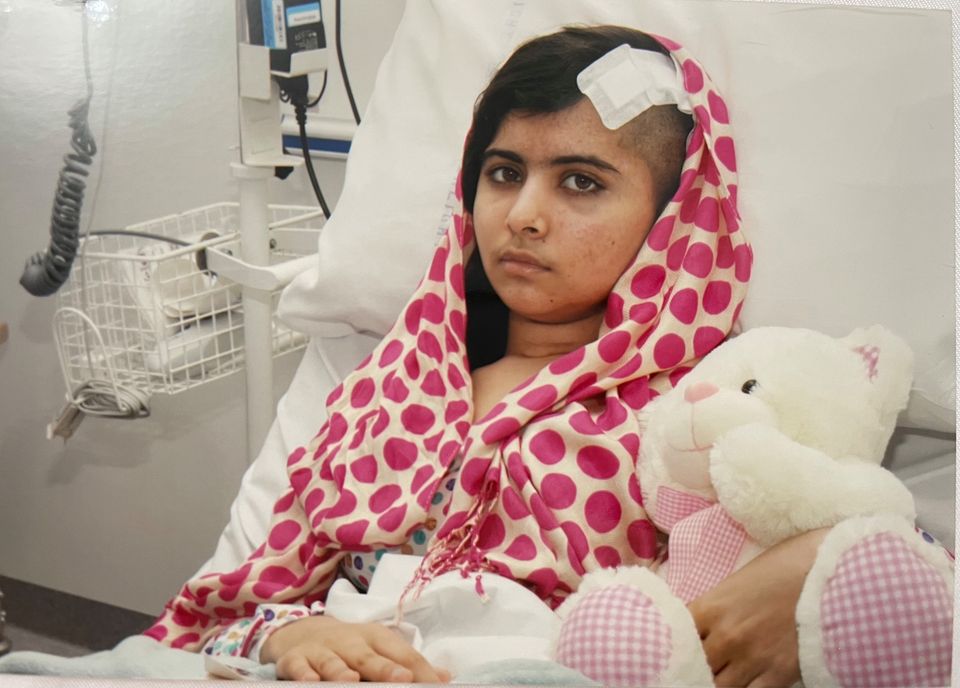
اکتوبر 2012 ء میں پاکستانی طالبان کے ایک رکن نے میری اسکول بس میں سوار ہو کر میری بائیں کنپٹی میں گولی داغ دی۔ گولی نے میری بائیں آنکھ، کھوپڑی اور دماغ کو چیر دیا۔ میرے چہرے کے اعصاب کو مجروح کیا، میرے کان کا پردہ توڑ ڈالا اور میرے جبڑے کے جوڑوں کو شدید نقصان پہنچایا۔

پشاور میں ایمرجنسی سرجنوں نے عارضی طور پر میری بائیں کھوپڑی کی ہڈی کو ہٹا دیا تاکہ میرے دماغ کو چوٹ لگنے کی وجہ سے بننے والے سوجن کے لئے جگہ پیدا ہو۔ ان کی فوری کارروائی نے بلاشبہ میری جان بچائی لیکن جلد ہی میرے اعضاء نے کام کرنا چھوڑ دیا اور مجھے ہوائی جہاز کے ذریعے وفاقی دارالحکومت اسلام آباد پہنچا دیا گیا۔ ایک ہفتے کے بعد ڈاکٹروں نے فیصلہ کیا کہ مجھے شدید دیکھ بھال کی ضرورت ہے اور علاج جاری رکھنے کے لئے مجھے ملک سے باہر منتقل کیا جانا چاہیے۔

اس عرصہ کے دوران میں ڈاکٹروں کی جانب سے طاری کردہ کوما کی حالت میں تھی۔ گولی مارنے کے دن سے برمنگھم ( برطانیہ) کے کوئین الزبتھ ہسپتال میں ہوش میں آنے تک مجھے کچھ بھی یاد نہیں۔ جب میں نے آنکھیں کھولیں تو مجھے احساس ہوا کہ میں زندہ ہوں لیکن میں نہیں جانتی تھی کہ میں کہاں تھی یا مجھے انگریزی بولنے والے اجنبیوں نے کیوں گھیر لیا تھا۔

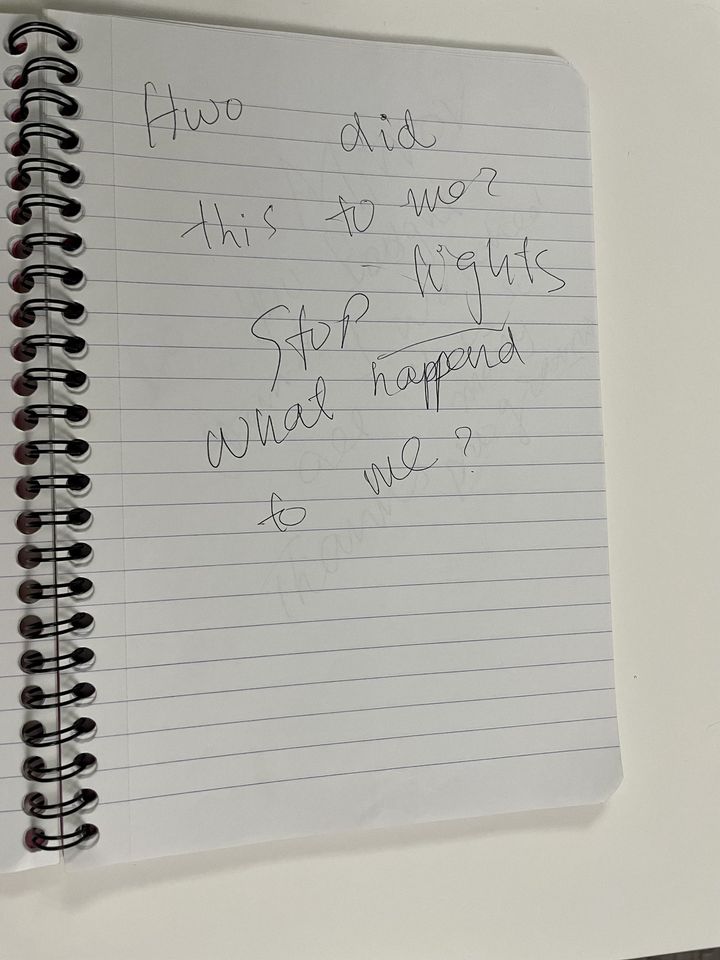
میرے سر میں شدید درد تھا۔ میری نظر دھندلا گئی تھی۔ میری گردن میں لگی ٹیوب نے میرے لئے بات کرنا ناممکن بنا دیا تھا۔ کئی دن گزرنے کے باوجود میں بولنے سے قاصر تھی لیکن میں نے ایک نوٹ بک میں چیزیں لکھنا شروع کیں اور جسے میں میرے کمرے میں آنے والے ہر شخص کو دکھاتی۔ میں نے کچھ سوالات لکھے تھے : میرے ساتھ کیا ہوا ہے؟ میرے والد کہاں ہیں؟ اس علاج کا خرچہ کون دے گا؟ ہمارے پاس پیسے نہیں ہیں۔

میں نے ”آئینہ“ لکھا اور اسے نرسوں کو دکھایا۔ میں اپنے آپ کو دیکھنا چاہتی تھی۔ آئینے میں میں نے اپنے چہرے کا صرف آدھا حصہ پہچانا۔ دوسرا حصہ میرے لئے نامانوس تھا۔ کالی آنکھ، گن پاؤڈر کے چھینٹے، مسکراہٹ سے عاری، چمک غائب، یہاں تک کہ میں اس کو جنبش بھی نہیں دے سکتی تھی۔ میرے آدھے بال منڈوائے جا چکے تھے۔ میں نے سوچا کہ طالبان نے میرے ساتھ یہ بھی کیا ہے۔ لیکن نرس نے کہا کہ ڈاکٹروں نے اسے سرجری کے لئے منڈوا دیے ہیں۔

میں نے پرسکون رہنے کی کوشش کی۔ میں نے اپنے آپ سے کہا کہ ”جب وہ مجھے ڈسچارج کریں گے تو میں نوکری تلاش کروں گی، کچھ پیسے کماؤں گی، ایک فون خریدوں گی، اپنے گھر والوں کو فون کروں گی اور اس وقت تک کام کروں گی جب تک میں ہسپتال کے تمام بل ادا نہ کروں۔“

مجھے اپنی طاقت پر یقین تھا۔ میں پراعتماد تھی کہ میں ہسپتال سے نکل کر ایک بھیڑیے کی طرح دوڑ لگاؤں گی، ایک شاہین کی طرح اڑوں گی لیکن میں نے جلد ہی محسوس کیا کہ میں اپنے جسم کے بیشتر حصے کو کوئی حرکت نہیں دے سکتی۔ ڈاکٹروں نے امید ظاہر کی کہ میری یہ کیفیت عارضی ہے۔

میں نے اپنے پیٹ کو چھوا۔ وہ سخت اور بے لچک تھا۔ میں نے نرس سے پوچھا کیا میرے پیٹ میں کوئی مسئلہ ہے؟ اس نے مجھے بتایا کہ جب پاکستانی سرجنوں نے میری کھوپڑی کی ہڈی کا کچھ حصہ ہٹایا تو انھوں نے اسے میرے پیٹ میں منتقل کیا تاکہ کچھ عرصہ کے بعد وہ میری دوسری سرجری کر کے اسے دوبارہ سر میں ڈال سکیں۔

لیکن برطانیہ کے ڈاکٹروں نے انفیکشن کے خطرے کو کم کرنے کے لئے اس جگہ پہ بالآخر ٹائٹینیم پلیٹ (Titanium Plate) لگانے کا فیصلہ کیا جہاں میری کھوپڑی کی ہڈی تھی۔ اس طریقۂ کار کو کرینیو پلاسٹی (Cranioplasty) کہتے ہیں۔ انھوں نے میری کھوپڑی کا ٹکڑا میرے پیٹ سے نکال لیا جو آج میرے بک شیلف میں پڑا ہے۔

ٹاٹینیم کرینیو پلاسٹی (Titanium Cranioplasty) کے دوران انھوں نے میرے کان کے اندر وہاں پہ ”کوکلیئر امپلانٹ“ (Cochlear Implant) بھی شامل کیا جہاں گولی نے میرے کان کا پردہ توڑ ڈالا تھا۔

***

جب میرے خاندان کا برطانیہ میں مجھ سے ملاپ ہوا تو میں نے فزیکل تھراپی اور بحالی کا عمل شروع کیا۔ میں آہستہ آہستہ چلتی، بچے کی طرح قدم اٹھاتی، بات بھی بچے کی طرح کرتی۔ مجھے یوں محسوس ہوا جیسے میں نے دوسری زندگی کا آغاز کیا ہو۔

برطانیہ کی سرزمین پر پہلی دفعہ اترنے کے چھ ہفتے بعد ڈاکٹروں نے میرے مفلوج چہرے کا علاج کرنے کا فیصلہ کیا۔ ایسا کرنے کے لئے انھوں نے ایک بار پھر میرے چہرے کو کاٹ دیا اور میرے چہرے کی شدید کٹی ہوئی رگوں کو اس امید پر دوبارہ جوڑنے کی کوشش کی کہ بالآخر ان کی بتدریج نشوونما ہوگی اور یہ عضلات کی حرکت میں معاون ہوں گی۔

اعصابی سرجری کے چند ماہ بعد اور چہرے کے باقاعدہ مساج کے ساتھ میرے توازن اور حرکت میں تھوڑی بہتری آئی۔ اگر میں اپنے ہونٹ بند کر کے مسکراتی تو اس طرح میں کسی حد تک اپنا پرانا چہرہ دیکھ سکتی۔ جب میں ہنستی تو اپنے ہاتھوں سے اپنا منھ ڈھانپ لیتی تاکہ لوگ یہ نہ دیکھ پائیں کہ چہرے کا ایک حصہ دوسرے حصے کی طرح کام نہیں کر رہا ہے۔

میں نے آئینے میں جھانکنے یا اپنے آپ کو ویڈیو میں دیکھنے سے گریز اختیار کرنا شروع کیا۔ اپنے ذہن میں میں نے سوچا کہ میں ٹھیک لگ رہی ہوں۔ میں نے حقیقت کو قبول کیا اور خوش رہنے لگی۔

دوسری طرف میرے والدین ہر اس چیز کا علاج چاہتے تھے جو ان کی بیٹی نے کھو دی تھی۔ چناں چہ ہم نے بوسٹن میں ماس آئی اینڈ ائر (Mass Eye & Ear) کے سرجنوں سے ملاقات کی تاکہ ان سے کراس فیشل نرو گرافٹ (Cross Facial Nerve Graft) کے بارے میں بات کریں جو کہ مفلوج چہرے کا ایک پیچیدہ علاج ہے۔

مجھے دو بڑے آپریشنوں کی ضرورت ہوگی۔ 2018 ء میں ڈاکٹروں نے سب سے پہلے میری پنڈلی سے ایک نس نکالی اور اسے میرے چہرے میں نصب کیا جو دائیں طرف سے بائیں طرف تیزی سے حرکت کرتی تھی۔ 2019 ء میں انھوں نے میری ران سے ٹشو لیا اور اسے میرے چہرے کے بائیں جانب لگایا۔ انھوں نے امید ظاہر کی کہ نس ٹشو سے جڑ جائے گی اور میرے چہرے کے پٹھوں (Muscles) کو سگنل بھیجنا شروع کردے گی۔

اور اس نے کام کیا۔ بالآخر میں اپنے چہرے کو زیادہ حرکت دینے کے قابل ہوئی۔ لیکن دوسرا طریقۂ کار میرے گال اور جبڑے کے ارد گرد اضافی چربی اور بلغمی سیال پیدا کرنے کا سبب بنا۔ تب ڈاکٹروں نے کہا کہ مجھے ایک اور سرجری کی ضرورت ہے۔

بوسٹن میں 9 اگست کو میں صبح پانچ بجے اٹھی تاکہ میں اپنی نئی سرجری کے لئے ہسپتال جاؤں اور خبر دیکھی کہ طالبان نے زوال پذیر افغانستان کے پہلے بڑے شہر قندوز پر قبضہ کر لیا تھا۔ اگلے چند دنوں میں آئس پیکس (Ice Packs) کے ساتھ میرے سر کے گرد بینڈیج لپیٹ دی گئی اور میں ٹی وی کے سکرین پر دیکھتی رہی کہ ایک صوبے کے بعد دوسرا صوبہ ان لوگوں کے سامنے ڈھیر ہوتا رہا جن کی بندوقیں اس شخص کی بندوق کی طرح گولیوں سے بھری ہوئی تھیں جس نے مجھے نشانہ بنایا تھا۔

جیسے ہی میری طبیعت بحال ہوئی، میں فون پہ فون کرنے لگی، دنیا بھر کے سربراہان مملکت کو خط لکھنے لگی اور خواتین کے حقوق کے لئے کام کرنے والے ان کارکنوں سے بات کرنے لگی جو ابھی تک افغانستان میں تھے۔ پچھلے دو ہفتوں کے دوران ہم ان میں سے کئی کارکنوں کو ان کے اہل خانہ کے ساتھ محفوظ مقام تک پہنچانے میں مدد کرسکے ہیں لیکن میں جانتی ہوں کہ ہم سب کو نہیں بچا سکتے۔

جب طالبان نے مجھے گولی ماری تو پاکستان میں موجود صحافی اور چند بین الاقوامی میڈیائی ادارے پہلے ہی میرا نام جانتے تھے۔ ان کو معلوم تھا کہ میں برسوں سے، شدت پسندوں کی طرف سے لڑکیوں کی تعلیم پر پابندی کے خلاف بول رہی تھی۔ انھوں نے حملے کو رپورٹ کیا اور دنیا بھر کے لوگوں نے اس پر رد عمل ظاہر کیا۔ لیکن اس کا رد عمل مختلف بھی ہو سکتا تھا اور میری کہانی شاید ایک مقامی خبر میں ختم ہوجاتی کہ ”پندرہ سال کی لڑکی کو سر میں گولی مار دی گئی۔“

”میں ہوں ملالہ“ کا بینر تھامے ہوئے لوگوں کے ہجوم کے بغیر، ہزاروں خطوط اور مدد کی پیش کشوں کے بغیر، دعاؤں اور خبروں میں تذکروں کے بغیر، شاید مجھے طبی امداد نہ ملتی۔ میرے والدین یقینی طور پر خود ان اخراجات کو پورا کرنے کے قابل نہ ہوتے اور شاید میں زندہ نہ رہ پاتی۔

نو سال کے بعد میں ابھی تک صرف ایک گولی سے ہی صحت یاب ہو رہی ہوں۔ افغانستان کے لوگوں نے پچھلی چار دہائیوں میں لاکھوں گولیاں کھائی ہیں۔ میرا دل ان لوگوں کے لئے ٹوٹ جاتا ہے جن کے نام ہم بھول جائیں گے یا انھیں کبھی پہچان بھی نہیں سکیں گے اور جو مدد کے لئے پکار رہے ہیں لیکن ان کی مدد کے لئے کوئی نہیں پہنچ سکے گا۔

***

میری حالیہ سرجری کے زخم تازہ ہیں۔ میں اپنی پیٹھ پر اب بھی وہاں ایک داغ سنبھالے ہوئے ہوں جہاں ڈاکٹروں نے میرے جسم سے گولی نکالی تھی۔

چند دن قبل میں نے اپنی بہترین سہیلی کو فون کیا، وہی لڑکی جو اسکول بس میں اس وقت میرے ساتھ بیٹھی تھی جب مجھ پر حملہ ہوا۔ میں نے اس سے پوچھا کہ مجھے دوبارہ بتائیں کہ اس دن کیا ہوا تھا۔

”کیا میں چیخ اٹھی تھی؟ کیا میں نے بھاگنے کی کوشش کی تھی؟“ میں نے پوچھا۔
***

”نہیں،“ وہ کہتی ہیں۔ ”آپ پرسکون اور خاموش تھیں، طالب نے جیسے ہی آپ کا نام پکارا، آپ اس کی آنکھوں میں گھور رہی تھیں۔ آپ نے میرا ہاتھ اتنی مضبوطی سے تھام لیا تھا کہ میں کئی دنوں تک اس میں درد محسوس کرتی رہی۔ اس نے آپ کو پہچان لیا اور فائرنگ شروع کی۔ آپ نے اپنے چہرے کو اپنے ہاتھوں سے ڈھانپ لیا اور نیچے جھکنے کی کوشش کی۔ ایک سیکنڈ کے بعد آپ میری گود میں گر گئیں۔“ میری دو ہم جماعتوں شازیہ اور کائنات کو ہاتھ اور بازو میں گولی لگی تھی۔ سکول کی سفید بس خون سے سرخ ہو گئی تھی۔

میرے جسم پر ایک گولی اور کئی آپریشنوں کے نشانات ہیں لیکن اس دن کی کوئی یاد میرے ذہن میں موجود نہیں۔ نو سال بعد میری بہترین سہیلی کو ابھی تک ڈراؤنے خواب آتے ہیں۔

***

https://www.humsub.com.pk/414635/malala-yousafzai-13/