Tuesday, May 18, 2021

The PTI government has pushed at least 2.5 million Pakistanis below the poverty line – says Chairman PPP Bilawal Bhutto Zardari.

 Chairman Pakistan People’s Party Bilawal Bhutto Zardari said that since the day Prime Minister Imran Khan had been imposed on Pakistan, flour prices have skyrocketed by 30 percent.

 
In a press statement issued from Media Cell Bilawal House, the PPP Chairman said that the puppet Prime Minister had turned out to be the patron of mafias, enabling them to snatch even the last morsel from the mouths of the poor by artificially hiking flour prices. “The rate of inflation and prices of essential commodities in the country have escalated by 15 percent,” he added.
 
He said that Imran Ahmed Khan Niazi’s imposition as Chief Executive of this country and his subsequent incompetence had exposed his hollow and patently false slogans of change and anti-corruption. “ Imran Khan has completely been exposed to be the most incompetent PM, and he is utterly unfit to run the country’s affairs,” he stated.
 
Bilawal Bhutto Zardari also said that the metric for calculating the economic growth of a country lies in the lived experience of the masses, not fudged reports tailored by subordinates sitting in air-conditioned rooms to deceive the masses and to please their masters.
 
He said that it was a shame that the chief executive of a country like Pakistan has no policy to improve the economy, and keeps it dependent on loans and aid by begging from country to country. A Chief Executive that believes begging is a sustainable and feasible policy to pull a country out of crisis can never rid the country of inflation. “The only way out of the economic quagmire is to get rid of the selected and incompetent PM, Imran Ahmed Khan Niazi,” he added.
 
The PPP Chairman said that the flawed economic policies of the selected PTI-led Federal government had pushed at least 2.5 million Pakistani citizens below the poverty line in just a single year.
“PM Imran Ahmed Khan Niazi is totally ignorant of the ground realities in the country. He talks about economic growth but doesn’t know workers have seen their wages slashed by up to a quarter,” he pointed out.
https://www.ppp.org.pk/pr/24828/

جس ملک کے وزیراعظم کو کشکول اٹھانے کے علاوہ کچھ اور نہ آتا ہو، وہ کیسے مہنگائی کا خاتمہ کرے گا؟ چیئرمین پی پی پی بلاول بھٹو زرداری

 پاکستان پیپلزپارٹی کے چیئرمین بلاول بھٹو زرداری نے میڈیا سیل بلاول ہاؤس سے جاری ملک کی بدترین


معاشی صورت حال کے حوالے سے اپنے ایک بیان میں کہا ہے کہ جب سے عمران خان وزیراعظم بنے ہیں، صرف آٹے کی قیمتوں میں 30 فیصد اضافہ ہوا ہے، مافیا کے سرپرست عمران خان نے آٹے کی قیمتوں میں اضافہ کرکے غریبوں کے منہ سے نوالہ چھیننے کی کوشش کی ہے، انہوں نے کہا کہ ملک میں کھانے پینے کی اشیا میں مہنگائی کی سالانہ شرح 15 فیصد تک پہنچ چکی ہے، عمران خان نے بڑے بڑے دعوے کرکے اقتدار تو ہتھیالیا مگر وہ ملک چلانے میں مکمل ناکام ہوچکے ہیں، انہوں نے یہ بھی کہا کہ معاشی ترقی کا پیمانہ جی حضوری کرنے والے افسران کی رپورٹیں نہیں بلکہ عام آدمی کے چہرے کی مسلراہٹ ہوتی ہے، پی پی پی چیئرمین کا کہنا تھا کہ جس ملک کے وزیراعظم کو کشکول اٹھانے کے علاوہ کچھ اور نہ آتا ہو، وہ کیسے مہنگائی کا خاتمہ کرے گا، مہنگائی سے نجات کا بس ایک ہی طریقہ ہے کہ ملک کو عمران خان سے نجات دلائی جائے، چیئرمین بلاول بھٹو زرداری نے بتایا کہ صرف ایک سال میں عمران خان حکومت کی ناکام پالیسیوں کی وجہ سے 25 لاکھ سے پاکستانی غربت کی لکیر سے نیچے دھکیل دئیے گئے جبکہ عمران خان کو خبر ہی نہیں کہ ملک کے تقریبا 

نصف کاروباری ادارے اپنے ملازمین کی ایک چوتھائی تنخواہ کم کرچکے ہیں۔

https://www.ppp.org.pk/pr/24826/

Monday, May 17, 2021

Arab states split for first time on refusal to condemn Israel over Gaza

Martin Chulov
Silence over bombing of occupied territory puts UAE, Bahrain, Morocco and Sudan at odds with their populations.
While some states with Muslim majorities, such as Turkey and Iran, have accused Israel of incitement at the al-Aqsa mosque and committing atrocities in Gaza, other countries that had followed suit during previous flare-ups have this time been more restrained.
The relative silence has been led by states that made peace with Israel in the last year of the Trump administration and are now standard bearers of the so-called Abraham Accords.

The United Arab Emirates, Bahrain, Morocco and Sudan, which all recently normalised ties with Israel, now find themselves balancing their new relationships against citizens who have been vocal in their anger at Israel’s violence.

Long-time observers of Israel and Palestine say the divergent reactions to this round of fighting have put some regional powers in a difficult position with their own populations.

“It is extraordinary, in this denial position of the Emiratis in particular, that they have not uttered hardly a single criticism of what is happening in Israel and the occupied Palestinian territories,” said Chris Doyle, director of the Council for Arab-British Understanding (CAABU).

“It is sending out a signal from the Emirati leadership that we are not going to be swayed away from this burgeoning alliance with Israel, which they consider to be valuable to future plans; this includes countering Iran, Turkey and the Muslim Brotherhood groups.

“There is plenty of room to make a very supportive statement of the rights of the Palestinians, without endorsing Hamas. And they haven’t done that.”

In what appeared to be a state-backed response, the hashtag “Palestine is not my cause” circulated in the UAE, Bahrain and Kuwait over the weekend. It made little dent in region-wide support for Twitter accounts from Gaza and East Jerusalem decrying scenes of violence and the Israeli leadership.

“[These governments] are on the wrong side of public opinion in how they’re seen and received by the populations of the Arab region,” said Mohanad Hage Ali, research fellow at Carnegie Middle East Centre. “They’re trying to pursue an active foreign policy holding positions that they’ve never had before. They could be seen as synonymous with the Israeli occupation and the Israeli policy in the region. This will have an impact on not only Israel, but their new Arab allies. And this will tarnish their reputation.”

“The regimes are very nervous about Arab public opinion,” said Doyle. “These scenes of the bombing of Gaza will make the leadership seem very worried and make them wish they would end sooner rather than later.”

Coverage of the conflict has been nearly non-existent in UAE newspapers and muted in Bahrain and Saudi Arabia, which is yet to sign up to a peace deal with Israel, but has given hints that it may do so. The Israeli prime minister, Benjamin Netanyahu, visited Saudi heir, Crown Prince Mohammed bin Salman, in Neom on the Red Sea coast earlier this year. Ties between the two states are deeper than ever – even without concrete moves towards a peace deal.

Riyadh’s position has placed a two-state solution at the centre of any solution – a stance long adopted by the Arab League. It has not chosen more confrontational language than the region’s smaller players. “What we’ve seen in the past is that the king and the crown prince do not necessarily see the conflict in the same way, and the king would be more inclined to be critical.” 

https://www.theguardian.com/world/2021/may/17/arab-states-split-for-first-time-on-refusal-to-condemn-israel-over-gaza

Video Report - Jen Psaki Holds Her Daily White House Press Briefing Amidst Continued Israel-Hamas Conflict

Video Report - #Israel #Gaza #Airstrikes - Israel kills Islamic Jihad leader as Gaza sees heaviest bombing so far | DW News

Celeb battles heat up on social media over Israeli, Palestinian conflict


By HANNAH BROWN

This war is playing out on the battlefield of social media as well as on the streets of Israel and Gaza, and celebrities supporting both sides have spoken out, receiving both backlash and praise.


As soon as the first rocket barrages were fired from Gaza last week, Israelis looked to Gal Gadot, the most popular international star from Israel, to speak out.
The Wonder Woman star has taken on the role of unofficial Israeli ambassador in recent years, teaching late-night talk show host Conan O’Brien Israeli customs for warding off the evil eye and sharing quintessentially Israeli treats such as sufganiyot (Hanukkah donuts) and Elite chocolate on The Tonight Show with Jimmy Fallon.

Last Wednesday, Gadot released a carefully worded statement on her social media accounts decrying the war and violence, using rather generic language and not assigning blame. However, her words ignited a backlash and she disabled comments on her Instagram and Twitter accounts.
Her statement read: “My heart breaks. My country is at war. I worry for my family, my friends. I worry for my people. This is a vicious cycle that has been going on for far too long. Israel deserves to live as a free, safe nation. Our neighbors deserve the same. I pray for the victims and their families, I pray for this unimaginable hostility to end, I pray for our leaders to find the solution so we could live side by side in peace. I pray for better days.”
Her words received a great deal of attention. The Pnai Plus website may have indulged in a bit of hyperbole when it headlined an article about the controversy, “‘Wonder Woman wake up!’ How Gal Gadot became a public enemy,” but many did criticize the superstar.
In a typical tweet, a Twitter user called Luna retweeted a picture advertising Gadot’s latest movie, Wonder Woman 1984, and wrote above it: “don’t watch this. DO NOT support gal gadot. she has openly and directly been supporting the genocide in palestine. y’all didn’t listen to us before, PLEASE listen now.”
Many comments were positive, however. Republican US Sen. Ted Cruz  (Texas) praised her, tweeting, “God bless @GalGadot.” A Twitter user named Greg Price wrote: “The internet is angry at Gal Gadot because she’s an IDF veteran, which all Israelis are required to serve in for at least two years, and had the audacity to share a heartwarming message for peace in the conflict.”
Although the hashtags #BoycottGalGadot and #BoycottWonderWoman have been trending, it is not likely that Gadot will suffer for her choice to speak out. In fact, her Instagram following actually increased after her statement, from 53.3 to 53.4 million followers. Her films have already been officially banned in much of the Arab world, although unofficially, they are streamed by many Arabs.
Gadot usually steers clear of politics, although in 2019, she did post, ”Love your neighbor as yourself,” after Prime Minister Benjamin Netanyahu said Israel was not “a state of all its citizens.” In 2020, she was the subject of ridicule after she posted an out-of-tune celebrity sing-along of “Imagine,” at the beginning of the coronavirus pandemic.
Models and sister Gigi and Bella Hadid, whose father is Palestinian, and who have, respectively, 66.4 million and 42.3 million Instagram followers, posted multiple pro-Palestinian messages over the last week, including photos from pro-Palestinian rallies in the US. Bella also posted a comic strip which purported to explain the situation, which has since been removed. The Israeli government reproached Bella via Twitter.
Singer Dua Lipa, who is reportedly dating the Hadids’ brother, Anwar, posted similar messages. The musician, The Weeknd, posted a message to “support Jerusalem” as a nod to the families in Sheikh Jarrah.
One person who got angry at both the Hadid sisters and Gadot was Yair Netanyahu, the prime minister’s son, who tweeted: “The models of Palestinian descent Gigi and Bella Hadid, with millions of followers, have been conducting antisemitic propaganda against Israel 24/7 since the beginning of the mess. The only Israeli figure, with the same number of followers, and with the power of an international celeb, who can give them a fight in publicity is Gal Gadot. She chose to write a neutral post as if she was from Switzerland.”
Another celebrity who made waves decrying the suffering on both sides was pop diva, Rihanna, who posted on Instagram: “My heart is breaking with the violence I’m seeing displayed between Israel and Palestine. I can’t bear to see it! Innocent Israeli and Palestinian children are hiding in bomb shelters...” Many criticized the singer for this post. Back in 2014, she tweeted #FreePalestine, a post that was reportedly retweeted nearly 70,000 times before she took it down.
If a photo of Twilight star Kristen Stewart, supposedly from a Facebook post, showing her wearing a keffiyeh and mourning the death of the Palestinian fan who gave her the scarf in an Israeli airstrike seemed too good to be true, that’s because it was.
The Egyptian website Ahram Online discovered the fake, posting the photo with the keffiyeh alongside the original photo to prove that the garment was photoshopped in. Ahram also revealed that the site was registered to a Facebook user named Sean Potter, who apparently recently changed the name. The post has been removed.
Celebrities who actually did support the Palestinians include actor Mark Ruffalo, musician Roger Waters and actress Lena Headey.
A number of talk-show hosts weighed in, most recently John Oliver, who emphasized the disproportionate nature of the casualty figures on both sides, as did Trevor Noah on the Daily Show earlier in the week.
Oliver said on his show, Last Week Tonight: “Look, there is a real tendency, particularly in America, to both-sides this situation. And I am not saying that there aren’t some areas where that’s warranted, but it’s important to recognize there are also areas where it’s simply not. Both sides are firing rockets, but one side has one of the most advanced militaries in the world. Both sides are suffering heartbreaking casualties, but one side is suffering them exponentially... if you believe Israel’s actions are warranted and proportionate this week, you’re welcome to try and make that argument.”
While there is talk of an imminent ceasefire, the social-media fight will likely continue.
https://www.jpost.com/arab-israeli-conflict/celeb-battles-heating-up-on-social-media-over-israel-palestine-conflict-668363

Israel-Gaza Conflict: What You Need to Know

By Dan Bilefsky
As the fighting enters its second week, it is being defined by civilian casualties, undiminished rocket fire and airstrikes, and by historical tensions erupting into unrest.
As Palestinians and Israelis hunkered down for the second week of an intense conflict, a series of deadly flash points have galvanized both sides in a region where the human cost of war is all too familiar.
Before dawn on Monday, Israeli warplanes bombarded Gaza City, compounding the civilian suffering in the coastal enclave. At the same time, the rocket barrage by Hamas — the militant group that has ruled Gaza since 2007 and does not recognize Israel — continued to take its toll on Israeli cities, including Tel Aviv, the commercial center of the country.As the civilian casualties grow, the conflict has polarized Israeli society, and the world, like seldom before, and it has spurred unrest within Israel and the occupied territories that has been more intense than any in years.
Here is what is driving the conflict, and its arc so far:
Who is being killed?
Israeli airstrikes and artillery barrages on Gaza, an impoverished and densely packed enclave of two million people, have killed at least 197 Palestinians, including 92 women and children, between May 10 and Sunday evening, producing stark images of destruction that have reverberated around the world.
In the other direction, Hamas missiles have rained over Israeli towns and cities, sowing fear and killing at least 10 Israeli residents, including two children — a greater civilian toll within Israel than during the last war, in 2014, which lasted more than seven weeks.
Israeli strategists and representatives describe the Gaza campaign as being aimed at destroying as much of Hamas’s infrastructure as possible, including the group’s network of rocket factories and underground tunnels — a subterranean transit system that the Israel military refers to as “the metro.”But Israel has come under increasing international criticism for the growing number of children that have been killed in airstrikes on Gaza. Images of children’s bodies have circulated on social media in recent days, along with the video of a bereft Gaza father comforting his wailing infant — the only one of his five children to survive an Israeli airstrike. Among the deaths have been eight children killed in a single airstrike at a refugee camp.On the Israeli side, one of the children killed was a 5-year-old Israeli boy who died after a rocket fired from Gaza made a direct hit on the building next door to his aunt’s apartment, where he was visiting with his mother and older sister.
How did the current conflict start?
The conflict erupted a week ago, on May 10, when weeks of simmering tensions in Jerusalem among Palestinian protesters, the police and right-wing Israelis escalated, against the backdrop of a longstanding battle for control of a city sacred to Jews, Arabs and Christians.The root of the latest violence is an intense dispute over East Jerusalem, which is predominantly Palestinian. Protests had gone on for days ahead of a Supreme Court ruling, originally expected on May 10 but then postponed, on the eviction of several Palestinian families from East Jerusalem. Israeli officials described it as a dispute over real estate. Many Arabs called it part of a wider Israeli campaign to force Palestinians out of the city, describing it as ethnic cleansing.The protests sharply intensified after Israeli police prevented Palestinians from gathering near one of the Old City’s ancient gates, as they have customarily done during the holy month of Ramadan. The police responded on May 10 by raiding the Aqsa Mosque compound, one of Islam’s holiest sites, to keep Palestinian protesters from throwing stones, they said. Hundreds of Palestinians and a score of police officers were wounded in the skirmish.
Militants in Gaza then began firing rockets in Jerusalem’s direction, to which Israel responded with airstrikes on Gaza. Barrages by both sides intensified through the week, as did casualties — though Gazans have suffered a disproportionate number of deaths. What kind of arsenal does Hamas have?
Despite Israel’s surveillance capability and overwhelming military firepower next door, Palestinian militants in Gaza have managed to amass a large arsenal of rockets with enhanced range in the 16 years since Israel vacated the coastal enclave, which it had occupied after the 1967 war.
Hamas, with help from allies outside Gaza — including Iran, according to Israeli and Hamas officials — has parlayed that arsenal into an increasingly lethal threat. Since the conflict erupted last week, Hamas has launched more than 3,000 rockets toward Israeli cities and towns. The intensity of the barrages has put the Israeli city of Tel Aviv, among others, under greater threat than in previous conflicts. Beyond tunnels and rockets, Israeli military experts and officials say there is another lesser-discussed and murky threat: clandestine naval commandoes entering or hitting Israel by sea, and waging potential attacks at energy facilities or populated settlements. On Monday, Israel’s military released a video showing Israeli defense forces destroying a vessel that it said was suspected of being on its way to carry out an attack on Israeli waters.
What is the Iron Dome?
As the worst violence in years rages, each night the sky is lit up by rockets fired from Gaza, and by the guided projectiles of Israel’s Iron Dome defense system shooting up to counter them. The images of the tense call-and-response barrages have been among the most widely shared online, even as the toll wrought by the violence becomes clear only in the light of the next day’s dawn.
The Iron Dome missile defense system became operational in 2011 and got its biggest first test over eight days in November 2014, when Gaza militants fired some 1,500 rockets aimed at Israel. While Israeli officials claimed a success rate of up to 90 percent during that conflict, outside experts were skeptical. The system’s interceptors — just 6 inches wide and 10 feet long — rely on miniature sensors and onboard computer processors to zero in on short-range rockets.
While Israel has suffered casualties and the psychological terror of incoming rockets, the system is clearly winnowing out much of the daily rocket fire.
How are politics on each side influencing events?
Intense political struggles for leadership of Israel and the Palestinian Authority are part of the backdrop for the fighting. After four inconclusive elections in Israel in two years, no one has been able to form a governing coalition. But Prime Minister Benjamin Netanyahu, on trial on corruption charges, has been able to remain in office, and hopes that Israelis will rally around him in the crisis.
In Palestinian elections that were recently postponed, Hamas hoped to take control of the Palestinian Authority, and has positioned itself as the defender of Jerusalem. It sought to reinforce that claim by firing rockets after the Israeli police raided the Aqsa Mosque compound in Jerusalem’s Old City.
How did the last conflict, in 2014, unfold?
In 2014, Israel invaded Gaza after 10 days of aerial bombardment failed to stop Palestinian militants from showering Israeli cities with rockets. The bloody conflict, which lasted for 50 days in July and August, ended in a truce. By then, 2,251 Palestinians, of whom 1,462 were civilians, had died. Israel had lost 67 soldiers and six civilians, according to the United Nations Human Rights Council. Israeli leaders agreed to to halt hostilities under intense diplomatic pressure and with increasing casualties on both sides. At the time, U.S. Secretary of State John Kerry seemed to calculate that a succession of short truces could be cobbled together to begin unwinding the conflict. Accepting a truce offered Israel an opportunity to thwart the threat of tunnels being used to attack or kidnap its citizens, without risking more of the civilian casualties in the Gaza Strip that were turning world opinion against it.
Hamas, too, faced pressure to accept the truce, not only from international negotiators but from many Palestinians in the Gaza Strip who were suffering under continuous Israeli bombardment and grappling with the devastation and destruction around them.

Music Video - Faisal Salman Khan | Sukoon |

Music Video - Sana Tajik | Tappay Ashna

Video Report - #NayaDaur #JavedHashmi - Will Continue Speaking Against Establishment's Role In Politics: Javed Hashmi Special Interview

#KhabarSayAagay #NayaDaur #Politics - Javed Hashmi Property | Malik Riaz Lahore Airport | 'Maryam Next PM' | Pakistan News Headlines

بینظیر انکم سپورٹ کو احساس پروگرام کا نام دے کر واہ واہ سمیٹنے والے وزیراعظم کو خبر ہی نہیں کہ عید پر بچوں کے مہنگے کپڑے خریدنے والے عام آدمی پر کیا گزری، چیئرمین پی پی پی بلاول بھٹو زرداری

 کراچی/ اسلام آباد(—–) پاکستان پیپلزپارٹی کے چیئرمین بلاول بھٹو زرداری نے عید کے دنوں میں ہونے والی ہوشربا مہنگائی کے حوالے سے پی ٹی آئی حکومت پر تنقید کرتے ہوئے کہا ہے کہ نااہل وزیراعظم اپنی پوری قوت لگا کر بھی رمضان میں مہنگائی قابو کرنے میں ناکام رہے اور عید پر بھی عوام کو ریلیف نہ دے سکے، میڈیا سیل بلاول ہاؤس سے جاری اپنے ایک بیان میں چیئرمین بلاول بھٹو زرداری نے کہا کہ عید پر 30 فیصد تک مہنگے کپڑے اور جوتے خرید کر عام آدمی سمجھ چکا ہے کہ عمران خان کی تبدیلی ایک فراڈ تھی، پی ٹی آئی حکومت نے عوام کی قوت خرید پر تبدیلی کا وہ کاری وار کیا ہے کہ عوام کی عید پھیکی پڑگئی، انہوں نے کہا کہ عوام کو مہنگائی کے رحم و کرم پر چھوڑ کر وزیراعظم پابندی کے باوجود عید کی چھٹیاں منانے نتھیاگلی پہنچ گئے، 

چیئرمین پی پی پی کا یہ بھی کہنا تھا کہ لاک ڈاؤن کی وجہ سے فروخت کم ہونے کے باوجود گوشت کی قیمتوں میں 200 روپے فی کلو تک کا اضافہ عمران خان کی حکومت کی ناکامی ہے، مرغی کے گوشت کی قیمت 600 روپے فی کلو تک پہنچا کر عمران خان عام آدمی سے عید کی چھوٹی چھوٹی خوشیاں تک چھین چکے ہیں جبکہ عید پر 200 روپے فی کلو مہنگی مٹھائی خرید کر عام آدمی نے دراصل تبدیلی کی ایک بھیانک قیمت ادا کی ہے،

 اس موقع پر چیئرمین بلاول بھٹو زرداری نے عمران خان کو مخاطب کرتے ہوئے کہا کہ وزیراعظم صاحب! 150 روپے فی کلو تک دودھ اور 50 فیصد تک مہنگے میوہ جات خریدنے والا عام آدمی پی ٹی آئی کی حکومت سے بدظن ہوچکا ہے، عمران خان کی حکومت نے کاسمیٹکس اور جیولری کی اشیا کی قیمتوں میں 50 فیصد تک اضافہ کرکے ایک عام گھرانے کو عید کی خوشیوں سے محروم کرنے کی کوشش کی، انہوں نے یہ بھی کہا کہ بینظیر انکم سپورٹ کو احساس پروگرام کا نام دے کر واہ واہ سمیٹنے والے وزیراعظم کو خبر ہی نہیں کہ عید پر بچوں کے مہنگے کپڑے خریدنے والے عام آدمی پر کیا گزری، چیئرمین بلاول بھٹو زرداری نے سوال اٹھایا کہ رمضان اور عید پر اعلانات کے باوجود عمران خان مہنگائی کے خاتمے کیلئے کچھ نہ کرسکے، عام دنوں میں عوام کا کیا حال کریں گے-

https://www.ppp.org.pk/pr/24808/

Sunday, May 16, 2021

Blinken discusses Gaza in calls with Qatari, Egyptian, Saudi counterparts

The truce efforts by Egypt, Qatar and the United Nations have so far offered no sign of progress.
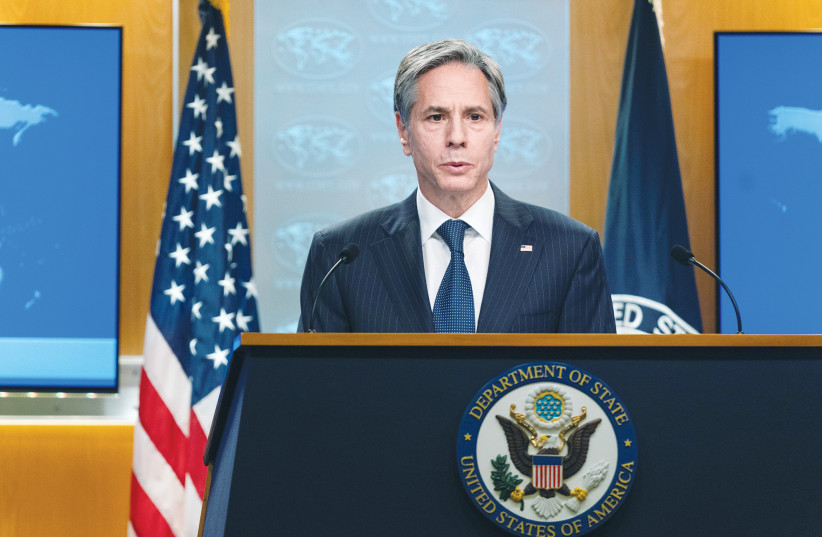
US Secretary of State Antony Blinken discussed the violence in Israel, the West Bank and Gaza in phone calls with the Qatari, Egyptian and Saudi foreign ministers, the State Department said on Sunday.Blinken and Qatar's Sheikh Mohammed bin Abdulrahman Al-Thani discussed "efforts to restore calm in Israel and the West Bank and Gaza in light of the tragic loss of civilian life," the State Department said.
The Qatari Foreign Ministry said in a statement that the two officials discussed "the recent Israeli attacks on worshipers at the Al Aqsa Compound and the attack on the besieged Gaza Strip," adding that Al-Thani stressed "the need for urgent action by the international community to stop the repeated brutal Israeli attacks against civilians in Gaza and the blessed Al-Aqsa Mosque."In his call with Egypt's Sameh Shoukry, Blinken "reiterated his call on all parties to deescalate tensions and bring a halt to the violence, which has claimed the lives of Israeli and Palestinian civilians, including children," the State Department said in another statement.
Saudi state news agency SPA reported on Sunday that Blinken also had a phone call with Saudi Foreign Minister Prince Faisal bin Farhan Al Saud to discuss the latest developments "in Palestine and in the region." The State Department said the two discussed "the ongoing efforts to calm tensions in Israel and the West Bank and Gaza and bring the current violence to an end."
Qatar's Al-Thani also held a phone call on Sunday with Shoukry, in which they reviewed "bilateral cooperation relations and developments in Palestine," the Qatari Foreign Ministry said in a separate statement.
The Egyptian Foreign Ministry said in a statement that the two ministers agreed on "the importance of working to reach an immediate ceasefire between the two sides, and they also agreed to continue coordination in the bilateral framework, as well as in regional and international ones, regarding what is in the interest of the Palestinian people and reaching a ceasefire," The truce efforts by Egypt, Qatar and the United Nations have so far offered no sign of progress.
https://www.jpost.com/arab-israeli-conflict/blinken-discusses-gaza-in-calls-with-qatari-egyptian-saudi-counterparts-668330

Video Report - #Israel #Gaza #Netanyahu - Israel bombs Gaza apartment blocks - Hamas rockets rain on Israel | Israel Conflict Update

Video Report - World Demands Gaza Ceasefire

Video Report - Netanyahu defends strikes on Gaza, says Israel will do "whatever it takes to restore order"

Video Report - Fareed Zakaria - GPS Sunday 5/16/21

Music Video - #HaroonBacha​ #Syali​​ #PashtoSong - Haroon Bacha - Syali - راځئ په کور کې مرکه شو سره!

#Pakistan #vaccinations #COVID19 - Vaccine hesitancy


@SarahNizaman


IN 1798, Edward Jenner, an unpopular medical doctor self-published a book which changed the world. The book, titled An Inquiry into the Cowpox, explained how people could protect themselves against smallpox, a brutal disease that killed as many as one in 12 people and left survivors scarred for life. The solution was to inoculate themselves with cowpox, a virus that affected cattle. This was the beginning of a revolutionary affair called ‘vaccination’, deriving from the word ‘vacca’ — Latin for cow.

Despite Jenner becoming a global sensation with followers including the British, the Europeans, the North American, the Spanish and even Napoleon (as France and England were at war), the acceptance of vaccination was not without critique. The idea of injecting cattle disease in order to cure human beings was savage. Jenner’s earliest and biggest critics were the clergy, who believed smallpox was a disease sent by God to cull the children of the poor so society could not be overrun by the lower class, and that any ideas to stop the disease from its natural course were nothing less than blasphemy.

Disappointing, but not shocking was the vaccine resistance by fellow doctors and other health practitioners. These were mostly the people who were making an income by treating smallpox with non-medical means including leeches, pus and purgatives. Jenner’s work was an existential threat to their additional means of income. The media had its own reservations; several claims were raised including that the vaccine caused madness, cancer and even cow-like features in children. However, the truth of the vaccine’s side effects was far less brutal. The better known fact is that the global eradication of smallpox in the 1970s is ranked among the greatest human achievements and was solely possible due to vaccination.

The issue of vaccine hesitancy must be taken seriously.

Coming to 2021, an acute respiratory virus is rampaging across the world and affecting human lives in countless ways. However, the silver lining in the current pandemic is the miracle of the availability of vaccines a year into the pandemic. However, in addition to production, supply, logistical, storage and availability issues (which will be sorted sooner or later in the country and in the world), another challenge for the public health authorities is ‘vaccine hesitancy’ or ‘anti-vaxxers’.

Anti-vaxxers are not a new phenomenon. History is full of instances of people expressing reservations about something unknown being introduced into the human body. This time there is misinformation that Covid vaccines would inject microchips, altering the DNA and causing infertility. However, such reservations are a threat that can cost many lives.

A recent Gallup Pakistan survey shows that 64 per cent of Pakistanis are of the opinion that the threat of the coronavirus is exaggerated. The good news is that the willingness to get vaccinated has improved significantly — 65pc in March 2021 as compared to 38pc in December. Nevertheless, it is important to note that with no vaccination for children and anti-vaxxers, and given the casual behaviour of our youth and frequent mutations of the virus, the number of people not vaccinated, who can be potential carriers and spreaders, may not allow the country to achieve herd immunity. As long as Covid vaccinations are not made universal and frequent (because of mutation), the spread of the virus will always pose a danger.

The public health authorities must take the issue of vaccine refusal seriously. For starters, the authorities should make spreading misinformation on social media and messaging apps a punishable crime. The PTA must build a platform similar to the one it created to stop the circulation of blasphemous content that includes awareness messages and a reporting forum.

Secondly, the public health authorities should identify vaccine-hesitant groups that should be made the target of effective media campaigns; they should also reach the hesitant communities and their peers directly, which has been an effective technique in the past.

Thirdly, a collaboration with community leaders, including mosque imams, could be a really effective way to turn vaccine distrust around. To aid the process, the authorities can also decide on small monetary/non-monetary benefits for getting vaccinated.

Last but not least, the authorities must consider a ‘Covid Vaccine Act’ which should make the vaccine mandatory for all. This would come with the usual concerns of an attack on individual freedom but the words of John Steward Mill can be instructive in this case: “The only purpose for which power can be rightfully exercised over any member of a civilised community, against his will, is to prevent harm to others.”

https://www.dawn.com/news/1623872/vaccine-hesitancy


CDC: All travelers to Pakistan are at risk of getting XDR typhoid fever


The Centers for Disease Control and Prevention (CDC) updated their travel notice for Pakistan and the outbreak of extensively drug-resistant (XDR) typhoid fever this week.

The ongoing outbreak began in 2016 in Sindh province, Pakistan, and spread throughout the country.

Cases of XDR typhoid fever have been reported among people in North America, Europe, East Asian, and the South Pacific who traveled to Pakistan.

All travelers to Pakistan are at risk of getting XDR typhoid fever, they report.

As of January 14, 2021, CDC has received 71 reports of XDR Typhi infection in the United States, with specimens obtained from February 9, 2018, through November 16, 2020. Among 67 patients with known travel history, 58 (87%) had traveled to Pakistan in the 30 days before illness began.

Nine (13%) patients from six states (NY [3], CA [2], IL, MD, NJ, and TX) reported that they had not traveled to Pakistan or any other country. Specimens from these nine patients were obtained from November 7, 2019, through October 7, 2020, with eight obtained in 2020. Susceptibility testing of these specimens showed the same resistance pattern described in Pakistan. CDC has not identified linkages among these patients or a common source of infection.

XDR Typhi strains are resistant to antibiotics generally recommended to treat typhoid fever, including ampicillin, ceftriaxone, chloramphenicol, ciprofloxacin, and trimethoprim-sulfamethoxazole. Isolates from patients linked to the outbreak in Pakistan are susceptible to carbapenems and azithromycin.

What can travelers do to prevent typhoid fever?

Get the typhoid vaccine

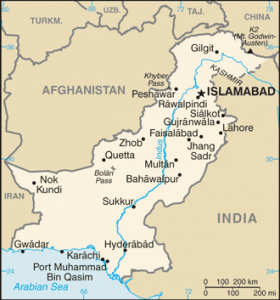
Image/CIA

CDC recommends that all travelers (even short-term travelers) to Pakistan and South Asia be vaccinated against typhoid fever before travel.  Visit a doctor or travel clinic to discuss options. Two typhoid fever vaccines have been approved for use in the United States.

  • An injectable vaccine (approved for people aged 2 and older): given as a shot at least 2 weeks before travel
  • An oral vaccine (approved for people aged 6 and older): a total of four capsules taken by mouth (one every other day), finishing at least one week before travel

Because the maker of the oral vaccine temporarily stopped its production in December 2020, it may not be available to travelers. If the oral vaccine is not available, travelers aged 2 and older should get the injectable vaccine.

Always practice safe eating and drinking habits

The bacteria that cause typhoid fever are most often spread through contaminated food and water and person to person contact. Because typhoid fever vaccines are not 100% effective, travelers should always practice safe eating and drinking habits to help prevent infection.

  • Follow safe food and water guidelines.
  • Wash your hands often, especially before eating.
  • Avoid eating food prepared by anyone who is sick or has recently been sick.

Typhoid fever is a serious disease caused by Salmonella Typhi (Typhi) bacteria. The bacteria spread through contaminated food and water and person-to-person contact.

Symptoms of typhoid fever include high fever, weakness, stomach pain, headache, constipation or diarrhea, cough, and loss of appetite. Typhoid fever can be fatal without appropriate antibiotic treatment.

http://outbreaknewstoday.com/cdc-all-travelers-to-pakistan-are-at-risk-of-getting-xdr-typhoid-fever-38406/

Bilawal criticises PTI govt for 'not ensuring fair distribution of water in Pakistan'


  • Bilawal Bhutto criticises PTI-led govt for not ensuring a fair supply of water to all provinces of Pakistan.
  • Says Karachi, Thatta, Badin, Sujawal and Tharparkar have been facing acute water shortage yet the federal government reduced Sindh's water supply.
  • Demands Indus River System Authority (IRSA) officials clarify on whose orders the share of water for Sindh was reduced.
  •  Pakistan Peoples Party Chairman Bilawal Bhutto-Zardari on Sunday criticised the federal government for failing to ensure a fair distribution of water in the country.

In a statement, Bilawal said that Karachi, Thatta, Badin, Sujawal and Tharparkar have been facing acute water shortage while stopping water supply to Sindh at the time of sowing would be disastrous for rice cultivation and textile sector.

Bilawal demanded Indus River System Authority (IRSA) officials clarify on whose orders the share of water for Sindh was reduced.

The PPP chairman said that Imran Khan should "stop the efforts to make the lands of Sindh barren by stopping the flow of water."

He added that other provinces, including Khyber Pakhtunkhwa, Punjab, and Balochistan, also have the right to get water under the agreed formula while any province of the country would continue to raise its voice if its right to water is violated.

IRSA responds, says water distribution is not unfair 

In response to Bilawal's comments, IRSA spokesman Muhammad Khalid Rana said that due to the shortage of water in the rivers, the water supply to Sindh had to be reduced for some days but now the situation is under control now.

Rana claimed that during the cultivation of cotton in Sindh, more water is supplied to the province as compared to Punjab.

Special Assistant to Prime Minister Imran Khan for Food Security Jamshed Iqbal Cheema said that ISRA makes decisions related to water distribution through the consensus of all provinces. 

"Bilawal's propaganda that water distribution across provinces is unfair is absolutely incorrect," said Cheema.

https://www.geo.tv/latest/350391-federal-govt-failed-to-ensure-fair-distribution-of-water-in-pakistan-says-bilawal

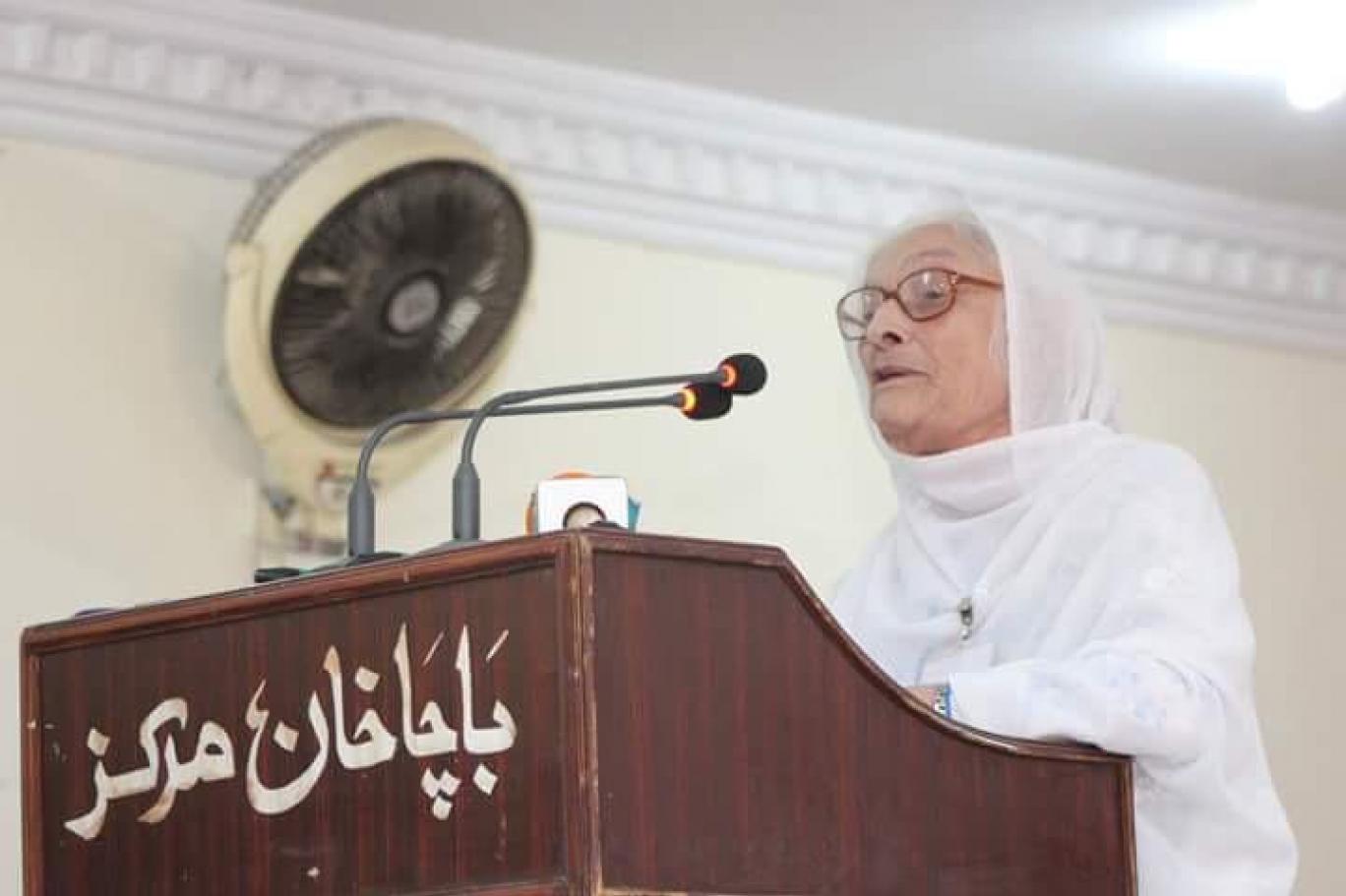
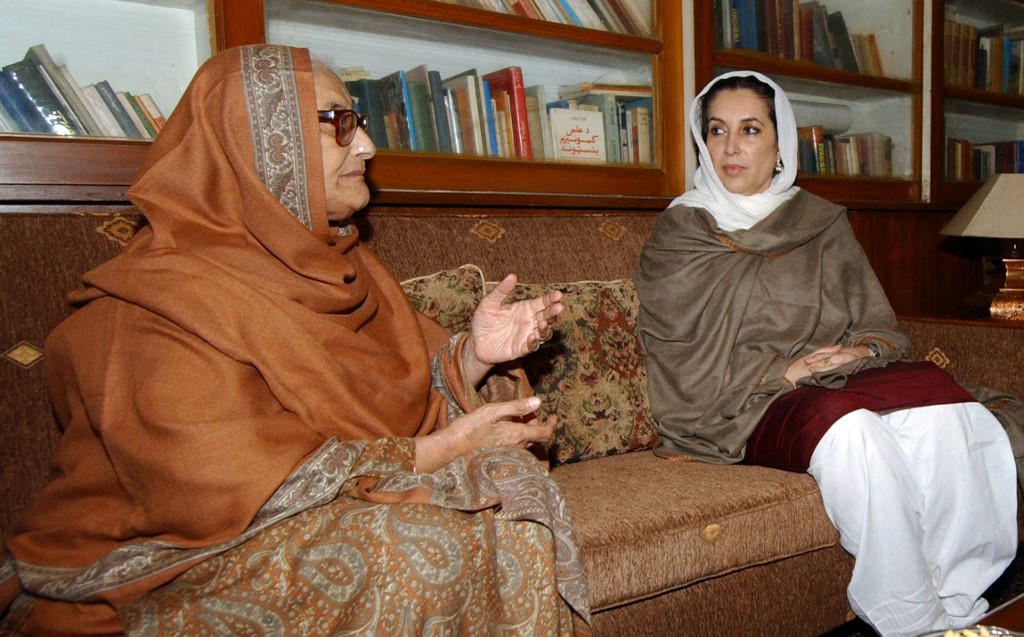
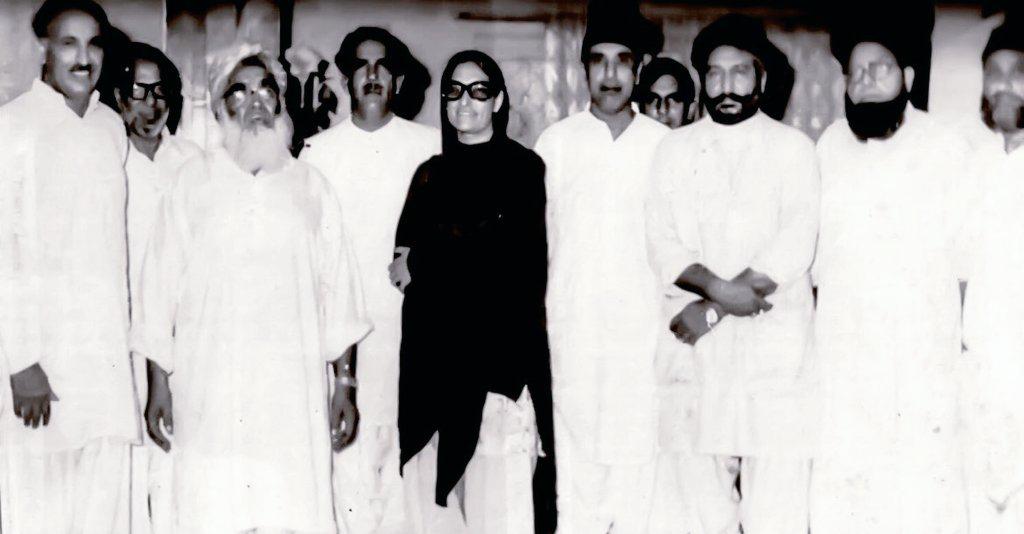
سینیئر سیاسی شخصیت بیگم نسیم ولی خان اتوار کو دل کا دورہ پڑنے سے انتقال کر گئیں۔ بیگم نسیم ولی: ’ثابت قدم، مردم شناس اور بااصول سیاست دان‘


خیبر پختونخوا کی نامور بزرگ سیاسی شخصیت، عوامی نیشنل پارٹی (اے این پی) کی بانی رہنماؤں میں سے ایک اور خان عبدالولی خان کی اہلیہ بیگم نسیم ولی خان اتوار کی صبح انتقال کر گئیں۔

ایک عرصے سے فالج کے مرض میں مبتلا بیگم نسیم ولی خان کا انتقال دل کا دورہ پڑنے سے ہوا۔ ان کی نماز جنازہ آج شام چھ بجے چارسدہ، ولی باغ میں ہو گی۔

1975 میں سیاست میں قدم رکھنے والی بیگم نسیم ولی خان نے پاکستان کی صوبائی اور قومی سیاست کے کافی اتار چڑھاؤ دیکھے اور سیاسی اور ذاتی چیلنجر کا مقابلہ کیا۔

ان کا اصل سیاسی امتحان اس وقت شروع  ہوا جب 1974میں چارسدہ سے تعلق رکھنے والے پاکستان پیپلز پارٹی (پی پی پی) کے رہنما اور ذوالفقار علی بھٹو کے قریبی ساتھی حیات شیرپاؤ کی بم دھماکے میں موت ہو گئی۔

ذوالفقار بھٹو کو شک تھا کہ اس واقعے کے پیچھے نیشنل عوامی پارٹی اور ولی خان کا ہاتھ ہے۔

واقعے کے ردعمل میں انہوں نے این اے پی کو کالعدم قرار دے کر اس کی اعلیٰ قیادت کی گرفتاری کا حکم دیا، جس میں ولی خان بھی شامل تھے۔

ولی خان اور ان کے ساتھیوں کے خلاف ‘حیدرآباد ٹریبیونل’ کے تحت مقدمے کا آغاز ہوا تو ولی خان نے اس مقدمے کو بے بنیاد اور اپنے خلاف سازش قرار دیتے ہوئے اپنے دفاع سے انکار کر دیا۔

اگلے سال 1975 میں انہی حالات کے تناظر میں بیگم نسیم ولی خان نے سیاست میں قدم رکھا۔

عوامی نیشنل پارٹی کے صوبائی سیکریٹری ثقافت خادم حسین نے انڈپینڈنٹ اردو کو بتایا کہ اس وقت کی نیشنل عوامی پارٹی(موجودہ عوامی نیشنل پارٹی) کی اعلی قیادت کی غیر موجودگی میں نسیم ولی خان نے انتہائی اہم کردار ادا کرتے ہوئے پارٹی کارکنان اور عوام کا اعتماد بحال کیا اور باچا خان کی تحریک، جو 1921 سے چلی آرہی تھی، میں ایک نئی روح پھونک دی۔

‘نسیم ولی خان کی موت پاکستانی سیاست کے لیے ایک ناقابل تلافی نقصان ہے۔ انہوں نے خیبر پختونخوا کی سیاست میں بالخصوص اور پاکستانی سیاست میں باالعموم بہت اہم کردار ادا کیا۔

’انہوں نے اس وقت سیاسی میدان میں قدم رکھا جس وقت نیشنل عوامی پارٹی کی قیادت مختلف مقدمات کے تحت جیلوں میں تھی۔‘

خادم حسین نے مزید کہا کسی پشتون خاتون کے لیے مایوسی کی اس فضا میں پارٹی کی باگ ڈور سنبھالنا، کارکنان اور عوام کا اعتماد بحال کرنا اور ان کی نمائندگی کرنا ایک بہت بڑا کارنامہ تھا۔

ان کو 1977 کے عام انتخابات میں کسی بھی خاتون کی جانب سے صوبائی اسمبلی کی جنرل سیٹ پر کامیابی کا اعزاز حاصل ہے۔

مرحومہ نے پی-ایف 15 چارسدہ تین سے 1977، 1993 اور 1997میں صوبائی اسمبلی کا انتخاب لڑا اور اپنے مرد حریفوں کو ہرایا۔

وہ مسلسل تین مرتبہ اپنی پارٹی کی صدارت کر چکی ہیں۔ نیشنل عوامی پارٹی 1986 میں عوامی نیشنل پارٹی بن گئی اور وقت گزرنے کے ساتھ ساتھ اور جب ولی خان کی وفات کے بعد ان کے اپنے سوتیلے بیٹے اسفندریار خان کے ساتھ اختلافات شدت اختیار کر گئے تو 2014 میں انہوں نے اے این پی- ولی کے نام سے ایک اور سیاسی تنظیم کی بنیاد رکھی۔

خیبر پختونخوا کی صوبائی اسمبلی میں قائد حزب اختلاف اور عوامی نیشنل پارٹی کے صوبائی جنرل سیکریٹری سردار حسین بابک کہتے ہیں کہ بیگم نسیم ولی خان انتہائی ثابت قدم، مردم شناس اور اصول و قواعد کی پابند تھیں۔

انہوں نے کہا کہ مرحومہ سیاسی بصیرت کی حامل تھیں اور تنظیمی نظم وضبط کو انہوں نے ہمیشہ مقدم رکھا۔

‘ان کی اپنی پارٹی سے اختلافات کی بنیادی وجہ بھی یہی تھی لیکن انہوں نے ہمیشہ اپنی رٹ کو بحال رکھا۔ وہ سیاسی سرگرمیوں میں کافی متحرک رہتی تھیں۔

’وہ بنیادی طور پر ایک سنجیدہ طبع خاتون تھیں، اس لیے اکثر کارکنان ان کی شخصیت سے خائف رہتے تھے۔ تاہم انہوں نے جب بھی بات کی اس میں دوسروں کے لیے علم اور شفقت کا عنصر نمایاں ہوتا تھا۔‘

سردار بابک نے ایک ذاتی قصہ بیان کرتے ہوئے کہا کہ ان کے لڑکپن میں نسیم ولی خان نے ان کے آبائی گاؤں بونیر کا دورہ کیا تو ان کے ایک چچا نے، جو اس وقت پارٹی میں صدر تھے، نسیم ولی خان سے سردار بابک کا تعارف کروایا۔

’میرے چچا نے کہا کہ یہ میرے بھتیجے ہیں۔ بیگم نسیم ولی نے مجھے ایک نظر دیکھنا بھی گوارا نہیں کیا۔ میں نوجوان تھا اور مجھے سخت کمتری کا احساس ہوا۔

’لیکن یہ بھی ایک سچ ہے کہ میں اس وقت ایک لاابالی سا نوجوان تھا اور بیگم نسیم کی یہی خاصیت تھی کہ انہوں نے ایک ہی نظر میں مجھے پہچان کر نظر انداز کر دیا۔‘

سردار بابک مزید کہتے ہیں کہ بعد میں جب وہ باقاعدہ طور پر سیاست میں آئے اور اس میں سنجیدگی سے حصہ لیا تو وہی بیگم نسیم ولی خان تھیں جنہوں نے ان کو سراہا اور ان پر اعتماد کا اظہار کیا۔

’جس وقت میں پارٹی الیکشن کمیشن کا چیئرمین تھا اور بیگم ولی خان کو ممبرشپ دینے کے لیے میں خود ان کے گھر پہنچا تو ملاقات کے وقت میں نے ان کی آنکھوں میں اپنے لیے وہ اظہار دیکھا جو میں نے ان کے دورہ بونیر میں ان سے پہلی ملاقات میں کھو دیا تھا۔

’انہوں نے پرستائش الفاظ میں کہا کہ وہ میری کارکردگی سے خوش اور مطمئن ہیں۔ یہی ان کی مردم شناسی تھی جو ان کی سیاست کا خاصہ تھی۔‘

جب بیگم نسیم ولی خان کی اپنے سوتیلے بیٹے اور عوامی نیشنل پارٹی کے رہنما اسفندیار ولی خان سے پارٹی صدارت اور منشور پر اختلافات بڑھ گئے تو انہوں نے 2014 میں اے این پی-ولی کی بنیاد رکھی اور یوں عوامی نیشنل پارٹی سے علیحدگی اختیار کر لی۔

نئی پارٹی میں ان کے ساتھ شمولیت اختیار کرنے والے عوامی نیشنل پارٹی کے پرانے کارکن فرید طوفان تھے۔ جنہوں نے مرحومہ کا آخر وقت تک ہر مرحلے پر ساتھ دیا۔

فرید طوفان نے ان کی وفات پر انڈپینڈنٹ اردو کو بتایا کہ بیگم نسیم ولی خان ان پر بہت اعتبار کرتی تھیں۔ ‘میں نے اپنی والدہ سے زیادہ ان کے ساتھ وقت گزارا۔ وہ اپنا دکھ، غم اور خوشی مجھ سے شئیر کرتی تھیں۔

’میں اس پارٹی میں پہلے دن سے کارکن رہا ہوں اور خود ولی خان نے بیگم نسیم کو میرے بارے میں نصیحت کی تھی کہ مجھے ہر مرحلے میں اپنے ساتھ رکھیں۔‘

2005 میں عوامی نیشنل پارٹی کو خیرباد کہنے والے فرید طوفان پارٹی اختلافات اور اے این پی- ولی دھڑے کے قیام اور اسفندیار ولی کے نسیم ولی خان کے ساتھ تعلقات کے بارے میں کہتے ہیں کہ سیاسی اختلافات کے باوجود اسفندیار ولی اور بیگم نسیم ولی کے درمیان انتہائی احترام کا تعلق رہا۔

‘اسفندیار ولی خان کی والدہ بچپن میں ان کی پیدائش پر انتقال کر گئی تھیں۔ اس لیے ان کی پرورش خود نسیم ولی خان نے کی۔

’سیاست کے معاملے پر دونوں ماں بیٹے کے درمیان شروع ہونے والے اختلافات کے بعد دونوں کو اندازہ ہوا کہ ایک دوسرے سے دوری اور اختلافات نے انہیں اور باچا خان کے نظریے کو کافی نقصان پہنچایا۔‘

یہی وجہ تھی کہ نسیم ولی خان کے بھتیجے اور سابق وزیر اعلیٰ خیبر پختونخوا امیر حیدر خان ہوتی کی مصالحت پر اگست 2017 میں دونوں سیاسی لیڈروں کے درمیان چارسدہ ولی باغ میں صلح ہوئی اور یوں بیگم ولی خان نے اپنی پارٹی کو اے این پی میں ضم کر دیا۔

بیگم نسیم ولی انتخابات میں خواتین کی شرکت کی بہت قدردان تھیں اور اس کو بہت سراہتی تھیں۔

 ان کا کہنا تھا کہ خواتین کو نظر انداز کرنا معاشرے کے ایک بڑے حصے کو نظر انداز کرنے کے مترادف ہے۔

https://www.independenturdu.com/node/67841/senior-politician-begum-naseem-wali-khan-passes-away