
Saturday, March 20, 2021

#Pakistan - #COVID19 - Mahira Khan, Iqra Aziz and others ask for help in curtailing spread of Covid


Pakistani celebrities are coming forth to stress on the significance of social distancing and wearing protective gear as the nation battles the third wave of the coronavirus.
The Ministry of National Health Services issued a video message by acclaimed stars, Mahira Khan, Adeel Hussain, Bilal Abbas and Iqra Aziz who are pushing fans to build up the safety measures to curtail the spread of the virus.
“Let’s defeat corona together,” said the Humsafar actor in the video posted on Twitter.
“Let us vow to use face masks and sanitize our hands regularly,” Hussain and Abbas tell fans.
“Maintain a six feet distance with each other and avoid going to crowded places,” urges Aziz.
In the last 24 hours, the country lost 42 people to the deadly virus, taking the nationwide death tally to 13,799. So far, 579,760 have recovered from the coronavirus after testing positive.
The surge in the positivity cases has alarm bells ringing in the country, as a day earlier Pakistan positivity rate stood close to 8%.
https://www.thenews.com.pk/latest/807210-mahira-khan-iqra-aziz-and-others-ask-for-help-in-curtailing-spread-of-covid.

#Pakistan - Underage brides in Chitral


By Adnan Ali
Chitral was the biggest district in Khyber-Pakhtunkhwa in terms of area before its division into two units: Upper and Lower Chitral though the division is yet to be crystallised. It frequently remains in the news and social media because of its tourist attractions like the Shandur festival, Terich Mir peak, and Kalash Valleys to name a few. These are positive and attractive features which every Chitrali takes pride in and will boastfully talk about. But hidden under the lure of beautiful landscape and mighty mountains, there lie troubling social evils that are gracefully brushed under a rug and hence do not become part of public discourse.
The unsettling news of Maulana Salahuddin Ayubi, an MNA from Balochistan, marrying an underage girl from Chitral was in the news and social media this past month. This might not be the only case of underage marriage from the district, but the involvement of a member of the National Assembly has garnered traction to the case. The incident is a blatant disregard for the Child Marriage Restraint Act from the legislator, and legislators flaunting laws is not healthy for the sanctity of the laws. The incident brings two white elephants to the fore: underage marriage issues in Chitral and a clash of traditions and Islamic learnings with modern laws, especially on marriage.
A newspaper recently published an article on Chitrali girls marrying outsiders and it quoted, “In Chitral, girls are sold like cattle”. It is a bit of an exaggeration, but it is a widely accepted notion among the Pakhtuns of Dir and Peshawar. This is not true. 

The underlying reason behind this gross misunderstanding is that outsiders do not understand the traditional nuances related to the institution of marriage in the district. Traditionally, when both parties agree to a marriage, the bride’s father puts certain demands in front of the groom’s family, unlike marriages in mainland Pakistan where the groom’s family puts their demands in front of the bride’s family. Historically, the bride’s family would ask for animals, money, and a good single or double bore gun. The gun is kept as a souvenir and memory of the marriage, but the animals and money are used in the arrangements of the ceremony by otherwise financially-limited families. This tradition of the girl’s father asking for animals and money before the marriage to make arrangements for the marriage is misconstrued as the buying price for the girl by outsiders. This indifference to the local customs by outsiders puts a bad name to a tradition that has been a quintessential part of nuptial ceremonies in the valley.
Often old and rich outsiders visit the valley and pay a certain amount and take in brides of their likings. As a Chitrali, I often get in arguments with outsiders about the misconstrued tradition and the utter disregard for the tradition from outsiders. I am certain every Chitrali has debated this issue among friends, and with prospective grooms looking for a new bride in the valley. Once I was travelling to Chitral and a Pakhtun driver told me he was looking for a second bride in Chitral and he has saved up some money for it too. I tried to reason with him regarding the customs and traditions, but he did not understand a thing. Other Chitralis are in denial and contend that nothing of this sort happens.
Recently, the Tahafuz Haqooq-e-Chitral Movement (THCM) called it organised trafficking under the guise of marriage. This is no less than trafficking because a majority of the families in these transactions are poor and they are often handicapped when anything happens to their daughters. Once married, these girls face a lot of problems and sometimes end up dead as well. Some of these girls are also forced into prostitution by their so-called husbands. UNICEF’s report also highlights these issues in KP especially in the district of Chitral and tribal areas.

The Child Marriage Restraint Act of 1929 is still in place with some modifications, which limits the marriage age for girls to 16 years and boys to 18 years. After the 18th Amendment to the constitution, all these laws are now the responsibility of the provinces. KP still has to enact an updated law. The Council of Islamic Ideology, a legal body which advises the government and the parliament on Islamic issues, ruled that laws regulating minimum marrying age are against Islamic injunctions and children could get married if they attained puberty. Child marriages issues in Chitral are attributed to a lot of different factors. Misconstrued tradition, poverty, lack of awareness, and lack of law enforcement are a few reasons which keep the shameful raft of child marriages afloat. 

Most of the time, these ceremonies are held in private spheres and fake or forged Nikahnamas are crafted to fool people and on other occasions a nikkah ceremony is carried out under a guardian which makes it hard to crosscheck the age of the girl. 

 As we move forward, the issue of child marriages must be acknowledged as a problem at all levels. On a personal level, underage girls undergo physical and mental trauma. As a society, we do not give equal opportunities to girls and in Chitral, boys are still preferred to girls like the rest of Pakistan. Although Chitral leads in KP in terms of the literacy rate, but for equality of opportunities for girls, we still have to walk miles. Education and community awareness will help discourage the practice in the district. Expectations are high from the newly elected female senator from Chitral, Falak Naz Chitrali to work for female rights and space in the district.
https://nation.com.pk/19-Mar-2021/underage-brides-in-chitral

EDITORIAL - #Pakistan - PDM’s future


That cracks that appeared in the Pakistan Democratic Movement (PDM) when Pakistan People’s Party (PPP) refused to play along with other opposition parties when the matter of en masse resignations from assemblies came up apparently run deep. That much has been confirmed by the collective decision of Pakistan Muslim League-Nawaz (PML-N) leader Nawaz Sharif and Jamiat Ulema I Islam-Fazal (JUI-F) chief Maulana Fazlur Rahman to move ahead even if PPP choses to disengage itself from the alliance. The maulana’s bitterness was visible when he spoke to the press after being blind sighted by PPP the other day, as we walked away without taking any questions from reporters, precisely because he saw no purpose in dragging the movement along without the resignations to give it the potency that it needs if it is really going to have even an outside chance of sending the government packing.
But it remains to be seen what the other members of the alliance, minus PPP, can really hope to achieve once the cleavage widens even further. Fazal and Nawaz’s surprise is difficult to understand because there were signs from the very beginning that PPP would resist handing in any resignations. Why on earth would it jeopardise its government in Sindh for an initiative that has had very few, if any, chances of success since it took off? That is why former president Asif Zardari has always preferred to engineer whatever change the opposition wants to bring from within the august houses of parliament. And the other parties played along for a while, at least till the Zimni elections and the Senate poll turned out to their liking.
But now, when push has clearly come to shove, the maulana, who officially heads the PDM, feels that it would not be possible to build any more momentum without the resignations. And that is where what little everybody in the opposition had in common, to the point that they were willing to come out on the streets and actually march on the capital, has dissipated. Now the likelihood of the long march has diminished considerably. But, at the risk of repetition, that does not mean that the government can breathe easy just yet. Its biggest threat comes not from a disunited and disgruntled opposition but from the unhappiness of the people. And till prices are high and the economy is struggling, no manner of disunity within PDM will give the government too much to celebrate.
https://dailytimes.com.pk/736284/pdms-future/

Hindu journalist shot dead in Pakistan’s Sindh province

Ajay Lalvani, a reporter with a private channel and an Urdu language newspaper died, after he sustained bullet injuries in stomach, arm and knee. A 31-year-old Hindu journalist in Pakistan has been shot dead by some unidentified assailants while getting a haircut at a barber shop in the country’s Sindh province, the police said on Saturday.
Ajay Lalvani, a reporter with a private Royal News TV channel and an Urdu language newspaper Daily Puchano, died on Thursday after he sustained bullet injuries in stomach, arm and knee. He was sitting at a barber shop in Sukkur city when assailants on two bikes and a car drove by and opened fire. Lalvani was rushed to a nearby hospital where he died.His father Dileep Kumar said that the family did not have any enmity, dismissing the police’s claim of the murder being the result of a personal enmity, according to The News International. Condemning the killing, Hindu member of Pakistan’s National Assembly (MNA) Lal Chand Malhi said that it is a “matter of great concern”.
“Strongly condemn D killing of yet another journalist Ajay Kumar at Saleh Pat, Sindh. It is a matter of great concern that media persons are increasingly feeling unsafe in Sindh. Offered condolence to the heirs of the victim. Police should (go) beyond forming comtes. [sic],” he said on Twitter.
A group of journalists, holding the police responsible for the incident, protested against Lalvani’s killing and carried out a march, claiming that it was a targeted killing.
Lalvani’s body was cremated amidst tension in Sukkur city which remained shut on the second consecutive day, the police said.
Journalists, many of whom from Karachi, Khairpur, Shikarpur, Larkana, Sukkur and other towns, participated in the last rites along with Lalvani’s relatives, friends and members of the minority Hindu community, Dawn newspaper reported.
The police said that they were investigating the motive of crime, and if it was linked with the victim’s professional responsibilities.
Pakistan ranks ninth on the Committee to Protect Journalists’ annual Global Impunity Index, which assesses countries where journalists are murdered regularly and their killers go free. Meanwhile, New York-based Committee to Protect Journalists (CPJ), an American independent non-profit organisation, urged authorities in Sindh province to “must immediately launch a credible investigation” and apprehend those responsible for the killing.
Hindus form the biggest minority community in Pakistan. According to official estimates, 75 lakh Hindus live in Pakistan. However, according to the community, over 90 lakh Hindus are living in the country.
The majority of Pakistan’s Hindu population is settled in Sindh province where they share culture, traditions and language with Muslim residents.
https://www.thehindu.com/news/international/hindu-journalist-shot-dead-in-pakistans-sindh-province/article34117032.ece

شاہد خاقان نے این اے 249 ضمنی الیکشن پر بلاول بھٹو سے حمایت مانگ لی

سابق وزیراعظم اور مسلم لیگ (ن) کے سینئر رہنما شاہد خاقان عباسی نے پیپلز
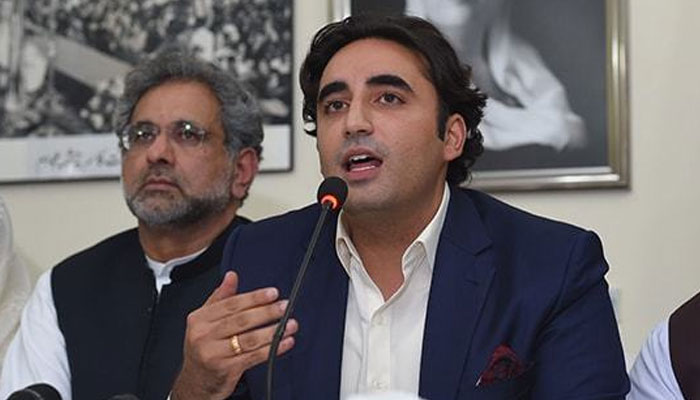

پارٹی کے چیئرمین بلاول بھٹو زرداری سے کراچی میں ملاقات کی ہے۔

بلاول ہاؤس کراچی میں ہونے والی ملاقات میں شاہد خاقان عباسی نے بلاول بھٹو سے این اے 249 کے ضمنی انتخاب کے حوالے سے تبادلہ خیال کیا۔

ملاقات کے دوران پیپلز پارٹی کی سینیٹر شیری رحمٰن، نوید قمر اور این اے 249 میں ن لیگ کے امیدوار مفتاح اسماعیل بھی موجود تھے۔

اس دوران شاہد خاقان عباسی نے پی پی چیئرمین سے این اے 249 میں مسلم لیگ (ن) کے امیدوار کے لیے حمایت مانگ لی۔

بلاول بھٹو زرداری نے سابق وزیراعظم کو جواب دیا کہ میں پارٹی سے مشاورت کے بعد آپ کو اس حوالے سے آگاہ کروں گا۔

https://jang.com.pk/news/900466 

Friday, March 19, 2021

Video Report - CNN's Amara Walker gets emotional after Biden speech

Video Report - #AtlantaSpaShootings #PresidentBiden Atlanta spa shootings: "Racism is real in America" say President Biden, VP Harris

Video Report - Pres. Biden addresses violence against Asian Americans

Video Report - President Biden visits Atlanta after spa shooting rampage

Video - President Biden and Vice President Harris Visit the Centers for Disease Control and Prevention

Music Video - #nowruz #norooz #PersianNewYear - بهار و نوروز با ترانه های شاد و خاطره انگیز

Persian Music Video - Sameera Nasiry - "Rokhsar e Ziba"

Persian Music - گوگوش - من آمدم

#nowruz #norooz #persiannewyear Nowruz. Spring is here. Bahar Amade Ast "بهار آمده است. نوروز‎"

Mahdieh Mohammadkhani - "Nowruz Khosh Amad" - نوروز خوش آمد | مهديه محمدخانى

ہماری یونیورسٹیاں جہاں محبت کرنا منع ہے

تحریم عظیم 

وہ معاشرہ جہاں انسانوں کی پیدائش کا مقصد بس شادی کرنا اور بچے پیدا کرنا ہے وہاں ایک جوڑے کا شادی کی طرف اٹھایا


جانے والا پہلا قدم معاشرتی اصولوں کے خلاف قرار پایا۔

کہتے ہیں یونیورسٹی میں انسان جو اسباق سیکھتا ہے وہ کسی دوسری جگہ سے نہیں سیکھ سکتا۔ سکول اور کالج کا ماحول الگ ہوتا ہے اور یونیورسٹی کا الگ۔ سکولوں اور کالجوں میں سختی زیادہ ہوتی ہے جبکہ یونیورسٹیوں میں قدرے آزاد ماحول ہوتا ہے۔

ہمارے ہاں تو خیر لفظ آزادی کا مطلب بھی غلط لیا جاتا ہے۔ اسی لیے آگے بڑھنے سے پہلے واضح کرتے چلیں کہ یہاں آزادی سے ہماری مراد سوچنے، سمجھنے، پرکھنے اور فیصلہ کرنے کی آزادی ہے۔ ایسی آزادی ہمیں ملے بھی تو ہم اسے واپس کر دیتے ہیں کہ یہ ہمارے کس کام کی، تب ہی ہمارے ہاں یونیورسٹیوں کو وہ درجہ حاصل نہیں جو باقی دنیا میں انہیں حاصل ہے۔
ان یونیورسٹیوں میں طلبہ کو سوچنے کی اور سوال کرنے کی آزادی دی جاتی ہے۔ پروفیسر ہٹلر نہیں بلکہ ان کے دوست یا کولیگ بن کر انہیں پڑھاتے ہیں۔ طلبہ تعلیم کے علاوہ دیگر سرگرمیوں میں بھی پوری شرکت کرتے ہیں۔ انہیں آپس میں بات چیت کرنے اور اپنی مرضی سے میل جول بڑھانے کی بھی آزادی دی جاتی ہے۔ یونیورسٹیوں میں پڑھنے والے طلبہ بالغ ہوتے ہیں، اپنا اچھا برا جانتے ہیں، نہیں بھی جانتے تو غلطیاں کر کے اور ان سے سبق سیکھ کر جان جاتے ہیں۔
ایسا ہماری یونیورسٹیوں کے علاوہ دنیا کی ہر یونیورسٹی میں ہوتا ہے۔ ہماری یونیورسٹیوں کے اپنے ہی اصول ہیں۔ یہ یونیورسٹیاں بنائی تو درس و تدریس کے لیے گئی ہیں پر وہاں اس کے علاوہ باقی ہر کام ہوتا ہے۔ ملک کی تمام بڑی جامعات میں بظاہر امن کا درس دیتی جماعتیں موجود ہیں جن کا واحد مقصد ادارے میں طلبہ کو ہراساں کرنا اور اس کے نتیجے میں پیدا ہونے والی صورتحال سے لطف اٹھانا ہوتا ہے۔

ہمارا دل پاکستان کی یونیورسٹیوں سے بیچلر ڈگری کے دوران ہی اٹھ گیا تھا۔ صبح جلدی اٹھو، گھر کے کام نبٹاؤ، تیار ہو، یونیورسٹی پہنچو بس یہ جاننے کے لیے کہ طلبہ کی دو انتہا پسند تنظیمیں آپس میں  بھڑ چکی ہیں اس لیے کوئی کلاس نہیں ہو گی۔ جس دن تنظیموں کا امن قائم ہوتا اس دن پروفیسر کو کوئی ضروری کام پڑ جاتا اور بس یونہی سمسٹر گزر جاتا۔
رہی سہی کسر مشال خان کے قتل نے نکال دی۔ اس بھیانک قتل کی ویڈیوز آج بھی انٹرنیٹ پر موجود ہیں۔ اس کے بے جان جسم پر جس طرح تشدد کیا جا رہا تھا اسے دیکھنے کے بعد کون جیتا جاگتا انسان جس کے دل میں ابھی بھی انسانیت باقی ہو، اس یونیورسٹی میں قدم بھی رکھ سکتا ہے؟

ایسے میں جب خبر آئی کہ لاہور کی ایک جامعہ میں ایک لڑکی نے گھٹنے کے بل جھک کر اپنے محبوب کو پرپوز کیا ہے تو ہم حیران ہوئے بغیر نہ رہ سکے۔ اس کی زندگی کا اتنا خاص لمحہ اور اس نے اس کے لیے اپنی جامعہ کا انتخاب کیا؟ کیوں؟


اس جوڑے کی ہمت اور اپنی جامعہ کو اتنا خاص سمجھنے پر اسے سلام۔ پر اب دیکھ لیں اس جامعہ نے اس کے ساتھ کیا سلوک کیا۔ جامعہ کے منتظمین کو لگا کہ جوڑے نے اپنے اس قدم سے جامعہ کے اصولوں کی خلاف ورزی کی ہے، اس لیے انہوں نے جوڑے کو یونیورسٹی سے نکال دیا اور اس کے وہاں اور اس کی دیگر شاخوں میں آنے پر پابندی عائد کر دی۔
یعنی وہ معاشرہ جہاں انسانوں کی پیدائش کا مقصد بس شادی کرنا اور بچے پیدا کرنا ہے وہاں ایک جوڑے کا شادی کی طرف اٹھایا جانے والا پہلا قدم معاشرتی اصولوں کے خلاف قرار پایا۔ واہ!
ہماری محبت کرنے والوں سے کہنا چاہتے ہیں کہ یہ معاشرہ آپ کی محبت کا دشمن ہے۔ اپنی محبت کے واسطے اسے اور اس سے حاصل ہونے والے لمحات کو اپنے اور اپنے پیاروں کی حد تک رکھیں، جس معاشرے میں رہتے ہوئے آپ نے محبت کی ہے، وہاں محبت کرنا منع ہے۔ یہاں محبت کو حلال اور حرام کے پیرائے میں دیکھا جاتا ہے۔ جس محبت کو آپ اپنے لیے جائز سمجھ رہے ہیں، وہ اس معاشرے کے نزدیک ناجائز ہے۔ جو محبت آپ ناجائز سمجھتے ہیں وہ ان کے لیے جائز ہے۔
آپ کا وہ لمحہ جو کسی پرائیویٹ جگہ پر آپ کی رہتی عمر کے لیے ایک یادگار بن سکتا تھا، اب اس معاشرے کی انتہا پسندی اور منافقت کی بھینٹ چڑھ چکا ہے۔
اس معاشرے میں محبت سے زیادہ نفرت کو بڑھاوا دیا جاتا ہے۔ اول تو یہاں کسی مخلص انسان کا ملنا ہی اپنے آپ میں ایک معجزہ ہے، پھر اس کو پا لینا اور اس کے ساتھ ویسی ہی زندگی بسر کر پانا جیسی اس کے ملنے سے پہلے سوچی ہو، اس سے بڑا معجزہ ہوتا ہے۔
ہمیں محبت کے ان لمحوں کے جانے کا افسوس ہے۔ یونیورسٹی انتظامیہ نے جو فیصلہ لیا وہ تو متوقع تھا۔  ہمارے ہاں نہ لوگوں کے دل اتنے بڑے ہیں، نہ عہدوں میں اتنی جرات ہے کہ معاشرے کے عائد ان نام نہاد اصولوں کو توڑ سکیں۔ یہاں زور زبردستی کا قانون چلتا ہے اور اسی کی عزت کی جاتی ہے۔
کچھ لوگوں کا کہنا ہے کہ جوڑے کے اس قدم سے معاشرے میں موجود انتہا پسندی کو ایک ضرب لگی ہے۔ ہماری ادنیٰ سی رائے میں اس سے کہیں کاری ضرب ان کی محبت اور زندگی کو پڑی ہے۔ جو لمحے ان کی زندگی کے یادگار ہونے چاہیے تھے، اب وہ پریشانی میں گزر رہے ہیں۔ لوگوں کا کیا جاتا ہے، ان کے ہاتھوں میں ان کے سمارٹ فون ہیں جس پر وہ کسی کو بھی کچھ بھی کہہ سکتے ہیں، یہ سوچے بغیر کہ اس کا اس انسان پر کیا اثر پڑے گا۔
ہو سکتا ہے کچھ سالوں بعد یہ جوڑا اس مشکل کو یاد کر کے ہنس رہا ہو۔ ایسا بھی ہو سکتا ہے کہ اس صورت حال سے پیدا ہونے والا ٹراما پوری زندگی ان کے ساتھ رہے۔ ہونے کو تو کچھ بھی ہو سکتا ہے تو بہتر نہیں تھا کہ اپنی محبت دوسروں کے ساتھ بانٹنے کی بجائے خود تک رکھی جاتی اور خود کو اس مصیبت میں پڑنے سے بچایا جاتا؟

تبدیلی ایک سست رفتار عمل ہے۔ یہ ایک دن یا ایک مہینے یا ایک سال میں نہیں آتی۔ ہاں اس دوران مسلسل چوٹ ضرور پڑتی رہنی چاہئیے تاکہ تبدیلی آتی محسوس ہوتی رہے، ہاں یہ یاد رکھیں کہ وہ چوٹ اتنی کاری نہ ہو کہ الٹا خود کو ہی نقصان ہو جائے۔ باقی امید پر دنیا قائم ہے۔ ہم نہیں تو ہمارے بعد یا ان کے بعد آنے والے اس ملک میں محبت کا جشن منائیں گے۔ ہماری زندگی میں ایسا ہونا پردے کے پیچھے ہی ممکن ہے۔

https://www.independenturdu.com/ 

India and Pakistan suffer resurgence of COVID-19 cases


By Rajendra Jadhav, Gibran Naiyyar Peshimam

 India and Pakistan reported a big jump in new coronavirus infections on Thursday, driven by a resurgence in cases in their richest states. 

 In efforts to curb the spread of COVID-19, Punjab state in India extended a night curfew across nine districts and the New Delhi city government announced an increase of vaccinations to 125,000 doses per day from around 40,000 at present, officials said. Local authorities in the Indian state of Odisha sought additional vaccine doses and in Gujarat, Prime Minister Narendra Modi’s home state, authorities ordered schools and colleges to be shut across eight administrative divisions until April 10. Officials in India have blamed the surge in infections mainly on crowding and a reluctance to wear masks.
 
Pakistan says the coronavirus variant first found in Britain may also be a factor. Maharashtra state, home to India’s commercial capital Mumbai, reported 23,179 of the country’s 35,871 new cases in the past 24 hours, and the rapid spread in industrial areas raised risks of companies’ production being disrupted. India’s total cases stood at 11.47 million, the highest after the United States and Brazil. Deaths rose by 172 to 159,216, according to health ministry data on Thursday.

 In Pakistan, 3,495 people tested positive in the past 24 hours, the most daily infections since early December. Total cases passed 615,000. Deaths rose by 61 to 13,717. Most of the new cases came from Pakistan’s largest and richest province, Punjab. Pakistani minister Asad Umar said hospital beds were filling fast, and warned of stricter curbs if rules were not followed. “The new strain (first found in Britain) spreads faster and is more deadly,” he said on Twitter. India’s first wave peaked in September at nearly 100,000 cases a day, with daily infections dropping to just over 9,000 early last month. India and Pakistan have a combined population of 1.57 billion, a fifth of humanity. 

 CURBS RETURN 

The surge in infections in India has been led by Maharashtra as businesses reopened and millions used crowded suburban trains again. The state of 112 million people ordered a new lockdown in some districts and put curbs on cinemas, hotels and restaurants until the end of the month after infections hit a multi-month high this week. New cases have more than doubled in the past two weeks in Maharashtra’s industrial towns such as Pune, Aurangabad, Nashik and Nagpur, home to car, pharmaceutical and textile factories. “We have asked industries there to operate with minimum manpower as much possible,” said a senior Maharashtra government official. Hospital beds and special COVID-19 facilities were filling up fast, especially in Mumbai, Nagpur and Pune, said another state official. Cases have also risen this month in several other states including Punjab and Madhya Pradesh.

 In Odisha, authorities sought an additional 2.5 million doses of Covishield, the vaccine developed by AstraZeneca and Oxford University, to ensure a smooth inoculation campaign in the next two weeks. Since mid-January, India has administered more than 37 million vaccine doses, mostly reliant on Covishield, and Modi has asked state leaders to increase testing and vaccinations.
https://www.reuters.com/article/health-coronavirus-india-cases-idUSKBN2BA0TQ

President Biden Must Press Pakistan to End Persecution of Religious Minorities

By Qasim Rashid Last year the U.S. State Department labeled Pakistan a country of particular concern over its increasing persecution of religious minorities.
This label is the State Department’s strongest condemnation under the International Religious Freedom Act, and normally mandates sanctions for the designated country. Secretary of State Mike Pompeo intervened, however, with a presidential waiver to avoid such punishment.
The alliance between the two nations has sent $70 billion in economic and military aid to Pakistan since Pakistan’s founding. If not for the sake of sheer justice, then at least for the sake of protecting American interests, President Joe Biden must hold U.S. ally Pakistan accountable to repeal its discriminatory anti-Ahmadi legislation and actions. While the legislation particularly targets Ahmadi Muslims, it tragically also enables societal discrimination and violence against Pakistan’s Christian, Sikh, Hindu, and Shia communities.
Most recently, the Pakistan Telecommunications Authority (PTA) has intensified the government’s decades-long violent persecution of religious minorities — particularly that of the Ahmadiyya Muslim community. For the first time, the PTA has filed a lawsuit against two American citizens who belong to the Ahmadiyya Muslim Community, seeking to shut down a U.S. based website, trueislam.com. The PTA argues that because Ahmadis built the U.S.-based website, it violates Pakistan’s anti-Ahmadi laws. The PTA applied the same convoluted logic to order Google to remove any app built by the Ahmadiyya Muslim Community from the tech giant’s Play store.
Google has, sadly, capitulated to the draconian demands. Sam Brownback, the former U.S. Ambassador at Large for International Religious Freedom, has compared Pakistan’s persecution of Ahmadi Muslims to the Chinese dictatorship, exclaiming, “[This is] Pakistan following in the China model.”
A Brief History of Ahmadi Muslims in Pakistan
The Ahmadiyya Muslim Community was founded in 1889 by a man named Mirza Ghulam Ahmad, who claimed to be the awaited Messiah to reform Muslims, peacefully revive Islam, and reject all forms of religious violence. Despite suffering decades of violent religious persecution, it is well documented that Ahmadi Muslims have maintained their position against all forms of religious violence. Pakistan’s persecution of Ahmadis escalated in 1974, when, in an unprecedented vote, the General Assembly amended the country’s Constitution to formally declare the Ahmadiyya Muslim Community ‘outside the fold of Islam.’
Imagine, for a moment, if the United States passed a constitutional amendment declaring Catholics outside the fold of Christianity? Notwithstanding this absurd amendment, in 1984 Pakistan added Ordinance XX to its penal code, criminalizing any Ahmadi Muslim who proclaims to be a Muslim with arrest and fine. By 1986, Pakistan added Section 295-C, mandating up to and including the death penalty for Ahmadi Muslims.
These draconian laws have predictably left Ahmadi Muslims to languish in apartheid conditions. All books, literature, events, speech, and websites belonging to the Ahmadiyya Muslim community in Pakistan are criminalized. Pakistan denies Ahmadis free and fair voting and forces Ahmadi Muslims to declare their faith on their passports as a means to prevent them from performing the Hajj pilgrimage. To perform Hajj, a Pakistani citizen must have “Muslim” on their passport for religious affiliation. To obtain a passport with “Muslim” as the religious affiliation, Pakistan requires applicants to complete a form declaring Ahmadi Muslims as “non-Muslim.” Since Ahmadis refuse to declare themselves non-Muslim, they are identified as “Ahmadis,” and thus denied the ability to perform Hajj. In other words, Pakistan’s government has created special ID cards to single out Ahmadis.
These apartheid conditions have led to systemic persecution of Ahmadi Muslims, including mass murder, grave desecration, expulsion of school children for their faith, and a complete lockdown of all religious practice. Pakistan has faced repeated condemnation from Amnesty International, Human Rights Watch, and U.S. Commission on International Religious Freedom (USCIRF) for its incessant violation of religious freedom, yet the discriminatory laws remain.
The U.S. Must Demand Justice for Ahmadi Muslims
When President Biden repealed the ‘Muslim Ban’ his first day in office, he condemned the ban as “contravening our values, undermin[ing] our national security, jeopardiz[ing] our global network of alliances and partnerships and a moral blight that has dulled the power of our example the world over.” Indeed, we cannot ignore the connection between persecution of religious minorities and collapse of national and economic security. Look no further than the last four years in the United States. The United States has seen historic highs in hate crimes targeting American Muslims, Jews, and Black, Indigenous, and persons of color (BIPOC) individuals — all of which has undermined American national security.
Pakistan’s government has traversed this dangerous road for several decades, suffocating its own national security, and becoming “a safe haven for certain regionally focused terrorist groups,” according to the State Department. Pakistan’s economy also suffers as a consequence. For example, in the 1960s—prior to enacting discriminatory legislation—Pakistan’s economy grew at a rate of 6% per year, double neighboring India’s growth. By the 1990s, as Pakistan was in full swing of enforcing discriminatory legislation and implicitly legitimizing extremist groups, India surpassed Pakistan’s growth, and has never looked back. Major U.S.-based companies have already threatened to leave Pakistan due to its censorship laws.
The persecution of Ahmadi Muslims in Pakistan is increasing, with yet another innocent Ahmadi gunned down last month in a spate of targeted murders. The U.S.-Pakistan alliance should continue. However, it should not be indiscriminate. If we do not emphatically demand justice of Pakistan’s government to its own citizens, we give a greenlight to not only continue that violent persecution, but also escalate in targeting American citizens. Advancing the U.S.-Pakistan alliance on the principles of justice and protecting religious minorities is imperative for a just, prosperous, and secure future.
https://www.justsecurity.org/75383/biden-must-press-pakistan-to-end-persecution-of-religious-minorities/

Bajwa’s change of heart on India isn’t enough. All of Pakistani military must be on board

HUSAIN HAQQANI
Could the complex India-Pakistan relationship be settled during army chief Qamar Bajwa's tenure even if everyone trusted each other and there were no spoilers?

 The call by Pakistan Army chief General Qamar Javed Bajwa on India and Pakistan to “bury the past and move forward” is music to the ears of his country’s citizens who have often been described as ‘traitors’ by the establishment for saying similar things.

That General Bajwa tied normalisation of India-Pakistan relations to “the resolution of Kashmir dispute through peaceful means” and made no mention of jihadi terrorism, makes it easy for Indian officials and commentators to shrug their shoulders and say, “What else is new?” After all, negotiations must always be preceded by trust between the parties and that is in short supply between India and Pakistan.

The overall tone of General Bajwa’s speech at the first-ever Islamabad Security Dialogue represented a subtle change of priorities in Rawalpindi. The army chief made no mention of Pakistan’s ideology, recognised the role of “politically motivated bellicosity” in derailing rapprochement between India and Pakistan, and acknowledged the primacy of “demography, economy, and technology.”

By refusing to identify India as a permanent enemy or an ideological rival, General Bajwa is trying to signal that he is the all-powerful military leader some in New Delhi have been looking for, who could settle matters with India’s elected leadership without fear of backtracking.
India’s past experience with Pakistan’s military leaders has made the leadership in Delhi particularly sensitive to intransigence in General Headquarters (GHQ), Rawalpindi. Most Indian experts on Pakistan list past attempts to cut deals with Pakistani generals, as well as civilians, to suggest that it might be a futile exercise.
General Bajwa is definitely different from his predecessors but that alone might not convince sceptical Indians, given the history of the two countries’ relationship. He is not an Islamist ideologue like Muhammad Zia-ul-Haq, nor does he have Pervez Musharraf’s arrogance or risk-taking instinct. The current army chief is more in the mould of Field Marshal Ayub Khan, a military man who feels that he must do something for his country, which is unlucky in terms of the quality of its political leaders. But General Bajwa seems aware of Pakistan’s limitations in a way Ayub Khan was not.
Ayub and Zia, the lost years
The Cold War had given Ayub Khan overconfidence in Pakistan’s potential. He thought that the United States and Britain were behind him, that he knew how to assemble a team of Pakistan’s ablest, that he alone could unite the nation, and that he had the formula to put Pakistan on the right track.Ayub Khan became army chief within four years of Pakistan’s creation. He influenced governments from behind the scene between 1951 and 1958, and wielded dictatorial powers from 1958 to 1969.
Ayub Khan was invited to India’s Republic Day in January 1965. He sent his agriculture minister instead because he was busy preparing for the war, which broke out a few months later. His successor General Yahya Khan was in power at the time of the 1971 war over Bangladesh.
After the Simla Accord of 1972, there was some respite in India-Pakistan tensions during the civilian rule of Zulfikar Ali Bhutto. But once Bhutto was overthrown, his successor, General Zia-ul-Haq insisted that the Simla Accord had been signed under duress. Zia regularly entertained Indian journalists and Bollywood stars, speaking of his desire for durable peace. But he planned and initiated the jihad in Kashmir after receiving US support for anti-Soviet Afghan Mujahideen.During the decade of quasi-civilian rule after Zia, several rounds of talks yielded no settlement. Pakistani politicians took turns in blaming each other for ‘being soft on India’ and for not trying to secure Kashmir. Jihad in Kashmir intensified.
General Pervez Musharraf undermined Prime Minister Nawaz Sharif’s understanding with Atal Bihari Vajpayee through his 1999 misadventure in Kargil. Once he assumed total power, Musharraf pursued a two-pronged policy. He retained the jihadi groups while engaging in back-channel diplomacy. Indian Ambassador Satinder K. Lambah, who conducted the back-channel talks, believes that he had almost concluded a comprehensive India-Pakistan peace agreement with Musharraf’s negotiator, Tariq Aziz.
Musharraf’s removal from office made that agreement void well before it could be signed or made public. But the episode only added to Indian scepticism about back-channel negotiations.
Bajwa’s desires
For his part, General Bajwa joined the army several years after Ayub Khan had gone but seems to have fond memories of that era from his childhood. Pakistan functioned relatively efficiently then, at least for its elites. Foreign leaders and tourists could be seen visiting and respecting the country. International media did not always mention Pakistan negatively. The country did not need to borrow to pay off debts.Much has changed in Pakistan since General Bajwa’s childhood. The country lost half its territory in 1971 but has quadrupled in population since then. Jihadi extremism and Pakistan’s approach to securing advantage in Afghanistan and against India, coupled with political uncertainty and economic mismanagement, has made the country poorer and weaker.General Bajwa’s latest public comments only reaffirm what he has been saying in private, including to Pakistan’s opposition leaders. He says he wants Pakistan to become a normal country and understands that it would involve changing many things. But he needs the cooperation and support of several internal and external actors to succeed, which may not always be easy to get.The army chief has privately conveyed the desire for talks with India about “non-interference in each other’s affairs and revival of bilateral dialogue.” His proposal envisages a step-by-step process. The first step, a ceasefire along the Line of Control in Jammu and Kashmir, has already been taken.
If India restores statehood to Jammu and Kashmir, Pakistan could declare it a confidence-building measure and discuss a 20-year or so moratorium. That would give Pakistan time to become normal and for India to continue to grow economically.
In General Bajwa’s narrative, he supported PM Sharif’s engagement with PM Narendra Modi and the opening of Kartarpur Corridor, and can be trusted to negotiate with the Modi government in good faith. He would like India and the world to look for alternative explanations for the terrorist attack in Pulwama while giving him credit for not escalating matters after India’s air strike at Balakot. But sceptics would still ask how he might succeed in ending pervasive hostility, built through decades of propaganda, where his predecessors failed.
After all, there are only 19 months remaining in General Bajwa’s extended tenure. He could always ask for another extension, which the law now allows as long as he does not reach the age of 64. That could see him in office until November 2024. Alternatively, he could ensure that his successor shares his views.
A cautious hope
Could the complex India-Pakistan relationship be settled in that timeframe even if everyone trusted each other and there were no spoilers? In the past, Pakistani leaders (including those who combined the positions of president and army chief) found themselves out of office before their relatively late overtures to India could reach fruition.
Moreover, only a handful of Indian commentators buy the argument that better India-Pakistan relations might wean Islamabad away from deeper alliance with China or that India should re-engage with Pakistan just to test waters because nuclear neighbours cannot afford to ignore each other.
From India’s perspective, Pakistan has not dismantled its jihadi infrastructure and has not punished groups and individuals responsible for terrorist attacks targeting India. At a time when Pakistan’s economy is a mess and the country is under international pressure on more than one count, there might be a temptation to let Pakistan’s weaknesses run their course. Many Pakistani civilians, including this columnist, have written and spoken of the need for normalisation of ties with India and ending support to jihadism as the pre-requisites for Pakistan’s political stability and economic progress.
We have paid a price for our stance and past military leaders have rushed to call us names and accuse us of being foreign agents for deeply held convictions. It is, therefore, encouraging to see that the army chief is articulating views similar to ours for a change.
Outsiders looking for signs of whether there will be a real change in the stance of the Pakistan military, as an institution, should see if there is any diminution in the tendency to look with suspicion upon advocates of fundamental change in the country, especially normalisation of India-Pakistan relations.
https://theprint.in/opinion/bajwas-change-of-heart-on-india-isnt-enough-all-of-pakistani-military-must-be-on-board/624578/

#PPPP Central Information Secretary Shazia Atta Marri condemns federal govt for taking over control of three hospitals of Sindh Province

Shazia Marri condemns federal govt for taking over control of three hospitals of Sindh Province.
Free medical treatment facilities are being snatched away by privatizing hospitals : Shazia Marri
Every sector is being affected due to the incompetence of the federal government: Shazia Marri.
Central Information Secretary Pakistan Peoples Party Parliamentarians and MNA Shazia Atta Marri has strongly condemned the taking over of three key hospitals of Sindh province by the federal government. She said in her statement that Sindh government is running Postgraduate Medical Center (JPMC), the National Institute of Cardiovascular Diseases (NICVD) and the National Health of Child Health (NICH) in the best possible way and also providing best health facilities to the masses in the province.
She added that people from every corner of the country and even from abroad come to Karachi hospitals for the provision of best health facilities.”These hospitals are being providing free of cost and quality medical treatment to the poor and middle class people. She further said that free and quality medical treatment is being snatched away by privatizing these hospitals. She said that the prices of almost everything was raised firstly and now incompetent federal government has been planing to make treatment more expensive for poors.
She maintained that every sector of the country is being affected due to the incompetence of the federal government. Shazia Marri said that taking over these main health facilities by unconstitutional ordinance without waiting for the final verdict of the Supreme Court filled by sindh government is highly condemnedable.
She also questioned the federal government that what sort of solution has been generated yet for PIMS and Polyclinic Islamabad by federal government? and questioned that how many standard hospitals have been set up in Khyber Pakhtunkhwa by the PTI-led government in eight years?
https://www.ppp.org.pk/pr/24490/

Thursday, March 18, 2021

Video Report - Lucy Liu on Asian-American attacks: 'In America there is still, in some ways, a caste system'

Video - #DailyShow #TrevorNoah #AtlantaShooting Why We Should’ve Seen the Atlanta Shootings Coming | The Daily Social Distancing Show

Video - Biden and Harris to meet with Asian American leaders during Atlanta visit

Video Report - Lawmaker fires back at Republican's comments during hearing

Video Report - #AtlantaShooting #AsianAmericans - Atlanta shootings shine light on surging anti-Asian racism in US

Video - د خبریال ملي ورځې د نمانځنې په مراسمو کې د جمهوررئیس غني وینا

Video Report - Is Aurat March Foreign Funded? Are PTM Supporters Traitors? | Crackdown on Students |With Raza Rumi

Video Report - Imran Has Isolated Pakistan In Global Community: Suhail Warraich

Chairman PPP Bilawal Bhutto Zardari strongly condemns the attack on PML-N leader Captain (Retired) Safdar in the premises of Peshawar High Court

 Chairman Pakistan Peoples Party Bilawal Bhutto Zardari has strongly condemned the attack on PML-N leader Captain (Retired) Safdar in the premises of Peshawar High Court and termed it a filthy trend, which has to be discouraged at all levels.

In a statement issued here, the PPP Chairman said that such unfortunate incidents indicate degeneration in society and can extend to other tiers of our society. If steps aren’t taken to collectively discourage and stop such acts, ultimately no one will be safe from such attacks in the future, he said.

Bilawal Bhutto Zardari said that such attacks show that as nation we are growing increasingly intolerant and political opposition has been turned into personal enmity.

He said that selected PTI government and its supporters are have started an ugly chapter in our history by resorting to such disgusting behavior, which is a disgrace to the social and political fabric of the country.

https://www.ppp.org.pk/pr/24483/

چیئرمین پاکستان پیپلزپارٹی بلاول بھٹو زرداری کی سربراہی میں اجلاس کے دوران چار اپریل کو قائد عوام شہید ذوالفقار علی بھٹو کا یوم شہادت کے سلسلے میں جلسہ روالپنڈی میں کرنے کا فیصلہ

 چیئرمین پاکستان پیپلزپارٹی بلاول بھٹو زرداری کی سربراہی میں اجلاس کے دوران چار اپریل کو قائد عوام شہید ذوالفقار علی بھٹو کی شہادت کے سلسلے میں جلسہ راولپنڈی میں کرنے کا فیصلہ کرلیا،

 بلاول ہاؤس کراچی میں ہونے والے اجلاس میں یوسف رضا گیلانی، راجہ پرویزاشرف، شیری رحمان، نیر بخاری، فیصل کریم کنڈی، ہمایوں خان، قمرزمان کائرہ، نثار کھوڑو، سید مراد علی شاہ، وقار مہدی، چوہدری منظور اور زمرد خان بھی شریک تھے،

 اجلاس میں فیصلہ ہوا کہ چار اپریل کو قائد عوام کی شہادت کے سلسلے میں راولپنڈی میں ہونے والے جلسے کے مقام کا اعلان جلد کیا جائے گا، اجلاس میں یہ بھی فیصلہ ہوا کہ راولپنڈی میں جلسے کے بعد روایتی طور پر سینٹرل ایگزیکٹو 

کمیٹی کا بھی اجلاس ہوگا-

https://www.ppp.org.pk/pr/24481/


Wednesday, March 17, 2021

Music Video - Tahira Syed - Jhanjhar Pabdi Na Muthyar Bina

Video Report - #NayaDaur #Politics Is PDM Dead? | Will Gillani Become Senate Chairman Now | Daska Rigging Proofs

Video Report - Pakistan Faces Third, More Infectious COVID Wave

Deported to Pakistan: Does death await Ahmadis? - Ahmadi Muslims are threatened with deportation from Germany

  Luisa von Richthofen

Many Ahmadi Muslims are threatened with deportation from Germany. But other countries have recognized the need for the protection of a minority often persecuted in Pakistan.

The Ahmad family lives in uncertainty. They have no German residency permit. The father, a qualified engineer, is not allowed to work in Germany.

They live in a refugee shelter but they can expect a deportation order any day. They have recently learned that the next collective deportation to Pakistan will take place on March 17 — and they are afraid they will be on that flight.
Back in Pakistan, they say, their lives would be in danger.
Second-class citizens in Pakistan
The Ahmad family are members of the Ahmadiyya Muslim religious community, a movement that originated in British India in the 19th century.
The adherents of the movement referred to as Ahmadis, follow the Islamic scriptures. But they also believe their movement's founder, Mirza Ghulam Ahmad, was a messiah. Many Muslims, therefore, regard the Ahmadiyya teachings as heresy.
"The exclusion of Ahmadis is even enshrined in the constitution [of Pakistan]," explained Mohammad Suleman Malik, spokesman for the Ahmadi community in the German states of Thuringia and Saxony.
Ahmadis have been forbidden to call themselves Muslims in Pakistan since 1974. They are also not allowed to call their houses of prayer "mosques," and the adhan, or call to prayer, is forbidden. In a country with some of the strictest blasphemy laws in the world, an "As-salaam-alaikum" greeting by Ahmadis could result in the death penalty. As non-Muslims, Ahmadis are second-class citizens.
UNHCR and Amnesty see the need for protection
Ahmad and his wife Sahar Kalsoom have also experienced severe hostility. Kalsoom says she had to change schools and has been called a "kafir," an infidel. She did not finish her education.When her cousin was murdered, the entire family had to flee their home village of Khureyanwala. After she married Ahmad and the couple had children, they decided to go to Germany to give their daughters a better future. According to Amnesty International, Pakistani authorities have long downplayed violence against Ahmadis, even supporting it in some cases. The United Nations Refugee Agency (UNHCR) says Ahmadis in Pakistan represent a persecuted minority and should be entitled to protection.
For this reason, Ahmadis in the UK, the US, and the Netherlands have not been deported for a long time. This is not the case in Germany.
Germany: 'Cases are examined individually'
Some 535 Ahmadis are currently being threatened with deportation in Germany. A spokesperson for the interior ministry told DW that merely belonging to this religious community is not sanctioned under criminal law in Pakistan. This is why "cases are examined individually on the basis of the individual circumstances."
German administrative courts often point to safe places for Ahmadis in Pakistan — for example, to Rabwah, the seat of the largest Ahmadi community in the country
Spokesman Malik was skeptical about this. "Ahmadis in Pakistan are not safe anywhere," he said. "Ahmadis are also regularly murdered in Rabwah."
For Malik and the Saxony Refugee Council, the deportations, which are now becoming more frequent, are politically motivated. After the pandemic put them on hold temporarily, the council claims that the German government wanted to make their mark with a tough migration policy in this important election year.
"I think there is a lack of knowledge or political will. This, unfortunately, comes at the detriment of the persecuted people who live here and are now being deported in droves," Malik said, shaking his head.
"It's a matter of life and death for these people," he added.
'Where can we go?'
The Ahmad family is not optimistic about their prospects.
"Germans live in freedom, they may not understand — but when you come here from Pakistan and leave everything behind, you carry a pain with you," said Sahar Kalsoon, the mother, struggling through tears.
"It's not easy to leave a country and leave everything behind. And now that we're here, we're told we can't stay here. But where can we go?"
Her husband fears there will be repercussions if they return, as happened to his uncle who returned from the UK in 2005. A rumor circulated in the village that he, an Ahmadi, was a foreign spy. He was lynched by a mob.
The family has long since exhausted all legal possibilities. A petition by Malik to the state of Saxony was also rejected. They can only wait for the deportation notice. The walk in the wind is one last moment of normality.
https://www.dw.com/en/deported-to-pakistan-does-death-await-ahmadis/a-56891131

#PPP to fight this fascist government in the parliament and on the streets


Former Prime Minister, Raja Pervaiz Ashraf has said that PPP is a party which believes in democracy and has defeated every despotic government with its democratic actions.
He said this while addressing a press conference at the PPP media office in Islamabad on 17 March with Nazir Dhoki and others. Raja Pervaiz Ashraf said that it was the PPP which convinced all the political parties in the PDM to take part in the by-elections and the PDM won in all four provinces. In the Senate elections we defeated the selected government in the National Assembly and won a Senate seat from Islamabad. 

The PDM has also won the chairman Senate but the biased presiding officer illegally and unlawfully rejected 7 votes of PDM candidate Syed Yousuf Raza Gillani. We are going to challenge this in the court. He said that the PDM defeated the selected government in the parliament and in the bye-elections. All the decisions taken by the PDM on the advice of the PPP proved correct and mature. He said that resignations are not first or second option but the last option to send this government packing. The PPP will exhaust all parliamentary options available.
Raja Pervaiz Ashraf said that it is very unfortunate that the selected government has attacked a constitutional institution, the Election Commission of Pakistan. Pakistan Peoples Party strongly condemned these baseless accusations on the ECP by Imran Khan and his ministers. All the democratic forces are standing by the ECP. There is no fault of the ECP if Imran Khan lost all bye-elections and Senate elections, he said. He said that the name of opposition leader in the Senate will be announced after deliberations.
He said that the PPP wants to bring a no-confidence motion in the Punjab assembly. The PTI government failed to show any performance and all the promises made to the people proved nothing but lies. The people are against this selected government because it has given nothing but price-hike, poverty and unemployment to the people. The selected government has destroyed the country’s economy.Raja Pervaiz Ashraf said that we had all preparations ready for the long march but when the resignations were bracketed with the long march, the PPP asked for time to consult its CEC. He said that the PDM was formed by the efforts of the PPP and its leadership. We will inform the PDM about the decision of CEC.
https://www.ppp.org.pk/pr/24474/

Tuesday, March 16, 2021

Video Report - Is AstroZeneca vaccine safe? Decision looms

Video Report - Vice President Harris Remarks to the UN at the 65th Session of the Commission on the Status of Women

Video Report - ABC News Prime: Kids & COVID-19 vaccines; Crisis at the border; France's #MeToo​ Moment

Video Report - #Moderna #COVID19 Moderna starts testing COVID-19 vaccine on children

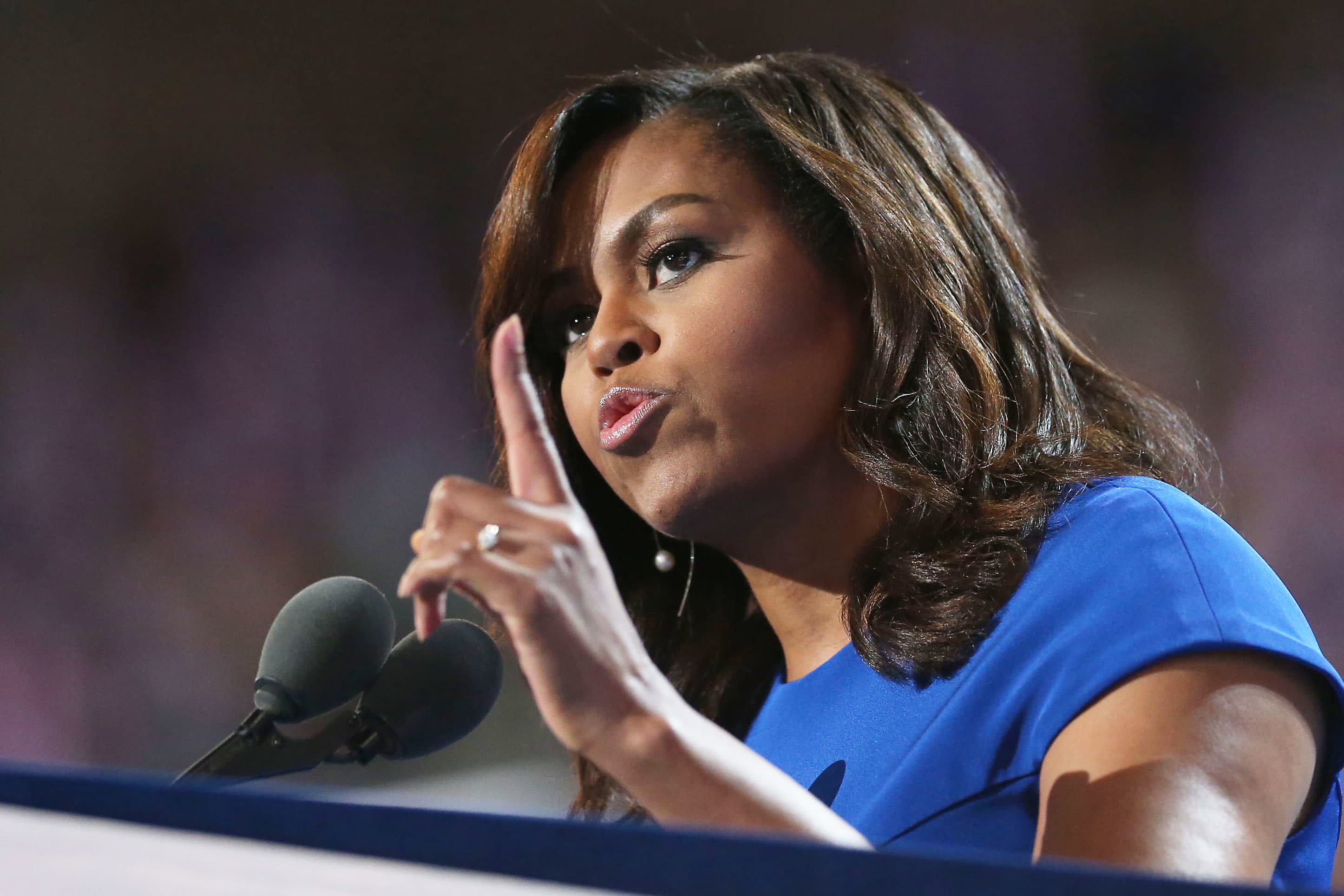
Michelle Obama voices hope for lessons learned over Sussex racism claims


Matthew Weaver
Former first lady’s comments seen as encouragement for royal family ‘to act’ after Oprah Winfrey interview with Harry and Meghan.
Michelle Obama says she hopes the royal family will learn from the allegations of racism made by the Duke and Duchess of Sussex in last week’s TV interview with Oprah Winfrey.
The former first lady said she was not surprised by the couple’s recollections about remarks made by an unnamed member of the royal family about the possible colour of her unborn son’s skin. Speaking to NBC News, Obama said she hoped the couple could reconcile their differences with the royal family, amid reports that the rift was continuing.
Obama added: “This, first and foremost, is a family. I pray for forgiveness for them so that they can use this as teachable moment for us all. Race isn’t a new construct in this world for people of colour, and so it wasn’t a complete surprise to hear her feelings and to hear them articulated.”
Her plea to make this a “teachable moment” will be seen as urging the royal family to do more than deal with the issue privately as it had pledged.
Last week in its only comments on the interview so far, Buckingham Palace said: “The issue raised, particularly that of race, are concerning.” The 61-word statement said: “Whilst some recollections may vary they are taken very seriously and will be addressed by the family privately.”
Last Thursday, Prince William told reporters: “We’re very much not a racist family.”
At that stage he said he had not spoken to his brother, Prince Harry, since the interview. But according to a US-based friend of the Sussexes, Harry has now spoken to William and his father, Prince Charles.
Gayle King, the co-host of CBS This Morning, said she had spoken to Harry and Meghan at the weekend and was told of Harry’s conversation with his brother and father. “It’s true, Harry has talked to his brother and he has talked to his father too, and the word I was given was that those conversations were not productive, but they are glad that they have at least started a conversation,” she said.
Kensington Palace, Prince William’s official residence, has not commented on King’s remarks.
The royal family is still struggling to cope with the fallout from an interview that has posed the biggest challenge to the monarchy since the death of Princess Diana. The most shocking disclosure in the interview was Meghan’s account of how “concerns” were raised from someone in the royal household about how dark their baby son Archie’s skin would be.
Neither Meghan nor Harry would say who made the remarks saying to do so would be “very damaging”. Winfrey later clarified it was neither the Queen nor the Duke of Edinburgh.
Racism played a “large part” in why the couple left Britain, Harry said.
https://www.theguardian.com/us-news/2021/mar/16/harry-and-meghan-racism-comments-michelle-obama

#Pakistan - #PTM leader Manzoor Pashteen, three others booked for treason

The police have booked the Pashtun Tahaffuz Movement leader Manzoor Pashteen and his three friends under the treason charge allegedly for raising slogans against the country and its institutions.
The FIR, lodged with the city police station following a firing incident that took place on the Hazara Motorway’s toll plaza in Sheikh Abad area on March 13, Mr Pashteen allegedly raised slogans against the state and its institutions when activists of Tehreek-i-Inqilab chanted pro-Pakistan and pro-army slogans during a demonstration.

“As we raised the pro-Pakistan and pro-army slogans, Mr Pashteen came out of his vehicle along with his friends and used derogatory language against our country and its institutions. They also opened fire,” Akram Qureshi, who introduced him as a journalist, stated in the FIR, a copy of which was obtained by this reporter.
He stated that he and his friends recognised the PTM leader and his friends, who were on way to Islamabad from Battagram. The FIR, which was made public by the police late Sunday evening, contains sections 324/504/505/506/427/124-A and 153A/34 of Pakistan Penal Code.
On the other hand, Mr Pashteen on his Twitter account said that he and his friends came under attack by a group of 20 to 25 people when they were on way back to Islamabad from Battagram after attending meetings.
The Tehreek-i-Inqilab activists had demanded registration of FIR against Mr Pashteen and his friends.
https://www.dawn.com/news/1612724/ptm-leader-three-others-booked-for-treason

Biden’s Options in Afghanistan - The United States and Pakistan must work together to secure the country’s future.

BY ANNE PATTERSON, ALI JEHANGIR SIDDIQUI, SYED MOHAMMAD ALI
In a deal signed with the Taliban in February 2020, the United States agreed to withdraw its forces from Afghanistan by May this year. The administration of U.S. President Joe Biden is trying to stick to this peace deal, but it is faced with some difficult challenges as violence remains high and little progress has been made on intra-Afghan talks.
In order to make an American withdrawal more feasible and not entirely abandon the U.S.-Taliban agreement, U.S. Secretary of State Antony Blinken has put forward a revised peace plan with an interim power sharing formula and a proposal to involve key countries in the region. Developments over these coming weeks will determine whether the Biden administration can stick to the withdrawal deadline. It is clear, however, after 20 years that no government in Afghanistan can succeed without Taliban participation and that no peace process in Afghanistan can succeed without Pakistan’s full support.
Pakistan, Saudi Arabia, and the United States were all instrumental in helping the Afghans repel the Soviets from Afghanistan and bring the Cold War to a close. However, Afghanistan was torn apart by bloody infighting after the Soviet withdrawal in 1989. The chaos allowed al Qaeda to flourish and its leader, Osama bin Laden, to carry out his global terrorist agenda. Heroin flowed out to neighboring countries, particularly Iran. When the Taliban took over Kabul in 1996, the group managed to curb opium production, but their rule was ruthlessly repressive, particularly of women. While conflict lessened, India and Iran continued to engage in proxy wars against the Taliban. When the United States was attacked on September 11, 2001, and Taliban leader Mullah Omar refused to hand over Bin Laden to the United States, it took only two months to overthrow the Taliban. They were far from defeated, however.
For the next two decades, the relationship of the United States and Pakistan has been dominated by the situation in Afghanistan and often plagued by animosity and accusations of duplicity. Americans were furious that Pakistanis would not crack down on Taliban hideouts within Pakistan, particularly the notorious Haqqani network, and Americans argued that safe havens in Pakistan prevented an U.S. military victory in Afghanistan. Americans wrongly believed that their billions of dollars in coalition support funds to the Pakistan military would buy them sufficient influence to secure the United States’ strategic goals.
But soon the Americans were accusing Pakistan of not doing enough to crack down on its own terrorist problem. In turn, Pakistan saw the ongoing debates in the United States about troop levels, the swings in violence, and factionalism in Kabul as evidence that U.S. policy was unpredictable and risked expanding the war theatre into Pakistan. If the Taliban were going to be there in the end anyway, Pakistan had a compulsion to continue engaging with them.
Pakistan’s leadership has consistently argued that its inability to go after the Afghan Taliban seeking refuge on its soil was not a matter of will, but of capacity. Pakistan’s military was simultaneously contending with an increasingly hostile India and a lingering insurgent threat in the province of Balochistan, which it suspected was fueled by India. Moreover, although Pakistan retains leverage over the Taliban, pushing the group harder could have driven it even closer to other countries which also built relations with it after the U.S. invasion.
From a Pakistani perspective, the United States made two fundamental mistakes: the first was not to differentiate between al Qaeda and the Taliban; and the second was the United States’ decision to bar the Taliban from the government formation process after the Bonn Agreement in 2001 which sought to reestablish government institutions after the U.S. invasion. In the past year, Pakistan has been the key player in bringing the Taliban to the negotiating table. With the U.S. withdrawal agreement at risk, Pakistan will now be expected to pressure the Taliban to comply with its commitments. But the truth is that every day that a political settlement is delayed, Pakistan’s influence on the Taliban is eroded.
The peace process is fragile, and the Afghan army and NATO forces are still fighting the Taliban. Although no U.S. forces have been targeted recently, a breakdown of the peace talks risks a spike in attacks against Americans, which will further complicate the U.S. withdrawal. Lingering destabilization within Afghanistan would lead to a deterioration of Pakistan’s internal security situation and spur another wave of Afghan refugees. Pakistan still has an estimated 2.5 million Afghan refugees within its borders; a stable Afghanistan would give them the option of finally returning home. Renewed instability in Afghanistan would bring violence to Pakistan’s border towns and eliminate any prospects of bilateral trade.
In recent years, Pakistan has made progress against its domestic terrorist threat and avoided unification of the Afghan and Pakistan Taliban. Importantly, Pakistan’s security establishment has also continued to upgrade its nuclear command and control processes and improved the country’s Nuclear Safety Index rankings.
https://foreignpolicy.com/2021/03/16/afghanistan-future-peace-talks-biden-united-states-pakistan/
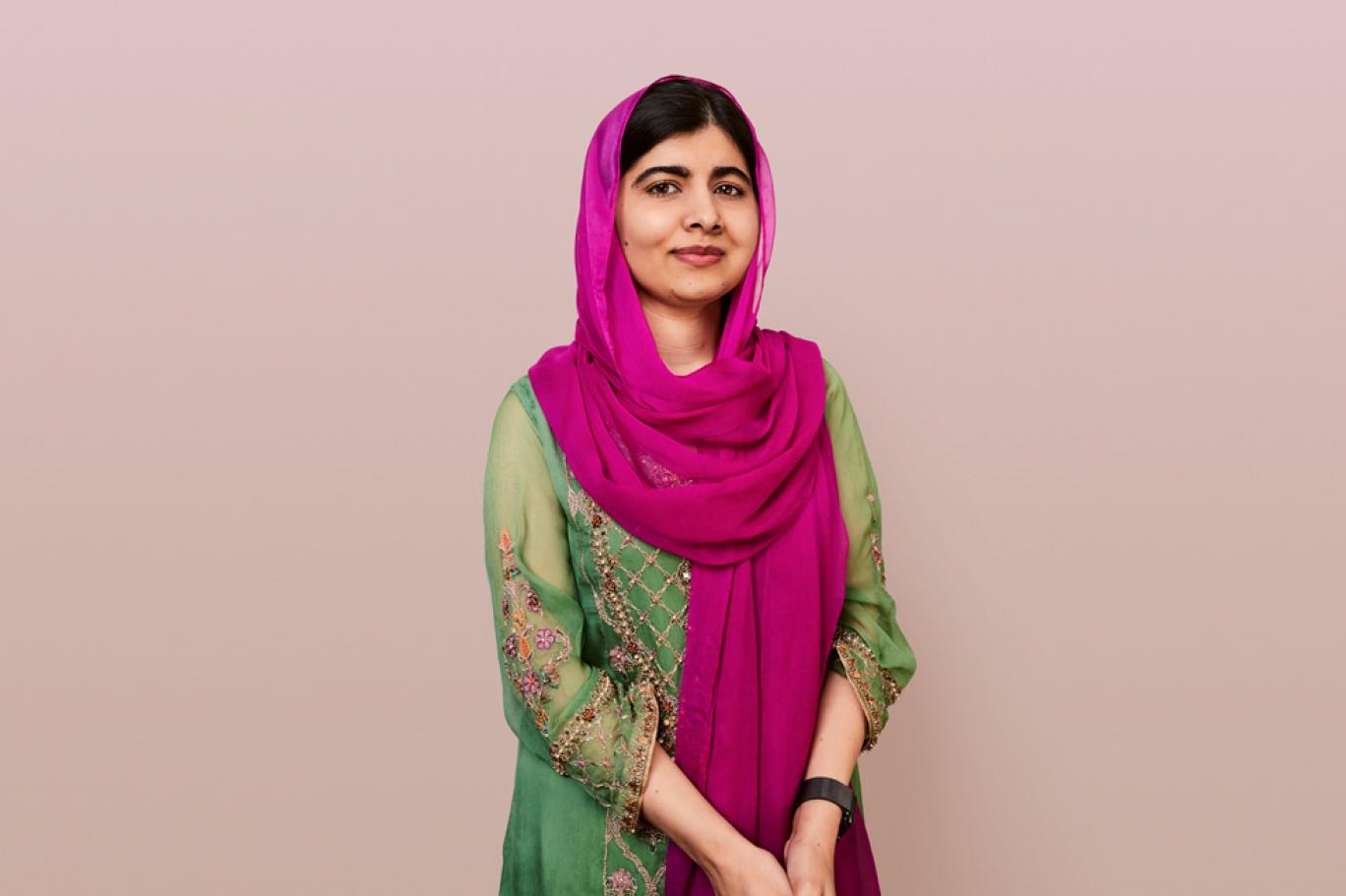
تعلیم میں وقفہ، ملالہ اب ٹی وی ڈرامے بنائیں گی

کم عمر ترین نوبیل انعام یافتہ ملالہ یوسفزئی اپنی گریجویشن کے بعد بظاہر فی الحال مزید تعلیم کا ارادہ نہیں رکھتیں۔ تو پھر وہ آگے کیا کرنا چاہتی ہیں؟

کم عمر ترین نوبیل انعام یافتہ ملالہ یوسفزئی اپنی گریجویشن کے بعد بظاہر فی الحال مزید تعلیم کا ارادہ نہیں رکھتیں۔ تو پھر وہ آگے کیا کرنا چاہتی ہیں؟

یہ سوال ملالہ یوسفزئی کی جانب سے ٹک ٹاک پر اکاؤنٹ بنانے اور پھر اب ایپل ٹی وی کے ساتھ کئی سالوں پر مبنی ایک اشتراک کے معاہدے پر دستخط کے بعد ابھرا ہے۔

ملالہ یوسفزئی اور ایپل کے درمیان کیے جانے والے اس معاہدے کے تحت ایپل ٹی وی ڈرامے، کامیڈیز، دستاویزی فلمیں، اینی میشن اور بچوں کے لیے سیریز تیار کرے گا جبکہ ان کے لیے لوگوں کی توجہ حاصل کرنے کے لیے ملالہ کی صلاحیتیوں سے فائدہ اٹھایا جائے گا۔

اس حوالے سے ایپل کی ویب سائٹ پر شائع ہونے والے بلاگ میں ملالہ یوسفزئی کا کہنا تھا کہ ’میں کہانیوں کی طاقت پر یقین رکھتی ہوں کیونکہ وہ خاندانوں کو جوڑ سکتی ہیں اور دوستیاں قائم کر سکتی ہیں۔ وہ تحریکوں کی بنیاد رکھ سکتی ہیں اور بچوں کو خواب دیکھنا سکھا سکتی ہیں۔‘

’میں ایپل سے زیادہ بہترین شراکت دار کی خواہاں نہیں ہو سکتی تھی، جو ان کہانیوں کو حقیقت کا روپ دے سکتا ہے۔ میں خواتین، نوجوانوں، لکھاریوں اور اداکاروں کی حمایت کے لیے ملنے والے اس موقع پر بہت خوش ہوں، جس میں وہ دنیا کو ویسا دکھا سکیں گے جیسا وہ خود دیکھتے ہیں۔‘

اس حوالے سے ملالہ یوسفزئی کے والد ضیاالدین یوسفزئی کہتے ہیں کہ ان کی صاحبزادی نے فی الحال تعلیم سے وقفہ لیا ہے۔

انڈپینڈنٹ اردو نے ضیاالدین یوسفزئی سے یہ جاننے کی کوشش کی کہ ٹک ٹاک اکاؤنٹ اور پھر ایپل ٹی وی کے ساتھ معاہدہ آخر ملالہ مستقبل میں کیا کرنے کا ارادہ رکھتی ہیں۔

اس حوالے سے ان کا کہنا تھا کہ ’اس وقت صرف اتنا ہی بتا سکتے ہیں کہ ملالہ نے تعلیم میں وقفہ لیا ہے۔‘

ان کا کہنا تھا کہ ملالہ یوسفزئی اپنی تمام تر توجہ ملالہ فنڈ پر مرکوز کرنا چاہتی ہیں۔

واضح رہے کہ ملالہ اور ان کی نئی پروڈکشن کمپنی ایکسٹرا کریکولر ایپل کے معروف تخلیق کاروں پر مبنی اس گروپ کا حصہ بن گئی ہے جس میں اوپرا ونفری، سٹیو سپلبرگ، ٹام ہانکس، ول سمتھ، جینیفر آنسٹن، ریز ودرسپون، ادریس البا، مارٹن سکورسیس، لیونارڈو ڈی کیپریو  اور کمیل ننجیانی جیسے بڑے نام شامل ہیں۔

16 سال کی عمر میں ملالہ نے اپنی بیسٹ سیلنگ کتاب ’آئی ایم ملالہ‘ شائع کی تھی۔ تب سے لے کر اب تک وہ دو مزید کتابیں بھی لکھ چکی ہیں جبکہ اپنی ابتدائی زندگی پر بننے والی ایک دستاویزی فلم میں بھی کام کر چکی ہیں۔ اس کے علاوہ وہ ایک اسمبلی بنانے کے ساتھ ساتھ وہ خواتین اور بچیوں کے لیے ایک ڈیجیٹل جریدہ بھی جاری کر چکی ہیں۔ 2018 میں اسمبلی کی لانچ کے بعد سے اس میں نوجوان لڑکیوں کی کہانیوں کو 20 سے زائد زبانوں اور 100 سے زائد ممالک میں شائع کیا جا رہا ہے۔

ملالہ نے لڑکیوں کی 12 سال کی تعلیم کے محفوظ، آزادانہ اور معیاری ہونے کے حق کی مہم چلانے کے لیے ملالہ فنڈ کی بنیاد بھی رکھی ہے۔ 2018 میں ایپل نے ملالہ فنڈ کے ساتھ بھی معاہدہ کیا تھا اور آٹھ ممالک نے بھی اس ادارے کی کوششوں میں مدد فراہم کی تھی، جہاں لڑکیوں کو تعلیم حاصل کرنے میں مسائل کا سامنا ہے۔

https://www.independenturdu.com/node/61906/apple-tv-announces-partnership-malala 

اسلام آباد/کراچی(-) پاکستان پیپلزپارٹی نے سینیٹ سیکریٹریٹ سے چیلنج ووٹ، ووٹرز کیلئے ہدایات نامہ، رولنگز اور فاروق نائیک کے مباحثے کی مصدقہ کاپیوں کی طلبی کے سلسلے میں چیئرمین سینیٹ کے انتخاب سے متعلق سینیٹ کا سارا ریکارڈ سیل کرنے کی درخواست کردی ہے، اس ضمن میں سینیٹر فاروق ایچ نائیک نے خدشہ ظاہر کیا ہے کہ پارلیمان کی بندش کے دوران سینیٹ ریکارڈ میں ردوبدل و تحریف کی جاسکتی ہے، فاروق ایچ نائیک نے اپنے ایک جاری کردہ بیان میں بتایا کہ وہ خفیہ کیمروں کی تنصیب سے متعلق سینیٹ ریکارڈ کو سیل کرنے کی بھی درخواست کرچکے ہیں جبکہ چیئرمین سینیٹ کے انتخاب سے متعلق دستاویزات کی مصدقہ کاپیوں سے متعلق ان کی درخواست ابھی تک زیرالتواء ہے، فاروق نائیک نے کہا کہ چیئرمین سینیٹ کے انتخاب سے متعلق دستاویزات کی کاپیاں موصول ہوتے ہی وہ اسلام آباد ہائی کورٹ سے رجوع کریں گے، فاروق نائیک کا کہنا تھا کہ یوسف رضا گیلانی اور ان کے ووٹرز سے سینیٹ میں غیرمنصفانہ، متعصبانہ، غیرقانونی و غیرآئینی رویہ برتا گیا-

 پاکستان پیپلزپارٹی نے سینیٹ سیکریٹریٹ سے چیلنج ووٹ، ووٹرز کیلئے ہدایات نامہ، رولنگز اور فاروق نائیک کے مباحثے کی مصدقہ کاپیوں کی طلبی کے سلسلے میں چیئرمین سینیٹ کے انتخاب سے متعلق سینیٹ کا سارا ریکارڈ سیل کرنے کی درخواست کردی ہے، اس ضمن میں سینیٹر فاروق ایچ نائیک نے خدشہ ظاہر کیا ہے کہ پارلیمان کی بندش کے دوران سینیٹ ریکارڈ میں ردوبدل و تحریف کی جاسکتی ہے، فاروق ایچ نائیک نے اپنے ایک جاری کردہ بیان میں بتایا کہ وہ خفیہ کیمروں کی تنصیب سے متعلق سینیٹ ریکارڈ کو سیل کرنے کی بھی درخواست کرچکے ہیں جبکہ چیئرمین سینیٹ کے انتخاب سے متعلق دستاویزات کی مصدقہ کاپیوں سے متعلق ان کی درخواست ابھی تک زیرالتواء ہے، فاروق نائیک نے کہا کہ چیئرمین سینیٹ کے انتخاب سے متعلق دستاویزات کی کاپیاں موصول ہوتے ہی وہ اسلام آباد ہائی کورٹ سے رجوع کریں گے، فاروق نائیک کا کہنا تھا کہ یوسف رضا گیلانی اور ان کے ووٹرز سے سینیٹ میں غیرمنصفانہ، متعصبانہ، غیرقانونی و غیرآئینی رویہ برتا گیا-

https://www.ppp.org.pk/pr/24470/ 

Results of by elections are a proof that nation stands with PDM, Chairman PPP

Chairman Pakistan People’s Party (PPP) Bilawal Bhutto Zardari has said that all the achievements of the PDM till date have been achieved from within the Parliament adding that if the Senate election had been boycotted, Imran Khan would have been celebrating getting a super majority in the upper house today.Talking to media on the sidelines of Livestock Expo-2021 organized by Sindh Livestock, Wildlife and Fisheries Department in Hyderabad, the PPP Chairman said that the option of resignations from the assemblies should be used like an atom bomb. But whatever decisions are made will be made by consensus. He said that the victory of PDM candidate in the election of Senate Chairman is in front of everyone, who got 49 votes, while the government candidate got 48 votes. “The manner in which the election of Chairman Senate was rigged is also in front of the whole of Pakistan, through which Sanjrani has been wrongly given a seat for some time, he said adding that we would approach the High Court on the issue of rejection of seven votes in the election of Senate Chairman.
Bilawal Bhutto Zardari pointed out that the Supreme Court had ruled in such cases in 2004 and 2007 that in case of ambiguity, the decision would be based on the will of the voters. “Therefore, we are 100% sure that the court will rule on the basis of justice precedence,” he added. He said that PPP is a part of PDM and future course of action will be taken by consensus. The PPP Chairman said that if by-elections had not been held, the whole of Pakistan could not have been shown that the people were not with the selected and as a result of participating in both the phases of the Senate elections, fake majority in both the houses of government has been exposed. PPP Chairman further said that by-elections and participation in Senate elections were the right decisions of PDM as now the majority of the government is also in danger in Punjab. Replying to a question, Bilawal Bhutto Zardari said that the entire country has suffered due to the present incompetent, incapable and illegitimate government, but the agricultural sector has suffered gravely. “Onion and tomato growers in Sindh have suffered a lot due to anti-agriculture policies of the federal government,” he stated.
Asked by a journalist about the ongoing operation against encroachments, Bilawal Bhutto Zardari said that it was unfortunate to evict the poor in the name of encroachment. Such measures should be taken only if the victims have been provided with alternative accommodation. He said that the PPP leadership and the people of Sindh did not want to hear that a meeting was held and there was some discussion on the issue in the assembly. Rather, they want the Sindh government to legislate in this regard and the houses of the poor are on the banks of drains or elsewhere they should be given legal protection.
Bilawal Bhutto Zardari further said that he did not want to upset any court, we want to obey its order, but no one’s house should be demolished till the exchange arrangements are made for the victims. Bilawal Bhutto Zardari said that the organization of Livestock Expo by the Department of Fisheries and Livestock is a good step, which is giving positive results for the development of this sector, adding that the Sindh government is making various efforts to create employment opportunities for the public in province and the ongoing expo of Livestock is also a part of such initiatives.
Sindh Chief Minister Murad Ali Shah, Provincial Minister for Livestocks and Fisheries Abdul Bari Pitafi, other members of Sindh cabinet Nasir Hussain Shah, Sohail Anwar Siyal, Ismail Rahu and Murtaza Wahab, MPAs Sharjeel Memon, Jam Khan Shoro and other leaders were also present on the occasion.
https://www.ppp.org.pk/pr/24468/