Monday, November 9, 2020

Trump Fires Mark Esper, Defense Secretary Who Opposed Use of Troops on U.S. Streets

 By Helene Cooper, Eric Schmitt and Maggie Haberman


Mr. Esper’s removal was quickly followed by speculation that the president was not finished: The F.B.I. director and the C.I.A. director could be next, according to administration officials.

President Trump fired Defense Secretary Mark T. Esper on Monday, upending the military’s leadership at a time when Mr. Trump’s refusal to concede the election has created a rocky and potentially precarious transition.
Mr. Trump announced the decision on Twitter, writing in an abrupt post that Mr. Esper had been “terminated.”
The president wrote that he was appointing Christopher C. Miller, whom he described as the “highly respected” director of the National Counterterrorism Center, to be the acting defense secretary. Mr. Miller will be the fourth official to lead the Pentagon under Mr. Trump.
Two White House officials said later on Monday that Mr. Trump was not finished, and that Christopher A. Wray, the F.B.I. director, and Gina Haspel, the C.I.A. director, could be next in line to be fired. Removing these senior officials — in effect decapitating the nation’s national security bureaucracy — would be without parallel by an outgoing president who has just lost re-election.
Democrats and national security veterans said it was a volatile move in the uncertain time between administrations, particularly by a president who has made clear that he does not want to give up power and that he would be reasserting his waning authority over the most powerful agencies of the government.
“President Trump’s decision to fire Secretary Esper out of spite is not just childish, it’s also reckless,” said Representative Adam Smith, Democrat of Washington and the chairman of the House Armed Services Committee. “It has long been clear that President Trump cares about loyalty above all else, often at the expense of competence, and during a period of presidential transition, competence in government is of the utmost importance.”
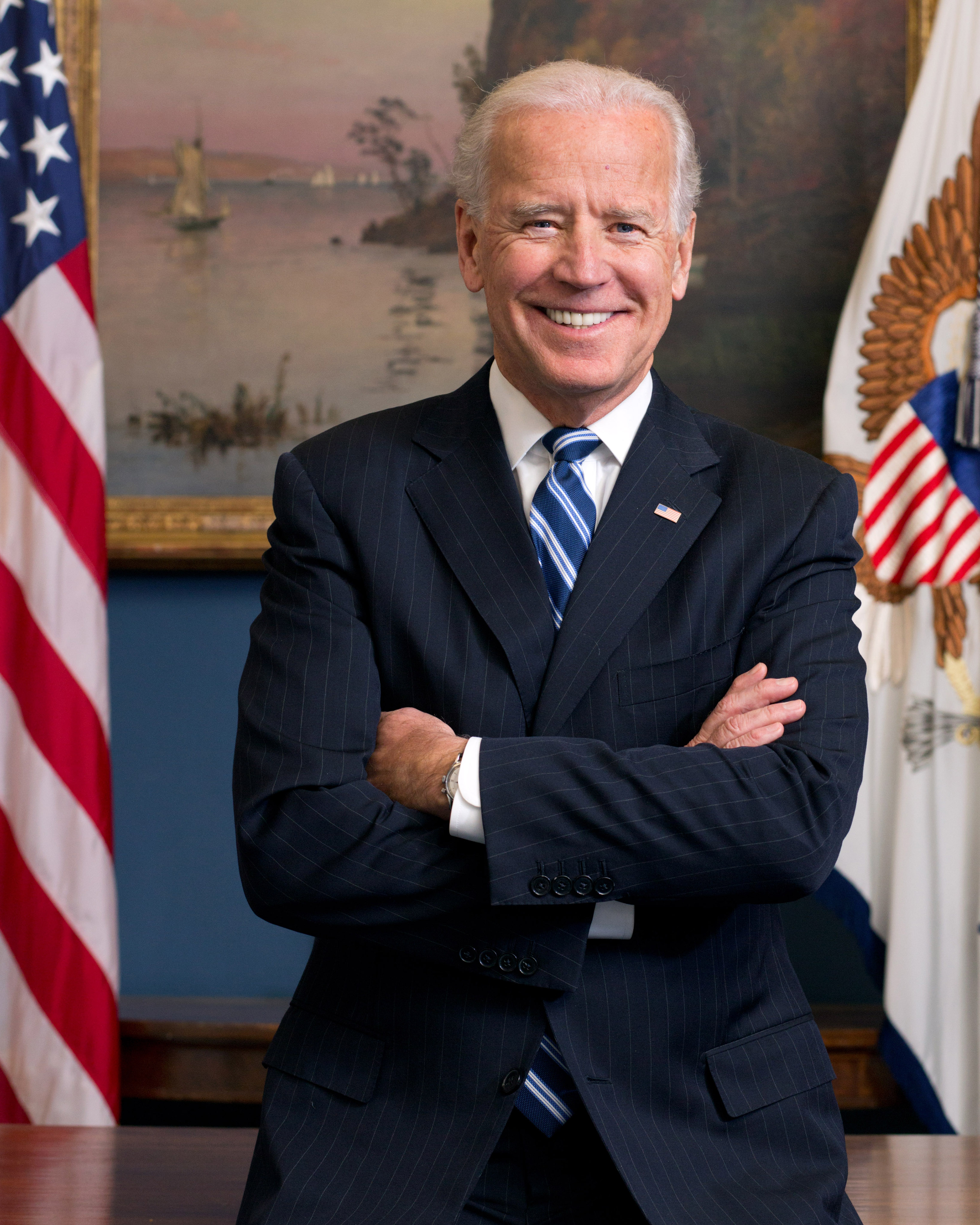
Two senior administration officials noted on Monday that Mr. Trump enjoyed firing people and had only two more months to do so. Mr. Esper’s dismissal also gave the president the chance to reclaim some of the postelection headlines, which have been dominated by President-elect Joseph R. Biden Jr.’s victory.
At the Pentagon, Mr. Esper’s departure means that Mr. Miller would — if he lasts — see out the end of the Trump administration. Defense Department officials have privately expressed worries that the president might initiate operations, whether overt or secret, against Iran or other adversaries during his last days in office.
“In my experience, there would only be a few reasons to fire a secretary of defense with 72 days left in an administration,” Representative Elissa Slotkin, Democrat of Michigan and a former Pentagon official in the Obama administration, said in a statement.
“One would be incompetence or wrongdoing, which do not seem to be the issue with Secretary Esper,” she said. “A second would be vindictiveness, which would be an irresponsible way to treat our national security. A third would be because the president wants to take actions that he believes his secretary of defense would refuse to take, which would be alarming. Whatever the reason, casting aside a secretary of defense during the volatile days of transition seems to neglect the president’s most important duty: to protect our national security.”
Mr. Esper’s downfall had been expected for months, after he took the rare step of disagreeing publicly with Mr. Trump in June and saying that active-duty military troops should not be sent to control the wave of protests in American cities.The defense secretary was aware that he was likely to be fired, but Pentagon officials said he hoped to continue serving as long as possible to try to sustain orderly leadership of the Defense Department. Although Mr. Esper had a resignation letter prepared, his allies said he did not think anything was imminent from Mr. Trump on Monday.But the president expressed his ire in the Oval Office on Monday morning, and the White House gave Mr. Esper only a few minutes’ advance notice of his firing.
In a two-page letter to Mr. Trump obtained by The New York Times, Mr. Esper said, “I serve the country in deference to the Constitution, so I accept your decision to replace me.”
Friends and colleagues of the new acting secretary praised Mr. Miller’s Army Special Forces background and counterterrorism credentials but expressed surprise that he had been elevated to such a senior position, even in a temporary capacity. Mr. Miller does not have the stature to push back on any precipitous actions that Mr. Trump might press in his final weeks in office, colleagues said.
“A move like this probably sends a chill through the senior ranks of the military,” Nicholas J. Rasmussen, a former top counterterrorism official in the Bush and Obama administrations, said in an email. “Not because of anything about Chris Miller personally, though it’s a highly unconventional choice, to be sure. But simply because a move like this contributes to a sense of instability and unstable decision-making at exactly the time when you want to avoid sending that kind of message around the world.”
Mr. Miller is a former Army Green Beret who participated in the liberation of Kandahar early in the war in Afghanistan. He also previously served as the top counterterrorism policy official in the National Security Council in the Trump White House. After that job, he briefly served in a top counterterrorism policy role at the Pentagon this year.
It was only in August that Mr. Miller was named to replace Russ Travers, who was the acting head of the counterterrorism center.
Upon his arrival at the Pentagon on Monday afternoon, Mr. Miller tripped on the stairs and said, “That would have been great, broke my ankle on the way in.”Mr. Miller began his military career as an enlisted infantryman in the Army Reserve in 1983. He also served as a military police officer in the District of Columbia National Guard. He was commissioned as a second lieutenant in 1987 and became an Army Green Beret in 1993.In addition to his deployment to Afghanistan, he also served in Iraq in 2003, both with the Fifth Special Forces Group.
Rosa Brooks, a Georgetown University law professor and a Defense Department official during the Obama administration, led a group of 100 current and former national security officials and election experts from both parties this year in exercises to simulate the most serious risks to a peaceful transition of power.
That exercise anticipated an 11th-hour switch of the defense secretary, particularly if Mr. Esper was perceived to suggest to the president that he should accept an election loss.
When Mr. Esper broke with Mr. Trump in June on deploying active-duty troops to U.S. cities, the secretary’s spokesman tried to walk back the damage, telling The Times that Mr. Trump did not want to use the Insurrection Act either, or he would have invoked it already. White House officials disagreed.
Mr. Esper, 55, a former secretary of the Army and a former Raytheon executive, became defense secretary in July 2019, after Mr. Trump withdrew the nomination of Patrick M. Shanahan, the acting defense secretary, amid an F.B.I. inquiry into allegations from Mr. Shanahan’s former wife that he had punched her in the stomach. Mr. Shanahan denied the accusations.
Mr. Shanahan had been standing in for Jim Mattis, who resigned as defense secretary in 2018, citing his own differences with the president.
Mr. Esper had taken pains to hew to the Trump line during his tenure. But concern over invoking the Insurrection Act to send troops to quell civil unrest across the country was deep in the Pentagon. Under heavy public criticism, Mr. Esper ultimately broke with the president.
Mr. Trump has referred to Mr. Esper as “Mr. Yesper.” Ironically, it was the defense secretary’s public break with the president during a news conference in June that infuriated Mr. Trump to begin with. Those comments came after Mr. Esper had accompanied Mr. Trump on his walk across Lafayette Square outside the White House, where protesters had been tear-gassed, prompting condemnation from former military and civilian Defense Department officials.
By midsummer, Mr. Esper was walking a fine line to push back on Mr. Trump’s other contentious positions involving the military.The Pentagon, without once mentioning the word “Confederate,” announced in July that it would essentially ban displays of the Confederate flag on military installations around the world.
After the events in June, Mr. Esper avoided the news media and kept a low profile to prevent being pulled into election politics.
He traveled often beginning in early summer, including overseas trips to North Africa, the Middle East and India. When he did speak in public, either abroad or in Washington, it was often in prerecorded remarks on safe subjects (criticizing China and Russia on the Africa trip) or in friendly places (a session on military readiness at The Heritage Foundation, where Mr. Esper had served as the organization’s chief of staff).
Mark Meadows, the White House chief of staff, called Mr. Esper five minutes before the president’s Twitter post to tell him he had been fired. Mr. Esper was still at the Pentagon cleaning out his desk on Monday afternoon when Mr. Miller arrived, administration officials said. It was unclear if the two men spoke; Mr. Miller met with Gen. Mark A. Milley, the chairman of the Joint Chiefs of Staff.
Yet on the single biggest issue of 2020 — the coronavirus pandemic — history may show that Mr. Esper has, by far, outperformed his boss, who largely refused to wear a mask and contracted the coronavirus during an outbreak at the White House. Mr. Esper, by contrast, has strictly adhered to guidelines from the Centers for Disease Control and Prevention on wearing a mask when unable to keep a recommended social distance.
At a Pentagon virtual town-hall-style meeting, the defense secretary responded to a sailor on the aircraft carrier Gerald R. Ford who said that the required social distancing aboard the ship was hurting morale.
“It is tedious — I understand that,” Mr. Esper said. “But I think it’s showing, in terms of the Navy’s results in terms of infection rates, that they’re doing a very good job.”
https://www.nytimes.com/2020/11/09/us/politics/esper-defense-secretary.html?action=click&module=Spotlight&pgtype=Homepage

Music Video - Nashenas _ زه خو شرابي يم، زه خو شرابي يم شیخه څه راسره جنګ کړې

Music Video - JO BACHA THA - NOOR JEHAN - UMRAO JAN ADA

Music Video - Naheed Akhtar - Teri Ulfat Mein Sanam

Video Report - #NayaDaur #News #Headlines Nawaz-Fazl Inside Story | Raheel Sharif Extension | Ijaz Shah ANP Apology | Pakistan News Headlines

Pashto News: د افغانستان، سیمې او نړۍ تازه خبرونه او ډیر نور په زړه پوري راپورونه

کل بھی بھٹو زندہ تھا ، آج بھٹو زندہ ھے

بلاول بھٹو زرداری - گلگت بلتستان میں حکومت بنانے کے بعد گلگت بلتستان کے مسائل اولین ترجیحات کی بنیاد پر حل کیے جائینگے۔

چیئرمین پیپلز پارٹی بلاول بھٹو زرداری نے ہنزہ میں پارٹی کے سینئر ترین کارکن لعل حسین کے طرف سے ناشتے کی دی گئی دعوت میں شرکت کی۔ دعوت میں سینٹر مصطفی نواز کھوکھر، جمیل احمد سومرو،سینیٹر شیری رحمن، فیصل کریم کنڈی ،نجم الدین خان ہدایت اللہ خان، جاوید نایاب لغاری،مسرور احمد راجپر سمیت دیگر پیپلزپارٹی کے رہنما بھی موجود تھے۔ چیئرمین پیپلز پارٹی بلاول بھٹو زرداری سے شمشال ماو ¿نٹین کوہ پیماون نے اپنے مسائل سے آگاہ کیا، چیئرمین بلاول بھٹو زرداری نے انہیں یقین دلایا کے گلگت بلتستان میں حکومت بنانے کے بعد ان کے مسائل ترجیح بنیادوں پر حل کئی جائینگے۔ چیئرمین پیپلز پارٹی بلاول بھٹو زرداری نے نگر کے علاقے ہوپر ویلی میں پارٹی کارکنوں کے اجلاس سے خطاب کرتے ہوئے پارٹی کے عہدیداروں اور کارکنوں کو ہدایت کی ہے کہ وہ ہر گھر کا دروازہ کھٹکھٹاکر ووٹروں کو پیغام دیں گے۔ انہوں نے کہا کہ پیپلزپارٹی شہیدوں کی پارٹی ہے جس میں گلگت بلتستان کے عوام کو ہمیشہ دیا ہے کبھی چھینا کچھ نہیں دوسرے طرف ظالم ہیں جو آپ کے حقوق چھیننا چاہتے ہیں گلگت بلتستان میں پی ٹی آئی اور مذہبی جماعتوں کے درمیان غیر فطری اتحاد پر شاعرانہ انداز میں تنقید کرتے ہوئے کہا کے عجیب تیری سیاست ہے عجیب کے تیرا نظام یزید سے بھی شناسائی حسین کو بھی سلام۔ 

چیئرمین پیپلز پارٹی بلاول بھٹو زرداری نے کہا کے ابھی جی بی میں حکومت بنائی ہی نہیں عمران خان کہے رہے ہیں کہ وہ جی بی کے عوام سے سبسڈی واپس لینگے اور ٹیکس لگائیں گے۔ ورکز کنوینشن میں موجود کارکنوں سے جب چیئرمین پی پی پی نے سوال کیا کے سلیکٹڈ عوام کو دیا ہی کیا ہے؟ تو کارکنوں نے پرجوش نعروں میں جواب دیا کے کچھ نہیں دیا ہے صرف ظلم کیا ہے۔ چیئرمین پیپلز پارٹی نے کارکنوں کی جدوجہد اور کارکردگی کو سراہتے ہوئے کہا کے میں آپ کی کارکردگی اور قردار سے مطمئن ہوں مجھے خوشی ہے کے میں آپ کے درمیان موجود ہوں آپ کی جدوجہد ابھی ختم نہیں ہوئی 15 نومبر تک آپ اپنے گھروں میں نا بیٹھیں اور محنت کریں تاکہ 15 نومبر کے انتخابات میں ہم بھرپور کامیابی حاصل کریں۔ بلاول بھٹو زرداری نے کہا کے مجھے آپ کے ساتھ کی ضرورت ہے ہمارا تعلق تین نسلوں سے ہے۔ انہوں نے کہا کے میں گلگت بلتستان کی جگہ جگہ گیا ہوں مگر مجھ ایسی کوئی جگہ نہیں ملی جہاں شہید ذوالفقارعلی بھٹو نہیں گئے ہوں ادھر نگر خاص میں ایک بڑی اجتماع سے خطاب کرتے ہوئے چیئرمین پیپلز پارٹی نے کہاکہ میرا خپلو سے لیکر سکردو تک عوام کی طرف سے شاندار استقبال دیکھ کر سلیکٹڈ کٹھ پتلی کو گلگت بلتستان کا خیال آیا تو انہوں نے ایک گندا وزیر بھیجا ہے جو یہاں پر آکر گندی زبان بول رہا ہے مریم نواز آپ کی مہمان ہے ان کے خلاف بھی گندی زبان استعمال کر رہا ہے، کیا یہ آپ کی ثقافت ہے؟ کیا آپ اس زبان کو پسند کرتے ہیں جس پر حاضرین نے نفی میں جواب دیا اور عمران خان کے خلاف شدید نعرے بازی کی جلسہ عام کے دوران عوام شہید ذوالفقارعلی بھٹو اور محترمہ بینظیر بھٹو شہید اور سابق صدر آصف علی زرداری کے حق میں پر جوش نعرے بازی کرتے رہے۔ 

چیئرمین پیپلز پارٹی بلاول بھٹو زرداری نے مزید کہا کے انہوں نے ان کے حقوق کے لیے تحریک شروع کر رکھی ہے جو گلگت بلتستان کے عوام کی حق حاکمیت ،حق ملکیت اور حق روزگار کے لئے ہے۔ انہوں نے کہا کے اب تو نیشنل سیکیورٹی اور ہمارے مخالف بھی گلگت بلتستان کے حوالے سے ہمارے پیج پر آگئے ہیں جو آپ کی بہت بڑی فتح ہے مگر ہم 70 سال کی بات کرتے ہیں ان 70 سال کے دوران آپ کا جو استحصال ہوا آپ کے جو حقوق غصب ہوتے رہے ان کے ازالے کی بات کر رہا ہوں اور ریاست نے اس کا ازالہ کرنا ہے۔ چیئرمین پیپلز پارٹی نے کہا کے میں چاہتا ہوں کے وزیراعظم گلگت بلتستان کے منتخب نمائندوں کے ووٹ سے منتخب ہوں اور ریاستی امور کے فیصلوں میں بھی آپ کی شراکت ہو۔ انہوں نے کہا کے بلاول بھٹو زرداری جو وعدہ کرتا ہے وہ پورا کرتا ہے ہمارا تین نسلوں کا آپ کے ساتھ رشتہ اور ساتھ ہے اور یہ ساتھ میں نبھاﺅں گا۔ چیئرمین پیپلز پارٹی نے مزید کہا کے عمران خان کو ہر وعدہ جھوٹا ہے انہوں نے ایک کروڑ نوکریاں دینے کا وعدہ کیا تھا مگر اسٹیل ملز اور پی ٹی ڈی سی سے ہزاروں ملازمین کو برطرف کیا 50 لاکھ گھر بنانے کا وعدہ کیا تھا مگر لاکھوں لوگوں سے گھروں کی چھت چھین لی، سلیکٹڈ گلگت بلتستان میں بھی تباہی کرنا چاہتا ہے۔ انہوں نے کہا کے عمران نیازی تو خود عبوری وزیراعظم ہیں اور جو عبوری وزیراعظم ہوں وہ کیسے صوبہ بنا سکتا ہے ؟ انہوں کہا کے جب آصف علی زرداری نے گلگت بلتستان کو صوبہ کا درجہ دیا تو عمران نے سپریم کورٹ میں اس کے خلاف پٹیشن دائر کی جو ابھی تک واپس نہیں لی۔ 

چیئرمین پیپلز پارٹی نے کہا کے ہم قانون سازی کر کے گلگت بلتستان سے منتخب نمائندوں کو قومی اسمبلی اور سینیٹ میں بیٹھائیں گے تب تک ہم اسلام آباد سے پوچھتے رہیں گے کہ گلگت بلتستان کے عوام کو حقوق کیوں نہیں ملےَ چیئرمین پیپلز پارٹی نے کہا کے گلگت بلتستان کے عوام کو جو سبسڈی شہید ذوالفقارعلی بھٹو نے دے تھی اس کو کوئی ختم نہیں کر سکتا۔ عوامی اجتماع سے سینیٹر شیری رحمان، سینیٹر مصطفی نواز کھوکھر نگر حلقہ 5 سے پیپلز پارٹی کے امیدوار مرزا حسین اور پارٹی رہنما محمد علی اختر نے بھی خطاب کیا۔ چیئرمین پیپلز پارٹی بلاول بھٹو زرداری نے پیر کی شام سمائیر میں اس مقام پر خطاب کیا جس مقام پر شہید ذوالفقارعلی بھٹو نے راجگیری نظام اور ایف سی آر کے خاتمہ کا اعلان کیا تھا۔ چیئرمین بھٹو جب سمائیر پہنچے تو ہزاروں کی تعداد میں عوام نے ان کا والہانہ استقبال کیا ۔عوامی اجتماع سے خطاب کرتے ہوئے بلاول بھٹو زرداری نے کہا کے شہید ذوالفقارعلی بھٹو نے آپ سے جو وعدہ کیا وہ پورا کیا شہید محترمہ بینظیر بھٹو نے جو وعدے کئے وہ پورے کرتی رہی اورپھر گلگت بلتستان کو صوبہ بنانے کو وعدہ بھی صدر آصف علی زرداری نے پورا کیا ۔میں جو آپ سے وعدہ کر رہا ہوں کے آپ کو حق حاکمیت دلاﺅں گا دریا اور پہاڑوں پر آپ کے حق ملکیت کو تسلیم کراﺅں گا اور حق روزگار بھی دلاﺅں گا۔ یہاں پر بھی انہوں نے عمران خان کو کڑی تنقید کا نشانہ بناتے ہوئے کہا کہ گندی سلیکٹڈ وزیراعظم نے یہاں گندے وزیر بھیجے ہیں جو گندی زباں استعمال کر تے ہیں۔ 15 نومبر کو پیپلزپارٹی کو شہید بینظیر بھٹو کو ووٹ دیکر اس گندے وزیر کو یہاں سے بھگاﺅ اور اس کے بعد ہم اسلام آباد جاکر اس گندے وزیر اعظم کو گھر بھیجے دیں گے-

 فکر جاتے ہوئے شایار کے مقام پر سیکڑوں کی تعداد میں جیالوں نے استقبال کیا اور پھول نچھاور کئے ۔ اس کے بعدبلاول بھٹو زرداری نے پارٹی کے سرگرم کارکن شہید ذوالفقارعلی بھٹو کے ساتھی سلطان علی کی قبر پر پھول چڑھائے اور فاتحہ خوانی کی اور پارٹی پرچم لہرایا۔


https://www.ppp.org.pk/pr/24058/

Video - Chairman PPP Bilawal Bhutto Zardari addresses a corner meeting in Polo Ground, Hunza

Video - Chairman PPP Bilawal Bhutto Zardari addresses a corner meeting in Nagar Khas, Nagar

Video - Chairman PPP Bilawal Bhutto Zardari addresses a corner meeting in Sumayar, Nagar

Sunday, November 8, 2020

Video - #DuaLipa #Angele #Fever Dua Lipa, Angèle - Fever

Video Report - Joe Biden wins: what next for America?

The meaning of Kamala Harris: the woman who will break new ground as vice-president

By Arwa Mahdawi
The former prosecutor and senator is the first woman to fill her upcoming White House role. What does her life so far tell us about how she will govern?

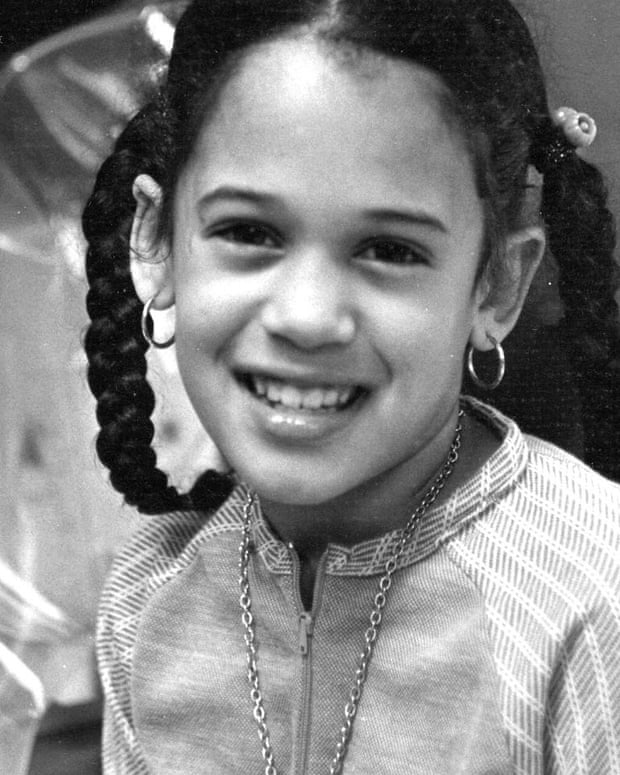
Kamala Harris has spent her life crashing through glass ceilings and accumulating “firsts”. She was the first female district attorney of San Francisco, the first female attorney general of California, the first Indian American in the US Senate, the first Indian American candidate of a major party to run for vice-president. Soon she will become the first female vice-president. If Joe Biden only serves one term, as expected, there is a chance that in 2024 she could become the first black female president.

The problem with phrases like “first black female president” is that they confine the California senator to the sort of boxes she has always tried to avoid. “When I first ran for office that was one of the things that I struggled with, which is that you are forced through that process to define yourself in a way that you fit neatly into the compartment that other people have created,” she told the Washington Post last year. “I am who I am … You might need to figure it out, but I’m fine with it.” She does not agonise over her identity – she simply calls herself a “proud American”.

As with Barack Obama, there are those who have doubted Harris’s Americanness. The morning after Harris was named as Biden’s running mate, racist “birther” conspiracy theories, amplified by Donald Trump, began to circulate. Newsweek published an op-ed questioning whether Harris was “constitutionally ineligible” to become president because her parents, who met at graduate school in Berkeley, were immigrants. Her mother, a breast cancer researcher, was born in India. Her father, an economist, is black and was born in Jamaica. Harris, meanwhile, was born in Oakland, California. Which, to be very clear, means the 56-year-old is a natural-born US citizen and eligible to run for president.


Pawan Dhingra, a professor of American studies at Amherst College, notes that Harris’s biracial heritage “represents a history of Asian Americans that is often overlooked”. The dominant narrative around Asian Americans, Dhingra says, has to do with their “abilities to approximate whiteness in regards to their education levels and incomes”. The “model minority myth” has often pitted Asian Americans against black Americans. Harris, however, “offers a different trajectory to understand Asian Americans”, Dhingra believes. Her biography is one of interracial solidarity and activism: Harris’s progressive parents were active in the protests of the 1960s and 70s, and the senator has frequently talked about growing up with a “stroller’s-eye view of the civil rights movement”. She is, Dhingra notes, “a powerful symbol and voice for progressive Asian Americans”.
Canada has also laid claim to Harris: she lived in Montreal between the ages of 12 and 17 because her mother got a job there. (Harris’s parents divorced when she was seven, and her mother raised the children.) To begin with, Harris found it hard to find her feet – not least because the first school she went to was Francophone. Her go-to phrase was “Quoi? Quoi? Quoi?”, which means “What? What? What?” but to French speakers also sounds like quacking. “I used to joke that I felt like a duck,” she wrote in her memoir.
Is Harris a careerist or an activist? Is she pragmatic or progressive? These are questions that have been debated for years.
Before long, however, Harris had thrown herself into an all-female dance troupe called Midnight Magic and, when not dancing, was spearheading demonstrations. Aged 13, she mobilised the neighbourhood children to protest against rules that stopped them playing on the lawn in front of their apartment building. The protest was a success. Later, when the Canadian version of prom rolled around, Harris was part of a group who decided to go without a date so that people who had not been asked out would not feel left out.
After finishing high school in Canada, Harris went to Howard University, a historically black university in Washington DC. From there she went to the University of California’s Hastings college of the law. At both places, the Washington Post notes, “Harris was more careerist than activist, winning competitive internships and joining academic societies”.
But is Harris a careerist or an activist? Is she pragmatic or progressive? These are questions that have been debated for years.
“Kamala is a cop”, a reference to Harris’s record as a prosecutor, was a meme throughout her campaign: in an age in which police brutality is top of the mind, her 13-year career in law enforcement has been a point of contention. During her time as San Francisco district attorney, for example, she boasted about raising the overall felony conviction rate from 52% in 2003 to 67% in 2006, the highest in a decade. Her tough-on-truancy laws led to parents of habitually truant schoolchildren going to jail. As California’s attorney general from 2011 to 2017, her office argued against releasing eligible non-violent inmates early because “prisons would lose an important labour pool”. After the shooting of Michael Brown in Ferguson, Missouri, she rejected calls from civil rights groups to investigate deadly police shootings in San Francisco. She has since spoken out against police brutality.
Harris’s law enforcement record has not stopped the right from calling her a radical socialist, however. In one interview with Fox Business, Trump called her “the most liberal person in the US Senate”.
To say Harris has any sort of agenda might be a stretch. One of the key criticisms of her has been a lack of consistency. In 2004, for example, she said she gave her word to the people of San Francisco that she opposed the death penalty. In 2014, after a federal judge ruled California’s death penalty unconstitutional, Harris appealed against the decision. During her campaign she could not seem to make up her mind whether she was courting the left or the moderates: she initially backed Bernie Sanders’ Medicare For All plan, for example, then backpedalled and introduced her own, more centrist healthcare plan.
Mary Kay Henry, who heads the influential Service Employees International Union, takes issue with the idea that Harris is inconsistent. As attorney general in California, Harris “was consistently a champion of what workers were demanding”, she says. “She stood with many of our members who were facing home foreclosures in the last financial crisis and [legislation she championed] helped avoid tens of thousands of home foreclosures.” Harris has also introduced bills to give domestic workers labour rights and advocated for a $15 minimum wage. “Her whole life’s work has been fighting to ensure America is a place where freedom is for everyone regardless of gender, income, or race,” Henry says.
Harris’s past is a mixed bag, then. What about the future? Will Harris veer to the left or stay firmly in the centre? Again, it is likely to be a mixed bag. She is to the right of the Democratic party on Israel, for example, but to the left when it comes to the climate crisis. Harris supports the “green new deal” and has vowed to eliminate the filibuster in order to pass it; she has also said she would get the Department of Justice to hold oil and gas companies accountable. It is also likely Harris will catalyse more discussion about systemic racism, but it is unclear how much she will do to actually try to dismantle it. She has, for example, drawn attention to the way that people of colour are disproportionately dying from Covid-19 and announced legislation to support bias and anti-racism training for workers involved in the Covid-19 response. While that’s important, anti-bias training is a largely symbolic response to a systemic issue. Also unclear is how much she will reform immigration policies. Her first priority is to “roll back Trump’s anti-immigrant agenda” and she says she supports more comprehensive reform, but this is yet to be fleshed out.
Her first priority is to 'roll back Trump’s anti-immigrant agenda'
Immigration is not the only part of Trump’s record she plans to take on. Harris has said her administration’s Department of Justice “would have no choice” but to pursue criminal obstruction of justice charges against Trump for his apparent collusion with Russia as outlined in the Mueller report. This should make the former president feel very nervous indeed; Harris is a formidable opponent and, as her 2018 grilling of Brett Kavanaugh clearly shows, unafraid to take on powerful men.
In all this, she will be able to count on the support of her family. Her husband, Douglas Emhoff, is a corporate lawyer who took a leave of absence to support her on the campaign trail. The pair met on a blind date and married in 2014. Harris is “dear friends” with Emhoff’s ex-wife, who also helped Harris’s presidential bid, and close to his children, who affectionately call her “Momala”. “We sometimes joke that our modern family is almost too functional,” Harris wrote in her memoir.
Whatever happens next, Harris’s vice-presidency will make history. She will be the first black American and the first Asian American to hold the country’s second highest office. It is hard to overstate how powerful that is after four years of Trump.
https://www.theguardian.com/us-news/2020/nov/08/the-meaning-of-kamala-harris-the-woman-who-will-break-new-ground-as-vice-president

Opinion: Victory for Joe Biden, at Last - Kamala Harris will make history as the first woman to serve as vice president.

Having peered into the abyss of autocratic nationalism, the American people have chosen to step back from the brink. The ballot counting will continue for a few days yet, but the math is what it is: Joe Biden will have the 270 electoral votes needed to win the White House, and likely many more. President Trump’s four-year assault on our democratic institutions and values will soon end.
The contest generated intense passions. In a year marked by the incalculable loss of life and the economic devastation of a pandemic, Americans turned out to vote in numbers not seen for generations, starting weeks before Election Day. Mr. Trump still knows how to draw a crowd — albeit not always to his advantage. In the end, it was Mr. Biden who captured more votes than any presidential candidate in U.S. history, while Mr. Trump captured the second-most votes in U.S. history.
The tally comes with disappointment on both sides: for Biden supporters, who hoped for a more resounding repudiation of Trumpism and for a Senate ready to enact their agenda, and for Trump supporters, who hoped for another four years and to chasten their critics. Fortunately for America, Mr. Biden promises to be a president for both sides — a welcome shift from a leader who has spent his tenure dividing the electorate into perceived fans and enemies.
While the coming weeks will most likely bring unexpected moves and more dangerous disinformation from Mr. Trump, it is worth taking this moment to raise a glass and breathe a sigh of relief. America gives its citizenry the ultimate responsibility for holding leaders accountable, for deciding what kind of nation this will be. The broad endorsement of Mr. Biden’s message of unity and healing is cause for celebration. Americans have embraced that optimism and Mr. Biden as their next president.
Come January, Mr. Biden will take office facing a jumble of crises. His predecessor is leaving America weaker, meaner, poorer, sicker and more divided than four years ago. Recent events have laid bare, and often exacerbated, many of the nation’s pre-existing conditions: from the inadequacy of our health care system to the cruelty of our immigration policies, from entrenched racial inequities to the vulnerabilities of our electoral system. Mr. Biden has pledged himself to big thinking and bold action in tackling these challenges. The electoral map suggests recovery will be neither quick nor easy. It is not yet clear what the precise composition of the Senate will be, but Republicans may hold the chamber. The government, like the nation, would remain divided.Mr. Biden has made clear he wants to work across the aisle. That is his nature and his political brand. But today’s political climate is not the same as it was 50, or even five, years ago. Even as he seeks consensus, the new president must be prepared to fight for his priorities. Now is no time for timidity.
The American public should be prepared to do its part. People of good will and democratic ideals must not lose interest simply because Mr. Trump leaves center stage. They need to remain engaged in the political process and demand better from their leaders if any progress is to be made.
Mr. Trump’s message of fear and resentment resonated with tens of millions of Americans. Trumpism will not magically disappear. If anything, its adherents will very likely find renewed energy and purpose in marshaling a new resistance movement committed to undermining and delegitimizing the incoming administration.
Republicans will have to decide whether they will continue to wallow in political nihilism, or rise to meet the challenges of the moment. How Republicans respond to this loss, whether they seek to stoke or to cool partisan passions, will help determine the nation’s — and their party’s — path forward.
With the perspective of time, the Trump era is likely to be viewed as an extended stress test for the American experiment. The president did his best to undermine the nation’s democratic foundations. They were shaken, but they did not break. Mr. Trump exposed their vulnerabilities but also their strength. It now falls to Mr. Biden to improve and safeguard those foundations, to help restore faith in our democracy and ourselves — to make America greater than ever before.
https://www.nytimes.com/2020/11/07/opinion/joe-biden-president-winner.html

#Election2020 - Five Takeaways From President-Elect Biden’s Victory Speech

By Adam Nagourney
Joseph R. Biden Jr. waited a long time to give the speech he delivered in Delaware on Saturday night. Not just the five days since Election Day, but arguably the 48 years since he was first elected to the Senate, during which he ran for president three times. And at age 77, as Mr. Biden came trotting up the runway to an explosion of car horns and cheers, beaming and looking almost surprised by the ovation, it was clear that his moment had arrived.
Here are five takeaways from the president-elect’s victory speech. A new tone from the top.
The contrast between Mr. Biden and President Trump was bracing and notable in almost every passage, as the president-elect invoked his own spirituality and shared credit for the moment with his supporters and the people around him.
He quoted from a hymn, “On Eagle’s Wings.” He thanked his supporters: “I owe you, I owe you, I owe you everything.” He warmly praised Kamala Harris, his running mate, and celebrated the fact that she would be the first woman, let alone woman of color, to serve as vice president: “It’s long overdue, and we’re reminded tonight of all those who fought so hard for so many years to make this happen.”
Most of all, even as the nation faces one of the darkest periods in its history — a deadly pandemic, economic decline, political polarization — Mr. Biden was relentlessly optimistic, even cheerful. “We can do it,” he said. “I know we can.”
There were many notable passages in the speech, but one stood out. “Let this grim era of demonization in America begin to end here and now,” he said. That is probably a line that people will talk about long into the Biden presidency.
President Who?
Mr. Biden mentioned Mr. Trump’s name only once during his 17-minute speech. He ignored the fact that the president had not conceded, and that he had challenged — without any evidence — the legitimacy of the election. Mr. Biden also did not note that many top Republican leaders, presumably following Mr. Trump’s lead, had not offered him the customary congratulations.
But if Mr. Biden did not dwell on the president, he certainly spoke to his supporters, a notable contrast to Mr. Trump’s speech after his own victory in 2016. “To those who voted for President Trump, I understand your disappointment tonight,” he said. “I’ve lost a couple of elections myself. But now, let’s give each other a chance.”And while he ignored Mr. Trump’s protests about the election, Mr. Biden made clear that there should be no doubt about the legitimacy of the outcome. “The people of this nation have spoken,” he said. “They have delivered us a clear victory. A convincing victory. A victory for ‘We the People.’ We have won with the most votes ever cast for a presidential ticket in the history of this nation — 74 million.”
JOE BIDENRead more on the president elect’s policies
Mr. Biden’s strategy here was clear. He has exceeded the 270 Electoral College votes needed to become president, and may end up gathering more than 300. He is now moving past the contest with Mr. Trump and into the role of president-elect. The transition is at hand, and the trappings of the presidency have begun to surround him — apparent in the size of the Secret Service contingent that followed him to give his speech, and the way every television station spoke of him as the president-elect.
He is seeking to relegate Mr. Trump to the sidelines, and turning to the urgent business of forming a new government and dealing with the crises he will face.
Priority one: The pandemic.
Mr. Biden left no doubt that the coronavirus pandemic would be a priority for his administration in a way that it has not been under Mr. Trump.
Mr. Biden announced that on Monday, he would appoint top science and health experts to a committee to craft a plan for battling the pandemic, which he said would be ready to put in place when he and Ms. Harris take office in January. Mr. Biden told the nation that getting the coronavirus under control was crucial to normalcy and economic prosperity.
“We cannot repair the economy, restore our vitality or relish life’s most precious moments — hugging a grandchild, birthdays, weddings, graduations, all the moments that matter most to us — until we get this virus under control,” he said.
Mr. Trump has taken a much different approach. Throughout his campaign, he urged Americans not to fear the virus, asserting that the danger was being exaggerated by his political opponents. He defied the advice of health officials on precautions like wearing a mask, even after he himself was diagnosed with the virus.Mr. Biden’s victory comes as the nation is setting daily records for new infections and the health authorities have warned of a bleak winter. Masks were everywhere at his celebration.
Seeking ‘the confidence of the whole people.’
Mr. Trump defined the tone of his presidency at his inauguration, with a dark speech in which he notably did not reach out beyond his base of supporters. The strategy had lifted him to a narrow victory in 2016 — in the Electoral College; he lost the popular vote — and he sought to reprise it in his losing campaign this year.
Mr. Biden aggressively moved in the other direction.
“I pledge to be a president who seeks not to divide, but to unify — who doesn’t see red and blue states, but a United States,” he said on Saturday. “And who will work with all my heart to win the confidence of the whole people.”
To some extent, that reflects what Mr. Biden said during the campaign, but the approach will take on a new urgency as he becomes president. Pending the outcome of two runoffs in Georgia, the Senate is controlled by Republicans, and he will need to reach out to senators from the red states if he wants to enact an agenda.
Their names in lights.
There have been some impressive pyrotechnics during this campaign — the ones over the Washington skyline on the night Mr. Trump accepted the Republican nomination from the back lawn of the White House come to mind.
This one, though, set a bar that may be hard to match: Fireworks and drones spelled out Mr. Biden’s name, Ms. Harris’s name and a map of the United States. Mr. Biden and Ms. Harris, surrounded by their families, stood onstage staring into the Delaware sky, lit up again and again on the night that Mr. Biden has been awaiting for most of his life.
https://www.nytimes.com/2020/11/08/us/politics/biden-victory-speech-takeaways.html?action=click&module=Spotlight&pgtype=Homepage
Saturday, November 7, 2020

Video - #US #Biden #America : US President-elect Joe Biden vows to unite America after 'convincing' victory

Video - #Detroiters celebrate high voter turnout following projected #Biden victory

Video Report - America responds to projections that Joe Biden won the election

Video Report - Last night, Joe Biden said he'd "win this race" -- today, he has won the 2020 presidential election

Video Report - World Leaders Trust Biden, Sen. Ben Cardin Says

Video Report - Biden #Election2020 Joe Biden Wins 2020 Presidential Election

Video Report - #CNN #News Van Jones fights back tears: Result shows character matters

Video Report - How will Biden approach transatlantic relations?

#JoeBidenKamalaHarris2020 - - ‘A Big And Special Moment’: The World Celebrates Joe Biden’s Win

By Akbar Shahid Ahmed
“It’s time to get back to building bridges, not walls,” London Mayor Sadiq Khan tweeted.
President-elect Joe Biden’s projected victory on Saturday drew cheers ― and sighs of relief ― from an international community exhausted by four years of President Donald Trump’s bullying, incoherent, transactional and largely ineffective approach to foreign policy.
As fireworks went off and people cheered in the streets in London, the city’s mayor, Sadiq Khan, called the win “well-deserved” on Twitter. “It’s time to get back to building bridges, not walls,” Khan wrote.
Scottish First Minister Nicola Sturgeon praised future Vice President Kamala Harris’ historic ascendance: “The first woman in the White House ― and the first woman of colour too. This is a big and special moment.”
Elisa Ferreira, the top European Union official from Portugal, declared that she was listening to Nina Simone’s classic “Feeling Good.”
And more diplomatically, high-ranking foreign leaders welcomed the prospect of a very different kind of U.S. partner.
“Congratulations, Joe Biden and Kamala Harris,” Canadian Prime Minister Justin Trudeau tweeted. “Our two countries are close friends, partners, and allies. We share a relationship that’s unique on the world stage. I’m really looking forward to working together and building on that with you both.”
America’s image abroad plummeted under Trump. A Pew Research Center survey released in September showed that the percentage of people in several countries who viewed the U.S. favorably had reached its lowest point in Pew’s nearly 20 years of asking foreigners their opinion of the U.S. In Britain, France, Germany, Japan, Canada and Australia ― all longtime allies ― only a minority of people saw the U.S. positively. Trump’s catastrophic approach to the coronavirus pandemic, which continued to kill hundreds of Americans daily as most other nations slashed their infection and fatality rates, further hurt the perception of the U.S.
For many international observers, the top concern was ultimately not whether Biden would defeat Trump, but whether democracy in America remained alive and well after a long election season during which Trump attacked the integrity of the voting process and repeatedly suggested he did not want all ballots to be counted. Trump’s dishonest, premature claim of victory on Wednesday morning won almost no support abroad, as international officials instead expressed faith in U.S. institutions and their respect for the voters’ choice.
Of course, Biden’s projected victory doesn’t mean Trump will stand down. His campaign has filed suit in multiple swing states and is arguing that various vote counts are illegitimate.
Still, the numbers in Biden’s favor allowed most onlookers in other nations to largely relax.
While decision-makers in international capitals know they won’t agree with Biden on everything, many are simply relieved to know that soon they need no longer live in fear of a sudden flip-flop by Trump on a crucial issue like U.S. troop deployments or of Trump’s personal animus toward his counterparts guiding U.S. strategy, as it did in his handling of German Chancellor Angela Merkel and Trudeau.
The president-elect’s expertise on foreign policy, drawn from his time as vice president and as chairman of the Senate Foreign Relations Committee, is also appealing to such officials, who believe he will be better equipped to understand complicated issues that Trump often minimized or misrepresented and less likely than the incumbent to fall for conspiracy theories or lies from adversaries. And they welcome Biden’s promises to strengthen U.S. relationships with historic allies and ensure American policies better reflect the country’s stated commitment to human rights and democratic principles.
Some political figures and citizens in nations that benefited under Trump signaled their disappointment before Biden’s victory.
Ayoob Kara, a former minister in the hard-right government of Israeli Prime Minister Benjamin Netanyahu, criticized American Jews, the clear majority of whom voted for Biden as they have for Democrats for years, despite Republican attempts to smear the other party as anti-Semitic.
“I was expectings [sic] they will support President Trump who is the best American president for the State of Israel has had,” Kara tweeted on Thursday. “The ‘betrayal’ of longtime American Jews.”
In the United Arab Emirates, an autocratic state that has grown close to the White House and recently secured a long-sought major arms deal, prominent Twitter user Hassan Sajwani retweeted a commentator alleging that the U.S. election had been rigged and another Twitter user attacking the platform for its warnings about Trump’s dishonest tweets.
And in Hungary, the far-right Volner Party announced that it would organize a protest in front of the U.S. Embassy in Budapest to challenge “possible electoral fraud in the U.S. presidential election” and demonstrate “solidarity with Donald Trump.”
Those reactions were the exception to the general rule, however.
“Welcome back America!” Paris Mayor Anne Hidalgo tweeted on Saturday, noting that the win comes around the five-year anniversary of the sweeping international climate agreement signed in her city that Trump officially pulled the U.S. out of just days ago. Biden has promised to rejoin the deal immediately ― and to do even more to confront the climate crisis.
https://www.huffpost.com/entry/biden-win-international-reaction_n_5fa4856dc5b6f21920d96e52

#JoeBidenKamalaHarris2020 - Joe Biden Wins Historic 2020 Presidential Election, Vanquishing Donald Trump


 By Amanda Terkel

With a victory in Pennsylvania, Joe Biden secured his win over Donald Trump, the first U.S. president to lose reelection in 28 years.
Joe Biden is projected to become the next president of the United States after an election that was historic, messy, chaotic and uncertain.
Sen. Kamala Harris (D-Calif.) will be with him as vice president, the first woman, Black person and Asian American to ever hold the position.
The decisive call came in Pennsylvania, which gave Biden the necessary electoral votes to clinch the presidency. Biden was projected to win Nevada shortly thereafter. He could further pad his Electoral College victory in Arizona, where he leads, and Georgia, where he narrowly leads and faces a recount. (President Donald Trump has a more comfortable lead in North Carolina.) Biden already flipped two other states that Trump won in 2016: Michigan and Wisconsin, reclaiming Democrats’ Rust Belt “blue wall.”The former vice president also decisively won the popular vote, receiving the most votes in American history and besting Trump by more than 4 million.In a statement, Biden said he is “honored and humbled by the trust the American people have placed” in him and Harris. “In the face of unprecedented obstacles, a record number of Americans voted. Proving once again, that democracy beats deep in the heart of America,” he continued, saying, “It’s time for America to unite. And to heal.”
In a speech on Friday, Biden pointed to his large vote lead and claimed a broad “mandate for action” on the coronavirus, the economy, climate change and systemic racism.
Trump quickly released a statement on Saturday saying the election “is far from over.”
“Joe Biden has not been certified as the winner of any states, let alone any of the highly contested states headed for mandatory recounts, or states where our campaign has valid and legitimate legal challenges that could determine the ultimate victor,” he said.
Trump found out about his loss while at the golf course, where he spent much of his presidency. It came on the same day that the White House was dealing with a new coronavirus outbreak among the administration. Chief of staff Mark Meadows is among those infected.
For months, Trump had been laying the groundwork to reject the election results if they didn’t go his way. He not only tried to undermine mail-in voting but claimed that if the winner wasn’t declared on election night, the results would be suspect ― even though some state rules allow mail-in ballots to be received after Election Day.
And sure enough, Trump did exactly as he said he would.
“Frankly, we did win this election,” Trump said Wednesday shortly after 2 a.m. Eastern, while millions of ballots had yet to be counted, a number of key swing states were still in limbo and no news organization had yet to project a winner. He also tweeted that Democrats were trying to “STEAL the Election” and wrote, “Votes cannot be cast after the Polls are closed!” (No votes were cast after the polls closed.)
On Thursday, he held a lie-filled news conference in which he baselessly claimed that there was vote fraud, without providing any evidence.
Defeating an incumbent president is difficult and rare. It hasn’t happened in nearly 30 years. It’s only the fourth time it’s happened in the past 100 years. Biden did it during a pandemic against a president with a devoted following who is willing to lie and cheat.
Biden also amassed more than 70 million votes, the most a presidential candidate has ever received in a U.S. election.
Yet the Electoral College meant that the nation was obsessing over the latest batches of votes in places like Arizona and Georgia to see who would be declared the winner ― even as Biden was leading Trump by about 4 million votes nationwide.
Democrats expected the election to be a referendum on Trump’s handling of the coronavirus. Biden and the party kept their message squarely on the virus and health care, while Trump tried to divert attention to crime, Sen. Cory Booker (D-N.J.), China and Biden’s son Hunter.
There’s no doubt that the coronavirus hurt the reelection prospects of the president, who wanted to run on the health of the economy under his watch. Without the pandemic, arguably, Trump may have won.
Early exit polls show that more voters said the pandemic was the most important issue facing the country. Those voters went for Biden, while people who cited the economy and jobs went for Trump.
Defeating Trump was an incredible achievement for Democrats and will have significant consequences.
Trump used his presidential powers to separate migrant children from their parents, enrich his family and encourage far-right conspiracy theorists. He mocked American troops who died in war, made racist comments and tried to use the Justice Department as his own personal enforcement agency to go after his political enemies. He was also only the third president in U.S. history to be impeached by the House.
His toxic brand of racism, sexism and fear-based politics propelled him into the White House in 2016. But it wasn’t enough this time. He was no longer an outsider who could come into Washington and shake up a tired old establishment.
Instead, the nation chose Biden, a man who embodies the political establishment. He spent 36 years as a senator from Delaware and eight years as vice president. He will be 78 when he is inaugurated in January, the oldest president in history.
Biden ran on character. He showed qualities that Trump didn’t seem to possess: kindness, empathy, a history of overcoming adversity, experience, caution and an aversion to drama.And many voters ― many of whom had to vote by mail because they’re still waiting out the raging coronavirus pandemic ― decided that was exactly the person they were ready for this time. Turnout was massive, the highest in 200 years. At first, Trump tried to pretend the coronavirus wasn’t a problem. He said it wasn’t all that worse than the common flu and predicted it would be gone by April. At the Republican National Convention, Trump and his allies portrayed the crisis as largely over, defeated by the valiant president.
Even after Trump himself was hit with a positive coronavirus diagnosis ― a perhaps inevitable conclusion to his refusal to wear masks and his insistence on holding large in-person gatherings ― he and his administration continued on course, using the experience to claim that the illness wasn’t all that bad.
“Don’t be afraid of Covid. Don’t let it dominate your life,” Trump tweeted on Oct. 5, after more than 200,000 Americans had died from it.
Biden took a far different approach. He kept his focus squarely on the coronavirus pandemic. He wore masks, cautioned the public to listen to scientists and stopped large in-person rallies and events. His campaign even stopped door-knocking for most of the campaign, restarting it only at the very end.
And he showed empathy for people who had struggled with the virus.
Biden is a politician who wears his heart on his sleeve. He’s had little choice. A month after being elected to the Senate for the first time in 1972, he lost his wife and daughter in a car crash. In 2015, his son Beau ― the attorney general of Delaware ― died from brain cancer.
Those struggles helped people relate to him. And he responded in kind to people who shared their stories of loss with him.
The Democratic Party aggressively encouraged voters to cast ballots by mail to avoid potentially long, dangerous lines during the pandemic. Trump, meanwhile, engaged in fearmongering about voting by mail, insisting the election results wouldn’t be legitimate and falsely claiming the method is ripe for fraud and abuse.
That rhetoric was a problem, and the Republican Party worked to clean up his mess by sending out mailers and robocalls insisting to people that voting by mail was safe ― even doctoring Trump’s own tweets to make it seem like the president agreed.
Still, it was not the decisive blow that Democrats hoped for. The election revealed larger trends and problems that have nothing to do with Biden that the party will be dealing with for years.
“Yes, Trump is horrible, but it’s never been all about about Trump,” said a Democratic Senate strategist. “And now because of events, it’s just that much more obvious. There’s the Supreme Court and not having the Senate and everything they’ve done to rig democracy.”
“We got what we needed, which is to end the Trump presidency,” a House Democratic lawmaker told HuffPost. “We didn’t get what we wanted.”
Even though Biden won, the polls, once again, underestimated support and turnout for Trump. The president made inroads with Latinos, and he actually performed better this year than he did in 2016 in counties with high coronavirus rates. Trump also won the majority of votes in states with the highest death rates from the disease, including Florida and Texas, although many of those areas are more conservative and more likely to shun the mask-wearing and social distancing that Trump has also mocked. Significantly, Biden’s success didn’t translate down the ballot. Democratic hopes of picking up a robust majority in the Senate melted away, and Democrats appear set to lose ground in the House. A surge of grassroots donations in Senate races like South Carolina, Kentucky and Texas weren’t enough to overcome Republican dominance in those states. And Republicans who were considered sitting ducks for Democratic wins ― like Susan Collins in Maine ― won reelection.
“It was a bad night,” Sen. Sherrod Brown (D-Ohio) said on MSNBC Wednesday, adding that Democrats “need to sharpen our message.”
And the larger picture looks tough for Democrats. The election results underscored that the Senate grants disproportionate power to rural Americans ― who are far more likely to be old, white and conservative than other voters — and basically ensures that the Democratic Party won’t pursue the demands of its left flank.
Democrats also failed to cut into GOP control of state legislatures ahead of redistricting next year.
The challenges facing Biden are enormous. He has a steadily growing pandemic and an economy suffering from the fallout, an emboldened racial justice movement that wants to see reform, climate change, a hollowed-out civil service and a fractured country. His policies will no doubt be challenged in the courts, where they will ultimately come up against a U.S. Supreme Court with a 6-3 conservative majority. And he will have to get as much as done as he can without the robust Senate majority for which he had no doubt hoped. Control of the chamber is still up in the air. If it stays in Republican hands, Biden will be the first president since George H.W. Bush who will take office without his party controlling Congress. “If Democrats don’t win the Senate, governing in the Biden era will make the post-Tea Party years of the Obama Administration seem idyllic in comparison,” a senior Senate Democratic aide predicted.
Trump will not be disappearing. His campaign has filed last-ditch lawsuits challenging the results in Arizona, Georgia, Michigan, Nevada and Pennsylvania.
And he’s still the dominant force in the Republican Party with no obvious successor, aside from his own son.
For now, however, he is what he has always feared the most: a loser.
https://www.huffpost.com/entry/joe-biden-wins-presidential-election-2020_n_5f9c6a95c5b6f4683cee8c33

Friday, November 6, 2020

Music Video - #SavageGarden #IWantYou #Vevo Savage Garden - I Want You

Video - #Colbert #Monologue #LSSC Stephen Rips Up The Monologue And Starts Over After Trump's Heartbreaking Thursday Night Lie Fest

Video - #Kimmel Trump is Losing, Lying & Tearing Democracy Down with Him

#ElectionResults2020 - #Biden Takes Lead In #Pennsylvania, #Georgia


Democratic Party candidate Joe Biden has gained razor thin leads over President Donald Trump in Georgia and Pennsylvania, as vote counting continues Friday.

The Trump campaign continues to dispute the results, however, saying in a statement Friday the “this election is not over,” and claiming the president will ultimately win after expected recounts in close state races. The Trump campaign has also filed legal challenges over unsubstantiated allegations of vote fraud and irregularities. 

Biden currently leads in the popular vote as well as the Electoral College count, 253-214, with a majority of 270 needed to claim the presidency for a four-year term.  
 
Biden has moved ahead of Trump in both Georgia and Pennsylvania on the strength of mail-in ballots that were cast in reliably Democratic areas such as the cities of Atlanta and Philadelphia.

In Pennsylvania, Biden overtook Trump by 5,587 votes Friday morning, and in Georgia, he now has a 1,097-vote lead. Both margins were expected to increase as additional ballots continue to be counted.  

Biden would be the first Democrat to win Georgia since Bill Clinton in 1992.

In the U.S. Electoral College system, the popular vote winner in each state — with two exceptions, Maine and Nebraska — receives all of that state’s electoral votes, which are allocated on the basis of population. 

Meanwhile President Trump, without evidence, Thursday accused Democrats of engineering massive fraud and irregularities to prevent him from winning reelection as president.  

“This is a case where they are trying to steal an election, they’re trying to rig an election, and we can’t let that happen,” said Trump during a news conference.   

In contrast, Biden earlier in the day urged patience while states tabulate the record number of votes, more than 150 million, cast in this year’s election.  

“Each ballot must be counted. And that’s what we’re going to see going through now. And that’s how it should be. Democracy sometimes is messy,” Biden said during a briefing.  

Counting under way

If Biden holds his vote leads in Arizona, with its 11 electors, and Nevada with six, he will reach the 270 Electoral College majority and become the country’s 46th president at his inauguration in January, no matter the outcome in Georgia and Pennsylvania.   

Trump needs to hold all the states he has been leading in and pick up either Nevada or Arizona, in each of which Biden is currently leading.  

The Biden campaign had urged supporters to vote by mail to stay safe during the coronavirus pandemic, while Trump has, without evidence, denounced mail-in voting as fraudulent and a scam.  

Trump cited the disproportionate number of late votes being won by Biden as possible vote interference by what he called the corrupt voting apparatus of states with Democratic governors.  

“We were winning in all the key locations by a lot, actually, and then our numbers started miraculously getting whittled away in secret,” Trump said on Thursday. 

Twenty electoral votes are at stake in Pennsylvania. Trump has more comfortable leads in two other states that have not yet been called: Alaska and North Carolina. 

Biden leads the national popular vote 73.5 million to 69.5 million, but it is the Electoral College that will determine the winner after a contentious, months-long campaign.   

On Twitter, Trump demanded that the vote count be stopped. But if the vote count were frozen in its late Thursday morning state, Trump would lose, becoming the third U.S. president in the last four decades to lose reelection after a single term.

Lawsuits

Trump on Thursday also cited irregularities, such as state officials barring his campaign from observing the vote count, called mail-in voting a “corrupt system” that lacks “any verification measures,” and said he expects contested election litigation to end up in the Supreme Court.

The vote count across the U.S. has been slowed by the vast number of mail-in ballots — about two-thirds of the more than 101 million ballots cast before Tuesday’s official Election Day — and which are taking longer to count. Many people who voted by mail said they wanted to avoid long lines at polling stations on Tuesday and coming face to face with others amid the country’s unchecked coronavirus pandemic.   

Biden’s campaign urged voting by mail, and the result is that his vote count has swelled in numerous states as those ballots are tallied. Trump mostly urged Election Day in-person voting by Republicans, claiming without evidence that mail-in voting would lead to an election rigged against him. Those ballots were generally counted earlier. 

Trump’s lawyers also called for a recount in the Midwestern state of Wisconsin, where Biden was projected the winner of the state’s 10 electors on Wednesday. They contended that there were irregularities at some voting stations.  

Trump claimed victory in the early hours of Wednesday, but Biden has stopped short of saying he has won. 

“I’m not here to declare that we’ve won,” Biden said Wednesday. “But I am here to report that when the count is finished, we believe we will be the winners.” 


https://www.eurasiareview.com/06112020-biden-takes-lead-in-pennsylvania-georgia/

#ElectionResults2020 - Opinion: Is America Becoming a Failed State?

By Paul Krugman 

  As I write this, it seems extremely likely that Joe Biden has won the presidency. And he clearly received millions more votes than his opponent. He can and should claim that he has been given a strong mandate to govern the nation. But there are real questions about whether he will, in fact, be able to govern. At the moment, it seems likely that the Senate — which is wildly unrepresentative of the American people — will remain in the hands of an extremist party that will sabotage Biden in every way it can. Before I get into the problems this confrontation is likely to cause, let’s talk about just how unrepresentative the Senate is. Every state, of course, has two senators — which means that Wyoming’s 579,000 residents have as much weight as California’s 39 million. 

The overweighted states tend to be much less urbanized than the nation as a whole. And given the growing political divide between metropolitan and rural areas, this gives the Senate a strong rightward tilt.
An analysis by the website FiveThirtyEight.com found that the Senate in effect represents an electorate almost seven percentage points more Republican than the average voter. Cases like Susan Collins, who held on in a Democratic state, are exceptions; the underlying right-wing skew of the Senate is the main reason the G.O.P. will probably retain control despite a substantial Democratic victory in the presidential popular vote.
But, you may ask, why is divided control of government such a problem? After all, Republicans controlled one or both chambers of Congress for three-quarters of Barack Obama’s presidency, and we survived, didn’t we?
Yes, but.
In fact, G.O.P. obstruction did a lot of damage even during the Obama years. Republicans used hardball tactics, including threats to cause a default on the national debt, to force a premature withdrawal of fiscal support that slowed the pace of economic recovery. I’ve estimated that without this de facto sabotage, the unemployment rate in 2014 might have been about two percentage points lower than it actually was.
And the need for more spending is even more acute now than it was in 2011, when Republicans took control of the House.
Most immediately, the coronavirus is running wild, with new cases exceeding 100,000 a day and rising rapidly. This is going to hit the economy hard, even if state and local governments don’t impose new lockdowns.
We desperately need a new round of federal spending on health care, aid to the unemployed and businesses, and support for strapped state and local governments. Reasonable estimates suggest that we should spend $200 billion or more each month until a vaccine brings the pandemic to an end. I’d be shocked if a Senate still controlled by Mitch McConnell would agree to anything like this.Even after the pandemic is over, we’re likely to face both persistent economic weakness and a desperate need for more public investment. But McConnell effectively blocked infrastructure spending even with Donald Trump in the White House. Why would he become more amenable with Biden in office?
Now, spending isn’t the only form of policy. Normally, there are many things a president can achieve for good (Obama) or evil (Trump) through executive action. In fact, during the summer a Democratic task force identified hundreds of things a President Biden could do without having to go through Congress.
But here’s where I worry about the role of a heavily partisan Supreme Court — a court shaped by McConnell’s norm-breaking behavior, including the rushed confirmation of Amy Coney Barrett just days before the election.Six of nine justices were chosen by a party that has won the popular vote only once in the past eight elections. And I think there’s a substantial chance that this court may behave like the Supreme Court in the 1930s, which kept blocking New Deal programs until F.D.R. threatened to add seats — something Biden wouldn’t be able to do with a Republican-controlled Senate.So we are in big trouble. Trump’s defeat would mean that we have, for the moment, avoided a plunge into authoritarianism — and yes, the stakes are that high, not just because of who Trump is, but also because the modern G.O.P. is so extremist and anti-democratic. But our skewed electoral system means that Trump’s party is still in a position to hobble, perhaps cripple, the next president’s ability to deal with the huge epidemiological, economic and environmental problems we face.
Put it this way: If we were looking at a foreign country with America’s level of political dysfunction, we would probably consider it on the edge of becoming a failed state — that is, a state whose government is no longer able to exert effective control.
Runoff elections in Georgia may yet give Democrats Senate control; barring that, Biden might be able to find a few reasonable Republicans willing to pull us back from that brink. But despite his apparent victory, the Republic remains in great danger.
https://www.nytimes.com/2020/11/05/opinion/joe-biden-senate-mitch-mcconnell.html