Tuesday, August 4, 2020

Minority rights recognised only on paper in Pakistan


By Veronica Gill - Shafique Khokhar
A Christian man was mortally wounded for bathing in a tube-well pool used by Muslims. Although the country’s constitution protects religious freedom, minorities continue to be discriminated in terms of equality, education, and political representation. Theocracy has deep roots in the laws of the land.
“I saw my son bleed, bruised, unconscious. I shouted his name, splashed water on his face and gently slapped him to wake him up, but he no longer moved,” said Ghafoor Masih, a Christian, father of Saleem Masih, who was beaten to death in Baguyana village on 25 February.
The 24-year-old was punished for bathing in a tube-well pool used by Muslims. His father spoke about the incident that led to his son’s death in an interview with the British Pakistani Christian Association, a non-profit organisation.Pakistan broke away from India for the sake of religious freedom, but it is now the home of many Ghafoor Masihs, who seek justice for their loved ones; all religious minorities are discriminated against in the country, not only Christians.
Why are minorities in Pakistan the victims of repression? Was the country founded only for Muslims? Of course not. Its founder, Quaid-e-Azam (Great Leader) Muhammad Ali Jinnah paid great attention to religious freedom.
“You are free;” Jinnah said, “you are free to go to your temples, you are free to go to your mosques or to any other place of worship in this State of Pakistan. You may belong to any religion or caste or creed that has nothing to do with the business of the State".
For not following Jinnah's words, Pakistan has become the 7th most dangerous place in the world for religious minorities, according to Human Rights Watch.
The problem goes way back. Discrimination began in 1949, right after the Constituent Assembly approved the Objectives Resolution whereby all laws must conform with Islamic precepts.
Pakistan’s first foreign minister, Zafarullah Khan, an Ahmadi, paid the price and was removed at the request of religious scholars.
Ever since the resolution was adopted, minorities have lived in fear as discrimination spread across the land, making life worse for them.
According to government statistics, Pakistan’s minorities dropped from over 20 per cent in 1951 to 3.74 per cent today, as noted in the latest census.
Minorities in Pakistan have had to suffer a lot, from rape to forced marriages, verbal abuse to mental torture, physical injuries to brutal killings.
Pakistan’s constitution gives ample space to freedom for minorities. The country is also bound by numerous international treaties that protect their rights. However, there is a huge difference between what is written and what is practised.
The state’s constitutional and international obligations
Under Article 27 of the International Covenant on Civil and Political Rights (ICCPR), Pakistan must guarantee every minority the right to freely profess and practise their religion and use their language.
Similarly, Article 22 (1) of the Pakistani Constitution bans schools from forcing students to receive instructions or take part in any ceremony other than those of their faith.Despite what is in the law, various school boards impose the teaching of Qurʼānic and Islamic verses. Non-Muslim students are asked not only to read them, but also to memorise them.Ethics has been introduced into the national curriculum as an alternative subject to Islam for non-Muslim students. However, many schools still do not teach this course for lack of trained staff.
Equality
Article 25 (1) of the Constitution guarantees full equality for all citizens. At the same time, article 18 of the ICCPR recognises the freedom to have and adopt the religion or faith of one's choice.
However, according to the Movement for Solidarity and Peace, about a thousand girls and young women, aged 12 to 28, of non-Muslim (mainly Hindu) origin, are converted by force every year and compelled to marry Muslim men. The authorities usually take no serious action against such criminal acts.
Religious institutions
Article 20 of the Constitution gives every faith community the right to establish, maintain and manage its religious institution.
Research by the Centre for Social Justice and the National Justice and Peace Commission found more than 50 cases of criminal attacks against minority places of worship in the past two decades.
During the same period, almost 40 armed actions by extremist groups were reported.
Representation
Article 36 of the Constitution protects the legitimate rights and interests of minorities, including their representation in federal and provincial institutions.
The problem is that the authorities – at various levels of government – have failed to ensure the protection of minority interests.
The country’s National Assembly reserves them 10 seats out of 342. In Punjab’s provincial parliament, 8 seats are reserved out of 371; 9 out of 168 in Sindh; 3 out of 124 in Khyber Pakhtunkhwa; and 3 out of 51 in Baluchistan. Is this a fair share?
Many other rights are formally recognised by the laws, but not in everyday reality. The framers of the constitution had established that the state would not be ruled under theocratic principles.
Unfortunately, discrimination against minorities shows that theocracy has deep roots in Pakistani laws.
The issue must be dealt with seriously, very seriously. Otherwise hundreds of thousands of Saleem Masihs will die every day, and offenders will never pay for their crimes.
http://www.asianews.it/news-en/Minority-rights-recognised-only-on-paper-in-Pakistan-50616.html

Poor and Desperate, Pakistani Hindus Accept Islam to Get By

By Maria Abi-Habib and Zia ur-Rehman
The Hindus performed the prayer rituals awkwardly in supplication to their new, single god, as they prepared to leave their many deities behind them. Their lips stumbled over Arabic phrases that, once recited, would seal their conversion to Islam. The last words uttered, the men and boys were then circumcised.
Dozens of Hindu families converted in June in the Badin district of Sindh Province in southern Pakistan. Video clips of the ceremony went viral across the country, delighting hard-line Muslims and weighing on Pakistan’s dwindling Hindu minority.
The mass ceremony was the latest in what is a growing number of such conversions to Pakistan’s majority Muslim faith in recent years — although precise data is scarce. Some of these conversions are voluntary, some not.
News outlets in India, Pakistan’s majority-Hindu neighbor and archrival, were quick to denounce the conversions as forced. But what is happening is more subtle. Desperation, religious and political leaders on both sides of the debate say, has often been the driving force behind their change of religion.
Treated as second-class citizens, the Hindus of Pakistan are often systemically discriminated against in every walk of life — housing, jobs, access to government welfare. While minorities have long been drawn to convert in order to join the majority and escape discrimination and sectarian violence, Hindu community leaders say that the recent uptick in conversions has also been motivated by newfound economic pressures.
“What we are seeking is social status, nothing else,” said Muhammad Aslam Sheikh, whose name was Sawan Bheel until June, when he converted in Badin with his family. The ceremony in Badin was notable for its size, involving just over 100 people.
“These conversions,” he added, “are becoming very common in poor Hindu communities.”
Proselytizing Muslim clerics and charity groups add to the faith’s allure, offering incentives of jobs or land to impoverished minority members only if they convert.
With Pakistan’s economy on the brink of collapse in the wake of the coronavirus pandemic, the pressures on the country’s minorities, often its poorest people, have increased. The economy will contract by 1.3 percent in the 2020 fiscal year because of the pandemic, the World Bank predicts. And up to 18 million of Pakistan’s 74 million jobs may be lost.
Mr. Sheikh and his family hope to find financial support from wealthy Muslims or from Islamic charities that have cropped up in recent years, which focus on drawing more people to Islam.
“There is nothing wrong with that,” Mr. Sheikh said. “Everyone helps the people of their faith.”
As Mr. Sheikh sees it, there is nothing left for Pakistan’s more affluent Hindus to give to help the people of their own faith. That is because there are so few Hindus left.
At independence in 1947, Hindus composed 20.5 percent of the population of the areas that now form Pakistan. In the following decades, the percentage shrank rapidly, and by 1998 — the last government census to classify people by religion — Hindus were just 1.6 percent of Pakistan’s population. Most estimates say it has further dwindled in the past two decades.
Once a melting pot of religions, Sindh Province, where the conversion ceremony took place, has seen minority members flee to other countries in droves in recent decades. Many face harsh discrimination, as well as the specter of violence — and the risk of being accused of blasphemy, a capital crime — if they speak out against it.
“The dehumanization of minorities coupled with these very scary times we are living in — a weak economy and now the pandemic — we may see a raft of people converting to Islam to stave off violence or hunger or just to live to see another day,” said Farahnaz Ispahani, a former Pakistani lawmaker who is now a senior fellow at the Religious Freedom Institute, a research group in Washington.
Ms. Ispahani recalled the devastating floods of 2010 in Sindh Province, which left thousands homeless and with little to eat. Hindus were not allowed to sit with Muslims at soup kitchens, she said. And when government aid was handed out, Hindus received less of it than their Muslim peers did, she said.
“Will they be converting with their hearts and souls?” Ms. Ispahani said. “I don’t think so.”
The further economic devastation caused by the pandemic may spur more sectarian violence, and that may intensify the pressure on minorities to convert, Ms. Ispahani and others worry.
Murtaza Wahab, an adviser to the chief minister of Sindh, was among several government officials who said they could not address Ms. Ispahani’s accusation that Hindus received less aid after the floods, as it happened before they took office.
“The Hindu community is an important part of our society and we believe that people from all faiths should live together without issue,” Mr. Wahab said.
Forced conversions of Hindu girls and women to Islam through kidnapping and coerced marriages occur throughout Pakistan. But Hindu rights groups are also troubled by the seemingly voluntary conversions, saying they take place under such economic duress that they are tantamount to a forced conversion anyway.
“Overall, religious minorities do not feel safe in Pakistan,” said Lal Chand Mahli, a Pakistani Hindu lawmaker with the ruling party, who is a member of a parliamentary committee to protect minorities from forced conversions. “But poor Hindus are the most vulnerable among them. They are extremely poor and illiterate, and Muslim mosques, charities and traders exploit them easily and lure them to convert to Islam. A lot of money is involved in it.”
Clerics like Muhammad Naeem were at the forefront of an effort to convert more Hindus. (Mr. Naeem, who was 62, died of cardiac arrest two weeks after he was interviewed in June).
Mr. Naeem said he had overseen more than 450 conversions over the past two years at Jamia Binoria, his seminary in Karachi. Most of the converts were low-caste Hindus from Sindh Province, he said.
“We have not been forcing them to convert,” Mr. Naeem said. “In fact, people come to us because they want to escape discrimination attached with their caste and change their socioeconomic status.”
Demand was so great, he added, that his seminary had set up a separate department to guide the new converts and provide counsel in legal or financial matters.
On a recent afternoon, the call to prayer echoed through a cluster of newly erected tents in Matli, a barren patch of Sindh. A group of Karachi’s wealthy Muslim merchants bought the land last year for dozens of families who had converted from Hinduism.
At a new mosque adjacent to the tents, Muhammad Ali — who was known by his Hindu name, Rajesh, before converting last year alongside 205 others — performed ablutions before praying.Last year, his entire family had decided to convert to Islam when Mr. Naeem, the cleric, offered to free them from the bonded labor in which they were trapped, living and working as indentured servants because of unpaid debt. Mr. Ali is originally from the Bheel caste, one of the lowest in Hinduism.
“We have found a sense of equality and brotherhood in Islam, and therefore we converted to it,” Mr. Ali said.
Lower-caste Pakistani Hindus are often the victims of bonded labor. It was outlawed in 1992, but the practice is still prevalent. The Global Slavery Index estimates that just over three million Pakistanis live in debt servitude.
Landlords trap poor Hindus into such bondage by providing loans that they know can never be repaid. They and their families are then forced to work off the debt. The women are often sexually abused, rights groups say.
Mr. Naeem’s seminary had rescued several Hindus — including Mr. Ali and his family — from bonded labor by paying off their debts in exchange for their conversions to Islam.When Mr. Ali and his family converted, Mr. Naeem and a group of rich Muslim traders had given them a piece of land and helped them find work, considering it an Islamic responsibility to help them.
“Those who make efforts to spread the message and bring the non-Muslims into the fold of Islam will be blessed in the hereafter,” Mr. Naeem said.
https://www.nytimes.com/2020/08/04/world/asia/pakistan-hindu-conversion.html

#Pakistan - "Political Absurdity": India's Sharp Response To New Pak "Political Map"

Earlier today, the Pakistan Prime Minister unveiled the map that, he claimed, negated India's "illegal action of August last year" - a reference to the withdrawal of special privileges to J&K under Article 370. The government today described as "political absurdity" a map released by Pakistan that includes Jammu and Kashmir, Ladakh and parts of western Gujarat.New Delhi tore into the map, which it called a "ridiculous assertion without any global credibility" and emerged on the first anniversary of the decision to scrap special status for J&K under Article 370.
The map was released Tuesday evening by Pakistan Prime Minister Imran Khan.
"We have seen a so-called "political map" of Pakistan that has been released by Prime Minister Imran Khan. This is an exercise in political absurdity, laying untenable claims to territories in the Indian state of Gujarat and our Union Territories of Jammu & Kashmir and of Ladakh," the government said.
"These ridiculous assertions have neither legal validity nor international credibility. In fact, this new effort only confirms the reality of Pakistan's obsession with territorial aggrandizement supported by cross-border terrorism," its response added.
Earlier today, the Pakistan Prime Minister unveiled the map that, he claimed, negated India's "illegal action of August last year" - a reference to the withdrawal of special privileges to J&K under Article 370.
He also claimed the map had been endorsed by Pakistan's cabinet, was backed by its political leadership and would be used in schools.
Mr Khan also said Pakistan would continue diplomatic efforts to resolve long-standing border disputes with India.
After the terror attack in J&K's Pulwama district last year, in which 40 CRPF soldiers died, India had retaliated by launching strikes at terror camps in Pakistan's Balakot.
Pakistan then repeatedly sought to raise the Jammu and Kashmir and Article 370 issues on the international forum, but failed to find support.
On the insistence of China, Pakistan's all-weather ally, the United Nations held a closed-door meeting on Article 370 in August last year. The global body refused to censure India, agreeing that J&K was an internal issue.Except for China, the four other permanent members of the UN Security Council - France, Russia, the US and the UK - have consistently backed New Delhi's position that disputes between India and Pakistan are bilateral matters.Pakistan's multiple efforts to initiate dialogue with India also fell flat, with New Delhi maintaining that terror and talks cannot go hand-in-hand.India has also pointed out that Pakistan is still on the Grey List of the Financial Action Task Force (FATF), after it failed to meet the global terror financing watchdog's deadline to stop funding of terror outfits operating from its soil. Early last month, during a United Nations virtual event on counter-terrorism, India called on Pakistan to "introspect why it is universally acknowledged as the international epicentre of terrorism".
A two-day curfew has, meanwhile, been announced in the Kashmir Valley for Tuesday and Wednesday. In the order, the Srinagar district magistrate said the administration had information about "separatists and Pakistan-sponsored groups planning to observe August 5 as Black Day".
https://www.ndtv.com/india-news/pakistan-political-map-political-absurdity-indias-sharp-response-to-paks-new-political-map-2274217

Monday, August 3, 2020

Music Video - Nicki Minaj - Freedom

Video - #DailyShow #TrevorNoah #Throwback One Year Ago: The El Paso & Dayton Shootings | The Daily Show

Video Report - #Coronavirus #LoveIsNotTourism Dating, partnership and loneliness in times of the coronavirus crisis

Video Report - #Australia #Coronavirus Australia: Lockdown reinstated amid second COVID-19 wave

Video Report - Acosta to Trump: Why does virus task force keep contradicting you?

Urdu Ghazal Video - WO ISHQ JO HUM SE ROOTH GEYA - FARIDA KHANAM

Pashto News - د ننګرهار پر محبس ډله ییز برید؛ ۲۹ تنه وژل شوي

US issues security alert for Pakistan after increased threats against religious minorities

The U.S. embassy in Pakistan issued a security alert on Sunday warning its citizens of increased threats against religious minorities, non-believers and purported blasphemers .
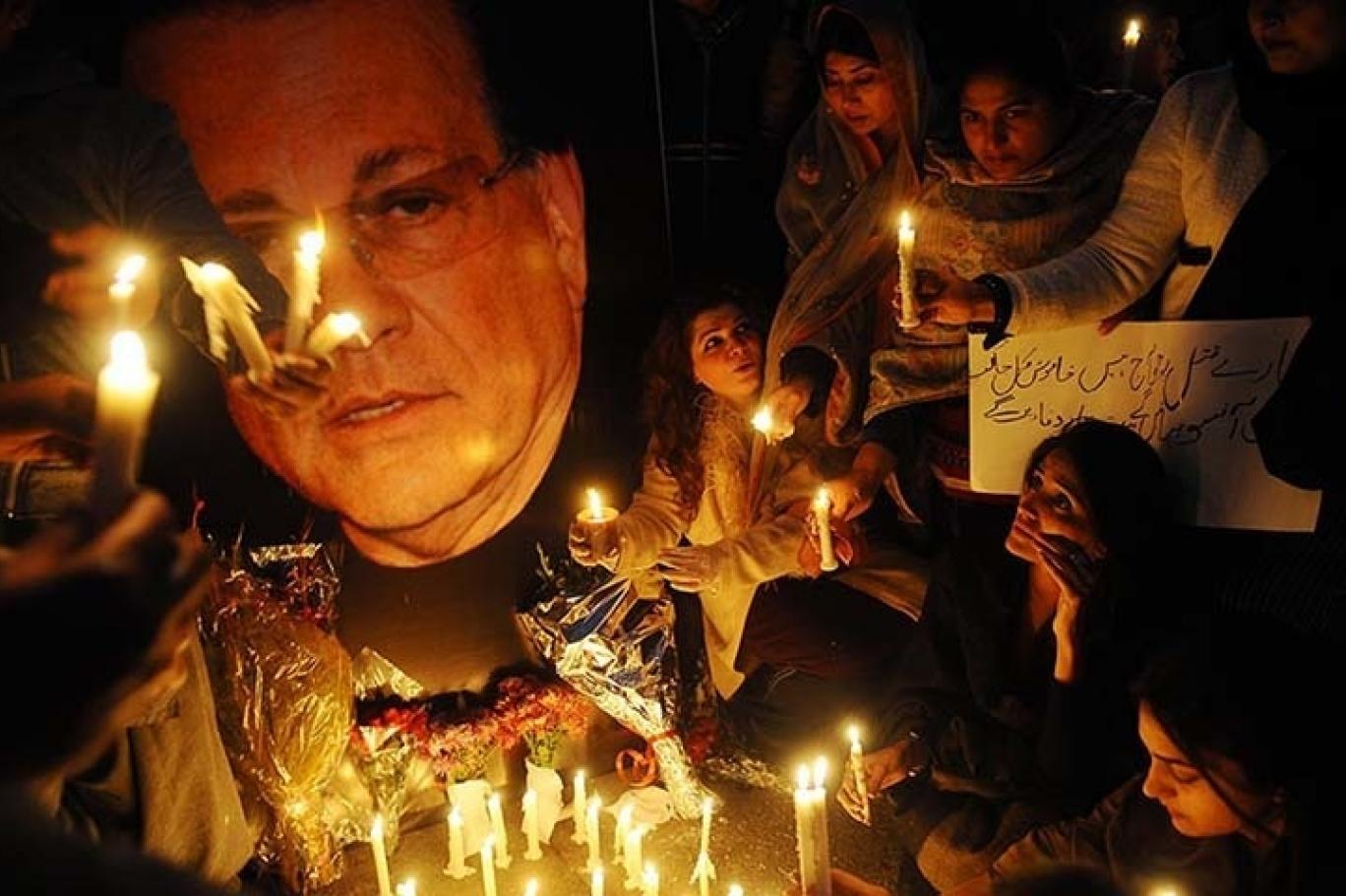
“There has been an increase in threats posted online against purported blasphemers and non-believers across Khyber Pakhtunkhwa as well as in the Peshawar area since the July 29 murder of a U.S. citizen who had been imprisoned since 2018 on blasphemy charges. ” the embassy said in a statement on its website.
The Embassy reminded US citizens that “sectarian violence remains a serious threat throughout Pakistan, and the Government of Pakistan continues to enforce blasphemy laws. Religious minority communities have been victims of targeted killings and accusations of blasphemy.”

Abductions, Censorship and Layoffs: Pakistani Critics Are Under Siege


By Maria Abi-Habib

Recent abductions of a journalist and an activist have underscored Pakistan’s worsening rights conditions as the country’s security forces pressure the news media and human rights groups.
When Prime Minister Imran Khan boasted last year that Pakistan had one of the “freest presses in the world,” journalists were quick to object, saying that intimidation of reporters across the country was intensifying. It has only gotten worse since.
Two years into Mr. Khan’s term, censorship is on the rise, journalists and activists say, leaving the country’s heavy-handed military and security forces unchecked as they intimidate the news media to a degree unseen since the country’s era of army juntas. The security forces frequently pressure editors to fire or muzzle reporters, journalists say, while the government starves critical news outlets of advertising funds and refuses to settle previous bills worth millions of dollars.The abduction of a prominent reporter by state security officers in late July, coupled with the disappearance of a rights activist in November, has heightened those concerns. In June, Pakistan’s Military Intelligence agency admitted that it had detained the activist and that he is awaiting trial in a secret court on undisclosed charges. “Disappearances are a tool of terror, used not just to silence the victim but to fill the wider community with fear,” said Omar Waraich, the head of South Asia for Amnesty International.
“In Pakistan, the military’s intelligence apparatus has used disappearances with impunity,” Mr. Waraich said, adding: “Civilian politicians look on helplessly, affecting concern and promising to investigate. Unable to uphold the rule of law as Imran Khan vowed to do, their authority erodes.” On July 21, the reporter, Mattiullah Jan, had just dropped off his wife at her job in an upscale neighborhood in Pakistan’s capital Islamabad when several men, some in plain clothes, others in counterterrorism police uniforms, dragged him from his car, bundled him into one of their vehicles and sped away.
Mr. Jan, 51, is a vocal critic of Mr. Khan’s governing party, the judiciary and the military, which critics accuse of working together to preserve their power and stamp out dissent.
Footage from a security camera clearly shows the police’s involvement in the abduction, working alongside men in civilian clothes that many believe are Pakistani intelligence officers. The footage culminated in a pressure campaign on social media and Mr. Jan was released 12 hours later. He released a vague statement saying he had been abducted by forces that are “against democracy.”
Multiple requests to the Pakistani government and military to comment for this article went unanswered. Pakistan’s security forces have not publicly commented on Mr. Jan’s abduction.
Under Pakistani law, state-directed abductions like Mr. Jan’s are lawful. The detentions often go unexplained, leaving the families of the victims wondering for months or even years whether their loved one was killed in something as commonplace as a hit-and-run accident or secretly detained by the security forces.
While Pakistan has long had a poor track record on press freedom, it has gotten notably worse under Mr. Khan’s administration, which has been widely seen as a high-water mark for military influence in the past decade. Pakistan slipped six spots since 2017 — the year before Mr. Khan took office — to 145th place out of 180 countries in the 2020 world press freedom index compiled by Reporters Without Borders.
In the last five years, 11 journalists have been killed in Pakistan, seven of them since Mr. Khan was sworn in as prime minister two years ago. Anchors have frequently seen their newscasts cut off in the middle of broadcasting — a level of censorship not seen since the era of military dictatorships in Pakistan.
Instead of establishing an outright dictatorship, human rights groups say, Pakistan’s generals are effectively imposing their will through their allies in a government that they helped usher into office.
During the 2018 elections, the military was accused of meddling to ensure victory for Mr. Khan and his Pakistan Tehreek-e-Insaf party and to virtually dismantle the party of former Prime Minister Nawaz Sharif, who had tried to curb the military’s powers. The military has denied those accusations.
As those elections drew near, the military accused reporters of being anti-state, an allegation that was swiftly condemned by the Committee to Protect Journalists. After a series of articles detailing the military’s political and electoral interference, the security forces disrupted the distribution of Dawn newspaper across the country. Over the past year, the country’s remaining critical news outlets have been gutted by the combination of a devastated national economy and the sudden elimination of government advertising dollars. Media organizations have laid off dozens of journalists, and the combination of heavy pressure and job insecurity has led many reporters to avoid critical or controversial subjects.
Like many Pakistani reporters, Mr. Jan claims that he lost his job as a popular talk show host just months after the election because of his hard-hitting reporting. He now runs his own YouTube channel.
“This is the first time in the 31 years of my career where I’ve seen a structural takeover of the media industry,” said Talat Hussain, a former Geo TV news anchor who has been critical of the military and government.
Mr. Hussain said his company fired him under pressure from the military shortly after Mr. Khan’s election. He has remained unemployed, with newspapers and TV shows refusing to host his work.“We have dealt with fairly tyrannical regimes that were elected and dealt in repression, but it was episodic,” Mr. Hussain said. “This time it is structural and complete and it’s hard to breathe.”
Eventually, the authorities came after Mr. Hussain’s former boss. In March, Mir Shakil-ur-Rehman, the owner of the Jang Group, which owns Geo TV and The News newspaper, was detained over accusations of corruption, which Mr. Rehman has denied. Mr. Rehman has been held for over 100 days without charges, and several bail hearings have been postponed.
When the rights activist Idris Khattak, 56, disappeared late last year, there was no video footage to give his family the clarity that Mr. Jan’s family had.
In November, Mr. Khattak’s 21-year-old daughter, Talia Khattak, left Islamabad to go on a trip organized by her university. Her father told her he would call her to check in multiple times a day.
During their last call, Ms. Khattak said her father sounded nervous and there was a commotion in the background. He promised to call back in “two or three days” before hastily hanging up the phone, an unusual gap of time for him.
“Those two or three days have turned into eight months,” Ms. Khattak said in an interview.
As the coronavirus rippled through Pakistan in the months after his disappearance, the family’s panic deepened — Mr. Khattak’s health issues, including diabetes, have proved dangerous in those stricken by the virus.
Mr. Khattak’s disappearance was unusual. He retired about five years ago from his advocacy work with groups including Human Rights Watch and Amnesty International. Mr. Khattak’s work focused on state-sponsored abductions. But he had since lived a quiet and seemingly uncontroversial life, his daughter said.
Finally, in June, a rare admission came from the Military Intelligence agency: Mr. Khattak was in its custody and would be tried in a secret military tribunal.
“When you take someone, when you abduct them, those people have families behind them. You’re ending all their lives,” Ms. Khattak said. “That they can just do this, with no repercussions, is unconscionable.”
The authorities have not allowed Mr. Khattak’s family members to speak with him. In the eight months he has been gone, they have received no word about his health or that he is getting his medication.
The abduction of her father has thrown Ms. Khattak into a murky political game as she tries to challenge the most secretive and repressive parts of the Pakistani state.
“Whenever there is a journalist or activist in Pakistan speaking up on sensitive issues, they disappear like this,” she said. “Papa didn’t do anything illegal — all Papa did was speak up.”

کیا بیانیے کا 'سافٹ وئیر اپڈیٹ' کرنے کے بعد قوم کو 'ہارڈ وئیر اپڈیٹ' کرنے کی طرف دھکیلا جا رہا ہے؟ صحافی مطیع اللہ جان کا کالم

مصنف مطیع اللہ جان

پاکستان میں اغوا، لاپتہ یا ماورا عدالت مارے جانے والے والوں سے متعلق نوجوان نسل کے ایک مخصوص طبقے کی بے حسی شرمناک حدوں کو چھو رہی ہے۔ مقتدر اداروں اور ان سے ملی بھگت سے حکومت بنانے والے سیاسی حلقوں کے پڑھے لکھے چشم و چراغ دور دراز علاقوں میں اغوا یا لاپتہ ہونے والے افراد سے متعلق بزدلانہ خاموشی اختیار کرتے ہیں یا پھر ایسے واقعات کو ملکی سلامتی سے جوڑتے ہیں۔
ایسا کرکے وہ اپنی تعلیم اور اپنے تعلیمی اداروں کے گرتے معیار کا پتہ بخوبی دیتے ہیں۔ اس بے حسی کی وجہ وہ نصاب اور غیرنصابی سرگرمیاں ہیں جن پر ہماری فوجی آمرانہ تاریخ کی گہری چھاپ اور اب تک کی سیاسی قیادت کی حد درجہ بزدلی اور مصلحت پسندی ہے۔
نوجوان نسل کو فوجی ادوار میں جس طرح سیاست، سیاسی عمل، سیاستدانوں اور جمہوریت سے متنفر کیا گیا اور نام نہاد ریاست کو سیاست کے بل مقابل لا کھڑا کیا گیا، اس کا خمیازہ آج پوری قوم بھگت رہی ہے۔ ان غیر سیاسی سیاستدانوں کی تیار شدہ نئی کھیپ اور ریاست کے سرکش سازشی عناصر نے آپس میں مل کر آج ملک کو یرغمال بنا لیا ہے۔
سیاست، صحافت اور عدالت خود ساختہ ریاستی محافظوں کے چنگل میں پھنس چکے ہیں۔
جمہوریت اور سیاسی عمل کے خلاف اسلامی تعلیمات کے مراکز اور مدارس کو بھی خوب استعمال کیا جا رہا ہے۔ کچھ مذہبی رہنماؤں کو جب تک اس سازش کی سمجھ آئی اس وقت تک اتنی دیر ہو چکی تھی کہ ان کے اپنے کارکنوں کا  'سافٹ وئیر اپڈیٹ' ناقابل اصلاح حد تک مکمل ہو چکا تھا۔ اس صورت حال میں اب بظاہر پوری قوم 'ہارڈ وئیر اپڈیٹ' کی طرف جا رہی ہے۔
نوجوان نسل کی سیاسی اور نظریاتی بےشعوری جنونیت کی حدوں کو چھو رہی ہے جو ہمیں قومی سطح پر ہونے والے اس 'ہارڈ وئیر اپڈیٹ' کا پتہ دیتی ہے۔ بیانیے کے سافٹ وئیر اپڈیٹ کے بعد نظام کا ہارڈ وئیر اپڈیٹ کیے جانے کا خطرہ ہے۔
اس کی ایک مثال ہماری سیاسی نظریات اور سوچ سے عاری نوجوان نسل ہے جس کے نزدیک آئین اور قانون سے زیادہ اہم ملک یا ریاست  ہے، چاہے اس ریاست کے وجود سے آئین کی روح پرواز ہی کیوں نہ کر گئی ہو۔
تاریخ سے بددیانتی کرنے والے سرکاری نصاب کے سکول اورکالجوں کی فارمی نوجوان نسل کا ایک گروہ ہے جو کسی کے اغوا اور اس پر ہونے والے تشدد کو سافٹ وئیر اپڈیٹ کا نام دیتے ہیں۔ عسکری کاروباری سلطنت کے تعلیمی اداروں سے فارغ  التحصیل یہ نوجوان بنیادی انسانی حقوق کو ملکی سلامتی سے مشروط کرنے میں دیر نہیں لگاتے۔
 اب تو ہم جیسوں کے لیے بھی ان اصلاحات کا حوالہ دیے بغیر بات سمجھانا مشکل ہوتا جا رہا ہے۔ ریاستی ہتھکنڈوں کو دلچسپ اور انوکھے الفاظ کا لبادہ پہنانے کی ایک مثال لفظ 'اسٹیبلشمنٹ' بھی ہے جس کا آئین میں ذکر نہیں مگر آئین اور قانون کے لاوارث غداروں کو یہ نام دے کر معاشرے میں پہچان دی گئی ہے۔ 
سافٹ وئیر اپڈیٹ کی اصطلاح استعمال کرنے والے انسان اور انسانیت کی تذلیل کرتے ہیں اور یہ پیغام دیتے ہیں کہ 'یہاں سب چلتا ہے۔'
 کچھ عرصے سے ملک میں لاپتہ ہونے اور پھر بازیاب ہونے والوں سے متعلق 'سافٹ وئیر اپڈیٹ' کی اصطلاح استعمال کر کے یہ تاثر دیا جاتا ہے کہ اس شخص نے اپنی سوچ اور اپنے نظریے کو بدل لیا ہے۔
میرے اغوا اور بازیابی کے بعد بھی یہ اصطلاح استعمال کی گئی۔ مگر جب ٹھیکیدار حضرات سیاسی انجینئیرنگ کرنے کے بعد خود کو سافٹ وئیر انجینئیر بھی سمجھنا شروع کر دیں تو وہی ہوتا ہے جو اس ملک کے ساتھ پچھلے تہتر سال سے ہوتا آیا ہے۔
تین بار آئین پامال ہوا اور عدالتوں نے بوٹ چاٹے، ملک ٹوٹ گیا، عسکری اور عدالتی بونوں نے ایک وزیر اعظم کا عدالتی قتل کیا، ملک میں دھشت گردی، ہیروئن اور اسلحے کا کلچر آیا، ملک اور آئین کے غداروں نے سازشیں کی، سابق وزیر اعظم کا بھائی اس کی اپنی حکومت میں قتل کیا گیا، فوجی بغاوت میں وزیر اعظم جلا وطن ہوا اور بعد میں عدالت سے نا اہلی کروائی گئی۔
خودساختہ سافٹ وئیر انجینئیر حضرات نے آر ٹی ایس کا سوفٹ وئیر بٹھا کر الیکشن چوری کیا اور اب یہ لوگ ہارڈ وئیر انجینئیرنگ کی مہارت کا دعویٰ کرتے ہوئے ملک میں صدارتی نظام لانا چاہتے ہیں۔
اس تمام تاریخی انجینئیرنگ کے بعد کچھ لوگ سہم تو گئے ہیں۔ مگر یہ سمجھنا کہ انہوں نے اپنے نظریات بدل لیے ہیں، خام خیالی ہو گی۔ مشرقی پاکستان کے لوگوں کا بھی سوفٹ وئیر اپڈیٹ نہ ہوسکا تھا۔ انکی طویل خاموشی کا بھی غلط مطلب لیا گیا تھا۔
میرے اغوا اور مجھ پر ہونے والے تشدد کے بعد یہ سمجھنا غلط ہو گا کہ میں یا میرے جیسے دوسرے صحافی یا لوگ خاموش ہو جائیں گے۔
بازیابی کے فوری بعد مجھ سے  یہ سوال ہوا تو میں نے کہا تھا کہ اس واقعے نے مجھے کاکول اکیڈمی کی یاد دلا دی اور مجھے لگا کہ میں ایک دن کے لیے دوبارہ کیڈٹ بن گیا اور اس سے زیادہ کچھ نہیں۔ شاید ہر عام فوجی کی طرح میں بھی اپنے ملک کی خاطر ایسی تکالیف برداشت کرنے کا عادی ہوں۔
ویسے بھی پچھلے دو سال کے دوران بیروزگار کر دیے جانے نے میرے عزم اور حوصلے کو تقویت دی ہے۔ مجھے بس انتظار ہے اس وقت کا جب ان سافٹ وئیر انجینئیرز کو اس ملک پر رحم آ جائے اور یہ سرکشی کے وائرس کا شکار اپنے پائریٹڈ سافٹ وئیر کو بدل کر آئین اور قانون کے لائسنس یافتہ سوفٹ وئیر کو انسٹال کر لیں۔
اللہ ان کو ہدایت دے کیونکہ ان نادان محافظوں سے ہم بطور قوم محبت بھی کرتے ہیں۔

Sunday, August 2, 2020

Video - Barack Obama's full eulogy at John Lewis's funeral

Video Report - #Coronavirus - Is the world facing a second wave of COVID-19?

Video Report - #Elections2020 - U.S. We are witnessing creeping authoritarianism

Video Report - Speaker Pelosi: Our Bill Puts Money In Pockets Of American People

Video Report - Fareed: Trump thinks the essence of his job is public relations

Music Video - Moez Mohmand - MALGHALAREY - (Ghani Khan)

Video Report - #NayaDaur #PTI #PMLN Qurbani After Eid: Is Imran Khan Ready For Opposition's Onslaught?

Opinion | Surrender of ‘Naya Pakistan’

By Aamer Intsar Mohar
September 22, 2018'

” You are free; you are free to go to your temples, you are free to go to your mosques or to any other place or worship in this State of Pakistan. You may belong to any religion or caste or creed that has nothing to do with the business of the State”. This was the vision of Pakistan that our beloved Quaid-e-Azam Muhammad Ali Jinnah expressed in his historic speech of August 11, 1947 to the first Constituent Assembly of Pakistan in Karachi. We all know that over the past 70 years, Pakistan has not followed this vision of its founding father and the results have been disastrous. During the past few years, the nation as a whole has desperately been searching for a leader that can change the disastrous course this country is headed towards and can bring about a real change for the better future of Pakistan.
Imran Khan entered the political arena in 1996 by forming his political party Pakistan Tehreek e Insaf. He has led a heroic 22 years long struggle for bringing real change in Pakistan and many Pakistanis including me have been his supporters during this epic struggle which culminated when his party emerged as the leading party in 2018 general elections and he became the Prime Minister. He is my childhood hero and one person I have always admired due to his leadership qualities that he displayed during his cricketing years and specially his daring feats as the Captain of our cricket team. His never say die attitude has been his special hall mark both during his cricketing and political years.
I am extremely disappointed by the way his government surrendered before the extremists by taking back the nomination of Mr. Atif Mian from the Economic Advisory Council. It was highly unlike the Imran Khan that I have known and observed and idealized over the years. This act is totally against the ideology of Mr. Jinnah the founder of Pakistan as well as the much publicized “Medina State” that Mr. Imran Khan wants to follow in building a “New Pakistan “.
As mentioned above the Quaid had clearly stated that Religion was a personal matter of every citizen and the State of Pakistan would have nothing to do with it and would not discriminate among its citizens on the basis of cast, creed or Religion, but unfortunately Mr. Atif Mian a word renown economist was removed on the pressure of extremist forces only because he belongs to the Ahmadiya community. The two days when Mr. Fawad Ch the Information Minister defended his nomination really made me believe that perhaps the much anticipated change has really come and Quaid’s dream of all inclusive state is finally taking shape but the joy was shortlived and the next morning we were back to square one.
I personally know that people belonging to Ahmadiya community have rendered invaluable services for Pakistan. The first foreign minister of Pakistan Sir Zafarullah Khan was an Ahmadi and a very trusted colleague of Mr. Jinnah and he also played a pivotal role in Pakistan movement as he was the one who had drafted the Lahore resolution that was passed on March 23 1940 at Lahore and later on came to be known as the Pakistan Resolution. He also played an important role in securing the geographical boundaries of Pakistan as he was appointed by Mr. Jinnah to represent the Muslim League in the boundary commission. He was the one who played his due rule in passing of the Kashmir Resolution of 1948 through the United Nations which has been the cornerstone of our basis for supporting the Kasmiris struggle for their right of self determination.
During the Ayub Khan era another prominent economist was the financial advisor to the then Government of Pakistan and his name was Mirza Muzaffar Ahmad and he was also an Ahmadi. He played a very important role in securing finances for building of Tarbela and Mangla dam projects from international financial institutions and Ayub Khan is known to have said that the nation would always remain indebted to MM Ahmad for his tremendous services in making Tarbela and Mangla possible. Everyone is familiar with the name of Dr. Abdussalam the Nobel laureate from Pakistan. He was instrumental in the launch of SUPARCO and the launch of our nuclear program. Many Ahmadis have rendered meritorious services in the Armed forces. My late father was a proud officer of Pakistan Army and rendered his services for the defense of our motherland when and wherever required. By doing away with the services of a brilliant economist merely on the basis of his religious beliefs has sent a message that perhaps Ahmadis are not patriotic Pakistanis. The extremists have mentioned that they cannot and will not allow any Ahmadi to be appointed to any prominent position in government.
I belong to the Ahmadiya community and this act of the government to cede to the pressure of the extremists has caused me great pain because my loyalty to my country has been doubted. Times will move on and implications of this decision will become evident in due course of time.
I certainly do not doubt the good intentions of Imran Khan for bringing positive change to Pakistan but a few years down the lane whenever the history will be written, the historian will not take into account the good intentions but the practical steps that were taken for bringing about the desired change and unfortunately it will be written that he had an excellent opportunity to change the history and course of history but Imran Khan was not up to the challenge. Imran is still my hero because of all his services for Pakistan. I sincerely hope and pray that he is able to live up to the challenge and take prudent decisions for bringing true change in Pakistan.
https://www.rabwah.net/surrender-of-naya-pakistan/

All Party Parliamentary Group asks #Pakistan to stop persecution of #Ahmadi Muslims


A detailed report by the All Party Parliamentary Group for the Ahmadiyya Muslim Community speaks of targeted attacks on the non-Muslim community with particular emphasis on Pakistan.
Ahmadi Muslims, who played a pivotal role in the creation of Pakistan, are facing severe persecution by the Pakistani government. This culminated in the events of 1974, when Prime Minister Zulfikar Ali Bhutto turned the anti-Ahmadi movement into fully-fledged state-sponsored persecution. He enacted a 1974 Constitutional Amendment specifically targeting Ahmadi Muslims, declaring them ‘not Muslims for purposes of law and constitution’. It was a watershed moment in Pakistan’s history.
A detailed report by the All Party Parliamentary Group titled - 'Suffocation of the Faithful: The Persecution of Ahmadi Muslims in Pakistan and The Rise of International Extremism', speaks of targeted attacks on the non-Muslim community with particular emphasis on Pakistan.
Life has become intolerable for Ahmadi Muslims living in Pakistan, and many have left Pakistan and sought refuge in other countries. In Pakistan today, anti-Ahmadi Muslim sentiment is as strong and violent as ever. Ahmadi Muslims have been denied the right to vote in Pakistan, and their core religious texts and websites are banned.
Under General Zia-ul-Haq’s promise to 'ensure that the cancer of Qadianism (a derogatory term for the Community) is exterminated', thousands of Ahmadi Muslims were charged under these laws, and Pakistan developed a sickening culture of anti-Ahmadi harassment, violence and murder.Most infamously, on May 28, 2010, two Ahmadi Muslim mosques in Lahore were attacked. 86 Ahmadi Muslims and a Christian were massacred. Mobs of hundreds have attacked mosques, the grave of Pakistan’s first Nobel Laureate has been desecrated, and the word ‘Muslim’ scrubbed from his tombstone."Despite the persecution we face in Pakistan and the myriad of restrictions placed upon us, Ahmadi Muslims continue to serve their nation with a spirit of love, selflessness and devotion, as loyalty to one’s nation is an inherent part of Islamic faith," the report quoted Hazrat Mirza Masroor Ahmad, the leader of the global Ahmadiyya community.
The APPG report also requested the UK government to put pressure on Pakistan for removal of its anti-Ahmadi laws.
In Pakistan, Ahmadi mosques have also been targeted on grounds that Ahmadis cannot ‘pose’ as Muslims, therefore they cannot pray as Muslims and their places of worship cannot be called mosques or resemble mosques. As a result many Ahmadi mosques have been sealed, attacked and even destroyed."If I call Azan, I would be punished with three years’ imprisonment. If I call myself a Muslim, I would be punished with three years of imprisonment. That law is still intact in Pakistan. People have been charged for fasting in the month of Ramadan, because by fasting in the month of Ramadan you are posing as a Muslim, and hence serving a sentence of three years”. Mujeeb-ur-Rehman to the APPG Inquiry.
The APPG Inquiry heard that Ahmadi Muslims are denied the right to rest in peace after death. Ahmadi families are routinely barred by local extremist clerics from burying their loved ones at the local cemetery. As a result, many families are forced to travel long distances to put their loved ones to rest.
The persecution of the Ahmadiyya Muslim Community is the most severe in Pakistan. However, it is worrying to observe that phenomenon has spread to different countries across the world.
The APPG Inquiry found extremist agendas and activity are filtering into the United Kingdom. It heard how extremist clerics coming from Pakistan have been able to freely enter the UK, to carry out fundraising activities and deliver inflammatory sermons at events such as Khatme Nabuwwat conferences and promoting anti–Ahmadi sentiments. Ahmadi Muslims have experienced discrimination in the UK. Many parents have told their children not to make friends with Ahmadi Muslim children at school.
"The Inquiry heard how Birmingham City Council's Standing Advisory Council on Religious Education (SACRE) had refused membership for Ahmadis unless they removed the word Muslim from their title. Similar sentiments were echoed in other groups, such as the Waltham Forest interfaith forum in which Ahmadi Muslims were not permitted to be registered as part of a group representing local Muslims," the report added.
On March 24, 2016, Ahmadi Muslim shopkeeper – Asad Shah, was savagely attacked and stabbed in broad daylight on the streets of Glasgow. He died from his injuries at Queen Elizabeth University Hospital.
"The Ahmadiyya mosque in Sialkot of Pakistan was torn apart by hand and it was incited by a preacher who had come to the UK in 2014 and given a lecture here at the Khatme Nabuwwat Conference. I’ve raised with the government that you need to ban this guy from ever entering this country because he’s on video inciting the mosque to be torn down piece by piece but I have not had a response," said Fiyaz Mughal, to the APPG Inquiry.
In Bangladesh, a suicide bomber detonated explosives during the Friday Prayer at a mosque in a remote northern village in 2015 and wounding three members of the Ahmadiyya Muslim Community. In May 2017, an Ahmadi Imam was brutally attacked at his local mosque. Similarly, in 2019, extremists vandalized and torched houses owned by Ahmadi Muslims to protest against the Jalsa Salana, the community’s annual convention. Around 50 people were injured in co-ordinated attacks by hardline Islamist groups.
https://zeenews.india.com/world/uk-parliament-report-concerns-persecution-of-ahmadi-muslims-in-pakistan-2299873.html

U.S. urges Pakistan to act after American charged with blasphemy shot in court

The United States urged Pakistan on Thursday to take action over the killing of an American national in a crowded courtroom as he faced trial for blasphemy.
Tahir Ahmed Naseem was shot multiple times at close range as he appeared in the northwestern city of Peshawar on Wednesday.
“We urge Pakistan to take immediate action and pursue reforms that will prevent such a shameful tragedy from happening again,” the U.S. State Department said in a tweet.
As Naseem’s arraignment began before the judge, a young man in the room pulled out a handgun and shot him in the head, officials and witnesses said. The young man was arrested on the spot.
On Thursday, supporters of a hardline Islamist group held a protest rally in Peshawar calling for the release of the suspected shooter, saying he had defended his religion.The aftermath of the killing, captured on video and shared on social media, showed Naseem slumped over in a chair beside the judge’s bench, as other shackled prisoners, some with bloodied clothes, were taken from the room.“The young man who shot him had no remorse, and said he saw the Prophet Muhammad in a dream the night before,” Latif Afridi, who heads the Peshawar High Court Bar Association, told Reuters.
Afridi questioned how the man managed to get a gun into the court given that all visitors are checked thoroughly at three different points.
“It is likely someone who can go without being checked, perhaps a police officer or a lawyer, handed the shooter the gun after he entered,” he said.According to the charge sheet against Naseem, seen by Reuters, the American was in contact with a student at an Islamic school in Pakistan on Facebook and told him he was a messiah sent by God.
Naseem later met the student in Peshawar, after which police arrested him and charged him with a number of crimes, including insulting the Prophet Muhammad, which can bring the death penalty in Pakistan.
https://www.reuters.com/article/us-pakistan-court-blasphemy/u-s-urges-pakistan-to-act-after-american-charged-with-blasphemy-shot-in-court-idUSKCN24V2RW

Saturday, August 1, 2020

Punjabi Music Video - MUNDAYA DUPATTA CHAD MERA - NOOR JEHAN - BABRA SHARIF - FILM MUKHRA

Pashto Ghazal - مينا ستا می زندګی دا

Music Video - Raba dasi lewany shom | Sardar Ali takkar

Video - Imran Khan's Cabinet Members Despise Each Other

#Pakistan - #Balochistan always suffers the most!

By: Munaj Gul Muhammad
Nazir Muhammad, gets up early in the morning and takes the herd of sheep to forest for grazing. He is almost 49. His profession has never eased his troubles, therefore, he has no dreams in dwelling a comfortable life since his childhood.
Sometimes, his family members sleep without taking a loaf of bread due to deprivation. They are passing a very miserable life for a long time and the recent lockdown has worsened their living.
He cites, ” I am earning a small income through the herd which I take from the residents. I receive a sum of money which is insufficient in this price hike situation.” He truly is in the need of help, but no one cares! The great lockdown has put his life in the lurch.” Before the pandemic, my son was working in Iran border and helped our family by earning a small sum of money, but by means of coronavirus, he has no source of income. “Spoke out Muhammad when I asked him how he managed his house before corona outbreak.The government of Balochistan needs to think about the challenges faced by the citizens. Mainly, the great lockdown in the province has created various difficulties for the poor people. Most of the poverty-stricken labors are buried with a lot of problems. They are unable to manage their livelihoods. They have no means of income. Aziz Hasil, (a young writer based in Turbat) writes, ” In cities like Karachi and Quetta daily wage earners keep roaming the streets in search of work or cash dole-outs. They can be seen huddling up in front of any car that stops nearby. Many of them knock at the window panes of the cars asking for food or money so that they are able to feed their children.” The poor wage earners mostly go home at evening hopelessly as there is no work. Sometimes, they earn a very little amount, but most often they don’t. They only curse their fates.
To pose a question, is it not the basic responsibility of government to provide the fundamental facilities to its masses, like the sanitizers, masks or all other indispensable stuff to prevent themselves from the inimical virus?
Owing to the very difficult situation, it is very hard for poverty-ridden people to adopt the precautionary measures for their own safety and loved ones too. It is mandatory for every citizen to take all the precautions against the risks of the epidemic. But people are dying due to poverty as they have nothing to eat. How is it possible for them to follow the instructions of the government?
On the other hand, the lockdown is not the just solution to the pandemic. The government needs to look at the other side of the coin.
Many people have no wages in the province, by because of corona outbreak. A lot of people from different professions are suffering terribly to earn a small amount of money to be able enough to access their basic necessities. Private teachers are one of the examples! More importantly, the private teachers are left aside. After all, they have no earnings and the provincial government along with federal government would never bother themselves to help them out in such a difficult situation. They had better think about private teachers and their poor families. Multifold private teachers are dead silence. To celebrating Eid with full enjoyment is the sole dream of every one, but the closure of private schools and having no money adds more worries to them.
I witness, in a city like Turbat, most of the private teachers belong to middle class family; private schools or centers are their little source of income. But by now, they are closed and private teaches have no other options to earn money. They live hopelessly. The government has to ponder about the challenges faced by the teachers. How is it possible for them to live without access to money.
” The Eid is very close. It adds beauty to the happiness of people, but I am compelled to shed tears on the occasion by seeing my siblings wearing torn clothes and shoes. As I am the only person to earn money and feed my family. But I am faild! Before the pandemic, I managed a sum of money by doing a part time job in a center at Turbat as a teacher. The earned money eased my worries a little, but by now the center is closed and I have no other alternative options to get money! I don’t want to see my little siblings having no stuff, like anew clothes and shoes! I am always left hopeless!” Claimed a private teacher and he wishes to be unknown.
There are a lot of such examples in Balochistan. Baloch are rich, but yet poor. They have everything, but yet have nothing. The private teachers and other poor are desperately in the need of help! The provincial government needs to help them out in this difficult situation. The aforementioned citizens should not be dependent any more, for dependency is a curse!
http://thebalochistanpoint.com/balochistan-always-suffers-the-most/

Casual attitude of Pakistani’s about virus complications is alarming


Study conducted by Aga Khan University (AKU) and the Chinese University of Hong Kong revealed that “One in six Pakistani adults believe that they and their families were safe from the coronavirus even without any preventive measures”.
Pakistani researchers conducted an online survey of 1,406 adults across Pakistan over the first two weeks of May 2020 and compared the results with a similar study in Hong Kong.
Hong Kong is extensively regarded as a COVID-19 containment success story. It has seen just 2,770 cases and 22 deaths in 6 months despite being a part of China and never imposing a lockdown. In contrast, data collected in May 2020 showed Pakistan’s rate of infections per 100,000 people at 137 against Hong Kong’s 33 while Pakistan’s fatality rate per 100,000 was also three times higher at 21 despite imposing wide-ranging lockdowns across the country.
Comparing risk perceptions, anxiety levels and community response to COVID-19 in Pakistan and Hong Kong can help assess whether Pakistan is prepared to take the strict preventive measures needed to control the spread of the disease, said researchers from AKU’s department of community health sciences.
Similarly, nearly seven out of ten Pakistanis, or 68 percent, whispered they had a high or very high chance of surviving the disease against just 36 percent of respondents from Hong Kong. Such perceptions about the risk of contracting COVID-19 and its complications contributes to preventive conduct such as wearing face masks, which are almost universally worn in Hong Kong.
Pakistanis were also less likely to ask for information on preventive measures and how to detect COVID-19 symptoms than their counterparts in Hong Kong.
In general, Pakistani men had a lower risk perception of COVID-19 compared to women. Despite a government-imposed lockdown only 71 per cent of men avoided going out in contrast to 87 per cent of women. Moreover, 62 per cent of women reported experiencing symptoms of anxiety compared to 50 per cent of men. Men in Pakistan preferred to acquire information about the pandemic from their family and friends while women in the country viewed information from doctors as being more trustworthy.
https://dailytimes.com.pk/648017/casual-attitude-of-pakistanis-about-virus-complications-is-alarming/

#Pakistan - #PTI’s policy of total confrontation

  • Democracy is the art of the possible
Prime Minister Imran Khan does not want to touch the opposition with a bargepole. Strongly believing that he has been assigned the sacred mission of putting an end to corruption in the country, he has decided to start with the opposition parties. Two years in power, and Mr Khan has yet to come down his high horse. At a time when passing the FATF-related laws requires the government and the opposition to join hands, he would not have the PTI to go seeking the ‘corrupt’ opposition’s help. He would rather get the bills passed by convening the joint session of Parliament, bypassing the opposition altogether.
Despite denial by the PTI and PML(N) that they sought concessions in the NAB Ordinance in return for supporting the government bills, the PM continues to claim that the two parties wanted the government to provide relief to their ‘corrupt’ leaders by accepting the amendments proposed by them. With this mindset, there is little possibility of the government and opposition agreeing on a joint NAB bill.
Flexibility and compromise are basic requirements to run a country practicing democracy. The terms are however swearwords for Mr. Khan. Whatever their other kinks and quirks, the PPP and the PML(N) leaders have over the years learnt to work with each other as well as with parties which differ with them on numerous issues. One had vainly hoped that after working together for two years with a whole lot of old sinners that he had condemned and ridiculed in the past, Mr Khan would develop working relations with the opposition also to run the country.
The opposition had helped improve the two FATF-related laws, suggesting amendments which were passed by Parliament on Thursday. The two major opposition parties are still willing to work with the PTI government to pass other laws after proper debate and discussion. The opposition also wants the government to complete its tenure. Mr Khan’s policy of driving the opposition into a corner will however leave it with no option other than joining hands with Maualna Fazlur Rehman who is keen to overthrow the government through agitation.

Brazen killing of U.S. citizen prompts new criticism of Pakistan’s blasphemy laws

By Haq Nawaz Khan and Susannah George


The brazen killing of an American standing trial for blasphemy in Pakistan has sparked renewed pressure on Islamabad to reform controversial laws that human rights groups say target minorities.
Tahir Naseem, 57, of Illinois was on trial in the Pakistani city of Peshawar for claiming to be a prophet. Early Wednesday, a man walked into the city’s busy central courtroom and shot Naseem multiple times at the close range. Video of the killing, widely circulated on social media, showed police restraining the gunman as Naseem lay in a pool of blood on the floor just a few feet away. The man could be heard saying that the prophet Muhammad told him to kill Naseem in a dream.
“He is the enemy of Islam . . . the enemy of Pakistan,” the gunman said.
Inam Ullah Yousafzai, a lawyer who was in the courtroom, said that after killing Naseem, the gunman placed his pistol on a table and surrendered to police. Another lawyer present at the court remarked on how difficult it would be to bring a weapon into the building. The courthouse is heavily guarded, with multiple security searches and checkpoints that anyone who wants to enter must pass through.
The suspect was brought before a court to face possible terrorism and murder charges Thursday.
The Pakistani Foreign Ministry said in a statement that “the alleged killer has been arrested and a special team constituted to investigate the case.” It pledged that “the matter will be dealt with in accordance with the law” and that constitutional rights and protections would be “fully enforced and implemented.”
A police report identified the suspect only as Faisal, son of Abdullah, and a resident of Peshawar’s Gulabad neighborhood.
The U.S. State Department said Naseem was a U.S. citizen and called in a tweet for “immediate action” in response to his killing.
Cale Brown, a State Department spokesman, said the United States had worked with Naseem’s family since his detention in 2018 and alerted senior Pakistani officials to his case “to prevent the type of shameful tragedy that eventually occurred,” according to a statement. Brown said Pakistan’s blasphemy laws are often abused and demanded that they be reformed.
Pakistan’s blasphemy laws have long been the target of fierce criticism from international human rights groups, which have demanded their repeal. Human Rights Watch has reported that the laws “provide a pretext for violence against religious minorities, as well as arbitrary arrests and prosecution.”
Anyone found guilty of insulting Islam can be sentenced to death, and allegations of blasphemy have triggered violent riots. Blasphemy allegations have led to extrajudicial murders, rights groups say. But while many inmates are on death row for blasphemy in Pakistan, the country has never carried out a death sentence in those cases. Most of those accused of blasphemy, like Naseem, belong to the Ahmadia minority group, which is viewed by many Muslims in Pakistan as heretical. Hours after the news of Naseem’s killing was reported by local media, a hashtag began trending on social media praising the gunman as a hero. Many of those promoting the hashtag described themselves as Taliban sympathizers. A relative of Naseem’s ex-wife in Pakistan said that when he was living outside Peshawar, he survived multiple Taliban assassination attempts.
The relative, Amjad Ali, said Naseem’s beliefs quickly became controversial in the small village he lived in before he moved to the United States. Naseem’s wife divorced him in 2008 shortly after their marriage, and Naseem’s relatives began receiving death threats, ultimately forcing them to sell their possessions and leave, according to Ali.
“Now he has no one in the village,” Ali said.
In one of Pakistan’s most recent high-profile blasphemy cases, an illiterate woman, Asia Bibi, was charged and imprisoned on death row for eight years before she was acquitted and eventually sought asylum in Canada last year. Her release sparked violent riots, and she continued to receive death threats from Islamist extremists even after fleeing to Canada.

توہینِ مذہب پر ماورائے عدالت ہلاکتیں کب تک؟

1987 سے 2017 تک 75 افراد توہینِ مذہب کے الزام میں ماورائے عدالت قتل کیے جا چکے ہیں، جن میں سلمان تاثیر، راشد رحمٰن اور شہباز بھٹی جیسے لوگ بھی شامل ہیں۔

گذشتہ بدھ کو پشاور میں 57 سالہ طاہر احمد نسیم کو ایڈیشنل سیشن جج کی عدالت میں اس وقت قتل کر دیا گیا جب وہ توہین رسالت کے ایک مقدمے میں پیش ہوئے تھے۔
تل ہونے والے ملزم پر آئین پاکستان کی دفعہ 295، 198 اور 253 کے تحت نوشہرہ کے ایک رہائشی کی مدعیت میں 25 اپریل، 2018 کو مقدمہ درج کیا گیا تھا۔ اس وقت درخواست گزار اسلام آباد کے ایک مدرسے میں پڑھتے تھے۔
مقتول اپنے خاندان کے ہمراہ امریکہ میں رہائش پذیر تھے اور درخواست گزار کے بقول وہ ان سے مناظرے کے لیے پاکستان آئے تھے کیونکہ انہوں نے دعویٰ کر رکھا تھا کہ وہ اس صدی کے مجدد ہیں۔ البتہ عدالت میں مقتول نے اس الزام سے انکار کیا تھا، جس پر عدالت نے سماعت 12 اکتوبر تک ملتوی کر دی۔ اس دوران عدالت میں ایک نوجوان نے، جس کا تعلق افغانستان سے بتایا گیا ہے، فائر کر کے ملزم کو قتل کر دیا۔
مقامی میڈیا کے مطابق طاہر نے احمدیت ترک کر دی تھی اور احمدی برادری نے بھی ان سے اظہار لاتعلقی کیا تھا۔
یہ پہلا واقعہ نہیں ہے جب توہین رسالت کے نام پر ماورائے عدالت قتل ہوا ہو۔ اس پس منظر میں پاکستان میں ماورائے عدالت ہلاکتوں کی ایک طویل تاریخ ہے۔ گذشتہ سال 20 مارچ کو بہاول پور میں کالج کے ایک پروفیسر کو کالج کے ہی ایک طالب علم نے خنجر کے وار کر کے قتل کر دیا تھا۔ ملزم نے استاد پر الزام لگایا تھا کہ وہ اسلام مخالف سوچ رکھتے تھے۔
سینٹر فار سوشل جسٹس کی ایک رپورٹ کے مطابق 1987 سے 2017 تک 1549 افراد کے خلاف توہین مذہب کے مقدمات درج ہوئے، جن میں سے سب سے زیادہ تعداد مسلمانوں کی 720 ہے، دوسرے نمبر پر احمدی ہیں، جن کی تعداد 516 ہے۔ عیسائی 238، ہندو 31 اور غیر مصدقہ کی تعداد 44 ہے۔
پنجاب 1138 کیسز کے ساتھ پہلے نمبر پر، سندھ 330 کے ساتھ دوسرے اورخیبر پختونخوا 38 کے ساتھ تیسرے نمبر پر ہے۔ اسلام آباد میں 21، بلوچستان میں نو، پاکستان کے زیر انتظام کشمیر میں چھ اور گلگت بلتستان میں بھی چھ کیس ہی رپورٹ ہوئے۔ جن لوگوں کو ماورائے عدالت قتل کیا گیا ان میں 39 مسلمان، 23 مسیحی، نو احمدی، دو ہندو اور دو غیر مصدقہ افراد شامل ہیں۔ یہ کل تعداد 75 بنتی ہے۔
کم از کم پانچ افراد دوران حراست اپنی حفاظت پر معمور پولیس اہلکاروں کی گولیوں کا نشانہ بنے، 11 افراد کو پولیس کی موجودگی میں دیگر ملزمان نے مار دیا۔ 18 افراد بلوے میں مارے گئے۔
توہین مذہب کے قوانین برطانوی دور سے ہی چلے آ رہے ہیں۔ 1860 میں پہلی بار انہیں پینل کوڈز میں شامل کیا گیا۔ 1927 میں ان میں بعض اضافے کیے گئے۔ ضیا دور میں 1986 تک مزید شقیں بھی ڈال دی گئیں۔ یہ بات بھی حیران کن ہے کہ 1947 سے 1987 تک 40 سال میں توہین مذہب کے کیسز میں صرف دو افراد ماورائے عدالت قتل ہوئے جبکہ اس کے اگلے 30 سالوں میں 75 افراد مارے گئے، جن میں سلمان تاثیر، راشد رحمٰن اورشہباز بھٹی جیسے لوگ بھی شامل ہیں۔
اسلامی نظریاتی کونسل کے چیئرمین ڈاکٹر قبلہ ایاز نے انڈپینڈنٹ اردو سے گفتگو کرتے ہوئے کہا کہ اسلامی نظریاتی کونسل آئین پاکستان سے ماورا ہر اقدام کی مذمت کرتی ہے۔ ’ہمارا مؤقف بڑا واضح ہے کہ اس حوالے سے جو الزام لگاتا ہے اگر اسے عدالت میں ثابت نہ کر سکے تو الزام لگانے والے کو قذف کے قانون کے تحت سات سال سزا ہو نی چاہیے، یہی ایک طریقہ ہے جس سے جھوٹے الزامات کا سلسلہ روکا جا سکتا ہے۔‘
سینٹر فار سوشل جسٹس کے ایگزیکٹیو ڈائریکٹر پیٹر جیکب نے انڈپینڈنٹ اردو کو بتایا کہ ’سماج میں انتہا پسندانہ رجحانات بڑھنے کی وجہ سے صورت حال بہت تشویش ناک ہو چکی ہے۔ 2004 میں توہین مذہب کے قوانین کے پروسیجر میں ایک ترمیم یہ کی گئی کہ اگر کسی کی خلاف توہین مذہب کی شکایت ہو گی تو مقدمے کے اندراج سے پہلے ایس پی رینک کا افسر الزامات کی تحقیق کرے گا اور اس کے بعد ہی مقدمہ درج ہو گا۔
'تاہم یہ اس لیے مؤثر ثابت نہیں ہوئی کیونکہ جب جتھے تھانے پر یا بازاروں میں حملہ آور ہوتے ہیں تو پولیس کے پاس امن و امان سے نمٹنے کا اس کے سوا کوئی چارہ نہیں ہوتا کہ وہ مقدمہ درج کر لے۔ اسی طرح 2017 میں قذف کو لاگو کیا گیا کہ جھوٹا مقدمہ درج کروانے والے کو سات سال تک قید کی سزا ہو گی۔ لیکن آپ نے دیکھا کہ آسیہ کیس میں سپریم کورٹ کے فیصلے کے باوجود آسیہ کے خاندان والوں نے قذف کے تحت مقدمے کی درخواست نہیں کی۔ اب ہونا تو یہ چاہیے کہ مقدمہ خارج ہوتے ہی قذف کا قانون خود بخود حرکت میں آجائے۔‘
سیف الملوک پاکستان کے ایسے وکیل ہیں جنہوں نے توہین رسالت کے سلمان تاثیر اور آسیہ بی بی جیسے ہائی پروفائل کیس لڑے ہیں۔ انہوں نے بتایا: ’یہ کیس لڑنے کے بعد میری سماجی زندگی ختم ہو کر رہ گئی ہے۔ سلمان تاثیر کا کیس پورے پاکستان میں کوئی وکیل لڑنے کو تیار نہیں تھا۔ عاصمہ جہانگیر کی خصوصی درخواست پر میں نے یہ کیس لڑا۔
'پھر آسیہ کیس بھی لیا۔ اب تو گاڑی چلاتے وقت موٹر سائیکل پر جو داڑھی والا نظر آتا ہے لگتا ہے مجھے گولی مارنے کے لیے آ رہا ہے اور اگر وہ میرے ساتھ موڑ بھی مڑ جائے تو آدھا خون خشک ہو جاتا ہے۔‘
انہوں نے کہا کہ ’حکومتیں بھی انتہا پسندوں کے ساتھ ملی ہوئی ہیں۔ سلمان تاثیر کے بعد کوئی ان کے خلاف بات کرنے کو تیار نہیں۔ میرے جیسا کوئی سرپھرا وکیل بھی نہ رہا تو پھر شاید ایسے کیس کوئی وکیل بھی لڑنے کو تیار نہ ہو۔

پاکستان پیپلزپارٹی سندھ نے کراچی کی صفائی کے حوالے سے فوج کی تعیناتی کے عمران خان کے فیصلے کو غیردانشمندانہ قرار دے دیا

کراچی:  پاکستان پیپلزپارٹی سندھ کے جنرل سیکریٹری وقار مہدی نے وزیراعظم عمران نیازی کی جانب سے کراچی میں صفائی کے حوالے سے فوج کو تعینات کرنے کے فیصلے کو غیردانشمندانہ قرار دیتے ہوئے کہا ہے کہ پاک افواج کی ملک کی سرحدوں کی نگہبانی اور سیکیورٹی کے حوالے سے ذمےداریاں پہلے ہی بہت زیادہ ہیں جبکہ کراچی میں نالوں اور شہرقائد کی صفائی کے حوالے سے ادارے پہلے سے موجود ہیں، عمران نیازی کو شاید معلوم نہیں ہے کہ ان کی حکومت کی اتحادی ایم کیو ایم نہ صرف کراچی کے بلدیاتی نظام پر کئی سالوں سے براجمان ہے بلکہ شہرقائد کے بلدیاتی اداروں کی تباہی کی بھی ذمہ دار ہے اور حالیہ بارشوں میں ایم کیو ایم کے زیر اثر اداروں کی بدترین کارکردگی کے ذمہ دار میئر کراچی اور چاروں ڈسٹرکٹ میونسپل کارپوریشن کے چیئرمین ہیں،
 جن میں کراچی ڈسٹرکٹ ویسٹ، ڈسٹرکٹ ایسٹ، ڈسٹرکٹ سینٹرل اور ڈسٹرکٹ کورنگی شامل ہیں، انہوں نے کہا کہ حکومت سندھ نے چار سالوں میں کراچی کے بلدیاتی اداروں کی کارکردگی کو بہتر کرنے اور عوام کو سہولیات فراہم کرنے کیلئے او زیڈ ای اور گرانٹز کے علاوہ ہر حوالے سے ان کو مدد فراہم کی ہے تاکہ عوام کو بہتر سے بہتر سہولیات مل سکیں لیکن پی ٹی آئی کے اتحادی ایم کیو ایم کے میئر اور چیئرمینوں کی نااہلی اور بددیانتی کے سبب اس کا بھی کوئی نتیجہ نہیں نکل سکا، وقار مہدی نے کہا کہ پی ٹی آئی کی اتحادی ایم کیو ایم بلدیاتی نظام میں کراچی کے عوام کے مسائل حل کرنے میں مکمل طور پر ناکام نظر آئی، آج جو کراچی کی صورت حال بد سے بدتر ہوتی گئی اس کی ذمہ دار صرف اور صرف پی ٹی آئی کی اتحادی ایم کیوایم ہے، جس کے سبب ڈسٹرکٹ ویسٹ، ڈسٹرکٹ، ڈسٹرکٹ کورنگی اور ڈسٹرکٹ ایسٹ کا برا حال ہے، وقار مہدی کا کہنا تھا کہ حالیہ بارشوں کے سبب جو علاقے متاثر ہوئے ان علاقوں میں ایم کیو ایم اور پی ٹی آئی کے منتخب نمائندوں نے عوام کے ساتھ کھلواڑ کیا اور عوام کو بے یار و مددگار چھوڑ دیا اور عمران خان کی ٹائیگر فورس بارشوں میں بھی نظر نہ آئی اور نہ ہی یہ ٹائیگر فورس عوام کو راشن دیتے وقت نظر آئی تھی،
 انہوں نے کہا صرف اور صرف حکومت سندھ کے وزرا نے ایمرجنسی بنیادوں پر جلد از جلد مسائل حل کئے اور بارش کا سارا پانی چند گھنٹوں میں متاثرہ علاقوں سے نکال دیا گیا تھا لیکن ایم کیو ایم 36 سالوں سے مختلف حکومتوں کا حصہ بھی رہی مگر کبھی کراچی کو سنوارنے میں کردار ادا نہیں کیا، انہوں نے کہا کہ پاکستان پیپلز پارٹی کی سندھ حکومت نے اپنے 12 سالہ دور میں کراچی میں بے تحاشہ ترقیاتی کام کروائے اور کراچی کے مسائل حل کئے اور آج بھی چیئرمین پی پی پی بلاول بھٹو زرداری کی خصوصی ہدایت پر کراچی میں ترقیاتی کاموں کا جال بچھادیا ہے جبکہ بہت سے کام مکمل ہونے کے ساتھ عوام کو فائدہ دے رہے ہیں جن میں فلائی اوورز، انڈرز پاسز، سڑکوں کی تعمیر، پانی اور سیوریج کا نظام بہتر بنانا بھی شامل ہے، پی پی پی سندھ کے رہنما نے کہا کہ بہتر ہوتا کہ عمران نیازی اپنے اتحادی ایم کیو ایم کی جن جن ڈسٹرکٹ میں حکومت قائم تھی انہیں اضافی گرانٹ دیتے یا ان کو سندھ حکومت کی جانب سے دیئے جانے والے فنڈز کا حساب لیتے، انہوں نے کہا کہ عمران خان نے دو سال قبل کراچی کو 162 ارب روپے دینے کا اعلان کیا تھا مگر اس میں سے ایک پھوٹی کوڑی بھی نہیں دی گئی اور نہ ہی کراچی کے عوام کیلئے وفاقی حکومت کی جانب سے کوئی اور پروگرام شروع کیا، انہوں نے کہا کہ وفاق کی جانب سے نواز شریف دور میں کراچی کیلئے شروع ہونے والے پروگرام عمران نیازی کی حکومت کے بعد گزشتہ دو سالوں سے زیر التوا ہیں، انہوں نے کہا کہ پاک فوج کا احترام ہے اور دہشت گردی کا خاتمہ کرنے کیلئے ان کی خدمات قابل ستائش ہیں، ہمارا ملک دہشت گردی کا شکار بھی ہے جبکہ بھارت لائن آف کنٹرول پر مسلسل جارحیت کرتا رہتا ہے اور پاک فوج بھارت کو منہ توڑ جواب بھی دیتی رہی ہے اور ایسے موقع پر عمران خان اپنی سیاست کیلئے پاک فوج کو سیاست میں نہ گھیسٹیں تو بہتر ہوگا، ایسے موقع پر فوج کو اپنا کام کرنے دیا جانا چاہئیے، وقار مہدی نے کہا کہ عمران نیازی کو یاد رکھنا چاہیے کہ کراچی سے ان کے 14 ایم این اے اور 26 ایم پی اے ہیں مگر اس سنجیدہ صورتحال میں ان کی جماعت کا ایک بھی نمائندہ عوام کے درمیان نہیں پایا گیا اور یہ نمائندے اپنے حلقوں سے گلیوں سے اور محلوں سے غائب رہے جبکہ سندھ کے وزرا ناصر شاہ، سعید غنی اور دیگر ذمہ داران نہ صرف متاثرہ علاقوں میں موجود رہے بلکہ عوام کو ریلیف بھی فراہم کیا۔