Tuesday, July 28, 2020

Bilawal Bhutto to meet Shehbaz Sharif, Fazal-ur-Rehman today

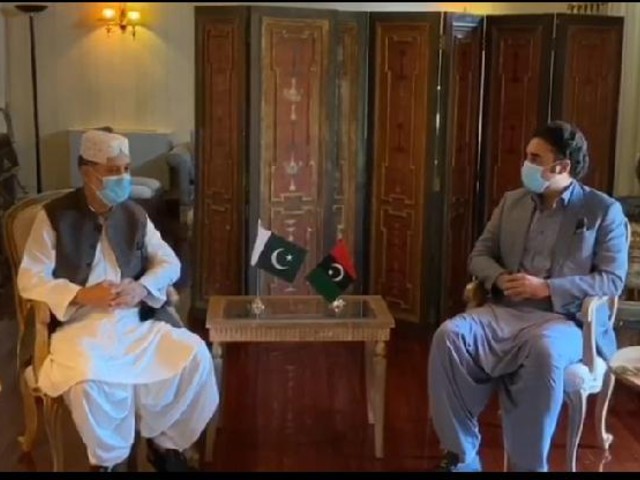
Pakistan Peoples Party (PPP) Chairman Bilawal Bhutto Zardari will meet Pakistan Muslim League-Nawaz (PML-N) President Shehbaz Sharif and Jamiat Ulema-e-Islam-Fazal (JUI-F) Chief Fazal-ur-Rehman on Tuesday (today) to bring the opposition parties on same page.
According to details, PPP chairman is scheduled to meet Fazal-ur-Rehman at 04:00 PM and will then reach Jati Umrah to visit Leader of the Opposition in the National Assembly Shehbaz Sharif at 06:00 PM.
It is pertinent here to mention that Shehbaz Sharif, after holding a meeting with Fazal-ur-Rehman, had on Monday announced to convene an All Parties Conference (APC) of the opposition after Eid-ul-Azha.
The PML-N president said that getting rid of the government is need of the hour as country is being ruled by illegitimate and incompetent people. He added that inflation has skyrocketed in last two years and massive increase in petrol prices is an example of incumbent government’s bad governance.
While lashing out at government over flour crisis, Shehbaz Sharif had said that flour provided by government is not edible and people are forced to buy expensive flour. Wheat shortages are everywhere, while sugar prices are also surging, he added. 

Monday, July 27, 2020

Music Video - Dua Lipa - Break My Heart

Music Video - United States Consulate in Chengdu no longer belongs to the US

Video Report - Joe Biden leads in the polls with less than 100 days until Election Day

Video Report - How will John Lewis be remembered?

Video Report - #Coronavirus #Covid19 #coronaparty Are Youngsters no longer fearing the pandemic threats? | COVID-19 Special

Pashto Music Video - Akhay Akhay Mra De Kram

Video Report - #KhabarSayAagay #NayaDaur #TahaffuzEBunyadEIslam Tahaffuz-i-Bunyad-i-Islam Act 2020, And Extremism In Pakistan

Judiciary Takes The Wind Out Of Pakistan Navy’s Sails – OpEd

By Nilesh Kunwar
It’s not very often that the judiciary pulls up the armed forces in Pakistan, and so, the navy must have got a rude shock on Thursday, when Islamabad High Court Chief Justice Athar Minallah directed secretary of the Cabinet Division to ensure that the Sailing Club of Pakistan Navy at Rawal Lake should be sealed off by the Capital Development Authority (CDA). From the judgement order it’s apparent that the Judge is irked by the fact that CDA Member (Planning) Dr Shahid Mehmood who represented his department “not only stated that the land was not allotted” to Pakistan navy but even “candidly conceded that no approval was obtained from the competent authority” for construction of this ‘leisure facility’ as required under the CDA Ordinance, 1960.
Lamenting the “abysmal state of implementation and enforcement of enacted laws, which inevitably leads to violation of fundamental rights,” the Judge, in an embarrassing reference to the repeated highhandedness exhibited by the armed forces of Pakistan, directed that this issue should be placed before the cabinet in its next meeting “because the enforced laws are not being implemented and that enforcement has been confined to common citizens.” Justice Minallah has also accused the navy of brazenly flouting laws governing construction in an “environmentally sensitive” area and regretted that all this was done for the sake of an “illegal building, which is purportedly being used as a club and that too for commercial purposes.” (Emphasis added).
It’s the widely prevalent cult of lavish self-conferred privileges within Pakistan’s armed forces that make its top brass believe that being the ‘defenders of the nation’ puts them above the law and Justice Minallah took pains to mention to the naval officer present that “We appreciate your sacrifices and respect you, especially because of your martyrs.” But he also made it amply clear that “nobody is above the law, not even this court” and he didn’t end here. In a stinging reference to the army’s record of rampant human rights abuses and utter lawlessness in Khyber Pakhtunkhwa and Balochistan, he sent out a clear message to Rawalpindi that “These aren’t the tribal areas but the country’s capital.”
The Judge not only asked navy officials present in court for the authority under which the navy was running a “commercial enterprise,” but also observed that the CDA was trying to soft-pedal the issue by terming the construction as “unapproved,” while in the eyes of the law it was “illegal.” He lashed out saying that “It seems like the CDA member is afraid to say that the illegal club belongs to the Pakistan Navy” and even told him to “Go and raze down the illegal construction,” asking him, “Why there are different standards for the poor and the rich?” (Emphasis added).
The court order went on to note that “It has been consistently observed that it has become a norm for the Capital Development Authority and other agencies to promptly take action against those who are common citizens and who do not have the means to influence, while the privileged and elites are being treated differently. This is unacceptable for a democratic polity governed under a Constitution which guarantees fundamental rights,” and so the navy may take serious exception to such a strong indictment since it’s a relatively smaller ‘land-grab’ player in the Pakistani armed forces fraternity. But with the army having a whopping 12 percent of Pakistan’s land holding, this menace has reached such alarming proportions that the navy has no choice but to bear the consequences of Rawalpindi’s unbridled immoderation on this issue.
Ever since Ms Ayesha Siddiqa published details of Pakistan army’s commercial empire in her well researched book ‘Military Inc: Inside Pakistan’s Military Economy’ in 2007, institutions and people started talking about the army’s commercial ventures more openly. In his book ‘Crossed Swords’, Shuja Nawaz narrates how in 2007, “the country saw the jarring banners carried by lawyers who were protesting the removal of a chief justice by the military ruler: Ae watan ke sajeele Genrailo; saaray ruqbey tumhare liye hain (O’ handsome Generals of the nation, all the plots are just for you).” In July 2016, Pakistan’s Defence Minister informed the Senate that the army was running nearly 50 “projects, units and housing colonies” functioning in the country under the administrative control of Fauji Foundation, Shaheen Foundation, Bahria Foundation, Army Welfare Trust (AWT) and Defence Housing Authorities (DHAs).”
One month later, in article (‘Lust for Land’) published in leading Pakistani English Daily ‘Dawn’, on 27 August 2016, former civil servant and noted Pakistani columnist Irfan Husain stated, “The military has long been expanding its footprint across Pakistan’s cities through its multiplying defence societies. Land is acquired at nominal rates from provincial governments, and developed with money taken as advance payments for residential and commercial plots from officers. Allotment letters are then sold to civilians at several multiples of the price they paid.” (Emphasis added).
In another comprehensive and unbiased account (‘Qayyumabad’s long battle against DHA,’ Dawn, 22 August 2016), Fahim Zaman and Naziha Syed Ali reveal that “Through the years, the residents of Qayyumabad have consistently maintained that DHA has unlawfully grabbed 53.22 acres that are part of their locality, including 30.32 acres earmarked as amenity areas to serve their needs. However, their negligible political and financial clout puts them at a huge disadvantage in trying to establish their claim. They are, after all, up against DHA, the country’s most powerful land authority that provides real estate windfalls to the men in uniform while catering to the residential and commercial aspirations of the super-rich.” (Emphasis added).
That Pakistan army’s insatiable lust for real estate has crossed bearable limits is evident from an observation made by Supreme Court Judge Justice Gulzar Ahmed last year that, “Defence Housing Authority (DHA) of Karachi have encroached so far into the sea. If they had their way, they would build a city on the sea. The owners of DHA would encroach on the entire sea all the way to America and then plant their flags there. The owners of DHA are wondering how they can make inroads into India!” (Emphasis added).
Under these circumstances, even the most ardent fan of Pakistan armed forces will tend to agree with columnist Irfan Husain’s view that “As long as this unseemly acquisition of land by the military continues, it might be seen as a colonising force!” https://www.eurasiareview.com/27072020-judiciary-takes-the-wind-out-of-pakistan-navys-sails-oped/

Why Can’t Pakistan’s Opposition Parties Remove the Khan Government?


Opposition political parties in Pakistan cannot topple the current government unless they are ready to anger the country’s powerful military. 
On Monday, Pakistan’s main opposition parties announced an All Parties Conference (APC) after Eid al-Adha to formulate a joint strategy to remove the current political party from power.
The decision by the Pakistan Muslim League-Nawaz (PML-N) and the Pakistan People’s Party (PPP) to lead anti-government agitation comes after years of preparation. However, the real question is whether the parties can dislodge the Pakistan Tehreek-e-Insaf (PTI) government, even if they launch a joint front.
This is not the first time that opposition parties have decided to launch anti-government protests. In May 2019, the heads of both parties made a similar declaration, citing growing inflation as a key reason for their agitation against the government. However, the PML-N and the PPP didn’t make a move on their announcement and rather decided to bring a motion to remove the ruling party’s chairman in the upper house of Parliament. The motion failed to remove the chairman of the Senate even after both parties had a clear majority. Following the failure of the motion, the PML-N accused the PPP of colluding with the security establishment to gain political favor. 
In October 2019, the PPP and the PML-N, in coordination with the Jamiat Ulema-i-Islam-Fazl (JUI-F), once again announced they would mobilize the public against the government. That round of agitation was framed around a sit-in the capital, supposed to last until Prime Minister Imran Khan tendered his resignation. Once the agitation got underway, the PPP and the PML-N’s reluctance to take further action became obvious; JUI-F’s leadership and workers were left alone in the capital. Khan didn’t resign.
In February 2020, the PPP and the PML-N yet again announced a phase of anti-government protests. Fast forward to July 2020 and another movement is being planned by the opposition parties to topple the government.
Clearly, the opposition’s efforts to form a joint front against the government remain marred by trust issues and other conflicting personal and party interests. In Pakistan’s politics, agitation against elected governments generally happens due to either the interference of undemocratic forces or an opposition party’s inability to ward off institutional pressures and gain favors from institutions that matter in the country.
In the current case, the PML-N and PPP’s leaders are facing serious allegations of corruption. For more than a year, both parties have sought relief from the government and its supporters in the security establishment regarding growing pressure from the National Accountability Bureau (NAB), the institution leading investigations against the two parties. This is one of the reasons that the PML-N and the PPP have not moved against the ruling party beyond threats of leading an agitation. 
However, the PPP and the PML-N have not received any relief and if anything, the government has pushed for a stern approach to bring both parties to “justice.” By now, it has become clear to the PML-N and the PPP that as long as the current government remains in office, their chances of gaining political relief are nil. 
In the backdrop of this understanding comes another announcement to agitate after Eid al-Adha. However, the latest announcement is unlikely to produce anything significant when the parties do not share ideological interests and are divided internally over the issue. The alliance between the two parties is merely glued together by virtue of individual electoral interests and an intent to survive the current accountability campaign against them both.
The new alliance has already fractured, with PPP leaders accusing the PML-N leadership of undermining the pact. The current president of the PML-N and the opposition leader in the National Assembly, Shahbaz Sharif, has refused to join the all parties huddle after Eid. It is well known that Sharif has good ties with Pakistan’s security establishment. Understandably, his political faction within the PML-N doesn’t want to anger the military leadership by becoming a part of an anti-government agitation campaign.
This is not the first time that Sharif has refused to support PML-N factions that want an aggressive approach against the military-supported government of the PTI. Sharif’s halfhearted support for his brother and the founder of the PML-N, Nawaz Sharif, was visible when he arrived back in Pakistan in 2018. Sharif is also known to have undermined the PPP and PML-N alliance with the JUI-F to unseat Khan in November 2019. 
Sharif has again decided against lending support to any agitation movement to remove the current government. 
“After CoD [Charter of Democracy signed between Nawaz Sharif and late Benazir Bhutto in 2006] setback, it is clear that the PPP cannot and should not trust the PML-N,” said a senior PPP leader after finding out Shahbaz Sharif’s position on the issue. 
However, the PPP is also not new to such maneuvers: Last year, the PPP’s president, Asif Ali Zardari, undercut his commitment with the PML-N to remove the chairman of the Senate. Zardari used the deal’s threat to make an agreement with actors that support the current civilian setup and brought some political respite in Sindh province. The approach, however, strengthened the view that opposition parties in Pakistan are not interested in the question of good governance as long as they continue to get political relief.
In the current milieu, this means that the ruling party still enjoys the support of the national security establishment. And leading an action against the government could mean leading a movement against the military’s selection in the civilian domain. Adopting this approach could have serious implications for any party or leader’s political life in Pakistan.
As of now, it remains unclear if any political party, including the PPP and the PML-N, are ready to take that route. Making statements for the removal of the government is one thing; it may not anger people in powerful places. Leading a nationwide agitation is an altogether different story. 
Arguably, both political parties are making another effort at using the threat of a potential alliance to strike a deal with the national security establishment. But any such respite is unlikely to come: With the question of the 18th amendment fate’s hanging in the balance, the costs of making a compromise with the government and its support base in the military have only gone up. The PPP and the PML-N will have to make some hard choices in the coming weeks and months.
The leaders of both political parties remain skeptical of each other in terms of who may end up making a deal first with the country’s national security establishment. Thus, the perpetual game of hide and seek by self-seeking politicians will continue to go on in the months to come.

وزیر اطلاعات شبلی فراز پر شاعر احمد فراز کی تربیت کا اثر تو نہیں ہوا مگر عمران خان نے انہیں دوسال کے اندر مرداد سعید ضرور بنا دیا ہے

پاکستان پیپلزپارٹی کی مرکزی ڈپٹی سیکریٹری اطلاعات پلوشہ خان نے کہا ہے کہ وزیر اطلاعات شبلی فراز پر شاعر احمد فراز کی تربیت کا اثر تو نہیں ہوا مگر عمران خان نے انہیں دوسال کے اندر مرداد سعید ضرور بنا دیا ہے۔ شبلی فراز کی پریس کانفرس پر ردعمل کا اظہار کرتے ہوئے پلوشہ خان نے کہا کہ سلیکٹڈ وزیراعظم کے اقتدار کے دو سال ملک اور قوم پر بہت بھاری ثابت ہوئے ہیں۔ ایک نیازی نے مشرقی پاکستان کھویا اور دوسرے نیازی نے کشمیر۔ انہوں نے کہا کہ سیاستدانوں پر الزام تراشی کرنے والی فیکٹری نے عمران خان کو ایجاد کیا جو فیکٹری کی مزید بدنامی کا باعث بن چکا ہے۔
 انہوں نے کہا کہ شوکت خان ٹرسٹ سے یتیموں کی رقم چوری کرنے وال آج منظم طریقے سے قوم کو لوٹ رہا ہے۔ بجلی کی بلوں کے ذریعے قوم کا خون نچوڑا جا رہا ہے، ادویات کی قیمتیں عوام کی پہنچ سے دور ہیں، دالیں اور سزیاںبھی غریبوں کی قوت خرید سے باہر ہیں۔ آٹے اور چینی کا لٹیرا اسی جہاز سے فرار ہوا جس پر نیازی گھومتا تھا۔ یہ کہنا درست ہوگا کہ قوم مہنگی چینی اور مہنگا آٹا خرید کرکے جہانگیر ترین کے جہاز کا سود سمیت قرضہ اتار رہی ہے۔ پلوشہ خان نے کہا کہ سلطنت نیازیہ میں لوگ بھوک کے مارے خودکشیاں کر رہے ہیں، بیروزگاری عروج پر ہے، قوم کے خون پسینے کی کمائی پر شہباز گلِ جیسے نتھو خیرے پل رہے ہیں، علیمہ خان مزید امیر ہوگئی ہے جبکہ لوگ غریب ہوئے گئے ہیں۔ انہوں نے کہا کہ کورونا ہزاروں افراد کی جانیں نگل چکا ہے مگر مدہوش وزیراعظم کو اس کا علم ہی نہیں ہے۔

Sunday, July 26, 2020

Video - #DailyShow #TrevorNoah #Coronavirus This Week’s Coronavirus Updates - Week of 7/20/2020 | The Daily Social Distancing Show

Video Report - Fareed: Biden's economic plan much better than Trump's approach

Video Report - Trump's embraced conspiracies like these. Fareed Zakaria explains why it's concerning

Video Report - The $600 unemployment benefit expires soon. Congress is torn on how to proceed.

Turkey, Greece in War - of Words - Over Aghia Sophia Mosque

Greece's sniping at Turkey for converting the ancient cathedral of Aghia Sophia in Constantinople into a mosque has drawn return fire as the battle there escalated while it was cooling down over Turkish provocations in the Aegean and East Mediterranean.
After 86 years as a museum – having been a mosque for 481 years after the city the rest of the world now calls Istanbul fell to Turkish invaders – the venerable Orthodox church and symbol of Christianity in the Byzantine world opened to Muslim prayers.
That began July 24 after President Recep Tayyip Erdogan, in a move his critics was aimed at mollifying his hard-core religious base despite international denunciation, ordered the conversion, backed by the country's high court who deferred to him.
Greece's New Democracy issued hard words over the move but had not forcefully fought it before the change, although now is trying to find some way to respond too late to make it revert to a museum again.
With tension between the countries already rising over Turkish plans to drill for oil and gas off Greek islands, on hold for now, church bells tolled in mourning across Greece as Erdogan joined prayers at the building, the news agency Reuters reported.
“Greece showed once again its enmity towards Islam and Turkey with the excuse of reacting to Aghia Sophia Mosque being opened to prayers,” Turkish Foreign Ministry spokesman Hami Aksoy said in a written statement, not noting the oddity of using the Greek word for saint in the same title as calling the cathedral a mosque.
The Turkish ministry strongly condemned hostile statements by the Greek government and Parliament members to stir up the public, and the burning of a Turkish flag in the Greek city of Thessaloniki, it said.
The Greek Foreign Ministry, firing back, said, “The international community of the 21st Century is stunned to observe the religious and nationalist fanatic ramblings of today’s Turkey,” Erdogan saying he doesn't care what anyone thinks and no move to stop him.
Thes ceremony sealed Erdogan’s ambition to restore Muslim worship at the site, which most Greeks view as central to their Orthodox Christian religion, the news agency said, after Prime Minister Kyriakos Mitsotakis also called Turkey a “troublemaker,” and the conversion of the site an “affront to civilization of the 21st Century.”

Music Video - Noor Jehan - Mere Dil De Sheeshe Wich Sajna -

Video Report - #NayaDaur #Health #Coronavirus Mental Health And COVID-19 | Dr Sohail Gilani With Raza Rumi

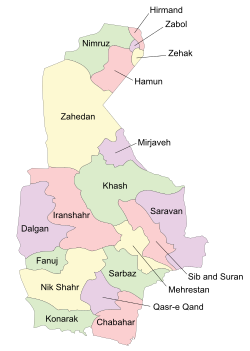
Balochistan: Plain-clothed Iranian officials disappear three Young Baloch in Pahrah

The Iranian plain-clothed officials have arrested and disappeared three Baloch teenagers from the Pahrah region of Iranian Occupied Balochistan on Wednesday 22 July 2020.
The victims include 17-year-old Hafiz Bozrogzadeh son Mohammad Younes, Mohammad Bozrogzadeh son of Abdul Rashid, and Ahmad Bozrogzadeh son MohammadYaqub.
Rasank, a Baloch social media forum vigorously active in reporting human rights violations in the Western part of occupied Balochistan quoted its source of information as saying that Mohammad and Ahmad were arrested from in front of their house while Hafeez was arrested from his workplace at a supermarket.
The sources further said that these young Baloch have been arrested for being part of a WhatsApp group, an allegation that has not been confirmed by the security officials so far.
The whereabouts of the three teenagers remained unknown at the time of filing this news report.
The Islamic regime of Iran continues extrajudicial detentions without considering the age of its victims in Iranian Occupied Balochistan.

What Does a Journalist’s Abduction and Release Portend for Pakistan?

By Mohammad Taqi
It is now clear that the Pakistani Army is going all out to root out even the last vestiges of dissent.


“I do maintain, and I have drunk deep at the fountain of constitutional law, that liberty of a man is the dearest thing in the law of any country, and it should not be taken away in this fashion.”
~ M.A. Jinnah

Like many other leaders, Jinnah was a complex man with many contradictions. He stood for many things in different phases of his life, and his legacy, therefore, remains infinitely negotiable. Secularists and communalists both draw legitimacy from his words and actions. But perhaps the only consistent feature of his long legal and political career was standing up for the freedom of expression at the right moment and doing so steadfastly.
Jinnah helped found two phenomenal newspapers, Dawn and Pakistan Times. He presided over the influential Bombay Chronicle’s board of directors and stood by its editor, the Englishman Benjamin Guy “BG” Horniman when the latter took flak from the company and the colonial British government. And when the colonial government deported Horniman from India for opposing the draconian Rowlatt Acts of 1919, Jinnah came to his defence. He pleaded Horniman’s case in the Indian legislative assembly, where he delivered the famous words quoted above.
Little would the founder of Pakistan have known that the country he had carved out of India would eventually become a purgatory for the free press and a hellhole for journalists. Just a decade after Jinnah’s demise, Pakistan Times and its sister Urdu publications Imroze and Lail-O-Nahar were taken over at gunpoint by Field Marshal Ayub Khan’s military regime. And it has been downhill since. Every military regime and even certain civilian governments have tried to muzzle the press in Pakistan.
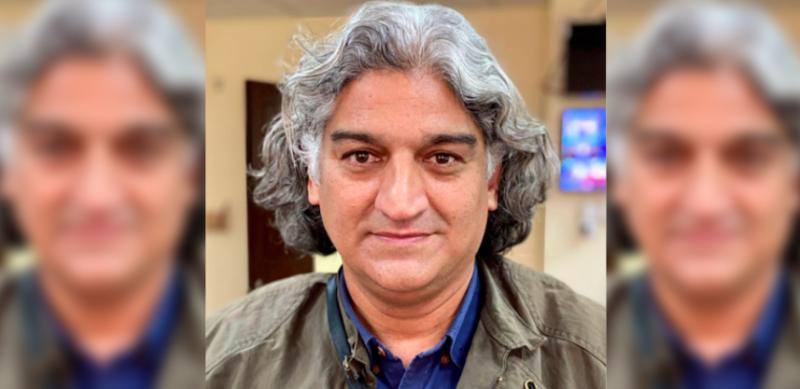
The most recent addition to the unfortunate tally of media persons who have been targeted professionally and personally is senior journalist Matiullah Jan. A fierce critic of the Pakistani Army, Jan had lost his television show some time back, when the channel’s owners succumbed to pressure from the brass. But that wasn’t enough to cow him down. He was one of the first mainstream media persons to take his show to YouTube, where he has been consistently reporting about what effectively is a menacing hybrid martial regime in Pakistan.
On July 21, around 11 am, Matiullah was sitting in his car after dropping off his wife at the school where she teaches when a posse pounced on him. Several cars with police lights and about 10 men wearing the anti-terrorist police squad’s uniform abducted him in broad daylight, in the federal capital Islamabad. The whole incident was caught on closed-circuit television (CCTV) installed in one of the buildings. But the way the abductors carried themselves suggests that they couldn’t care less.
Matiullah was handcuffed and a hood thrown over his head. He was first driven around, before being taken to a ‘safe house’. Giving details of his ordeal, Matiullah said that the location where he was kept was painted and staged to look like a police lockup. His captors pretended to be policemen, but in all probability were not. He was roughed up and thrown into a lockup blindfolded, where he remained for several hours. The armed men spoke to each other and to Matiullah Jan in broken Pashto, again trying to dupe him into believing they weren’t who they really were.
Later they decided to lug him into a vehicle again and drove him around, before stopping and carrying out a conversation to pretend that they somehow got the wrong man. Matiullah was asked whether he was Zar Khan or Zarak Khan He was eventually released on the Rawalpindi-Peshawar highway, near an army checkpoint, of all places. Apparently, civilian motorists recognised him and he used one of their phones to contact his family. He was subsequently rescued by his family and friends, ending a 12-hour ordeal.
The whole charade has the involvement of the Pakistani Army and its intelligence agencies written all over it.
In Pakistan, the abduction of a fairly high-profile journalist by the police is virtually unheard of. On the other hand, the Army is notorious for abducting writers, journalists, politicians and activists. An after-the-fact directive was issued by the National Counterterrorism Authority about alleged foreign agents entering Pakistan to abduct a prominent personality for ransom. But looking at Matiullah’s beat-up car, no one had any doubt left that the men in boots had taken him away. But why they did it, and why in this fashion is the question.
The Pakistani media had enjoyed a fair bit of freedom after the last restoration of democracy in 2008 and continued to build upon it during the Pakistan People’s Party (PPP) and Pakistan Muslim League-Nawaz (PMLN) dispensations. However, in the second phase of the PMLN government, the Army started to wrestle back the political space it had lost since the ouster of General Pervez Musharraf. And with that, it deemed it necessary to capture control over the media and its narrative.
Interestingly, Musharraf’s regime in its second phase had a rather hands-off approach towards the media. But by 2015, the army, under General Raheel Sharif, was already hounding the dissenters in the media. His director general of Inter-Services Public Relations (DG-ISPR), General Asim Bajwa, was instrumental in both coercing and coopting media outlets. Bajwa helped sire ISPR’s troll farms but avoided public confrontation. His replacement, General Asif Ghafoor, however, acted like a schoolyard bully on social media and his minions at the ISPR openly threatened journalists and gave them directives via WhatsApp and similar portals.
The Pakistani Army is many things but one thing it is not: ill-disciplined. There is no way that the ISPR could have gone on with its shenanigans without Raheel Sharif or the incumbent Chief of Army Staff (COAS) General Qamar Javed Bajwa’s knowledge and approval. In fact, General Asim Bajwa was rewarded when he was appointed as chief of the China-Pakistan Economy (CPEC) Corridor Authority, and also serves as media advisor to Prime Minister Imran Khan currently. General Ghafoor is now serving as the general officer commanding an infantry division and was replaced by Major General Babar Iftikhar.
While General Iftikhar has kept a low public profile, the army’s project to root out even the last vestiges of dissent continues relentlessly. In fact, with the army-installed Imran Khan regime turning out to be a disaster, the junta has become more sensitive to criticism and more inclined to shoot the proverbial messenger.
The owner of the country’s largest media house, the Jang/Geo Group, languishes in prison over a decades-old charge because his outlet still manages to air programming critical of the Imran-Bajwa regime. The group’s leading anchorperson Hamid Mir, who himself survived an assassination attempt, went on record to say that sections of his show covering Jan’s abduction were censored at the behest of (the army’s) intelligence agencies. Mir clearly stated that civilian authorities had nothing to do with the abduction. Why were the intelligence agencies so brazen in this abduction? The simple answer is because they could. They knew very well that Jan was scheduled to appear before the Supreme Court of Pakistan (SCP), in a contempt case the next day and his disappearance would invariably raise questions. But they wanted to send a message not just to Jan, but any other journalist who dares to cover the Army’s encroachment into politics and businesses.
In fact, Jan has been covering in detail the SCP proceedings involving Justice Faez Isa, who is in line to become the chief justice of Pakistan (CJP) and whose name was referred to the Supreme Judicial Council for investigation by the president of Pakistan, presumably at the behest of the establishment. Isa is widely seen as a fair-minded judge who had chastised the army’s Inter-Services Intelligence (ISI) Directorate, over its role in orchestrating protests against Nawaz Sharif’s elected government in 2017. In the army’s calculus, Justice Isa could be a wild card when he becomes the CJP in 2023, which is also the year for general elections if the current parliament completes its term. The SCP took suo motu cognizance of a tweet by Jan in which he had hit out at the seven judges of the court who wanted Isa to be probed by the Federal Board of Revenue .
The shoddy attempts at plausible deniability notwithstanding, the army’s thugs weren’t really trying to hide their actions. They wanted to make an example out of Jan.
The instant chorus of support – from rights activists, journalist organisations, politicians, diplomats, and common people – predominantly on social media, for the abducted journalist, along with the CCTV footage, may have put a damper on his captors’ designs. Justice Isa broke from convention and visited Jan’s family while he was still in captivity. The chief justice of the Islamabad high court, Justice Athar Minallah, took cognizance of the abduction and put the civilian authorities on notice.
Whether his captors had plans to hold him longer or even harm him, we don’t know. But the concerted condemnation definitely helped the release. This, however, is neither the first instance of its kind nor would it be the last. A similar reaction, minus the judges acting, after the abduction of columnist and rights activist Gul Bukhari two years, had led to her swift recovery. But it was only a reaction and did not turn into a cohesive action plan for the future.
A year ago, several western law enforcement agencies had warned over 20 Pakistani dissidents that the ISI had plans to physically harm them. Earlier this month a document surfaced through social media, which named five journalists and writers, including me, to be monitored. Ostensibly an internal memorandum of Pakistan’s Ministry of Interior, called for monitoring activities of one Afghan and four Pakistani-origin writers and attempts to stop their “rhetoric against Pakistan” in the future. It prompted Reporters Sans Frontières (RSF) to warn Pakistani authorities against threatening these writers.
After his release, Jan has conducted himself with even more poise. He appeared before the SCP in stride, to face the contempt charges against him. He has eloquently put his version of events on record. But unless everyone who spoke in support of him comes together to proactively hold the Pakistani Army’s feet to the fire, it will continue to hound dissenters. The mealy-mouthed condemnations by certain politicians, especially those of the PMLN that claims Jinnah’s mantle today, are not enough. Unless the army is named as the tormentor, its impunity won’t end. The media and rights activists can raise awareness, but the heavy lifting has to be done by the political parties. Makers of the law are also supposed to be its defenders. They can’t shirk this duty.
https://m.thewire.in/article/south/pakistan-media-freedom-matiullah-jan/amp?__twitter_impression=true

مردِ حُر آصف علی زرداری - ايک زرداری سب پر بھاری

تحریر: آفتاب احمد گورائیہ

‏مرد حر آصف علی زرداری ضمیر کا وہ قیدی ہے جس نے اپنی عظیم اہلیہ شہید محترمہ بینظیر بھٹو سے شادی کے موقع پر کیا جانے والا عہد کہ آج کے بعد محترمہ جیل نہیں جائیں گی بلکہ ان کی جگہ میں جیل جاؤں گا کو نبھاتے نبھاتے ساری جوانی کسی بھی مقدمے میں سزا نہ ہونے کے باوجود جیل میں گزار دی. جیل میں گزارے گئے ساڑھے گیارہ سال کا ایک ایک دن زرداری صاحب کی استقامت، ہمت و حوصلے، بہادری اور جوانمردی کی الگ الگ داستان لئے ہوئے ہے. جیل میں ہونے والے تشدد، زبان کاٹے جانے اور عدالتوں کی جانب سے مقدمات کو التوا میں ڈالنے کے لئے دی جانے والی لمبی تاریخوں کے باوجود زرداری صاحب کو ہمیشہ مسکراتے ہی دیکھا گیا. بڑے سے بڑا ظلم اور ناانصافی بھی زرداری صاحب کی مسکراہٹ نہ چھین سکی. زرداری صاحب کی یہی مسکراہٹ ان کے مخالفین کے لئے سب سے بڑا ڈر اور خوف کی علامت بن گئی. زرداری صاحب کی یہی ہمت اور بہادری تھی کہ بدترین مخالف نوائے وقت کے مدیر مجید نظامی نے زرداری صاحب کو مرد حر کا خطاب دیا جو آج زرداری صاحب کے نام کا حصہ بن چکا ہے.
‏کون سا الزام ہے جو زرداری صاحب پر نہیں لگایا گیا، کون سا مقدمہ ہے جو زرداری صاحب پر نہیں بنایا گیا؟ لیکن کوئی بھی الزام یا جھوٹا مقدمہ زرداری صاحب کی ہمت اور حوصلے کو شکست نہ دے سکا. جھوٹے مقدمات بنانے والوں نے بعد میں جھوٹے مقدمات پر معافی بھی مانگی. نواز شریف دور کے چیرمین احتساب کمیشن سیف الرحمن کی جانب سے زرداری صاحب کے پاؤں پکڑ کر معافی مانگنے والے واقعے کو کون بھلا سکتا ہے. ٹیپس سکینڈل جس کے نتیجے میں جسٹس قیوم اور جسٹس راشد کو استعفی دینے پڑے وہ بھی جھوٹے مقدمات کا ایک اور ثبوت ہے. نواز شریف کے طویل انٹرویو پر مبنی سہیل وڑائچ کی کتاب “غدارکون” میں نواز شریف کا زرداری صاحب کے مقدمات کے بارے اعتراف بھی تاریخ کا حصہ ہے کہ یہ تمام مقدمات جھوٹ پر مبنی تھے اور ان مقدمات کا مقصد محترمہ بینظیر بھٹو شہید کو دباؤ میں لانا تھا.
‏زرداری صاحب کی شخصیت کا ایک اور نادر پہلو یہ بھی ہے کہ تمام تر جھوٹے مقدمات اور مسلسل پروپیگنڈہ کے باوجود جب بھی قومی معاملات پر اتفاق رائے کی ضرورت پیش آئی تو زرداری صاحب نے کبھی بھی ذاتی رنجش اور انا کو آڑے نہیں آنے دیا اور قومی ایجنڈے پر سب جماعتوں کو اکٹھا کرنے کے لیئے ہمیشہ اپنا کردار ادا کیا. اٹھارویں ترمیم اور این ایف سی ایوارڈ پر تمام جماعتوں کا اتفاق اس کردار کا منہ بولتا ثبوت ہے.
‏محترمہ بینظیر بھٹو کی شہادت کا موقع جہاں زرداری صاحب کے لئیے ذاتی طور پر نہایت غم کا وقت تھا وہاں زرداری صاحب کی قائدانہ صلاحیتوں کا بھی بہت بڑا امتحان تھا. ایک ایسے وقت میں جب پوری قوم غم و اندوہ کے سمندر میں ڈوب چکی تھی وہیں کچھ لوگوں نے جب پاکستان کے خلاف نعرہ لگایا تو زرداری صاحب نے جواب میں پاکستان کھپے کا نعرہ لگا کر ان آوازوں کو فوراً خاموش کروا دیا.
‏دو ہزار آٹھ کے انتخابات کے بعد زرداری صاحب جب صدر مملکت منتخب ہوئے تو مشرف دور میں ہونے والی ترامیم کے باعث آئین کا حلیہ بگڑ چکا تھا. تمام تر اختیارات صدر کو منتقل ہو چکے تھے. صدر منتخب ہونے کے بعد پارلیمنٹ سے اپنے پہلے خطاب میں زرداری صاحب نے اپنے اختیارات پارلیمنٹ کو واپس منتقل کرنے کا اعلان کیا اور اگلے ایک سال کے دوران اٹھارویں ترمیم کے زریعے اپنے اس وعدے کو پایہ تکمیل تک پہنچا دیا. اٹھارویں ترمیم کے زریعے نہ صرف اختیارات پارلیمنٹ اور وزیراعظم کو منتقل کئے گئے بلکہ محترمہ بینظیر بھٹو شہید کے ویژن کو عملی جامہ پہنچاتے ہوئے بہت سے اختیارات صوبوں کو منتقل کر دئیے گئے. اٹھارویں ترمیم کے زریعے ہی پختون قوم کا دیرینہ مطالبہ پورا کرتے ہوئے صوبہ سرحد کو خیبرپختونخواہ کانام دیا گیا. کسی طاقتور صدر کی جانب سے اپنے اختیارات پارلیمنٹ کو منتقل کرنے کا یہ ایک منفرد واقعہ ہے.
‏صدر مملکت آصف علی زرداری کی قیادت میں پیپلز پارٹی کی حکومت نے دہشت گردی اور نامساعد حالات کے باوجود بہت سے ایسے کام سر انجام دئیے جن کے پیچھے زرداری صاحب کی زیرک قیادت اور ویژن بھرپور طریقے سے موجود ہے. آئین کی بحالی، سوات آپریشن، سوات آپریشن کے مہاجرین کی کامیابی سے اپنے گھروں کو واپسی، دو بڑے سیلابوں کی تباہ کاریوں سے کامیابی سے نمٹنا، تھر کول جیسے گیم چینجر پراجیکٹ کا اغاز، تھر ڈویلپمنٹ پراجیکٹس، بینظیر انکم سپورٹ پروگرام، سرکاری ملازمین اور پنشننرز کی تنخواہوں میں اضافے، صوبہ سندھ میں صحت کے شعبے میں ہونے والے انقلابی اقدامات، پاکستان ایران گیس پائپ لائن منصوبہ اور سی پیک کی بنیاد رکھنے جیسے ان گنت منصوبے ہیں جن کے پیچھے زرداری صاحب کی بھرپور حکمت اور سوچ کارفرما نظر آتی ہے.
‏آصف علی زرداری پاکستان کی سیاست کا وہ کردار ہیں جن کے خلاف مسلسل پروپیگنڈہ کیا گیا جھوٹے الزامات اور مقدمات کی بھرمار کی گئی لیکن زرداری صاحب آج بھی پاکستان کی سیاست میں ایک مرکزی کردار کی حیثیت رکھتے ہیں. پیپلز پارٹی کے بدترین نقاد حسن نثار کے مطابق آصف علی زرداری پاکستان کی سیاست کا مظلوم ترین کردار ہے جس کی مسلسل کردار کشی کی گئی. آج چار چھ مہینے کی قید گزار کر آنے والے سیاسی رہنماؤں کی جانب سے سوال کیا جاتا ہے کہ جیل میں گزارے گئے ان کے چند ماہ کا حساب کون دے گا؟ زرداری صاحب کی ساری جوانی بیوی بچوں سے دور جیلوں میں گزر گئی اور وہ سب مقدمات میں باعزت بری ہوئے سارے مقدمات جھوٹے ثابت ہوئے. کیا کبھی کسی نے سوچا ہے کہ زرداری صاحب کے جیل میں گزرے ماہ و سال کا حساب کون دے گا؟

Saturday, July 25, 2020

Video - #DailyShow #TrevorNoah Corona in Canada, China’s Mars Probe & AOC’s Powerful Speech | The Daily Social Distancing Show

Video Report - US coronavirus catastrophe: Who is to blame?

Video Report - US and China in consulate tit-for-tat over spying allegations

Video Report - Big Pharma and the cost of developing COVID-19 drugs and vaccines | Counting the Cost

U.S. - Corporate Insiders Pocket $1 Billion in Rush for #Coronavirus Vaccine

By David Gelles and Jesse Drucker
On June 26, a small South San Francisco company called Vaxart made a surprise announcement: A coronavirus vaccine it was working on had been selected by the U.S. government to be part of Operation Warp Speed, the flagship federal initiative to quickly develop drugs to combat Covid-19.
Vaxart’s shares soared. Company insiders, who weeks earlier had received stock options worth a few million dollars, saw the value of those awards increase sixfold. And a hedge fund that partly controlled the company walked away with more than $200 million in instant profits.
The race is on to develop a coronavirus vaccine, and some companies and investors are betting that the winners stand to earn vast profits from selling hundreds of millions — or even billions — of doses to a desperate public.
Across the pharmaceutical and medical industries, senior executives and board members are capitalizing on that dynamic.
They are making millions of dollars after announcing positive developments, including support from the government, in their efforts to fight Covid-19. After such announcements, insiders from at least 11 companies — most of them smaller firms whose fortunes often hinge on the success or failure of a single drug — have sold shares worth well over $1 billion since March, according to figures compiled for The New York Times by Equilar, a data provider.
In some cases, company insiders are profiting from regularly scheduled compensation or automatic stock trades. But in other situations, senior officials appear to be pouncing on opportunities to cash out while their stock prices are sky high. And some companies have awarded stock options to executives shortly before market-moving announcements about their vaccine progress.
The sudden windfalls highlight the powerful financial incentives for company officials to generate positive headlines in the race for coronavirus vaccines and treatments, even if the drugs might never pan out.
Some companies are attracting government scrutiny for potentially using their associations with Operation Warp Speed as marketing ploys. For example, the headline on Vaxart’s news release declared: “Vaxart’s Covid-19 Vaccine Selected for the U.S. Government’s Operation Warp Speed.” But the reality is more complex.
Vaxart’s vaccine candidate was included in a trial on primates that a federal agency was organizing in conjunction with Operation Warp Speed. But Vaxart is not among the companies selected to receive significant financial support from Warp Speed to produce hundreds of millions of vaccine doses.
“The U.S. Department of Health and Human Services has entered into funding agreements with certain vaccine manufacturers, and we are negotiating with others. Neither is the case with Vaxart,” said Michael R. Caputo, the department’s assistant secretary for public affairs. “Vaxart’s vaccine candidate was selected to participate in preliminary U.S. government studies to determine potential areas for possible Operation Warp Speed partnership and support. At this time, those studies are ongoing, and no determinations have been made.”
Some officials at the Department of Health and Human Services have grown concerned about whether companies including Vaxart are trying to inflate their stock prices by exaggerating their roles in Warp Speed, a senior Trump administration official said. The department has relayed those concerns to the Securities and Exchange Commission, said the official, who spoke on the condition of anonymity.
It isn’t clear if the commission is looking into the matter. An S.E.C. spokeswoman declined to comment.
“Vaxart abides by good corporate governance guidelines and policies and makes decisions in accordance with the best interests of the company and its shareholders,” Vaxart’s chief executive, Andrei Floroiu, said in a statement on Friday. Referring to Operation Warp Speed, he added, “We believe that Vaxart’s Covid-19 vaccine is the most exciting one in O.W.S. because it is the only oral vaccine (a pill) in O.W.S.”
Well-timed stock transactions are generally legal. But investors and corporate governance experts say they can create the appearance that executives are profiting from inside information, and could erode public confidence in the pharmaceutical industry when the world is looking to these companies to cure Covid-19.
“It is inappropriate for drug company executives to cash in on a crisis,” said Ben Wakana, executive director of Patients for Affordable Drugs, a nonprofit advocacy group. “Every day, Americans wake up and make sacrifices during this pandemic. Drug companies see this as a payday.”
Executives at a long list of companies have reaped seven- or eight-figure profits thanks to their work on coronavirus vaccines and treatments.
Shares of Regeneron, a biotech company in Tarrytown, N.Y., have climbed nearly 80 percent since early February, when it announced a collaboration with the Department of Health and Human Services to develop a Covid-19 treatment. Since then, the company’s top executives and board members have sold nearly $700 million in stock. The chief executive, Leonard Schleifer, sold $178 million of shares on a single day in May.
Alexandra Bowie, a spokeswoman for Regeneron, said most of those sales had been scheduled in advance through programs that automatically sell executives’ shares if the stock hits a certain price.
Moderna, a 10-year-old vaccine developer based in Cambridge, Mass., that has never brought a product to market, announced in late January that it was working on a coronavirus vaccine. It has issued a stream of news releases hailing its vaccine progress, and its stock has more than tripled, giving the company a market value of almost $30 billion.
Moderna insiders have sold about $248 million of shares since that January announcement, most of it after the company was selected in April to receive federal funding to support its vaccine efforts.
While some of those sales were scheduled in advance, others were more spur of the moment. Flagship Ventures, an investment fund run by the company’s founder and chairman, Noubar Afeyan, sold more than $68 million worth of Moderna shares on May 21. Those transactions were not scheduled in advance, according to securities filings.Executives and board members at Luminex, Quidel and Emergent BioSolutions have sold shares worth a combined $85 million after announcing they were working on vaccines, treatments or testing solutions.
At other companies, executives and board members received large grants of stock options shortly before the companies announced good news that lifted the value of those options.
Novavax, a drugmaker in Gaithersburg, Md., began working on a vaccine early this year. This spring, the company reported promising preliminary test results and a $1.6 billion deal with the Trump administration.
In April, with its shares below $24, Novavax issued a batch of new stock awards to all its employees “in acknowledgment of the extraordinary work of our employees to implement a new vaccine program.” Four senior executives, including the chief executive, Stanley Erck, received stock options that were worth less than $20 million at the time.
Since then, Novavax’s stock has rocketed to more than $130 a share. At least on paper, the four executives’ stock options are worth more than $100 million.
So long as the company hits a milestone with its vaccine testing, which it is expected to achieve soon, the executives will be able to use the options to buy discounted Novavax shares as early as next year, regardless of whether the company develops a successful vaccine. Silvia Taylor, a Novavax spokeswoman, said the stock awards were designed “to incentivize and retain our employees during this critical time.” She added that “there is no guarantee they will retain their value.”
Two other drugmakers, Translate Bio and Inovio, awarded large batches of stock options to executives and board members shortly before they announced progress on their coronavirus vaccines, sending shares higher. Representatives of the companies said the options were regularly scheduled annual grants.
Vaxart, though, is where the most money was made the fastest.
At the start of the year, its shares were around 35 cents. Then in late January, Vaxart began working on an orally administered coronavirus vaccine, and its shares started rising. Vaxart’s largest shareholder was a New York hedge fund, Armistice Capital, which last year acquired nearly two-thirds of the company’s shares. Two Armistice executives, including the hedge fund’s founder, Steven Boyd, joined Vaxart’s board of directors. The hedge fund also purchased rights, known as warrants, to buy 21 million more Vaxart shares at some point in the future for as little as 30 cents each. Vaxart has never brought a vaccine to market. It has just 15 employees. But throughout the spring, Vaxart announced positive preliminary data for its vaccine, along with a partnership with a company that could manufacture it. By late April, with investors sensing the potential for big profits, the company’s shares had reached $3.66 — a tenfold increase from January.
On June 8, Vaxart changed the terms of its warrants agreement with Armistice, making it easier for the hedge fund to rapidly acquire the 21 million shares, rather than having to buy and sell in smaller batches.
One week later, Vaxart announced that its chief executive was stepping down, though he would remain chairman. The new C.E.O., Mr. Floroiu, had previously worked with Mr. Boyd, Armistice’s founder, at the hedge fund and the consulting firm McKinsey.
On June 25, Vaxart announced that it had signed a letter of intent with another company that might help it mass-produce a coronavirus vaccine. Vaxart’s shares nearly doubled that day.
The next day, Vaxart issued its news release saying it had been selected for Operation Warp Speed. Its shares instantly doubled again, at one pointing hitting $14, their highest level in years.
“We are very pleased to be one of the few companies selected by Operation Warp Speed, and that ours is the only oral vaccine being evaluated,” Mr. Floroiu said.
Armistice took advantage of the stock’s exponential increase — at that point up more than 3,600 percent since January. On June 26, a Friday, and the next Monday, the hedge fund exercised its warrants to buy nearly 21 million Vaxart shares for either 30 cents or $1.10 a share — purchases it would not have been able to make as quickly had its agreement with Vaxart not been modified weeks earlier.
Armistice then immediately sold the shares at prices from $6.58 to $12.89 a share, according to securities filings. The hedge fund’s profits were immense: more than $197 million.“It looks like the warrants may have been reconfigured at a time when they knew good news was coming,” said Robert Daines, a professor at Stanford Law School who is an expert on corporate governance. “That’s a valuable change, made right as the company’s stock price was about to rise.”
At the same time, the hedge fund also unloaded some of the Vaxart shares it had previously bought, notching tens of millions of dollars in additional profits.
By the end of that Monday, June 29, Armistice had sold almost all of its Vaxart shares.
Mr. Boyd and Armistice declined to comment.
Mr. Floroiu said the change to the Armistice agreement “was in the best interests of Vaxart and its stockholders” and helped it raise money to work on the Covid-19 vaccine.
He and other Vaxart board members also were positioned for big personal profits. When he became chief executive in mid-June, Mr. Floroiu received stock options that were worth about $4.3 million. A month later, those options were worth more than $28 million.
Normally when companies issue stock options to executives, the options can’t be exercised for months or years. Because of the unusual terms and the run-up in Vaxart’s stock price, most of Mr. Floroiu’s can be cashed in now.
Vaxart’s board members also received large grants of stock options, giving them the right to buy shares in the company at prices well below where the stock is now trading. The higher the shares fly, the bigger the profits.
“Vaxart is disrupting the vaccine world,” Mr. Floroiu boasted during a virtual investor conference on Thursday. He added that his impression was that “it’s OK to make a profit from Covid vaccines, as long as you’re not profiteering.”
https://www.nytimes.com/2020/07/25/business/coronavirus-vaccine-profits-vaxart.html?action=click&module=Top%20Stories&pgtype=Homepage

Video Report - #NayaDaur - How Mullahs Who Hated Jinnah Took Over Pakistan

Video - #NayaDaur #PPP - Raza Rabbani's Fiery Speech In Senate

#Chinese Dream: Xi’s attempted coup against #Pakistan


China's Communist leader has managed the creation of a supra-constitutional CPEC Authority.
Xi Jinping is all set to sideline the democratically elected representatives and civil servants of the people of Pakistan so as to expand his direct influence over the political and economic processes of the country.
Since 2016, Xi, the general secretary of the Communist Party of China has been forcing the Pakistani establishment to put pressure on the government (it was Nawaz Sharif’s government back then) to sideline the Planning Ministry’s role in the implementation and monitoring of the multibillion-dollar China-Pakistan Economic Corridor (CPEC).
Xi pushed for the creation of a supra-constitutional CPEC Authority that would freelance the management of the predatory infrastructure and power-generation projects under his direct command.
The proposal was rejected then, but last year it was again presented before the prime minister of the country – now Imran Khan. The reason given was timely completion of the projects.
This time the prime minister is a full-fledged puppet of the military establishment, and therefore it was easier than before to manipulate the law to fulfill Xi’s desire to take over the Planning Ministry of Pakistan, and in future the country itself.
I consider Pakistan’s Ministry of Planning, Development and Special Initiatives one of the most crucial state institutions, whose senior bureaucrats could implicitly scrutinize and resist Xi’s draconian CPEC scheme, as they had access to all of the secret documents on the agreement and were involved, directly and indirectly, in the decision-making process.
So long as the reins were under the control of civilian institutions led by representatives of the people and civil servants, thorough accountability of Xi’s master plan at least at some level and at some point in time – if not at once – was possible. Sidelining the civil institutions altogether would allow Xi to play on both sides of the board.
The agreement was so highly confidential that even the secretary of maritime affairs once refused to show it to the Senate Standing Committee on Finance. So one can imagine what an above-the-law sort of deal it must be.
The CPEC Authority was established in October last year using a presidential ordinance (without parliament’s approval) for four months and then was given another four-month extension. But Xi wants permanent control. And now that the establishment has its puppet in the Prime Minister’s House, it is putting all of its efforts into making the Authority more powerful and a permanent part of the constitution by pushing it through parliament.
CPEC Authority Ordinance 2019. -Source: Pakistan Planning Commission website
Since the Authority has come into existence, its chairman has been a retired lieutenant-general.
Xi doesn’t want the Belt and Road Initiative or any of its components to be held accountable or face resistance. He knows that his Chinese Dream of indoctrination of a majority of free people of the world by 2050 will not be fulfilled if the people of the countries victimized by the BRI come to know about his strategy to destroy their futures and those of their future generations.
The truth is that he is burdening those countries in debt traps while they are already suffering from intense balance-of-payments crises. Xi will slowly poison Pakistan and other poor economies by creating extreme shortages of foreign-exchange reserves. In the end, these countries will have to accept the invasion of their political and economic systems by the Communist Party of China.
Four months ago, an inquiry into the workings of independent power producers (IPPs) took place in which two major coal-fired power-plant projects that were built under the CPEC – Huaneng Shandong Ruyi Energy and Port Qasim Electric Power Company – were found involved in corruption as they had misrepresented interest during construction to loot almost US$226 million from the dollar-strapped Pakistani economy.
The supra-constitutional CPEC Authority will act as the CPC’s subsidiary in Pakistan and will be responsible for conceiving, implementing, expanding, enforcing, controlling, regulating, coordinating, monitoring, evaluating and carrying out all activities related to the CPEC.
Furthermore, it will have the constitutional power to initiate an investigation and impose penalties against any public office holder (including the prime minister and president of Pakistan) or any other person who is directly or indirectly engaged in CPEC-related activities who willfully resist directions, instructions or specified orders of the CPEC Authority.
Even the prime minister’s powers will be limited to what is specified in the CPEC Authority Bill 2020. So he too will have to obey Xi’s commands.
According to a news report (that soon after its publication was mysteriously taken down), the chairman of the Authority – who, as noted above, is a retired lieutenant-general – will co-chair the Joint Cooperation Committee as the democratically elected planning minister will be removed from this position.
The JCC is the main decision-making body of CPEC. It has members from both Pakistan and China. But every year the Chinese officials at the JCC meetings browbeat the Pakistani officials as they review the making of Xi’s version of the East India Company.
As the world moves toward 2050, Xi’s plan of China’s ultimate control of the majority of the emerging-market economies is becoming crystal clear. At the cost of its sovereignty, territorial integrity and freedom of its people, the “selected” government of Pakistan is finding a permanent place in Xi’s basket.
Today he will attempt coup against the Ministry of Planning; next in his playbook could be its Defense Ministry, IT Ministry, Human Rights Ministry, Petroleum Ministry and many more.

#Pakistan - PCTB bans 100 books for being ‘against Two Nation Theory’


Punjab Curriculum and Textbook Board (PCTB) on Thursday banned 100 textbooks it found to be “against” the two-nation theory or deemed “unethical and illegal”.PCTB Managing Director Rai Manzoor Nasir addressing a press conference here said these books were being taught in renowned private educational institutions.
He said around 10,000 books were recovered from these institutes and they were also further investigating the matter.
He said as many as 30 committees had been constituted for inspection of around 10,000 books recovered from these institutes, including those published by Oxford, Cambridge, Link International Pakistan, Paragon Books and 31 other publishers.
30 committees to review 10,000 other books
Mr Nasir said some of the books had not printed even the correct date of birth of founder of Pakistan Quaid-e-Azam Muhammad Ali Jinnah and national poet Allama Muhammad Iqbal, while some others contained “blasphemous material” against some religious personalities and wrong maps of Pakistan. Similarly, there were 36 districts of Punjab, but some of these books were still mentioning 35 districts of the province, he regretted.
He said the government won’t tolerate this type of material being taught to Pakistani children and would ban such books. “We will conduct complete inspection of these books within six months and will not allow these books and material against Islam and Pakistan [to be taught],” he said.
A meeting of the Teaching Staff Association University of Engineering and Technology Lahore was held at the UET on Thursday.
The meeting was presided over by TSA President Dr Fahim Gohar Awan, who expressed concern over not conducting financial audit and not holding syndicate elections by the UET administration.
He deplored that the UET administration had been ignoring the association’s long-standing demand for a third-party audit of the UET for the last 10 years.
“We appreciate the historic initiative of Punjab governor to remove bureaucratic hurdles to university cases files,” he said.
He said the varsity management should also be instructed to remove the obstacles in the application process regarding the problems of teachers and other employees.
“Despite passage of several weeks, the applicants are not informed of the decisions that generate negativism among teachers and employees,” he said, demanding 10-day response time for such applications.
Treasurer Dr Mustafa Habib, Social Secretary Dr Tanveer Qasim and Executive Member Dr Muhammad Yousuf were also present. Secretary Dr Amir Akhlaq, Vice President Dr Tariq Nawaz, Dr Waseem attended the meeting online.

https://www.dawn.com/news/1570813

President Balochistan National Party (BNP-Mengal) Sardar Akhtar Mengal called on Chairman Pakistan People’s Party Bilawal Bhutto Zardar

President Balochistan National Party (BNP-Mengal) Sardar Akhtar Mengal today called on Chairman Pakistan People’s Party Bilawal Bhutto Zardari in Zardari House Islamabad Saturday afternoon.
In the meeting that lasted for two hours the two leaders discussed in depth the current political situation in the country. They also agreed to meet more often and continue the dialogue at the level of leadership as well as the level of delegates and representatives.
Sardar Akhtar Mengal was accompanied by MNA Agha Hassan Baloch central information secretary of the Party and BNP-M MPA Mir Amal Kalmati from Gawadur.
Later MNA Jam Karim Bijar also called on the Chairman PPP separately in Zardari House today.
https://www.ppp.org.pk/2020/07/25/president-balochistan-national-party-bnp-mengal-sardar-akhtar-mengal-called-on-chairman-pakistan-peoples-party-bilawal-bhutto-zardar/