Wednesday, July 8, 2020

Violations of Human Rights in Yemen and the Continuation of Saudi Crimes

By Amin Bagheri 


Saudi Arabia is the main cause of the dire humanitarian situation in Yemen.

It is natural that when the name of the war comes up or the news of an attack on another country is heard to seize it and seize the national and cultural resources of the destination country, the issue of human rights and the Universal Declaration of Human Rights or the Convention on Human Rights will be addressed. In the current situation where the Yemeni people are in complete food and medical poverty. As the initiator of the aggression against the territorial sovereignty of Yemen, Saudi Arabia is the main cause of the dire humanitarian situation in this country. The war crimes committed by Saudi Arabia and its allies against the Yemeni people are not only unforgivable, but it is an undeniable necessity for the continued efforts of international human rights organizations, as well as UN agencies, to immediately stop Saudi Arabia’s inhumane acts. The war-mongering and inhumane actions of the Saudi regime and its belligerent allies in recent years, and the continuation of the belligerent and interventionist approach of the Saudi leaders, have exacerbated the plight of the oppressed people and put the oppressed Yemeni people in more trouble. 

In the current situation where the Yemeni people are in complete poverty and medical poverty, given the fact that Saudi Arabia, as the initiator of the aggression against the territorial sovereignty of Yemen, is the main cause of the dire humanitarian situation in this country. The world’s corona climate has caused some of the oppression that is taking place in a corner of the globe to be forgotten. It is not fair that the whole world has mobilized to fight the coronavirus, but it has been indifferent to the death of the innocent and oppressed people of Yemen for more than five years. On the other hand, after the outbreak of the coronavirus in the world, the United Nations called on the parties involved, especially Saudi Arabia and the United Arab Emirates, to stop the wave of attacks on Yemen for humanitarian reasons so that the World Health Organization (WHO) could strengthen its medical infrastructure and monitor the possible treatment of people with corona.. But in an inhumane act by the Saudi-UAE coalition, it rejected the UN humanitarian request and continued its wave of attacks. 

Over the past five years, the devastating presence of the Saudi coalition in Yemen has resulted in nothing but the destruction of Yemen’s vital infrastructure and the severe violation of human rights. The destruction of farms under cultivation of agricultural products, especially coffee, the destruction of thousands of homes, schools, hospitals and cultural centers, which has placed a heavy financial burden on the Yemeni government. The displacement of thousands of women, children and civilians, the closure of factories or offices due to heavy bombardment and the attack on enemy forces, unemployment, poverty, all together have turned Yemen into a wounded country with thousands of bullets and shrapnel. But this wounded land is still standing, and it continues to live on, hoping that powerful and pro-human rights governments will hear their voices..

Is Saudi Arabia the only one violating human rights?

 The Saudi regime has a long history of violating human rights at home by suppressing and destroying dissidents, and the Saudi coalition has committed many crimes since the start of the war against Yemen in March 2015. While such behavior has always been ignored for some reason by seemingly pro-human rights authorities. But pressure from global public opinion, as well as people in the West, led them to issue a statement condemning human rights abuses in Saudi Arabia. Twenty-four European countries, expressed concern on Monday, September ,2019, about the torture, illegal detention and unfair trial of critics, including women activists in Saudi Arabia. 

The other focus of the Western statement is concerns about reports of torture, arbitrary detention, forced disappearances, unfair trials and harassment of human rights activists in Saudi Arabia. In fact, the recent publication of 24 Western countries is a sign of a vague policy towards the Saudi regime. Major European countries such as Germany, France and Britain have apparently condemned the Saudi regime for human rights abuses, while having extensive military and weapons ties with Riyadh. Therefore, it can be said that these countries, despite their claims about special attention to human rights, have turned a blind eye to the human rights situation in Saudi Arabia and the Saudi regime’s illegal and inhumane actions, such as the assassination of Khashkechi and the massive crimes committed by the Saudi coalition in the Yemeni war. In other words, a country cannot support human rights while supporting inhumane acts in its own interests. For example, Saudi Arabia is one of the most important customers of French weapons and has used these weapons directly in the Yemeni war and the killing of the oppressed people of Yemen. However, the French government claims that it has not recently issued a weapon that was used directly in the Yemeni war. But the claim has been denied by human rights organizations. According to Patrice Buffer, director of the French Arms Watch, published video tapes prove that French weapons are being used in a way that violates international law. Despite the sanctions, Paris continues to export weapons to Saudi Arabia.

 In addition, the common position of Europe and the arms sales of these countries indicates that arms exports from European countries to countries such as Saudi Arabia and the United Arab Emirates continue. Paris continues to export weapons to Saudi Arabia. Pixabay Also Read: Exercise can Slow Down or Prevent Vision Loss In conclusion, the Middle East today faces a regime that has no understanding of human rights. Saudi Arabia, along with its warring allies with its inhumane crimes against the oppressed people of Yemen, not only ignores the current unfavorable situation and the increase in casualties in the country, but also continues its anti-human rights actions. 

While everyone is waiting for the Western governments to work to prevent these inhumane acts in Yemen, it seems that these countries are not taking any effective action to stop the inhumane actions of the Saudis and their Emirati partners in Yemen because of their material interests, and especially the interests of the major arms companies. Accordingly, it is not only Saudi Arabia that violates human rights in Yemen, but other seemingly pro-human rights governments, including France and Germany which continue to sell their weapons, violate human rights as much as Saudis do..

In conclusion, the Middle East today faces a regime that has no understanding of human rights. Saudi Arabia, along with its warring allies with its inhumane crimes against the oppressed people of Yemen, not only ignores the current unfavorable situation and the increase in casualties in the country, but also continues its anti-human rights actions. While everyone is waiting for the Western governments to work to prevent these inhumane acts in Yemen, it seems that these countries are not taking any effective action to stop the inhumane actions of the Saudis and their Emirati partners in Yemen because of their material interests, and especially the interests of the major arms companies. Accordingly, it is not only Saudi Arabia that violates human rights in Yemen, but other seemingly pro-human rights governments, including France and Germany which continue to sell their weapons, violate human rights as much as Saudis do..

Read more at: https://www.newsgram.com/violations-human-rights-yemen-continuation-saudi-crimes/


UK to resume issuing Saudi Arabia arms export licenses


Licensing had been suspended last year after a British court ruled that the government violated British law by selling arms without examining whether the weapons may be used to harm noncombatants.
al-monitor Amnesty International activists march with homemade replica missiles bearing the message "Made in Britain, destroying lives in Yemen," across Westminster Bridge toward Downing Street during a protest over UK arms sales to Saudi Arabia on March 18, 2016, in London, England. Photo by Chris Ratcliffe/Getty Images.

The British government can legally resume issuing licenses to export weapons to Saudi Arabia, the country’s trade minister said yesterday.
Licensing was suspended last year after a court ruled that the government violated British law by covertly selling arms to Riyadh without duly examining whether the weapons may be used to harm noncombatants.
The ruling came after a rights group presented evidence that the weapons posed a clear risk to civilians in Yemen’s civil war.
UK Trade Secretary Liz Truss said Tuesday that the licensing process had been adjusted to comply with the ruling and licensing would continue.
In a letter to the British Parliament, Truss wrote that the specified cases of Saudi Arabia's alleged violation of international humanitarian law were “isolated incidents.” The Saudi-led coalition has serially misrepresented incidents of civilian casualties in Yemen.

Andrew Smith, a spokesperson for the Campaign Against the Arms Trade, which brought the suit against the government, called the decision to resume arms sales “disgraceful and morally bankrupt.”
“The Saudi-led bombardment of Yemen has created the world’s worst humanitarian crisis, and the government itself admits that UK-made arms have played a central role on the bombing,” Smith said, according to Reuters.
Smith also said his organization will consult its lawyers about the decision and “will be exploring all options available to challenge it.” Britain’s opposition Labor Party also slammed the decision.
The announcement came only a day after the British government announced it would sanction 20 Saudi individuals accused by Turkey of involvement in the murder of journalist Jamal Khashoggi in Istanbul in 2018.
The sanctions included Saud al-Qahtani, former adviser to Saudi’s Crown Prince Mohammed bin Salman, and the former deputy chief of Saudi’s General Intelligence Directorate, Ahmed Asiri.
Labor Party representative Emily Thornberry said the decision marked “at the very least a case of mixed messages, undermining the government’s claim to be human rights defenders,” according to The New York Times.
Similar criticisms have been levied at the United States government. The Donald Trump administration has signaled its intent to continue arming Saudi Arabia while Congress is renewing its opposition.
Riyadh is among the top buyers of British weapons. The UK has licensed at least $5.9 billion in arms sales to Saudi Arabia since the outbreak of the Yemen civil war in 2015.


Read more: https://www.al-monitor.com/pulse/originals/2020/07/uk-resume-arms-sales-export-licenses-saudi-arabia-riyadh.html#ixzz6RebA25jc

Read more: https://www.al-monitor.com/pulse/originals/2020/07/uk-resume-arms-sales-export-licenses-saudi-arabia-riyadh.html#ixzz6Reb3Hf3w

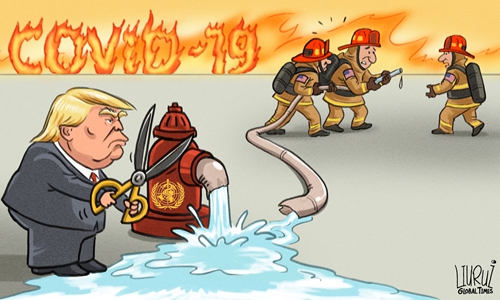
#WHO withdrawal US’ worst global retreat ever: Global Times editorial

The US announced on Tuesday its withdrawal from the World Health Organization (WHO), which will take effect on July 6, 2021.

Such an erratic move comes after the WHO refused to "hold China accountable." US election politics and partisan interests have affected US foreign policy in such a brutal and arbitrary way, which is appalling. 

What is whimsical is that this decision, which obviously goes against the need of the US to cooperate with the world to fight the COVID-19 pandemic, is claimed to have a high moral ground. Washington has publicly smeared the WHO as China's "puppet," which wasted the money of American taxpayers. It is believed such a show could help the current administration win the election this November. The US political system has become too old, or even suffered from the Alzheimer's disease.

The coronavirus pandemic has swept across the world for months, and most countries are engaged in the anti-virus fight on their own. But only Washington recklessly blamed China and the WHO for its anti-virus failure, while it boasted of its "excellent performance." 

Such brazenness in confusing right and wrong works well in the US, and many voters buy it, which shows how distorted the US politics and opinions have become.

As the pandemic situation in the US spirals out of control while China sees few or no infected cases each day, Washington will find it harder and harder to sustain its show. Its announcement of withdrawing from the WHO can be seen as its last attempt to pass the buck. There will surely be worse situations, but Washington can hardly justify itself, no matter how harsh its words and deeds might be.

A Chinese proverb describes someone as quenching one's thirst with poisoned wine, and now the proverb can be used on the hysteric US government.

We condemn Washington's move to withdraw from the WHO at this critical juncture. Its decision will inevitably split world unity that is much needed in the ongoing virus fight. 

Because of the WHO's coordination role, the global fight has slowed the spread of the virus to some extent. The situation in quite a number of countries has eased. But the US federal government has almost given up its efforts, making the US the worst bruise in the global virus prevention system. Though a superpower, the US has no right to reverse the world's improving situation.

We also deeply regret that Americans are unable to prevent their government from making such an erroneous decision. US decision-making and self-correction have encountered big problems. The political selfishness of the two parties and the leadership are making publicity in such a blatant way, while US society has become accustomed to it and even cooperated with it, which is degeneration. 

The Trump administration is leading the country to "co-exist with the novel coronavirus." But we must tell Americans that such inaction is terrible. People's understanding of the virus is insufficient, but it has been proven that it can spread fast and infect humans, and the death rate of COVID-19 is much higher than the common flu. If the US keeps the status quo, its number of deaths will be incalculable, and so will be the lasting of the raging virus and its long-term impact on the economy.

We hope the harm caused by the pandemic on American lives and health can lead them to eventually wake up. The value that lives and people's health are above everything should become the motto of US politics again.

Washington's withdrawal from the WHO is the worst among its retreat from various international organizations and treaties. The world should hold Washington accountable for betraying the common interests of humanity.

https://www.globaltimes.cn/content/1193940.shtml

Opinion: Biden Should Not Debate Trump Unless … Here are two conditions the Democrat should set.


By Thomas L. Friedman

I worry about Joe Biden debating Donald Trump. He should do it only under two conditions. Otherwise, he’s giving Trump unfair advantages.
First, Biden should declare that he will take part in a debate only if Trump releases his tax returns for 2016 through 2018. Biden has already done so, and they are on his website. Trump must, too. No more gifting Trump something he can attack while hiding his own questionable finances.
And second, Biden should insist that a real-time fact-checking team approved by both candidates be hired by the nonpartisan Commission on Presidential Debates — and that 10 minutes before the scheduled conclusion of the debate this team report on any misleading statements, phony numbers or outright lies either candidate had uttered. That way no one in that massive television audience can go away easily misled.
Debates always have ground rules. Why can’t telling the truth and equal transparency on taxes be conditions for this one?
Yes, the fact that we have to make truth-telling an explicit condition is an incredibly sad statement about our time; normally such things are unspoken and understood. But if the past teaches us anything, Trump might very well lie and mislead for the entire debate, forcing Biden to have to spend the majority of his time correcting Trump before making his own points.
That is not a good way for Biden to reintroduce himself to the American people. And, let’s not kid ourselves, these debates will be his reintroduction to most Americans, who have neither seen nor heard from him for months if not years.
Because of Covid-19, Biden has been sticking close to home, wearing a mask and social distancing. And with the coronavirus now spreading further, and Biden being a responsible individual and role model, it’s likely that he won’t be able to engage with any large groups of voters before Election Day. Therefore, the three scheduled televised debates, which will garner huge audiences, will carry more weight for him than ever.
He should not go into such a high-stakes moment ceding any advantages to Trump. Trump is badly trailing in the polls, and he needs these debates much more than Biden does to win over undecided voters. So Biden needs to make Trump pay for them in the currency of transparency and fact-checking — universal principles that will level the playing field for him and illuminate and enrich the debates for all citizens.Of course, Trump will stomp and protest and say, “No way.” Fine. Let Trump cancel. Let Trump look American voters in the eye and say: “There will be no debate, because I should be able to continue hiding my tax returns from you all, even though I promised that I wouldn’t and even though Biden has shown you his. And there will be no debate, because I should be able to make any statement I want without any independent fact-checking.”
If Trump says that, Biden can retort: “Well, that’s not a debate then, that’s a circus. If that’s what you want, why don’t we just arm wrestle or flip a coin to see who wins?”
I get why Republican senators and Fox News don’t press Trump on his taxes or call out his lies. They’re afraid of him and his base and unconcerned about the truth. But why should Biden, or the rest of us, play along?After all, these issues around taxes and truth are more vital than ever for voters to make an informed choice.Trump, you will recall, never sold his Trump Organization holdings or put them into a blind trust — as past presidents did with their investments — to avoid any conflicts of interest. Rather, his assets are in a revocable trust, whose trustees are his eldest son, Donald Jr., and Allen Weisselberg, the Trump Organization’s chief financial officer. Which is a joke. Trump promised during the last campaign to release his tax returns after an I.R.S. “audit” was finished. Which turned out to have been another joke.
Once elected, Trump claimed that the American people were not interested in seeing his tax returns. Actually, we are now more interested than ever — and not just because it’s utterly unfair that Biden go into the debate with all his income exposed (he and his wife, Jill, earned more than $15 million in the two years after they left the Obama administration, largely from speaking engagements and books) while Trump doesn’t have to do the same.
There must be something in those tax returns that Trump really does not want the American public to see. It may be just silly — that he’s actually not all that rich. It may have to do with the fact that foreign delegations and domestic lobbyists, who want to curry favor with him, stay in his hotel in Washington or use it for corporate entertaining.
Or, more ominously, it may be related to Trump’s incomprehensible willingness to give Russian President Vladimir Putin the benefit of every doubt for the last three-plus years. Virtually every time there has been a major public dispute between Putin and U.S. intelligence agencies alleging Russian misdeeds — including, of late, that the Kremlin offered bounties for the killing of U.S. soldiers in Afghanistan — Trump has sided with Putin.
The notion that Putin may have leverage over him is not crazy, given little previous hints by his sons.
As Michael Hirsh recalled in a 2018 article in Foreign Policy about how Russian money helped to save the Trump empire from bankruptcy: “In September 2008, at the ‘Bridging U.S. and Emerging Markets Real Estate’ conference in New York, the president’s eldest son, Donald Jr., said: ‘In terms of high-end product influx into the United States, Russians make up a pretty disproportionate cross-section of a lot of our assets. Say, in Dubai, and certainly with our project in SoHo, and anywhere in New York. We see a lot of money pouring in from Russia.’”
The American people need to know if Trump is in debt in any way to Russian banks and financiers who might be close to Putin. Because if Trump is re-elected, and unconstrained from needing to run again, he will most likely act even more slavishly toward Putin, and that is a national security threat.
At the same time, debating Trump is unlike debating any other human being. Trump literally lies as he breathes, and because he has absolutely no shame, there are no guardrails. According to the Fact Checker team at The Washington Post, between Trump’s inauguration on Jan. 20, 2017, and May 29, 2020, he made 19,127 false or misleading claims.
Biden has been dogged by bone-headed issues of plagiarism in his career, but nothing compared to Trump’s daily fire hose of dishonesty, which has no rival in U.S. presidential history. That’s why it’s so important to insist that the nonpartisan Commission on Presidential Debates hire independent fact-checkers who, after the two candidates give their closing arguments — but before the debate goes off the air — would present a rundown of any statements that were false or only partly true.Only if leading into the debate, American voters have a clear picture of Trump’s tax returns alongside Biden’s, and only if, coming out of the debate, they have a clear picture of who was telling the truth and who was not, will they be able to make a fair judgment between the two candidates.
That kind of debate and only that kind of debate would be worthy of voters’ consideration and Biden’s participation.
Otherwise, Joe, stay in your basement.
https://www.nytimes.com/2020/07/07/opinion/biden-trump-debate.html

Music Video - #MarenMorris #TheBones #GIRL Maren Morris - The Bones

Video Report - What herd immunity? New Covid-19 clusters trigger lockdowns

Video Report - Fauci warns of complacency, not to "take comfort" in declining coronavirus death rate

Video Report - Educator rips Trump's push to reopen schools amid pandemic

Video Report - Trump's niece lays out unflattering profile of uncle, says he cheated on SATs in new book

Pashto Ghazal - ساقی ماښام دي

Video Report - #KhabarSayAagay Media Freedom In The Time Of Coronavirus | Gharidah Farooqi, Asif Bhatti, Ammar Masood

#Pakistan - Opinion: 'Martyr bin Laden' and Khan's 'slip of the tongue'


By Shamil Shams
Pakistani Prime Minister Imran Khan has sparked a big controversy by calling ex al-Qaida leader Osama bin Laden a "martyr." DW's Shamil Shams believes it is consistent with the premier's personal and political views.
It is not a secret that Pakistani Prime Minister Imran Khan has a soft spot for Islamists, even for those who carry out militant attacks in Afghanistan and Pakistan. He blames the United States for destabilizing the Afghanistan-Pakistan region and justifies the Taliban militancy as a reaction to an imperialist invasion. But calling former al-Qaida leader Osama bin Laden a "martyr" is a new low even for Khan.
Some people say it was a "slip of the tongue." I'd say it was a "Freudian slip" and revealed his unconscious thought.
In his June 25 parliamentary speech, Khan was supposed to allay opposition's concerns that his government has badly mismanaged the coronavirus crisis in Pakistan. But he tends to digress. In an extensive speech, he spoke about many issues, including the war on terror and how it damaged Pakistan. This has been his political narrative for the past 19 years.
Pakistan's state narrative
Bin Laden was killed by US forces in the Pakistani city of Abbottabad in 2011. Islamabad appeared to have cooperated with then US President Barack Obama in the bin Laden operation. It probably had no other choice but to support it. But the fact that the ex al-Qaida leader had been hiding in the garrison city raised many questions about Pakistan's anti-terrorism support. Let's not forget that Islamabad had received billions of dollars from Washington to go after al-Qaida and the Taliban leadership.
Khan's close ties with the military are also no secret. Therefore, what Khan said about bin Laden is actually a reflection of the state policy. So let us not just blame the premier for saying something that many in the country's power corridors actually believe in. It is, however, not said openly, and definitely not in parliament.Pakistan's dubious role in the war on terror has always been a problem for the West, which needs Islamabad's support to manage the crisis but does not have control over the country's foreign and domestic policies. Islamist sympathy runs deep in Pakistan — both at state and societal levels. It is an instrument to stir up anti-India sentiment and keep the military generals in a powerful role.
Battle lines
Khan is entitled to his views, of course. If he actually thinks that bin Laden was a "martyr," then he should stick to his opinion. He should make it clear to the US that his government would not cooperate in the war against terror. It is an unnecessary facade — Islamabad has never really cooperated in the war against terror.
Pakistan should also stop playing victim. Khan keeps reminding the world that Pakistan paid a heavy price for participating in the war on terror. Thousands of civilians and soldiers have been killed by militant groups since 2001. If those who killed innocent people are "martyrs," then the premier has no right to talk about his country's "sacrifice."
Dear Prime Minister, the people of Pakistan have indeed suffered immensely due to terrorism. Liberal politicians who took a stand against extremists were killed by militants. You, on the other hand, have maintained friendly ties with the Taliban. You didn't have to pay the price for challenging extremism and militancy.
Lastly, Mr Khan, progressive and secular people will continue to challenge the state narrative and your policies. There wasn't any doubt that you sympathize with Islamists, but now you exposed yourself even more. The fight against extremism will continue in Pakistan. You have made it clear which side you are on by glorifying bin Laden. 

Fatal crash, fake pilots, piling losses expose how broken Pakistan’s PIA is


 and  

PIA hasn’t made a profit in 15 years & liabilities amounted to $3.8 billion last year. It has some 14,000 employees for a fleet of only about 30 planes.

For decades Pakistan International Airlines Corp. stood for a resurgent post-colonial nation, flying the flag from New York to Tokyo. Now the airline is struggling to recover from a fatal crash, years of losses, a collapse in global air travel and the stunning revelation that almost a third of the nation’s pilots obtained fake licenses.
That latest admission, from Aviation Minister Ghulam Sarwar Khan, tipped the airline from crisis to full-blown catastrophe. Khan didn’t say whether the pilots of the crashed Airbus SE jet, who were discussing the coronavirus when they retracted the landing gear just before touching down in Karachi, were among those who held dubious licenses. But his announcement came on the same evening that investigators held the cockpit crew responsible for the accident.
Investigations into at least three major crashes in Pakistan in the past decade found the pilots were either at fault or didn’t follow guidelines. Khan said that 262 of over 850 pilots in Pakistan had fake qualifications and many didn’t even sit the exams themselves.
“I’m not shocked by this,” said Nasrullah Khan Afridi, President of Pakistan Airlines Cabin Crew Association. “In our culture, unfortunately, there is so much wrongdoing among politicians and others that everyone is looking for a short cut. Everyone with dubious records, including the regulator which issues pilot licenses, should be punished.”
The shock is reverberating beyond Pakistan, which is not the only country in Asia to have reported problems in the past over the certification of pilots as a slew of new budget carriers competed to sign up cockpit crews. In the past few years, India and some nations in Southeast Asia have also come under scrutiny for cases of exaggerated flight hours or simulator time.
“This is not just a PIA or Pakistan only issue, it is widespread in India, Indonesia and also the Philippines,” said Mohan Ranganathan, an aviation safety consultant and former pilot based in the southern Indian city of Chennai. In 2011-12, several hundred pilots working for airlines in India were found to have fake certificates, he said. “A similar charade takes place from flying schools in Indonesia, Philippines etc. They collect the full fees from trainees but actual flying is done only on paper.”
Arun Kumar, head of India’s Directorate General of Civil Aviation, said the country has no cases of pilots with fake documents, even for those who qualified overseas. “All documents are duly checked and verified,” he said. “We have a robust system in place.”
Adita Irawati, a spokeswoman for Indonesia’s Transportation Ministry, said the country has never uncovered any abuse of documentation similar to what was found in Pakistan, and Indonesia has a mechanism in place to prevent such practices.
Representatives for the Civil Aviation Authority of the Philippines did not immediately respond to requests for comment. As of Dec. 13, almost half of the flying schools in Philippines were inactive, with about a dozen of them either facing stop orders or having their licenses revoked or denied, data from the regulator showed.
The deluge of disasters at PIA has galvanized the government to speed up reform of the industry in Pakistan. Prime Minister Imran Khan has ordered the nation’s Civil Aviation Authority to fast track further actions for the nation’s airlines, and the authority itself, including cutting jobs.
“It takes a lot of courage to come out and say our industry is broken,” said Faaiz Amir, a former Air Vice Marshal who investigated a 2012 crash of a Bhoja Air flight near Islamabad. “The system needs to be revamped. Civil aviation needs to be restructured and reorganized.”
They have their work cut out. PIA is the most likely airline in the world to fail in the absence of a bailout as Covid-19 cuts demand for air travel, according to a Bloomberg News analysis. The carrier has one of the highest staff-to-planes ratios, after successive governments shied away from major payroll cuts on concern they would spark labor unrest. The fake pilots disclosure prompted the European Union Aviation Safety Agency to ban airlines from Pakistan flying to its member states. The U.S. Federal Aviation Administration said it was “assessing the situation.”
Even without the latest round of catastrophes, the airline was struggling from high costs and increased competition from rivals such as Emirates, a carrier it ironically helped establish in 1985. PIA hasn’t made a profit in 15 years and liabilities amounted to $3.8 billion at the end of last year. It has some 14,000 employees for a fleet of only about 30 planes.
After years of propping up the carrier with cash bailouts — the latest was 3.2 billion rupees ($19 million) last month for PIA to pay interest payments — the government has promised to carry out measures including job cuts and the sale of non-core assets.
“It’s a belated, welcome and decisive realization,” said A.A.H. Soomro, managing director at Khadim Ali Shah Bukhari Securities. “The conoravirus-induced travel decline coupled with plunging tax revenues have motivated the government to fix bleeding public sector entities.”
PIA traces its roots to 1946 when Orient Airways flew in the then-undivided India. After partition it was one of the first in Asia to begin a regular service to London and in the heady days of expansion in the 1960’s and 70’s was considered a model for new national airlines in other parts of the region.
With prestige and growth came mismanagement and losses as the airline became a source of foreign revenue and a conduit for jobs and contracts at home. PIA is managed by either generalist bureaucrats, or military officers, or both, fostering a bureaucratic and unaccountable system, according to Mosharraf Zaidi, a senior fellow at Islamabad-based think tank, Tabadlab.
The state of the nation’s aviation industry began to be reflected in its accident record. In 2010, an Airblue flight slammed into a rain-soaked hillside near Islamabad, killing 152, an incident also blamed on pilot error. Two years later, the nation suffered another major disaster when a Bhoja Air Boeing 737-200 carrying 118 passengers and 9 crew members crashed on approach at the capital. In both cases, the official reports identified pilot errors.
The recent PIA disaster was the first fatal plane crash for the airline since 47 people were killed in an ATR-42 in 2016.
Amid calls for reform and a change of government, the airline has had six chief executive officers in five years. The current administration says current CEO Arshad Mahmood Malik, a Vice Chief of Air Staff in the nation’s air force who was appointed in October 2018, is trying to restore the airline.
“The tragic recent crashes are a lingering legacy of past mismanagement and corruption that is in the process of being cleared up,” said Shireen Mazari, the minister for human rights in Khan’s cabinet and a close aide to the Prime Minister. Malik is taking steps such as “ferreting out pilots, engineers and others with fake licenses and qualifications, implementing a modern cost-efficient reservation system, and returning to service costly planes that had been cannibalized for parts,” she said.
Other actions include selling or monetizing non-core assets, built up over the years when the company was a conduit for national prestige. Its prime asset, the Roosevelt Hotel in New York, which was previously valued at $1 billion, may be turned primarily into an office tower with retail space on the ground floor.
But with no flights to Europe and possibly to other countries as aviation authorities weigh the concern about the training of its staff, the core airline itself may need substantial government support to survive.
Ali Wahab, Head of Debt Capital Markets at Sharjah Islamic Bank, said the minister’s revelation has put its future in jeopardy. “When an airline will not fly and has no revenue, how will it repay its debts?”- 

اسلام آباد میں مندر، ایک سوڈانی مسلمان کے سوالات


تحریم عظیم
@tehreemazeem 


چین میں زیرِ تعلیم ایک سوڈانی مسلمان نے جب سنا کہ اسلام آباد میں مندر بن رہا ہے تو اس کے ذہن میں کیا آیا؟
انور ہاسٹل میں میرا ہمسایہ ہے۔ ہم اکثر شام میں اکٹھے بیٹھتے ہیں اور باتیں کرتے ہیں۔ وہ مجھے سوڈان کی کہانیاں سناتا ہے اور میں اسے پاکستان کے بارے میں بتاتی ہوں۔
ایسی ہی ایک شام جب ہم ساتھ بیٹھے کھانا کھا رہے تھے، میں نے اسے بتایا کہ ’پاکستان کے دارالحکومت اسلام آباد میں حکومت کی معاونت سے ہندوؤں کا ایک مندر تعمیر ہونے والا تھا لیکن اب اس کی تعمیر
روک دی گئی ہے۔‘ انور نے وجہ پوچھی تو میں نے اسے بتایا کہ ’ایک تو اس کا بلڈنگ پلان منظور نہیں تھا، دوم علما نے اس مندر کی تعمیر پر اعتراض کیا ہے۔ وہ کہتے ہیں کہ حکومت کسی نئی عبادت گاہ کی تعمیر کے لیے پیسے نہیں دے سکتی البتہ پہلے سے قائم عبادت گاہوں کی دیکھ بھال ، مرمت اور تزئین و آرائش کے لیے مدد کر سکتی ہے۔‘ انور نے پوچھا: ’حکومت یہ کام نہیں کرے گی تو کون کرے گا؟‘ میں اس کی شکل دیکھنے لگی۔ شاید میں بتانا بھول گئی، انور بھی میری طرح مسلمان ہے۔ ایک مسلمان کے منہ سے ایسے سوال سننا کچھ عجیب سا لگ رہا تھا۔ اسے تو پوچھنا چاہیے تھا کہ ایک اسلامی ملک
کے دارالحکومت میں مندر بنانے کا سوچا ہی کیوں گیا پر وہ تو یہاں عجیب و غریب سوال پوچھ رہا تھا۔ میں نے اسے بتایا کہ ’پاکستان اسلام کے نام پر بنایا گیا ہے، اس کے دارالحکومت میں مندر کیسے بن سکتا ہے اور وہ بھی حکومت کے خرچ سے؟‘
اس نے پوچھا: ’اسلام آباد میں کتنے ہندو رہتے ہیں؟‘
میں نے کہا: ’تقریباً تین ہزار۔‘
اس نے پوچھا: ’ان کے لیے وہاں کتنے مندر موجود ہیں؟‘
میں نے کہا: ’ایک بھی نہیں لیکن وہ اپنے اپنے گھروں میں اپنے مذہب کے مطابق عبادت کرنے کے لیے آزاد ہیں (اور محفوظ بھی)۔‘
انور نے کہا: ’ہاں وہ تو ان کا حق ہے لیکن اگر وہ مندر جا کر عبادت کرنا چاہیں تو اس کا حق بھی انہیں حاصل ہونا چاہیے۔‘
میں نے کہا: ’ہاں بالکل ہونا چاہیے۔ وہ فوراً بولا: ’لیکن ان کے لیے تو وہاں مندر ہی موجود نہیں، وہ کہاں جائیں گے؟‘ سوال تو واقعی غور طلب تھا، پر سانوں کی۔ ہمارے لیے تو ہر گلی میں مسجد موجود ہے۔ جہاں نہیں ہے وہاں کسی بھی خالی پلاٹ پر تعمیر کا کام شروع کیا جا سکتا ہے۔ خیر یہ بھی مردوں کی ٹینشن ہے، ہم عورتوں کے لیے تو گھر میں عبادت کرنا ہی افضل ہے۔ میں مندر سے نکل کر مسجد میں داخل ہو چکی تھی لیکن انور ابھی تک مندر کی چوکھٹ پکڑے بیٹھا تھا۔ پوچھنے لگا: ’کیا پاکستان کے ہندو حکومت کو ٹیکس نہیں دیتے؟‘ میں نے کہا: ’بالکل دیتے ہیں۔ اس معاملے میں وہ بھی ہمارے جیسے ہیں۔ سانس بھی لیں تو ٹیکس دینا پڑتا ہے۔‘ انور بولا: ’پاکستان میں رہنے والے ہندو ٹیکس بھی دیتے ہیں اور پاکستان کے قوانین کا احترام بھی کرتے ہیں، اس کے باوجود حکومت انہیں ایک مندر تک بنا کر نہیں دے سکتی؟‘

 میں نے کہا: ’کیونکہ وہ ہندو ہیں۔‘ یہ سنتے ہی انور ہنس پڑا۔ اس کی ہنسی رکی تو بولا: ’یہاں بات مذہب کی نہیں قومیت کی ہے۔ ان کا مذہب جو بھی ہو، وہ پاکستانی ہیں۔ ان کا بھی پاکستان پر اتنا ہی حق ہے جتنا تمہارا۔ اگر تم حکومت سے بطور مسلمان مدد مانگ سکتی ہو تو وہ کیوں نہیں مانگ سکتے۔‘ اب معاملہ میری سمجھ سے اوپر جا چکا تھا۔ شاید میری جگہ کوئی عالمِ دین ہوتا تو اسے بہتر طور پر اس مندر کی تعمیر سے ہونے والے نقصانات کے بارے میں بتا پاتا۔ میں ادھر ادھر دیکھنے لگی۔ ایک
کرسی کی پشت پر جائے نماز رکھی ہوئی نظر آئی اور پاس ہی ایک میز پر رکھا قرآن بھی نظر آیا، یعنی وہ باقاعدگی سے نماز بھی پڑھتا ہے اور قرآن بھی لیکن اپنی باتوں سے تو مسلمان نہیں لگ رہا تھا۔ اب یہی بات سن لیں۔ کہتا ہے مذاہب انسانوں کے لیے ہوتے ہیں، ریاستوں کے لیے نہیں۔ ریاست کا کام ہے کہ وہ اپنی حدود میں رہنے والے ہر انسان کو برابر کے حقوق فراہم کرے، اب چاہے کوئی مسلمان ہو، ہندو ہو، عیسائی ہو، پارسی ہو یا کسی اور مذہب کا ماننے والا۔ ریاست کا اس کے مذہب سے کوئی لینا دینا نہیں۔ اب میری بس ہو چکی تھی۔ میں نے اس سے اجازت لی اور اس کے کمرے سے نکل آئی۔ وہ میرے پیچھے دروازے تک آیا۔ کہنے لگا: ’تم لوگوں کا مسئلہ مذہب نہیں بلکہ احساسِ برتری ہے۔ تم لوگ خود کو مسلمان ہونے کی وجہ سے دوسروں سے برتر سمجھتے ہو حالانکہ تمہارے مسلمان ہونے میں تمہارا کوئی اختیار نہیں۔ اللہ کے فضل سے تم لوگ مسلمان گھرانوں میں پیدا ہو گئے، بس اسی لیے مسلمان ہو۔ تم لوگ اپنے ملک میں رہنے والی مذہبی اقلیتوں کو خود سے کمتر سمجھتے ہو۔ تم لوگ اپنے لیے تو حقوق چاہتے ہو لیکن انہیں کوئی حق نہیں دینا چاہتے۔ کسی بھی مسلمان کا دل اتنا تنگ نہیں ہو سکتا۔‘
وہ غالباً کچھ اور بھی کہنا چاہ رہا تھا پر یقین مانیں میری بس ہو چکی تھی۔ میں نے اسے خدا حافظ کہا اور اپنے کمرے میں چلی گئی۔

Tuesday, July 7, 2020

Video Report - #Coronavirus US 'running out of time' to control COVID-19 crisis

Video - Pandemic not over yet | Doctors warn COVID-19 can spread by air

Video Report - Educator rips Trump's push to reopen schools amid pandemic

Video Report - Cooper: Trump says US in a good place. His experts say otherwise

Opinion: How America Lost the War on Covid-19


By Paul Krugman
It wasn’t because of our culture, it was because of our leadership.
When did America start losing its war against the coronavirus? How did we find ourselves international pariahs, not even allowed to travel to Europe?
I’d suggest that the turning point was way back on April 17, the day that Donald Trump tweeted “LIBERATE MINNESOTA,” followed by “LIBERATE MICHIGAN” and “LIBERATE VIRGINIA.” In so doing, he effectively declared White House support for protesters demanding an end to the lockdowns governors had instituted to bring Covid-19 under control.
As it happens, the Democratic governors Trump was targeting in those tweets stood firm. But Republican governors in Arizona, Florida, Texas and elsewhere soon lifted stay-at-home orders and ended many restrictions on business operations. They also, following Trump’s lead, refused to require that people wear masks, and Texas and Arizona denied local governments the right to impose such requirements. They waved away warnings from health experts that premature and careless reopening could lead to a new wave of infections.
And the virus came.
The initial outbreak of Covid-19, centered on New York, should have taught us to be wary. Rising rates of infection can seem like a minor concern at first, especially if you don’t have adequate testing, until they explode with terrifying speed.
Paul Krugman’s Newsletter: Get a better understanding of the economy — and an even deeper look at what’s on Paul’s mind.Sign Up But neither Republican politicians nor the Trump administration was willing to heed that lesson. By the second week of June new Covid-19 cases were surging in Arizona and clearly on the rise in Texas. Yet the governors of both states dismissed calls for a pause in reopening, insisting that things were under control.
And on June 16, of course, The Wall Street Journal published an opinion article by Vice President Mike Pence declaring that there wasn’t and wouldn’t be a coronavirus second wave. Given the Trump administration’s track record, this virtually guaranteed that the wave was about to hit. And so it was.
Over the past three weeks things have quickly gotten very grim. Hospitals in Arizona and Texas are in crisis. And, yes, it was premature reopening that did it, both directly and by sending a signal to individuals that the risk was past. But why did America bungle Covid-19 so badly? There has been a fair bit of commentary to the effect that our failed pandemic response was deeply rooted in American culture. We are, the argument goes, too libertarian, too distrustful of government, too unwilling to accept even slight inconveniences to protect others.
And there’s surely something to this. I don’t think any other advanced country (but are we still an advanced country?) has a comparable number of people who respond with rage when asked to wear a mask in a supermarket. There definitely isn’t any other advanced country where demonstrators against public health measures would wave guns around and invade state capitols. And the Republican Party is more or less unique among major Western political parties in its hostility to science in general.
But what strikes me, when looking at America’s extraordinary pandemic failure, is how top-down it all was. Those anti-lockdown demonstrations weren’t spontaneous, grass-roots affairs. Many were organized and coordinated by conservative political activists, some with close ties to the Trump campaign, and financed in part by right-wing billionaires.
And the rush to reopen in Sunbelt states was less a response to popular demand than a case of Republican governors following Trump’s lead.
The main driving force behind reopening, as far as I can tell, was the administration’s desire to have big job gains leading into November, so that it could do what it knew how to do — boast about economic success. Actually dealing with the pandemic just wasn’t Trump’s kind of thing. In that case, however, why has Trump refused to wear a face mask or encourage others to do so? After all, wider use of masks would be one way to limit infections without shutting down the economy.
Well, Trump’s vanity — his belief that wearing a mask would make him look silly, or mess up his makeup, or something — has surely played a role. But it’s also true that masks remind people that we haven’t controlled the coronavirus — and Trump wants people to forget that awkward fact. The irony is that Trump’s willingness to trade deaths for jobs and political gain has backfired. Reopening did lead to large job increases in May and June, as around a third of the workers laid off as a result of the pandemic were rehired. But Trump’s job approval and electoral prospects just kept sliding. And even in purely economic terms the rush to reopen is probably failing. The last official employment number was a snapshot from the second week of June; a variety of short-term indicators suggest that growth slowed or even went into reverse soon afterward, especially in states where Covid-19 cases are spiking.
In any case, the point is that America’s defeat at the hands of the coronavirus didn’t happen because victory was impossible. Nor was it because we as a nation were incapable of responding. No, we lost because Trump and those around him decided that it was in their political interests to let the virus run wild.

Nashenas _ زخوشرابی.یم.شیخه سه.راسره.جنگ.کری.برخی ازلی.دی.کاشیکی.مادزان.پرنگ کری.ای.ناشناس.دمت.گرم

Video Report - #NajamSethiShow #Pakistan - Najam Sethi’s chirya says change is coming; Sh Rashid is wrong that all could be wrapped up; media control is govt policy; Ch 24 is target now

یہ غلط فہمی دور کر لیں کہ پاکستان اسلامی ریاست ہے

جو لوگ آپ کو بتاتے ہیں کہ پاکستان مذہبی ریاست ہے، ان کی نجی زندگیوں میں دور دور تک 

ہبی اخلاقیات کا کوئی عمل دخل نہیں ہے۔

مندر کی سرکاری پیسے سے ہونے والی تعمیر رک جائے گی۔ یہ شروع ہی اس لیے کی گئی تھی کہ اسے روکا جا سکے۔ مگر کیوں؟ یہ سمجھنے کے لیے ایک بڑی غلط فہمی اپنے ذہن سے نکال دیجیے۔
عام آدمی سے لے کر علمائے کرام، قانون دانوں اور ججوں تک کو یہ غلط فہمی ہے یا وہ عوام کو اس بات کا یقین دلائے رکھنے پر مامور ہیں کہ پاکستان اسلامی ریاست ہے۔
اس غلط فہمی کو دور کر لیجیے۔ پاکستان ہرگز اسلامی ریاست نہیں ہے، اور نہ ہی ایسا ہونا کبھی ممکن تھا۔ بس آپ کو ایسا بتایا جاتا ہے، اور یہ جو آپ کو ایسا بتانے والے ہیں ان کی اپنی نجی زندگیوں میں دور دور تک کسی بھی مذہبی تقسیم یا مذہبی اخلاقیات کا کوئی عمل دخل نہیں ہے۔ اگر کبھی الحاد کا چورن بیچ کر بھی ان کی بالادستی قائم رہتی ہو تو وہ اسے بیچنے کو بھی تیار ہوں گے۔
پاکستان مسلمان اکثریت کا ملک ہے اور دستوری طور پر جمہوریہ ہے۔ یہ چار قومیتوں کے حامل دستوری یونٹس پر مشتمل فیڈریشن ہے۔ ان فیڈریٹنگ یونٹس کے باہمی تعامل کو خالصتاً سیکیولر بنیادوں پرمنظم کرنے کے لیے جو دستاویز خلق کی گئی ہے اسے دستور کہتے ہیں۔
یعنی سادہ لفظوں میں سندھی، پنجابی، بلوچی اور پٹھان قومیتوں میں وسائل کی تقسیم کرنے کے لیے اس دستور کو خلق کیا گیا ہے۔ اس ریاست کے باشندے اپنی اس قومیت کی بنیاد پر ریاست سے اپنے حقوق طلب کر سکتے ہیں جس کو صوبوں کے ڈھیلے ڈھالے سے ٹائٹل سے دستور میں تسلیم کیا گیا ہے۔ ملک کی شہریت اور پھر اس کی بنیاد پر حقوق دینے کی تعریف سے مذہب کو دانستہ طور پر باہر رکھا گیا ہے۔ مثلاً اس ملک کا سرکاری مذہب اسلام ہے مگر صرف وہی مسلمان اس ملک کے شہری ہیں جو اس کی جغرافیائی اکائیوں کے باشندے ہوں۔
جو کچھ دینی رنگ ہمیں مملکت کے نظام میں نظر آتا ہے اس کی وجہ صرف یہ ہے کہ اس ملک میں اکثریت مسلمانوں کی ہے۔ مضبوط مرکز کے لیے ایک نوزائیدہ مملکت کے باشندوں کو واحد قومیت کا وہم پیدا کرنا اور اس کے لیے انہیں ایک لالی پاپ دینا ضروری تھا۔ کچھ بے ضرر سی اسلامی شقیں دستور میں رکھ دی گئیں جیسے 97 فیصد مسلمان آبادی کے ملک کا سربراہ مملکت مسلمان ہو گا، کائنات کے اقتدار اعلیٰ کا مالک اللہ ہے، ملک کا سرکاری مذہب اسلام ہوگا، اغلاط سے پاک قرآن حکیم چھپوانے کا اہتمام کیا جائے گا وغیرہ۔
پاکستان کے قانون میں بھلے لکھا ہوا ہے کہ قرآن و سنت پاکستان کا سپریم لا ہے مگر جو بات سمجھنے کی ہے وہ یہ کہ قرآن و سنت کی وہی تشریح قانون ہے جسے مغربی جمہوری اصولوں پر تشکیل شدہ پارلیمنٹ بطور قانون چن لے یا ملک کی خالصتاً سیکیولر عدالتیں اسے قانون کا درجہ دے دیں۔ اب اگر فقہا آپ کو بتاتے بھی رہیں کہ داڑھی منڈھا شخص اور پھر اس گناہ کا مسلسل ارتکاب کرنے والا گناہ کبیرہ کا مرتکب ہوتا ہے اور عادل نہیں رہتا مگر آپ پھر بھی ایسے شخص کو اسلامی ریاست کا سربراہ بننے یا بطور جج ملکی قوانین اور اسلام کی مطابقت اور تعبیر و تشریح کرنے سے نہیں روک سکتے۔
اب جیسے سود کا مسئلہ دیکھ لیں۔ جب معاملہ سپریم کورٹ کے بس سے بھی باہر ہو گیا تو عوام کی تسلی کے لیے عالمی سودی بینکاری اور ڈالر بیسڈ کرنسی کے نظام سے ملحق ایک غیر سودی بینکاری تخلیق کر دی گئی۔ اسے پین کلر سمجھ لیں۔ مملکت کا اپنا مالیاتی نظام البتہ مکمل طور پر روایتی سودی نظام سے منسلک ہے۔
رقص اور موسیقی سے لے کر شراب کے سرکاری لائسنس دینے اور فائیو سٹار ہوٹلوں میں نیو ایئر پارٹیوں تک حکمران طبقے (چند سو ایلیٹ خاندان اور ان کا بچا کھچا کھانے والے چند لاکھ اپر کلاس اور اپر مڈل کلاس خاندانوں) کے لائف سٹائل میں مداخلت کرتی کوئی مذہبی پابندی آپ کو بطور قانون یہاں نظر نہیں آئے گی۔
کیا آپ کو ریاستی ڈھانچے میں اسلام کہیں نظر آتا ہے؟ لیکن اس ملک کے عوام کے نزدیک چونکہ یہ ملک ایک اسلامی ریاست ہے لہٰذا ایک اسلامی ریاست کا سب سے بڑا فریضہ اسلامی اقدار کا تحفظ ہی ہونا چاہیے۔
اب اس بات پر غور کریں کہ ہر چند سال بعد کسی نہ کسی مذہبی ایشو پر ملک کے عوام سراپا احتجاج ہوتے ہیں۔ حکومت پہلے خاموش رہتی ہے، پھر اپنی غلطی تسلیم کرتی ہے اور اس کے بعد عوام کے موقف کے سامنے سر جھکا دیتی ہے۔ عوام اگلے جہان کے لیے زاد راہ میسر آنے پر اطمینان کا سانس لیتے ہیں اور ان کے اس جہان کی زندگی واپس اپنے معمول پر آ جاتی ہے۔
حالیہ مندر ایشو کو لے لیں۔ آپ کا جذبہ ایمانی اپنی جگہ مگر کیا آپ نے اس کی ٹائمنگ پر بھی غور کیا؟ میاں صاحب کی حکومت کے شدید بحران کے دنوں میں اس منصوبے کا آغاز کیا گیا اور تقریباً چار سال تک خاموشی رہی۔ پھر حالیہ دنوں میں جب حکومت کو پے درپے آٹا چینی اور پیٹرول کے سکینڈلوں پر تنقید کا سامنا تھا تو یہ پراجیکٹ ایک بار پھر سے منظر عام پر آ گیا۔
حسب توقع احتجاج ہوا اور اب شنید ہے کہ کام روک دیا جائے گا اور سرکاری فنڈز جاری نہ کرنے کا اعلان بھی جلد ہی متوقع ہے۔
عوام کو سستی بجلی، روزگار، صحت اور تعلیم دینا بڑا مشکل کام ہے اور عوام کے مذہبی جذبات کی تسکین کرنا انتہائی آسان۔ ہماری حکومتیں ستر بہتر سال سے یہ تسکین فراہم کرنے کی عادی ہیں۔
بھٹو صاحب نے اپنے خلاف چلنے والی تحریک کا مقابلہ کیسے کیا؟ شراب پر پابندی، جمعے کی چھٹی، گھڑ دوڑ پر پابندی لگا کر۔
جنرل ضیاء الحق کا ریفرنڈم یاد ہے؟ ’کیا آپ اسلامی نظام چاہتے ہیں؟ اگر ہاں تو جنرل ضیاء پانچ سال کے لیے اس ملک کا صدر ہوں گے۔‘
مشرف نے وکلا تحریک سے توجہ ہٹانے کے لیے لال مسجد آپریشن شروع کروا دیا، یہ تو عوام اس طرف متوجہ نہیں ہوئے اور بعد میں ان کی اس مہم جوئی کا ردعمل شدید ترین دہشت گردی کی صورت میں نکلا ورنہ مشرف صاحب بطور صدر اسلامی جمہوریہ چند ماہ بعد عوامی احتجاج کے کارن علما کے کسی عالی شان اجتماع میں لال مسجد کی چابیاں دوبارہ مولانا عبدالعزیز کے حوالے کر رہے ہوتے۔
اب فرض کر لیں کہ ملک کے طول و عرض میں مندر کے خلاف جو حالیہ احتجاج ہوا ہے، ایسا احتجاج پٹرول کی حالیہ قیمتوں میں اضافے کے خلاف ہوتا۔ جیّد علما میدان عمل میں ہوتے۔ ٹوئٹر پر مسلمان حکمرانوں پر رعایا کے حقوق گنوائے جا رہے ہوتے، خلفائے راشدین کے عہد سے مثالیں دی جا رہی ہوتیں، جمعے کے خطبوں میں حکومت کو للکارا جا رہا ہوتا، تو اس سب کے بعد مندر کی تعمیر کو روکنے کی طرح حکومت پٹرول کی قیمت میں اضافے کو واپس لے لیتی؟
جی نہیں۔ حکومت کے لیے بہت آسان ہوتا کہ کوئی عاطف میاں ڈھونڈ کر اسے کسی کمیٹی میں شامل کرتی اور پھر عوام کے اس طرف متوجہ ہونے کا انتظار کرتی۔ پھر عاطف میاں کو پرزور عوامی اصرار پر اس کمیٹی سے نکال دیا جاتا۔
اسی طرح فرض کریں کہ فیض آباد کا ایک سابقہ دھرنا بجلی کی ہوش ربا قیمتوں میں اضافے کے خلاف ہو رہا ہوتا۔ کیا ایسا ممکن تھا کہ دارالحکومت کئی ہفتوں تک عملاً مفلوج رہتا اور پھر اس کے بعد حکومت اور مظاہرین میں بجلی کی کم قیمتوں کا راضی نامہ ہو جاتا؟
اس سوال کا بھی سادہ سا جواب ہے کہ نہیں۔ اس لیے کہ عوام کو کوئی حقیقی ریلیف فراہم کرنے کے لیے بالادست طبقے کو اپنے مفادات چھوڑنے پڑتے ہیں۔ عوام کی روحانی تازگی کا سامان کرنا اس کی نسبت بہت آسان کام ہے۔ جس دن عوام نے یہ جان لیا کہ ریاستی نظام کے کنویں میں نا انصافی کے مردہ کتے کی موجودگی میں اس کنویں سے جتنے بھی اسلامی مطالبات کے ڈول نکال لیے جائیں یہ کنواں وضو کرنے کے قابل نہیں ہو سکتا، اس دن ریاست کو عوام کے سامنے جوابدہ ہونا پڑے گا۔

#Pakistan - #PTI’s summer of discontent


Maleeha Lodhi
THE federal government was able to easily ensure the adoption of its finance bill last week. But not before a last-minute effort by Prime Minister Imran Khan to fete his party’s parliamentarians and coalition partners in order to calm growing restiveness in their ranks.
An evening on the lawns of Prime Minister House does not, however, represent a political strategy. Nor will the government’s problems both within its party and with allies vanish with the passage of the budget or the prime minister’s presence in the National Assembly twice last week. If anything, the budget session has shown that a united and resolute opposition is intent on mounting more pressure on the government at a time when the public impression gaining ground is of a government underperforming in the face of multiple challenges including those generated by Covid-19. More significantly, growing dissent and infighting in the ruling party indicates that managing the party is also becoming a daunting problem at a critical moment.
Of course, some dissension and disgruntlement can be expected in any political party and is far from unusual. But when this frequently surfaces in public, and prominent ministers and MNAs air dissenting views on television, it acquires political significance. When such openly expressed misgivings coincide with or are encouraged by the public perception of faltering governance it becomes even more consequential.
What do we make of all of this? What does it reveal about the ruling party? About its leader’s style of political management? And about his ability to deal with discontent within its ranks and among unhappy coalition partners?
Alienating allies and leaving party tensions unresolved signals trouble ahead.
The most obvious aspect of the PTI government, which has attracted frequent comment, is the inherent tension between elected members and an army of unelected advisers and special assistants. This kind of friction afflicted previous ruling parties too. But the PTI government has earned the distinction of appointing a record number of advisers and special assistants — the largest in recent history. This has triggered increasing resentment among its lawmakers. Their lack of access to the top and to development funds also lies behind their disenchantment. Many lawmakers feel they were used by the leadership to secure power and then ignored. These tensions have been left to fester by a leadership that does not seem to regard this as a problem, except when votes are needed for parliamentary motions. Such an ad hoc approach does little to resolve underlying issues.
This is especially the case when dealing with allies in what is a coalition government. Allies are needed to sustain the government’s majority in the National Assembly. But the inability to accommodate the interests of coalition partners has already led to a parting of the ways with the BNP-M, whose leader Akhtar Mengal cited the government’s failure to deliver on its promises as the reason for the rupture. Another ally, the PML-Q, was conspicuous by its absence from the prime ministerial dinner, sig­­nalling its displeasure over unfulfilled commitments.
One factor behind this increasing discontent is the leadership’s attitude towards parliament. The prime minister himself has shown little interest much less patience in working parliament. Showing up occasionally to deliver rambling lectures is not enough. Parliamentary politics is quintessentially participatory. It requires building consensus, listening to opposing views, accommodating dissenting voices and regularly meeting party backbenchers to respond to their demands and solicit support for policy. By rejecting ‘traditional politics’, the ruling party has, in similar vein, also devalued parliament’s role except when frontbenchers use it to hurl invective against the opposition.
But there is another, more significant factor that may have become a disincentive for the leadership to engage with parliamentary members. When the need has arisen for support from allies and its own MNAs, the civil-military establishment has aided the government in mobilising that support. Reliance on non-political actors has obviated the need to take parliament seriously and engage regularly with its members. Moreover, as the coalition itself was cobbled together in no small measure by the establishment’s help, party leaders again tend to look to it to keep allies in line.
As for the party’s internal rifts, they reflect the fact that the PTI comprises diverse interests and represents a motley crew of original supporters, defectors from other parties and new entrants recruited at the time of election with establishment support. Many who joined the party in Punjab were former PML-Q and PPP members while in Khyber Pakhtunkhwa, assorted defectors were from the Jamaat-i-Islami, PPP and PML-N.Infusing this heterogeneous membership with unity of purpose has not been easy and explains why the ruling party has lurched between contradictory positions. That is also why the party still defines itself by what it is against rather than what it stands for. It is ‘against corruption’, ‘against traditional politicians’ and against business ‘mafias’. Thus, it has yet to create a positive identity for itself.Managing the party in power presented a bigger challenge especially as it was loosely organised — more like a fan club than an organised party. For a long time, responsibility for party management was given to Jahangir Tareen, a seasoned politician. This worked well until he fell out of favour with Khan. No one was subsequently delegated the task, which has left the party in disarray with discordant voices on the rise.
What remains an enigma is the party leader’s unwillingness to control infighting especially among its senior members. A deliberate let-them-fight strategy aimed at keeping senior leaders off balance could be an explanation. But a more plausible one is that he appears averse to stepping down from his pedestal to ‘sully his hands’ in resolving factional political disputes. Whatever the reason, it leaves the party in a disorderly state and creates an impression of a leader distanced from party affairs. It also frees ministers to say and tweet what they wish, at times contrary to official policy, reinforcing the public perception of a disorganised team running the government.
Of course, none of this poses an existential threat to the government. But alienating allies and leaving party tensions unresolved signals trouble ahead in what promises to be a long and politically hot summer.
https://www.dawn.com/news/1567286/ptis-summer-of-discontent