Friday, April 3, 2020

#ZindaHaiBhuttoZindahai - Former President Zardari pays glowing tributes to Quaid-e-Awam Shaheed Zulfikar Ali Bhutto on his 41st martyrdom anniversary

Former President of Pakistan and President Pakistan Peoples Party Parliamentarians Asif Ali Zardari has said that despite the fact that 41 years has passed, Quaid-e-Awam Shaheed Zaulfikar Ali Bhutto is still ruling the hearts of the people and his killer are standing before the history as the culprits.
President Asif Ali Zardari in his message on the eve of the 41st martyrdom anniversary of Shaheed Zulfikar Ali Bhutto said that the founder of the PPP had defeated the exploiting forces by giving awareness to the people of their rights. He had used politics to serve the people and to give them their rights.
Former President said that PPP is following his philosophy that political heaven is under the feet of the people and all powers to the people. The PPP and its leadership and worker never compromised the principle that people have the right to rule. President Zardari vowed to take the country out of ignorance, poverty and hunger by following the manifesto of Shaheed Zulfikar Ali Bhutto and to bring development and prosperity to the people of Pakistan.

#ZindaHaiBhuttoZindahai Chairman PPP pays tribute to Shaheed Zulfikar Ali Bhutto on his 41st Martyrdom Anniversary

Chairman Pakistan Peoples Party Bilawal Bhutto Zardari has emphasized that the nation needs to follow the vision of Shaheed Zulfikar Ali Bhutto to face the escalating crisis of the coronavirus and save our people from its looming ravages.
In his message on the 41st martyrdom anniversary of Shaheed Zulfikar Ali Bhutto, being observed on Saturday, Bilawal Bhutto Zardari said that true leaders change the destinies of nations and they lead with great determination and vision in times of crises.
PPP Chairman said that following the fall of Dhaka, Pakistan had lost thousands of miles of land to enemy occupation and 90,000 of our soldiers were prisoners of war. Shaheed Zulfikar Ali Bhutto not only got our land and soldiers back, but went on to lay the foundation of our nuclear programme, ensuring our territorial integrity would never be at the mercy of our neighbors again. To deal with the economic devastation of losing more than half your country, mega economic and industrial projects like Pakistan Steel, Port Qasim, Heavy Mechanical Complex, Pakistan Machine Tool Factory etc were created to shore up the nation’s infrastructure, he added.
Bilawal Bhutto Zardari said that in these troubled times the people of Pakistan are looking for a new Zulfikar Ali Bhutto, a leader who will galvanize us despite our differences, a leader who will be the shining beacon to lead us out of this pandemic.
PPP Chairman stated that the people of Pakistan could never forget the sacrifice Shaheed Zulfikar Ali Bhutto made for our great nation.
Bilawal Bhutto Zardari further said that the PPP and all those who believe in Shaheed Zulfikar Ali Bhutto’s message of equality, opportunity, and sacrifice, wont leave the people of Pakistan to fend for themselves in any kind of crisis.
“We will continue the legacy of our ancestors and protect our people and their interests at any cost,” he pledged.

Thursday, April 2, 2020

Video - #COVID-19 - #Putin's 2nd address to the nation amid #coronavirus outbreak

Video Report - #Coronavirus US jobless claims surge to 6.65 million - another record

Post-pandemic international relations could change for the better

By Li Haidong 


The COVID-19 pandemic has so far swept the world and many countries have declared a state of emergency. The pandemic has had a tremendous influence on the entire world and people are already considering the impact it will have on international relations.
Indications are the pandemic is very likely to trigger a global economic crisis. If so, globalization and international relations will see fundamental changes.
Economic globalization is characterized by the smooth flow of personnel, capital, trade and information, but global health and the environment have not received sufficient attention. As a result, globalization is handicapped by the COVID-19 outbreak. With its fatal flaw coming to light, globalization must undergo profound adjustments. Otherwise, some countries will embark on a populist journey, which would create even more volatility in the world's economy. Globalization will need to incorporate new elements like human health, nature and the environment. High-quality enterprises will be attracted to countries with effective public health mechanisms and good environmental standards. These countries will then take the lead in globalization's new processes, and their ideas and development model will be respected by other countries and regions.
The COVID-19 will help redefine legitimacy in international relations. The prevention of the pandemic once triggered an argument over democracy and sovereignty. In face of the rapid spread of the novel coronavirus, people will have to learn to play down ideology and sovereignty. Hopefully this will become a universal principle in the field of public health security.
If a country succeeds in both overcoming the virus and making a contribution to easing the world's situation, its prestige is sure to be enhanced and its diplomatic concepts will prevail.
The pandemic's huge threat to the world calls for improvement in international public health. The global governance system must include public health as a key component.
In terms of authority, resources and capacity, there are serious deficiencies in international coordination of public health security. It is imperative that greater empowerment is given to the WHO, new mechanisms centering on the United Nations are jointly built and all countries coordinate. Multilateral mechanisms such as the G20, the Shanghai Cooperation Organization, ASEAN and APEC also need to add public health security as a key priority. The improvement of regional or global public health governance mechanisms are the scale by which effective international relations will be measured.
Setbacks emerging in the fight against the virus remind people that international stability is under threat. Some self-centered countries still blindly pursue national priorities, unilateralism and hegemony. This may not only worsen the situation in their own nations but international concerted efforts to curb the pandemic will also be impacted.
The inherent detriments of hegemony and unilateralism are exposed amid the global war against the COVID-19. The strict adherence to alliances as a dominate force in the international order is losing appeal. In the face of severe situations, the world will eventually turn to coordination and cooperation.
The pandemic will change the industrial and supply chains of international trade. China has made great achievements in fighting the virus, which will increase the world's confidence in the country and reinforce its role as a stabilizing influence on the global economy. China's vision of building a community with shared future for mankind is being better understood through the mutual help between China and countries like Japan, South Korea and Italy.
The pandemic has also had a profound impact on China-US relations. Americans and state governments are willing to communicate closely with China, while the federal government pins the blame on China. Most Americans can see that Washington is merely attempting to deflect domestic criticism by unfairly tarnishing the image of America's main geostrategic rival. Such practices have created serious obstacles to China-US cooperation in the ongoing fight against the virus.
China-US relations will be determined to a large extent by whether the Americans and local governments can restrain the federal government's paranoid policy toward China. It's a pity that the US government is using the global crisis to create new conflicts while forgoing the opportunities presented for increased cooperation.
The COVID-19 outbreak will have an all-round impact on the theory and practice of international relations. Through the global fight against the virus, the world will develop some enlightened ideas for reshaping more stable international relations.
https://www.globaltimes.cn/content/1184430.shtml

#Covid-19 cases reach 1 MILLION worldwide, 50,000 dead as pandemic continues to ravage the globe

The coronavirus pandemic has passed its landmark moment, as over one million people worldwide have tested positive for the disease, according to figures from multiple sources.
The total number of confirmed Covid-19 cases hit the 1 million mark on Thursday, according to tallies by both the AFP news agency and Johns Hopkins University in the US. Over 51,000 people have died worldwide from the virus.
The novel coronavirus outbreak was first recorded in December 2019, in the city of Wuhan in China's central Hubei province. The number of infected people in Wuhan skyrocketed, prompting a lockdown by the government. The virus then quickly spread abroad, hitting nearly every country.
On March 11, the World Health Organization declared Covid-19 a pandemic. Two weeks later, the US became the most-affected nation, surpassing China. In Europe, Italy, Spain, Germany and France were hit the hardest, with each having more than 40,000 cases. 
By April 1, close to half the world’s population – most of North America, Europe and India – had been ordered to stay at home, in hopes of slowing or stopping the spread of the contagion.
In many places, the rapidly-spreading virus has overwhelmed local healthcare systems. Doctors have struggled with shortages of hospital space and medical equipment, including testing kits and protective gear.
China said it had turned the tide on the spread of Covid-19 by late March, as the number of new domestic cases decreased significantly, prompting officials to gradually ease travel restrictions in Hubei.

Why Are So Many More Men Dying from Coronavirus?

By Sharon Moalem
The disproportionate toll this virus is taking on males isn’t an anomaly. When it comes to survival, men are the weaker sex.
As coronavirus continues its spread across borders, oceans and continents, there is a perplexing piece of data that has so far evaded a proper explanation: It’s still early, but in almost every country that we have numbers for, more men than women are dying from the virus.
Most attempts to explain this discrepancy have focused primarily on behavior, some of which are almost certainly valid. Higher rates of tobacco consumption, a reluctance to seek proper and timely medical care and even lower rates of hand-washing absolutely do play a role in who will be hit hardest.
But what is being overlooked in these explanations is that the disproportionate toll coronavirus is taking on men isn’t an anomaly. Rather, it may be a timely and high-profile demonstration of what up until recently has been an underappreciated scientific fact: When it comes to survival, men are the weaker sex.
This isn’t just the case during once-in-a-lifetime pandemics. This innate biological advantage is apparent at every age and stage of human life: Baby girls are consistently more likely to make it to their first birthday; 80 percent of all centenarians today are women; an incredible 95 percent of those who reach the formidable age of 110 years old are women. While on average genetic males have more muscle mass and greater height, overall size, and physical strength, when it comes to surviving the physical hardships encountered from birth to late-in-life, genetic females almost always outlast genetic males.
We have long assumed that the only reason behind the earlier and disproportionate demise of men was behavioral. But in fact, the female survival advantage between the sexes still holds, regardless of education, economic factors, and alcohol, drug, or tobacco consumption.
I came to understand the female biological advantage in a very personal and painful way a few years ago. It was a beautiful summer’s day. The sun was finally out after a very long winter and a wet spring. I promised my wife, Emma, some quiet time, just the two of us: just her, an XX female, and me, an XY male. The last thing I remember was reaching over and holding her hand as we were driving westbound on a mostly empty street.
Witnesses later told us that we were hit dead-on broadside by someone who ran a red light and barreled toward us at more than 45 miles per hour. Our car rolled twice. The impact was severe, the roof of our car caved in, and none of the airbags deployed. Because of the extent of damage to our car, the first responders were preparing themselves for horrific traumatic injuries. We were lucky to be alive.
Given what we had just experienced, our injuries turned out to be relatively minor and pretty similar — but Emma’s were a bit more serious. So, while I was strapped to a spine board in the back of an ambulance hurtling toward the hospital one of the things I was thinking about — in addition to wondering why all seven airbags failed to deploy — was how grateful I was that Emma was a genetic female — because I knew that even if my wife’s injuries were the same as mine, given the odds, she was more likely to make a better and faster recovery.
What lies behind this female genetic superiority? It starts at the chromosomal level.
To review the typical basic chromosomal differences between the sexes: The cells of genetic females have two X chromosomes — one from their mothers, and one from their fathers — while those of genetic males have only the one X chromosome, from their mothers, and one Y chromosome.This is crucial, because X chromosomes come in handy for vital functions like building and maintaining the human brain and the immune system. And biologists have long understood that XX chromosomes give females an advantage in some arenas: Having the use of a spare X in case the other is somehow defective is why females are less susceptible to disorders like color blindness, for instance.But we’re only just now beginning to understand the full advantage that this extra X chromosome confers: It’s not just that women have a spare X chromosome to swap in. Rather, the more than 2,000 genes that, combined, make up two X chromosomes, are used by cells that actually interact and cooperate within a woman’s body. Each cell predominantly uses one X chromosome over the other — so if one X chromosome has genes that are better at recognizing invading viruses like Covid-19, for instance, immune cells using that X can focus on that task, while immune cells using the other X chromosome focus on, say, killing cells infected with Covid-19 instead, making the fight against the virus more efficient.
Typical males, by contrast, are forced to get by in life with just the one X chromosome. What if a male’s particular genes aren’t able to competently recognize or kill off cells infected with a coronavirus? In that case, his ability to fight the infection will be limited; his solitary X is the only one he’s got.
The bottom line is when it comes to dealing with the trauma and stressors of life — whether it’s avoiding a serious congenital malformation, a developmental disability, or fighting off an infection — females have genetic options. And genetic males don’t.
My wife doesn’t win only when it comes to overall longevity. Her risk for developing cancers in organs we both have, for example, is lower than mine. And if she does develop cancer, she has better odds of surviving, as research shows that women respond better than men to treatments.
And our sex chromosomes by and large determine our sex hormones — which also give her an advantage: Higher levels of testosterone appear to suppress the immune system; conversely, estrogens have been found to stimulate a more vigorous immunological response. As our recoveries from the accident took two very distinct trajectories — my injuries and subsequent infections took many weeks longer to heal — the reality of her genetic superiority truly sunk in. No matter what life throws our way, Emma is likely to outlive me.
The cost women seem to pay for having a more aggressive immune system, one that’s better at battling both malignant cells and invading microbes, is being more prone to autoimmune diseases. The immune systems of genetic females are much more likely to attack themselves, which is what occurs in conditions like rheumatoid arthritis, multiple sclerosis, autoimmune thyroiditis, Sjögren’s syndrome, and lupus. The only thing that I, as an XY male, have going for me is a lower chance of developing one of these conditions.
Progress in understanding and addressing these biological differences between the sexes in the practice of clinical medicine has been sluggish. For the most part, this is because the medical establishment has largely overlooked the profound chromosomal, hormonal and anatomical uniqueness of genetic females. The current practice of medicine was built using research that was done primarily on male cells, male tissues, male organs, male animals and male test subjects. As a result, we tend to know more about men when it comes to the determinants of health and well-being. With a few exceptions, such as gynecological and obstetric issues, we tend to clinically treat women just like we treat men. As a result, our comprehension of the staggering medical impact stemming from the differences between the sexes is only in its infancy.But the understanding of these differences has the potential to fill in the gaps of knowledge that have kept us from making medical breakthroughs. Our male-centric, one-size-fits-all model of health care and the research culture that stems from it need to change. Nowhere is this urgency more apparent than the current global pandemic, as the alarming numbers of male deaths worldwide continues to climb daily.
Almost 20 years ago the Institute of Medicine of the National Academy of Sciences published a report that claimed the following: “Being male or female is an important fundamental variable that should be considered.” And yet, two decades later there has been little tangible progress that’s made its way into how we practice medicine. We must now push beyond mere consideration of this variable to apprehending the real biological strength that each genetic female inherently possesses and how men differ in this regard. The future of medicine depends upon it.
https://www.nytimes.com/2020/04/02/opinion/coronavirus-men-women.html

Pashto Music - ساقي نن دي په پياله كي جوهر نشته - په ترخو اوبو كي بوی د کوثر نشته

Pashto Music - زخوشرابی.یم.شیخه سه.راسره.جنگ.کری.برخی ازلی.دی.کاشیکی.مادزان.پرنگ کری

Pashto Music - منګل او حسنا عنایت - لونگینه وناری - لمر

Pashto Music Video - دېره - حسنا عنایت - مازدیگر دی که نه دی

Video Report - How Saeed Ghani spent his time in self-isolation after being diagnosed with #Coronavirus?

Video Report - #Pakistan - Story of Chakwal's Ayesha who became Ali Raza to support her family

Video Report - #Pakistan - #CoronaNotShiaNorSunni - #COVID19GB

Bilawal slams abusive social media trends against dissenting journalists

PPP Chairman Bilawal Bhutto-Zardari on Thursday slammed the abusive Twitter trends targeting journalists who present dissenting views.
“These trends are nothing but another attempt at silencing critics and giving a message to the rest of the media to stay silent or face the consequences,” he said in a statement.
“If the federal government and PTI social media teams focused as hard on corona awareness as they do on trolling dissenting voices, it would be a far better use of time and resources in these difficult times,” Bilawal was quoted as saying. The PPP chairman urged that in these extraordinary times, the country needs a unifying response to the unprecedented challenge posed by the coronavirus pandemic.
“We cannot afford and must avoid divisive politics and settling of political scores at this critical juncture,” he said.
Bilawal further said that the media plays an important part in a democratic dispensation and around the world media has held governments accountable for their response to one of the worst crises in recent human history.
“For those who think media can be bullied into submission must also remember that journalists in Pakistan have a long history of resistance to injustice and tyranny,” he stated.
https://www.thenews.com.pk/latest/638309-bilawal-slams-abusive-social-media-trends-against-dissenting-journalists

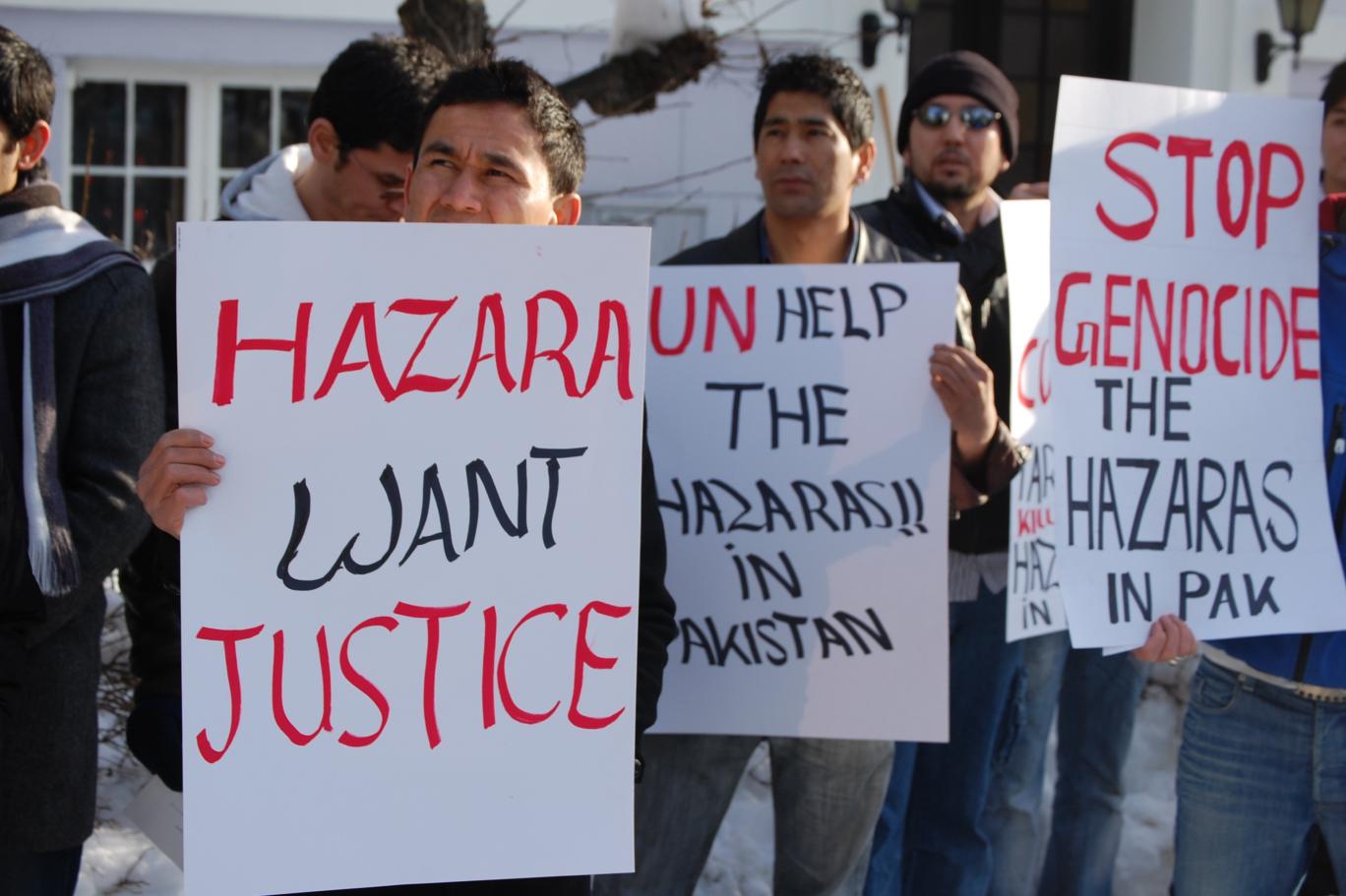
کرونا: ہزارہ برادری پھر نشانے پر


اس بحران کا باریکی سے جائزہ لیا جائے تو ایک اور گھمبیر معاملہ سامنے آتا ہےاور وہ یہ ہے کہ حکومتی اہل کار اور ادارے بلوچستان اور بالخصوص کوئٹہ جیسے کثیرالقومی اور کثیرالسانی خطے میں کیسے کسی قوم کے بارے میں بات کریں جس سے اس کی تذلیل یا دل آزاری نا ہو۔

امریکی کمیشن برائے بین الاقوامی مذہبی آزادی نے گذشتہ دنوں اپنے ایک بیان میں ان خبروں پر تشویش کا اظہار کیا ہے کہ حکومتِ بلوچستان ایک طرح سے کرونا (کورونا) وائرس پھیلانے کی ذمہ داری صوبے میں مقیم ہزارہ قوم پر ڈال رہی ہے۔
کمیشن نے کہا  ہےکہ اسے افسوس ہے کہ سرکاری اہل کار کرونا وائرس کی آڑ میں ایک ایسی قوم کو قربانی کا بکرا بنا رہے ہیں جو پہلے ہی سے ظلم کا شکار ہے۔ بیان میں کہا گیا ہے کہ یہ وائرس کسی مذہب، قوم اور سرحد کا لحاظ نہیں کرتا اور اسے جواز بنا کر ایک مخصوص قوم کو موردِ الزام نہیں ٹھہرایا جا سکتا۔ کمیشن کا مزید کہنا ہے کہ حکومت نے ہزارہ قوم کے دو اکثریتی علاقوں یعنی مری آباد اور ہزارہ ٹاون کو مکمل طور پرلاک ڈاؤن کیا ہوا ہےاورایک سرکاری ادارے (واسا) نےاپنے ملازمین کو وہاں جانے سے روک دیا ہے۔
بیان میں اس امر کا بھی حوالہ دیاگیا ہے کہ چونکہ ایران سے واپس آنے والے بیشتر زائرین کا تعلق ہزارہ قوم سے ہےتو حکومت نے یہ کہہ کر ہزارہ قوم سے تعلق رکھنے والے پولیس اہل کاروں کو اس شبہ کے بنیاد پر دو ہفتوں تک کام پر نا آنے کا حکم دیا ہے۔ انہیں شک ہے کہ ان میں سے کسی پولیس اہل کار کے کسی رشتہ دار کو کرونا وائرس لگا ہو اور اسی کی وجہ سے باقی پولیس فورس میں  یہ نہ پھیل جائے۔ سوشل میڈیا پر بعض تنگ نظر لوگ اس وائرس کو ’شعیہ وائرس‘ کا نام دے رہے ہیں اور یہ تاثرعام کیا گیا ہے کہ شعیہ زائرین ایران سے وطن واپس آکر اس وائرس کو مزید پھیلائیں گے۔
کمیشن کو خدشہ ہے کہ جوں جوں کرونا وائرس پورے پاکستان میں پھیلتا جائے گا اور ملک کے شعبہ صحت پر بھی بوجھ بڑھتا جائے گا تو ہزارہ قوم کی جانب اپنائےگئے اس غیرذمہ دارانہ رویے کی وجہ سے انہیں ( ہزارہ قوم کو) کرونا وائرس کےعلاج و معالجہ کی سہولیات سے محروم کیا جائے گا۔ آخرمیں کمیشن نے کہا ہے کہ انہیں اس بات کا اندازہ ہے کہ پاکستان سمیت دنیا کے دیگر ممالک کو کرونا وائرس کے روک تھام کے لیے کن کن مشکلات کا سامنا ہے لیکن پاکستانی احکام کو چاہیے کہ وہ مذہب اور عقیدہ سے بالاتر ہو کر تمام شہریوں کے تحفظ کا بندوبست کریں اور سب کو یکساں طور پر طبی امداد فراہم کریں۔
کرونا وائرس کہاں سے آیا اور اسے پاکستان کون لایا اور اس کی روک تھام کے لیے حکومت نے جو اقدامات کی ہیں کیا وہ کافی ہیں یا نہیں، اس پر کافی بحث ہوچکی ہے لیکن ایک معاملہ جس پر کم توجہ دی گئی ہے وہ یہ کہ بلوچستان میں کرونا وائرس کی  وجہ سے پید اہونے والی صورت حال  کو کس طرح شعیہ برادری اور ہزارہ قوم کے خلاف استعمال کیا جا رہا ہے۔
یہ درست ہےکہ جب کوئی قدرتی ا ٓفت آتی ہے  تو اس کے ساتھ ساتھ افراتفری بھی پھیل جاتی ہے اور ہر کوئی اپنے آپ کو بچانے کے لیے دوڑتا ہے لیکن بلوچستان کے تناظر میں یہ بات قابل ذکر ہے کہ کرونا وائرس کے بہانے چند عناصر صوبے کی شعیہ مسلک اور ہزارہ قوم کے خلاف نفرتیں اور غلط فہمیاں بڑھانے میں خاصا سرگرم ہوگئے ہیں۔ باقی ملک نے ’تفتان‘ اور ’زائرین‘ کےالفاظ قومی میڈیا میں کرونا وائرس  سے پہلے شاید کبھی اتنا نہیں سنا ہے لیکن بلوچستان کا تو زائرین سے ایک پرانا رشتہ ہے۔ ایک ایسا رشتہ جس سے بہت ہی تلخ یادیں وابستہ ہیں۔ مثلاً 20ستمبر2011 کا وہ سہ پہر کون بھول سکتا ہے جب کوئٹہ سے تفتان جانے والی شیعہ زائرین کی بس پر ’نامعلوم افراد‘ نے حملہ کر کے 26  زائرین کو قتل کیا؟
کوئٹہ میں ہزارہ اور شعیہ برادری کے خلاف ایک طبقہ کئی سالوں سے سررم رہا ہے جس نے اپنی مسلح کارروائیوں سے ان کی نسل کشی کی ہے۔ ماضی میں جب  وزیر اعلیٰ بلوچستان نواب اسلم رئیسانی کو ہزارہ قوم کے آنسووں کے بارے میں بتایا گیا کہ یہ قوم تشدد کی وجہ سے کتنا متاثر ہو چکی ہے تو انہوں نےاپنے روایتی غیر سنجیدہ انداز میں پوچھا ’تو میں کیا کروں؟ میں ان کے لیے ٹشو پیپر کا ٹرک بھیج سکتا ہوں (تاکہ وہ اپنے آنسو پونچھ لیں)۔‘ لیکن لگتا ہےکہ وقت گزرنے کےساتھ ساتھ حکومت بلوچستان کے اسی بے حس رویے میں کوئی تبدیلی نہیں آئی ہے۔
جو لوگ اس معاملہ، اس کے پس منظر اور اثرات کے بارے میں مزید پڑھنا چاہتے ہیں وہ 29 مارچ کو روزنامہ ڈان میں سجاد حسین چنگیزی کا مضمون ضرور پڑھیں جس میں انہوں نےاس معاملے پر تفصیل سے روشنی ڈالی ہے کہ کس طرح بلوچستان میں عام آدمی تواپنی جگہ، صوبائی چیف سیکرٹری تک تول کر نہیں بولتے اور غلط تاثر دے رہے ہیں۔
کرونا وائرس نےصحت کے شعبہ میں حکومتی صلاحیتوں کے بارے میں تو بہت کچھ عیاں کر دیا ہے لیکن اگر اس بحران کا باریکی سے جائزہ لیا جائے تو ایک اور گھمبیر معاملہ سامنے آتا ہےاور وہ یہ ہے کہ حکومتی اہل کار اور ادارے بلوچستان اور بالخصوص کوئٹہ جیسے کثیرالقومی اور کثیرالسانی خطے میں کیسے کسی قوم کے بارے میں بات کریں جس سے اس کی تذلیل یا دل آزاری نا ہو۔ وزیراعلیٰ جام کمال کو پتہ ہونا چاہیے کہ ان کی بیوروکریسی کو ایسی تربیت کی فی الفور ضرورت ہے کہ وہ کسی قوم، فرقہ، یا مذہب کو سٹیروٹائپ نا کریں ۔یہ ایک ایسا سنجیدہ مسئلہ ہے کہ اس سے کرونا وائرس کے بحران کے بعد بھی اس وقت تک نجات نہیں ملے گی جب تک ایسے رویے کی اصلاح نا کی جائے اور ایسے رویے پر سزا مقرر نا ہو۔ 
سوچنے کی بات ہے کہ بلوچستان پولیس میں کون شخص یہ ’دانشمندانہ‘ فیصلے کرتا ہے کہ چونکہ ہزارہ قوم کے اہلکاروں کا تعلق شعیہ برادری سے ہے تو انہیں چھٹی دینی چاہیے کیونکہ ہوسکتا ہے کہ ان کے کسی فیملی ممبر یا ہمسایے کو کرونا  کا مرض لاحق ہو؟ اس کا مطلب ہے کہ آپ نے یہ کہہ کر پورے صوبے کو ہزارہ قوم سے بدظن کیا اور ان سے دور رہنے کا مشورہ دیا۔ چنانچہ ایک یسے غلط فیصلے کا خمیازہ ایک پوری قوم بھگتی ہے۔ اس سے اندازہ ہوتا ہے کہ سرکاری  ملازمین کو  جو ٹریننگ دی جاتی ہے اس میں  Conscious یا Unconscious bias  کا تذکرہ نہیں ہوتا جس سے مراد وہ متعصب رویہ ہوتا ہے۔
کچھ لوگ تو جان بوجھ کر کسی قوم اور گروہ کی طرف اپناتے ہیں جب کہ دوسرے وہ لوگ ہوتے ہیں جنہیں اپنے قوم، قبیلے اور ہم خیال طبقے کے علاوہ دوسروں کے بارے میں کم روابط کی وجہ سے محدود علم ہوتا ہے جس کی بنیاد پر وہ دوسروں کے بارے میں دل ہی دل میں ایک ایسی رائے قائم کرتا ہے جس کا حقیقت سے کوئی واسطہ نہیں ہوتا۔( مثلاً ہم نے کئی بار لوگوں کو یہ کہتے ہوئے سنا ہے کہ فلاں قوم بڑی ذہین ہے یا فلاں قوم بیوقوف ہے۔)
چیف سیکرٹری بلوچستان، انسپکٹرجنرل اور واسا کےایم ڈی ہزارہ قوم کے بارے میں اپنے سرکاری روابطہ میں جن generalizations کا سہارا لے رہے ہیں اگر وہ کسی مغربی مُلک میں ہوتے تو کب کے اپنے نوکری سے ہاتھ گنوا بیٹھتے لیکن لگتا ہے کہ پاکستان میں ابھی تک ایسے رویے کی حوصلہ شنکی نہیں ہو رہی  جتنا ہونا چاہیے۔ اگر ان ہی کے دفتر میں کوئی ملازم یہ کہتے کہ سر میں خود تو ہزارہ یا شعیہ تو نہیں ہوں لیکن میرے خیال میں ہمیں اس حکم نامہ میں کسی خاص قوم یا مسلک کا نام نہیں ڈالنا چاہیے جس سے ان کی دل آزاری ہو۔
ہماری ایسی چھوٹی چھوٹی یاد دہانی سےہوسکتا ہے کہ وہ آفیسر حکم نامہ میں استعمال ہونے والی اپنی زبان پر نظر ثانی کرے۔ ایسا کرنا ہر وقت آسا ن نہیں ہوتا لیکن ان ایسے interventions کا جو اثر پڑتا ہے وہ لوگوں کے دل و دماغ میں بڑے عرصہ تک رہتا ہے۔ کچھ لوگ اپنی سوچ اور اپنا رویہ بدلنے پر مجبور ہوتے ہیں۔
اب یہ بلوچستان حکومت کی ذمہ داری بنتی ہے کہ وہ اپنی سرکاری خط و کتابت او رروابط میں کسی قوم، فرقہ اور قبیلے کا اس طرح سے نام نہ لے کہ باقی لوگ ان کے بارے میں غلط فہمیوں کا شکار ہوں۔ اسی طرح ایف آئی کو بھی چاہیے کہ ان تمام آن لائن پلیٹ فارمز کے خلاف کارروائی کرے جو کرونا وائرس کی وجہ سے قوم میں پائی جانے والی اضطراب سے فائدہ اٹھا کر  انتشار پھیلا رہے ہیں۔
یہ ایک مشکل وقت ہے اور مشکل کےاس وقت (سوشل ڈسٹنسنگ کے باعث) شاید ڈاکٹرز ایک دوسرے کا ہاتھ تھام کر چلنے کی اجازت نا دیں لیکن ایک دوسرے کا خیال ضرور رکھنا چاہیے۔ اس بحران کا مقابلہ نفرتوں سے نہیں بلکہ محبت اور باہمی احترام و اشتراک سے کیا جاسکتا ہے۔

Pakistan court overturns convictions in killing of American journalist Daniel Pearl


By Sophia Saifi and Adeel Raja


A local court in Pakistan on Thursday overturned the death sentence and murder convictions of four men believed to be involved in the killing of US journalist Daniel Pearl in 2002.
The men had all been in prison for 18 years. Three were handed life sentences. A fourth, British national Ahmad Omar Saeed Sheikh, was awaiting the death penalty.
The high court in Pakistan's southern province of Sindh vacated Sheikh's murder conviction and reduced his death sentence to a seven-year prison term for kidnapping. His seven-year sentence will now be counted from the time served. It's unclear if all four will be immediately released.
Pearl, who was working as the South Asia bureau chief of the Wall Street Journal, was in Karachi reporting on Pakistani extremists and "shoe bomber" Richard Reid when he was kidnapped by militants.
    The high profile abduction drew international attention, amid growing concern over the threat posed by radical Islamic terrorism. Assailants later filmed his beheading and sent it to US officials. It was among the first propaganda videos targeting hostages created by extremists, and helped to inspire other terror groups to film horrific and egregious acts of violence.
      Alleged 9/11 mastermind Khalid Sheikh Mohammed, who was arrested in Pakistan in 2003, at one point claimed to have personally killed Pearl, but the admission was made while he was being tortured and he was never charged with the crime. Federal agents backed up Mohammed's confession by comparing photos of the veins in his hands and the vein patterns of an assailant in the video of Pearl's killing, according to a report by Georgetown University students and faculty and the Center for Public Integrity.
      Further details about Thursday acquittal were not immediately available, as Pakistan's judicial system is operating at a limited capacity, owing to the coronavirus outbreak.

      Wednesday, April 1, 2020

      #Pakistan - #COVID19Pandemic - #NajamSethiOfficial - Najam Sethi discusses PM’s claim of advance preparations and Dr. Javed Akram's announcement that Pakistan can make PPE kits,

      مراد علی شاہ کیوں لائق تحسین ہیں

          
      عاقل ندیم 

      حالیہ کرونا وبا سے نمٹنے کے لیے جس طرح وزیر اعلیٰ سندھ مراد علی شاہ نے آگے بڑھ کر اس بحران کا سامنا کیا ہے اس سے پیپلز پارٹی کی سندھ حکومت کی ماضی کی تمام مبینہ ناکامیوں اور نااہلی کے الزام دھل گئے ہیں۔

      سیاسی قیادت کی اصل اہلیت، سمجھ بوجھ اور بصیرت کا پتہ بحرانوں میں لگتا ہے۔ حالیہ کرونا وبا سے نمٹنے کے لیے جس طرح وزیر اعلی سندھ مراد علی شاہ نے آگے بڑھ کر اس بحران کا سامنا کیا ہے اس سے پیپلز پارٹی کی سندھ حکومت کی ماضی کی تمام مبینہ ناکامیوں اور نااہلی کے الزام دھل گئے ہیں۔
      عوام نے تیسری مسلسل بار پیپلز پارٹی کو ووٹ کی طاقت سے سندھ میں حکومت جاری رکھنے کا جو مینڈیٹ دیا تھا اس اعتماد پر مراد علی شاہ موجودہ بحران میں اب تک پوری طرح کامیاب نظر آتے ہیں۔ انہوں نے جس طرح صوبے کی تمام سیاسی قوتوں اور انتظامی اداروں کو ساتھ ملا کر اس بحران سے نمٹنے کی حکمت عملی تیار کی وہ قابل تحسین ہے۔
      پاکستان میں انہوں نے سب سے پہلے مسئلے کی شدت کو سمجھا اور اس پر مختلف اقدامات کا بروقت آغاز کیا۔ سندھ کی سیاسی قیادت نے بحران پر قابو پانے کے لیے تمام اطراف میں فوری پیش قدمی شروع کی۔ انہوں نے مذہبی رہنماؤں سے رابطے کیے اور انہیں اس مسئلے کی سنگینی سے آگاہ کیا اور یہی پیغام ان مذہبی رہنماؤں کے ذریعے ان کے پیروکاروں اور عام عوام تک پہنچایا گیا۔ مسجدوں کو بند کرنے کا قدم بھی سندھ میں سب سے پہلے اٹھایا گیا اور تقریبا تسلسل سے یہ پیغام جاتا رہا کہ اگر ان پابندیوں پر عمل نہ کیا گیا تو سندھ حکومت مزید سخت اقدامات سے گریز نہیں کرے گی۔
      تعلیمی اداروں کو بند کرنے میں بھی مراد علی شاہ حکومت نے پہل کی جس سے وبا کو تیزی سے پھیلنے سے روکنے میں اہم پیشرفت ہوئی۔ تمام کھانے پینے کی جگہوں پر مرحلہ وار پابندی لگائی گئی جو کہ تمام ریسٹورنٹس کے مکمل بند ہونے پر ختم ہوئی۔ سب سے پہلے سندھ میں تمام شادی ہالوں کو بند کیا گیا اور اس پر سختی سے عمل کیا گیا۔
      لوگوں کی ٹیسٹنگ میں بھی سندھ آگے رہا ہے۔ منسٹری آف نیشنل ہیلتھ کی ویب سائٹ کے مطابق سندھ میں پنجاب سے دوگنا ٹیسٹنگ کی گئی ہے۔ اسی طرح سب سے پہلے سندھ میں ایک بڑے ریلیف پروگرام کا بھی آغاز کیا گیا جس میں وزیر اعلی نے بجلی اور گیس کے محکموں کو بھی ساتھ شامل کیا۔ اس طرح بحران سے نمٹنے کی قیادتی ذمہ داری مراد علی شاہ حکومت نے بخیروخوبی ادا کی۔
      اس کے مقابلے میں پنجاب حکومت ایک جمود کا شکار نظر آرہی ہے۔ پنجاب حکومت کی سست روی سے ایسے محسوس ہوتا ہے کہ پنجاب کی سیاسی قیادت خصوصاً وزیراعلی اعلی عثمان بزدار میں اس مسئلے کی سنجیدگی کو سمجھنے کی صلاحیت ہی نہیں ہے۔ پنجاب حکومت کے زیادہ تر اقدام صرف ردعمل نظر آتے ہیں اور وہ آگے بڑھ کر اس مسئلے سے نمٹنے کے نت نئے طریقے ڈھونڈنے کی صلاحیت سے عاری دکھائی دیتے ہیں۔ شاید وزیراعلی کی ان صلاحیتوں کے مسئلہ کی وجہ سے اطلاعات کے مطابق پنجاب کابینہ کے وزیر راجہ بشارت اب ان تمام مسائل کو دیکھ رہے ہیں۔
      پنجاب حکومت کی سب سے نمایاں ناکامی رائیونڈ کے بڑے اجتماع کو مناسب طریقے سے سنبھالنا تھا۔ کرونا وبا کے بارے میں خوفناک معلومات واطلاعات کافی دیر سے سب کی نظر میں تھیں۔ سعودی حکومت نے خانہ کعبہ کو طواف کے لیے بند کر دیا۔ ترکی نے وبا کا مقابلہ کرنے کے لیے تمام مساجد میں نماز کی ادائیگی پر پابندی لگا دی۔ اسی طرح دیگر ممالک نے احتیاطی اقدامات اٹھائے۔ ہمارے اپنے صوبہ سندھ میں اس قسم کے اجتماعات پر پابندی لگا دی گئی۔ لیکن حکومت پنجاب نے رائیونڈ میں تبلیغی اجتماع کے بارے میں اقدامات میں تاخیر کی۔ یقینا اگر اجتماع کے منتظمین سے پہلے سے بات کی جاتی اور مسئلے کی سنگینی سے آگاہ کر دیا جاتا تو وہ اجتماع کو موخر کرنے پر رضامند ہو جاتے۔ اس اجتماع کو نہ روکنے نے وبا کے پھیلاؤ میں اہم کردار ادا کیا۔ نتیجتا اجتماع میں شریک بڑی تعداد میں لوگ نہ صرف پاکستان میں بلکہ بیرون ملک بھی اس وبا کے پھیلاؤ کا سبب بنے۔ فلسطین میں کچھ دن پہلے ہی رائیونڈ سے آنے والوں میں اس وائرس کی موجودگی پائی گئی۔ پنجاب حکومت کی نااہلی سے پورے ملک میں اس وبا کے بڑھنے کے خدشات پیدا ہوگئے ہیں۔
      تفتان سے پنجاب آنے والے زائرین کی ٹیسٹنگ میں ناکامی اور غیراطمینان بخش قرنطینہ سہولیات نے پنجاب حکومت کی نااہلی پر مزید مہر ثبت کر دی۔ فیصلوں میں غلطیاں کرنا بہت بڑی ناکامی نہیں ہوتی لیکن فیصلہ نہ کرنے کی صلاحیت رکھنا بہت بڑی ناکامی ہے۔ ایسا لگتا ہے جیسے پنجاب کی موجودہ سیاسی قیادت میں اس سنجیدہ بحران سے نمٹنے کی صلاحیت ہی نہیں ہے۔ اسی لیے سوشل میڈیا میں یہ کہانیاں زبان زد عام ہیں کہ پنجاب میں لاک ڈاؤن کا فیصلہ بھی کہیں اور سے آیا۔
      پنجاب یقیناً الجھنوں کا شکار ہے اور اس میں وفاقی قیادت مزید اضافہ کر رہی ہے۔ وزیر اعظم نے خود بھی کہا ہے کہ سندھ کے لاک ڈاؤن کے فیصلے کی وجہ سے انہیں دوسرے صوبوں میں لاک ڈاؤن کی طرف جانا پڑا۔ وہ یہ بتانے میں ناکام رہے کے لاک ڈاؤن نہ کرنے کی صورت میں ان کے پاس کیا متبادل حکمت عملی تھی۔ ایسا لگتا ہے کہ وزیراعظم لاک ڈاؤن کو حزب اختلاف کا منصوبہ سمجھتے ہوئے اسے اپنانے سے گریز کر رہے تھے تاکہ اس کی کامیابی سے کہیں حزب اختلاف کو کوئی سیاسی فائدہ نہ مل جائے۔
      وزیر اعظم کو احساس ہونا چاہیے کہ یہ وقت سیاسی فوائد حاصل کرنے کا نہیں بلکہ عوام کو اس موذی وبا سے بچانے کا ہے۔ اس کے لیے انہیں تمام سیاسی قوتوں اور اداروں کو ساتھ لے کر چلنے کی ضرورت ہے۔ ان کا پارلیمانی رہنماؤں کی کانفرنس سے خطاب کے فورا بعد اٹھ جانا ان کی سیاسی ناپختگی اور سیاسی رواداری کی کمی کی طرف اشارہ کرتا ہے۔ انہیں تمام پارلیمانی رہنماؤں کی تجاویز کو سننا چاہیے تھا اور اس کے بعد ایک مشترکہ لائحہ عمل بنانا چاہیے تھا۔
      یہ تعاون اس لیے بھی ضروری ہے کہ اگر یہ بحران طویل ہوتا ہے تو ہو سکتا ہے کہ خوراک کی سپلائی میں مشکلات پیدا ہوں جو کہ امن و امان کی صورت حال کو خراب کر دے اور وفاقی حکومت کو مزید مشکلات کا سامنا کرنا پڑ جائے۔
      موجودہ حالات میں میں درج ذیل فوری اقدام اس وبا کی پیش قدمی کو روکنے میں مددگار ہو سکتے ہیں۔
      • وفاقی حکومت کو ٹیسٹنگ کی صلاحیت بڑھانے کی فوری ضرورت ہے اور اس کے لیے ہنگامی طور پر اقدامات اٹھانے چاہیں۔ متاثرہ لوگوں کو علیحدہ کرنا اس وقت حکومت کی پہلی ترجیح ہونی چاہیے۔
      • مرکز اور صوبوں کے درمیان اس وقت رابطے کی شدید کمی دیکھنے میں آ رہی ہے۔ وزیر اعظم کو فورا وزرائے اعلی کی ایک کمیٹی بنا کر اس کا روزانہ کی بنیاد پر ویڈیو لنک کے ذریعے اجلاس کرنا اور مشترکہ اقدام اٹھانا انتہائی اہم ہے۔
      • مساجد کے بارے میں بھی مختلف فیصلے ہو رہے ہیں جبکہ ان میں یکسوئی ہونی چاہیے۔ مساجد میں بڑے اجتماع پر مکمل پابندی اور اس پر عمل درآمد کی کی فوری ضرورت ہے۔
      • اس وقت عطیات کے لیے مختلف اکاؤنٹس کھولے گئے ہیں جن میں وزیر اعظم اور صوبائی حکومتوں کے علیحدہ علیحدہ اکاؤنٹس شامل ہیں۔ اور تو اور این ڈی ایم اے نے بھی اپنا اکاؤنٹ کھولا ہوا ہے۔ اس طرح کے اقدامات عوام میں الجھن کا باعث بنتے ہیں۔ وزیر اعظم کو چاہیے کہ ان تمام اکاؤنٹس کو ختم کر کے صرف ایک ہی کرونا فنڈ قائم کیا جائے جس میں باآسانی عطیات جمع کرائے جاسکیں۔
      کرونا وہ وبا ہے جس نے بڑے بڑے عالمی رہنماؤں کی صلاحیتوں کو بےنقاب کر دیا ہے۔ وزیر اعظم بورس جانسن نے دو ہفتے لاک ڈاؤن نہ کر کے ضائع کیے جبکہ صدر ٹرمپ لاک ڈاؤن ختم کرنے کی جلدی میں ہیں۔ ہمارے وزیر اعظم کو اس ’عظیم فہرست‘ میں اپنا نام نہیں شامل کرنا چاہیے۔ انہیں آگے بڑھ کر اور سیاسی وابستگیوں سے بالاتر ہو کر اس وبا سے مقابلہ کرنے کے لیے قومی اتحاد پیدا کرنے کی کوشش کرنی چاہیے۔ اگر وزیراعظم یہ قومی اتحاد پیدا نہ کر سکے تو پھر شاید یہ کام کوئی اور قوت سرانجام دے گی۔

      لاک ڈاؤن ہے یا نہیں اور عمران خان کی منطق

      جن غریبوں اور مزدوروں کی فکر میں آپ دن رات دبلے ہو رہے ہیں وہ گذشتہ ایک ہفتے سے گھروں میں محصور ہو کر بےروزگار ہوئے پڑے ہیں۔

      جب سے مملکت خداداد میں کرونا وائرس کی وبا آئی ہے عمران خان نے پوری دنیا سے مختلف ایک ہی رٹ لگا رکھی ہے کہ لاک ڈاؤن نہیں کرنا۔ اگر ایسا کیا تو غریب مزدوروں کا کیا ہوگا؟
      سب سے پہلے تو عمران خان سے یہ سوال کرنے کو جی چاہ رہا ہے کہ وزیر اعظم  صاحب پہلے تو وہ حدود بتا دیں کہ جہاں آپ کی حکومت ہے اور جہاں پر آپ لاک ڈاؤن نہیں چاہتے۔ دستیاب معلومات کے مطابق تو اس وقت سندھ، پنجاب، خیبر پختونخوا اور بلوچستان سمیت گلگت بلتستان میں بھی لاک ڈاؤن ہے۔
      وہاں لاک ڈاؤن پر عمل درآمد جاری ہے۔ اکثر کارخانے، بازار، تجارتی مراکز، سکول، کالجز، یونیورسٹیاں، مدارس، ہوٹل، ریسٹورانٹ، ورکشاپس اور دفاتر سمیت نجی اور سرکاری تعمیراتی کام بھی بند پڑے ہیں۔ شہروں کے مابین سفر پر پابندی ہے۔ پبلک ٹرانسپورٹ مکمل طور پر بند ہے۔ شہر کے اندر ذاتی گاڑی میں بھی دو سے زیادہ افراد کو سفر کی اجازت نہیں ہے۔ گھر کے کسی بھی فرد کو دن میں صرف دو مرتبہ گھر سے کسی ضرورت کے لیے  باہر جانے کی اجازت ہے۔ تمام موٹرویز ہائی ویز سمیت شہر کی اندرونی سڑکوں پر بھی پولیس اور فوجی جوان تعینات ہیں۔
      جن غریبوں اور مزدوروں کی فکر میں آپ دن رات دبلے ہو رہے ہیں وہ گذشتہ ایک ہفتے سے گھروں میں محصور ہو کر بےروزگار ہوئے پڑے ہیں۔ آپ جس خیالی دنیا میں رہتے ہیں یعنی بنی گالہ اور وہی وزیر اعظم ہاؤس جہاں اب تک عالمی معیار کی یونیورسٹی بن جانا چاہیے تھی صرف وہاں لاک ڈاؤن نہیں۔ مگر ملک کے طول وعرض میں زندگی کا پہیہ تقریباً رک چکا ہے۔
      ایسا لگتا ہے کہ آپ کا اختیار شاید صرف بنی گالہ سے وزیر اعظم ہاؤس تک محدود ہوچکا ہے ورنہ آپ ایسے بیانات دینے اور لاک ڈاؤن اور کرفیو کی تفریق سمجھانے کے لیے تین مرتبہ قوم سے خطاب کی زحمت کیوں کرتے؟ حالانکہ آپ کے بار بار بیانات اور قوم سے خطابات نے یہ بات آشکار کر دی کہ آپ خود کرفیو اور لاک ڈاؤن میں کنفیوز ہیں۔
      جناب والا! آپ کو اس بات پر اب یقین کر لینا چاہیے کہ آپ کے نہ چاہتے ہوئے بھی گذشتہ ایک ہفتے سے پورے ملک میں لاک ڈاؤن ہوچکا ہے۔ اور آپ جن پابندیوں اور گھر میں نظر بندیوں کا ذکر کرتے ہیں اس کو عام اصطلاح میں کرفیو کہا جاتا ہے۔
      باقی ملک تو آپ کے آبائی شہر اور حلقے میانوالی جتنا خوش نصیب بھی نہیں ہے۔ ایک طرف ملک بھر کے مزدوروں کو گھروں میں بٹھا کر سرکاری تعمیراتی کام تو درکنار عوام کے ذاتی کام بھی بند ہیں لیکن دوسری جانب ڈپٹی کمشنر میانوالی خصوصی ہدایات کے تحت تعمیراتی میٹیرئیل اور مزدوروں کو ان پابندیوں سے استثنا دینے کے احکامات جاری کرتے ہیں۔ تاکہ کم از کم آپ کے پاکستان کو بنی گالہ اور پی ایم ہاؤس سے میانوالی تک دراز کیا جاسکے۔ اور ملک میں اصطلاحی نہیں بلکہ حقیقی معنوں میں ایک نہیں دو پاکستان بنائے جاسکیں۔
      وزیر اعظم صاحب! رات ساڑھے نو بجے آپ قوم سے خطاب میں لاک ڈاؤن نہ کرنے کا اعلان فرماتے ہیں اور ٹھیک آدھے گھنٹے بعد رات دس بجے مختلف ٹی وی پروگرامز میں  پی ٹی آئی کے حکمرانی والے تینوں صوبوں کے وزیر اور مشیر فخر سے یہ اعلان کر رہے ہوتے ہیں کہ لاک ڈاؤن نے ہمیں بہت فائدہ پہنچایا ورنہ اب تک صورت حال کنٹرول سے باہر ہوتی۔ خدارا عمران خان صاحب اپنے ذاتی انا کے خول سے باہر نکل آئیں اور لاک ڈاؤن اور کرفیو کے فرق کی اپنی کنفیوزن قوم کو منتقل کرنے سے اجتناب کیجیے۔
      اگر آپ صرف اس وجہ سے ملک بھر میں لاک ڈاؤن کا اعتراف نہیں کر رہے ہیں کہ بے چارے غریبوں اور مزدوروں کو کچھ دے نہیں سکتے ہیں تو یاد رکھیے کہ آپ مانیں یا نہ مانیں غریبوں پر لاک ڈاؤن کے اثرات شروع ہوچکے ہیں۔ ذخیرہ اندوزوں پر آپ کے روز روز کی زبانی جمع خرچ والی دھمکیاں بھی بےاثر ثابت ہو رہی ہیں۔ کوئی  بھی آپ کو سنجیدہ لینے کے لیے تیار نہیں ہے۔ اگر آپ واقعی خود کو لیڈر سمجھتے ہیں تو واضح دوٹوک اور بروقت فیصلے کیجیے اور اپنے فیصلوں کی بھرپور ذمہ داری لیں۔ فیصلے ٹھیک بھی ہو سکتے ہیں غلط بھی۔ مگر قومی اور بین الاقوامی سطح کے رہنما مشکل حالات میں مہینوں تک شش و پنچ میں نہیں رہتے۔
      حکومت سنبھالنے کے ابتدائی چھ ماہ آپ یہ فیصلہ نہیں کر پائے کہ آئی ایم ایف سے قرض لینا ہے یا نہیں جس کا خمیازہ آج تک پاکستانی معیشت بھگت رہی ہے۔ اب ایک مہینے سے آپ لاک ڈاؤن اور کرفیو کے مابین پنڈولم بنے ہوئے ہیں۔
      آپ صرف اتنا کیجیے کہ غریبوں پر اس کے اثرات کم سے کم کرنے کے لیے ایک تو ٹائیگر فورس اور کھانا پہنچانے جیسے لانگ ٹرم  خیالی منصوبوں کی بجائے غریبوں کو ان کے موبائل نمبر، ایزی پیسہ، بنک اکااؤنٹ یا سابق لوکل باڈیز ناظمین کی وساطت سے فوری نقد رقم فراہم کریں۔ مزید یہ کہ تعمیراتی کام اور اس سے متعلقہ دکانوں سمیت وہ پیداواری یونٹ (کارخانے) کھولنے کے احکامات جاری کر کے اس پر عمل درآمد کیا جائے جو حفاظتی اقدامات کو یقینی بناتے ہوئے مزدوروں کو روزگار دے سکتے ہیں۔ ورنہ عوام یہ کہنے میں حق بجانب ہوں گے کہ ہمارے وزیر اعظم ایک پاکستان میں ہیں جہاں لاک ڈاؤن نہیں اور باقی 22 کروڑ عوام دوسرے پاکستان میں جہاں وزیر اعظم کے اعتراف کے بغیر جاری لاک ڈاؤن نے ان کا جینا محال کر دیا ہے۔

      What is Tablighi Jamaat? Organiser of Delhi event behind spike in India’s Covid-19 count


      Tablighi Jamaat congregation at Banglewali Masjid in Delhi’s Nizamuddin area was attended by thousands on 10 March. Many among them have tested positive for Covid-19.
      The Tablighi Jamaat has come under the spotlight amid the Covid-19 crisis, emerging as the “largest known viral vector” of the disease in South Asia, including in India.
      As of the time of publication of this article, nearly 100 people who either attended or were close contacts of those who attended a mid-March event the Jamaat organised at the Alami Markaz Banglewali Masjid in Delhi’s Nizamuddin area have tested positive for the novel coronavirus.
      According to the Pew Research Center’s Religion and Public Life project, the Tablighi Jamaat had in 2010 over 80 million followers spread out over more than 150 countries. The exact numbers are difficult to track, because the Jamaat doesn’t follow a centralised system.
      Here is a look at what the Tablighi Jamaat is, and what it does.

      What is Tablighi Jamaat?

      Tablighi Jamaat (society for spreading faith) is a non-political global Sunni Islamic missionary organisation with its roots in India.
      The movement was started in 1927 by Muhammad Ilyas al-Kandhlawi.
      Its goal is to create the “golden age” of Islam (Khilafat) through invitation (tabligh) to nominal Muslims to return to the six pillars of Islam, as espoused by Prophet Muhammad, according to an article published by Georgetown University’s Berkley Center.
      Tablighi Jamaat focuses on urging Muslims to return to primary Sunni Islam, particularly in matters of rituals, attires, and personal behaviour.
      It has been called “one of the most influential religious movements in 20th century Islam”.

      Started as a counter to Hindu revivalists in India

      According to the Pew Research Center article, the movement began as an effort to counteract the activities of Hindu revivalists in India who, at the time, were attempting to convert Muslims to Hinduism.
      “Worried that existing Islamic educational institutions were not capable of fending off the Hindu challenge, Ilyas envisioned a movement that would send missionaries to villages to instil Muslims with core Islamic values,” it says.
      Despite its origins in inter-religious tensions, the Tablighi Jamaat had been, for decades, a generally apolitical and pacifist movement, the Pew report said, adding this helped the group expand its membership beyond the Indian subcontinent to the Middle East, North Africa and elsewhere.
      Even though the Tablighi Jamaat is an Islamic missionary movement, it does not aim to convert non-Muslims. It focuses more on the revival of the Muslim faith.

      The six pillars

      Tablighi Jamaat focuses on six pillars — kalima (belief in the oneness of Allah), salah (daily prayers), ilm and zikr (remembrance of Allah and fellowship), ikraam-e-Muslim (to treat fellow Muslims with respect), tas’hih-i-niyyat (to reform and devote one’s life to Islamic ideals), and dawah (to preach the message of Allah).
      The focus on dawah has prompted some to describe Tablighi as “Muslim Jehova’s Witnesses”.
      Typically, adherents will go on a 40-day mission, or chillah, during which they preach to other Muslims, encouraging them to attend prayers at their mosques and listen to sermons. They do not seek to convert non-Muslims, the Frontier newspaper of Myanmar said in an article on the spread of the movement in that country.
      The group encourages its followers to undertake short-term preaching missions away from home, known as khuruj. These missions can last from a few days to a few months.

      Lifestyle of Tablighis

      Male followers grow beards and wear long kurtas, their pajamas end above the ankles.
      Women cover themselves in public and are generally confined, typically, to family and religious life.
      Inside their homes, followers prefer a very simplistic design, and generally prefer to have carpets and cushions to sit on rather than plush sofas. They also desist TV and music.
      Famous adherents of the Tablighi Jamaat include many Pakistani celebrities, including singer Junaid Jamshed, cricketers Shahid Afridi, Saeed Anwar, Inzamam-ul-Haq, Mushtaq Ahmed, Saqlain Mushtaq and Mohammad Yousuf (formerly Yousuf Youhana).
      Lt Gen. Javed Nasir, former chief of Pakistan’s ISI, and Pakistan Army General Mahmud Ahmed are members of the Tablighi Jamaat.

      Terror accusations

      The Tablighis often are severely criticised by orthodox religious authorities (ulema), such as Sunni Wahhabi ulema in Saudi Arabia, who have issued fatwas prohibiting the Tablighis from preaching in the country and banning Tablighi literature from being imported into the country, according to an article in Stratfor.
      In the years following the 9/11 terror attacks, there was increased focus on this group, with the American FBI and British intelligence sounding an alert.
      While there is no direct involvement of the group in terror activities, some of its members and others who have attended meetings have been accused of them.
      Some believe the movement is a fertile recruitment ground for extremists.
      “In fact, it has been called the ‘antechamber of fundamentalism’, and ‘supremacist movement’ that promotes isolationism, mostly because the organisation doesn’t have any constitution or formal registration, which obviously means no one knows who gets in or out of it and no one keeps a track of the past or future of the members,” Mint had reported in 2013.
      Kafeel Ahmed, one of the suspects from India arrested for the failed attack on the Glasgow airport, happened to be associated with the movement, the Mint report said.
      Two of the 7/7 London bombers, Shehzad Tanveer and Mohammed Siddique Khan, had also prayed at a Tablighi mosque in Dewsbury, which did not proved in any way that the Tablighi Jamaat was involved, but added to the suspicion, the report added.
      It also quoted the book, Islam on the Move, published in 2012 and written by Malaysian political scientist Farish Noor, which said the Sudanese member of Lashkar-e-Taiba, Hamir Mohammad, had tried to secure for himself a visa into Pakistan as a Tablighi member.
      Similarly, Somalian Muhammad Sulayman Barre had tried to enter Pakistan from India by adopting the same guise.
      “Abu Zubair al Haili, commander of the Mujahedeen Battalion of al Qaeda in Bosnia Herzegovina, travelled from Bosnia to Pakistan under the guise of being a Tablighi while Saudi national Abdul Bukhary who was on the watch list of numerous countries had managed to get himself into the Tablighi markaz in Nizamuddin, Delhi, while claiming to be a Tablighi too,” the Mint report said.

      Tablighi Jamaat congregation and how religion has been the ‘super spreader’ of coronavirus

      In episode 432 of #CutTheClutter, Shekhar Gupta talks about the role of religion in the spread of coronavirus.

      Many people linked to the Tablighi Jamaat congregation, which was held in Nizamuddin in Delhi, have tested positive for coronavirus. Six deaths of people related to this event were reported in Telangana Tuesday and this communalised the coronavirus pandemic. Some people have started blaming Muslims. However, many religious congregations have spread this virus.
      The first such group was in South Korea. A 61-year-old woman, Patient 31, of South Korea attended two congregations of a Christian cult in Daegu city. Both these events had more than a thousand attendees. Within a week, the number of coronavirus cases in South Korea crossed a thousand. Patient 31 was termed as a super spreader as the number of cases in Korea kept on increasing. 
      Baldev Singh, a preacher, had gone to Italy and Germany. He violated the home quarantine order after returning to India. He attended the Hola Mohalla festival with tens of thousands of people and visited homes to give his blessings. Out of the first 33 cases in Punjab, 32 were directly linked to Singh. Now, Singh is termed as India’s super spreader.

      What is Tablighi Jammat

      Tablighi Jamaat, a non-political global Sunni Islamic evangelical movement of Indian origin, has now been termed as the “largest known viral vector” of the novel coronavirus in South Asia. Tablighi Jamaat (or society for spreading faith) is a missionary movement that focuses on urging Muslims to return to primary Sunni Islam, particularly in matters of rituals, attire and personal behaviour. Started in 1927 by Muhammad Ilyas al-Kandhlawi in Mewat, India, it has been called “one of the most influential religious movements in 20th century Islam”.
      In February, approximately 16,000 Tablighis gathered at a mosque in Malaysia from across the region. More than 620 people connected to the four-day conclave have tested positive in Malaysia, prompting the country to seal its borders until the end of the month. Most of the 73 coronavirus cases in Brunei are tied to the gathering, as are 10 cases in Thailand. Even in Pakistan, 27 members of Tablighi Jamaat, out of the 35 screened at their headquarters in Raiwind, tested positive for coronavirus Sunday.
      Many people returning from pilgrimages in Iran were also coronavirus-positive. It is reported that nine of the people in the Army’s quarantine facility, who were brought back from Iran are infected by the disease. Iran had closed down its shrines, but hardliners are seen forcing their way in. Other religious places are also closed due to the pandemic. 
      Mecca has been closed by Saudi Arabia and Hajj is likely to be cancelled this year. It has been cancelled 40 times since the year 629. The Christian festival Easter, next month, too, will be affected by the pandemic.