
Thursday, April 2, 2020

کرونا: ہزارہ برادری پھر نشانے پر


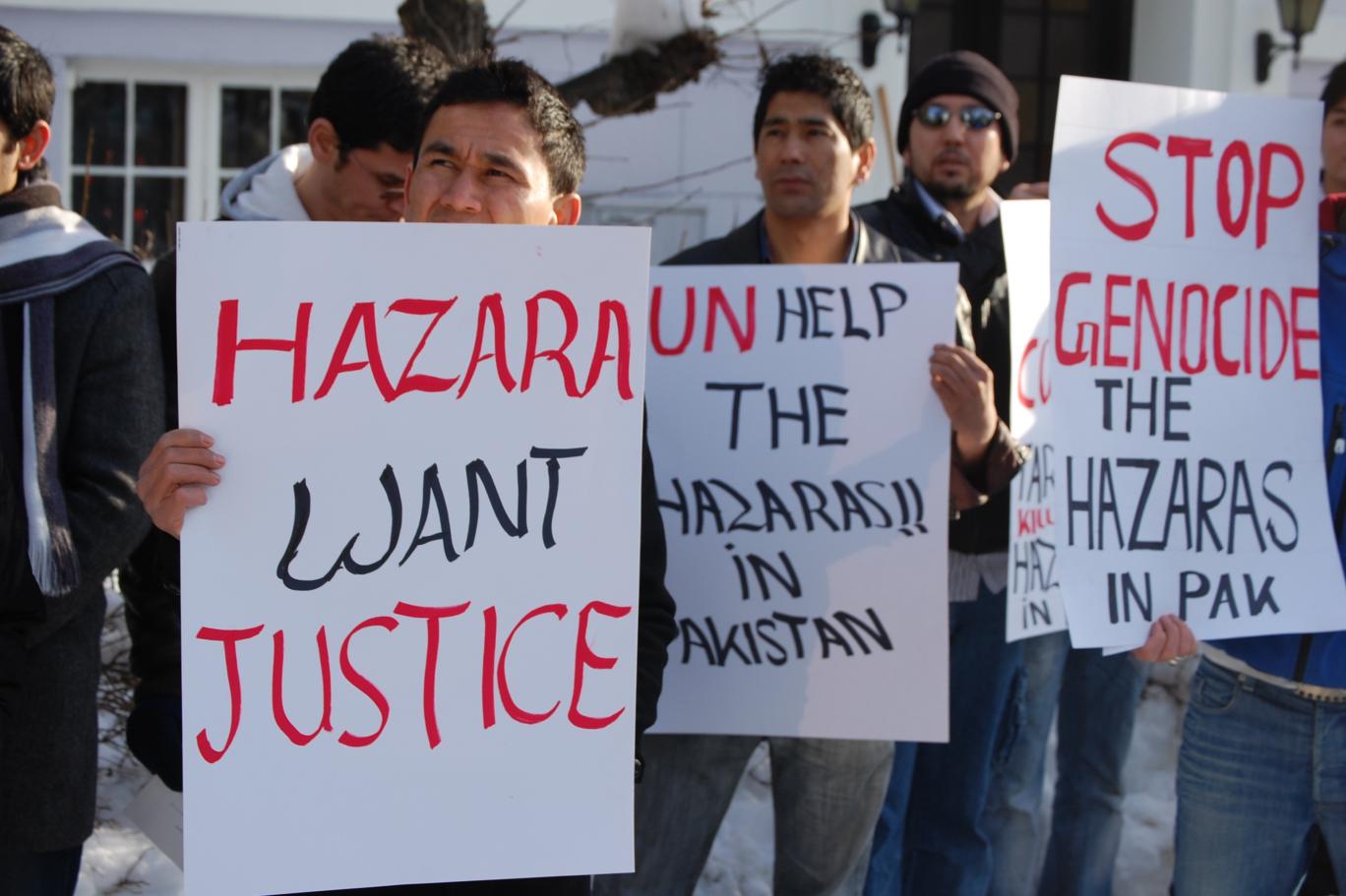
اس بحران کا باریکی سے جائزہ لیا جائے تو ایک اور گھمبیر معاملہ سامنے آتا ہےاور وہ یہ ہے کہ حکومتی اہل کار اور ادارے بلوچستان اور بالخصوص کوئٹہ جیسے کثیرالقومی اور کثیرالسانی خطے میں کیسے کسی قوم کے بارے میں بات کریں جس سے اس کی تذلیل یا دل آزاری نا ہو۔

امریکی کمیشن برائے بین الاقوامی مذہبی آزادی نے گذشتہ دنوں اپنے ایک بیان میں ان خبروں پر تشویش کا اظہار کیا ہے کہ حکومتِ بلوچستان ایک طرح سے کرونا (کورونا) وائرس پھیلانے کی ذمہ داری صوبے میں مقیم ہزارہ قوم پر ڈال رہی ہے۔
کمیشن نے کہا  ہےکہ اسے افسوس ہے کہ سرکاری اہل کار کرونا وائرس کی آڑ میں ایک ایسی قوم کو قربانی کا بکرا بنا رہے ہیں جو پہلے ہی سے ظلم کا شکار ہے۔ بیان میں کہا گیا ہے کہ یہ وائرس کسی مذہب، قوم اور سرحد کا لحاظ نہیں کرتا اور اسے جواز بنا کر ایک مخصوص قوم کو موردِ الزام نہیں ٹھہرایا جا سکتا۔ کمیشن کا مزید کہنا ہے کہ حکومت نے ہزارہ قوم کے دو اکثریتی علاقوں یعنی مری آباد اور ہزارہ ٹاون کو مکمل طور پرلاک ڈاؤن کیا ہوا ہےاورایک سرکاری ادارے (واسا) نےاپنے ملازمین کو وہاں جانے سے روک دیا ہے۔
بیان میں اس امر کا بھی حوالہ دیاگیا ہے کہ چونکہ ایران سے واپس آنے والے بیشتر زائرین کا تعلق ہزارہ قوم سے ہےتو حکومت نے یہ کہہ کر ہزارہ قوم سے تعلق رکھنے والے پولیس اہل کاروں کو اس شبہ کے بنیاد پر دو ہفتوں تک کام پر نا آنے کا حکم دیا ہے۔ انہیں شک ہے کہ ان میں سے کسی پولیس اہل کار کے کسی رشتہ دار کو کرونا وائرس لگا ہو اور اسی کی وجہ سے باقی پولیس فورس میں  یہ نہ پھیل جائے۔ سوشل میڈیا پر بعض تنگ نظر لوگ اس وائرس کو ’شعیہ وائرس‘ کا نام دے رہے ہیں اور یہ تاثرعام کیا گیا ہے کہ شعیہ زائرین ایران سے وطن واپس آکر اس وائرس کو مزید پھیلائیں گے۔
کمیشن کو خدشہ ہے کہ جوں جوں کرونا وائرس پورے پاکستان میں پھیلتا جائے گا اور ملک کے شعبہ صحت پر بھی بوجھ بڑھتا جائے گا تو ہزارہ قوم کی جانب اپنائےگئے اس غیرذمہ دارانہ رویے کی وجہ سے انہیں ( ہزارہ قوم کو) کرونا وائرس کےعلاج و معالجہ کی سہولیات سے محروم کیا جائے گا۔ آخرمیں کمیشن نے کہا ہے کہ انہیں اس بات کا اندازہ ہے کہ پاکستان سمیت دنیا کے دیگر ممالک کو کرونا وائرس کے روک تھام کے لیے کن کن مشکلات کا سامنا ہے لیکن پاکستانی احکام کو چاہیے کہ وہ مذہب اور عقیدہ سے بالاتر ہو کر تمام شہریوں کے تحفظ کا بندوبست کریں اور سب کو یکساں طور پر طبی امداد فراہم کریں۔
کرونا وائرس کہاں سے آیا اور اسے پاکستان کون لایا اور اس کی روک تھام کے لیے حکومت نے جو اقدامات کی ہیں کیا وہ کافی ہیں یا نہیں، اس پر کافی بحث ہوچکی ہے لیکن ایک معاملہ جس پر کم توجہ دی گئی ہے وہ یہ کہ بلوچستان میں کرونا وائرس کی  وجہ سے پید اہونے والی صورت حال  کو کس طرح شعیہ برادری اور ہزارہ قوم کے خلاف استعمال کیا جا رہا ہے۔
یہ درست ہےکہ جب کوئی قدرتی ا ٓفت آتی ہے  تو اس کے ساتھ ساتھ افراتفری بھی پھیل جاتی ہے اور ہر کوئی اپنے آپ کو بچانے کے لیے دوڑتا ہے لیکن بلوچستان کے تناظر میں یہ بات قابل ذکر ہے کہ کرونا وائرس کے بہانے چند عناصر صوبے کی شعیہ مسلک اور ہزارہ قوم کے خلاف نفرتیں اور غلط فہمیاں بڑھانے میں خاصا سرگرم ہوگئے ہیں۔ باقی ملک نے ’تفتان‘ اور ’زائرین‘ کےالفاظ قومی میڈیا میں کرونا وائرس  سے پہلے شاید کبھی اتنا نہیں سنا ہے لیکن بلوچستان کا تو زائرین سے ایک پرانا رشتہ ہے۔ ایک ایسا رشتہ جس سے بہت ہی تلخ یادیں وابستہ ہیں۔ مثلاً 20ستمبر2011 کا وہ سہ پہر کون بھول سکتا ہے جب کوئٹہ سے تفتان جانے والی شیعہ زائرین کی بس پر ’نامعلوم افراد‘ نے حملہ کر کے 26  زائرین کو قتل کیا؟
کوئٹہ میں ہزارہ اور شعیہ برادری کے خلاف ایک طبقہ کئی سالوں سے سررم رہا ہے جس نے اپنی مسلح کارروائیوں سے ان کی نسل کشی کی ہے۔ ماضی میں جب  وزیر اعلیٰ بلوچستان نواب اسلم رئیسانی کو ہزارہ قوم کے آنسووں کے بارے میں بتایا گیا کہ یہ قوم تشدد کی وجہ سے کتنا متاثر ہو چکی ہے تو انہوں نےاپنے روایتی غیر سنجیدہ انداز میں پوچھا ’تو میں کیا کروں؟ میں ان کے لیے ٹشو پیپر کا ٹرک بھیج سکتا ہوں (تاکہ وہ اپنے آنسو پونچھ لیں)۔‘ لیکن لگتا ہےکہ وقت گزرنے کےساتھ ساتھ حکومت بلوچستان کے اسی بے حس رویے میں کوئی تبدیلی نہیں آئی ہے۔
جو لوگ اس معاملہ، اس کے پس منظر اور اثرات کے بارے میں مزید پڑھنا چاہتے ہیں وہ 29 مارچ کو روزنامہ ڈان میں سجاد حسین چنگیزی کا مضمون ضرور پڑھیں جس میں انہوں نےاس معاملے پر تفصیل سے روشنی ڈالی ہے کہ کس طرح بلوچستان میں عام آدمی تواپنی جگہ، صوبائی چیف سیکرٹری تک تول کر نہیں بولتے اور غلط تاثر دے رہے ہیں۔
کرونا وائرس نےصحت کے شعبہ میں حکومتی صلاحیتوں کے بارے میں تو بہت کچھ عیاں کر دیا ہے لیکن اگر اس بحران کا باریکی سے جائزہ لیا جائے تو ایک اور گھمبیر معاملہ سامنے آتا ہےاور وہ یہ ہے کہ حکومتی اہل کار اور ادارے بلوچستان اور بالخصوص کوئٹہ جیسے کثیرالقومی اور کثیرالسانی خطے میں کیسے کسی قوم کے بارے میں بات کریں جس سے اس کی تذلیل یا دل آزاری نا ہو۔ وزیراعلیٰ جام کمال کو پتہ ہونا چاہیے کہ ان کی بیوروکریسی کو ایسی تربیت کی فی الفور ضرورت ہے کہ وہ کسی قوم، فرقہ، یا مذہب کو سٹیروٹائپ نا کریں ۔یہ ایک ایسا سنجیدہ مسئلہ ہے کہ اس سے کرونا وائرس کے بحران کے بعد بھی اس وقت تک نجات نہیں ملے گی جب تک ایسے رویے کی اصلاح نا کی جائے اور ایسے رویے پر سزا مقرر نا ہو۔ 
سوچنے کی بات ہے کہ بلوچستان پولیس میں کون شخص یہ ’دانشمندانہ‘ فیصلے کرتا ہے کہ چونکہ ہزارہ قوم کے اہلکاروں کا تعلق شعیہ برادری سے ہے تو انہیں چھٹی دینی چاہیے کیونکہ ہوسکتا ہے کہ ان کے کسی فیملی ممبر یا ہمسایے کو کرونا  کا مرض لاحق ہو؟ اس کا مطلب ہے کہ آپ نے یہ کہہ کر پورے صوبے کو ہزارہ قوم سے بدظن کیا اور ان سے دور رہنے کا مشورہ دیا۔ چنانچہ ایک یسے غلط فیصلے کا خمیازہ ایک پوری قوم بھگتی ہے۔ اس سے اندازہ ہوتا ہے کہ سرکاری  ملازمین کو  جو ٹریننگ دی جاتی ہے اس میں  Conscious یا Unconscious bias  کا تذکرہ نہیں ہوتا جس سے مراد وہ متعصب رویہ ہوتا ہے۔
کچھ لوگ تو جان بوجھ کر کسی قوم اور گروہ کی طرف اپناتے ہیں جب کہ دوسرے وہ لوگ ہوتے ہیں جنہیں اپنے قوم، قبیلے اور ہم خیال طبقے کے علاوہ دوسروں کے بارے میں کم روابط کی وجہ سے محدود علم ہوتا ہے جس کی بنیاد پر وہ دوسروں کے بارے میں دل ہی دل میں ایک ایسی رائے قائم کرتا ہے جس کا حقیقت سے کوئی واسطہ نہیں ہوتا۔( مثلاً ہم نے کئی بار لوگوں کو یہ کہتے ہوئے سنا ہے کہ فلاں قوم بڑی ذہین ہے یا فلاں قوم بیوقوف ہے۔)
چیف سیکرٹری بلوچستان، انسپکٹرجنرل اور واسا کےایم ڈی ہزارہ قوم کے بارے میں اپنے سرکاری روابطہ میں جن generalizations کا سہارا لے رہے ہیں اگر وہ کسی مغربی مُلک میں ہوتے تو کب کے اپنے نوکری سے ہاتھ گنوا بیٹھتے لیکن لگتا ہے کہ پاکستان میں ابھی تک ایسے رویے کی حوصلہ شنکی نہیں ہو رہی  جتنا ہونا چاہیے۔ اگر ان ہی کے دفتر میں کوئی ملازم یہ کہتے کہ سر میں خود تو ہزارہ یا شعیہ تو نہیں ہوں لیکن میرے خیال میں ہمیں اس حکم نامہ میں کسی خاص قوم یا مسلک کا نام نہیں ڈالنا چاہیے جس سے ان کی دل آزاری ہو۔
ہماری ایسی چھوٹی چھوٹی یاد دہانی سےہوسکتا ہے کہ وہ آفیسر حکم نامہ میں استعمال ہونے والی اپنی زبان پر نظر ثانی کرے۔ ایسا کرنا ہر وقت آسا ن نہیں ہوتا لیکن ان ایسے interventions کا جو اثر پڑتا ہے وہ لوگوں کے دل و دماغ میں بڑے عرصہ تک رہتا ہے۔ کچھ لوگ اپنی سوچ اور اپنا رویہ بدلنے پر مجبور ہوتے ہیں۔
اب یہ بلوچستان حکومت کی ذمہ داری بنتی ہے کہ وہ اپنی سرکاری خط و کتابت او رروابط میں کسی قوم، فرقہ اور قبیلے کا اس طرح سے نام نہ لے کہ باقی لوگ ان کے بارے میں غلط فہمیوں کا شکار ہوں۔ اسی طرح ایف آئی کو بھی چاہیے کہ ان تمام آن لائن پلیٹ فارمز کے خلاف کارروائی کرے جو کرونا وائرس کی وجہ سے قوم میں پائی جانے والی اضطراب سے فائدہ اٹھا کر  انتشار پھیلا رہے ہیں۔
یہ ایک مشکل وقت ہے اور مشکل کےاس وقت (سوشل ڈسٹنسنگ کے باعث) شاید ڈاکٹرز ایک دوسرے کا ہاتھ تھام کر چلنے کی اجازت نا دیں لیکن ایک دوسرے کا خیال ضرور رکھنا چاہیے۔ اس بحران کا مقابلہ نفرتوں سے نہیں بلکہ محبت اور باہمی احترام و اشتراک سے کیا جاسکتا ہے۔

Pakistan court overturns convictions in killing of American journalist Daniel Pearl


By Sophia Saifi and Adeel Raja


A local court in Pakistan on Thursday overturned the death sentence and murder convictions of four men believed to be involved in the killing of US journalist Daniel Pearl in 2002.
The men had all been in prison for 18 years. Three were handed life sentences. A fourth, British national Ahmad Omar Saeed Sheikh, was awaiting the death penalty.
The high court in Pakistan's southern province of Sindh vacated Sheikh's murder conviction and reduced his death sentence to a seven-year prison term for kidnapping. His seven-year sentence will now be counted from the time served. It's unclear if all four will be immediately released.
Pearl, who was working as the South Asia bureau chief of the Wall Street Journal, was in Karachi reporting on Pakistani extremists and "shoe bomber" Richard Reid when he was kidnapped by militants.
    The high profile abduction drew international attention, amid growing concern over the threat posed by radical Islamic terrorism. Assailants later filmed his beheading and sent it to US officials. It was among the first propaganda videos targeting hostages created by extremists, and helped to inspire other terror groups to film horrific and egregious acts of violence.
      Alleged 9/11 mastermind Khalid Sheikh Mohammed, who was arrested in Pakistan in 2003, at one point claimed to have personally killed Pearl, but the admission was made while he was being tortured and he was never charged with the crime. Federal agents backed up Mohammed's confession by comparing photos of the veins in his hands and the vein patterns of an assailant in the video of Pearl's killing, according to a report by Georgetown University students and faculty and the Center for Public Integrity.
      Further details about Thursday acquittal were not immediately available, as Pakistan's judicial system is operating at a limited capacity, owing to the coronavirus outbreak.

      Wednesday, April 1, 2020

      #Pakistan - #COVID19Pandemic - #NajamSethiOfficial - Najam Sethi discusses PM’s claim of advance preparations and Dr. Javed Akram's announcement that Pakistan can make PPE kits,

      مراد علی شاہ کیوں لائق تحسین ہیں

          
      عاقل ندیم 

      حالیہ کرونا وبا سے نمٹنے کے لیے جس طرح وزیر اعلیٰ سندھ مراد علی شاہ نے آگے بڑھ کر اس بحران کا سامنا کیا ہے اس سے پیپلز پارٹی کی سندھ حکومت کی ماضی کی تمام مبینہ ناکامیوں اور نااہلی کے الزام دھل گئے ہیں۔

      سیاسی قیادت کی اصل اہلیت، سمجھ بوجھ اور بصیرت کا پتہ بحرانوں میں لگتا ہے۔ حالیہ کرونا وبا سے نمٹنے کے لیے جس طرح وزیر اعلی سندھ مراد علی شاہ نے آگے بڑھ کر اس بحران کا سامنا کیا ہے اس سے پیپلز پارٹی کی سندھ حکومت کی ماضی کی تمام مبینہ ناکامیوں اور نااہلی کے الزام دھل گئے ہیں۔
      عوام نے تیسری مسلسل بار پیپلز پارٹی کو ووٹ کی طاقت سے سندھ میں حکومت جاری رکھنے کا جو مینڈیٹ دیا تھا اس اعتماد پر مراد علی شاہ موجودہ بحران میں اب تک پوری طرح کامیاب نظر آتے ہیں۔ انہوں نے جس طرح صوبے کی تمام سیاسی قوتوں اور انتظامی اداروں کو ساتھ ملا کر اس بحران سے نمٹنے کی حکمت عملی تیار کی وہ قابل تحسین ہے۔
      پاکستان میں انہوں نے سب سے پہلے مسئلے کی شدت کو سمجھا اور اس پر مختلف اقدامات کا بروقت آغاز کیا۔ سندھ کی سیاسی قیادت نے بحران پر قابو پانے کے لیے تمام اطراف میں فوری پیش قدمی شروع کی۔ انہوں نے مذہبی رہنماؤں سے رابطے کیے اور انہیں اس مسئلے کی سنگینی سے آگاہ کیا اور یہی پیغام ان مذہبی رہنماؤں کے ذریعے ان کے پیروکاروں اور عام عوام تک پہنچایا گیا۔ مسجدوں کو بند کرنے کا قدم بھی سندھ میں سب سے پہلے اٹھایا گیا اور تقریبا تسلسل سے یہ پیغام جاتا رہا کہ اگر ان پابندیوں پر عمل نہ کیا گیا تو سندھ حکومت مزید سخت اقدامات سے گریز نہیں کرے گی۔
      تعلیمی اداروں کو بند کرنے میں بھی مراد علی شاہ حکومت نے پہل کی جس سے وبا کو تیزی سے پھیلنے سے روکنے میں اہم پیشرفت ہوئی۔ تمام کھانے پینے کی جگہوں پر مرحلہ وار پابندی لگائی گئی جو کہ تمام ریسٹورنٹس کے مکمل بند ہونے پر ختم ہوئی۔ سب سے پہلے سندھ میں تمام شادی ہالوں کو بند کیا گیا اور اس پر سختی سے عمل کیا گیا۔
      لوگوں کی ٹیسٹنگ میں بھی سندھ آگے رہا ہے۔ منسٹری آف نیشنل ہیلتھ کی ویب سائٹ کے مطابق سندھ میں پنجاب سے دوگنا ٹیسٹنگ کی گئی ہے۔ اسی طرح سب سے پہلے سندھ میں ایک بڑے ریلیف پروگرام کا بھی آغاز کیا گیا جس میں وزیر اعلی نے بجلی اور گیس کے محکموں کو بھی ساتھ شامل کیا۔ اس طرح بحران سے نمٹنے کی قیادتی ذمہ داری مراد علی شاہ حکومت نے بخیروخوبی ادا کی۔
      اس کے مقابلے میں پنجاب حکومت ایک جمود کا شکار نظر آرہی ہے۔ پنجاب حکومت کی سست روی سے ایسے محسوس ہوتا ہے کہ پنجاب کی سیاسی قیادت خصوصاً وزیراعلی اعلی عثمان بزدار میں اس مسئلے کی سنجیدگی کو سمجھنے کی صلاحیت ہی نہیں ہے۔ پنجاب حکومت کے زیادہ تر اقدام صرف ردعمل نظر آتے ہیں اور وہ آگے بڑھ کر اس مسئلے سے نمٹنے کے نت نئے طریقے ڈھونڈنے کی صلاحیت سے عاری دکھائی دیتے ہیں۔ شاید وزیراعلی کی ان صلاحیتوں کے مسئلہ کی وجہ سے اطلاعات کے مطابق پنجاب کابینہ کے وزیر راجہ بشارت اب ان تمام مسائل کو دیکھ رہے ہیں۔
      پنجاب حکومت کی سب سے نمایاں ناکامی رائیونڈ کے بڑے اجتماع کو مناسب طریقے سے سنبھالنا تھا۔ کرونا وبا کے بارے میں خوفناک معلومات واطلاعات کافی دیر سے سب کی نظر میں تھیں۔ سعودی حکومت نے خانہ کعبہ کو طواف کے لیے بند کر دیا۔ ترکی نے وبا کا مقابلہ کرنے کے لیے تمام مساجد میں نماز کی ادائیگی پر پابندی لگا دی۔ اسی طرح دیگر ممالک نے احتیاطی اقدامات اٹھائے۔ ہمارے اپنے صوبہ سندھ میں اس قسم کے اجتماعات پر پابندی لگا دی گئی۔ لیکن حکومت پنجاب نے رائیونڈ میں تبلیغی اجتماع کے بارے میں اقدامات میں تاخیر کی۔ یقینا اگر اجتماع کے منتظمین سے پہلے سے بات کی جاتی اور مسئلے کی سنگینی سے آگاہ کر دیا جاتا تو وہ اجتماع کو موخر کرنے پر رضامند ہو جاتے۔ اس اجتماع کو نہ روکنے نے وبا کے پھیلاؤ میں اہم کردار ادا کیا۔ نتیجتا اجتماع میں شریک بڑی تعداد میں لوگ نہ صرف پاکستان میں بلکہ بیرون ملک بھی اس وبا کے پھیلاؤ کا سبب بنے۔ فلسطین میں کچھ دن پہلے ہی رائیونڈ سے آنے والوں میں اس وائرس کی موجودگی پائی گئی۔ پنجاب حکومت کی نااہلی سے پورے ملک میں اس وبا کے بڑھنے کے خدشات پیدا ہوگئے ہیں۔
      تفتان سے پنجاب آنے والے زائرین کی ٹیسٹنگ میں ناکامی اور غیراطمینان بخش قرنطینہ سہولیات نے پنجاب حکومت کی نااہلی پر مزید مہر ثبت کر دی۔ فیصلوں میں غلطیاں کرنا بہت بڑی ناکامی نہیں ہوتی لیکن فیصلہ نہ کرنے کی صلاحیت رکھنا بہت بڑی ناکامی ہے۔ ایسا لگتا ہے جیسے پنجاب کی موجودہ سیاسی قیادت میں اس سنجیدہ بحران سے نمٹنے کی صلاحیت ہی نہیں ہے۔ اسی لیے سوشل میڈیا میں یہ کہانیاں زبان زد عام ہیں کہ پنجاب میں لاک ڈاؤن کا فیصلہ بھی کہیں اور سے آیا۔
      پنجاب یقیناً الجھنوں کا شکار ہے اور اس میں وفاقی قیادت مزید اضافہ کر رہی ہے۔ وزیر اعظم نے خود بھی کہا ہے کہ سندھ کے لاک ڈاؤن کے فیصلے کی وجہ سے انہیں دوسرے صوبوں میں لاک ڈاؤن کی طرف جانا پڑا۔ وہ یہ بتانے میں ناکام رہے کے لاک ڈاؤن نہ کرنے کی صورت میں ان کے پاس کیا متبادل حکمت عملی تھی۔ ایسا لگتا ہے کہ وزیراعظم لاک ڈاؤن کو حزب اختلاف کا منصوبہ سمجھتے ہوئے اسے اپنانے سے گریز کر رہے تھے تاکہ اس کی کامیابی سے کہیں حزب اختلاف کو کوئی سیاسی فائدہ نہ مل جائے۔
      وزیر اعظم کو احساس ہونا چاہیے کہ یہ وقت سیاسی فوائد حاصل کرنے کا نہیں بلکہ عوام کو اس موذی وبا سے بچانے کا ہے۔ اس کے لیے انہیں تمام سیاسی قوتوں اور اداروں کو ساتھ لے کر چلنے کی ضرورت ہے۔ ان کا پارلیمانی رہنماؤں کی کانفرنس سے خطاب کے فورا بعد اٹھ جانا ان کی سیاسی ناپختگی اور سیاسی رواداری کی کمی کی طرف اشارہ کرتا ہے۔ انہیں تمام پارلیمانی رہنماؤں کی تجاویز کو سننا چاہیے تھا اور اس کے بعد ایک مشترکہ لائحہ عمل بنانا چاہیے تھا۔
      یہ تعاون اس لیے بھی ضروری ہے کہ اگر یہ بحران طویل ہوتا ہے تو ہو سکتا ہے کہ خوراک کی سپلائی میں مشکلات پیدا ہوں جو کہ امن و امان کی صورت حال کو خراب کر دے اور وفاقی حکومت کو مزید مشکلات کا سامنا کرنا پڑ جائے۔
      موجودہ حالات میں میں درج ذیل فوری اقدام اس وبا کی پیش قدمی کو روکنے میں مددگار ہو سکتے ہیں۔
      • وفاقی حکومت کو ٹیسٹنگ کی صلاحیت بڑھانے کی فوری ضرورت ہے اور اس کے لیے ہنگامی طور پر اقدامات اٹھانے چاہیں۔ متاثرہ لوگوں کو علیحدہ کرنا اس وقت حکومت کی پہلی ترجیح ہونی چاہیے۔
      • مرکز اور صوبوں کے درمیان اس وقت رابطے کی شدید کمی دیکھنے میں آ رہی ہے۔ وزیر اعظم کو فورا وزرائے اعلی کی ایک کمیٹی بنا کر اس کا روزانہ کی بنیاد پر ویڈیو لنک کے ذریعے اجلاس کرنا اور مشترکہ اقدام اٹھانا انتہائی اہم ہے۔
      • مساجد کے بارے میں بھی مختلف فیصلے ہو رہے ہیں جبکہ ان میں یکسوئی ہونی چاہیے۔ مساجد میں بڑے اجتماع پر مکمل پابندی اور اس پر عمل درآمد کی کی فوری ضرورت ہے۔
      • اس وقت عطیات کے لیے مختلف اکاؤنٹس کھولے گئے ہیں جن میں وزیر اعظم اور صوبائی حکومتوں کے علیحدہ علیحدہ اکاؤنٹس شامل ہیں۔ اور تو اور این ڈی ایم اے نے بھی اپنا اکاؤنٹ کھولا ہوا ہے۔ اس طرح کے اقدامات عوام میں الجھن کا باعث بنتے ہیں۔ وزیر اعظم کو چاہیے کہ ان تمام اکاؤنٹس کو ختم کر کے صرف ایک ہی کرونا فنڈ قائم کیا جائے جس میں باآسانی عطیات جمع کرائے جاسکیں۔
      کرونا وہ وبا ہے جس نے بڑے بڑے عالمی رہنماؤں کی صلاحیتوں کو بےنقاب کر دیا ہے۔ وزیر اعظم بورس جانسن نے دو ہفتے لاک ڈاؤن نہ کر کے ضائع کیے جبکہ صدر ٹرمپ لاک ڈاؤن ختم کرنے کی جلدی میں ہیں۔ ہمارے وزیر اعظم کو اس ’عظیم فہرست‘ میں اپنا نام نہیں شامل کرنا چاہیے۔ انہیں آگے بڑھ کر اور سیاسی وابستگیوں سے بالاتر ہو کر اس وبا سے مقابلہ کرنے کے لیے قومی اتحاد پیدا کرنے کی کوشش کرنی چاہیے۔ اگر وزیراعظم یہ قومی اتحاد پیدا نہ کر سکے تو پھر شاید یہ کام کوئی اور قوت سرانجام دے گی۔

      لاک ڈاؤن ہے یا نہیں اور عمران خان کی منطق

      جن غریبوں اور مزدوروں کی فکر میں آپ دن رات دبلے ہو رہے ہیں وہ گذشتہ ایک ہفتے سے گھروں میں محصور ہو کر بےروزگار ہوئے پڑے ہیں۔

      جب سے مملکت خداداد میں کرونا وائرس کی وبا آئی ہے عمران خان نے پوری دنیا سے مختلف ایک ہی رٹ لگا رکھی ہے کہ لاک ڈاؤن نہیں کرنا۔ اگر ایسا کیا تو غریب مزدوروں کا کیا ہوگا؟
      سب سے پہلے تو عمران خان سے یہ سوال کرنے کو جی چاہ رہا ہے کہ وزیر اعظم  صاحب پہلے تو وہ حدود بتا دیں کہ جہاں آپ کی حکومت ہے اور جہاں پر آپ لاک ڈاؤن نہیں چاہتے۔ دستیاب معلومات کے مطابق تو اس وقت سندھ، پنجاب، خیبر پختونخوا اور بلوچستان سمیت گلگت بلتستان میں بھی لاک ڈاؤن ہے۔
      وہاں لاک ڈاؤن پر عمل درآمد جاری ہے۔ اکثر کارخانے، بازار، تجارتی مراکز، سکول، کالجز، یونیورسٹیاں، مدارس، ہوٹل، ریسٹورانٹ، ورکشاپس اور دفاتر سمیت نجی اور سرکاری تعمیراتی کام بھی بند پڑے ہیں۔ شہروں کے مابین سفر پر پابندی ہے۔ پبلک ٹرانسپورٹ مکمل طور پر بند ہے۔ شہر کے اندر ذاتی گاڑی میں بھی دو سے زیادہ افراد کو سفر کی اجازت نہیں ہے۔ گھر کے کسی بھی فرد کو دن میں صرف دو مرتبہ گھر سے کسی ضرورت کے لیے  باہر جانے کی اجازت ہے۔ تمام موٹرویز ہائی ویز سمیت شہر کی اندرونی سڑکوں پر بھی پولیس اور فوجی جوان تعینات ہیں۔
      جن غریبوں اور مزدوروں کی فکر میں آپ دن رات دبلے ہو رہے ہیں وہ گذشتہ ایک ہفتے سے گھروں میں محصور ہو کر بےروزگار ہوئے پڑے ہیں۔ آپ جس خیالی دنیا میں رہتے ہیں یعنی بنی گالہ اور وہی وزیر اعظم ہاؤس جہاں اب تک عالمی معیار کی یونیورسٹی بن جانا چاہیے تھی صرف وہاں لاک ڈاؤن نہیں۔ مگر ملک کے طول وعرض میں زندگی کا پہیہ تقریباً رک چکا ہے۔
      ایسا لگتا ہے کہ آپ کا اختیار شاید صرف بنی گالہ سے وزیر اعظم ہاؤس تک محدود ہوچکا ہے ورنہ آپ ایسے بیانات دینے اور لاک ڈاؤن اور کرفیو کی تفریق سمجھانے کے لیے تین مرتبہ قوم سے خطاب کی زحمت کیوں کرتے؟ حالانکہ آپ کے بار بار بیانات اور قوم سے خطابات نے یہ بات آشکار کر دی کہ آپ خود کرفیو اور لاک ڈاؤن میں کنفیوز ہیں۔
      جناب والا! آپ کو اس بات پر اب یقین کر لینا چاہیے کہ آپ کے نہ چاہتے ہوئے بھی گذشتہ ایک ہفتے سے پورے ملک میں لاک ڈاؤن ہوچکا ہے۔ اور آپ جن پابندیوں اور گھر میں نظر بندیوں کا ذکر کرتے ہیں اس کو عام اصطلاح میں کرفیو کہا جاتا ہے۔
      باقی ملک تو آپ کے آبائی شہر اور حلقے میانوالی جتنا خوش نصیب بھی نہیں ہے۔ ایک طرف ملک بھر کے مزدوروں کو گھروں میں بٹھا کر سرکاری تعمیراتی کام تو درکنار عوام کے ذاتی کام بھی بند ہیں لیکن دوسری جانب ڈپٹی کمشنر میانوالی خصوصی ہدایات کے تحت تعمیراتی میٹیرئیل اور مزدوروں کو ان پابندیوں سے استثنا دینے کے احکامات جاری کرتے ہیں۔ تاکہ کم از کم آپ کے پاکستان کو بنی گالہ اور پی ایم ہاؤس سے میانوالی تک دراز کیا جاسکے۔ اور ملک میں اصطلاحی نہیں بلکہ حقیقی معنوں میں ایک نہیں دو پاکستان بنائے جاسکیں۔
      وزیر اعظم صاحب! رات ساڑھے نو بجے آپ قوم سے خطاب میں لاک ڈاؤن نہ کرنے کا اعلان فرماتے ہیں اور ٹھیک آدھے گھنٹے بعد رات دس بجے مختلف ٹی وی پروگرامز میں  پی ٹی آئی کے حکمرانی والے تینوں صوبوں کے وزیر اور مشیر فخر سے یہ اعلان کر رہے ہوتے ہیں کہ لاک ڈاؤن نے ہمیں بہت فائدہ پہنچایا ورنہ اب تک صورت حال کنٹرول سے باہر ہوتی۔ خدارا عمران خان صاحب اپنے ذاتی انا کے خول سے باہر نکل آئیں اور لاک ڈاؤن اور کرفیو کے فرق کی اپنی کنفیوزن قوم کو منتقل کرنے سے اجتناب کیجیے۔
      اگر آپ صرف اس وجہ سے ملک بھر میں لاک ڈاؤن کا اعتراف نہیں کر رہے ہیں کہ بے چارے غریبوں اور مزدوروں کو کچھ دے نہیں سکتے ہیں تو یاد رکھیے کہ آپ مانیں یا نہ مانیں غریبوں پر لاک ڈاؤن کے اثرات شروع ہوچکے ہیں۔ ذخیرہ اندوزوں پر آپ کے روز روز کی زبانی جمع خرچ والی دھمکیاں بھی بےاثر ثابت ہو رہی ہیں۔ کوئی  بھی آپ کو سنجیدہ لینے کے لیے تیار نہیں ہے۔ اگر آپ واقعی خود کو لیڈر سمجھتے ہیں تو واضح دوٹوک اور بروقت فیصلے کیجیے اور اپنے فیصلوں کی بھرپور ذمہ داری لیں۔ فیصلے ٹھیک بھی ہو سکتے ہیں غلط بھی۔ مگر قومی اور بین الاقوامی سطح کے رہنما مشکل حالات میں مہینوں تک شش و پنچ میں نہیں رہتے۔
      حکومت سنبھالنے کے ابتدائی چھ ماہ آپ یہ فیصلہ نہیں کر پائے کہ آئی ایم ایف سے قرض لینا ہے یا نہیں جس کا خمیازہ آج تک پاکستانی معیشت بھگت رہی ہے۔ اب ایک مہینے سے آپ لاک ڈاؤن اور کرفیو کے مابین پنڈولم بنے ہوئے ہیں۔
      آپ صرف اتنا کیجیے کہ غریبوں پر اس کے اثرات کم سے کم کرنے کے لیے ایک تو ٹائیگر فورس اور کھانا پہنچانے جیسے لانگ ٹرم  خیالی منصوبوں کی بجائے غریبوں کو ان کے موبائل نمبر، ایزی پیسہ، بنک اکااؤنٹ یا سابق لوکل باڈیز ناظمین کی وساطت سے فوری نقد رقم فراہم کریں۔ مزید یہ کہ تعمیراتی کام اور اس سے متعلقہ دکانوں سمیت وہ پیداواری یونٹ (کارخانے) کھولنے کے احکامات جاری کر کے اس پر عمل درآمد کیا جائے جو حفاظتی اقدامات کو یقینی بناتے ہوئے مزدوروں کو روزگار دے سکتے ہیں۔ ورنہ عوام یہ کہنے میں حق بجانب ہوں گے کہ ہمارے وزیر اعظم ایک پاکستان میں ہیں جہاں لاک ڈاؤن نہیں اور باقی 22 کروڑ عوام دوسرے پاکستان میں جہاں وزیر اعظم کے اعتراف کے بغیر جاری لاک ڈاؤن نے ان کا جینا محال کر دیا ہے۔

      What is Tablighi Jamaat? Organiser of Delhi event behind spike in India’s Covid-19 count


      Tablighi Jamaat congregation at Banglewali Masjid in Delhi’s Nizamuddin area was attended by thousands on 10 March. Many among them have tested positive for Covid-19.
      The Tablighi Jamaat has come under the spotlight amid the Covid-19 crisis, emerging as the “largest known viral vector” of the disease in South Asia, including in India.
      As of the time of publication of this article, nearly 100 people who either attended or were close contacts of those who attended a mid-March event the Jamaat organised at the Alami Markaz Banglewali Masjid in Delhi’s Nizamuddin area have tested positive for the novel coronavirus.
      According to the Pew Research Center’s Religion and Public Life project, the Tablighi Jamaat had in 2010 over 80 million followers spread out over more than 150 countries. The exact numbers are difficult to track, because the Jamaat doesn’t follow a centralised system.
      Here is a look at what the Tablighi Jamaat is, and what it does.

      What is Tablighi Jamaat?

      Tablighi Jamaat (society for spreading faith) is a non-political global Sunni Islamic missionary organisation with its roots in India.
      The movement was started in 1927 by Muhammad Ilyas al-Kandhlawi.
      Its goal is to create the “golden age” of Islam (Khilafat) through invitation (tabligh) to nominal Muslims to return to the six pillars of Islam, as espoused by Prophet Muhammad, according to an article published by Georgetown University’s Berkley Center.
      Tablighi Jamaat focuses on urging Muslims to return to primary Sunni Islam, particularly in matters of rituals, attires, and personal behaviour.
      It has been called “one of the most influential religious movements in 20th century Islam”.

      Started as a counter to Hindu revivalists in India

      According to the Pew Research Center article, the movement began as an effort to counteract the activities of Hindu revivalists in India who, at the time, were attempting to convert Muslims to Hinduism.
      “Worried that existing Islamic educational institutions were not capable of fending off the Hindu challenge, Ilyas envisioned a movement that would send missionaries to villages to instil Muslims with core Islamic values,” it says.
      Despite its origins in inter-religious tensions, the Tablighi Jamaat had been, for decades, a generally apolitical and pacifist movement, the Pew report said, adding this helped the group expand its membership beyond the Indian subcontinent to the Middle East, North Africa and elsewhere.
      Even though the Tablighi Jamaat is an Islamic missionary movement, it does not aim to convert non-Muslims. It focuses more on the revival of the Muslim faith.

      The six pillars

      Tablighi Jamaat focuses on six pillars — kalima (belief in the oneness of Allah), salah (daily prayers), ilm and zikr (remembrance of Allah and fellowship), ikraam-e-Muslim (to treat fellow Muslims with respect), tas’hih-i-niyyat (to reform and devote one’s life to Islamic ideals), and dawah (to preach the message of Allah).
      The focus on dawah has prompted some to describe Tablighi as “Muslim Jehova’s Witnesses”.
      Typically, adherents will go on a 40-day mission, or chillah, during which they preach to other Muslims, encouraging them to attend prayers at their mosques and listen to sermons. They do not seek to convert non-Muslims, the Frontier newspaper of Myanmar said in an article on the spread of the movement in that country.
      The group encourages its followers to undertake short-term preaching missions away from home, known as khuruj. These missions can last from a few days to a few months.

      Lifestyle of Tablighis

      Male followers grow beards and wear long kurtas, their pajamas end above the ankles.
      Women cover themselves in public and are generally confined, typically, to family and religious life.
      Inside their homes, followers prefer a very simplistic design, and generally prefer to have carpets and cushions to sit on rather than plush sofas. They also desist TV and music.
      Famous adherents of the Tablighi Jamaat include many Pakistani celebrities, including singer Junaid Jamshed, cricketers Shahid Afridi, Saeed Anwar, Inzamam-ul-Haq, Mushtaq Ahmed, Saqlain Mushtaq and Mohammad Yousuf (formerly Yousuf Youhana).
      Lt Gen. Javed Nasir, former chief of Pakistan’s ISI, and Pakistan Army General Mahmud Ahmed are members of the Tablighi Jamaat.

      Terror accusations

      The Tablighis often are severely criticised by orthodox religious authorities (ulema), such as Sunni Wahhabi ulema in Saudi Arabia, who have issued fatwas prohibiting the Tablighis from preaching in the country and banning Tablighi literature from being imported into the country, according to an article in Stratfor.
      In the years following the 9/11 terror attacks, there was increased focus on this group, with the American FBI and British intelligence sounding an alert.
      While there is no direct involvement of the group in terror activities, some of its members and others who have attended meetings have been accused of them.
      Some believe the movement is a fertile recruitment ground for extremists.
      “In fact, it has been called the ‘antechamber of fundamentalism’, and ‘supremacist movement’ that promotes isolationism, mostly because the organisation doesn’t have any constitution or formal registration, which obviously means no one knows who gets in or out of it and no one keeps a track of the past or future of the members,” Mint had reported in 2013.
      Kafeel Ahmed, one of the suspects from India arrested for the failed attack on the Glasgow airport, happened to be associated with the movement, the Mint report said.
      Two of the 7/7 London bombers, Shehzad Tanveer and Mohammed Siddique Khan, had also prayed at a Tablighi mosque in Dewsbury, which did not proved in any way that the Tablighi Jamaat was involved, but added to the suspicion, the report added.
      It also quoted the book, Islam on the Move, published in 2012 and written by Malaysian political scientist Farish Noor, which said the Sudanese member of Lashkar-e-Taiba, Hamir Mohammad, had tried to secure for himself a visa into Pakistan as a Tablighi member.
      Similarly, Somalian Muhammad Sulayman Barre had tried to enter Pakistan from India by adopting the same guise.
      “Abu Zubair al Haili, commander of the Mujahedeen Battalion of al Qaeda in Bosnia Herzegovina, travelled from Bosnia to Pakistan under the guise of being a Tablighi while Saudi national Abdul Bukhary who was on the watch list of numerous countries had managed to get himself into the Tablighi markaz in Nizamuddin, Delhi, while claiming to be a Tablighi too,” the Mint report said.

      Tablighi Jamaat congregation and how religion has been the ‘super spreader’ of coronavirus

      In episode 432 of #CutTheClutter, Shekhar Gupta talks about the role of religion in the spread of coronavirus.

      Many people linked to the Tablighi Jamaat congregation, which was held in Nizamuddin in Delhi, have tested positive for coronavirus. Six deaths of people related to this event were reported in Telangana Tuesday and this communalised the coronavirus pandemic. Some people have started blaming Muslims. However, many religious congregations have spread this virus.
      The first such group was in South Korea. A 61-year-old woman, Patient 31, of South Korea attended two congregations of a Christian cult in Daegu city. Both these events had more than a thousand attendees. Within a week, the number of coronavirus cases in South Korea crossed a thousand. Patient 31 was termed as a super spreader as the number of cases in Korea kept on increasing. 
      Baldev Singh, a preacher, had gone to Italy and Germany. He violated the home quarantine order after returning to India. He attended the Hola Mohalla festival with tens of thousands of people and visited homes to give his blessings. Out of the first 33 cases in Punjab, 32 were directly linked to Singh. Now, Singh is termed as India’s super spreader.

      What is Tablighi Jammat

      Tablighi Jamaat, a non-political global Sunni Islamic evangelical movement of Indian origin, has now been termed as the “largest known viral vector” of the novel coronavirus in South Asia. Tablighi Jamaat (or society for spreading faith) is a missionary movement that focuses on urging Muslims to return to primary Sunni Islam, particularly in matters of rituals, attire and personal behaviour. Started in 1927 by Muhammad Ilyas al-Kandhlawi in Mewat, India, it has been called “one of the most influential religious movements in 20th century Islam”.
      In February, approximately 16,000 Tablighis gathered at a mosque in Malaysia from across the region. More than 620 people connected to the four-day conclave have tested positive in Malaysia, prompting the country to seal its borders until the end of the month. Most of the 73 coronavirus cases in Brunei are tied to the gathering, as are 10 cases in Thailand. Even in Pakistan, 27 members of Tablighi Jamaat, out of the 35 screened at their headquarters in Raiwind, tested positive for coronavirus Sunday.
      Many people returning from pilgrimages in Iran were also coronavirus-positive. It is reported that nine of the people in the Army’s quarantine facility, who were brought back from Iran are infected by the disease. Iran had closed down its shrines, but hardliners are seen forcing their way in. Other religious places are also closed due to the pandemic. 
      Mecca has been closed by Saudi Arabia and Hajj is likely to be cancelled this year. It has been cancelled 40 times since the year 629. The Christian festival Easter, next month, too, will be affected by the pandemic.

      Tuesday, March 31, 2020

      Video Report - Acosta to Trump: This may be an uncomfortable question ...

      Video Report - #COVID-19: Spain, France record highest single-day deaths

      Video Report - #Covid-19: more questions about coronavirus, answered | The Economist

      Video Report - Imran Khan's Address To Nation | 5 Questions And Their Answers Regarding

      Video - #NajamSethiShow - Najam Sethi discusses Prime Minister Imran khan's address to the nation, Corona relief tigers

      #Coronavirus and Islam: Pakistani clerics refuse to shut down mosques

      Haroon Janjua
      As Islamic clerics refuse to stop allowing religious congregations, Prime Minister Imran Khan continues to downplay the coronavirus threat to his country. Could this be a "recipe for disaster" for Pakistan?
      Last week, Pakistani President Arif Alvi and provincial governors held a meeting with Sunni and Shiite clerics to convince them to close mosques for congregational prayers across the country amid rapidly increasing COVID-19 cases in the country. The clerics, however, rejected the request.
      "We can in no way close mosques ... It is not possible in any circumstances in an Islamic country," said Muneeb-bur-Rehman, a cleric who attended the meeting.
      The clerics' blatant refusal to shun collective prayers has raised doubts about Pakistan's resolve to fight the pandemic, which has killed at least 25 people in the country and infected nearly 2,000.
      Earlier in March, when coronavirus cases in Pakistan were relatively lower, the federal government allowed Shiite pilgrims from Iran to return to the country through Baluchistan province.The pilgrims were not properly quarantined, which resulted in a spike of infections. Also, the government allowed thousands of Sunni worshippers to go ahead with the "Tablighi Jamaat" congregation in Pubjab province. Many of the new COVID-19 cases have emerged from that mass gathering.Health experts say the government's measures are inadequate, fearing that the number of coronavirus cases in the South Asian country could increase exponentially in the coming weeks.
      Civil society activists say that Pakistani authorities continue to appease Islamists even when the country is facing a worsening public health crisis.
      Clerics' defiance
      Many Pakistanis have refused to offer their prayers inside their homes, saying that religion is more important than anything else.
      "I offered prayers in the mosque on Friday. More than 300 people were in attendance and it looked like a routine Friday prayer," Muhammad Ashraf, a kiosk-owner in Islamabad, told DW.
      "The mosque is a safe place. I don't fear coronavirus," Ashraf said, adding that he intended to attend the next Friday prayer as well.
      Many Islamic countries have shut down mosques and banned mass prayers after the emergence of coronavirus cases. Saudi Arabia even closed down Islam's holiest site, the Kaaba, and other sacred mosques to contain the spread of COVID-19. But even these examples did not deter many Pakistanis.
      "The pandemic is spreading due to our sins and because we are not following the teachings of Islam," Ejaz Ashrafi, a senior cleric belonging to the Tehreek-i-Labaik (TLP) Islamist party, told DW.
      Ashrafi leads the Friday prayer at a mosque in the eastern city of Lahore. "People are still going to super markets, yet the state only wants to shut down mosques. We will continue to offer prayers in the mosques," he said.Fawad Chaudhary, the federal minister of science and technology, told media that the coronavirus is spreading in Pakistan "due to the ignorance of religious clerics." Islamist groups decried Chaudhary's statement.Rights groups say the government must act strictly against the clerics who are defying its orders.
      "The laws clearly state that anyone who deliberately spreads diseases should be imprisoned or fined. Prime Minister Imran Khan's government seems to be completely helpless," Osama Malik, an Islamabad-based legal expert, told DW.
      Khan reluctant to impose a lockdown
      On Monday, Prime Minister Khan spoke to the nation in a televised address (his third in the past three weeks) and argued that the country did not need a complete lockdown. He said that his government could have shut down entire cities but chose not to do it because at least 25% of the country's population would have died of hunger.
      Khan's own dislike for a lockdown has emboldened those who are downplaying the virus threat to Pakistan, say experts.
      Health experts say there is lack of awareness about COVID-19 among people who are not taking the disease seriously.
      In contrast to Khan's "strategy," provincial chief ministers have favored the lockdown. Sindh's CM Murad Ali Shah of the Pakistan People's Party (PPP) has successfully implemented it to contain the virus's spread in the province. Political analysts say that the powerful Pakistani military is assisting provinces in enforcing the partial lockdown.
      "Lockdown is the only way to stop the virus from spreading. The cases are expected to rise in the coming weeks if religious gatherings are not banned across the country. Clerics should understand the seriousness of the situation," Dr. Qaisar Sajjad, secretary general of Pakistan Medical Association, told DW.
      https://www.dw.com/en/coronavirus-and-islam-pakistani-clerics-refuse-to-shut-down-mosques/a-52969639

      #PPP #CoronaVirusPakistan - Bilawal Bhutto - The government cannot do everything alone, philanthropists have to come forward to help

      MARCH 27 - 


      A video link meeting of Larkana District was convened under the aegis of Pakistan People’s Party (PPP) Chairman Bilawal Bhutto Zardari to discuss measures taken for the prevention of COVID19. Ms. Faryal Talpur, Jamil Ahmed Soomro, Sohail Anwar Siyal and Larkana Mayor Khair Mohammad Shaikh participated.Speaking to the participants of the meeting, Chairman Bilawal Bhutto Zardari said that he would not leave the people of Larkana alone at such a time.

      He directed the Sindh government to ensure fair distribution of rations to the poor during lockdown, no matter what the case. ‘The government cannot do everything alone, philanthropists have to come forward to help us care for our communities.He once again insisted on the need for a complete lockdown, saying that only the complete implementation of the lockdown can yield desired results.


      He asked the Larkana administration to engage with local social influencers to spread the message of the importance of social distancing.


      Larkana Commissioner Saleem Khuru, DIG Irfan Baloch, Deputy Commissioner Noman Siddique, Larkana Senior Superintendent of Police Masood Bangash, District Health Officer Dr Athar, Chairman District Council, Chandka Medical College, PPHI and IHS duty managers were also present.


      On the occasion, Bilawal Bhutto Zardari made inquiries regarding the prevention of the coronavirus in Larkana, at which Larkana district administration officials briefed him and informed him that four quarantine centers have been established in Larkana, where 83 people are quarantined.


      According to the administration, seven cases of coronavirus have been reported in Larkana whilst they have tested more than 600 people who had returned from Iran and Arab countries.
      Speaking on the occasion, Jamil Soomro said that the social distance between farmers is being implemented in Larkana during the harvesting period.


      The PPP Chairman directed the Larkana district administration to support local farmers so that food supply chain would not be disrupted.


      He told the police officers that during lockdown, the officers and officers should improve their attitude to the citizens as much as possible. Police should not misuse their powers.
      On this occasion, Ms. Faryal Talpur stressed that we have to create a system in Larkana that should ensure no one in the district goes hungry.


      Locals in Larkana are most affected with the lockdown as they solely are dependent on local transport revenue, Jamil Soomro said.


      Sohail Anwar Siyal said that all the directives of the PPP Chairman Bilawal Bhutto Zardari will be implemented in letter and spirit no matter the cost .


      https://www.ppp.org.pk/2020/03/27/the-government-cannot-do-everything-alone-philanthropists-have-to-come-forward-to-help/

      Imran Khan’s policies are detrimental for people

      Information Secretary Pakistan Peoples Party  Parliamentarians Dr. Nafisa Shah said that it is unfortunate that Imran Khan could not understand the purpose and advantage of lockdown despite the fact there is no other option to save people’s lives.
      Dr. Shah said that Imran Khan is insisting on his faulty policy because Chairman PPP and his team has been successful in the policy they adopted to deal with coronavirus and thus save the nation from this virus in time. Imran Khan is telling lies to the nation with consistency and misguiding the people of Pakistan.
      Information Secretary PPPP said that Punjab and Khyber Pakhtunkhwa did not follow Imran Khan’s directives and the lockdown was followed by both the provinces and thus the people of both the provinces were saved from Imran Khan’s antics. The federal government should take immediate measures against coronavirus spread, she demanded.

      زلفی بخاری اور اس کا خاندان پاکستان کا دشمن - Reality of Zulfi Bukhari

      Video Report - #CoronaVirusPakistan - ZulfiBukhari Zulfi Bukhari And Taftan Border Issue

      Monday, March 30, 2020

      Video Report - #Coronavirus #Covid19 #CoronaCrisis How hard will the Coronavirus hit the global south?

      Video Report - #Coronavirus - Are all coronavirus cases being reported?

      Video Report - #Coronavirus - #Covid-19: Middle East countries impose more restrictions

      Video Report - #coronavirus - CrossTalk Bullhorns | QUARANTINE EDITION

      Video Report - Fauci reveals why Trump changed his mind about re-opening US

      Video Report - Najam Sethi Show | 30 March 2020

      Fears grow for Pakistani journalist missing in Sweden


      By

      Sajid Hussain, who escaped Balochistan province in 2012 and was living in self-imposed exile, went missing on March 2.
      Fears are growing for a Pakistani journalist who, having escaped the South Asian country for safety reasons in 2012, has gone missing in Sweden where he was living in self-imposed exile.
      Rights groups are concerned about the disappearance of Sajid Hussain, 39, could be related to his reporting.
      Hussain's family, however, said they did not want to accuse anyone, adding they hoped the Swedish authorities will provide them with answers. On Friday, the Balochistan Times, an online magazine published by Hussain, announced that he went missing from Uppsala, a city near Stockholm, on March 2. In the magazine, Hussain reported on alleged human rights abuses in Pakistan's restive Balochistan province, where he hails from. For more than a decade, political and armed groups in Pakistan's largest province in the southwest, home to more than 12 million people, have been waging a separatist movement.
      His wife Shahnaz Baloch, who lives in Balochistan, told Al Jazeera they were in contact on the day he went missing.
      "I don't know how he went missing or where he is right now. We need the Swedish police to help us locate my husband. They initially said that it was normal in Sweden for someone to go in isolation. We are concerned about his safety and wellbeing. It is very unusual for a journalist like Hussain to go somewhere without informing us."
      Hussain's friends registered him as missing on March 5 with Swedish police, who have since carried out several searches for him.
      "Initially, police refused to register the case saying it is normal in Sweden for someone to go in isolation. We insisted that it was not normal for us. Then they registered the case," Taj Baloch, a friend of Hussain's, said from Stockholm.
      Jenny Johansson, case officer at Missing People (Sverige), an NGO that works with the Swedish police to find missing people, told Al Jazeera the group was in regular contact with the police to find Hussain.
      "We don't have a clue so far. We only know his last location and we are working from that angle in close collaboration with the police," she said. "Because of his background and his job, this case is pretty unique." By the time of publishing, Swedish police had not responded to Al Jazeera's request for comment.
      The Pakistani embassy in Stockholm refused to respond to Al Jazeera's request for comment.
      'Might be work-related'
      Erik Halkjaer, president of the Swedish chapter of Reporters Without Borders (RSF), urged Swedish police to continue to investigate Hussain's disappearance, which he also said could have been due to his work.
      "At this point, we can't ignore the possibility that his disappearance might be work related," he said.
      In recent months, several Pakistani activists and bloggers living in Europe have claimed to have been targeted for speaking up against human rights violations in Pakistan.
      An RSF report last month said a Rotterdam-based Pakistani blogger, allegedly a victim of kidnapping and torture while in Pakistan three years ago, was attacked and threatened by two people believed to be Pakistani intelligence agents.
      In an email to Al Jazeera, Daniel Bastard, the Asia Pacific head of RSF, said Hussain could be a victim of enforced disappearance, given the circumstances of his case and testimony by his family and colleagues."When you think about who could find interest in suppressing a dissident journalist, the first hypothesis leads to Pakistan's Inter-Services Intelligence," he said, referring to the country's main intelligence agency, the ISI."We also know that two other Pakistanis based in Europe have been the victims of pressure upon their family back home in the past two months. And we know that a list of possible targets among Pakistan dissidents abroad is circulating," said Bastard. "The fact that Sajid Hussain was writing about human rights and the situation in restive Balochistan makes him a potential priority target."
      Hussain left Pakistan in 2012 after his house in Quetta was broken into. The unidentified perpetrators stole his laptop and some notes, while he was out working on a story.
      He then moved to Oman, and later the United Arab Emirates and Uganda in self-imposed exile before arriving in Sweden in September 2017 as a refugee. His wife was expected to join him there this year.

      RSF Points Finger At Pakistani Intelligence After Exiled Journalist Disappears In Sweden

      Reporters Without Borders (RSF) suspects that a Pakistani journalist who has been missing for a month in Sweden was abducted "at the behest" of an intelligence agency in Pakistan.
      Sajid Hussain, the editor of the Balochistan Times news website, went missing in the Swedish city of Uppsala on March 2, according to the website, which covered human right violations and other aspects of the situation in the southwestern Pakistani region.
      "Considering the recent attacks and harassment against other Pakistani journalists in Europe, we cannot ignore the possibility that his disappearance is related to his work," Erik Halkjaer, the president of RSF's Swedish section, said in a statement on March 30.
      Daniel Bastard, the head of RSF’s Asia-Pacific desk, said that "everything indicates that this is an enforced disappearance," adding, "And if you ask yourself who would have an interest in silencing a dissident journalist, the first response would have to be the Pakistani intelligence services."
      The Balochistan Times "often crossed the 'red lines' imposed by the military establishment in Islamabad," according to the Paris-based media-freedom watchdog.
      Meanwhile, the New York-based Committee to Protect Journalists (CPJ) also urged Swedish police to step up efforts to find Hussain
      "The disappearance of a journalist who focused on one of Pakistan's most sensitive issues -- human rights in Balochistan -- and who escaped Pakistan because of threats he received, is especially concerning," said Steven Butler, CPJ's Asia program coordinator.
      Hussain fled Pakistan in 2012 after receiving threats related to his reporting, and lived in exile in several countries before seeking asylum in Sweden in 2017, according to news reports.
      No one has heard from Hussain since he boarded a train in Stockholm on March 2 to go to Uppsala, 70 kilometers north of the Swedish capital, to collect the keys to his new apartment and leave some personal effects there, RSF said.
      It quoted local police as saying that Hussain, who has political-refugee status in Sweden, did alight from the train in Uppsala 45 minutes after it left Stockholm.
      Pakistan's southwestern province of Balochistan has been plagued by sectarian violence, Islamist militant attacks, and a separatist insurgency that has led to thousands of casualties since 2004.
      Successive Pakistani governments and the powerful military have been accused for years of censoring the media.
      The country is ranked 142nd out of 180 countries in RSF's 2019 World Press Freedom Index.

      Pakistan teeters on the edge of potential disaster with the coronavirus

      Madiha Afzal

      As of March 26, coronavirus cases in Pakistan — the world’s fifth most populous country — climbed to 1,190; nine people have died. Pakistan currently has the highest number of cases in South Asia, more even than its far larger neighbor, India. In this densely populated country of more than 210 million, with megacities Lahore and Karachi each teeming with more than 10 million people, the government took important steps early to stop the spread of the disease, and each of its provinces implemented varying levels of lockdown in the past week as the number of cases rose.
      But the country also gravely mishandled the return of coronavirus-infected pilgrims from Iran, and its prime minister has waffled on messaging and implementing a full, federally mandated lockdown. While many Muslim-majority countries, including Saudi Arabia, have cancelled communal prayers, Pakistan’s mosques remain open. The country’s health system — with dated and limited public health facilities, and costly private hospitals inaccessible to all but the rich — is woefully unprepared to deal with COVID-19 and its influx of critically ill patients. Doctors lack personal protective equipment; at least one of the nine victims so far is a doctor.
      The consequences of letting the disease spread further would be devastating. And Pakistan’s initial coronavirus response is already exposing concerning political patterns — including the powerful army asserting competence over the civilian government— that will persist beyond the pandemic.
      AN INFLUX OF CASES FROM IRAN
      Before Pakistan had any cases of the virus, it made the decision to not allow 800 Pakistani students stranded in Wuhan, China to return to the country. Pakistan’s government did not want to risk them returning and spreading the disease at home, and it also hoped that the move signaled support for China at a time when it was embarrassed in front of the world. (Pakistan and China are steadfast allies; Pakistan is the flagship location for Beijing’s One Belt One Road.)
      The country’s first coronavirus case, a returning pilgrim from Iran, was diagnosed on February 26 in Karachi. He was quickly isolated and his contacts traced. As of March 12, two weeks ago, Pakistan only had 21 confirmed cases of the virus. On March 13, the government announced a number of aggressive steps, including closing the country’s western border (with Iran and Afghanistan), shutting down all public and private educational institutions, and canceling the Pakistan Day parade set for March 23. A National Coordination Committee was set up to deal with the coronavirus on a federal level, and the National Disaster Management Authority was tapped to implement the response.
      At the same time, the state prevailed on the Tablighi Jamaat, a pan-Islamic body that holds an annual religious gathering outside Lahore, to pack up and go home. It may have been too late: More than 150,000 people were gathered there until March 12, and a number of them were later diagnosed with coronavirus — some of them were diagnosed after they returned to Islamabad, and two Palestinian men who returned to Gaza became the first known coronavirus positive cases there.
      In the days after these steps were announced on March 13, the problem of returning pilgrims from Iran ballooned. All returnees were “quarantined” together in reportedly squalid conditions at a camp in Taftan after crossing the border into Pakistan in remote Baluchistan. There was no testing, and those with symptoms were not isolated. Instead of containing the virus to those who had it, it spread to others at the camp, and people at the camp were also allowed to leave to shop at markets in the town. After two weeks, they were “returned” to their provinces. It is unclear what precautions were taken as they traveled, but they were tested by the provincial governments once they arrived, and those who tested positive were re-quarantined at centers created in those provinces. Thousands of returnees remain in quarantine centers across the country; a number of them have reportedly attempted escape. Nearly 600 returnees in total have tested positive.
      https://www.brookings.edu/blog/order-from-chaos/2020/03/27/pakistan-teeters-on-the-edge-of-potential-disaster-with-the-coronavirus/

      Video Report - #COVID19Pakistan - Insistence On Congregational Prayers Nothing But Ignorance