Sunday, February 9, 2020

Pakistan and spectre of inequality


Is disparity between the rich and the poor, our biggest global challenge? How does uneven distribution of wealth and income affect Pakistan’s wellbeing?
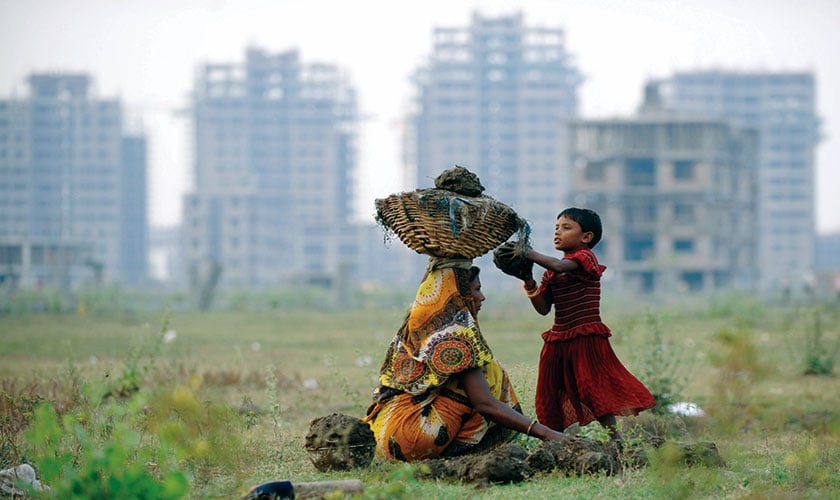
In their ongoing campaign against rising global inequality, the international NGO, Oxfam, has recently published a series of shocking statistics documenting the growing gap between the rich and the poor worldwide, with the massive burden of unpaid care work being shouldered by women, particularly from the Global South. The report provides a series of disturbing statistics about the rapidly increasing wealth gap between the world’s wealthiest and the poorest. It tells us that the world’s richest 1 per cent have more than twice as much wealth as 6.9 billion people. Contrast this with the fact that almost half of the world’s population lives on less than $5.50 a day. A major reason for this is the wealthiest class’s ability to exert an inordinate influence over their respective governments, thus avoiding fulfilling their social responsibility to give back a part of their wealth, in the form of taxes. Oxfam’s report tells us, for example, that only 4 cents in every dollar revenue comes from taxes on wealth. This is also because the wealthy are able to hide much of their wealth by avoiding their tax responsibilities – 30 per cent of their tax liability to be precise.
The report also delineates that the effects of this inequality are unevenly felt even amongst the poor, with women and girls suffering its consequences the most. For example, for every 100 boys out of primary school, 121 girls suffer the same fate. Furthermore, much of the work performed by women globally is unpaid, which means women’s ability to move out of the poverty trap is further hindered. Oxfam’s report tells us that the estimated value of women’s unpaid labour is $10.8 trillion a year—three times the size of the tech industry.
For many of us, reading such statistics has become so common that we are almost numb to their implications. For example, how does one wrap one’s head around the fact that 22 of the richest men in the world own as much wealth as all of the women in Africa? The numbers are so staggering as to become almost impossible to grasp. Furthermore, until we talk more concretely about how or whether these growing inequalities are being experienced in our contexts, such statistics remain within the realm of distant and abstract figures.
Is inequality a problem in Pakistan?
There is a great deal of confusion about the nature and extent of inequality in Pakistan. Part of this is due to a lack of comprehensive administrative data on income and wealth. According to the World Bank, the Gini coefficient, which measures the rate of income inequality in a country, rose by 1 per cent between 2001 and 2015, which demonstrates a slight widening of the gap between the rich and the poor in the country. Data shows that the top 10 per cent of the population consumes on average three times more than the bottom 10 per cent, and their incomes are five times as large. Given the skyrocketing rate of inflation in the country as a result of the IMF’s latest austerity programme, one can deduce that the rate of inequality would have worsened even more over the past year.
Under the IMF’s austerity measures, inflation has reached an all-time high in Pakistan, with the costs being overwhelmingly shouldered by the poor. As of January 2020, inflation stood at 14.6 per cent, the highest it has been in nine years. The cost of basic foodstuffs has been particularly high, which hits the poor the hardest. In the last year alone, the cost of tomatoes rose 157.72 per cent, onions 125.32 per cent, vegetables 93.6 per cent, potatoes 87.3 per cent, sugar 26.29 per cent, wheat flour 24.06 per cent, eggs 18.05 per cent, cooking oil 15.44 per cent and meat 13.43 per cent. It is a wonder how the poor are able to put food on their tables given such staggering increases.
Inequality is seen globally through a gendered lens. It should also be approached as such in Pakistan. With only 26 per cent of Pakistani women engaged in paid labour, the vast majority of women are dependent on their husbands or male relatives for their material well-being. Most often, male earnings are shared unevenly within the household, which means that amongst poor households, the female members are doubly disadvantaged. Even when women are earning their own incomes, they are not paid at the same rate as men for the same work. The gender pay gap in Pakistan is reported to be 34 per cent, which is more than twice the global average and is reportedly the highest in the world. Furthermore, the effects of cutting spending on social services such as health and education, are borne inordinately by women. For example, one can guess that the introduction of higher fees for various medical tests in Punjab’s public hospitals, and the termination of free diagnostic care in indoor departments will mean both that women and girls are at risk of being denied medical treatment by already-struggling families and that the increased burden of care work for sick patients will be carried by women in their homes.
Why is inequality a problem?
Growing inequality is not only an ethical problem, inequality has very real detrimental social consequences. In terms of health, studies have found that the higher the rate of inequality, the higher the rates of various health problems including obesity and mental illness. In the context of Pakistan, there has been a shocking increase in suicide rates in some of the most deprived parts of the country with women and youth amongst those most affected. For example, 1,300 cases of suicide have been recorded in Sindh over the past five years. In 2018, 81 per cent of those committing suicide belonged to the lower income groups with most suicides blamed on poverty, unemployment, ignorance, economic conditions, lack of basic facilities of life, debt, forced marriages, violence, and drug abuse. In cities too, poverty has reached crippling levels. A few days ago, a 45-year old man committed suicide by setting himself on fire in Orangi Town, Karachi following a similar incident last month when a father of four took his own life because he was unable to provide for his family.
Rising inequality has also been linked to decreasing social cohesion and an increase in violence of all forms. Numerous studies have demonstrated a link between inequality and an increase in various forms of conflict from the household, to locality and even the national level. This creates a vicious cycle with poverty leading to increased conflict, and conflict leading to more spending on security rather than social welfare. For example, according to government estimates, the cost of acts of terrorism to the national exchequer between 2001 and 2017 is estimated to be $123.13 billion according to the 2016-2017 Pakistan Economic Survey.
Last year the government gave away Rs 20 billion in tax relief to the wealthiest class, which was 40 per cent of the amount of tax it would collect from middle classes. The largest banking, cement, car manufacturing, textile, fertilizer and food companies were the main beneficiaries of these cuts, and the owners of these corporations were amongst the wealthiest individuals in the country.Furthermore, inequalities in terms of development between different parts of the country lead to increasing tensions between ethnic groups and a sense of alienation amongst those who are most deprived. While poverty is a national problem, it is spread unevenly across the country. A staggering 62 per cent of Balochistan’s rural population is living in poverty, and 80 per cent of the poor overall live in rural areas leading to a rapid rate of urbanization and an increasing strain on the resources and infrastructure of our cities. Such spatial disparities have serious political and social impacts and pose the greatest threats to the peace and stability of the country overall. Regional disparities lead to an increase in resentment amongst those who are sidelined by development. If we are attentive to the follies of the past, it was the unequal distribution of wealth between East and West Pakistan that eventually led to the bloody schism between the two in 1971.
What can be done?
While there is no simple solution to the problem of growing inequality, one of the most effective means of reducing the wealth gap is through a more progressive tax structure—one in which the wealthiest citizens contribute the most to the country’s exchequer. A study of inequality in the United States over the last 50 years found that the periods in which taxes were most progressive corresponded with those in which income inequality was the lowest. Currently, the tax structure in most countries is heavily skewed towards privileging the wealthy. According to Oxfam, one of the reasons inequality is growing at such an exponential rate is because governments tend to undertax corporations and wealthy individuals under the guide of protecting business and ensuring growth. In actuality, this allows wealth to be concentrated in the hands of the wealthy and prevents re-distribution amongst the rest of the population. In our own context, we have seen the PTI government provide Rs 20 billion in tax relief to the wealthiest class last year, which was 40 per cent of the amount of tax it would collect from the middle classes. The largest banking, cement, car manufacturing, textile, fertilizer and food companies were the main beneficiaries of these cuts, and the owners of these corporations were amongst the wealthiest individuals in the country.
Even the IMF, which is generally conservative in terms of its policy recommendations, advises countries to increase social spending in order to decrease the harmful impacts of income inequality. In particular, they recommend reducing defence spending and reallocating those funds to social protection. Pakistan has one of the lowest ratios of spending on social services with less than 5 per cent being spent on health and education. If one compares this to the relative size of the military budget, which it is estimated absorbs roughly 20 per cent of the annual budget and keeps wealth concentrated in the hands of a privileged class within the military, the imbalance in priorities becomes even starker.
Apart from specific policy changes, tackling inequality at its root would mean shifting our national approach to poverty alleviation and development more generally. The dominant approach in the current and previous governments has focused on a model premised on charity in order to deal with the problem of poverty. This is evidenced by the Benazir Bhutto Income Support Programme, which provides small cash transfers to women and by the expanded Ehsaas Programme of the current government, which focuses on such measures as soup kitchens and scholarships for the poor. While such programmes provide much-needed safety nets for the poor, they do not challenge the structural reasons poverty exists in the first place and arguably keep the poor in a perpetual state of dependence and marginality. Rather than responding to poverty with charity, the state should approach poverty as an issue of social justice and as a failure of the system overall. Furthermore, the current growth-driven model of development is not only unsustainable from an environmental perspective, it also does not deal with the question of distribution and equity. In order to reverse the process of growing inequality at national and global levels, governments including our own, will have to shift their priorities away from growth and towards a model premised on social justice, fairness and sustainability.
Finally, none of this can happen without a robust and functioning democratic process, which as we know has come under increasing attack in recent years in our context. If governments respond to the needs of the wealthiest at the expense of the vast majority, the income gap and all of the problems that come along with it, will continue to grow.
https://www.thenews.com.pk/tns/detail/610312-the-spectre-of-inequality


احسان اللہ احسان کے فرار کا ذمہ دار کون ہے؟

Author: سید مجاہد علی
تحریک طالبان پاکستان کے سابق ترجمان احسان اللہ احسان کا ایک مبینہ ویڈیو پیغام سامنے آنے کے 48 گھنٹے بعد بھی سیکورٹی ایجنسیوں یا پاک فوج کے ترجمان کی طرف سے یہ بتانے کی زحمت نہیں کی گئی کہ کیا دہشت گردی کے متعدد واقعات میں ملوث یہ شخص واقعی فوج کی حراست سے فرار ہونے میں کامیاب ہوگیا ہے؟
میڈیا کے متعدد اداروں اور صحافیوں نے اس بارے میں سیکورٹی ایجنسیوں کے نمائیندوں سے رابطہ کیاہے لیکن اس خبر کی تردید یا تصدیق کرنے سے گریز کیا گیا ہے۔ گزشتہ روز احسان اللہ احسان کا جو ویڈیو بیان سوشل میڈیا کے ذریعے سامنے آیا تھا ، اس میں دعویٰ کیا گیا ہے کہ وہ 11 جنوری کو فوج کی حراست سے بھاگنے میں کامیاب ہؤا تھا۔ اس پیغام میں کہا گیا ہے کہ اس نے فروری 2017 میں ایک معاہدے کے تحت خود کو پاکستانی ایجنسیوں کے حوالے کیا تھا لیکن اس سے کئے گئے وعدے پورے نہیں کئے گئے بلکہ اسے اہل خاندان سمیت قید کرلیا گیا۔ اس لئے اس نے حراست سے فرار ہونے کی منصوبہ بندی کی اور اس میں کامیاب رہا۔ احسان اللہ احسان کے اس پیغام میں دعویٰ کیا گیا ہے کہ وہ مستقبل میں پاک فوج اور اپنی گرفتاری کے حوالے سے مزید معلومات سامنے لائے گا۔
احسان اللہ احسان کے فرار کی خبر ایک براہ راست ویڈیو پیغام کی صورت میں تو 6 فروری کو سامنے آئی ہے لیکن اس بارے میں گزشتہ ماہ سے ہی خبریں گشت کررہی تھیں۔ بھارت کے ایک اخبار نے جنوری کے دوران احسان اللہ احسان کے فرار کے بارے میں ایک سٹوری فائل کی تھی۔ یہ خبر سوشل میڈیا پر بھی گشت کرتی رہی تھی اور بعض پاکستانی اخباروں نے بھی اسے شائع کیا لیکن مین اسٹریم پاکستانی میڈیا نے بھارتی میڈیا کے ذریعے سامنے آنے والی اس خبر کو اہمیت دینے کی ضرورت محسوس نہیں کی۔ اس موقع پر بھی فوج کے شعبہ تعلقات عامہ یا کسی دوسرے سرکاری ترجمان نے اس معاملہ پر اظہار رائے ضروری نہیں سمجھا۔ اب یہ خبر ایک باقاعدہ ویڈیو کے ذریعے عام ہوئی ہے جس میں پاکستانی ایجنسیوں کا نام لے کر براہ راست الزام تراشی بھی کی گئی ہے لیکن اس کے باوجود سرکاری یا عسکری ذرائع نے اس بارے میں کچھ کہنے سے گریز کیا ہے۔
پاکستانی میڈیا اس دوران یہ تصدیق کرنے کی کوشش کررہا ہے کہ کیا یہ آواز احسان اللہ احسان ہی کی ہے جس نے 2017 میں خود کو پاک فوج کے حوالے کرتے ہوئے اپنا نام لیاقت علی بتایا تھا۔ اب جاری ہونے والی ویڈیو بھی اسی نام سے بنے ہوئے ا کاؤنٹ پر ریلیز کی گئی ہے۔ ماضی میں احسان اللہ احسان کے ساتھ رابطےمیں رہنے والے بعض پاکستانی صحافیوں نے دعویٰ کیا ہے کہ یہ آواز احسان اللہ احسان نامی شخص ہی کی ہے جو کئی سال تک تحریک طالبان پاکستان کا ترجمان رہا تھا اور جس پر دہشت گردی کے متعدد واقعات کا براہ راست الزام بھی عائد ہوتا ہے۔ اس کا اعتراف اس بیان میں بھی کیا گیا تھا جو پاک فوج کی طرف سے احسان اللہ احسان کے پاکستانی حکام کے حوالے کئے جانے کے بعد جاری کیا گیا تھا۔ احسان اللہ احسان جن سنگین جرائم میں مرتکب رہا ہے ، ان میں دسمبر 2014 میں آرمی پبلک اسکول پر دہشت گرد حملہ کے علاوہ اکتوبر 2012 میں ملالہ یوسف زئی پر قاتلانہ حملہ بھی شامل ہے۔
پاک فوج کی حراست سے ایک بدنام اور خطرناک دہشت گرد کا یوں فرار ہوجانا دہشت گردی کے خلاف جاری جنگ اور عالمی سطح پر پاکستان کی شہرت کے حوالے سے سنگین سوالات سامنے لائے گا۔ لیکن اس سے بھی زیادہ اہم سوال یہ ہے کہ کوئی شخص جس کے بارے میں خود فوج نے یہ اعلان کیا تھا کہ اس نے خود کو حکام کے حوالے کردیا ہے اور اسے حفاظتی تحویل میں رکھا گیا ہے۔ پھر اس شخص کے اعترافات کی تشہیر کے ذریعے یہ بتایا گیا کہ پاکستان میں دہشت گردی کےواقعات میں افغان ایجنسی اور بھارتی خفیہ ایجنسی را کے ملوث رہی ہیں۔ سرکاری ذرائع مختلف اوقات میں دہشت گردی کے واقعات میں غیر ملکی ایجنسیوں کے ملوث ہونے کا الزام لگاتے رہے ہیں ۔ اس حوالے اپریل 2017 میں بلوچستان سے بھارتی جاسوس کلبھوشن یادیو کی گرفتاری کو بنیاد بنا کر خاص طور سے مقدمہ استوار کرنے کی کوشش کی گئی تھی۔ البتہ پاکستان نے کسی ایک واقعہ کی بنیاد پر کبھی بھارت پر براہ راست ملوث ہونے کا الزام نہیں لگایا۔ کلبھوشن یادیو کے حوالے سے بھی پاکستان اور بھارت کے سرکاری مؤقف میں بہت فرق ہے۔ پاکستان کا دعویٰ ہے کہ اسے بلوچستان میں دہشت گردی کی منصوبہ بندی کے دوران گرفتار کیا گیا تھا اور وہ حاضر سروس نیوی کمانڈر تھا جبکہ اس کے برعکس بھارت کا یہ کہنا ہے کہ کلبھوشن یادیو ریٹائرڈ افسر تھا اور ایران میں اپنا کاروبار کرتا تھا کہ پاکستان کے ایجنٹوں نے اسے اغوا کرلیا ۔ یہ معاملہ عالمی عدالت انصاف تک پہنچا جہاں بھارت کو یادیو تک قونصلر رسائی کی سہولت مل گئی لیکن اس کے باوجود اس معاملہ کی پوری تصویر کبھی سامنے نہیں آئی۔ کلبھوشن کو ایک فوجی عدالت نے دہشت گردی کے الزامات میں سزائے موت دے رکھی ہے جس کی تصدیق بھی ہوچکی ہے۔ لیکن پاکستان نے اس پر ابھی تک عمل درآمد نہیں کیا۔ یہ معاملہ ابھی تک دونوں ہمسایہ ملکوں کے درمیان تنازعہ اور بداعتمادی کا سبب بنا ہؤا ہے۔ احسان اللہ احسان کے فوج کی تحویل میں آجانے اور اس اعتراف کے بعد کہ طالبان کی دہشت گرد کارروائیوں میں بھارتی اور افغان ایجنسیاں ملوث تھیں، کلبھوشن یادیو کے خلاف پاکستان کا مقدمہ مضبوط ہو گیا تھا۔ لیکن اب اس کے پراسرار طور مفرور ہوجانے کے بعد کلبھوشن کے خلاف پاکستان کا مؤقف بھی کمزور پڑے گا۔ بھارت اس معاملہ کو کئی طریقے سے پاکستان کے خلاف استعمال کرسکتا ہے اور پاکستانی نمائندوں کے لئے اپنی پوزیشن واضح کرنا مشکل ہوجائے گا۔
سب سے اہم سوال تو یہی ہے کہ احسان اللہ احسان جیسا جانا پہچانا دہشت گرد تین برس تک فوج کی تحویل یا نگرانی میں رہا لیکن اس کے خلاف کسی الزام میں کوئی مقدمہ نہیں چلایا گیا۔ متعدد حلقوں کی طرف سے اس کے خلاف مقدمہ قائم کرنے اور دہشت گردی کے الزامات میں اسے سزا دلوانے کا مطالبہ کیا جاتا رہا ہے۔ یہ مطالبہ کرنے والوں میں آرمی پبلک اسکول کے ورثا کی تنظیم بھی شامل تھی۔ احسان کے فرار کی خبر سامنے آنے کے پہلے اس معاملہ میں پشاور ہائی کورٹ میں درخواستیں بھی دائر کی گئی تھیں جن میں احسان اللہ احسان کے خلاف قانونی کارروائی کا حکم دینے کی استدعا کی گئی تھی۔ اب اس کے اچانک فرار ہوجانے کی وجہ سے یہ سوال شدت سے سامنے آئے گا کہ کیا سول حلقوں کی طرف سے اس شخص کے خلاف عدالتی کارروائی کے مطالبے اور اس کے مبینہ فرار میں کوئی تعلق ہوسکتا ہے۔ کیا احسان اللہ احسان کچھ ایسے رازوں کا امین تھا کہ کسی عدالت میں پیش ہونے کی صورت میں ان کے فاش ہونے کا خطرہ تھا ؟ اور ملکی ادارے اس کے متحمل نہیں ہوسکتے تھے۔ خاص طور سے اس سوالات کی روشنی میں احسان اللہ احسان کے فرار کی خبروں پر سرکاری خاموشی ، افواہوں اور قیاس آرائیوں میں اضافہ کا سبب بن رہی ہے۔ اس سے ایک تو یہ بات سامنے آتی ہے کہ خطرناک لوگ بھی ملکی اداروں کی تحویل سے فرار ہونے میں کامیاب ہوجاتے ہیں اور کوئی اس کی ذمہ داری قبول کرنے اور قصور واروں کا تعین کرکے انہیں سزا دینے کی روایت قائم نہیں کرتا۔ احسان اللہ احسان کا فرار ہونا جتنا افسوسناک ہے اس پر خاموشی اختیار کرنا اتنا ہی تکلیف کا باعث اور نقصان دہ ہے۔ دہشت گردی کے حوالے سے پاکستان کے دعوؤں کے باوجود عالمی سطح پر اب بھی بھارت یہ مقدمہ قائم کرتا ہے کہ پاکستانی ایجنسیاں دہشت گرد عناصر سے قریبی رابطے رکھتی ہیں۔ اور وقت ضرورت انہیں مختلف مقاصد کے لئے استعمال کیا جاتا ہے ۔ بھارت تو یہ دلیل دینا چاہتا ہے کہ یہ مقصد مقبوضہ کشمیر کے علاوہ بھارت میں دہشت گردی ہوسکتا ہے لیکن مشکوک عناصر سے پاکستانی ایجنسیوں کے تعلقات اور گرفتاری کے بعد بھی ان کے بارے میں نرم رویہ، دہشت گردی کے خلاف جنگ کی تصویر کو دھندلاتا ہے۔
پاکستان کو یہ فراموش نہیں کرنا چاہئے کہ اب بھی اس کا نام فنانشل ایکشن ٹاسک فورس کی گرے لسٹ پر ہے اور عالمی لیڈروں سے وزیر اعظم عمران خان کے روابط کے بارے میں تمام تر دعوؤں کے باوجود کسی ملک نے یہ وعدہ نہیں کیا کہ وہ اس اس فہرست سے پاکستان کا نام نکلوانے یا بلیک لسٹ میں شامل نہ کرنے کے معاملہ میں پاکستان کی مدد کی جائے گی۔ شاہ محمود قریشی نے یہ ضرور کہا ہے کہ امریکہ سے اس بارے میں رابطہ ہؤا ہے تاہم حال ہی میں پاکستان کا دورہ کرنے والی امریکی سفارت کار ایلس ویلز نے ایک سوال کے جواب میں واضح کیا تھا کہ پاکستان کے پاس اس فہرست سے نکلنے کا آسان راستہ یہ ہے کہ وہ ایف اے ٹی ایف کے مشورہ پر عمل درآمد کرے۔ اب ایک عالمی شہرت یافتہ دہشت گرد کی پراسرار گمشدگی اور اس پر ایجنسیوں کی خاموشی دہشت گردی، پاکستان اور فوج کا کردار کی تکون پر شبہات کے گہرے سایے ڈالنے کا باعث بنے گی۔
مئی 2011 میں ایبٹ آباد پاک فوج کی اکیڈمی کے ہمسایہ میں مقیم اسامہ بن لادن کو ہلاک کرنے کے لئے امریکی فوج کے حملہ کے حوالے سے ابھی تک قوم کو حقیقت حال کا علم نہیں ہوسکا ۔ کوئی نہیں جانتا کہ اسامہ بن لادن وہاں کس کی اجازت سے رہتا تھا اور اگر پاکستانی ایجنسیاں اس سے بے خبر تھیں تو یہ ان کی نااہلی تھی یا کسی خفیہ مفاد کی تکمیل کے لئے جان بوجھ کر اس کی موجودگی سے نظریں چرائی جاتی تھیں۔ اسی طرح اس سوال کا جواب بھی دینا ضروری نہیں سمجھا گیا کہ پاکستانی سرزمین پر امریکہ حملہ کیا براہ راست پاکستان کی خود مختاری پر حملہ نہیں تھا اور کیا بروقت اسے نہ روک کر عسکری کمزوری کا اظہار نہیں کیا گیا تھا۔ اس معاملہ پر بننے والے کمیشن کی رپورٹ کبھی عوام کے مطالعہ کے لئے عام نہیں کی گئی۔
اب احسان اللہ احسان فوج کی حراست سے مفرور ہؤا ہے۔ یہ واقعہ قومی سلامتی کے اداروں کی صلاحیت اور نیت کے بارے میں شبہات کو جنم دے رہا ہے۔ اس خبر پر تفصیلات بتانے سے گریز کرکے شبہات اور بے یقینی کو تقویت دی جارہی ہے۔ یہ طرز عمل عوام اور فوج کے درمیان اعتماد کے رشتہ کو کمزور کرے گا۔
https://www.humsub.com.pk/298510/syed-mujahid-ali-1362/

وزیراعظم - آخر وہ خود بھی گھبرا گئے۔۔۔۔۔! - “گھبرانا نہیں ہے”

احمد شیر اعوان
اٹھارہ ماہ سے پاکستانیوں کو “گھبرانا نہیں ہے” کی مسلسل تلقین کرنے والے وزیراعظم کے گذشتہ چند روز میں دیے بیانات سے محسوس ہو رہا ہے کہ اب موصوف خود بھی معیشت کے حوالے سے کافی گھبراہٹ کا شکار ہو چکے ہیں، فرماتے ہیں کہ ‏منہگائی کنٹرول نہیں ہو پا رہی، مجھے مِس گائیڈ کیا جارہا ہے، میرا اس تنخواہ میں گزارہ نہیں ہوتا، خیر وفاقی کابینہ نے تو اطلاعات کے مطابق ان کی تنخواہ میں خاطر خواہ اضافہ کر کے ان کا یہ شکوہ تو دور کر دیا مگر ناجانے ان کروڑوں پاکستانیوں کے مستقبل کا کیا ہو گا جو اقتدار کے اندھے بہرے ایوانوں سے حالات کی بہتری کی آس امید لگائے بیٹھے ہیں اور ان برے معاشی حالات میں گھبرا بھی نہیں سکتے کیونکہ انہیں گھبرانے سے منع کیا گیا ہے۔
موجودہ صورتحال یہ ہے کہ پٹرول، بجلی، گیس کے ساتھ ساتھ روزمرہ استعمال اور کھانے پینے کی تمام اشیاء کی بڑھتی ہوئی قیمتوں نے عوام کے پہلے سے موجود معاشی مسائل میں مزید اضافہ کر دیا ہے، سٹیٹ بینک نے اپنی رپورٹ میں افراط زر یعنی مہنگائی کی شرح 11 سے 12 فیصد رہنے کا امکان ظاہر کیا تھا جبکہ ماہرین کے مطابق یہ اب 14.5 فیصد سے تجاوز کر گئی ہے۔ ایک اخباری رپورٹ کے مطابق اس وقت مہنگائی کی شرح پچھلے بارہ سالوں کی بلند ترین سطح پر پہنچ چکی ہے، شرح سود کو مسلسل تیسری بار 13.25% کی بلند ترین سطح پر برقرار رکھا گیا ہے، اگر آسان الفاظ میں بات کی جائے تو آنے والے مہینوں میں مہنگائی میں ہوشربا اضافہ ہو گا۔ یاد رہے سٹیٹ بینک کسی بھی ملک کا فنانس کنٹرول کرتا ہے اور اس کا ہیڈ دراصل فنانس کنٹرولر ہوتا ہے اور بدقسمتی سے ہمارے ملک کے فنانس کنٹرولر آئی ایم ایف کے سابقہ ملازم ہیں اور ایک رائے کے مطابق وہ اب بھی اپنے سابقہ آجر کے مفادات کے لئے کام کر رہے ہیں۔
اگر مہنگائی کے اسباب کا جائزہ لیا جائے تو حکومتی نااہلی، نا تجربہ کاری اور غیر سنجیدگی سرفہرست نظر آئے گی، جولائی 2018 کے انتخابات کے نتیجے میں سیلیکٹ ہونے والے وزیر اعظم عمران خان نے حکومت میں آنے سے قبل اور آنے کے فوری بعد بہت سے دعوے کئے تھے جس میں روزانہ ہونے والی دو ارب روپے کی کرپشن کا خاتمہ، بیرونی قرضے نا لینے کا عہد، سابقہ حکمرانوں کے لوٹے گئے 200 ارب ڈالر کی واپسی، ایک کروڑ نوکریاں، پچاس لاکھ گھر، انڈے، مرغیاں، بکرے، کٹے وغیره شامل ہیں، افسوس کہ انڈے مرغیوں کٹوں تک والے دعووں پر ہی عملدرآمد نہ ہو سکا باقی تو بعد کی باتیں تھیں۔ غلط حکومتی پالیسیوں، جلد بازی اور اصل مسائل کا ادراک نا ہونے کی وجہ سے پاکستان میں ہر قسم کا کاروبار ترقی کرنے کی بجائے تنزلی کا شکار ہو گیا۔ نئے ٹیکسوں کی بھرمار اور نیب کی پرائیویٹ کاروباری اداروں میں مداخلت کی خبروں نے معاشی بحران میں مزید اضافہ کر دیا۔ اس گرتی ہوئی معیشت سے سب سے بڑا نقصان لاکھوں افراد کی بےروزگاری کی صورت میں سامنے آیا، شاید ہی ملک کی کوئی ایسی صنعت ہو جس میں انتہائی نوعیت کی ڈاون سائزنگ نا ہوئی ہو۔
کچھ معاشی ماہرین پاکستان میں مہنگائی کا ایک سبب آئی ایم ایف سے چھ ارب ڈالر قرض لینے یا نا لینے کے فیصلہ میں لیت و لعل سے کام لینے کو بھی قرار دیتے ہیں جس کے نتیجے میں ڈالر کی قیمت میں تاریخی اضافہ ہوا اور ہمیں آئی ایم ایف کی بجلی گیس پٹرول کی قیمتوں اور ٹیکسوں کی شرح میں اضافے کی شرائط کے آگے سر تسلیم خم کرنا پڑا اور ملک میں مہنگائی کا خوفناک طوفان آیا۔ ایک اور دعویٰ تو وزیراعظم صاحب اکثر اپنی تقاریر میں کیا کرتے تھے کہ وہ جب حکومت میں آئیں گے تو 8000 ارب سے زیادہ ٹیکس ریونیو اکٹھا کرکے دکھائیں گے، بجٹ 2019-20 میں آمدن کا ہدف 5500 ارب روپے رکھا گیا تھا جو کسی بھی طور پورا ہوتا دیکھائی نہیں دیتا اور مجموعی بجٹ خسارے میں مزید اضافے کا امکان ظاہر کیا جا رہا ہے۔
کرپشن کے خلاف کیمپین چلا کر اور قرضے لینے پر خود کشی کو ترجیح دینے کے اعلانات کر کے حکومت میں آنے والوں کی اس سے بڑی بدقسمتی کیا ہو گی کہ بین الاقوامی ادارے کی رپورٹ کے مطابق ملک میں اس سال کرپشن پہلے سے بڑھی ہے اور گزشتہ 15 ماہ میں پاکستان کے بیرونی قرضوں میں 40 فیصد کا اضافہ ہوا ہے جو 29 ہزار ارب روپے سے بڑھ کر 41 ہزار ارب روپے سے تجاوز کر گئے ہیں اور ہر پاکستانی اوسطً دو لاکھ روپے سے زائد کا مقروض ہو چکا ہے، اس اضافے سے عوام پر مزید اضافی بوجھ پڑا ہے جس پر قابو پانے کے لیے اب قیمتی قومی اثاثوں کی فروخت کی باتوں کی بازگشت بھی سنائی دے رہی ہے۔
اگر روزمرہ استعمال کی اشیاء کی قیمتوں کا جائزہ لیں تو معلوم ہو گا کہ پٹرول یکم فروری 2019 کو 90.38 روپے لیٹر تھا جو یکم فروری 2020 کو 116.60 روپے پر پہنچ چکا ہے، بجلی کے حوالے سے موجودہ حکومت نے گذشتہ ایک سال کے دوران ماہانہ فیول ایڈجسٹمنٹ چارجز اور ٹیرف کی مد میں تقریباً 15 روپے فی یونٹ تک کا اضافہ کیا اور مجموعی طور پر صارف پر 550 ارب روپے سے زائد کا اضافی بوجھ ڈالا گیا جس سے عام صارف کے بجلی کے ماہانہ بل میں کم ازکم 150% تک کا اضافہ ہوا ہے، دسمبر 2018 میں 100 یونٹ بجلی کا بل 785 روپے تھا جو اس سال بڑھ کر 1885 روپے ہو گیا ہے۔
قدرتی گیس کی نہ صرف قیمتوں میں ہوشربا اضافہ کیا گیا ہے بلکہ گھریلو صارفین کے لئے تو اسکی سلیبز بھی تبدیل کر دی گئی ہیں یعنی دو دھاری تلوار سے ان کی جیبوں پر وار کیا گیا ہے، نچلی سلیب پر 150 فیصد جبکہ اوپر کی سلیبس میں یہ اضافہ 400 فیصد تک کیا گیا ہے۔ اگر روزمرہ کھانے پینے کی اشیاء کی بات کریں تو گزشتہ ڈیڑھ سال میں آٹا 38 روپے سے 75 روپے فی کلو، چینی 52 روپے سے 85 روپے فی کلو، باسمتی چاول 110 روپے سے 180 روپے فی کلو، گھی 170 روپے فی کلو سے 250 روپے فی کلو ہو چکا ہے جبکہ دالوں اور سبزیوں کی قیمتیں بھی سو سے ڈیڑھ سو فیصد بڑھ چکی ہیں، مزید ظلم یہ کہ گزشتہ ڈیڑھ سال میں ادویات کی قیمتوں میں جس رفتار سے اضافہ ہوا ہے اس کی پچھلے 73 سالوں کوئی نظیر نہیں ملتی، دلچسپ امر یہ کہ جن وزیر موصوف کو گزشتہ سال دوا ساز کمپنیوں سے سازباز کر کے قیمتوں میں اضافے کی غلط اجازت دینے کے الزام پر وزارت سے فارغ کیا گیا وہ آج کل تحریک انصاف کے مرکزی جنرل سیکرٹری ہیں اور وہ اضافہ کبھی واپس نہیں ہو سکا۔ تعلیمی اخراجات میں بھی سکولوں کی فیسوں اور دیگر اخراجات میں اضافہ دیکھنے میں آیا ہے، ایک حالیہ سروے کے مطابق فی بچہ کم از کم پانچ سو سے لے کر آٹھ ہزار روپے ماہانہ تک کا اضافہ ہوا ہے۔ مہنگائی کے اس طوفان پر ملک بھر میں ہر طبقے میں شدید پریشانی پائی جاتی ہے، پیپلزپارٹی نے مہنگائی کے خلاف آواز اٹھانا شروع کر دی ہے اور کچھ شہروں میں چھوٹے پیمانے پر مہنگائی کے خلاف احتجاج بھی کیا ہے جبکہ بلاول بھٹو زرداری اپنی ہر پریس ٹاک میں حکومت کی ان عوام دشمن پالیسیوں پر پورے زور و شور سے کڑی تنقید کرتے نظر آ رہے ہیں اور شنید ہے کہ وہ جلد ہی وسطی پنجاب کا دورہ کر کے مہنگائی کے خلاف بھرپور احتجاج کی کال دیں گے۔ شہباز شریف نے بھی آخر کار اس مسئلے پر اپنی چپ توڑی ہے اور مہنگائی پر لندن سے اپنا احتجاج ریکارڈ کروایا ہے۔
اپوزیشن کی تمام سیاسی جماعتوں نے پہلے دن سے حکومت کو معاشی بحران سے نکالنے کے لئے اپنے غیر مشروط تعاون کا یقین دلایا تھا مگر یا تو عمران خان اس تعاون سے خائف ہیں یا پھر ان کی جھوٹی انا انہیں اپوزیشن کے ساتھ بیٹھ کر اس مسئلے کو حل کرنے سے باز کر رہی ہے، موجودہ معاشی صورتحال کو مدنظر رکھتے ہوئے توقع کی جانی چاہئے کہ حکومت فروعی اختلافات کو پس پشت ڈال کر اپوزیشن کے ساتھ مل کر اس مسئلے کا حل نکالے گی ورنہ حالات مزید خراب ہونے کے امکانات ہیں۔

Saturday, February 8, 2020

Video Report - Bernie Sanders on Jewish heritage: It impacts me profoundly

Democrats, America is ready for a gay president

By LZ Granderson
May 21, 2019
I was at a political fundraiser in 2007, in the company of several deep-pocketed longtime donors. President George W. Bush was near the end of his second term and much of the conversation wasn't about the anemic economy, the wars we were engaged in or the policies of the people vying to take his place.
Instead, it was about electability and whether the country was ready to vote for a black or female president.
Needless to say, we got our answer.
I was at a political fundraiser earlier this year, again nestled in among several longtime donors with deep pockets. President Trump was not viewed favorably by this crowd and much of the conversation wasn't about the Mueller report, the trade war we are engaged in or policies touted by the people vying to take Trump's place. Instead, it was about electability and whether the country was ready for an openly gay president.
It makes sense that the millionaires in these spaces would hedge their bets based on the most pragmatic of questions: Can this person win? After all, a person doesn't get to be a one-percenter by making a habit of investing in companies they don't believe will turn a profit. But I couldn't ignore the irony of hearing so many blue-state-living/rainbow-flag-adjacent /"love-is-love" liberals in one room dismiss Pete Buttigieg's bid for the White House largely because he's gay, even from those within the LGBTQ community.
They like him. Hell, many even love him. But they don't believe the country's ready. Two of three Americans support same-sex marriage, including more than 80% of Democrats, and yet ...In a Quinnipiac poll early this month, only 40% of Democrats and independents who lean Democratic thought the United States was ready to elect a gay president (though 86% of that same group said they were open to electing a gay president)."We need to win," is what I've heard repeatedly over the past couple of weeks, even as Buttigieg has ascended from "Mayor Who?" to a candidate who has gained the collective recognition that he is one of the most impressive in the field. More than 1 million viewers tuned in his Fox News town hall on Sunday, and even hard-to-impress Chris Wallace found him compelling -- much to the consternation of the President. Would this war vet who offered condolences to the people of France in French after the devastating Notre Dame fire be the front-runner if he weren't married to a man? Given his relative youth and position as the mayor of a small city, would he have graced the cover of Time magazine if he were not?
For all of the chatter about downplaying identity politics in the hope of rebuilding the blue wall in the Midwest, it has been my experience that despite the fact Buttigieg is a fairly successful elected official from the Midwest, it is precisely his identity as a gay man that gives many Democrats the greatest pause.
As someone who has worked in South Bend and written for the South Bend Tribune, I have a sense of the financial devastation that swept the area, especially for minorities. Buttigieg's policies may have helped revitalize the downtown area, improved infrastructure and brought tech jobs to an area that was heavily reliant on the auto industry, but it would not be unfair to characterize his time as mayor as not being overly beneficial to minorities.But then again, front-runner Joe Biden helped write the 1994 crime bill that helped to lead to mass incarceration of minorities -- and co-front runner Bernie Sanders voted for it, so there's that. In fact, if an audit of policies and comments were performed on all the men and women running for president, you would be hard pressed to find one without a significant blemish. A key difference here is that only Mayor Pete is being dismissed for who he loves by some of the very people who claim no one should be dismissed for who they love.
The Democrats can call it pragmatism, they can call it being politically savvy, they can call it playing the odds... just as long as they are also being honest about the nature of the friendly fire directed at Buttigieg's candidacy. Again, if his executive inexperience or lack of substantive policy talking points were the main question marks, I would not have felt compelled to write this. But that's not what I'm hearing. Yes, there is a legitimate question about whether or to the country is ready to elect a gay president. But there is also a legitimate question about whether Democrats -- for all their talk -- believe it's worth fighting for one.
https://www.cnn.com/2019/05/20/opinions/buttigieg-is-america-ready-for-first-gay-president-granderson/index.html

Video Report - US view differs on voting confusion home & away

Video Report - Here's why Biden appeals to African-American voters

Video Report - #Warren: Buttigieg didn't answer this question

Urdu Music Video - YEH MEHFIL JO AAJ SAJHI HAI

Mike Pompeo condemns attack on minorities, pinpoints to Hindus in Pakistan

The US on Wednesday condemned Pakistan for not protecting the religious freedom of its minorities, who in its case includes Hindus, as it launched an alliance of “like-minded partners who treasure, and fight for, international religious freedom for every human being”.
US secretary of state Mike Pompeo made the comments during the launch of the 27-nation International Religious Freedom Alliance.
“We condemn terrorists and violent extremists who target religious minorities whether they are Yazidis in Iraq, Hindus in Pakistan, Christians in northeast Nigeria, or Muslims in Burma,” Pompeo said.
The top US diplomat’s statement comes after India amended a citizenship law to grant citizenship to migrants from six minority communities from Afghanistan, Bangladesh and Pakistan who entered the country after December 31, 2014.
Reports of Hindu religious sites being vandalised and frequent cases of forced conversion of Hindu girls for marriage frequently emerge from Pakistan.“We condemn blasphemy and apostasy laws that criminalise matters of the soul. We condemn the Chinese Communist Party’s hostility to all faiths. We know several of you courageously pushed back against Chinese pressure by agreeing to be part of this Alliance, and we thank you for that,” Pompeo said.Australia, Brazil, the United Kingdom, Israel, Ukraine, the Netherlands and Greece are among the prominent countries to join the alliance.“Defending the right of all people to live their lives according to their conscience is one of this administration’s top priorities,” Pompeo said in his address.
“Indeed, we must affirm, and fight for, that truth now more than ever. More than eight in 10 people in the world today live where they cannot practice their faith freely,” he said.
According to a senior State Department official, participating countries are to discuss the kind of areas that they are going to work and focus on.
“The areas will include things like technology and religious oppression, blasphemy and apostasy laws, for instance. The toolbox will include things like, whether it’s putting out statements, actions that can take place in international bodies that the group can come together and hopefully come behind, the possibilities of sanctions being used,” said the official.
The official, who spoke on condition of anonymity, said that it is a consensual body. Every nation is not bound to join in each of the items that come forth.
“But as countries look at this and say that’s something we’re interested in, then they can join. And if they decide, look, that’s not one we’re interested in, then they won’t, and there is no penalty or foul for any of participation or non-participation,” the official said.
https://www.hindustantimes.com/india-news/mike-pompeo-condemns-attack-on-minorities-pinpoints-to-hindus-in-pakistan/story-JGd1zsGONqKMeBwYlEV1PM.html

Students from Balochistan Fear Infection with Coronavirus If not Evacuated from Wuhan

Adnan Aamir
 Students from Balochistan fear that they can be infected with Coronavirus if they are not evacuated out of Wuhan, China. Students made this emotional appeal through social media, on Friday.
According to details shared by students, over 30 students from Balochistan and over 2,000 students from Pakistan are stranded in Coronavirus hit city of Wuhan for the last 20 days. Some of these students are living with their families in Wuhan.
Wuhan was locked down on 22nd January after the outbreak of Coronavirus, which has infected more than 31,000 people so far and 630 people have died due to this virus.
توجہ طلب

چین وہان میں بلوچستان سےتعلق رکھنے والے20سے زائد طالب علم کرونا وائرس کی وجہ سےمحصور ہیں۔

وہاں تربت سےتعلق طالب علم ریحان رشید حکومت بلوچستان سےمطالبہ کررہےہیں کہ انہیں ملک لانےکے لئیےفوری اقدامات اٹھائےجائیں۔@jam_kamal @ZahoorBuledi @Senator_Baloch @HamidMirPAK

68 people are talking about this
Condition of students in Wuhan
Rehan Rashid, a student of MBBS from Kech said, in a video shared on social media, that students are locked inside their rooms for the last 20 days and they are facing mental depression. “Our government is doing nothing to help us,” He lamented.
He further said that none of the students from Balochistan in Wuhan have contracted Coronavirus because they are locked down in their rooms for 20 days and no symptoms of virus have been discovered in any student.
The students also criticized the inaction of Pakistan’s embassy in Beijing.
Many countries including India, Bangladesh, Srilanka, Egypt among others evacuated their students from Wuhan. The Pakistani government has so far refused to evacuate its residents from Wuhan.
Rashid negated the claim that the Pakistani embassy has deposited $840 in the bank account of every student.
Muslim Qadir, a student of the Chinese Academy of Agriculture Sciences, said that even countries like Iraq and Syria have evacuated their students but Pakistan has left its students in Wuhan.
Hina Intizar, a student at Polytechnique University, said that they are not facing a problem of shortage of food. “Chinese government is taking good care of us but we do not want to be stuck in our rooms forever,” She said. “Coronavirus is spreading very rapidly and the longer we stay [in Wuhan] more we will be at risk of contracting Coronavirus,” She claimed.
No Point in Staying in Wuhan
Students claim that their Universities have postponed the new semester and there have not been any classes for the last one and half months.
“We do not expect the universities to resume classes at least for the next 4-5 months and during that time there is no point for us to stay in our hostel rooms,” claimed Rashid.
Hina Intizar claimed that their university has issued an official letter saying that they can leave for home if the Pakistani embassy gives them permission.
She rubbished the logic of the Pakistani government that students are not being evacuated to protect people in Pakistan from contracting coronavirus. “India has a population of over a billion and they also evacuated their citizens whereas Pakistan’s government is making the excuse of public safety,” she lamented.
Quarantine the Returning Students
Rehan Rashid said that students from Balochistan do not want to go back to their homes directly after returning back to Pakistan. “In Pakistan, we are ready to be put in Quarantine for 15 days to make sure that we have no coronavirus and then allow us to mix with population,” He said.
Senator Dr. Jehanzeb Jamaldini also said on social media that he had suggested that students in Wuhan should be evacuated and quarantined in an isolation ward in Pakistan. “No one is listening to this demand and there seems to be no working government in Pakistan,” He lamented.
“We do not need a chartered flight for our evacuation. We will book our own plane tickets to Pakistan. We only need the permission of the government of Pakistan to leave Wuhan,” claimed Hina Intizar.

The stranded students of Balochistan have appealed to human rights organizations in Pakistan to convince the federal government to grant permission for their evacuation from Wuhan.
https://balochistanvoices.com/2020/02/students-from-balochistan-fear-infection-with-coronavirus-if-not-evacuated-from-wuhan/

Parents of APS martyrs move PHC over Taliban leader’s escape

A petition was filed in the Peshawar High Court (PHC) on Saturday seeking contempt of court proceedings against several government and military officials, including the army chief, in the wake of the escape of former Tehreek-e-Taliban Pakistan (TTP) spokesperson Ehsanullah Ehsan from the custody of security agencies.
The plea was filed by Fazal Khan Advocate –president of Shuhada APS Forum—on the behalf of parents and family members of the children who were martyred in the terrorist attack targeting Peshawar’s Army Public School in Dec 2014.
It also names Inter-Services Intelligence (ISI) Director General Lt Gen Faiz Hameed, federal and provincial secretaries, as respondents for flouting the PHC’s orders that restricted authorities from releasing Ehsan.
“Despite clear cut directions of this honourable court […], now it has come to light that [a] luxurious home [was provided to Ehsan] from which the terrorist has made his escape: a fact not denied by the respondents,” reads the petition.
“The petitioner has been informed through reliable sources that clemency was in order for Ehsanullah Ehsan for his ‘full and frank disclosure’ which is not only highly deplorable but also outrightly illegal and unconstitutional,” the writ petition said, adding that the respondents had earlier assured the court that Ehsan would be tried by a military court and would not be granted clemency.
The PHC had in April 2018 barred the release of Ehsan, asking the government to wait until the relevant court tries him to decide his fate. The restriction on his release came as the court heard a petition, also by the APS Shuhuda Forum, challenging an alleged government plan to grant clemency to Ehsan.
In the petition filed on Saturday, the APS martyrs’ parents claimed that the respondents had not taken any steps to bring Ehsan to justice even though he had confessed to the school massacre along with several other heinous crimes.
“[…] Unfortunately, the demeanour of the respondents in bringing the culprits to justice is well highlighted by the fact that […] not a single step has been taken by the respondents to bring the culprits to justice…”
The respondents, “through their inaction and omission have categorically flouted the orders of this court”, reads the petition.
“The conduct of the respondents is tantamount to contempt of court as even though ample time has passed, not only have they failed to do the needful but also the respondents have not even tried to abide by the directions of this honourable court and […] the respondents have not taken any steps to adhere to the judgment of this honourable court,” the petition says.
The petition added that Ehsan’s escape had raised fear in the hearts of parents as he was responsible for the Peshawar APS massacre and the families of those who lost their lives in the attack still awaited justice.
‘BREAKS FREE’:
On Friday, security officials had confirmed that Ehsanullah Ehsan had escaped from their custody during a “sensitive operation”.
Ehsan had earlier made the announcement regarding his escape in a video clip shared on the social media on Thursday.
Sources privy to the development said that Ehsan had voluntarily surrendered himself before the intelligence agencies on Feb 5, 2017. However, he started sharing sensitive information even before his arrest, they added.
After initial interrogation, Ehsan recorded his confessional statement on April 26, 2017. He revealed details pertaining to his handlers and facilitators during his captivity.
He shared extremely sensitive and important information during the interrogation, which led security forces to break Jamaatul Ahrar’s national and international terror networks, they said.
Several terrorists belonging to the proscribed outfit were also arrested as a result of intel provided by him, they added.
Ehsanullah was to be taken to book, but extracting information to take all ongoing anti-terrorism operations to their logical conclusion was necessary. “Some operations are still underway based on information shared by Ehsanullah,” said the sources, adding that during such an operation, he escaped from his captivity.
All terrorists and extremists, including Ehsanullah, would be taken to the task, said the sources.
‘SECURITY AGENCIES BROKE PROMISES’:
In the video, the TTP spokesperson said that he “surrendered” before the security forces and made a signed agreement that guaranteed certain rights to him.
However, the security forces allegedly didn’t keep the promises and subsequently detained his family as well.
“My name is Ehsan and I am former member of Tehreek-e-Taliban Pakistan and Jamaatul Ahrar. On Feb 5, 2017, I handed myself into the hands of Pakistan’s security officials under an agreement and I kept that agreement on my part but I along with my family was detained by the security officials. We faced jail at least three years with patience but we made a plan to escape and finally, we successfully escaped on Jan 11, 2020,” the former spokesperson of the terrorist organisation claimed.
He also threatened the Pakistan Army that he would “disclose the details of the [alleged] agreement, its architect, and whatever transpired during his time in the jail”.
Ehsan went on to claim that he had escaped from custody on January 11, 2020, adding that he will “make clear” his future strategy after deciding it “soon”.
Former PPP senator Farhatullah Babar took to Twitter to voice his concern. “Reports that TTP spokesperson Ehsanullah Ehsan fled from custody highly disturbing. One of the two explanations possible; Complicity or sheer incompetence. What about massacred APS children? Jailing HR defenders and freeing self confessed terrorists. Demand explanation,” he tweeted.
Pashtun Tahaffuz Movement leader and MNA Mohsin Dawar echoed Babar’s thoughts.
“Worrying news coming in that TTP’s Ehsanullah Ehsan has escaped. In no way can this be a result of incompetence. @OfficialDGISPR should confirm or deny this news. We demand a thorough investigation into this incident. No one is listening to our warnings about regrouping Taliban,” he tweeted.
In 2012, Ehsanullah Ehsan claimed responsibility for the gun attack on then 15-year-old Malala Yousafzai. She later went on to become the joint winner of the Nobel Peace Prize. She was shot for defying Taliban diktats and pursuing her education and highlighting atrocities of the militant outfit.
Ehsanullah is also a prime accused in the 2014 Army Public School (APS) Peshawar attack in which 134 school children and 15 staff members were killed.
He was also involved in the suicide bombing of Shiites in Rawalpindi and Karachi, killing nine foreign tourists and their guide in Gilgit-Baltistan area.

Food Insecurity: An Imminent Threat to Pakistan


By Farahnaz Farooq Ahmed
In “The Coming Famine: The Global Food Crisis and What We Can Do to Avoid,” Julian Cribb put out a categorical picture of impending planetary crisis–a global food shortage that threatens to hit by the mid-century and would dwarf any in our previous experience. This threat is maybe trivial for developed countries. However, the underdeveloped countries are going to face the worst-ever food shortage crisis. Among the underdeveloped or the developing countries, Pakistan is going to be the central point.
 In the previous decade, Pakistan faced a very striking pressure only due to the food shortage and food security. A research paper published in the Pakistan Development Review, entitled, “The state of food security in Pakistan: Future challenges and coping strategies,” pointed out, “Despite significant improvement in the aggregate food supply, malnutrition is a widespread phenomenon in Pakistan. Rather, it has been argued that per capita food intake in the country has been higher than the recommended average at the national level. Nevertheless, one-third of all pregnant women were malnourished and over 25 per cent of babies had low birth weight in 2001-2. Malnutrition was a major problem responsible for more than 30 per cent of all infant and child deaths in the country in 2001-02.”
This shortage of food and food security has become worsened over time. It may have been better in the previous decades but in this decade, Pakistan is facing a low standard internationally. The third-quarter report of State Bank of Pakistan in 2019 warns Pakistan about food shortage due to climate change and increase in population. As climate changes have affected Pakistan incredibly for the last few years, they have also left a massive influence on agricultural productivity. The rapidly growing population requires food and other essential resources to survive while agriculture has changed its structure negativity and country is enduring through food shortage.
Once, Bangladesh also suffered through the same issue. But later it became attentive towards the issue and has now brought multiple changes in its food aspects. Even though Bangladesh was greatly vulnerable to climate change than Pakistan. Meanwhile, Pakistan was one of the major exporters of wheat and basmati rice. But haplessly, due to climate change and unchecked population, it has now reached a position of food shortage.
Paradoxically, climate change has led to the consequences of food shortage. According to a UN report, Pakistan has occupied the fifth position, which has the risk of hard climate change. And it is, for sure, that the climate change will leave no opportunity in impacting agriculture, and it is doing so. Besides, as the population is increasing, people are moving towards cities in the search of jobs, better education and improved lifestyle. It is blinking to the fact that the enormous growth in population is impacting cultivable lands. Thus, the lands for agriculture are being converted to houses as everyone requires a roof over their heads. And they also require food to eat.

Climate changes have left a massive influence on Pakistan’s agricultural productivity over the years
It is known by all that inflation in Pakistan is touching the sky. Now that the wheat crisis has engulfed Pakistan from all sides, the food insecurity has burgeoned. The centre and province are at loggerheads. In between, the common man, as always, is suffering very acutely. Therefore, Pakistan is turning into a “capitalist hole.” Here, only the rich can afford to buy expensive food while the poor remain hopeless.

It is painful to narrate that the less vulnerable lands of KPK and Punjab are still achieving a net gain in agriculture. However, other parts of the country, including Balochistan, Sindh and some parts of southern Punjab have been hit worst by climate change and food shortage, which promotes child mortality and malnutrition. Balochistan, Sindh and other drought-hit areas are creating malnutrition and maladjustments. As usual, the sense of deprivation is increasing rapidly.
There are a bundle of factors leading to such an imminent threat to Pakistan. Among those factors, governance remains on the top. Secondly, the country is hopelessly corrupt. This corruption is creating hurdles in smooth and functioning management. Also, at the heart of the problem are the non-serious agricultural policies. Collectively, this nonchalant behaviour of the government in the centre and the lack of interest of the provinces are leading the country into miseries. This is not the ‘Tabdeeli’ (change) that the entire country had dreamt of.
The government and public need to work together to fight against harsh climate change. There is a dire need to halt the overpopulation and unplanned urbanisation to protect agriculture and save the citizens from food shortage. Or else, the shortage of food, increasing population and provincial disharmony would lead the country into chaos. Indeed, Pakistan, at this moment, is not in the position to face any other crisis because the already fragile economy has given it a tough time. It is rather better to do what is quoted by great musician Bono, “If you want to eliminate hunger, everybody has to be involved.”

How will military generals solve economic issues? Why Pakistan is stuck in a broken carousel

HUSAIN HAQQANI
Since 1947, the official worldview of Pakistan’s military has shifted only within the narrow space between an Islamic nationalism and complete Islamisation.

Aquotation often misattributed to Albert Einstein defines insanity as “doing the same thing over and over again but expecting different results”. The Pakistani establishment’s assumption that control over all levers of power and a single national narrative can rid Pakistan of its myriad problems definitely matches that definition.
Pakistan’s generals see themselves as the solution to Pakistan’s problems instead of realising their own contribution to the country’s long-standing issues.
Pakistan’s praetorian establishment has run the country since its inception in 1947 on the basis of a narrow state ideology. There have been modifications, but the official worldview has shifted only within the narrow space between an Islamic nationalism and complete Islamisation. At the heart of Pakistan’s state ideology is a constant sense of insecurity, the fear that external and internal forces are out to undo Pakistan.
The country has been caught in a vicious circle. The large army inherited from the British Raj must keep this sense of insecurity alive to justify the allocation of a significant portion of the country’s resources for the military. That leaves little money for social or human development, which in turn constrains economic growth.
Economic difficulties make Pakistan dependent on assistance from outside powers, which have their own expectations and demands. These demands become fodder for conspiracy theories, which further feed the national sense of insecurity. The insecurity strengthens the military’s hand and limits debate about what really ails Pakistan.

Pakistan in deep trouble

The military’s control over Pakistan’s affairs is, once again, complete and comprehensive, as is the virtual surrender of mainstream political forces. But it is unlikely that its efforts will bring different results this time around. Pakistan’s economy remains precarious, and its international reputation is in tatters. The country’s name is in the international media for all the wrong reasons.
The US Department of Justice charged five Pakistani businessmen on 15 January for “operating an international network of front companies to export U.S.-origin products to Pakistan for use in that country’s nuclear program”.
Only last week, the Henley Passport Index ranked Pakistan’s passport as one of the worst on account of the few countries its holders can travel to without a visa. Pakistan ranked at 104 out of 107 for the third consecutive year, tied this time with Somalia. The index, which measures global access on the basis of nationality, listed only three war-torn countries — Syria, Iraq and Afghanistan — below Pakistan.
Stories about human rights violations, enforced disappearances, extreme blasphemy laws and recurrent cases under them, legally inconsistent judicial rulings, and constant political strife define Pakistan for outsiders. The impact of these events within the country, too, cannot be hidden by domestic media control. After all, those who endure the atrocities, and those close to them, know what is going on in Pakistan.
Pakistan is struggling to comply with the requirements of the Financial Action Task Force (FATF) regarding terror financing and money laundering to get off its grey list. But the fact that it has been grey listed more than once and that its compliance with global norms is far from consistent discourages capital inflows into the country.
Fitch, an international rating agency, recently gave Pakistan a B- rating for credit worthiness, saying that “Pakistan’s rating is constrained by structural weaknesses, reflected in weak development and governance indicators.” According to Fitch, Pakistan’s per capita GDP of $1,382 is well below the $3,470 median of countries with a ‘B’ rating. It described Pakistan’s governance quality as low, citing a poor World Bank governance indicator.
Pakistan’s external finances remain fragile even after an IMF loan and monetary assistance from friendly countries. Pakistan is expected to require external financing of more than $20 billion to make debt repayments and other needs. Although the current account deficit has reduced, it is because of a drastic reduction in imports, not because of a significant rise in exports. The reduction in imports is likely to hurt overall productivity because Pakistan’s manufacturing sector often needs imported machinery and components.
The World Bank’s latest Global Economic Prospects report suggests that economic growth in Pakistan in fiscal year 2019-2020 will bottom out at 2.4 per cent and reach 3.9 per cent by 2021-2022 if “macroeconomic conditions improve and structural reforms support investment.”
While economists might hope for improvement in conditions in a few years due to macroeconomic reforms, the Pakistani populace is feeling the burden of galloping inflation and rising unemployment.

The issue with Pakistan’s generals

Security-driven restrictions, such as on trade with Afghanistan and India, and security-oriented policies, such as tolerance and support for Jihadi extremists, are definitely factors in Pakistan’s economic crisis. But Pakistan’s generals rarely see beyond it.
I had earlier compared Pakistan Army chief General Qamar Javed Bajwa’s effort to consolidate power with similar autocracy under Pakistan’s first military ruler, Field Marshal Ayub Khan. I listed Bajwa’s expectations and his team’s hopeful assertions, assuming that my record of criticism of the Pakistani establishment would suffice for readers to realise that I did not expect these hopes to be fulfiled.
It seemed obvious to me that the latest version of a tried-and-tested formula would not succeed when its ingredients have proved insufficient for success in the past. But some Pakistani readers misunderstood my comments as ‘going soft’ or even endorsing General Bajwa. That is, of course, not the case.
As former BBC journalist Shahzeb Jilani observed, it was “a clever piece, nudging [General Bajwa] to take the long view, revisit pointless feuds, and embark on a journey of course correction”. Still, it did not stop some from wondering if I was ‘repositioning’ myself. So, I now need to lay it out, again, without any possibility of confusion.

The road ahead for Pakistan

Notwithstanding the disappointing performance of Pakistan’s mainstream politicians, I still believe that Pakistan needs civilian supremacy and rule of law under constitutional democracy. That goal can be attained more easily if Pakistan’s political parties practice internal democracy and do not accept crumbs of power from the military’s table.
Pakistan should conduct fair elections free of military-intelligence manipulation, which will lead to the rise of a civilian government that addresses Pakistan’s myriad problems without being stopped from pursuing specific courses in foreign or domestic policy. The political class should not engage in recriminations with rivals, which only strengthen the military’s hand.
More significantly, Pakistan also needs to jettison its religion-based nationalism, allow ethnic diversity to flourish, implement true federalism, end tolerance and support for jihadi terrorism, allow free thinking and stop seeing Afghanistan and India as permanent enemies.
It should invest in human capital, aim for high economic growth and improve the living standards of its people instead of obsessing over real or even imaginary security threats.
I continue to advocate a comprehensive reimagining of Pakistan with fresh policies, not another round of military-backed engineering of politics. In fact, until such reimagining, Pakistan will only witness another rotation of the carousel it has been stuck on since the 1950s.
But saying ‘B says he wants to do X’ is not the same as saying ‘B will do X’, and defining what a fundamental reimagining of Pakistan may look like cannot be the same as declaring that it will actually take place.