Khaled Ahmed
Shuja Nawaz, currently a distinguished fellow, South Asia Centre, at the well-known bipartisan think-tank, the Atlantic Council, Washington DC, has published a rather revealing book, The Battle for Pakistan: The Bitter US Friendship and a Tough Neighbourhood. His 2008 warts-and-all book, Crossed Swords: Pakistan, Its Army, and Wars Within, was a bestseller, but had not ruffled feathers the way his latest book has.
Strangely, he has not been able to launch his book in Pakistan this time, but his authority on the subject remains tacitly acknowledged. Maybe it is the timing that is to blame: A judge of the Supreme Court is also facing ouster by the Supreme Judicial Council for being too “critical” in his remarks over a case involving the army and an extremist religious outfit called Tehreek-e-Labbaik Pakistan.
As in his earlier book, he is objectively critical of the Pakistani military that is “around 500,000 strong, and fairly immobile; rather than seeking radical transformation, it has added layers of modernity over crusted layers of outmoded structures and thinking”. One theme that he has touched on, is the spread of radical Islam in the army which brought the affected officers closer to the enemy Al Qaeda and its affiliates. Many officers were caught after recruitment into two London-based terrorist organisations, Al Muhajiroun and Hizbut Tahrir.
The kind of warriors who infiltrated into Kashmir could not be friendly towards the Shia there — after Pakistan’s experience with Gilgit-Baltistan, from where infiltration was made into Kargil. Nawaz writes: “Via the ISI, [Pak Army] also became a party to the struggle inside Kashmir, helping train and equip Islamist fighters and militants who infiltrated and injected themselves into the battle between Kashmiris and the huge Indian military and paramilitary force that was sent to quell the insurgency in Kashmir. This approach was predicated on the idea that India could be made to pay for its hostility towards Pakistan with a war of a thousand cuts, by forcing India to deploy large numbers of troops against a small but elusive enemy in Kashmir.”
Pakistan had its own radical “hindutva” in the army when “liberal” General Musharraf was nearly killed in attempts made on his life from inside the army: “Group-think took root and prevented the kind of massive transformation of military thought and operation that was needed to cope with the new warfare, inside Pakistani territory, against its own people, against fellow Muslims who said they were fighting in the name of Islam. Potentially adding to the difficulty was the infusion into the military of deeply conservative Islamic thinking and the formation of Pir Bhai networks of spiritual bands that included civilians and military men and threatened the discipline and rank order of the military. This began in the Zia-ul-Haq period, but appears to be extant to some extent even today, according to those who follow these networks.”
Then there was the phenomenon of the Tablighi Jamaat, “a proselytising group that had already penetrated the upper echelons of the military. Two DCs of the ISI and some corps commanders had been members of this group and, like their colleagues, they favoured others from their own group. Members of the group were duty-bound to take leave of absence to do missionary work each year at home or abroad. These issues bedeviled the military’s operations and processes.”
Pakistan has rolled back Jinnah and his vision of “unity-faith-discipline”. The rollback has happened in Urdu where the first word “unity” has been pushed back to give “faith” the first place. The word faith in Jinnah’s days meant “commitment” (yaqin-e-muhkam); today, it means “iman” or Islam. Of course, India has to roll back an entire Constitution to repeat the experience of Pakistan; but the Pakistan Army could hardly resist.
The book sums up prescriptively the brainwash affecting the civil-military relationship too: “More needs to be done to turn back the forces of religious obscurantism and ritualism that have crept into Pakistani society and even the military. A battle of tweets or statements from media spokesmen for either side does not reflect well on either. The enhanced ability of the army to shape public opinion directly through liberal use of funding for contractual services by media firms and indirectly by exercising censorship directly or by using the Pakistan Electronic Media Regulatory Authority (PEMRA) to exert pressure on recalcitrant media has led to charges of self-censorship by media from the Musharraf period onwards.”
The final and “scary” warning: “Trend that needs to be monitored carefully is the movement of purged or superceded intelligence officers towards militant Islamist organisations, whom they previously had been tracking or managing. Placing these joint services bodies under civilian scrutiny via parliament and adding transparency in the handling of their affairs would make their work more credible. The military needs public support to be effective. It also needs public scrutiny to become more efficient, especially as it fights the Long War against militancy and terrorism at home and faces expanding threats on its international borders.”
https://indianexpress.com/article/opinion/columns/khaled-ahmed-pakistan-military-us-india-relations-6244973/
Saturday, February 8, 2020
The United States must end its contradictory Pakistan policy
“We can provide aid to help institutional building, so that a democracy can flourish,” US President George W. Bush told Pakistani President Pervez Musharraf in 2006, while he funneled $9 billion in military aid from 2001-2009 to Musharraf’s authoritarian military government. Washington has a long history of tacitly supporting the Pakistan Army’s unrivaled political power while publicly espousing the ideals of democracy and political pluralism. Such doublespeak only enables corrupt and unaccountable segments of the political and security establishments in Pakistan. It also impedes the United States from achieving its regional goals of democracy promotion and counterterrorism.
This contradictory policy is deeply rooted in the Washington-Islamabad relationship, going back to the earliest decades of Pakistani independence. US aid to Pakistan skyrocketed under Mohammad Ayub Khan, Muhammad Zia al-Haq, and Pervez Musharraf, its three military rulers who suspended the democratic process and placed Pakistan under martial law for extended periods. General Zia’s military rule of Pakistan (1977-1988) saw it enlisted by Washington as a conduit to arm religious extremists and directly support the Afghan heroin trade. Such policies were implemented to combat the Soviet military’s adventurism in Afghanistan, conducted under the guise of defending Afghanistan’s then communist government. Comparatively, Pakistan’s civilian-run democratic governments suffered significant reductions in US support, particularly in the 1990s when the Soviet Union’s collapse lessened the need for a Western proxy in South Asia.
This is not to suggest that US aid has never attempted to invest in Pakistan’s civilian democratic government, but such support is hollow. When push comes to shove, Washington intentionally utilizes the Pakistan Army’s unrivaled power and deals with it directly, consciously strengthening its unparalleled and repressive influence over Pakistani affairs. This sharp contradiction between policy and rhetoric strongly perpetuated Pakistan’s development as a hybrid military-civilian state which, even when not officially under martial law, struggles to resist the influence of the Army and security establishment in the democratic process. The overturning of Pervez Musharraf’s death sentence and General Qamar Bajwa’s three year extension as Army Chief are clear examples (among many) of this continuing power dynamic.
Enabled by contradictory signals from Washington, elements of the Pakistani government recognize Washington’s desperation for a major ally in South Asia and exploits it to their advantage. The Army and political establishment ensure that Pakistan has used this leverage to win a steady influx of development assistance to maintain Pakistan’s relatively open economy and highly corrupt government. This huge amount of Western development assistance was neither sustainably, transparently, nor consistently used to invest in and develop Pakistan. Aid instead was often squandered or manipulated by corrupt Army and political elites, complacent in the belief that they had the United States and its foreign assistance apparatus wrapped around their finger. US acquiescence to Pakistani military politics and corruption in exchange for strong security cooperation aligned with Washington’s anti-Soviet and, later, counterterrorism goals. It then solidified into a corrupt relationship that effectively serves the interests of neither country.
Changing this dynamic requires a complete revamp of the bilateral relationship, beginning with the United States designing a prudent approach to Pakistan and actually sticking to it. If Washington’s rhetoric espouses democracy, pluralism, and human rights, then its policies should reflect those ideals. Failing to do so has and will continue to embolden corruption, instability, and human rights abuses in Pakistan. These consequences further neither Washington’s counterterrorism operations and state building efforts in Afghanistan, nor the strongly intertwined struggle for democratic governance in Pakistan. Such policy also does not lend credibility to US democracy building and support in Iraq and Sri Lanka, nor does it bolster Washington’s “open and free” Indo-Pacific Strategy.
Should the United States finally choose to take and enforce a true pro-democracy stance, it could use political and economic leverage to support inclusive civilian government and much-needed Security Sector Reform (SSR) in Pakistan. Such reforms would also likely increase the effectiveness of organizations including the Financial Action Task Force (FATF) that have been working to combat corruption and illicit financing in Pakistan for some time. Ending its easily manipulated acquiescence to authoritarianism would also garner major international legitimacy in addition to political and economic leverage. With a more credible threat to revoke economic or military aid if human rights and inclusive political processes are not respected, Official Development Assistance (ODA) and security assistance packages could finally have real teeth to pressure the Army, Inter-Services Intelligence (ISI), and other security branches to submit to oversight and reform.
A rethink of US policy towards Pakistan would ideally be accompanied by a good faith Pakistani effort to implement structural reform. First, in conjunction with comparable US pressure on New Delhi, Islamabad should support high-level political engagement with Indian and Kashmiri leaders to open a real dialogue on longstanding geopolitical conflicts. Second, the political and security establishment in Islamabad must end its human rights abuses against political opposition, journalists, religious, ethnic, and gender minorities. Third, the Pakistan Army must be subject to oversight by the Pakistani people vis-a-vis an accountable democratic process. Fourth, development assistance packages should be invested sustainably and transparently into areas such as education, healthcare, and infrastructure. Finally, and perhaps with the help of international anti-corruption bodies, public sector theft that cripples state capacity must be addressed in a sustainable manner.
No one suggests that the changes suggested above would be easy. Indeed, analyses of seventy years of US-Pakistani bilateral relations are rife with like-minded calls for reform on both sides of the relationship, and a hard-learned cynicism about the prospects for either nation mustering the courage to enable real and lasting reforms. Yet, as the debate over Western acquiescence to authoritarianism in strategically important countries gains traction, Washington will soon have to reckon with what it actually stands for and is willing to enforce consistently. Only then can the United States effectively work with Pakistan. Otherwise, this bilateral relationship will continue to be bogged down with deception and false promises that serve the long-term interests of neither Islamabad nor Washington.
Why is Pakistan’s military repressing a huge, nonviolent Pashtun protest movement?
Madiha Afzal

Days after Pashteen’s arrest, PTM activists — elderly women among them — protesting for his release in front of the press club in Islamabad were arrested and also charged with sedition. Those activists were released on bail after a few days, but Pashteen remains under arrest.
The coverage of his two-year-old movement is censored in Pakistan. Newspapers and TV outlets are not allowed to report on the huge rallies the movement holds — with attendees numbering in the tens of thousands — or to air the movement’s demands. In a state that has routinely negotiated with right-wing Islamists who take to the streets, why have the PTM’s members been repeatedly arrested, and why does this movement of dissenters present such a challenge to its military?
THE MOVEMENT AND ITS DEMANDS
The movement alleges grave human rights violations by Pakistan’s military against Pashtuns in the country’s northwest. It says that Pashtuns have been the target of violence at the hands of both the Taliban and the Pakistani military for two decades. The movement claims that the military has killed innocent civilians in its operations against the Pakistani Taliban, and that it needs to answer for “missing persons.” It also contends that Pashtuns are regularly harassed at checkpoints and treated with suspicion, and that landmines continue to make their lives insecure.
These complaints festered for years before the movement was officially created in 2018. In 2015, while conducting interviews for my book, I met Pashtun students in Lahore who told me that the army’s ongoing, multi-year military operation — Zarb-e-Azb — was not what it seemed from outside the tribal areas.
The PTM demands a truth and reconciliation commission to address claims of extrajudicial killings and missing persons. The movement also claims that the military supported Pakistani Taliban (also known as Tehreek-e-Taliban Pakistan, or TTP) militants, and its leaders have said — most explosively — that after the military claims to have decimated the Pakistani Taliban in Zarb-e-Azb, “the Taliban are being allowed to return” to the tribal areas in a “secret deal with the military.” One of its slogans translates to: “This terrorism— behind it is the uniform.”The military categorically rejects these claims, arguing that the movement is dangerous and that its rhetoric threatens Pakistan’s constitution. PTM leaders argue, in turn, that they are only asking for their constitutional rights. Two of the PTM’s leaders, Ali Wazir and Mohsin Dawar, were elected parliamentarians in the July 2018 election that also brought Prime Minister Imran Khan to power, giving the movement some parliamentary representation. Yet last May, after a protest turned violent (the PTM claims soldiers shot unarmed protesters; the state claims the protesters shot first), Dawar and Wazir were arrested and spent four months under detention.
FACT-CHECKING THE PTM’S CLAIMS
While sources have corroborated some of the PTM’s claims regarding missing persons and civilian deaths at the hands of the military, the assertion that Taliban militants are being allowed to return to these areas — some carrying weapons — remains mostly uncorroborated. This is in large part due to the fact that army has a kept a chokehold on the tribal areas, shuttling in journalists and officials for sanitized tours of the region. The army does not allow anyone except locals free rein to see for themselves the full effects of its kinetic operations against the Pakistan Taliban.
While the number of TTP attacks has fallen dramatically — lending credence to the military’s story — and the military has lost thousands of soldiers in operations against the Pakistani Taliban, some reports do claim that members of the TTP have been given amnesty in return for sharing intelligence, and allowed to return to the area. But these are sporadic accounts, largely due to the lack of access that the military provides to these areas. https://www.brookings.edu/blog/order-from-chaos/2020/02/07/why-is-pakistans-military-repressing-a-huge-nonviolent-pashtun-protest-movement/
Amid official silence, netizens question whereabouts of ex-TTP spokesman Ehsanullah Ehsan
A day after an audio clip, purportedly recorded and released by former Tehreek-i-Taliban Pakistan (TTP) spokesman Ehsanullah Ehsan surfaced on social media, the question of whether one of Pakistan’s most-wanted men had indeed escaped from military custody still hung in the air on Friday.
In the audio clip, Ehsan, who is a former spokesman of both the banned TTP and later its offshoot, Jamaatul Ahrar (JuA), claimed that he had escaped from the custody of Pakistani security forces.
The TTP, and later the JUA, have claimed responsibility for carrying out scores of terrorist attacks on Pakistani soil over the years, which resulted in the deaths of hundreds of civilians and armed forces personnel.
The audio message, which has by now been widely shared on social media, was originally posted on a Facebook profile by the name of Liaqat Ali. The veracity of the audio message could not, however, be independently verified.
Intelligence sources that DawnNewsTV reached out to neither confirmed nor denied the reports.
Ehsan, whose real name is Liaqat Ali, said that he was forced to flee because Pakistani "institutions" had violated an agreement they had entered into with him, prior to his surrender.
Ehsan began his message by saying that he was "previously" associated with the TTP and JuA.
"I had surrendered myself to Pakistan's secret agencies on February 5, 2017, after an agreement," he said, adding that though he had abided by the agreement for three years, “Pakistani institutions” had imprisoned him and his children “against the spirit of the agreement”.
He continued: "We tolerated the hardships of imprisonment calmly for three years but eventually we were forced to make a plan to escape from there."
Ehsan went on to claim that he had escaped from custody on January 11, 2020, adding that he will "make clear" his future strategy after deciding it "soon".
The next day, The News quoted Ehsan as saying that he had escaped to Turkey, adding that he had refused to divulge details of the escape.
Reactions
While there was no official word confirming or denying the development, netizens continued to demand answers regarding Ehsan’s whereabouts.
Former PPP senator Farhatullah Babar took to Twitter to voice his concern. “Reports that TTP spokesperson Ehsanullah Ehsan fled from custody highly disturbing. One of the two explanations possible; Complicity or sheer incompetence. What about massacred APS children? Jailing HR defenders and freeing self confessed terrorists. Demand explanation,” he tweeted.
Reports that TTP spokesperson Ehsanullah Ehsan fled from custody highly disturbing. One of the two explanations possible; Complicity or sheer incompetence. What about massacred APS children? Jailing HR defenders and freeing self confessed terrorists. Demand explanation.

448 people are talking about this
Pashtun Tahaffuz Movement (PTM) leader and MNA Mohsin Dawar echoed Babar’s thoughts.
“Worrying news coming in that TTP's Ehsanullah Ehsan has escaped. In no way can this be a result of incompetence. @OfficialDGISPR should confirm or deny this news. We demand a thorough investigation into this incident. No one is listening to our warnings about regrouping Taliban,” he tweeted.
Worrying news coming in that TTP's Ehsan Ullah Ehsan has escaped. In no way can this be a result of incompetence. @OfficialDGISPR should confirm or deny this news. We demand a thorough investigation into this incident. No one is listening to our warnings about regrouping Taliban. twitter.com/RasoolDawar/st…

1,139 people are talking about this
The surrender
At a press conference on April 17, 2017, the former director general of Inter-Services Public Relations (ISPR), Maj Gen Asif Ghafoor, had announced that Ehsan had turned himself in to Pakistan's security agencies.
"There can be no bigger achievement for Pakistan than the fact that our biggest enemies are now realising the error of their ways and are turning themselves in," he had said at the time.
"I want to take this opportunity to announce that Ehsanullah Ehsan, the former spokesperson of the TTP and a leader of the Jamaatul Ahrar, has turned himself in to our security agencies."
Who is Ehsanullah Ehsan?
Ehsan was associated with the TTP and served the outlawed organisation as its spokesperson. In 2014, after a split in the TTP, Ehsan had become a spokesperson for JuA — what was then a newly formed splinter group of the TTP.
Ehsan had claimed responsibility for the horrific attack on the Army Public School in Peshawar in which more than 140 people, most of them children, were killed in December 2014.
In December 2017, the Peshawar High Court had barred the government from releasing Ehsan. The decision was taken by a two-member bench of the court on a writ petition filed by Fazal Khan, the father of a student killed in the December 16, 2014, APS attack.
The banned TTP had also claimed responsibility for shooting then 14-year-old peace activist Malala Yousafzai in the head, with Ehsan later issuing a statement using Islamic Shariah to defend the attack.
Friday, February 7, 2020
AP FACT CHECK: Ripping up copy of Trump's speech not illegal
By DEB RIECHMANNThere's no disputing that House Speaker Nancy Pelosi caused quite a stir when she tore up her copy of President Donald Trump's State of the Union speech at the end of his address. Pelosi said she decided to shred what she saw as a “compilation of falsehoods” to make a statement ”that clearly indicates to the American people that this is not the truth." Trump and his Republican allies, for their part, saw Pelosi's action as an act of disrespect — and an illegal one at that. Legal experts disagreed, saying the speech was Pelosi's to do with what she wanted.
 © Provided by Associated Press House Speaker Nancy Pelosi of Calif., tears her copy of President Donald Trump's s State of the Union address after he delivered it to a joint session of Congress on Capitol Hill in Washington, Tuesday, Feb. 4, 2020. Vice President Mike Pence is at left. (AP Photo/Patrick Semansky)
TRUMP: “I thought it was a terrible thing when she ripped up the speech. First of all, it's an official document. You're not allowed. It's illegal what she did. She broke the law.”
THE FACTS:
Legal experts say no laws were broken. They said it was not an original government document, but Pelosi's copy of the speech.
Steven Aftergood, a records expert at the private Federation of American Scientists, said: “Legally, this is a non-issue. Pelosi was expressing contempt for the president’s speech, and her views are constitutionally protected.” He said her torn-up pieces of the speech might themselves be considered a new record of historical value.
Laurence Tribe, a constitutional law professor at Harvard University, said Pelosi did not violate 18 U.S. Code Section 2071, the federal law defining the deliberate destruction of an official record that has been filed with a court or other government agency — a felony punishable by a prison term and by forfeiture of office.
Heidi Kitrosser, a law professor at the University of Minnesota, said: “This is not an archival document. ... This is one of many, many, many copies of President Trump's speech and Nancy Pelosi is free to do with it whatever she will.” Kitrosser added that any disagreement with Trump's speech is protected by the First Amendment "and in Pelosi's case, under the speech and debate clause of the Constitution."
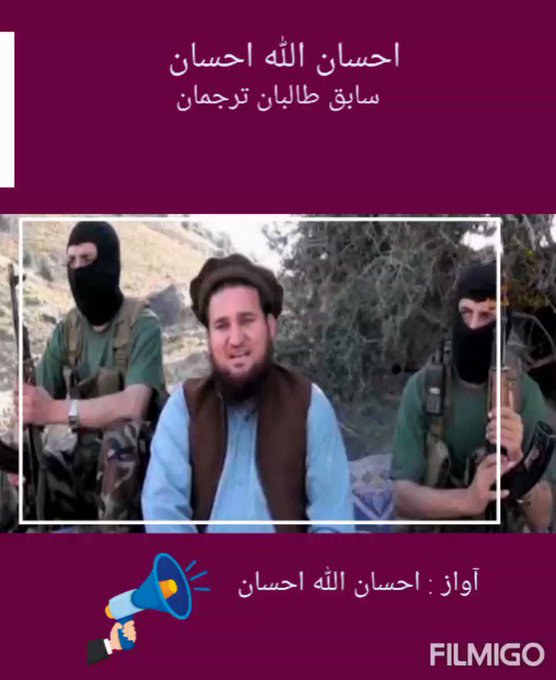
احسان اللہ احسان کس کے ’احسان‘ سے فرار ہوا؟
کالعدم تحریک طالبان پاکستان کے سابق ترجمان احسان اللہ احسان کے فرار سے ملک کئی کے حلقوں میں تشویش پیدا ہو گئی ہے۔ سیاسی جماعتیں اور سول سوسائٹی اس فرار پر اسٹیبلشمنٹ کو بھی ہدف تنقید بنا رہے ہیں۔
احسان اللہ احسان کے فرار پر اسٹیبلشمنٹ کو ہدف تنقید بنانے والوں میں پختونخواہ ملی عوامی پارٹی کے رہنما سینیٹر عثمان کاکڑ بھی شامل ہیں۔ انہوں نے ڈی ڈبلیو سے بات کرتے ہوئے کہا کہ اس فرار نے ایک نہیں بلکہ کئی سوالات کھڑے کر دیے ہیں، ''ہمیں اس فرار پر بہت تشویش ہے اور سوال یہ ہے کہ وہ اتنے ہائی سکیورٹی زون سے کیسے فرار ہوا ؟ ساری جماعتوں کے مطالبے کے باوجود احسان اللہ احسان پر مقدمہ چلا کر اسے سزا کیوں نہیں دی گئی؟ اس مسئلے پر خاموشی کیوں ہے؟ کیا خطے میں کوئی نیا گیم ہونے جارہا ہے؟ ہماری پارٹی اس مسئلے پر اجلاس بلائے گی اور فیصلہ کرے گی کہ اسے پارلیمنٹ میں اٹھایا جائے یا نہیں؟
واضح رہے کہ اس خبر کو سب سے پہلے ایک بھارتی اخبار نے بریک کیا تھا لیکن پاکستان میں اس کا زیادہ نوٹس نہیں لیا گیا۔ اب جب کہ احسان اللہ احسان کی آڈیو سامنے آ گئی ہے، تو اس پر سوشل میڈیا پر خوب تبصرے ہورہے ہیں۔ تاہم پاکستان کا آزاد میڈیا، خصوصاً چینلز، اس پر تبصرے سے اجتناب کر رہے ہیں۔ لوگوں کو آئی ایس پی آر کی خاموشی پر بھی تعجب ہے۔
معروف دفاعی تجزیہ نگار جنرل امجد شعیب سے جب ڈی ڈبلیو نے رابطہ کیا تو ان کا کہنا تھا،''مجھے بھی میڈیا کے ذریعے ہی پتہ چلا ہے، لہذا اس پر تبصرہ کرنا مناسب نہیں۔ تاہم میں یہ ضرور کہوں گا کہ اگر یہ خبر سچی ہے تو بھی حکومت کی طرف سے بیان آنا چاہیے اور اگر غلط ہے تو اس کی تردید آنا چاہیے تاکہ ملک میں جو چہ مگوئیاں ہورہی ہیں، وہ بند ہو سکیں۔‘‘
عوامی نیشنل پارٹی کی سابق رہنما و ایم این اے بشری گوہر کے خیال میں اس کا فرار نا اہلی کی بد ترین مثال ہے، ''یہ فرار سکیورٹی اداروں کی ملی بھگت اور اس اسٹیٹ پالیسی کا عکاس ہے، جس کے تحت ہم آج بھی اسٹرٹیجک ڈیپتھ کے فلسفے کی پیروی کر رہے ہیں اور طالبان دہشت گردوں کو دفاعی اور خارجہ پالیسی کے معاملات میں آلے کے طور پر استعمال کر رہے ہیں۔ ‘‘
بشری گوہر نے بھی اس فرار پر کئی سوالات بھی اٹھائے،’’اتنے سارے معصوم انسانوں کے قاتل پر مقدمہ کیوں نہیں چلایا گیا؟ اسے ریاست کے مہمان خانے میں کیوں رکھا گیا تھا؟ کس نے اس کی فرار میں مدد کی ہے؟ اس کے ساتھ ایسا رویہ کیوں رکھا گیا جیسا کہ وہ اسٹریٹیجک اثاثہ ہو؟ آئی ایس پی آر، کٹھ پتلی حکومت، میڈیا اور سیاست دان اس پرخاموش کیوں ہیں؟ میرے خیال میں اندرونی مدد کے بغیر وہ بھاگ نہیں سکتا تھا۔‘‘
پاکستان میں اس سے پہلے بھی ایسے واقعات ہوئے ہیں، جہاں طالبان قیدی بھاگنے میں کامیاب ہوئے۔ کئی ناقدین یہ سوال کر رہے ہیں کہ اس طرح کے واقعات کے بعد بھی حکومت نے مناسب اقدامات کیوں نہیں کیے۔ پشاور سے تعلق رکھنے والے معروف تجزیہ نگار ڈاکٹر سید عالم محسود نے اس مسئلے پر اپنی رائے دیتے ہوئے ڈی ڈبلیو کو بتایا، ''پہلے بنوں جیل کو توڑا گیا، کراچی جیل سے بھی قیدی بھاگے اور اب تو ایک نامی گرامی دہشت گرد، جس کے ہاتھ پر ہزاروں بے گناہ انسانوں کا خون ہے، وہ جی ایچ کیو کی حراست سے بھاگ گیا۔ مجھے ڈر ہے کہ خطے اور پختون علاقوں میں کوئی بڑا گیم ہونے والا ہے، جس میں ایک بار پھر تباہی ہمارے علاقوں کی ہو گی۔‘‘
احسان اللہ احسان ہے کون؟
احسان اللہ احسان کا اصل نام لیاقت علی ہے اور ان کا تعلق پاکستان کے سابقہ قبائلی علاقے مہمند سے ہے، جو پاکستان کی سات قبائلی ایجنسیوں میں سے ایک تھی۔ اب یہ علاقہ خیبر پختونخواہ میں ضم ہو چکا ہے اور اسے ضلع کا درجہ دے دیا گیا ہے۔ احسان اللہ احسان کا تعلق تحریک طالبان پاکستان سے تھا اور وہ کافی عرصے تک اس کے ترجمان بھی رہا۔ اس نے ترجمان کی حیثیت سے کئی طالبان حملوں کی ذمہ داری قبول کی۔ بعد ازاں ٹی ٹی پی میں تقسیم کے بعد وہ جماعت احرار کے ترجمان بن گئے اور اس دہشت گرد تنظیم کے بھی کئی اہم حملوں کی ذمہ داری احسان اللہ احسان نے قبول کی۔ اس کے بارے میں خیال کیا جاتا ہے کہ وہ ماضی میں صحافت سے بھی وابستہ رہا ہے اور اسے شاعری کا بھی شوق رہا۔
ٹی ٹی پی، پنجابی طالبان اور سپاہ صحابہ
احسان اللہ احسان کو پنجابی طالبان کے سربراہ عصمت اللہ معاویہ کا قریبی دوست سمجھا جاتا ہے۔ معاویہ کے بارے میں خیال کیا جاتا کہ وہ ماضی میں کالعدم سپاہ صحابہ پاکستان اور کالعدم جہادی تنظیم جیش محمد کا حصہ رہا ہے۔ سپاہ صحابہ کے ذرائع نے ڈی ڈبلیو کو بتایا کہ وہ کبھی بھی ان کی تنظیم کا حصہ نہیں رہا۔ عصمت اللہ معاویہ نے دوہزار چودہ میں ٹی ٹی پی چھوڑ دی تھی اور سکیورٹی اداروں کے آگے ہتھیار ڈال دیے تھے اور ایک آڈیو پیغام میں کہا تھا کہ وہ اب ترویج دین کے لیے کام کرے گا اور افغانستان میں نیٹو کی فوج کے خلاف جہاد کرے گا۔ خیال کیا جاتا ہے کہ معاویہ نے احسان اللہ احسان اور سکیورٹی اداروں کے درمیان رابطہ کرایا، جس کے بعد احسان اللہ احسان نے اپریل دوہزار سترہ میں ہتھیار ڈال دیے اور ایک انٹرویو میں یہ انکشاف کیا کہ ٹی ٹی پی غیر ملکی ایجنسیوں کے لیے کام کر رہی تھی۔
احسان اللہ احسان کی مبینہ آڈیو: حکومت خاموش کیوں؟
سوشل میڈیا پر ایک آڈیو گذشتہ روز سے گردش میں ہے جس میں ایک شخص خود کو احسان اللہ احسان بتا کر کہہ رہا ہے کہ وہ پاکستانی فوج کی ’حراست‘ سے فرار ہو گیا ہے۔
پاکستانی سوشل میڈیا میں جمعرات سے ایک آڈیو گردش کر رہی ہے جس میں ایک شخص دعویٰ کر رہا ہے کہ وہ تحریک طالبان پاکستان اور جماعت الاحرار کے سابق ترجمان احسان اللہ احسان ہے اور وہ پاکستانی اداروں کی ’حراست‘ سے ’فرار‘ ہو گئے ہیں، تاہم اس آڈیو کی ابھی تک آزاد ذرائع یا حکومت سے تصدیق نہیں ہو سکی ہے۔
Breaking: Former Pakistani Taliban spokesman Ehsanullah Ehsan confirms his escape from Pakistani jail. pic.twitter.com/B8Y36yIN1W
— Ihsan Tipu Mehsud (@IhsanTipu) February 6, 2020
اپنے آپ کو احسان اللہ احسان کہنے والے ایک شخص اپنے آڈیو میں کہتا ہے: ’میں نے پانچ فروری 2017 کو خود کو ایک معاہدے کے تحت پاکستان کے خفیہ اداروں کے حوالے کیا تھا اور تقریباً تین برس تک اپنی طرف سے اس معاہدے کی بھرپور پاسداری کی لیکن پاکستان کے اداروں نے معاہدے کے خلاف مجھے اپنے بچوں سمیت قید کیا تھا اور 11 جنوری 2020 کو ہم پاکستانی اداروں کے قید سے فرار ہو گئے ہیں۔‘
آڈیو میں مزید یہ کہا گیا ہے کہ وہ معاہدے کے نکات، پاکستان میں انہیں کہاں رکھا گیا تھا اور اس معاہدے میں کون موجود تھے اس پر وہ بہت جلد بات کریں گے۔
تاہم اس اتنے بڑے الزام پر حکومت یا سکیورٹی اداروں کی جانب سے کوئی وضاحتی بیان تقریبا 24 گھنٹے گزرنے کے بعد بھی سامنے نہیں آیا ہے۔
کیا آڈیو واقعی احسان اللہ احسان کی ہے؟
اس حوالے سے انڈپینڈنٹ اردو کو ایسے صحافیوں سے بات کی جن کی ماضی میں احسان اللہ احسان فون پر بات ہوتی رہی ہے تاکہ جان سکیں کہ آڈیو واقعی احسان اللہ احسان کی ہے۔
پشاور کے ایک صحافی رسول داوڑ جو ماضی میں دہشت گردی کے واقعات کو کور کرتے رہے اور احسان اللہ احسان کے ساتھ کئی مواقع ہر فون پر بات بھی کی ہے نے انڈپینڈنٹ اردو کو بتایا کہ آڈیو میں آواز احسان اللہ احسان کی ہے اور انہوں نے اس حوالے سے تصدیق بھی کی ہے کہ یہ آڈیو ان کی ہے۔
انہوں نے بتایا کہ یوٹیوب پر پڑے احسان اللہ احسان کے مختلف ٹی وی انٹرویوز یا دیگر ویڈیوز کے ساتھ اگر ان کا موازنہ بھی کیا جائے تو آسانی سے پتہ لگایا جا سکتا ہے کہ یہ آواز واقعی احسان اللہ احسان کی ہے۔
رفعت اللہ اورکزئی نے کئی سالوں سے دہشت گردی کے حوالے سے رپورٹنگ کرتے آ رہے ہیں۔ انہوں نے انڈپینڈنٹ اردو کو بتایا کہ انہوں نے درجنوں مرتبہ احسان اللہ احسان کے ساتھ ماضی میں فون پر بات کی ہے اور وہ اس سمجھتے ہیں کہ آڈیو میں یہ آواز احسان اللہ احسان ہی کی ہے لیکن اس حوالے سے پاکستانی ادارے مزید تبصرہ کر کے اس ‘معاملے کی وضاحت کر سکیں گے۔
رفعت اللہ اورکزئی نے کئی سالوں سے دہشت گردی کے حوالے سے رپورٹنگ کرتے آ رہے ہیں۔ انہوں نے انڈپینڈنٹ اردو کو بتایا کہ انہوں نے درجنوں مرتبہ احسان اللہ احسان کے ساتھ ماضی میں فون پر بات کی ہے اور وہ اس سمجھتے ہیں کہ آڈیو میں یہ آواز احسان اللہ احسان ہی کی ہے لیکن اس حوالے سے پاکستانی ادارے مزید تبصرہ کر کے اس ‘معاملے کی وضاحت کر سکیں گے۔
جس اکاؤنٹ سے خود کو احسان اللہ احسان کہنے والے شخص نے آڈیو ریلیز کی ہے، جب اس سے رابطہ کیا گیا تو انہوں نے انڈپینڈنٹ اردو کو اپنے ’فرار‘ کے کسی قسم کے مزید شواہد دینے سے انکار کر دیا۔ جب ان سے پوچھا گیا کہ کیا کوئی ویڈیو آپ ریلیز کر سکتے ہیں جس سے اس بات کی تصدیق ہو سکے تو انہوں نے جواب میں بتایا کہ وقت آنے پر وہ سب کچھ سامنے لائیں گے اور ابھی تک صرف آڈیو پر ہی گزارا کیا جائے۔
انڈپینڈنٹ اردو نے اس سارے معاملے پر پاک فوج کا موقف لینے کے لیے آئی ایس پی آر کو ای میل بھیج دی ہے لیکن ابھی تک ان کی جانب سے کوئی جواب نہیں ملا۔ ان کے طرف سے اگر کوئی موقف سامنے آیا تو اسے بھی پیش کر دیا جائے گا۔
اسی طرح انڈپینڈنٹ اردو نے پاک فوج کے دو دیگر سینیئر اہلکاروں کے ساتھ اس معاملے پر بات کرنے کی کوشش لیکن انہوں نے اس معاملے پر کسی قسم کی تبصرہ کرنے سے گریز کیا، اور نہ ہی اس آڈیو کی تصدیق یا تردید کی۔
طالبان ذرائع سے اس حوالے سے انڈپینڈنٹ اردو نے بھی بات کرنے کی کوشش کی لیکن ان میں سے ایک نے یہ بتایا کہ چونکہ احسان اللہ احسان اب تنظیم کا حصہ نہیں ہیں اس لیے ان کے بارے میں تنظیم کے پاس معلومات نہیں ہیں اور نہ وہ فرار ہونے کی تصدیق کر سکتے ہیں۔
احسان اللہ احسان کون ہیں؟
احسان اللہ احسان کا اصلی نام لیاقت علی ہے اور وہ تحریک طالبان پاکستان کے سابق ترجمان تھے۔ کئی برس تک ٹی ٹی پی سے وابستہ رہنے کے بعد ان کے اس تنظیم کے ساتھ اختلافات پیدا ہو گئے اور وہ جماعت الاحرار کے نام سے الگ ہونے والے دھڑے کے ترجمان بن گئے۔
ماضی میں احسان اللہ احسان پاکستان میں مختلف دہشت گردی کے واقعات کی ذمہ داری قبول کر چکیں ہے۔ نوبل انعام یافتہ ملا یوسفزئی پر حملے کی ذمہ داری بھی احسان اللہ احسان نے قبول کی تھی۔
ان کے جانب سے ماضی میں آرمی پبلک سکول حملے کے حملے کی مذمت بھی کی گئی تھی۔ خبررساں ادارے روئٹرز کے ایک خبر کے مطابق اس وقت جب تحریک طالبان پاکستان کے ترجمان شاہد اللہ شاہد نے جب آرمی پبلک سکول حملے کی ذمہ داری قبول کی تو جماعت الاحرار کے اس وقت کے ترجمان احسان اللہ احسان نے اس حملے کی مذمت کی تھی۔ اس مبینے احسان اللہ احسان اپنی ایک ٹوئنٹر اکاونٹ بھی بنا لیا ہے جس سے وہ تواتر کے ساتھ ٹوئٹس بھی کر رہے ہیں۔
اس کے علاوہ ٹوئٹر پر احسان اللہ ٹرینڈ بھی کر رہے ہیں۔
2017 میں پاک فوج کے ترجمان کے جانب سے یہ بیان سامنے آ گیا تھا کہ احسان اللہ احسان نے خود کو پاکستانی سکیورٹی اداروں کے حوالے کر دیا ہے۔ اس کے علاوہ پاکستان کے ایوان بالا میں یہ کہا گیا تھا کہ احسان اللہ احسان کے خلاف ملٹری کورٹ میں کارروائی ہو گی۔
اس حوالے سے پشاور ہائی کورٹ میں ایک رٹ پٹیشن کی سماعت کے دوران عدالت کی جانب سے یہ فیصلہ بھی سامنے آیا تھا کہ احسان اللہ احسا ن پر عدالت میں مقدمہ چلایا جائے۔
Taliban Militant Flees Prison, Claiming Deal With Pakistani Security Forces
By Ihsanullah Tipu Mehsud and Maria Abi-Habib
His claims of a secret deal come at a sensitive time for the government, which is under international pressure to cut ties with terror groups.A prominent Taliban official who served as the group’s spokesman during some of its most devastating attacks, including the attempted assassination of the young activist Malala Yousafzai, has escaped from detention in Pakistan, claiming he had made a secret deal with the country’s security forces. If verified, the claim by the Taliban militant, Sajjid Mohmand, also known by his nom de guerre, Ehsanullah Ehsan, would bring renewed scrutiny to the country’s ties to the group. Pakistan’s security and intelligence forces have long been accused of harboring terrorist groups to use for their foreign and domestic policy objectives, which they have denied. “I have been in detention for three years and I honored the deal with great patience for three years,” Mr. Mohmand said in an audio recording that was released on social media on Thursday. “In the near future, I will make more revelations about the deal and people involved in it.” When reached by phone on Friday, Mr. Mohmand confirmed the authenticity of the audio recording and added that he and his family were in hiding. A spokesman for Pakistan’s military declined to comment on Friday. Ms. Yousafzai, who championed girls’ education, was shot on a bus by a Taliban militant on Oct. 9, 2012. She survived and went on to become a globally recognized activist and a Nobel laureate. When Mr. Mohmand, who had served as the spokesman for the Pakistani Taliban, surrendered in Pakistan in 2017, security forces hailed his arrest as a victory in their counterterrorism operations.But Mr. Mohmand told reporters this week that his surrender had been the result of a murky deal he struck with Pakistani forces, and he promised to reveal more information soon. An associate of Mr. Mohmand’s and a Pakistani intelligence official supported the claim, saying that the militant had agreed to the surrender in exchange for a large payout by the country’s security forces. Mr. Mohmand was placed under house arrest with his family in Hayatabad, an upscale suburb of Peshawar City, instead of the barren jail cell usually reserved for hardened criminals. He lived a relatively comfortable life, calling relatives and friends as he pleased, surfing the internet and even fathering a child.But the deal apparently turned sour after Mr. Mohmand waited impatiently for three years to be paid. He and his family reportedly escaped last month, with their getaway coming to light only this week.Pakistani security forces are now offering Mr. Mohmand more money to turn himself back in, but he has refused the offer, officials say.The security officials believe that Mr. Mohmand is currently hiding out on the country’s border with Afghanistan, a mountainous region that the military has struggled to patrol. The release of the militant and his claims of a secret deal with Pakistani security forces come at a sensitive time for the government, which is under international pressure to cut ties with terror groups or face financial repercussions. The high-profile escape would be a major security breach and an embarrassment for the Pakistani military and intelligence services, as they are facing questions about why they kept silent about the release for nearly a month. Mr. Mohmand was one of the most recognizable faces of the Pakistani Taliban, officially known as Tehrik-e-Taliban Pakistan, until he left the group in 2013, going on to join an even more radical breakaway faction called Jamaat-ul-Ahrar. As a spokesman, he was deft at using social media to publicize the group’s operations, constantly calling reporters to tell them about brutal operations, including the 2016 attack in the eastern city of Lahore on Easter Sunday, targeting families that had just left church. But the Pakistani Taliban have suffered serious setbacks in recent years, with security services successfully uprooting the group from the country’s tribal areas on the border with Afghanistan. Several of its senior leaders have been killed in American drone strikes in Pakistan and Afghanistan, and the group has also had internal rifts, difficulties recruiting and financial constraints that have seriously undermined its operational capabilities. While Pakistan’s military is accused of using militant groups against domestic and regional rivals, it has had little tolerance for the Pakistani Taliban because of its internal focus: attacking and challenging the state. https://www.nytimes.com/2020/02/07/world/asia/taliban-malala-yousafzai-pakistan.html
Saudi Arabia rejects Pakistan’s plea for discussion on Kashmir at OIC
"We can’t even come together as a whole on the OIC meeting on Kashmir", Dawn quoted Pak PM Imran Khan as saying.
In yet another setback to Islamabad, Saudi Arabia has once again declined Pakistan’s request for an urgent meeting of the council of Foreign Ministers on Kashmir at the Organization of Islamic Cooperation (OIC).
In December, Pakistan had trumpeted that it secured a diplomatic win by prevailing on Saudi Arabia to hold a special session on Kashmir at the OIC. However, officials in New Delhi had expressed skepticism about the news, saying that the OIC did not make any official announcement or issue any confirmation of the meeting.
On Thursday, Pakistani daily Dawn reported that Prime Minister Imran Khan’s plea for a discussion on Kashmir has been rejected by Saudi Arabia. The OIC is holding its senior officials’ meeting in Jeddah on February 9 to make arrangements for the council of foreign ministers.
Mr. Khan has been campaigning around the world against India ever since the Narendra Modi-led government revoked the special status of Jammu and Kashmir in August last year.Recently, Mr. Khan was forced by Saudi Crown Prince Mohamad Bin Salman to cancel his trip to Malaysia where he intended to slam India over Kashmir at the Islamic Summit hosted by the Mahathir Mohamad government in Malaysia.
Challenge to its leadership irks Riyadh
Riyadh took serious offence to the summit where it was not invited and perceived it as a challenge to its leadership in the Muslim world by Turkey, Malaysia and Pakistan. The Saudi Kingdom threatened to withdraw its massive aid to Pakistan, already reeling under an economic crisis.
“Islamabad’s feeling of unease with the OIC on its failure to get the CFM’s meeting appears to be growing. Prime Minister Imran Khan voiced frustration over the OIC’s silence on Kashmir while speaking at a think-tank during his visit to Malaysia,” the Dawn reported.
The newspaper quoted Mr. Khan as saying: “The reason is that we have no voice and there is a total division amongst (us). We can’t even come together as a whole on the OIC meeting on Kashmir.”
Prime Minister Narendra Modi visited Riyadh in October last year, the second time since 2016, and met the Crown Prince five times. The outcome of the meetings has been strategic partnership pact between the two countries, making India fourth country after France, the UK and China to earn such a significant status in Riyadh.
India is a major importer of oil from Saudi Arabia.
https://www.thehindu.com/news/international/saudi-arabia-rejects-pakistans-plea-for-discussion-on-kashmir-at-oic/article30758862.ece
Thursday, February 6, 2020
Subscribe to:
Posts (Atom)