Wednesday, December 4, 2019

Pakistan Backs Off Prosecuting Chinese Sex Traffickers to Preserve Economic Ties to Beijing: Report

By 

Pakistan has declined to pursue a sprawling case against Chinese sex traffickers due to fears it would harm economic ties with Beijing, the AP reported on Wednesday.
Pakistan has been seeking closer ties with China for years as Beijing continue to make major investments in the country’s infrastructure.
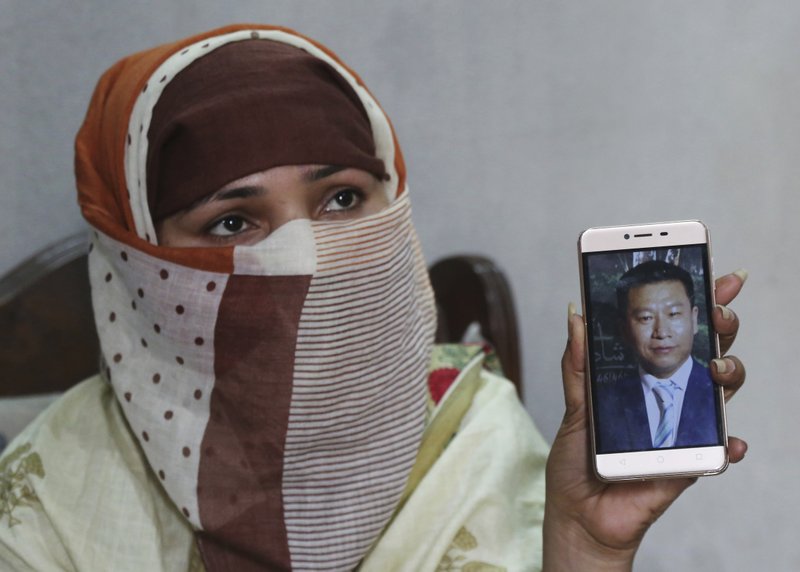
Pakistani investigators have compiled a list of 629 girls and women who were brought to China to be sold as brides. Traffickers often target members of Pakistan’s Christian minority, one of the poorest communities in the Muslim-majority country, and some even bribe ministers to advise churchgoers to sell their daughters.
A senior Pakistani official said that many of the women who have spoken to the authorities have reported physical and sexual abuse while in China, as well as forced prostitution and fertility treatments. One investigation even contains allegations the organs of some of the women were harvested in China, although there is no evidence for the allegations as of yet.
Those familiar with the case said Pakistani authorities are quashing the investigations, in some cases even transferring investigators to different areas.
“No one is doing anything to help these girls,” another official told the AP. “The whole racket is continuing, and it is growing. Why? Because they know they can get away with it. The authorities won’t follow through, everyone is being pressured to not investigate. Trafficking is increasing now.”
5
A case against 31 Chinese nationals accused of human trafficking fell apart in October when a court acquitted all of them. Several women brought by police to testify were bribed or threatened to remain silent.


AP Exclusive: 629 Pakistani girls sold as brides to China

By KATHY GANNON
Page after page, the names stack up: 629 girls and women from across Pakistan who were sold as brides to Chinese men and taken to China. The list, obtained by The Associated Press, was compiled by Pakistani investigators determined to break up trafficking networks exploiting the country’s poor and vulnerable.
The list gives the most concrete figure yet for the number of women caught up in the trafficking schemes since 2018.
But since the time it was put together in June, investigators’ aggressive drive against the networks has largely ground to a halt. Officials with knowledge of the investigations say that is because of pressure from government officials fearful of hurting Pakistan’s lucrative ties to Beijing.
The biggest case against traffickers has fallen apart. In October, a court in Faisalabad acquitted 31 Chinese nationals charged in connection with trafficking. Several of the women who had initially been interviewed by police refused to testify because they were either threatened or bribed into silence, according to a court official and a police investigator familiar with the case. The two spoke on condition of anonymity because they feared retribution for speaking out.
At the same time, the government has sought to curtail investigations, putting “immense pressure” on officials from the Federal Investigation Agency pursuing trafficking networks, said Saleem Iqbal, a Christian activist who has helped parents rescue several young girls from China and prevented others from being sent there.
“Some (FIA officials) were even transferred,” Iqbal said in an interview. “When we talk to Pakistani rulers, they don’t pay any attention. “
Asked about the complaints, Pakistan’s interior and foreign ministries refused to comment.
Several senior officials familiar with the events said investigations into trafficking have slowed, the investigators are frustrated, and Pakistani media have been pushed to curb their reporting on trafficking. The officials spoke on condition of anonymity because they feared reprisals.
“No one is doing anything to help these girls,” one of the officials said. “The whole racket is continuing, and it is growing. Why? Because they know they can get away with it. The authorities won’t follow through, everyone is being pressured to not investigate. Trafficking is increasing now.”
He said he was speaking out “because I have to live with myself. Where is our humanity?”
China’s Foreign Ministry said it was unaware of the list.
“The two governments of China and Pakistan support the formation of happy families between their people on a voluntary basis in keeping with laws and regulations, while at the same time having zero tolerance for and resolutely fighting against any person engaging in illegal cross-border marriage behavior,” the ministry said in a statement faxed Monday to AP’s Beijing bureau.
An AP investigation earlier this year revealed how Pakistan’s Christian minority has become a new target of brokers who pay impoverished parents to marry off their daughters, some of them teenagers, to Chinese husbands who return with them to their homeland. Many of the brides are then isolated and abused or forced into prostitution in China, often contacting home and pleading to be brought back. The AP spoke to police and court officials and more than a dozen brides — some of whom made it back to Pakistan, others who remained trapped in China — as well as remorseful parents, neighbors, relatives and human rights workers.
Christians are targeted because they are one of the poorest communities in Muslim-majority Pakistan. The trafficking rings are made up of Chinese and Pakistani middlemen and include Christian ministers, mostly from small evangelical churches, who get bribes to urge their flock to sell their daughters. Investigators have also turned up at least one Muslim cleric running a marriage bureau from his madrassa, or religious school.
Investigators put together the list of 629 women from Pakistan’s integrated border management system, which digitally records travel documents at the country’s airports. The information includes the brides’ national identity numbers, their Chinese husbands’ names and the dates of their marriages.
All but a handful of the marriages took place in 2018 and up to April 2019. One of the senior officials said it was believed all 629 were sold to grooms by their families.
It is not known how many more women and girls were trafficked since the list was put together. But the official said, “the lucrative trade continues.” He spoke to the AP in an interview conducted hundreds of kilometers from his place of work to protect his identity. “The Chinese and Pakistani brokers make between 4 million and 10 million rupees ($25,000 and $65,000) from the groom, but only about 200,000 rupees ($1,500), is given to the family,” he said.
The official, with years of experience studying human trafficking in Pakistan, said many of the women who spoke to investigators told of forced fertility treatments, physical and sexual abuse and, in some cases, forced prostitution. Although no evidence has emerged, at least one investigation report contains allegations of organs being harvested from some of the women sent to China.
In September, Pakistan’s investigation agency sent a report it labeled “fake Chinese marriages cases” to Prime Minister Imran Khan. The report, a copy of which was attained by the AP, provided details of cases registered against 52 Chinese nationals and 20 of their Pakistani associates in two cities in eastern Punjab province — Faisalabad, Lahore — as well as in the capital Islamabad. The Chinese suspects included the 31 later acquitted in court.
The report said police discovered two illegal marriage bureaus in Lahore, including one operated from an Islamic center and madrassa — the first known report of poor Muslims also being targeted by brokers. The Muslim cleric involved fled police.
After the acquittals, there are other cases before the courts involving arrested Pakistani and at least another 21 Chinese suspects, according to the report sent to the prime minister in September. But the Chinese defendants in the cases were all granted bail and left the country, say activists and a court official. Activists and human rights workers say Pakistan has sought to keep the trafficking of brides quiet so as not to jeopardize Pakistan’s increasingly close economic relationship with China.
China has been a steadfast ally of Pakistan for decades, particularly in its testy relationship with India. China has provided Islamabad with military assistance, including pre-tested nuclear devices and nuclear-capable missiles.
Today, Pakistan is receiving massive aid under China’s Belt and Road Initiative, a global endeavor aimed at reconstituting the Silk Road and linking China to all corners of Asia. Under the $75 billion China-Pakistan Economic Corridor project, Beijing has promised Islamabad a sprawling package of infrastructure development, from road construction and power plants to agriculture.
The demand for foreign brides in China is rooted in that country’s population, where there are roughly 34 million more men than women — a result of the one-child policy that ended in 2015 after 35 years, along with an overwhelming preference for boys that led to abortions of girl children and female infanticide.A report released this month by Human Rights Watch, documenting trafficking in brides from Myanmar to China, said the practice is spreading. It said Pakistan, Cambodia, Indonesia, Laos, Myanmar, Nepal, North Korea and Vietnam have “all have become source countries for a brutal business.”“One of the things that is very striking about this issue is how fast the list is growing of countries that are known to be source countries in the bride trafficking business,” Heather Barr, the HRW report’s author, told AP.Omar Warriach, Amnesty International’s campaigns director for South Asia, said Pakistan “must not let its close relationship with China become a reason to turn a blind eye to human rights abuses against its own citizens” — either in abuses of women sold as brides or separation of Pakistani women from husbands from China’s Muslim Uighur population sent to “re-education camps” to turn them away from Islam.
“It is horrifying that women are being treated this way without any concern being shown by the authorities in either country. And it’s shocking that it’s happening on this scale,” he said.

Tuesday, December 3, 2019

Music Video - Lokan do do yaar banaye - Afshan zebi

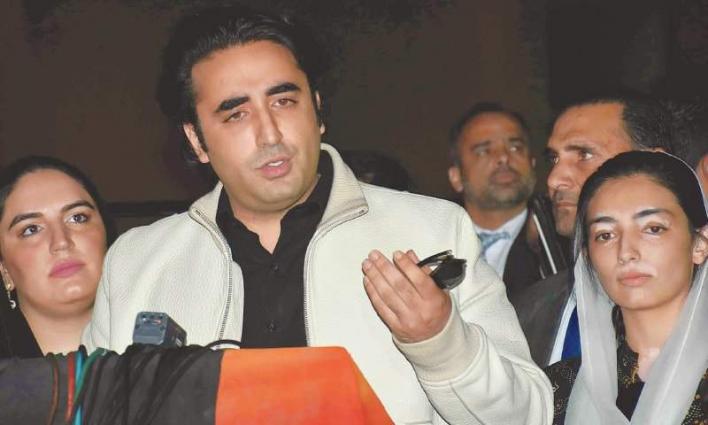
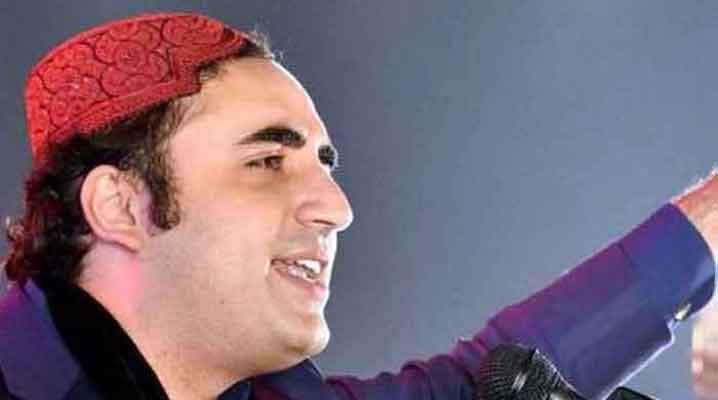
Video - Bilawal Bhutto Zardari Speech | Muzaffarabad | SAMAA TV | 30 November 2019

Chairman Pakistan Peoples Party Bilawal Bhutto Zardari Condoles 13 Pakistanis' Demise In Jordan


Chairman Pakistan Peoples Party Bilawal Bhutto Zardari Tuesday expressed heartfelt condolences over the demise of 13 Pakistani in the fire incident that occurred in Jordan another day.

Chairman Pakistan Peoples Party Bilawal Bhutto Zardari Tuesday expressed heartfelt condolences over the demise of 13 Pakistani in the fire incident that occurred in Jordan another day.
In a statement issued here by the party secretariat, Bilawal Bhutto has expressed grief and sorrow with the bereaved family over the tragic loss.
He prayed to Almighty to rest the departed soul in eternal peace and grant courage and fortitude to the bereaved family to bear this irreparable loss with equanimity.
It merits mention here that the victims belonged to city Kukar, Dadu district in Sindh province.

Bilawal Bhutto Zardari Felicitates Newly Elected PFUJ Office Bearers


Pakistan Peoples Party Chairman Bilawal Bhutto Zardari felicitated the newly elected president of the Federal Union of Journalists, Shehzada Zulfikar, General Secretary Nasir Zaidi, Vice President Sudoor Salim Shahid, Lala Asad Pathan, Bakht Zada Yousafzai and Rana Pervez Hameed.

Pakistan Point News - 3rd Dec, 2019 ) :Pakistan Peoples Party Chairman Bilawal Bhutto Zardari felicitated the newly elected president of the Federal Union of Journalists, Shehzada Zulfikar, General Secretary Nasir Zaidi, Vice President Sudoor Salim Shahid, Lala Asad Pathan, Bakht Zada Yousafzai and Rana Pervez Hameed.
Bilawal said that PFUJ should play its historical role in supporting the struggles of the journalist community as it has suffered through imprisonment and oppression and raised the flag for the freedom of press, said a press release.

#Pakistan #PPP - Bilawal Bhutto says students' spirit of activism "truly inspiring"

Pakistan Peoples Party (PPP) Chairman Bilawal Bhutto Zardari on Friday paid tribute to the new generation of students for their spirit of activism by describing it as 'truly inspiring'.
"The PPP has always supported Student unions. The restoration of student unions by SMBB was purposely undone to depoliticize society. Today students are marching in the #StudentSolidarityMarch for the restoration of unions, implementation of right to education, 1/2," he tweeted. 
"End to privatization of public universities, implementation of sexual harassment legislation, right to student housing & the demilitarization of campuses. The spirit of activism and yearning for peaceful democratic process from a new generation of students is truly inspiring. 2/2," he tweeted. 


Thousands of Pakistanis across the country are taking to the roads to demand reinstatement of student unions, demilitarization of campuses and increasing the education budget to 10 percent. 

Thursday, November 28, 2019

Pashto Music - Ka Ze Na Wai که زه نه وای عشق به تالره بلل څوک - ثبت خصوصى

Pashto Music - SARDAR ALI TAKKAR KHOLA YE RAORANDEY KRA ASHRAF MAFTUN

Video Report - Sairbeen 28 Nov 2019 - General Bajwa gets a conditional extension. What does this mean?

Pakistan SC gives army chief Bajwa a 6-month extension, and a deadline to Imran Khan


The order came after the Imran Khan government promised a law within six months to fix an army chief’s tenure and other terms of service.

The Pakistan Supreme Court Thursday approved a conditional six-month extension to the tenure of army chief General Qamar Javed Bajwa, who was to retire Thursday night.
The order came after the Imran Khan government gave an undertaking that the country’s parliament will pass a law within six months to fix an army chief’s tenure and other terms of service.
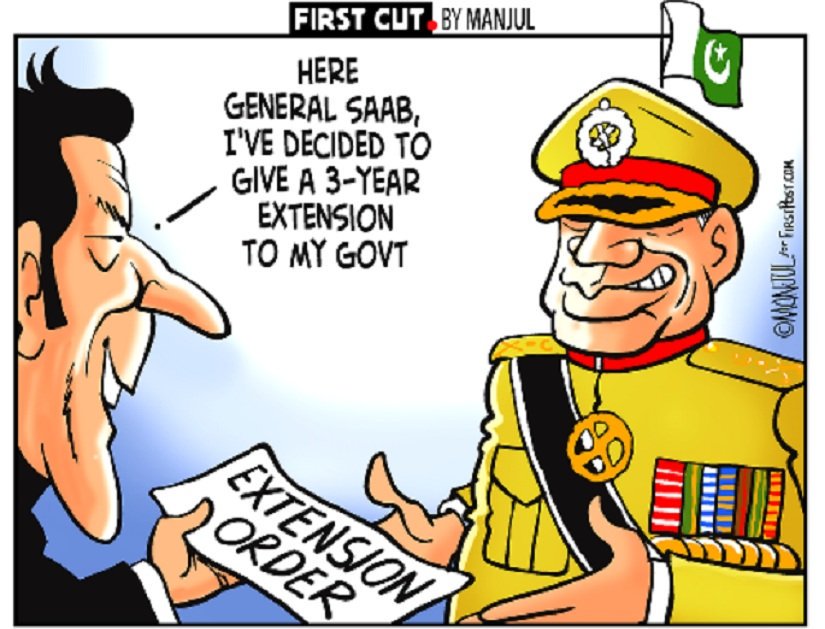
Prime Minister Imran Khan had extended Bajwa’s tenure by three years through a notification issued in August. However, the Supreme Court had suspended the decision earlier this week on account of irregularities in the order.
A three-member bench of the court, headed by Chief Justice Asif Saeed Khosa, was hearing a petition filed by the Jurist Foundation, which had challenged the extension and urged the court to declare it null and void and illegal. Pakistani law, under Article 243 (4)(b) of its constitution, only allows the President (“on advice of the Prime Minister”) to take decisions an an Army chief’s appointment, salary and allowances.
“The court has thoroughly examined Article 243(4)(b),” said Chief Justice Khosa. While Article 243(4)(b), the court noted, empowers the President to appoint an army chief, it doesn’t spell out a term. It was in this light that the court asked the government to finalise legislation laying down an army chief’s tenure and terms of service.
‘Matter now in parliament, government’s hand’
According to a report in the Pakistani daily Dawn Thursday, the court had asked the government to furnish an undertaking about the proposed law as well as an amended notification that doesn’t include any mention of the Supreme Court, duration of the army chief’s tenure and description of his salary and incentives.
As it granted Bajwa a six-month extension, the court said the matter was now in the hands of parliament and the government.
“Considering that the COAS [chief of army staff] is responsible for the command, discipline, training, administration, organisation and preparedness for war of the army and is the chief executive in General Headquarters, we, while exercising judicial restraint, find it appropriate to leave the matter to the Parliament and the federal government to clearly specify the terms and conditions of service of the COAS through an Act of Parliament and to clarify the scope of Article 243 of the Constitution in this regard,” the court said in its short order, according to a report in Pakistani daily The Express Tribune.
The Supreme Court’s suspension of the extension notification issued by the Imran Khan government was seen as a rare move. https://theprint.in/india/pakistan-sc-gives-army-chief-bajwa-a-6-month-extension-and-a-deadline-to-imran-khan/327776/

Pakistan Supreme Court cuts Army chief Bajwa's 3-year extension to 6 months for now

The Supreme Court of Pakistan (SCP) has extended Pakistan's Chief of Army Staff (COAS) General Qamar Javed Bajwa's tenure till May 2020.
In a partial relief to Prime Minister Imran Khan's government, the Supreme Court of Pakistan (SCP) has extended Pakistan's Chief of Army Staff (COAS) General Qamar Javed Bajwa's tenure till May 2020. While a relief, the Supreme Court's decision cuts the original three-year extension down to six months.
The court announced the verdict stating that the Pakistan government has given assurance of making required amendments in the constitution Article 243 within six months and specify the appointment, extension and tenure of the Army chief.
The Pakistan government has submitted an undertaking to the Supreme Court, assuring it of bringing a legislative amendment through the parliament within six months.
The court has also asked the Imran Khan government to guarantee that a constitutional amendment would be finalised and approved through the parliament, amending Article 243 and adding important points including specification of tenure of appointment and extension of the Army chief for three years, retirement of a four star general and clarity over pension and privileges that an Army chief and a four star general would get.
Earlier in the hearing, Chief Justice of Pakistan (CJP) has said that the matter of Army Chief appointment of extension has never been discussed in the court and justified through the constitution in the past. But now as this is being discussed, so all pointers will be looked into in detail and procedures will be set for the future.
The Supreme Court has highlighted that the Constitution of Pakistan is 'silent' on the appointment, extension or re-appointment of the Army Chief.

Now, the onus of the responsibility has been put in the hands of the Imran Khan government and the Parliament to ensure that legislations and amendment is done in the constitution within six months and then the Army Chief can get more extension if needed.
It is a major decision being undertaken by the Supreme Court of Pakistan and will act as a historical decision that establishes the fact that the powerful military of the country comes under the constitutional legal ambit and will assert that none is above the law.

Wednesday, November 27, 2019

Video - Extension's Tension - Najam Sethi

#Pakistan - PTI to the rescue

IT is a stunning volte-face, even for a government that has many an about-face under its belt.
On Monday, the PTI government filed a petition in the Islamabad High Court seeking a deferment of the verdict in the case against retired Gen Pervez Musharraf for high treason, due to be announced tomorrow.
The trial has dragged on since March 2014, when a special court constituted to try the former military dictator charged him under Article 6 for suspending the Constitution in 2007 and imposing emergency rule.
Exactly a week before his government came to Mr Musharraf’s rescue, Prime Minister Imran Khan — evidently riled up by Nawaz Sharif’s departure for medical treatment abroad — made an ill-considered jibe against the superior judiciary, asking it to “restore public trust by ending the impression about favoring the powerful against the poor”.
In a robust defense of his institution, Chief Justice of Pakistan Asif Saeed Khosa retorted that the judiciary had convicted one prime minister and disqualified another and that a verdict against a former army chief was soon to be delivered.Surely anyone familiar with Pakistan’s history knows that an army chief can be counted among that sliver of the elite whose influence, to a great extent, endures beyond retirement. Indeed, so powerful is this office that Mr Musharraf is the first of his cohort to have faced prosecution for suspending the Constitution.How then can a government that loses no opportunity to portray itself as a champion of ordinary citizens, and that has vowed to punish the abuse of office by the privileged few, rush to Mr Musharraf’s defence?
The yet to be announced verdict notwithstanding, certain facts are irrefutable: the military dictator suspended the fundamental law of the land, thereby stripping the people of constitutional protections based on principles of justice and liberty.
When a party that has come to power through the electoral process can seek relief for such an individual, who is alleged to have committed one of the most serious crimes against the state, it could justifiably be accused of harbouring a soft spot for authoritarian rule. That a number of duly elected people’s representatives — including a former prime minister — have been subjected to months-long detention without charge while the government touts its ‘accountability’ credentials, only strengthens this perception.
Prime Minister Imran Khan has shown regrettably poor judgement in authorising the bizarre intervention on behalf of Mr Musharraf.
After all, it should have been self-evident that this move, far from burnishing the PTI’s reputation, would convey the impression of a government at odds with itself.
As expected, social media has dug up video evidence of Mr Khan many years ago denouncing the former army chief’s actions and his imposition of emergency. As head of a parliamentary democracy today, the prime minister should not have wavered from that stance.
https://www.dawn.com/news/1519119/pti-to-the-rescue

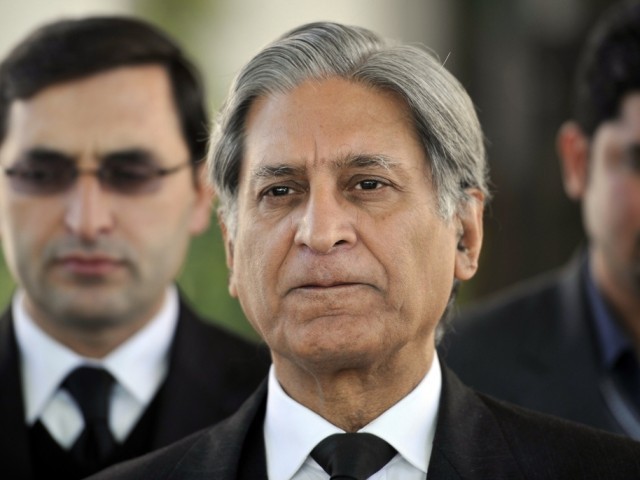
#Pakistan #PPP - Zardari is “a man of iron” - Aitzaz Ahsan

Pakistan Peoples Party’s (PPP) former senator and renowned lawyer Aitzaz Ahsan said Zardari is “a man of iron” who has refused to seek a bail despite being iller than former prime minister Nawaz Sharif, who got bail on medical grounds and later flew to London for treatment.
“Nawaz Sharif also fled the country in 2000,” he said in a reference to Nawaz Sharif’s exile to Saudi Arabia one year after his arrest in the wake of a military coup in October 1999.
He said Asif Ali Zardari has only two demands: permission to get medical treatment from his personal physician and shifting of his case from Islamabad to Karachi.
“There is a growing perception that NAB [National Accountability Bureau] law is different in Punjab and Sindh. This perception must be dispelled. The law should be the same for all,” he added.

https://tribune.com.pk/story/2107821/1-pm-authority-appoint-coas-aitzaz/

Pak Court Stopped From Announcing Verdict In Musharraf Case On Thursday

The special court on November 19 concluded the trial proceedings in the case against Musharraf for declaring a state of emergency on November 3, 2007, and had said that a verdict would be announced on November 28.
 A Pakistani court today stopped a special court from announcing its judgement in the high treason case against former military dictator General (retd) Pervez Musharraf, according to a media report.
The special court on November 19 concluded the trial proceedings in the case against Musharraf for declaring a state of emergency on November 3, 2007, and had said that a verdict would be announced on November 28.
A three-member larger bench of the Islamabad High Court - comprising IHC Chief Justice Athar Minallah, Justice Aamer Farooq and Justice Mohsin Akhtar Kayani - on Wednesday stopped the special court from issuing the ruling in the case against 76-year-old Musharraf, Dawn News reported.
The order came on a petition filed by the Pakistan government which had requested the court to set aside the special court's decision to announce its judgement in the high treason case on November 28.
Musharraf, who is living in Dubai in self-exile, also challenged the special court's decision in the Lahore High Court on Saturday and sought suspension of his trial in absentia. His counsel contended that the reserving of the verdict on November 19 was "unconstitutional and void".
"For reasons to be recorded later, we allow writ petition (...) filed by the Ministry of Interior," the court said in its brief order on Wednesday, setting aside the special court's decision to reserve its judgement in the case.
The court also directed the government to notify a new prosecutor or a team of prosecution in the treason case by December 5.
In addition, the special court has been ordered to fix a date "for affording a reasonable opportunity of hearing" to the notified prosecutor or prosecution team as well as the counsel appointed for Musharraf.
If found guilty, Musharraf could be sentenced to death or imprisonment for life.
As Pakistan President, Musharraf imposed emergency and suspended the Constitution in 2007, which according to Article 6 of the Constitution was an act of high treason.
The previous Pakistan Muslim League-Nawaz (PML-N) government had filed the treason case against the former president in 2013 over the imposition of an extra-constitutional emergency in 2007.
Musharraf became Pakistan''s first army chief to be charged with treason when he was indicted on March 31, 2014. He pleaded not guilty to five charges and dismissed them as being politically motivated.
The hearing in the high-profile case was stalled after Musharraf left Pakistan for Dubai for medical treatment on March 18, 2016 with a commitment to come back. He managed to go abroad after his name was removed from the no-fly list on the orders of the Supreme Court.
A few months later, however, the special court declared him a "proclaimed offender" and ordered the confiscation of his property owing to his no-show at the hearings.
He has repeatedly refused to return to Pakistan citing security reasons. COMMENT Musharraf seized power in 1999 by toppling the government of prime minister Nawaz Sharif and ruled until 2008 when he was forced to step down.
https://www.ndtv.com/world-news/pakistan-special-court-stopped-from-announcing-verdict-in-musharraf-treason-case-on-thursday-2139705

اعلیٰ سول سرکاری ملازمتوں میں فوجیوں کا کوٹا کیوں؟


کوٹے کا نظام آبادی کی بنیاد اور پسماندہ علاقوں کو مناسب نمائندگی دینے کے لیے وجود میں لایا گیا تھا لیکن مسلح افواج کے لیے کوٹے کی کوئی تسلی بخش وجہ بیان نہیں کی گئی تھی۔


پاکستان میں اعلیٰ سول سرکاری ملازمتوں میں تمام وفاقی اکائیوں کی آبادی اور پسماندگی کے درجے کی بنیاد پر شمولیت یقینی بنانے کے لیے کوٹے کا نظام ہمیشہ سے کسی نہ کسی شکل میں نافذ رہا ہے جس میں آبادی میں اتار چڑھاؤ کی بنیاد پر وقتاً فوقتاً تبدیلیاں ہوتی رہیں ہیں۔
آبادی کے علاوہ پسماندہ علاقوں کو مناسب نمائندگی دے کر اور ان میں کسی قسم کا احساس محرومی ختم کر کے وفاق کو مضبوط کرنے کی کوششوں میں کوٹے کا نظام اہم کردار ادا کرتا رہا ہے۔ اس طریقہ کار کو مغربی ممالک بالخصوص امریکہ میں کامیابی سے استعمال کرتے ہوئے سیاہ فام شہریوں کو متناسب نمائندگی دینے کے لیے کئی محکموں میں ترجیحی بنیادوں پر ملازمتوں میں فوقیت دی جاتی رہی ہے۔ اثباتی عمل اب بھی امریکہ میں رائج ہے اور اس پر عمل نہ کرنے کی صورت میں وہاں کی عدالتیں حرکت میں آ جاتی ہیں۔
ہمارے ہاں بھی وفاق کی اعلیٰ سرکاری نوکریوں میں بعض پسماندہ علاقوں اور مذہبی گروپوں کو کوٹے کی بنیاد پر مختص ملازمتیں فراہم کی جاتی ہیں۔ انہی بنیادوں پر صوبہ سندھ میں کوٹے کو شہری اور دیہی علاقوں میں تقسیم کیا گیا تاکہ دیہی سندھ کا علاقہ بھی وفاق کی اعلیٰ ملازمتوں میں اپنا جائز حصہ حاصل کر سکے۔
اعلیٰ سول ملازمتوں میں مسلح افواج سے بھی براہ راست تقرریاں قیام پاکستان سے ہی شروع ہو گئی تھیں۔ یہ تقرریاں وقتا فوقتاً ضرورت کی بنیاد پر ہوتی تھیں اور مسلح افواج کے افسران کو اعلیٰ سول سروس کے سخت امتحانی نظام سے نہیں گزرنا پڑتا تھا۔ سول سروس کی عسکریت کا سلسلہ فیلڈ مارشل ایوب خان کی حکومت میں تسلسل سے شروع ہوا مگر جنرل ضیاء الحق کی حکومت میں اس کو سالانہ مشق میں تبدیل کر دیا گیا اور مسلح افواج کے لیے دس فیصد کا مستقل کوٹا مخصوص کر دیا گیا۔
آغاز میں یہ کوٹا تمام وفاقی ملازمتوں پر لاگو کیا گیا لیکن جلد ہی اسے تین بڑے سروسز گروپس یعنی ڈسٹرکٹ مینجمنٹ (جسے اب پاکستان ایڈمنسٹریٹو سروس کے نام سے جانا جاتا ہے) فارن اور پولیس سروس کے لیے مختص کر دیا گیا۔ یہ فیصلہ کرتے ہوئے نہیں بتایا گیا کہ صرف یہی تین گروپ کیوں مسلح افواج کے افسران کے لیے مناسب سمجھے گئے اور دوسرے پیشہ ورانہ گروپ یعنی کسٹم، انکم ٹیکس، اکاؤنٹس، ریلوے، پوسٹل، ملٹری لینڈ اینڈ کنٹونمنٹ اور انفارمیشن، اس لطفِ خاص سے کیوں کر محفوظ رہے۔
جیسا کہ اوپر کہا گیا ہے کوٹے کا نظام آبادی کی بنیاد اور پسماندہ علاقوں کو مناسب نمائندگی دینے کے لیے وجود میں لایا گیا تھا لیکن مسلح افواج کے لیے کوٹے کی کوئی تسلی بخش وجہ بیان نہیں کی گئی۔ مسلح افواج کے افسران انتہائی جامع اور مشکل تربیتی نظام سے گزرتے تھے۔ فوج میں تمام علاقوں کی بلاامتیاز نمائندگی ہوتی تھی۔ مسلح افواج کے افسران کا مشاہرہ بھی تقریباً وہی ہوتا تھا جو سول میں سرکاری ملازمین حاصل کر رہے تھے اس لیے وہ نہ تو پسماندہ گروپ میں شامل تھے جسے ترجیحی بنیادوں پر فوقیت دی جاتی اور نہ ہی مالی مشکلات کا شکار تھے۔ اس لیے دس فیصد کوٹے کے اجرا کا کوئی اخلاقی جواز موجود نہیں تھا۔
بعض عذر خواہوں کی نظر میں اس کا مقصد سول سروس اور مسلح افواج کے درمیان یگانگت اور ہم آہنگی کی فضا میں اضافہ کرنا تھا لیکن اگر مطمحِ نظر صرف یہی تھا تو سول ملازمین کے لیے بھی برابری کی بنیاد پر مسلح افواج میں اسی طرح کا کوٹا مقرر ہونا چاہیے تھا۔ بعد کے واقعات سے ظاہر ہوتا ہے کہ جنرل ضیاء الحق کے اس اقدام کا مقصد اعلیٰ سول سروس میں ایک بڑے گروپ کی تشکیل تھا جس پر مسلح افواج ضرورت کے وقت بھروسہ کر سکیں اور اپنے مقاصد کے لیے استعمال کر سکیں۔ لامحالہ باقی سول ملازمین کے مقابلے میں فوج کے سابق افسران اپنے پرانے ادارے کی طرف زیادہ ہمدردانہ رویہ رکھیں گے۔
چونکہ مسلح افواج کا ادارہ نہ پسماندہ ہے اور نہ ہی اس کے پاس وسائل کی کمی ہے اس لیے تکنیکی طور پر اعلیٰ سول ملازمتوں میں یہ کسی قسم کی ترجیحی سلوک کا حقدار نہیں۔ اس کے علاوہ کسی مہذب جمہوری ملک میں اس طرح کے کوٹے کی نظیر نہیں ملتی۔ اب وقت آ گیا ہے کہ اس آمرانہ دور کی روایت کو ختم کیا جائے۔
اس سلسلے میں درج ذیل حقائق کو مدنظر رکھنا کار آمد ثابت ہو گا:
1. یہ کوٹا پاکستان کے باقی شہریوں کے ان بنیادی حقوق کی صریح خلاف ورزی ہے جن کی آئین میں ضمانت دی گئی ہے۔ اس کوٹے کی وجہ سے ہر سال 100 سے 130 اعلیٰ سول ملازمتوں میں سے تقریباً 13 سے 17 کے درمیان ملازمتیں حاضر سروس مسلح افواج کے افسران کو دے دی جاتی ہیں۔ اس طرح ہر سال 13 سے 17 پاکستانی شہری مقابلے کے طویل اور مشکل امتحانوں میں کامیاب ہو جانے اور میرٹ میں آ جانے کے باوجود اس کوٹے کی وجہ سے اعلیٰ وفاقی ملازمتیں حاصل کرنے میں ناکام رہتے ہیں۔ اس پر ستم یہ کہ جن افراد کو یہ نوکریاں ملتی ہیں وہ پہلے سے ہی بر سر روزگار ہوتے ہیں۔
2. مسلح افواج کے افسران کی بنیادی تعلیم بی اے کے برابر ہوتی ہے اور اس تعلیمی عمل میں ان کا زیادہ وقت مسلح تربیت حاصل کرنے میں صرف ہوتا ہے جس کی وجہ سے وہ اپنی تعلیم پر پوری توجہ نہیں دے پاتے۔ اور ایک عام تاثر یہ بھی ہے کہ انہیں ایک انتہائی آسان امتحان کے بعد ڈگری دے دی جاتی ہے جس کی وجہ سے ان کے اندر مضبوط دانش ورانہ بنیاد جڑ نہیں پکڑ پاتی اور انہیں ان کی تربیت کے برعکس غیرضروری طور پر کام کرنے پر مجبور کر دیا جاتا ہے۔
اس کے مقابلے میں جو شہری سی ایس ایس کے امتحان میں حصہ لیتے ہیں اور کامیاب ہوتے ہیں عموما ان کی تعلیم ماسٹرز یا اس سے زیادہ ہوتی ہے اور انہوں نے کئی ماہ، یا بعض اوقات سالہاسال کی سخت تیاری کے بعد یہ مشکل مرحلہ طے کیا ہوتا ہے۔ اس طرح کوٹے کی وجہ سے اہم وفاقی اداروں میں مقابلتاً کم تعلیم یافتہ افسران داخل ہونے میں کامیاب ہوجاتے ہیں جو بصورت دیگر میرٹ پر پورا نہیں اترتے۔ مناسب تعلیم کی کمی وفاقی اداروں کے کام پر بھی منفی طور پر اثر انداز ہوتی ہے، کیونکہ ان افسران کی فوجی تربیت کم عمری میں شروع ہوتی ہے اس لیے ان کی سوچ ایک خاص عسکری انداز میں ڈھل جاتی ہے اور یہ انداز سول معاملات کی پیچیدگیوں کو سمجھنے اور ان کو حل کرنے میں جدت سے کام لینے سے قاصر ہوتا ہے۔
3. مسلح افواج کے افسران پر اکیڈمی میں حربی تربیت پر کروڑوں روپے خرچ کیے جاتے ہیں۔ بنیادی تربیت مکمل کرنے کے بعد بھی انہیں کیپٹن کے عہدے پر پہنچنے کے لیے مختلف تربیتی مراحل سے گزرنا پڑتا ہے جس پر خطیر قومی وسائل خرچ ہوتے ہیں۔ سوال یہ پیدا ہوتا ہے کہ کون سا ادارہ ہے جو اپنے افسران پر اس قدر کثیر وسائل خرچ کر رہا ہو اور انہیں اس مہنگی تربیت کے بعد آسانی سے اپنے ادارے سے جانے کی اجازت دے دے؟ اس طرح کا قومی وسائل کا مخصوص مقاصد کے لیے سرکاری طورپر ضیاع شاید ہی کہیں نظر آئے گا۔
گو یہ اس مضمون کا مطمح نظر نہیں ہے لیکن اس طرح کے قومی نقصان کا ازالہ کرنے کے لیے اگر پاکستانی ڈاکٹر اورانجینیئر بیرون ملک کام کرنے کا ارادہ کریں تو ان کی تعلیم و تربیت پر حکومت کا جتنا خرچ ہوتا ہے انہیں سرکاری خزانے میں جمع کرانا پڑتا ہے۔ اس طرح جو فوجی افسران فوج چھوڑ کر سول ملازمت اختیار کرنا چاہتے ہیں، ان سے بھی ان کی تعلیم اور تربیت پر خرچ کی گئی رقم وصول کرنی چاہیے۔
لیکن اگر کسی طرح یہ ضروری سمجھا جاتا ہے کہ ان کی سول سروس میں شمولیت ضروری ہے تو انہیں بھی دوسرے پاکستانی شہریوں کی طرح مقابلے کے امتحان میں بیٹھ کر اپنی ذہانت اور قابلیت ثابت کرنی چاہیے۔
4. یہ بھی ایک ذہنی اختراع ہے کہ فوجی افسران کے سول ملازمتوں میں آنے سے سول اور فوجی اداروں میں تعاون بڑھے گا۔ تجربہ یہ ثابت کرتا ہے کہ مسلح افواج کے اس کوٹا سسٹم کی وجہ سے فوجی اور سول ملازمین میں اختلافات اور پیشہ وارانہ عداوت میں اضافہ ہوا ہے۔ یہ عموما دیکھا گیا ہے کہ سابق فوجی افسران ایک گروپ کی شکل میں کام کرتے ہیں اور پیشہ ورانہ معاملات میں پیٹی بند بھائیوں کو دوسرے سول ملازمین پر بلاضرورت ترجیح دیتے ہیں۔ کیونکہ تقریباً 40 سال کی اس پالیسی سے اب ان افسران کا ایک بہت بڑا گروپ بن گیا ہے وہ آسانی سے ایک دوسرے کی مدد اور طرفداری کرتے ہوئے دوسرے سول ملازمین کے لیے کبھی کبھی پیشہ وارانہ نقصان کا باعث بنتے ہیں اور شاید یہی رویہ سول افسران کا ہوتا ہے۔ اس پیشہ ورانہ عداوت کی ایک بہت بڑی وجہ ان فوجی افسران کی سول سروس کی میرٹ لسٹ پر فوقیت بھی ہوتی ہے۔
مقابلے کے امتحان میں شامل ہوئے بغیر یہ فوجی افسران اپنے گروپ میں شامل سب سول افسران سے سینیئر قرار دیے جاتے ہیں اور اس وجہ سے ترقی میں بھی فوقیت حاصل کرتے  ہیں جو یقیناً سوزش دل کا باعث بنتی ہے اور ادارہ جاتی ہم آہنگی کے لیے نقصان دہ ہوتی ہے۔
البتہ اب صورت حال قدرے مختلف ہے۔ اگرچہ فوج سے آنے والے افسران کو شروع میں متعلقہ محکمے کے افسران کی فہرست کے اوپر رکھا جاتا ہے لیکن اب حتمی سنیارٹی سول سروسز اکیڈمی، پیشہ ورانہ اکیڈمی اور ان کے بعد وفاقی پبلک سروس کمیشن کے امتحانات کے بعد بنتی ہے تو بیشتر فوجی افسران اپنی کارکردگی کی بنیاد پر فائنل میرٹ لسٹ میں پیچھے رہ جاتے ہیں۔ اگرچہ پھر بھی سروس کے شروع میں انہیں فہرست سے اوپر رکھا جانا سراسر ناانصافی ہے۔
5. طے شدہ کوٹے کی خلاف ورزی بھی ایک سنگین مسئلہ ہے جس کی وجہ شاید ماضی کے فوجی حکمرانوں کی زبردستی رہی ہے۔ اس وقت یہ کوٹا دس فیصد کی بجائے 14 اور 17 فیصد کے درمیان گھوم رہا ہے۔ مثال کے طور پر وزارتِ خارجہ میں آج کل یہ کوٹا تقریبا 17 فیصد ہے جو کہ مقرر کردہ کوٹے کی کھلی خلاف ورزی ہے۔
6. یہ تاثر بھی بےبنیاد ہے کہ بہترین فوجی افسران کو سول سروس میں بھیجا جاتا ہے۔ یہ عام فہم بات ہے کہ کوئی بھی اچھا ادارہ اپنے قابل اور بہترین افسروں کو جانے نہیں دیتا۔ عموماً یہ دیکھنے میں آیا ہے کہ اعلیٰ فوجی افسران کے قریبی فوجی افسروں کو انعام کے طور پر سول سروس میں بھیج دیا جاتا ہے جس میں ذہانت یا قابلیت کا کوئی خاص عمل دخل ہونا ضروری نہیں۔
 اس سے یہ واضح ہوتا ہے کہ اس تمام عمل کا مقصد کچھ اور ہے اور سول سروس میں فوجی افسران کی شمولیت کا سلسلہ مسلح افواج میں قائم ایک وسیع سرپرستانہ نظام کا حصہ ہے۔ اعلیٰ عہدوں کی تقسیم اس کوٹے کے علاوہ بھی جاری ہے جن میں واپڈا، پی آئی اے، سول ایویشن اتھارٹی، سی پیک اتھارٹی، اینٹی نارکوٹکس فورس، ایئرپورٹ سکیورٹی فورس، نیشنل ڈیزاسٹر مینجمنٹ اتھارٹی، وزیراعظم ہاؤسنگ اتھارٹی، ایرا اتھارٹی، نیپ، سپارکو جیسے اداروں میں بڑے عہدوں پر تعیناتی شامل ہیں۔ تعلیم یافتہ نوجوانوں کے حقوق اس بات کا تقاضا کرتے ہیں کہ اس غیرمنصفانہ اور غیرآئینی سلسلے کو فوری طور پر ختم کیا جائے۔
آخر میں راقم یہ واضح کرنا مناسب سمجھتا ہے کہ یہ مضمون ہرگز بغض یا پیشہ وارانہ رقابت کی وجہ سے نہیں لکھا گیا بلکہ اس کا مقصد عسکری سربراہوں کو یہ باور کرانا ہے کہ اس ناقص پالیسی کی وجہ سے مسلح افواج غیر پیشہ وارانہ سرگرمیوں میں الجھ کر غیرضروری طور پر تنقید کا نشانہ بنتی ہیں اور وطن کے دفاع کے لیے قربانیاں پس پشت چلی جاتی ہیں۔