Wednesday, November 6, 2019

#PPP will keep fighting for democracy, says Bilawal Bhutto


Pakistan People’s Party (PPP) Chairman Bilawal Bhutto-Zardari on Wednesday reiterated his party’s resolve to continue the struggle for the rights of people.
Addressing the legal fraternity here at the high court bar, Bilawal praised the lawyers for their struggle for democracy and people’s rights. His party needed the support of lawyers and all those, who believed in the rule of law, to strengthen Pakistan and democracy, he added.
He said his grandfather Zulfikar Ali Bhutto, who had given a constitution to the country, was hanged. His mother Benazir Bhutto spearheaded the campaign for the restoration of the judiciary and sacrificed her life but didn’t make any compromises on principles for the people’s rights.
His father was also put behind the bar for 11 years without any solid case, he alleged.
Bilawal said former president Asif Ali Zardari had sent a presidential reference for reopening of the case of Shaheed Zulfikar Ali Bhutto 10 years ago.
He said the Bhutto family and the PPP had given sacrifices for the rights of the people, while dictators had overthrown its elected governments.
Former prime minister Yusuf Raza Gilani, his son member of the Punjab Assembly Musa Gilani and former Punjab governor Makhdoom Ahmad also attended the meeting.

https://www.pakistantoday.com.pk/2019/11/06/ppp-will-keep-fighting-for-democracy-says-bilawal/

#Pakistan #PPP - Bilawal asks courts to deliver justice to Benazir Bhutto


Pakistan Peoples Party (PPP) Chairman Bilawal Bhutto Zardari on Wednesday questioned that when would his mother and former prime minister Benazir Bhutto get justice.
The PPP chairperson addressed the Multan bar court association where he said he and his family have stood witness to the kind of justice imparted by the judicial system in Pakistan.
“Today, we are still talking, thinking and fighting for justice, democracy and human rights,” he said, adding: “You can’t simply separate this struggle from the Bhutto family […] those who performed the legislation were hanged.”
“We respect our honorable judges and lawyers who fought against dictatorship and stood by democracy,” he said while praising brave judges who, despite oppression, wrote dissenting notes which had put their lives at risk.
“Ten years ago, then-president Zardari sent a presidential reference to the Supreme Court to review the judicial murder of Zulfikar Ali Bhutto, but after 10 years, I went and knocked on the doors of the court and tried to become a party in the petition but we are still waiting for justice.”
“In naya Pakistan, there shouldn’t be any place for political victimisation […] in naya Pakistan, we are still facing fake cases,” he said, while asking for the release of Zardari in all cases.
“Why new laws are made for PPP?” he said.

Tuesday, November 5, 2019

#PPP Song ''ميں بھٹو ھوں''

#PPP Music Video - Kal Bhi Bhutto Zinda Tha,Ajj Bhi Bhutto Zinda Hai

Government will be responsible if anything happens to my father: Bilawal

Pakistan Peoples Party (PPP) Chairman Bilawal Bhutto Zardari on Tuesday said that the government will be responsible if anything happens to his ailing father.
He said on Twitter that former president Asif Ali Zardari has still not been given access to specialist doctors. “Our family is increasingly concerned about his health,” said the PPP chairman.
@BBhuttoZardari
 President Zardari has still not been given access to specialist doctors and personal physician. Our family is increasingly concerned about his health. If anything happens to our father this govt will be held responsible.

Aseefa Bhutto also said on Twitter that her father has had no access to doctors for six months.


My father has had no access to his doctors for 6 months.Govt purposely retracts information from his medical reports by govt doctors. As a diabetic heart patient with spinal issues, we fear for his health & have gone to Court for private doctors to be allowed to assess his health

https://dailytimes.com.pk/495286/government-will-be-responsible-if-anything-happens-to-my-father-bilawal/

Bilawal Bhutto expresses concerns over Zardari's health condition

Pakistan Peoples’ Party (PPP) Chairman Bilawal Bhutto on Tuesday has expressed his concerns over the health of his father and former president Asif Ali Zardari.
In a post on the social-networking website Twitter, the PPP leader said, “President Zardari has still not been given access to specialist doctors and personal physician. Our family is increasingly concerned about his health.”

If anything happens to our father this government will be held responsible, he warned.
President Zardari has still not been given access to specialist doctors and personal physician. Our family is increasingly concerned about his health. If anything happens to our father this govt will be held responsible.
2,773 people are talking about this
Earlier, while taking in view the health condition of Zardari, the PPP leadership had written an application to form private medical board for the checkup of ex-president.

PPP’s application stated that doctors have pointed out Zardari’s severe health issues, adding that uncontrolled sugar level can create problems for him. Government doctors also suggested to get help from a neurologist, the application told.

The PPP said that getting proper medical care is basic and legal right of every prisoner.  
On October 22, 2018, Zardari was brought to Pakistan Institute of Medical Sciences (Pims) from Adiala jail and admitted to the cardiology department’s VIP ward.

The former president had complaints of backache, weakness and anxiety.

'Extreme fear and self-censorship': media freedom under threat in PakistanHannah Ellis-Petersen and Shah Meer Baloch

By Hannah Ellis-Petersen and Shah Meer Baloch
Journalists face blanked-out articles, pulled funding and channel shutdown if they dare to criticize the state.
 For almost five years, Talat Hussain, a well-known Pakistani journalist, hosted a popular current affairs talk show on Geo TV, openly discussing the political issues of the day. But last year all that changed. Forced to comply with a “total blackout” of news that criticised the military or the government of the new prime minister, Imran Khan, Hussain found himself unable to speak freely.
“My programmes were being repeatedly censored,” said Hussain. “I was told that any suggestion that the 2018 elections were rigged or that the army was part of the running of the government by Imran Khan was unacceptable.”
While Pakistan has a turbulent relationship with media freedom, under Imran Khan, elected as prime minister last year with strong backing from the military, censorship is felt heavier than ever before.

Journalists, activists, authors and politicians spoke to the Guardian of a climate of “extreme fear and self-censorship”, and the suppression of opposition political voices, even worse than during the military dictatorship of General Zia, who oppressively ruled Pakistan between 1977 and 1988.
“I was told by Geo News administration that they could not air my analysis because the army, represented by ISPR [the media wing of the Pakistan armed forces], was very unhappy and they would shut down channel transmission if I continued to speak like I did, which they said was financially ruinous for them,” said Hussain.
“In the end they used the ruse of downsizing and asked me to reduce my team and their salaries, which I refused and left.”
Hussain’s account of direct involvement by the military and political authorities in censoring stories critical to the government was repeated by half a dozen journalists. The pressure was reportedly exerted both through direct edicts to editors and producers, to less direct but more costly interventions such as pulling TV stations from transmission, targeting advertising revenue of dissenting media or pulling newspapers from circulation.
In many cases, the trend towards heavy censorship pre-dates Khan’s premiership, but he has been criticised for allowing it to continue, if not ramping it up. In 2017, Mohammed Hanif, a celebrated Pakistani novelist and satirist, was surprised to open the New York Times to find his article, titled Pakistan’s Triangle of Hate: Taliban, Army and India, had been removed and there was nothing but an empty page. “When you see a blank space in a newspaper where your article should have been, it’s slightly terrifying,” said Hanif. “It reminds you of old-fashioned censorship that we had during military dictatorships.” Speaking of the current government, Hanif said that “censorship … is the worst we have seen”. Dawn, Pakistan’s largest English language newspaper, suffered huge financial losses in June last year when the military restricted its distribution after they published leaks of secret military meetings.
The censoring of critical voices is not only restricted to media. Last week, an exhibition at the Karachi Biennale by the artist Adeela Suleman, called The Killing Fields of Karachi, which addressed the extrajudicial deaths of 444 people at the hands of the police chief Rao Anwar, was raided by the authorities and ordered to be shut down.
The military and government have actively denied any involvement with censoring the press or culture. Dr Firdous Ashiq Awan, special assistant to the prime minister on information and broadcasting, said: “The current PTI government is providing the best and most effective environment for freedom of speech. Journalists are free to write what they want and most news reports are against the government. These are just lies that the government is not allowing media to give coverage to opposition. The issue is that censorship is in the minds of some journalists and politicians.”
ISPR declined to give an on-the-record statement.
However, last week the broadcast regulator Pakistan Electronic Media Regulatory Authority (Pemra) was forced to backtrack on a directive issued to all TV news anchors, banning them from expressing personal views on their shows, punishable by a fine of up to 10 million rupees (£189,384), after it was publicly slammed by Reporters Without Borders as a “grotesque” example of censorship. On Friday, the Peshawar high court also ruled that Pemra’s ban on TV channels airing a press conference by Maulana Fazlur Rehman, the leader of the opposition, was illegal. Pemra did not respond to request for comment.
According to Gibran Peshimam, executive producer of one of Pakistan’s most well-known current affairs shows, Aaj Shahzeb Khanzada Kay Sath, “there are many layers of censorship by many quarters ... it’s more sophisticated, and more nuanced, than it has been in the past”. Senior management figures spoke anonymously of a draconian approach of collective punishment which was being inflicted on media organisations. If one reporter or news channel reported a story that threw the government into disrepute, the business interests of the media owners would be targeted or advertising funding withheld. With media in Pakistan already suffering financial losses across the board, it meant pressures of self-censorship and appeasement of the government has become rife, particularly at the top levels of media organisations.
“I feel journalism is under threat more than it has ever been in Pakistan,” said Ali Haider Habib, a former senior editor at Herald, an investigative news magazine which closed down this year, allegedly due to mounting pressure from the military establishment about its critical reporting. “I have not lived through Zia’s regime but my mentors have always told me how it was known who the force behind the censorship was and people acknowledged it quite openly. Today, the censorship comes from a shadowy force that one can not even name. The number of journalists and activists who have been ‘picked up’ recently is a painful reminder of that.”The military’s hostility towards the media was demonstrated in June last year, when Maj Gen Asif Ghafoor, the director general of the ISPR, singled out dozens of journalists for their “anti-Pakistan” activity on social media. He repeated the sentiment on his own Twitter account in July this year, calling out “irresponsible” journalists, which led to the hashtag #ArrestAntiPakjournalists to trend on Twitter in Pakistan, used more than 28,000 times.
Hamid Mir, an award-winning Pakistani journalist, is no stranger to being targeted for his reporting. But even after enduring years of criminal charges and threats, including an assassination attempt in 2014, allegedly by the Pakistan intelligence services, which saw him hit with six bullets in the ribs, thigh, stomach and across his hand, Mir said he had never witnessed such brazen interference in media. “Over the last year, we are facing naked censorship,” said Mir. It was in June this year that his political talk show Capital Talk was stopped minutes into transmission during an interview with the former president, Asif Ali Zardari, who is very critical of Khan’s administration. “Prime minister Imran Khan was giving an interview to another channel, ARY on the same day at the same time,” he said. “I later learned that when the prime minister came to know that a Zardari interview was airing simultaneously, he asked his people to stop it and it was stopped.” An adviser to Khan later justified the decision to cut the interview because Zardari is facing trial, although this is not a standard policy. After Mir conducted a live TV phone interview with Maryam Nawaz, the daughter of the beleaguered former prime minister Nawaz Sharif and a fierce critic of Khan, he was stopped from doing live shows altogether.
Mir’s column in the Urdu daily newspaper Jang was also cut recently when he used it to criticise media censorship. “General Zia was a dictator, General Musharraf was a dictator, but Imran Khan is a democratically elected prime minister,” he said. “If he is behaving like Zia and Musharraf it is more painful. We cannot compare dictatorship with democracy. If we are facing censorship in a democracy then it is a fraud.”
https://www.theguardian.com/world/2019/nov/05/extreme-fear-and-self-censorship-media-in-pakistan-under-attack

Monday, November 4, 2019

Music Video - Runa Laila - Mera Babu Chail Chabila -

Music Video - Sayyo ni Mera Dil dharkay - Sheikh Chilli 1958 - Zubaida Khanum

Video Interview: Bilawal Bhutto - with Sammar Abbas | Nov 04, 2019 l HUM News

Video - #BilawalBhutto #UchSharif - Bilawal Bhutto Zardari Speech in Uch Sharif | 4th November 2019

Protests against Pakistan's Imran Khan: Right-wing vs. right-wing

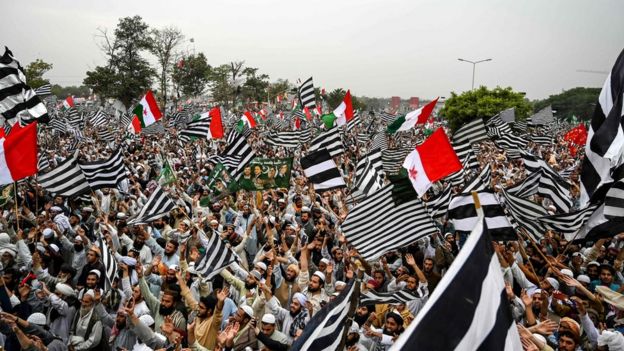
Thousands of Islamist protesters determined to topple Prime Minister Imran Khan's government have gathered near Islamabad. They are being led by a cleric who is ready to storm into the capital if Khan doesn't step down.
Hundreds of thousands of anti-government protesters have camped outside Islamabad, waiting for an order from Muslim cleric Maulana Fazlur Rehman to march toward Prime Minister Imran Khan's house in the Pakistani capital.
Rehman initially set a 48-hour deadline, expiring Sunday evening, for Khan's resignation. However, on Sunday, Rehman decided to extend the two-day deadline until a final decision by all opposition parties at a conference, which will be held soon.
"This is a peaceful rally and we are peaceful people; therefore we want to stay peaceful, otherwise this [crowd] has the strength to go to the prime minister's office and arrest him," said Rehman, 66.

'Long marches'
Starting their rallies in the southern city of Karachi on October 27, anti-government protesters marched through various major cities of the South Asian country, finally reaching their destination, Islamabad, on October 31. The demonstrators intend to protest for days — maybe weeks. Their sole demand is that Khan, who came to power in August last year, must tender his resignation to pave the way for fresh elections.
Rehman, a powerful religious figure and head of the Jamiat Ulema-e-Islam (JUI-F) party, claims that Khan came to power through rigged elections.
The cleric is backed by Pakistan's major opposition parties, including the Pakistan Muslim League (PML-N) of three-time former Prime Minister Nawaz Sharif, and the Pakistan People's Party (PPP), headed by former President Asif Ali Zardari and his son, Bilawal Bhutto-Zardari.
Such "long marches" have become a common occurrence in Pakistan, with some religious organizations previously attempting to put the capital under siege and resorting to violence.
Who is Rehman?
Rehman is not a typical Islamist cleric, though. He is the head of a powerful right-wing party that regularly contests elections and believes in parliamentary democracy.
Rehman was a member of the National Assembly (lower house of parliament) between 1988 and May 2018 and served as leader of the opposition in parliament from 2004 to 2007. In May 2014, former Prime Minister Sharif appointed him as the chairman of the parliament's Kashmir committee.
The cleric also had close ties with another former premier, Benazir Bhutto, who was assassinated at a public rally in Rawalpindi city in 2007.
Rehman's JUI-F party lost to Khan's Pakistan Tehreek-e-Insaaf (PTI) in the July 2018 general elections.
Pro-Taliban leanings
Nonetheless, Rehman's politics remain hard-line Islamic, with his party demanding that the country's laws be aligned to Islamic principles.
After the US invasion of Afghanistan in 2001, Rehman led several anti-American rallies and pro-Taliban demonstrations in the major cities of Pakistan. Hailing from the northwestern Pashtun-dominated province of Khyber Pakhtunkhwa, he is also known for his close relations to the Afghan Taliban.
Rehman's leanings, thus, are problematic for the country's liberals: On the one hand, they are against Khan's rule; on the other, they're unsure about supporting a pro-Taliban politician.
Shrinking space for liberal parties
When it comes to supporting the Taliban, Khan is no different to Rehman. The prime minister has been critical of the US presence in Afghanistan and many a time has dubbed the Taliban insurgency a "resistance movement" against foreign oppression.
Last year, Khan defended his country's controversial blasphemy laws, and his party has been accused of funding religious seminaries in Khyber Pakhtunkhwa province.
After winning the 2018 polls, the premier vowed to build Pakistan on the lines of the theocratic "state of Medina," which was founded by Prophet Muhammad in the year 622.
Khan and the country's powerful army are also on the same page over a number of national security and foreign policy matters. His closeness to the military generals has drawn the criticism that the army generals brought him to power last year by rigging elections, a claim the military categorically denies.
The cleft stick
The liberal parties are thus in a dilemma. If Rehman accomplishes his objective and forces Khan to resign, snap elections would be called. That would be a blow to the military establishment and weaken its grip on state affairs. But at the same time, Rehman and other religious clerics would have the upper hand in Pakistani politics in the future. And no government could complete its term in the future if religious groups, which have massive street power, decide to march toward the capital to overthrow an elected government. Ironically, Khan himself staged a long sit-in in Islamabad in 2014 to overthrown then-premier Sharif.
"The liberal parties and groups are in a state of confusion. The main issue is that Maulana Fazlur Rehman had initially given a religious color to his march, but he later decided to accommodate other parties like the PPP," Ali K. Chishti, a Karachi-based security analyst, told DW.
"On the other hand, the incumbent government is running the country like a 'fascist' regime, restricting the freedom of speech and targeting its opponents. Hence, the liberals are facing a predicament," he added.
Some rights activists say that liberals can't sit back and be neutral at this decisive moment. They will lose their relevance even further if they just allow one conservative group to take on another and do not do anything themselves.

Sunday, November 3, 2019

Video Report - #PPP Bilawal Bhutto Media talk in Bahawalpur | SAMAA TV | 3 November 2019

Unmarried women in Pakistan - Pushed to the margins

Sabahat Zakariya

 We need to talk about unmarried women in Pakistan and their right to lead dignified, meaningful and fully realized lives.
A smart and capable young woman once told me a story that defies credulity: she filed for divorce to get away from her abusive marriage and returned to her parents’ home, continuing to live with them for several months till she fell in love with another man, married him and moved out of the country. Her relatives still think she is married to the first husband, who coincidentally, has the same name as her second, obviating the need to go through the dreaded ordeal of explaining her divorce to her extended family. “He even has the same height and somewhat similar features, so relatives who now see us mostly in pictures on Facebook cannot tell the difference,” she tells me with no inconsiderable relief. The facts of her case may sound extraordinary but she is by no means the only woman I know expending all her energies on successfully keeping her life under wraps. Subterfuge is at the core of Pakistani womanhood whose fundamental tenet is to successfully conceal any signs of desire, ambition and difference.
Accompanying divorce or the contemplation of it is that most dreaded notion now made famous by internet memes: loag kya kahein ge? (what will people say?) In deference to this fear many divorced Pakistani women either choose to call themselves ‘separated’, that much more palatable desi euphemism, or simply pretend to be still married, making for a surprising number of grown-up women from economically advantaged backgrounds pushed to hide the reality of their existence from their peers and relatives. Not being able to express your personhood is an affront to the fundamental human right to dignity and self-expression, and divorced women in Pakistan are intimately familiar with this notion – whose existence may not be legally criminalised as is, say, some blaspheming minority, but who are nonetheless forced to dwell in the murky shadows of shame and self-loathing, pushing them to the margins of the endless cycle of weddings and funerals that comprise the social landscape of a Pakistani family.
We need to talk about unmarried women in Pakistan in the same breath as religious minorities and marginalised ethnicities, for their right to lead dignified, meaningful and fully realised lives is as difficult as some of the most imperiled groups in the country. Traditionally, women’s rights movements here have fought for legislative change, operating under the assumption that a change in law will automatically bring redressal for millions of women, but too often persecution is hard to contain in concrete little boxes that can be aired as evidence in a court of law.
If you choose to lead a life beyond parents and husbands, goes traditional Pakistani wisdom, you will choose a life of isolation and irrelevance, or worse —debauchery.
Beyond the reality of official discrimination, most women’s ability to leave a bad marriage is thwarted by a complex mix of social factors, among them lack of financial means to support themselves; shortage of emotional assistance from families; the difficulty of getting the “permission” to live alone; issues of space (physical and metaphorical) when returning to live with parents; choice between restrictive women’s hostels and prohibitively expensive apartments; real and perceived security fears that dog women living on their own; dearth of social events unconnected to weddings and births; scarcity of positive media representations; lack of sexual freedom and the fear of letting down the family’s “honour”.
Despite rapid urbanisation, carving out a life beyond familial imperatives is still an alien and deeply daring concept in 21st century Pakistan. Our cities with their staggering numbers still don’t afford women the kind of anonymity and economic opportunity that would make alternative lifestyles a reality, affording no equivalent of 19th century New York city, where women from rural settings arrived with bags and baggage to start a new life of adventure and hardship, but also romance and opportunity. If you choose to lead a life beyond parents and husbands, goes traditional Pakistani wisdom, you will choose a life of isolation and irrelevance, or worse, debauchery and degradation. A divorced woman, as every frustrated uncle in his 50s knows, is ‘fair game’.
Some, though, are attempting to carve out niches within these seemingly immutable structures. Mehreen* is one of them. Above the chatter of a small café run by two single women, I fascinatedly probe her about her lifestyle post-divorce. Unlike most divorced women I know she did not return to her parents’ home after filing for khula, taking her young son instead to a friend’s who lived on her own in a three-bedroom flat in a newly built apartment complex. They now share the apartment, its rent, and occasionally even caregiving responsibilities. “I dreaded going back to my parents even more than staying on in my marriage,” says Mehreen. “I knew going back was just as good as going to prison, but living with Hamna* has given me a sense of possibility and the groups of single women who often come to the café to vent have provided me with a sense of community.” Child care is still really hard in the absence of supportive families and a negligent state that has no interest in legislating alimony for divorced women and enforcing decent child support that reflects the actual cost of living. “I haven’t told anyone at work about my divorce, though,” she adds. This admission shatters the myth of the thriving divorcee I had just constructed. Why, I ask. “Because once they know I need my job and don’t just do it as a bored rich begum their attitudes will change. There are also the unwanted advances based on assumptions about sad and lonely divorcees, or even glances of sympathy and commiseration that I’m just not interested in.”
On our television screens the perpetually suffering creature or the threatening ‘other woman’ are the only two stereotypes allowed to divorcees. There are no complex depictions of the life of intelligent, independent women or those who aspire to be so, and in the absence of such media representations it is hard to recast and reimagine Pakistani womanhood in the 21st century.

http://tns.thenews.com.pk/big-break/#.Xb9IwOhKjIU

زرداری کو کرپٹ کہنے والوں کو چیلنج!

تحریر: امام بخش
آئین شکن ضیاءالحق نے پاکستان پر لاتعداد بُرائیاں مسلط کیں، جن میں سے ایک برائی جھوٹے پروپیگنڈے کو بامِ عروج تک پہنچا کر عوام کی ظالمانہ انداز میں برین واشنگ تھی، جس نے وطنِ عزیز میں دُور رس اور بھیانک نتائج مرتب کیے۔ ضیاءالحق نے پروفیشنل پروپیگنڈسٹوں کے ذریعے عوام کے ذہن و دماغ اور جذبات پر اثر انداز ہو کر بھٹو خاندان کے خلاف بھرپور نفرت پھیلائی۔ اس دور میں ضیاءالحق کی نگرانی میں بھٹو خاندان کے بارے میں مبالغہ آرائی کا رنگ جتنا بھرا جا سکتا تھا بھرا گیا۔ ضیاءالحق کے بعد یہ وراثتی پروپیگنڈہ اُس کی معنوی اولاد نے بھی مُسلسل جاری رکھا ہوا ہے اور اپنی سیاست اسی اصول کے مطابق چلا رہے ہیں۔ شر کی سمندر، جھوٹ کی سوداگر اور عادی تہمت طراز  ضیاءالحق کی اسٹیبلیشمنٹی اور صحافتی بیوائیں بھی ضیاءالحقی اولاد کا بھرپور ساتھ دے رہی ہیں۔
جب آصف علی زرداری محترمہ بے نظیر بھٹو شہید کی زندگی میں آئے تو ضیاءالحقیوں نے بے نظیر بھٹو کو زیر کرنے کے لیے انھیں آسان ٹارگٹ سمجھ کر ان کے خلاف بھرپور منفی پروپیگنڈہ شروع کر دیا، جس میں یہ کافی حد تک کامیاب بھی ہوئے۔ آج اگر آپ اپنے اردگرد دیکھیں تو آپ کو ہر طرف برین واشڈ دولے شاہی چُوہوں کی بھرمار نظر آئے گی، جو ضیاءلحقی تعلیم کا مکروہ اور بَدبُودار ثمر ہیں۔ یہ وہ نسل ہے جو دلیل و ثبوت کے بغیر ہی آصف علی زرداری کو دنیا کا سب سے بڑا کرپٹ شخص سمجھتی ہے۔ بعض اوقات تو ایسے لگتا ہے کہ یہ برین واشڈ دولے شاہی چُوہے نفسیاتی بیماری ”ہائیپو کانڈریا“ کے مریض ہیں کیوںکہ اس مرض میں انسان اپنے دماغ میں ایک غیر حقیقی دنیا آباد کر لیتا ہے اور یہ اس غیر حقیقی دنیا کو ایمان کی حد تک حقیقی سمجھ بیٹھتا ہے۔
آصف علی زرداری کے خلاف دولے شاہی چُوہوں کی نفسیاتی بیماری کی شدت کا اندازاہ اس بات سے لگایا جا سکتا ہے کہ 1987ء سے لے کر آج تک یہ آصف علی زرداری کے خلاف میڈیائی طبلوں کی دروغ گوئی پر اعتبار کر کے ہزاروں بار بے عزت ہو چکے ہیں مگر یہ کوڑھ مغز بے ضمیرے ہر بار زرداری کے خلاف جھوٹی خبر پر پھر سے پورے جوش کے ساتھ بے عزت ہونے کے لیے تیار ہوتے ہیں۔ آہ! بے چارے دولے شاہی چُوہوں نے کیا ذلت والی قسمت پائی ہے۔
ہم نے اپنی زندگی میں آصف علی زرداری کے خلاف بہت بڑی تعداد میں رٹی رٹائی گردانوں والے باکمال برین واشڈ دولے شاہی چُوہے دیکھے ہیں، جو ضیاءالحقیوں کے مائنڈ کٹنرول سسٹم کے شکنجے میں اپنا دماغ گروی رکھے ہوئے ہیں اور سوچے سمجھے بغیر زرداری کے خلاف جھوٹے الزامات کی منادی کرتے ہیں۔ ہم نے جب بھی اُن سے دلیل اور ثبوت پوچھے تو وہ لاجواب ہو کر بھی شرمندہ نہ ہوئے، بلکہ اُنھوں نے اپنی جھوٹی گردانیں جاری رکھیں۔ ہم یہاں واضح کرنا چاہتے ہیں کہ ہم نے زرداری کی نفرت میں جلنے تڑپنے والے فقط برین واشڈ دولے شاہی چُوہوں سے دلیل و ثبوت نہیں پوچھے بلکہ جھوٹ اور دروغ گوئی کی ہتھیار سازی میں یدِطُولٰی رکھنے والے اُن میڈیائی طنبوروں سے بھی پوچھ چکے ہیں، جو تھوک کے حساب سے دولے شاہی چُوہوں کی پروڈکشن دے رہے ہیں، مگر وہ بھی آج تک سبھی کے سبھی لاجواب ٹھہرے۔ ہونا تو یہ چاہیئے تھا کہ لپکتی ہوئی دوشاخہ زبانیں اپنے حلقوم میں واپس چلی جاتیں، تاہم ایسا نہ ہوا، تیزاب میں ڈبو کر نفرت کے قلم سے زرداری کے خلاٖف دھڑا دھڑ فردِ جرم لکھی جا رہی ہیں۔
آج ہم نے ایک بار پھر دروغ گو پروپیگنڈسٹوں اور برین واشڈ دولے شاہی چوہوں کا ضمیر جھنجوڑنے کا فیصلہ کیا ہے، لہٰذا اُن سے مندرجہ ذیل سوالات ایک بار پھر سے پوچھتے ہیں:
  1. کوئی ایک مقدمہ یا الزام جو آصف علی زرداری کے خلاف عدالت میں سچ ثابت ہوا ہو اور وہ اُس میں باعزت بری نہ ہوئے ہوں؟ فقط ایک مقدمہ درکار ہے۔
  1. آصف علی زرداری کے خلاف مقدمہ بنانے یا بہتان تھوپنے والا کوئی ایک شخص دکھا دیں، جس نے زرداری سے معافی نہ مانگی ہو اور اِقرار نہ کیا ہو کہ وہ مقدمہ یا الزام جھوٹا تھا۔ مزیدبرآں، اگر مقدمہ بنانے والے نے بظاہر معافی نہ مانگی ہو مگر اُس نے اپنے عمل سے یہ ثابت نہ کیا ہو کہ وہ جھوٹا تھا اور آصف علی زرداری سچا؟ فقط ایک شخص بتا دیں!
  1. آصف علی زرداری نے ستائیس سال تک جھوٹے مقدمات بھگتے، کوئی مقدمہ ثابت ہوئے بغیر پوری جوانی پُرتشدد جیلوں میں گذار لی۔
    کیا کبھی زرداری نے کوئی آئین شِکنی کی یا کسی آئینی ادارے کی توہین کی؟ کبھی عدالتوں سے (عمران خان کی طرح) مفرور ہو کر اشتہاری ہوئے؟ کیا عدالتوں پر (شریفوں کی طرح) حملے کیے؟ اگر زرداری نے (شریفوں کے برعکس) چیف جسٹس یا عدالتِ عظمٰی تو کیا کسی ڈسٹرکٹ جج کے خلاف بھی ایک لفظ بولا ہو تو ضرور رہنمائی فرمائیں؟
  1. آصف علی زرداری نے حکومت میں آ کر اپنے خلاف جھوٹے مقدمات بنانے اور اذیتیں دینے والے کسی ایک سیاسی مخالف کے خلاف کسی حکومتی ادارے کو استعمال کیا ہو؟ شریفوں کی طرح ججوں کو فون کیے ہوں اور ملی بھگت کی ہو؟ یا آئین و قانون سے روگردانی کرتے ہوئے اپنی بیوی محترمہ بے نظیر بھٹو شہید تک کے قاتلوں کے خلاف قانون کو اپنے ہاتھ میں لیا ہو؟ فقط ایک مثال درکار ہے۔
  1. اگر پروپیگنڈسٹ اور برین واشڈ دولے شاہی چوہے مندرجہ بالا سوالات کے جوابات دینے سے قاصر ہیں تو اُنھیں ایک اور آئینہ دکھاتے ہوئے ایک مزید سوال پوچھتے ہیں۔
    آصف علی زرداری کے خلاف سب سے زیادہ منفی پروپیگنڈا دو جمُورا پارٹیاں یعنی ضیاءالحقی (نُون لیگ) اور پاشائی (پی ٹی آئی) کرتی ہیں۔ آج ضیاءالحقی پارٹی کا سب سے بڑا عہدیدار یعنی صدر (نواز شریف) اور پاشائی پارٹی کا دوسرا بڑا عہدیدار یعنی جنرل سیکریٹری (جہانگیر ترین) کرپشن کی مد میں تاحیات نااہل ہو چکا۔ پھر بھی ان پارٹیوں کے لوگوں کی گز گز بھر لٹکتی زبانیں زرداری کو کرپٹ کہتی ہیں۔ کیا آپ اس بات کو رد کر سکتے ہیں کہ آصف علی زرداری سچا ہے، جو عدالتوں سے باعزت بری ہو چکا یا عدالتوں کی توہین کرنے والی یہ جمُورا پارٹیاں غلط ہیں، جن کے بڑے عہدیدار کرپٹ ثابت ہو چکے ہیں؟
اگر پروپیگنڈسٹ اور برین واشڈ دولے شاہی چوہے مندرجہ بالا سوالات میں سے فقط ایک کا ہی جواب دے دیں تو ہم اُن کے ہم خیال ہو جائیں گے۔ ورنہ اُن کو سوچنا چاہیئے کہ وہ کس راستے پر چل رہے ہیں؟ وہ مت بھولیں کہ اللہ تعالیٰ نے قرآن کریم میں جگہ جگہ تحقیق کرنے کا حکم دیا ہے۔
فرمان باری ہے: اے ایمان والو! اگر تمہارے پاس کوئی فاسق شخص خبر لے کر آئے تو خوب تحقیق کر لیا کرو۔
حدیث نبوی ہے کہ "کسی انسان کے جھوٹا اور ایک روایت کے مطابق گناہ گار ہونے کیلئے اتنا ہی کافی ہے کہ ہر سُنی سُنائی بات (بغیر تحقیق کے) آگے بیان کر دے”۔

Who is Fazl-ur-Rehman, and Can He Topple Pakistan’s Hybrid Regime?


The cleric’s ‘Azadi March’ is now in Islamabad. But to succeed he must get the Pakistan Army, which is backing Imran Khan, to blink first.
Maulana Fazl-ur-Rehman, leader of the religio-political Jamiat-e-Ulama-e-Islam (JUI), has arrived in the Pakistani capital at the head of a massive protest rally, dubbed the Azadi March.The declared intent of the maulana – as he is called by his friends, followers and foes – is to send the army-installed, army-backed government of the Prime Minister Imran Khan, packing. He is joined by an array of opposition parties including the Pashtun nationalist Awami Nation Party (ANP) and Pashtunkhwa Milli Awami Party (PMAP), the centrist Pakistan Muslim League Nawaz (PMLN), the center-left Pakistan Peoples Party (PPP), and the religious but doctrinally different Jamiat-e-Ulama-e-Pakistan (JUP). The PMLN and the PPP are reluctant partners, among this lot.
Who is Fazl-ur-Rehman, what does he want, and why does he want it now?
The maulana has been a fixture in Pakistani parliamentary politics since 1988. But he cut his political teeth as an opposition leader when, in the fall of 1980, he assumed the leadership of the JUI – a post-partition Pakistani reincarnation of the Jamiat-e-Ulama-e-Hind – after the demise of his father, Maulana Mufti Mahmood.
Prior to that the maulana had seen his father lead a fairly popular opposition campaign against Zulfikar Ali Bhutto, after the latter’s minions allegedly rigged the 1977 elections. The late Mufti Sahib, a graduate of Dar-ul-Uloom Deoband, was the first elected chief minister of Pakistan’s present-day Khyber-Pakhtunkhwa (KP) province in a coalition with the leftist-socialist National Awami Party (NAP). After that coalition’s Balochistan government was unconstitutionally dismissed by Zulfikar Ali Bhutto in 1973, Mufti Mahmood resigned in protest and solidarity with the NAP. And when Bhutto’s underlings allegedly stole the 1977 general elections, Mufti Mahmood cobbled together an opposition coalition called the Pakistan National Alliance (PNA), which took to the streets in several cities. The mayhem paralyzed the Bhutto government, which imposed martial law in three cities and provided an opportunity for General Zia-ul-Haq to impose a country-wide martial law. The maulana thus came of age while his father organized a protest movement and spent time in prison or under house arrest.
Immediately after assuming charge of the JUI, Fazl-ur-Rehman – aged 27 or 28 at the time – joined hands, in February 1981, with Bhutto’s PPP, and the Pashtun nationalist National Democratic Party, the leftist-Marxist Pakistan National Party, and assorted other parties to launch the Movement for the Restoration of Democracy (MRD) against the brutal military regime of General Zia-ul-Haq, which lasted till the death of the dictator in an air crash in 1988. The Maulana’s years in the MRD were marked by tactful agitational politics in which he spurned the military’s moves to co-opt him.
Those days also overlapped with the Pakistani-US-Saudi jihad venture against the Soviets in Afghanistan. Unlike the Jamat-e-Islami Pakistan, which contributed men, material and mindset for that unholy war, the JUI under the maulana remained out of that fray.
In fact, the maulana was perceived to be close to the Arab secularists like Muammar Gaddafi in that era, rather than the pan-Islamist jihadists.
Supporters of religious and political party Jamiat Ulema-i-Islam-Fazal (JUI-F) listen to the speech of their leaders, during what they call Azadi March (Freedom March) to protest the government of Prime Minister Imran Khan in Lahore, Pakistan on October 30, 2019. Photo: Reuters/Mohsin Raza
The JUI’s faction led by the maulana did not join the army-sponsored elections alliance in the November 1988 elections, when democracy was eventually restored. But his election to the National Assembly that year whetted his appetite for power politics.
While steering clear of the army-orchestrated alliances, the JUI developed a knack for staying relevant in KP and Balochistan politics and at the centre, where their votes could make or break governments. The JUI did not participate in the 1980s Afghan jihad or partake in the largesse that came with it, but eventually it did provide ready recruitment grounds for the Taliban in the late 1990s and onwards, though its vast madrasah network. It was duly rewarded by General Pervez Musharraf in 2002, when he enabled them to form the government in the KP and become the senior partner in Balochistan. Musharraf did not want the post-9/11 world to see a Muslim cleric at the helm in the federal government and opted to choose a different coalition for the Centre. However, the maulana got the coveted slot of the opposition leader. When Musharraf was finally ousted by street protests spearheaded by lawyers after he dismissed over 50 judges of the superior judiciary including the Chief Justice of Pakistan, the maulana’s support to that movement was tepid. He was widely seen as a pragmatist who, while sticking to the constitution, was willing to do business with the usual power brokers, including the army and the mainstream political parties. He held various parliamentary committee chairmanships like foreign affairs and Kashmir, for years. He was willing to play ball. What has changed now
The paradigm shifted when the Pakistan army decided to put its weight behind Imran Khan and his Pakistan Tehreek-e-Insaf (PTI) in 2011 and 2013, and then opted to install him as prime minister through a manipulated election in July 2018. The maulana and his JUI lost, or were made to lose, their traditional bastions to the PTI upstarts. He was livid, and instantly cried foul. He pointed the finger of blame at the country’s powerful security establishment – a euphemism for the army and its Inter-services Intelligence Directorate (ISI).
The maulana was not the only or biggest loser in 2018. The PMLN lost both its home province, Punjab, and the federal government, by a razor-thin majority, to the PTI. The stage was set for a hybrid regime, where the army controlled everything from fiscal to foreign policy but had Imran Khan as its civilian fig leaf. While the PMLN was the biggest loser in how this played out, the maulana was the loudest critic. He instantly called upon the other aggrieved parties to boycott the rigged parliament and join him in agitation. While the JUI – with no seats in the National Assembly and only a few senators – had not much to lose, the PMLN and the PPP had a sizeable parliamentary presence and were unwilling to annoy the army. PMLN supremo Nawaz Sharif tended to agree with the maulana but his brother, Shehbaz Sharif, and a coterie of advisors felt that it was a matter of time before the army’s Imran Khan project went belly up and it would be forced to engage with them again. The maulana, however, saw things differently and, in my view, presciently. The army or more specifically its current chief, General Qamar Javed Bajwa, are in it for the long haul. They want Imran Khan to rule for at least 10 years. This is not a diluted democracy but a full-blown hybrid regime where the army is the actual ruler and Imran a figurehead.
In their infinite wisdom, General Bajwa and his tribe have decided that pliable one-party rule a la China is what Pakistan needs. They are hell-bent upon eliminating all political opposition, muzzling the free press, and hounding the independent voices among civil society. It is an illiberal democracy to the core.
Supporters of religious and political party Jamiat Ulema-i-Islam-Fazal (JUI-F) listen to the speech of their leaders, during what they call Azadi March (Freedom March) to protest the government of Prime Minister Imran Khan in Lahore, Pakistan on October 30, 2019. Photo: Reuters/Mohsin Raza
The wily maulana read the picture correctly. He realised that while he was not a direct threat to the army’s domestic or cross-border projects, they still wanted a more monolithic political dispensation to suit their domestic and foreign agenda. Add to this the personal insults and trashy abuse thrown at him by Imran Khan and his supporters, and the maulana was convinced that he has to get even with the PTI leader and his army backers; ergo, the Azadi March.
The maulana tried to convince the PPP, PMLN, ANP, PMAP and others that the army and its political façade i.e. Imran Khan, are extremely vulnerable, especially when the Pakistani economy is tanking and there is palpable unease among the population about the sky-rocketing prices and plummeting job and business opportunities.
But the PMLN and the PPP, who think that they still have a stake in the system despite the dice being loaded against them, spurned the maulana’s desire to launch a movement. It was only after an ailing and incarcerated Nawaz Sharif put his foot down that his party agreed to support the Azadi March, albeit half-heartedly. The PPP, on the other hand, felt that it has little chance to form a federal government even after a fair election, and confronting the army might mean losing its provincial stronghold of Sindh. The Pashtun nationalist parties, the ANP and PMAP, have been in the same boat as the maulana, and agreed with his instinct but doubted his intentions.
Eventually, the assorted opposition parties were forced to join the maulana, albeit reluctantly, by a constellation of factors, including Imran Khan’s arrogance, the PTI’s incompetent governance, and the growing public disillusionment with the government. After much ado, the opposition parties finally agreed to join the maulana’s march, for which his JUI had been preparing for several months and he decided to descend upon Islamabad.
What happens next?
The maulana’s historical experiences and the speech he made on his first day in Islamabad indicate that he is in for a longer haul than most of us expected. He hasn’t mobilised these massive crowds from all over Pakistan to only extract a few seats in parliament or a committee chairmanship. He is fighting a battle for his political survival and wishes to return triumphantly, with a political scalp. He has demanded the resignation of Prime Minister Imran Khan and new elections, from which the army must stay away. He has called for the “institutions” – a thinly-veiled reference to the military – to stay out of the political fray and let the opposition and Imran Khan duke it out. The director general, Inter-Services Public Relations (DG ISPR) took the bait and asked the maulana to not drag the army into politics, only to be snubbed by the slick politician that by commenting on the evolving political situation the general was doing exactly that himself. The maulana is gradually escalating the rhetoric and seems keen on forcing the army to show its colours first, and then its hand.
But can the maulana, with some reluctant and some ardent partners by his side, really topple Imran Khan, though a prolonged peaceful protest? Chances are that he cannot. Knowing Imran Khan, one can safely say that he will not resign unless he is forced to. Khan is also boldened by the fact that General Bajwa – whom he has given a three-year extension as the army chief – stands firmly at his back. The maulana, thus, would have to do two things: prolong his protest and broaden his demands. The notification for the army chief’s extension has not been made public yet and therefore makes him vulnerable, as his original term ends this month. If the maulana can openly challenge the extension, he’d grab Bajwa by his Achilles’ heel.
There is little doubt that Bajwa and Imran Khan will sink or swim together. Getting one will get them both. But they are unlikely to cave in without a showdown. The maulana’s options include keeping his march focused on Islamabad and its surrounding area, including the twin city Rawalpindi, where the army is headquartered. An Islamabad-centric protest has been the trend in Pakistani politics since the 1990s, including when Imran Khan – helped by army spooks – camped out in the capital, for months, against Nawaz Sharif in 2014.
On the other hand, the old PNA and MRD templates were to organise protests in multiple urban centers simultaneously or sequentially to build up to a crescendo. The calculus, as always in agitational politics, remains that by paralysing the government and challenging its writ, the opposition can force it into doing something rash and potentially violent. And any violence on the part of the government and security agencies against peaceful protestors is almost never sustainable and is a surefire way of earning the latter public sympathy.
The maulana, however, would be dependent upon the PMLN and to a lesser extent the PPP, for a level of legitimacy during and after a potentially successful agitation. The army is in a tight spot. Its pet project is in jeopardy and Pakistan’s domestic and international woes make it impossible to impose martial law. If the opposition shows staying power, the junta can be made to blink.
The maulana has given a two-day ultimatum to Imran Khan, and by proxy to his army backers. What agitational rabbit he can pull out of his turban on day three remains to be seen. As is the extent to which the Pakistan army and its chief are willing to go to save their pet project.
https://thewire.in/south-asia/who-is-fazl-ur-rehman-and-can-he-topple-pakistans-hybrid-regime/amp/

Over 30 percent of Pakistan’s workers laid off amid economic meltdown — industry insiders

  • During the last fiscal year, a million people lost jobs and four million were pushed into poverty: Dr. Hafiz Pasha
  • “Unprecedented severity” is squeezing the middle class that brought the PTI government to power
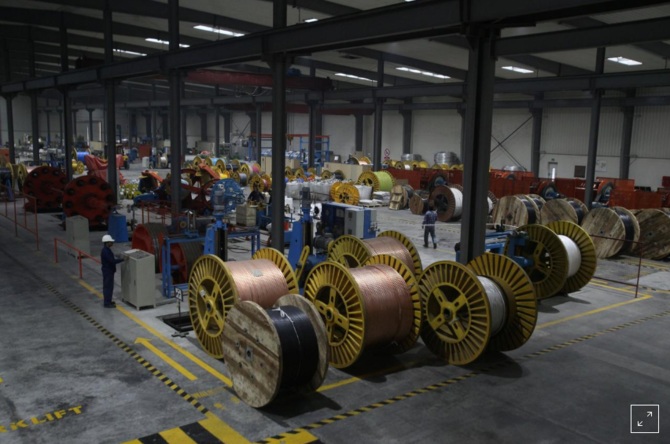
Pakistan’s economic meltdown has eroded between 30 and 40 percent jobs from the country’s labor market, pushing more people below the poverty line, as the country takes tough measures to implement conditions attached to an International Monetary Fund (IMF) bailout package, traders and economists said.Pakistan’s ruling Tehreek-e-Insaf (PTI) came into power on the back of promises to provide 10 million jobs last year, but is struggling to retain even existing jobs as the country’s economic growth plummeted from 5.8 percent to 3.3 percent in the last fiscal year, and is predicted to slow down further to 2.4 percent in the current fiscal year, FY20.The country, that signed off on a $6 billion stabilization program from the IMF has implemented tough taxation measures, increased tax rates and prices of energy, and devalued its currency more than 40 percent while jacking up key interest rates to 13.25 percent. These measures have declined industrial production and aggregate demand resulting in more unemployment in society, according to experts and industry insiders.
“Last year, it is estimated that around one million people lost (their) jobs, and this year as the economy has slowed down it is expected that around 800,000 to one million more people will be rendered jobless,” Dr. Hafiz A. Pasha, senior research economist and a former finance minister of Pakistan, told Arab News.He blamed the government’s negotiations of the IMF stabilization program, and compared the current state of Pakistan’s economy with a “vehicle stopped in a way...that it has completely collapsed.”“The budget is heavily taxing basic commodities and services. The speed and nature of adjustment is all flawed. During 2018-19, four million more people became poor. That may be the same or more this year,” he said. In recent years, import-led consumption had propped up growth in the South Asian country of 208 million people, and helped hide the problems of an economy riddled with inefficiency and without a strong export base.Now, industrialists and traders say every sector of the economy is bearing the brunt of the economic meltdown, which has forced industries to cut back on their production and manpower as demand dries up. “The auto-industry has started closing down, and the production has reduced by more than 50 percent,” Dr. Mirza Ikhtiar Baig, Senior Vice President of the Federation of Pakistan Chambers of Commerce and Industry, told Arab News.“Similarly, the same situation is (being faced by) our textile industry. The banks charge interest rates at 16-17 percent due to which the financial cost...has become very expensive,” he said. “The defaults (on loans) are now becoming higher... the default of only the textile sector is 30 percent as of today,” Baig said.
This week, Indus Motors, the makers of Toyota cars, announced a shutdown of their manufacturing plant in Pakistan for the rest of September, following a fall in the sale of vehicles as car prices skyrocketed, due to rupee depreciation and taxation measures. “This is painful,” Baig said. “I can’t quantify it, but the job cuts are in lacs (hundreds of thousands). Every industry has laid off workers and closed down shifts,” he said. With an estimated job multiplier of up to eight times for every direct job in the auto sector, auto assemblers and the auto vendor industry is on edge.
“Car makers have reduced their shifts, cut down their working hours and are sending workers on compulsory holidays. Sales are down 60-70 percent,” Aamir Allawala, a leading auto-parts maker, told Arab News. “A similar slump has been recorded in the production of motorcycles, tractors, trucks and buses,” he said. As bigger industries face the challenges of survival, the country’s small businesses now find themselves on the brink of collapse, with Khan’s government facing mounting pressure as rising prices squeeze the middle class that helped carry it to power. “The demand of jewelry has eroded by 50 percent which has forced about 30-40 percent highly skilled workers to look for other options like selling vegetables, bread etc.,” Mairaj Ahmed Khan, President of the All Pakistan Zargaran Jewelers and Gems Association, told Arab News, with some manufacturers saying they had laid off half their labor force.
“Our business has suffered...because the retailers have no demand. We have reduced about 50 percent of labor because I have no orders. The industry is dying because there is no customer in the market and no demand,” Adnan Qadri, a wholesale jewelry manufacturer, told Arab News. “The severity is unprecedented,” Majyd Aziz, President of the Employers Federation of Pakistan, told Arab News. “And those who become the victims of downsizing or layoffs... the chances are rare that they (will) get jobs easily,” he said, adding that despite an overwhelming inflow of job applications, even ideal candidates had to be turned down.

https://www.arabnews.pk/node/1557676/pakistan